Articles written by
arabian post staff

Prinker, a South Korea–based self-expression technology firm, is launching its full suite of personalization solutions in the Middle East and North Africa region at GITEX GLOBAL 2025, seeking to penetrate a market showing robust growth in beauty and personal care.

At its Dubai showcase, Prinker will debut Prinker POP, a smart beauty kiosk that enables users to mix and preview custom makeup palettes via a touchscreen interface and AI-driven simulation. It will also bring its handheld devices—Prinker S and Prinker M—capable of applying temporary, skin-safe tattoos within seconds, as well as a standalone Prinker Tattoo Kiosk allowing users to self-apply designs in malls or entertainment venues without staff assistance.

The company aims to tap into accelerating demand for experiential retail and personalisation in beauty, positioning itself at the intersection of tech and aesthetics as regional consumers and retailers seek interactive, low-risk forms of self-expression.

The MENA beauty and personal care market is projected to expand sharply, with estimates placing its value at around USD 95.2 billion by 2030 and an annual growth rate of 9.0 %. Rising digital penetration, social media influence, and youthful demographics are driving demand for personalised and immersive beauty experiences.

Prinker’s approach reflects broader industry trends in tech-infused beauty. Beauty firms worldwide are increasingly adopting AR mirrors, AI skin diagnostics, and custom formulation platforms. Yet few have ventured into on-demand, skin-printing devices in public retail spaces. Prinker positions its handheld and kiosk systems as a bridge between digital and physical engagement.

Retailers and salon operators in the region may see appeal in integrating Prinker’s solutions as a customer acquisition tool. By offering interactive touchpoints, brands can boost dwell time and cross-sell products. Prinker’s machines also reduce staff overhead and allow consistent brand experiences across locations.

Prinker’s global track record includes deployments for brand activations and content creation campaigns in Asia and the United States. However, scaling into MENA requires navigating regulatory regimes for cosmetic safety, cultural sensibilities around appearance, and localisation of designs to reflect regional tastes.

Prinker faces competition from AR/VR beauty apps that let users visualise makeup digitally, as well as legacy cosmetic brands developing custom blends in stores. But none currently replicate live, direct-to-skin printing in physical venues. Prinker’s advantage lies in marrying hardware and software with a frictionless user experience.

Executives leading Prinker’s expansion emphasise strategic partnerships. They plan to collaborate with regional beauty chains, department stores and mall operators, integrating kiosks into high-footfall environments. They also intend to localise design libraries—such as Arabic calligraphy motifs and regionally relevant patterns—to enhance appeal.

Analysts note that success will depend on commercial viability: cost per use, durability, and consumer uptake. Prinker will need to balance affordability with perceptible novelty so that users perceive value in transient tattoos or customised palettes.

The U. S. Securities and Exchange Commission’s Division of Investment Management has issued a no-action stance confirming that registered advisers and regulated funds may use state-chartered trust companies for custody of crypto assets without fear of enforcement under certain conditions.

Under the letter released on 30 September, the SEC staff stated it “would not recommend enforcement action” against advisers or funds that treat state trust companies as a “bank” for purposes of holding digital assets and related cash, provided they adhere to strict safeguards and eligibility requirements. The letter stops short of legal advice, but marks a shift in how crypto custody might evolve under federal oversight.

While the no-action relief does not carry the force of a rule, it addresses long-standing ambiguity over whether state trust companies qualified as custodians under the Investment Advisers Act and the Investment Company Act. The guidance is conditional on advisers performing due diligence to confirm the trust’s authority, maintaining audited financial statements, segregating client assets, restricting rehypothecation without client consent, and verifying internal controls.

The SEC’s letter was precipitated by a request from law firm Simpson Thacher & Bartlett on behalf of financial advisers seeking formal assurances about using state trust entities for crypto custody. This marks the second such no-action letter from the agency in short order, reflecting a trend towards regulatory clarity in crypto frameworks.

Proponents argue the move broadens the pool of eligible custodians beyond a small set of federally chartered institutions. Many prominent crypto custodians already operate under state trust charters, including affiliates of Coinbase, Paxos, and others. Under previous regulatory interpretations, these firms faced uncertainty about whether they satisfied the “qualified custodian” requirement.

SEC Commissioner Hester Peirce applauded the letter, saying it ends the “guessing game” that advisers confronted in choosing custody providers. She suggested the guidance could pave the way for future reforms of custody rules that are more flexible and technology-aware. However, Commissioner Caroline Crenshaw dissented, warning that the agency’s move bypasses formal rulemaking and could undermine trust in the regulatory process by favouring state trust firms over applicants seeking national charters.

Market observers welcomed the clarity. James Seyffart, an ETF analyst, described the letter as “a textbook example of more clarity for the digital asset space.” Institutional participants, previously wary of custody risk, may now consider deeper allocations to crypto. The move may also prompt competition from new entrants able to operate under state trust frameworks.

Majid Al Futtaim has opened six HyperMax outlets in Bahrain, coupled with an online store offering, as it pushes its grocery retail ambitions further into the Gulf market. The launch delivers a brand positioned on local produce, value pricing and convenience, aiming to align with Bahrain’s Vision 2030 goals on sustainable growth and economic diversification. With a workforce exceeding 1,600 staff, HyperMax will draw upon partnerships with […]

Ubisoft employees have challenged company leadership about a possible funding partnership with Saudi Arabia tied to new downloadable content for Assassin’s Creed Mirage. Management insists it retains full creative control, but internal concerns focus on ethical and reputational risks. Workers from Ubisoft’s Social and Economic Committee posed questions after the announcement of a free expansion set in AlUla, historically significant as a UNESCO World Heritage site now […]

Frontline medical residents in Nigeria launched a five-day warning strike on Friday, demanding unpaid allowances, salary arrears and better welfare. The strike, ordered by the National Association of Resident Doctors, is a response to what the doctors call government inaction on long-standing financial and professional concerns. NARD Secretary-General Dr. Oluwasola Odunbaku confirmed that work stopped at 8 a. m. across federal and state hospitals. The association insists […]

A senior Tesla engineer has resigned, accusing Chief Executive Elon Musk of leading with what he describes as “seriously compromised” leadership. He claims the company’s mission and integrity are being undermined, citing concerns about dishonesty, manipulation of public discourse and support for climate change denial. Giorgio Balestrieri, who had spent eight years at Tesla and worked on the company’s European energy trading algorithms—specifically the Autobidder platform that […]

A surge in cyberattacks targeting U. S. schools and colleges is being met with increasing resistance, but experts warn that serious vulnerabilities remain. Data from multiple cybersecurity firms and institutions show that ransomware incidents rose by 23% year-on-year for the first half of 2025 among educational organisations—around 130 confirmed or probable attacks—at an average ransom demand of approximately US$556,000. Check Point Research finds that from January to […]

Advertisements

Organisations across Africa, the United Kingdom, the Middle East and Brazil are accelerating a shift away from traditional payroll systems as cloud-native platforms transform how companies manage staff pay, compliance and workforce data. With remote and hybrid workforces now common, employers are under pressure to modernise systems that were built for office-bound staff and paper-based reporting. The payroll function, often overlooked, has emerged as a critical lever […]

Google sealed its acquisition of DeepMind in January 2014 for between $400 million and $500 million, securing a standout team of AI researchers and laying the foundation for its leadership in artificial intelligence. Right from the outset, Google’s purchase endowed it with access to DeepMind’s exceptional talent pool and pioneering work in reinforcement learning—especially its neural Turing machines and early breakthroughs in gameplay AI. This strategic move […]

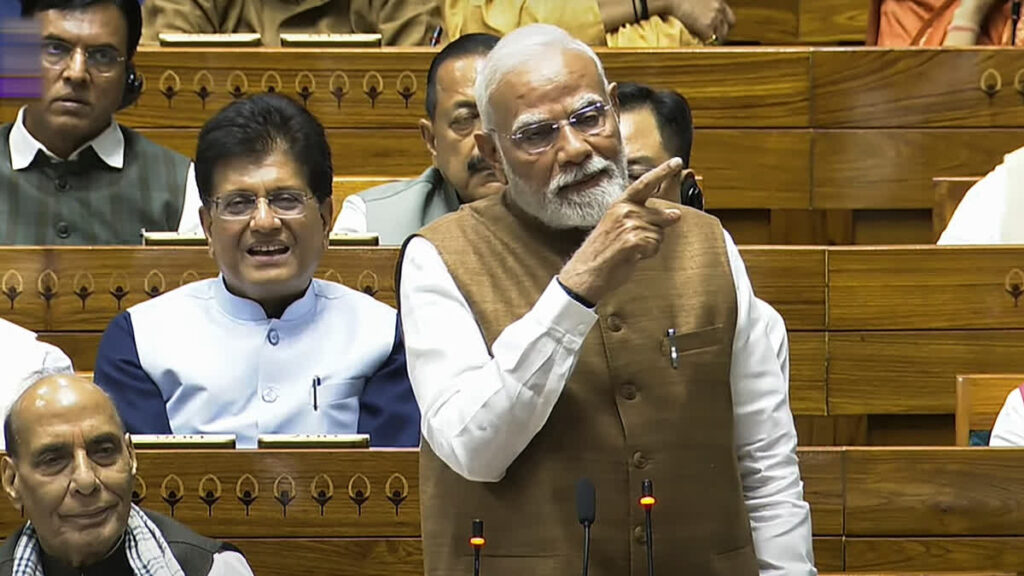
By Nitya Chakraborty Prime Minister Narendra Modi in his long reply to the discussion in Lok Sabha on Operation Sindoor on Tuesday night skillfully avoided the issue of any mediation by the U.S. President Donald Trump by stating that no world leader told India to stop Operation Sindoor. His refrain was that Pakistan DGMO came […]
By Nitya Chakraborty The Left wing section in the Democratic Party in the United States of America led by Senator Bernie Sanders is on upswing even though the party establishment seems clueless to deal effectively with the challenge thrown by the second term President Donald Trump to the very existence of its rival party. After […]

Dubai is known for its vibrant event scene, from corporate functions and exhibitions to weddings, private dinners, and luxury celebrations. With so many events taking place every day, finding the right catering Dubai provider has become an essential part of successful planning. Key Factors to Consider When Booking Catering in Dubai Menu Variety Dubai is a multicultural city, and guests often expect a wide selection of international cuisines. […]

To choose the best creative agency in Dubai, which is located in the center of the innovation hub of the Middle East, it is not enough to just choose a vendor; rather, it is necessary to choose a brand partner for the long term.  The city of Dubai, which is one of the most competitive, multicultural, and technologically advanced marketplaces in the world, demands advertising firms that […]

String.com, launched this week by the Pipedream team, allows users to describe in plain English the AI agent they want, and the platform instantly crafts, tests and deploys fully functional agents without the need for manual coding. This marks a milestone in automation and agentic AI, combining natural language input with backend integration to accelerate deployment of intelligent workflows. The platform’s creator, Tod Sacerdoti, explained that String […]

The Securities and Exchange Commission has placed a hold on Grayscale’s bid to convert its Digital Large Cap Fund into a spot exchange‑traded fund, pending review by the full Commission. The stoppage comes despite staff-level approval and a delegated‑authority green light issued on 1 July for the fund’s listing on NYSE Arca.

With around $755 million in assets, GDLC is heavily weighted towards Bitcoin, with additional holdings in Ethereum, Solana, Ripple, and Cardano. The proposed spot ETF would have been the first U.S. regulated multi‑crypto fund, broadening exposure beyond single‑asset offerings approved earlier.

The SEC’s Acting Division of Trading and Markets approved the listing via delegated authority under Rule 19b‑4. However, under Rule 431, any commissioner can request review—and at least one did on 2 July, triggering an automatic stay of the approval. The Commission has not stated which member requested the review nor provided a timeline for resolving it.

Market analysts suggest the pause may reflect the SEC’s intent to finalise a regulatory framework for spot crypto ETFs—especially products holding assets under unresolved legal status like Solana, XRP, and Cardano—prior to the launch of diversified digital‑asset vehicles. Bloomberg ETF specialist James Seyffart opined that the Commission may be preparing formal listing standards under the 19b‑4 rule before further layered launches.

Grayscale has been converting several trusts into ETFs to close price inefficiencies and align fund prices with net asset value. GDLC tracks CoinDesk’s CoinDesk 5 Index and was trading over-the-counter since 2019. The product had been expected to bring greater liquidity and lower premiums typical of Grayscale trusts.

Financial observers warn that the hold introduces uncertainty for Grayscale, NYSE Arca and other issuers—including Bitwise and Franklin Templeton—who have filed for multi‑asset crypto ETFs and await regulatory clarity. The SEC’s prior approvals for Bitcoin and Ethereum‑only spot ETFs in January and July 2024, respectively, signal cautious acceptance for those assets—but the inclusion of altcoins poses new legal and risk considerations.

Key regulatory questions remain unresolved: the treatment of tokens with ongoing litigation, safeguards against market manipulation, valuation transparency, and asset custody protocols. Rule 431 empowers commissioners to review staff‑level delegations and, once invoked, mandates a suspension of the approval—until the Commission issues a resolution.

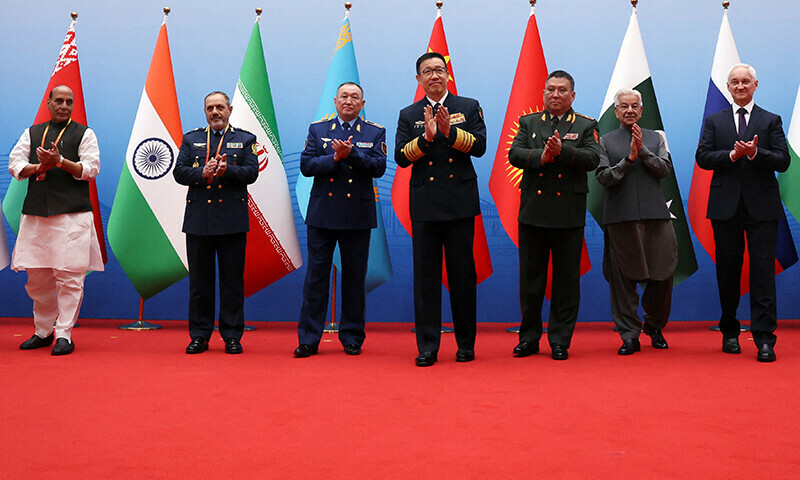
By Nitya Chakraborty India’s total diplomatic isolation was in show in the Shanghai Cooperation Organisation (SCO)’s defence ministers meet in Qingdao city in China on June 25 and 26 when a joint statement was prepared calling upon the members to jointly fight terror but there was no mention of Pahalgam killings on April 22 while […]

 Small and medium-sized companies need more than just spreadsheets and simple systems to be competitive in today’s fast-paced, digital market. They need a single platform that makes finance, operations, sales, and customer support easier. That too, while still being able to grow and provide them real-time data.    Microsoft Dynamics 365 Business Central helps small and medium-sized enterprises run their businesses more effectively. It works well with Office […]

OKX is considering a US initial public offering following its April relaunch in America, which came after the exchange paid a total of $505 million to settle Department of Justice charges for operating without a money-transmitting licence. The settlement comprised an $84 million fine and the forfeiture of $421 million in earnings, predominantly drawn from institutional activity.

The Seychelles-based platform formally pleaded guilty to US anti‑money‑laundering and Know Your Customer deficiencies, marking a significant compliance turnaround. Its re-entry strategy included appointing Roshan Robert, former Barclays director, as its US CEO and establishing a regional headquarters in San Jose, California. The focus is on a phased rollout of a centralised exchange and the OKX Wallet, which supports 130 blockchains and a DEX aggregator with access to more than 10 million tokens.

Insiders suggest that buoyed by regained US compliance and growing user demand, OKX is now assessing an IPO as early as the first quarter of 2026. Such a move would mark its shift from a privately held crypto entity to a publicly accountable company, increasing transparency and potentially assuring investors and regulators alike of its commitment to best practice.

Industry observers note that OKX’s ambition aligns with broader trends in the crypto space. Rivals such as Coinbase underwent similar transitions, leveraging IPOs to enhance visibility and unlock capital for product development. OKX’s path, however, is distinguished by its heavier regulatory baggage and the scale of its US re-entry, which could either strengthen its credibility or raise fresh scrutiny.

Market analysts highlight several factors that could influence the success of an IPO. These include OKX’s ability to sustain compliance upgrades, the performance of its US exchange and wallet division, and the overall sentiment in financial markets towards regulated crypto firms. The firm’s leadership anticipates that demonstrating stringent compliance and deep liquidity will be pivotal in securing investor confidence.

According to statements from OKX’s Star Xu, the exchange aspires to become “the gold standard of global compliance at scale,” an ambition underscored by its decision to engage a compliance consultant post‑settlement.

The timing of the potential IPO is crucial. Market conditions in early 2026 will determine valuation and investor appetite, particularly if macroeconomic headwinds or equity market volatility persist. OKX will also compete for attention with other crypto entrants, including those preparing to go public or seeking regulatory approval for spot Bitcoin ETFs.

OKX insiders stress that success hinges on execution in several areas: maintaining licence approvals in multiple jurisdictions, expanding US user adoption, and integrating fiat ramps to bolster accessibility. The San Jose hub is positioned as a central node for regulatory engagement, staff expansion, and innovation, with the US team reportedly growing aggressively since April.

Should OKX proceed with an IPO, it will signal a full-circle moment—from prosecution and penalties to listing on a major US exchange. The move would also put it in direct competition with publicly traded peers, raising expectations for quarterly reporting, rigorous audits, and adherence to US securities law.

Regulators will likely scrutinise OKX’s filings, probing its past compliance gaps and evaluating its new internal controls. Investors and analysts will examine user metrics, trading volumes, fee structures, and the viability of the wallet service as revenue drivers. The success or failure of OKX’s US debut could shape the narrative for other non-US crypto exchanges contemplating public listings.

Coinbase has received authorisation under the EU’s Markets in Crypto‑Assets regulation through Luxembourg, designating the country as its primary European hub and shifting focus away from Ireland. The approval — the first of its kind for a major U.S. exchange — grants Coinbase a passport to operate across all 27 EU member states.

Luxembourg’s growing financial stature and regulatory strength made it a logical choice, according to Coinbase, which already employs around 200 staff across Europe. The exchange plans to expand its Luxembourg team by at least 20 personnel by year-end. Luxembourg’s regulator declined to comment, but insiders say the jurisdiction sets a “high‑bar” for entry — a stance that counters concerns from other nations about lax standards in smaller markets.

This move underscores a broader shift in the EU crypto ecosystem. Gemini, founded by Tyler and Cameron Winklevoss, is expected to be granted its MiCA licence by Malta, following earlier approvals of OKX and Crypto.com. These licensing decisions highlight the increasing competition among EU member states to attract digital‑asset firms.

Meanwhile, Ireland — previously heralded as Coinbase’s launchpad with an e‑money licence and Virtual Asset Service Provider registration — has lost momentum. Its central bank governor previously warned that crypto often operates like a Ponzi scheme, reflecting a cooler official attitude toward the industry.

MiCA’s passport system allows a single licence to provide regulatory cover throughout the bloc, but some EU financial watchdogs are raising concerns. They argue that rapid approvals in smaller jurisdictions like Malta or Luxembourg could lead to uneven regulatory enforcement, undermining the very protections the framework aims to provide. The European Securities and Markets Authority is reportedly monitoring these developments amid internal discussions about its oversight role.

Luxembourg’s emerging appeal as a crypto gateway appears rooted in its established reputation as a financial centre with robust supervision. In contrast, Ireland’s more sceptical posture may have made it less attractive for firms seeking clearly defined regulatory environments under the new rules.

Market analysts say these MiCA approvals could significantly increase institutional confidence in European digital‑asset markets, offering a model for compliance and consumer protection. However, they warn that inconsistent national implementation could result in “regulatory arbitrage,” where firms exploit jurisdictional loopholes.

The global crypto market, valued at around US $3.3 trillion, is still navigating the fallout from major collapses like FTX in 2022. MiCA marks a pivotal shift toward formal oversight in the EU, aiming to safeguard investors while fostering innovation. The licensing of high‑profile U.S. exchanges such as Coinbase and Gemini represents a critical test of whether this new continental regime can deliver both growth and stability.

U.S. Securities and Exchange Commission chair Paul Atkins has formally withdrawn several cryptocurrency-focused rule proposals initiated under former chair Gary Gensler, representing a decisive shift in regulatory strategy.

At the centre of the SEC’s action are two major proposals: amendments to Exchange Act Rule 3b‑16, which sought to classify decentralized finance protocols as securities exchanges, and the implementation of enhanced custody requirements under the Investment Advisers Act for client crypto assets. The withdrawal, confirmed on 13 June 2025, reflects a broader deregulatory drive under the current administration.

Rule 3b‑16 had been poised to expand the SEC’s definition of “exchange” to include systems bringing together buyers and sellers of securities via smart contracts and other DeFi mechanisms. The proposal would have subjected many decentralised platforms to full regulatory oversight, unsettling industry participants and drawing criticism from blockchain developers and legal experts. Many in the crypto sector argued the move would permanently conflate DeFi infrastructure with traditional securities exchanges, hampering innovation.

The custody rule aimed to require investment advisers to deposit all client crypto assets with “qualified custodians” such as banks or registered broker‑dealers. That would have effectively sidelined many crypto-native custodians that don’t meet these standards. Proponents cited the need for robust safeguards, while opponents warned the rule would force clients into a narrow pool of custodians and increase costs.

The SEC’s withdrawal announcement emphasised that it will not pursue finalisation of these proposals and may “consider new rulemaking in the future.” The reversals are part of a broader retreat from Gensler-era initiatives, including planned ESG reporting mandates and cybersecurity obligations. Acting chair Mark Uyeda had suspended both the DeFi exchange and custody rules in March, and this withdrawal gives that decision official effect.

Market reaction was swift. Coinbase’s chief legal officer, Paul Grewal, declared on X that the agency had scrapped “3b16, qualified custodian, and all other unfinished Gensler rule proposals.” Crypto platforms welcomed the rollback, viewing it as a reaffirmation of self‑custody and decentralised financial innovation.

Institutional stakeholders also voiced support. Brian Laverdure, Senior VP of Digital Assets and Innovation Policy at ICBA, noted the agency’s publication had “withdraws several NPRMs” including definition of “exchange” changes and safeguarding rules, sending confidence ripples through community banks and investment advisers.

The shift in posture follows President Donald Trump’s commitment to reducing regulatory burdens on markets. In tandem, SEC staff and FINRA dismantled a long-standing 2019 joint statement on broker‑dealer custody of digital asset securities on 15 May, paving the way for regulated intermediaries to offer crypto custody services under established rules.

The SEC’s deregulatory drive is echoed in recent comments from Uyeda, who in March announced the agency might scrap or significantly amend crypto custody rules introduced during the previous administration. He emphasised a pivot towards “effective and cost‑efficient regulations that respect the limits of our statutory authority”.

Critics caution that this pivot could expose clients to risks. While standards for DeFi governance, custodial integrity, and cybersecurity remain under voluntary frameworks, there are concerns that stripping formal oversight could open institutional and retail investors to vulnerabilities. Legal analysts predict renewed debate over the SEC’s authority to classify new financial structures as securities.

DeFi proponents, for their part, argue the withdrawal presents an opportunity. With regulatory certainty withdrawn, startups and developers may double down on innovation, integrating hybrid compliance models that rely on decentralised autonomy rather than central oversight. Meanwhile, traditional custodians and broker‑dealers are expected to enter the crypto space more aggressively, now freed from the obligation of specialist “qualified custodian” status.

Remaining questions include whether Congress will move to impose legislative frameworks on digital assets and whether the SEC will pursue fresh proposals under a different legal theory. Commissioner Hester Peirce has signalled support for further dialogue and interpretative guidance, reinforcing a more incremental, consultative regulatory model.

The SEC is now scheduled to hold stakeholder forums and public consultations in the coming months. Industry watchers are closely tracking these developments to assess whether the rollback represents a long-term deregulatory reorientation or a temporary reprieve preceding fresh oversight efforts.

By Nitya Chakraborty More than a month after the pause of India’s Operation Sindoor on May 10 at 5 PM, time has come to state it in candid terms that our Prime Minister’s doctrine of New Normal in respect of relations with Pakistan has failed to convince the major global powers. While strongly defending India […]

Dubai’s tech and creative sectors are booming, and local startups and agencies are keen on tools that save time and cut costs. On one hand, Make (formerly Integromat) is a no‑code automation platform that lets non-technical teams link apps and automate workflows visually. On the other hand, Replit is an AI‑powered cloud IDE for building and deploying software, aimed at developers. Both promise “do more with less,” […]

The U.S. Securities and Exchange Commission has clarified that meme coins, including the TRUMP token, generally fall outside its regulatory jurisdiction, leaving investors without traditional protections. This stance comes as the TRUMP token, launched on January 17, 2025, experienced a dramatic 80% decline from its peak of $72.60, resulting in approximately $2 billion in investor losses, according to Chainalysis.

SEC Commissioner Hester Peirce, leading the agency’s crypto task force, emphasized that many meme coins do not meet the criteria of securities under existing laws. She stated that these tokens are often more akin to collectibles, lacking the characteristics that would subject them to SEC oversight. The SEC’s Division of Corporate Finance reinforced this view in a staff statement, noting that meme coins typically do not satisfy the Howey Test, which determines what qualifies as a security.

Despite the SEC’s position, the TRUMP token’s rapid rise and fall have raised concerns. Launched by President Donald Trump, the token’s market capitalization soared to $14.5 billion before plummeting to $3 billion. While investors faced significant losses, the Trump Organization and its partners reportedly earned around $100 million in trading fees.

The SEC’s approach marks a shift from previous enforcement strategies. Under former Chair Gary Gensler, the agency pursued aggressive actions against crypto entities. However, the current administration, with Peirce at the helm of crypto regulation, is moving towards establishing clear policies rather than relying on enforcement. This change aims to provide a more innovation-friendly environment for digital assets.

Critics argue that the lack of regulatory oversight for meme coins leaves investors vulnerable to market manipulation and fraud. They point to the TRUMP token’s volatility and the significant profits earned by its promoters as evidence of potential exploitation. Ethics experts have also raised concerns about conflicts of interest, given President Trump’s dual role as a political leader and a crypto entrepreneur.

In response to these developments, some lawmakers are calling for greater transparency and regulation. Representative Jamie Raskin has launched an investigation into a private dinner hosted by President Trump for top investors in the TRUMP token, citing potential ethical and legal issues. The event allowed investors who purchased large amounts of the token to attend, with many top holders’ identities remaining anonymous.

While the SEC maintains that it is not a “merit regulator” and does not endorse or evaluate the quality of investments, the agency’s stance on meme coins underscores the importance of investor due diligence. As the crypto market continues to evolve, the balance between fostering innovation and protecting investors remains a contentious issue.

The Monetary Authority of Singapore has mandated that all locally based digital token service providers without a valid license must cease offering services to overseas clients by 30 June 2025. This directive, issued without a transitional grace period, underscores Singapore’s commitment to aligning with global anti-money laundering and counter-terrorism financing standards.

Under the Financial Services and Markets Act , entities operating from Singapore and providing digital token services abroad are required to obtain a DTSP license. This regulation applies to both individuals and corporations, regardless of whether they are already licensed under the Payment Services Act or the Securities and Futures Act . The MAS has clarified that exemptions are limited, primarily for technical service providers that do not handle client funds or digital tokens.

The licensing process is stringent, with the MAS indicating approvals will be granted only in exceptional cases. Applicants must demonstrate a sound business model and provide valid reasons for operating from Singapore while serving overseas markets. Minimum requirements include a base capital of SGD 250,000 for companies and partnerships, or a cash deposit of the same amount for individuals. Additionally, firms must have at least one local resident director or partner and maintain a physical office in Singapore with staff present for a minimum of 10 days per month.

Licensed DTSPs are subject to ongoing regulatory obligations, including comprehensive AML/CFT measures such as customer due diligence, transaction monitoring, and compliance with value transfer requirements. They must also adhere to standards for technology risk management, cyber hygiene, and business continuity planning. Regular submission of regulatory returns and clear disclosure of risk warnings to customers are mandatory.

The MAS has emphasized that there will be no transitional arrangements for firms currently operating without a license. Entities must halt all overseas digital token services immediately unless they secure the necessary authorization. Failure to comply will result in regulatory penalties.

This move by the MAS reflects a broader effort to prevent regulatory arbitrage and ensure that digital asset service providers operating from Singapore adhere to international standards. By enforcing strict licensing requirements and eliminating transitional leniency, Singapore aims to bolster its reputation as a secure and compliant hub for digital financial services.

U.S. President Donald Trump has announced plans to lift longstanding U.S. sanctions on Syria, in place since 1979 and intensified during the Syrian Civil War. During his Middle East tour, Trump revealed the decision at the U.S.-Saudi Investment Forum, describing the sanctions as historically significant yet now detrimental. The sanctions had frozen Syrian assets, banned petroleum imports, and isolated the country from the global economy. Critics highlight […]

Abu Dhabi-based investment firm MGX has committed $2 billion to cryptocurrency exchange Binance, marking the largest institutional investment in the platform’s history. The transaction, announced at the TOKEN2049 conference in Dubai, is being conducted using USD1, a stablecoin introduced by World Liberty Financial, a venture associated with former U.S. President Donald Trump.

USD1 is a dollar-pegged stablecoin fully backed by U.S. Treasuries, cash, and equivalents, designed to maintain a consistent value of $1. The coin was unveiled by World Liberty Financial, a decentralized finance platform launched in 2024 with Donald Trump serving as its “chief crypto advocate.” The venture includes his sons and Barron Trump in key roles. Zach Witkoff, co-founder of World Liberty Financial and son of Trump ally Steve Witkoff, announced the investment details during the conference.

MGX, established in 2024 by the Abu Dhabi government, has primarily focused on artificial intelligence investments. This $2 billion investment in Binance represents MGX’s first foray into the cryptocurrency sector. The firm aims to integrate AI, blockchain technology, and finance, aligning with the United Arab Emirates’ broader strategy to position itself as a global hub for digital assets and financial innovation.

Binance, the world’s largest cryptocurrency exchange by trading volume, has faced regulatory challenges in recent years. In 2023, the company agreed to a $4.3 billion settlement with U.S. authorities over anti-money laundering violations, leading to the resignation of founder Changpeng Zhao. Richard Teng, who previously headed the Abu Dhabi Financial Services Regulatory Authority, now serves as Binance’s CEO. The exchange employs approximately 1,000 of its 5,000 global staff in the UAE, reflecting the region’s progressive stance on digital asset regulation.

The use of USD1 in this significant investment underscores the growing legitimacy of stablecoins in large-scale institutional transactions. However, the involvement of a Trump-linked cryptocurrency in a major international financial deal raises questions about potential conflicts of interest and regulatory implications, especially as Binance continues to navigate global compliance challenges.

Eric Trump, present at the TOKEN2049 conference, highlighted plans to integrate USD1 with Trump-branded properties in the UAE, further intertwining the family’s business interests with the cryptocurrency venture. This development comes as President Trump prepares for a state visit to Gulf nations, signaling a deepening of ties between the U.S. administration and Middle Eastern financial entities.

The investment by MGX not only provides significant capital to Binance but also strengthens its ties to the United Arab Emirates. The partnership is expected to enhance Binance’s standing with regulators worldwide and may encourage further institutional participation in cryptocurrency markets. Industry analysts suggest that this move could trigger a domino effect, potentially leading to increased institutional investment in the crypto sector.

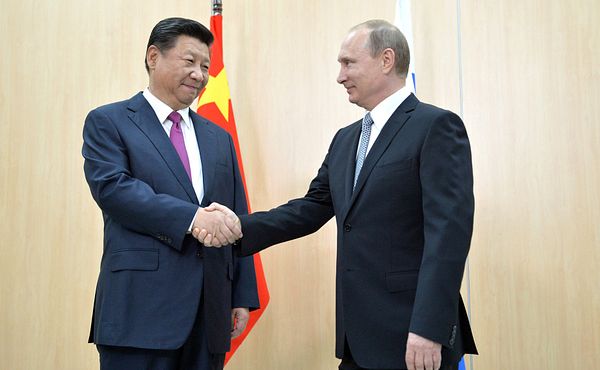
By Nitya Chakraborty Bangladesh’s Chief Adviser to the interim government Dr. Muhammad Yunus is presently in the midst of his diplomatic triumph by successfully outreaching to the major countries of the world including the two super powers. After having a major success in getting all the support from the Chinese President Xi Jinping during his […]

Wassim Elassaad is a name known for luxury, refinement, and an unbreakable passion for excellence. From humble beginnings in Australia to becoming a forerunner in Dubai’s luxury lifestyle industry, Wassim has redefined what it means to provide the finest experiences and services to the ultra-wealthy. His path is more than just about business success; it is also about leaving a legacy based on the key qualities of […]

Corporate events have long gone beyond simple team building activities. They address a wide range of tasks today: helping to accelerate onboarding, improving internal communications, increasing employee engagement and strengthening corporate culture. This is especially important for employees of remote teams who risk losing contact with each other and the company due to remote working formats. In recent years, online tools have made communication easier and virtual […]

The U.S. Securities and Exchange Commission has dismissed its lawsuit against Coinbase, the largest cryptocurrency exchange in the United States. This legal action, initiated in 2023, accused Coinbase of operating as an unregistered securities exchange and facilitating the trading of at least 13 crypto tokens that the SEC contended should have been registered as securities. Coinbase consistently refuted these allegations, maintaining that the crypto assets in question did not meet the criteria of investment contracts.

In a court filing dated February 27, 2025, the SEC agreed to voluntarily dismiss all litigation related to Coinbase and its parent company, Coinbase Global, with prejudice. This decision effectively terminates the case permanently. The SEC also withdrew its request for an interlocutory appeal with the U.S. Court of Appeals, signaling a significant policy shift under the current administration.

This move aligns with a broader change in the SEC’s approach to cryptocurrency regulation following the inauguration of President Donald Trump’s second term and the appointment of Paul Atkins, a crypto-friendly chairman, to lead the agency. Under this new leadership, the SEC has adopted a more lenient stance toward the crypto industry, reflecting the administration’s intent to support and promote the sector.

In addition to the Coinbase case, the SEC has also closed investigations into several other prominent cryptocurrency firms. Notably, the agency has ended its probes into OpenSea, a leading non-fungible token marketplace, and Robinhood’s crypto unit. These investigations, initiated during the previous administration, have been dismissed with prejudice, indicating that they cannot be refiled.

The decision to drop these cases has been welcomed by the affected companies. Coinbase’s Chief Legal Officer, Paul Grewal, stated, “SEC staff has agreed in principle to dismiss its unlawful enforcement case against Coinbase, subject to Commissioner approval—righting a major wrong.” Similarly, representatives from OpenSea and Robinhood expressed relief and optimism about the SEC’s revised regulatory approach.

This series of dismissals is part of a broader realignment of federal regulatory and enforcement priorities under the Trump administration. The SEC’s shift toward a more collaborative and transparent regulatory framework for the crypto industry is evident in the establishment of a new Crypto Task Force. Led by Commissioner Hester Peirce, the task force aims to develop comprehensive regulations that provide clarity and support for the burgeoning crypto sector.

Commissioner Peirce emphasized the need for a revised approach, stating, “It’s time for the Commission to rectify its approach and develop crypto policy in a more transparent manner.” This sentiment reflects a departure from the previous administration’s stringent regulation-by-enforcement strategy, which had been criticized for creating uncertainty and stifling innovation within the industry.

The SEC’s recent actions have also extended to other major players in the crypto space. The agency has dismissed its lawsuit against ConsenSys, the developer of the popular MetaMask crypto wallet. This lawsuit, filed in June 2024, alleged that ConsenSys engaged in the unregistered offer and sale of securities through its MetaMask Staking service and operated as an unregistered broker. The dismissal of this case further underscores the SEC’s evolving stance toward crypto-related businesses.

Market reactions to these regulatory developments have been notable. Shares of Coinbase Global Inc experienced fluctuations, with the stock trading at $208.37, reflecting a decrease of 2.20% from the previous close. Similarly, Robinhood Markets Inc saw its stock price at $48.78, a slight decline of 0.16%. In the cryptocurrency markets, Bitcoin is currently priced at $79,821.00, down 6.82%, while Ethereum stands at $2,121.24, a decrease of 9.14%. These movements suggest a period of adjustment as investors respond to the changing regulatory landscape.

The Trump administration’s influence extends beyond the SEC. The Consumer Financial Protection Bureau has also dropped several enforcement actions against companies such as Capital One and Rocket Homes. These cases, which included allegations of misleading customers and illegal kickback schemes, have been dismissed with prejudice under the bureau’s new leadership. This pattern indicates a significant shift in federal regulatory and enforcement priorities, favoring a more business-friendly environment.

VISHNU RAJA
RYO YAMADA
HITORI GOTOH
IKUYO KITA