Articles written by
arabian post staff

A transformative budget for 2025 has been approved by the UAE Cabinet, reflecting a strategic vision to enhance the nation’s economic growth, development, and social welfare. The budget, amounting to an unprecedented AED 72.8 billion (approximately USD 19.8 billion), is designed to bolster critical sectors, improve infrastructure, and drive innovation.

Key allocations in the budget underscore a commitment to education, healthcare, and economic diversification. The Ministry of Education will receive AED 16.2 billion, marking a significant increase aimed at advancing educational facilities and enhancing the quality of teaching. This initiative aligns with the broader objective of cultivating a skilled workforce equipped to meet the demands of a rapidly evolving job market.

Healthcare also sees substantial investment, with AED 10 billion earmarked to improve public health services and infrastructure. This funding is expected to expand healthcare access and enhance service delivery across various emirates, particularly in remote areas. The focus on healthcare is part of a long-term strategy to prioritize citizens’ health and well-being, especially in light of the challenges posed by global health crises.

Infrastructure development continues to be a priority, with a notable AED 14 billion allocated for projects aimed at modernizing transport and logistics systems. This investment is poised to facilitate greater connectivity within the UAE and enhance the nation’s position as a global trade hub. It underscores the commitment to maintaining a competitive edge in the region’s logistics and supply chain sectors.

The budget also emphasizes environmental sustainability and energy efficiency. Initiatives aimed at promoting renewable energy and reducing carbon emissions are integral to the government’s long-term vision. Funding for green projects and sustainable practices reflects a commitment to diversifying the energy portfolio and reducing dependency on fossil fuels. This aligns with the UAE’s ambitious sustainability goals, which aim to establish the country as a leader in clean energy solutions.

The Cabinet’s decision to prioritize economic diversification is evident in the allocation of AED 9 billion to support small and medium-sized enterprises (SMEs). Recognizing the pivotal role that SMEs play in driving economic growth and job creation, the government aims to provide these businesses with the necessary resources and support to thrive in a competitive market. This initiative is expected to stimulate innovation and entrepreneurship across various sectors.

Digital transformation is another focal point of the budget, with AED 6.4 billion directed towards enhancing digital infrastructure and cybersecurity measures. As the UAE continues to position itself as a tech-savvy nation, investments in digitalization are crucial for driving efficiency and improving service delivery in both public and private sectors. This funding aims to foster a digital ecosystem that encourages technological advancements and enhances the overall quality of life for residents.

The Cabinet’s approval of the budget reflects a comprehensive approach to governance, prioritizing both immediate needs and long-term goals. The strategic allocations signal a robust framework for navigating challenges while harnessing opportunities for growth. The budget aims to position the UAE as a resilient economy capable of adapting to global shifts and uncertainties.

In addition to focusing on domestic priorities, the budget also highlights the UAE’s commitment to international partnerships. Allocations for foreign aid and developmental assistance demonstrate the nation’s dedication to fostering relationships with other countries and contributing to global efforts in areas such as education, health, and infrastructure development. This commitment enhances the UAE’s reputation as a proactive player on the international stage, reinforcing its position as a leading contributor to global development.

The government has expressed optimism that the 2025 budget will stimulate economic activity and support job creation across various sectors. Officials anticipate that strategic investments will yield positive returns, enhancing overall economic resilience. The budget serves as a roadmap for growth, providing a foundation for initiatives aimed at increasing productivity and fostering a culture of innovation.

Abu Dhabi has emerged as the wealthiest city globally, boasting sovereign wealth funds (SWFs) that collectively manage assets worth $1.7 trillion. This ranking highlights the city’s financial significance and positions it as a critical player on the world stage.

The analysis, conducted by various financial institutions, underscores Abu Dhabi’s SWFs, including the Abu Dhabi Investment Authority (ADIA) and Mubadala Investment Company. These entities have strategically diversified their investments across sectors such as technology, infrastructure, healthcare, and renewable energy, driving substantial returns. As of this year, the ADIA alone manages assets estimated at over $700 billion, positioning it as one of the largest SWFs globally.

A crucial aspect of Abu Dhabi’s financial success stems from its oil and gas revenues, which have historically fueled the growth of these funds. The emirate has effectively transformed its natural resource wealth into a broad-based investment strategy, allowing it to capitalize on opportunities beyond hydrocarbons. Investments in international markets and partnerships with global firms have further diversified its portfolio and reduced dependency on oil revenues.

The financial environment in Abu Dhabi benefits from robust government support and a commitment to enhancing the investment climate. Initiatives to attract foreign direct investment (FDI) have played a vital role in expanding the emirate’s economic landscape. The introduction of new laws and reforms aimed at easing business operations, coupled with free trade zones, has made Abu Dhabi an appealing destination for global investors.

Recent developments indicate that the UAE, led by Abu Dhabi, is keen on positioning itself as a center for financial technology (fintech). The government has launched various initiatives to promote innovation in the financial sector, attracting startups and established companies to the region. These initiatives are expected to create a vibrant ecosystem that enhances the emirate’s economic resilience.

While Abu Dhabi’s wealth continues to grow, it faces challenges common to cities reliant on large-scale investments. The ongoing global shift towards sustainable investments and green energy poses both risks and opportunities. Abu Dhabi is already taking proactive measures to address these changes, with investments in renewable energy projects such as the Mohammed bin Rashid Al Maktoum Solar Park and the Barakah Nuclear Energy Plant.

Another key player in Abu Dhabi’s economic landscape is the Abu Dhabi Global Market (ADGM), an international financial center that has garnered attention for its regulatory framework and ease of doing business. ADGM has attracted numerous global financial institutions and fintech firms, enhancing the emirate’s reputation as a financial hub. This growth is evidenced by a significant increase in the number of registered entities within ADGM, reflecting the appeal of Abu Dhabi as a business destination.

The global economic climate, characterized by inflationary pressures and geopolitical uncertainties, also influences investment strategies in Abu Dhabi. Financial analysts note that the emirate’s diversified approach mitigates risks associated with market volatility. Its emphasis on long-term investments and sustainable growth positions Abu Dhabi favorably compared to cities that may rely heavily on cyclical industries.

Abu Dhabi’s wealth is not just confined to financial markets. The emirate has invested heavily in cultural and social projects aimed at enhancing quality of life and promoting tourism. Initiatives such as the Louvre Abu Dhabi and the Guggenheim Museum project exemplify the city’s commitment to fostering a rich cultural scene, making it an attractive destination for visitors and expatriates alike.

As global economies navigate the complexities of post-pandemic recovery, Abu Dhabi’s status as the world’s richest city reinforces its position as a resilient and adaptive financial center. The emirate’s strategic investments and commitment to innovation and sustainability ensure that it remains a focal point for wealth generation and investment opportunities.

The ranking of Abu Dhabi as the wealthiest city underscores not only its financial prowess but also the broader trends shaping global wealth distribution. As sovereign wealth funds gain prominence in the investment landscape, cities like Abu Dhabi exemplify how strategic asset management can lead to sustainable economic growth.

A significant refinancing deal has been finalized for Fairmont The Palm, a prominent luxury hotel located in Dubai. IFA Hotels & Resorts announced it has secured a $163 million refinancing package from Emirates NBD. This move is aimed at strengthening the hotel’s financial position and facilitating continued investment in its operations and services.

Fairmont The Palm is situated on the iconic Palm Jumeirah, a man-made island renowned for its luxurious residences and attractions. The hotel boasts 391 rooms, multiple dining options, and extensive leisure facilities, including a private beach, swimming pools, and wellness services. Given Dubai’s status as a premier tourist destination, the hotel’s location and amenities contribute to its strong appeal.

The refinancing package represents an important step in IFA Hotels’ strategy to optimize its capital structure and support the ongoing recovery of the hospitality sector in Dubai. The funds are expected to be utilized for various enhancements within the hotel, ensuring that it remains competitive in a rapidly evolving market.

Dubai’s hospitality industry has shown resilience and adaptability in the face of challenges brought on by the COVID-19 pandemic. As travel restrictions ease and international tourism rebounds, hotels across the emirate are focusing on improving guest experiences and expanding their offerings. Fairmont The Palm, with its established reputation and high occupancy rates, stands well-positioned to benefit from this recovery.

The financing from Emirates NBD not only underscores the bank’s confidence in the hospitality sector but also aligns with its commitment to supporting strategic developments in Dubai’s tourism landscape. Emirates NBD has played an active role in financing significant projects across various sectors, reflecting its dedication to facilitating growth in the region’s economy.

Investment in hospitality has become a priority for Dubai, particularly as the emirate aims to attract 25 million visitors annually by 2025. Initiatives to enhance tourism infrastructure, such as the recent launch of new entertainment venues and improved transportation links, are part of a broader strategy to diversify the economy and reduce reliance on oil revenues.

Fairmont The Palm’s refinancing is indicative of broader trends within the hospitality sector, as hotels and resorts seek financial solutions that enable them to adapt to changing market dynamics. Many establishments are re-evaluating their business models to focus on sustainability, digital transformation, and personalized guest experiences.

Industry analysts point to the increasing importance of wellness and sustainability in hospitality. As guests become more conscious of their impact on the environment, hotels that invest in sustainable practices are likely to gain a competitive edge. Fairmont The Palm has been recognized for its commitment to sustainability, implementing eco-friendly initiatives such as waste reduction programs and energy-efficient technologies.

Looking ahead, Fairmont The Palm plans to capitalize on emerging trends in the hospitality industry. The hotel is exploring new culinary concepts, partnerships with local artists for cultural programming, and technology-driven enhancements that improve guest interactions. These initiatives aim to create memorable experiences that resonate with both leisure and business travelers.

The refinancing deal is not only beneficial for Fairmont The Palm but also reflects the overall health of Dubai’s hospitality market. With the UAE government’s efforts to boost tourism and investments in infrastructure, hotels are witnessing a surge in both domestic and international bookings. As events and exhibitions resume, the demand for accommodations is expected to increase further, providing opportunities for hotels to maximize their revenue streams.

Several key players in the hospitality sector are closely monitoring the developments surrounding Fairmont The Palm and other major hotels in Dubai. The success of such refinancing deals could pave the way for additional investments and partnerships in the region, particularly as the emirate strives to maintain its position as a leading global tourist destination.

As the global hospitality industry continues to recover from the pandemic, the focus on financial resilience and adaptability will be paramount. Fairmont The Palm’s successful refinancing indicates a positive outlook for the sector, positioning the hotel to thrive amidst the evolving landscape.

Abu Dhabi’s Mubadala Investment Company has made a significant move by writing off its 9.9% stake in Thames Water, marking a pivotal moment for both the investment firm and the struggling utility company. This decision comes in the wake of ongoing financial challenges faced by Thames Water, which has been grappling with a mountain of debt and regulatory scrutiny. The write-off not only reflects the declining confidence in Thames Water’s ability to stabilize but also signals broader implications for the UK water sector and foreign investments in troubled utilities.

Thames Water has been under immense pressure due to its high debt levels, currently estimated at £14 billion. The company has faced criticism from regulators and consumers alike over service delivery and environmental concerns, particularly regarding wastewater management and pollution incidents. Its challenges have been exacerbated by rising operational costs and inflationary pressures, prompting calls for urgent reform within the water sector.

Mubadala’s decision to write down its investment follows a series of operational setbacks and a regulatory inquiry that scrutinized Thames Water’s financial practices. This scrutiny intensified after the utility failed to adequately address issues related to infrastructure maintenance and environmental compliance. In light of these pressures, Thames Water’s management has sought to reassure stakeholders by promising improved governance and financial management practices. However, the effectiveness of these measures remains uncertain.

The ramifications of Mubadala’s exit extend beyond Thames Water. This move raises questions about the attractiveness of the UK water sector to foreign investors, particularly in light of the challenges facing utilities across the country. Investors may now be more cautious, weighing the risks associated with high debt and regulatory compliance against the potential for returns. The shift may lead to a reassessment of investment strategies and expectations within the sector.

In response to mounting criticism, Thames Water has initiated a restructuring plan aimed at stabilizing its operations and restoring investor confidence. The company announced a strategy focused on enhancing service delivery, reducing costs, and addressing long-standing infrastructure issues. However, the effectiveness of this plan will largely depend on its execution and the company’s ability to adapt to the shifting regulatory landscape.

The broader UK water industry is facing calls for reform, with numerous stakeholders advocating for increased government oversight and accountability. The government has been urged to explore options for restructuring utilities to ensure long-term sustainability and protect consumer interests. In this context, Thames Water’s struggles may serve as a case study for how not to navigate the complexities of the utility market.

Thames Water’s plight has also attracted the attention of environmental advocacy groups, which have long criticized the utility for its track record on pollution and environmental stewardship. These groups argue that significant reform is necessary to ensure that water companies prioritize sustainable practices and invest in modern infrastructure. The scrutiny faced by Thames Water could prompt regulators to take a harder stance on compliance and accountability, potentially leading to more stringent regulations for all water companies.

The ongoing dialogue about water quality and supply in the UK has been brought to the forefront by the challenges facing Thames Water. As climate change continues to exert pressure on water resources, the need for sustainable management practices has never been more urgent. The intersection of financial stability and environmental responsibility is likely to be a key focus area for regulators and investors alike.

Despite these challenges, there is potential for positive change within the sector. The UK government has recognized the importance of maintaining a resilient water infrastructure, and discussions around investment in green technology and sustainable practices are gaining traction. If successfully implemented, these initiatives could provide a pathway for utilities to recover and adapt to emerging challenges, transforming the landscape of the water sector.

Mubadala’s decision to exit its stake in Thames Water serves as a stark reminder of the vulnerabilities present within the utility sector. As stakeholders assess the implications of this write-off, the focus will inevitably shift toward the future of Thames Water and the broader water industry. The need for transparency, accountability, and sustainable practices will remain at the forefront of discussions as regulators and investors seek to navigate an increasingly complex environment.

ADVERTISEMENT

Arabian Post Staff Cathay Pacific has introduced a compelling offer to commemorate its new direct route between Riyadh and Hong Kong, aimed at enticing Saudi travelers with a unique opportunity. The airline, known for its premium service and strong presence in Asia, launched this route as part of its ongoing effort to expand connections in the Middle East and capitalize on the growing demand for air travel […]

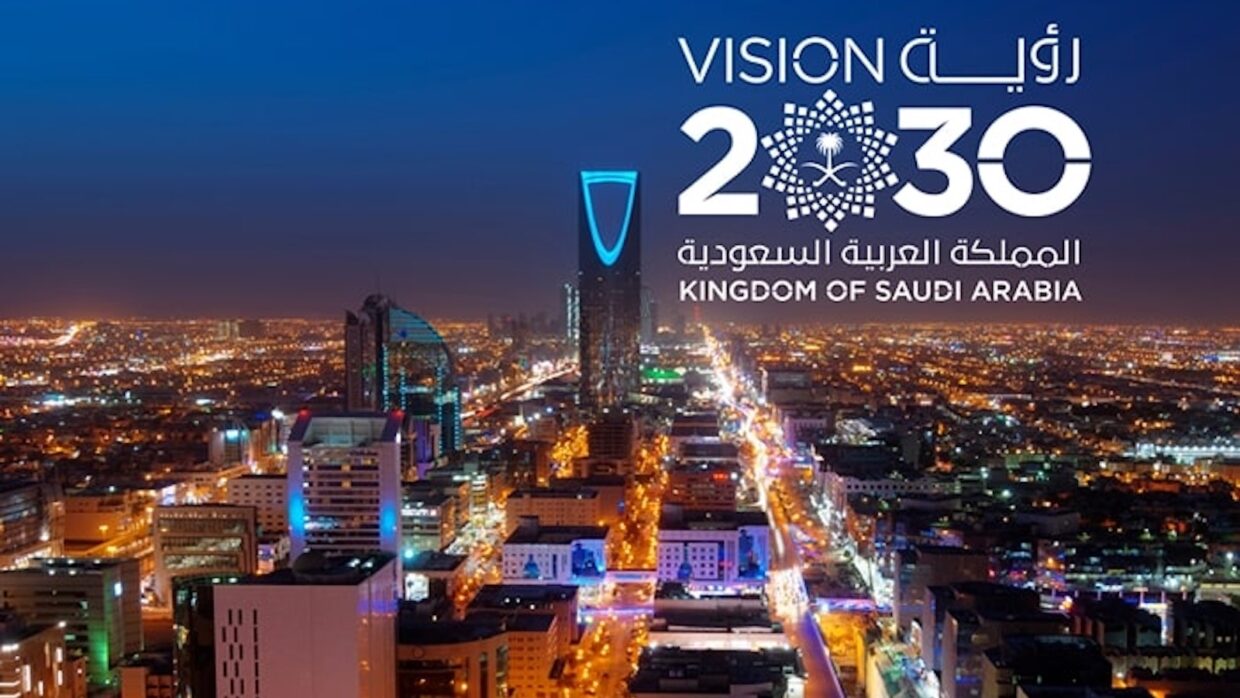
The Saudi Red Sea Authority (SRSA) has announced an ambitious target to attract 19 million tourists to the Red Sea coast by 2030. This move aligns with the Kingdom’s broader Vision 2030 strategy, which aims to diversify its economy away from oil dependence and boost tourism as a key economic pillar. By developing the Red Sea coastline, SRSA plans to contribute over SR85 billion to the national GDP and capture a significant portion of Saudi Arabia’s leisure tourism market.

The coastal tourism sector is central to Saudi Arabia’s efforts to transform its tourism industry, with the SRSA aiming to secure 30% of the Kingdom’s leisure tourism share and 40% of entertainment spending by the end of the decade. Moreover, the plan includes the creation of more than 210,000 jobs across various sectors, including hospitality, environmental services, and infrastructure.

SRSA’s strategy is focused on promoting sustainable tourism. Protecting the marine ecosystem of the Red Sea, which boasts some of the world’s most pristine coral reefs and diverse marine life, is a top priority. The authority emphasizes that environmental conservation is critical to ensuring long-term success in tourism development. By integrating sustainable practices, SRSA hopes to preserve natural resources while simultaneously fostering economic growth.

The government and SRSA are working together to create opportunities for both local and international investors to engage in the tourism sector. The Red Sea region’s unique combination of cultural heritage, biodiversity, and adventure tourism potential is set to become a significant draw for a global audience. These development projects include high-end resorts, eco-friendly lodges, and cultural attractions that highlight the region’s history and natural beauty.

The growth of the Red Sea tourism industry is expected to be driven by several key initiatives, including substantial investment in infrastructure, streamlining regulatory frameworks, and launching global marketing campaigns aimed at showcasing the Red Sea as a world-class tourist destination. By improving accessibility, especially through transportation networks and high-end facilities, the SRSA intends to attract a diverse range of travelers, from luxury tourists to eco-conscious adventurers.

SRSA is committed to working closely with private sector stakeholders and local communities to ensure that the benefits of this development are widely shared. Part of the strategy involves involving local populations in tourism projects, thereby creating jobs and improving living standards for residents along the coast.

This push for Red Sea tourism comes amid broader national reforms intended to increase the Kingdom’s appeal as a global tourist destination. Saudi Arabia has been aggressively easing its entry restrictions and developing its tourism infrastructure as it seeks to attract 100 million visitors annually by 2030, a figure that would position it among the world’s top tourist destinations.

While tourism has traditionally played a limited role in Saudi Arabia’s economy, Vision 2030 is changing that by opening up previously restricted areas and promoting the Kingdom’s natural and cultural assets. The Red Sea Authority’s ambitious plans, backed by strong government support, are central to this transformation, positioning the region as a centerpiece of Saudi Arabia’s emerging tourism economy. The development also reflects a global trend toward coastal and eco-tourism, appealing to travelers looking for sustainable and authentic experiences.

Abu Dhabi Investment Authority (ADIA) has announced the establishment of a subsidiary within India’s GIFT City, a move that is set to enhance the region’s reputation as a global financial hub. This development reflects ADIA’s strategic intent to tap into emerging opportunities in India and reinforces the country’s growing appeal as an investment destination.

GIFT City, located in Gandhinagar, Gujarat, is designed as a smart city to facilitate financial services and technology-driven initiatives. The city operates under a special economic zone framework, offering favorable regulations and tax incentives to attract foreign investment. ADIA’s entry into GIFT City marks a significant milestone for the financial landscape of India, signaling confidence in the country’s economic trajectory.

The establishment of the subsidiary comes amid a surge in foreign direct investment (FDI) in India, particularly in sectors such as technology, renewable energy, and infrastructure. ADIA’s foray into GIFT City aligns with the broader trend of institutional investors increasingly seeking to diversify their portfolios by exploring opportunities in India’s rapidly expanding economy.

As a sovereign wealth fund managing assets exceeding $800 billion, ADIA’s strategic investments are focused on long-term growth and value creation. The authority has a history of investing in various sectors globally, including real estate, technology, and infrastructure, aiming to capitalize on lucrative opportunities that emerge across different markets.

The GIFT City initiative is being touted as a transformative project for India, attracting several global financial institutions and tech companies. By hosting a variety of financial services and fostering innovation, GIFT City aims to emerge as a key player in the global finance landscape. ADIA’s presence will likely encourage other foreign investors to consider GIFT City as a viable option for investment, further bolstering the city’s standing.

Experts have noted that GIFT City’s establishment has provided a platform for financial technology (fintech) companies to thrive. The city has already attracted notable players in the fintech space, aiming to facilitate seamless financial transactions and enhance service delivery in the sector. ADIA’s new subsidiary could further catalyze this growth by potentially investing in innovative fintech solutions.

The announcement of ADIA’s subsidiary also highlights a growing trend of collaboration between sovereign wealth funds and local governments to stimulate economic growth. The Indian government has been actively promoting GIFT City as a hub for international business and finance, reflecting its commitment to making India a preferred investment destination.

GIFT City’s unique position as a designated financial zone allows it to offer services such as international banking, insurance, and capital market operations under a single umbrella. This integrated approach has garnered attention from various sectors, making it an attractive proposition for foreign investors.

Industry analysts predict that the collaboration between ADIA and GIFT City will lead to the development of new financial products and services that cater to both local and international markets. The subsidiary could also explore partnerships with Indian startups and established companies to foster innovation and growth within the financial sector.

As ADIA embarks on this new venture, its role will likely extend beyond mere investment. The authority’s extensive global experience and resources can contribute to knowledge sharing and capacity building within GIFT City, potentially enhancing the capabilities of local firms and promoting sustainable development.

This development comes at a time when India is striving to position itself as a global economic powerhouse. The government’s focus on digital transformation, infrastructure development, and policy reforms is aimed at enhancing the ease of doing business and attracting foreign investments. ADIA’s commitment to establishing a subsidiary in GIFT City is indicative of the growing interest from global investors in India’s economic potential.

Advertisements
ADVERTISEMENT

Saudi Arabia’s food giant Almarai is poised for a major expansion in the region with its decision to acquire Jordan’s Hammoudeh Food Industries for $70 million. This strategic move aims to bolster Almarai’s dairy and cheese production capabilities through its subsidiary, Teeba Investment. The deal is seen as part of Almarai’s broader efforts to deepen its presence in core markets across the Middle East.

Hammoudeh Food Industries, a leading producer of dairy, juices, and other related products in Jordan, represents a crucial addition to Almarai’s portfolio. The acquisition, valued at SR263 million (roughly $70 million), will be financed through Almarai’s internal cash flows. This investment not only solidifies the company’s foothold in Jordan but also aligns with its long-term growth strategy. The acquisition is still subject to regulatory approvals in both Jordan and Saudi Arabia, and adjustments to the final price may occur as the process progresses.

The acquisition is expected to provide Almarai with significant operational leverage, enabling it to enhance its product offerings and scale operations across the region. Almarai’s strategic move aligns with ongoing trends in the Middle East’s food and beverage sector, where companies are increasingly looking to consolidate their presence in key markets and diversify their product lines. For Almarai, this acquisition marks another step in maintaining its competitive edge as one of the largest dairy producers in the region.

The company has been eyeing expansion opportunities in key markets like Jordan, where Hammoudeh’s established brand and operational capabilities complement Almarai’s ambitions to enhance its supply chain and distribution networks. This move is likely to have significant implications for Almarai’s growth trajectory as it works to tap into Jordan’s growing dairy market and further expand its consumer base.

Almarai’s financial performance has been robust, reflecting its successful execution of strategic acquisitions and operational efficiencies. Over the years, the company has maintained a strong presence in the GCC, and the acquisition of Hammoudeh is expected to solidify its position as a leading player in the region’s dairy market. This latest acquisition will enable Almarai to extend its product range, which includes milk, cheese, and other dairy products, while also leveraging economies of scale to drive profitability.

The Middle East’s dairy market has seen a surge in demand driven by shifting consumer preferences toward healthier food options. Companies like Almarai have responded by investing in innovation and expanding their product lines to cater to these trends. Almarai’s recent financial results also demonstrate the company’s resilience and ability to adapt to changing market conditions. In its latest trading updates, Almarai’s stock price climbed by 1.62% following the announcement of the acquisition, signaling strong investor confidence in its expansion strategy.

Almarai’s acquisition of Hammoudeh Food Industries also comes at a time when regional trade relationships are being strengthened. Saudi Arabia and Jordan have been enhancing economic cooperation, especially following the signing of the Comprehensive Economic Partnership Agreement (CEPA), which aims to boost trade between the two nations. The trade between Saudi Arabia and Jordan is projected to reach $8 billion in the near future, a sign of the deepening ties between these neighboring nations. Almarai’s investment in Jordanian assets could serve as a catalyst for further collaborations between businesses in the two countries, strengthening economic ties and creating opportunities for other sectors as well.

This acquisition is seen as a continuation of Almarai’s strategy of diversifying its business and enhancing its regional footprint. Previously, the company had made strategic acquisitions and investments to expand into new product segments, particularly in the food and beverage industry. This focus on expansion has enabled Almarai to maintain its leadership in the market, especially amid growing competition in the sector.

Looking ahead, Almarai is expected to continue seeking out new growth opportunities in the region, with a particular focus on emerging markets that offer strong consumer demand for dairy products. The acquisition of Hammoudeh is just one piece of the puzzle in Almarai’s broader growth strategy, as the company works to enhance its production capabilities, streamline its supply chain, and expand its distribution network across the Middle East.

The United Arab Emirates has amended its Value Added Tax (VAT) legislation to exempt fund management firms and specific virtual asset services, marking a significant shift in its tax framework aimed at enhancing the region’s appeal to international investors. This change aligns with the UAE’s broader strategy to establish itself as a global financial hub and a favorable environment for innovative financial services.

As part of these amendments, the UAE’s Federal Tax Authority (FTA) has clarified the conditions under which fund management services can operate free from VAT. The exemption applies primarily to fund managers operating within the scope of financial services, allowing them to attract more investments without the burden of additional taxation. This initiative is expected to facilitate growth in the asset management sector, further attracting foreign direct investments.

The decision is a strategic move reflecting the UAE’s commitment to maintaining a competitive edge in the finance sector. It comes amid increasing competition from other global financial centers, which have been offering favorable tax regimes to attract fund managers and investors. By removing VAT on fund management services, the UAE aims to streamline operations for these firms and enhance their profitability, ultimately encouraging greater investment flows into the region.

In addition to the VAT exemption for fund management firms, the legislation also introduces provisions specifically tailored for certain virtual asset services. This includes companies engaged in activities related to digital currencies and other blockchain technologies. The VAT exemption is seen as a vital step in fostering innovation in the fintech space, as it reduces the cost of compliance and operational expenses for these businesses.

Key players in the finance and technology sectors have welcomed the amendments, viewing them as a vital step toward bolstering the UAE’s status as a leader in financial technology. The exemptions are expected to attract not only local firms but also international players looking to establish a presence in the UAE, thus enriching the local economy and creating job opportunities.

These legislative changes come as the UAE continues to develop its regulatory framework for virtual assets, including cryptocurrencies and blockchain technologies. The government has been proactive in engaging with industry stakeholders to ensure that the legal and regulatory environment is conducive to innovation while ensuring compliance with international standards.

The move aligns with global trends where countries are increasingly recognizing the significance of virtual assets and the potential economic benefits they can bring. With more nations introducing regulations to harness the growth of cryptocurrencies, the UAE’s latest amendments position it favorably within this dynamic landscape.

Economic analysts suggest that the VAT exemptions could significantly boost the asset management industry in the UAE, allowing firms to enhance their operational efficiency and competitiveness. As the region continues to evolve as a financial hub, the introduction of such measures is anticipated to attract a diverse array of investment products, including private equity, hedge funds, and real estate investment trusts.

The UAE’s financial sector has shown resilience and adaptability in the face of global economic challenges. With this latest reform, the nation reiterates its commitment to providing a robust framework for financial services, fostering a business-friendly environment that encourages investment and innovation.

Stakeholders are optimistic about the potential long-term impacts of these changes. By reducing the tax burden on fund management and virtual asset services, the UAE not only enhances its attractiveness to international investors but also stimulates local entrepreneurship in the financial technology space. This is expected to lead to a vibrant ecosystem that can drive further advancements and innovation.

The amendments to the VAT law are expected to be a game-changer for fund management firms, enabling them to operate with greater flexibility and reduced costs. As the financial landscape evolves, these firms can focus more on delivering value to their clients and exploring new investment opportunities.

While the immediate effects of the changes are still unfolding, industry experts are already observing heightened interest from foreign investors seeking to capitalize on the UAE’s favorable business climate. The tax exemption is likely to facilitate new partnerships and collaborations between local and international firms, thereby enriching the region’s financial services landscape.

Saudi Arabia’s Public Investment Fund (PIF) is evaluating the possibility of increasing its stake in Nintendo, a move that reflects the kingdom’s strategic interest in the global gaming industry. This potential investment comes amid an ongoing trend of Middle Eastern investment in major gaming companies, which has seen significant financial outlays in recent years. PIF’s foray into the gaming sector aligns with Saudi Arabia’s broader economic diversification efforts, as outlined in its Vision 2030 initiative aimed at reducing reliance on oil revenues.

The PIF currently holds approximately 8% of Nintendo, a position acquired through a series of investments totaling around $1 billion. This stake has proven to be lucrative, especially as Nintendo’s stock has surged in response to the success of its Switch console and various blockbuster game releases. By contemplating a larger stake, the PIF aims to bolster its portfolio further and capitalize on the gaming sector’s growth trajectory.

The global gaming industry has shown remarkable resilience and growth, with market analysts projecting it to surpass $200 billion by 2023. Major players in the sector, including Microsoft and Sony, have been investing heavily in game development studios and new technologies, indicating a competitive environment that encourages investment and innovation. Nintendo, with its legacy of popular franchises like Mario, Zelda, and Pokémon, remains a pivotal figure within this landscape, making it an attractive target for investors.

Saudi Arabia’s ambition to become a hub for entertainment and digital gaming has prompted local authorities to pursue partnerships with international gaming firms. The kingdom has already hosted numerous esports events and launched initiatives aimed at fostering a domestic gaming industry, reflecting its commitment to being at the forefront of this rapidly evolving sector. The interest from the PIF not only signifies confidence in Nintendo’s future but also highlights the strategic importance of gaming as a component of Saudi Arabia’s economic diversification.

The interest from the PIF aligns with other notable investments in the gaming space, including the acquisition of a significant share in Activision Blizzard and partnerships with other gaming companies. The PIF’s strategy appears to be part of a larger pattern of sovereign wealth funds increasingly looking towards technology and entertainment sectors for growth opportunities. This trend has implications for the global gaming market as it encourages consolidation and new capital influx, potentially leading to innovative developments in gaming technology and experiences.

The potential expansion of the PIF’s investment in Nintendo could signal more profound collaborations in game development, marketing, and distribution strategies. Analysts speculate that increased financial backing could empower Nintendo to explore new technologies such as augmented reality (AR) and virtual reality (VR), which are becoming pivotal in enhancing user experiences in gaming. As the industry pivots towards more immersive gaming experiences, the involvement of entities like the PIF could drive significant advancements.

The broader implications of this investment strategy are evident in the way it could influence Nintendo’s operational decisions. Historically, Nintendo has maintained a conservative approach to partnerships, preferring to develop its titles in-house. However, increased capital from a strategic partner like the PIF may enable the company to consider joint ventures or collaborations that could lead to innovative gaming experiences while retaining its unique brand identity.

The engagement of sovereign wealth funds such as the PIF in the gaming industry could pave the way for a more competitive landscape, where financial resources are directed towards emerging gaming trends and technologies. This influx of capital can catalyze growth in areas such as mobile gaming, cloud gaming, and subscription-based models, which are gaining traction in the industry.

As the PIF deliberates on increasing its stake in Nintendo, it reflects broader ambitions within Saudi Arabia to shape its economic future. By investing in established firms with strong intellectual property, the PIF seeks not only to grow its financial holdings but also to position the kingdom as a prominent player in the global entertainment arena. The potential collaboration between the PIF and Nintendo could herald a new era of gaming innovation and economic growth, showcasing the evolving landscape of international investment in the gaming sector.

This engagement comes as other Middle Eastern nations also ramp up their efforts to invest in entertainment and technology, with the United Arab Emirates and Qatar also making substantial investments in gaming and esports. The race to establish a foothold in the burgeoning gaming industry may see a heightened pace of mergers, acquisitions, and partnerships as countries compete for dominance in this lucrative sector.

ADVERTISEMENT

A pivotal moment for the UAE government emerged with its participation in the official inauguration of the Global Government Technology Centre (GGTC) in Berlin. This collaboration, a strategic alliance between the World Economic Forum and GovTech Campus Deutschland, aims to leverage digital technology’s transformative capabilities to revolutionize public services worldwide. The event showcased the UAE’s commitment to integrating technology into governance, aligning with its broader strategy to create a forward-thinking, tech-savvy administration.

The GGTC serves as a platform for governments, private sectors, and technology experts to collaborate, exchange ideas, and implement innovative solutions for effective governance. The launch event drew attention to the necessity of adapting government operations to the rapidly changing technological landscape. Experts at the event emphasized the critical role that digital tools can play in enhancing transparency, efficiency, and citizen engagement in governance.

During the launch, the UAE’s Minister of State for Artificial Intelligence, Omar Sultan Al Olama, highlighted the country’s ongoing initiatives in artificial intelligence and digital transformation. He emphasized that the UAE aims to position itself as a global leader in leveraging technology for public sector enhancement. Al Olama noted that the country’s focus on innovation is designed to ensure that governmental processes are agile, responsive, and tailored to meet the evolving needs of citizens.

The GGTC is expected to facilitate various initiatives aimed at streamlining public services through technology. This includes the adoption of data-driven decision-making processes and the implementation of smart city technologies that aim to improve the quality of life for residents. The center will serve as a resource hub for government officials worldwide to access the latest research, best practices, and case studies on successful technology implementation in governance.

The UAE’s participation in the GGTC underscores its aspiration to share its experiences and learn from other nations on their digital governance journeys. The UAE has been recognized for its proactive approach to digital transformation, characterized by initiatives such as the Dubai Smart City project and the establishment of the Ministry of Artificial Intelligence. These projects reflect the UAE’s commitment to creating a tech-enabled government that prioritizes efficiency and citizen satisfaction.

Key global players in technology and governance attended the launch, reflecting a diverse representation of countries and industries. Discussions at the event included how to utilize emerging technologies like blockchain, artificial intelligence, and machine learning in public administration. The importance of addressing cybersecurity challenges in digital governance was also highlighted, acknowledging that the integration of technology must be accompanied by robust security measures to protect sensitive data and maintain public trust.

In alignment with the UAE’s long-term vision, the government aims to position itself as a hub for technology and innovation in the Middle East and beyond. The establishment of the GGTC is seen as a significant step towards fostering a global dialogue on the future of government technology. The UAE’s emphasis on building collaborative networks among various stakeholders is expected to facilitate the exchange of ideas and strategies that can drive meaningful change in public governance.

The GGTC launch aligns with the UAE’s commitment to fostering a culture of innovation, which is a cornerstone of its strategic initiatives. The government is continually seeking to enhance its capabilities in areas such as data analytics and artificial intelligence, aiming to create a data-driven public service framework that prioritizes citizen needs. This strategic approach has garnered international attention, positioning the UAE as a leader in embracing technology for governance.

The UAE’s investment in tech-driven governance is part of a broader trend observed globally, where governments are increasingly seeking to digitize their operations. This trend reflects a growing recognition of the potential of technology to enhance public sector efficiency and improve citizen engagement. As more countries embark on their digital transformation journeys, the GGTC stands as a valuable resource for learning and collaboration among governments.

Robert Lewandowski showcased his extraordinary talent with a stunning first-half hat-trick, leading FC Barcelona to a commanding 3-0 victory over Deportivo Alavés. The match, held at the Estadio Mendizorrotza, saw the Polish forward score all three goals within a remarkable 26-minute span, firmly establishing Barcelona’s position atop the La Liga standings.

The opening goal came in the 15th minute when Lewandowski capitalized on a defensive error from Alavés, pouncing on a loose ball in the box and finishing with precision past goalkeeper Fernando Pacheco. His second goal followed shortly, a deft header from a perfectly placed cross by Raphinha. Lewandowski completed his hat-trick just before the half-hour mark, executing a clinical strike from the edge of the area after a swift counterattack, leaving the Alavés defense bewildered.

This impressive performance marked Lewandowski’s tenth goal of the La Liga season, making him the league’s top scorer. His goals not only solidified his status as a key player for Barcelona but also underscored the team’s attacking prowess this season. With this victory, Barcelona moved three points clear of their arch-rivals, Real Madrid, who faced a challenging match against Valencia.

Barcelona’s coach, Xavi Hernandez, praised Lewandowski’s contributions during the post-match press conference. He highlighted the striker’s experience and ability to perform under pressure, stating, “Robert is a true professional who knows how to find the back of the net. His goals are crucial for our title aspirations.” Xavi’s strategic decisions and rotations in the lineup have shown positive results, contributing to Barcelona’s consistent performance in the league.

The win over Alavés also emphasized Barcelona’s tactical flexibility. The team adopted a high-pressing style that forced Alavés into numerous mistakes, allowing them to maintain possession and create multiple scoring opportunities. The midfield trio of Frenkie de Jong, Gavi, and Pedri was instrumental in controlling the game, showcasing their technical skills and vision.

Defensively, Barcelona managed to keep a clean sheet, demonstrating their improvement in backline stability. New signings, including Andreas Christensen and Jules Koundé, have bolstered the defense, allowing goalkeeper Marc-André ter Stegen to make key saves when needed. The team’s resilience at the back was evident, as they thwarted Alavés’ attempts to counterattack.

Alavés, on the other hand, struggled to break through Barcelona’s organized defense and failed to capitalize on their few opportunities. Despite some promising play, they were unable to penetrate the visitors’ backline effectively. Coach Luis Garcia acknowledged his team’s shortcomings after the match, emphasizing the need for improvement as they look to secure their position in the league.

This victory marks a pivotal moment in Barcelona’s campaign, as they aim to reclaim the La Liga title after finishing second last season. With Lewandowski leading the line, the team’s confidence is surging, and they are set to face a crucial fixture against Atlético Madrid next week, which will further test their title credentials.

The match against Alavés also highlighted the growing depth of Barcelona’s squad. Xavi’s ability to rotate players while maintaining a high level of performance is essential for navigating the rigors of a competitive season. The integration of young talents like Ansu Fati and Ferran Torres has added an extra dimension to Barcelona’s attacking play, allowing them to exploit defenses with pace and creativity.

As Barcelona continues to build momentum, the spotlight will remain on Lewandowski, whose knack for scoring decisive goals has become a cornerstone of the team’s success. His partnership with Raphinha and Ousmane Dembélé has created a formidable attacking trio, and their chemistry on the pitch is evident with every match.

SeaWorld Yas Island, located in Abu Dhabi, has officially launched its “Draw Me the Sea” initiative, aimed at fostering children’s appreciation for marine life through art. This innovative project invites young participants to express their creativity while learning about the ocean’s importance and the diverse species inhabiting it.

The initiative is part of a broader commitment by SeaWorld Yas Island to promote environmental awareness and conservation, particularly among younger generations. As the world’s largest indoor marine life theme park, SeaWorld Yas Island offers a unique platform to educate and engage children about ocean ecosystems through interactive experiences.

The “Draw Me the Sea” initiative includes an art exhibition featuring works created by local children. The goal is to encourage artistic expression while highlighting the significance of protecting marine habitats. The exhibition showcases various artworks inspired by marine life, showcasing children’s perspectives on the ocean’s beauty and fragility.

Participants were encouraged to explore their creativity through various artistic mediums, including painting, drawing, and digital art. The artworks were selected for display based on their creativity and the messages they convey about ocean conservation. This collaborative effort between SeaWorld Yas Island and the community aims to instill a sense of responsibility towards the ocean in children, promoting a culture of stewardship for future generations.

In addition to the exhibition, the initiative includes workshops and educational programs that provide hands-on learning experiences related to marine life. These activities are designed to deepen children’s understanding of ocean ecosystems and the critical issues they face, such as pollution and climate change. By integrating art with education, SeaWorld Yas Island seeks to create a multifaceted approach to learning that resonates with young minds.

Feedback from the community has been overwhelmingly positive. Parents and educators have expressed appreciation for the initiative’s potential to engage children in meaningful discussions about marine conservation. Many see it as an opportunity to spark interest in environmental science and art, inspiring children to consider careers in these fields.

The initiative aligns with global efforts to raise awareness about ocean conservation, particularly given the alarming state of marine ecosystems worldwide. According to reports from organizations such as the United Nations, marine pollution, overfishing, and climate change pose significant threats to ocean health. Engaging the younger generation through art and education could play a vital role in fostering a culture of conservation.

By hosting events like “Draw Me the Sea,” SeaWorld Yas Island aims to be at the forefront of marine education and conservation. The park offers a range of attractions and educational programs designed to inspire visitors of all ages to learn about and appreciate marine life. The exhibition is expected to attract families from Abu Dhabi and beyond, contributing to the local economy while promoting awareness of marine issues.

As part of the initiative, SeaWorld Yas Island has also partnered with local schools and educational institutions to integrate the project into their curricula. This collaboration ensures that children receive comprehensive education about marine life and environmental conservation both inside and outside the classroom.

The “Draw Me the Sea” initiative reflects a growing trend among educational institutions and organizations to incorporate art into science education. This interdisciplinary approach not only enhances learning experiences but also allows children to express their feelings and thoughts about important global issues creatively. By merging artistic creativity with environmental education, SeaWorld Yas Island is setting a precedent for how similar initiatives can be implemented in other regions.

Moving forward, SeaWorld Yas Island plans to expand the “Draw Me the Sea” initiative to include more interactive elements, such as live demonstrations from marine biologists and artists. These experiences will further enrich children’s learning, providing them with direct insights into the importance of marine conservation. By engaging children through various formats, the initiative aims to cater to different learning styles, ensuring that every child can participate meaningfully.

As the exhibition opens to the public, families are encouraged to visit and engage with the artworks on display. The initiative serves as a reminder of the power of creativity in advocating for change and fostering a deeper understanding of the natural world. SeaWorld Yas Island’s commitment to educating young minds about the ocean’s beauty and fragility positions it as a leader in marine conservation efforts in the region.

The 44th edition of GITEX Global 2024, taking place in Dubai, is set to become a significant milestone for RNTrust as it unveils groundbreaking solutions in generative AI and hyperautomation. With the rapidly evolving landscape of digital transformation, RNTrust’s roadmap promises to redefine how enterprises approach digital innovation. Showcased at Novotel DWTC, Dubai, their latest release of the SPITrust Coopera platform is designed to facilitate end-to-end digital content management and hyperautomated workflows, enabling businesses to streamline operations with AI-driven scalability.

The event marks a critical moment for companies worldwide looking to adopt next-generation technologies. RNTrust, a leading player in business orchestration, has positioned itself at the forefront of automation and AI-powered solutions, aiming to meet the growing demand for seamless digital integration in business processes. The Coopera platform combines Business Orchestration and Automation Technology (BOAT) with Enterprise Content Management (ECM) to handle content capture, hyperautomation, and long-term data preservation efficiently.

Coopera’s enhanced capabilities will assist organizations in scaling their operations, integrating AI tools to improve workflows and making it easier for businesses to manage their digital assets. The platform’s AI-powered automation features not only reduce manual processes but also enhance security and compliance, ensuring data integrity throughout its lifecycle. This is expected to resonate strongly with businesses seeking to remain competitive in a digital-first world.

RNTrust’s vision aligns with the broader goals of GITEX Global 2024, which is positioned as a hub for showcasing the latest innovations in AI, cybersecurity, and digital transformation. This year’s edition of the event features an impressive roster of speakers and exhibitors, including pioneers in AI, cybersecurity, and biotech. One of the major highlights is the introduction of GITEX Editions, an initiative aimed at fostering growth among global startups with the goal of creating 30 unicorns in Dubai by 2030.

The focus on artificial intelligence at GITEX is more pronounced than ever, with major industry players such as Axelera AI, InSilico Medicine, and Horizon Quantum Computing leading the discussions on how AI can shape industries ranging from life sciences to edge computing. Speakers like Fabrizio del Maffeo of Axelera AI and Dr. Alexander Zhavoronkov of InSilico Medicine are set to explore the future of AI infrastructure, drug discovery, and synthetic biology, adding to the excitement of the event.

Cybersecurity also takes center stage at GITEX 2024. With increasing threats in the digital realm, companies are keen to learn about the latest strategies and solutions in this critical area. Experts like Chenxi Wang of Rain Capital and Ekaterina Serban of Bosch will lead sessions focusing on the integration of AI into security frameworks. The cybersecurity conference is expected to shed light on the most pressing issues facing businesses today, including AI-powered live hacks and corporate board strategies for cybersecurity.

Adding to the event’s global flair, the Pakistan Software Export Board has been named GITEX’s Tech Destination of the Year. This partnership reflects Pakistan’s growing influence in the global tech ecosystem, driven by innovation and international collaboration. Shaza Fatima Khawaja, Pakistan’s Minister of State for IT & Telecommunication, emphasized the significance of the country’s tech talent and its potential for global leadership.

GITEX 2024 has also attracted a wide range of global tech leaders, from Sony AI to Adobe, with their experts discussing the future of generative AI in creative fields. These first-time participants highlight the event’s status as a premier destination for digital innovation. Michael Spranger from Sony AI and Chris Duffey from Adobe are among the prominent figures set to deliver insights into the transformative impact of AI on industries ranging from content creation to aerospace.

The introduction of Gen AI and hyperautomation solutions by RNTrust at GITEX is poised to make a substantial impact on how organizations address their digital challenges. The SPITrust Coopera platform’s AI-driven approach to content and workflow management is designed to not only increase efficiency but also to future-proof businesses in an increasingly complex digital landscape.

ADVERTISEMENT

Hong Kong is set to become a major hub for artificial intelligence (AI) and big data, as Financial Secretary Paul Chan Mo-po announced a significant wave of companies preparing to establish or expand their operations in the city. This move underscores Hong Kong’s strategic efforts to solidify its position as a global technology hub, leveraging its business-friendly environment, proximity to mainland China, and extensive financial infrastructure. Over half of the 10 major firms expected to expand operations in the coming months are concentrated on AI and big data technologies, reflecting a growing trend of high-tech industries converging in the city.

The companies set to arrive range from established players in robotics and AI-driven healthcare to emerging startups specializing in machine learning, facial recognition, and digital finance. These firms are expected to bring substantial investments and innovation to Hong Kong’s tech ecosystem, particularly in AI, which has become a major focus for policymakers and industry leaders alike. Government initiatives aimed at enhancing the city’s technological capabilities, such as the Hong Kong Science and Technology Parks Corporation (HKSTP), are poised to play a key role in nurturing this expanding sector.

Among the standout names set to deepen their presence in Hong Kong is Hanson Robotics, the company behind the famous humanoid robot Sophia. Hanson has long been at the forefront of AI development, with its robotics often hailed for their advanced AI capabilities in human-robot interaction. The company’s decision to expand further into Hong Kong reinforces the city’s importance as a regional AI hub. Hanson is part of a growing wave of firms attracted by Hong Kong’s business opportunities and collaborative environment, particularly in industries where AI can be integrated into various services, from education to customer service.

Another notable company eyeing expansion in Hong Kong is Insight Robotics. Known for its innovative risk management solutions using AI-driven technology, the company has made significant strides in wildfire detection and aerial surveying, particularly in the forestry sector. Insight’s systems, powered by machine learning algorithms and thermal sensors, can detect fires early, helping to mitigate damage and improve response times. Its presence in Hong Kong is expected to contribute not only to the city’s tech ecosystem but also to sectors like environmental conservation and disaster management, both of which are becoming increasingly reliant on AI.

Startups are also making a substantial impact, with firms like Trend Lab and Find Solution Ai making Hong Kong a base for their operations. Trend Lab, which operates in stealth mode, is looking to dominate the Asia-Pacific AI financial services market, while Find Solution Ai focuses on the education and healthcare sectors. The latter has gained attention for its ‘4 Little Trees’ platform, an AI-powered educational tool that personalizes learning by analyzing students’ emotional states and performance data. This application is already in use in several Hong Kong schools, and the company’s further expansion in the city signals growing confidence in the local market’s potential.

The trend of AI firms expanding into Hong Kong coincides with increasing global demand for AI applications in everyday life. From facial recognition and augmented reality tools to predictive algorithms used in financial markets and healthcare, AI has emerged as a transformative force across industries. Hong Kong’s proximity to China’s tech powerhouse cities like Shenzhen has also been a critical factor in attracting these AI companies. The city acts as a bridge between the East and West, offering unique opportunities for international firms to collaborate with Chinese tech giants and access a broader market in Asia.

Banuba, a Hong Kong-based startup specializing in facial recognition and augmented reality, is another firm that has attracted significant attention. The company has developed cutting-edge AI tools used in a wide range of applications, including biometric verification, behavioral analytics, and personalized advertising. Banuba’s growth highlights the increasing importance of AI in sectors that rely heavily on machine vision and image processing technologies.

These AI-focused expansions reflect a broader global shift towards integrating AI across various economic sectors, and Hong Kong is positioning itself as a key player in this transformation. The government has also recognized the importance of investing in AI research and development, with targeted funding and policies designed to attract more high-tech firms. Initiatives like the “AI and Robotics Technologies Cluster” under the Hong Kong Science Park offer specialized infrastructure, incubation services, and financial support to startups and established companies alike. These efforts are not only fostering innovation but also attracting top talent to the city, ensuring that Hong Kong remains competitive in the fast-evolving global tech landscape.

Hong Kong’s established financial services sector is set to benefit from the influx of AI expertise. Fintech applications, in particular, are expected to see rapid development, with AI-driven technologies such as algorithmic trading, risk assessment, and fraud detection being deployed by local firms. The rise of AI-focused companies will also complement Hong Kong’s push towards digital transformation, especially as the city aims to enhance its competitiveness in global financial markets.

Macau’s casino operators are witnessing a sharp rise in share prices, driven by strong performances during China’s Golden Week holiday. Major players like Wynn Macau, Sands China, and MGM China saw their stocks rally, signaling investor optimism about a potential rebound in the gaming sector.

Wynn Macau led the charge with a 5.5% increase in its Hong Kong-listed shares, reflecting growing market confidence in the company’s ability to benefit from the surge in tourism during the holiday period. China’s weeklong National Day holiday, a major driver for travel and spending, has brought a significant influx of visitors to Macau. This rise in tourist activity is revitalizing the territory’s crucial gambling industry after years of COVID-related setbacks.

Industry experts pointed to the “premium mass” segment as a critical factor in the sector’s resurgence. Premium mass players, typically affluent but not quite VIP, have shown strong engagement at Macau’s casinos. This group has emerged as a key driver of revenue growth for many operators, particularly as the VIP segment struggles with tighter regulations. This shift in focus from VIP gambling to a more diversified client base is helping smaller operators in the market thrive as well.

Donald Trump staged a high-profile rally in Butler, Pennsylvania, where he narrowly escaped an assassination attempt in July. The former president was joined by Tesla CEO Elon Musk, drawing significant media attention as he made his return to the venue, a key location in his campaign trail.

Speaking behind bulletproof glass, Trump addressed a large crowd of supporters, recalling the moment when a gunman took aim at him. He emphasized that the attack, which left him with a bloodied ear, had not dampened his resolve or the momentum of his political movement. The event, which had a carnival-like atmosphere, included parachutists and a dramatic flyover of Trump’s plane, accompanied by music from the *Top Gun* movie.

ADVERTISEMENT

Dubai has rolled out a new initiative aimed at recognizing exceptional educators within its private school system. Sheikh Hamdan bin Mohammed bin Rashid Al Maktoum, Crown Prince of Dubai, announced the eligibility criteria for private school teachers to apply for the UAE Golden Visa. The program, which was introduced on World Teachers’ Day, is part of a broader effort to appreciate the crucial role educators play in shaping Dubai’s future generations.

The Knowledge and Human Development Authority (KHDA) detailed the selection criteria that will allow teachers to qualify for the long-term residency permit. Only those who demonstrate outstanding achievements in their profession will be eligible to apply for the visa. This move is seen as a significant boost to Dubai’s private education sector, providing long-term stability and rewards to teachers who make substantial contributions to their students’ success.

Saudia and Delta Air Lines have announced a strategic partnership aimed at significantly enhancing their global network, promising to expand travel options for passengers around the world. This collaboration is expected to strengthen their respective positions in the aviation market, allowing for a more integrated travel experience for customers flying between the United States and the Middle East.

Under the agreement, both airlines will offer reciprocal codeshare flights, facilitating smoother connections and increased travel options. This partnership is set to take effect soon, allowing travelers to book flights seamlessly across the two carriers’ networks. Customers will benefit from access to a broader range of destinations and improved connectivity between major cities in the United States, Saudi Arabia, and other international locations.

The collaboration comes at a time when the aviation industry is gradually rebounding from the challenges posed by the COVID-19 pandemic. Demand for air travel has been on the rise, particularly in the long-haul market, and both Saudia and Delta are eager to capitalize on this trend. The partnership allows both airlines to leverage their strengths, with Saudia providing extensive connections in the Middle East and Delta offering a robust presence in North America.

Delta Air Lines, based in Atlanta, Georgia, has long been a key player in the U.S. aviation sector, known for its extensive domestic and international network. Saudia, the national carrier of Saudi Arabia, boasts a strong foothold in the Middle East and Asia, operating flights to numerous destinations across the globe. By joining forces, both airlines aim to enhance their operational efficiencies while providing better service to their customers.

The expansion of the partnership is particularly timely as travel demand surges in key markets. The Middle East, in particular, has seen a significant increase in tourism and business travel, driven by a growing appetite for international travel. Saudia’s existing routes to cities like Riyadh, Jeddah, and Dammam complement Delta’s offerings from various U.S. hubs, creating a more attractive proposition for travelers looking to explore these regions.

This alliance reflects a broader trend in the aviation industry where airlines are increasingly seeking strategic partnerships to bolster their networks and market share. Codeshare agreements allow airlines to collaborate on pricing, scheduling, and marketing, thereby enhancing their competitive edge. As air travel continues to evolve, such partnerships are likely to become more common as airlines adapt to changing market conditions.

With this partnership, passengers will also have the advantage of combined loyalty programs, allowing travelers to earn and redeem miles across both airlines. This integration is expected to enhance customer satisfaction and encourage loyalty, as travelers increasingly prefer airlines that provide seamless travel experiences.

The collaboration aligns with the growing focus on sustainability in the aviation industry. Both Saudia and Delta have committed to reducing their carbon footprints and improving operational efficiencies. This partnership is expected to facilitate more efficient route planning and flight scheduling, ultimately contributing to a greener aviation sector.

Industry analysts view this collaboration as a significant move, potentially reshaping the competitive landscape in international air travel. By combining their resources, Saudia and Delta can provide more comprehensive travel solutions, catering to the needs of both leisure and business travelers. As global travel restrictions ease and demand for air travel grows, this partnership positions both airlines well to capture a larger share of the market.

In addition to expanding their network, this collaboration is likely to benefit cargo operations as well. Both Saudia and Delta have strong cargo divisions, and the partnership may lead to increased efficiency in cargo transportation between the U.S. and the Middle East. This could be particularly advantageous for businesses looking to streamline their supply chains and enhance their logistics capabilities.

The partnership is expected to evolve further, with both airlines exploring additional areas of collaboration. This may include joint marketing initiatives, shared airport lounges, and other customer-centric services that enhance the overall travel experience. As the aviation industry continues to recover, partnerships like this one will be crucial for airlines seeking to innovate and adapt to new market realities.

As the collaboration between Saudia and Delta Air Lines unfolds, it will be essential for both airlines to maintain a keen focus on customer service and operational excellence. Travelers will be looking for reliable, efficient, and enjoyable travel experiences, and both carriers will need to deliver on these expectations to ensure the partnership’s success.

Wynn Resorts has officially received the first gaming license ever granted in the United Arab Emirates (UAE), marking a pivotal moment in the nation’s evolving stance towards regulated gambling. This approval paves the way for the company’s new multibillion-dollar integrated resort, which is currently under construction in Ras Al Khaimah and slated to open by 2027.

This significant development follows months of anticipation regarding the UAE’s potential move toward legalizing gambling, with Wynn Resorts at the center of the speculation. The project, titled Wynn Al Marjan Island, will include a luxury hotel, entertainment venues, and the nation’s first licensed casino, offering a highly curated experience that mirrors the glamour of Wynn’s Las Vegas operations. Wynn Resorts has expressed confidence in its ability to navigate the cultural and regulatory landscape in the region, highlighting that the gaming element will be incorporated sensitively to align with local expectations.

Ras Al Khaimah’s Tourism Development Authority has been instrumental in enabling this venture, introducing a new regulatory framework specifically to manage gaming activities. The Emirate’s regulations, crafted to uphold international standards of compliance, ensure responsible gaming practices are adhered to, with a focus on safeguarding social and economic interests. Ras Al Khaimah’s move appears strategic, aiming to bolster its tourism industry and compete with regional hubs, such as Dubai and Abu Dhabi, that have traditionally attracted tourists for non-gaming entertainment and luxury experiences.

For Wynn Resorts, this project marks its first foray into the Middle Eastern market, a bold step that positions the company as a trailblazer in the region’s nascent gaming sector. While Las Vegas Sands and MGM Resorts have also shown interest in expanding into Middle Eastern markets, Wynn’s success in securing the first license puts it ahead of its competitors.

As discussions about regulated gambling gain momentum across the UAE, it remains unclear whether this approval will set a precedent for future gaming licenses or whether Ras Al Khaimah will maintain its unique status. The UAE has long maintained strict regulations prohibiting gambling, making this decision a watershed moment for the country’s economic and social policies.

The investment is anticipated to bring significant economic benefits, with the resort set to create thousands of jobs and drive tourism to Ras Al Khaimah. Industry experts expect that the integrated resort could attract high-net-worth individuals from across the Gulf region, Europe, and Asia, helping to diversify the Emirate’s economy. This new focus on gaming as part of a broader tourism strategy represents a notable shift in Ras Al Khaimah’s ambitions to compete on a global scale.

Wynn Resorts, which operates successful properties in Las Vegas, Macau, and Boston, has stated that it aims to replicate the high standards of luxury and entertainment that it is known for worldwide. The company remains tight-lipped about the specifics of the gaming offerings, although it has been suggested that the casino will cater primarily to international tourists rather than local residents.

Family offices are playing a transformative role in Abu Dhabi’s economic landscape, driving diversification and growth across various sectors. Representing a significant portion of privately owned businesses in the UAE, these entities have expanded beyond traditional investments in real estate and finance, contributing to the emirate’s ambitions for sustainability and innovation.

Key developments in Abu Dhabi, such as the Abu Dhabi Industrial Strategy (ADIS), highlight the growing importance of family offices in fostering industrial growth, technology advancement, and clean energy projects. Under this strategy, the industrial sector’s GDP saw a remarkable surge from AED 83 billion in 2022 to AED 101 billion by 2023, with family offices continuing to boost these efforts through large-scale investments.

Family offices are now focusing on high-impact sectors like infrastructure, technology, and renewable energy, aligning with the emirate’s long-term goals. Their involvement is particularly notable in collaborative initiatives with the Abu Dhabi government, exemplified by agreements under programs like the Musataha initiative, which fosters private investment in state-owned land for community-driven projects.

The leadership in Abu Dhabi, including figures like Ahmed Jasim Al Zaabi, chairman of the Abu Dhabi Department of Economic Development, has been vocal about the strategic role of these family-owned businesses. Al Zaabi emphasized how initiatives like ADIS are not only growing the industrial sector but also positioning the emirate as a hub for innovation, advanced manufacturing, and clean technology.

Dubai’s Roads and Transport Authority (RTA) has lifted the restriction on foldable e-scooters within the Dubai Metro and Tram system, marking a shift in transport policy that comes with a firm set of guidelines. The RTA had initially introduced the ban in March 2024, citing concerns for commuter safety. However, with revised safety protocols in place, e-scooter riders are once again permitted to carry their devices on public transit, provided they adhere to stringent conditions aimed at maintaining safety and order within metro and tram stations.

The decision to relax the ban coincides with an increase in the popularity of e-scooters as a convenient mode of transport, especially for the last-mile commute in Dubai’s growing urban landscape. Foldable e-scooters have now been given the green light, provided they meet specific criteria set by the RTA. These scooters must be no larger than 120cmx70cmx40cm and weigh no more than 20kg. Additionally, they must be folded and placed in designated areas when inside stations or on public transport. This move comes as part of Dubai’s broader strategy to enhance eco-friendly transportation options, integrate diverse mobility solutions, and alleviate congestion in high-density areas.

Safety, however, remains a top priority. The new rules emphasize that riding e-scooters inside stations or on public transport is strictly prohibited, with the RTA reiterating that passengers must fold their scooters upon entering metro or tram premises. Failure to comply with these rules could lead to penalties, as part of the city’s drive to maintain high safety standards in public areas.

This policy adjustment reflects Dubai’s commitment to promoting sustainable transport, aligning with global trends that see cities embracing micro-mobility solutions. With e-scooters gaining traction in urban areas worldwide, especially in Europe and the US, cities are increasingly adopting frameworks to ensure these devices coexist safely with other forms of transport.

RTA’s renewed focus on safety is also evident in the broader context of its micro-mobility regulations. In addition to the size and weight restrictions, users are reminded that scooters must meet specific technical standards, such as brake functionality and proper lighting. Moreover, the RTA has announced that it will continue to monitor compliance and may introduce further updates to these regulations as necessary.

This regulatory shift follows a period of deliberation and review after the initial ban was imposed earlier this year. Public feedback and input from safety experts were reportedly considered in developing the new rules, ensuring that e-scooters can be integrated into the city’s public transport network without compromising the safety of metro and tram passengers.

By lifting the ban and putting these guidelines in place, Dubai joins a growing number of global cities that are actively working to incorporate micro-mobility solutions into their transport networks. It is yet another step in Dubai’s transformation into a smart city, enhancing the quality of life for residents by providing more flexible and sustainable transport options.

For e-scooter users, the easing of restrictions offers new convenience, particularly for commuters looking to bridge the gap between metro stations and their final destinations. As this mode of transport continues to evolve, the RTA is expected to remain vigilant in enforcing safety measures and adapting to the needs of a rapidly changing urban mobility landscape.

The International Monetary Fund (IMF) has raised serious concerns over the potential economic fallout from the escalating conflict in the Middle East. As violence spreads and tensions rise, the conflict threatens not only the region’s stability but also the global economy, particularly through disruptions in energy supplies, trade routes, and investor confidence.

The war in Gaza has intensified, drawing in multiple countries and raising fears of broader regional involvement. The IMF’s latest assessments highlight the possibility of severe economic impacts, particularly on energy markets. With the Middle East responsible for a significant portion of the world’s oil production, any disruptions could lead to increased volatility in oil prices. The IMF warned that sustained conflict could push oil prices higher, potentially surpassing $100 per barrel, a figure already approached during earlier hostilities this year. This price surge would have far-reaching consequences, especially for oil-importing nations, straining budgets and intensifying inflationary pressures.

Global financial markets have already shown signs of nervousness. Investors, traditionally wary of instability in key regions, have begun reallocating assets, with several stock indices experiencing sharp drops. Analysts suggest that if the conflict escalates further, the damage could spread beyond energy markets, affecting sectors such as manufacturing and technology that rely heavily on supply chains running through or near conflict zones.

The IMF’s mission chief underscored that while oil prices are the most immediate concern, the broader economic picture is equally troubling. Trade disruptions, particularly in critical shipping lanes like the Suez Canal, could severely impact the flow of goods, exacerbating the already fragile global supply chains. For nations in the region, the toll could be devastating. Countries like Lebanon and Egypt, already grappling with economic crises, could face further destabilization, compounding their debt issues and putting millions more at risk of poverty.

While energy exporters such as Saudi Arabia and the UAE may temporarily benefit from higher oil revenues, the broader economic instability could erode those gains, particularly if conflict spreads further across the region. Additionally, prolonged unrest could deter much-needed foreign investment in the Gulf region, which has been aggressively pursuing diversification away from oil dependency.

The IMF’s warning also extends to food security concerns, as the Middle East plays a crucial role in global grain trade. Egypt, for instance, is one of the world’s largest wheat importers, and disruptions to shipping could lead to shortages and price hikes. This would disproportionately affect lower-income nations, already struggling with inflationary food costs and economic stagnation.

As the situation continues to evolve, the IMF has urged regional governments and the international community to take immediate steps to prevent further escalation. In addition to diplomatic efforts, the IMF is advocating for emergency economic measures to protect the most vulnerable economies. These include securing financial aid, stabilizing food supply chains, and safeguarding energy markets from excessive speculation.

However, the global response remains uncertain. While Western powers and international organizations have expressed concern, efforts to mediate the conflict have so far been limited. The longer the fighting continues, the higher the economic risks become, making it crucial for governments to work towards de-escalation before the crisis spirals further out of control.

Dubai’s booming real estate market reached a record-breaking milestone in Q3 2024, posting an unprecedented $38.6 billion (Dh141.9 billion) in sales. This new benchmark represents the highest quarterly sales in the city’s history, surpassing the $33.8 billion (Dh124 billion) set in the previous quarter, underscoring a sustained surge in demand across the property sector.

The latest figures show a significant 30.1% year-on-year growth, signaling robust momentum that has been building throughout 2024. A total of 50,423 property sales were completed during the third quarter, marking a 16.6% rise from Q2 and an impressive 37.9% increase compared to the same period last year.

Apartments remained the dominant driver of this expansion, contributing 77% of all transactions. Over 39,000 apartment sales accounted for a combined value of $19.2 billion (Dh70.5 billion), representing a 43.9% surge in volume from Q3 2023. Villas, too, saw strong performance, with 8,156 units sold, generating $10.7 billion (Dh39.2 billion) in sales, up 16.6% in volume and 18.4% quarter-over-quarter. This marks the continued preference for premium residential living and underscores the growing interest in lifestyle-oriented properties.

The median price per square foot also climbed to $411 (Dh1,511), reflecting the rising property values in the city. The ongoing price appreciation is notable when compared to previous years, with a sharp rise from Dh1,017 per square foot in 2021 to Dh1,405 last year, illustrating the long-term trajectory of property value growth in Dubai.

VISHNU RAJA
RYO YAMADA
HITORI GOTOH
IKUYO KITA
Social Media Auto Publish Powered By : XYZScripts.com