Articles written by
arabian post staff

Arabian Post Staff Saudi Aramco is poised to enhance its influence in the petrochemical sector through a significant acquisition. The energy giant has announced plans to acquire a substantial stake in Petro Rabigh, a major player in the petrochemical industry. This strategic move reflects Aramco’s ongoing efforts to diversify its investments and strengthen its foothold in the global market. Petro Rabigh, a joint venture between Saudi Aramco […]

Arabian Post Staff Kazakhstan Stock Exchange (KASE) has officially joined the Tabadul Digital Exchange Hub, a platform established by the Abu Dhabi Securities Exchange (ADX). This collaboration marks KASE as the sixth exchange to integrate into the Tabadul network, paving the way for enhanced bilateral cross-exchange trading and stronger strategic partnerships. The integration into Tabadul is a significant move for KASE, which aims to expand its global […]

Arabian Post Staff Eurogroup chief Paschal Donohoe emphasized the urgency for the European Union to lessen its economic dependency on the United States, driven by concerns over a potential second term for Donald Trump. Speaking to EU finance ministers, Donohoe underscored the importance of strengthening Europe’s economic sovereignty in the face of potential geopolitical shifts. Donohoe highlighted the need for the EU to bolster its economic resilience, […]

Tensions between Israel and Hezbollah have reached a critical point, significantly affecting daily life in Lebanon. Over the past few days, Israeli airstrikes targeted multiple Hezbollah positions in southern Lebanon, including the villages of Maifadoun and Khiam. These strikes have resulted in the deaths of several Hezbollah members and disrupted the lives of civilians living nearby.

On Tuesday, Israeli warplanes carried out strikes on Hezbollah military bases in Yaroun and Kfarkela, which the Israeli Defense Forces (IDF) stated were used for terrorist activities. This response came after Hezbollah launched a series of drone and rocket attacks into northern Israel, injuring 19 Israelis in the city of Nahariya and causing substantial property damage. The IDF intercepted several of these drones and rockets, but not all, leading to civilian casualties and heightened fear among residents.

The current wave of violence was triggered by the assassination of Ismail Haniyeh, a prominent Hamas leader, in Tehran. This event, coupled with the killing of Hezbollah’s military commander Fuad Shukr in Beirut, has escalated the conflict. Iran has vowed retaliation, increasing the regional stakes and bringing more uncertainty to Lebanon’s already fragile state.

Hezbollah has been conducting regular attacks on Israeli border communities and military posts, citing support for Gaza amid the ongoing conflict with Hamas. These skirmishes have resulted in significant casualties on both sides. The IDF has reported the deaths of 25 civilians and 18 soldiers, while Hezbollah has acknowledged the loss of 399 members, mostly in Lebanon. Additionally, numerous civilians and operatives from other militant groups have also been killed.

Lebanon’s infrastructure and economy, already struggling, are further strained by this ongoing conflict. The continuous airstrikes and retaliatory attacks have disrupted daily activities, causing fear and uncertainty among the Lebanese population. The border regions are particularly affected, with residents facing constant threats to their safety and livelihoods.

The international community has expressed concern over the escalating violence, urging both sides to seek diplomatic solutions. However, with the cycle of retaliation and defense firmly in place, achieving peace remains a challenging prospect. The potential for a broader regional conflict looms large, with implications that could extend far beyond the immediate area.

In light of these developments, Lebanon finds itself at a crossroads, grappling with the immediate consequences of the conflict while seeking a path towards stability. The resilience of its people and the effectiveness of international diplomatic efforts will be crucial in navigating this tumultuous period.

The situation remains fluid, with new developments occurring rapidly, and the region bracing for further escalations. The impact on Lebanon’s socio-economic fabric is profound, with the specter of war casting a long shadow over its future.

ADVERTISEMENT

Dubai is set to implement a four-day work week for public sector employees, marking a significant shift in the region’s labor practices. This new schedule will reduce the standard working week from five days to four, with employees working nine-hour days from Monday to Thursday. The change is part of Dubai’s broader strategy to enhance work-life balance and increase productivity.

The decision aligns with Dubai’s vision to position itself as a progressive and innovative hub. The move aims to address the evolving needs of the modern workforce and to improve employee satisfaction by providing a longer weekend. This trial will affect a range of government departments and public institutions, with the potential for future expansion depending on the results.

The initiative reflects a growing global trend towards shorter work weeks, driven by studies indicating potential benefits such as increased job satisfaction and improved mental health. Dubai’s adoption of this model positions it as a leader in regional labor reform and aligns with its goals of fostering a more dynamic and flexible work environment.

In parallel, other countries and companies worldwide have explored or adopted similar changes, seeking to balance the demands of productivity with employee well-being. As Dubai embarks on this trial, it will be closely watched by both regional and international observers interested in the impacts on workplace efficiency and employee morale.

Economic experts suggest that the shortened work week could lead to various outcomes, including a potential boost in productivity and reductions in operational costs. The success of this trial could serve as a benchmark for other nations and organizations considering similar changes. Dubai’s experiment is expected to provide valuable insights into the feasibility and benefits of a reduced work week in diverse professional settings.

The four-day work week trial is set to commence in the coming months, with initial evaluations scheduled to assess its impact on public sector efficiency and employee satisfaction. If successful, the model could influence labor practices across both the public and private sectors in the region.

As Dubai continues to position itself at the forefront of innovative practices, the trial of a four-day work week represents a bold step towards redefining traditional work patterns. The outcome of this trial may well shape future policies and set a precedent for other regions exploring similar work structure changes.

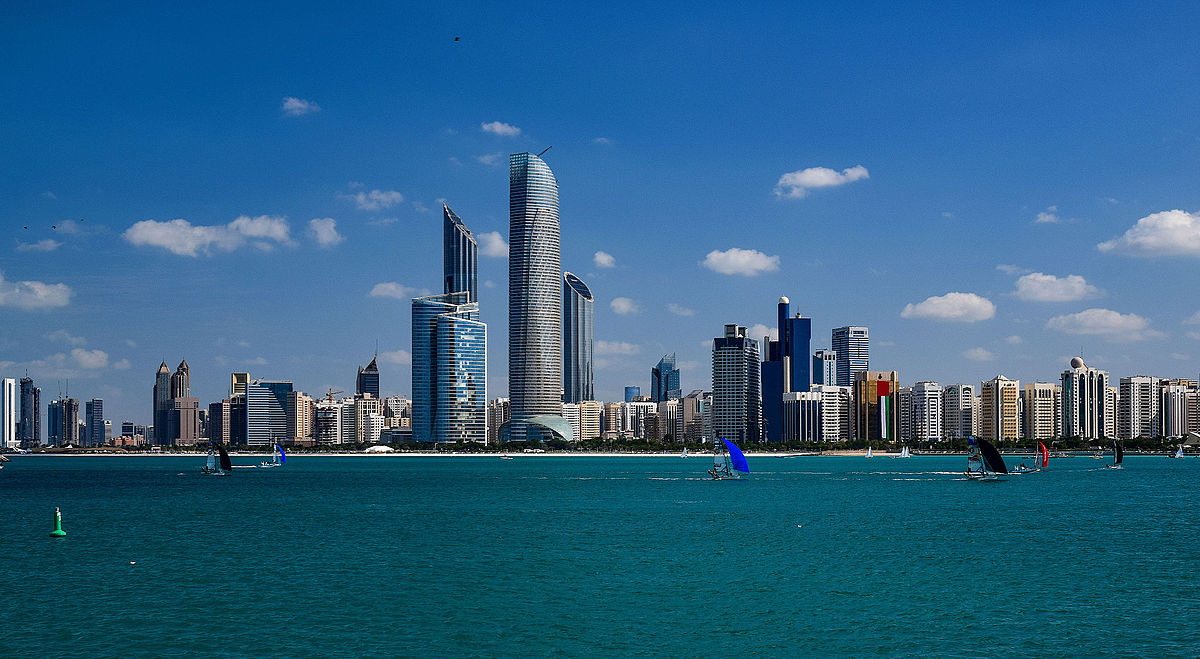
Abu Dhabi is experiencing a significant increase in office rental rates, driven by a surge in investments and economic growth. This trend reflects a broader recovery in the real estate market, with both commercial and residential sectors showing robust performance.

Office rental rates in prime areas of Abu Dhabi have surged by 7 to 10 percent. This rise is largely attributed to increased demand from foreign companies establishing operations in the city. The limited availability of high-quality office space has further intensified competition among tenants, pushing rents higher.

Al Maryah Island, a rapidly developing business hub, is at the forefront of this trend. Known for its luxury real estate and business centers, Al Maryah Island has attracted significant interest from investors and corporations. The island’s strategic location and state-of-the-art infrastructure make it an ideal choice for businesses looking to establish a presence in Abu Dhabi.

Yas Island and Al Reem Island are also witnessing increased interest from investors. Yas Island, renowned for its entertainment and recreational facilities, continues to be a top choice for both residential and commercial investments. Al Reem Island, with its well-developed infrastructure, remains a preferred location for premium real estate projects.

The overall real estate market in Abu Dhabi is benefiting from the government’s efforts to diversify the economy and attract foreign investment. Major infrastructure projects, such as the expansion of the Abu Dhabi International Airport and new transport links, are enhancing the city’s appeal to investors.

Developers are responding to the growing demand by launching new luxury projects. These developments are expected to meet the needs of both local and international investors, providing a range of options from budget-friendly properties to ultra-luxurious residences.

Economic expansion and favorable government policies are key drivers behind this investment influx. The city’s focus on creating a business-friendly environment and improving living standards is paying off, attracting a diverse range of investors. The increase in foreign investment is not only boosting the real estate market but also contributing to the overall economic growth of Abu Dhabi.

Market analysts predict that this upward trend in office rental rates will continue as more businesses seek to capitalize on Abu Dhabi’s strategic location and economic opportunities. The city’s commitment to innovation and development positions it as a leading destination for both business and leisure.

Abu Dhabi’s real estate market is poised for sustained growth, with rising demand for office and residential spaces. Investors are likely to benefit from the strong rental yields and capital appreciation in the coming years, making Abu Dhabi a lucrative destination for real estate investment.

Sources:
– Gulf Business
– The National
– Property Shop Investment Blog
– Abu Dhabi Off Plan
– PSI Blog

Nuvama Private, the private banking arm of the Nuvama Group, has launched its operations in the Dubai International Financial Centre (DIFC), marking a significant step in its strategy to serve the wealth management needs of the Indian diaspora and other high-net-worth individuals (HNWIs) in the Middle East. This move comes as Nuvama Private aims to leverage Dubai’s position as a major financial hub to cater to the growing demand for comprehensive wealth management services among non-resident Indians (NRIs) and global investors.

With the acquisition of a Category III C license, Nuvama Private is one of the few Indian private banks authorized to provide advisory services and distribute investment products in the region. This expansion will facilitate greater access for NRIs and other clients to the rapidly growing Indian markets, which have seen significant developments in both public and private sectors over the past few years.

Alok Saigal, President and Head of Nuvama Private, emphasized the importance of this expansion, noting that approximately one-quarter of Dubai’s expatriate population consists of NRIs, many of whom are ultra-high-net-worth individuals (UHNWI). Saigal stated, “There is a growing aspirational class of global investors eager to participate in the India growth story. We understand the unique needs of the Indian mindset and are committed to providing tailored wealth management solutions for both onshore and offshore clients.”

The new office in DIFC will also help Nuvama Private meet the evolving needs of Indian clients seeking to diversify their investments beyond India. Vivek Sharma, Head of Offshore at Nuvama Private, highlighted the bank’s role in addressing these global needs, saying, “With the evolution of Indian UHNW families, their requirements are becoming global. Our DIFC arm will play an integral role in serving both local and international needs alongside our established practice in India.”

The leadership team for the DIFC office includes Vishwajit Patil, who brings over 20 years of experience in banking and wealth management to his role as Senior Executive Officer. Patil’s extensive background is expected to contribute significantly to the success of Nuvama’s regional operations.

Salmaan Jaffery, Chief Business Development Officer at DIFC Authority, welcomed Nuvama Private to the center, acknowledging Dubai’s status as the Middle East city with the highest concentration of wealth. Jaffery remarked, “We are pleased to have Nuvama in our ecosystem, which offers vast opportunities for wealth and asset management clients. The significant non-resident Indian population in Dubai, familiar with Nuvama, provides a strategic advantage.”

The establishment of the DIFC office aligns with Nuvama Private’s broader strategy to become a preferred partner for private banking needs, providing comprehensive solutions tailored to the aspirations of HNWIs and UHNWI clients. As the firm continues to expand its footprint, it aims to strengthen its position as a leading player in the global wealth management industry.

This strategic move by Nuvama Private not only enhances its service offerings but also underscores the importance of Dubai as a pivotal hub for connecting investors to opportunities in one of the world’s fastest-growing markets.

Sources:
– [International Adviser](https://international-adviser.com/nuvama-private-targets-non-resident-indians-through-new-difc-office)
– [Trade Arabia](https://tradearabia.com/news/BANK_416710.html)

Advertisements
ADVERTISEMENT

Raja Salameh, brother of Lebanon’s former central bank governor Riad Salameh, has come under investigation in France as part of a corruption probe. This investigation is focused on the alleged embezzlement of over $330 million from Lebanon’s central bank. French authorities suspect that Raja, along with his brother, diverted these funds between 2002 and 2015, funneling them into European investments.

The case has drawn significant attention due to the extensive tenure of Riad Salameh as governor, a role he held for three decades. During this time, Riad became a prominent figure, especially as Lebanon grappled with severe economic challenges, culminating in the financial crisis that erupted in 2019.

Prosecutors from Germany, France, and Luxembourg have been actively involved in the investigation, conducting interviews with Lebanese bankers and officials in Beirut. The focus of their inquiries has been on the commissions collected by the central bank, which were purportedly transferred to Forry Associates, a company owned by Raja Salameh. The central bank allegedly collected these commissions from bond buyers and, instead of retaining them, funneled the money to Forry Associates without clear disclosure to private banks.

Despite the allegations, both Riad and Raja Salameh have denied any wrongdoing. Riad maintains that the $300 million was earned legally, emphasizing that he is being used as a scapegoat for the country’s financial woes. Pierre-Olivier Sur, Riad’s French lawyer, argued that the commissions were legitimate payments for intermediation work conducted by Forry Associates, authorized by the central bank’s management and supervisory bodies.

The revelations have intensified scrutiny of Lebanon’s financial sector and the role of its central bank. Lebanese authorities have also pursued their own investigations, leading to charges of illicit enrichment against Riad Salameh in March, which he has denied.

Riad Salameh continues to have the support of key Lebanese political figures, including Nabih Berri, the long-standing Speaker of Parliament. However, the unfolding investigations in Europe and Lebanon are likely to exert increasing pressure on him and his associates as authorities seek to uncover the full extent of the alleged financial misconduct.

The case highlights the broader challenges facing Lebanon, where endemic corruption and financial mismanagement have severely impacted the country’s economy, contributing to widespread public distrust in its institutions. As European prosecutors proceed with their investigation, the international community watches closely, hoping for accountability and transparency in addressing these serious allegations.

Iranian-backed forces have intensified their attacks on areas controlled by US-backed Kurdish fighters in eastern Syria. The clashes have primarily centered around the oil-rich Deir Ezzor province, escalating tensions in a region already fraught with conflict.

Violence erupted when Syrian government-backed mercenaries and local Arab tribal fighters launched a series of attacks on Kurdish-held villages, including Dhiban, Latwa, and Abu Hamam. These areas, situated near the strategically important Al-Omar oil field, have been scenes of heavy fighting, with casualties reported on both sides.

According to the Syrian Democratic Forces (SDF), the Iranian-backed attackers managed to inflict significant damage, including the destruction of military vehicles and the capture of SDF soldiers. The SDF has since imposed curfews in the affected areas, mobilizing reinforcements to regain control and prevent further incursions.

This surge in hostilities follows a series of provocative actions in the broader Middle East. Notably, the killings of key figures in the Hezbollah and Hamas movements have heightened regional tensions, prompting vows of retaliation from Iranian allies.

The US military, which maintains a presence in eastern Syria to support the SDF against ISIS remnants, has been put on high alert. American forces have been actively involved in the conflict, providing aerial surveillance and support to their Kurdish allies. The situation remains volatile, with US helicopters and drones conducting continuous operations over the conflict zones.

The clashes underscore the fragile nature of alliances and the complexity of the Syrian conflict, where multiple factions vie for control and influence. Iranian influence in the region, bolstered by alliances with local tribes and Syrian government forces, continues to challenge US interests and stability efforts in Syria.

As the conflict unfolds, the humanitarian impact is becoming increasingly severe. Civilians caught in the crossfire face displacement and loss, with access to essential services disrupted by the ongoing violence. The international community watches closely, concerned about the potential for a broader escalation that could draw in more regional powers and further destabilize the Middle East.

Expansion reinforces commitment to economic growth and business advisory services in underserved GCC markets. West Palm Beach, Fla: Transworld Business Advisors (Transworld), the world’s largest business brokerage franchise, proudly announces the expansion of its UAE operations to the entire Gulf Cooperation Council (GCC) region. Transworld GCC will soon extend its services to include Saudi Arabia, Kuwait, Bahrain, Qatar, and Oman in addition to its current United Arab […]

ADVERTISEMENT

Dubai has introduced a pilot project to test a four-day work week for government employees during the summer. The initiative, named “Our Flexible Summer,” will run from August 12 to September 30, 2024, and will involve 15 government entities. Under this plan, the workday will be reduced to seven hours, with Fridays off.

The Dubai Government Human Resources Department (DGHR) spearheaded this initiative to enhance work-life balance and improve the overall well-being of government employees. The project aligns with the Dubai Quality of Life Strategy 2033, which aims to make Dubai a leading global destination for living and working by enhancing the quality of life for its residents.

This move also aims to reduce energy consumption within government departments and provides employees with more time for leisure activities. The DGHR will gather feedback throughout the trial period to assess the initiative’s impact and its feasibility for broader implementation.

The initiative underscores the city’s commitment to progressive workplace policies and aims to foster a more flexible and productive work environment, contributing to the broader goal of positioning Dubai as a top city for long-term settlement and employment.

Arabian Post Staff Dubai Chamber of Digital Economy, in partnership with the Dubai World Trade Centre, has successfully concluded a series of 12 international roadshows aimed at promoting Expand North Star, the largest global event for startups and investors, set to take place from October 13-16 in Dubai Harbour. The roadshows spanned cities across Poland, India, Brazil, China, Morocco, France, Switzerland, the UK, and the Netherlands, engaging […]

Arabian Post Staff Riyadh, Kingdom of Saudi Arabia, 5 August 2024: The Esports World Cup, held at Boulevard Riyadh City, crowned champions across three major games, marking a landmark day in competitive gaming history. KPL Dream Team emerged victorious in the Honor of Kings Invitational Series 2024 Midseason, displaying an impeccable performance by not losing a single game throughout the tournament. The Chinese team took home the […]

Arabian Post Staff Bangladesh has appointed Nobel laureate Muhammad Yunus to head an interim government following the resignation of Prime Minister Sheikh Hasina, who fled to India amidst nationwide protests. The appointment was announced by President Mohammed Shahabuddin’s press secretary, Joynal Abedin, following consultations with political, military, and civil society leaders. The political turmoil escalated after Hasina’s administration reinstated a controversial quota system for government jobs, triggering […]

ADVERTISEMENT

A rocket attack on US forces stationed in Iraq on Monday has escalated tensions, complicating ongoing negotiations regarding the withdrawal of foreign troops from the country. The attack, which resulted in multiple injuries, has been attributed to Iran-backed militia groups operating within Iraq. US officials have pointed fingers at Kataib Hezbollah, a powerful militia with a history of targeting American assets in the region.

The rocket strike targeted the Ain al-Asad airbase, a key location for US troops in Iraq. This base has been the focal point of several assaults over the years, highlighting the volatile security situation in the region. Diplomatic efforts to reduce the foreign military footprint in Iraq might be significantly affected by this incident, with both US and Iraqi officials expressing concerns about the future stability of the area.

US Central Command spokesperson confirmed the attack, noting the use of 107mm rockets, which have been a preferred weapon of Iran-backed groups. The assault led to immediate military responses, with US forces conducting airstrikes targeting militia positions suspected of orchestrating the attack. This retaliatory measure underscores the ongoing tit-for-tat dynamics between US forces and Iran-aligned militias in Iraq.

Iraq’s Prime Minister condemned the attack, emphasizing the need for a thorough investigation to hold those responsible accountable. He reiterated the Iraqi government’s stance on preventing the country from becoming a battleground for proxy conflicts. However, the ability of the Iraqi government to rein in these powerful militias remains questionable, given their deep-rooted influence and substantial military capabilities.

The attack also comes at a critical juncture as the US and Iraq have been engaged in strategic dialogue aimed at determining the future of US military presence in the country. These talks are crucial for shaping the long-term security and political landscape of Iraq. However, the rocket attack has introduced new complexities, potentially hardening US positions and influencing the terms of any future agreements.

Iran, while not directly implicated in the attack, has been accused of supporting and supplying these militia groups. The broader geopolitical tensions between the US and Iran continue to spill over into Iraq, with local militias often acting as proxies for Tehran’s regional ambitions. This dynamic further complicates the efforts of Iraqi authorities to stabilize the country and assert full sovereignty.

The international community has been closely monitoring these developments, with several countries expressing concerns about the potential for further escalation. The United Nations has called for restraint from all parties and urged a return to diplomatic negotiations to address underlying issues.

This latest incident is part of a broader pattern of violence and instability that has plagued Iraq since the US-led invasion in 2003. The presence of foreign troops, the influence of various militia groups, and the ongoing threat of extremist organizations like ISIS continue to pose significant challenges for Iraq’s security apparatus.

The future of US-Iraq relations remains uncertain, with the rocket attack serving as a stark reminder of the fragile state of affairs. Both nations must navigate this complex environment carefully to avoid further escalation and work towards a sustainable resolution that ensures the stability and security of the region.

This attack and its aftermath will likely have far-reaching implications, not just for Iraq but for the broader Middle East, where the interplay of regional powers continues to shape the geopolitical landscape. The outcome of the US-Iraq negotiations will be critical in determining the direction of future US involvement in the region and the overall stability of Iraq.

Yahya Sinwar has been appointed as the new leader of Hamas, marking a significant development in the organization’s political landscape. Sinwar’s selection comes at a pivotal time as Hamas seeks to consolidate its position and strategic direction amidst ongoing regional tensions.

Sinwar, who has been a prominent figure within Hamas for several years, previously served as the leader of Hamas in the Gaza Strip. His appointment to the top position within the organization underscores a shift in leadership dynamics and strategic focus. Known for his hardline stance and deep involvement in the group’s military and political operations, Sinwar’s new role is expected to influence Hamas’s approach to both internal governance and its interactions with international stakeholders.

The decision to appoint Sinwar reflects internal changes within Hamas as it navigates complex political and military challenges. Analysts suggest that his leadership could steer the organization towards a more assertive stance in regional conflicts and negotiations. This development also raises questions about the potential impacts on ongoing peace processes and the broader geopolitical landscape of the Middle East.

In parallel, US Vice President Kamala Harris has announced Minnesota Governor Tim Walz as her running mate for the upcoming presidential election. This choice is seen as a strategic move to strengthen the Democratic ticket by appealing to a broader voter base. Walz, known for his leadership during challenging times, brings a wealth of experience to the campaign, potentially enhancing the Democratic platform’s appeal and electoral prospects.

Moreover, the Middle East and North Africa (MENA) region has seen notable achievements in sports, with athletes from the region claiming victories in various competitions. These successes highlight the growing prominence of MENA countries on the global sports stage and contribute to the region’s rising international profile.

As these developments unfold, they will likely have significant implications for regional politics, international relations, and domestic electoral strategies. The appointment of Yahya Sinwar as Hamas’s leader and the strategic moves in US politics, combined with emerging sports successes, reflect a dynamic and evolving global landscape.

A significant portion of Americans disapprove of deploying U.S. ground forces to protect Israel in the event of an Iranian attack. This sentiment emerges amidst heightened tensions in the Middle East, reflecting a broader reluctance to engage militarily in foreign conflicts.

Recent surveys from Pew Research Center and Ipsos reveal that a majority of Americans prefer the United States to adopt a diplomatic stance rather than a military one in the ongoing Israel-Hamas conflict. Approximately 57% of respondents oppose sending U.S. troops if Israel were attacked by its neighbors, while 50% oppose military intervention if Iran directly entered the conflict. This indicates a strong preference for non-interventionist policies, despite widespread sympathy for Israel among the American public.

The data also shows significant demographic and political variations in opinions on U.S. involvement. Older Americans, particularly those over 65, are more inclined to support military aid, whereas younger adults, especially those under 30, largely oppose it. Politically, Republicans are more supportive of military aid to Israel than Democrats, but a significant portion of both groups agree on avoiding direct military engagement.

The American public’s preference leans heavily towards diplomatic efforts. Most Americans believe the U.S. should play a minor role in resolving the Israel-Hamas conflict, with 53% advocating for diplomatic negotiations and 54% supporting efforts to protect Israeli civilians. There is, however, less consensus on military aid, with the country almost evenly split—36% in favor and 34% against.

Jewish Americans strongly support military aid to Israel, with 56% in favor, contrasted by 55% of Muslim Americans who oppose it. These differences highlight the complex and multifaceted nature of public opinion on U.S. foreign policy in the Middle East.

While the public remains divided on specific policies, there is a clear majority opposing the deployment of U.S. ground troops in active combat scenarios. This stance underscores a broader trend of wariness towards further military entanglements, emphasizing a preference for diplomatic and humanitarian interventions over direct military action.

The findings indicate a cautious approach to U.S. involvement in the Middle East, reflecting a desire for balanced and measured responses to complex international conflicts.

Sources:
– Pew Research Center: Views on U.S. Involvement in Israel-Hamas Conflict
– Ipsos: American Public Opinion on Israel-Gaza Conflict

ADVERTISEMENT

A Pakistani national with alleged ties to Iran has been charged in the United States for his involvement in a plot to assassinate a US politician. Asif Merchant, the accused, faced charges in a Brooklyn federal court for attempting to orchestrate the killings by hiring hitmen, who were actually undercover FBI agents.

The Department of Justice announced that Merchant, who spent time in Iran before traveling to the United States, was detained on July 12 while preparing to leave the country. His arrest follows weeks of heightened security measures around former President Donald Trump after a threat linked to Iran surfaced.

Merchant is accused of being part of a broader retaliation strategy by Iran for the 2020 killing of Qassem Soleimani, a top Iranian commander, by a US drone strike. Soleimani’s death had long been a point of contention, with Iranian officials vowing retribution.

Attorney General Merrick Garland emphasized that the Justice Department remains resolute in countering and disrupting any lethal plots against American citizens. Garland noted that the plot aligns with known Iranian tactics aimed at retaliating against the US for Soleimani’s death. FBI Director Christopher Wray highlighted the intricate connections Merchant had with Iran and described the plot as reflective of Iran’s hostile operations.

The arrest and charges against Merchant mark another significant move by US authorities to thwart perceived threats from Iran. In a related incident, the US charged an Iranian operative in August 2022 for plotting to assassinate John Bolton, the former US National Security Advisor.

The continuous efforts by the Justice Department to uncover and prevent such plots underscore the persistent threats faced by US public officials from foreign adversaries seeking retribution. This incident highlights the complex geopolitical tensions and the ongoing vigilance required to maintain national security.

Merchant remains in custody as the investigation continues, with no further details on any additional suspects or potential targets disclosed by officials.

For more information, you can refer to the articles from [VOA News](8) and [DW](9).

Hamas has announced Yahya Sinwar as its new political leader, succeeding Ismail Haniyeh, who was assassinated in Tehran. Sinwar, a prominent figure within the organization, has long been a key player in Hamas’s military and political strategy. This move marks a significant shift in the group’s leadership amid ongoing tensions in the region.

Sinwar’s appointment comes at a crucial time for Hamas, which faces escalating conflicts and internal challenges. Known for his hardline stance and deep ties to the organization’s military wing, Sinwar’s leadership is expected to impact Hamas’s strategic direction significantly. His background includes involvement in numerous operations and a focus on consolidating control over Gaza.

The assassination of Haniyeh, a notable leader who had steered Hamas through various diplomatic and military campaigns, has left a power vacuum that Sinwar is now set to fill. Haniyeh’s tenure was marked by efforts to navigate complex relations with both regional actors and international stakeholders. Sinwar’s rise to power signals a potential shift towards a more confrontational approach in the group’s policies and strategies.

As Sinwar takes the helm, Hamas faces mounting pressures from both within the Gaza Strip and from external forces. The group continues to grapple with economic challenges and humanitarian crises exacerbated by the ongoing blockade and internal governance issues. Sinwar’s leadership will be closely scrutinized for how he manages these pressures and steers Hamas’s future actions.

International reactions to Sinwar’s appointment have been mixed. Some regional players view the change with apprehension, concerned about the implications for peace and stability in the Middle East. Meanwhile, supporters of Hamas anticipate a stronger stance against Israel and a renewed focus on resistance activities.

Sinwar’s leadership may also influence Hamas’s relationships with other Palestinian factions and its stance towards peace negotiations. The broader implications of his appointment will unfold as he begins to shape Hamas’s policies and strategies in the coming months.

This development underscores the dynamic nature of leadership within Hamas and its impact on the broader geopolitical landscape. The organization’s internal dynamics and external relations will likely be shaped by Sinwar’s approach to governance and resistance.

Abu Dhabi’s sovereign wealth fund Mubadala is initiating strategic shifts within its European startup portfolio to enhance returns amidst a downturn in valuations. The fund is collaborating with international investment firms to revitalize these startups and integrate them into Abu Dhabi’s burgeoning tech ecosystem.

Mubadala, with assets worth $284 billion, is focusing on fostering innovation and growth in European startups by leveraging its substantial capital and expertise. The initiative aims to attract global investors to Abu Dhabi, creating a vibrant startup ecosystem centered around Hub71, the emirate’s tech hub.

Amidst declining valuations, Mubadala is not merely a passive investor but an active partner. Ibrahim Ajami, head of ventures at Mubadala Capital, emphasizes that the fund seeks startups with strong business models and visionary leadership. Mubadala’s approach includes providing more than just financial support; it extends to offering strategic guidance, operational support, and market access.

The fund is particularly interested in sectors such as technology and healthcare, where it sees potential for substantial impact and returns. Mubadala’s investment strategy is designed to create long-term value, balancing financial returns with contributions to the UAE’s development goals. This dual focus ensures that investments are not only profitable but also aligned with Abu Dhabi’s vision of becoming a global innovation hub.

Partnerships with other major funds from the US and Europe are key to Mubadala’s strategy. These collaborations are expected to bring additional capital and expertise to Abu Dhabi, further solidifying its position as a leading destination for startups. This influx of international resources is intended to help startups scale effectively, access new markets, and innovate at a faster pace.

To attract investors and enhance startup readiness, Mubadala stresses the importance of solid business plans and financial metrics. Startups are encouraged to focus on detailed growth projections and sustainability. Ajami notes that beyond capital, Mubadala offers startups the critical support needed to navigate early growth stages, including corporate governance and financial management.

The Abu Dhabi Global Market (ADGM), with its robust regulatory framework, plays a crucial role in this strategy. As one of the region’s top financial centers, ADGM provides a secure and attractive environment for foreign investors. Mubadala’s alignment with ADGM ensures that startups benefit from a well-regulated ecosystem conducive to innovation and growth.

Mubadala’s proactive stance in reshaping its European startup portfolio underscores its commitment to creating a dynamic, innovation-driven economy in Abu Dhabi. By aligning financial returns with developmental goals, Mubadala is setting a benchmark for strategic investment in the global startup landscape.

Asian stock markets surged on Tuesday, rebounding from significant losses experienced in previous sessions. Investor sentiment turned positive as market participants seized opportunities to buy stocks at lower prices, spurred by optimism despite economic concerns.

Japan’s Nikkei 225 Index led the recovery, soaring nearly 3,000 points to surpass the 34,400 mark. Major contributors included SoftBank Group, Honda, and Toyota, which saw substantial gains, lifting overall market performance. The Nikkei’s recovery followed a sharp decline on Monday, reflecting investor confidence in the resilience of major sectors.

Australia’s S&P/ASX 200 Index also saw a modest increase, driven by gains in technology stocks like Appen and iron ore miners such as BHP Group. This uptick came despite a drop in building approvals reported by the Australian Bureau of Statistics, indicating a mixed economic outlook.

South Korea’s KOSPI Index surged by 3%, bolstered by a positive turn in market sentiment. Investors showed renewed interest in major tech stocks, which had been heavily sold off in the previous sessions.

Hong Kong’s Hang Seng Index experienced a 2% rise, with significant gains in the technology and financial sectors. Companies like Tencent and HSBC contributed to the index’s recovery, demonstrating resilience amidst broader economic uncertainties.

This rebound across Asian markets followed the worst sell-off since 2008, triggered by fears of a U.S. recession and geopolitical tensions in the Middle East. Despite these underlying concerns, the latest market performance indicates a cautious optimism among investors, driven by strategic buying and a focus on long-term growth prospects.

Overall, the recovery in Asian stock markets highlights the dynamic nature of global financial markets, where investor sentiment can quickly shift in response to evolving economic indicators and geopolitical events. This positive trend suggests a potential stabilization in the coming weeks, contingent on continued investor confidence and favorable economic developments.

Arabian Post Staff The recent verdict against Google in the antitrust case marks a pivotal moment in the technology sector, with far-reaching consequences likely to reshape the industry landscape. As the ruling unfolds, its ripple effects are expected to extend well beyond Google’s corporate boundaries, impacting a range of players from competitors to consumers and influencing regulatory approaches globally. This legal setback for Google underscores a significant […]

India’s decision to lower gold import duties could significantly reduce smuggling activities, according to the World Gold Council (WGC). The move, which decreases the import tax from 15% to 10%, aims to curb the high levels of illegal gold trade that have persisted despite stringent regulations.

Gold smuggling into India has been a persistent issue due to the country’s high import duties, which incentivize illegal trade channels. The WGC highlights that the elevated duties have led to a flourishing black market, undermining the effectiveness of official policies. With the import duty now reduced, legal avenues for gold trade are expected to become more attractive, potentially reducing the incentive for smuggling.

Economic analysts suggest that the reduction in import duties aligns with India’s broader economic strategy to stabilize gold markets and enhance trade transparency. By lowering the duties, the government seeks to bridge the gap between the legal and illegal gold markets. This policy shift is anticipated to stabilize gold prices and contribute to greater fiscal stability within the sector.

The gold market in India is notably influenced by the price disparities between official and unofficial channels. Smuggling thrives in environments where legal channels are less competitive due to high taxes and regulations. With a lower import duty, the cost of legally imported gold will become more competitive, potentially diminishing the appeal of smuggling operations.

Industry experts argue that while this policy adjustment is a step in the right direction, the effectiveness of this measure will depend on its enforcement and complementary regulations. The reduction in duty may lead to a surge in official gold imports initially, but continued vigilance will be crucial in ensuring that the policy achieves its intended objectives.

India’s gold imports have long been a significant concern for the government, given the precious metal’s role in both cultural practices and economic activities. Gold remains a crucial asset for millions of Indian households, and managing its trade efficiently is essential for maintaining economic stability.

The World Gold Council’s analysis underscores the importance of this policy change in addressing the illegal gold trade. The council’s assessment points out that effective implementation and monitoring will be vital in achieving a reduction in smuggling rates. The organization advocates for robust enforcement mechanisms to complement the policy shift, ensuring that the benefits of reduced duties are not offset by increased illicit activities.

Overall, the adjustment in India’s gold import duties represents a strategic move aimed at enhancing market efficiency and curbing illegal trade practices. The broader implications of this policy shift will become clearer as its effects on the gold market unfold over the coming months.

A rocket attack targeted the Ain Al Asad air base in Iraq, resulting in injuries to several US personnel. The incident occurred on Monday, prompting immediate responses from both US and Iraqi military forces.

The attack involved the launch of multiple rockets towards the air base, a key installation housing US troops and equipment. Initial reports indicate that the rockets were fired from an unknown location, and investigations are underway to determine the responsible parties. The injured personnel received immediate medical attention, with some evacuated to more advanced medical facilities for further treatment.

Ain Al Asad, located in Iraq’s Anbar province, has been a frequent target of rocket and drone attacks, particularly by groups with links to Iranian-backed militias. These groups have often targeted US military installations in retaliation for various geopolitical tensions in the region.

The timing of this attack is notable, coming amidst heightened regional tensions following the recent escalation of hostilities between Israel and Hezbollah, along with ongoing instability in Iraq. The US military has reiterated its commitment to maintaining a presence in Iraq to support the fight against remnants of the Islamic State and to provide stability in the region.

Pentagon officials have condemned the attack, emphasizing that such actions will not deter the US from its mission in Iraq. They highlighted that the security of personnel and assets remains a top priority, and necessary measures will be taken to protect them. Additionally, efforts are being intensified to enhance the base’s defensive capabilities to prevent future attacks.

The Ain Al Asad air base has historically been a strategic location for US operations in the Middle East. It has played a critical role in the coalition’s efforts against ISIS and continues to be a vital hub for training and supporting Iraqi security forces. The base has also hosted numerous high-profile visits, including a visit by former US President Donald Trump in 2018.

Local Iraqi authorities are cooperating with US forces to investigate the attack and to track down those responsible. This incident underscores the ongoing volatility in the region and the persistent threats faced by US and coalition forces stationed in Iraq.

As the situation develops, both US and Iraqi forces are expected to bolster security measures and remain vigilant against further threats. The international community watches closely as tensions in the Middle East continue to pose significant challenges to regional and global security.

Sources:
– Times Now
– LBC
– CBS News

VISHNU RAJA
RYO YAMADA
HITORI GOTOH
IKUYO KITA
Social Media Auto Publish Powered By : XYZScripts.com