Articles written by
arabian post staff

Arabian Post Staff Nineteen-year-old pilot Mack Rutherford is undertaking a solo journey from the United Kingdom to Dubai with a goal to raise $1 million for cancer research. This ambitious flight, which is set to span multiple countries and involve navigating diverse airspaces, is not just a test of endurance but also a significant fundraising endeavor. Rutherford, a seasoned pilot with a track record of extraordinary feats, […]

The tech company OpenAI has dismantled an Iranian operation linked to attempts at influencing the U.S. election. This action, marking a significant step in countering foreign interference, highlights ongoing efforts by technology companies to safeguard electoral integrity.

The operation, identified through a collaborative effort involving cybersecurity experts and government agencies, was revealed to be orchestrating a sophisticated campaign to manipulate public opinion and interfere with the electoral process. OpenAI’s intervention comes as part of a broader initiative to prevent misuse of artificial intelligence technologies in political contexts.

The dismantled network was found to be leveraging advanced AI tools to create and disseminate disinformation, aiming to sway voter behavior and undermine trust in democratic institutions. This move underscores the increasing focus on combating such threats as the 2024 U.S. presidential election approaches.

Recent investigations indicate that the operation had established several fake social media accounts and news websites, designed to appear as legitimate sources of information. The content distributed through these channels was tailored to polarize public opinion and exploit divisive issues. By removing these assets, OpenAI aims to curb the impact of such disinformation campaigns.

The U.S. government and technology firms have been intensifying their efforts to address election interference, with particular emphasis on foreign entities using digital platforms to influence domestic politics. This action by OpenAI is a critical component of these broader countermeasures.

The Iranian operation is just one example of the growing threat landscape. Experts emphasize that safeguarding elections against foreign interference requires constant vigilance and adaptation to evolving tactics. The dismantling of this network is seen as a significant achievement, but it also signals the need for ongoing collaboration between technology companies, government agencies, and cybersecurity experts.

This development comes at a time when concerns about election security are at an all-time high. Efforts to enhance transparency, improve detection mechanisms, and strengthen regulatory frameworks are crucial to addressing these challenges.

As technology continues to advance, the potential for misuse grows, making it imperative for organizations like OpenAI to remain proactive in their efforts to protect democratic processes. The dismantling of the Iranian operation serves as a reminder of the complex and evolving nature of modern electoral threats and the need for sustained efforts to ensure the integrity of democratic institutions.

The impact of this intervention will likely be assessed as the election season progresses, with a focus on understanding the effectiveness of such measures in countering foreign interference. This incident highlights the importance of a coordinated approach to election security, involving both technological solutions and strategic collaboration among key stakeholders.

Dubai is increasingly becoming a strategic hub for Chinese businesses aiming to expand their international presence. This shift reflects broader trends in global commerce and geopolitics, with the city emerging as a pivotal platform for Chinese companies to leverage in their quest for growth beyond domestic markets.

Dubai’s allure stems from its strategic location, business-friendly environment, and its role as a gateway to both the Middle East and Africa. The city offers an advantageous tax regime, sophisticated infrastructure, and a well-established financial sector, which together create an inviting atmosphere for international investments. For Chinese firms, Dubai’s status as a global trade and logistics center aligns perfectly with their expansion strategies.

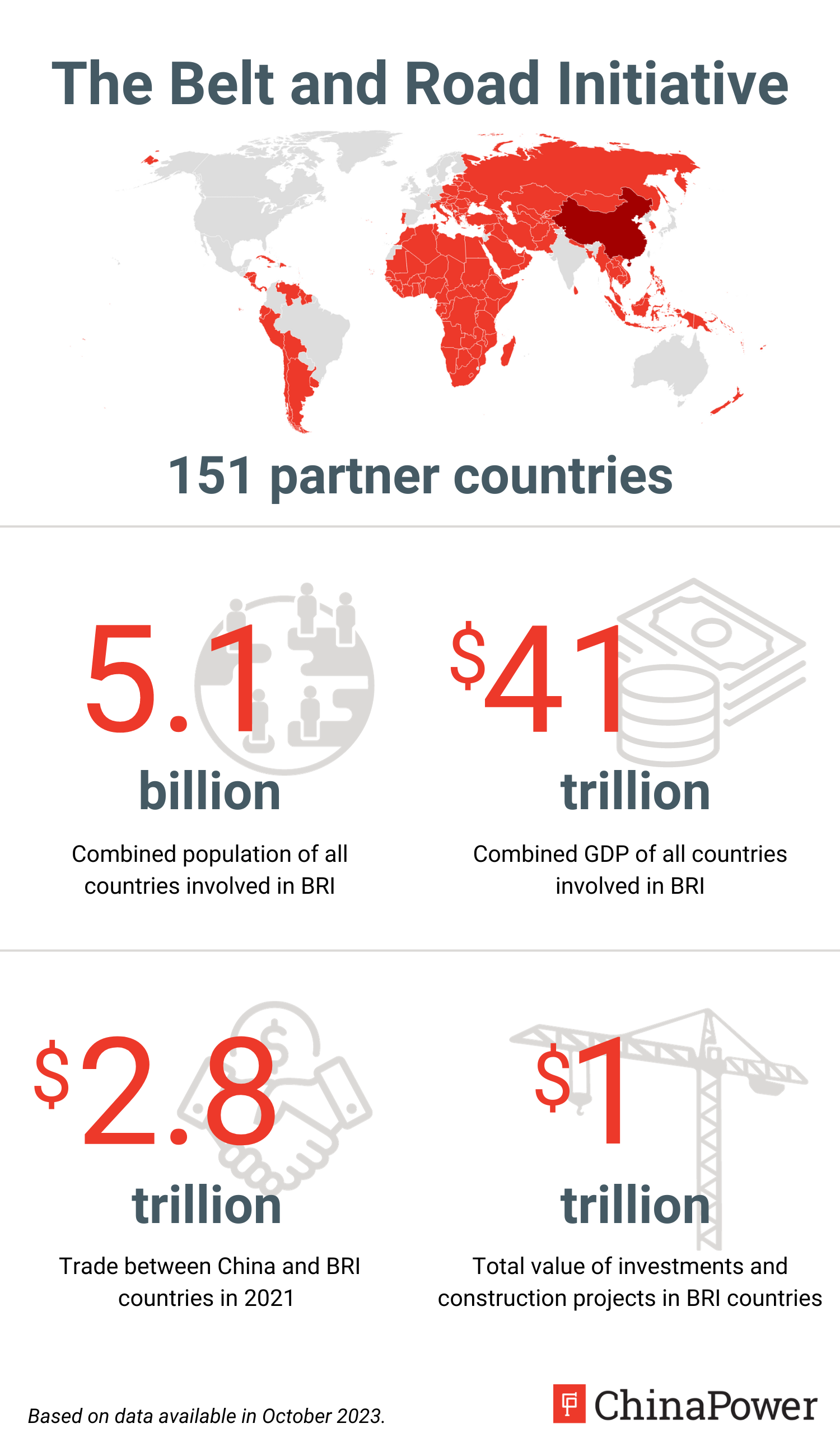
Recent developments underscore this trend. Several prominent Chinese corporations have recently established or expanded their operations in Dubai, capitalizing on the city’s robust economic environment and its strategic position along key international trade routes. The growth of China’s Belt and Road Initiative (BRI) further enhances Dubai’s importance, as the city is a crucial node in this expansive global infrastructure project.

For instance, Chinese technology giants like Huawei and Alibaba have intensified their operations in Dubai. Huawei’s regional headquarters in Dubai manages its Middle Eastern and African markets, while Alibaba has been expanding its e-commerce footprint through local partnerships and logistics hubs. These moves illustrate how Chinese firms are using Dubai not just as a regional base, but as a springboard for global outreach.

Additionally, the Dubai International Financial Centre (DIFC) has become a magnet for Chinese financial institutions seeking to tap into international markets. The DIFC’s regulatory framework, which aligns with global standards, provides a secure and favorable environment for Chinese banks and investment firms to operate. This development is part of a broader trend where Chinese financial entities are increasingly seeking to establish a global footprint.

The UAE and China have strengthened their economic ties through several bilateral agreements aimed at enhancing trade and investment flows. These agreements reflect both countries’ commitment to fostering deeper economic cooperation, which further amplifies Dubai’s role as a crucial business hub for Chinese enterprises. For example, the recent UAE-China Free Trade Agreement is expected to boost trade volumes and facilitate smoother business transactions between the two countries.

The growth of Chinese e-commerce and digital companies in Dubai also highlights the city’s evolving role in the global tech landscape. Chinese firms are leveraging Dubai’s advanced digital infrastructure and favorable regulatory environment to drive their digital growth and innovation strategies. This trend is expected to continue as Dubai positions itself as a leading global technology and innovation hub.

As Chinese firms continue to seek new markets and opportunities for growth, Dubai’s role as a launchpad for international expansion becomes increasingly significant. The city’s strategic advantages, coupled with its dynamic business environment, make it an attractive destination for Chinese companies aiming to broaden their global footprint.

This trend not only reflects the shifting dynamics of global trade and investment but also underscores Dubai’s growing influence as a key player in the international business arena. As Chinese firms leverage Dubai’s unique advantages, the city is set to further solidify its position as a global business hub.

Chery Automobile, a prominent Chinese car manufacturer, has further extended its presence in the United Arab Emirates (UAE) with the inauguration of a new showroom in Dubai. This move signifies a strategic effort by Chery to strengthen its foothold in the Middle Eastern market, reflecting the growing demand for affordable and high-quality vehicles in the region.

The new showroom, located in one of Dubai’s bustling commercial districts, aims to enhance Chery’s accessibility to potential customers and provide an immersive brand experience. This development is part of Chery’s broader strategy to capitalize on the UAE’s robust automotive market, which has seen a consistent rise in interest for new vehicle models and advanced automotive technologies.

Chery’s entry into the UAE market has been marked by a series of strategic investments, including partnerships with local distributors and service centers. The company’s focus on affordability, coupled with its emphasis on high standards of quality and technology, has resonated well with UAE consumers. This expansion is expected to boost Chery’s visibility and competitiveness in a market characterized by a diverse range of automotive brands.

The UAE’s automotive sector has been increasingly receptive to new entrants, driven by a combination of favorable economic conditions, a growing population, and a rising interest in environmentally friendly and innovative automotive solutions. Chery’s latest showroom opening aligns with these trends, positioning the brand to tap into the evolving consumer preferences and economic opportunities within the region.

Chery’s strategic approach involves not just expanding its physical presence but also investing in customer experience and after-sales services. The new showroom features state-of-the-art facilities designed to provide a comprehensive and interactive experience for visitors. This includes advanced vehicle displays, interactive technology, and a dedicated customer service team to assist with inquiries and test drives.

The expansion of Chery’s operations in the UAE is also supported by its focus on localizing its offerings. By understanding and adapting to the specific needs and preferences of UAE consumers, Chery aims to build a strong brand presence and foster long-term customer loyalty. The new showroom will serve as a key hub for showcasing the brand’s latest models and technologies, reinforcing Chery’s commitment to delivering high-quality vehicles that meet the diverse needs of the market.

Industry experts anticipate that Chery’s continued investment in the UAE will have a positive impact on its market share, especially as the automotive sector in the region continues to grow. With a focus on innovation, affordability, and customer satisfaction, Chery is well-positioned to make significant strides in the competitive UAE automotive landscape.

The opening of the new showroom marks a significant milestone for Chery as it seeks to leverage its global reputation and expertise to establish a strong foothold in one of the Middle East’s most dynamic markets. As the automotive industry evolves and consumer preferences shift, Chery’s expansion in the UAE highlights the company’s proactive approach to growth and market adaptation.

With a clear strategy aimed at enhancing brand visibility and customer engagement, Chery’s new showroom in Dubai is set to play a pivotal role in the company’s ongoing efforts to expand its presence and achieve long-term success in the UAE automotive market.

Arabian Post Staff Saudi Arabia’s investment in US Treasury securities has surged to its highest level since the onset of the pandemic, reflecting a strategic shift in the kingdom’s financial portfolio. As of the latest figures, Saudi holdings of US government debt have reached unprecedented levels, surpassing previous peaks observed during the global health crisis. This substantial increase underscores a broader trend of enhanced economic collaboration between […]

Arabian Post Staff Dubai Financial Market (DFM) and Shenzhen Stock Exchange (SZSE) have formalized their partnership with a Memorandum of Understanding (MoU) aimed at enhancing cross-border investments and financial cooperation. The agreement will enable both exchanges to explore new opportunities in dual-listing, exchange-traded funds (ETFs), mutual display of indices, and fixed-income products, broadening the scope for investors in both regions. This strategic collaboration underscores the growing financial […]

Arabian Post Staff The United States has introduced a new ceasefire proposal aimed at narrowing the gaps between Israel and Hamas amid ongoing hostilities in Gaza. The proposal, delivered during diplomatic talks in Doha, seeks to bridge the remaining differences between the conflicting parties. While U.S. officials remain cautiously optimistic, both Israeli and Hamas representatives have expressed reservations about the deal. The plan includes provisions for humanitarian […]

Advertisements

Shuaa Capital has reported a narrowed net loss of $8 million for Q2 2024, a reduction from the $11 million loss in the same period last year. The Dubai-based asset management firm has been undergoing a strategic shift, focusing on divesting underperforming investments to streamline its core financial services. Despite a challenging market environment, Shuaa’s revenue fell to $19.9 million, down from $37.7 million in Q2 2023. The company remains committed to restructuring its portfolio to drive future profitability.

A senior official overseeing regulatory affairs in India has come under scrutiny after documents surfaced suggesting potential conflicts of interest related to his earnings. The financial records, obtained through a series of investigative reports, reveal the official may have profited from sources directly linked to the sectors he regulates, raising concerns over the integrity of his office.

The official in question, who holds a pivotal role in shaping and enforcing regulations across various industries, is alleged to have earned significant revenue through undisclosed channels. The nature of these earnings has prompted questions about whether they align with the ethical standards expected of someone in his position. These revelations have led to calls for a thorough investigation into his financial dealings.

Industry experts have voiced apprehension over the implications of such a conflict of interest. The official’s influence extends over key sectors, including telecommunications, pharmaceuticals, and energy. If these allegations hold true, his financial interests could have swayed decisions impacting billions of dollars in the marketplace.

The documents in question reportedly detail a series of transactions that appear to link the regulatory chief to companies and entities under his jurisdiction. Critics argue that these connections might have led to favorable decisions or lax enforcement of regulations, benefitting these entities at the expense of public interest. The allegations have sparked debates on the need for stricter oversight of regulatory authorities in the country.

This case has also brought to light the broader issue of transparency and accountability within India’s regulatory framework. Legal experts stress that any regulatory authority must operate with the highest level of integrity to maintain public trust. The potential breach of this trust by such a high-ranking official could have far-reaching consequences for the sectors he oversees.

Questions have also arisen regarding the processes in place for monitoring the financial activities of regulatory officials. Some industry observers suggest that the current mechanisms may not be sufficient to prevent or detect such conflicts of interest. There is a growing consensus that more stringent measures are needed to ensure that those in positions of power are not compromised by personal financial gains.

The official has yet to respond publicly to these allegations. However, sources close to the situation indicate that an internal review may be underway. It remains to be seen whether this review will lead to formal charges or disciplinary action, but the case is already drawing significant attention both domestically and internationally.

This incident has reignited discussions about the need for reforms within India’s regulatory bodies. Advocates for reform argue that the integrity of the regulatory process is critical to ensuring fair and transparent governance. Without robust safeguards, they warn, the potential for corruption and abuse of power remains high.

As this story continues to develop, the spotlight will likely remain on how India’s regulatory institutions handle the allegations. The outcome could set a precedent for how similar cases are addressed in the future, impacting the credibility and effectiveness of the nation’s regulatory system.

This controversy has cast a shadow over the broader landscape of governance in India, with stakeholders across various sectors closely monitoring the developments. The situation underscores the importance of vigilance in maintaining the integrity of regulatory processes, ensuring that they serve the public interest rather than individual agendas.

AD Ports Group’s subsidiary, Noatum, has secured a significant foothold in the Egyptian maritime sector by acquiring a majority share in Safina B.V., a leading provider of maritime agency services. This strategic move aligns with AD Ports Group’s broader expansion in Egypt and the Middle East.

The acquisition, set to be finalized in the third quarter of 2024, strengthens Noatum’s position in the region and integrates Safina’s established network of services across key Egyptian ports, including Alexandria, Damietta, and Port Said. Safina, which has been a prominent player in the Egyptian maritime industry for decades, will be rebranded as Noatum Maritime Egypt, though its founders will retain a minority stake.

This acquisition not only expands Noatum’s service offerings but also enhances its ability to serve clients across various sectors, leveraging Safina’s extensive experience and operational expertise in the region. The integration of Safina into Noatum’s global network is expected to provide significant growth opportunities, particularly in the Mediterranean and Red Sea markets.

Terry Gidlow, CEO of Noatum Maritime, emphasized that this acquisition will enable Noatum to optimize its operations and better meet the needs of its customers in Egypt and beyond.

This move is part of AD Ports Group’s continued investment in the region, complementing its existing agreements for the management of multiple ports in Egypt.

India’s central bank, the Reserve Bank of India (RBI), is encouraging domestic banks to accelerate efforts to facilitate direct trade settlements between the Indian rupee and the UAE dirham. This initiative is part of a broader strategy aimed at reducing dependence on the U.S. dollar in international trade, particularly with key trading partners like the United Arab Emirates.

The move is seen as a significant step toward strengthening economic ties between India and the UAE, which has become India’s third-largest trading partner, with bilateral trade volumes reaching approximately $83 billion in the last fiscal year. By promoting direct rupee-dirham settlements, the RBI aims to make transactions more efficient and cost-effective for businesses, reducing currency exchange risks and transaction costs.

This push by the RBI aligns with the Indian government’s ongoing efforts to internationalize the rupee and promote its use in global trade. The initiative is also expected to enhance liquidity in the rupee-dirham market and support the growth of trade between the two nations. While the concept of direct currency settlements is not new, the RBI’s renewed focus on this mechanism indicates a strategic shift towards diversifying currency usage in international trade, particularly in the face of global economic uncertainties.

Banks operating in the UAE and India are expected to play a crucial role in this transition by developing the necessary infrastructure and systems to support direct rupee-dirham trade. The RBI’s initiative is likely to encourage more businesses to adopt this settlement mechanism, potentially increasing the volume of trade conducted in local currencies rather than through the U.S. dollar.

This development comes amid a broader trend of countries exploring alternatives to dollar-dominated trade, particularly in the context of geopolitical shifts and the desire to reduce exposure to exchange rate fluctuations. As India continues to position itself as a global economic power, the success of the rupee-dirham settlement mechanism could pave the way for similar arrangements with other key trading partners.

The RBI’s push for direct currency settlement with the UAE is part of a larger strategy to promote the rupee’s role in international markets, reflecting India’s growing economic clout and its ambition to play a more prominent role in the global financial system. This initiative, if successful, could lead to a more significant reduction in India’s reliance on the U.S. dollar for international trade, contributing to the overall stability and resilience of the country’s economy.

As this initiative unfolds, market participants and analysts will closely monitor its impact on trade volumes, currency markets, and the broader economic relationship between India and the UAE. The success of this strategy could set a precedent for similar efforts in other regions, furthering India’s goal of internationalizing its currency and enhancing its economic influence on the global stage.

Dubai-based logistics giant DP World reported a significant decline in net profit for the first half of the year, attributing the downturn to disruptions along key shipping routes in the Red Sea. The company’s profit dropped by 59%, a stark contrast to its robust performance in previous periods.

The slowdown in global trade, coupled with geopolitical tensions affecting major maritime corridors, has had a severe impact on DP World’s operations. Shipping volumes through the Red Sea, a vital artery for international trade, have been notably reduced due to security concerns and logistical challenges. This decline has directly affected the company’s revenue, which saw a steep drop, leading to a corresponding decrease in profitability.

According to industry experts, the situation in the Red Sea is a significant concern for global trade, given the strategic importance of the region. The Red Sea serves as a crucial link between Europe, Asia, and Africa, and any disruption in this area can have widespread repercussions. The rise in piracy, ongoing conflicts, and political instability in adjacent regions have exacerbated the difficulties faced by shipping companies operating in these waters.

DP World has been striving to mitigate these challenges by diversifying its operations and seeking new revenue streams. The company has made significant investments in emerging markets and has expanded its presence in regions less affected by the current geopolitical tensions. However, these efforts have not yet fully compensated for the losses incurred due to the situation in the Red Sea.

The logistics giant’s management remains cautiously optimistic about the future, emphasizing that the current downturn is largely due to external factors beyond the company’s control. They have expressed confidence that once stability returns to the Red Sea region, DP World’s performance will rebound. In the meantime, the company is focusing on optimizing its operations and reducing costs to weather the downturn.

Despite the challenges, DP World continues to play a vital role in global trade. The company manages ports, terminals, and logistics operations across six continents, making it a key player in the international supply chain. Its extensive network of assets and strategic locations has allowed it to maintain a significant market share, even in the face of adverse conditions.

Market analysts note that while the company’s short-term prospects may be uncertain, its long-term outlook remains strong. DP World’s ability to adapt to changing market conditions, coupled with its ongoing investments in technology and infrastructure, positions it well for future growth. The company has also been exploring new business opportunities in the digital logistics space, which could provide additional revenue streams in the coming years.

In the broader context, the challenges faced by DP World highlight the vulnerability of global trade to geopolitical risks. As international tensions rise, the stability of key shipping routes like the Red Sea becomes increasingly critical. Companies operating in the logistics sector must remain vigilant and adaptable, ready to respond to sudden changes in the global landscape.

DP World’s experience serves as a reminder of the interconnected nature of global trade. Disruptions in one region can have far-reaching effects, impacting companies and economies around the world. As the situation in the Red Sea evolves, the global logistics industry will be closely monitoring developments, with the hope that stability can be restored and trade flows can return to normal levels.

DP World’s next steps will be crucial in determining its future trajectory. The company’s ability to navigate the challenges posed by the current geopolitical environment will be a key factor in its ability to recover and thrive in the long term. For now, the focus remains on managing the immediate impact of the Red Sea disruptions while preparing for future opportunities in a rapidly changing global market.

Tensions in Lebanon have escalated, posing significant obstacles for the United States envoy tasked with preventing further conflict. Amidst heightened concerns of an impending war, Western nations are intensifying their diplomatic engagement to de-escalate the situation. Several senior officials from the Biden administration are slated to visit the Middle East this week as part of a broader strategy to address the crisis.

Lebanon is experiencing a period of increased instability, marked by political and economic strife, alongside frequent clashes between various factions. The United Nations and various international organizations have voiced alarm over the potential for broader regional conflict if these issues are not addressed swiftly and effectively. The US envoy, aiming to mitigate these risks, faces a complex landscape fraught with deep-seated tensions and a volatile political environment.

Efforts by the United States to stabilize the region include high-level discussions with key Lebanese political figures and other stakeholders. The envoy’s role is critical in navigating the intricate web of alliances and conflicts that characterize Lebanon’s current situation. The US is seeking to leverage its influence to foster dialogue and reduce hostilities, with a focus on preventing the escalation of violence that could have far-reaching consequences for the region.

The Biden administration’s approach involves coordinated diplomatic efforts with allied nations and regional partners. The upcoming visits by senior officials are part of a concerted strategy to demonstrate solidarity with Lebanon and to push for immediate actions that could ease tensions. These visits are expected to involve discussions on economic support, security cooperation, and political reforms aimed at stabilizing the country.

The situation in Lebanon is complicated by the involvement of various regional powers and non-state actors, each with their own interests and agendas. This complexity makes the envoy’s task particularly challenging, as they must navigate a multifaceted conflict environment while attempting to build consensus among diverse and often conflicting parties.

Recent developments have underscored the urgency of the situation. Reports indicate increasing skirmishes and a deterioration in humanitarian conditions, which further complicate efforts to negotiate a peaceful resolution. The international community is closely monitoring the situation, with many expressing support for diplomatic solutions while emphasizing the need for timely and effective intervention.

The US diplomatic push is also supported by broader Western efforts to address the crisis. European nations, alongside the US, are working on various fronts to provide humanitarian aid and support peacekeeping initiatives. These actions reflect a unified stance on the need to prevent further escalation and to support Lebanon in its path towards stability and recovery.

As the envoy continues their mission, the effectiveness of their efforts will likely hinge on the ability to address both immediate concerns and long-term structural issues contributing to Lebanon’s instability. The international community remains hopeful that with sustained diplomatic engagement and support, it will be possible to avert a full-scale conflict and foster a more stable and peaceful environment in Lebanon.

The evolving situation in Lebanon highlights the complex interplay of regional dynamics and the critical importance of international diplomatic efforts in addressing such crises. The coming weeks will be crucial in determining the trajectory of the conflict and the potential for a peaceful resolution.

Arabian Post Staff Varta AG, the German battery technology company, is poised for a significant transformation with the backing of Whitebox Advisors, a prominent US-based hedge fund. This endorsement is centered on a new restructuring proposal that aims to involve ordinary shareholders in financing the company’s recovery efforts. The restructuring plan proposed by Whitebox Advisors includes provisions for shareholders to inject fresh capital into Varta AG, providing […]

Arabian Post Staff Tether and Circle, two of the most prominent stablecoin issuers in the digital currency market, injected nearly $2.8 billion in fresh capital earlier last week. This move signals renewed interest from institutional investors, reflecting the evolving landscape of digital finance. Tether, the largest stablecoin by market capitalization, and Circle, the issuer of USD Coin (USDC), are crucial players in the cryptocurrency ecosystem. Their issuance […]

Arabian Post Staff Telegram, launched in 2013 as a straightforward messaging app, has grown into a platform used by nearly one billion people worldwide, becoming a key player in the messaging industry. Initially seen as a competitor to apps like WhatsApp, Telegram has consistently distinguished itself by introducing innovative features that cater to a wide array of users. One of the most significant factors contributing to Telegram’s […]

Congresswoman Ilhan Omar has once again emerged victorious in her primary race, overcoming the challenges posed by opponents who attempted to unseat her. The progressive lawmaker from Minnesota’s 5th Congressional District, known for her strong stances on issues ranging from social justice to foreign policy, has solidified her position as a key figure within the Democratic Party.

Omar’s primary win underscores her resilience in the face of persistent efforts by her opponents, including Don Samuels, a moderate Democrat who previously served on the Minneapolis City Council. Samuels, who lost to Omar by a narrow margin in the 2022 primary, had hoped to capitalize on dissatisfaction with some of Omar’s positions. However, his campaign struggled to gain significant traction, particularly in the absence of substantial support from pro-Israel groups like AIPAC, which had been a significant factor in previous races.

Despite the challenges, Omar maintained strong local support, with endorsements from a wide range of progressive organizations and influential figures. Her campaign, bolstered by a substantial fundraising advantage, effectively mobilized grassroots efforts to secure the votes needed for another primary victory.

The outcome of this primary further solidifies Omar’s position as a formidable incumbent, making it clear that any future attempts to unseat her will face significant obstacles. As the general election approaches, Omar is expected to continue advocating for the progressive policies that have defined her tenure in Congress.

Negotiations aimed at establishing a ceasefire in Gaza face significant challenges as a key Hamas official has declared the group’s reluctance to participate in the upcoming talks in Doha. The anticipated dialogue, scheduled for Thursday, now hangs in the balance due to this development.

President Joe Biden has acknowledged the growing difficulties in achieving a ceasefire in Gaza. The complexities of the negotiation process, combined with shifting political dynamics, have made the path to peace more uncertain. Biden’s comments reflect the escalating tension and the stalled progress in securing a resolution.

Hamas, which has been a central player in the ongoing conflict, has not officially confirmed its stance but internal sources indicate a strong likelihood of their non-participation. This move could further derail the efforts led by international mediators who have been striving to broker peace between the conflicting parties.

The situation remains fluid as both sides prepare for the Doha talks. The absence of Hamas from these discussions could hinder the negotiation process and potentially prolong the conflict. Analysts suggest that without Hamas’s involvement, any agreement reached might lack the necessary support from one of the principal stakeholders, undermining the potential for a lasting ceasefire.

International observers are closely monitoring the situation, emphasizing the importance of including all major parties in peace talks. The ongoing conflict has resulted in substantial casualties and widespread devastation in Gaza, underscoring the urgent need for a comprehensive ceasefire agreement.

The diplomatic community remains hopeful that the dialogue in Doha, despite the current setbacks, may still pave the way for renewed negotiations. However, the exclusion of key players like Hamas from these talks presents a significant obstacle, raising concerns about the feasibility of achieving a viable ceasefire in the near future.

The evolving dynamics of the situation highlight the complexity of the conflict and the challenges faced by mediators working to bring about a resolution. As the international community continues to engage in efforts to address the crisis, the focus remains on finding a path forward that includes all relevant parties and addresses the underlying issues driving the conflict.

As discussions unfold, the world watches closely, hoping for a breakthrough that could lead to a sustained and effective ceasefire. The outcome of the Doha talks will be crucial in determining the next steps in the ongoing efforts to bring peace to Gaza.

Palestinian President Mahmoud Abbas met with Russian President Vladimir Putin in Moscow to address the ongoing conflict in Gaza and broader issues affecting the Palestinian territories. The meeting highlighted Abbas’s call for increased international support for Palestinian statehood and urgent action to alleviate the humanitarian crisis in Gaza.

The discussion comes amid escalating violence in Gaza and the West Bank, with significant casualties reported in recent weeks. Abbas and Putin explored various measures to de-escalate the situation and pave the way for renewed peace efforts. Abbas emphasized the dire humanitarian conditions in Gaza, where continuous airstrikes and blockades have exacerbated the suffering of civilians.

During the meeting, Abbas reiterated his call for the establishment of an independent Palestinian state, asserting that a two-state solution remains the most viable path to peace. He also voiced concerns about ongoing violence in East Jerusalem and the West Bank, which has further complicated efforts to achieve stability and security in the region.

Putin’s response to Abbas’s proposals was notably diplomatic. He reaffirmed Russia’s support for a two-state solution and expressed concern over the humanitarian situation in Gaza. However, he also stressed the need for a balanced approach to addressing both Palestinian and Israeli concerns. The Russian leader emphasized the importance of direct negotiations between the conflicting parties, highlighting Russia’s role in facilitating dialogue.

The meeting also touched upon the international community’s role in resolving the conflict. Abbas urged greater involvement from global powers and regional stakeholders to pressure Israel into halting its military operations and committing to peace talks. He specifically called for the lifting of the blockade on Gaza, which he argued is a significant barrier to alleviating the humanitarian crisis.

The discussion on Gaza coincides with a broader international discourse on the conflict. Various international organizations and governments have expressed growing alarm over the situation, with some calling for sanctions or other measures against Israel to pressure it into compliance with international law.

In addition to discussing the immediate conflict, Abbas and Putin addressed the ongoing international legal efforts concerning allegations of genocide and war crimes. Abbas has been vocal about the need for accountability and justice, advocating for international legal bodies to address alleged violations by Israel. This aspect of the discussion underscores the broader context of the conflict, where legal and humanitarian concerns intertwine with geopolitical considerations.

Abbas’s visit to Moscow also serves as a strategic move to bolster Palestinian diplomatic efforts. By engaging with major international players like Russia, Abbas aims to garner broader support and exert pressure on other key actors to address the Palestinian cause. The interaction with Putin represents an attempt to leverage Russia’s position in the global arena to further the Palestinian agenda.

The meeting between Abbas and Putin reflects ongoing international efforts to address the complexities of the Israeli-Palestinian conflict. As the situation in Gaza remains dire and violence continues in the West Bank and East Jerusalem, the international community remains divided on the most effective strategies to achieve a lasting resolution. The discussions between Abbas and Putin highlight the urgent need for comprehensive and sustained diplomatic efforts to address the myriad issues at the heart of the conflict.

Arabian Post Staff Ford and Mazda have issued an urgent warning to owners of more than 475,000 older vehicles in the U.S., advising them not to drive due to the presence of dangerous Takata air bag inflators that have yet to be replaced. This critical advisory affects over 374,000 Ford, Lincoln, and Mercury vehicles from model years 2004 through 2014, along with nearly 83,000 Mazda vehicles from […]

A significant $20 billion arms deal between the United States and Israel has been approved by the US government, marking a pivotal moment in the ongoing military alliance between the two nations. The approval, confirmed by US Secretary of State Antony Blinken, includes advanced fighter jets, missile defense systems, and various military equipment, underscoring the deepening security cooperation amid heightened regional tensions.

The arms package is one of the largest in history, signaling the US’s commitment to bolstering Israel’s military capabilities. This deal is seen as crucial for maintaining Israel’s qualitative military edge in the Middle East, particularly in light of evolving threats from neighboring countries and non-state actors.

According to the US Department of Defense, the arms deal encompasses a wide range of military hardware, including the state-of-the-art F-35 fighter jets, precision-guided munitions, and advanced missile defense systems such as the Iron Dome, David’s Sling, and Arrow systems. The inclusion of these technologies is expected to significantly enhance Israel’s air defense and offensive capabilities, allowing it to respond more effectively to threats in a volatile region.

The timing of this deal is particularly noteworthy as it comes amid growing concerns over Iran’s military activities in the region. US officials have indicated that the arms package is intended not only to strengthen Israel’s defense capabilities but also to deter potential aggressors. The sale has been described as part of a broader strategy to ensure stability in the Middle East by supporting allies that share common security interests with the United States.

Israel has long been a key partner of the US in the Middle East, with both nations sharing intelligence and conducting joint military exercises. The approval of this arms deal reaffirms the US’s unwavering support for Israel’s security needs. In a statement, Blinken emphasized that the sale aligns with US foreign policy objectives and will contribute to Israel’s ability to defend itself against various threats.

The arms deal has drawn attention from various quarters, with some expressing concern over its potential impact on the region’s already fragile security situation. Critics argue that such a massive influx of weapons could exacerbate tensions, particularly with Iran, which views US military support for Israel as a direct threat to its own security. However, supporters of the deal maintain that a stronger Israel serves as a stabilizing force in the Middle East, deterring aggression and ensuring that US interests in the region are protected.

The approval process for the arms deal involved extensive consultations with Congress, where bipartisan support for Israel’s security is strong. While there were some concerns raised about the potential for increased regional instability, the overall consensus was that the benefits of strengthening Israel’s defense outweighed the risks. The deal is also seen as a continuation of the Abraham Accords, which have led to the normalization of relations between Israel and several Arab nations, further integrating Israel into the region’s security architecture.

The arms package is expected to be delivered over several years, with the first shipments slated to arrive in Israel within the next few months. Israeli defense officials have welcomed the approval, noting that the new equipment will enhance the country’s deterrence capabilities and provide a critical edge in addressing both current and future security challenges.

As the deal moves forward, there will likely be continued debate over its implications for the region. However, the US government’s decision to approve such a substantial military sale underscores its ongoing commitment to Israel’s security, reflecting a long-standing strategic partnership that remains a cornerstone of US foreign policy in the Middle East.

The $20 billion arms package marks a significant development in the US-Israel relationship, reinforcing the military bond between the two nations while also raising important questions about the future of security and stability in the Middle East.

More than 800 organ transplants have been successfully performed in Abu Dhabi, marking a significant achievement in the emirate’s healthcare sector. This announcement was made by the Department of Health – Abu Dhabi (DoH) in alignment with World Organ Donation Day, highlighting the progress made in the region’s organ transplantation capabilities. The organ transplant program in Abu Dhabi has seen considerable growth in the last few years, […]

Negotiations are underway between Emirates NBD and a major Japanese bank to secure a substantial stake in India’s Yes Bank, according to industry sources. This potential acquisition could significantly alter the dynamics of the Indian banking sector.

Emirates NBD, a leading UAE-based financial institution, is reportedly collaborating with one of Japan’s top banks in this high-stakes transaction. The deal, if finalized, would involve the acquisition of a majority stake in Yes Bank, a prominent player in India’s financial landscape. The discussions highlight the increasing interest of foreign investors in Indian banking, driven by the country’s economic growth and expanding financial sector.

Yes Bank, which has been recovering from a period of financial instability, has attracted international attention due to its potential for growth and strategic value. The bank has been working on stabilizing its operations and improving its financial health, making it an appealing target for major global financial institutions seeking to enter or expand their presence in the Indian market.

The potential acquisition underscores a broader trend of increased foreign investment in Indian financial institutions. Analysts suggest that the involvement of Emirates NBD and the Japanese bank could bring significant benefits to Yes Bank, including enhanced financial stability and access to a broader range of financial services and expertise.

Emirates NBD’s interest in Yes Bank aligns with its strategy to expand its footprint in emerging markets. As one of the largest banking groups in the Middle East, Emirates NBD’s participation could provide Yes Bank with a robust platform for growth and innovation. Similarly, the Japanese bank, known for its extensive experience in international banking, could offer valuable insights and resources to bolster Yes Bank’s operations and competitive edge.

The negotiations reflect a growing trend among global investors to explore opportunities in India’s financial sector, driven by the country’s promising economic outlook and the ongoing reforms aimed at strengthening the banking industry. This development comes amid a broader wave of consolidation and strategic partnerships within the global banking industry, as institutions seek to leverage synergies and enhance their market positions.

If the deal progresses, it will mark a significant milestone for Yes Bank and could set a precedent for future foreign investments in the Indian banking sector. The outcome of these discussions is eagerly anticipated by industry stakeholders and investors alike, who are closely monitoring the potential impact on the Indian financial landscape.

As the talks continue, the focus remains on the strategic implications for all parties involved and the potential benefits to Yes Bank’s customers and shareholders. The deal represents a pivotal moment for Yes Bank and highlights the growing global interest in India’s burgeoning financial market.

A devastating Israeli airstrike in Gaza has resulted in the tragic death of twin newborns, while their father was away retrieving their birth certificates. The attack, which occurred in the densely populated area of Gaza City, highlights the ongoing humanitarian crisis in the region amidst the prolonged conflict between Israel and Palestinian factions.

The father, identified as Ahmed Abu Taha, had left his home to complete the paperwork for his newborn twins, who had just been born a few days prior. The airstrike hit the family’s residence, obliterating it and killing the infants. The attack has drawn widespread condemnation from humanitarian organizations and international observers, who have expressed deep concern over the escalating violence and its impact on civilians.

According to local reports, the airstrike was part of a broader military campaign targeting alleged militant positions in Gaza. However, the dense urban environment often results in significant collateral damage, with residential areas frequently being affected. The loss of life in this instance underscores the severe humanitarian toll on non-combatants, including children, who are increasingly becoming victims of the ongoing conflict.

The incident has sparked outrage and calls for a reassessment of military strategies to minimize civilian casualties. International bodies, including the United Nations, have urged all parties to adhere to international humanitarian laws and take measures to protect innocent lives. The Gaza Strip, a region already struggling with severe shortages of medical supplies, electricity, and basic necessities, faces exacerbated challenges as a result of the continuous conflict.

Witnesses to the bombing described scenes of chaos and devastation, with emergency responders scrambling to provide aid amidst the wreckage. The loss of the twins has deeply affected the local community, which is grappling with the emotional and psychological impact of the violence. The father, who has been described as distraught, faces the additional burden of grieving his children while dealing with the loss of his home.

The international community’s reaction to this tragedy has been swift, with numerous calls for an immediate cessation of hostilities and a renewed focus on diplomatic efforts to resolve the underlying issues. Human rights organizations have emphasized the need for accountability and greater protections for civilians caught in conflict zones.

As the situation in Gaza remains dire, efforts are being made to address the urgent needs of affected families and to provide humanitarian assistance. However, the continuing conflict poses significant challenges to these efforts, as access to aid and resources remains limited.

The death of these newborn twins serves as a stark reminder of the urgent need for a comprehensive and lasting resolution to the Israeli-Palestinian conflict. The international community faces the critical task of addressing both the immediate humanitarian needs and the broader political issues that contribute to the cycle of violence in the region.

The incident underscores the high human cost of the conflict and the imperative for all stakeholders to work towards a peaceful and sustainable solution that protects innocent lives and upholds human dignity.

VISHNU RAJA
RYO YAMADA
HITORI GOTOH
IKUYO KITA