Articles written by
arabian post staff

Singapore, 19 August 2024 – The Ordinals Summit and Inscribing Atlantis have unveiled plans for a groundbreaking Bitcoin event, set to take place on September 17, 2024, at the National Gallery Singapore. This high-profile gathering, part of TOKEN2049 week, marks a pivotal moment for the Bitcoin community in Asia, promising a comprehensive exploration of digital innovation.

The collaboration between Ordinals Summit and Inscribing Atlantis aims to push the boundaries of Bitcoin technology and community engagement. This year’s summit is designed to not only highlight Ordinals—digital artifacts inscribed directly onto the Bitcoin blockchain—but also delve into a diverse array of topics. Attendees will explore fungible tokens, Runes, BRC-20s, Bitcoin scaling solutions, and the future trajectory of Bitcoin itself.

The event, billed as the largest Bitcoin-focused gathering during TOKEN2049, is expected to draw over 1,000 participants. The choice of venue, the National Gallery Singapore, adds a layer of historical and cultural significance. Once the Supreme Court of Singapore, the gallery is now a prestigious art institution that parallels the summit’s theme of preserving and celebrating significant digital innovations.

Inscribing Atlantis, renowned for its high-profile events in Amsterdam and Nashville, brings a wealth of experience and a fresh perspective to the summit. This partnership ensures that the summit will feature cutting-edge discussions and the latest advancements in the Bitcoin ecosystem.

A notable highlight of the event is its impressive roster of speakers. Casey Rodarmor, the visionary behind Ordinals and Runes, will provide insights into the creation and future of digital artifacts on the Bitcoin blockchain. Erin Redwing, President of the Open Ordinals Institute, will discuss the institutional support and growth of Ordinals. Additionally, Raph, representing the Ordinals Protocol, will share expertise on the protocol’s technical aspects and developments.

The summit’s focus on diverse Bitcoin-related topics reflects the growing interest and investment in the Bitcoin space. As the technology evolves, understanding its various components—from fungible tokens to Bitcoin scaling solutions—becomes increasingly crucial for participants looking to stay at the forefront of the industry. This event offers a unique opportunity for professionals, enthusiasts, and innovators to engage with the latest trends and contribute to the ongoing discourse surrounding Bitcoin’s future.

BMW has revealed plans to introduce a hydrogen-electric vehicle to its lineup by 2028, marking a significant advancement in its commitment to alternative propulsion technologies. This forthcoming model will feature a new hydrogen-electric powertrain developed in collaboration with Toyota, underscoring a significant partnership in the automotive industry.

The hydrogen-electric vehicle will utilize a fuel cell stack to generate power, a departure from traditional battery-electric vehicles which rely on energy stored in batteries. This innovative approach combines the benefits of hydrogen fuel cells with a battery system that can provide additional power during high-demand scenarios. The move is part of BMW’s broader strategy to diversify its lineup and address varying consumer preferences and environmental concerns.

Since late 2022, BMW has been experimenting with hydrogen-electric X5 SUVs, which have been used primarily for testing and demonstration purposes. These initial models were produced in limited quantities and were not available to the public. The new hydrogen-electric vehicle, however, will enter regular production and be available to consumers, representing a key milestone in BMW’s hydrogen strategy.

The collaboration with Toyota brings together two major players in the automotive industry, both of which have invested heavily in hydrogen technology. Toyota, known for its pioneering efforts in hydrogen vehicles, will also incorporate this next-generation powertrain into its own models, signaling a significant step forward for hydrogen propulsion.

Hydrogen fuel cell technology presents several advantages over conventional battery systems. It offers faster refueling times and greater range, attributes that can potentially address some of the limitations associated with electric vehicles. However, the technology also faces challenges, including the high cost of fuel cells and the need for a more extensive refueling infrastructure.

BMW’s decision to advance hydrogen technology reflects a growing interest among automakers in diversifying energy sources. While battery-electric vehicles have dominated the market, hydrogen-powered vehicles are seen as a complementary technology that could play a crucial role in reducing carbon emissions and meeting future mobility needs.

As the automotive industry moves towards greener technologies, BMW’s initiative highlights the competitive landscape of hydrogen vehicle development. The company’s upcoming model will likely set a new benchmark in the industry, contributing to the ongoing evolution of vehicle powertrains and sustainability efforts.

This development aligns with global trends towards cleaner energy solutions and reflects a commitment to innovation in the face of pressing environmental challenges. The introduction of BMW’s hydrogen-electric vehicle by 2028 will not only enhance its vehicle lineup but also potentially influence broader industry practices and consumer expectations.

The partnership with Toyota, a key player in the hydrogen space, signifies a collaborative approach to overcoming the technological and economic hurdles associated with hydrogen vehicles. Both companies are expected to leverage their expertise and resources to advance this technology, paving the way for a new era of automotive propulsion.

As BMW prepares to roll out this new model, the focus will likely be on refining the technology and expanding the infrastructure needed to support hydrogen vehicles. The company’s efforts reflect a strategic vision aimed at positioning itself as a leader in the next generation of automotive innovation.

The forthcoming hydrogen-electric vehicle represents a crucial step in BMW’s evolution and its response to the growing demand for sustainable transportation solutions. By integrating advanced fuel cell technology and leveraging a collaborative development approach, BMW aims to address both consumer needs and environmental imperatives in the automotive sector.

Crypto.com has announced a strategic partnership with PayPal to streamline cryptocurrency transactions for U.S. consumers. This collaboration is set to enhance the user experience by integrating PayPal’s payment infrastructure with Crypto.com’s digital asset services.

The deal will enable users of Crypto.com to directly link their PayPal accounts for buying, selling, and trading cryptocurrencies. This integration aims to provide a seamless transition between fiat and digital currencies, leveraging PayPal’s extensive user base and Crypto.com’s robust crypto ecosystem.

This development comes as the cryptocurrency market continues to grow, with increasing interest from both individual investors and institutional players. By incorporating PayPal’s payment capabilities, Crypto.com is positioning itself to capture a larger share of the expanding market. The partnership is expected to address several barriers faced by new users, such as the complexities of funding crypto accounts and the need for multiple transactions across different platforms.

PayPal, which has been a significant player in the fintech space, has been gradually expanding its involvement in the cryptocurrency sector. The company’s previous moves included allowing users to hold and sell crypto assets directly within their PayPal accounts. This new collaboration with Crypto.com represents a further step in PayPal’s strategy to broaden its influence in the digital asset market and offer more versatile solutions to its customers.

The integration will allow PayPal users to purchase cryptocurrencies with their PayPal balance or linked bank accounts, directly from the Crypto.com platform. This feature aims to simplify the process of acquiring and managing cryptocurrencies, making it more accessible for everyday users who may find the traditional crypto purchasing methods cumbersome.

Industry analysts see this partnership as a significant move in the crypto space, reflecting a growing trend of mainstream financial services companies integrating with digital asset platforms. By offering easier access to cryptocurrencies, the partnership is likely to attract a broader audience and encourage wider adoption of digital currencies.

The timing of this announcement is notable, as it coincides with a period of heightened regulatory scrutiny and evolving market dynamics in the cryptocurrency sector. Both companies have expressed a commitment to complying with regulatory requirements and ensuring that the new services adhere to the highest security standards.

Crypto.com, which has been expanding its product offerings and global reach, views this partnership as a key element in its strategy to enhance its market position. The company has been actively seeking ways to bridge the gap between traditional financial systems and the emerging crypto economy.

PayPal’s involvement in this partnership underscores its ongoing efforts to remain at the forefront of digital payments and financial innovation. By working with a major player in the cryptocurrency market, PayPal aims to provide its users with a more comprehensive suite of financial services, catering to the growing interest in digital assets.

As the partnership moves forward, both companies will focus on rolling out the integrated services and ensuring a smooth transition for users. The collaboration is expected to deliver a more streamlined and user-friendly experience for those looking to explore and invest in cryptocurrencies.

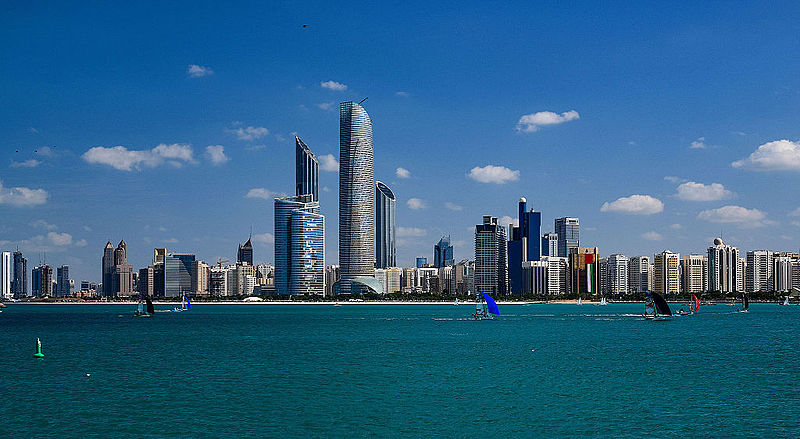
CFI Financial Group, a leading online trading provider in the region, has expanded its UAE-regulated entity, CFI Financial Markets LLC (CFI UAE), into Abu Dhabi. This move reinforces the company’s growing presence in the country, following a strategic approach to further enhance its offerings across the Emirates. The expansion underscores the Group’s commitment to providing a wider range of financial services to clients nationwide while maintaining its reputation for delivering quality trading solutions.

The decision to enter Abu Dhabi comes as CFI UAE looks to leverage its Category One license, which was granted by the Securities and Commodities Authority (SCA). This license allows the firm to offer a broad spectrum of financial instruments, including access to global markets through cutting-edge technology. By choosing Abu Dhabi, the firm seeks to tap into the capital’s growing investor base and enhance its service offerings in line with the region’s economic ambitions.

The CEO of CFI Financial Group has noted that this expansion reflects the company’s continued focus on meeting the evolving needs of traders in the UAE. By extending operations to Abu Dhabi, CFI UAE aims to provide investors with more robust trading opportunities and seamless access to global financial markets. The move also aligns with Abu Dhabi’s vision of becoming a key financial hub in the region, as part of its broader economic diversification strategy.

CFI UAE has already established itself as a key player in the UAE’s financial landscape, particularly through its presence in Dubai. The expansion into Abu Dhabi marks another milestone in the company’s ambitious growth plan, which is focused on strengthening its regional presence and offering clients a comprehensive suite of financial services. As a fully regulated entity, CFI UAE adheres to stringent regulatory standards, ensuring transparency and investor protection in all its operations.

With the growing demand for sophisticated trading platforms and services, CFI UAE has consistently invested in the latest financial technology to provide its clients with innovative solutions. The company’s platform allows access to thousands of financial instruments, including forex, stocks, commodities, indices, and cryptocurrencies, giving traders the flexibility to diversify their portfolios. The expansion into Abu Dhabi is expected to further boost these offerings, providing local investors with even more options and opportunities.

The financial services sector in the UAE has been experiencing rapid growth, driven by increasing demand for investment products and the government’s efforts to attract foreign investment. As the UAE continues to develop its financial infrastructure, companies like CFI Financial Group are positioning themselves to capitalize on these opportunities. The firm’s entry into Abu Dhabi is seen as a strategic step in capturing a larger share of the growing market, particularly as more investors seek access to global markets from the UAE.

CFI UAE’s expansion also comes at a time when the financial industry is becoming increasingly competitive, with numerous players offering similar services. However, the firm believes that its strong regulatory foundation, coupled with its focus on innovation and client satisfaction, will set it apart from the competition. The company’s leadership has emphasized that the move to Abu Dhabi is part of a broader strategy to stay ahead of market trends and continue delivering value to its clients.

Abu Dhabi, as the capital of the UAE, has been steadily building its reputation as a financial center, attracting both regional and international firms. The government’s efforts to diversify the economy, combined with the emirate’s favorable regulatory environment, have created an attractive destination for financial services companies. CFI UAE’s entry into the Abu Dhabi market is expected to contribute to this growth, further solidifying the city’s status as a key player in the global financial industry.

This expansion is not only a reflection of CFI Financial Group’s long-term vision but also an indication of the broader trends shaping the financial sector in the UAE. With the global economy continuing to evolve, and technological advancements driving changes in the way people trade and invest, CFI UAE is well-positioned to take advantage of these developments. The company’s focus on innovation, regulatory compliance, and customer service has been central to its success, and these values are expected to guide its future growth.

ADVERTISEMENT

Wizz Air has announced the launch of its inaugural long-haul flight from Abu Dhabi to Milan, marking a significant expansion of its route network. This new service reflects the airline’s strategic push into longer-haul markets and aims to strengthen its presence in the European and Middle Eastern travel corridors.

Starting from next month, the Abu Dhabi-Milan route will offer passengers a direct link between the UAE capital and Italy’s fashion and finance hub. This development underscores Wizz Air’s commitment to enhancing connectivity between key global cities. The service is expected to cater to both leisure and business travelers, offering a new, affordable option for flying between the two cities.

The addition of this route is part of Wizz Air’s broader strategy to increase its footprint in long-haul operations. The airline has been expanding its network extensively over the past year, adding several new destinations and enhancing its connectivity. The Abu Dhabi-Milan route will operate multiple times a week, providing passengers with greater flexibility and convenience.

Wizz Air’s move into long-haul flights aligns with a growing trend among budget carriers to explore longer routes, traditionally dominated by full-service airlines. By entering this market, Wizz Air aims to capture a share of the increasing demand for affordable long-haul travel options.

Milan, known for its fashion industry, rich cultural heritage, and vibrant business environment, is expected to attract a significant number of travelers from the UAE and beyond. The city serves as a major hub for commerce and tourism, making it an attractive destination for both business and leisure trips.

The airline’s new route is anticipated to bolster tourism and business ties between the UAE and Italy. It reflects a broader trend of increasing bilateral connections between the Middle East and Europe. As global travel recovers and evolves, airlines are continually adapting their strategies to meet shifting demands and market opportunities.

Wizz Air’s expansion into long-haul services also highlights the competitive nature of the budget airline sector. As airlines strive to differentiate themselves, adding long-haul routes provides an opportunity to offer more comprehensive travel options and appeal to a broader audience.

In addition to expanding its route network, Wizz Air is focusing on improving its operational efficiency and passenger experience. The airline has been investing in new aircraft and technology to enhance its service offerings and streamline its operations.

This new route is expected to be well-received by travelers seeking affordable and direct flights between Abu Dhabi and Milan. With competitive pricing and a focus on customer satisfaction, Wizz Air aims to establish a strong foothold in the long-haul market.

Aldar Properties has introduced a new luxury villa community on Yas Island, expanding its portfolio of high-end residential offerings in Abu Dhabi. This development marks a significant step in the company’s strategy to enhance its presence in the premium real estate market. The project, named “The Villas at Yas,” promises to set new standards in luxury living with its array of upscale amenities and prime location.

Situated on the northeastern side of Yas Island, the villa community spans an extensive area, featuring a blend of contemporary design and traditional influences. Each villa is designed with meticulous attention to detail, boasting spacious layouts, high-quality finishes, and expansive outdoor areas. The development includes a variety of villa types, catering to different preferences and family sizes, all while maintaining the highest standards of luxury.

Aldar’s latest offering emphasizes sustainability and modern living. The villas are equipped with advanced energy-efficient systems and smart home technologies, ensuring both environmental responsibility and convenience. Residents will have access to private gardens, swimming pools, and dedicated recreational areas, enhancing the overall living experience.

The strategic location of the villas on Yas Island offers residents proximity to key attractions, including Yas Marina Circuit, Yas Waterworld, and Ferrari World. This prime positioning ensures that residents enjoy a vibrant lifestyle with easy access to entertainment, dining, and leisure facilities.

The launch of “The Villas at Yas” reflects Aldar’s commitment to meeting the growing demand for luxury residential options in Abu Dhabi. The company aims to cater to affluent individuals and families seeking an unparalleled living experience in a prestigious setting. The development is expected to attract both local buyers and international investors, bolstering Abu Dhabi’s position as a global real estate hub.

The project underscores Aldar’s ongoing efforts to diversify its portfolio and address various segments of the real estate market. By focusing on high-end residential properties, Aldar is enhancing its reputation for delivering exceptional quality and innovative designs. This initiative aligns with the company’s broader vision of shaping Abu Dhabi’s urban landscape with premium developments.

The introduction of this luxury community also comes at a time when Abu Dhabi’s real estate market is experiencing significant growth. With increasing interest from international investors and a rising number of high-net-worth individuals, there is a growing appetite for upscale properties. Aldar’s new project is well-positioned to capitalize on this trend, offering a unique blend of luxury and convenience that meets the expectations of discerning buyers.

Emirates Steel Arkan has unveiled its new identity as EMSTEEL, signaling a strategic shift towards international markets. This rebranding aligns with the company’s broader ambition to cement its presence on the global stage and enhance its competitive edge in the steel industry.

Founded in 1998 and headquartered in Abu Dhabi, Emirates Steel Arkan has long been a dominant force in the Middle Eastern steel sector. The rebranding to EMSTEEL marks a pivotal moment for the company as it seeks to leverage its established reputation to tap into new markets worldwide.

The company’s decision to rebrand comes at a time when the steel industry is undergoing significant transformation. With increasing demand for infrastructure development and industrialization across various regions, EMSTEEL aims to position itself as a leading global player. This move is also in response to a rapidly evolving global steel market characterized by shifts in trade policies, technological advancements, and environmental regulations.

The rebranding effort is not merely a change in name but a reflection of a comprehensive strategic overhaul. EMSTEEL plans to expand its product portfolio, incorporating advanced steel solutions to meet diverse market needs. The company will focus on enhancing its manufacturing capabilities and exploring opportunities in emerging markets, particularly in Asia and Africa, where infrastructural development is burgeoning.

The steel industry has witnessed a surge in mergers and acquisitions, with companies consolidating to enhance their market positions. EMSTEEL’s rebranding aligns with this trend, as it seeks to strengthen its global footprint and compete effectively against other major players in the industry. By adopting a new brand identity, EMSTEEL aims to signal its readiness to embrace global challenges and opportunities, ensuring sustained growth and innovation.

Market analysts view this rebranding as a strategic move to address the increasing competition in the global steel sector. As countries worldwide invest in infrastructure and urban development, there is a growing demand for high-quality steel products. EMSTEEL’s enhanced focus on research and development is expected to drive innovation in product offerings, setting new standards in the industry.

The company’s shift towards a global market presence is also indicative of broader economic trends. Global steel consumption has been fluctuating due to various factors, including trade tensions and shifts in production capacities. EMSTEEL’s strategic repositioning aims to mitigate these challenges by diversifying its market reach and aligning its operations with global industry standards.

EMSTEEL’s rebranding is accompanied by an emphasis on sustainability and environmental stewardship. The company plans to integrate sustainable practices into its production processes, aiming to reduce its carbon footprint and adhere to international environmental regulations. This commitment to sustainability reflects a growing industry trend towards more eco-friendly operations, responding to increasing consumer and regulatory demands for environmental responsibility.

Industry experts anticipate that EMSTEEL’s rebranding will facilitate its entry into new markets and enhance its competitiveness. The company’s focus on technological advancement and product innovation is expected to attract new clients and partnerships, further solidifying its position in the global steel market.

Advertisements
ADVERTISEMENT

An investment fund backed by the Abu Dhabi Investment Authority (ADIA) is seeking to raise $4 billion to expand its infrastructure portfolio in India. This move underscores the growing appeal of Indian infrastructure as a strategic investment opportunity amid an evolving economic landscape.

The fund, operating under the name of its supporting entity, ADIA, aims to tap into India’s burgeoning infrastructure sector, which has seen increased interest from global investors. The initiative reflects ADIA’s strategy to capitalize on high-growth opportunities in emerging markets, leveraging its significant financial resources to drive infrastructure development in India.

India’s infrastructure sector has become a focal point for foreign investments due to the country’s ambitious growth targets and substantial need for infrastructure development. The Indian government has rolled out several initiatives to bolster infrastructure, including road construction, urban development, and renewable energy projects. These initiatives are intended to support the nation’s rapid urbanization and economic growth, presenting a lucrative opportunity for investors.

ADIA’s decision to invest further in Indian infrastructure aligns with broader trends in global investment strategies, where there is a noticeable shift towards infrastructure assets in high-growth regions. The focus on India is particularly significant due to the country’s ongoing economic reforms and its strategic importance in the global economy.

The fund’s investment strategy involves identifying and financing key infrastructure projects that can provide long-term value and stability. This includes investments in sectors such as transportation, energy, and urban development. By targeting these areas, the fund aims to contribute to India’s economic growth while securing attractive returns for its investors.

India’s infrastructure needs are vast and varied, with the government estimating a requirement of several trillion dollars over the next decade to support its development goals. The country’s infrastructure deficit has been a critical barrier to sustained economic growth, and substantial investments are required to address this gap. The influx of capital from ADIA’s backed fund is expected to play a significant role in meeting these needs.

The Indian government has been proactive in creating an investor-friendly environment to attract foreign capital. This includes policy reforms aimed at improving the ease of doing business, enhancing regulatory frameworks, and offering incentives for infrastructure investments. These measures have contributed to increased confidence among global investors and have been instrumental in driving foreign direct investment (FDI) into the infrastructure sector.

As the fund gears up for its fundraising campaign, it is also expected to face competition from other global investors looking to tap into India’s infrastructure market. Several international players have shown keen interest in Indian infrastructure projects, driven by the country’s robust economic growth prospects and its large-scale infrastructure requirements.

The impact of this fund’s investment will likely be far-reaching, contributing to the development of critical infrastructure projects that are essential for India’s continued economic advancement. It will also highlight the attractiveness of Indian infrastructure assets to other global investors, potentially leading to additional capital inflows into the sector.

The ADIA-backed fund’s effort is part of a broader trend where sovereign wealth funds and large institutional investors are increasingly looking towards emerging markets for growth opportunities. With India being one of the fastest-growing major economies, it stands out as a key destination for such investments.

A substantial rise in gambling interest has emerged in the United Arab Emirates (UAE), with recent data indicating a 12.54% increase following a pivotal announcement in 2024. This uptick marks a significant shift in leisure activities and reflects broader changes in societal attitudes and regulatory frameworks concerning gambling.

The surge in interest is attributed to a high-profile decision by the UAE government to review and amend its stance on gambling activities. The announcement, made earlier this year, involved a major policy shift aimed at modernizing the country’s entertainment regulations. This move is part of a broader strategy to diversify the UAE’s economy and enhance its appeal as a global destination for tourism and leisure.

According to industry reports and consumer behavior studies, this policy change has sparked a notable increase in both online and land-based gambling activities within the UAE. The growth is particularly evident in online platforms, where a marked rise in user registrations and engagement metrics has been observed. Traditional casinos and betting shops are also experiencing higher foot traffic and increased revenue, reflecting the changing preferences of residents and visitors.

Experts attribute this shift to several factors. Firstly, the relaxation of regulatory constraints has opened new avenues for gambling operators, leading to a broader range of offerings and promotional activities. This increased accessibility is likely contributing to the higher levels of public interest and participation. Additionally, the integration of advanced technology in gambling platforms has made them more appealing and user-friendly, attracting a wider audience.

The UAE’s move aligns with a global trend where traditional restrictions on gambling are being reevaluated in favor of economic benefits. Many countries have undergone similar transformations, driven by the potential for substantial revenue generation and the creation of new job opportunities. For the UAE, the focus has been on balancing economic growth with the need to maintain social and cultural values.

Another significant aspect of this development is the impact on tourism. The UAE, known for its luxury tourism sector, sees gambling as a potential enhancer of its global tourism appeal. By incorporating modern gambling facilities, the country aims to attract a new segment of tourists who are seeking diverse entertainment options. This strategy is expected to boost overall tourism revenue and contribute to the UAE’s goal of becoming a leading global leisure destination.

The regulatory changes have also sparked discussions about the potential social implications. While the economic benefits are considerable, there is ongoing debate about the need for safeguards to prevent gambling-related issues. Public health experts and social commentators are advocating for measures to address potential risks associated with increased gambling participation. Ensuring that responsible gambling practices are promoted and that support systems are in place will be crucial as the industry expands.

Snoop Dogg and filmmaker Robert Rodriguez are turning to their fans for financial backing to support their upcoming ventures. This novel approach allows fans to directly invest in and participate in the development of creative projects, reflecting a broader trend in the entertainment industry towards decentralized funding models.

Snoop Dogg is leveraging his significant fan base by offering opportunities to invest in his various artistic endeavors. His latest venture, which involves both music and entrepreneurial projects, is poised to benefit from the direct involvement of his supporters. By inviting fans to contribute financially, Snoop Dogg aims to create a more interactive and invested audience for his work.

Similarly, Robert Rodriguez, known for his distinctive filmmaking style and successful projects such as “Desperado” and “Sin City,” is exploring fan funding to finance his new film projects. Rodriguez’s move is part of a growing trend where traditional financing models are being disrupted by more personalized and engaging methods. This strategy not only raises capital but also generates early buzz and a committed audience for the projects.

This shift towards fan investment underscores a larger transformation in the entertainment industry. As digital platforms and social media become more integral to the creative process, artists and creators are increasingly seeking ways to engage their audiences in financial and creative decision-making. This model benefits both the creators, who gain financial support and build a loyal following, and the fans, who gain a sense of ownership and involvement in the projects they support.

The impact of fan financing extends beyond individual projects. It signifies a broader trend where crowdfunding and decentralized investment are reshaping how creative works are funded and distributed. This approach challenges traditional financing structures and opens up new possibilities for artists to bring their visions to life without relying solely on conventional studio or production company backing.

The increasing popularity of crowdfunding platforms like Kickstarter and Indiegogo has demonstrated the potential of this model. These platforms have been instrumental in financing a wide range of projects, from independent films to innovative products. The success stories from these platforms have paved the way for high-profile artists and creators to explore similar funding mechanisms.

Snoop Dogg’s and Rodriguez’s initiatives also highlight a growing trend of collaboration between artists and fans. By involving fans directly in the investment process, creators can cultivate a more engaged and enthusiastic audience. This engagement can lead to more robust promotional efforts and a more dedicated fan base, which is crucial in a competitive entertainment landscape.

In addition to financial contributions, fans who invest in these projects may receive exclusive content, early access to releases, and other perks. This creates a reciprocal relationship between creators and supporters, enhancing the overall fan experience and fostering a deeper connection to the work.

The rise of fan financing also reflects broader economic and technological trends. As digital tools and platforms become more accessible, they enable new forms of engagement and collaboration. This democratization of funding and participation is reshaping industries beyond entertainment, including technology, fashion, and even philanthropy.

As Snoop Dogg and Robert Rodriguez forge ahead with their fan-funded projects, they join a growing cohort of creators who are redefining traditional funding models. Their efforts exemplify how digital innovation and audience engagement can combine to create new opportunities and reshape the creative landscape.

ADVERTISEMENT

CERT and IIT Madras have officially embarked on a landmark collaboration aimed at fostering global innovation and strengthening educational excellence. The memorandum of understanding (MoU) signed between the two entities is set to create a dynamic platform that will leverage both organizations’ strengths in cutting-edge research, academic distinction, and technological development.

This strategic alliance is expected to pave the way for a series of initiatives that will not only boost the institutions’ reputations on the global stage but also have a far-reaching impact on industries worldwide. By integrating the expertise of IIT Madras, a leader in academic research, and CERT’s proficiency in cybersecurity and technology solutions, the partnership seeks to address pressing global challenges and advance technological solutions across various sectors.

The collaboration outlines several key areas of focus, including research in artificial intelligence, cybersecurity, and advanced technology solutions, all of which are critical in today’s digital age. The MoU also emphasizes the importance of fostering innovation in education through joint efforts to develop advanced curricula and research programs that cater to the evolving needs of industries and academia alike.

Industry experts have lauded the move as a significant step towards bridging the gap between academia and industry. The combination of IIT Madras’s academic prowess and CERT’s technical expertise in cybersecurity will serve to fuel research that addresses complex global issues, especially in sectors such as healthcare, finance, and critical infrastructure. This partnership is poised to contribute to the development of solutions that could be transformative for both the education system and the industrial sector at large.

One of the primary goals of the collaboration is the establishment of a joint innovation lab that will focus on research in emerging technologies. This lab will act as a hub for students, faculty, and industry professionals to collaborate on projects that have the potential to generate innovative solutions to real-world problems. The innovation lab will facilitate the development of products and services that align with global industry standards, positioning both CERT and IIT Madras as leaders in technological advancement.

Furthermore, the partnership will work on creating academic programs that integrate real-world technological challenges into the curriculum. Students from IIT Madras will have the opportunity to collaborate with experts from CERT on cutting-edge research projects, gaining hands-on experience in fields like artificial intelligence and cybersecurity. This exchange of knowledge and expertise is expected to produce graduates who are not only academically proficient but also equipped with the practical skills required in the global workforce.

As part of the agreement, CERT and IIT Madras plan to host joint conferences, workshops, and seminars, bringing together thought leaders from various industries to discuss the latest trends in technology and innovation. These events will serve as platforms for exchanging ideas, promoting interdisciplinary collaboration, and inspiring the next generation of innovators.

The strategic partnership between CERT and IIT Madras also includes provisions for developing joint patent filings and intellectual property management. This aspect of the collaboration is particularly significant as it will encourage the commercialization of new technologies and innovations, contributing to the global tech ecosystem. Both institutions are keen on ensuring that the research and development emerging from this partnership can be translated into practical solutions that have a tangible impact on industries.

CERT, a renowned name in cybersecurity and risk management, brings a wealth of experience in handling complex cyber challenges. Its collaboration with IIT Madras, known for its expertise in technology and engineering education, represents a fusion of academia and industry that is expected to produce groundbreaking research. Both institutions have expressed their commitment to pushing the boundaries of innovation and expanding their influence beyond their respective regions to the global stage.

In addition to technological advancements, the partnership aims to enhance educational frameworks by developing new methods of teaching and learning. IIT Madras is already known for its forward-thinking approach to education, and this collaboration is expected to further enrich its programs by incorporating global industry perspectives. The collaboration will likely see a revamping of existing curricula to ensure they meet the demands of a rapidly changing technological landscape, preparing students for the challenges and opportunities of the future.

On a broader scale, this collaboration marks an important milestone in international academic and industry partnerships. The global push for innovation, particularly in the realms of artificial intelligence, cybersecurity, and advanced technology, has made partnerships like this one increasingly essential. With the global economy becoming more interconnected, the exchange of knowledge and expertise between institutions like CERT and IIT Madras will be instrumental in addressing complex global issues and driving sustainable development.

As both organizations work towards achieving their shared objectives, there is an expectation that this partnership will serve as a model for other academic and industrial collaborations. The blend of academic excellence and industry know-how is a recipe for success, not only in terms of producing world-class research but also in ensuring that the results of this research can be applied in practical and impactful ways.

Nippon Steel Corp.’s ambitious $14.1 billion takeover of United States Steel Corp. appears to be in jeopardy, with the Biden administration signaling its intention to block the deal. The acquisition, seen as a strategic move by the Japanese steel giant to secure a larger foothold in the U.S. market, has run into significant political opposition as the White House prepares to intervene on grounds of national security and competition concerns. The move could derail what was shaping up to be one of the most significant cross-border acquisitions in the steel industry in years.

The takeover bid, which has been in the works for months, aimed to combine two of the world’s leading steel producers in a move that would have created a global steel powerhouse. Nippon Steel, already a major player in the industry, viewed the acquisition as a way to strengthen its presence in the U.S. market, where demand for steel is expected to surge due to infrastructure projects and defense contracts. U.S. Steel, on the other hand, has been grappling with aging infrastructure and rising costs, making it a potential target for foreign buyers seeking growth opportunities.

However, the proposed deal has drawn scrutiny from U.S. lawmakers and regulatory authorities, particularly due to the strategic importance of the steel sector to national defense. The Biden administration, keen on maintaining control over critical industries, is reportedly preparing to invoke regulatory powers to block the acquisition, citing national security concerns. Officials are reportedly worried that the sale of U.S. Steel to a foreign entity, even one as established as Nippon Steel, could pose risks to the country’s defense capabilities, especially with steel being a critical component in military hardware and infrastructure.

Nippon Steel’s interest in acquiring U.S. Steel is part of a broader strategy by the company to expand its global operations and secure a stable supply chain. With steel prices fluctuating and supply chains becoming more fragile in the aftermath of the COVID-19 pandemic, securing production capacity in key markets has become a priority for many manufacturers. The acquisition of U.S. Steel, with its extensive domestic production facilities and established relationships with American contractors, was seen as an ideal fit for Nippon Steel’s long-term plans.

The Biden administration’s opposition to the deal reflects a broader shift in U.S. trade and industrial policy, which has become increasingly protectionist under the current leadership. As part of its strategy to bolster domestic manufacturing and reduce reliance on foreign suppliers, the White House has taken a more aggressive stance on foreign takeovers, particularly in sectors deemed critical to national security. The steel industry, long considered a backbone of the U.S. economy and defense capabilities, has become a focal point of this policy shift.

Political opposition to the deal has been growing steadily. U.S. lawmakers have raised concerns over the potential loss of control over domestic steel production, pointing to the importance of maintaining a strong domestic industry in the face of global uncertainties. The U.S. Congress has also weighed in, with some members advocating for a review of the transaction under the Committee on Foreign Investment in the United States (CFIUS), which has the authority to block deals that pose a threat to national security.

At the same time, industry insiders argue that Nippon Steel’s acquisition of U.S. Steel would bring much-needed investment to the American company, which has struggled to modernize its operations in the face of mounting competition from international players. U.S. Steel, once a symbol of American industrial might, has seen its market share erode in recent years as cheaper imports and rising production costs have taken their toll. Proponents of the deal argue that foreign investment, particularly from a company with the resources and expertise of Nippon Steel, could revitalize U.S. Steel and strengthen the domestic industry in the long run.

The Biden administration’s stance, however, suggests that political considerations will ultimately outweigh economic arguments. With the 2024 elections looming, the White House is under pressure to demonstrate its commitment to protecting American jobs and industries, especially in critical sectors like steel. Blocking the Nippon Steel takeover allows the administration to signal its support for domestic manufacturing while reinforcing its broader trade policy objectives.

For Nippon Steel, the collapse of the deal would represent a significant setback in its efforts to expand its global footprint. The Japanese company has been aggressively pursuing international acquisitions in recent years as part of a strategy to diversify its operations and reduce its reliance on domestic markets. The U.S. market, with its robust demand for steel and favorable economic conditions, was seen as a key target for expansion. Losing out on the U.S. Steel acquisition would force Nippon Steel to reevaluate its options and look for alternative avenues for growth.

Bill Gates’ seminal essay on the dominance of content—aptly titled “Content is King”—has proven remarkably prescient as we navigate the digital landscape of 2024. His prediction that the future of online attention and revenue would pivot around content creation has come to fruition, with creators becoming pivotal players in a burgeoning trillion-dollar economy. Yet, despite the centrality of creators in this landscape, SocialFi platforms, which marry social media and decentralized finance, have yet to fully capture the mainstream audience’s imagination. For the true potential of SocialFi to be realized, a hybrid approach that synergizes its inherent benefits with traditional social media mechanics may be key.

At the heart of SocialFi’s promise is its commitment to empowering Web3 natives—those who operate within the decentralized realm of blockchain and cryptocurrency. These platforms aim to reimagine how creators monetize their content by integrating financial incentives directly into the social engagement ecosystem. Theoretically, this model is compelling: creators can earn from their work not just through indirect means, such as advertising revenue or sponsorships, but through direct interactions and transactions facilitated by blockchain technology. This could revolutionize the way content creators operate, giving them more control and financial reward.

However, the promise of SocialFi remains largely untapped outside of the Web3 niche. Mainstream users, who are more accustomed to traditional social media platforms like Instagram, TikTok, and Twitter, have yet to fully embrace the benefits of decentralized finance. One reason for this hesitation is the complexity and unfamiliarity of blockchain technology for the average user. SocialFi platforms often require a degree of technical understanding and crypto-literacy that can be a barrier to entry for many potential users. Moreover, the user experience on these platforms often lacks the polish and simplicity that mainstream social media giants have perfected over the years.

To address these challenges, SocialFi platforms could benefit from adopting a hybrid approach that blends their core decentralized features with elements from established social media platforms. This would involve creating a more user-friendly interface and offering seamless integration with existing social media accounts. By lowering the barrier to entry, SocialFi platforms could potentially attract a broader audience, including those who are less familiar with blockchain technology but are interested in the financial opportunities it presents.

Moreover, incorporating features from mainstream social media could enhance user engagement on SocialFi platforms. For instance, platforms could integrate familiar content discovery algorithms and social sharing features that users have come to expect. This would not only make SocialFi more accessible but also more engaging for users who are accustomed to scrolling through content feeds and interacting with a variety of posts.

Another significant factor in boosting SocialFi’s mainstream appeal is enhancing the creator experience. While financial incentives are a compelling draw, creators also seek robust tools to manage their content and interact with their audience. SocialFi platforms need to offer comprehensive analytics, easy content management systems, and effective community-building tools. By addressing these needs, SocialFi can provide creators with a compelling reason to transition from traditional social media platforms to a decentralized model.

The hybrid approach could also involve partnerships with existing social media platforms. By collaborating with these giants, SocialFi platforms could leverage their established user bases and technological infrastructure to introduce decentralized features gradually. For instance, a partnership could involve integrating SocialFi’s financial incentives into existing social media platforms, allowing users to earn rewards for engagement without requiring them to switch platforms entirely. This could serve as a bridge for mainstream users to experience the benefits of SocialFi without the need for a complete overhaul of their online habits.

Furthermore, education plays a crucial role in this transition. For SocialFi to gain traction, there needs to be a concerted effort to demystify blockchain technology and its applications. Educational campaigns, workshops, and simplified guides can help bridge the knowledge gap and make the concept of decentralized finance more approachable to the general public. As more users become familiar with the benefits and mechanics of SocialFi, the adoption rate is likely to increase.

SocialFi platforms also have an opportunity to differentiate themselves by focusing on niche communities and specialized content. While mainstream platforms cater to a broad audience, SocialFi can carve out a space for more targeted communities and content creators. By providing a platform for niche interests and specialized content, SocialFi can attract dedicated user bases that are passionate about specific topics, thus fostering a more engaged and supportive community.

Arabian Post Staff Elon Musk’s engagement with AI-generated deepfakes has intensified, with a new focus on Vice President Kamala Harris since she launched her presidential campaign in July. Musk’s recent posts on X (formerly Twitter) have featured increasingly elaborate and doctored content portraying Harris in a misleading light, a tactic that mirrors some of the controversial strategies used by former President Donald Trump. The campaign against Harris […]

ADVERTISEMENT

The Japanese yen has gained ground against the US dollar as the Bank of Japan (BOJ) signals a shift in its monetary policy, indicating the possibility of further interest rate hikes. This comes as part of an effort by the central bank to combat inflationary pressures that have persisted in Japan’s economy. The BOJ’s move marks a departure from its traditionally dovish stance, which has seen the bank maintain ultra-low interest rates for years to stimulate growth.

Japan’s bond yields have surged to their highest levels in over a decade, driven by the bank’s decision to allow more flexibility in managing its yield curve control policy. This has caused government bond yields to touch levels not seen since 2008. Bank shares also responded positively, benefiting from the prospect of higher interest rates, which generally increase profitability for financial institutions.

BOJ Governor Kazuo Ueda’s remarks have been crucial in shaping market expectations, as he emphasized that the central bank is closely monitoring inflation trends and could further adjust its policies depending on the economic outlook. Inflation in Japan has consistently stayed above the bank’s 2% target, which is a significant factor in the BOJ’s recalibration of its strategies.

Investors and analysts are paying close attention to the yen’s movements in response to these changes. The USD/JPY pair, a key indicator of global currency dynamics, has reflected the yen’s resurgence as the BOJ signals a break from its previous ultra-loose policies. Despite this strengthening, the yen remains volatile due to the uncertain nature of Japan’s future economic direction.

This development has also had broader implications for international markets, especially as Japan’s stance on monetary tightening contrasts with other central banks, such as the Federal Reserve and the European Central Bank, which have been raising rates more aggressively over the past year. Japan’s slow approach, however, could see further adjustments if inflation continues to outpace forecasts.

Japan’s government bonds have also garnered significant interest from investors globally, as the rising yields offer better returns compared to the low or negative yields that have characterized the Japanese bond market for years. This shift has led to increased foreign capital inflows, which in turn supports the yen’s value.

A recent survey by Agoda has highlighted Laos as a leading destination for Thai travelers, ranking it alongside Japan and Taiwan. This survey, completed earlier this month, indicates a strong preference among Thai tourists for these three locations, which offer a blend of appealing factors including local cuisine, cultural experiences, and ease of access.

According to the data, 74 percent of Thai travelers have chosen Japan, Taiwan, and Laos as their top destinations for repeat visits. These preferences underscore a growing trend among tourists seeking rich cultural experiences and culinary delights. Hong Kong and Vietnam also rank highly, but Laos has gained notable traction, reflecting its increasing appeal.

The survey reveals that 32 percent of respondents are motivated by the thrill of adventure when choosing their travel destinations. This category includes activities like hiking, exploring new environments, and engaging in local outdoor experiences. The allure of local cuisine also plays a significant role, with 23 percent of travelers specifically drawn to the opportunity to enjoy regional dishes. The opportunity to experience arts and cultural heritage is another key factor for 20 percent of respondents, reflecting a strong interest in the historical and artistic elements of their travel destinations.

Moreover, the desire to reconnect with family and friends influences travel decisions for some, highlighting the importance of personal relationships in shaping travel preferences. This aspect of travel resonates particularly well in destinations like Laos, where cultural connections and personal bonds can enhance the overall experience.

Laos’s rise in popularity can be attributed to several factors. The country’s rich cultural heritage and culinary variety make it an attractive option for travelers looking for authentic experiences. Additionally, Laos’s accessibility from Thailand plays a crucial role, with many Thai travelers finding it easy to visit due to its proximity and convenient travel options.

The survey’s findings reflect a broader trend in travel preferences, where cultural immersion and local experiences are becoming increasingly important. This shift is evident in the popularity of destinations that offer unique cultural and culinary experiences, as well as opportunities for adventure and personal connections.

Tourism in the UAE has seen a substantial boost in the first half of 2024, positioning the country as the leading destination in the Gulf Cooperation Council (GCC) region. According to recent figures, the UAE has outpaced its neighbors in attracting international visitors, driven by a combination of strategic marketing, major events, and ongoing investment in tourism infrastructure.

The UAE’s Ministry of Economy reported a significant increase in tourist arrivals, with Dubai and Abu Dhabi leading the charge. The country welcomed over 10 million international tourists from January to June 2024, marking a 15% increase from the same period last year. This surge has been fueled by a series of high-profile events and a continued emphasis on enhancing the visitor experience.

Dubai, known for its luxury tourism and major attractions like the Burj Khalifa and Dubai Mall, has witnessed a notable uptick in visitor numbers. The city’s ambitious strategy to diversify its tourism offerings and invest in world-class infrastructure has paid off. Major events such as the Dubai Shopping Festival and the Expo 2024 have drawn large crowds, contributing significantly to the rise in tourism figures.

Abu Dhabi, the UAE’s capital, has also seen a remarkable increase in tourist numbers. The city’s cultural and entertainment offerings, including the Louvre Abu Dhabi and Yas Island, have become major attractions. Recent investments in expanding hospitality services and promoting cultural tourism have bolstered Abu Dhabi’s position as a key player in the GCC tourism sector.

Other GCC countries have also experienced growth in their tourism sectors, but none have matched the UAE’s pace. Saudi Arabia, for instance, has made considerable strides with its Vision 2030 initiative, which aims to diversify the economy and promote tourism. However, while Saudi Arabia has seen growth, the scale and speed of the UAE’s tourism boom remain unmatched in the region.

Qatar and Oman have also reported increased tourist numbers, but the UAE’s strategic advantages in terms of infrastructure, marketing, and event management have given it a competitive edge. Qatar’s World Cup legacy continues to attract sports tourists, while Oman’s natural landscapes appeal to adventure and eco-tourism enthusiasts. Yet, the UAE’s well-established tourism ecosystem and its ongoing efforts to innovate and enhance the visitor experience have set it apart.

One of the key factors contributing to the UAE’s success is its continuous investment in tourism infrastructure. The UAE government has committed to expanding its hospitality sector, with numerous new hotels and resorts opening in recent months. Additionally, major projects such as the expansion of Dubai International Airport and the development of new tourism districts in Abu Dhabi are expected to further boost tourist numbers.

Another significant element is the UAE’s strategic marketing campaigns, which have effectively targeted key international markets. The UAE has focused on promoting its diverse attractions, ranging from luxury shopping and fine dining to cultural heritage and adventure tourism. This multifaceted approach has resonated with a broad spectrum of travelers, from affluent tourists seeking luxury experiences to those interested in cultural exploration and outdoor activities.

The UAE’s ability to host major global events has also played a crucial role in its tourism success. Events such as the Abu Dhabi Film Festival and Dubai Design Week attract international visitors and media attention, further enhancing the country’s profile as a leading tourist destination. These events not only draw visitors but also contribute to the UAE’s reputation as a hub for cultural and creative industries.

ADVERTISEMENT

ACWA Power, a leading player in global energy and water desalination, is set to develop a new independent water plant in Sharjah, UAE, with an investment totaling $680 million. This major initiative marks a significant expansion of the company’s operations in the Middle East and aims to bolster the region’s water security and infrastructure.

The new facility will be located in the Al Hamriya area of Sharjah and is expected to substantially increase the Emirate’s water production capacity. ACWA Power has secured a 35-year concession for the project, which aligns with its broader strategy to enhance its footprint in the region’s water and energy sectors.

The plant, named the Sharjah Independent Water Plant (SIWP), is slated to have a production capacity of 600,000 cubic meters per day. It will utilize advanced reverse osmosis technology, which is both energy-efficient and environmentally friendly. This technology will help reduce the carbon footprint associated with water desalination, addressing sustainability concerns while meeting growing water demands.

The Sharjah Independent Water Plant is part of the broader UAE Water Security Strategy 2036, which aims to secure sustainable water sources and enhance the efficiency of the water sector. By investing in cutting-edge technology and infrastructure, ACWA Power is contributing to the UAE’s goal of ensuring a reliable and sustainable water supply for its population.

In addition to bolstering water security, the project is expected to create numerous job opportunities and stimulate local economic growth. Construction of the plant will involve a range of activities, from civil engineering to specialized technology installation, providing a boost to local businesses and workforce.

The financing for the project includes a combination of equity and debt, with significant contributions from international and local financial institutions. This financial backing reflects the confidence in the project’s viability and its alignment with regional development goals. The plant’s construction is anticipated to create a substantial number of jobs, both directly and indirectly, benefiting the local community.

The announcement comes as part of a series of strategic moves by ACWA Power to enhance its portfolio and reinforce its position as a leader in the water and energy sectors. The company’s commitment to innovation and sustainability is evident in its choice of technology and its adherence to international standards for environmental protection and operational efficiency.

ACWA Power’s CEO, Paddy Padmanathan, emphasized the strategic importance of the SIWP in meeting the growing demand for water in the UAE and supporting the country’s environmental objectives. He noted that the project represents a significant step forward in advancing the company’s mission to provide reliable and sustainable solutions for critical infrastructure.

This development follows a trend of increased investment in water infrastructure across the Middle East. The region, characterized by its arid climate and growing population, faces ongoing challenges related to water scarcity and the need for efficient resource management. The Sharjah Independent Water Plant is expected to play a key role in addressing these challenges by improving water supply reliability and contributing to the overall resilience of the regional water network.

The plant’s design incorporates state-of-the-art technology to ensure high efficiency and minimal environmental impact. The use of reverse osmosis technology is particularly notable for its lower energy consumption compared to traditional desalination methods. This choice aligns with global trends toward more sustainable and eco-friendly practices in water treatment.

Construction is projected to commence shortly, with completion anticipated within a few years. The timeline reflects the complexity of the project and the commitment to ensuring that the plant meets the highest standards of performance and reliability.

The SIWP will also contribute to the UAE’s broader goals of economic diversification and sustainability. By investing in advanced water infrastructure, ACWA Power supports the country’s efforts to reduce its dependence on traditional water sources and enhance its resilience against potential water shortages.

The UAE Cabinet has formally adopted a new National Strategy for Anti-Money Laundering, Countering the Financing of Terrorism, and Proliferation Financing (AML, CFT, and CPF) for the period 2024-2027. This strategic initiative, which received approval from the Higher Committee overseeing the National Strategy, marks a significant enhancement of the UAE’s efforts to safeguard its financial system from illegal activities.

The updated strategy introduces a multifaceted approach to address money laundering, terrorist financing, and proliferation financing. It aims to strengthen the UAE’s legal and regulatory framework, align with international standards, and improve the effectiveness of its financial oversight mechanisms. The move comes as part of the UAE’s ongoing commitment to maintain a robust financial system and to comply with global best practices in combating financial crime.

Key components of the new strategy include enhanced coordination among national and international bodies, advanced data-sharing practices, and the adoption of cutting-edge technologies for monitoring and enforcement. The strategy emphasizes a risk-based approach, focusing resources and efforts on high-risk areas to maximize the impact of preventive measures.

The UAE has been a prominent player in the global fight against financial crime, regularly updating its frameworks to reflect evolving threats and international standards. The previous strategy, which covered the years 2020-2023, laid the groundwork for significant improvements in the country’s anti-money laundering and counter-terrorism financing efforts. The new strategy builds upon these achievements by addressing identified gaps and incorporating feedback from stakeholders across the financial sector.

The implementation of the 2024-2027 strategy will involve a series of legislative and procedural updates. These include amendments to existing laws, the introduction of new regulations, and enhanced training programs for financial institutions and law enforcement agencies. By fostering a culture of compliance and vigilance, the UAE aims to further secure its financial system and bolster its reputation as a global financial hub.

International cooperation is a cornerstone of the new strategy. The UAE plans to strengthen its partnerships with other countries and international organizations to facilitate the exchange of information and best practices. This collaborative approach is essential for addressing the transnational nature of financial crimes and ensuring that the UAE’s measures are effective in a global context.

The UAE’s commitment to enhancing its anti-money laundering and counter-terrorism financing framework reflects broader global trends towards stricter regulatory environments and greater transparency. As financial crimes become increasingly sophisticated, countries worldwide are revising their strategies to stay ahead of emerging threats. The UAE’s proactive stance underscores its determination to maintain a secure and compliant financial sector.

The adoption of the new strategy also highlights the UAE’s role in supporting international efforts to combat financial crime. The country has been an active participant in global initiatives and organizations dedicated to addressing these issues. By aligning its national strategy with international standards, the UAE contributes to a unified global response to financial crime.

Gulf Cooperation Council (GCC) banks are expected to maintain robust performance through 2024, according to a new report by S&P Global Ratings. Despite uncertainties and potential economic disruptions, these financial institutions are well-positioned to navigate the challenges and sustain their strong financial metrics.

S&P Global Ratings’ latest analysis highlights that GCC banks have demonstrated remarkable resilience over recent years. Their solid performance is attributed to a combination of strong capital buffers, prudent risk management practices, and favorable economic conditions within the region. The banks’ ability to adapt to fluctuations in the global economic environment has been crucial in maintaining their stability.

One significant factor contributing to the banks’ resilience is their strong capitalization. GCC banks have managed to build and maintain high capital adequacy ratios, providing them with a solid cushion against potential financial shocks. This strong capital base allows them to absorb losses and continue operating effectively even in adverse conditions.

Additionally, GCC banks have benefited from improved economic conditions in the region. The ongoing economic diversification efforts by GCC countries, aimed at reducing their dependency on oil revenues, have created a more stable economic environment. Investments in infrastructure, tourism, and technology have bolstered economic growth, supporting the financial sector’s stability.

The report notes that while GCC banks are in a favorable position, they are not entirely immune to external shocks. Global economic uncertainties, fluctuations in oil prices, and geopolitical tensions could pose risks to the financial stability of these institutions. However, the banks’ strong risk management practices and conservative lending strategies are expected to mitigate these risks effectively.

In particular, the banking sector’s focus on digital transformation has enhanced its ability to manage and respond to potential disruptions. The adoption of advanced technologies and digital platforms has improved operational efficiency, customer engagement, and risk management. This technological edge positions GCC banks to better handle emerging challenges and capitalize on new opportunities.

Moreover, the GCC banking sector has shown a commitment to strengthening regulatory frameworks and compliance standards. This proactive approach to regulatory adherence has enhanced transparency and accountability within the sector, further bolstering its resilience.

S&P Global Ratings also highlights that GCC banks are likely to continue benefiting from supportive government policies and economic initiatives. The ongoing reforms and strategic plans undertaken by GCC governments aim to enhance economic stability and promote sustainable growth, providing a favorable environment for the banking sector.

OneDegree, a pioneering force in digital asset insurance across Asia, has forged a strategic partnership with Walaa Cooperative Insurance Company, a prominent player in Saudi Arabia’s insurance and reinsurance sector. This collaboration aims to address the burgeoning needs of digital asset security, merging OneDegree’s innovative approach with Walaa’s established market presence.

The alliance between OneDegree and Walaa Cooperative Insurance Company marks a significant step in the evolution of insurance solutions tailored for digital assets. As digital currencies and blockchain technologies gain traction globally, the necessity for specialized insurance products to safeguard these assets has become increasingly apparent. This partnership leverages OneDegree’s expertise in the digital insurance space with Walaa’s robust infrastructure and regional market insights.

OneDegree has established itself as a leader in providing insurance solutions for digital assets, having received regulatory approval as Asia’s first licensed insurer for such assets. Their offerings cover a range of digital assets, including cryptocurrencies and blockchain-based investments, which are often vulnerable to cybersecurity threats and market volatility. By collaborating with Walaa, OneDegree aims to expand its reach and offer its innovative insurance solutions to a broader audience, particularly in the Middle East.

Walaa Cooperative Insurance Company, known for its comprehensive insurance and reinsurance services across various sectors, brings a wealth of experience to this partnership. The company’s established market presence in Saudi Arabia provides a solid foundation for the integration of digital asset insurance into its existing portfolio. This move is expected to enhance Walaa’s service offerings, addressing the growing demand for secure and reliable insurance solutions for digital assets in the region.

This partnership is timely, given the rapid growth in the adoption of digital assets and the corresponding need for protection against potential risks. The digital asset market has seen substantial growth over the past few years, with increasing interest from both individual and institutional investors. As this market continues to expand, the risks associated with digital assets, such as cyber attacks and regulatory changes, become more pronounced. Insurance products designed to mitigate these risks are crucial for fostering confidence and stability in the digital asset ecosystem.

The collaboration between OneDegree and Walaa Cooperative Insurance Company represents a forward-thinking approach to addressing these emerging risks. By combining OneDegree’s specialized expertise with Walaa’s extensive experience and regional knowledge, the partnership is poised to set a new standard in the insurance industry for digital assets. This integration not only broadens the availability of digital asset insurance but also enhances the overall security and reliability of the market.

As digital assets continue to gain prominence, insurance solutions tailored to this sector will play a pivotal role in mitigating associated risks. The partnership between OneDegree and Walaa Cooperative Insurance Company highlights the increasing recognition of the importance of specialized insurance products in the digital age. With their combined strengths, the two companies are well-positioned to meet the evolving needs of investors and stakeholders in the digital asset space.

Emirates has expanded its network with a new service linking Dubai to Madagascar, with a stopover in Seychelles. The inaugural flight, EK707, landed at Ivato International Airport on September 3, marking a significant milestone for the airline and its passengers.

This new route enhances connectivity between the Indian Ocean archipelago and the African continent, offering travelers a convenient option for reaching Madagascar, a destination known for its unique biodiversity and vibrant culture. The service also bolsters Emirates’ presence in the Indian Ocean region, building on its extensive global network.

Ivato International Airport’s traditional water cannon salute welcomed the flight, a symbolic gesture reflecting the importance of this new connection. The service will operate with a Boeing 777-300ER, providing passengers with a comfortable and efficient travel experience.

Emirates’ decision to introduce this route underscores its commitment to expanding its global footprint and catering to the growing demand for connectivity in the region. The new service is expected to foster economic growth by enhancing tourism and business opportunities between Dubai, Seychelles, and Madagascar.

Travelers can now enjoy seamless access to Madagascar’s remarkable landscapes, including its renowned national parks and wildlife reserves. The connection to Seychelles also offers an attractive stopover option, allowing passengers to explore the beautiful islands before continuing their journey to Madagascar.

The introduction of this service aligns with Emirates’ strategic goals to enhance its network and offer more choices to its customers. The airline’s investment in new routes and destinations reflects its ongoing efforts to meet the evolving needs of the global travel market.

This development comes as part of a broader trend in the aviation industry, where airlines are increasingly focusing on expanding their networks to emerging destinations. By establishing new routes and enhancing connectivity, airlines aim to capture new markets and respond to shifting travel demands.

The new Emirates service to Madagascar is poised to play a key role in strengthening ties between the regions and providing travelers with more options for exploring one of the world’s most intriguing destinations. The route is expected to contribute positively to the local economies of the regions served, offering opportunities for growth and development.

Saudi Arabia’s push towards digital modernization is gaining momentum, bolstered by Huawei Cloud’s latest technological advancements. The company’s cloud services, renowned for their high-performance and low-latency capabilities, are playing a crucial role in this transformation. Huawei Cloud’s infrastructure now offers a remarkable latency of just 25 milliseconds across the kingdom, reflecting its commitment to providing seamless and efficient AI-powered solutions.

Huawei Cloud’s robust network infrastructure has significantly enhanced the digital landscape in Saudi Arabia. This achievement is pivotal for various sectors, including finance, healthcare, and government services, which are increasingly relying on advanced technologies to improve their operations and deliver superior services. The low latency performance facilitates real-time data processing and AI applications, essential for businesses and institutions aiming to stay competitive in a fast-evolving digital environment.

The integration of Huawei Cloud’s services is expected to drive innovation and efficiency across different industries. For instance, financial institutions can leverage this technology to enhance transaction speeds and security, while healthcare providers can utilize AI for better diagnostics and patient care. Government agencies are also set to benefit, with improved data management and enhanced public service delivery.

This strategic expansion aligns with Saudi Arabia’s Vision 2030, a comprehensive plan to diversify the economy and reduce dependence on oil revenues. The initiative places a strong emphasis on technology and innovation as key drivers of economic growth. By providing cutting-edge cloud services, Huawei Cloud is positioning itself as a key player in this transformation, supporting the kingdom’s ambitious goals.

Huawei’s commitment to the region is further demonstrated through its significant investments in local data centers and partnerships with various Saudi entities. These efforts not only improve service reliability but also bolster local expertise and job creation. The company’s engagement in Saudi Arabia reflects a broader trend of global tech giants investing in the Middle East, recognizing the region’s growing importance as a tech hub.

The performance of Huawei Cloud’s network is a testament to the company’s technical prowess and dedication to meeting the needs of its clients. With a latency of 25 milliseconds, the cloud services are optimized for applications requiring high-speed data processing and minimal delays. This level of performance is crucial for businesses that rely on real-time analytics and AI-driven decision-making.

As digital transformation accelerates in Saudi Arabia, the demand for reliable and high-performance cloud services is expected to grow. Huawei Cloud’s advancements not only support this demand but also set a benchmark for other cloud service providers. The company’s focus on innovation and quality positions it well to lead the market and contribute significantly to the kingdom’s digital economy.

IIT Delhi has inaugurated its first international campus in Abu Dhabi, marking a significant milestone in the institution’s expansion strategy. The new facility, situated in the UAE capital, represents IIT Delhi’s commitment to globalizing its world-renowned STEM education and research programs. This move is part of a broader initiative to enhance international collaboration and extend the institution’s educational reach beyond India’s borders.

The campus, located within the Abu Dhabi University district, is equipped with state-of-the-art facilities designed to foster advanced research and innovation. This expansion aims to build on IIT Delhi’s established reputation for excellence in engineering and technology, bringing its expertise to a new geographical region. The initiative aligns with the UAE’s strategic goals of enhancing educational offerings and fostering innovation-driven growth.

IIT Delhi’s new international campus will offer a range of undergraduate and postgraduate programs tailored to local and regional needs, including specialized courses in artificial intelligence, data science, and sustainable engineering. The institution has emphasized that the Abu Dhabi facility will serve as a hub for collaborative research, drawing on the UAE’s growing emphasis on technological advancement and smart city development.

The decision to establish a campus in Abu Dhabi reflects both IIT Delhi’s strategic vision and the UAE’s broader educational objectives. The UAE has been making substantial investments in higher education and research, aiming to position itself as a global leader in innovation. The partnership between IIT Delhi and UAE institutions is expected to strengthen the region’s academic and technological landscape.

This expansion is also seen as a response to the increasing global demand for high-quality STEM education and research opportunities. By leveraging its established reputation and expertise, IIT Delhi seeks to attract students and researchers from around the world, thereby enhancing its global footprint and influence.

The launch of the Abu Dhabi campus comes amid growing interest in international education partnerships, with many institutions seeking to broaden their global reach. For IIT Delhi, this venture not only represents an opportunity to extend its impact but also to contribute to the UAE’s educational and technological ambitions. The partnership is expected to yield mutual benefits, including collaborative research projects, student exchange programs, and joint ventures with local industries.

The new facility has been designed with a focus on cutting-edge technology and sustainability. It includes advanced laboratories, collaborative workspaces, and high-tech classrooms, all intended to support a dynamic learning and research environment. The campus is set to become a key player in the region’s academic and technological advancements, reinforcing IIT Delhi’s role as a leading global institution.

IIT Delhi’s international campus in Abu Dhabi is poised to attract students and researchers from across the globe, positioning itself as a significant educational hub in the Middle East. This move is expected to enhance the institution’s global network and influence, while contributing to the development of the UAE’s educational infrastructure and research capabilities.

VISHNU RAJA
RYO YAMADA
HITORI GOTOH
IKUYO KITA
Social Media Auto Publish Powered By : XYZScripts.com