Articles written by
arabian post staff

Malaysia has introduced the National Fraud Portal (NFP) to strengthen its fight against financial scams. The NFP, a technology-driven initiative, was launched by Second Finance Minister Amir Hamzah Azizan. It aims to streamline the detection and prevention of fraudulent activities by automating processes previously managed by the National Scam Response Centre (NSRC).

The new platform is a key part of Malaysia’s strategy to tackle online fraud. It integrates data from various financial sources, enabling real-time detection of suspicious transactions. This capability is expected to drastically reduce fraud detection times and prevent further losses. According to Amir Hamzah, even during its pilot phase, the NFP has already reduced the time to track fraudulent transactions by 75% and increased the monthly amounts flagged by financial institutions by 28%.

The NFP also includes enhanced data on mule accounts, which has led to a 14% increase in the detection rate of these fraudulent accounts. The platform is designed to assist not only in the detection of fraud but also in protecting victims from being denied essential financial services. This is achieved through coordinated efforts among financial institutions, ensuring that victims receive appropriate support.

The launch of the NFP underscores the government’s commitment to safeguarding the public against financial scams. Citizens are encouraged to stay vigilant and use resources such as the Amaran Scam Facebook page and the #JanganKenaScam website for updates on scam prevention.

This initiative positions Malaysia as a regional leader in fraud prevention, leveraging advanced technology to protect its citizens and maintain the integrity of its financial systems.

Arabian Post Staff Abu Dhabi has taken a significant step toward enhancing its real estate market with the introduction of the first residential ‘Rental Index,’ a move aimed at bolstering market transparency and attracting international investors. The Abu Dhabi Real Estate Centre (ADREC), the regulatory authority behind the initiative, has designed this index to provide reliable rental data and stabilize the emirate’s growing real estate sector. This […]

Arabian Post Staff Hamdan Bin Rashid Al Maktoum Foundation for Medical and Educational Sciences has unveiled a new initiative to support top participants in its 2024 educational programs. The Foundation aims to nurture talent through scientific opportunities, aligning with the vision of its late founder. The support program emphasizes fostering innovation and enhancing global competitiveness. The initiative will include workshops, mentorship, and participation in international competitions, reinforcing […]

Arabian Post Staff Rockstar Energy Drink has partnered with Chase & Status, the renowned British electronic music duo, to release a limited-edition sneaker collection in celebration of their performance at the upcoming Creamfields Festival. The collaboration features hand-painted designs that echo the energy and style of Chase & Status, who have been pivotal in the drum and bass scene for over a decade. The sneakers, which are […]

ADVERTISEMENT

Arabian Post Staff The Democratic Republic of Congo (DRC) is hosting the 14th annual African Peering and Interconnection Forum (AfPIF) from August 20 to 24, 2024, marking a significant milestone in the continent’s digital evolution. The event, taking place at the Hilton Hotel in Kinshasa, gathers over 500 participants, including global tech giants like Meta, Amazon, Netflix, and regional leaders, to strategize on enhancing Africa’s Internet infrastructure. […]

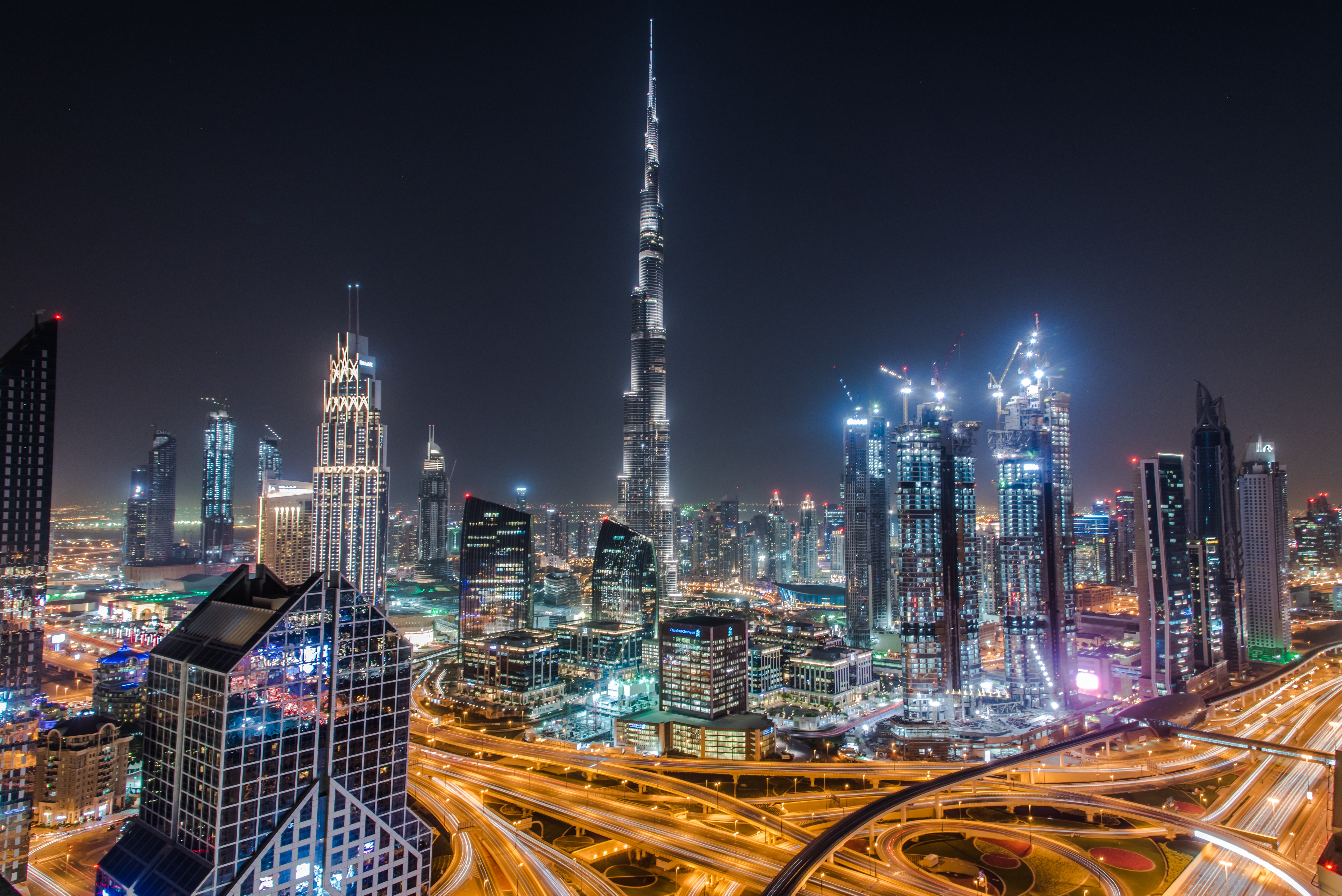
A significant boost to Dubai’s financial landscape is unfolding as a prominent hedge fund, recently making its debut, announces an impressive $700 million in assets under management. This development underscores the city’s growing appeal as a global financial center, drawing attention from international investors and positioning itself as a key player in the global hedge fund market.

The hedge fund, established by a consortium of seasoned financial professionals and investment veterans, is set to amplify Dubai’s status as a critical financial hub in the Middle East. Its launch reflects a broader trend of increasing investment flows into the region, driven by Dubai’s favorable regulatory environment, strategic geographical location, and burgeoning economic opportunities.

Dubai’s financial sector has experienced robust growth over the past few years, bolstered by the UAE’s strategic initiatives to diversify its economy beyond oil dependency. The introduction of this hedge fund is expected to contribute significantly to the city’s economic diversification efforts, further strengthening its position in the global financial ecosystem.

The hedge fund’s focus will span various asset classes, including equities, fixed income, and alternative investments, aiming to deliver strong returns for its investors. This approach aligns with Dubai’s ambition to attract sophisticated investors seeking diversified portfolios and innovative financial solutions. The fund’s leadership includes professionals with extensive experience in global markets, further enhancing its credibility and attractiveness.

The influx of substantial capital into Dubai reflects a shift in investor sentiment towards the Middle East, as geopolitical stability and economic reforms continue to make the region an attractive destination for investment. Dubai’s proactive stance on regulatory enhancements and financial innovation has played a pivotal role in fostering a conducive environment for such high-profile financial ventures.

In addition to its financial significance, the hedge fund’s launch is expected to create a ripple effect within Dubai’s broader economic landscape. It is anticipated to stimulate job creation, bolster local businesses, and elevate the city’s profile as a premier destination for global financial services. The move aligns with Dubai’s long-term vision of establishing itself as a leading global financial center, on par with other major financial hubs such as New York and London.

The establishment of this hedge fund also highlights the growing interest in alternative investment strategies, as investors seek to diversify their portfolios and capitalize on emerging market opportunities. Dubai’s robust infrastructure, coupled with its strategic initiatives, provides an ideal environment for such investment vehicles to thrive.

As the fund begins operations, its performance will be closely monitored by industry analysts and investors alike, with expectations high for it to deliver on its promises of significant returns and strategic investment opportunities. The hedge fund’s success will further solidify Dubai’s standing in the global financial community and underscore its role as a pivotal financial center in the Middle East.

This development marks a new chapter in Dubai’s financial evolution, reaffirming its status as a key player in the global hedge fund sector and reflecting the city’s ongoing commitment to economic growth and financial innovation.

Dubai’s healthcare sector is garnering increased global recognition for its quality and specialized services, according to a new report from the Dubai Health Authority (DHA). The report highlights Dubai’s growing reputation as a premier destination for health tourism, both regionally and internationally.

The DHA’s latest findings underscore Dubai’s competitive edge in the global healthcare landscape. The emirate has seen a surge in international patients seeking advanced medical treatments, driven by its state-of-the-art facilities and highly skilled medical professionals. This boost in global confidence reflects Dubai’s strategic investments in healthcare infrastructure and its commitment to maintaining high standards of medical care.

Healthcare institutions in Dubai have achieved notable milestones in various specialties, including cardiology, oncology, and orthopedics. The emirate’s hospitals and clinics are equipped with cutting-edge technology and adhere to rigorous international standards, contributing to their growing appeal among global patients.

The report attributes Dubai’s success in healthcare to several factors, including its robust regulatory framework, which ensures high-quality care and patient safety. The DHA has implemented comprehensive guidelines and quality assurance measures to maintain the excellence of medical services. Additionally, the emirate’s focus on integrating innovative technologies and personalized medicine has positioned it as a leader in advanced healthcare solutions.

Dubai’s healthcare sector has also benefitted from strategic partnerships and collaborations with leading global medical institutions. These alliances facilitate knowledge exchange, enhance the quality of care, and support research and development in various medical fields.

The emirate’s attractiveness as a health tourism destination is further enhanced by its luxurious amenities and world-class hospitality. Patients from around the world are drawn to Dubai not only for its advanced medical treatments but also for the opportunity to recover in a high-quality environment.

As Dubai continues to strengthen its position in the global healthcare market, the emirate is expected to attract even more international patients seeking top-tier medical services. The ongoing developments in healthcare infrastructure and the commitment to excellence are set to solidify Dubai’s reputation as a leading global health tourism hub.

This increased global confidence in Dubai’s healthcare services underscores the emirate’s successful efforts to build a competitive advantage in the health tourism industry. With its continued focus on quality and innovation, Dubai is poised to maintain its status as a premier destination for patients seeking exceptional medical care.

Advertisements
ADVERTISEMENT

Finance House, listed on the Abu Dhabi Securities Exchange (ADX), has successfully repurchased 10% of its subscribed capital, equating to over 1.7 million shares. This move, disclosed in a Monday filing, underscores the company’s strategic financial adjustments and commitment to enhancing shareholder value.

The repurchase of shares is part of Finance House’s broader strategy to manage capital efficiently and potentially boost its stock price. By acquiring a significant portion of its shares, the company aims to consolidate its financial position and signal confidence in its future performance to investors.

The transaction is a notable step in Finance House’s efforts to optimize its capital structure. Share buybacks are often employed by firms to return value to shareholders, particularly when they believe their stock is undervalued or when they seek to improve key financial metrics such as earnings per share.

In the context of the Abu Dhabi financial market, such moves can influence investor sentiment and market dynamics. The buyback reflects broader trends in the market where companies engage in strategic financial maneuvers to enhance shareholder returns and stabilize stock prices.

Finance House’s decision aligns with practices observed among other companies in the region that utilize share repurchases as a tool for financial management and shareholder engagement. The firm’s proactive approach in managing its equity base is indicative of its confidence in the stability and growth prospects of its business operations.

As the Abu Dhabi Securities Exchange continues to evolve, the impact of such repurchases on stock liquidity and investor confidence will be closely monitored. The market’s response to Finance House’s move could provide insights into broader investor attitudes and market trends within the financial sector.

This development highlights Finance House’s ongoing efforts to strengthen its financial standing and reinforce its commitment to creating value for its shareholders. The company’s strategic actions are likely to influence its market position and contribute to its long-term growth objectives.

The Central Bank of Kuwait (CBK) has unveiled a substantial bond issuance totaling KD 240 million ($792 million), marking a significant move in the country’s financial strategy. This issuance comprises both conventional bonds and tawarruq, a financial instrument aligning with Islamic finance principles.

The latest financial maneuver by the CBK aims to bolster liquidity and stabilize the domestic financial market amid fluctuating economic conditions. Tawarruq, an Islamic finance arrangement, allows investors to obtain liquidity through the purchase of assets, which are then sold in a subsequent transaction, providing a compliant solution for generating cash flow in accordance with Sharia law.

This new issuance reflects the CBK’s ongoing strategy to manage the national monetary policy effectively. By introducing these bonds, the CBK intends to enhance the flexibility of the Kuwaiti dinar while offering attractive investment opportunities to local and international investors. The bonds are expected to attract significant interest due to their robust backing and the CBK’s strong financial position.

The decision to launch this bond issuance comes at a time of evolving global economic dynamics and regional financial shifts. The CBK’s move is anticipated to have a stabilizing effect on the local financial markets, addressing potential liquidity challenges and supporting the growth of the national economy.

The issuance includes both short-term and long-term bonds, providing a range of options for investors seeking to diversify their portfolios or secure steady returns. The incorporation of tawarruq underscores the CBK’s commitment to expanding its financial instruments in line with Islamic finance principles, catering to a diverse investor base.

This financial strategy aligns with the CBK’s broader objectives of maintaining monetary stability and fostering investor confidence. As the CBK continues to navigate the complexities of global financial markets, its latest bond issuance signifies a proactive approach to managing economic uncertainties and supporting Kuwait’s financial infrastructure.

Investors and financial analysts will closely monitor the impact of this bond issuance on the Kuwaiti financial landscape. The success of this initiative may set a precedent for future financial strategies and influence the broader regional financial market trends.

The CBK’s bond issuance is expected to play a pivotal role in strengthening Kuwait’s economic framework, with anticipated benefits extending across various sectors of the economy. As such, it represents a significant development in Kuwait’s financial sector and underscores the CBK’s ongoing efforts to adapt to evolving economic conditions while upholding its commitment to sound financial management.

The Indian aviation sector is on a transformative path that positions it as a major global hub by 2030. According to CAPA Advisory, Indian airlines are expected to significantly expand their fleets, with projections indicating the addition of 150 widebody aircraft by 2035. This expansion is set to be complemented by the integration of Airbus A321XLRs, designed for medium-haul routes, thereby enhancing connectivity and operational efficiency.

The rapid growth of the Indian aviation industry is driven by several factors, including a burgeoning middle class, increasing urbanization, and heightened economic activity. The country’s strategic geographic location between major global markets further reinforces its potential as a key aviation hub. With the government’s supportive policies and investments in infrastructure, including the development of new airports and the expansion of existing ones, India’s role in global air travel is set to become more prominent.

Indian airlines are focusing on modernizing their fleets to accommodate the rising passenger demand. The introduction of widebody aircraft will enable them to serve long-haul international routes more effectively. At the same time, the A321XLRs will address the need for efficient, medium-haul connectivity, making regional and international destinations more accessible.

Airline operators are also investing in technology and innovation to improve operational efficiency and enhance passenger experience. This includes advancements in aircraft maintenance, fuel efficiency, and customer service. As the aviation sector evolves, Indian carriers are positioning themselves to compete on a global scale, with a focus on delivering high-quality service and expanding their network reach.

The anticipated growth in passenger traffic is expected to double over the next decade, driven by the increasing affordability of air travel and the expansion of low-cost carriers. This surge in demand will necessitate significant investments in airport infrastructure, including terminal expansions and modernization of air traffic control systems, to accommodate the higher volume of passengers and flights.

The Indian government has been proactive in supporting this growth trajectory through various initiatives, including policies aimed at improving the regulatory environment and fostering private sector investment in the aviation sector. The development of new airports in underserved regions and the enhancement of existing facilities are central to this strategy, aimed at ensuring that infrastructure keeps pace with the expanding demand.

Industry experts highlight that the rise of Indian aviation as a global hub will have far-reaching economic implications, creating job opportunities, stimulating regional development, and fostering international trade and tourism. The increased connectivity will not only benefit passengers but also enhance cargo capacity, facilitating smoother global trade flows.

Overall, the Indian aviation sector’s expansion aligns with broader economic trends and demographic shifts, positioning the country as a key player in the global air travel market. As Indian airlines continue to expand their fleets and improve their services, they are set to play a significant role in shaping the future of global aviation.

ADVERTISEMENT

U.S. intelligence agencies have officially attributed a recent series of cyberattacks targeting the 2024 presidential campaigns of Donald Trump and Kamala Harris to Iranian hackers. This confirmation, which marks a significant development in ongoing cybersecurity concerns, highlights Tehran’s broader strategy to interfere in U.S. politics and undermine trust in democratic institutions.

The cyber intrusion, which initially came to light through investigations by private cybersecurity firms, has now been explicitly linked to Iran by a joint statement from the FBI, the Office of the Director of National Intelligence, and the Cybersecurity and Infrastructure Security Agency. The statement underscores the escalating nature of Iran’s cyber operations, particularly as they relate to critical political events in the United States.

According to the U.S. government, these hacking efforts were part of a larger campaign by Iran aimed at influencing the outcome of the U.S. elections. The intrusions were not limited to Trump’s campaign; Harris’ campaign team was also targeted. Hackers reportedly sought to gain access to individuals closely associated with both campaigns, reflecting a concerted effort to gather intelligence and potentially manipulate electoral outcomes.

Private sector entities such as Microsoft and Google had previously issued warnings about similar activities, noting that Iranian groups linked to the Revolutionary Guard had attempted to infiltrate the personal email accounts of individuals connected to both Trump and Harris. These activities were seen as part of a broader pattern of foreign interference that has increasingly characterized U.S. electoral cycles.

Federal officials have emphasized the seriousness of these attacks, noting that they represent not just isolated incidents but a calculated strategy by Iran to exert influence over key aspects of American governance. This strategy, they argue, is particularly concerning given the potential implications for national security and the integrity of the democratic process.

The timing of these revelations, coming as the 2024 presidential race intensifies, adds another layer of complexity to an already fraught political landscape. As U.S. officials continue to investigate the full extent of Iran’s activities, there are growing calls for stronger cybersecurity measures to protect against foreign interference in American elections.

Arabian Post Staff Team Falcons, representing Saudi Arabia, achieved a historic victory as they clinched the title of Esports World Cup Club Champions on August 17, 2024, at Boulevard Riyadh City. The team’s dominance throughout the tournament earned them a $7 million prize, marking a groundbreaking moment in the Kingdom’s esports history. The victory was solidified after a series of intense matches during Week 7 of the […]

A new trade agreement between government-controlled and opposition-held areas in Syria marks a significant development in the Syrian conflict. This trade initiative, involving key economic exchanges between these once-divided regions, hints at a possible warming of relations between Syrian President Bashar al-Assad and Turkish President Recep Tayyip Erdogan.

The trade agreement comes amid shifting geopolitical dynamics, with Russia playing a pivotal role in facilitating dialogue between the Assad regime and various opposition factions. Moscow’s intervention in the Syrian conflict in 2015, aimed at restoring Assad’s control, has now expanded to include efforts to bridge the gap between conflicting parties. The recent trade pact underscores a potential realignment of alliances and objectives in the region.

The agreement involves the exchange of goods such as food, medicine, and construction materials, which are crucial for rebuilding efforts in the war-torn country. This trade is being managed through a network of intermediaries and is expected to alleviate some of the economic pressures faced by both sides. The move also reflects broader strategic interests, with both Assad and Erdogan seeking to stabilize their respective positions in the region.

The initiative has garnered attention from various international observers and analysts, who view it as a strategic maneuver by both leaders to consolidate their control and influence. The Syrian government sees this trade agreement as a means to reinforce its authority and address humanitarian needs, while Erdogan’s administration is leveraging the opportunity to address economic and political pressures within Turkey.

The trade pact aligns with Russia’s broader objectives in Syria, where Moscow has been working to strengthen its diplomatic and strategic foothold. The Russian government has been actively involved in brokering discussions and mediating between conflicting parties, aiming to create a more stable and cooperative environment in Syria. This recent development is seen as a part of Russia’s strategy to enhance its influence and facilitate a more sustainable resolution to the conflict.

The reaction from the international community has been mixed. While some view the agreement as a positive step towards reducing tensions and fostering dialogue, others remain skeptical about its long-term impact on the broader conflict. Critics argue that while the trade initiative may offer short-term benefits, it does not address the underlying political and security challenges that continue to plague Syria.

As the situation evolves, stakeholders are closely monitoring how this trade agreement will affect the broader dynamics of the Syrian conflict. The potential for improved relations between Assad and Erdogan could reshape the geopolitical landscape of the region, influencing not only Syria’s internal politics but also its interactions with neighboring countries and international actors.

The trade agreement between Syrian regime and rebel areas represents a notable shift in the ongoing conflict, with implications for both regional politics and international diplomacy. The development highlights the complex and evolving nature of the Syrian crisis, reflecting broader trends and strategic interests that continue to shape the region’s future.

ADVERTISEMENT

The Saudi Public Investment Fund (PIF) has achieved notable financial gains following a global market upswing, significantly boosting its returns. This surge is attributed to a series of positive developments across various global markets, enhancing the value of PIF’s diverse investment portfolio.

In the past quarter, PIF’s investment performance has markedly improved, reflecting a broader positive trend in global equities. The rally in major stock indices, including those in the US and Europe, has contributed substantially to the fund’s recent success. Particularly strong performances in the technology and energy sectors have been instrumental, with stocks in these areas achieving substantial growth.

The PIF, known for its strategic investments in sectors such as technology, entertainment, and infrastructure, has benefited from its early and diversified investments in high-growth areas. Investments in cutting-edge technology firms and renewable energy projects have yielded impressive returns, aligning with the global emphasis on innovation and sustainability.

Recent data reveals that the PIF’s stake in various tech giants and renewable energy companies has been a key driver behind the improved performance. Companies focusing on artificial intelligence, clean energy, and digital transformation have seen their stock values rise significantly, thereby boosting the value of PIF’s investments.

In addition to equity investments, PIF’s strategic acquisitions and partnerships have played a crucial role. The fund’s engagement in major international projects and joint ventures has not only diversified its investment portfolio but also enhanced its global footprint. This approach has allowed PIF to leverage emerging market trends and capitalize on lucrative opportunities.

Moreover, the PIF’s focus on geographic diversification has helped mitigate risks associated with market volatility. By investing across various regions and sectors, the fund has effectively balanced its portfolio, ensuring stability and growth despite fluctuations in specific markets.

The recent market rally has also been supported by favorable macroeconomic conditions, including low-interest rates and strong economic recovery signals from key markets. This environment has created a conducive backdrop for investment gains, further amplifying the positive impact on the PIF’s returns.

Looking ahead, the PIF is expected to continue benefiting from ongoing global market trends and its strategic investment choices. The fund’s proactive approach to identifying and investing in high-potential sectors positions it well to capitalize on future market opportunities and maintain its robust financial performance.

As the global economy evolves, the PIF’s ability to adapt and strategically align its investments with emerging trends will be crucial. The fund’s continued focus on diversification and innovation will likely play a significant role in sustaining its growth trajectory and reinforcing its position as a leading global investment player.

A major infrastructure venture is underway as DP World and British International Investment join forces to establish the Democratic Republic of Congo’s first deep-water port. This landmark project aims to significantly reduce trade costs and stimulate the local economy by creating approximately 85,000 jobs.

The deep-water port, strategically located on the Atlantic coast, will enhance Congo’s trade capabilities by accommodating larger vessels and improving logistical efficiency. Currently, Congo’s maritime infrastructure is limited, with most ports unable to handle significant cargo volumes due to shallow waters. The new port will address these constraints, offering a modern facility that can support the country’s growing trade demands.

Trade experts anticipate that the port will lower the cost of importing and exporting goods by up to 12%. This reduction is expected to have a broad economic impact, facilitating more affordable access to international markets for Congolese businesses and boosting the nation’s economic competitiveness on the global stage.

The project represents a substantial investment in Congo’s economic infrastructure, signaling a robust commitment from both DP World and British International Investment to the region’s development. By improving port facilities, the initiative will also enhance supply chain efficiency, which is crucial for Congo’s key export sectors, including mining and agriculture.

Construction of the port is projected to commence in the coming months, with the development phase anticipated to last several years. During this period, the project will generate significant employment opportunities, ranging from construction jobs to roles in port operations and logistics. The anticipated job creation is expected to provide a substantial boost to the local economy, supporting thousands of families and contributing to broader economic stability in the region.

The deep-water port is poised to transform the economic landscape of the Democratic Republic of Congo. It will not only modernize the country’s maritime infrastructure but also catalyze growth across various sectors, from trade and logistics to regional development.

As work on the port progresses, the collaboration between DP World and British International Investment is expected to attract additional international interest and investment in Congo’s infrastructure projects. The partnership underscores a growing trend of global investors focusing on the development of critical infrastructure in emerging markets, recognizing the long-term economic benefits these projects can deliver.

This ambitious initiative highlights the potential for significant progress in Congo’s economic development through strategic investments in infrastructure. The establishment of a deep-water port marks a pivotal step forward, promising to enhance trade efficiency, stimulate job creation, and support broader economic growth.

Trade between Syria’s regime-held territories and rebel-controlled regions in Idlib has begun to show signs of increased cooperation, potentially hinting at a warming relationship between Syrian President Bashar al-Assad and Turkish President Recep Tayyip Erdogan. This development comes after years of hostilities that have defined the Syrian civil war and the broader geopolitical dynamics in the region.

The Bab al-Hawa crossing, a critical gateway for humanitarian aid and commercial trade between Syria and Turkey, is now functioning under the control of Hayat Tahrir al-Sham (HTS), an Islamist rebel group that dominates the Idlib region. Despite Turkey’s classification of HTS as a terrorist organization, the crossing has become a vital economic lifeline, with HTS reportedly generating millions of dollars in revenue from customs and tariffs imposed on goods passing through the border.

In a more controversial move, HTS has initiated trade with areas under the control of the Syrian regime, particularly through the Saraqib crossing. This crossing, which reopened following negotiations involving HTS, Syrian regime representatives, and Russian commanders, was touted as a means to revitalize the local economy. HTS claimed that the reopening would alleviate the severe shortages of medicine and other essential goods in Idlib, while also boosting the region’s agricultural sector.

The reopening of the Saraqib crossing has been met with mixed reactions. While HTS argues that this economic cooperation is necessary to sustain the local population and reduce reliance on smuggling, critics view it as a betrayal of the rebel cause, potentially signaling a shift in HTS’s stance towards the Assad regime. Additionally, there are reports of ongoing consultations between HTS and Turkey regarding the crossing, indicating a complex interplay of interests that could be influencing the group’s decisions.

The potential rapprochement between Assad and Erdogan is further complicated by Russia’s role in mediating and promoting these trade links. Russia, a key ally of the Syrian government, has been pushing for a normalization of relations between Turkey and Syria, as part of its broader strategy to stabilize the region and secure its interests. This effort aligns with Russia’s goal of strengthening Assad’s position while ensuring that Turkey, which backs several rebel factions, remains engaged in the political process rather than pursuing military options.

However, the thaw in relations is not without challenges. Turkey continues to support rebel groups in Idlib, and any overt alignment with the Assad regime could undermine Erdogan’s standing domestically and among Syrian opposition groups. Moreover, the economic benefits of these trade arrangements, while significant, do not address the underlying political and military tensions that persist between the two sides.

As trade between regime and rebel areas continues to expand, observers are closely monitoring whether this economic cooperation will lead to a broader political detente or if it will merely serve as a pragmatic arrangement in a protracted conflict. The implications of this development could have far-reaching consequences for the future of Syria and the region, particularly if it leads to a recalibration of alliances and power dynamics.

ADVERTISEMENT

Arabian Post Staff U.S. Secretary of State Antony Blinken has emphasized that the current diplomatic initiative to secure a ceasefire between Israel and Hamas represents a critical juncture, possibly the last viable chance for peace. During his latest statement, Blinken underlined the urgency of finalizing a ceasefire agreement, reflecting Washington’s intensifying efforts to halt the ongoing conflict. Blinken’s remarks come as international pressure mounts on both sides […]

The American University of Ras Al Khaimah (AURAK) has introduced a Bachelor of Science in Artificial Intelligence designed to align with the soaring demand for AI expertise. The program addresses the rapid expansion of the AI industry, which has been growing at an annual rate of 37.3%.

This new degree is tailored to equip students with the skills and knowledge necessary to thrive in a market increasingly driven by artificial intelligence innovations. It combines advanced theoretical understanding with practical experience, reflecting the evolving needs of the job market. Students will engage in hands-on projects and research, ensuring they are well-prepared to enter the workforce immediately upon graduation.

AURAK’s program focuses on providing students with expertise in AI technologies and applications, ranging from machine learning to data analysis and automation. The curriculum is designed to foster a deep understanding of both the technical and ethical aspects of AI, preparing graduates for various roles in the technology sector.

The decision to launch this program comes in response to the escalating global demand for AI professionals. As industries from healthcare to finance increasingly rely on AI for innovation and efficiency, the need for well-trained experts has surged. AURAK’s program aims to fill this gap by producing graduates who are not only knowledgeable in the latest AI advancements but also equipped with practical skills to apply this knowledge effectively.

Industry experts and academic professionals have highlighted the significance of such initiatives in addressing the skills shortage in AI fields. By focusing on both theoretical and practical elements, AURAK’s program seeks to ensure that students are not just proficient in AI concepts but also adept at applying them in real-world scenarios.

Furthermore, the program is structured to include industry collaborations and internships, providing students with valuable exposure to potential employers and hands-on experience. This approach is expected to enhance job readiness and increase employability upon graduation.

The introduction of this degree reflects a broader trend among educational institutions globally, responding to the accelerating pace of technological change and the corresponding demand for skilled professionals. As AI continues to expand its influence across various sectors, programs like AURAK’s are crucial in preparing the next generation of experts to lead and innovate in this dynamic field.

Leaders from the Southern African Development Community (SADC) gathered for their 44th Ordinary Summit in Maputo, Mozambique, with Seychelles making a significant appearance. The summit, which took place on August 16-17, 2024, focused on critical regional issues including economic integration, climate change, and security.

President Wavel Ramkalawan of Seychelles led the nation’s delegation, emphasizing the country’s commitment to regional collaboration and sustainable development. Seychelles, an island nation with a strategic position in the Indian Ocean, has been an active participant in SADC’s efforts to foster economic growth and political stability in Southern Africa.

During the summit, discussions centered on enhancing economic partnerships within the SADC region. Leaders debated strategies to boost intra-regional trade and investment, aiming to reduce economic vulnerabilities and improve resilience against global economic uncertainties. Seychelles has expressed strong support for initiatives aimed at promoting trade and investment, recognizing the potential benefits for its own economy and the broader region.

Climate change emerged as a key topic, with the region’s vulnerability to environmental changes underscored. The summit addressed the need for collective action to mitigate the impacts of climate change, including strategies for disaster preparedness and sustainable resource management. Seychelles, with its unique geographic challenges, has been vocal about the importance of robust climate action and shared resources among member states.

Security concerns also featured prominently in the discussions, reflecting ongoing issues such as maritime security and regional conflicts. The summit reaffirmed the commitment of SADC members to collaborate on security matters, aiming to enhance peace and stability across the region. Seychelles, with its strategic location and maritime interests, has been an active participant in regional security initiatives and cooperative efforts.

The summit provided a platform for the exchange of views and experiences among member states. It highlighted Seychelles’ role in advocating for policies that align with its national interests while contributing to the collective goals of the SADC. The island nation’s engagement in the summit underscores its dedication to fostering regional cooperation and addressing shared challenges.

In addition to these key areas, the summit also included discussions on enhancing institutional frameworks within SADC. Leaders reviewed the effectiveness of existing structures and explored opportunities for strengthening organizational capacities. Seychelles’ participation in these deliberations reflects its ongoing commitment to improving the operational efficiency of the SADC and ensuring that it effectively addresses the needs of its member states.

The outcomes of the summit are expected to shape the future direction of the SADC and influence regional policies. Seychelles’ contributions and active involvement are likely to play a significant role in the implementation of the summit’s resolutions, particularly in areas related to economic development, climate resilience, and regional security.

The 44th Ordinary Summit of SADC Heads of State and Government marks a continued effort towards enhancing regional integration and cooperation. Seychelles’ engagement highlights its strategic role within the organization and its dedication to advancing shared goals and addressing collective challenges in Southern Africa.

Arabian Post Staff O2 Group has emerged as a game-changer in the UAE’s real estate and financial advisory sectors, driving innovation through bespoke solutions and strategic partnerships. As the primary facilitator for foreign investors entering the UAE market, the company offers a range of customized services designed to streamline market entry and investment processes. With the UAE’s real estate market continuing to attract substantial international interest, O2 […]

A growing number of individuals are selecting the United Arab Emirates (UAE) as their retirement destination, drawn by its appealing lifestyle, tax incentives, and strategic location. This trend marks a significant shift as the UAE increasingly becomes a preferred locale for retirees seeking a blend of modern amenities and a favorable economic environment.

The UAE’s allure for retirees is underscored by its robust economic stability and luxurious living standards. The nation offers a range of residency options tailored to retirees, including long-term visas that facilitate a comfortable transition to retirement life. These residency programs are designed to attract retirees from various global regions, promising benefits such as tax-free income and high-quality healthcare.

Recent reports highlight a noticeable increase in the number of retirees moving to the UAE, particularly to cities like Dubai and Abu Dhabi. These urban centers are celebrated for their cosmopolitan atmosphere, advanced infrastructure, and an array of leisure and cultural activities that cater to diverse tastes and preferences. Additionally, the UAE’s strategic location serves as a convenient hub for international travel, enhancing its appeal to retirees who value global connectivity.

Economic factors also play a critical role in this migration trend. The UAE’s favorable tax regime, including no income tax and minimal estate taxes, is a significant draw for retirees looking to maximize their financial resources. The country’s real estate sector offers a range of housing options, from high-end apartments to villas, aligning with the diverse preferences of retirees. This financial attractiveness is complemented by a stable and secure environment, contributing to the UAE’s growing reputation as a retirement haven.

Moreover, the UAE’s commitment to creating a welcoming environment for expatriates is evident in its efforts to ensure that retirees can integrate smoothly into society. Initiatives aimed at enhancing social inclusion and providing tailored services for retirees reflect the country’s dedication to accommodating this demographic.

The trend of retiring in the UAE is supported by data showing an increase in inquiries and applications for retirement visas from countries such as the United States, the United Kingdom, and various European nations. This international interest underscores the UAE’s competitive position in the global retirement market.

Healthcare services in the UAE are another pivotal factor attracting retirees. The country boasts a world-class healthcare system with cutting-edge facilities and a high standard of medical care, which is crucial for retirees who may have specific health needs. The availability of quality healthcare enhances the overall appeal of the UAE as a desirable location for retirement.

The lifestyle benefits offered by the UAE further strengthen its position as a prime retirement destination. The country provides a safe and secure environment, with low crime rates and a high standard of living. Additionally, the diverse range of recreational and cultural activities available ensures that retirees can enjoy a fulfilling and active lifestyle.

As the UAE continues to develop and enhance its retirement offerings, it is likely to see sustained growth in the number of retirees choosing to make it their home. This trend reflects broader shifts in global retirement patterns, where individuals are increasingly seeking destinations that offer a combination of financial advantages, quality of life, and comprehensive support systems.

The UAE’s emergence as a leading retirement destination highlights its growing appeal and competitive advantages in the global market. With its attractive lifestyle, economic benefits, and commitment to retiree welfare, the UAE is well-positioned to continue drawing retirees from around the world.

Arabian Post Staff A major renewable energy project is underway in Egypt with Masdar and Infinity Power joining forces to develop a significant 200-megawatt wind farm. This venture marks a substantial step forward in Egypt’s efforts to bolster its renewable energy capacity and reduce its reliance on fossil fuels. The new wind farm will be located in the Red Sea Governorate, a region known for its strong […]

Criterion Capital has announced a significant financial milestone with the successful acquisition of $32.3 million in funding from Bank of London and the Middle East (BLME). This capital will be directed towards the transformation of a landmark building in Trafalgar Square into a modern hotel. The redevelopment project is poised to be a notable addition to London’s hospitality sector, reflecting the city’s ongoing appeal to both tourists and business travelers.

The Trafalgar Square property, situated in a prime location, is set to undergo extensive renovations aimed at enhancing its functionality and aesthetic appeal. The transformation will include the conversion of the historic building into a high-end hotel, expected to offer state-of-the-art amenities and services tailored to meet the needs of a diverse clientele. The investment from BLME marks a significant commitment to revitalizing this iconic site and is anticipated to bring new energy to the area.

Criterion Capital, a prominent player in real estate development, is known for its focus on high-profile projects in key urban locations. The company’s decision to invest in this project underscores its confidence in London’s robust hospitality market and the strategic value of the Trafalgar Square location. By leveraging this financial support, Criterion Capital aims to deliver a premier hotel experience that aligns with the high standards of the city’s luxury accommodations.

BLME’s involvement in the project highlights the bank’s role in supporting significant real estate ventures. As a leading provider of Sharia-compliant financial services, BLME’s investment reflects its strategic interest in the London property market. The bank’s support is seen as a crucial factor in advancing the project’s development and ensuring its successful completion.

The conversion of the Trafalgar Square property is expected to create numerous job opportunities and contribute positively to the local economy. With the hospitality industry recovering and evolving, this project represents a forward-looking investment that capitalizes on London’s enduring status as a major global travel destination.

As the project progresses, the redevelopment of this Trafalgar Square site will be closely watched by industry stakeholders and local residents alike. The transformation of such a prominent location into a luxury hotel is anticipated to set new standards for high-end accommodations in the capital.

VISHNU RAJA
RYO YAMADA
HITORI GOTOH
IKUYO KITA
Social Media Auto Publish Powered By : XYZScripts.com