Articles written by
arabian post staff

Airstrikes hit southern Beirut as the conflict between Israel and Gaza intensifies. The Israeli military launched attacks targeting Hezbollah positions in Lebanon’s capital, marking a significant escalation in the region.

Israel’s foreign minister declared the country was facing an “all-out war” following a deadly rocket strike in Majdal Shams, a town in the Golan Heights. The attack resulted in multiple casualties, raising tensions and prompting a swift military response from Israel.

The Israeli Defense Forces (IDF) reported that the airstrikes in Beirut aimed at neutralizing Hezbollah’s military capabilities, which Israel accuses of collaborating with Hamas in Gaza. The bombings targeted key infrastructure and weapons storage facilities, according to IDF spokespersons.

Hezbollah’s leader condemned the airstrikes, vowing retaliation and further complicating the conflict. The group claimed that the Israeli attacks damaged civilian areas and infrastructure, although the extent of the damage remains unclear.

The conflict’s escalation has drawn international concern, with calls for restraint and dialogue from the United Nations and several global leaders. The UN Secretary-General emphasized the need for immediate cessation of hostilities to prevent further humanitarian catastrophe.

In Gaza, the fighting has resulted in substantial casualties on both sides. Israeli airstrikes have targeted what they describe as military installations and tunnels used by Hamas. The Palestinian Health Ministry reported significant civilian casualties, including women and children, as a result of the bombings.

Humanitarian organizations have raised alarms over the deteriorating situation in Gaza. Hospitals are overwhelmed, facing shortages of medical supplies and electricity. The International Committee of the Red Cross (ICRC) called for safe corridors to deliver aid and evacuate the wounded.

The conflict’s impact extends beyond the immediate war zone. Protests and violent clashes have erupted in several cities across the Middle East, reflecting widespread anger and solidarity with the Palestinian cause. Demonstrations have also taken place in Western capitals, urging governments to intervene and advocate for a peaceful resolution.

Israel has faced international scrutiny over its military actions. Human rights organizations have called for investigations into potential violations of international law, particularly regarding the targeting of civilian areas in Gaza and Lebanon. The Israeli government maintains that its military operations are in self-defense and aimed at minimizing civilian harm.

Diplomatic efforts to broker a ceasefire have thus far been unsuccessful. Egypt and Qatar have been particularly active in mediating between the conflicting parties, but both sides remain entrenched in their positions. The United States has expressed support for Israel’s right to self-defense while urging for measures to protect civilians and reduce casualties.

The economic repercussions of the conflict are also significant. Gaza’s infrastructure has suffered extensive damage, affecting essential services and livelihoods. In Israel, the economy faces disruptions from rocket attacks, with businesses and schools in affected areas forced to close temporarily.

Regional analysts warn that the ongoing hostilities could destabilize the broader Middle East, with potential spillover effects into neighboring countries. The involvement of Hezbollah and the airstrikes in Beirut indicate a risk of the conflict expanding beyond Gaza and Israel.

As the situation unfolds, the international community continues to monitor developments closely. The prospects for a lasting peace appear dim amid the current escalation, with deep-seated grievances and historical animosities driving the conflict.

Efforts to address the humanitarian crisis and rebuild trust between the parties are crucial for any future resolution. The global call for peace underscores the urgent need for dialogue and diplomacy to end the violence and pave the way for a sustainable solution.

France has officially backed Morocco’s proposal for granting autonomy to the Sahara region while maintaining Moroccan sovereignty. This pivotal endorsement comes amid ongoing diplomatic efforts to address one of Africa’s most enduring territorial disputes. French President Emmanuel Macron’s decision marks a significant shift in international stance regarding the Sahara issue, highlighting France’s commitment to supporting Morocco’s territorial integrity.

Macron’s announcement, made during a recent diplomatic engagement, emphasizes France’s support for Morocco’s approach to resolving the conflict through enhanced regional autonomy rather than full independence. This move is seen as a strategic alignment with Morocco’s long-standing position on the Sahara and reflects broader geopolitical considerations.

The Sahara conflict has been a contentious issue for decades, with the region seeking greater autonomy and self-determination. The United Nations has been involved in efforts to mediate a resolution, but the situation remains complex with multiple parties involved. Morocco’s proposal, which includes offering a degree of self-governance to the Sahara under Moroccan sovereignty, is aimed at addressing local aspirations while preserving the country’s territorial unity.

France’s endorsement is expected to influence other international actors and potentially shift the dynamics of the ongoing negotiations. The French government has expressed that its support is based on a belief that Morocco’s autonomy plan represents a viable solution that respects both the regional aspirations and the need for national sovereignty.

This development follows a series of diplomatic engagements between Morocco and France, underscoring the strengthening ties between the two nations. Macron’s support is part of a broader strategy to reinforce France’s role in addressing global conflicts and aligning with key partners in strategic regions.

The international community has varied responses to the Sahara issue, with some nations supporting Morocco’s stance and others advocating for a different approach. France’s position adds to the growing list of endorsements for Morocco’s plan, which aims to provide a framework for the Sahara’s future governance while integrating it within the Moroccan state structure.

The autonomy plan proposed by Morocco outlines a significant degree of self-administration for the Sahara region, including local governance and economic management. This plan is designed to offer a compromise between complete independence and full integration, seeking to balance regional aspirations with national unity.

In addition to diplomatic support, the plan’s success will hinge on the engagement of local stakeholders and the international community’s reception. France’s backing is a notable boost for Morocco’s efforts, and it may prompt further discussions and negotiations involving other key international players.

As the situation evolves, the focus will likely shift to the implementation of the autonomy plan and the practical implications for the Sahara region. Observers will be closely watching how Morocco navigates this process and how the international community, including France, continues to influence the resolution of this long-standing conflict.

Arabian Post Staff DraftKings, a leading name in the global gambling industry, is ceasing its NFT operations following a pivotal legal decision. A US court recently permitted a class action lawsuit to proceed against the company, alleging that DraftKings’ NFTs qualify as unregistered securities. This lawsuit has triggered a significant shift in the company’s business strategy. The legal challenge stems from claims that DraftKings’ NFTs, which are […]

The Christo and Jeanne-Claude Award 2024 has been awarded to Sara Farha and Khaled Shalkha for their innovative project, the Datecrete Bee Hotel. This design explores the complex relationship between bees and their environment, offering a novel approach to sustainable architecture.

The Datecrete Bee Hotel stands out for its use of locally sourced materials and its integration into the natural landscape. Farha and Shalkha’s design emphasizes the importance of creating habitats that not only support bee populations but also blend harmoniously with their surroundings. The structure is crafted from datecrete, a sustainable material that combines traditional concrete with date palm fibers, providing both durability and a low environmental impact.

Bees, crucial to pollination and biodiversity, face numerous challenges due to habitat loss and climate change. The Datecrete Bee Hotel aims to address these issues by providing a dedicated space that supports bees’ needs and fosters their interaction with the environment. The project has been praised for its innovative approach to ecological design and its potential to inspire similar initiatives globally.

The Christo and Jeanne-Claude Award, established to honor the legacy of the renowned artists known for their large-scale environmental works, seeks to recognize projects that blend art and environmental consciousness. Farha and Shalkha’s submission was selected from a competitive pool of entries, highlighting its originality and impact on environmental design.

The Datecrete Bee Hotel reflects a growing trend in architecture and design towards sustainability and ecological sensitivity. By focusing on the needs of pollinators and utilizing environmentally friendly materials, the project exemplifies how design can play a role in addressing broader environmental issues.

As the global community becomes increasingly aware of the importance of protecting pollinator species, initiatives like the Datecrete Bee Hotel provide a hopeful glimpse into how design can contribute to ecological balance. The project not only provides a functional habitat for bees but also serves as a model for future developments in sustainable architecture.

The award highlights a commitment to integrating artistic vision with environmental responsibility, continuing the legacy of Christo and Jeanne-Claude’s impactful work. As such, it underscores the role of design in fostering a more sustainable future. Farha and Shalkha’s work stands as a testament to the potential of innovative, eco-conscious design to make a meaningful difference in addressing environmental challenges.

ADVERTISEMENT

Artists Sara Farha and Khaled Shalkha have been honored with the 2024 Christo and Jeanne-Claude Award. Their winning project, “Echoes of Nature,” draws inspiration from the UAE’s diverse landscapes, aiming to evoke an appreciation for the region’s natural beauty and the urgent need for environmental conservation.

Under the patronage of Her Highness Sheikha Shamsa bint Hamdan Al Nahyan, the award is a collaboration between NYU Abu Dhabi and the Abu Dhabi Music & Arts Foundation (ADMAF). The initiative seeks to support emerging artists in the UAE, providing them with a platform to showcase their talents and contribute to the cultural landscape.

“Echoes of Nature” explores the intricate relationships between humans and the environment. The installation features interactive elements that encourage viewers to engage with the artwork and reflect on their own environmental impact. The project will be developed over the next eight months with mentorship from experts at NYUAD and ADMAF, culminating in a public exhibition.

Huda I. Alkhamis-Kanoo, Founder of ADMAF, emphasized the importance of nurturing young talent and fostering creativity in the UAE. She highlighted the award’s role in empowering artists to realize their dreams and contribute to important conversations about sustainability and environmental stewardship.

The Christo and Jeanne-Claude Award, established in 2013, has become a significant platform for young artists in the UAE, offering them the opportunity to transition from academic practice to professional artistry. This year’s winners, Farha and Shalkha, were selected for their innovative approach and commitment to addressing environmental issues through art.

The winning project will not only enhance public awareness about the environment but also inspire future generations of artists to engage with critical global challenges. The award continues to honor the legacy of Christo and Jeanne-Claude, renowned for their large-scale environmental art installations, by encouraging creativity and innovation in the UAE’s burgeoning art scene.

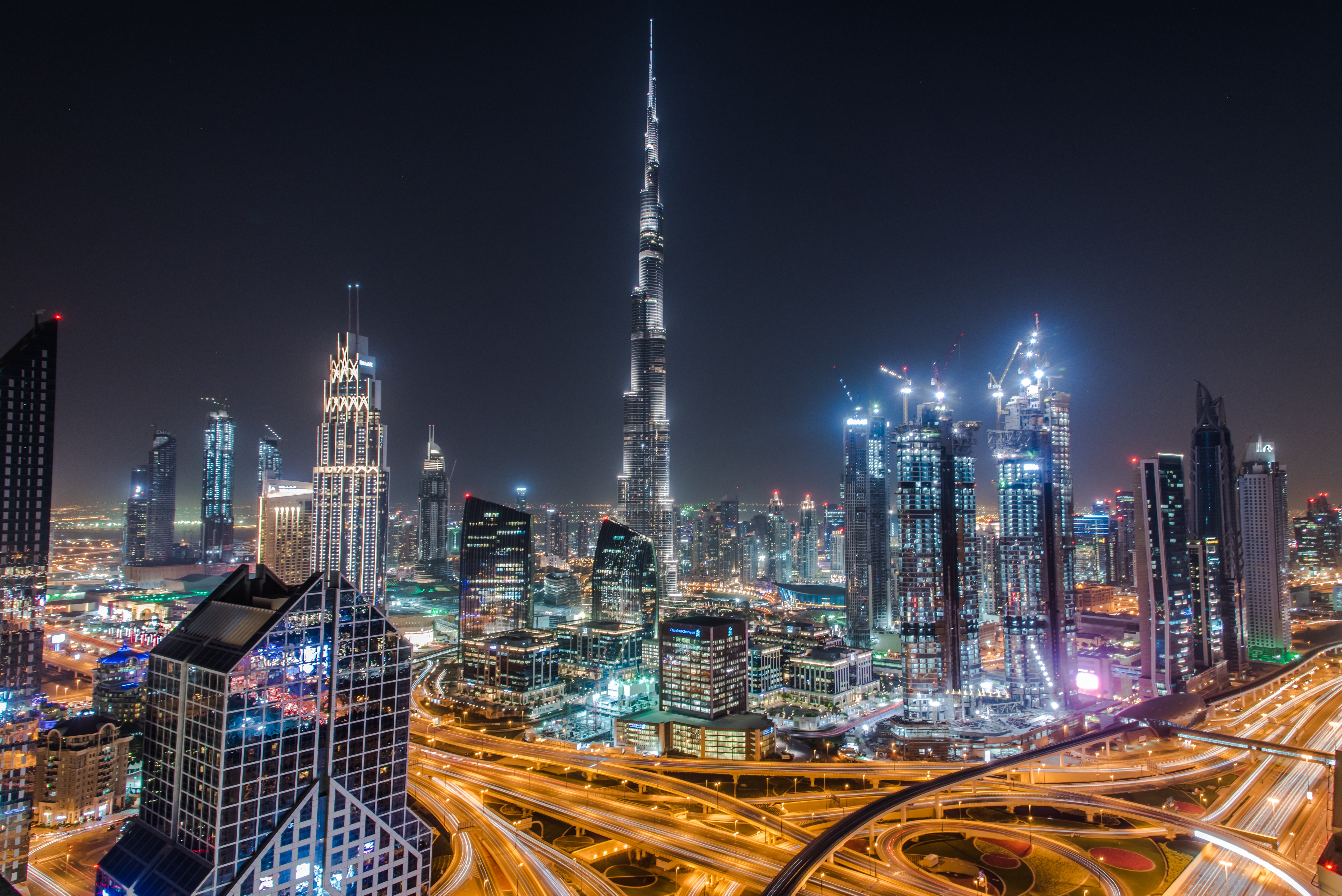
Dubai is currently experiencing extreme heat conditions, with temperatures feeling as high as 60°C (140°F) due to the combined effects of high air temperatures and humidity. This extreme weather is putting the city under significant stress and raising concerns about the future impacts of climate change.

The official temperature in Dubai during July averages around 39.4°C (102.9°F), with nighttime lows of about 32.3°C (90.1°F). However, the heat index, which factors in humidity, can make it feel significantly hotter, reaching dangerous levels of 54°C (129.2°F) and beyond. These extreme conditions are not only uncomfortable but also pose serious health risks, especially to those who must work or spend extended periods outdoors.

One of the key factors exacerbating the heat in Dubai is its high humidity levels, which hover around 51% in July. This combination of heat and humidity creates a stifling environment that can lead to heat exhaustion or heat stroke if proper precautions are not taken. The local authorities have issued advisories urging residents and visitors to stay hydrated, avoid strenuous activities during peak hours, and seek shelter in air-conditioned environments whenever possible.

The extreme heat has also highlighted the broader implications of climate change for the region. Dubai, like many parts of the Middle East, is expected to see even more extreme temperatures in the coming decades. Studies predict that heatwaves will become more frequent and intense, making large parts of the region uninhabitable without significant adaptations in infrastructure and lifestyle.

Dubai has already been taking steps to mitigate the effects of its harsh climate. The city has invested heavily in green building technologies, which include better insulation and energy-efficient cooling systems to reduce the reliance on air conditioning. Additionally, there are ongoing efforts to increase the amount of green space within the city to help lower temperatures through natural cooling.

Urban planners in Dubai are also looking into innovative solutions such as reflective building materials that can help reduce the urban heat island effect. This phenomenon, where cities become significantly warmer than their rural surroundings due to human activities, exacerbates the already extreme summer temperatures.

The health risks associated with such extreme weather are not limited to heat-related illnesses. High temperatures can also exacerbate existing health conditions such as cardiovascular and respiratory diseases. The healthcare system in Dubai is bracing for an increase in cases related to heat stress, and there are ongoing public health campaigns to educate people about the dangers of prolonged exposure to extreme heat.

Moreover, the economic impact of extreme heat is significant. High temperatures can reduce productivity, especially in sectors such as construction and outdoor services. The energy demand for cooling also spikes during heatwaves, putting additional strain on the power grid and leading to higher utility costs for both residents and businesses.

The current heatwave in Dubai serves as a stark reminder of the challenges that lie ahead as global temperatures continue to rise. It underscores the urgent need for both mitigation and adaptation strategies to address the risks posed by climate change. As Dubai continues to grow and develop, it will need to balance economic growth with sustainable practices that can help protect its residents and infrastructure from the escalating impacts of extreme weather.

Sources:
– Visit Dubai
– Weather Atlas
– Reuters

Abu Dhabi Investment Authority (ADIA) has announced a significant investment in Akums Drugs and Pharma, a major player in India’s pharmaceutical industry. The transaction, valued at approximately $400 million, marks a strategic move by ADIA to expand its footprint in the burgeoning Indian healthcare sector.

Akums Drugs, based in Haridwar, is renowned for its wide range of generic medications and its substantial manufacturing capacity. The company has been a key supplier for both domestic and international markets, contributing to its steady growth and reputation for quality.

The investment by ADIA is expected to bolster Akums Drugs’ capabilities, enabling it to enhance its production facilities and expand its research and development (R&D) initiatives. This infusion of capital comes at a time when the pharmaceutical sector in India is experiencing a surge in demand, driven by both local needs and international export opportunities.

Analysts view ADIA’s investment as a strategic alignment with its long-term vision of diversifying its portfolio into high-growth markets. The move is also seen as a reflection of growing global interest in India’s pharmaceutical industry, which has been gaining momentum due to its robust regulatory environment and the increasing prevalence of chronic diseases requiring innovative treatment options.

Akums Drugs, founded in 1983, has established itself as a leading manufacturer with a comprehensive product line spanning various therapeutic areas, including cardiovascular, gastrointestinal, and dermatological medications. The company’s focus on quality control and regulatory compliance has positioned it favorably in the competitive landscape of the pharmaceutical industry.

ADIA’s involvement is anticipated to accelerate Akums Drugs’ expansion plans. The investment will support the company’s efforts to enhance its R&D capabilities, which are crucial for developing new drugs and staying ahead in a competitive market. Additionally, the funds will be directed towards upgrading manufacturing technologies and increasing production efficiency.

The partnership between ADIA and Akums Drugs underscores a broader trend of increased foreign investment in India’s healthcare sector. International investors are drawn to India’s growing market potential, driven by a large patient population, an increasing middle class, and government initiatives aimed at boosting healthcare infrastructure.

In the context of global pharmaceutical investments, India’s market offers promising opportunities due to its substantial base of skilled professionals and a well-established regulatory framework. The country’s pharmaceutical industry is poised for further growth, fueled by advancements in drug development and a rising demand for affordable healthcare solutions.

This investment aligns with ADIA’s strategic focus on investing in high-potential sectors across emerging markets. By supporting companies like Akums Drugs, ADIA is positioning itself to capitalize on the expanding opportunities within the Indian pharmaceutical industry.

As the global healthcare landscape evolves, strategic investments such as this are likely to shape the future dynamics of the pharmaceutical sector. ADIA’s commitment to Akums Drugs highlights the ongoing transformation in investment strategies, reflecting a growing confidence in the potential of India’s pharmaceutical industry.

Advertisements
ADVERTISEMENT

Dubai is grappling with unprecedented heat, with temperatures soaring to levels that feel like 60°C (140°F), highlighting the city’s vulnerability to extreme weather conditions. This alarming phenomenon has intensified concerns about the impact of climate change on urban environments.

The recent heatwave has pushed Dubai’s temperature to its highest recorded levels, creating hazardous conditions for residents and raising significant health and safety concerns. The city’s infrastructure, designed to cope with high temperatures, is under strain as the heatwave exacerbates existing challenges related to water scarcity and energy consumption.

Experts attribute the soaring temperatures to a combination of climate change and urban heat island effects. The heat island effect occurs when urban areas experience significantly higher temperatures than their rural surroundings due to human activities and the concentration of buildings and roads. As global temperatures rise, cities like Dubai, with their dense construction and limited green spaces, are experiencing more severe temperature spikes.

The current heatwave is a stark reminder of the growing frequency and intensity of extreme weather events linked to climate change. According to climate scientists, rising greenhouse gas emissions are contributing to higher global temperatures, which in turn exacerbate local weather extremes. For Dubai, this means increased occurrences of dangerously high temperatures, putting additional pressure on its already strained resources.

Health professionals warn that prolonged exposure to such extreme temperatures can have severe consequences, including heat exhaustion and heatstroke. Vulnerable populations, including the elderly, children, and those with preexisting health conditions, are particularly at risk. Authorities are advising residents to take precautions, such as staying hydrated, avoiding outdoor activities during peak heat hours, and using air conditioning where possible.

In response to the heatwave, Dubai’s government has implemented several measures to mitigate the impact. These include increased monitoring of temperature levels, public health advisories, and enhanced cooling systems in public spaces. Additionally, there are ongoing efforts to improve urban planning and green infrastructure to help combat the heat island effect and provide more shade and cooling in the city.

The heatwave also poses challenges for the economy, particularly for industries dependent on outdoor work, such as construction and agriculture. Employers are being urged to implement heat stress management practices to protect workers and minimize productivity losses.

Looking ahead, Dubai’s experience serves as a critical case study for other rapidly growing cities facing similar climate-related challenges. It underscores the need for robust climate adaptation strategies and investment in sustainable urban development to safeguard against the growing risks of extreme weather.

As the situation continues to evolve, ongoing research and data collection will be essential in understanding the full impact of extreme heat events and developing effective mitigation strategies. For now, Dubai remains on high alert, navigating the immediate dangers posed by one of the hottest periods in its history.

Armenia and Turkey are poised to engage in significant negotiations aimed at normalizing relations, with Armenian representative Ruben Rubinyan and Turkish special envoy Serdar Kilic scheduled to meet at the border. The upcoming talks signify a pivotal moment in the diplomatic efforts between the two nations, reflecting a mutual interest in addressing long-standing issues and advancing cooperation.

The meeting, which will take place at the Armenia-Turkey border, is part of ongoing diplomatic efforts to mend ties that have been historically strained. Both sides have expressed a commitment to addressing contentious issues through dialogue, marking a notable step in efforts to overcome decades of tension. This development follows a series of preliminary discussions and confidence-building measures designed to lay the groundwork for more comprehensive negotiations.

Rubinyan and Kilic, key figures in their respective governments, have been central to the dialogue process. Their engagement represents a significant commitment to addressing bilateral concerns, which include historical grievances and regional security issues. The talks aim to tackle these challenges head-on, fostering an environment conducive to lasting resolution and mutual understanding.

The Armenian-Turkish relationship has been fraught with historical disputes, including disagreements over the recognition of the Armenian Genocide and territorial issues. However, the current diplomatic efforts reflect a willingness on both sides to move beyond past conflicts and explore opportunities for cooperation. This shift in approach highlights the evolving geopolitical landscape and the potential for positive change in regional dynamics.

The normalization talks come amid a broader context of shifting alliances and geopolitical realignments in the region. Both Armenia and Turkey have demonstrated a readiness to engage in dialogue as a means of addressing complex issues and promoting stability. The discussions at the border are expected to cover a range of topics, including economic cooperation, regional security, and cultural exchanges, with the aim of building a foundation for long-term collaboration.

International observers and stakeholders are closely monitoring the talks, recognizing their potential impact on regional stability and relations between the two countries. The successful resolution of outstanding issues could pave the way for enhanced diplomatic and economic ties, contributing to a more stable and cooperative regional environment.

As the meeting approaches, both Armenia and Turkey have expressed optimism about the prospects for productive discussions. The engagement of Rubinyan and Kilic underscores the seriousness with which both nations are approaching the normalization process. The outcome of the talks will likely influence the trajectory of future relations and the broader regional landscape.

The negotiations represent a critical juncture in Armenian-Turkish relations, with the potential to redefine historical narratives and open new avenues for collaboration. The outcome of the talks will be closely watched by international observers and could have far-reaching implications for regional diplomacy and stability.

ADVERTISEMENT

The Gaza conflict, now in its tenth month, has escalated with significant military and humanitarian implications. The Israeli Defense Forces (IDF) have intensified their operations, focusing on dismantling Hamas infrastructure. According to IDF Chief of Staff Herzi Halevi, these efforts aim to weaken Hamas’s capabilities and secure the release of hostages.

The death toll in Gaza has reached over 38,000, as reported by the Hamas-run Gaza Health Ministry, though these figures remain unverified by independent sources. The United Nations has previously critiqued Hamas for inflating casualty figures, particularly regarding non-combatants. The conflict has resulted in extensive civilian casualties and widespread destruction, exacerbating the humanitarian crisis in the region.

Israeli Defense Minister Yoav Gallant reported that approximately 60% of Hamas combatants have been killed or wounded, significantly reducing the group’s operational capacity. This includes the dismantling of several Hamas battalions, reflecting the intensity of the ongoing military campaign.

The situation in Gaza is described by UN humanitarian officials as catastrophic, with urgent calls for international intervention. The conflict has strained regional stability and led to severe shortages of essential supplies, including food, water, and medical aid.

The international community remains divided on the response to the conflict, with some nations advocating for a ceasefire and humanitarian aid, while others support Israel’s right to defend itself against Hamas’s aggression. The prolonged conflict continues to impact the lives of countless civilians, highlighting the urgent need for a resolution.

This ongoing situation underscores the complexities and dire consequences of prolonged conflict, necessitating a concerted effort from global leaders to address both immediate humanitarian needs and long-term peace prospects.

Arabian Post Staff The launch of DEEP’s new platform promises a significant shift in how digital health metrics are evaluated and utilized. This advanced system aims to offer precise, real-time data on various health parameters, addressing a gap in current health monitoring technologies. DEEP, a cutting-edge health technology company, has introduced a platform designed to revolutionize the measurement of health through digital means. The platform integrates a […]

Arabian Post Staff Simone Biles has made a powerful return to the Olympics with a stellar performance in Paris, signaling a major shift in the gymnastics landscape. Her debut at these Games not only reaffirms her status as a leading athlete but also reshapes expectations for future Olympic competitions. Competing after a hiatus from the sport, Biles showcased her unparalleled skills in the gymnastics arena, executing routines […]

Violent protests erupted across Venezuela on Tuesday, with significant unrest reported in major cities including Caracas. The turmoil follows the opposition’s rejection of President Nicolás Maduro’s claimed victory in the presidential elections. Demonstrators have taken to the streets, expressing widespread dissatisfaction with the election results, which they argue were marred by irregularities and lack of transparency.

The opposition coalition, which had been critical of Maduro’s administration, contends that the election process was flawed. They have pointed to numerous reports of alleged voter suppression, irregularities at polling stations, and discrepancies in vote counting. This has fueled a wave of protests, with citizens voicing their frustration over what they describe as a fraudulent electoral process.

Security forces have responded with force, deploying tear gas and rubber bullets to disperse the crowds. Reports indicate that clashes between protesters and police have resulted in several injuries and arrests. The situation has prompted international concern, with various organizations calling for restraint and urging the Venezuelan government to address the opposition’s claims.

The unrest comes at a time when Venezuela is grappling with severe economic challenges. The country has been in a prolonged economic crisis, with hyperinflation and shortages of basic goods significantly impacting the daily lives of its citizens. The political instability exacerbates these difficulties, further straining the nation’s social and economic fabric.

Amidst the chaos, some sectors have reported that businesses are shuttering their doors and public services are being disrupted. The impact on everyday life is becoming increasingly evident as the protests continue. The government has vowed to restore order and has accused the opposition of inciting violence and undermining national stability.

International observers have been calling for a thorough investigation into the allegations of election irregularities. The opposition’s calls for transparency and electoral reform have gained support from various global actors who advocate for democratic processes and human rights.

The situation remains fluid, with ongoing demonstrations and confrontations expected to continue. As the crisis unfolds, the international community is closely monitoring the developments, hoping for a peaceful resolution that addresses the concerns of all parties involved and restores stability to Venezuela.

The outcome of this crisis could have profound implications for Venezuela’s future, impacting its political landscape and economic recovery. As the country navigates through this turbulent period, the focus will be on how both the government and opposition handle the escalating tensions and whether any substantive reforms or agreements can be reached to resolve the conflict.

ADVERTISEMENT

The United Arab Emirates is taking significant steps towards legalizing gambling, marked by the establishment of a national lottery. The General Commercial Gaming Regulatory Authority (GCGRA) has been created to oversee and regulate gaming activities across the country, ensuring a socially responsible environment and adhering to high standards.

The introduction of this regulatory body comes as part of the UAE’s broader strategy to diversify its economy and boost tourism. This shift aligns with global trends and follows the announcement by Wynn Resorts to open a casino in Ras Al Khaimah. The new regulatory framework will also involve issuing a single national lottery license, with operators like Mahzooz and Emirates Draw vying for the contract.

Abu Dhabi will oversee the GCGRA’s operations, but individual emirates will retain the authority to decide whether to permit gambling within their jurisdictions. This decentralization allows for tailored approaches that respect local values and economic goals.

The national lottery license is expected to be awarded soon, with the GCGRA facilitating a structured and fair bidding process. This move is anticipated to attract significant interest from international and local gaming operators, highlighting the UAE’s potential as a new hub for regulated gambling in the region.

The lottery will likely draw substantial interest, both domestically and internationally, promising to boost the UAE’s tourism sector and provide new revenue streams. The GCGRA has committed to maintaining strict regulatory standards to ensure the integrity and fairness of all gaming activities.

The UAE’s initiative to legalize gambling through a national lottery license marks a significant shift in its economic and regulatory landscape. The move aims to balance economic benefits with social responsibility, positioning the country as a leader in the emerging Middle Eastern gaming market.

Dubai’s Court of Appeal has ordered Khaldoun Saeed Al Tabari, the former CEO of Drake & Scull International (DSI), along with a former employee, to pay $41 million in damages. This ruling follows accusations of financial mismanagement and fraud during Al Tabari’s tenure at DSI. The allegations include the misappropriation of funds and unauthorized payments. Al Tabari left the UAE in 2018 but was later arrested in Jordan in 2020. The court’s decision aims to compensate for the significant financial losses incurred by DSI.

ADVERTISEMENT

Arabian Post Staff The Identity Theft Resource Center (ITRC) reported a staggering 1,170% increase in data breach victims in Q2 2024 compared to the same period last year. This alarming surge, affecting over a billion individuals, is primarily attributed to a few massive breaches that significantly inflated the numbers. ITRC CEO Eva Velasquez highlighted that these breaches are not isolated incidents but part of a growing trend […]

The UAE and Chile have signed a Comprehensive Economic Partnership Agreement (CEPA), aimed at significantly enhancing trade and investment between the two nations. This landmark deal is set to remove or reduce tariffs on various goods, streamline customs procedures, and eliminate other trade barriers, facilitating smoother commerce.

The agreement was finalized during a high-level meeting attended by senior officials from both countries, including UAE Minister of State for Foreign Trade Dr. Thani bin Ahmed Al Zeyoudi and Chilean Minister of Foreign Affairs Alberto van Klaveren. Both sides expressed optimism about the potential for increased economic cooperation and mutual growth.

Under the terms of the CEPA, tariffs will be eliminated on a wide range of products, providing a significant boost to exporters and importers in both countries. The agreement also includes provisions for enhancing market access and creating new opportunities for private sector collaboration, particularly in sectors such as energy, healthcare, and technology.

The UAE has been actively pursuing similar trade agreements as part of its broader strategy to diversify its economy and reduce its reliance on oil revenues. The deal with Chile follows similar agreements with other countries, reflecting the UAE’s commitment to strengthening its global trade relationships.

Chile, known for its robust agricultural and mining sectors, stands to benefit from improved access to the UAE market. The agreement is expected to foster closer ties between businesses and investors from both countries, paving the way for increased trade and investment flows.

In addition to tariff reductions, the CEPA includes measures to simplify customs procedures, making it easier for businesses to export and import goods. This is expected to reduce costs and increase efficiency, benefiting companies on both sides.

The signing of this agreement marks a significant milestone in UAE-Chile relations, showcasing a shared commitment to economic growth and cooperation. Both countries have pledged to continue working together to maximize the benefits of the agreement and explore new areas of collaboration.

This development is part of the UAE’s broader efforts to enhance its global trade network, aiming to propel non-oil foreign trade to new heights by 2031. The agreement with Chile is a testament to the UAE’s proactive approach in forging strong international economic partnerships.

Bitcoin surged past $70,000 for the first time, setting a new all-time high. This significant rise marks a 50% increase in value for the cryptocurrency this year, fueled by various factors that have driven the market into a bullish frenzy.

The recent approval of spot Bitcoin ETFs by the U.S. Securities and Exchange Commission has played a crucial role in this rally. These ETFs have attracted substantial inflows from institutional investors, contributing to the sustained buying pressure on Bitcoin. Major financial players like BlackRock, Fidelity, and Grayscale have launched their own ETFs, making it easier for institutional and retail investors to gain exposure to Bitcoin.

Another contributing factor is the anticipation of the Bitcoin halving event scheduled for April 2024. Historically, halvings have led to significant price increases due to the reduced supply of new Bitcoins. This upcoming halving, which will cut the block reward for miners from 6.25 BTC to 3.125 BTC, is expected to create deflationary pressure on the cryptocurrency.

The broader macroeconomic environment has also been favorable for Bitcoin. Persistent inflation and the prospect of interest rate cuts have made Bitcoin an attractive hedge against traditional financial market volatility. Additionally, new accounting rules for how Bitcoin is reported on U.S. company balance sheets are set to take effect, further legitimizing its use in corporate finance.

The cryptocurrency market has seen increased participation from both institutional and retail investors, as evidenced by the record trading volumes and open interest in Bitcoin futures. This renewed interest is not limited to Bitcoin; other cryptocurrencies like Ether have also experienced significant gains. The resurgence of memecoins indicates a broader revival in the crypto market, with retail investors returning in droves.

Analysts are optimistic about Bitcoin’s future, with predictions ranging from $100,000 to $150,000 by the end of 2024. Some forecasts are even more bullish, with long-term targets of up to $1 million. The increasing adoption of Bitcoin by institutional investors and its growing integration into financial markets are expected to drive its value higher over time.

Despite the excitement surrounding this new high, the volatile nature of the cryptocurrency market warrants caution. While the factors driving Bitcoin’s price are strong, the market remains susceptible to significant corrections. Investors are advised to remain vigilant and consider the inherent risks of trading in such a volatile asset class.

Arabian Post Staff An Abu Dhabi court has imposed a Dh10 million fine on a private company for fraudulently issuing work permits to over 100 non-existent employees to fulfill Emiratisation requirements. This ruling underscores the stringent measures being enforced to uphold integrity in the country’s labor market. The court’s decision follows an investigation by the Ministry of Human Resources and Emiratisation (MOHRE), which discovered that the company […]

Arabian Post Staff The World Heritage Committee of UNESCO has officially added three significant Arab sites to its World Heritage List during its 46th session held in New Delhi. The newly recognized sites include the Monastery of Saint Hilarion/Tell Umm Amer in Palestine, Umm el Jimal City in Jordan, and the Cultural Landscape of Al Faw in Saudi Arabia. The Monastery of Saint Hilarion, situated in Palestine, […]

Arabian Post Staff Sharjah Media City (Shams) has inaugurated the “Shams Summer Programme,” set to run from July 28 to August 8, aimed at enriching children’s mental and creative skills. The initiative, launched in collaboration with various local educational and cultural organizations, seeks to provide a diverse range of activities and workshops that foster both personal development and fun. The programme offers a comprehensive schedule featuring workshops […]

Arabian Post Staff Chile’s President Gabriel Boric met with Reem Al Hashimy, the UAE Minister of State for International Cooperation, in Abu Dhabi on Monday. The meeting took place at the Presidential Airport around 7 am, highlighting the growing diplomatic ties between the two nations. During their discussion, both leaders emphasized the importance of enhancing bilateral relations across various sectors, including trade, investment, and cultural exchange. Al […]

VISHNU RAJA
RYO YAMADA
HITORI GOTOH
IKUYO KITA
Social Media Auto Publish Powered By : XYZScripts.com