Articles written by
arabian post staff

Arabian Post Staff -Dubai Iraqi Prime Minister Mohammed Shia al-Sudani met with Saudi Arabian Energy Minister Prince Abdulaziz bin Salman and Russian Deputy Prime Minister Alexander Novak in Baghdad to address pressing concerns in global energy markets. The discussions, held on Tuesday, centered on ensuring stability in oil markets, balancing production, and meeting international demand.The high-level talks come at a pivotal moment as fluctuating oil prices and […]

Donald Trump is preparing to sign an executive order imposing a 25% tariff on all goods imported from Mexico and Canada. The order, which is set to take effect soon, also includes an additional 10% tariff on Chinese imports. The move, according to Trump administration officials, is aimed at addressing the flow of fentanyl and other illicit drugs entering the United States, primarily from these countries. This economic strategy is positioned as part of the broader efforts to curtail the opioid crisis that has ravaged communities across the nation.

The tariff proposal, which would be one of the most significant in recent history, is designed to put economic pressure on neighboring countries and China to stem the flow of synthetic opioids, particularly fentanyl, that have led to a sharp increase in overdose deaths. U.S. officials have expressed frustration that these drugs continue to enter the country, despite previous efforts and international cooperation to curb the trade. With this new economic leverage, Trump hopes to force both Mexico and Canada, along with China, to take more substantial action to prevent fentanyl and other dangerous substances from being trafficked into the U.S.

In addition to the 25% tariff on products from Mexico and Canada, the 10% levy on Chinese imports would signal a significant shift in the ongoing trade tensions between the two countries. While U.S. relations with China have been marked by disputes over technology, trade imbalances, and intellectual property, the fentanyl issue has emerged as a new front in the ongoing trade war. Chinese manufacturers of fentanyl precursor chemicals have been accused of enabling the drug’s production and shipment to the U.S. by circumventing existing international controls.

Trump’s administration has been under increasing pressure to demonstrate tangible results in the fight against the opioid crisis, which claimed the lives of over 100,000 Americans in 2022 alone. The crisis has been compounded by fentanyl, which is up to 100 times more potent than morphine and is responsible for a significant portion of the overdose deaths. Law enforcement agencies, including the U.S. Drug Enforcement Administration (DEA), have repeatedly emphasized the role of international trafficking networks in facilitating the distribution of this deadly drug.

The 25% tariff on Mexico and Canada, two of the U.S.’s largest trading partners, would have a profound economic impact, particularly on industries that rely on cross-border trade, such as automotive, agriculture, and manufacturing. Goods such as cars, machinery, electronics, and agricultural products are likely to be affected. Both Mexico and Canada have expressed concerns over the potential economic fallout, with Canadian officials warning that such measures could trigger retaliatory tariffs. Mexico, meanwhile, has stated that it is committed to addressing the issue of fentanyl trafficking but has argued that blanket tariffs would hurt both economies rather than foster cooperation.

China, which has long been a focal point in discussions on fentanyl and other illicit drug manufacturing, faces additional scrutiny under the proposed executive order. The U.S. has accused Chinese drug producers of operating with impunity in the international market, using the country’s vast manufacturing capabilities to produce fentanyl precursors. Despite China’s commitment to increasing its domestic regulations and limiting the export of such chemicals, U.S. officials contend that China’s efforts have been insufficient. The tariff would be aimed at ramping up pressure on Beijing to fully crack down on illegal drug production and trafficking.

Trump’s proposed tariffs are expected to face significant opposition within Congress, particularly among lawmakers who represent industries that depend heavily on trade with Mexico, Canada, and China. The proposed tariffs could escalate inflationary pressures, increase costs for U.S. consumers, and potentially disrupt supply chains. Some analysts have warned that the move could result in unintended economic consequences, including higher prices for goods and reduced economic growth.

The executive order, if signed, would mark a shift in U.S. foreign and trade policy, as the administration moves beyond traditional trade negotiations and directly ties tariffs to drug enforcement. It underscores the growing concerns over the opioid epidemic, with U.S. officials focusing on international collaboration as part of a broader strategy to combat the drug crisis. The order also signals an escalating approach to trade relations with Mexico, Canada, and China, signaling that economic diplomacy may become increasingly intertwined with the fight against illegal drug trade.

This development has sparked intense debate among experts, policymakers, and industry stakeholders about the potential risks and rewards of such a tariff strategy. Critics of the plan argue that using tariffs as a tool to address drug trafficking may not yield the desired results. They point to the complex nature of the drug trade, which involves numerous actors, including drug cartels, criminal networks, and even corrupt officials, making it difficult to target effectively through economic measures alone.

Arabian Post Staff -Dubai Saudi Arabia and the United Arab Emirates (UAE) are locked in a fierce battle for dominance in the Middle Eastern investment banking landscape, with both countries vying for the title of top destination for investment banking fees. The competition between these two financial powerhouses has intensified in 2024, fueled by an uptick in debt underwriting and strong initial public offering (IPO) activity. As […]

Abu Dhabi has been selected as the first region in the Middle East and North Africa (MENA) to implement the Enhanced Transparency Framework (ETF) at a subnational level, marking a significant step in the emirate’s climate strategy. This initiative, unveiled by the Environment Agency – Abu Dhabi (EAD), follows the successful introduction of the ETF at a national level by the Ministry of Climate Change and Environment (MOCCAE) in 2023. The move signals a broader commitment to meet international climate goals and bolsters Abu Dhabi’s role in regional and global environmental governance.

The ETF is a cornerstone of the Paris Agreement, which aims to increase accountability and foster a more transparent global response to climate change. It requires countries to provide regular updates on their greenhouse gas emissions, climate mitigation efforts, and progress in adapting to environmental changes. With the launch of the framework on a subnational scale, Abu Dhabi is positioning itself as a pioneer in sustainable governance within the MENA region, demonstrating a growing emphasis on local-level climate actions that align with global objectives.

By implementing the ETF, Abu Dhabi will align its efforts with the Paris Agreement’s transparency provisions, which aim to enhance global cooperation and climate commitments. The initiative involves providing data on emissions reductions, evaluating progress on mitigation strategies, and detailing actions taken to address the adverse impacts of climate change. This transparency will allow both local and global stakeholders to track the progress made and encourage greater accountability.

One of the key elements of this new framework is the establishment of a more rigorous and systematic reporting mechanism that supports better decision-making for climate-related investments and actions. The initiative will provide more precise data on the effectiveness of policies and strategies aimed at reducing carbon footprints. These reports will be made accessible to the public, offering a new level of transparency regarding the emirate’s progress in combating climate change.

Abu Dhabi’s move to implement the ETF at the subnational level comes at a time when the region is facing growing environmental challenges. Rising temperatures, changing weather patterns, and the increasing scarcity of water resources are pressing issues for many MENA countries. In this context, the new framework is not just a tool for global compliance but an essential part of the city’s broader efforts to enhance its resilience to climate change.

This initiative also aligns with Abu Dhabi’s broader sustainable development goals, which include reducing the city’s carbon footprint, increasing renewable energy adoption, and promoting green technologies. As part of the UAE’s long-term strategy, the implementation of the ETF will complement the nation’s efforts to meet its ambitious targets for reducing carbon emissions by 2030 and achieving net-zero emissions by 2050.

Abu Dhabi’s adoption of the ETF on a subnational level serves as a model for other cities and regions across MENA. The emirate’s leadership in this space is expected to inspire neighboring countries and cities to follow suit and adopt similar transparency frameworks. It also highlights the role that local governments can play in advancing global climate goals, especially in regions where national-level initiatives may face more significant challenges due to political or economic factors.

For Abu Dhabi, the ETF is not only a tool for accountability but also an opportunity to attract international investment in climate technology and sustainable infrastructure. As businesses and governments worldwide increasingly demand transparency in environmental practices, cities with robust climate frameworks will likely see a rise in green investments. Abu Dhabi’s early adoption of the ETF positions it as a leader in attracting such investment, further cementing its role as a global hub for sustainability and innovation.

The successful implementation of the ETF in Abu Dhabi will also have ripple effects in other key sectors of the economy. In particular, industries such as construction, transportation, and energy will need to align their operations with the new reporting standards. The city’s shift towards transparent climate practices may prompt major changes in corporate strategies, encouraging private sector companies to adopt cleaner technologies and enhance their environmental stewardship.

The introduction of the ETF is expected to foster increased collaboration between public and private sector stakeholders. Governments, businesses, and civil society organizations will need to work together to ensure the smooth implementation of the framework, sharing data, best practices, and strategies for climate action. This collaborative approach will be crucial in helping Abu Dhabi meet its long-term climate goals while driving innovation in sustainability.

While the ETF will undoubtedly present challenges—particularly in terms of data collection, monitoring, and reporting—Abu Dhabi’s existing climate infrastructure, supported by the EAD and other local agencies, places the city in a strong position to succeed. Additionally, the emirate has a track record of leadership in environmental policy, with notable initiatives such as the Masdar City project and the development of solar energy capacity. These past successes provide a solid foundation upon which to build more transparent, data-driven climate actions.

The net assets of licensed endowment investment funds in Saudi Arabia have hit a record SR1 billion ($266.67 million) in 2024, reflecting a significant growth of 29.3 percent compared to the previous year. This achievement marks a major milestone for the country’s endowment sector, driven by the licensing of new entities and an expanding investment landscape.

The growth in assets follows a noteworthy performance in 2023, where the total exceeded the half-billion riyal mark, reinforcing the momentum in Saudi Arabia’s drive to diversify its economy. The General Authority for Endowments, which monitors the endowment sector, attributed this increase to several key factors, including the licensing of five new entities in 2024. This brought the total number of licensed endowment investment funds to 34, with 27 public funds and seven private funds.

This surge in assets reflects a broader trend in Saudi Arabia’s efforts to enhance the endowment sector’s role in supporting long-term social, cultural, and economic development. The funds are primarily used for charitable and community-based projects, and their growing financial strength is seen as a direct result of enhanced regulatory frameworks and the increasing participation of private entities in the endowment market.

The rise in the value of endowment investment funds comes as Saudi Arabia continues to implement various initiatives aimed at strengthening the financial sector and boosting its non-oil revenue streams, in line with the Kingdom’s Vision 2030. This strategic vision seeks to reduce the country’s dependence on oil exports and create a more diversified economy.

Investment in endowment funds plays a critical role in fostering sustainable development across Saudi Arabia. These funds are used for a wide range of purposes, including supporting educational institutions, healthcare services, and cultural programs, in line with the Kingdom’s social goals. The funds are also seen as a way to foster social cohesion by promoting charitable activities and supporting the welfare of disadvantaged communities.

The increasing asset value also underscores the growing trust in Saudi Arabia’s regulatory environment. The General Authority for Endowments has made significant strides in modernizing the sector by introducing new regulations designed to attract more investment and streamline the governance of endowment funds. These reforms have created a more transparent and efficient framework for both public and private sector participants, which has contributed to the overall growth in assets.

Saudi Arabia’s endowment funds are also benefiting from a growing interest from institutional investors, both within the Kingdom and internationally. The licensing of new entities has made it easier for local businesses and global investors to tap into the endowment market, creating a more competitive landscape that is expected to drive further growth in the coming years. The inclusion of private funds in the sector has helped to create a more diverse range of investment opportunities, allowing for more innovative and tailored investment strategies that align with the broader goals of Saudi Arabia’s economic diversification efforts.

Experts have noted that while the growth in endowment fund assets is a positive sign of development, the sector still faces challenges. One of the main concerns is ensuring that the funds are managed effectively and ethically, with a focus on long-term sustainability. As the sector continues to expand, there is a growing need for robust oversight and accountability to ensure that the funds are used in ways that benefit society as a whole.

In addition to expanding the scope of endowment funds, Saudi Arabia has been working to improve the financial literacy and technical expertise within the sector. This includes providing training and resources for fund managers, as well as implementing programs aimed at increasing public awareness of the role of endowments in the country’s social fabric. By enhancing knowledge and expertise in the sector, Saudi Arabia aims to ensure that the funds continue to grow in value while serving their intended social purposes.

The rise in endowment assets comes amid broader financial reforms in Saudi Arabia, with the government continuing to prioritize investments in sectors such as technology, renewable energy, and infrastructure. These investments are viewed as essential to the Kingdom’s long-term economic strategy, which seeks to position Saudi Arabia as a leading player in the global economy. As part of this strategy, the endowment sector is expected to play a pivotal role in funding initiatives that support the Kingdom’s transformation into a knowledge-based economy.

Dubai has emerged as the epicenter for global futurism with the launch of the third edition of the Dubai Future Forum, a major event held at the city’s Museum of the Future. This year’s forum is expected to attract over 2,500 prominent experts, policymakers, and innovators from nearly 100 countries. Organized by the Dubai Future Foundation (DFF), the event stands as a significant gathering aimed at exploring cutting-edge technologies and visions for the future.

The two-day forum, which kicked off with high anticipation, brings together more than 150 thought leaders, industry pioneers, and visionaries. With over 70 scheduled sessions, it is poised to be the largest event of its kind, drawing international attention as a hub for foresight and innovation. The forum’s scope extends across multiple sectors, including artificial intelligence, robotics, sustainable development, healthcare, and more, focusing on how emerging technologies are reshaping the world.

A key feature of the forum is the diversity of participants, including leading academic institutions, top governmental figures, as well as major players from global industries. These individuals are sharing knowledge and discussing transformative trends, challenges, and solutions that are shaping the future of societies and economies worldwide. The Dubai Future Forum aims to serve not just as a meeting point for experts, but as a dynamic platform for the exchange of ideas that could drive future global policies and technological advancements.

A focal point for this year’s event is the ongoing developments in AI and its application across industries. Leading experts are set to explore the ethical, economic, and societal implications of AI, especially in areas such as automation and decision-making. Discussions around the role of AI in global governance, data privacy, and its integration into both public and private sectors will likely dominate much of the debate. Industry giants are also highlighting the increasing reliance on data-driven decision-making and machine learning models, with implications for both business practices and public policy.

Sustainability remains a pivotal topic, with the forum showcasing various initiatives aimed at tackling climate change, resource depletion, and environmental degradation. Speakers from both the private sector and international environmental organizations will delve into innovative solutions that use technology to combat ecological challenges. This includes advancements in green energy, circular economy principles, and smart cities, all of which will be central to the conversations.

The Dubai Future Forum also offers a unique opportunity for participants to engage with various forms of immersive technologies such as virtual reality (VR) and augmented reality (AR). These tools, frequently used in industries like gaming and entertainment, are now being explored for their potential applications in education, healthcare, and even urban planning. Experts are showcasing how these technologies can reshape the learning experience, improve healthcare delivery, and contribute to smarter urban environments.

Another important aspect of the forum is the representation of younger generations in the discussions about the future. The Dubai Future Foundation has made an intentional effort to include youth leaders and young entrepreneurs who are shaping the next wave of innovation. Their involvement underscores the importance of engaging younger voices in the conversation about technological advancements and their impact on society.

In addition to the scheduled sessions and talks, the forum also features an exhibition area, where startups, innovators, and corporations present their latest projects and prototypes. These exhibitions serve as a live demonstration of how businesses are pushing the boundaries of innovation to create real-world solutions to future challenges. Entrepreneurs are highlighting breakthrough technologies in fields like biotechnology, space exploration, and autonomous vehicles, showcasing the practical applications of futuristic concepts.

The Dubai Future Forum aligns with the UAE’s broader vision to position itself as a global leader in technological innovation and a hub for future-oriented thinking. The country’s investments in the future, such as the establishment of the Museum of the Future itself, reflect a strategic commitment to shaping global technological trends and fostering the development of transformative solutions.

Arabian Post Staff -Dubai Gautam Adani’s legal struggles could have far-reaching consequences, not only for his sprawling business empire but also for the broader geopolitical landscape, particularly US-India relations. As one of the wealthiest and most influential figures in India, Adani’s companies hold substantial stakes in sectors such as energy, infrastructure, and defense. His legal battles, currently under intense scrutiny, have the potential to alter perceptions of […]

Advertisements

The Abu Dhabi National Oil Company (ADNOC) has announced plans to sell shares in its gas subsidiary, marking a pivotal move to unlock substantial value for its investors and support the UAE’s broader economic diversification goals. This strategic move is expected to enhance the company’s operational flexibility while contributing to ADNOC’s long-term growth prospects.

The share sale involves ADNOC Gas, a key subsidiary of the state-owned energy giant, which has been positioned to lead the UAE’s transition into a low-carbon energy future. ADNOC Gas is a crucial player in the gas sector, focusing on production, processing, and transportation, with a portfolio that spans both domestic and international markets. The company has been at the forefront of ADNOC’s gas exploration and development efforts, a key component of the UAE’s broader energy strategy. By listing its shares, ADNOC is poised to create a more diverse capital structure, positioning ADNOC Gas as a standalone entity in the rapidly evolving global energy landscape.

As part of ADNOC’s broader push to tap into the capital markets, the gas unit’s share sale will provide the company with increased financial flexibility, funding for future investments, and an avenue to pursue more growth opportunities. The move comes in line with ADNOC’s broader corporate restructuring and its ongoing efforts to enhance shareholder value. The public offering is expected to be a significant milestone for ADNOC, with analysts predicting a strong interest from global investors looking to capitalize on the stability and profitability of ADNOC Gas.

ADNOC’s gas subsidiary has seen strong performance in recent years, benefiting from both increased demand for natural gas and ADNOC’s investments in improving efficiency and expanding its infrastructure. The UAE’s strategic positioning as an energy hub also plays a key role in ADNOC Gas’s potential, with its expansive pipeline networks, substantial reserves, and proximity to growing energy markets in Asia and Europe. By offering shares to the public, ADNOC aims to capture additional capital that can be reinvested into expanding its gas production capacity and enhancing its market reach.

The sale also aligns with ADNOC’s broader efforts to diversify its revenue streams. The UAE’s long-term economic strategy emphasizes reducing dependency on oil, which accounts for a significant portion of the country’s GDP. By tapping into the global market for natural gas, ADNOC hopes to capitalize on the growing demand for cleaner energy sources. Natural gas has been increasingly recognized as a bridge fuel, offering lower carbon emissions compared to coal and oil, thus positioning ADNOC Gas to benefit from shifting global energy policies.

The decision to list ADNOC Gas is expected to draw significant interest from institutional investors, particularly those focused on energy and infrastructure sectors. With ADNOC Gas’s stable cash flows and its involvement in key infrastructure projects, it has emerged as an attractive prospect for those looking to invest in the Middle East’s energy sector. Furthermore, ADNOC has indicated that the share sale will also strengthen its corporate governance by increasing transparency and accountability.

ADNOC’s decision to list ADNOC Gas follows a broader trend among major energy companies to unlock value through initial public offerings (IPOs) and spin-offs. It mirrors similar moves made by companies in the oil and gas industry that are seeking to separate their traditional energy assets from their renewable energy or gas divisions. By creating standalone entities, these companies aim to streamline operations and enhance market valuations.

The share sale is also part of ADNOC’s broader initiative to increase the UAE’s capital markets activity. By expanding the participation of institutional and retail investors in its energy sector, ADNOC is working to boost the role of the UAE’s financial markets on the global stage. It is expected that the offering will deepen liquidity in the UAE’s stock markets and encourage further investments in energy-related sectors.

The proceeds from the share sale are anticipated to support ADNOC’s ambitious plans to develop new gas fields and expand its gas infrastructure. This includes the modernization of its gas processing plants and investments in carbon capture technologies, which are central to the UAE’s broader strategy for decarbonization. As part of its commitment to sustainability, ADNOC has been heavily involved in projects designed to reduce its carbon footprint while maintaining its role as a global energy supplier.

The listing of ADNOC Gas will likely have significant implications for the broader Gulf Cooperation Council (GCC) region, where energy companies are increasingly looking for ways to optimize their capital structures and attract new investors. The move underscores the UAE’s determination to maintain its position as a leading energy player while adapting to changing global energy demands and trends.

Experts believe that ADNOC Gas’s IPO could set a precedent for other energy giants in the region looking to unlock value and attract international investment. While ADNOC remains a state-owned entity, the partial sale of shares in ADNOC Gas represents a major shift in how energy companies in the UAE approach their capital strategies. The success of this listing could pave the way for more similar initiatives across the GCC, reinforcing the region’s reputation as a dynamic hub for energy innovation and investment.

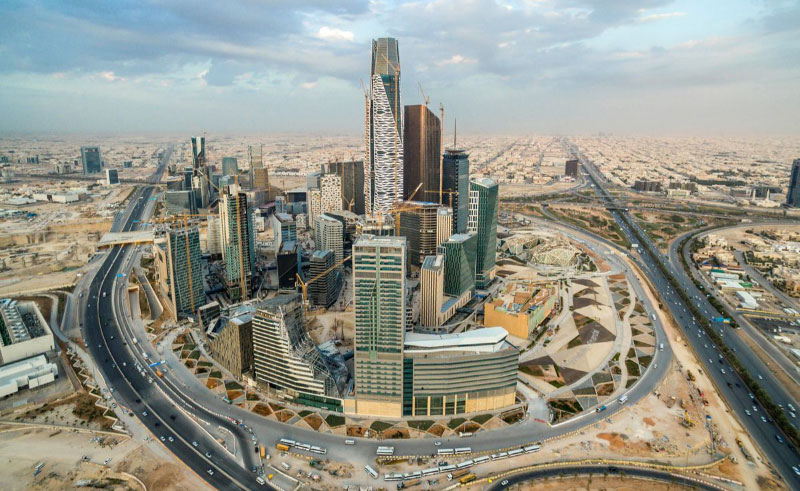
Riyadh is set to mark a significant milestone in its urban development with the much-anticipated launch of the Riyadh Metro’s first phase on November 27. This phase will feature three key lines, marking the beginning of a transformative project aimed at reshaping the city’s public transport landscape.

The Riyadh Metro is one of the largest and most ambitious transportation projects in the world, spearheading the Saudi capital’s efforts to modernize infrastructure and reduce congestion. The first phase includes three lines: the Red Line, Green Line, and Blue Line. Together, these lines will cover a network spanning more than 40 kilometers and will offer commuters a fast, efficient, and environmentally friendly alternative to the city’s heavily congested roads.

The metro network is designed to cater to the growing population of Riyadh, which has seen rapid urbanization over the past few decades. With a population now surpassing 7.5 million, the city has been grappling with traffic congestion, air pollution, and a lack of efficient public transport options. The Riyadh Metro aims to address these challenges by providing a reliable, sustainable mode of transportation for both residents and visitors.

The project has been a long time in the making, with construction having begun in 2014. The Riyadh Metro is being developed by the Saudi Arabian government in collaboration with a number of international firms, including the Spanish company Obrascon Huarte Lain (OHL), the French multinational Alstom, and the American company Bechtel, among others. The project is a cornerstone of the Kingdom’s Vision 2030, which seeks to modernize and diversify the economy and improve the quality of life for Saudi citizens.

The Red Line, which will be the longest of the three, spans 22 kilometers and runs along a north-south axis, connecting key areas such as the King Abdulaziz Historical Center, King Saud University, and the King Khalid International Airport. This line is expected to significantly reduce travel times for residents and visitors moving between the city center and the airport, as well as improving access to cultural and commercial hubs.

The Green Line, at 13 kilometers in length, runs east-west and links some of Riyadh’s most densely populated neighborhoods. This line will provide an important service for commuters traveling between residential areas, business districts, and major shopping centers. The Green Line also intersects with the Red Line at several key points, allowing passengers to easily transfer between the two.

The Blue Line, though shorter at just 5 kilometers, will provide crucial access to critical sites within Riyadh’s urban core, including government buildings, commercial centers, and transportation hubs. This line is expected to help alleviate congestion in the city’s busiest areas, particularly during rush hours.

The Riyadh Metro’s infrastructure is designed with sustainability in mind, incorporating advanced technology to ensure minimal environmental impact. The system will be powered by electricity, which aligns with Saudi Arabia’s broader push toward cleaner, renewable energy sources. The trains are designed to be energy-efficient, with an automated system to reduce energy consumption during non-peak hours. In addition to being environmentally friendly, the metro is designed to handle high passenger volumes, with the system expected to carry around 1.16 million passengers per day once fully operational.

As the first phase of the Riyadh Metro prepares for its official launch, the city has been undergoing a significant transformation to accommodate the new system. New stations, depots, and maintenance facilities have been built, while roadways and pedestrian infrastructure have been upgraded to facilitate easy access to metro stations. Several test runs have been conducted to ensure the system operates smoothly and efficiently, and the Saudi government has promised to offer free rides during the initial months to encourage adoption among the city’s residents.

The Riyadh Metro will play a central role in addressing the Kingdom’s broader goals for urban mobility. Public transportation in Saudi Arabia has historically been limited, with car ownership and road travel being the primary modes of transport for most residents. The Riyadh Metro is expected to significantly reduce the city’s reliance on private cars, thus easing congestion and cutting down on air pollution. The metro is also expected to boost Riyadh’s economic development by providing better access to key business areas, enabling greater productivity and increasing the overall efficiency of the urban environment.

In addition to its environmental and economic benefits, the Riyadh Metro project is set to improve the quality of life for residents by reducing travel times and providing a safe, reliable, and convenient alternative to private cars. The metro stations have been designed with accessibility in mind, catering to the needs of people with disabilities, and offering modern amenities such as air-conditioned waiting areas, Wi-Fi, and ample space for commuters.

The completion of the first phase is just the beginning of a larger metro network planned for Riyadh. Future phases of the project will include additional lines, connecting more neighborhoods, business districts, and cultural centers. This expansion will help integrate the metro system into the city’s broader transportation ecosystem, which includes bus services, taxis, and ride-sharing options. The overall aim is to create a comprehensive, multimodal transportation system that enhances mobility and improves quality of life for all of Riyadh’s residents.

Hann Casino Resort, located in the heart of Clark Freeport Zone, is set to undergo a significant expansion, marking a bold step in the Philippines’ growing tourism and entertainment sector. Hann Philippines, Inc., the company behind the resort, has announced plans to further develop its flagship property, aiming to enhance its offerings and solidify its position as a leader in the regional gaming and hospitality industry.

The expansion project promises to significantly boost the resort’s capacity, with new facilities designed to cater to an increasing demand for luxury accommodations, entertainment, and dining. This move comes at a time when the Philippines is making strides to become a major destination for international tourists and gamblers, bolstered by a growing economy and a burgeoning middle class eager for entertainment and leisure.

This ambitious development includes the construction of new hotel towers, an expanded gaming area, and state-of-the-art amenities aimed at attracting high-end visitors and reinforcing the country’s competitive standing in the global tourism market. The resort, which already boasts a reputation for world-class service, will add more luxurious suites and VIP accommodations to appeal to affluent travelers. Furthermore, the expanded gaming floor will introduce more gaming tables, slot machines, and other features to cater to diverse gaming preferences.

Hann Philippines, Inc. has committed to employing cutting-edge technology and sustainable practices throughout the construction process, ensuring that the new facilities will not only offer modern comforts but also meet the environmental standards of today’s hospitality industry. As the resort aims to draw a mix of local, regional, and international clientele, it will also incorporate unique cultural and design elements that reflect the Philippines’ heritage, appealing to those looking for an immersive experience.

The announcement of the expansion has been well-received by local authorities, who see it as a vital part of the ongoing development of Clark Freeport Zone, which has become one of the most attractive investment hubs in the Philippines. The region, known for its proximity to Manila and its well-connected infrastructure, has seen substantial growth in both residential and commercial developments in recent years.

The new project will also create thousands of jobs, providing opportunities for local talent in the hospitality, gaming, and construction industries. This is expected to have a positive impact on the local economy, further bolstering Clark’s status as an economic powerhouse. The development will also enhance the area’s infrastructure, including improvements to transport links and utilities, making it even more accessible for both tourists and business visitors.

As one of the leading players in the Philippine casino industry, Hann Casino Resort is positioning itself to take full advantage of the global rise in demand for luxury entertainment resorts. While regional competitors have also ramped up their efforts to attract high rollers and international guests, Hann’s comprehensive approach to resort development — from upscale accommodations to varied dining experiences and exclusive entertainment options — will set it apart from others in the region.

The resort’s proximity to key tourist attractions in Clark and surrounding areas, such as the historical heritage sites and natural attractions, will also make it a highly attractive destination for visitors. The expansion project will complement these offerings, creating a one-stop destination for leisure, business, and gaming, thus strengthening Clark Freeport Zone’s appeal as a top tourist destination in Southeast Asia.

In terms of leadership, the expansion is being driven by a team of seasoned professionals in hospitality management, real estate development, and international business. The project is set to continue the legacy of excellence established by Hann Philippines, Inc. since the resort’s inception. The company has emphasized its commitment to providing an exceptional guest experience, not only through top-tier accommodations and services but also by integrating the latest trends in entertainment and technology.

Elon Musk and Jeff Bezos have become embroiled in a public spat over claims involving stock predictions tied to the 2024 U.S. presidential election. The conflict centers on Musk’s assertion that Bezos had advised people to sell stock in Tesla and SpaceX, speculating that Donald Trump would lose the upcoming election. Bezos has firmly rejected the accusations, labeling them as “100% not true.”

Musk, known for his outspoken commentary and influence across industries, made these claims during an appearance on a podcast, alleging that Bezos had encouraged investors to offload Tesla and SpaceX shares, based on his belief that Trump’s re-election bid would falter. The remarks have raised eyebrows, especially given the ongoing political climate and the volatility surrounding tech stocks and the stock market in general.

The controversy gained traction quickly, with Musk’s comments drawing attention from tech industry insiders, political analysts, and investors alike. Musk’s public persona often intertwines with his ventures in both technology and space exploration, creating a unique intersection where his statements on politics and business are heavily scrutinized. While some critics see his accusations as part of a broader tension with Bezos, others have raised questions about the implications such claims might have for investor sentiment.

Bezos, for his part, has vehemently denied the allegations. The Amazon founder, whose wealth and influence are often discussed in parallel with Musk’s, responded to the accusation through a spokesperson, who conveyed his strong disagreement with Musk’s narrative. “This is 100% not true,” the statement read, emphasizing Bezos’s position and distancing him from any involvement in discussions about selling stock based on political outcomes.

The timing of Musk’s claims is crucial, as both Tesla and SpaceX are closely linked to political developments in the United States. Tesla, a global leader in electric vehicles, has been a major topic of debate in the context of environmental policy and government incentives. SpaceX, a private space exploration company, often finds itself at the crossroads of technology and political agendas, with government contracts and space policy significantly impacting its operations.

Musk’s connection to Trump has long been a subject of interest. Musk has publicly supported Trump at various points during the former president’s tenure, even receiving praise from Trump himself. However, Musk’s ties to Bezos, who has had a more neutral stance in the political realm, have often been less clear-cut. Bezos, through his ownership of The Washington Post, has been seen as more directly involved in political discourse, and his views on policy have sometimes diverged from Musk’s, especially when it comes to environmental regulations and government subsidies for private companies.

Investors in both Tesla and SpaceX, two companies that Musk and Bezos are closely linked with, were quick to react to the public dispute. Stock prices of Tesla saw some fluctuations following Musk’s comments, although they remained relatively stable in the face of the accusations. SpaceX, being a privately held company, was not directly impacted in terms of stock price. However, analysts have noted that any potential friction between the two billionaires could lead to long-term repercussions, not just for their companies but for the wider tech and space industries.

The rift between Musk and Bezos could have broader implications beyond their personal feud. The public nature of their disagreement highlights the intersection of politics, business, and media in an era of increased polarization. Both men have significant influence over public perception, and their comments often carry weight far beyond the immediate context. Musk, who frequently uses Twitter to communicate with millions of followers, has been known to influence markets and public opinion with his words, while Bezos has a more traditional media influence through his ownership of The Washington Post and his broader media endeavors.

The stakes of the 2024 U.S. presidential election also contribute to the intensity of the dispute. As the election draws nearer, the rhetoric surrounding Trump’s potential victory or defeat will become increasingly important for business leaders, investors, and policymakers. Both Musk and Bezos have positioned themselves as influential figures in the U.S. economy, and their views on political outcomes may influence broader business strategies and investment patterns.

While both billionaires have become prominent figures in the public sphere, their relationship has never been without tension. Their rivalry has been marked by competition across multiple sectors, from space exploration to electric vehicles. Musk’s SpaceX competes directly with Bezos’s Blue Origin, a private space exploration venture, for government contracts and commercial partnerships. Tesla and Amazon also operate in parallel sectors, with Tesla’s electric vehicles posing a challenge to Amazon’s ambitions in sustainable energy and transportation.

The Emirates Arabian Horse Championship for Private Stud Owners wrapped up Sunday evening with Fakhr Al Bateen claiming the coveted Senior Stallions gold. Held at the Al Wathba Arena in Abu Dhabi, the event saw fierce competition among elite Arabian horses, drawing attention from breeders, enthusiasts, and collectors alike.

Fakhr Al Bateen, a standout among the contenders, impressed the judges with his exceptional conformation and presence, securing the top spot in a highly competitive field. The stallion’s performance underscored the growing stature of the UAE as a leading hub for Arabian horse breeding, further cementing its reputation in the global equine industry. As the championship concluded, attention shifted to the broader implications of the event on the UAE’s equestrian culture and its influence on the Arabian horse breeding industry.

The competition, which began earlier in the week, saw an array of top-tier horses presented in various categories, including senior and junior stallions, mares, and fillies. Each category was closely contested, with the horses being evaluated for their beauty, conformation, movement, and overall presentation. As the championship unfolded, it was clear that the event had become a key fixture on the calendar for Arabian horse breeders worldwide.

Judges from across the globe were tasked with selecting the best among the contenders, and the caliber of horses on display was exceptional. Fakhr Al Bateen’s victory in the Senior Stallions category is seen as a significant milestone in the horse’s illustrious career. His pedigree, which includes top-tier bloodlines from both local and international breeding programs, played a crucial role in his success. This victory not only highlighted Fakhr Al Bateen’s exceptional qualities but also marked a significant achievement for the Al Bateen Stud.

The Emirates Arabian Horse Championship has long been a platform for showcasing the finest examples of the Arabian breed. With its emphasis on the preservation of the breed’s traditions, the event has grown to attract breeders from around the world, eager to compete and contribute to the future of Arabian horses. The stakes were high for all involved, and the event proved to be a defining moment for the breeders who participated.

One of the key elements of the competition is the emphasis placed on the horses’ genetics and their ability to represent the ideal characteristics of the Arabian breed. The Arabian horse, known for its endurance, beauty, and intelligence, is a symbol of Arabian heritage. The championship thus serves not only as a competitive event but also as a celebration of the breed’s rich history and continued relevance in the modern world.

For the breeders, success at this prestigious event offers both recognition and commercial opportunities. Winning the Senior Stallions gold brings significant prestige to Fakhr Al Bateen and its team, but also increases the stallion’s appeal to breeders looking to enhance their own bloodlines. The commercial impact of such victories cannot be overstated, as the demand for top-quality Arabian horses continues to rise globally. The market for Arabian horses, particularly those with proven show records, remains robust, with breeders from the Middle East, Europe, and North America all keen to invest in the best.

As the championship concludes, attention turns to the future of Arabian horse breeding. The UAE, home to the Emirates Arabian Horse Championship, continues to play a central role in shaping the direction of the industry. The government’s support for equine initiatives, as well as the growing number of private breeders and studs, ensures that the UAE remains at the forefront of the global Arabian horse market.

The Emirates Arabian Horse Championship for Private Stud Owners also serves as a barometer for the health of the Arabian horse industry, both in the UAE and globally. The event’s popularity has grown steadily over the years, and its impact on breeding practices is undeniable. The championship encourages breeders to strive for excellence, pushing them to refine their breeding programs and raise the standards of the horses they produce.

Saudi Arabia has secured its first-ever credit rating upgrade from Moody’s Investors Service, a significant achievement that reflects the kingdom’s growing economic resilience and fiscal reforms. The credit rating agency raised the country’s rating from “A1” to “Aa3”, with a stable outlook, signaling enhanced investor confidence in the nation’s economic future.

This upgrade marks a turning point for Saudi Arabia, which has been actively pursuing a broad range of reforms under its Vision 2030 strategy. The country has made substantial strides in diversifying its economy away from oil dependence, focusing on non-oil sectors such as tourism, entertainment, and technology. The reforms have attracted attention from international investors and have been instrumental in Saudi Arabia’s efforts to modernize its economy.

The decision to upgrade Saudi Arabia’s rating is largely attributed to the country’s improved fiscal management and its ability to weather global economic challenges, including fluctuations in oil prices. Moody’s noted that the kingdom’s budgetary performance has been significantly strengthened by its efforts to boost non-oil revenues, such as through the implementation of a value-added tax (VAT) and reforms to its labor market and public sector.

Saudi Arabia’s efforts to diversify its revenue base have yielded positive results, according to financial analysts. Non-oil revenues have surged in recent years, providing the kingdom with a more stable financial foundation that is less reliant on volatile oil markets. Additionally, the government has made significant progress in reducing its fiscal deficits, which had been a major concern in previous years.

In a broader context, this upgrade is seen as a key indicator of the kingdom’s ongoing transition from an oil-dependent economy to one with a broader, more diversified economic base. Under Vision 2030, Saudi Arabia has committed to investing heavily in sectors like renewable energy, entertainment, and technology, with major projects such as the futuristic city of Neom and the Red Sea tourism developments receiving international attention. These initiatives are designed to boost foreign investment, create jobs, and reduce the kingdom’s economic vulnerability to oil price volatility.

The improvement in Saudi Arabia’s credit rating also comes at a time when the country has been actively pursuing strategic partnerships with global powers and international corporations. This includes strengthening its ties with the United States, China, and key European nations, as well as attracting international investment in various sectors. Moody’s noted that the kingdom’s international relationships have provided it with valuable opportunities to diversify its economic activities and deepen its global integration.

However, challenges remain as Saudi Arabia continues to navigate its ambitious reform agenda. While the country has made notable progress in certain areas, there are still concerns about the pace of some reforms and the potential for social unrest, particularly in relation to the country’s labor market and the integration of women into the workforce. Furthermore, while non-oil revenues have grown, they still represent a small fraction of the total fiscal intake, and the kingdom remains vulnerable to fluctuations in global commodity prices.

Despite these challenges, the positive shift in Saudi Arabia’s credit rating is viewed as a testament to the strength of its ongoing reforms and the successful implementation of key economic strategies. Investors have responded favorably, with some expecting further upgrades in the future as the kingdom’s economic transformation gains momentum.

The country’s sovereign wealth fund, the Public Investment Fund (PIF), is another key element of Saudi Arabia’s vision for the future. The PIF has been tasked with diversifying the kingdom’s investments beyond oil, and it has already committed to several high-profile projects in renewable energy, technology, and infrastructure development. The fund’s growing portfolio is seen as an essential component in ensuring the long-term stability of the kingdom’s economy.

While the rating upgrade offers an optimistic outlook for Saudi Arabia’s economic future, experts caution that the kingdom must remain vigilant in its efforts to reduce its dependence on oil and address lingering social and political challenges. Continued economic diversification, fiscal discipline, and the management of the nation’s growing public sector will be critical to maintaining the momentum of these reforms.

In light of these developments, it is clear that Saudi Arabia is on a transformative path, one that seeks to reshape its economic landscape and enhance its standing on the global stage. The upgrade from Moody’s is a significant milestone in this journey, and the kingdom’s leaders are now tasked with ensuring that the reforms and initiatives driving this transformation continue to produce tangible results.

A company and its director based in Abu Dhabi have been penalized with a hefty fine of Dh118,500 for engaging in fraudulent activities involving the falsification and concealment of documents. The legal case, which has attracted attention from both local and international business communities, underscores the serious ramifications of corporate dishonesty in the UAE.

The Abu Dhabi Economic Department (ADED) acted on a complaint alleging that the company, identified as a prominent player in the sector, had been involved in fabricating financial and operational records to mislead authorities and stakeholders. The director, who was accused of orchestrating the fraudulent acts, was also held accountable for failing to comply with regulatory standards, putting the company’s operations and the integrity of its industry in jeopardy.

The fine imposed is a reflection of the UAE’s commitment to maintaining a robust regulatory environment for businesses. UAE authorities have been keen to enforce corporate governance and ensure that enterprises adhere to legal frameworks that protect consumers, investors, and the market as a whole. Falsification of documents is considered a serious breach of trust, and the legal consequences for those involved can be far-reaching, affecting not only financial outcomes but also the reputation of companies and their leaders.

Experts suggest that this case serves as a stark reminder of the increasing scrutiny that businesses face in the region. With the UAE positioning itself as a global business hub, it has been tightening regulations on corporate behavior to attract foreign investment and ensure market transparency. The country’s legal framework has evolved over the years, placing more emphasis on corporate responsibility and ethical practices.

The incident came to light after an audit conducted by the ADED revealed discrepancies in the company’s financial and operational documentation. According to sources close to the investigation, the falsified records were intended to present an inflated image of the company’s profitability and operational scale. These actions were not only illegal but also placed investors at significant risk, as the fraudulent documents misrepresented the actual performance of the business.

The investigation also uncovered that the director had personally instructed staff to alter the documents, and in some cases, to completely conceal crucial financial transactions. This led to a violation of several sections of the UAE’s Commercial Companies Law, which requires businesses to maintain accurate records for transparency and accountability. The penalties for such offenses are designed to act as a deterrent to others considering similar actions.

The company in question, which operates in the manufacturing sector, has faced significant backlash from both industry regulators and the public. While the ADED’s investigation was thorough, some experts argue that the legal framework surrounding corporate accountability could still be more robust in tackling such cases before they escalate to this extent. Calls for stronger preemptive checks and balances have emerged, as businesses strive to align with international standards.

Local legal professionals have pointed out that the case highlights the ongoing trend of increased vigilance within the UAE’s regulatory environment. The government has made significant strides in updating its corporate laws to address issues like document falsification and other fraudulent activities. However, experts agree that a collaborative effort between regulatory bodies, businesses, and investors is essential to maintaining transparency and trust across the market.

The fine imposed on both the company and its director is one of the largest of its kind in the sector, and it serves as a warning to other firms operating in the UAE. As more businesses seek to expand their presence in the region, compliance with legal requirements and ethical standards is becoming increasingly critical.

The ADED’s decision has been widely supported by industry observers who emphasize the importance of fostering an environment where businesses operate with integrity. The fine also underscores the UAE’s zero-tolerance policy toward corporate fraud, with authorities signaling that they will continue to enforce strict penalties for those found guilty of engaging in unethical or illegal activities.

This development has brought to light the need for enhanced corporate governance in the UAE, particularly as the country continues to attract a wide array of international businesses. The regulatory landscape is expected to evolve further as authorities continue to refine policies and measures aimed at ensuring accountability and transparency within the business community.

For companies operating in the UAE, this case serves as a stark reminder that maintaining proper documentation and adhering to legal standards are not just ethical obligations, but essential to the sustainability and growth of their businesses. As the global business environment becomes more interconnected, the repercussions of failing to meet regulatory standards can extend beyond national borders, impacting relationships with international partners and investors.

Egypt and the United Arab Emirates have entered into a series of agreements aimed at boosting their renewable energy collaboration. These deals, announced during a high-level diplomatic visit, underscore the strengthening economic partnership between the two nations. With both countries prioritizing energy transition strategies, the agreements could play a crucial role in achieving their sustainability and energy security goals.

The signing ceremony, held in Cairo, marks a significant milestone in the growing economic cooperation between the two nations, particularly in the renewable energy sector. Under the terms of the deals, the UAE will contribute both expertise and financial support to help Egypt accelerate its renewable energy initiatives. The projects will focus on solar and wind energy, aligning with Egypt’s broader objective to increase its renewable energy capacity in the coming decades.

The partnership is built on a foundation of shared strategic interests in energy security and sustainability. Egypt has set ambitious targets to generate 42% of its energy from renewable sources by 2035, with a particular emphasis on expanding its solar and wind energy capacities. Meanwhile, the UAE, which has been a leader in the renewable energy space through investments such as the Masdar energy initiative, is eager to bolster its influence in the Middle East and North Africa (MENA) region by supporting Egypt’s green energy transition.

Egypt, located at the crossroads of Africa and the Middle East, offers vast opportunities for renewable energy investments due to its geographic advantages, including abundant sunlight and wind potential. As part of the deal, the UAE’s energy firms will help finance and develop large-scale solar parks, as well as offshore wind farms along Egypt’s Mediterranean coastline. These ventures are expected to enhance Egypt’s energy export potential, particularly to Europe, which has shown increasing interest in diversifying its energy supply sources in light of current geopolitical tensions.

The strategic importance of this collaboration is further underscored by the fact that it comes amid global energy shifts. As countries around the world work toward meeting climate change goals, many have turned their attention to renewable energy as a key pillar of energy security. For both Egypt and the UAE, this agreement represents a significant step toward achieving their respective goals of reducing dependence on fossil fuels, creating green jobs, and positioning themselves as leaders in the global renewable energy market.

Both nations have been active participants in the global push to combat climate change. The UAE has been a strong advocate for decarbonization and played a leading role in the 2023 COP28 climate summit, which took place in Dubai. Egypt, on the other hand, hosted the COP27 summit in Sharm El Sheikh in 2022, focusing on solutions for sustainable development and advancing renewable energy technologies. This shared commitment to environmental stewardship is expected to deepen their collaborative efforts in the years to come.

The Egyptian government has expressed optimism that these agreements will bring not only energy transformation but also broader economic benefits. By expanding its renewable energy capacity, Egypt aims to create jobs, boost foreign direct investment, and reduce its energy import dependency. Additionally, the projects could help Egypt manage its growing energy demands as the population expands and industrial development accelerates.

The UAE’s role in these developments is also seen as a key element in its strategy to diversify its economy beyond oil and gas. With the UAE’s heavy investments in clean energy technologies, the country is positioning itself as a regional leader in the green energy revolution. Through Masdar, one of the UAE’s leading renewable energy companies, the country has been actively involved in solar and wind energy projects across the globe. By partnering with Egypt, the UAE is not only extending its energy portfolio but also reinforcing its influence in one of the region’s largest economies.

Both Egypt and the UAE have set ambitious goals for their renewable energy initiatives. Egypt has a target to generate 20 gigawatts of renewable energy by 2025, and it is currently one of the largest producers of solar energy in the MENA region. Meanwhile, the UAE has invested heavily in technologies such as carbon capture and storage, green hydrogen production, and nuclear energy, with plans to become a global leader in clean energy innovation.

The deals are also expected to benefit local communities in Egypt by providing much-needed infrastructure, skills development, and employment opportunities. As Egypt continues to expand its renewable energy sector, the demand for technical expertise and local labor is expected to rise. Both Egyptian and UAE officials have emphasized the importance of creating long-term, sustainable benefits for the local workforce, including vocational training and capacity-building programs.

Energy cooperation between Egypt and the UAE is not limited to just these renewable energy projects. Both countries have also been discussing potential collaborations in other sectors, such as agriculture, water management, and technology. These efforts are part of a broader economic strategy aimed at fostering deeper ties between the two nations, which share strong trade relations and mutual interests in advancing economic growth and regional stability.

A U.S. federal probe is scrutinizing JPMorgan Chase & Co.’s dealings linked to a hedge fund with alleged connections to the Iranian oil trade, raising concerns over compliance with sanctions and anti-money laundering regulations. The investigation, spearheaded by the U.S. Department of Justice (DOJ), focuses on potential violations stemming from the bank’s financial transactions involving entities associated with Al-Qatirji Company, a Syrian conglomerate tied to Iranian oil revenue streams.

JPMorgan’s involvement reportedly includes providing banking services to a hedge fund accused of facilitating the transfer of Iranian oil proceeds. Authorities are examining whether the bank sufficiently adhered to due diligence protocols in flagging and addressing transactions potentially linked to the Al-Qatirji network. This Syrian entity has been implicated in financing Iran’s Islamic Revolutionary Guard Corps-Qods Force (IRGC-QF) and other regional proxies, including the Houthis in Yemen.

The hedge fund under investigation is alleged to have channeled millions of dollars from Iranian oil sales into international markets, circumventing sanctions designed to limit Iran’s access to global financial systems. U.S. officials assert that such networks allow the IRGC-QF to sustain operations and fund regional destabilization efforts. The Al-Qatirji network reportedly laundered proceeds through financial hubs such as Istanbul and Beirut, enabling the movement of significant sums to entities in Syria and East Asia, including the People’s Republic of China.

The DOJ’s inquiry underscores broader U.S. efforts to curtail illicit financial flows tied to sanctioned regimes. A Treasury Department action earlier this month targeted 26 individuals, companies, and vessels linked to Al-Qatirji’s operations. Acting Under Secretary for Terrorism and Financial Intelligence, Bradley T. Smith, highlighted the critical role of corporate networks in sustaining Iran’s regional agenda, stating that ongoing measures aim to dismantle these channels.

While JPMorgan has yet to face formal allegations, the investigation reflects growing regulatory scrutiny over banks’ roles in potentially facilitating sanctions evasion. Financial institutions worldwide are increasingly held accountable for ensuring robust compliance frameworks that prevent illicit activities, particularly involving entities on U.S. sanctions lists.

Experts note that global banks often grapple with challenges in identifying sophisticated evasion tactics employed by sanctioned entities. Advanced laundering schemes, such as utilizing shell companies and obfuscated trade routes, complicate detection efforts. In JPMorgan’s case, regulators are likely examining whether compliance lapses enabled the hedge fund’s activities.

The investigation also raises questions about corporate accountability and the effectiveness of sanctions in curbing malign activities. Analysts suggest that while sanctions can impose significant economic costs, their enforcement depends heavily on vigilance from financial institutions and governments. The JPMorgan case could set a precedent for how major banks address exposure to high-risk clients and transactions.

Three senior Bank of America executives in India have stepped down amid an internal investigation into alleged irregularities in equity market dealings. Debasish Purohit, co-head of investment banking in India; Subhrajit Roy, managing director and head of global capital markets for India; and Vikram Khaitan, director of investment banking, are reportedly at the center of this inquiry.

This probe underscores potential governance and compliance concerns, prompting significant changes within the leadership of one of the largest foreign banks operating in the Indian financial ecosystem. The investigation appears to focus on equity market transactions handled under the purview of these executives, but specific details about the alleged wrongdoing remain undisclosed. Bank of America has so far declined to comment on the situation.

Debasish Purohit, a seasoned investment banker with decades of experience, has been integral to Bank of America’s operations in the region. Similarly, Subhrajit Roy, a prominent figure in India’s capital markets, has held leadership roles at multiple global banks, contributing to major transactions across the corporate landscape. Vikram Khaitan’s expertise further bolstered the bank’s strategic advisory functions, making these departures significant for the institution’s operations in the country.

Political divisions are increasingly shaping public health outcomes, creating barriers to effective healthcare and widening disparities across communities. The interplay between ideological and partisan identities has significant consequences on health policies, behaviors, and outcomes, as seen during the COVID-19 pandemic and beyond.

Polarization occurs when societal opinions, beliefs, or interests split into opposing extremes. This trend has grown over decades in the United States, fueling challenges in addressing public health crises. Researchers Shana Kushner Gadarian, Jay J. Van Bavel, Eric Knowles, and Kai Ruggeri highlight these impacts, emphasizing the urgent need to mitigate the health risks tied to political polarization.

The COVID-19 pandemic exemplified how political affiliations influence health behaviors. Data from 2020 to 2021 showed that individuals who supported Donald Trump were less likely to adopt recommended measures such as mask-wearing and social distancing. This partisan divide extended to vaccination rates, resulting in significantly higher COVID-19-related death rates among Republican voters compared to Democrats.

The research underscores that polarization doesn’t just influence individual behavior—it also stymies public health policymaking. When political leaders prioritize partisan interests over evidence-based strategies, essential compromises become elusive. The aftermath of the Affordable Care Act’s passage revealed this dynamic, with Republican voters less inclined to enroll in the program despite its benefits. Similarly, legislative battles over abortion rights and Medicaid expansion highlight how political divides obstruct progress on crucial health initiatives.

State-level policies further exacerbate health inequities. In the U.S., states with more liberal policies, such as Medicaid expansion, stricter tobacco regulations, higher minimum wages, and tighter gun control, tend to see better health outcomes and longer lifespans. Conversely, conservative-leaning states often resist such measures, leading to poorer health outcomes. This growing divide reflects the broader implications of polarization on individual and community well-being.

Polarization also hinders local governments’ ability to enact health policies. As state-level leaders increasingly preempt local regulations, measures such as paid sick leave, minimum wage adjustments, and firearm safety laws face significant hurdles. This limits the effectiveness of public health strategies and exacerbates disparities between states.

At an individual level, polarization can erode trust in healthcare systems and experts. People with strong partisan identities are more likely to reject contradictory information, even when it pertains to critical health risks or preventive measures. This resistance can lead to lower rates of flu vaccinations, unhealthy dietary choices, and reluctance to seek medical care.

The researchers also observed a link between extreme political beliefs and poorer physical and mental health outcomes. Individuals who align more ideologically with the extremes, compared to their state’s average voter, tend to experience worse overall health. These findings suggest that extreme partisanship not only divides communities but also harms individual well-being.

Petrobras, officially Petroleo Brasileiro SA, has committed to paying up to $55 billion in dividends by 2029 as part of its recently unveiled five-year strategic plan. This initiative underscores the state-controlled company’s ongoing emphasis on robust shareholder returns while navigating operational and market challenges. The substantial payout is linked to the company’s goal of balancing investor expectations with reinvestment in its core projects.

According to Petrobras, the projected dividend distributions align with a policy stipulating payouts equivalent to 45% of the firm’s free cash flow, a figure adjusted for specific tax considerations. Analysts suggest this conservative approach may allow for further flexibility, including potential extraordinary dividends depending on market conditions and Petrobras’ liquidity position. The estimated free cash flow for shareholders over the next fiscal year stands at approximately $16 billion.

The updated strategy incorporates a total investment plan of $78 billion spanning from 2024 to 2028, focusing primarily on exploration and production, particularly in offshore and deepwater oil fields. The allocation is intended to maintain Petrobras’ competitive edge in Brazil’s energy sector, which accounts for a significant portion of its revenues. While upstream activities will receive the bulk of investments, renewable energy projects and decarbonization efforts are gradually gaining traction within the portfolio.

Chief Executive Officer Jean Paul Prates emphasized the importance of maintaining operational efficiency and ensuring dividend payments remain sustainable. He also noted the growing scrutiny Petrobras faces in balancing returns with its broader role as a national oil company, particularly amid rising environmental concerns.

Despite promising financial targets, the company has faced criticism over its focus on traditional fossil fuels. Environmental advocates and some industry experts argue that a greater share of resources should be directed toward clean energy initiatives to future-proof the company’s relevance in a rapidly transitioning global energy landscape.

AirAsia is charting a bold course to establish a low-cost aviation hub, inspired by the success of Dubai, in key Southeast Asian cities like Bangkok and Kuala Lumpur. The carrier’s move comes at a time when it seeks to reposition itself after enduring a series of challenges that have shaped the airline industry post-pandemic. AirAsia’s vision is to become a major player in the global air transport scene by capitalizing on the low-cost model that has become increasingly attractive to budget-conscious travelers.

The decision to target Bangkok and Kuala Lumpur reflects a strategic pivot toward optimizing the airline’s existing routes and expanding its presence in an increasingly competitive air travel market. The model aims to leverage these cities as central hubs from which passengers can access a wide range of affordable international destinations. This vision mirrors the transformative success of Dubai International Airport, which has become one of the world’s busiest transit hubs by offering extensive connections at competitive prices.

This ambitious project is not just a push for more flight routes but a larger vision of connecting key Southeast Asian cities to the world. AirAsia aims to position these locations as gateways for travelers seeking affordable access to global destinations. By doing so, AirAsia hopes to replicate the success of Dubai, which has thrived on a similar strategy of fostering global connectivity through a low-cost airline model.

The role of technology and innovative service models is central to AirAsia’s approach. The airline plans to enhance its digital capabilities, streamlining operations and customer engagement through mobile apps, online booking systems, and other digital platforms. By focusing on efficiency and customer-centric services, AirAsia intends to remain competitive in the increasingly digital world of air travel.

One of the key challenges AirAsia faces is the evolving nature of the aviation industry. While the low-cost model has proven successful, especially during times of financial instability, the airline is now contending with a new set of pressures. Rising fuel costs, inflationary pressures on travel demand, and labor shortages have all made it more difficult for low-cost carriers to maintain profitability without compromising service quality. In this challenging landscape, AirAsia’s focus on cost efficiency and technological innovation is crucial to ensuring long-term sustainability.

The airline’s pivot toward Southeast Asia as a potential low-cost hub also taps into the growing demand for regional air travel. The COVID-19 pandemic reshaped many travelers’ preferences, with a notable shift toward short-haul flights in regional markets. As countries in the Asia-Pacific region begin to recover from the pandemic, AirAsia anticipates that demand for budget-friendly travel options will surge, especially as economic uncertainty remains a significant concern for many consumers.

AirAsia’s ability to offer cheap fares while maintaining operational efficiency is critical to its long-term strategy. A key part of this strategy is maintaining a fleet of narrow-body aircraft, which are more fuel-efficient and better suited for short-haul, budget-friendly routes. AirAsia has already begun expanding its fleet in anticipation of this growth, particularly focusing on the latest aircraft models that offer lower operational costs. By doing so, the airline hopes to maintain its competitive edge while providing a seamless travel experience to its customers.

Despite the airline’s optimism, competition remains fierce in Southeast Asia’s budget airline market. Regional competitors, including Singapore Airlines’ Scoot and Jetstar Asia, have also adopted low-cost models and are expanding their services in key markets. As these rivals continue to grow, AirAsia will need to ensure that its hubs in Bangkok and Kuala Lumpur are not just affordable but also offer a unique and attractive proposition to travelers.

AirAsia’s ability to succeed in establishing itself as a global hub will depend on its partnerships with local governments, airport authorities, and tourism boards. AirAsia’s experience in fostering relationships with regional authorities will be a key advantage, as the airline seeks to integrate seamlessly into the local tourism and transportation infrastructure. By aligning its objectives with those of local stakeholders, AirAsia can position its Southeast Asian hubs as integral parts of regional and global travel networks.

The airline’s expansion also taps into broader trends in the global aviation industry, which has seen significant consolidation and a shift towards sustainability. AirAsia has committed to reducing its carbon footprint and has already introduced several initiatives to make its operations more environmentally friendly, including the purchase of more fuel-efficient aircraft and the implementation of carbon offsetting measures. While these efforts are still in their early stages, the airline’s focus on sustainability is likely to appeal to an increasingly environmentally conscious traveler base.

One aspect that could play a significant role in AirAsia’s bid to establish a low-cost hub in Southeast Asia is the region’s growing middle class. With countries like Indonesia, Thailand, and Malaysia witnessing rapid urbanization and a rise in disposable income, air travel is becoming more accessible to a wider segment of the population. As this trend continues, the potential for a low-cost hub to serve as a gateway for millions of travelers expands.

Dubai has witnessed a transformative step in sustainable living with the groundbreaking of Knightsbridge, a pioneering climate-adaptive wellness community by LEOS Developments. Marking a milestone in urban planning, the project blends luxury and environmental consciousness, establishing a new benchmark for real estate in the region.

Strategically situated in Meydan’s District 11, the development covers an extensive 335,877 square feet, with an impressive 70% dedicated to green spaces. The Knightsbridge master plan, a collaboration with Nakheel and Meydan, integrates natural surroundings into a luxury urban environment, setting a new standard for ecological harmony and resident well-being.

The design draws inspiration from classic British architecture, integrating modern climate-responsive features such as UV-proof double glazing, energy-efficient LED lighting, and a self-shading building structure. Additionally, the community prioritizes sustainability through solar panels, smart irrigation systems, greywater recycling, and biodegradable reed-bed filtration. The eco-conscious approach ensures optimal adaptation to Dubai’s unique climate, promoting both comfort and efficiency.

Knightsbridge comprises luxury villas and townhouses, offering amenities such as private pools, elevators, climate-controlled outdoor terraces, and cutting-edge smart home systems. Enhanced features in the villas include private cinemas, chef’s kitchens, and jacuzzis, providing an unparalleled living experience. Residents will also enjoy access to a swimmable lagoon, yoga decks, outdoor cinemas, and wellness-focused facilities.

This innovative project positions Knightsbridge not just as a residence but as a lifestyle destination, seamlessly blending luxury, health, and sustainability. LEOS Developments aims to redefine modern living in Dubai, aligning with the emirate’s vision for progressive urban development.

Bandai Namco Online, a subsidiary of Bandai Namco Holdings, is set to be dissolved and merged with its parent company following persistent financial challenges. The move is part of a strategic restructuring aimed at addressing significant losses incurred by the subsidiary, particularly in its game development ventures. Despite robust sales in Bandai Namco’s other divisions, the online gaming arm reported cumulative losses of over ¥8.2 billion in the last fiscal year, with mounting liabilities exceeding its assets.

The decision to integrate Bandai Namco Online into the broader organizational framework reflects an effort to streamline operations and better align resources with the company’s profitable sectors, such as toys and entertainment. Bandai Namco Holdings confirmed that the dissolution would not impact ongoing game support or future development, as those operations will now be absorbed under the main company’s management.

Industry experts attribute the subsidiary’s financial troubles to inefficient resource allocation, including prolonged development cycles and frequent project revamps, which escalated costs. Flagship projects like *Blue Protocol*, an anticipated MMO game, faced substantial criticism and failed to meet market expectations, particularly in competitive segments dominated by titles such as *Final Fantasy XIV* and *Genshin Impact*.

Lego and UNICEF have introduced a new set of design guidelines aimed at creating safer and more enriching digital play experiences for children. These tools, referred to as the Responsible Innovation Guidelines for Digital Child Safety, encourage game developers to prioritize child welfare, privacy, and meaningful engagement in the rapidly evolving digital entertainment sector. This initiative represents a significant step in addressing growing concerns about the impact of digital spaces on children’s mental and physical well-being.

The guidelines are crafted to help developers integrate child-centric design principles, including promoting positive online interactions, protecting privacy, and discouraging addictive mechanics. By fostering safer online ecosystems, Lego and UNICEF aim to mitigate risks associated with gaming, such as cyberbullying, excessive screen time, and exposure to harmful content.

Lego’s commitment to child safety aligns with its broader strategy of integrating play with learning. The guidelines are expected to provide a blueprint for the gaming industry, urging companies to adopt practices that uphold the rights and well-being of younger audiences. This move comes amid increased scrutiny of digital platforms’ responsibility towards their youngest users, as highlighted by recent studies and advocacy efforts from child welfare organizations.

Saudi Aramco, the world’s largest oil company, is advancing its debt strategy, seeking to optimize financial resources while prioritizing consistent dividend payouts to its shareholders. This strategy aligns with the company’s broader goals to remain resilient in the face of global energy market fluctuations and economic challenges.

Aramco’s approach comes at a time when global oil markets are in a state of volatility, driven by geopolitical tensions, supply chain disruptions, and shifting demand. The company’s decision to increase its debt load is seen as an effort to safeguard its dividend policy, which is a critical aspect of its value proposition to investors. Aramco’s dividends have been a significant draw for shareholders, especially given the company’s size and influence in the energy sector.

The company’s recent bond issuance, one of the largest in its history, is a key element in this strategy. Analysts suggest that Aramco is strategically leveraging debt to bolster its liquidity while avoiding the pitfalls of excessive dependence on oil revenues alone. As oil prices fluctuate, Aramco has turned to debt instruments to help ensure stability in its cash flow, a move that underscores its commitment to its long-standing dividend policy.

In its latest move, Aramco plans to issue more bonds and engage in strategic financing activities. The company has emphasized that this will allow it to balance its capital expenditures, which include investments in both upstream and downstream operations, while maintaining robust dividends for its stakeholders. By strengthening its debt profile, Aramco is positioning itself for long-term sustainability, despite potential market risks.

The strategy is designed to support Aramco’s ambitious growth plans. These include continuing investment in key oilfields and enhancing its refining and chemical operations, which are integral to its diversification efforts. The company has also focused on its low-carbon initiatives and investments in renewable energy, both of which have become critical to securing its future in an energy transition world.

With the global energy landscape in flux, Aramco’s management is keenly aware of the pressures that both internal and external factors exert on the company’s financial performance. The increase in debt comes at a time when the company must balance short-term obligations with long-term growth objectives. As part of this initiative, Aramco has reassured investors that the funds raised through debt will be used strategically to support both its operational goals and financial returns.

Aramco’s expanded debt strategy is expected to ensure its ability to maintain a competitive edge in an increasingly dynamic and uncertain energy market. The company’s solid track record of profitability, bolstered by its vast reserves and global footprint, provides a foundation for this enhanced financial approach. By strategically increasing its debt levels, Aramco aims to navigate the unpredictable nature of the oil market while positioning itself as a financially stable and attractive option for investors.

Financial analysts closely monitoring Aramco’s moves believe that the company’s debt strategy could have wider implications for the energy sector. As the global energy transition accelerates, many energy giants are exploring similar strategies to adapt to new market conditions. For Aramco, the challenge will be balancing its debt load with continued operational success, especially as global energy consumption patterns evolve.

Some experts suggest that while Aramco’s strategy to increase debt is sound in the short term, it could present challenges in the longer term, particularly if energy prices experience sustained declines. The company’s massive capital expenditures in the form of infrastructure development and the diversification into non-oil sectors could be financially strained if global oil prices slump. However, with its deep pockets and strong backing from the Saudi government, Aramco is likely to weather these challenges better than most.

Aramco’s increasing reliance on debt raises broader questions about the future of the global energy sector, especially among state-owned oil giants. The move is seen as a response to the changing dynamics of global energy, where sustainability and long-term shareholder value are becoming more important than immediate profits. For Aramco, the shift in focus to maintaining dividends through debt could mark a new phase in its evolution, one where financial flexibility becomes as important as its oil and gas output.

VISHNU RAJA
RYO YAMADA
HITORI GOTOH
IKUYO KITA