Articles written by
arabian post staff

Saudi Arabia’s pharmaceutical and medical device manufacturing sectors have witnessed a significant surge, with the total number of factories reaching 206 and investments exceeding SR10 billion ($2.6 billion). This rapid growth underscores the Kingdom’s commitment to expanding its healthcare infrastructure and supporting domestic production.

The Ministry of Industry and Mineral Resources revealed that out of the 206 factories, 56 are dedicated to pharmaceutical production. These pharmaceutical factories, licensed by the Saudi Food and Drug Authority (SFDA), represent investments of over SR7 billion. This expansion aligns with the Kingdom’s Vision 2030, which aims to reduce dependency on imports by bolstering local manufacturing capabilities.

The remaining 150 factories focus on the production of medical devices and equipment. These facilities have been instrumental in meeting the country’s growing healthcare needs, especially as global supply chains faced disruptions over the past few years. The investments in medical devices alone account for SR3 billion, reflecting the strategic importance of this sector in Saudi Arabia’s broader industrial diversification efforts.

A key factor driving this growth is the government’s active support for the private sector through favorable policies and incentives. These include tax exemptions, financial grants, and streamlined licensing processes. The Kingdom has also invested in infrastructure development, creating industrial zones dedicated to pharmaceutical and medical device manufacturing, which provide companies with the necessary resources to scale their operations efficiently.

The rise in local manufacturing is also attributed to the increasing demand for healthcare services in Saudi Arabia, fueled by a growing population and the government’s focus on improving public health. The healthcare sector is one of the fastest-growing segments in the Kingdom, with the government allocating substantial funds in its budget to enhance healthcare facilities, promote research and development, and attract foreign investment.

In addition to meeting domestic demand, Saudi Arabia is positioning itself as a regional hub for pharmaceutical and medical device production. The Kingdom’s strategic location and well-developed logistics network make it an ideal base for exporting products to neighboring countries and beyond. This has attracted interest from international pharmaceutical giants looking to establish a presence in the Middle East.

The local pharmaceutical industry has also benefited from partnerships with global companies, which bring in advanced technologies and expertise. These collaborations have led to the development of new products and the transfer of knowledge, further strengthening the capabilities of Saudi manufacturers. The SFDA has played a crucial role in this regard, ensuring that locally produced pharmaceuticals and medical devices meet international standards, thus enhancing their competitiveness in the global market.

Moreover, the Saudi government has launched several initiatives to support innovation and research in the pharmaceutical and medical device sectors. These include funding programs for startups and small and medium-sized enterprises (SMEs), as well as partnerships with academic institutions to foster research and development. These efforts are aimed at creating a sustainable ecosystem that encourages continuous innovation and contributes to the long-term growth of the industry.

The ongoing expansion in the pharmaceutical and medical device manufacturing sectors is expected to continue, with the government outlining ambitious plans for the coming years. These plans include increasing the number of factories, boosting production capacity, and enhancing the quality of locally produced products. The government’s emphasis on developing these sectors is seen as a crucial step towards achieving self-sufficiency in healthcare and reducing the reliance on imports, thereby ensuring the country’s resilience in the face of global challenges.

Saudi Arabia’s strides in the pharmaceutical and medical device industries reflect its broader economic transformation under Vision 2030. By fostering local manufacturing, the Kingdom is not only enhancing its healthcare capabilities but also contributing to the diversification of its economy, creating jobs, and positioning itself as a key player in the global healthcare market.

A remarkable surge in smartphone sales has propelled London-based technology firm Nothing to the forefront of the global market, according to Canalys research. With an impressive 246% year-over-year growth during the first half of 2024, Nothing has positioned itself as the fastest-growing smartphone vendor across multiple key markets, including Saudi Arabia, the United Kingdom, Japan, India, Spain, and Italy.

The company’s expansion strategy has been bolstered by the launch of several new products. Nothing introduced the Phone (2a) and a Special Edition variant, alongside its flagship Phone (2), which debuted in July 2023. These offerings have been instrumental in driving the company’s significant market share increase, particularly in regions like the UAE, where the Phone (2) ranked third in its price category during Q2 2024.

Beyond smartphones, Nothing has also made notable strides in the True Wireless Stereo (TWS) segment. The company recorded an exceptional 313% growth in TWS sales during H1 2024 compared to the previous year. This momentum continued into Q2 2024, where Nothing became the fastest-growing TWS vendor in countries such as France, the USA, Spain, Italy, and the Netherlands.

This rapid growth reflects Nothing’s strategic focus on innovation and market expansion. The company’s ability to swiftly scale its operations and adapt to varying consumer demands across different regions has set a new benchmark in the competitive tech landscape. As Nothing continues to expand its product lineup and geographical presence, the company’s upward trajectory is expected to persist in the coming months.

The Canalys report underscores Nothing’s growing influence in the global technology sector, with its market performance in H1 2024 signaling a significant shift in the competitive dynamics of the smartphone and TWS markets.

One of Ukraine’s F-16 fighter jets was downed while attempting to repel a large-scale Russian missile and drone attack earlier this week, marking the first loss of the U.S.-supplied aircraft since its introduction into the Ukrainian arsenal. The incident has sparked significant concern within Kyiv’s military leadership and resulted in the dismissal of the country’s air force commander, Lt. Gen. Mykola Oleshchuk.

The crash occurred amid an intensifying wave of Russian assaults across various regions of Ukraine. Although the exact cause of the crash remains under investigation, there have been unverified claims that the F-16 may have been mistakenly hit by a Patriot air-defense system. Ukrainian authorities have not confirmed this scenario, but the allegation has already led to heightened tensions within the Ukrainian government and military.

In a swift response, President Volodymyr Zelenskyy removed Oleshchuk from his position, citing the need to enhance the protection of military personnel and ensure stronger command-level decisions. Lt. Gen. Anatolii Kryvonozhko was appointed as the acting air force commander, with immediate tasks focused on reviewing the incident and maintaining operational effectiveness amidst the ongoing conflict.

The crash highlights the fragile balance in Ukraine’s efforts to counter Russia’s aerial superiority. While the introduction of F-16s from European allies has been hailed as a significant boost to Ukraine’s air capabilities, military analysts caution that these aircraft alone cannot drastically alter the course of the war. The Russian air force, backed by sophisticated defense systems, remains a formidable challenge, as evidenced by this latest loss.

On the ground, Russian forces have continued their offensive in eastern Ukraine, while Ukrainian troops strive to hold strategic positions. The F-16 crash underscores the broader difficulties faced by Kyiv in its efforts to sustain a robust defense against a well-equipped adversary.

Meanwhile, Russia’s attacks have also led to significant civilian casualties. A bombing raid on the northeastern city of Kharkiv resulted in the deaths of six people, including a 14-year-old girl, and left dozens wounded. Ukrainian officials argue that such attacks could be mitigated if Western partners further relaxed restrictions on the use of donated weapons, allowing Ukrainian forces to target Russian military assets more effectively.

As investigations into the F-16 crash continue, the incident serves as a stark reminder of the risks inherent in modern warfare and the complexities of coordinating an international coalition in support of Ukraine’s defense efforts. The outcome of this investigation could influence future military strategies and the deployment of critical air assets as Ukraine navigates its path through the ongoing conflict.

The downing of the F-16 and the subsequent shake-up in military leadership represent a critical moment in the war, highlighting both the challenges of integrating new technology into a warzone and the ongoing determination of Ukraine to adapt and respond to evolving threats.

Typhoon Shanshan unleashed its fury on Japan’s Kyushu island, leading to the evacuation of millions as violent winds and torrential rain battered the region. The typhoon, one of the most powerful to hit Japan this year, forced the closure of major factories and grounded hundreds of flights, causing widespread disruption across the southwest.

As the storm made landfall, authorities issued evacuation orders for over two million people across multiple prefectures. The typhoon brought with it wind speeds exceeding 150 kilometers per hour (93 mph), toppling power lines, uprooting trees, and causing significant structural damage. In addition to the destruction, more than 40,000 households were left without electricity, compounding the challenges faced by residents.

Transportation networks across the region were severely affected, with all flights to and from Kyushu being canceled. Train services were also suspended, leaving many stranded and unable to reach safer locations. Meanwhile, major automakers and electronics manufacturers, including Toyota and Sony, were compelled to halt operations in their regional plants, fearing further damage and ensuring the safety of their employees.

The typhoon’s impact extended beyond physical damage, as heavy rainfall triggered landslides and flooding in several areas, exacerbating the crisis. Emergency services were stretched thin as they responded to multiple calls for help, with rescue operations underway in the hardest-hit areas. Authorities have warned that the situation could worsen, with additional rainfall expected to continue throughout the weekend, raising concerns of further flooding and landslides.

The storm is expected to move northeastward, affecting other parts of Japan, including the Shikoku and Chugoku regions, before heading out to sea. Local governments have urged residents in these areas to remain vigilant and follow evacuation orders promptly to avoid casualties.

This typhoon serves as a stark reminder of Japan’s vulnerability to extreme weather events, which are becoming increasingly frequent and severe. The government has been investing in disaster preparedness and response measures, but the scale of Shanshan’s impact highlights the ongoing challenges in protecting lives and infrastructure from such powerful natural forces.

With recovery efforts already beginning, authorities are focusing on restoring power, clearing debris, and providing aid to those displaced by the storm. However, the full extent of the damage will likely take days to assess, and the nation is bracing for what could be a long and arduous recovery process.

As Typhoon Shanshan continues its path of destruction, Japan faces yet another test of resilience, with the nation rallying together to support those affected and rebuild in the aftermath of this devastating storm.

ADVERTISEMENT

Arabian Post Staff A postcard sent over a century ago has been delivered to a Welsh building society, sparking intrigue and a search for the postcard’s original recipient. Staff at the Swansea Building Society were taken aback when a postcard, bearing a King Edward VII stamp and dated August 3, 1903, was found among their regular mail. The postcard, addressed to a woman named Lydia Davies, emerged […]

SpiceJet, one of India’s prominent low-cost carriers, is facing intensified oversight from the country’s aviation regulator, the Directorate General of Civil Aviation (DGCA). This move follows a series of operational mishaps that have raised concerns about the airline’s safety and reliability.

The DGCA’s decision to place SpiceJet under enhanced surveillance comes after multiple incidents involving technical issues and delays. These have not only inconvenienced passengers but also sparked worries over the airline’s ability to maintain a safe and efficient flight schedule. The regulatory body has mandated that SpiceJet undergo a series of rigorous checks, which include more frequent inspections of its aircraft and a closer examination of its operational practices.

The aviation sector has seen a surge in demand as travel restrictions have eased, but this has also brought increased scrutiny to airlines struggling to meet safety and service standards. SpiceJet’s troubles began earlier this year, with several flights reporting technical snags, including engine failures and landing gear malfunctions. These incidents have resulted in emergency landings and significant delays, shaking public confidence in the airline.

SpiceJet has been grappling with financial difficulties that have exacerbated its operational issues. The airline has faced challenges in maintaining its fleet and retaining key staff, leading to disruptions in its services. Despite efforts to restructure and secure additional funding, the airline has continued to face obstacles in stabilizing its operations.

The DGCA’s enhanced surveillance includes a comprehensive review of SpiceJet’s maintenance records, crew training procedures, and overall safety management systems. The regulator aims to identify and rectify any deficiencies that could compromise passenger safety. This action is part of the DGCA’s broader mandate to ensure that all airlines operating within the country adhere to the highest safety standards.

SpiceJet’s management has expressed its commitment to cooperating fully with the DGCA’s directives. The airline has assured passengers that safety remains its top priority and that it is taking all necessary measures to address the issues raised by the regulator. However, industry experts are concerned that the airline’s financial instability may hinder its ability to implement the required changes effectively.

The airline’s woes have also impacted its market position, with rivals capitalizing on SpiceJet’s struggles to gain a competitive edge. As SpiceJet works to restore its reputation, other carriers have moved to expand their routes and services, attracting passengers who might otherwise have flown with SpiceJet.

SpiceJet’s financial situation remains precarious, with mounting debts and reduced liquidity posing significant challenges. The airline has been exploring various avenues for raising capital, including the sale of assets and equity infusion. However, these efforts have yet to yield the desired results, leaving the airline in a vulnerable position.

The DGCA’s enhanced surveillance is expected to continue for an extended period as the regulator closely monitors SpiceJet’s compliance with safety regulations. The outcome of this scrutiny will likely have significant implications for the airline’s future, as failure to meet the DGCA’s standards could lead to further restrictions on its operations.

Passengers have expressed mixed reactions to the DGCA’s intervention. While some have welcomed the increased oversight as a necessary step to ensure safety, others have voiced frustration over the ongoing disruptions to their travel plans. The airline has acknowledged these concerns and pledged to improve its service quality.

SpiceJet’s situation highlights the broader challenges facing the aviation industry, particularly for carriers operating in a highly competitive and financially strained environment. As the airline navigates this difficult period, the industry will be closely watching how it addresses the issues identified by the DGCA and whether it can regain its footing in the market.

China has announced a significant expansion of its support to Zambia through emergency humanitarian food assistance and infrastructure development projects. In a ceremony held on August 30, officials from both countries exchanged letters to formalize these commitments. The Chinese government will provide food aid worth 20 million RMB, addressing the ongoing food security challenges in Zambia, particularly in regions hit hard by drought.

Additionally, China has pledged to support the construction of mealie meal milling plants across Zambia. These projects are set to enhance local food production capacity, which aligns with the broader goal of improving Zambia’s agricultural infrastructure. This collaboration underscores the deepening relationship between China and Zambia, which has been strengthened over decades through various bilateral initiatives.

The assistance also includes a feasibility study for the construction of new infrastructure, including the Zambian Foreign Ministry’s new building. This move is part of China’s broader strategy to bolster Zambia’s economic and social development, reinforcing the longstanding partnership between the two nations.

This announcement comes ahead of the 2024 Summit of the Forum on China-Africa Cooperation (FOCAC) in Beijing, where both nations are expected to discuss further collaboration. The summit will offer an opportunity for President Xi Jinping and President Hakainde Hichilema to explore additional avenues for cooperation, particularly in sectors like agriculture, mining, and energy.

Zambia’s Permanent Secretary for Foreign Affairs, Hope Situmbeko, expressed gratitude for China’s continued support, emphasizing the importance of this partnership in Zambia’s economic transformation. The cooperation between the two countries reflects a shared vision of mutual benefit and development, with China playing a pivotal role in Zambia’s fight against food insecurity and its broader economic challenges.

These initiatives are seen as a testament to the enduring friendship between China and Zambia, with both countries looking forward to more tangible outcomes from their ongoing cooperation.

Advertisements
ADVERTISEMENT

Dubai is elevating its tourism sector by integrating cutting-edge technologies and sustainable practices. The city is leveraging artificial intelligence (AI), virtual reality (VR), and eco-friendly initiatives to create immersive and environmentally conscious experiences for visitors.

AI-driven technologies are playing a pivotal role in personalizing tourist experiences. From chatbots providing instant assistance to predictive analytics enhancing travel recommendations, AI is transforming how visitors interact with the city. For instance, Dubai’s tourism apps now use AI to tailor suggestions based on user preferences and behavior, offering customized itineraries and real-time updates.

Virtual reality is also revolutionizing how Dubai showcases its attractions. The Dubai Tourism Board has launched VR experiences that allow potential tourists to explore landmarks and cultural sites before arrival. These immersive previews are designed to enhance engagement and interest, potentially increasing actual visitation rates. VR tours of iconic spots like the Burj Khalifa and Dubai Mall provide a glimpse into the grandeur and excitement of the city from anywhere in the world.

Sustainability is a core focus in Dubai’s strategy to improve tourism. The city is implementing green technologies and practices to minimize its environmental impact. Eco-friendly transport options, including electric buses and bike-sharing programs, are becoming more prevalent, offering tourists a greener way to explore the city. Additionally, sustainable building practices are being adopted in new developments, ensuring that tourism infrastructure aligns with environmental goals.

The integration of AI and VR technologies is not only about enhancing the visitor experience but also about streamlining operations for businesses in the tourism sector. AI is being used to optimize resource allocation and manage visitor flows more effectively, which can improve overall service quality and operational efficiency.

Dubai’s efforts in embracing these technologies reflect its ambition to remain a leading global destination while addressing contemporary challenges such as environmental sustainability. The city’s proactive approach in combining technological advancements with sustainable practices positions it as a model for other destinations aiming to enhance their tourism sectors.

As Dubai continues to innovate and adapt, it is expected that these technological and sustainable advancements will further solidify its reputation as a premier travel destination. The city’s ongoing commitment to integrating AI, VR, and green practices highlights its dedication to providing exceptional experiences for visitors while promoting environmental stewardship.

A clandestine figure identified as ‘Hector’ has emerged as a pivotal player in the Iranian oil trade, reshaping the global energy landscape. Operating under a veil of secrecy, Hector has orchestrated a complex web of transactions that challenges conventional oil market dynamics.

Hector’s influence extends across various regions, with reports indicating a sophisticated network facilitating the clandestine export of Iranian oil despite international sanctions. This network has reportedly employed innovative methods to bypass restrictions and maintain a steady flow of oil to markets that are otherwise difficult to penetrate.

A recent investigation unveiled that Hector’s operations involve an intricate system of shell companies and intermediaries. These entities, often based in jurisdictions with lax regulatory frameworks, obscure the true origin of the oil, allowing it to enter the global market without direct association with Iranian sources. This method not only aids in evading sanctions but also helps in maintaining competitive pricing, which has disrupted established market equilibrium.

The financial aspects of Hector’s operations are equally sophisticated. The trader has reportedly leveraged advanced financial instruments to launder money, further complicating efforts to track and curb illicit oil transactions. By utilizing cryptocurrency and other digital assets, Hector has managed to obscure financial trails, making it challenging for authorities to follow the money.

Hector’s network reportedly includes a range of actors from various sectors, including shipping companies, financial institutions, and political operatives. These collaborators play crucial roles in ensuring the smooth operation of the illicit trade, from logistics to financial transactions. The involvement of such a diverse group underscores the complexity of Hector’s operations and the breadth of his influence in the global oil market.

The implications of Hector’s activities extend beyond mere economic impacts. The ability to circumvent sanctions and manipulate market dynamics poses a significant challenge to international regulatory efforts. This situation underscores the need for more robust measures to address the evolving methods employed by entities engaged in illicit trade.

Energy analysts are closely monitoring the situation, noting that Hector’s operations could have far-reaching consequences for global oil markets. The disruption of traditional supply chains and the introduction of lower-priced oil from these illicit sources could lead to increased volatility in global oil prices. Moreover, the undermining of sanctions regimes could embolden other actors to pursue similar strategies, further complicating efforts to enforce international regulations.

In response to these developments, international bodies and national governments are ramping up their efforts to identify and dismantle such networks. Enhanced cooperation and intelligence-sharing among nations are seen as crucial steps in combating the sophisticated methods employed by traders like Hector. Additionally, there is a growing emphasis on improving financial transparency and regulatory oversight to close loopholes exploited by such actors.

As the global community grapples with these challenges, Hector’s case highlights the need for a multifaceted approach to addressing illicit trade in critical resources. The evolving tactics of secretive traders and the complexities of their operations demand a coordinated and innovative response from policymakers and enforcement agencies alike.

The initial public offering (IPO) of NMDC Energy has captured significant investor interest, with subscriptions exceeding the offered shares within hours of its opening. The company, a subsidiary of NMDC Ltd., set its price range at ₹100 to ₹120 per share, aiming to raise approximately ₹5,000 crore through the offering.

The IPO’s rapid over-subscription underscores a robust market appetite for energy sector investments, particularly in companies poised for growth. NMDC Energy, which focuses on oil and gas exploration, has been positioned as a key player in the burgeoning sector due to its substantial reserves and strategic assets.

Investors have shown confidence in NMDC Energy’s potential for growth and profitability, driven by its diversified portfolio and strong balance sheet. The company’s recent operational improvements and strategic initiatives have further bolstered its appeal in the market. Analysts highlight that NMDC Energy’s focus on enhancing production capabilities and expanding its asset base positions it well for long-term success in the energy sector.

The strong investor response is indicative of broader trends in the capital markets, where energy sector IPOs are increasingly attracting attention. This is reflective of a growing trend where investors are seeking to capitalize on the sector’s recovery and expansion potential.

NMDC Energy’s entry into the public market comes at a time when energy stocks are experiencing heightened volatility due to global economic conditions and shifting energy policies. However, the company’s robust fundamentals and strategic vision have helped it stand out in a competitive landscape.

As the IPO continues to attract interest, market observers are closely monitoring the final subscription numbers and investor feedback. The successful launch of NMDC Energy’s IPO could potentially set a positive precedent for upcoming offerings in the sector, influencing future market dynamics and investor behavior.

ADVERTISEMENT

Dubai’s financial sector continues to show robust growth, with the Dubai Financial Services Authority (DFSA) approving 61 new firms for operation in the first half of the year. This development highlights the city’s increasing appeal as a global financial hub, drawing companies from diverse sectors including fintech, asset management, and financial advisory.

The DFSA, the independent regulator for the Dubai International Financial Centre (DIFC), has been pivotal in maintaining the integrity and transparency of Dubai’s financial markets. The 61 new firms represent a wide spectrum of financial services, reflecting the city’s strategic position as a bridge between the East and West for financial institutions. This surge in approvals is seen as a testament to the confidence international businesses have in Dubai’s regulatory environment and its potential as a center for innovation and financial technology.

Among the new entrants, several prominent names in fintech and asset management have established their presence in the DIFC, aiming to capitalize on the region’s burgeoning demand for digital financial services. The DFSA’s rigorous standards and the DIFC’s world-class infrastructure continue to attract global firms looking to expand their operations in the Middle East, Africa, and South Asia (MEASA) region.

The DFSA’s focus on fostering innovation has also led to the approval of several fintech companies. These firms are set to introduce cutting-edge financial technologies, from blockchain to AI-driven financial services, further enhancing Dubai’s reputation as a leader in financial innovation. This aligns with Dubai’s broader strategic vision of becoming a global center for digital economy and financial technology, a vision supported by significant investments in infrastructure and regulatory frameworks that encourage innovation while ensuring financial stability.

Furthermore, the influx of new firms is expected to have a positive impact on the DIFC’s ecosystem, creating more job opportunities and contributing to the overall economic growth of Dubai. The new firms bring with them a wealth of expertise and innovation, which is likely to spur further development in the region’s financial services sector. The DFSA’s commitment to upholding the highest regulatory standards ensures that these firms operate within a secure and transparent environment, fostering trust and confidence among investors and clients.

The diversity of the new firms also indicates a growing trend towards specialization within Dubai’s financial sector. Companies focusing on niche areas such as sustainable finance, Sharia-compliant financial products, and wealth management have been particularly prominent among the new approvals. This trend reflects the broader global shift towards specialized financial services, catering to increasingly sophisticated client demands.

The first half of the year has also seen significant interest from firms based in Asia and Europe, looking to leverage Dubai’s strategic location and business-friendly environment. The DIFC’s comprehensive legal and regulatory framework, based on international best practices, provides these firms with a secure and efficient platform for their operations. The DFSA’s proactive approach in engaging with potential market entrants and its efforts to streamline the approval process have been key factors in attracting such a diverse array of companies.

As Dubai continues to solidify its position as a leading financial center, the DFSA’s role in ensuring the city remains an attractive destination for global financial institutions is more crucial than ever. The steady influx of new firms, especially those bringing innovative financial solutions, is likely to bolster Dubai’s competitiveness on the global stage. The city’s ability to attract and retain such a wide variety of financial service providers is a clear indication of the confidence that the international financial community has in Dubai’s regulatory environment and its long-term economic prospects.

Looking ahead, the DFSA is expected to continue its efforts to support the growth of the DIFC, with a focus on maintaining a balance between innovation and regulation. This will be essential in ensuring that Dubai remains a dynamic and secure environment for financial firms to thrive, contributing to the city’s ongoing success as a global financial powerhouse.

OPEC+ is on track to implement its scheduled oil output increase in October, even as global energy markets experience fluctuations due to disruptions in Libya and uncertain demand growth, particularly in China. The coalition, led by Saudi Arabia and Russia, plans to raise production by 180,000 barrels per day as part of an effort to gradually reverse the significant production cuts made earlier in the year.

This decision comes as the group navigates a complex landscape marked by lower-than-expected demand growth and ongoing supply issues. Libya, a key member of OPEC, has faced significant production setbacks due to internal conflicts, putting additional pressure on global oil supplies. Despite these challenges, OPEC+ aims to proceed with the output hike to maintain stability in the market.

Market analysts have expressed mixed reactions to the planned increase, citing concerns over the potential for oversupply in a market already grappling with sluggish demand. The slowdown in China, the world’s largest oil importer, has particularly raised alarms, as it could dampen the impact of any production hikes. Nevertheless, OPEC+ remains committed to its strategy, with the group’s leaders emphasizing the importance of a measured approach to balancing supply and demand.

Brent crude prices, a key benchmark for global oil, have shown volatility in response to these developments, recently hovering around $79 per barrel. The upcoming U.S. Federal Reserve decisions on interest rates are also being closely watched, as they could influence economic growth and, consequently, oil demand in the coming months.

OPEC+ will continue to monitor the situation closely, adjusting its strategy as necessary to respond to the evolving market conditions. This ongoing recalibration highlights the delicate balance the group must strike between supporting prices and ensuring sufficient supply to meet global needs.

Brookfield Asset Management is in advanced discussions with Abu Dhabi’s ADQ and other sovereign wealth funds to acquire the Spanish plasma therapeutics company Grifols, a deal valued at approximately $10.6 billion. The move comes as Grifols, a leading producer of plasma-derived medicines, faces significant financial pressure due to mounting debt.

The proposed acquisition would involve Brookfield collaborating with major lenders to refinance Grifols’ existing obligations through a combination of loans and high-yield bonds. This financial restructuring could provide the necessary capital to stabilize Grifols while potentially leading to its privatization, a prospect that may see current shareholders being bought out above market rates due to specific financing clauses.

Brookfield’s interest in Grifols aligns with its strategy of investing in distressed but fundamentally strong companies. For Grifols, the potential takeover offers a lifeline as it struggles with declining revenues and rising debt, which has impacted its share prices and overall market performance. The company’s shares have experienced volatility, fluctuating between $7 and $17 per share over the past year, with a notable recovery in recent weeks.

If successful, the acquisition would not only mark one of the most significant deals in the pharmaceutical sector this year but could also shift the landscape of the plasma therapeutics market, with Brookfield and its partners gaining control of a critical player in the industry. However, the complexity of the deal, combined with the need to navigate regulatory approvals and potential resistance from stakeholders, means that the outcome remains uncertain.

As Brookfield continues to finalize terms with ADQ and other potential investors, the market is closely watching the developments, with Grifols’ stock reacting positively to the news. The strategic importance of Grifols’ assets, including its extensive network of blood donation centers, underscores the high stakes involved in this acquisition, which could have far-reaching implications for the global healthcare market.

SpiceJet’s stock has fallen sharply by over 6% following a directive from the Directorate General of Civil Aviation (DGCA) placing the airline under intensified scrutiny. The DGCA’s decision comes after identifying significant safety and financial issues during a recent inspection.

The aviation regulator’s enhanced oversight is a response to concerns about SpiceJet’s operational practices and financial stability. The DGCA’s inspection revealed numerous deficiencies, particularly in the airline’s adherence to safety protocols and maintenance procedures. These findings have prompted the regulator to impose stricter monitoring measures to ensure compliance with aviation safety standards.

SpiceJet, which has faced financial turmoil in recent years, has been struggling with mounting debts and operational challenges. The airline’s financial stress has been exacerbated by rising operational costs and a shrinking market share. The DGCA’s move reflects growing unease about the airline’s ability to address these issues effectively while maintaining safety standards.

The special audit conducted by the DGCA also highlighted concerns about SpiceJet’s fleet management and crew training. These issues, combined with the airline’s ongoing financial difficulties, have raised questions about its long-term viability and its capacity to sustain operations safely.

In response to the DGCA’s findings, SpiceJet has committed to implementing corrective measures to address the identified deficiencies. The airline has stated that it is working closely with the regulator to ensure all safety and operational standards are met. SpiceJet’s management has also pledged to improve its financial health through various restructuring efforts and cost-cutting measures.

Investors have reacted negatively to the news, leading to a significant drop in SpiceJet’s share price. The decline reflects market concerns about the airline’s ability to overcome its current challenges and restore investor confidence. Analysts have warned that continued regulatory scrutiny and financial instability could further impact the airline’s stock performance in the near term.

The DGCA’s decision underscores the critical importance of regulatory oversight in maintaining safety standards within the aviation industry. It also highlights the broader challenges faced by airlines in managing financial pressures while ensuring compliance with stringent safety regulations.

As SpiceJet navigates this turbulent period, the airline’s ability to address the DGCA’s concerns and stabilize its financial situation will be crucial in determining its future prospects. The outcome of this heightened surveillance will likely influence both the airline’s operational strategies and investor sentiment in the coming months.

ADVERTISEMENT

Saxo Bank has announced a substantial 35% increase in its adjusted net profit for the first half of 2024, reaching USD 76 million, up from USD 56 million during the same period last year. This impressive growth reflects the bank’s strong performance across various financial sectors and robust trading volumes.

The bank attributes its success to a combination of strategic investments, increased trading activity, and enhanced client engagement. Saxo Bank’s diverse range of financial products and services, including its advanced trading platforms and investment solutions, have contributed to its ability to capture a significant share of the market.

Key to this growth has been Saxo Bank’s expansion into new markets and the continued enhancement of its digital trading platforms. The bank’s efforts to leverage cutting-edge technology and data analytics have enabled it to offer more tailored investment solutions and improve overall client satisfaction. As a result, Saxo Bank has seen a notable rise in both retail and institutional clients.

Moreover, Saxo Bank’s strong performance is underpinned by a favorable market environment characterized by increased volatility and higher trading volumes. The bank’s ability to effectively navigate market fluctuations and capitalize on trading opportunities has been a crucial factor in its financial success.

The bank has also emphasized its commitment to sustainable growth and innovation. Investments in technology and infrastructure have been pivotal in maintaining a competitive edge and delivering value to clients. Saxo Bank’s focus on sustainability is reflected in its strategic initiatives aimed at reducing operational costs and enhancing efficiency.

Saxo Bank’s management has expressed optimism about the future, citing a positive outlook for the remainder of 2024. The bank plans to continue its strategic expansion and innovation efforts, aiming to further strengthen its market position and deliver consistent results. The successful execution of its growth strategy positions Saxo Bank as a leading player in the global financial services industry.

Saxo Bank’s robust performance in the first half of 2024 underscores its ability to adapt to changing market conditions and drive significant financial growth. The bank’s focus on technology, market expansion, and client satisfaction continues to be a key driver of its success.

Libya’s ongoing political conflict is jeopardizing its vital oil production, potentially leading to severe disruptions in global supply chains. The strife between rival factions in the country has intensified, raising concerns about the stability of Libya’s oil sector, a crucial component of the global energy market.

The National Oil Corporation (NOC) has reported escalating security threats and operational interruptions at key oil facilities. Production at several major sites, including the Sharara and El Feel fields, has already experienced significant reductions. The disruptions are a direct result of the clashes between the Government of National Unity (GNU) and the House of Representatives (HoR), each backed by different armed groups.

The GNU, based in Tripoli, and the HoR, which controls parts of eastern Libya, have been embroiled in a protracted power struggle. This rivalry has led to a series of blockades and attacks on oil infrastructure, severely impacting the country’s output. The disruption comes at a time when global oil markets are already grappling with volatility due to various geopolitical tensions and economic uncertainties.

Libya’s oil sector, which accounts for approximately 90% of its revenue, has long been a target in the country’s broader conflict. The recent escalation has resulted in reduced exports and financial losses, exacerbating the economic strain on the nation. Analysts warn that prolonged instability could lead to a more prolonged and deep-seated disruption of Libya’s oil exports, affecting global oil prices and supply stability.

International stakeholders, including the United Nations and major oil companies, are closely monitoring the situation. The UN has called for a cessation of hostilities and a return to dialogue to mitigate the impact on oil production. However, the divided political landscape makes it challenging to achieve a consensus or enforce effective measures.

Libya’s oil industry was recovering from years of conflict and mismanagement when the current crisis hit. The industry had seen incremental improvements in production levels and infrastructure upgrades. Yet, the recent conflict threatens to reverse these gains, putting more strain on an already fragile sector.

The uncertainty surrounding Libya’s oil supply has prompted some countries and corporations to seek alternative energy sources or increase their reserves in anticipation of potential shortages. This shift could lead to changes in global energy markets, influencing everything from oil prices to energy policies worldwide.

Efforts to mediate the conflict and stabilize the oil sector have been ongoing, but the entrenched political divisions pose significant obstacles. The situation remains fluid, with potential for further escalation or, conversely, a resolution if diplomatic efforts gain traction.

As the international community watches closely, the immediate concern remains the security of Libya’s oil infrastructure and the broader implications for global energy stability.

Insurance premiums for electric vehicles (EVs) in the United Arab Emirates (UAE) have sharply increased following the heavy rains experienced in April. The severe weather conditions, which led to widespread flooding and property damage, have prompted insurers to reassess their coverage policies for EVs.

The flooding caused extensive damage to infrastructure and homes across the UAE, intensifying concerns about the vulnerability of electric vehicles to water-related damages. As a result, many insurance providers have adjusted their pricing models to reflect the increased risk. Insurers are now imposing higher premiums and more restrictive coverage terms for EVs, reflecting the perceived higher risk of water damage and related issues.

Industry experts attribute this spike in premiums to several factors. Firstly, the cost of repairs for EVs damaged by flooding is often higher compared to conventional vehicles. This is due to the specialized components and advanced technology in electric vehicles, which require more costly repairs or replacements when damaged. Additionally, the increased risk of battery-related issues in flooded conditions has led to greater caution among insurers.

Several insurance companies have become more selective in providing coverage for EVs, with some firms opting to limit their exposure by reducing their coverage options or even discontinuing insurance for certain models. This has led to a challenging environment for EV owners seeking comprehensive insurance coverage.

In response to the rise in premiums and the tightening of coverage options, many EV owners are now exploring alternative insurance providers and considering additional protective measures for their vehicles. Some are opting for specialized flood protection add-ons or investing in aftermarket modifications to enhance their vehicles’ resilience to water damage.

The impact of these changes on the broader EV market in the UAE is yet to be fully determined. However, the increased cost of insurance and limited coverage options are likely to affect consumer confidence and adoption rates for electric vehicles in the region. As the UAE continues to push for greater adoption of electric vehicles as part of its sustainability goals, addressing the insurance challenges will be crucial to maintaining momentum in the EV sector.

Insurance providers are expected to continue evaluating their policies and pricing strategies in light of the evolving risk landscape. The UAE government and industry stakeholders may need to collaborate on developing guidelines and support mechanisms to mitigate the impact of such extreme weather events on both insurance costs and the broader EV market.

ADVERTISEMENT

Invictus Investment, a company listed on the Abu Dhabi Securities Exchange (ADX), is significantly strengthening its foothold in Africa through the acquisition of a prominent food processing entity. The acquisition, which aligns with Invictus’s broader strategy to diversify its operations across the continent, focuses on expanding its portfolio in the agribusiness sector. This move is part of a larger plan to invest over AED 1 billion across North and East Africa, with the aim of integrating further into the food processing value chain.

The company’s recent actions underscore its commitment to growing its presence in Africa, particularly in the agri-food sector. The acquisition enables Invictus to tap into the region’s rapidly expanding market for processed food products, including staples like flour, pasta, and animal feed. Invictus is not only focusing on the supply of raw agro-commodities but also on providing finished products, thereby adding significant value to its offerings.

Amir Daoud Abdellatif, CEO of Invictus, highlighted the importance of this acquisition as a pivotal step in achieving the company’s long-term goals. Abdellatif emphasized that the company is keen on forming strategic partnerships across various African markets, ensuring that Invictus remains at the forefront of the region’s food processing industry. He noted that the expansion is designed to cater to the rising consumer demand and the increasing need for food security across Africa.

In addition to this acquisition, Invictus has successfully completed over one million metric tonnes of agro-commodity exports to Egypt this year alone. This achievement reflects the company’s ability to scale its operations and manage significant volumes of trade within the region. The company’s strategic investments are expected to create a ripple effect across the African agribusiness landscape, enhancing the availability of essential food products and contributing to the continent’s economic growth.

This latest development marks a significant milestone in Invictus’s broader expansion strategy, which is set to include more acquisitions and partnerships in the coming years. As Invictus continues to diversify its portfolio and expand its market reach, the company is poised to play a crucial role in Africa’s food processing and agribusiness sectors, positioning itself as a key player in the region.

The acquisition is expected to have a positive impact on Invictus’s financial performance, with analysts predicting that it will drive revenue growth and improve the company’s market share in Africa. As the company continues to implement its ambitious expansion plans, it is likely to attract further attention from investors and stakeholders interested in the African agribusiness sector.

This strategic move by Invictus Investment underscores the growing importance of Africa as a key market for global agribusiness players, as well as the increasing demand for food processing capabilities across the continent.

Aggregate net profits for companies listed on Gulf Cooperation Council (GCC) exchanges grew by 5.7% year on year (YoY) during the second quarter of 2024, driven by broad-based growth across most regional markets. This performance reflects the resilience of key sectors amid global economic challenges, with particular strength observed in the banking, materials, and telecommunications industries.

Saudi Arabia, the largest economy in the region, saw a 2.6% YoY increase in aggregate net profits, reaching $39.1 billion in Q2-2024. The banking, materials, and telecommunications sectors were the main contributors to this growth. However, several sectors, including energy and consumer services, experienced profit declines, tempering the overall increase.

The United Arab Emirates (UAE) displayed robust financial results across both its main markets, Dubai and Abu Dhabi. Dubai-listed companies reported a significant 30.9% YoY rise in net profits, totaling $6.7 billion. Banks, capital goods, and telecommunications companies drove this growth, with these sectors accounting for over 80% of the exchange’s aggregate earnings.

Abu Dhabi’s companies experienced a more moderate 4.7% YoY increase in net profits, amounting to $8.3 billion. The banking and energy sectors were the primary growth drivers, with the latter witnessing a 20.7% YoY surge in profits. However, on a half-year basis, Abu Dhabi’s total net profits slightly declined by 2.2% compared to the same period in 2023.

Bahrain and Kuwait also reported positive financial performances. Bahrain-listed companies achieved a 37.5% YoY rise in total net profits for Q2-2024, driven by gains in the banking and materials sectors. Meanwhile, Kuwait’s listed firms saw a modest 1.0% YoY growth in net profits, with the real estate sector showing the most significant improvement, reporting a 104.4% jump in profits.

Qatar’s stock market recorded a 5.6% YoY gain in total earnings for Q2-2024, reaching $3.35 billion. The banking, insurance, and capital goods sectors were the primary contributors, although this growth was partially offset by declines in the materials and real estate sectors.

In contrast, Oman was the only GCC market to report a slight decline in total net profits, with a 0.9% YoY decrease to $506.4 million in Q2-2024. This was largely due to underperformance in several key sectors, despite growth in banking and commercial services.

The overall 5.7% YoY growth in the GCC’s aggregate net profits highlights the region’s economic resilience, with a diverse range of sectors contributing to the financial health of these markets. As the global economic landscape continues to evolve, the GCC remains a key area of focus for investors seeking stability and growth opportunities.

The Independents Group, a global luxury marketing communications conglomerate, has solidified its expansion strategy by acquiring the creative powerhouse Bureau Betak. This acquisition is part of the group’s broader plan to strengthen its presence in the Middle East, following a successful $400 million investment round led by FL Entertainment and TowerBrook Capital Partners.

Bureau Betak, renowned for producing high-profile fashion events, will play a crucial role in the group’s ambitions to offer integrated services across the luxury, lifestyle, and fashion sectors. The move comes as The Independents Group aims to double its size by 2025, with a focus on key markets including Dubai and Riyadh.

The acquisition aligns with the group’s strategy to consolidate its position as a global leader in brand positioning, particularly in the luxury sector. The addition of Bureau Betak’s expertise is expected to enhance The Independents’ capabilities in delivering comprehensive, creative solutions to luxury brands, further fueling its growth trajectory.

This strategic move not only expands The Independents’ global footprint but also reinforces its commitment to innovation and excellence in the luxury marketing industry. As the group continues to grow, it remains focused on creating a one-stop-shop for brands seeking high-end marketing and communication services across multiple regions.

With Bureau Betak now under its umbrella, The Independents Group is poised to become a dominant force in the Middle East, setting new standards in the luxury event production and marketing landscape.

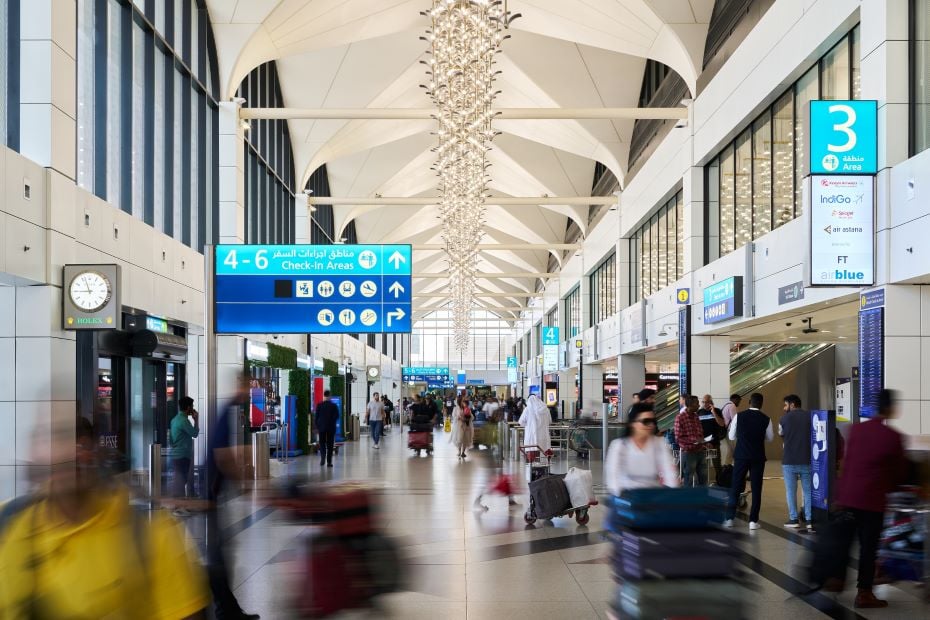
Passengers of SpiceJet, India’s budget airline, faced an unexpected hurdle at Dubai International Airport after being denied check-in due to unpaid dues by the airline. The move forced SpiceJet to operate flights without passengers, intensifying concerns over the airline’s ongoing financial struggles.

Dubai’s decision to block check-in came as a result of SpiceJet’s failure to settle outstanding payments. This incident marks another significant setback for the airline, which has been grappling with operational and financial challenges for some time. Despite efforts to raise funds, SpiceJet has encountered multiple issues, including a recent financial dispute with Mumbai Airport, which was resolved only hours before the airport issued a warning about potential disruptions to the airline’s operations.

The situation at Dubai Airport has drawn attention from aviation authorities, with India’s Ministry of Civil Aviation monitoring the developments closely. As SpiceJet continues to face mounting pressure, the airline’s ability to sustain its operations remains in question, raising broader concerns within the industry.

This development is part of a broader trend of financial instability within the airline, further exacerbated by increasing operational costs and declining revenues. The airline’s woes have prompted speculation about its future viability, as it struggles to maintain smooth operations amid growing financial obligations.

Qatar is reportedly in advanced discussions to acquire a significant stake in a German refinery currently owned by Russia’s state-controlled oil company, Rosneft. This deal, if finalized, could see the Qatar Investment Authority (QIA) strengthen its already substantial investment portfolio, which includes a nearly 19% stake in Rosneft.

The negotiations involve Qatar being the last remaining bidder for the refinery assets, which were seized by the German government following the fallout from Russia’s military actions in Ukraine. The Qatari delegation has been actively engaged in high-level talks with German officials, with the potential acquisition seen as a strategic move to secure long-term energy interests in Europe.

Germany’s government, which previously took control of Rosneft’s operations in the country, is expected to support the transaction, given the geopolitical implications and the need to stabilize energy supplies in the region. This aligns with Germany’s broader strategy to reduce dependency on Russian energy while ensuring operational continuity at critical infrastructure sites.

Rosneft’s German assets have been under scrutiny as Europe seeks to disentangle itself from Russian energy influence, making Qatar’s interest particularly timely. The Qatari government’s deep ties with Russia and its financial muscle could provide the necessary leverage to close the deal.

Qatar’s pursuit of these assets underscores the Gulf nation’s ambition to expand its energy footprint in Europe, leveraging its vast wealth to gain strategic assets in key markets. The move also reflects the growing importance of energy security in a rapidly changing geopolitical landscape.

The ongoing negotiations are being closely watched by industry analysts, who see this potential acquisition as a significant development in the global energy sector, particularly in light of shifting alliances and the evolving dynamics of energy supply chains.

The deal, if completed, would further cement Qatar’s role as a critical player in the global energy market, positioning it alongside other major energy-exporting nations that are capitalizing on the changing geopolitical environment. The outcome of these negotiations could have far-reaching implications for the future of energy security in Europe and beyond.

Further updates on this evolving story are expected as the negotiations progress.

The UAE-based NMDC Group is preparing for what is set to be the country’s largest initial public offering (IPO) of the year. The firm, which was established as a subsidiary of the Abu Dhabi National Oil Company (ADNOC), aims to raise up to $2 billion through the listing. The company is now majority-owned by Alpha Dhabi Holding.

NMDC provides integrated drilling services across the Middle East, has announced plans to float around 7.5% of its shares on the Abu Dhabi Securities Exchange (ADX). The IPO will offer approximately 1.5 billion shares to institutional and retail investors, marking a significant milestone in the UAE’s financial markets.

The NMDC IPO comes at a time of fluctuating oil prices and global economic uncertainties. NMDC has reported substantial revenue growth over the past few years, driven by increasing demand for its drilling services and an expanding portfolio of projects across the region.

Global air cargo demand surged in July 2024, marking the eighth consecutive month of double-digit growth, according to data released by the International Air Transport Association (IATA). Middle Eastern carriers led this momentum with a significant 14.7% year-on-year increase in demand, a reflection of the robust performance seen across all regions.

This upswing comes as global demand, measured in cargo tonne-kilometers (CTKs), rose by 13.6% compared to July 2023. The remarkable growth is attributed to several factors, including a rise in global trade, booming e-commerce, and ongoing capacity constraints in maritime shipping, which have increasingly driven demand toward air freight. The peak season for air cargo is still ahead, signaling a potential continuation of these positive trends.

Asia-Pacific airlines recorded the strongest regional performance, with a 17.6% year-on-year growth in demand, bolstered by a 19.8% rise on the Within-Asia trade lane. Middle Eastern carriers maintained their strong position, particularly on the Europe-Middle East route, which saw an impressive 32.2% increase in demand.

Capacity, measured in available cargo tonne-kilometers (ACTKs), also expanded in July, growing by 8.3% globally. This growth was largely driven by a 12.8% increase in international belly capacity, supported by a thriving passenger market, and a 6.9% rise in international freighter capacity.

IATA’s Director General, Willie Walsh, noted the resilience of the air cargo industry amidst various political and economic challenges, highlighting the sector’s ability to adapt to shifting demand patterns. He also pointed out that despite challenges, including flight cancellations and airport disruptions caused by severe weather events in North America and the Caribbean, the industry continued to demonstrate strong performance.

Overall, July’s performance underscores the vital role air cargo plays in global trade, especially in regions where other modes of transport face limitations. With the peak shipping season approaching, the air cargo sector is poised to continue its robust growth trajectory into the latter half of the year.

VISHNU RAJA
RYO YAMADA
HITORI GOTOH
IKUYO KITA
Social Media Auto Publish Powered By : XYZScripts.com