Articles written by
arabian post staff

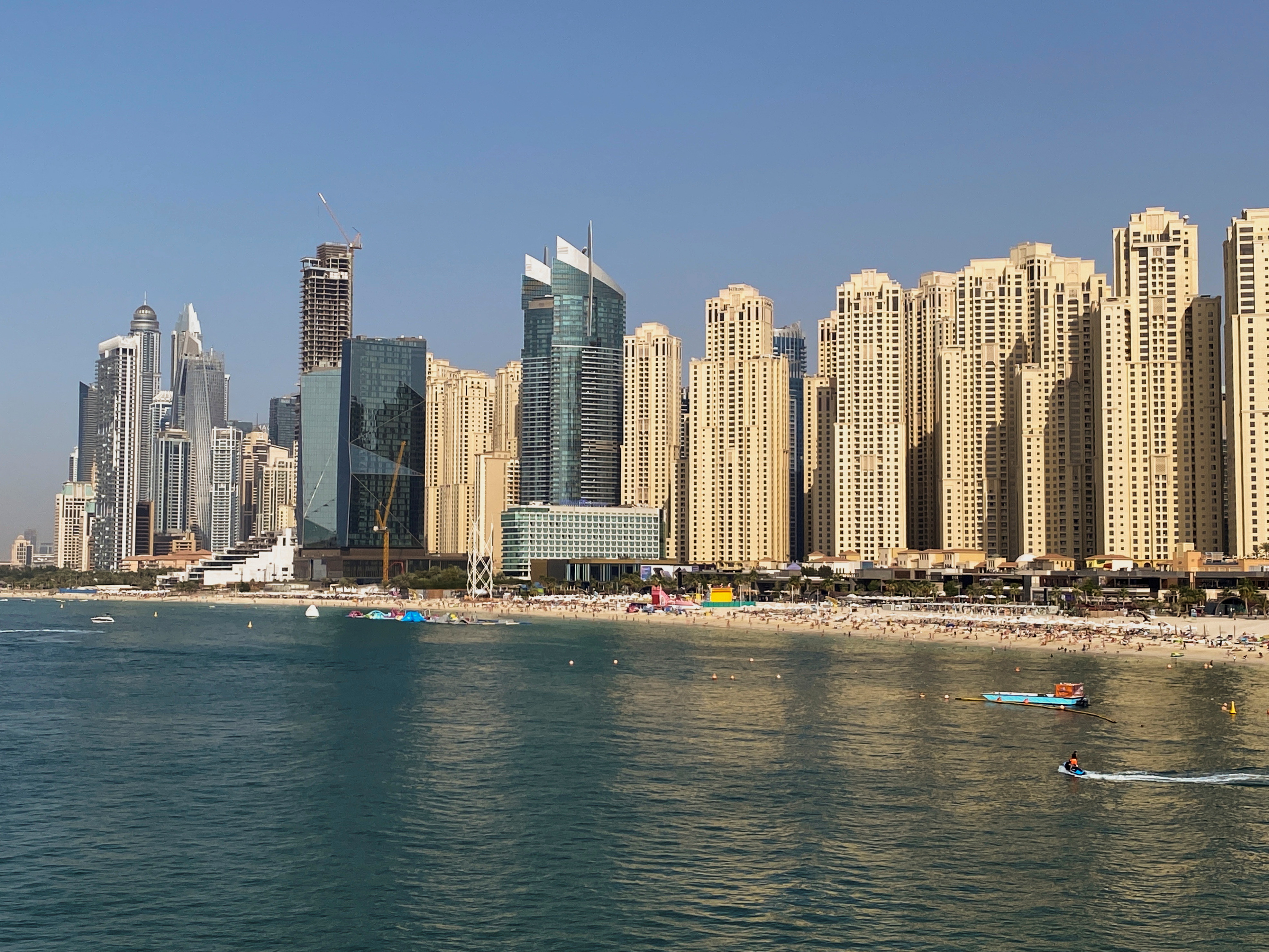
Dubai’s rental market is experiencing a significant slowdown in rent increases as a growing number of tenants opt to renew their leases rather than move. This shift comes as a response to ongoing economic adjustments and changes in tenant preferences.

Recent market data reveals that annual rent hikes in Dubai have diminished considerably compared to previous years. According to industry reports, average rent increases have moderated, reflecting a stabilization in rental pricing across various neighborhoods. The latest figures show that while rental prices had been rising steadily, the pace has now slowed, with many landlords adjusting their expectations amid a more stable market environment.

The trend towards lease renewals is contributing to this deceleration. Real estate experts have observed a marked increase in tenants choosing to extend their current leases rather than exploring new properties. This shift is attributed to several factors, including the high cost of moving and the uncertainty surrounding the real estate market. Tenants are reportedly valuing the stability of their current housing arrangements and are less inclined to engage in the upheaval associated with relocation.

Economic factors also play a crucial role in this trend. Dubai’s real estate sector is navigating through a period of adjustment following a period of rapid growth and subsequent stabilization. The economic impacts of recent global events have led to shifts in housing demand, influencing rental price trends. As the market adjusts, both landlords and tenants are recalibrating their expectations, contributing to a more balanced rental market.

Moreover, property developers and landlords are adapting to the changing dynamics by offering more competitive terms to retain tenants. There is a noticeable increase in incentives and flexible leasing options as landlords strive to maintain occupancy levels. This adaptability is a response to the growing trend of lease renewals and the need to address the evolving preferences of tenants.

The rental market’s current phase reflects a broader trend of stabilization in Dubai’s real estate sector. With many tenants opting to renew their leases, the rapid growth in rental prices appears to be moderating. This stabilization could signal a period of adjustment and recalibration for both the rental market and the broader real estate sector.

As the market continues to evolve, monitoring these trends will be essential for understanding the future direction of Dubai’s rental landscape. The current slowdown in rent hikes and the increase in lease renewals indicate a period of transition, with potential implications for both tenants and landlords in the months ahead.

A plea agreement has been reached between the US government and Khalid Shaikh Mohammed, Walid bin Attash, and Mustafa Al Hawsawi, three key defendants in the September 11, 2001, terrorist attacks. This development comes after years of legal proceedings at the Guantanamo Bay detention facility, where the men have been held since their capture. The plea deal is expected to include significant concessions for the defendants, such as removing the death penalty from consideration.

The three men have long been accused of orchestrating and facilitating the attacks that led to the deaths of nearly 3,000 people. Khalid Shaikh Mohammed, often cited as the principal architect of the 9/11 attacks, has been a central figure in the US government’s prosecution of those responsible for the tragedy. The agreement aims to resolve some of the complexities and delays that have plagued the military commission process at Guantanamo Bay.

Family members of the victims have expressed a mix of reactions to the plea deal. Some see it as a necessary step to achieve some form of justice and closure, while others are frustrated by the removal of the death penalty, which they feel is a lenient outcome for those responsible for such an atrocity. Advocates for the families have highlighted the prolonged nature of the legal process and the emotional toll it has taken on those still grieving their losses.

The plea agreement comes amidst broader discussions about the future of Guantanamo Bay and the handling of terrorism suspects. The Biden administration has indicated a desire to close the detention facility, which has been a contentious issue in US politics and a focal point for criticism regarding human rights and due process.

Legal experts suggest that the plea deal could expedite the resolution of these high-profile cases, potentially setting a precedent for how similar cases might be handled in the future. This agreement might also influence the ongoing debate about the use of military commissions versus civilian courts for prosecuting terrorism suspects.

The plea deal’s specifics are still being finalized, but it represents a significant moment in the legal aftermath of the 9/11 attacks. The resolution of these cases could bring a measure of finality to one of the darkest chapters in US history, though it will undoubtedly leave many questions and emotions unresolved for the families affected by the tragedy.

The agreement is also expected to spark discussions on the ethical and legal implications of plea deals in cases involving severe crimes and acts of terrorism, potentially influencing future policies and practices in both national and international contexts.

As the details of the plea deal are made public, and as the defendants potentially face sentencing, the world will be watching closely to see how justice is administered and what it means for the broader fight against terrorism. This development marks a pivotal point in the long and complicated process of seeking accountability for the events of September 11, 2001.

The United Nations human rights office has released a disturbing report detailing severe mistreatment of Palestinian detainees held by Israeli authorities. The report, unveiled on Wednesday, outlines extensive human rights violations, including physical and psychological abuse, endured by Palestinians in detention.

According to the UN, the report is based on testimonies from former detainees, human rights organizations, and independent investigations. It highlights cases of physical violence, including beatings and harsh interrogations, as well as inadequate medical care. The UN’s findings are drawn from a variety of sources, including interviews with detainees who have been released, and an analysis of medical records and other evidence.

The document underscores systemic issues within the detention system, pointing to a lack of oversight and accountability. The UN report criticizes the conditions in which detainees are held, citing overcrowding, poor sanitation, and insufficient access to basic necessities. It also notes instances of psychological abuse, including threats and humiliation during interrogations.

Human rights advocates have long raised concerns about the treatment of Palestinian detainees, but this report provides a comprehensive overview of the extent and nature of the mistreatment. The UN’s findings are expected to prompt calls for international intervention and reforms within the Israeli detention system.

The Israeli government has responded to the report, defending its detention practices as necessary for national security. Israeli officials argue that the measures taken are within the bounds of international law and are crucial for maintaining security. They have also criticized the UN report, alleging bias and a lack of consideration for the broader context of security challenges faced by Israel.

The report also touches on the broader implications of these practices for the peace process and human rights in the region. Critics argue that the ongoing mistreatment of detainees undermines efforts to achieve a peaceful resolution to the Israeli-Palestinian conflict and damages the credibility of human rights standards in the region.

International reactions to the report have varied. Some human rights organizations have called for immediate action and an independent investigation into the allegations, while others emphasize the need for a balanced approach that considers security concerns alongside human rights.

The UN’s findings contribute to the ongoing debate about the Israeli-Palestinian conflict and the treatment of detainees. The report serves as a critical reminder of the importance of human rights and the need for accountability in conflict situations. The situation remains fluid, and further developments are anticipated as the international community responds to the UN’s revelations and calls for reform.

The issue of detainee mistreatment is part of a larger discourse on human rights in the region, which continues to evolve as new reports and investigations emerge. The UN’s latest report adds to a growing body of evidence and highlights the urgent need for attention and action on this critical issue.

Sheikh Abdullah bin Zayed Al Nahyan, the Deputy Prime Minister and Minister of Foreign Affairs of the United Arab Emirates, held a significant meeting with Iran’s newly inaugurated President Masoud Pezeshkian. This high-profile discussion, which took place in Tehran, focused on enhancing regional peace and stability amid shifting geopolitical dynamics.

The meeting between Sheikh Abdullah and President Pezeshkian marks a notable moment in UAE-Iran relations, reflecting a mutual interest in addressing long-standing regional tensions. Sheikh Abdullah’s visit underscores the UAE’s commitment to fostering dialogue and cooperation with its neighbors in the Middle East. The talks are seen as a crucial step towards building bridges and finding common ground on issues that impact the stability of the region.

During the meeting, both leaders emphasized the importance of collaborative efforts to tackle pressing challenges, including security concerns and economic development. They expressed a shared vision for a peaceful and prosperous region, with an emphasis on resolving conflicts through diplomatic means rather than confrontational approaches.

The UAE has consistently sought to play a mediating role in regional conflicts, advocating for dialogue and engagement as pathways to resolution. Sheikh Abdullah’s discussions with President Pezeshkian are part of a broader strategy to strengthen bilateral ties and encourage a cooperative atmosphere in the Gulf and beyond. This approach aligns with the UAE’s broader foreign policy objectives of promoting stability and fostering economic partnerships.

Iran, under President Pezeshkian’s leadership, has also indicated a willingness to engage more constructively with its regional neighbors. The new administration has expressed a commitment to addressing various regional issues through diplomatic channels, aiming to improve relations with Gulf countries and other key stakeholders. This shift is expected to influence regional dynamics positively, potentially leading to more collaborative efforts on shared challenges.

The discussions between Sheikh Abdullah and President Pezeshkian are particularly timely given the current geopolitical landscape. With ongoing tensions in the Middle East and evolving alliances, the UAE and Iran’s dialogue could serve as a catalyst for broader regional cooperation. Both leaders have recognized the necessity of finding common ground and working together to address issues that affect the stability and prosperity of their respective countries and the broader region.

This meeting also reflects a broader trend of increased diplomatic engagement in the Middle East, as nations seek to navigate complex regional relationships and emerging global challenges. Sheikh Abdullah’s visit and the ensuing discussions signify a proactive approach by the UAE to strengthen ties with Iran and other neighboring countries, contributing to a more stable and interconnected regional environment.

The UAE’s efforts to engage with Iran and other regional actors underscore its strategic interest in fostering a stable and cooperative Middle East. By prioritizing dialogue and mutual understanding, the UAE aims to enhance its role as a key player in regional diplomacy and contribute to a more harmonious geopolitical landscape.

As the UAE and Iran continue their diplomatic engagement, the outcomes of these discussions will be closely watched by other nations and stakeholders in the region. The success of this dialogue could pave the way for further collaboration and mutual understanding, setting a positive precedent for future interactions among regional powers.

ADVERTISEMENT

Wynn Resorts has announced its ambitious plans for establishing the UAE’s first legal casino destination, marking a significant shift in the region’s hospitality and entertainment landscape. This development follows recent changes in UAE regulations, which now allow for integrated resorts with gaming facilities.

The forthcoming Wynn Resort, set to be situated on the Dubai coastline, promises to be a luxury destination blending high-end accommodation, dining, and entertainment with casino gaming. The project is expected to become a key player in the UAE’s growing tourism sector, which has been diversifying to attract global travelers seeking unique experiences.

The new resort will feature a wide array of amenities, including a large casino floor, luxury hotel suites, fine dining establishments, and extensive leisure facilities. The inclusion of gaming marks a notable departure from the UAE’s traditionally conservative stance on gambling, which has been restricted to specific areas and forms.

Wynn Resorts, known for its opulent properties in Las Vegas and Macau, is investing heavily in this project, aiming to set a new standard for luxury and entertainment in the region. The company’s entry into the UAE market reflects broader trends in global tourism and hospitality, where destinations are increasingly offering integrated resorts to capture a larger share of international visitors.

This strategic move by Wynn Resorts is also seen as a response to growing competition in the luxury travel sector, with several global brands vying to establish a foothold in the UAE’s lucrative market. The resort’s gaming facilities will be designed to attract high-net-worth individuals and gaming enthusiasts from around the world, potentially boosting the local economy and creating numerous job opportunities.

The development is expected to benefit from the UAE’s strategic location as a global travel hub, enhancing its appeal to visitors from Europe, Asia, and the Americas. The integration of casino gaming into a luxury resort setting is anticipated to draw a diverse clientele, offering a mix of high-end leisure and gaming experiences.

The project’s launch is slated for 2025, pending final approvals and construction milestones. Wynn Resorts has indicated that the resort will adhere to all regulatory guidelines and ethical standards, ensuring a responsible approach to gaming and hospitality. The company is working closely with UAE authorities to ensure compliance with local laws and regulations, which are designed to maintain social norms while fostering economic growth.

This development comes at a time when the UAE is seeking to enhance its global position as a premier destination for luxury travel and high-end entertainment. By incorporating casino gaming into its hospitality offerings, the UAE aims to attract a broader range of international tourists and elevate its status as a global luxury destination.

Wynn Resorts’ UAE casino project represents a major milestone in the region’s evolving tourism sector, reflecting a growing trend towards integrating diverse entertainment options within luxury resort environments. As the project progresses, it will likely have a substantial impact on both the local economy and the global hospitality industry, setting a precedent for future developments in the region.

Blackstone, in collaboration with the Abu Dhabi Investment Authority (ADIA), is making a significant push to acquire a $4.8 billion stake in Haldiram’s, one of India’s leading snack and confectionery companies. The consortium’s bid underscores the growing interest of international investors in India’s vibrant consumer goods sector.

Haldiram’s, renowned for its extensive range of traditional Indian snacks, has been a staple in the country’s food industry for decades. Founded in 1937, the company has expanded its presence both domestically and internationally, becoming a prominent name in the global Indian snack market. The potential deal would provide a substantial boost to Haldiram’s expansion efforts and enhance its capabilities in reaching new markets.

The move comes at a time when the Indian consumer goods market is experiencing robust growth, driven by increasing disposable incomes and changing consumer preferences. Foreign investments in India’s food and beverage sector have been on the rise, with global players seeking to tap into the country’s large and diverse consumer base. The bid reflects a broader trend of international funds targeting high-growth sectors within India, which offers significant opportunities for long-term growth.

The Blackstone-ADIA consortium’s interest in Haldiram’s highlights the company’s strong market position and growth potential. Haldiram’s, with its established brand and extensive distribution network, represents a valuable asset for investors looking to capitalize on the expanding food and beverage market in India. The acquisition would also provide Blackstone and ADIA with a foothold in a sector that has shown resilience and adaptability amid global economic uncertainties.

The bidding process for Haldiram’s is competitive, with several other international and domestic entities also vying for a stake. The outcome of this bid could set a precedent for future investments in the Indian consumer goods sector, showcasing the growing confidence of global investors in the country’s economic prospects.

Blackstone, a leading global investment firm, and ADIA, one of the world’s largest sovereign wealth funds, bring substantial financial expertise and strategic vision to the table. Their joint bid signifies a serious commitment to supporting Haldiram’s growth trajectory and expanding its global reach. The involvement of these heavyweight investors could also drive further investment interest in India’s food sector, fostering a more dynamic and competitive market environment.

As the bid unfolds, stakeholders are closely watching how the potential deal might reshape the competitive landscape of the Indian snack industry. The outcome will likely influence future investment strategies in similar high-growth sectors within the country. The strategic partnership between Blackstone and ADIA is poised to play a crucial role in shaping the future of Haldiram’s and the broader Indian consumer goods market.

The collaboration between Blackstone and ADIA in bidding for a significant stake in Haldiram’s underscores the growing international interest in India’s expanding consumer sector. This development highlights the potential for substantial growth and transformation within the Indian food and beverage market, driven by high-profile global investors.

A fragile truce in Iraq faces significant jeopardy following a recent U.S. airstrike targeting a militant base south of Baghdad. The attack has intensified tensions, with the Islamic Resistance in Iraq vowing retaliation. This escalation could unravel ongoing peace efforts and destabilize an already volatile region.

The U.S. strike, conducted late last week, was aimed at a compound reportedly used by Iran-backed militias. According to Pentagon sources, the operation was in response to recent threats against American personnel and facilities in Iraq. This action marks a severe escalation in the U.S. military’s involvement in the region and has drawn sharp condemnation from various factions within Iraq.

The Islamic Resistance in Iraq, a prominent group within the broader network of Iranian-aligned militias, has condemned the strike as a blatant violation of Iraqi sovereignty. The group’s senior official indicated that retaliation is imminent, exacerbating fears of a renewed cycle of violence. This development threatens to undermine the delicate balance that has been maintained through ongoing negotiations and diplomatic efforts.

The truce, which has been in place for several months, was intended to reduce hostilities and facilitate dialogue between conflicting parties. It followed a period of intense conflict marked by frequent skirmishes and escalating tensions between Iraqi militias and U.S. forces. The recent airstrike not only jeopardizes this truce but also risks inflaming regional tensions further, potentially drawing in other actors and destabilizing the broader Middle Eastern landscape.

Observers are concerned that the strike could prompt a series of retaliatory actions, leading to a resurgence of hostilities. This would not only disrupt the fragile peace process but also have significant repercussions for the stability of Iraq and the wider region. The potential for a broader conflict underscores the need for immediate diplomatic interventions to de-escalate the situation.

The Iraqi government has condemned the U.S. action, emphasizing the need for respect of its sovereignty and urging restraint from all parties involved. However, the response from the Islamic Resistance in Iraq suggests that diplomatic appeals may not be sufficient to prevent further escalation. The situation remains fluid, with both sides preparing for potential further conflict.

The international community has called for calm and restraint, stressing the importance of dialogue and peaceful resolution to the crisis. However, the immediate aftermath of the strike indicates that the path to de-escalation will be fraught with challenges. The U.S. and Iraqi governments are under immense pressure to navigate the complex dynamics of this conflict and work towards stabilizing the region.

As the situation continues to unfold, the global community watches closely, hoping for a resolution that will preserve the fragile truce and prevent further violence. The next steps taken by the involved parties will be critical in determining whether the current crisis can be mitigated or if it will lead to a broader and more destructive conflict.

Advertisements
ADVERTISEMENT

Boeing has appointed Kelly Ortberg as its new CEO, a move aimed at steering the company through challenging financial waters. Ortberg, who previously led Rockwell Collins and boasts extensive experience in aviation, takes the helm at a pivotal time for Boeing. The company has reported a substantial increase in its second-quarter losses, reflecting ongoing difficulties and operational hurdles.

Ortberg’s appointment comes as Boeing grapples with a significant financial downturn. For the second quarter of the fiscal year, Boeing’s losses widened compared to the same period last year. The company’s financial report reveals a steep decline in revenue and ongoing struggles within its commercial and defense sectors. The worsening financial performance underscores the persistent challenges Boeing faces, including supply chain disruptions and delays in aircraft deliveries.

The decision to bring Ortberg on board signals Boeing’s intent to revitalize its leadership and address its financial issues head-on. Ortberg, known for his successful tenure at Rockwell Collins, is expected to leverage his industry expertise to navigate Boeing through its current crisis. His leadership is anticipated to play a crucial role in reshaping Boeing’s strategy and improving operational efficiencies.

Boeing’s financial woes have been compounded by several factors, including reduced demand for new aircraft and increased costs associated with production and regulatory compliance. The company’s recent struggles reflect broader issues within the aerospace industry, where manufacturers are contending with a fluctuating market and evolving technological requirements.

As Boeing seeks to stabilize its financial situation, the appointment of Ortberg is seen as a strategic move to restore confidence among investors and stakeholders. The aviation veteran’s background in leading major aerospace companies provides a foundation for addressing the complex challenges Boeing faces. The company hopes that Ortberg’s leadership will drive a turnaround and position Boeing for long-term success.

The broader aerospace sector is experiencing a period of transformation, with companies adjusting their strategies in response to changing market dynamics and technological advancements. Boeing’s focus on improving its financial performance and operational effectiveness aligns with industry trends, as manufacturers adapt to new demands and evolving customer expectations.

Boeing’s financial outlook will be closely monitored in the coming quarters to assess the impact of Ortberg’s leadership. The company’s ability to address its current challenges and achieve financial stability will be critical in determining its future trajectory. The appointment of a seasoned executive like Ortberg reflects Boeing’s commitment to navigating its difficulties and striving for a more resilient operational model.

With Ortberg now at the helm, Boeing is poised to undertake a strategic reassessment of its operations and financial strategies. The aviation industry’s evolving landscape will present both opportunities and obstacles, and Boeing’s ability to adapt and respond effectively will be key to its future success.

Palestinians in Gaza are grappling with heightened despair following the tragic death of three sons of Hamas leader Ismail Haniyeh in an Israeli airstrike. This attack occurred during the Muslim holiday of Eid al-Fitr, a time typically marked by celebration and communal gathering.

The Israeli airstrike targeted a car carrying Haniyeh’s sons—Hazem, Amir, and Mohammed—along with several of his grandchildren in the Al-Shati refugee camp. Eyewitnesses reported the car being obliterated, resulting in the deaths of all its occupants. This incident has intensified the already dire humanitarian situation in Gaza, where more than 30,000 Palestinians have been killed since the conflict began six months ago.

Ismail Haniyeh condemned the attack as a “horrendous massacre” and reaffirmed his commitment to the Palestinian cause. In a televised statement, he declared that such actions by Israel would not weaken the resolve of the Palestinian people but instead strengthen their determination to resist.

The war in Gaza has led to widespread devastation, with the majority of the population facing severe shortages of food, clean water, and medical supplies. Israel’s military offensive has displaced 85% of Gaza’s population, leaving many without homes and basic necessities. The international community has voiced concern over the humanitarian crisis, with the International Court of Justice urging Israel to take measures to prevent famine in the region.

This event has exacerbated tensions in the Middle East, with Israel’s actions being condemned by various global leaders. Iran’s Supreme Leader, Ayatollah Ali Khamenei, issued a stern warning to Israel, promising repercussions for the airstrike that also killed several Iranian generals in Syria.

As Gaza continues to mourn, the future remains uncertain. The conflict has pushed the region to the brink, with the latest incident only deepening the sense of hopelessness among its residents.

A high-level meeting between Egypt’s Foreign Minister Badr Abdelatty and Iran’s new President Masoud Pezeshkian has marked a significant step towards normalizing relations between the two countries. The encounter took place on the sidelines of Pezeshkian’s inauguration, symbolizing a potential thaw in diplomatic ties that have been strained for decades.

The diplomatic engagement follows months of behind-the-scenes negotiations aimed at easing long-standing tensions. Abdelatty’s attendance at the inauguration is seen as a strategic move to open new channels of communication and cooperation between Cairo and Tehran. This development comes amid broader regional efforts to stabilize the Middle East and foster collaborative relationships among key players.

Egypt and Iran, both influential countries in the region, have historically had a contentious relationship, primarily due to differing political ideologies and alliances. The Egyptian government has maintained close ties with Saudi Arabia and the United States, both of which have had adversarial stances towards Iran. Conversely, Iran’s alliances with non-state actors and its involvement in regional conflicts have further complicated relations.

The meeting between Abdelatty and Pezeshkian is part of a larger trend of rapprochement in the region. The recent reconciliation between Saudi Arabia and Iran, brokered by China, has set a precedent for other nations to follow. This shift is driven by the realization that regional stability and economic development are interlinked and can be better achieved through dialogue rather than confrontation.

Observers note that while the meeting is a positive step, significant challenges remain. The diplomatic normalization process will require addressing contentious issues such as Iran’s nuclear program, its influence in Iraq, Syria, and Lebanon, and its support for groups that Egypt and its allies consider destabilizing. Additionally, Egypt’s strategic partnerships with countries opposing Iran’s regional policies could complicate the normalization efforts.

However, both countries have shown a willingness to engage in dialogue. Abdelatty emphasized the importance of cooperation in areas such as trade, tourism, and cultural exchanges, which could serve as a foundation for rebuilding trust and fostering mutual benefits. Pezeshkian, on his part, expressed optimism about the future of bilateral relations, highlighting the potential for collaboration in addressing regional security challenges and economic opportunities.

Analysts believe that successful normalization between Egypt and Iran could have far-reaching implications for the region. Improved relations could lead to increased economic cooperation, contributing to regional stability and development. It could also pave the way for more comprehensive diplomatic efforts to resolve ongoing conflicts in the Middle East.

The international community is closely monitoring these developments, recognizing the significant impact they could have on global geopolitics. The United States and European Union have expressed cautious optimism, hoping that this rapprochement could lead to broader stability in the region. China, having played a crucial role in the Saudi-Iran reconciliation, has also shown interest in supporting Egypt-Iran normalization efforts, viewing it as a part of its broader strategy to enhance its influence in the Middle East.

The path to normalization is expected to be gradual and fraught with challenges. Both Egypt and Iran will need to navigate a complex web of regional alliances and domestic political considerations. Nonetheless, the willingness to engage in high-level dialogue signifies a noteworthy shift in their approach to regional diplomacy.

As the process unfolds, it will be essential for both nations to maintain a focus on mutual interests and the broader goal of regional stability. The potential benefits of normalized relations are substantial, offering a new chapter of cooperation and development in a region long marred by conflict and division.

ADVERTISEMENT

Israeli airstrikes on a Beirut suburb have intensified the search for senior Hezbollah commander Fouad Shukr, whose whereabouts remain uncertain following the attack. The residential building targeted was reportedly a key location for Hezbollah operations, raising concerns about Shukr’s status and potential casualties among his associates.

The airstrike occurred in the densely populated southern suburbs of Beirut, a region heavily influenced by Hezbollah. The Israeli government has not confirmed the specific targets of the strike but has maintained that the operation was a response to ongoing threats from Hezbollah. The Lebanese authorities have launched a search and rescue operation, sifting through the rubble of the destroyed building in hopes of locating survivors or recovering bodies.

Fouad Shukr, a high-ranking figure within Hezbollah, has been a subject of international attention due to his alleged involvement in various military and strategic operations. The attack has prompted Hezbollah to accuse Israel of aggression and to call for an immediate response. The group has mobilized its members in the area, and tensions are high as both sides brace for possible further escalations.

Local reports suggest that the building was used by Hezbollah for military purposes, including arms storage and strategic planning. This has led to speculations about the significance of the strike and whether it was part of a broader Israeli strategy to disrupt Hezbollah’s operational capabilities. The attack’s impact on the broader regional dynamics is yet to be fully understood, but it has already heightened security concerns in Lebanon and among international observers.

Lebanese rescue teams are working tirelessly, and international organizations have expressed concern about the humanitarian impact of the airstrikes. The focus is on providing aid to those affected by the explosion and addressing the needs of families displaced by the attack.

Hezbollah’s reaction has been swift, with the organization issuing statements condemning the Israeli actions and vowing retaliation. The group’s leaders have criticized the international community for not intervening and have called for solidarity from other nations sympathetic to their cause.

The situation remains fluid, with rescue operations ongoing and the possibility of additional strikes looming. The international community continues to monitor the developments closely, as the conflict between Israel and Hezbollah threatens to escalate further. The fate of Fouad Shukr remains a critical concern, with implications for both Hezbollah’s internal dynamics and the broader geopolitical landscape in the region.

The next steps for both Hezbollah and Israeli forces will be closely watched, as the aftermath of the strike unfolds and the international community responds to the evolving situation. The ongoing conflict underscores the volatility of the region and the challenges faced by all parties involved in seeking a resolution to the long-standing hostilities.

Arabian Post Staff Booking rates for coastal holiday homes in Spain have surged for August, with nearly 85% of properties within 15 kilometers of a beach already reserved. Data from Idealista, a prominent property portal, reveals that 84.9% of these rentals are fully booked, a slight rise from last year’s 84.3% at this point in the season. This increase in bookings reflects a broader trend of heightened […]

Hamas’s political chief, Ismail Haniyeh, was killed in an attack on his residence in Tehran, Iran. This incident, which also claimed the life of one of his bodyguards, marks a significant escalation in the ongoing tensions involving the Palestinian militant group. The attack has drawn immediate condemnation and concern from international leaders and analysts.

According to initial reports, the assailants targeted Haniyeh’s residence with a coordinated assault, leading to his death and the injury of several others. The circumstances surrounding the attack remain under investigation, and no group has yet claimed responsibility. The Iranian government has vowed a thorough investigation into the incident, emphasizing its commitment to combating terrorism and securing the safety of its citizens.

Haniyeh, a prominent figure in Hamas, has been a central player in the group’s leadership and operations. His death could potentially shift the balance within Hamas and affect its strategies and alliances. Analysts are closely watching for potential repercussions on regional stability and the broader Israeli-Palestinian conflict.

The assassination of Haniyeh represents a critical development in the ongoing conflict dynamics. His leadership was instrumental in Hamas’s political and militant activities, and his absence might create a power vacuum within the organization. This event is likely to provoke varied responses from different factions, both within the region and internationally.

International reactions have been swift, with calls for restraint and dialogue from various world leaders. The attack underscores the volatile nature of the geopolitical landscape in the Middle East, highlighting the persistent risks associated with high-profile figures in conflict zones. The implications of Haniyeh’s death will unfold in the coming days as the situation develops and more information becomes available.

As the investigation continues, the global community remains on alert for potential repercussions. The situation reflects the ongoing complexities of Middle Eastern politics and the enduring challenges in achieving lasting peace and stability in the region.

An Israeli airstrike targeted Hezbollah commander Fouad Shukr in Beirut, marking a significant escalation in tensions between Israel and Hezbollah. Shukr, a senior military figure within the Lebanese group, is known for his close ties to Hezbollah’s leadership and his involvement in strategic operations.

The airstrike occurred late Tuesday, with initial reports indicating that Shukr was among the primary targets. Lebanese media confirmed the attack, noting damage to several buildings in the southern suburbs of Beirut, a Hezbollah stronghold. The area, often referred to as Dahiyeh, has seen similar strikes in the past, but this operation specifically aimed at Shukr signals a more direct confrontation.

Fouad Shukr, also known by his nom de guerre, Al-Hajj Mohsin, has been a prominent figure in Hezbollah for decades. His military career began in the early 1980s, and he has since ascended through the ranks, becoming a key advisor to Hezbollah’s Secretary-General Hassan Nasrallah. Shukr’s expertise in military tactics and his role in coordinating operations in Syria have made him a critical asset to the organization.

Hezbollah’s involvement in the Syrian conflict has been extensive, with Shukr playing a pivotal role. His strategic planning and operational oversight have contributed to the group’s efforts to support the Syrian government, particularly in key battles such as those in Aleppo and Qusayr. These operations have cemented Shukr’s reputation as a skilled military leader within Hezbollah’s ranks.

The Israeli government has long viewed Shukr as a significant threat. His role in planning and executing operations against Israeli targets, both within Lebanon and abroad, has placed him high on Israel’s list of adversaries. Israeli officials have accused Shukr of being involved in the 1983 Beirut barracks bombings, which killed 241 U.S. service members, a claim that Hezbollah has consistently denied.

This targeted strike on Shukr is part of a broader Israeli strategy to disrupt Hezbollah’s military capabilities. Israel has repeatedly stated its intent to prevent Hezbollah from acquiring advanced weaponry and strengthening its position along the Israeli-Lebanese border. Over the years, Israel has conducted numerous airstrikes in Syria and Lebanon aimed at intercepting weapons shipments destined for Hezbollah.

The timing of this strike is particularly noteworthy. It comes amid heightened tensions in the region, with ongoing conflicts in Syria and escalating confrontations between Israel and Iranian-backed militias. Hezbollah’s close alliance with Iran has further complicated the dynamics, as Israel seeks to counter Iranian influence in the Middle East.

Reactions to the strike have been swift. Hezbollah condemned the attack, vowing retaliation and reinforcing its commitment to resist Israeli aggression. The Lebanese government, while acknowledging the attack, has called for restraint to avoid further escalation. International reactions have been mixed, with some countries urging both sides to de-escalate and others expressing concern over the potential for a broader conflict.

Analysts suggest that this strike could have significant implications for the stability of the region. Hezbollah’s response will likely determine the immediate future of Israeli-Lebanese relations. Should Hezbollah choose to retaliate, the possibility of a larger military confrontation cannot be ruled out. However, the group may also opt for a more calculated response, avoiding direct confrontation while continuing to strengthen its military infrastructure.

The situation remains fluid, with the potential for rapid developments. As both Israel and Hezbollah navigate this latest escalation, the international community will be closely monitoring the unfolding events. The strike on Fouad Shukr underscores the persistent volatility in the region and the ongoing struggle for power and influence between Israel and Hezbollah.

Hezbollah’s next moves, coupled with Israel’s strategic objectives, will shape the regional landscape in the coming months. This episode highlights the fragile nature of the current ceasefire and the ever-present risk of conflict in the Middle East.

ADVERTISEMENT

A series of U.S. airstrikes targeted facilities used by Iran-backed militia groups in Iraq, following a surge in attacks on American forces in the region. The strikes were conducted in response to ballistic missile attacks that wounded several U.S. soldiers.

The targeted facilities, operated by the Hezbollah Brigades, included a headquarters, storage areas, and training sites for rockets, missiles, and unmanned aerial vehicles (UAVs). These strikes mark the latest escalation in the ongoing conflict between U.S. forces and Iran-backed militias, which have conducted over 150 attacks on U.S. bases in Iraq and Syria since October 2023.

U.S. Secretary of Defense Lloyd Austin described the strikes as “necessary” and “proportionate,” aimed at deterring further attacks on U.S. and coalition personnel. The Hezbollah Brigades, designated as a Foreign Terrorist Organization by the U.S., have vowed to continue their assaults. Their spokesperson, Jaafar al-Husseini, affirmed their commitment to targeting U.S. strongholds.

The airstrikes resulted in the death of Ali Subieh, a fighter with the Hezbollah Brigades, as confirmed by the group on its Telegram channel. This development underscores the persistent volatility in the region, with Iran-backed groups maintaining their offensive stance despite significant losses.

The conflict has intensified since the onset of the Israel-Hamas war in October 2023, which has indirectly fueled militia activities against U.S. interests. The U.S. response, involving precision strikes on militia assets, aims to mitigate threats and stabilize the security situation for American and allied forces.

Hezbollah Brigades, a prominent Shia militia in Iraq, receives extensive support from Iran’s Qods Force, including training, funding, and weaponry. Founded by Abu Mahdi al-Muhandis and closely allied with the late Qassem Soleimani, the group has been a significant adversary for U.S. forces in the region. The persistent threat posed by these militias necessitates ongoing vigilance and strategic countermeasures by the U.S. military.

By Arun Srivastava Only six months back, Indians, especially the bourgeoning middle class endorsing the jibes of Narendra Modi against Rahul Gandhi, who preferred to address him “Pappu”, “Shehenshah” and a “part-time politician”, are now looking towards him with hope. Not only the common people and the politically conscious, but also the policy decision-makers and […]

An Israeli airstrike hit Beirut on Tuesday night, targeting senior Hezbollah commander Fouad Shukr. This move marks a significant escalation in the long-standing tension between Israel and Hezbollah, a militant group based in Lebanon.

Fouad Shukr, a senior member of Hezbollah’s military wing, has been a key figure in the organization’s operations for decades. He is alleged to have played a pivotal role in the planning and execution of various military actions against Israel. Shukr’s involvement in the group’s military strategies has made him a high-value target for Israeli forces.

The strike on Beirut was part of a broader campaign by Israel to neutralize Hezbollah’s leadership and diminish its operational capabilities. Israeli officials have accused Hezbollah of stockpiling weapons and preparing for attacks against Israeli targets. The targeting of Shukr is seen as a strategic move to disrupt Hezbollah’s command structure and weaken its ability to coordinate attacks.

This development comes amid heightened tensions in the region. Over the past few weeks, both sides have exchanged threats and accusations, with Hezbollah leaders vowing to retaliate against Israeli aggression. The group has a substantial presence in Lebanon and is known for its sophisticated military capabilities, including a significant arsenal of rockets and missiles.

Israel’s intelligence services have been closely monitoring Hezbollah’s activities, aiming to thwart potential threats before they materialize. The decision to strike Shukr was likely based on actionable intelligence indicating his involvement in planning imminent attacks against Israel. The precision strike underscores Israel’s commitment to defending its borders and deterring hostile actions from Hezbollah.

Hezbollah’s leadership has yet to issue an official statement regarding the strike on Shukr. However, sources within the group have indicated that they are assessing the damage and planning a response. The strike is expected to provoke a strong reaction from Hezbollah, which has a history of retaliating against Israeli military actions.

The international community has expressed concern over the escalation of hostilities between Israel and Hezbollah. The United Nations has called for restraint from both sides to prevent a further deterioration of the situation. Diplomatic efforts are underway to de-escalate the conflict and encourage dialogue between the parties involved.

The strike on Fouad Shukr highlights the ongoing volatility in the Middle East and the fragile balance of power in the region. Both Israel and Hezbollah possess significant military capabilities, and any further escalation could lead to a broader conflict with severe consequences for the region.

The Lebanese government, which has limited control over Hezbollah’s activities, is also under pressure to address the situation. Lebanon is already facing a myriad of challenges, including a severe economic crisis and political instability. The strike adds another layer of complexity to the country’s already precarious situation.

In the coming days, the focus will be on Hezbollah’s response to the strike and how Israel will manage the fallout. The potential for a broader conflict remains high, and the international community will be watching closely to see how the situation unfolds.

As tensions continue to simmer, the prospect of a full-scale confrontation looms, posing a significant threat to regional stability. Both sides will need to weigh their options carefully to avoid a catastrophic escalation that could engulf the entire region in conflict.

ADVERTISEMENT

Tensions between Israel and Lebanon have escalated with both nations filing formal complaints with the United Nations Security Council. This development underscores the rising risk of military conflict in the region, driven by a series of recent confrontations and ongoing disputes.

Israel’s complaint accuses Lebanon of violating international norms by allowing Hezbollah, a militant group, to launch attacks from Lebanese territory. According to Israeli officials, these actions have resulted in significant damage to Israeli infrastructure and civilian areas. The Israeli government claims that Hezbollah’s aggressive actions not only breach Lebanese sovereignty but also threaten regional stability.

Conversely, Lebanon’s complaint highlights Israeli military operations within Lebanese airspace and territory. Lebanese authorities argue that Israel’s frequent incursions and airstrikes violate Lebanon’s sovereignty and have caused considerable harm to both military and civilian targets. The Lebanese government asserts that these actions are unjustified and exacerbate the already volatile situation in the region.

The exchange of complaints follows a series of border skirmishes and heightened rhetoric from both sides. The recent military exchanges have intensified fears of a broader conflict, with both nations mobilizing forces and preparing for possible escalation. The UN Security Council is now faced with the challenge of addressing these grievances and finding a pathway to de-escalate the situation.

The international community has expressed concern over the potential for a larger-scale conflict, emphasizing the need for diplomatic solutions and dialogue. Various nations and organizations have called for restraint and urged both Israel and Lebanon to engage in negotiations to prevent further violence.

Hezbollah’s role in the conflict remains a central issue, as the group’s operations are a significant point of contention between the two countries. The organization, which is backed by Iran, has a history of hostility toward Israel and has been involved in numerous clashes with Israeli forces over the years.

The situation is further complicated by the broader regional dynamics, including the influence of Iran and the ongoing civil conflict in Syria. These factors contribute to the complexity of the Israeli-Lebanese relations and the challenges in addressing the current disputes.

As the UN Security Council considers the complaints, there is a pressing need for effective mediation to address the underlying issues and prevent further escalation. The international body will likely seek to facilitate dialogue between the two nations and work towards a peaceful resolution to the ongoing tensions.

The outcome of the UN Security Council’s deliberations could significantly impact the trajectory of Israeli-Lebanese relations and the stability of the region. Both countries’ actions and the international response will be closely watched as efforts to de-escalate the situation continue.

A group of 85 Palestinians, including individuals severely injured and those suffering from cancer, have been evacuated to Abu Dhabi for medical treatment. The evacuees were accompanied by 63 family members, who will provide support during their treatment and recovery process.

The evacuation, facilitated by UAE authorities, underscores the ongoing humanitarian commitment to assist those affected by conflict and health crises. The arrival of these patients in Abu Dhabi marks a significant step in providing them with the necessary medical care that might be unavailable in their home region due to the ongoing instability and limited resources.

The patients were transported on a specially chartered flight that ensured their safe and efficient arrival. Medical professionals and support staff accompanied the patients throughout the journey, ensuring that their medical needs were met during the flight. The evacuees included a mix of individuals with severe injuries and cancer patients who require specialized treatment not accessible in their current locations.

Upon arrival, the patients were taken to various medical facilities across Abu Dhabi, where they will receive comprehensive care. These facilities are equipped with advanced medical technology and staffed by experienced healthcare professionals dedicated to providing high-quality care to the evacuees. The treatment plans for these patients will be tailored to their specific medical conditions, ensuring that they receive the most effective and appropriate care.

The UAE’s Ministry of Health and Prevention has coordinated with local hospitals to ensure a seamless transition for the patients. This coordination includes detailed plans for each patient’s treatment and recovery, with an emphasis on providing holistic care that addresses both their physical and psychological needs. Family members accompanying the patients will also receive support, ensuring that they can assist in the recovery process effectively.

This humanitarian initiative highlights the UAE’s ongoing efforts to provide aid to those in need, regardless of their nationality. The country has a history of offering medical assistance to people affected by conflicts and natural disasters worldwide. The latest evacuation effort is part of a broader commitment to humanitarian aid and medical diplomacy, aiming to alleviate the suffering of vulnerable populations.

The patients’ journey from conflict zones to the safety of Abu Dhabi was made possible through extensive collaboration between various UAE government agencies and international humanitarian organizations. This collaboration ensured that all logistical challenges were addressed, providing a safe and efficient pathway for the evacuees to receive the care they need.

Healthcare experts in Abu Dhabi have emphasized the importance of providing timely and high-quality medical treatment to the evacuees. They acknowledge the significant challenges these patients have faced and are committed to offering them the best possible care. This commitment is reflected in the meticulous planning and resources allocated to this evacuation effort.

As the evacuees settle into their treatment regimens, the broader international community continues to monitor the situation in the conflict-affected regions. The UAE’s example of providing direct and immediate medical assistance serves as a model for other nations and humanitarian organizations. This approach not only addresses the immediate medical needs of the patients but also contributes to long-term recovery and stability by supporting the health and well-being of affected populations.

The UAE’s actions underscore a compassionate response to a complex humanitarian crisis, demonstrating solidarity with those in need and offering a lifeline to individuals facing severe health challenges. This initiative is a testament to the power of coordinated humanitarian efforts and the impact they can have on the lives of those affected by conflict and health crises.

Airstrikes hit southern Beirut as the conflict between Israel and Gaza intensifies. The Israeli military launched attacks targeting Hezbollah positions in Lebanon’s capital, marking a significant escalation in the region.

Israel’s foreign minister declared the country was facing an “all-out war” following a deadly rocket strike in Majdal Shams, a town in the Golan Heights. The attack resulted in multiple casualties, raising tensions and prompting a swift military response from Israel.

The Israeli Defense Forces (IDF) reported that the airstrikes in Beirut aimed at neutralizing Hezbollah’s military capabilities, which Israel accuses of collaborating with Hamas in Gaza. The bombings targeted key infrastructure and weapons storage facilities, according to IDF spokespersons.

Hezbollah’s leader condemned the airstrikes, vowing retaliation and further complicating the conflict. The group claimed that the Israeli attacks damaged civilian areas and infrastructure, although the extent of the damage remains unclear.

The conflict’s escalation has drawn international concern, with calls for restraint and dialogue from the United Nations and several global leaders. The UN Secretary-General emphasized the need for immediate cessation of hostilities to prevent further humanitarian catastrophe.

In Gaza, the fighting has resulted in substantial casualties on both sides. Israeli airstrikes have targeted what they describe as military installations and tunnels used by Hamas. The Palestinian Health Ministry reported significant civilian casualties, including women and children, as a result of the bombings.

Humanitarian organizations have raised alarms over the deteriorating situation in Gaza. Hospitals are overwhelmed, facing shortages of medical supplies and electricity. The International Committee of the Red Cross (ICRC) called for safe corridors to deliver aid and evacuate the wounded.

The conflict’s impact extends beyond the immediate war zone. Protests and violent clashes have erupted in several cities across the Middle East, reflecting widespread anger and solidarity with the Palestinian cause. Demonstrations have also taken place in Western capitals, urging governments to intervene and advocate for a peaceful resolution.

Israel has faced international scrutiny over its military actions. Human rights organizations have called for investigations into potential violations of international law, particularly regarding the targeting of civilian areas in Gaza and Lebanon. The Israeli government maintains that its military operations are in self-defense and aimed at minimizing civilian harm.

Diplomatic efforts to broker a ceasefire have thus far been unsuccessful. Egypt and Qatar have been particularly active in mediating between the conflicting parties, but both sides remain entrenched in their positions. The United States has expressed support for Israel’s right to self-defense while urging for measures to protect civilians and reduce casualties.

The economic repercussions of the conflict are also significant. Gaza’s infrastructure has suffered extensive damage, affecting essential services and livelihoods. In Israel, the economy faces disruptions from rocket attacks, with businesses and schools in affected areas forced to close temporarily.

Regional analysts warn that the ongoing hostilities could destabilize the broader Middle East, with potential spillover effects into neighboring countries. The involvement of Hezbollah and the airstrikes in Beirut indicate a risk of the conflict expanding beyond Gaza and Israel.

As the situation unfolds, the international community continues to monitor developments closely. The prospects for a lasting peace appear dim amid the current escalation, with deep-seated grievances and historical animosities driving the conflict.

Efforts to address the humanitarian crisis and rebuild trust between the parties are crucial for any future resolution. The global call for peace underscores the urgent need for dialogue and diplomacy to end the violence and pave the way for a sustainable solution.

France has officially backed Morocco’s proposal for granting autonomy to the Sahara region while maintaining Moroccan sovereignty. This pivotal endorsement comes amid ongoing diplomatic efforts to address one of Africa’s most enduring territorial disputes. French President Emmanuel Macron’s decision marks a significant shift in international stance regarding the Sahara issue, highlighting France’s commitment to supporting Morocco’s territorial integrity.

Macron’s announcement, made during a recent diplomatic engagement, emphasizes France’s support for Morocco’s approach to resolving the conflict through enhanced regional autonomy rather than full independence. This move is seen as a strategic alignment with Morocco’s long-standing position on the Sahara and reflects broader geopolitical considerations.

The Sahara conflict has been a contentious issue for decades, with the region seeking greater autonomy and self-determination. The United Nations has been involved in efforts to mediate a resolution, but the situation remains complex with multiple parties involved. Morocco’s proposal, which includes offering a degree of self-governance to the Sahara under Moroccan sovereignty, is aimed at addressing local aspirations while preserving the country’s territorial unity.

France’s endorsement is expected to influence other international actors and potentially shift the dynamics of the ongoing negotiations. The French government has expressed that its support is based on a belief that Morocco’s autonomy plan represents a viable solution that respects both the regional aspirations and the need for national sovereignty.

This development follows a series of diplomatic engagements between Morocco and France, underscoring the strengthening ties between the two nations. Macron’s support is part of a broader strategy to reinforce France’s role in addressing global conflicts and aligning with key partners in strategic regions.

The international community has varied responses to the Sahara issue, with some nations supporting Morocco’s stance and others advocating for a different approach. France’s position adds to the growing list of endorsements for Morocco’s plan, which aims to provide a framework for the Sahara’s future governance while integrating it within the Moroccan state structure.

The autonomy plan proposed by Morocco outlines a significant degree of self-administration for the Sahara region, including local governance and economic management. This plan is designed to offer a compromise between complete independence and full integration, seeking to balance regional aspirations with national unity.

In addition to diplomatic support, the plan’s success will hinge on the engagement of local stakeholders and the international community’s reception. France’s backing is a notable boost for Morocco’s efforts, and it may prompt further discussions and negotiations involving other key international players.

As the situation evolves, the focus will likely shift to the implementation of the autonomy plan and the practical implications for the Sahara region. Observers will be closely watching how Morocco navigates this process and how the international community, including France, continues to influence the resolution of this long-standing conflict.

Arabian Post Staff DraftKings, a leading name in the global gambling industry, is ceasing its NFT operations following a pivotal legal decision. A US court recently permitted a class action lawsuit to proceed against the company, alleging that DraftKings’ NFTs qualify as unregistered securities. This lawsuit has triggered a significant shift in the company’s business strategy. The legal challenge stems from claims that DraftKings’ NFTs, which are […]

The Christo and Jeanne-Claude Award 2024 has been awarded to Sara Farha and Khaled Shalkha for their innovative project, the Datecrete Bee Hotel. This design explores the complex relationship between bees and their environment, offering a novel approach to sustainable architecture.

The Datecrete Bee Hotel stands out for its use of locally sourced materials and its integration into the natural landscape. Farha and Shalkha’s design emphasizes the importance of creating habitats that not only support bee populations but also blend harmoniously with their surroundings. The structure is crafted from datecrete, a sustainable material that combines traditional concrete with date palm fibers, providing both durability and a low environmental impact.

Bees, crucial to pollination and biodiversity, face numerous challenges due to habitat loss and climate change. The Datecrete Bee Hotel aims to address these issues by providing a dedicated space that supports bees’ needs and fosters their interaction with the environment. The project has been praised for its innovative approach to ecological design and its potential to inspire similar initiatives globally.

The Christo and Jeanne-Claude Award, established to honor the legacy of the renowned artists known for their large-scale environmental works, seeks to recognize projects that blend art and environmental consciousness. Farha and Shalkha’s submission was selected from a competitive pool of entries, highlighting its originality and impact on environmental design.

The Datecrete Bee Hotel reflects a growing trend in architecture and design towards sustainability and ecological sensitivity. By focusing on the needs of pollinators and utilizing environmentally friendly materials, the project exemplifies how design can play a role in addressing broader environmental issues.

As the global community becomes increasingly aware of the importance of protecting pollinator species, initiatives like the Datecrete Bee Hotel provide a hopeful glimpse into how design can contribute to ecological balance. The project not only provides a functional habitat for bees but also serves as a model for future developments in sustainable architecture.

The award highlights a commitment to integrating artistic vision with environmental responsibility, continuing the legacy of Christo and Jeanne-Claude’s impactful work. As such, it underscores the role of design in fostering a more sustainable future. Farha and Shalkha’s work stands as a testament to the potential of innovative, eco-conscious design to make a meaningful difference in addressing environmental challenges.

Artists Sara Farha and Khaled Shalkha have been honored with the 2024 Christo and Jeanne-Claude Award. Their winning project, “Echoes of Nature,” draws inspiration from the UAE’s diverse landscapes, aiming to evoke an appreciation for the region’s natural beauty and the urgent need for environmental conservation.

Under the patronage of Her Highness Sheikha Shamsa bint Hamdan Al Nahyan, the award is a collaboration between NYU Abu Dhabi and the Abu Dhabi Music & Arts Foundation (ADMAF). The initiative seeks to support emerging artists in the UAE, providing them with a platform to showcase their talents and contribute to the cultural landscape.

“Echoes of Nature” explores the intricate relationships between humans and the environment. The installation features interactive elements that encourage viewers to engage with the artwork and reflect on their own environmental impact. The project will be developed over the next eight months with mentorship from experts at NYUAD and ADMAF, culminating in a public exhibition.

Huda I. Alkhamis-Kanoo, Founder of ADMAF, emphasized the importance of nurturing young talent and fostering creativity in the UAE. She highlighted the award’s role in empowering artists to realize their dreams and contribute to important conversations about sustainability and environmental stewardship.

The Christo and Jeanne-Claude Award, established in 2013, has become a significant platform for young artists in the UAE, offering them the opportunity to transition from academic practice to professional artistry. This year’s winners, Farha and Shalkha, were selected for their innovative approach and commitment to addressing environmental issues through art.

The winning project will not only enhance public awareness about the environment but also inspire future generations of artists to engage with critical global challenges. The award continues to honor the legacy of Christo and Jeanne-Claude, renowned for their large-scale environmental art installations, by encouraging creativity and innovation in the UAE’s burgeoning art scene.

VISHNU RAJA
RYO YAMADA
HITORI GOTOH
IKUYO KITA
Social Media Auto Publish Powered By : XYZScripts.com