Articles written by
arabian post staff

Abu Dhabi Investment Authority (ADIA) has announced a significant investment in Akums Drugs and Pharma, a major player in India’s pharmaceutical industry. The transaction, valued at approximately $400 million, marks a strategic move by ADIA to expand its footprint in the burgeoning Indian healthcare sector.

Akums Drugs, based in Haridwar, is renowned for its wide range of generic medications and its substantial manufacturing capacity. The company has been a key supplier for both domestic and international markets, contributing to its steady growth and reputation for quality.

The investment by ADIA is expected to bolster Akums Drugs’ capabilities, enabling it to enhance its production facilities and expand its research and development (R&D) initiatives. This infusion of capital comes at a time when the pharmaceutical sector in India is experiencing a surge in demand, driven by both local needs and international export opportunities.

Analysts view ADIA’s investment as a strategic alignment with its long-term vision of diversifying its portfolio into high-growth markets. The move is also seen as a reflection of growing global interest in India’s pharmaceutical industry, which has been gaining momentum due to its robust regulatory environment and the increasing prevalence of chronic diseases requiring innovative treatment options.

Akums Drugs, founded in 1983, has established itself as a leading manufacturer with a comprehensive product line spanning various therapeutic areas, including cardiovascular, gastrointestinal, and dermatological medications. The company’s focus on quality control and regulatory compliance has positioned it favorably in the competitive landscape of the pharmaceutical industry.

ADIA’s involvement is anticipated to accelerate Akums Drugs’ expansion plans. The investment will support the company’s efforts to enhance its R&D capabilities, which are crucial for developing new drugs and staying ahead in a competitive market. Additionally, the funds will be directed towards upgrading manufacturing technologies and increasing production efficiency.

The partnership between ADIA and Akums Drugs underscores a broader trend of increased foreign investment in India’s healthcare sector. International investors are drawn to India’s growing market potential, driven by a large patient population, an increasing middle class, and government initiatives aimed at boosting healthcare infrastructure.

In the context of global pharmaceutical investments, India’s market offers promising opportunities due to its substantial base of skilled professionals and a well-established regulatory framework. The country’s pharmaceutical industry is poised for further growth, fueled by advancements in drug development and a rising demand for affordable healthcare solutions.

This investment aligns with ADIA’s strategic focus on investing in high-potential sectors across emerging markets. By supporting companies like Akums Drugs, ADIA is positioning itself to capitalize on the expanding opportunities within the Indian pharmaceutical industry.

As the global healthcare landscape evolves, strategic investments such as this are likely to shape the future dynamics of the pharmaceutical sector. ADIA’s commitment to Akums Drugs highlights the ongoing transformation in investment strategies, reflecting a growing confidence in the potential of India’s pharmaceutical industry.

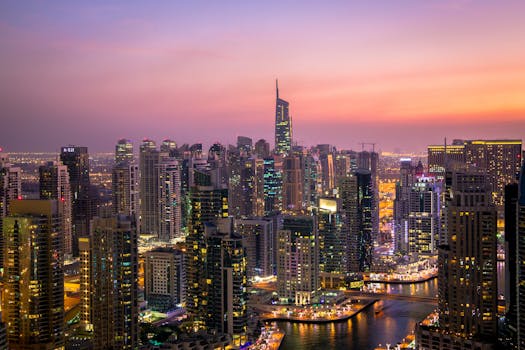
Dubai is grappling with unprecedented heat, with temperatures soaring to levels that feel like 60°C (140°F), highlighting the city’s vulnerability to extreme weather conditions. This alarming phenomenon has intensified concerns about the impact of climate change on urban environments.

The recent heatwave has pushed Dubai’s temperature to its highest recorded levels, creating hazardous conditions for residents and raising significant health and safety concerns. The city’s infrastructure, designed to cope with high temperatures, is under strain as the heatwave exacerbates existing challenges related to water scarcity and energy consumption.

Experts attribute the soaring temperatures to a combination of climate change and urban heat island effects. The heat island effect occurs when urban areas experience significantly higher temperatures than their rural surroundings due to human activities and the concentration of buildings and roads. As global temperatures rise, cities like Dubai, with their dense construction and limited green spaces, are experiencing more severe temperature spikes.

The current heatwave is a stark reminder of the growing frequency and intensity of extreme weather events linked to climate change. According to climate scientists, rising greenhouse gas emissions are contributing to higher global temperatures, which in turn exacerbate local weather extremes. For Dubai, this means increased occurrences of dangerously high temperatures, putting additional pressure on its already strained resources.

Health professionals warn that prolonged exposure to such extreme temperatures can have severe consequences, including heat exhaustion and heatstroke. Vulnerable populations, including the elderly, children, and those with preexisting health conditions, are particularly at risk. Authorities are advising residents to take precautions, such as staying hydrated, avoiding outdoor activities during peak heat hours, and using air conditioning where possible.

In response to the heatwave, Dubai’s government has implemented several measures to mitigate the impact. These include increased monitoring of temperature levels, public health advisories, and enhanced cooling systems in public spaces. Additionally, there are ongoing efforts to improve urban planning and green infrastructure to help combat the heat island effect and provide more shade and cooling in the city.

The heatwave also poses challenges for the economy, particularly for industries dependent on outdoor work, such as construction and agriculture. Employers are being urged to implement heat stress management practices to protect workers and minimize productivity losses.

Looking ahead, Dubai’s experience serves as a critical case study for other rapidly growing cities facing similar climate-related challenges. It underscores the need for robust climate adaptation strategies and investment in sustainable urban development to safeguard against the growing risks of extreme weather.

As the situation continues to evolve, ongoing research and data collection will be essential in understanding the full impact of extreme heat events and developing effective mitigation strategies. For now, Dubai remains on high alert, navigating the immediate dangers posed by one of the hottest periods in its history.

Armenia and Turkey are poised to engage in significant negotiations aimed at normalizing relations, with Armenian representative Ruben Rubinyan and Turkish special envoy Serdar Kilic scheduled to meet at the border. The upcoming talks signify a pivotal moment in the diplomatic efforts between the two nations, reflecting a mutual interest in addressing long-standing issues and advancing cooperation.

The meeting, which will take place at the Armenia-Turkey border, is part of ongoing diplomatic efforts to mend ties that have been historically strained. Both sides have expressed a commitment to addressing contentious issues through dialogue, marking a notable step in efforts to overcome decades of tension. This development follows a series of preliminary discussions and confidence-building measures designed to lay the groundwork for more comprehensive negotiations.

Rubinyan and Kilic, key figures in their respective governments, have been central to the dialogue process. Their engagement represents a significant commitment to addressing bilateral concerns, which include historical grievances and regional security issues. The talks aim to tackle these challenges head-on, fostering an environment conducive to lasting resolution and mutual understanding.

The Armenian-Turkish relationship has been fraught with historical disputes, including disagreements over the recognition of the Armenian Genocide and territorial issues. However, the current diplomatic efforts reflect a willingness on both sides to move beyond past conflicts and explore opportunities for cooperation. This shift in approach highlights the evolving geopolitical landscape and the potential for positive change in regional dynamics.

The normalization talks come amid a broader context of shifting alliances and geopolitical realignments in the region. Both Armenia and Turkey have demonstrated a readiness to engage in dialogue as a means of addressing complex issues and promoting stability. The discussions at the border are expected to cover a range of topics, including economic cooperation, regional security, and cultural exchanges, with the aim of building a foundation for long-term collaboration.

International observers and stakeholders are closely monitoring the talks, recognizing their potential impact on regional stability and relations between the two countries. The successful resolution of outstanding issues could pave the way for enhanced diplomatic and economic ties, contributing to a more stable and cooperative regional environment.

As the meeting approaches, both Armenia and Turkey have expressed optimism about the prospects for productive discussions. The engagement of Rubinyan and Kilic underscores the seriousness with which both nations are approaching the normalization process. The outcome of the talks will likely influence the trajectory of future relations and the broader regional landscape.

The negotiations represent a critical juncture in Armenian-Turkish relations, with the potential to redefine historical narratives and open new avenues for collaboration. The outcome of the talks will be closely watched by international observers and could have far-reaching implications for regional diplomacy and stability.

By Arun Srivastava Give a bad name to the dog and kill it. This is actually happening with the railways. Recurring train accidents are the best motives for marketing the train services to private sector. Selling a profit making organisation would invite severe public outcry and criticism. It would give a bad name to the […]

The Gaza conflict, now in its tenth month, has escalated with significant military and humanitarian implications. The Israeli Defense Forces (IDF) have intensified their operations, focusing on dismantling Hamas infrastructure. According to IDF Chief of Staff Herzi Halevi, these efforts aim to weaken Hamas’s capabilities and secure the release of hostages.

The death toll in Gaza has reached over 38,000, as reported by the Hamas-run Gaza Health Ministry, though these figures remain unverified by independent sources. The United Nations has previously critiqued Hamas for inflating casualty figures, particularly regarding non-combatants. The conflict has resulted in extensive civilian casualties and widespread destruction, exacerbating the humanitarian crisis in the region.

Israeli Defense Minister Yoav Gallant reported that approximately 60% of Hamas combatants have been killed or wounded, significantly reducing the group’s operational capacity. This includes the dismantling of several Hamas battalions, reflecting the intensity of the ongoing military campaign.

The situation in Gaza is described by UN humanitarian officials as catastrophic, with urgent calls for international intervention. The conflict has strained regional stability and led to severe shortages of essential supplies, including food, water, and medical aid.

The international community remains divided on the response to the conflict, with some nations advocating for a ceasefire and humanitarian aid, while others support Israel’s right to defend itself against Hamas’s aggression. The prolonged conflict continues to impact the lives of countless civilians, highlighting the urgent need for a resolution.

This ongoing situation underscores the complexities and dire consequences of prolonged conflict, necessitating a concerted effort from global leaders to address both immediate humanitarian needs and long-term peace prospects.

Arabian Post Staff The launch of DEEP’s new platform promises a significant shift in how digital health metrics are evaluated and utilized. This advanced system aims to offer precise, real-time data on various health parameters, addressing a gap in current health monitoring technologies. DEEP, a cutting-edge health technology company, has introduced a platform designed to revolutionize the measurement of health through digital means. The platform integrates a […]

Arabian Post Staff Simone Biles has made a powerful return to the Olympics with a stellar performance in Paris, signaling a major shift in the gymnastics landscape. Her debut at these Games not only reaffirms her status as a leading athlete but also reshapes expectations for future Olympic competitions. Competing after a hiatus from the sport, Biles showcased her unparalleled skills in the gymnastics arena, executing routines […]

Advertisements

Violent protests erupted across Venezuela on Tuesday, with significant unrest reported in major cities including Caracas. The turmoil follows the opposition’s rejection of President Nicolás Maduro’s claimed victory in the presidential elections. Demonstrators have taken to the streets, expressing widespread dissatisfaction with the election results, which they argue were marred by irregularities and lack of transparency.

The opposition coalition, which had been critical of Maduro’s administration, contends that the election process was flawed. They have pointed to numerous reports of alleged voter suppression, irregularities at polling stations, and discrepancies in vote counting. This has fueled a wave of protests, with citizens voicing their frustration over what they describe as a fraudulent electoral process.

Security forces have responded with force, deploying tear gas and rubber bullets to disperse the crowds. Reports indicate that clashes between protesters and police have resulted in several injuries and arrests. The situation has prompted international concern, with various organizations calling for restraint and urging the Venezuelan government to address the opposition’s claims.

The unrest comes at a time when Venezuela is grappling with severe economic challenges. The country has been in a prolonged economic crisis, with hyperinflation and shortages of basic goods significantly impacting the daily lives of its citizens. The political instability exacerbates these difficulties, further straining the nation’s social and economic fabric.

Amidst the chaos, some sectors have reported that businesses are shuttering their doors and public services are being disrupted. The impact on everyday life is becoming increasingly evident as the protests continue. The government has vowed to restore order and has accused the opposition of inciting violence and undermining national stability.

International observers have been calling for a thorough investigation into the allegations of election irregularities. The opposition’s calls for transparency and electoral reform have gained support from various global actors who advocate for democratic processes and human rights.

The situation remains fluid, with ongoing demonstrations and confrontations expected to continue. As the crisis unfolds, the international community is closely monitoring the developments, hoping for a peaceful resolution that addresses the concerns of all parties involved and restores stability to Venezuela.

The outcome of this crisis could have profound implications for Venezuela’s future, impacting its political landscape and economic recovery. As the country navigates through this turbulent period, the focus will be on how both the government and opposition handle the escalating tensions and whether any substantive reforms or agreements can be reached to resolve the conflict.

By Dr. Gyan Pathak Known for having transformed the Delhi education scenario in government schools from poor to very good, even better in performance than private schools in the National Capital Territory, in just a decade, AAP government is now on the way to transform Punjab school education to provide high quality education for all […]

The United Arab Emirates is taking significant steps towards legalizing gambling, marked by the establishment of a national lottery. The General Commercial Gaming Regulatory Authority (GCGRA) has been created to oversee and regulate gaming activities across the country, ensuring a socially responsible environment and adhering to high standards.

The introduction of this regulatory body comes as part of the UAE’s broader strategy to diversify its economy and boost tourism. This shift aligns with global trends and follows the announcement by Wynn Resorts to open a casino in Ras Al Khaimah. The new regulatory framework will also involve issuing a single national lottery license, with operators like Mahzooz and Emirates Draw vying for the contract.

Abu Dhabi will oversee the GCGRA’s operations, but individual emirates will retain the authority to decide whether to permit gambling within their jurisdictions. This decentralization allows for tailored approaches that respect local values and economic goals.

The national lottery license is expected to be awarded soon, with the GCGRA facilitating a structured and fair bidding process. This move is anticipated to attract significant interest from international and local gaming operators, highlighting the UAE’s potential as a new hub for regulated gambling in the region.

The lottery will likely draw substantial interest, both domestically and internationally, promising to boost the UAE’s tourism sector and provide new revenue streams. The GCGRA has committed to maintaining strict regulatory standards to ensure the integrity and fairness of all gaming activities.

The UAE’s initiative to legalize gambling through a national lottery license marks a significant shift in its economic and regulatory landscape. The move aims to balance economic benefits with social responsibility, positioning the country as a leader in the emerging Middle Eastern gaming market.

Dubai’s Court of Appeal has ordered Khaldoun Saeed Al Tabari, the former CEO of Drake & Scull International (DSI), along with a former employee, to pay $41 million in damages. This ruling follows accusations of financial mismanagement and fraud during Al Tabari’s tenure at DSI. The allegations include the misappropriation of funds and unauthorized payments. Al Tabari left the UAE in 2018 but was later arrested in Jordan in 2020. The court’s decision aims to compensate for the significant financial losses incurred by DSI.

Arabian Post Staff The Identity Theft Resource Center (ITRC) reported a staggering 1,170% increase in data breach victims in Q2 2024 compared to the same period last year. This alarming surge, affecting over a billion individuals, is primarily attributed to a few massive breaches that significantly inflated the numbers. ITRC CEO Eva Velasquez highlighted that these breaches are not isolated incidents but part of a growing trend […]

The UAE and Chile have signed a Comprehensive Economic Partnership Agreement (CEPA), aimed at significantly enhancing trade and investment between the two nations. This landmark deal is set to remove or reduce tariffs on various goods, streamline customs procedures, and eliminate other trade barriers, facilitating smoother commerce.

The agreement was finalized during a high-level meeting attended by senior officials from both countries, including UAE Minister of State for Foreign Trade Dr. Thani bin Ahmed Al Zeyoudi and Chilean Minister of Foreign Affairs Alberto van Klaveren. Both sides expressed optimism about the potential for increased economic cooperation and mutual growth.

Under the terms of the CEPA, tariffs will be eliminated on a wide range of products, providing a significant boost to exporters and importers in both countries. The agreement also includes provisions for enhancing market access and creating new opportunities for private sector collaboration, particularly in sectors such as energy, healthcare, and technology.

The UAE has been actively pursuing similar trade agreements as part of its broader strategy to diversify its economy and reduce its reliance on oil revenues. The deal with Chile follows similar agreements with other countries, reflecting the UAE’s commitment to strengthening its global trade relationships.

Chile, known for its robust agricultural and mining sectors, stands to benefit from improved access to the UAE market. The agreement is expected to foster closer ties between businesses and investors from both countries, paving the way for increased trade and investment flows.

In addition to tariff reductions, the CEPA includes measures to simplify customs procedures, making it easier for businesses to export and import goods. This is expected to reduce costs and increase efficiency, benefiting companies on both sides.

The signing of this agreement marks a significant milestone in UAE-Chile relations, showcasing a shared commitment to economic growth and cooperation. Both countries have pledged to continue working together to maximize the benefits of the agreement and explore new areas of collaboration.

This development is part of the UAE’s broader efforts to enhance its global trade network, aiming to propel non-oil foreign trade to new heights by 2031. The agreement with Chile is a testament to the UAE’s proactive approach in forging strong international economic partnerships.

Bitcoin surged past $70,000 for the first time, setting a new all-time high. This significant rise marks a 50% increase in value for the cryptocurrency this year, fueled by various factors that have driven the market into a bullish frenzy.

The recent approval of spot Bitcoin ETFs by the U.S. Securities and Exchange Commission has played a crucial role in this rally. These ETFs have attracted substantial inflows from institutional investors, contributing to the sustained buying pressure on Bitcoin. Major financial players like BlackRock, Fidelity, and Grayscale have launched their own ETFs, making it easier for institutional and retail investors to gain exposure to Bitcoin.

Another contributing factor is the anticipation of the Bitcoin halving event scheduled for April 2024. Historically, halvings have led to significant price increases due to the reduced supply of new Bitcoins. This upcoming halving, which will cut the block reward for miners from 6.25 BTC to 3.125 BTC, is expected to create deflationary pressure on the cryptocurrency.

The broader macroeconomic environment has also been favorable for Bitcoin. Persistent inflation and the prospect of interest rate cuts have made Bitcoin an attractive hedge against traditional financial market volatility. Additionally, new accounting rules for how Bitcoin is reported on U.S. company balance sheets are set to take effect, further legitimizing its use in corporate finance.

The cryptocurrency market has seen increased participation from both institutional and retail investors, as evidenced by the record trading volumes and open interest in Bitcoin futures. This renewed interest is not limited to Bitcoin; other cryptocurrencies like Ether have also experienced significant gains. The resurgence of memecoins indicates a broader revival in the crypto market, with retail investors returning in droves.

Analysts are optimistic about Bitcoin’s future, with predictions ranging from $100,000 to $150,000 by the end of 2024. Some forecasts are even more bullish, with long-term targets of up to $1 million. The increasing adoption of Bitcoin by institutional investors and its growing integration into financial markets are expected to drive its value higher over time.

Despite the excitement surrounding this new high, the volatile nature of the cryptocurrency market warrants caution. While the factors driving Bitcoin’s price are strong, the market remains susceptible to significant corrections. Investors are advised to remain vigilant and consider the inherent risks of trading in such a volatile asset class.

Arabian Post Staff An Abu Dhabi court has imposed a Dh10 million fine on a private company for fraudulently issuing work permits to over 100 non-existent employees to fulfill Emiratisation requirements. This ruling underscores the stringent measures being enforced to uphold integrity in the country’s labor market. The court’s decision follows an investigation by the Ministry of Human Resources and Emiratisation (MOHRE), which discovered that the company […]

Arabian Post Staff The World Heritage Committee of UNESCO has officially added three significant Arab sites to its World Heritage List during its 46th session held in New Delhi. The newly recognized sites include the Monastery of Saint Hilarion/Tell Umm Amer in Palestine, Umm el Jimal City in Jordan, and the Cultural Landscape of Al Faw in Saudi Arabia. The Monastery of Saint Hilarion, situated in Palestine, […]

Arabian Post Staff Sharjah Media City (Shams) has inaugurated the “Shams Summer Programme,” set to run from July 28 to August 8, aimed at enriching children’s mental and creative skills. The initiative, launched in collaboration with various local educational and cultural organizations, seeks to provide a diverse range of activities and workshops that foster both personal development and fun. The programme offers a comprehensive schedule featuring workshops […]

Arabian Post Staff Chile’s President Gabriel Boric met with Reem Al Hashimy, the UAE Minister of State for International Cooperation, in Abu Dhabi on Monday. The meeting took place at the Presidential Airport around 7 am, highlighting the growing diplomatic ties between the two nations. During their discussion, both leaders emphasized the importance of enhancing bilateral relations across various sectors, including trade, investment, and cultural exchange. Al […]

Arabian Post Staff Wego, the leading travel app in the Middle East and North Africa (MENA), has teamed up with the Aseer Region Development Authority (ASDA) to promote the scenic and cultural treasures of Saudi Arabia’s Aseer region. This collaboration aims to enhance the visibility of Aseer’s unique landscapes and rich heritage, positioning it as a prime destination for travelers. The Aseer region, known for its mountainous […]

Arabian Post Staff A cargo of industrial fuel oil on a tanker that sank during stormy weather in Manila Bay has begun leaking, according to the Philippine coast guard on Saturday. Small amounts of the oil are seeping into the water, causing alarm among environmentalists and authorities. The tanker, which sank on Thursday, was transporting a substantial quantity of industrial fuel oil. The exact volume of the […]

Chinese investors have significantly increased their investments in Saudi Arabian exchange-traded funds (ETFs), underscoring the deepening economic and diplomatic relationship between the two nations. This surge is part of a broader trend of growing financial integration and mutual interest in the energy and technology sectors.

The notable rise in investment activity follows recent agreements between China and Saudi Arabia aimed at bolstering bilateral trade and economic cooperation. Saudi Arabia has become an increasingly attractive destination for Chinese capital, driven by its strategic position in global energy markets and its Vision 2030 initiative, which seeks to diversify the economy away from oil dependence.

Saudi ETFs, which have been gaining prominence in global financial markets, now see a substantial portion of their investments coming from Chinese sources. This shift is reflected in the significant uptick in trading volumes and asset inflows into these funds. Analysts attribute this growing interest to the robust economic growth prospects in Saudi Arabia and its efforts to establish itself as a leading hub for investment in the Middle East.

China’s investment surge into Saudi ETFs is not an isolated phenomenon but part of a broader pattern of increased economic engagement between the two countries. The two nations have been working closely on a range of initiatives, including energy cooperation, infrastructure development, and technology exchanges. This growing economic synergy is also evident in the strategic partnerships formed between Chinese companies and Saudi businesses, further boosting investor confidence.

Saudi Arabia’s Vision 2030 plan aims to transform the kingdom into a global investment powerhouse by developing non-oil industries and encouraging foreign investment. This ambitious plan includes significant investments in sectors such as technology, tourism, and entertainment, areas that have attracted considerable interest from Chinese investors. The influx of capital into Saudi ETFs reflects broader investment trends and the strengthening of economic ties between China and Saudi Arabia.

Furthermore, recent developments in the global energy market have added impetus to the investment trend. As China seeks to secure stable energy supplies and diversify its energy portfolio, Saudi Arabia’s role as a leading oil exporter becomes increasingly significant. The strategic partnership between the two nations in the energy sector is thus reinforced by increased financial investments and collaborative projects.

The investment trend also highlights the role of Chinese financial institutions in shaping global capital flows. Chinese investors, including state-owned enterprises and private equity firms, have been actively seeking opportunities in emerging markets to achieve higher returns and diversify their portfolios. Saudi Arabia, with its dynamic economic reforms and strategic geopolitical positioning, offers a compelling investment proposition.

The rise in Chinese investments in Saudi ETFs is indicative of a broader geopolitical shift, with China and Saudi Arabia strengthening their economic and strategic partnership. This trend reflects a growing alignment of interests and mutual benefits, positioning both nations to leverage their strengths in the global marketplace.

As the relationship between China and Saudi Arabia continues to evolve, the flow of investment is likely to expand further, encompassing a wider range of sectors and financial instruments. The ongoing collaboration and financial integration between the two countries will play a crucial role in shaping the future of their economic relationship and influencing global investment patterns.

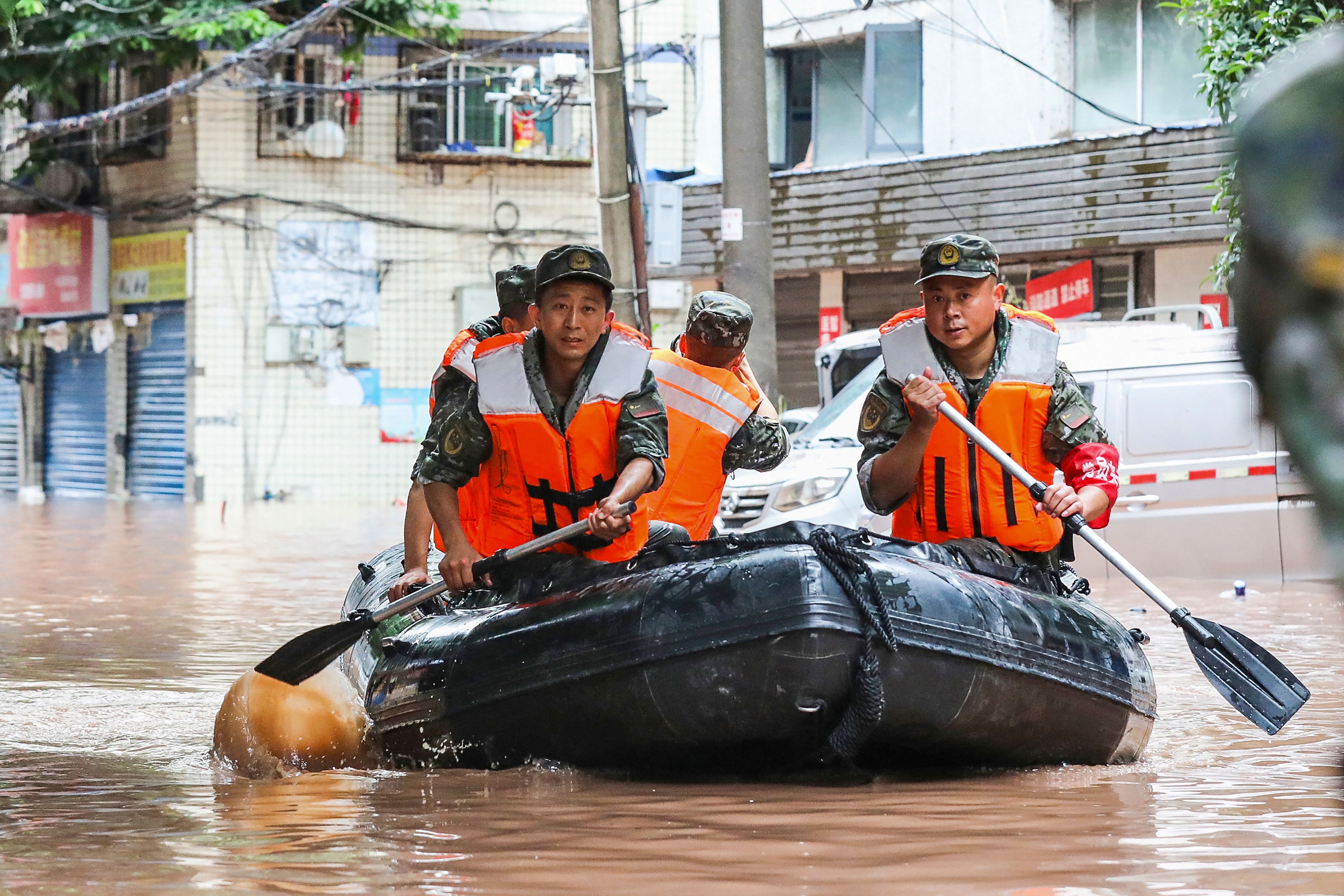
A devastating mudslide in China’s Sichuan province has resulted in the death of 15 people, highlighting the ongoing challenges faced by the region in the aftermath of Typhoon Gaemi. The landslide, triggered by heavy rains, buried several homes and disrupted the lives of many residents, prompting an urgent response from local authorities.

The typhoon initially made landfall in Taiwan, where it caused significant disruptions. Taiwanese authorities had issued widespread warnings, leading to the closure of schools, offices, and the suspension of major transportation services. Taiwan President Lai Ching-te emphasized the importance of safety, urging residents to avoid non-essential travel. The storm, characterized by rapid intensification due to unusually warm ocean waters, left more than 50,000 households in Kaohsiung without power and forced the modification of annual military exercises.

As Typhoon Gaemi moved towards China, the National Meteorological Center issued its highest alert. The storm brought strong winds and torrential rains to coastal areas, particularly affecting Fujian, Zhejiang, and Jiangxi provinces. Boats were secured, and train services were halted as a precaution against the expected impact. The remnants of the typhoon continued to cause heavy rainfall further inland, exacerbating the risk of landslides and flooding.

The mudslide in Sichuan underscored the severe impact of the storm’s residual effects. Rescue operations were swiftly mobilized, with emergency teams working to locate survivors and provide aid to affected families. The local government has committed to supporting the victims and restoring normalcy as quickly as possible.

In Taiwan, the aftermath of Typhoon Gaemi saw significant efforts to restore services and address the damage caused by the storm. The disruption of the island’s largest carriers, including EVA Air, China Airlines, and Starlux Airlines, impacted many travelers, while the defense ministry adjusted its military drills to accommodate the challenging weather conditions. The typhoon’s impact on Taiwan’s infrastructure and daily life was a stark reminder of the powerful forces of nature and the importance of preparedness in mitigating disaster risks.

The situation in both China and Taiwan highlights the broader challenges posed by climate change, as warmer ocean temperatures contribute to more intense and unpredictable storms. This incident serves as a critical reminder of the need for resilient infrastructure and effective emergency response systems to protect communities from the increasing frequency and severity of such natural disasters.

As the affected regions begin the long process of recovery, the focus remains on providing relief to those impacted by the storm and preventing future tragedies through improved disaster preparedness and response strategies.

Co-branded credit cards have introduced new features designed to enhance the overall customer experience, promising greater value and rewards for cardholders. Leading the charge are recent offerings from Breeze Airways, Barclays, and Emirates NBD in collaboration with Marriott Bonvoy and Mastercard.

Breeze Airways, partnering with Barclays, has launched the Breeze Easy Visa Signature card, aiming to cater to travelers from underserved regional airports. This card offers an array of benefits including a substantial introductory bonus of 50,000 BreezePoints after a $2,000 spend within the first 90 days. Cardholders can earn up to 10X BreezePoints on specific travel bundles, and 2X points on everyday purchases such as groceries and dining. Additional perks include complimentary inflight Wi-Fi, priority boarding, and BreezePoints that never expire. Breeze’s CEO, David Neeleman, emphasized the card’s alignment with the airline’s mission to provide affordable and elevated air travel options.

In the UAE, Emirates NBD, Marriott Bonvoy, and Mastercard unveiled two new co-branded credit cards that provide exclusive travel and lifestyle benefits. These cards are designed to attract both frequent and occasional travelers by offering points on all spending categories, which can be redeemed for free hotel stays and other travel perks. These new features aim to make travel more accessible and rewarding, leveraging Marriott Bonvoy’s extensive hotel network to offer more value to cardholders.

Meanwhile, the Indigo HDFC Bank co-branded card, although part of the largest airline and credit card provider in the region, has received mixed reviews. The card offers up to 5 reward points per ₹100 spent but lacks clarity on reward redemption and offers limited travel benefits compared to its competitors. It does not include complimentary lounge access or insurance coverage, features typically expected in co-branded travel cards. Despite these drawbacks, the card may still appeal to loyal Indigo flyers due to its airline-specific rewards.

These developments in co-branded credit cards highlight a competitive push to provide enhanced value propositions, focusing on travel rewards and user convenience to attract and retain customers.

Dubai is experiencing a remarkable surge in tourism, welcoming 8.12 million overnight visitors between January and May 2024, marking a 10% increase from the same period last year. This impressive growth sets the emirate on course for a record performance in 2024, driven by strategic global campaigns and a diversified marketing approach.

The first quarter of 2024 alone saw 5.2 million international visitors, reflecting an 11% increase from the previous year. This uptick underscores Dubai’s resilience and its strategic efforts to remain a top global travel destination. Key source markets include Western Europe, which contributed over 1.1 million visitors, followed by South Asia and the CIS and Eastern Europe regions.

Dubai’s hotel sector is also thriving, maintaining an 83% occupancy rate despite a 2% increase in room supply to over 152,000 rooms. Occupied room nights rose to 11.2 million, a 2% increase compared to 2023, while the Average Daily Rate (ADR) saw a 5% rise to AED638. Revenue Per Available Room (RevPAR) also increased by 4%, reaching AED527. These metrics highlight the city’s ability to maintain competitive pricing while accommodating a growing number of tourists.

The emirate’s commitment to sustainability is evident in initiatives like Dubai Can, a campaign aimed at reducing plastic waste through the promotion of reusable bottles. This initiative has saved over 18 million single-use plastic bottles since its launch. Another significant project is Dubai Reef, the world’s largest marine reef development, designed to enhance marine biodiversity.

Furthermore, Dubai’s culinary scene continues to gain international acclaim, with 18 local restaurants featured in the 2024 MENA’s 50 Best Restaurants list. This recognition reinforces Dubai’s status as a global culinary capital. The city’s cruise sector is also expanding, with the establishment of the Cruise Arabia alliance aimed at promoting the Arabian Gulf as a premier cruise destination.

Dubai is also fostering entrepreneurship and innovation. The Dubai College of Tourism offers vocational training programs to develop a skilled workforce, while platforms like Dubai SME provide financial support and mentorship to startups and small enterprises. These efforts are part of a broader strategy to diversify Dubai’s economy beyond conventional tourism.

Overall, Dubai’s robust tourism strategy, combined with its commitment to sustainability and innovation, positions the emirate for a record-breaking year in 2024. The city’s ability to attract a diverse range of visitors and maintain high service standards ensures its continued success as a leading global travel destination.

VISHNU RAJA
RYO YAMADA
HITORI GOTOH
IKUYO KITA