News related to
cloud

LinkedIn has transitioned to Microsoft’s Azure Linux for its server infrastructure, marking a significant shift in its operating system strategy. The change aligns with LinkedIn’s ongoing efforts to streamline its technological stack and optimize performance. The decision to adopt Azure Linux follows LinkedIn’s evaluation of various operating systems and cloud solutions. Microsoft’s Azure Linux, designed for enhanced security, stability, and integration with Azure cloud services, was selected […]

Dr. Amna bint Abdullah Al Dahak Al Shamsi, UAE’s Minister of Climate Change and the Environment, underscored the UAE’s commitment to climate collaboration during the BRICS High-Level Dialogue on Climate Change held in Moscow. This international summit, a key event in global environmental policy, focused on enhancing cooperative efforts to address climate change and promote sustainable development. The BRICS dialogue, involving Brazil, Russia, India, China, and South […]

Committed to Excellence in Service and Strengthening Industry Leadership TAIPEI, TAIWAN – Media OutReach Newswire – 2 September 2024 – DYX TECHNOLOGY PTE. LTD., a Singapore company, announces the successful acquisition of the Taiwan branch of DYXnet, a leading carrier-neutral network service provider in the Greater China region. Effective on September 1, 2024, the branch will operate as DYX TECHNOLOGY PTE. LTD. TAIWAN BRANCH (hereafter referred to […]

Mohamed Salah has sparked intense speculation about his future at Liverpool following his remarks after Liverpool’s emphatic 3-0 victory over Manchester United at Old Trafford on Sunday. Salah’s performance was pivotal, scoring one goal and assisting two others, but it was his post-match comments that have left fans and pundits alike questioning whether this season will be his last with the club. Speaking to reporters, Salah indicated […]

Introducing 6 Adorable “mofusand X Sanrio characters Cuddly Cat Plushies + Meowtastic Mini Jars” Sets and “mofusand X Sanrio Plush Cuddle Buddies” for Double the Cuteness! HONG KONG SAR – Media OutReach Newswire – 29 August 2024 – The popular Japanese illustration mofusand, beloved for its endearing big eyes, playful poses and charming expressions, has captured the hearts of fans of all ages. This summer, 7-Eleven is […]

Highlights of the Interim Results for the Six Months Ended June 30, 2024: With the increasing demand for chips from AI technology-related industries, orders for AI chip orders from Comtech continued to rise, driving the Group’s revenue up by 11.9% year-on-year to RMB4,321.4 million. The Group recorded a gross profit of approximately RMB457.6 million and a net profit of approximately RMB169.1 million. Profit attributable to equity shareholders […]

A lone Bitcoin miner has achieved a significant milestone by solving a Bitcoin block independently, receiving a reward of 3.27 BTC, valued at approximately $199,094. This notable feat underscores the unpredictable nature of Bitcoin mining, where individual miners occasionally outpace large-scale mining operations. The block reward was obtained through solo mining, a method in which an individual miner attempts to solve cryptographic puzzles without relying on the […]

Advertisements

SpiceJet’s stock has fallen sharply by over 6% following a directive from the Directorate General of Civil Aviation (DGCA) placing the airline under intensified scrutiny. The DGCA’s decision comes after identifying significant safety and financial issues during a recent inspection.

The aviation regulator’s enhanced oversight is a response to concerns about SpiceJet’s operational practices and financial stability. The DGCA’s inspection revealed numerous deficiencies, particularly in the airline’s adherence to safety protocols and maintenance procedures. These findings have prompted the regulator to impose stricter monitoring measures to ensure compliance with aviation safety standards.

SpiceJet, which has faced financial turmoil in recent years, has been struggling with mounting debts and operational challenges. The airline’s financial stress has been exacerbated by rising operational costs and a shrinking market share. The DGCA’s move reflects growing unease about the airline’s ability to address these issues effectively while maintaining safety standards.

The special audit conducted by the DGCA also highlighted concerns about SpiceJet’s fleet management and crew training. These issues, combined with the airline’s ongoing financial difficulties, have raised questions about its long-term viability and its capacity to sustain operations safely.

In response to the DGCA’s findings, SpiceJet has committed to implementing corrective measures to address the identified deficiencies. The airline has stated that it is working closely with the regulator to ensure all safety and operational standards are met. SpiceJet’s management has also pledged to improve its financial health through various restructuring efforts and cost-cutting measures.

Investors have reacted negatively to the news, leading to a significant drop in SpiceJet’s share price. The decline reflects market concerns about the airline’s ability to overcome its current challenges and restore investor confidence. Analysts have warned that continued regulatory scrutiny and financial instability could further impact the airline’s stock performance in the near term.

The DGCA’s decision underscores the critical importance of regulatory oversight in maintaining safety standards within the aviation industry. It also highlights the broader challenges faced by airlines in managing financial pressures while ensuring compliance with stringent safety regulations.

As SpiceJet navigates this turbulent period, the airline’s ability to address the DGCA’s concerns and stabilize its financial situation will be crucial in determining its future prospects. The outcome of this heightened surveillance will likely influence both the airline’s operational strategies and investor sentiment in the coming months.

Telecommunications giant e& has announced the acquisition of GlassHouse, a leading Turkish technology firm, in a strategic move valued at $60 million. This acquisition marks a significant expansion of e&’s regional footprint and underscores its commitment to broadening its technological capabilities. GlassHouse, known for its innovative solutions in cloud computing and IT infrastructure, will enhance e&’s portfolio as it seeks to strengthen its position in the Middle […]

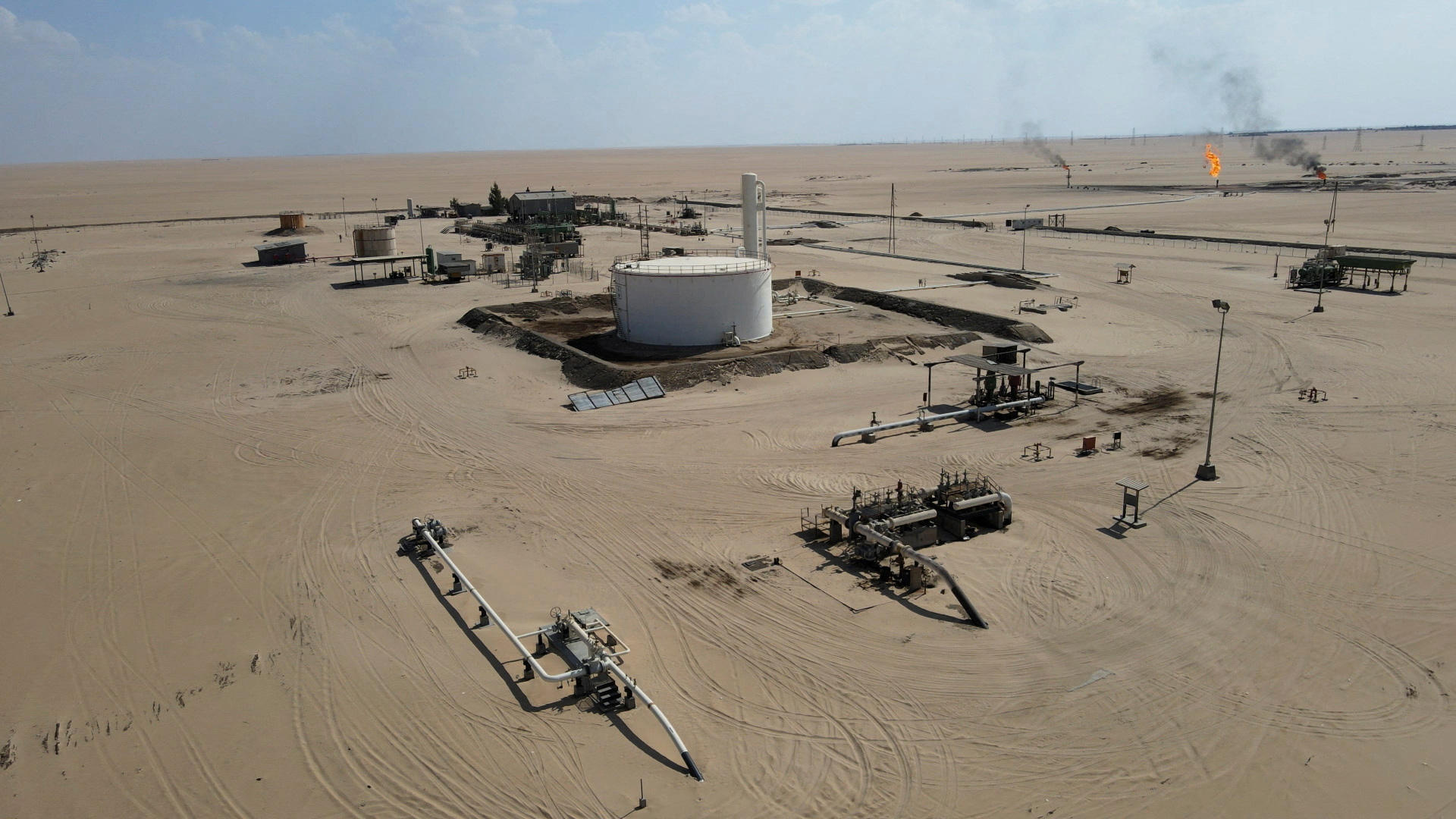
Libya’s ongoing political conflict is jeopardizing its vital oil production, potentially leading to severe disruptions in global supply chains. The strife between rival factions in the country has intensified, raising concerns about the stability of Libya’s oil sector, a crucial component of the global energy market.

The National Oil Corporation (NOC) has reported escalating security threats and operational interruptions at key oil facilities. Production at several major sites, including the Sharara and El Feel fields, has already experienced significant reductions. The disruptions are a direct result of the clashes between the Government of National Unity (GNU) and the House of Representatives (HoR), each backed by different armed groups.

The GNU, based in Tripoli, and the HoR, which controls parts of eastern Libya, have been embroiled in a protracted power struggle. This rivalry has led to a series of blockades and attacks on oil infrastructure, severely impacting the country’s output. The disruption comes at a time when global oil markets are already grappling with volatility due to various geopolitical tensions and economic uncertainties.

Libya’s oil sector, which accounts for approximately 90% of its revenue, has long been a target in the country’s broader conflict. The recent escalation has resulted in reduced exports and financial losses, exacerbating the economic strain on the nation. Analysts warn that prolonged instability could lead to a more prolonged and deep-seated disruption of Libya’s oil exports, affecting global oil prices and supply stability.

International stakeholders, including the United Nations and major oil companies, are closely monitoring the situation. The UN has called for a cessation of hostilities and a return to dialogue to mitigate the impact on oil production. However, the divided political landscape makes it challenging to achieve a consensus or enforce effective measures.

Libya’s oil industry was recovering from years of conflict and mismanagement when the current crisis hit. The industry had seen incremental improvements in production levels and infrastructure upgrades. Yet, the recent conflict threatens to reverse these gains, putting more strain on an already fragile sector.

The uncertainty surrounding Libya’s oil supply has prompted some countries and corporations to seek alternative energy sources or increase their reserves in anticipation of potential shortages. This shift could lead to changes in global energy markets, influencing everything from oil prices to energy policies worldwide.

Efforts to mediate the conflict and stabilize the oil sector have been ongoing, but the entrenched political divisions pose significant obstacles. The situation remains fluid, with potential for further escalation or, conversely, a resolution if diplomatic efforts gain traction.

As the international community watches closely, the immediate concern remains the security of Libya’s oil infrastructure and the broader implications for global energy stability.

A significant security vulnerability in the LiteSpeed WordPress cache plugin has exposed more than 5 million websites to potential cyber threats. This flaw, which has been identified and confirmed by cybersecurity experts, allows attackers to exploit the plugin’s weaknesses and potentially gain unauthorized access to sensitive information. The vulnerability lies within the plugin’s handling of user input, which can be manipulated to execute malicious code. This issue […]

Latest All-in-One laundry solution by Samsung integrates a washer, dryer and various AI features that make it the brand’s most intelligent, efficient and environmentally conscious laundry combo to date. SINGAPORE – Media OutReach Newswire – 29 August 2024 – Samsung Electronics Singapore expanded their range of laundry solutions with the new Bespoke AI Laundry Combo™, its first All-in-One laundry solution that integrates a large capacity washer, a […]

The global population of individuals with cryptocurrency assets surpassing $1 million has surged dramatically, rising by 95 percent to 172,300, according to the Crypto Wealth Report 2024 from Henley & Partners. This striking increase highlights a significant shift in the financial landscape, driven largely by the booming value of Bitcoin and other digital assets. Bitcoin millionaires have experienced an even more pronounced rise. Their numbers have soared […]

Abu Dhabi National Oil Company (ADNOC) has finalized its due diligence process for a potential acquisition of Covestro, the German chemical manufacturer. The development signifies a major step forward in ADNOC’s strategic expansion into the global chemicals market. Sources indicate that ADNOC’s evaluation of Covestro has been thorough, encompassing financial, operational, and regulatory aspects. This extensive review is intended to ensure a smooth integration should the acquisition […]

Saudi Arabia’s Public Investment Fund (PIF) has successfully secured a $15 billion revolving credit facility from a consortium of international banks. This move is a significant step in PIF’s ongoing efforts to bolster its financial capacity as it pursues an aggressive investment strategy aimed at diversifying the kingdom’s economy under the Vision 2030 plan.

The revolving credit facility, which allows the fund to borrow, repay, and borrow again up to the agreed limit, will provide PIF with greater financial flexibility as it looks to capitalize on investment opportunities across various sectors. This latest facility is in addition to the fund’s previous credit arrangements, marking a continuation of its strategy to leverage global financial markets to fund its initiatives.

PIF, which manages over $700 billion in assets, has been pivotal in spearheading Saudi Arabia’s economic diversification. The fund has made significant investments in technology, renewable energy, and other emerging industries, both within the kingdom and globally. With the new credit facility, PIF is expected to further expand its portfolio, focusing on sectors that align with the Vision 2030 goals, including tourism, entertainment, and clean energy.

The consortium of banks involved in the deal includes several of the world’s leading financial institutions, underscoring the confidence of international markets in PIF’s strategy and the broader economic reforms being undertaken in Saudi Arabia. The terms of the facility are reportedly favorable, reflecting PIF’s robust credit standing and the attractiveness of its investment portfolio.

This development is part of a broader trend where sovereign wealth funds are increasingly tapping into global financial markets to enhance their liquidity and investment capabilities. PIF’s strategy involves not only direct investments but also partnerships with international companies and institutions, aimed at bringing technology and expertise into Saudi Arabia.

As the kingdom continues its transformation, PIF’s ability to secure substantial credit facilities such as this one will be crucial in ensuring it can meet its ambitious targets. The fund’s investments are expected to play a key role in reducing Saudi Arabia’s reliance on oil revenues, fostering innovation, and creating new economic opportunities for the kingdom’s population.

This latest financial move is a clear indication of PIF’s growing influence in global markets and its commitment to achieving the long-term objectives of Vision 2030.

Amid a backdrop of rising tensions and shifting political landscapes, Israel faces a critical juncture in its ongoing struggle with Iran. As support for Prime Minister Benjamin Netanyahu continues to grow, the question of whether Israel should intensify its confrontation with Iran is gaining prominence. While the prospect of such a move may appeal to some as a demonstration of strength and resolve, the unpredictable nature of warfare poses significant risks that must be carefully considered.

Netanyahu has long positioned himself as a staunch defender of Israel’s security, particularly in relation to the perceived threat from Iran. His rhetoric and actions have consistently underscored the view that Iran’s nuclear ambitions and regional influence constitute an existential danger to Israel. Over the years, Netanyahu has been vocal about the need to curb Iran’s power, and his administration has supported a range of strategies, including military strikes, covert operations, and diplomatic pressure, to achieve this goal.

Recent developments have only heightened the stakes. Iran’s nuclear program appears to be advancing at a rapid pace, with reports suggesting that it may soon reach a critical threshold. Additionally, Iran’s influence in the region, through its support for proxy groups such as Hezbollah and its involvement in conflicts in Syria and Yemen, remains a significant concern for Israel. The strategic calculus for Israel is therefore becoming increasingly complex, as it weighs the potential benefits and costs of escalating the conflict with Iran.

Support for Netanyahu’s hardline approach has been bolstered by several factors. Domestically, his political standing has improved, partly due to his handling of security issues and his ability to present himself as a strong leader in times of crisis. The recent normalization agreements between Israel and several Arab states have also enhanced his reputation, suggesting that Israel’s regional position is stronger than ever. These developments may lead some to believe that now is the opportune moment to confront Iran more directly, capitalizing on Netanyahu’s political momentum and the perceived alignment of regional interests.

However, the decision to escalate the conflict with Iran is fraught with peril. Wars, by their very nature, are unpredictable and can spiral out of control in ways that are difficult to foresee. Even with superior military capabilities, Israel cannot guarantee a quick and decisive victory. Iran is a formidable adversary with a well-established military and a network of regional allies that could respond to Israeli aggression in ways that might destabilize the entire Middle East.

One of the key risks associated with a larger war is the potential for it to draw in other regional and global powers. The Middle East is a complex web of alliances and enmities, and any significant escalation by Israel could provoke responses from other countries, including Russia, Turkey, and the United States. Each of these actors has its own interests and objectives in the region, and their involvement could complicate Israel’s strategic objectives, leading to a protracted and costly conflict.

Moreover, there is the question of public opinion, both domestically and internationally. While Netanyahu may enjoy growing support within Israel, particularly among those who prioritize security concerns, there is also a segment of the population that is wary of the consequences of another major war. The memory of past conflicts, such as the 2006 Lebanon War and the ongoing tensions in Gaza, serves as a reminder of the human and economic toll that war can exact. Internationally, Israel could face increased scrutiny and criticism, particularly if civilian casualties were to mount, which could undermine its diplomatic standing and erode the support it currently enjoys from key allies.

The economic implications of a larger conflict should not be overlooked either. Israel’s economy, while robust, is not immune to the shocks that accompany military conflicts. Prolonged warfare could disrupt trade, deter investment, and strain public finances, leading to long-term economic challenges. The costs of rebuilding and addressing the humanitarian fallout of war could be substantial, diverting resources away from other critical areas such as education, healthcare, and infrastructure.

Given these considerations, the argument against escalating the conflict with Iran gains considerable weight. While the desire to neutralize a perceived threat is understandable, the risks associated with a larger war are significant. Netanyahu’s leadership has been characterized by a willingness to take bold actions, but in this case, caution may be the more prudent course.

Israel’s security concerns are legitimate, and the threat posed by Iran is real. However, history has shown that wars often produce unintended consequences. The 2003 invasion of Iraq by the United States serves as a cautionary tale of how even well-intentioned military interventions can lead to long-term instability and suffering. Israel must weigh the potential short-term gains of weakening Iran against the long-term risks of igniting a broader regional conflict.

Diplomatic efforts, while challenging, offer an alternative path. The international community, including Israel’s allies, has a vested interest in preventing a larger war in the Middle East. Diplomatic channels, including negotiations and multilateral efforts to curb Iran’s nuclear ambitions, should be pursued with renewed vigor. While diplomacy may not provide immediate results, it offers the possibility of a more sustainable and less costly resolution to the ongoing tensions.

The decision to escalate or avoid a larger conflict with Iran is one that will define Netanyahu’s legacy and Israel’s future. It is a decision that requires careful consideration of the potential consequences, both known and unknown. The support for Netanyahu’s approach is undeniable, but the wisdom of pursuing a path of greater confrontation remains questionable. Wars are rarely as simple as they appear at the outset, and the costs of miscalculation can be immense.

As Israel navigates this complex and dangerous terrain, the choice it makes will have profound implications for its security, its economy, and its standing in the world. The allure of a decisive victory over a formidable adversary is strong, but the risks of a broader conflict may ultimately outweigh the potential rewards. Israel must tread carefully, recognizing that while strength is essential, so too is the wisdom to avoid unnecessary and potentially catastrophic conflict.


Private equity giant Blackstone Inc. is actively negotiating a substantial loan of approximately A$5.5 billion (US$3.7 billion) with a consortium of banks to support its bid for Australian data center operator AirTrunk. The loan, expected to have a tenure of five years, is a key component of Blackstone’s strategy to expand its presence in the rapidly growing data center sector, reflecting a broader trend of increasing investor interest in digital infrastructure.

AirTrunk, founded in 2015 by industry veteran Robin Khuda, has emerged as a leading player in the Asia-Pacific data center market. The company operates large-scale, hyperscale data centers across Australia, Japan, and Singapore, serving major technology companies, cloud service providers, and enterprises. With the demand for cloud computing and digital services surging, AirTrunk’s facilities have become critical infrastructure, attracting interest from global investors.

Blackstone’s pursuit of AirTrunk comes at a time when the data center industry is experiencing unprecedented growth. The ongoing digital transformation, accelerated by the COVID-19 pandemic, has driven companies and governments to enhance their digital capabilities. This shift has led to increased demand for data storage, processing, and management solutions, with data centers at the core of these developments.

The loan negotiations highlight Blackstone’s commitment to securing a significant stake in the data center market, which is expected to continue its expansion in the coming years. The private equity firm has a history of investing in infrastructure assets, and its interest in AirTrunk aligns with its broader investment strategy. By acquiring AirTrunk, Blackstone aims to capitalize on the growth potential of the data center sector in the Asia-Pacific region, where digital economies are booming.

AirTrunk’s valuation, which could reach as high as A$10 billion (US$6.7 billion), reflects the strategic importance of data centers in the modern economy. Investors are increasingly viewing these facilities as essential infrastructure, akin to utilities such as electricity and water. The trend is driven by the critical role data centers play in supporting digital services, e-commerce, and cloud computing, which have become integral to the global economy.

The potential acquisition would also mark one of the largest deals in the data center industry, underscoring the scale of investment required to operate and expand these facilities. For Blackstone, securing the A$5.5 billion loan is crucial to funding the acquisition and ensuring that it can outbid other interested parties. The firm is reportedly in talks with multiple lenders, including international and Australian banks, to finalize the financing.

As the data center sector continues to attract significant capital, competition among investors is intensifying. Blackstone’s bid for AirTrunk reflects the broader trend of private equity firms and institutional investors seeking to gain exposure to digital infrastructure. The growth of cloud computing, artificial intelligence, and the Internet of Things (IoT) is expected to further drive demand for data centers, making them a highly attractive asset class.

The outcome of Blackstone’s loan negotiations and its bid for AirTrunk will be closely watched by industry analysts and investors. A successful acquisition would position Blackstone as a major player in the Asia-Pacific data center market, enabling it to leverage AirTrunk’s existing operations and expand its footprint in the region.

As the deal progresses, Blackstone’s ability to secure financing and execute the acquisition will be key factors determining the success of its strategy. The firm is likely to face competition from other potential buyers, highlighting the high stakes involved in the data center market. The deal’s outcome could set a precedent for future investments in the sector, as investors continue to seek opportunities in digital infrastructure.

Dubai-based Web3 streaming platform Myco has raised $10 million in the first closing of its Series A funding round, pushing its post-money valuation to $80 million. This influx of capital will fuel Myco’s expansion plans and migration to blockchain technology, particularly its partnership with the Aptos Foundation to migrate the platform’s wallet infrastructure and re-launch its native utility token on the Aptos Blockchain by Q4 2024. The […]

Lionel Messi will not participate in Argentina’s forthcoming 2026 World Cup qualifiers against Chile and Colombia due to an injury, according to the Argentine Football Association. Coach Lionel Scaloni has made the decision to call up Paulo Dybala as Messi’s replacement. Messi’s absence marks a significant setback for Argentina, who will face crucial matches in their bid to secure a spot in the next World Cup. The […]

Trend Micro’s mid-year roundup report highlights resilience of threat actors HONG KONG SAR – Media OutReach Newswire – 27 August 2024 – Trend Micro Incorporated (TYO: 4704; TSE: 4704) a global cybersecurity leader, today warned that threat actors have bounced back from recent law enforcement efforts to unleash a new wave of attacks leveraging AI and other techniques. Read the report “Pushing the Outer Limits: Trend Micro […]

SINGAPORE – Media OutReach Newswire – 26 August 2024 – CDNetworks, the APAC-leading network to deliver edge as a service, proudly announces the launch of its new edge computing product, Edge Application. This platform is designed to empower online businesses across industries with greater agility and efficiency. By deploying business applications directly at the edge networks, Edge Application is set to empowering scenarios like Origin Off-Loading, Web […]

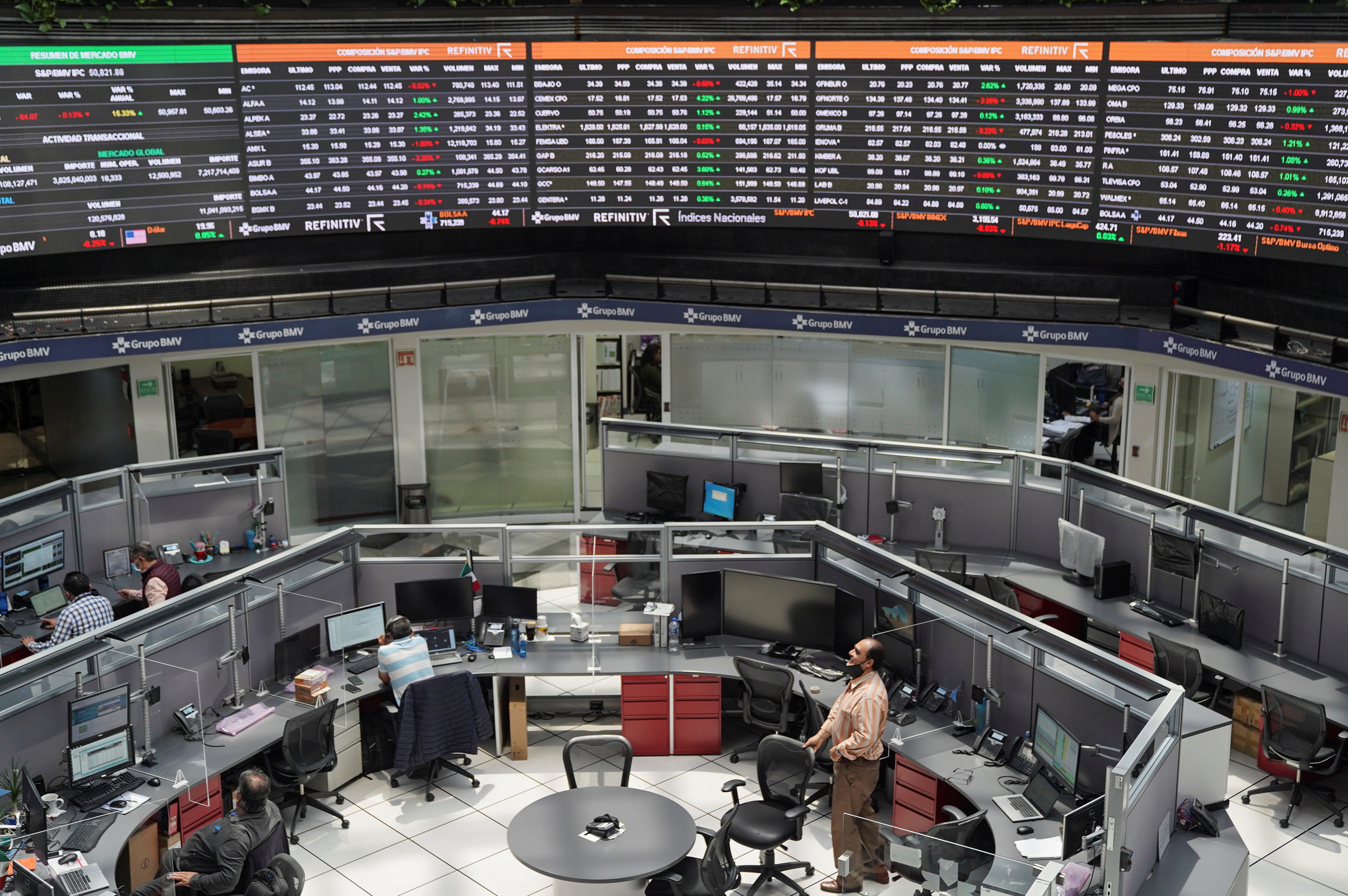
Andrés Manuel López Obrador’s push for a sweeping judicial reform is stirring unease among investors and political analysts alike. The outgoing Mexican President’s proposed changes aim to significantly alter the structure and operation of the country’s judiciary, raising concerns about potential disruptions to Mexico’s legal and economic stability.

López Obrador’s reform proposal includes restructuring the judiciary to increase government oversight and streamline judicial processes. His administration argues that these changes are necessary to combat corruption and inefficiency within the judicial system. However, critics view the reforms as a consolidation of power that could undermine judicial independence and the rule of law.

Investors are particularly concerned about how these changes might affect the stability of Mexico’s legal environment. The proposed reforms could lead to uncertainties in the enforcement of contracts and property rights, which are crucial for business operations and foreign investment. This has resulted in a cautious approach by both domestic and international investors, who are wary of potential shifts in the legal landscape that could impact their investments.

The reform plan has sparked significant debate among Mexican lawmakers and the public. Supporters argue that the changes are a necessary step to modernize the judiciary and address long-standing issues of corruption and inefficiency. They believe that a more streamlined and accountable judiciary will ultimately benefit the country’s democratic institutions and economic development.

Opponents, however, fear that the reforms could erode the separation of powers and lead to increased political interference in the judiciary. They argue that this could result in a less impartial judicial system, which might not be conducive to fostering a stable business environment. Concerns have been raised about the potential for the executive branch to exert undue influence over judicial decisions, which could undermine investor confidence.

The backlash against the proposed reforms has been notable among business leaders and economic analysts. Some have called for a reevaluation of the reform’s implications for Mexico’s investment climate, emphasizing the need for a balance between necessary judicial improvements and the preservation of judicial independence.

As López Obrador prepares to hand over the presidency, the fate of the judicial reform remains uncertain. The incoming administration will have to navigate the complex political and economic implications of the proposed changes. The new leadership’s stance on the reform will likely be closely watched by investors and political observers, who will be keen to assess how the transition might impact Mexico’s legal and business environments.

The broader implications of the judicial reform are also a topic of significant concern. Analysts are examining how similar reforms in other countries have affected their judicial systems and investor confidence. These comparisons could provide insights into the potential outcomes of López Obrador’s proposal and guide stakeholders in their assessment of Mexico’s evolving political and economic landscape.

As the situation develops, it will be crucial for all parties involved to carefully consider the potential impact of the judicial reforms on Mexico’s legal and economic stability. The interplay between the proposed changes and the broader political and economic environment will likely shape the future trajectory of Mexico’s investment climate and legal system.

Dubai International Airport (DXB) is preparing for an unprecedented influx of travelers as the end of the holiday season approaches. The airport is expected to handle approximately 3.43 million passengers over the coming days, marking a significant increase in passenger traffic. The surge in numbers is attributed to the conclusion of summer vacations and the start of the new school year, which traditionally results in a spike […]

Several leading airlines, including Singapore Airlines, British Airways, and Lufthansa, have resumed and expanded their flight operations over Afghanistan, a significant shift from their previous avoidance of the region. This development comes as heightened conflict in the Middle East has altered the strategic calculations regarding air routes over Afghanistan, which is now perceived as a safer passage compared to other turbulent areas. Singapore Airlines, known for its […]

VISHNU RAJA
RYO YAMADA
HITORI GOTOH
IKUYO KITA