News related to
cloud

A fresh volcanic eruption occurred on the Reykjanes Peninsula in southwestern Iceland on Thursday, marking the sixth eruption in the region since December. The volcano released a significant amount of hot lava, heightening concerns about ongoing geological activity in this seismically active area.

Icelandic authorities reported that the new eruption began early in the morning, with lava flows visible from nearby towns. Emergency services have been deployed to monitor the situation and provide guidance to residents. The eruption is centered in a volcanic zone that has seen heightened activity over the past several months, following a series of eruptions that started in late 2023.

The Reykjanes Peninsula, known for its volcanic and geothermal activity, has been the site of intense geological changes. This latest eruption continues a trend of frequent volcanic events that have affected the region since late last year. Scientists from the Icelandic Meteorological Office and other research institutions are closely observing the eruptions to better understand the patterns and potential impacts on the surrounding environment.

Local authorities have issued advisories to ensure public safety, advising residents to stay indoors and avoid areas close to the eruption site due to hazardous conditions. The volcanic ash and gases emitted could pose health risks, and the lava flows present a threat to nearby infrastructure.

The ongoing volcanic activity on the Reykjanes Peninsula highlights the dynamic nature of Iceland’s geological environment. The country, situated on the Mid-Atlantic Ridge, experiences regular volcanic activity due to tectonic movements. The current series of eruptions reflects the region’s complex volcanic system and ongoing seismic adjustments.

Efforts are underway to assess the impact on local communities and infrastructure. Reykjavik and other nearby areas are monitoring air quality and preparing for possible evacuations if the situation worsens. The government is coordinating with scientific experts to provide updated information and ensure that appropriate measures are in place to handle potential risks.

In addition to the immediate concerns, researchers are utilizing this series of eruptions as a valuable opportunity to study volcanic processes and improve prediction models. Understanding the mechanisms driving these eruptions can enhance preparedness and response strategies for future events.

This eruption continues a significant period of volcanic activity in Iceland, which has garnered attention from both scientists and the public. The frequency and intensity of eruptions in this region underscore the importance of ongoing monitoring and research to mitigate the impact on communities and better anticipate future volcanic events.

As the situation develops, authorities remain vigilant and committed to safeguarding the well-being of residents while advancing scientific knowledge about volcanic phenomena in one of the world’s most active volcanic regions.

The U.S. dollar rebounded against the euro today, recovering from a 13-month low, as traders anticipated comments from Federal Reserve Chair Jerome Powell. Market participants are keenly awaiting Powell’s speech at the Jackson Hole Economic Symposium, which is expected to provide insights into the Fed’s approach to interest rate cuts.

The dollar’s resurgence comes after weeks of depreciation driven by concerns over a slowing U.S. economy and growing expectations of a rate cut by the Fed. These expectations were initially fueled by disappointing employment data, which showed a lower-than-expected job gain in July and a rise in the unemployment rate. This led to speculation that the Fed might cut rates by as much as 50 basis points in its September meeting.

However, as more economic data pointed to stronger-than-expected growth, the likelihood of a more aggressive rate cut has diminished. According to the CME Group’s FedWatch Tool, traders now see a 73% chance of a 25 basis point cut in September, with a 27% probability for a 50 basis point reduction.

Powell’s upcoming speech is seen as a critical moment for the markets, as it could clarify the Fed’s stance ahead of the September policy meeting. While some analysts believe the dollar has been oversold, others caution that the greenback’s future trajectory will depend heavily on the Fed’s next steps.

The dollar’s recent rally is also linked to weakening economic prospects in Europe and the UK, where central banks are facing similar dilemmas. As a result, the euro and the pound have struggled to maintain gains against the dollar, contributing to the dollar’s bounce back.

Investors will be closely monitoring Powell’s remarks for any hints on whether the Fed is leaning toward a more cautious or aggressive approach to monetary policy, as well as any indications of future rate cuts beyond September. The speech is likely to set the tone for global currency markets in the coming weeks, as traders adjust their positions based on the Fed’s outlook.

Dubai-based firms have significantly expanded their footprint in China with investments totaling $1.4 billion from 2015 to 2023. This substantial financial commitment underscores the growing economic ties between the UAE and China, highlighting a strategic shift towards deepening commercial relationships. Mohammad Ali Rashed Lootah, President and CEO of Dubai Chambers, emphasized the scale and significance of this investment, marking a period of intensified economic collaboration. The influx […]

Mubadala Investment Company, the sovereign wealth fund of Abu Dhabi, has made a strategic investment in Yondr Group, a prominent UK-based data centre developer. This move is part of Mubadala’s broader strategy to expand its digital infrastructure portfolio, which has seen significant growth over the past few years. Yondr Group, known for its innovative approach to building scalable and sustainable data centres, operates across Europe, the Americas, […]

TJX Companies, the parent company of retail chains like TJ Maxx and Marshalls, has solidified its footprint in the Middle East through a strategic investment in the retail group Brands for Less (BFL). This move marks a significant expansion into a lucrative market and underscores TJX’s commitment to global growth. BFL, a prominent player in the Middle Eastern off-price retail sector, operates across several countries including the […]

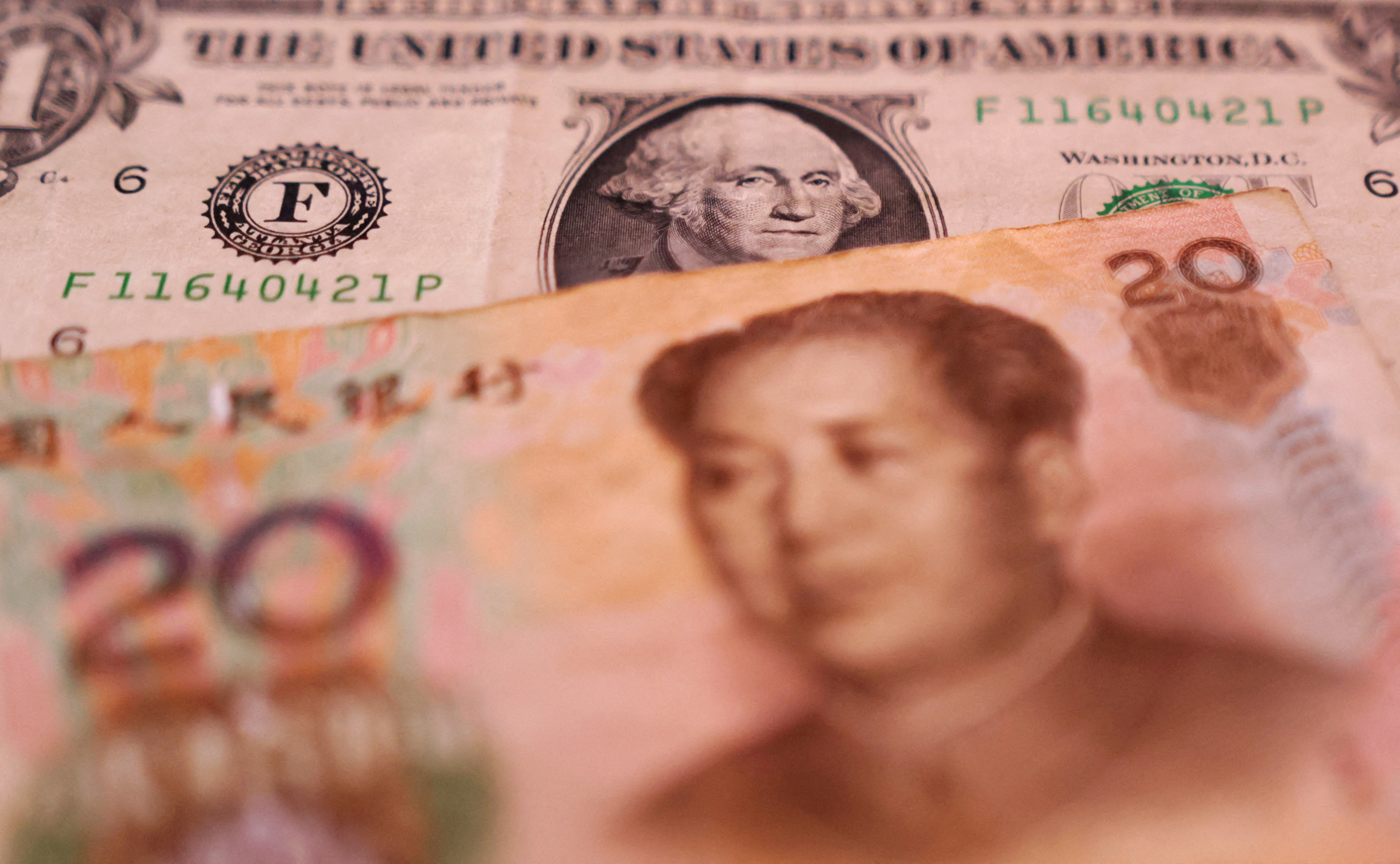
Saudi Arabia and China are exploring the possibility of trading oil in yuan, a move that could significantly impact the global oil market, which has long been dominated by the US dollar. However, analysts from S&P Global warn that this shift faces numerous challenges and could take decades to achieve substantial scale, casting doubt on the near-term viability of the yuan as a major currency in the oil trade.

Saudi Arabia, the world’s largest oil exporter, has been deepening its economic ties with China, its biggest trading partner. The prospect of conducting oil transactions in yuan instead of the US dollar is seen as part of a broader strategy by China to internationalize its currency and reduce reliance on the dollar. Such a move would also align with Saudi Arabia’s Vision 2030, which aims to diversify the kingdom’s economy and reduce its dependence on oil revenues. However, the potential transition from dollar-based oil trade to yuan-based transactions is fraught with complexities.

Key obstacles include the deep-rooted dominance of the US dollar in global trade, the relative illiquidity of the yuan in international markets, and the complex geopolitical implications of such a shift. The US dollar has been the primary currency for global oil transactions for decades, cementing its status as the world’s leading reserve currency. Any significant move away from the dollar could disrupt financial markets and strain Saudi Arabia’s long-standing relationship with the United States.

Moreover, the yuan’s limited convertibility and lack of deep, liquid financial markets make it a less attractive option for international trade compared to the dollar. Despite China’s efforts to internationalize the yuan, including the establishment of yuan-denominated oil futures contracts in Shanghai, the currency still faces significant barriers to becoming a global standard. The Chinese government’s tight control over the yuan’s exchange rate and its restrictions on capital flows add to concerns about the currency’s suitability for large-scale international transactions.

Additionally, the geopolitical landscape plays a critical role in the potential shift toward yuan-based oil trade. Saudi Arabia’s close military and economic ties with the United States have been a cornerstone of its foreign policy for decades. Moving away from dollar-based transactions could strain this relationship, particularly given the US’s strategic interest in maintaining the dollar’s dominance in global markets.

Despite these challenges, the discussions between Saudi Arabia and China reflect a broader trend of diversification in global trade and finance. As the world’s second-largest economy, China has been increasingly asserting its influence on the global stage, seeking to reduce its vulnerability to US economic policies. For Saudi Arabia, the shift towards yuan-based oil trade would be part of its broader strategy to align itself more closely with Asia’s growing economies, which are expected to drive future demand for energy.

The implications of a successful transition to yuan-based oil trade would be profound for the global economy, particularly for the role of the US dollar. The dollar’s status as the primary currency for oil transactions has been a key factor underpinning its dominance in global finance. A significant shift towards the yuan could erode this dominance, leading to a more multipolar currency system. However, given the numerous challenges and the slow pace of change in global financial systems, such a transition is likely to be gradual and may take decades to materialize.

While the prospect of yuan-based oil trade between Saudi Arabia and China is gaining attention, the path to realizing this shift is complex and fraught with challenges. The dominance of the US dollar, the yuan’s limitations as a global currency, and the geopolitical implications of such a move all suggest that any significant change in the global oil trade currency landscape will be a long and arduous process.

Tether, a leading issuer of stablecoins, announced its plans to introduce a new digital currency pegged to the United Arab Emirates dirham (AED). This move underscores the growing significance of the UAE in the global financial landscape, particularly in the realm of digital assets and blockchain technology.

The new stablecoin, expected to be named AEDT, will be pegged 1:1 to the dirham, similar to how Tether’s other stablecoins are linked to various fiat currencies like the US dollar, euro, and Chinese yuan. Tether’s decision to peg its latest offering to the dirham aligns with the UAE’s strategic efforts to establish itself as a hub for digital innovation and blockchain technology.

Tether’s existing stablecoins, including USDT, have long been dominant in the cryptocurrency market, serving as a critical bridge between traditional finance and digital assets. The introduction of AEDT is seen as a strategic move by Tether to expand its influence in the Middle East, a region that has shown increasing interest in digital currencies and blockchain technology. The UAE, in particular, has been at the forefront of adopting and integrating blockchain into its financial systems, making it a logical choice for Tether’s expansion.

The launch of AEDT is anticipated to facilitate more seamless transactions within the region, particularly for cross-border trade, remittances, and other financial services that require stable, reliable currency options. The UAE’s dirham is known for its stability, backed by the country’s strong economic fundamentals, making it an attractive option for a stablecoin peg.

Paolo Ardoino, Tether’s Chief Technology Officer, highlighted that the UAE’s proactive approach to digital assets played a significant role in the company’s decision to launch AEDT. He emphasized the UAE’s regulatory clarity and its supportive environment for digital assets as key factors in fostering innovation and growth in the sector. Ardoino also noted that the introduction of a dirham-backed stablecoin aligns with Tether’s broader vision of providing financial freedom and inclusion to people around the world, particularly in regions with underdeveloped banking systems.

The UAE government has been actively working on creating a regulatory framework for digital assets, with the aim of becoming a global leader in blockchain technology. This environment has attracted numerous blockchain companies and initiatives to the country, further solidifying its position as a central player in the global digital economy. Tether’s decision to launch AEDT is expected to accelerate this trend, potentially attracting more blockchain projects and investments to the region.

However, the introduction of AEDT is not without its challenges. Stablecoins, including Tether’s existing offerings, have faced scrutiny and regulatory pressures in various parts of the world. Questions about the transparency and reserves backing these digital assets have been raised, leading to calls for more stringent regulations. In light of these concerns, Tether has reiterated its commitment to transparency and compliance with local regulations, including those in the UAE, to ensure that AEDT is fully backed and operates within the bounds of the law.

Industry experts are closely watching how AEDT will be received in the market. While the stablecoin has the potential to become a significant player in the Middle East, its success will largely depend on user adoption and the continued stability of the UAE’s financial system. The introduction of AEDT also comes at a time when central banks around the world are exploring the issuance of their own digital currencies, which could introduce new dynamics and competition in the digital currency space.

Tether’s expansion into the UAE with a dirham-pegged stablecoin reflects the broader trend of digital assets becoming increasingly integrated into the global financial system. As the UAE continues to embrace blockchain technology and digital innovation, the launch of AEDT may pave the way for further developments in the region’s financial landscape, potentially influencing other countries to follow suit.

Advertisements

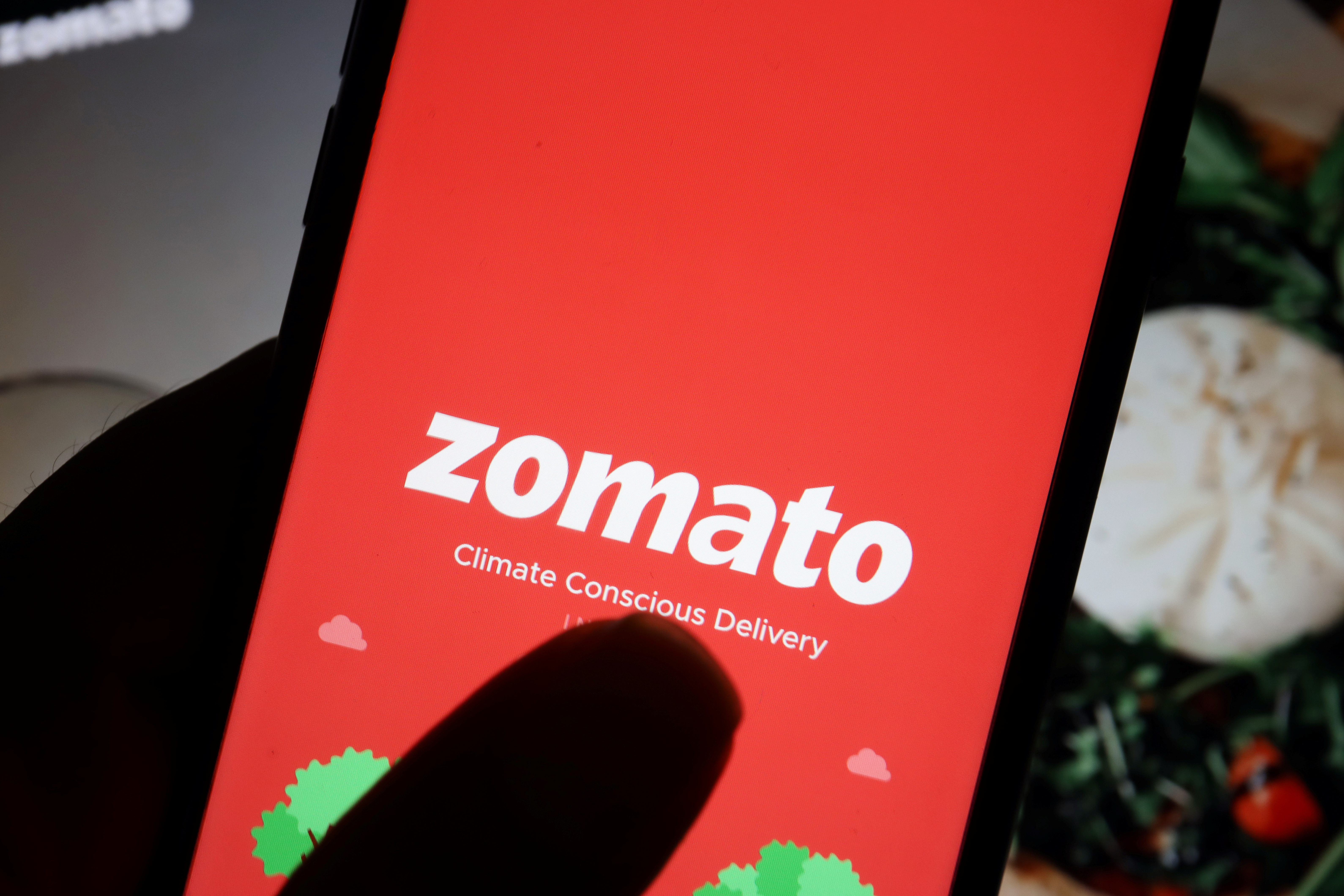
Zomato, the food delivery giant, is set to expand its portfolio beyond food and grocery delivery by acquiring Paytm’s movie and event ticketing business for ₹2,048 crore ($244 million). This strategic acquisition is aimed at bolstering Zomato’s presence in the “going-out” sector, which includes movie and event ticketing, a market segment that has seen substantial growth in India.

The deal was approved by the boards of both companies, with the transaction expected to close within 90 days. Under the agreement, Paytm’s movie ticketing platform, OTPL, and its sports and events ticketing arm, WEPL, will become wholly-owned subsidiaries of Zomato. The acquisition will include a primary infusion into both subsidiaries, enabling them to settle the amount payable for the transfer.

Paytm, which has been a key player in the ticketing space since acquiring the TicketNew and Insider platforms in 2017 and 2018 respectively, is divesting these assets to focus on its core financial services. Zomato’s move into this sector is seen as a strategic expansion, aiming to capture a larger share of the entertainment market in India, where it will directly compete with established players like BookMyShow.

The acquisition marks a significant shift in Zomato’s business strategy as it seeks to diversify its offerings. As of March 2024, OTPL and WEPL had reported turnovers of ₹13.14 crore and ₹236.03 crore respectively, reflecting their robust presence in the ticketing market. The deal underscores Zomato’s intent to leverage these platforms to enhance its market position and revenue streams beyond its traditional food delivery service.

Zomato’s entry into the ticketing business also aligns with the broader trend of tech companies diversifying their services to capture more value from their user bases. By integrating Paytm’s ticketing services, Zomato aims to create a more comprehensive lifestyle platform for its users, capitalizing on the growing demand for online ticketing in India.

This acquisition is part of a broader consolidation in the Indian tech sector, where companies are increasingly looking to acquire complementary businesses to drive growth and profitability. As Zomato ventures into this new domain, industry observers will be watching closely to see how the company integrates and scales its new ticketing business.

The Abu Dhabi Department of Real Estate and Commercial Property (ADREC) has launched a new rental index on its website, offering detailed information on residential, commercial, and industrial properties. This tool aims to support tenants, landlords, and investors by providing accurate and current data on property rentals in Abu Dhabi.

The ADREC rental index features extensive data collected from various sources, including rental transactions, property listings, and market analysis. It covers a wide range of property types and areas within Abu Dhabi, making it a crucial resource for anyone involved in the real estate market. Users can access information such as average rental rates, trends over time, and comparisons across different property types and locations.

The index is designed to address the growing need for transparency and reliability in the real estate market. By offering up-to-date and precise rental data, ADREC aims to enhance decision-making for both individuals and businesses. This initiative aligns with broader efforts to improve the efficiency and fairness of the rental market in Abu Dhabi.

ADREC’s rental index also includes features that allow users to filter data based on specific criteria, such as property size, type, and location. This customization helps users find relevant information quickly and efficiently. The platform’s user-friendly interface and comprehensive data make it a valuable tool for understanding market dynamics and making informed decisions.

In addition to providing rental data, the index serves as a benchmark for evaluating property values and trends. It helps identify emerging patterns in the rental market, such as shifts in demand or changes in rental prices across different areas. This insight is crucial for stakeholders looking to invest in or lease properties in Abu Dhabi.

The release of the rental index reflects ADREC’s commitment to fostering a transparent and well-regulated real estate market. By offering a centralized source of rental information, the index supports fair practices and helps mitigate disputes between tenants and landlords. It also contributes to a more stable and predictable rental environment, benefiting both property owners and renters.

As the Abu Dhabi real estate market continues to evolve, the ADREC rental index will play a key role in shaping its future. The availability of reliable data will assist stakeholders in navigating market changes and making strategic decisions. The index’s launch is a significant step towards improving market transparency and enhancing the overall efficiency of the rental sector in Abu Dhabi.

Saudi Arabia has intensified efforts to attract Asian investors, focusing on capital from India, China, and other key regional players to rejuvenate its stock market. This move comes as the kingdom aims to diversify its economy and reduce its reliance on oil revenues. The Saudi Arabian government has launched a series of initiatives to enhance the appeal of its financial markets. Among these efforts is the introduction […]

Businesses in the Middle East are grappling with a significant liquidity issue, with over $50 billion reportedly trapped in their operations, according to a new PwC report. This situation has emerged as a critical concern for companies across various sectors in the region, highlighting a broader financial challenge that could impact economic stability and growth.

The liquidity problems are attributed to a combination of factors including prolonged payment delays from clients, difficulties in accessing financing, and regulatory hurdles that complicate the release of funds. The report underscores that these issues are not isolated but rather a widespread phenomenon affecting numerous businesses throughout the Middle East.

Key industries such as construction, real estate, and manufacturing are among the hardest hit. Companies in these sectors often face substantial delays in receiving payments for completed projects, which exacerbates their liquidity problems. Additionally, the challenging economic environment and fluctuations in commodity prices have further strained their financial resources.

The PwC report highlights that companies are also dealing with a slowdown in credit availability. Financial institutions have tightened lending standards, making it more difficult for businesses to secure the necessary funds to maintain operations and invest in growth opportunities. This credit crunch has compounded the liquidity issues, forcing many firms to explore alternative financing options or restructure their operations to remain viable.

Regulatory and administrative challenges also play a role in the liquidity crisis. Complex procedures for accessing funds and bureaucratic delays can hinder the timely release of capital. Companies must navigate a web of regulations that often vary by country, adding to the complexity of managing their finances effectively.

The report emphasizes the need for strategic measures to address these liquidity concerns. Businesses are encouraged to adopt more efficient financial management practices, such as improving cash flow forecasting and optimizing working capital. Additionally, engaging with financial advisors and exploring alternative financing solutions, such as private equity or venture capital, could help alleviate some of the pressures caused by the liquidity squeeze.

Furthermore, the report suggests that policymakers in the Middle East should consider reforms to streamline regulatory processes and enhance the availability of credit to support businesses in overcoming these financial challenges. By fostering a more supportive environment for companies, the region could mitigate some of the adverse effects of the current liquidity crisis.

This liquidity challenge reflects broader economic trends in the Middle East, where companies are navigating a complex and evolving financial landscape. The PwC report serves as a critical reminder of the need for both businesses and policymakers to address the underlying issues contributing to the liquidity crunch. As the situation develops, ongoing monitoring and proactive measures will be essential to ensuring the stability and resilience of the region’s economic sector.

Hedge funds are increasingly turning their attention to small-cap casino stocks, drawn by the sector’s potential for significant returns amid evolving market dynamics. As the gambling industry continues to rebound from the pandemic, smaller firms are attracting investors with innovative online platforms and strategic partnerships. Companies like Super Group, which operates the Betway brand, have emerged as key players, leveraging robust cash flows and minimal debt to […]

Nigeria is poised to launch its first-ever cryptocurrency licensing framework, aiming to regulate digital assets and services within the country. The Securities and Exchange Commission (SEC) has announced plans to issue licenses for digital service providers and tokenized assets in the coming weeks. This development marks a significant step for Nigeria, as it seeks to create a formal structure for the burgeoning cryptocurrency market. The SEC’s initiative […]

CockroachDB, a distributed SQL database, is making a significant shift in its licensing model. Starting November 2024, Cockroach Labs will discontinue its open-source Core version, consolidating its offerings under the CockroachDB Enterprise edition. This move will make advanced features accessible to a broader range of users, including small businesses and individual developers, who will now benefit from capabilities previously restricted to paying customers. Cockroach Labs announced that […]

The global AI chip market is projected to surge to a staggering $311.58 billion by 2029, driven by rapid advancements in high-performance computing and the increasing integration of AI across industries. According to the latest industry reports, the market, which was valued at approximately $11 billion in 2020, is expected to witness a compound annual growth rate (CAGR) of around 40% over the forecast period. AI chips, […]

U.S. intelligence agencies have officially attributed a recent series of cyberattacks targeting the 2024 presidential campaigns of Donald Trump and Kamala Harris to Iranian hackers. This confirmation, which marks a significant development in ongoing cybersecurity concerns, highlights Tehran’s broader strategy to interfere in U.S. politics and undermine trust in democratic institutions.

The cyber intrusion, which initially came to light through investigations by private cybersecurity firms, has now been explicitly linked to Iran by a joint statement from the FBI, the Office of the Director of National Intelligence, and the Cybersecurity and Infrastructure Security Agency. The statement underscores the escalating nature of Iran’s cyber operations, particularly as they relate to critical political events in the United States.

According to the U.S. government, these hacking efforts were part of a larger campaign by Iran aimed at influencing the outcome of the U.S. elections. The intrusions were not limited to Trump’s campaign; Harris’ campaign team was also targeted. Hackers reportedly sought to gain access to individuals closely associated with both campaigns, reflecting a concerted effort to gather intelligence and potentially manipulate electoral outcomes.

Private sector entities such as Microsoft and Google had previously issued warnings about similar activities, noting that Iranian groups linked to the Revolutionary Guard had attempted to infiltrate the personal email accounts of individuals connected to both Trump and Harris. These activities were seen as part of a broader pattern of foreign interference that has increasingly characterized U.S. electoral cycles.

Federal officials have emphasized the seriousness of these attacks, noting that they represent not just isolated incidents but a calculated strategy by Iran to exert influence over key aspects of American governance. This strategy, they argue, is particularly concerning given the potential implications for national security and the integrity of the democratic process.

The timing of these revelations, coming as the 2024 presidential race intensifies, adds another layer of complexity to an already fraught political landscape. As U.S. officials continue to investigate the full extent of Iran’s activities, there are growing calls for stronger cybersecurity measures to protect against foreign interference in American elections.

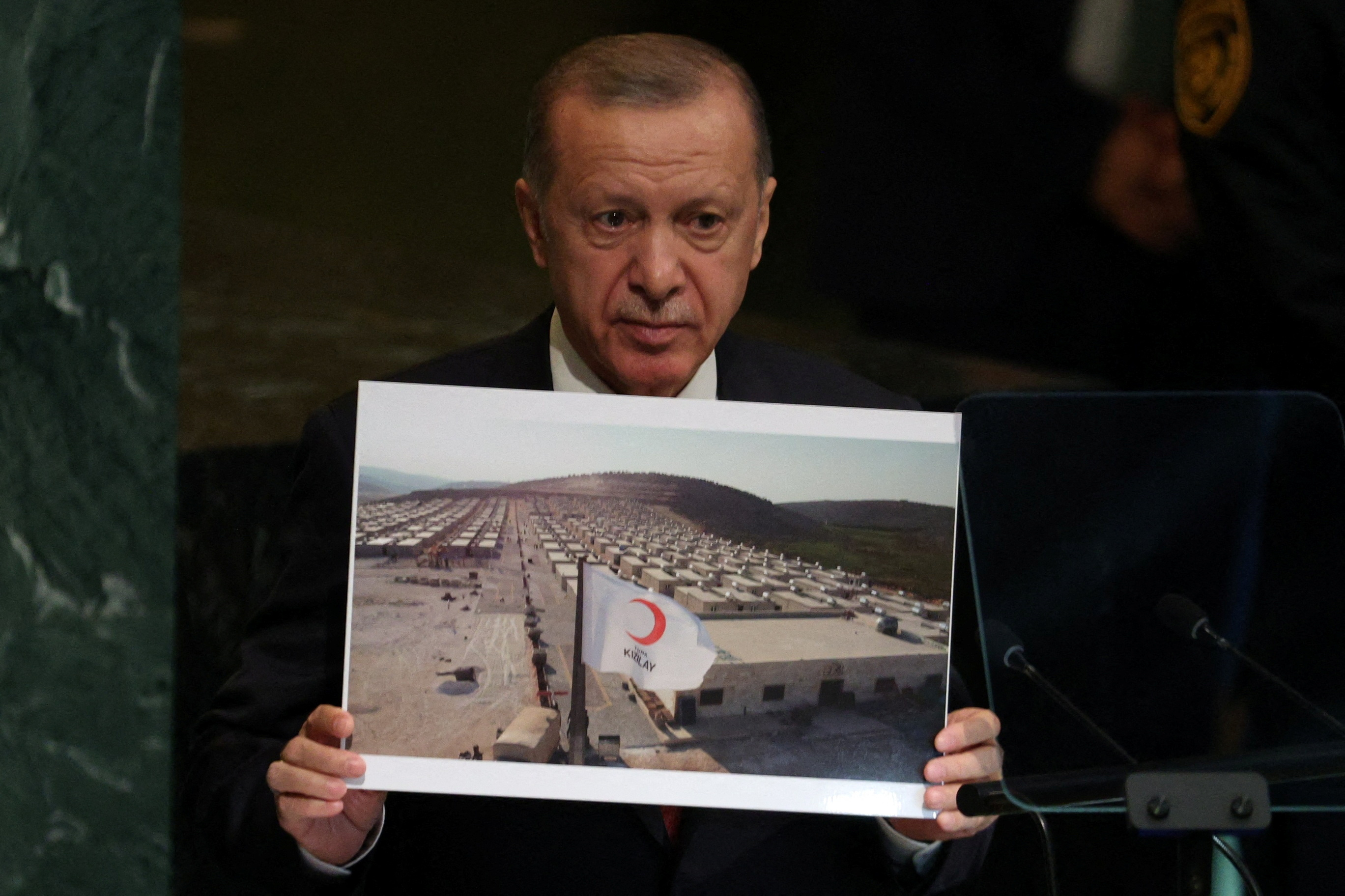
Trade between Syria’s regime-held territories and rebel-controlled regions in Idlib has begun to show signs of increased cooperation, potentially hinting at a warming relationship between Syrian President Bashar al-Assad and Turkish President Recep Tayyip Erdogan. This development comes after years of hostilities that have defined the Syrian civil war and the broader geopolitical dynamics in the region.

The Bab al-Hawa crossing, a critical gateway for humanitarian aid and commercial trade between Syria and Turkey, is now functioning under the control of Hayat Tahrir al-Sham (HTS), an Islamist rebel group that dominates the Idlib region. Despite Turkey’s classification of HTS as a terrorist organization, the crossing has become a vital economic lifeline, with HTS reportedly generating millions of dollars in revenue from customs and tariffs imposed on goods passing through the border.

In a more controversial move, HTS has initiated trade with areas under the control of the Syrian regime, particularly through the Saraqib crossing. This crossing, which reopened following negotiations involving HTS, Syrian regime representatives, and Russian commanders, was touted as a means to revitalize the local economy. HTS claimed that the reopening would alleviate the severe shortages of medicine and other essential goods in Idlib, while also boosting the region’s agricultural sector.

The reopening of the Saraqib crossing has been met with mixed reactions. While HTS argues that this economic cooperation is necessary to sustain the local population and reduce reliance on smuggling, critics view it as a betrayal of the rebel cause, potentially signaling a shift in HTS’s stance towards the Assad regime. Additionally, there are reports of ongoing consultations between HTS and Turkey regarding the crossing, indicating a complex interplay of interests that could be influencing the group’s decisions.

The potential rapprochement between Assad and Erdogan is further complicated by Russia’s role in mediating and promoting these trade links. Russia, a key ally of the Syrian government, has been pushing for a normalization of relations between Turkey and Syria, as part of its broader strategy to stabilize the region and secure its interests. This effort aligns with Russia’s goal of strengthening Assad’s position while ensuring that Turkey, which backs several rebel factions, remains engaged in the political process rather than pursuing military options.

However, the thaw in relations is not without challenges. Turkey continues to support rebel groups in Idlib, and any overt alignment with the Assad regime could undermine Erdogan’s standing domestically and among Syrian opposition groups. Moreover, the economic benefits of these trade arrangements, while significant, do not address the underlying political and military tensions that persist between the two sides.

As trade between regime and rebel areas continues to expand, observers are closely monitoring whether this economic cooperation will lead to a broader political detente or if it will merely serve as a pragmatic arrangement in a protracted conflict. The implications of this development could have far-reaching consequences for the future of Syria and the region, particularly if it leads to a recalibration of alliances and power dynamics.

Arabian Post Staff A major renewable energy project is underway in Egypt with Masdar and Infinity Power joining forces to develop a significant 200-megawatt wind farm. This venture marks a substantial step forward in Egypt’s efforts to bolster its renewable energy capacity and reduce its reliance on fossil fuels. The new wind farm will be located in the Red Sea Governorate, a region known for its strong […]

A powerful earthquake off Russia’s Kamchatka Peninsula triggered the eruption of the Shiveluch volcano, sending ash plumes soaring five kilometers into the sky. The seismic activity briefly led to a “code red” warning for aircraft in the region. The tremors, which registered a magnitude of 7.0, also raised concerns about a possible larger quake within 24 hours. Scientists have warned of potential aftershocks, with the region already on high alert. Despite the intensity, there have been no reports of casualties.

Arabian Post Staff Euro zone government bond yields experienced notable fluctuations as investors braced for a week filled with critical economic data and the much-anticipated Jackson Hole symposium. Early on Monday, German 10-year bond yields, the benchmark for the region, dropped 3 basis points to 2.234%. Despite this initial decline, the broader outlook remained volatile, with yields expected to rise by 7 basis points over the week. […]

Israel’s northern border experienced heightened tension as approximately 55 rockets were fired from Lebanon on Saturday, resulting in fires near Ayelet HaShahar but no reported injuries. This escalation has added to the already volatile situation in the region, where Israel’s military operations in Gaza continue to provoke international concern.

U.S. Secretary of State Antony Blinken arrived in Tel Aviv, urging all parties to cease escalating actions and pushing for a ceasefire in Gaza. His visit comes at a critical time, as diplomatic efforts intensify to de-escalate the violence that has claimed numerous lives on both sides.

During his meetings with Israeli leaders, including Prime Minister Benjamin Netanyahu and President Isaac Herzog, Blinken emphasized the importance of halting hostilities to prevent further civilian casualties. He also reiterated the United States’ support for Israel’s right to defend itself while stressing the need for proportionality in military actions.

Meanwhile, the Israeli military continues to target Hamas infrastructure in Gaza, claiming to have struck key operational sites. However, the humanitarian crisis in Gaza has drawn international criticism, with many urging Israel to exercise restraint. Despite these calls, the Israeli government has shown little sign of scaling back its operations, insisting that its actions are necessary to neutralize the threat posed by Hamas.

Diplomatic sources indicate that efforts to broker a ceasefire are ongoing, with Egypt and Qatar playing key roles in the negotiations. However, the prospects for an immediate halt to the violence remain uncertain, as both sides appear entrenched in their positions.

As the situation unfolds, the international community watches closely, with many hoping that Blinken’s visit will lead to a breakthrough in the deadlock. The next few days are likely to be crucial in determining whether diplomacy can succeed in bringing an end to the bloodshed.

The conflict has already caused significant loss of life and widespread destruction, particularly in Gaza, where civilian infrastructure has been severely damaged. Humanitarian agencies warn of an impending disaster if the fighting continues, with thousands of families displaced and in urgent need of aid.

Blinken’s visit underscores the urgency of the situation and the delicate balance that must be struck between supporting Israel’s security and addressing the humanitarian needs of the Palestinian population. The path to a ceasefire remains fraught with challenges, but international pressure is mounting on all parties to find a resolution that prevents further escalation.

In the meantime, Israel’s northern border remains tense, with fears that the conflict could spread beyond Gaza, further destabilizing the region. The world waits to see whether diplomatic efforts will prevail or if the situation will deteriorate further.

SINGAPORE – Media OutReach Newswire – 19 August 2024 – Innovenx, a pioneering provider of innovative technology solutions, proudly announces the launch of its advanced bot management product, IntelliFend, on the AWS Marketplace. This launch marks a significant leap forward in the battle against malicious bots, offering unparalleled protection for enterprises worldwide. With IntelliFend, businesses can now enjoy exceptional accuracy in bot detection, significantly minimizing false positives […]

Omantel has officially launched a significant data center in Salalah, marking a substantial expansion of the company’s digital infrastructure. As the second-largest data center in the region, this facility is expected to enhance Oman’s position in the digital landscape and strengthen its role as a key player in global data connectivity. The state-of-the-art data center, situated in Salalah, reflects Omantel’s ongoing commitment to supporting the country’s digital […]

A Florida-based background check company is facing multiple lawsuits after a massive data breach exposed the personal information of millions across the U.S., Canada, and the U.K. The breach, involving nearly three billion records, included sensitive data such as names, addresses, and Social Security numbers, which have since appeared on the dark web. Plaintiffs in the lawsuits accuse the company of negligence, demanding stronger security measures and financial compensation for the victims, citing ongoing risks from the exposed information.

VISHNU RAJA
RYO YAMADA
HITORI GOTOH
IKUYO KITA