Just in:
Asia Left Behind: Ten international companies have yet to report delivering on their cage-free egg pledges across the region // Ningbo Consensus on Collaborative Development released at 2026 Global Mayors Dialogue · Ningbo // Hong Kong mandates crypto transaction disclosures to tax authorities // CR Longdation Aethereal Cybersecurity × Global Cybersecurity Alliance (GCSA) Join Hands to Establish the “AI and Cybersecurity Research Centre” // Millions Of Indians May Soon Be Deprived Of Government Assistance // Xi Jinping Preparing For A Trilateral Summit With Trump And Putin At APEC Summit On Nov 18-19 // OpenAI introduces GPT-6 Cyber with restricted security access // Oil advances towards $100 as tanker attacks persist // Technology shares plunge as Nasdaq enters correction // Dubai boat show confirms international shipyard line-up for November // TVM –Mangaluru Vande Bharat claims top spot // e-Crime Bureau Signs Cybersecurity Partnership With Smart Africa, Reinforcing Its Global Expansion // OpenAI abandons secrecy agreements for future data centres // APT29-linked campaign exploits outdated Apple and Android software // Kochi police detain two actors over bid to honey trap doctor // Motorola introduces Signature 27 flagship priced at $1,599 // Ousted top Kochi cop gets IG post // Emaar approves Development buyout ahead of planned delisting // UK air traffic outage inflicted £33m financial losses // Trump’s Iran War Has A Share Of Contribution To His Midterm Debacle //

News related to
cloud

Easou Technology Holdings Ltd surged as much as 69 per cent to HK$7 before settling at HK$5.88, responding to a strategic 10‑year agreement with a Hong Kong tech firm to co‑develop real‑world‑asset tokenisation and digital asset products. The agreement, coupled with a letter of intent to invest up to HK$3 billion in data centre acquisitions, signals a significant pivot for the Shenzhen‑headquartered digital technology group.

The 10‑year development pact positions Easou at the forefront of a booming tokenisation trend. With the global RWA tokenisation market now valued at US$24 billion — private credit representing over half that sum — the timing gives Easou a chance to capitalise on institutional and retail appetite for immutable, on‑chain asset exposure.

Under the agreement, Easou’s partner in Hong Kong will provide technological infrastructure and regulatory insight. Together they will craft tokenised products spanning private credit, real estate and commodities, tapping into growing investor demand for fractionalised, programmable yield instruments. Analysts expect such collaboration to drive Easou’s AI‑powered content, recommendation engine, and blockchain capabilities to new heights.

Market watchers also note that Ethereum remains dominant in tokenisation — hosting about US$7.5 billion of RWA tokens — but newer blockchains such as Solana, Aptos and Avalanche are gaining ground in niche sectors. Easou’s decade‑long commitment may allow it to adapt across multiple ledger protocols and regulatory frameworks.

The announcement arrived amid a flurry of capital‑raising activity for Easou: on 20 June it placed 57.33 million shares at HK$3.20 each for gross proceeds of around HK$183.5 million, primarily earmarked for deepening its AI‑driven content ecosystem — including short drama, online gaming, content ad tech, and overseas expansion. Chairman Wang Xi also agreed to a 75‑day lock‑up on his shareholding, a gesture insurers interpret as a show of confidence.

Wang Xi described the tokenisation initiative as “a pivotal step” in building an AI‑and‑content synergy, while the capital placement strengthens Easou’s balance sheet, allowing it to invest across new domains without diluting core content investments.

Turning attention to its second headline move, Easou signed a letter of intent to deploy up to HK$3 billion towards acquiring data centres in key Asian markets, including Hong Kong, Japan or Southeast Asia. Industry sources suggest the facilities will support the computing demands of tokenisation platforms and AI workloads — marrying robust infrastructure with financial innovation.

Easou’s stock performance reflects the market’s enthusiasm. The share price rose over 8 per cent earlier in the week to HK$3.51 following the share placement announcement. The near‑tripling to HK$7 on tokenisation news demonstrates confidence in the long‑term vision and revenue potential of its dual strategy.

Still, investors caution about execution risks. Developing tokenised products requires navigating evolving global regulations, particularly in Asia. Hong Kong’s Securities and Futures Commission has signalled willingness to regulate stablecoins, custodians and tokenised offerings as part of its digital‑asset hub initiative, which includes new licensing regimes and frameworks for RWAs. Easou and its partner will need consistent compliance and adaptive governance structures over the decade‑long horizon.

Capital deployment into data infrastructure is capital intensive and faces competitive pressures from established cloud providers. Achieving scale and operational efficiency will be crucial if Easou’s data‑centre investments are to complement its tokenisation ambitions rather than become a costly diversion.

Easou’s strategy illustrates several emerging trends: the convergence of AI‑content and blockchain infrastructure; the pivot to tokenised finance underpinned by robust tech stacks; and Asia‑based companies aligning with local regulatory expansions. By investing in both digital asset innovation and foundational infrastructure, Easou aims to move beyond its role as an AI recommendation engine provider into a multi‑vector technology aggregator.


Google has transferred ownership of its Agent2Agent protocol—including its specification, developer SDKs and tooling—to the Linux Foundation, ushering in a new era of open, vendor-neutral collaboration on AI agent interoperability. Announced on 23 June at the Open Source Summit North America, the move positions more than 100 organisations, including AWS, Cisco, Microsoft, Salesforce, SAP and ServiceNow, to jointly steward and evolve the protocol under a neutral governance […]

Claudia, a newly released open‑source graphical user interface for Anthropic’s Claude Code, brings a visually intuitive layer to the traditionally command‑line driven tool. Developed by YC‑backed Asterisk, this desktop application enables developers to manage projects, run interactive AI agents, and track progress—all through a local, privacy‑focused interface. The interface addresses growing frustrations among developers using Claude Code’s text‑only environment. Asterisk’s design employs Tauri for cross‑platform deployment, along […]

OVHcloud posted €271.9 million in revenue for its third quarter of fiscal 2025, representing organic growth of 9.3%, and confirmed its projection to exceed €1 billion in annual revenue. The Paris‑listed cloud provider attributed the Q3 gains to sustained demand for its Public Cloud arm, which grew 17.2% year‑on‑year to €53.6 million, and a revival in Private Cloud, with new customer intake climbing over 25% in its bare‑metal offering. Web […]

Dubai has been chosen to host SIBOS in 2029, affirming its standing as a global nexus in financial services. The selection reflects growing confidence in its role as a strategic bridge in international banking, marking the beginning of SWIFT’s new hosting rotation featuring emerging financial hubs.

SWIFT—holder of SIBOS, an annual forum for payments, securities, cash management and trade—has scheduled the conference in Frankfurt, Miami, Singapore, and Paris, with Dubai confirmed for 2029. This shift inaugurates a four-year rotation that now includes key regions such as the Middle East, Africa, Latin America and Asia, signalling intent to broaden engagement beyond traditional centres.

This move underscores Dubai’s appeal, anchored in the growth of DIFC, which now hosts nearly 7,000 firms, including the region’s fintech core. SWIFT’s Rosemary Stone emphasised that expanding SIBOS to diverse locations will lend fresh perspectives vital amid accelerating technological shifts and growing fragmentation risks. SWIFT saw record traffic last year, and the conference consistently draws over 10,000 delegates.

UAE Banks Federation and supporting bodies—including DIFC, DWTC, DET and CBUAE—have been credited for bringing SIBOS back to the UAE after its inaugural MENA appearance in 2013. UBF chairman Abdulaziz Al‑Ghurair highlighted that hosting SIBOS 2029 recognises the UAE’s leadership in digital payments innovation and its dedication to payment security and efficiency under CBUAE guidance.

UBF director‑general Jamal Saleh noted that the federation’s National SWIFT User Group, launched in 2021, along with the region’s first SWIFT training centre, have built a strong skill base in payments protocols. He said the bid award demonstrates “global recognition of the UAE’s achievements in payments using advanced technologies under CBUAE’s guidance”.

DIFC’s rapid development since 2004 has turned Dubai into SWIFT’s “Gateway to Africa”, strategically connecting Europe, Asia and Africa. This position enhances Dubai’s role within SWIFT’s network of over 11,500 institutions across more than 200 countries.

Planners are expected to leverage SIBOS’s platform to demonstrate regional innovations, including national payment system strategies, fintech growth, and cyber‑security frameworks. The event offers a showcase for the UAE’s ambitions to expand financial inclusion, digital infrastructure, and regulatory maturity.

The SIBOS win also supports the federal strategy unveiled by the Central Bank in 2019 to enhance customer experience through secure, innovative payment mechanisms. Observers suggest the conference will spotlight initiatives such as real‑time payment, cross‑border settlement solutions, and cloud‑based financial services.

By setting 2029 in Dubai, SWIFT signals that emerging financial ecosystems are not only capable but essential hosts. The planned rotation to include regions beyond the traditional triad marks a pivot in SWIFT’s approach, prioritising breadth of perspective as the global banking system navigates fragmentation.

UBF and its partners have committed to delivering a polished event, guided by rising standards in event production and stakeholder integration. With backing from SWIFT, CBUAE and government tourism authorities, organisers expect delegates to gain both technical insights and policy‑driven dialogue on future‑proofing global finance.

Cloudflare and OpenAI have unveiled a powerful integration enabling developers to build intelligent, stateful AI agents that combine OpenAI’s reasoning with Cloudflare’s scalable execution infrastructure. By pairing the OpenAI Agents SDK with Cloudflare’s new Agents SDK and foundational technologies like Durable Objects and Workers, the collaboration delivers global reach, persistent memory, and human‑in‑the‑loop interaction, all within a serverless framework. The synergy addresses a key shortcoming of stateless […]

Denmark’s Ministry for Digital Affairs has begun replacing Microsoft Office 365 with LibreOffice and is exploring wider adoption of Linux, citing a strategic imperative to reduce dependency on foreign software providers. Caroline Stage Olsen, Minister for Digital Affairs, stated that nearly half the ministry’s staff will complete the switch this summer, with full implementation scheduled by autumn. While Windows remains in use, Office products are being phased […]

Advertisements

Poland has become the first European country to pilot palm vein–based biometric payments, while Tencent is advancing similar technology in Thailand, setting the stage for a wider rollout across Southeast Asia. Autopay’s HandGo system and Tencent’s palm biometrics reflect a growing global interest in contactless and secure transaction methods.

Autopay has initiated a pilot of HandGo by allowing customers at select venues—such as the Limitless sauna complex in Sopot—to make purchases by placing their palm on a scanner. Once a user links a payment card in the Autopay app, they register their palm vein pattern via QR-triggered enrolment. A digital hand token is then stored securely, enabling future transactions without a card, smartphone, or smartwatch. Autopay emphasises that no actual image of the hand is stored—only encrypted vein pattern data and a payment token meeting PCI‑DSS standards. Company executives describe the offering as a potential game‑changer for wellness and sports facilities, emphasising convenience and hygiene.

Globally, competitors already include Amazon’s Amazon One and Alipay’s PL1 device. Autopay distinguishes itself in Poland by being the nation’s first palm-auth payment provider, placing it alongside early vein‑scanning efforts by BPH bank and fintech Payvein. Another biometric contender, PayEye, combines iris and facial recognition for payment authorisation. Despite its versatility, PayEye requires merchants to deploy specialised terminals that support both biometric and traditional card payments, boosting acceptance rates.

Meanwhile, Tencent Cloud is intensifying its push into palm biometrics in Thailand. Vice‑president Jimmy Chen told the Bangkok Post that the country, backed by its “Cloud First” policy and digital transformation initiatives, makes an ideal launchpad. Tencent is collaborating with local technology firms such as MFEC and True IDC to test the system across multiple sectors, including convenience stores, retail, entertainment, education and finance. Early trials in venues like 7‑Eleven, Siam Commercial Bank, and The Mall Group underscore a focus on Thailand’s tourism-driven retail sector, where international visitors may welcome a card- or cash-free experience.

Tencent Cloud’s palm recognition has already been implemented in China at Beijing Airport Express, Shenzhen University, and numerous 7‑Eleven outlets. The system uses infrared imaging to analyse both surface palm lines and the vein network beneath the skin. Data is encrypted and stored with irreversible transformation to safeguard privacy. The architecture integrates local data centres—in Thailand’s case—with no cross-border transfers, aligning with regulatory frameworks. Analysts from GlobalData suggest that if the trials succeed, Thailand could become the gateway for adoption across Indonesia and Malaysia, offering scalability and enhanced security compared with fingerprint or facial recognition.

The initiative follows earlier pilot projects: Tencent partnered with Visa in Singapore in November 2024 during the Fintech Festival, allowing DBS, OCBC and UOB cardholders to enrol palm biometrics at café POS terminals and make payments thereafter through voice‑free palm scans. Tencent’s palm system, recognised with a Fintech Excellence Award in Singapore, reportedly supports transaction speeds within a second, even under poor lighting or wet conditions.

In Southeast Asia, Alipay’s PL1 palm scanner is already deployed across several markets. PL1 requires users to enrol their palm lines and vein data, then allows tap‑free transactions at metro gates, buses and retail outlets. The competitive landscape also includes Amazon’s Whole Foods adoption of palm scan technology in the US and pilot programmes by J.P. Morgan and Mastercard for palm‑based checkout systems.

 Small and medium-sized companies need more than just spreadsheets and simple systems to be competitive in today’s fast-paced, digital market. They need a single platform that makes finance, operations, sales, and customer support easier. That too, while still being able to grow and provide them real-time data.    Microsoft Dynamics 365 Business Central helps small and medium-sized enterprises run their businesses more effectively. It works well with Office […]

Trellix’s Advanced Research Center has documented a red team exercise named OneClik, simulated Advanced Persistent Threat tactics against entities within the energy, oil, and gas sectors. The red team employs sophisticated phishing lures and exploit Microsoft ClickOnce, a.NET deployment tool, to execute malware under the guise of trusted applications. This campaign exhibits hallmarks consistent with Chinese-affiliated threat actors, according to the researchers. Phishing emails played a central […]

Void, a Y Combinator‑backed, open‑source AI code editor, has entered beta testing, promising developers full control over their code and data while delivering advanced AI capabilities. Launched this month, it positions itself as a credible contender to proprietary rivals like Cursor and GitHub Copilot. Developers can now choose whether to host models locally via tools like Ollama and LM Studio, or connect directly to APIs for Claude, […]

LAGOS — Rack Centre’s Lagos campus has entered a strategic collocation deal with TelCables Nigeria, a subsidiary of Angola Cables, marking a significant enhancement of West Africa’s digital infrastructure. The agreement brings high-capacity network infrastructure and four major subsea cable systems—SACS, MONET, SEBRAS and EllaLink—directly into Rack Centre’s campus, securing faster, lower-latency routes to Europe, the Americas and Latin America. Fernando Fernandes, chief executive of TelCables Nigeria […]

ByteDance has unveiled “Dolphin”, an OCR model released under an MIT licence designed to revolutionise document processing by combining layout analysis and parsing in a unified workflow. This new tool is poised to enhance accuracy and adaptability across complex document types, marking a major advancement in optical character recognition. Dolphin operates by first analysing the document layout—identifying paragraphs, tables, figures and formulas—and then parsing each section in […]

A high‑performance tool named Kingfisher, developed by MongoDB, now enables developers and security teams to detect and validate active secrets—such as API keys and credentials—in codebases in real time. Its release addresses shortcomings in existing scanners by verifying through live checks against cloud services. Kingfisher began as a personal project in July 2024 by MongoDB security engineer Mick Grove, who was dissatisfied with current open‑source secret scanners. […]

Businesses across Houston are accelerating their transition to Voice over Internet Protocol blended with cloud services, aiming to streamline communication, enhance customer experience and reduce costs. Leading this shift is Phonoscope Communications, a Houston-based provider that leverages its fibre-optic metro network to integrate VoIP and cloud-based services for enterprises across eight counties. With a history dating to 1953—and pioneering two-way videotelephony in schools—Phonoscope now supplies unified voice, […]

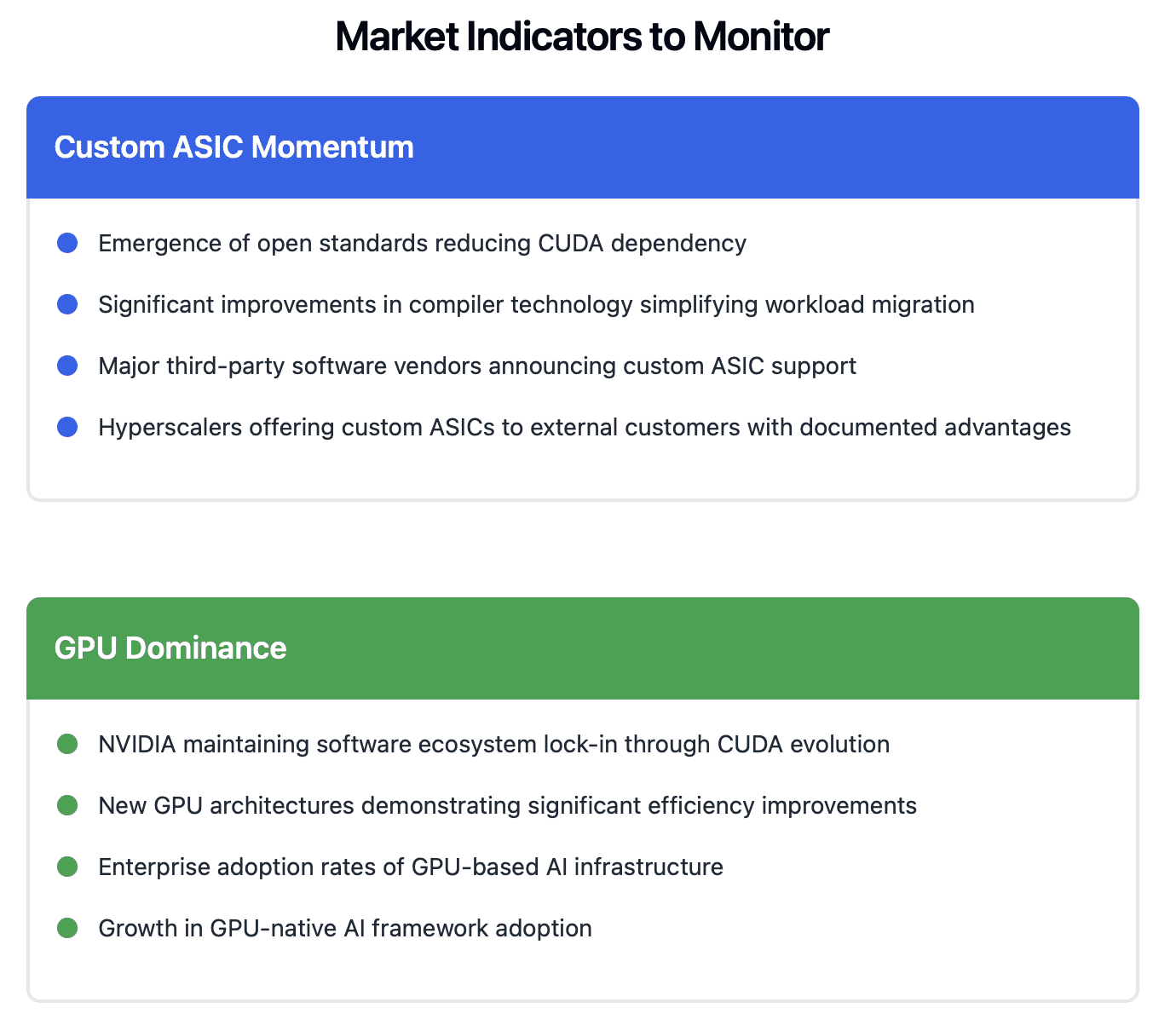
Cloud computing giants AWS, Google, Microsoft, Meta and OpenAI are accelerating in-house development of custom application‑specific integrated circuits, aiming to erode NVIDIA’s dominance in high‑performance AI datacentres. Industry reports highlight a projected annual growth rate of around 50% for ASIC purchases by hyperscalers, marking a strategic pivot in the AI hardware landscape.

NVIDIA’s premium-priced solutions—including Blackwell GPUs—have placed pressure on hyperscalers to secure more cost‑efficient, scalable systems. With single GPUs ranging from $70,000 to $80,000 and fully configured servers tallying up to $3 million, these companies are betting on internal design to manage costs and supply risks.

Amazon Web Services has notably moved ahead with its in‑house chips—Trainium for training and Inferentia for inference—reporting 30 – 40% greater cost efficiency compared with NVIDIA hardware. AWS is also collaborating with Marvell and Taiwan’s Alchip on next‑generation Trainium versions. Internal indications suggest AWS may deploy as many as half‑a‑million ASIC units in its data centres, an expansive scale‑up that could rival NVIDIA’s installed base.

Google, meanwhile, has scaled its TPU v6 Trillium chips, transitioning from single‑supplier to dual‑supplier design by partnering with MediaTek. With deployments reportedly hitting 100,000‑unit clusters to support Gemini 2.0 workloads, Google claims competitive cost-performance metrics relative to NVIDIA GPUs. Microsoft’s forthcoming Maia 200 chip, co‑designed with GUC using TSMC’s 3 nm process, is scheduled for commercial release in 2026.

Meta’s Meta Training and Inference Accelerator, developed alongside Broadcom, Socionext and GUC, is expected in early 2026 on TSMC’s 3 nm node, featuring HBM3e memory—another step towards self‑sufficiency in AI compute. OpenAI has also announced a proprietary training processor, with mass production anticipated at TSMC by 2026.

Market projections reflect this tectonic shift. ASICs are poised to claim between $100 billion and $130 billion of custom AI accelerator spend by 2030, with Broadcom estimating a market of $60 billion to $90 billion by 2027. Traditional ASIC powerhouses—Broadcom, Marvell, MediaTek, Alchip and GUC—are experiencing surging demand as they support hyperscaler transitions.

Despite these developments, hyperscalers continue to reserve capacity for NVIDIA chips, recognising the GPU giant’s entrenched ecosystem—especially its CUDA software stack—and the steep technical barriers to immediate elimination of GPU dependencies.

The trend resembles historical transitions in specialised compute. Just as cryptocurrency mining moved from GPUs to ASICs for lower costs and greater efficiency, hyperscalers now aim to fragment the AI compute supply chain and diversify their hardware portfolios.

TSMC stands to benefit significantly, serving as the foundry for both NVIDIA’s mass‑market GPUs and hyperscaler ASICs. Its chairman emphasises that the competition between NVIDIA and cloud‑designed chips is ultimately beneficial to TSMC, ensuring a broad customer base.

Broadcom has emerged as a frontrunner, with its ASIC and networking chipset revenues soaring 220% to $12.2 billion in 2024. Hyperscalers are investing in clusters featuring up to one million custom XPUs over open‑Ethernet networks—an architecture that places Broadcom and Marvell in strategic positions. Networking ASICs are expected to account for 15–20% of AI data‑centre silicon budgets, rising from the 5–10% range.

Revenue trends reflect these structural shifts. Marvell has secured a multi‑year AI chip deal with AWS and anticipates its AI silicon revenue jumping from $550 million in 2024 to over $2.5 billion in 2026. Broadcom, similarly, is redirecting significant investment toward hyperscaler ASIC demand.

Nevertheless, NVIDIA retains a commanding lead in AI training and general‑purpose GPU compute. Its end‑to‑end platform—from hardware to software—remains deeply embedded in the AI ecosystem. Custom ASICs, by contrast, offer task‑specific gains but lack the breadth of software compatibility that NVIDIA enables.

Analysts caution that the AI compute landscape is evolving toward a more fragmented, mixed‑architecture model combining GPUs and ASICs. Hyperscalers’ shift signals strategic recognition of rising costs, supply constraints, and performance demands. Yet, they also underscore persistent obstacles: software ecosystem maturity, long development cycles, and the complexity of large‑scale deployment.

Questions remain regarding the timeframe in which hyperscalers can meaningfully shift workloads away from NVIDIA GPUs. Industry roadmaps project new ASIC deployments through 2026–27. Analysts expect GPU market share erosion may begin toward the end of the decade, provided in-house ASICs deliver consistent performance and efficiency.

The stage is set for a multi‑year contest in datacentre compute. NVIDIA faces increasing pressure from hyperscalers building bespoke chips to optimise workloads and control supply. The next evolution of AI infrastructure may look less like a GPU‑centric world and more like a diverse ecosystem of specialised, interlocking processors.

Phagos, a Paris‑based biotech startup, is deploying an artificial‑intelligence model built on Amazon Web Services to accurately match bacteriophages with antibiotic‑resistant bacterial strains. This development marks a pivotal shift from arbitrary trial‑and‑error methods to precision medicine in combating infections that claim an estimated one million lives annually. The challenge of antibiotic resistance has spurred Phagos, co‑founded by microbiologist Adèle James and economist Alexandros Pantalis, to pursue alternative […]

Siemens has completed its acquisition of Altair Engineering in a £8.3 billion all-cash transaction, signalling a significant evolution in its industrial software strategy. The integration of Altair’s high-performance computing, data analytics and simulation portfolio into the Siemens Xcelerator platform represents a major leap in the company’s ambition to lead in AI-powered engineering. At the heart of this consolidation lie clear financial and strategic benefits. The deal, offering Altair […]

Murena has introduced Murena Find, a privacy-first search engine embedded in its latest /e/OS 3.0 update, delivering an ad‑free, no‑tracking search experience powered by Qwant. Designed to launch without user configuration, the engine ensures searches remain private while maintaining quality results. As part of /e/OS 3.0, Murena Find is one of several significant upgrades aimed at fortifying users’ privacy. Alongside enhancements such as weekly privacy reports, end‑to‑end encrypted vaults, […]

A powerful heat wave will bring intense swelter to New York City and other major Eastern Seaboard cities, with heat indices rising into the triple digits along the I‑95 corridor. Temperatures are expected to climb well above seasonal norms from Sunday through mid‑week, driven by a strengthening high‑pressure dome and amplified humidity, posing serious health risks and heightening strain on infrastructure. Cities from Chicago to Washington, D.C.—including […]

OpenAI and Microsoft are locked in critical negotiations over the former’s plan to transform its for-profit entity into a public-benefit corporation, a move that hinges on Microsoft’s approval and hinges on its desire for greater equity. With tensions mounting, OpenAI has even contemplated accusing Microsoft of anti-competitive conduct as leverage in talks, signalling a shift from collaboration to confrontation. The dispute centres on Microsoft’s demand for a […]

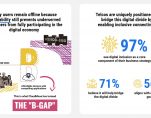
New research from CloudMosa shows digital inclusion is shifting from CSR to a core business strategy – and telcos stand to gain if they move quickly Majority (97%) of telco leaders say digital inclusion is now central to their business strategy, driven primarily by the need to bridge the digital divide (71%) With 92% of respondents seeing a strong alignment with government affordability initiatives as a key […]

The U.S. Senate has enacted the GENIUS Act, the first-ever federal framework for regulating dollar‑pegged stablecoins, with a decisive 68–30 bipartisan vote on 17 June 2025. Eighteen Democrats joined Republicans in supporting the legislation, which now advances to the House and is expected to reshape Washington’s digital asset rules.

The bill mandates that stablecoin issuers back tokens with liquid assets such as U.S. Treasuries, require regular financial disclosures and adhere to anti‑money‑laundering measures. It grants banks the authority to issue stablecoins, while explicitly restricting executive branch officials and legislators from sharing in their profits—a direct response to concerns over conflicts of interest.

A surge in crypto-sector investment in political campaigns appears to have shifted momentum. Industry spending topped $119 million in support of pro‑crypto congressional candidates during the 2024 cycle. Lobbyists then intensified efforts to engage Democratic lawmakers, viewed as essential for reaching the 60-vote threshold in the evenly divided Senate.

Internal communications among Democratic operatives reveal strategic alignment with crypto backers. In a private group chat described in reporting by the Lever, coalition members acknowledged that, despite ethical concerns, opposing the industry would be “political suicide.” One member reportedly observed that any amendment targeting Trump‑family conflicts would be “DOA,” suggesting token amendments offered for optics rather than impact.

Legislators including Senator Elizabeth Warren have voiced misgivings, arguing that the bill inadequately shields consumers or addresses risks associated with big‑tech or foreign‑issued stablecoins. She contends it grants too much leeway to the likes of former President Donald Trump’s crypto ventures, such as the Trump memecoin and World Liberty Financial.

The crypto lobby’s efforts have extended beyond campaign funding to retention of influential political operatives. Coinbase, for instance, recently appointed veteran Democratic strategist David Plouffe to its advisory board, joining a roster of insiders from both parties. Observers note this reflects crypto’s emerging status as a “politically competitive” constituency.

The political dynamic has shifted decisively. As AP reports, Democrats are balancing distrust of Trump-linked crypto enterprises with newfound recognition of the sector’s electoral influence. Backing the GENIUS Act became for many a strategic necessity, notwithstanding deep ideological resistance to deregulation.

The Senate vote occurred amid broader legislative discussions. The CLARITY Act—aimed at clarifying agency jurisdiction across the SEC and CFTC—is under consideration in the House Financial Services Committee. Some lawmakers propose merging the stablecoin and authority-defining bills, though others caution it could delay the GENIUS Act’s passage.

Crypto industry leaders view the GENIUS Act as a critical precursor to more comprehensive legislation. Ledger’s Head of Global Policy, Seth Hertline, described the Senate’s action as “a political bellwether” for the sector’s broader legislative agenda.

The bill’s passage also intersects with Trump’s personal crypto interests. His family’s stablecoin projects have sparked accusations of profiteering and lobbying for relaxed oversight. Critics warn that current legislative safeguards fall short of preventing conflicts of interest.

The next phase lies in the House, where Republican leadership must reconcile the Senate’s GENIUS Act with its own STABLE Act or integrate it into broader regulatory plans. Some Republicans advocate adding provisions to limit central bank digital currency initiatives, though such measures may complicate Senate approval.

Major stablecoin issuers such as Tether and Circle —together controlling over $200 billion in supply—stand to gain regulatory clarity and legitimacy if the GENIUS Act becomes law. Recent moves by major corporates, including JPMorgan’s planned stablecoin on Coinbase’s Base chain and indications that Amazon and Walmart are exploring token issuance, signal growing private‑sector enthusiasm.

As the House deliberates, questions remain whether the Senate’s bipartisan vote marks the start of a fully fleshed-out U.S. crypto regulatory regime—or the culmination of a high-stakes battle between policy integrity and political pragmatism.

Wonderish, a new “vibe prompting” platform, debuted on Product Hunt on 16 June 2025, promising to let users build web experiences through conversational prompts rather than traditional code. Co‑founders Trey Smith, Karen Avdalyan and Artem Bondar, leveraging their success with Buildbox, are positioning Wonderish as a gateway for non‑technical creators—designers, marketers, entrepreneurs—to craft websites, landing pages, web apps and even games simply by chatting with the AI. Early user reaction […]

VISHNU RAJA
RYO YAMADA
HITORI GOTOH
IKUYO KITA