News related to
protest

South Korea’s Constitutional Court has unanimously upheld the impeachment of President Yoon Suk Yeol, officially removing him from office. The decision follows Yoon’s controversial declaration of martial law in December 2024, which led to widespread political turmoil and public outcry. Acting Chief Justice Moon Hyung-bae stated that Yoon’s actions constituted a “serious challenge to democracy” and a “grave betrayal of the people’s trust.” He emphasized that the […]

Thousands of demonstrators filled the streets of downtown Dallas on Sunday, voicing opposition to President Donald Trump’s immigration policies and calling for the release of detained students. The protest, known as the “Mega March 2025,” began at the Cathedral of Our Lady of Guadalupe and proceeded through key city thoroughfares, culminating at Dallas City Hall. Participants carried American flags, symbolizing unity and patriotism. The march was organized […]

Tesla has announced plans to commence sales in Saudi Arabia next month, marking a significant expansion into the Gulf region’s largest market. The electric vehicle manufacturer will host a launch event in Riyadh on April 10 to showcase its lineup of electric vehicles and solar-powered products.

This development indicates a mending of relations between Tesla’s CEO, Elon Musk, and Saudi Arabia, following tensions that arose in 2018. At that time, Musk’s statement about securing funding to take Tesla private, allegedly involving Saudi Arabia’s Public Investment Fund , led to a dispute when the deal did not materialize. Subsequent legal proceedings revealed strained communications between Musk and PIF Governor Yasir al-Rumayyan. The recent rapprochement is highlighted by Musk’s virtual participation in Riyadh’s Future Investment Initiative summit and his appearance alongside al-Rumayyan and U.S. President Donald Trump at a high-profile event in New York.

The upcoming event in Riyadh will not only feature Tesla’s electric vehicles but also introduce innovations such as the autonomous driving technology “Cybercab” and the humanoid robot “Optimus.” While these products will be on display, the company has yet to announce their availability in the Saudi market.

Saudi Arabia’s electric vehicle sector is still in its early stages, with electric cars accounting for just over 1% of total car sales in 2024. Despite this, the kingdom has demonstrated a commitment to diversifying its automotive market. The PIF has invested over $1 billion in Lucid Motors, a competitor in the EV space, and is supporting the development of Ceer, a domestic electric vehicle brand.

Tesla’s entry into Saudi Arabia comes at a time when the company is facing challenges in other markets. In Europe, Tesla has experienced a 42.6% decline in sales this year, even as overall demand for electric vehicles grows. In the United States, the brand has been the target of protests related to Musk’s political engagements and his role in federal budget cuts.

The Saudi market presents both opportunities and challenges for Tesla. The nation’s expansive road networks and limited charging infrastructure, coupled with a consumer preference for large, gasoline-powered vehicles due to low fuel prices, may pose hurdles to widespread EV adoption. However, the government’s initiatives to promote electric vehicles and renewable energy align with Tesla’s mission, potentially facilitating the company’s growth in the region.

By Nitya Chakraborty Is the Bangladesh Army going to take over control of their politically turbulent country, either from front or behind, to precipitate the holding of early elections? This question is being raised by the seasoned political observers in Dhaka, as the whole of last week was dominated by highly controversial posts on Facebook, […]
By Deeksha Dwivedi The recent arrest of Mahmoud Khalil in the United States, an active member of Columbia University’s protests against the ongoing genocide in Gaza, takes me back to 2016 when student political leaders Umar Khalid, Kanhaiya Kumar and Anirban Bhattacharya were arrested by the Delhi Police on charges of sedition. A controversy had […]
By P. Sudhir The US President Donald Trump, in his first address to the US Congress following his election, has threatened to impose tariffs on countries that he considers are taking advantage of US trade policies. In his list is India, along with Canada, Mexico, China, Brazil and the European Union. Trump has repeatedly named […]

A U.S. bankruptcy court has found Byju Raveendran, founder of Indian ed-tech giant Byju’s, complicit in fraudulent financial activities, marking a significant escalation in the company’s ongoing legal and financial challenges.

The court determined that Raveendran, along with his brother Riju Ravindran and entities associated with Byju’s, orchestrated the unauthorized transfer of $533 million from Byju’s Alpha, a U.S.-based subsidiary, to Camshaft Capital Management, a hedge fund with dubious credentials. Camshaft, managed by a high school dropout lacking formal investment experience, was characterized by the court as a “sham” entity, raising serious concerns about the legitimacy of the transactions.

This ruling stems from a broader legal dispute between Byju’s and its lenders over a $1.2 billion term loan. Lenders initiated legal action following Byju’s alleged defaults on payment obligations and delays in financial disclosures. The unauthorized fund transfers were uncovered during these proceedings, leading to allegations of fraudulent conduct against the company’s leadership.

The court’s findings highlight a series of “badges of fraud,” including the concealment of funds and breach of fiduciary duties by the company’s directors. These actions have not only violated legal and ethical standards but have also severely undermined the trust of investors and stakeholders in the company’s governance.

Byju’s, once valued at $22 billion, has experienced a dramatic decline amid these controversies. The company’s aggressive expansion during the pandemic, fueled by substantial investments, has come under scrutiny as financial instability and governance issues have surfaced. The post-pandemic economic shift, characterized by rising interest rates, has further exacerbated the company’s challenges, leading to funding shortages and legal battles.

The repercussions of the court’s decision are far-reaching. Byju’s now faces intensified scrutiny from regulatory authorities, investors, and the broader public. The company’s reputation, once a beacon of India’s burgeoning ed-tech sector, has been tarnished, raising questions about its future viability and the potential impact on its extensive user base.

In response to the ruling, Byju’s leadership has maintained their stance of denying any wrongdoing. However, the court’s findings present a formidable challenge to this narrative, placing the onus on the company’s executives to address these serious allegations transparently and effectively.

The situation has also had a profound impact on Byju’s employees. Reports indicate widespread anxiety among the workforce, with many facing delayed salaries and uncertain job security. The company’s insolvency proceedings have further fueled concerns, prompting discussions about potential protests and legal actions by affected employees.

Investors, too, are reevaluating their positions. The exodus of prominent board members and auditors, coupled with the court’s recent findings, has led to a crisis of confidence. The company’s valuation has plummeted, and its ability to secure future funding is in jeopardy. This scenario underscores the critical importance of robust corporate governance and ethical financial practices in maintaining investor trust and ensuring long-term sustainability.

The court has yet to determine the specific damages to be awarded to the lenders. This pending decision adds another layer of uncertainty to Byju’s financial outlook. The company’s ability to navigate these legal and financial challenges will be crucial in determining its future trajectory and its role in the global ed-tech landscape.

This case serves as a cautionary tale for startups and investors alike. It highlights the potential pitfalls of rapid expansion without adequate oversight and the dangers of compromising ethical standards for short-term gains. As the ed-tech industry continues to evolve, the Byju’s saga underscores the necessity for transparency, accountability, and prudent financial management.

The coming months will be critical for Byju’s as it seeks to restore credibility and stabilize its operations. Stakeholders will be closely monitoring the company’s actions, looking for signs of meaningful reforms and a commitment to rectifying past missteps. The outcome of this situation will have significant implications not only for Byju’s but also for the broader perception of India’s startup ecosystem on the global stage.

In light of these developments, industry observers are advocating for stronger regulatory frameworks to prevent similar occurrences in the future. There is a growing consensus that while innovation and growth are essential, they must be balanced with responsibility and integrity to ensure sustainable success.


Advertisements

The recent visit of Lebanese President Joseph Aoun to Saudi Arabia has offered a rare glimmer of optimism for Lebanon’s economic recovery and political stability. As the country grapples with an extended financial crisis, exacerbated by governance challenges, this visit—Aoun’s first official trip abroad since taking office in January—signals a potential turning point. Saudi Arabia remains a key regional ally, and Lebanon is in urgent need of […]

The UK government’s proposal to reform copyright law to accommodate artificial intelligence development has ignited a heated debate among creative professionals and industry leaders. The proposed changes aim to allow AI companies to utilize copyrighted works without prior permission from rights holders, provided that the creators do not explicitly opt out. This initiative seeks to position the UK as a leader in AI innovation by simplifying access […]

The Electronic Frontier Foundation has unveiled Rayhunter, an innovative open-source tool designed to detect covert cellular surveillance tactics employed by law enforcement and malicious actors. This development aims to enhance public awareness and defense against unauthorized monitoring. Rayhunter operates on an affordable Orbic RC400L mobile hotspot, enabling users to identify the presence of cell-site simulators , commonly known as “Stingrays” or IMSI catchers. These devices masquerade as […]

By Dr. Sobhanlal Datta Gupta A controversy has erupted centring around CPI(M)’s position expressed in the Draft Political Resolution for the ensuing 24th Party Congress that the present Narendra Modi Government is not fascist, but marked by fascist tendencies. This stand has been subjected to criticisms by other Left parties on the ground that this […]
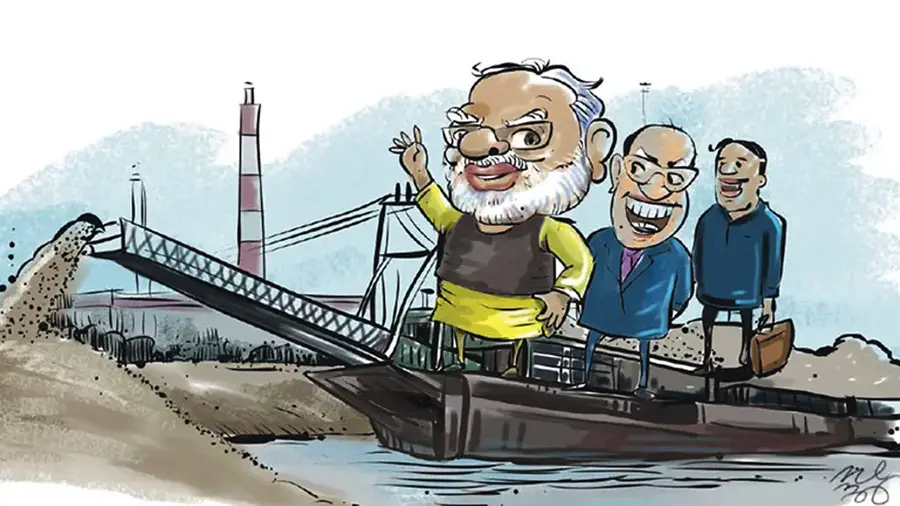
By K Raveendran Tension is mounting over the Centre’s plan for offshore sand mining, with the issue rapidly evolving into yet another flashpoint between the Modi government and opposition-led coastal states. At the heart of the controversy lies not just the environmental and economic concerns raised by the affected communities but also the underlying political […]
By Aditi Jha The tragic death of Prakriti Lamsal, a Nepali B.Tech student at Kalinga Institute of Industrial Technology (KIIT), a private engineering college in Bhubaneswar, Odisha, in February 2025, exposed serious problems of institutional incompetence and poor management. Prakriti’s death was followed by protests by Nepali students who claimed that the university administration had […]
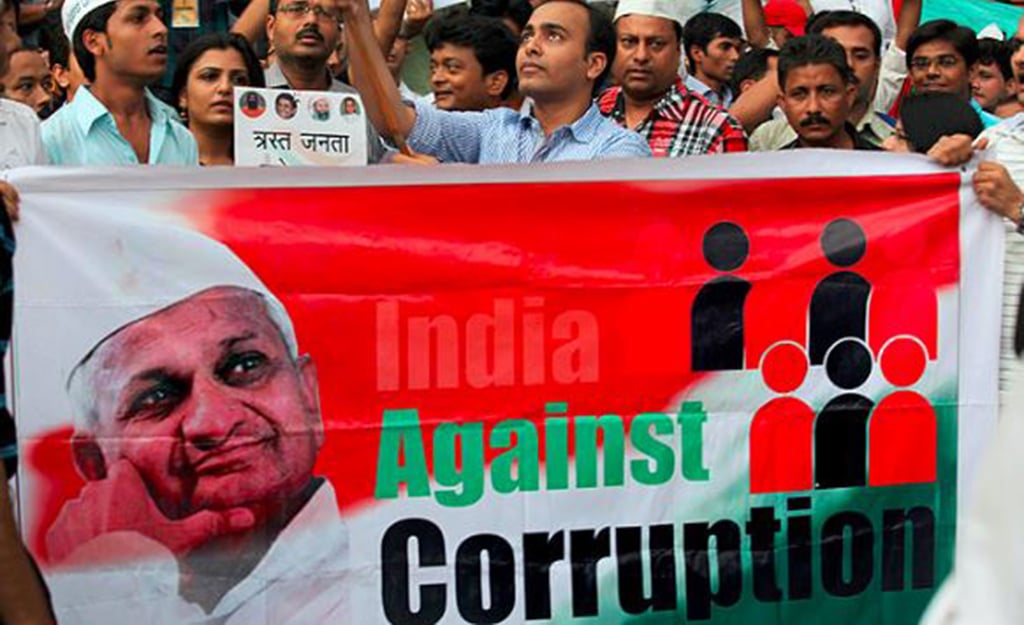
A high-stakes civil trial commenced today in Mandan, North Dakota, as Energy Transfer, the developer behind the Dakota Access Pipeline, seeks $300 million in damages from environmental organization Greenpeace USA. The lawsuit alleges that Greenpeace engaged in defamation, trespassing, and incitement of criminal activities during the 2016-2017 protests against the pipeline’s construction. Energy Transfer contends that Greenpeace disseminated misleading information about the pipeline’s environmental impact and safety, […]

An explosion occurred early Monday at the Russian Consulate General in Marseille, France, coinciding with the third anniversary of Russia’s invasion of Ukraine. The blast, which Russian authorities have denounced as a “terrorist attack,” has prompted demands for a comprehensive investigation by French officials. The incident took place within the consulate premises in Marseille, a major port city in southern France. Stanislav Oranskiy, the Russian Consul General […]

By Girish Linganna US President Donald Trump has raked up a hornets’ nest in New Delhi by claiming that $21 million in US aid to India—from the United States Agency for International Development (USAID), an independent US government agency responsible for administering civilian foreign aid and development assistance, approved earlier by Joe Biden, was used […]
By Ben Chacko LONDON: Donald Trump’s demand for a $500 billion “payback deal” forcing Ukraine to hand over control of its natural resources has been exposed by the Telegraph. As the newspaper’s columnist Ambrose Evans-Pritchard notes, proposed terms amount to a more punitive reparations package than was imposed on Germany after World War I. Not […]
By Nitya Chakraborty Eighty years after the end of the Second World War in 1945, Europe, especially Western Europe is in disarray, as their transatlantic ally for eight decades, the United States, is refusing to guarantee the security of the European nations belonging to the NATO under the new Trump doctrine. Earlier, there were differences […]


A staggering 500 ETH, valued at around $1.3 million, has been sent to Ethereum’s zero address in what has become one of the most cryptic blockchain events in recent memory. The transaction, which has captured the attention of the cryptocurrency community, was accompanied by an enigmatic message referencing a Chinese-grade brain-computer interface, claiming its mass implantation in the military and workforce. The unusual act has sparked widespread speculation about its meaning, implications, and the individual or group behind the act.

Ethereum’s zero address, often referred to as the “black hole” of the network, is a location where cryptocurrency sent to it becomes irretrievable, effectively removing the tokens from circulation. While blockchain transactions are typically transparent, the anonymity of the sender and the content of the message have raised more questions than answers.

The cryptic note that accompanied the burn transaction alluded to a highly advanced brain-computer interface, purportedly similar to Neuralink, the much-publicised project from Elon Musk’s company. The message hinted that this technology, often regarded as a cutting-edge innovation in both neuroscience and artificial intelligence, has already been implemented on a massive scale. The sender claimed that this brain-computer technology was not just in experimental stages but was being actively used by a military force and across civilian workforces, implying a potential shift in global power dynamics or technological supremacy.

The mention of a “Chinese-grade” brain-computer interface adds another layer of intrigue, as it alludes to the potential advancements in China’s technological sector. Over the past decade, China has increasingly focused on research in artificial intelligence, neural interfaces, and brain-computer technology, signalling its ambition to dominate these fields. While Neuralink has garnered significant media attention, there are growing concerns about the competition in the race to develop sophisticated mind-computer interfaces.

Blockchain enthusiasts and experts are scrambling to decipher the meaning of the act. The burner of the ETH has remained anonymous, with no clear link to any prominent individual or group. It is unclear whether this is the work of a rogue individual, a collective of hackers, or a state actor trying to communicate a geopolitical message. However, many in the blockchain community are starting to hypothesize that this could be a form of “digital protest” or a warning related to the growing reliance on artificial intelligence and neural interfaces in various sectors, including defence.

Such a bold move has placed the spotlight back on Ethereum, a blockchain renowned not only for its cryptocurrency but also for its smart contract capabilities, which enable the execution of decentralized applications . Ethereum’s open-source nature has allowed the technology to foster innovation across multiple industries, and while this particular act seems to be a disruption, it is also a reflection of the growing complexity of the Ethereum ecosystem. The zero address has previously been used for symbolic acts of defiance or statements, but this particular incident is unlike anything seen before in scale or content.

There has been no official statement or credible confirmation that the message is anything more than a hoax or a coordinated stunt. However, the possibility that the message is legitimate has prompted discussions around the potential consequences of such a technological leap. If brain-computer interfaces are being used to the extent suggested in the message, it could reshape global economies, militaries, and workforces in profound ways. The implications for personal privacy, ethics in warfare, and even human cognition are far-reaching.

The role of blockchain in this incident cannot be overstated. Blockchain’s fundamental promise of transparency, security, and decentralisation offers a stark contrast to the centralised control often associated with the technology giants and governments behind brain-computer projects. Some analysts are suggesting that this incident could be a symbolic confrontation between the world of decentralised technologies and the increasing centralisation of technological advancements by state actors or large corporations.

The fact that this burn occurred on the Ethereum network adds an additional layer of complexity. Ethereum, which has transitioned from proof-of-work to proof-of-stake, is viewed by some as the “world computer,” offering the infrastructure to decentralise everything from finance to data storage. Its use in this context seems particularly fitting, as the blockchain’s pseudonymity allows for anonymity in such a high-stakes act. While blockchain’s public ledger ensures transparency, it simultaneously offers the opportunity to mask the identity of those behind its most mysterious actions.

Argentina’s political landscape has been rocked by calls for the impeachment of President Javier Milei after he expressed support for the controversial LIBRA cryptocurrency token, only to retract his endorsement days later. This move has sparked a fierce backlash from opposition lawmakers, who are now seeking to hold the president accountable for what they term as a breach of trust and mismanagement.

The LIBRA token, which gained prominence in the crypto market as part of a broader financial experiment, was initially praised by Milei, who viewed it as an innovative tool to fight Argentina’s persistent inflation. However, his swift reversal, just days after his public endorsement, has left both the public and political figures questioning his leadership and decision-making capabilities.

Milei’s initial tweet in support of the token was widely perceived as a signal of confidence in Argentina’s ability to embrace innovative financial solutions. This endorsement came amidst the country’s ongoing battle with inflation and economic instability, which has led to widespread dissatisfaction with traditional economic policies. The president, a self-proclaimed libertarian, has often sought to align himself with new, unorthodox approaches to reform Argentina’s financial sector, and the LIBRA token seemed to fit into that narrative.

However, the situation took a dramatic turn when Milei retracted his support for the token after intense scrutiny from both domestic and international financial experts. Critics argued that the token lacked sufficient backing and posed a threat to Argentina’s already fragile economy. The withdrawal of support from the president came as a result of mounting pressure from conservative factions within his own party, as well as concerns raised by influential economists and banking associations.

The opposition, led by figures such as Uxió Sanz, a prominent member of the Argentine Socialist Party, swiftly condemned the president’s actions, calling it a display of inconsistency and recklessness. Sanz went as far as to accuse Milei of “playing games with the nation’s economy” and stated that such actions undermined the credibility of his administration. According to Sanz, the president’s erratic behaviour on such an important issue warranted a formal investigation and impeachment proceedings.

The impeachment push has been supported by several political parties, including the Kirchnerist faction, which has long been at odds with Milei’s free-market policies. They argue that the president’s flip-flopping on financial matters demonstrates a lack of leadership and disregard for the country’s economic stability. The debate surrounding the LIBRA token is now at the forefront of Argentina’s political discourse, with protests and heated discussions dominating the media.

The withdrawal of support for LIBRA has also raised questions about the transparency and accountability of Milei’s administration. Critics argue that the decision to promote and then abandon the token so abruptly reflects poorly on the president’s judgment. Financial analysts have warned that such erratic moves could further destabilise Argentina’s already precarious economic situation, particularly as the country grapples with high inflation rates, soaring debt, and a shrinking currency.

Milei, for his part, has defended his actions, claiming that the decision to withdraw support for LIBRA was made after careful consideration and in consultation with his economic advisers. He stressed that his government’s priority remained addressing Argentina’s inflationary crisis and improving the nation’s financial resilience. While he acknowledged the controversial nature of his tweet, he asserted that his government would continue to explore innovative solutions for Argentina’s economic challenges.

The controversy has also drawn attention to the broader issue of cryptocurrency regulation in Argentina. The country, which has become a hotspot for crypto trading in Latin America, has seen rapid growth in digital currency adoption, driven by a lack of confidence in traditional financial institutions. However, the government’s inconsistent stance on cryptocurrencies has left many investors uncertain about the regulatory framework moving forward. Critics argue that the LIBRA incident highlights the need for clearer policies and more careful consideration before making public statements on such volatile markets.

Despite Milei’s efforts to stabilise the political situation, the LIBRA token debacle has undoubtedly dented his image. The president, who took office with promises of drastic economic reform, is now facing intense scrutiny from both his political adversaries and the public. The ongoing impeachment discussions are likely to dominate the political agenda in the coming weeks, with many questioning whether Milei can retain the support of key allies and stakeholders within his own government.

Chinese state-sponsored hacking group Salt Typhoon has intensified its cyber-espionage activities, targeting telecommunications providers worldwide by exploiting known vulnerabilities in Cisco network devices. Despite previous exposure and sanctions, the group continues to infiltrate critical infrastructure, compromising sensitive communications data. Between December 2024 and January 2025, Salt Typhoon successfully breached at least five telecommunications networks, including two based in the United States. Other affected entities include a U.S.-based […]

Elon Musk’s Department of Government Efficiency has commenced significant layoffs within the U.S. federal workforce, issuing termination notices to over a dozen employees at the U.S. Digital Service . This action aligns with President Donald Trump’s directive to streamline government operations and reduce expenditures. The layoffs have sparked nationwide protests, with demonstrators targeting Tesla showrooms to express their dissent against Musk’s cost-cutting measures and perceived influence over […]

Australia has lodged a formal protest with Beijing following an incident where a Chinese Shenyang J-16 fighter jet released flares in close proximity to a Royal Australian Air Force P-8A Poseidon surveillance aircraft over the South China Sea. The Australian Department of Defence described the manoeuvre as “unsafe and unprofessional,” emphasizing that it posed a significant risk to both the aircraft and its crew. No injuries or […]

During the Super Bowl LIX halftime performance at the Caesars Superdome in New Orleans, a protester brandishing a Palestinian flag disrupted Kendrick Lamar’s set. The individual, who was part of the 400-member field cast, ascended the stage and unfurled a flag that combined the Palestinian and Sudanese emblems, with the words “Gaza” and “Sudan” inscribed respectively. Security personnel swiftly intervened, apprehending the protester and escorting him off the field. The New Orleans Police Department is currently evaluating potential charges against the individual.

The National Football League confirmed that the protester had concealed the flag until the performance commenced, and that neither the production team nor the organizers were aware of his intentions. Roc Nation, the company responsible for producing the halftime show, stated that the act was neither planned nor part of the official production.

Kendrick Lamar continued his performance without interruption, delivering a set that included collaborations with artists such as SZA and Samuel L. Jackson. The halftime show was notable for Lamar’s position as the first solo hip-hop artist to headline the event.

The Super Bowl, attended by President Donald Trump, concluded with the Philadelphia Eagles defeating the Kansas City Chiefs 40-22. This victory served as redemption for the Eagles, who had previously lost to the Chiefs in an earlier Super Bowl matchup.

The incident occurred amidst a fragile ceasefire between Israel and Hamas, as well as ongoing civil unrest in Sudan since 2023. The protester’s actions have sparked discussions about the intersection of political expression and entertainment events, highlighting the challenges organizers face in maintaining security while respecting freedom of speech.

In the aftermath of the game, celebrations in Philadelphia escalated into chaos, with fans setting fires, climbing on police vehicles, and engaging in brawls. Law enforcement agencies are investigating the disturbances, aiming to identify and hold accountable those responsible for the disorderly conduct.

VISHNU RAJA
RYO YAMADA
HITORI GOTOH
IKUYO KITA