Just in:
Mangroves Documentary Premieres, Exploring How Cities and Wetlands Coexist // Mubadala and Centerbridge secure £1.17bn Canaccord wealth agreement // Mexican journalists demand accountability after Acapulco reporter killed // ASEAN adopts binding pact on regional digital commerce // Dubai airport passenger traffic drops 28.1% amid conflict // First Abu Dhabi Bank proposes AED15 billion share sale // Hong Kong International Airport Online Shop Winter Festive Offer // Bankrupt Indian Business Barons Mostly Live Life King-Size // JPMorgan restores transactions after banking payments disruption // Row over Sabarimala toilet disruption // Over 360 electricity distribution professionals meet in Seoul for CIRED’s first major event in the Asia-Pacific region // Bora Group 3Q26: Revenue and Net Income Expansion Continues U.S. Manufacturing and Biologics Footprint Complete; Margin Expansion to Follow as Utilization Improves // Mangroves Documentary Premieres, Exploring How Cities and Wetlands Coexist // Regulator demands answers on controversial power deal // Microsoft restores cloud services after gateway software failure // Mangroves Documentary Premieres, Exploring How Cities and Wetlands Coexist // Hong Kong schedules Gulf-Asia investment forum for 2027 // Pink Economy report puts equal rights at the heart of Thailand’s road to Bangkok WorldPride 2030 // Broermann Medical Innovation Award 2026: Three Pioneers of Modern Obesity and Diabetes Therapies Honored // Google identifies autonomous AI systems conducting vulnerability attacks //

News related to
protest

Australia has lodged a formal protest with Beijing following an incident where a Chinese Shenyang J-16 fighter jet released flares in close proximity to a Royal Australian Air Force P-8A Poseidon surveillance aircraft over the South China Sea. The Australian Department of Defence described the manoeuvre as “unsafe and unprofessional,” emphasizing that it posed a significant risk to both the aircraft and its crew. No injuries or […]

During the Super Bowl LIX halftime performance at the Caesars Superdome in New Orleans, a protester brandishing a Palestinian flag disrupted Kendrick Lamar’s set. The individual, who was part of the 400-member field cast, ascended the stage and unfurled a flag that combined the Palestinian and Sudanese emblems, with the words “Gaza” and “Sudan” inscribed respectively. Security personnel swiftly intervened, apprehending the protester and escorting him off the field. The New Orleans Police Department is currently evaluating potential charges against the individual.

The National Football League confirmed that the protester had concealed the flag until the performance commenced, and that neither the production team nor the organizers were aware of his intentions. Roc Nation, the company responsible for producing the halftime show, stated that the act was neither planned nor part of the official production.

Kendrick Lamar continued his performance without interruption, delivering a set that included collaborations with artists such as SZA and Samuel L. Jackson. The halftime show was notable for Lamar’s position as the first solo hip-hop artist to headline the event.

The Super Bowl, attended by President Donald Trump, concluded with the Philadelphia Eagles defeating the Kansas City Chiefs 40-22. This victory served as redemption for the Eagles, who had previously lost to the Chiefs in an earlier Super Bowl matchup.

The incident occurred amidst a fragile ceasefire between Israel and Hamas, as well as ongoing civil unrest in Sudan since 2023. The protester’s actions have sparked discussions about the intersection of political expression and entertainment events, highlighting the challenges organizers face in maintaining security while respecting freedom of speech.

In the aftermath of the game, celebrations in Philadelphia escalated into chaos, with fans setting fires, climbing on police vehicles, and engaging in brawls. Law enforcement agencies are investigating the disturbances, aiming to identify and hold accountable those responsible for the disorderly conduct.

Elon Musk’s Department of Government Efficiency has been granted “read-only” access to the U.S. Treasury Department’s federal payment system, a move that has sparked significant concern among lawmakers and the public. This system manages the disbursement of billions of dollars in federal funds, including Social Security payments and government salaries.

Jonathan Blum, a Treasury official, informed Congress that DOGE’s access is strictly limited to viewing information, ensuring that the team cannot alter or delay any payments. Despite these assurances, several legislators have expressed apprehension about the potential implications of this access. Senator Ron Wyden has been particularly vocal, arguing that Musk’s involvement poses a national security risk and lacks a clear legal foundation.

The situation escalated following the resignation of David Lebryk, the acting Deputy Secretary of the Treasury, who departed after reportedly resisting Musk’s requests related to the payment system. His departure has intensified debates about the appropriateness of granting external entities access to sensitive government operations.

Critics argue that even with “read-only” access, there is a risk of unauthorized use of sensitive taxpayer information. Concerns have been raised about the potential for data breaches or misuse of personal data. The Treasury Department has responded by emphasizing that career officials continue to oversee all payment processes, aiming to maintain the integrity and security of the system.

The establishment of DOGE by the Trump administration was intended to streamline federal operations and reduce inefficiencies. However, the recent developments have led to protests and legal challenges. Demonstrators have gathered outside the Treasury Department, voicing their opposition to Musk’s access to sensitive financial data. Additionally, several federal employee unions have filed lawsuits alleging that the access granted to DOGE violates legal protocols and compromises the security of federal payment systems.

Legal experts are divided on the issue. Some argue that granting DOGE access to federal payment data could potentially violate privacy and security regulations, including the Privacy Act and the Federal Information Security Management Act. Others contend that the move falls within the executive branch’s authority to manage federal operations.

Elon Musk’s comments at a rally for Germany’s far-right Alternative for Germany party last weekend have sparked controversy and raised concerns over the tech mogul’s increasing involvement in global politics. Musk’s participation in the rally, which coincided with a surge in populist sentiment across Europe, was seen by many as an overt signal of his growing political influence outside the United States, particularly in Europe and Canada. Critics argue that Musk’s public endorsements and actions could amplify political divisions and contribute to the undermining of democratic processes in these nations.

Musk, who has been involved in numerous controversies and political statements over the years, appears to have intensified his political footprint with this latest move. At the rally, the Tesla and SpaceX CEO expressed support for AfD’s anti-immigration stance, which aligns with Musk’s previously stated preferences for limited government intervention and a more libertarian approach to policy. While Musk’s comments were framed as an endorsement of the AfD’s platform, they also touched on broader themes of individual freedom and skepticism toward governmental power, which have resonated with populist movements in various regions.

Musk’s involvement with far-right groups in Europe follows a similar pattern in North America. His outspoken political views have also made waves in Canada, where he has commented on the country’s handling of freedom of speech and its handling of protests in the past. Musk’s growing influence in foreign political spheres is raising alarms about the consequences of billionaire-led political activism, particularly in countries where political systems are grappling with rising extremism and division.

While many view Musk’s commentary as a sign of his personal beliefs, others see it as part of a wider trend of corporate elites exerting increasing power over political agendas globally. Musk’s companies, including Tesla, SpaceX, and Twitter , wield considerable influence in both the business and political realms, making his actions noteworthy beyond the realm of business. His comments on political matters, which some claim could shape elections and sway public opinion, have the potential to further erode public trust in political systems that are already fraught with challenges.

The AfD, a party that has been labeled as far-right and often criticized for its nationalist and anti-immigration rhetoric, has seen its support base grow in recent years. The party’s platform includes policies that have drawn support from voters disillusioned with the political establishment and its handling of issues like immigration, the European Union, and national identity. By aligning himself with the AfD, Musk has attracted both praise and condemnation. Supporters argue that Musk’s advocacy for personal freedom and his criticisms of government policies are aligned with broader values of individual autonomy and free markets. Critics, however, warn that his association with far-right groups could amplify extremist ideologies and fuel anti-democratic movements.

Musk’s remarks about the AfD echo his long-standing criticism of government regulations and his advocacy for deregulation in various sectors, from technology to energy. His stance on political issues has often been controversial, especially given his vast business empire, which includes electric vehicles, aerospace, and social media. The risk of his influence shaping national political agendas is amplified by his vast wealth and the global reach of his companies. Critics argue that such unchecked power poses a threat to the balance of power within democratic societies, potentially skewing political discourse and undermining the sovereignty of foreign governments.

The billionaire’s involvement in politics is not confined to his statements alone. Musk has previously made headlines for his public endorsements of political candidates and his support for controversial political initiatives in both the United States and abroad. His backing of certain candidates and policies, particularly in Europe, has fueled concerns about the corporate world’s increasing control over political landscapes, especially as populist movements gain momentum.

In Canada, Musk’s rhetoric about free speech and government overreach has been scrutinized, with some questioning whether his remarks will influence the country’s political climate, especially as tensions surrounding freedom of expression have become a prominent issue. Musk’s comments have drawn attention to the global nature of political discourse in the digital age, where the actions of influential business leaders can cross national borders and impact the political fabric of other nations.

While Musk’s supporters argue that his views on government regulation and individual liberties align with democratic ideals, his critics contend that his actions and words contribute to the growing polarization of global politics. Some view his influence as detrimental to political discourse, particularly in democracies that are already grappling with rising extremism and populism. The question remains whether Musk’s increasing political involvement will continue to shape public opinion in a way that exacerbates these issues or whether his influence will eventually wane as governments and citizens respond to his calls for more direct involvement in politics.

By Satyaki Chakraborty China has scored a major diplomatic victory in Myanmar by helping the conclusion of a truce between the ruling military junta and the Myanmar National Democratic Alliance Army (MNDAA) in the provinces bordering China. The MNDAA rebels took control of large areas around the border by driving out the junta troops last […]
By P. Sudhir The year 2024, which has ended, has been a tumultuous one both nationally and internationally. In India, the year began with the State-sponsored installation of the idol at the newly-built but incomplete Ram temple at Ayodhya, a signal from the BJP rulers that the era of Hindutva raj has begun. This was […]
By Dr. Gyan Pathak The Indian National Congress has postponed the grand convention – Jai Gandhi, Jai Bhim, Jai Samvidhan – on the second day of the Extended Congress Working Committee Meet at Belagavi in Karnataka. Instead, a condolence meeting was held to mourn the sad demise of the former Prime Minister Manmohan Singh. But […]
Advertisements
By D Raja History of the Communist Party of India in the last 100 years is a glorious saga of struggles and sacrifices for our country and its people. History of our freedom movement and our progress after independence are incomplete without the blood and sweat of communists all over the country. The foundation day […]
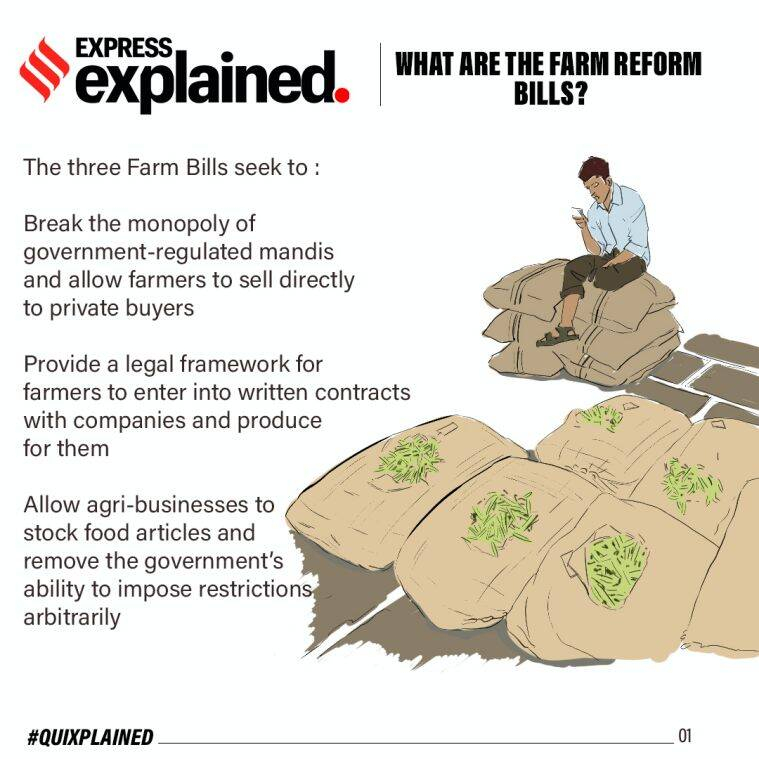
By Dr. Soma Marla The Union Ministry of Agriculture recently circulated a new draft for a policy framework concerning agricultural marketing. Faiz Ahmed Kidwai, additional secretary in the ministry, proposed the draft to revamp the existing framework. According to the government, the proposed universal tax on agricultural produce will increase farmers’ incomes. The committee has […]
By Dr. Gyan Pathak Just a day before the scheduled end of the winter session of the Parliament of India, the confrontation between the ruling NDA and the Opposition INDIA bloc turned physical at its entrance, and several MPs were injured. It is something different from the issue-based confrontations within both the Houses of Parliament, […]
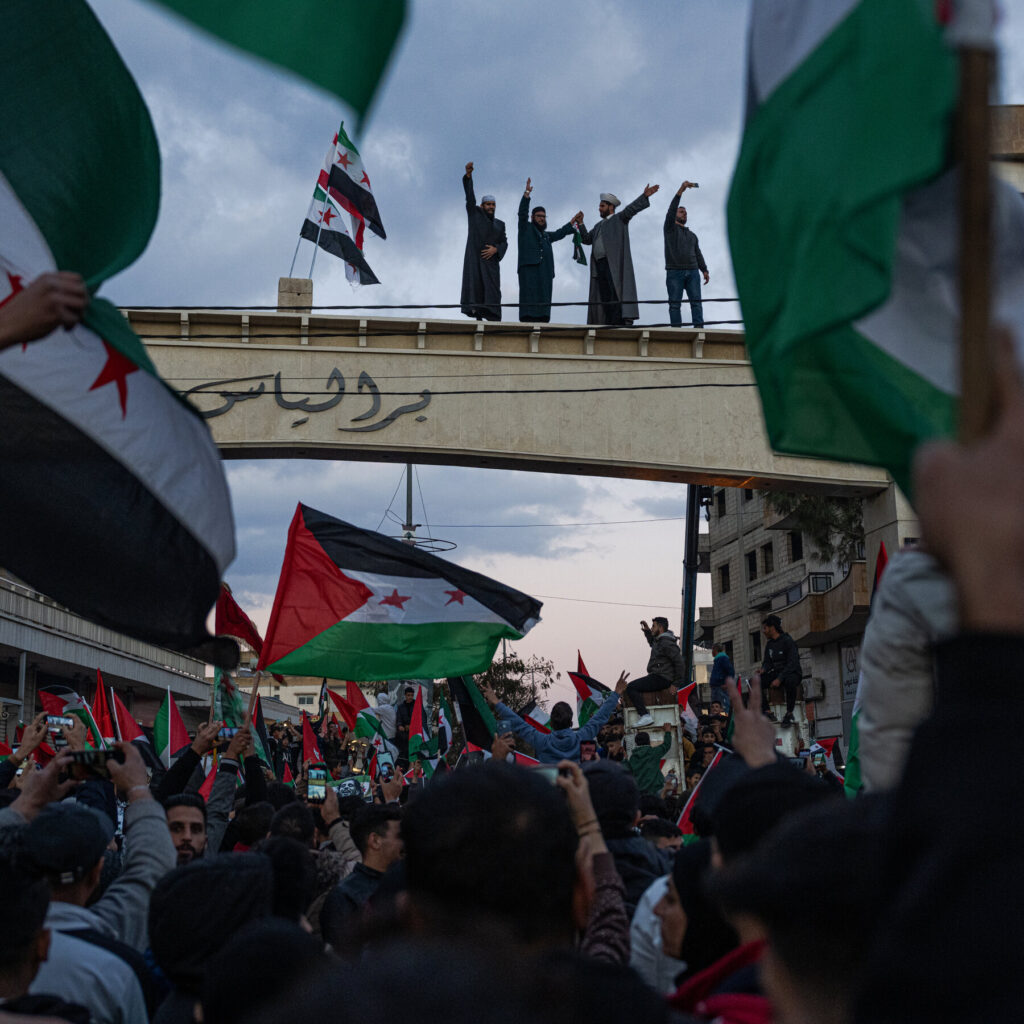
By P. Sudhir The rapid advance of Hayat Tahrir al-Sham and other armed factions led to the fall of Bashar al- Assad’s government in Syria. With this, the US has succeeded in toppling the last of the secular regimes in West Asia. US military interventions resulted not only in the fall of secular regimes in […]

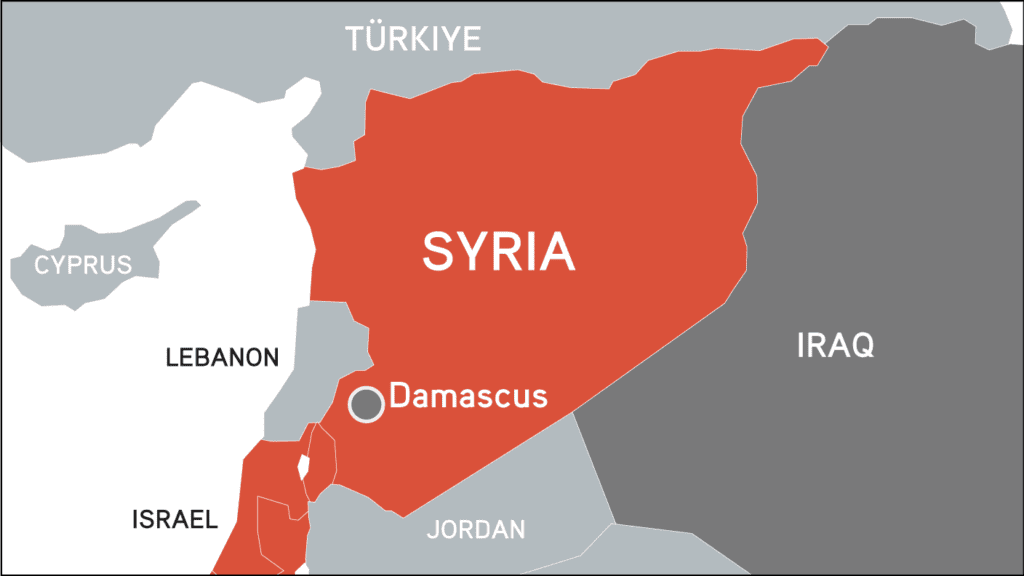
Global oil prices have seen a sharp increase, driven in part by a growing crisis in Syria’s energy sector. The country, already plagued by years of conflict, is facing an acute shortage of oil due to ongoing economic turmoil and political instability. Reports indicate that Syria’s oil production has drastically dropped from 90,000 barrels per day to just 20,000, a situation exacerbated by Turkish military operations in the northeast, which have impacted key oil fields. Compounding this, fuel shipments from Iran—once a lifeline—have slowed down, further straining Syria’s fuel supply.

Syria’s dependence on Iranian oil has been critical, with Tehran supplying up to 16 million barrels in 2024 alone. However, this amount falls far short of the country’s daily requirements, leading to black market surges and skyrocketing prices. The government’s cutbacks on fuel subsidies, alongside failed efforts to stabilize its own oil fields, have intensified the energy crisis. Public protests, triggered by shortages, reflect the widespread discontent, and basic goods like food have become increasingly difficult to transport due to high fuel costs.

Syria is witnessing seismic shifts in its prolonged conflict, with President Bashar al-Assad’s regime facing growing challenges amid dwindling support from its critical allies, Russia and Iran. The rebel factions, spearheaded by Hayat Tahrir al-Sham (HTS), have made strategic advancements, creating uncertainty about the nation’s political future. This precarious balance raises concerns of a potential power vacuum with regional ramifications if Assad’s government collapses.

HTS, led by Abu Muhammad al-Julani, has intensified efforts to overthrow Assad’s rule, capturing key areas such as Aleppo and Hama in its latest offensive. The group, a splinter faction of al-Qaeda, has steadily consolidated power in northern Syria. It now serves as a dominant player in the opposition landscape, aiming to unify anti-Assad factions under its leadership. These developments coincide with a noticeable pivot by Assad’s key allies—Russia and Iran—toward addressing their respective internal and geopolitical priorities.

Russia’s involvement in Syria has been a cornerstone of Assad’s survival since the war began in 2011. However, its military and economic focus has shifted due to prolonged involvement in Ukraine, straining its capacity to maintain robust support for Damascus. Similarly, Iran, another critical ally, is grappling with its own domestic protests and regional tensions, which have curtailed its ability to extend substantial assistance to Syria. The weakening of external backing leaves Assad vulnerable as rebels push closer to his strongholds.

The United Nations reports that intensified fighting has displaced nearly 300,000 Syrians since late November, with estimates suggesting up to 1.5 million could be forced to flee if the conflict escalates further. These movements risk exacerbating the humanitarian crisis and fueling instability across neighboring countries. Regions like Homs and the coastal cities of Tartus and Latakia—home to Russian military bases—have witnessed increased civilian exodus as HTS fighters advance.

Strategically, HTS’s gains challenge the Assad regime’s hold on critical infrastructure, including the M5 highway connecting major urban centers. Russian forces have reportedly bombed key routes to hinder rebel advances, reflecting the gravity of the situation. The Syrian Observatory for Human Rights highlighted that HTS and allied factions have captured more than a dozen villages near Damascus, raising alarms about the regime’s shrinking control over territory.

The evolving dynamics of the Syrian conflict also have broader implications for Middle Eastern geopolitics. A power vacuum could embolden extremist groups, destabilize neighboring countries, and strain international diplomatic efforts to restore peace. The conflict has already drawn in multiple actors, including Turkey, whose backing of the Syrian National Army further complicates the landscape. This militia coalition, aligned with HTS in several battles, aims to expand its influence, positioning itself as a rival to the Assad regime.

Regional players like Iraq and Lebanon are closely monitoring developments, given their intertwined security interests. Iraq’s ongoing fight against ISIS and Lebanon’s fragile political situation underscore the interconnected nature of the region’s challenges. Meanwhile, the involvement of Gulf nations, particularly Qatar and Saudi Arabia, in supporting opposition factions has added layers to an already multifaceted conflict.

HTS leader Julani remains resolute in his calls for Assad’s removal, describing the regime as “propped up by external powers but fundamentally unsustainable.” This assertion resonates with segments of the Syrian population disillusioned by years of corruption, economic collapse, and military oppression under Assad’s rule. Yet, HTS’s classification as a terrorist organization by Western countries complicates its international recognition and the prospect of coordinated opposition leadership.

The International Criminal Court (ICC) has issued arrest warrants for Israeli Prime Minister Benjamin Netanyahu and former Defense Minister Yoav Gallant in connection with alleged war crimes committed during Israel’s military operations in Gaza. The charges stem from actions taken by Israeli forces that resulted in the deaths of civilians and the destruction of civilian infrastructure, which the ICC claims violated international law. The court’s decision marks […]

Climate activists disrupted a prominent event featuring Saudi Aramco’s Chief Financial Officer in the United States, underscoring mounting tensions over fossil fuels at a critical time for energy policy and environmental advocacy. During the talk, protesters interrupted, accusing the world’s largest oil producer of exacerbating the climate crisis. Chants and banners highlighted concerns about the industry’s role in carbon emissions. The incident unfolded amid a heightened global […]

A Hong Kong court has sentenced over 30 prominent pro-democracy activists to prison terms ranging from four to ten years in what has been described as the largest national security case since the imposition of the Beijing-backed security law in 2020. The sentences, handed down on Tuesday, mark a significant moment in the city’s ongoing crackdown on dissent, further diminishing hopes for political freedoms that once defined […]

By Dr. Nilanjan Banik Donald Trump made history by winning a larger share of Black and Hispanic votes compared to 2020, and by becoming the first since George W. Bush to win based on popular votes. There had already been indications of Trump winning, although not by such a decisive margin. Initially, the US betting […]
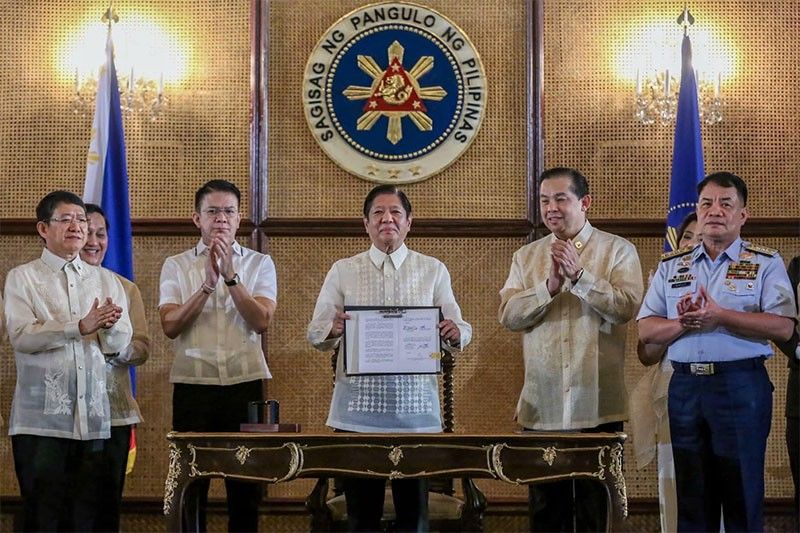
By Nantoo Banerjee from Manila The US-backed new Philippine Maritime Zones Act and Archipelagic Sea Lanes Act clearly defining the extent and boundaries of the country’s maritime zones and nullifying China’s sweeping claims in the South China Sea promises to raise fresh tensions in the region threatening to affect the estimated global maritime trade of […]

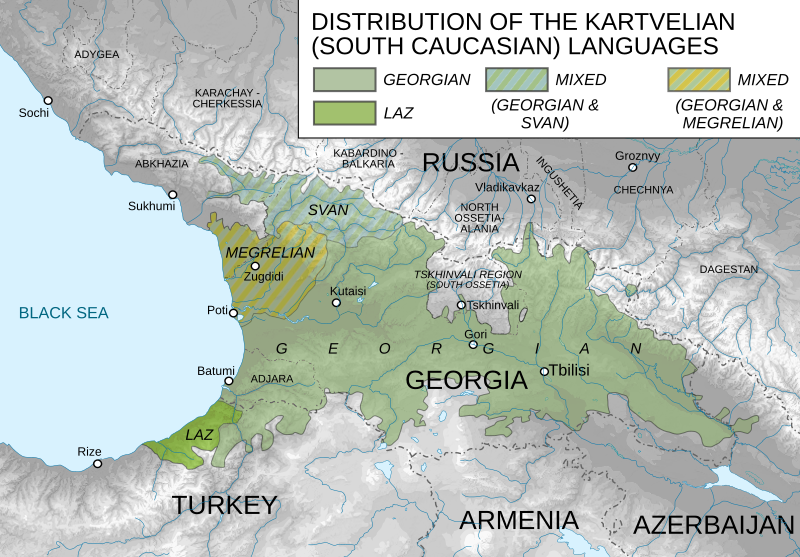
A member of Georgia’s opposition party, Unity – National Movement, disrupted a meeting of the Central Election Commission (CEC) on Friday by throwing black paint at CEC Chairman Giorgi Kalandarishvili. The act was a protest against what Kirtadze, the opposition lawmaker, referred to as alleged election fraud, prompting an immediate suspension of the meeting. The chaotic scene unfolded as Kirtadze, visibly upset, called the act a symbol of his party’s deep concerns regarding electoral integrity.

Following the incident, the security service swiftly intervened and escorted Kirtadze out of the hall. The confrontation has sparked outrage across the political spectrum, further heightening tensions in the country’s already polarized political environment.

The opposition Unity – National Movement party has long accused the ruling government of manipulating elections to secure its hold on power. The protest during the CEC meeting, which was intended to address upcoming elections, underscores the growing dissatisfaction with the election process in Georgia, especially in the wake of controversial results in previous ballots.

Following the interruption, Kalandarishvili, the CEC Chairman, assured the public that despite the disruption, the meeting would reconvene once order was restored. The CEC stressed its commitment to overseeing free and fair elections, despite the disruptions caused by opposition protests.

Kirtadze’s action has raised alarms about the growing volatility in Georgia’s political landscape. While the act was condemned by some, it resonated with many opposition supporters who have voiced their frustrations over the government’s grip on electoral processes. This attack is seen as a dramatic gesture aimed at drawing international attention to the alleged shortcomings of Georgia’s election system.

The Unity – National Movement party has called for an immediate review of the election procedures and has threatened further demonstrations if their demands are not met. The political crisis in Georgia has been escalating in recent months, with frequent clashes between opposition forces and the government. Both sides accuse each other of undermining democracy, leading to widespread protests across the country.

Georgia’s Central Election Commission has historically been a source of contention. While the government insists that elections are fair, opposition groups remain skeptical. The credibility of the election process has been a contentious issue ever since Georgia’s 2020 parliamentary elections, which were marred by accusations of voter manipulation and fraud. Despite international calls for reform, the allegations have continued to dominate public discourse.

The act of throwing paint, while symbolic, highlights a growing sense of desperation within the opposition, which believes that peaceful protest is no longer enough to sway the government. The move to physically confront Kalandarishvili, who has been a central figure in the commission, reflects the intensifying battle for political legitimacy.

The ruling Georgian Dream party has condemned Kirtadze’s actions as an unacceptable form of protest, urging for greater political maturity. However, this event has undoubtedly added fuel to the already heated political climate in Georgia.

International observers have expressed concern about the impact this incident may have on the upcoming elections. While Georgia has made significant strides in its democratic transition over the past decade, the political scene remains fraught with challenges. The incident at the CEC is a stark reminder of the fragility of the country’s electoral process.

Kirtadze’s actions, though widely seen as extreme, are indicative of the mounting pressure opposition parties face in Georgia. As the 2024 elections approach, opposition groups have vowed to continue their fight for electoral reforms, and many are prepared to escalate protests if their demands are not addressed.

By K Raveendran Chief Justice Sanjiv Khanna’s tenure has had an eventful start with the Supreme Court delivering the landmark ‘bulldozer justice’ verdict that grabbed global headlines. That the verdict was delivered by a bench comprising Justices B R Gavai and K V Vishwanathan, of which the chief justice was not a part, is a […]

Eight fatalities have been confirmed following Israeli airstrikes in the Lebanese city of Sidon, with officials fearing that the death toll may rise further. The attacks, occurring amid ongoing tensions between Israel and Hezbollah, are reported to be the deadliest in Sidon since the resurgence of conflict over a year ago. Residents and local authorities have described the bombings as devastating, leading to significant destruction in the […]

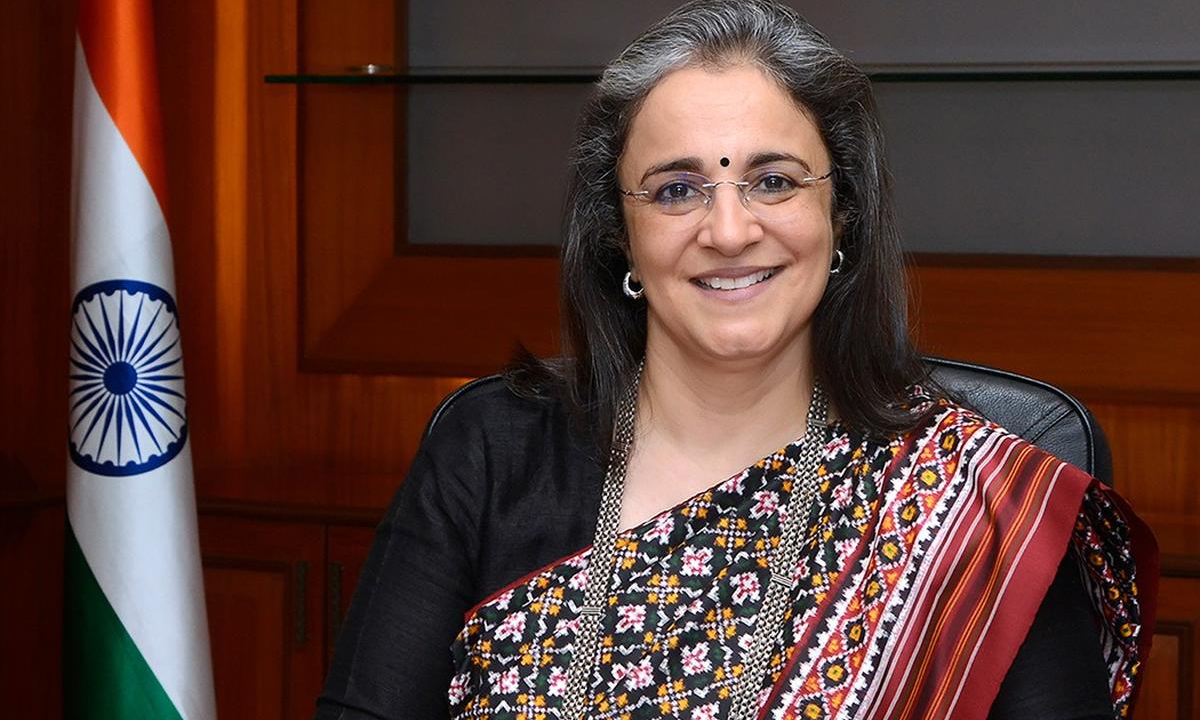
By K Raveendran The desperation shown by BJP members of the parliamentary accounts committee to shield SEBI chairperson Madhabi Puri Buch from criticism for her failure to appear before the panel shows how her acts of commission and omission were not just a reflection of certain deficit in personal integrity, but how a sinister plot […]
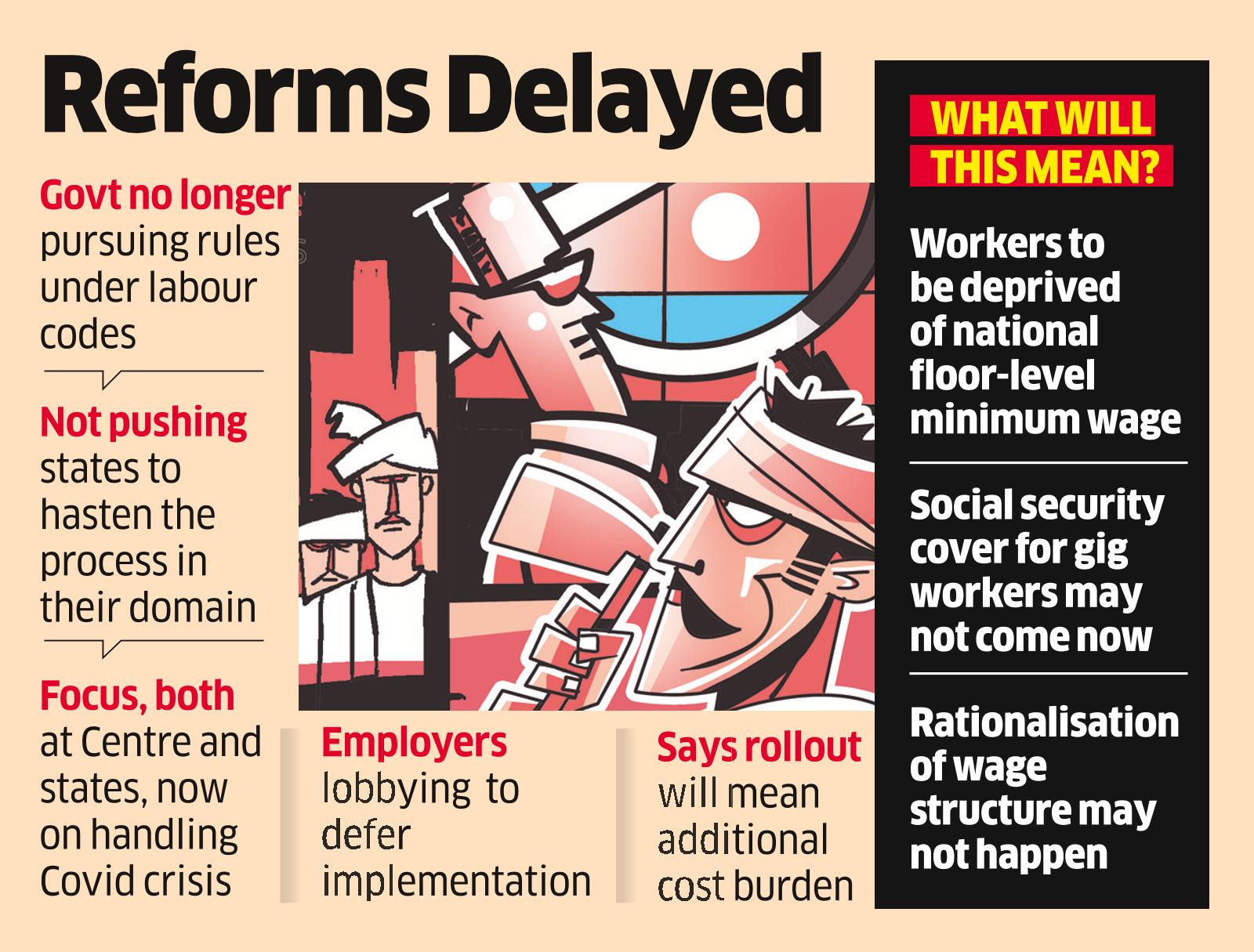
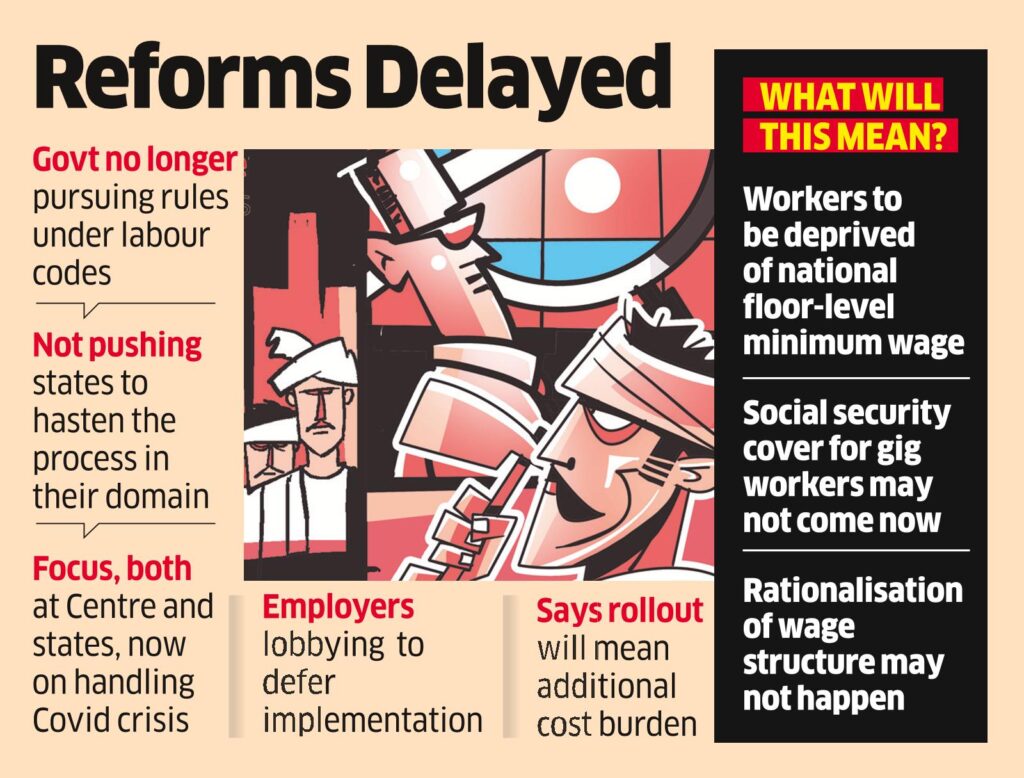
By Dr. Gyan Pathak Centre is getting ready for an early roll out of the four labour codes while the joint platform of the 10 Central Trade Unions has threatened fresh nationwide agitation, including strike action, if the Union government goes ahead with its roll out plan. Union Ministry of Labour and Employment has been […]

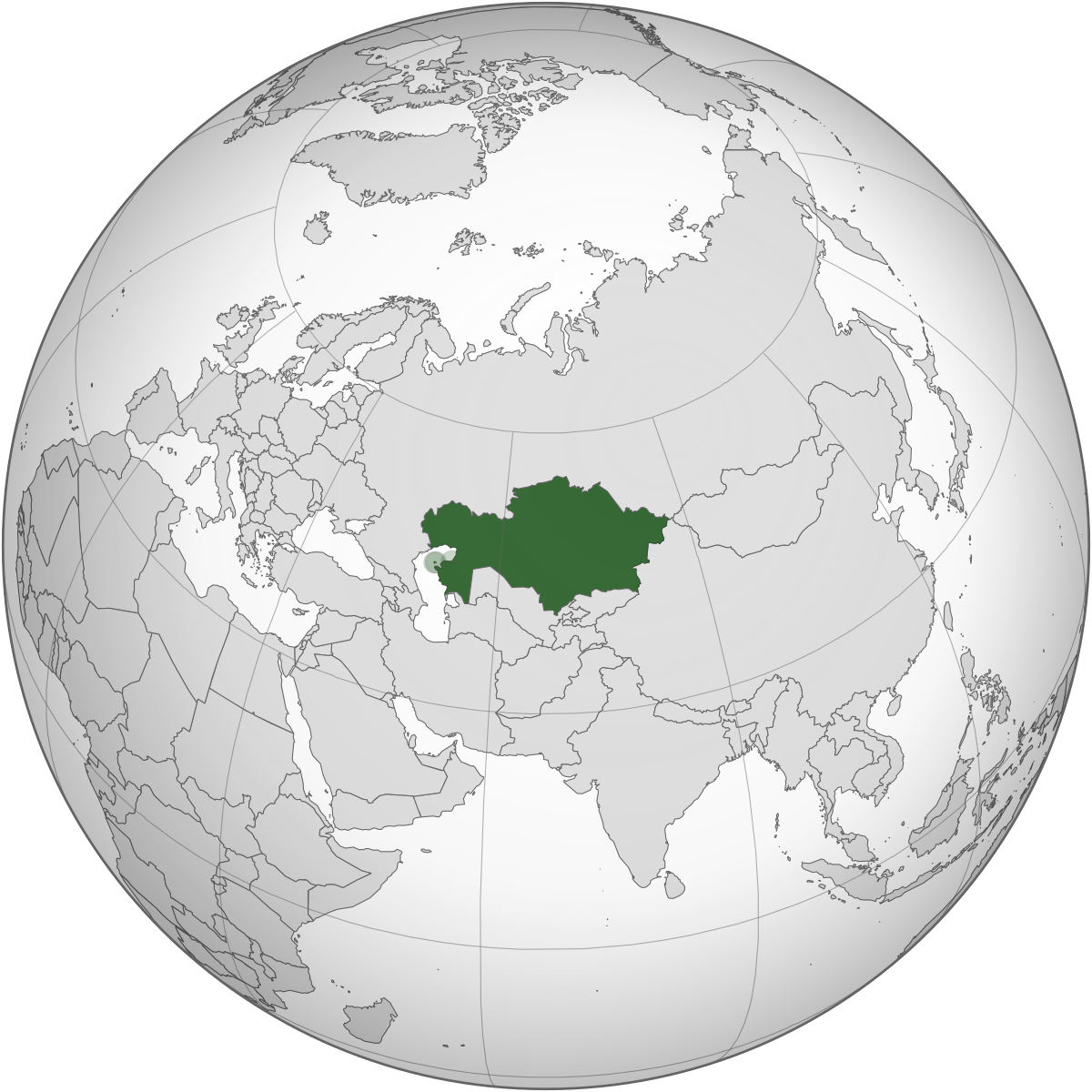
Telegram has announced plans to establish an office in Kazakhstan as part of efforts to comply with the country’s regulatory framework. The decision comes following an agreement between the Kazakh government and the messaging app to streamline content regulation and address the challenges posed by illegal and unauthorized channels. This move marks a significant step in the platform’s attempt to align itself with local laws while maintaining its global presence.

Kazakhstan, like many other nations, has been tightening control over digital platforms, pushing for increased cooperation with technology firms to regulate the spread of harmful content. Authorities in Kazakhstan have raised concerns over the use of messaging platforms like Telegram for illegal activities, including the distribution of extremist materials, drug trafficking, and unauthorized protests. In response, Telegram has agreed to assist the government in swiftly removing such content and blocking unauthorized channels that violate local laws.

As part of this effort, Telegram will establish a physical presence in the country, a development welcomed by the Kazakh government, which seeks to increase oversight of online activities within its borders. By working closely with the government, Telegram aims to ensure that it adheres to Kazakhstan’s regulatory requirements while providing a secure platform for its users.

Kazakh officials view this partnership as a critical tool for maintaining public safety and curbing the misuse of digital platforms for illegal activities. Digital transformation is a key focus for Kazakhstan, and controlling harmful content is essential to ensuring that technological advances benefit society without compromising national security. Telegram’s willingness to engage with the government is seen as a positive step towards building a safer online environment.

The Kazakh government has previously faced challenges in managing online content, particularly on platforms like Telegram that prioritize privacy and encryption. While these features are vital for safeguarding personal communications, they have also made it difficult for authorities to monitor illegal activities. By establishing a local office, Telegram is expected to enhance its response to the government’s concerns and provide a more effective mechanism for dealing with illegal content.

Telegram has a reputation for maintaining a strong commitment to user privacy and freedom of speech, which has often led to tensions with governments attempting to impose stricter regulations. However, the company has demonstrated flexibility in adapting to local laws in various countries where it operates. Its decision to open an office in Kazakhstan follows similar moves in other regions where governments have demanded more accountability from tech firms.

In Kazakhstan, the focus will likely remain on curbing extremist content and illegal activities while balancing the need for user privacy. Telegram’s encryption services have attracted millions of users worldwide, and any measures introduced in Kazakhstan will need to respect the platform’s core principles of secure communication.

The Kazakh government’s collaboration with Telegram comes amid broader efforts to modernize its digital landscape. As part of its digitalization strategy, the country has been promoting the development of online services and communication platforms, aiming to boost economic growth through technological innovation. Ensuring that these platforms operate within a clear regulatory framework is seen as crucial for the success of this strategy.

Telegram’s willingness to cooperate with Kazakhstan’s regulatory bodies is likely influenced by its desire to maintain access to the growing user base in the country. Central Asia has become an important market for tech companies, and securing compliance with local regulations is essential for maintaining long-term growth in the region. As part of this process, the Kazakh government has signaled that it will continue to engage with global tech firms, encouraging them to contribute to the country’s digital transformation while adhering to local laws.

The partnership between Telegram and the Kazakh government may also serve as a model for other nations in the region, where concerns over online safety and content regulation are rising. Governments across Central Asia have been exploring ways to manage the impact of social media and messaging platforms, which have increasingly become central to public discourse. By working with Telegram, Kazakhstan may set a precedent for regulatory cooperation that other countries could follow.

At the same time, Telegram’s decision to open an office in Kazakhstan could raise questions about how the company balances regulatory compliance with its commitment to user privacy and free expression. Critics of increased government regulation often argue that such measures could infringe on civil liberties and limit open communication. As Telegram navigates these challenges, it will need to carefully manage its relationship with the government while continuing to protect the privacy of its users.

Telegram founder Pavel Durov has long emphasized the importance of privacy and security in digital communications, and the platform’s encryption services remain a key feature. However, as the company expands its global operations, it is also facing increasing pressure to cooperate with governments to prevent misuse of the platform. Kazakhstan’s regulatory demands reflect broader global trends, where governments are seeking more control over online content while balancing the need for secure communication tools.


VISHNU RAJA
RYO YAMADA
HITORI GOTOH
IKUYO KITA