News related to
protest

Telegram has announced plans to establish an office in Kazakhstan as part of efforts to comply with the country’s regulatory framework. The decision comes following an agreement between the Kazakh government and the messaging app to streamline content regulation and address the challenges posed by illegal and unauthorized channels. This move marks a significant step in the platform’s attempt to align itself with local laws while maintaining its global presence.

Kazakhstan, like many other nations, has been tightening control over digital platforms, pushing for increased cooperation with technology firms to regulate the spread of harmful content. Authorities in Kazakhstan have raised concerns over the use of messaging platforms like Telegram for illegal activities, including the distribution of extremist materials, drug trafficking, and unauthorized protests. In response, Telegram has agreed to assist the government in swiftly removing such content and blocking unauthorized channels that violate local laws.

As part of this effort, Telegram will establish a physical presence in the country, a development welcomed by the Kazakh government, which seeks to increase oversight of online activities within its borders. By working closely with the government, Telegram aims to ensure that it adheres to Kazakhstan’s regulatory requirements while providing a secure platform for its users.

Kazakh officials view this partnership as a critical tool for maintaining public safety and curbing the misuse of digital platforms for illegal activities. Digital transformation is a key focus for Kazakhstan, and controlling harmful content is essential to ensuring that technological advances benefit society without compromising national security. Telegram’s willingness to engage with the government is seen as a positive step towards building a safer online environment.

The Kazakh government has previously faced challenges in managing online content, particularly on platforms like Telegram that prioritize privacy and encryption. While these features are vital for safeguarding personal communications, they have also made it difficult for authorities to monitor illegal activities. By establishing a local office, Telegram is expected to enhance its response to the government’s concerns and provide a more effective mechanism for dealing with illegal content.

Telegram has a reputation for maintaining a strong commitment to user privacy and freedom of speech, which has often led to tensions with governments attempting to impose stricter regulations. However, the company has demonstrated flexibility in adapting to local laws in various countries where it operates. Its decision to open an office in Kazakhstan follows similar moves in other regions where governments have demanded more accountability from tech firms.

In Kazakhstan, the focus will likely remain on curbing extremist content and illegal activities while balancing the need for user privacy. Telegram’s encryption services have attracted millions of users worldwide, and any measures introduced in Kazakhstan will need to respect the platform’s core principles of secure communication.

The Kazakh government’s collaboration with Telegram comes amid broader efforts to modernize its digital landscape. As part of its digitalization strategy, the country has been promoting the development of online services and communication platforms, aiming to boost economic growth through technological innovation. Ensuring that these platforms operate within a clear regulatory framework is seen as crucial for the success of this strategy.

Telegram’s willingness to cooperate with Kazakhstan’s regulatory bodies is likely influenced by its desire to maintain access to the growing user base in the country. Central Asia has become an important market for tech companies, and securing compliance with local regulations is essential for maintaining long-term growth in the region. As part of this process, the Kazakh government has signaled that it will continue to engage with global tech firms, encouraging them to contribute to the country’s digital transformation while adhering to local laws.

The partnership between Telegram and the Kazakh government may also serve as a model for other nations in the region, where concerns over online safety and content regulation are rising. Governments across Central Asia have been exploring ways to manage the impact of social media and messaging platforms, which have increasingly become central to public discourse. By working with Telegram, Kazakhstan may set a precedent for regulatory cooperation that other countries could follow.

At the same time, Telegram’s decision to open an office in Kazakhstan could raise questions about how the company balances regulatory compliance with its commitment to user privacy and free expression. Critics of increased government regulation often argue that such measures could infringe on civil liberties and limit open communication. As Telegram navigates these challenges, it will need to carefully manage its relationship with the government while continuing to protect the privacy of its users.

Telegram founder Pavel Durov has long emphasized the importance of privacy and security in digital communications, and the platform’s encryption services remain a key feature. However, as the company expands its global operations, it is also facing increasing pressure to cooperate with governments to prevent misuse of the platform. Kazakhstan’s regulatory demands reflect broader global trends, where governments are seeking more control over online content while balancing the need for secure communication tools.


French farmers have reignited their protests, expressing deep frustration over the government’s unfulfilled promises from earlier in the year. Organized mainly by agricultural unions and regional leaders, this wave of protests stems from unresolved issues regarding rising fuel costs, regulatory burdens, and crop damages due to extreme weather events. Despite earlier pledges from Prime Minister Vital to address these concerns, demonstrators claim that little has improved. They continue to demand better support, including diesel tax relief, water reservoir construction, and compensation for climate-induced losses.

The protests, involving road blockages and the dumping of manure in public spaces, echo the intensity of the January demonstrations that saw highways obstructed and large rallies across France. Farmers argue that government concessions made earlier, such as pausing planned tax increases, were insufficient to address the structural issues they face. The failure to deliver concrete solutions has reignited tensions, with farmers stating that their livelihoods are increasingly precarious amid fluctuating commodity prices and soaring input costs.

A significant grievance involves the continued lack of financial compensation for crops damaged by epizootic hemorrhagic disease, which has affected cattle in southern regions. Farmers from Occitania, where this disease has hit hardest, have taken a prominent role in leading the protests, demanding more substantial compensation packages and faster government action. They argue that their efforts to engage with policymakers have been ignored, leaving them with no choice but to return to public demonstrations.

The government’s attempts to de-escalate the situation have so far failed. Agriculture Minister Jean-Paul Durand had urged farmers to be patient, noting that some reforms were in progress, including subsidies for water reservoirs and the reintroduction of emergency funds. However, these assurances have been dismissed by protesters as insufficient and too slow to materialize. As a result, many farmers feel abandoned, leading to escalating tensions as more agricultural workers join the demonstrations.

This resurgence of protests follows broader trends across Europe, where farmers have increasingly taken to the streets over grievances ranging from environmental regulations to market instability. French farmers, in particular, feel squeezed by both domestic policies and European Union directives, which they claim impose unrealistic expectations on agricultural practices while failing to address their economic vulnerabilities. There is mounting pressure on the French government to balance these competing demands while maintaining its commitments to climate action and environmental sustainability.

The movement’s resurgence has also sparked concerns about public disruptions. Authorities have heightened security measures in anticipation of further road blockades and intensified protests. The farmers, however, show no signs of backing down, signaling that the movement may continue until their demands are met. The ongoing struggle highlights the deep discontent within the agricultural sector, which has been exacerbated by what many see as the government’s slow response to their plight.

Although Prime Minister Vital had initially brokered temporary concessions earlier this year, these measures have done little to address the underlying frustrations. Farmers are now calling for longer-term structural reforms that would reduce their vulnerability to both economic fluctuations and environmental impacts. They emphasize that without a comprehensive solution, their protests will continue, potentially disrupting transportation and food supply chains across the country.

As the protests evolve, French officials are facing a critical challenge: how to balance the urgent demands of farmers with broader policy objectives, particularly in relation to environmental goals. The growing tension underscores the difficulty of finding solutions that can satisfy the farming community while also adhering to the government’s climate commitments. This delicate balance remains at the heart of the current standoff.

M A Hossain The upcoming US presidential election on November 5, 2024, carries significant implications for the entire world, including Bangladesh’s political landscape. With the recent ouster of Prime Minister Sheikh Hasina and her fleeing the country thus taking refuge in India, Bangladesh stands at a political crossroads, facing unprecedented geopolitical pressures. An intriguing aspect of this shift is the waning interest of foreign lobbyists in Washington, […]

By Sushil Kutty The Bharatiya Janata Party lost the Jammu & Kashmir assembly elections. The National Conference-Congress alliance romped home victorious. National Conference president Farooq Abdullah announced Omar Abdullah will be the next Chief Minister. The Valley had voted enormously for the NC-Congress alliance. Almost as if there’s no tomorrow. Jammu’s Hindus gave the BJP […]
By Nitya Chakraborty Monday October 7 2024 marks the completion of one year of the Israel-Palestine war which started with the brutal attack on the citizens of Israel by the militant Palestine group Hamas and the more severe retaliation by the Israel Defence Forces (IDF) and the complete annexation of the Gaza area along with […]

Standard & Poor’s has downgraded Israel’s credit rating from A+ to A, primarily citing increased security risks stemming from escalating tensions in the region. The decision reflects the rating agency’s assessment that the current geopolitical climate may hinder Israel’s economic stability and growth prospects.

The S&P report highlighted that the downgrade is attributed to the intensification of military conflicts, particularly involving militant groups in Gaza and Hezbollah in Lebanon. This situation has led to rising security expenditures and concerns over potential disruptions to the economy. Analysts argue that the ongoing conflict could deter foreign investment, impact tourism, and affect the overall economic environment.

Israel’s military actions, particularly in response to rocket fire from Gaza, have drawn international scrutiny. The cycle of violence and retaliatory strikes has strained relationships with neighboring countries and raised fears of a broader regional conflict. The deteriorating security situation has also sparked protests within Israel, with citizens demanding a reevaluation of the government’s military strategy and its implications for daily life.

The economic implications of the downgrade are significant. Israel’s economy has shown resilience in recent years, bolstered by technological advancements and a robust startup ecosystem. However, analysts fear that the heightened security risks could stifle this growth, particularly as the nation grapples with the dual challenges of military expenditures and maintaining investor confidence.

The downgrading comes at a time when Israel’s economy is experiencing inflationary pressures, further complicating the financial landscape. Rising living costs, coupled with increased defense spending, pose challenges to fiscal stability. Policymakers may need to implement measures to counteract these pressures, potentially involving budget reallocations and strategic economic initiatives.

Economists have pointed out that the current security environment may necessitate increased dialogue and diplomatic efforts aimed at stabilizing the region. There is a growing consensus among experts that sustainable peace initiatives could alleviate some of the financial burdens linked to security expenditures. Strengthening diplomatic relations with neighboring states may be essential for fostering an environment conducive to economic growth and stability.

Reactions to the downgrade have varied among local political leaders. While some have criticized the government’s handling of security issues, others argue that the rating reflects broader geopolitical realities that are beyond Israel’s immediate control. As the nation navigates these complex dynamics, the government’s approach to national security and foreign relations will likely play a pivotal role in shaping future economic trajectories.

In response to the downgrade, Israeli Finance Minister Bezalel Smotrich emphasized the importance of a balanced approach to security and economic growth. He stated that maintaining robust defense capabilities is crucial while also recognizing the need for economic resilience. Smotrich’s comments indicate an understanding that both aspects are interlinked, and a sustainable approach will be necessary to bolster investor confidence.

The impact of the downgrade on Israel’s bond market has been immediate, with yields rising as investors reassess risk levels. The move by S&P may prompt other rating agencies to reevaluate their assessments, further complicating Israel’s financial standing in international markets. Observers are closely monitoring how the government responds to these challenges and whether it can implement effective policies to stabilize the economy amidst security concerns.

As Israel grapples with these challenges, key sectors such as technology and tourism are being scrutinized for their resilience. The technology sector, a significant driver of economic growth, may face increased pressure if security concerns impact investment flows. Conversely, the tourism industry, already affected by the pandemic, may struggle to recover fully without improved security conditions.

Investors and analysts are also concerned about the long-term implications of the downgrade on Israel’s geopolitical strategy. The current environment necessitates a recalibration of priorities, with potential shifts in foreign investment patterns and trade relationships. Maintaining a favorable business climate while addressing security challenges will require careful policy considerations.

International reactions to the S&P downgrade have been mixed, with some analysts suggesting that it underscores the need for global stakeholders to engage more actively in peace initiatives in the region. Collaborative efforts to address underlying tensions may not only enhance regional stability but also contribute positively to Israel’s economic outlook.

TUNIS, TUNISIA & LOS ANGELES, UNITED STATES – Newsaktuell – 30 September 2024 – DNA – Tunisia’s political landscape is undergoing a perilous shift. Once celebrated as the Arab Spring’s democratic success story, the country now faces the grim possibility of sliding back into authoritarianism, a new study warns. Backing for the President: Supporters of Tunisian President Kais Saied hold his image during a rally in Tunis, […]

Advertisements
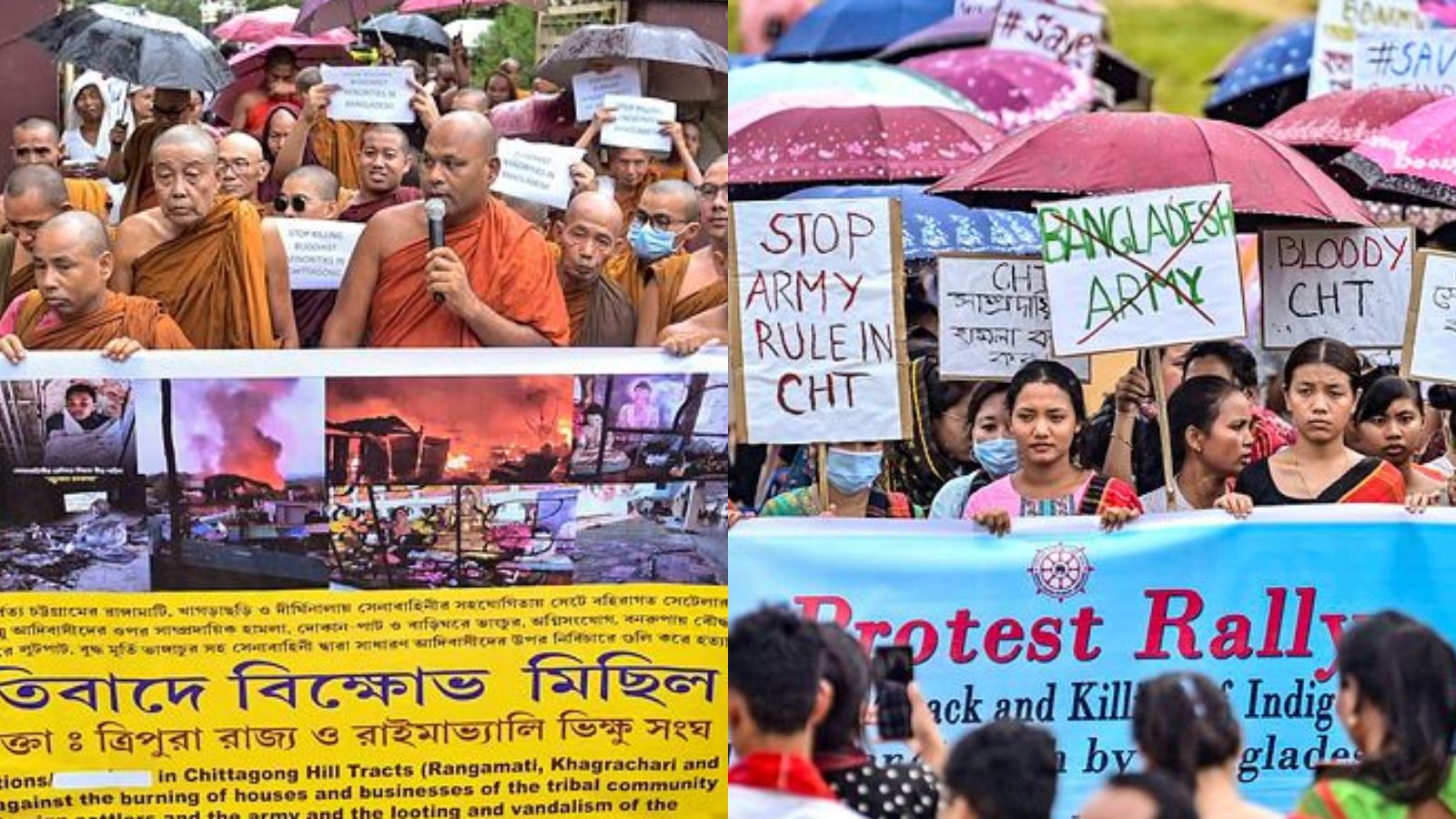
By Rabindra Nath Sinha KOLKATA: Tripura’s most prominent TIPRA Motha leader Pradyot Kishore Manikya Debbarman (ex-royal scion) and Chakma student outfits are in limelight following their successful protests to highlight atrocities against minorities and indigenous people in Chittagong Hill Tracts (CHT) in Bangladesh. The interesting part is that Debbarman himself leads from the front but […]

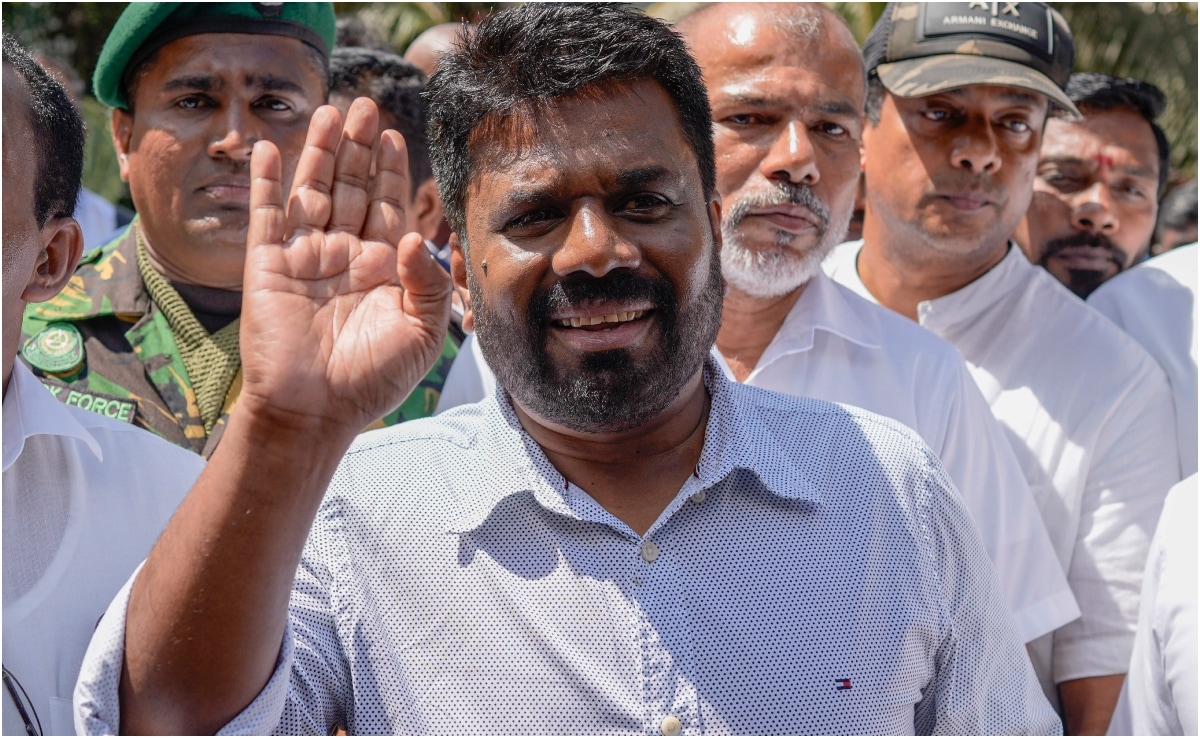
Gautam Adani’s plans to manage Kenya’s largest airport have led to growing unrest, triggering protests, legal challenges, and scrutiny in the nation’s Senate. The Indian billionaire, known for his sprawling business empire, has found his latest venture in Africa facing significant opposition, as concerns mount over the transparency of the agreement and its potential implications for Kenya’s economy.

The controversy centers on Adani Group’s proposal to take over the operations of Jomo Kenyatta International Airport (JKIA), a crucial hub in East Africa. This proposed deal, part of the company’s larger strategy to expand its airport management portfolio globally, has ignited widespread opposition in Kenya. Many argue that handing over control of such a critical national asset to a foreign entity could undermine local interests and jeopardize the country’s sovereignty.

Protests against the deal have intensified, with demonstrators calling for the government to halt the negotiations and protect national assets from foreign dominance. While the Adani Group has stated that the deal would modernize JKIA’s infrastructure and increase its capacity, critics have questioned the lack of transparency in the process and fear that the airport’s control may shift into the hands of private foreign investors without due oversight.

The public unrest surrounding the airport deal has led Kenya’s Senate to hold hearings, seeking clarity on the details of the agreement and its potential economic consequences. Senators have raised concerns about the legality of the proposed transaction, demanding to know how the deal would impact Kenya’s financial commitments and employment opportunities for locals. They argue that while foreign investment is crucial for development, deals involving key national infrastructure should be handled with utmost caution to ensure that the country does not become overly reliant on external entities.

Lawsuits have also been filed against the Adani Group and government agencies involved in the negotiations. The legal challenges cite violations of Kenyan law, particularly in relation to public procurement processes. Lawyers representing the plaintiffs claim that the government did not follow proper procedures, raising questions about the legality of the deal and its long-term impact on the country’s aviation sector.

Despite the growing opposition, the Adani Group has remained confident about the project’s potential to benefit Kenya. The company has expressed its commitment to making significant investments in upgrading JKIA’s facilities, enhancing passenger services, and turning the airport into a regional aviation hub. The group has also stressed that the partnership would create jobs for Kenyans and stimulate economic growth.

However, critics argue that the deal could lead to higher costs for travelers and airlines, as well as a reduction in local control over the airport’s operations. There are concerns that foreign investors, driven primarily by profit, might prioritize financial returns over public interest, potentially increasing tariffs and reducing the quality of service.

Adani Group’s entry into the Kenyan aviation sector is part of a broader trend of Indian conglomerates expanding their presence in Africa. With investments in multiple sectors, including infrastructure, mining, and telecommunications, Indian companies have been deepening their ties with African nations. However, these partnerships have not been without challenges, with critics warning of the risks of foreign dependency and the potential for economic imbalances.

The Kenyan government, while acknowledging the concerns raised by the public and lawmakers, has maintained that the deal with the Adani Group is still under review. Officials have emphasized the importance of foreign investment in driving development and improving infrastructure, but they also assure that the final decision will be made with Kenya’s best interests at heart.

This situation has become a significant test of Kenya’s commitment to balancing foreign investment with the protection of national assets. While the government seeks to attract international investors to fund critical projects, it must also navigate the political and legal complexities that arise from deals involving strategic national resources.

Observers have noted that the outcome of the JKIA controversy could set a precedent for how Kenya handles future agreements with foreign companies, particularly in sectors vital to the country’s development. As the Adani Group’s bid faces mounting resistance, the debate over the control of public infrastructure by foreign entities is likely to intensify, with implications not only for Kenya but for other African nations grappling with similar challenges.

For Adani, whose business empire spans across multiple industries including ports, energy, and infrastructure, the Kenyan airport deal is seen as a key part of his strategy to expand the group’s global footprint. However, the legal and political hurdles that have emerged in Kenya could pose significant obstacles to the company’s ambitions in Africa.

Anura Kumara Dissanayake has officially taken office as the President of Sri Lanka, following a significant electoral victory. Elected on September 23, 2024, his win comes amid widespread public discontent with previous administrations, primarily due to the ongoing economic crisis affecting the nation. Dissanayake, representing the National People’s Power (NPP), emerged victorious with a campaign focused on anti-corruption and poverty alleviation, garnering considerable support from citizens yearning […]

Kenya is reportedly on the verge of securing a $1.5 billion loan from the United Arab Emirates (UAE), a move aimed at bolstering the country’s struggling financial position. This financing deal, which carries an interest rate of 8.2%, comes amid a widening budget deficit and persistent fiscal challenges faced by the Kenyan government. The financing arrangement is part of Kenya’s strategy to diversify its budget support sources […]

By P. Sudhir Anura Kumara Dissanayake, leader of the Janata Vimukti Perumana (JVP) and the National Peoples’ Power (an alliance of Left and progressive parties) won the presidential elections held on September 21 in Sri Lanka. He polled 57,40,179 votes (42.3 per cent) in these elections, which is a significant increase from the 4,18,553 votes […]
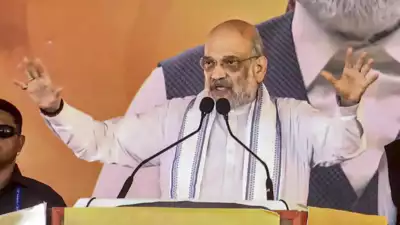
By Dr. Gyan Pathak Creating a bad neighbourhood is unwise, especially through totally avoidable unrestrained speeches. However, the leaders from the ruling establishment in India have been in the habit of making unrestrained speeches aimed at winning domestic elections that hurt our neighbouring countries unnecessarily worsening already strained relationships at a time when India is […]

By Tajul Islam As Bangladesh navigates the current turmoil, the path to economic recovery seems increasingly difficult, requiring prompt and decisive action from the interim government to bring stability and restore confidence among both the public and investors. The political unrest has introduced uncertainty, which is directly affecting economic growth. Both local and foreign investors are hesitant to commit their funds in a country where the future […]

By P. Sudhir It is sixteen months since the ethnic conflict erupted in Manipur. Over 250 people have been killed and many more injured during the violence and 60,000 people remained displaced and living as refugees. The central government and the BJP state government have abjectly failed to address the basic issues, which led to […]

The Dutch government has unveiled plans to enhance export controls on ASML’s advanced lithography equipment, a move China attributes to US coercion. The new regulations will impose stricter licensing requirements for two critical ASML machines essential for semiconductor manufacturing, impacting global technology supply chains. This decision comes amid escalating tensions between Beijing and Washington over technological and trade policies. The Dutch government has stated that the new […]

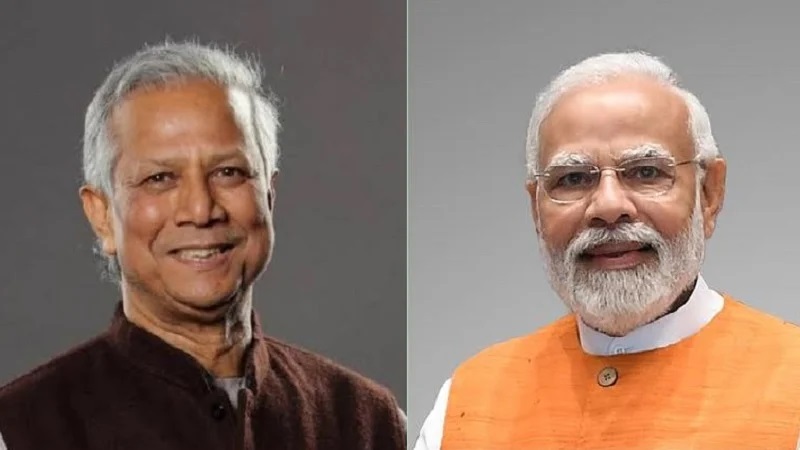
By Nitya Chakraborty Bangladesh Interim Head Dr. Muhammad Yunus has invited Indian Prime Minister Narendra Modi for talks in New York in the last week of September when both of them will be attending the session of United Nations general assembly .So far, there has been no response from the Indian Government sources. In fact, […]
By Arun Srivastava The election for Jharkhand state assembly scheduled to be held in December this year is going to big challenge for the RSS, especially its chief Mohan Bhagwat. A win for BJP would help refurbish the image of Narendra Modi and boost his bargaining power, which he desperately needs to raise his declining […]
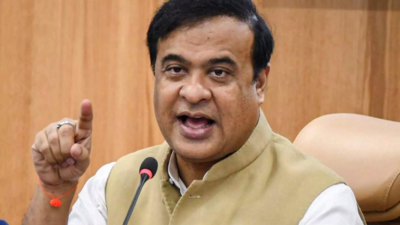
By P. Sudhir The situation in Assam has steadily deteriorated due to growing tensions between communities and certain incidents being used to divide people on communal and chauvinistic lines. The chief minister, Himanta Biswa Sarma, and the BJP-led government are solely responsible for the current state of affairs. Himanta Biswa Sarma has crossed all limits […]
By Satyaki Chakraborty Massive global protests in the last four days of September in all the major cities of the world including New York, Washington, London, Paris, Berlin and finally Tel Aviv against Israel Prime Minister Benjamin Netanyahu’s rigid attitude to the ceasefire proposal to end the Gaza war, have led to some positive reaction […]

KUALA LUMPUR, MALAYSIA – Media OutReach Newswire – 2 September 2024 – The influence of presidential elections on financial markets is often temporary. Still, the psychological effect of elections on traders and investors can cause emotional and illogical behaviour, contributing to increased market swings. Apart from the White House, the Senate is also up for grabs this fall, and the balance of power inside the legislative branch […]

By Dr. Gyan Pathak Democratic compact between chief minister and Lieutenant Governor of Delhi has broken in the last ten years, LG VK Saxena has admitted in his opinion piece published in Indian Express on August 28, which is just an expression of the fact existing in all states and UTs where the opposition political […]

Telegram founder Pavel Durov’s detainment by French authorities at Le Bourget Airport near Paris has triggered a global wave of protests. Over 2 million people have signed an online petition urging his release, highlighting growing concerns over digital privacy and government overreach. Durov, who created the messaging platform Telegram, was reportedly arrested on August 24, 2024, upon arriving in France. The arrest appears to be linked to […]

An Iranian hacking group targeted the WhatsApp accounts of individuals associated with both the Biden and Trump administrations, according to a statement from Meta Platforms. The hackers, posing as tech support agents from well-known companies such as Microsoft and Google, attempted to infiltrate accounts belonging to officials in the United States, the United Kingdom, and the Middle East. Meta revealed that the attempted breaches were part of […]

VISHNU RAJA
RYO YAMADA
HITORI GOTOH
IKUYO KITA
Just in:
Dubai airport passenger traffic drops 28.1% amid conflict // Mexican journalists demand accountability after Acapulco reporter killed // Bora Group 3Q26: Revenue and Net Income Expansion Continues U.S. Manufacturing and Biologics Footprint Complete; Margin Expansion to Follow as Utilization Improves // Mangroves Documentary Premieres, Exploring How Cities and Wetlands Coexist // Google identifies autonomous AI systems conducting vulnerability attacks // Over 360 electricity distribution professionals meet in Seoul for CIRED’s first major event in the Asia-Pacific region // Ratio cut mooted to end teachers stir // Mubadala and Centerbridge secure £1.17bn Canaccord wealth agreement // Ramayana triggers high tourist traffic to Jatayu rock centre // Microsoft restores cloud services after gateway software failure // Ukraine faces $32.6 billion financing gap amid legislative delays // Mangroves Documentary Premieres, Exploring How Cities and Wetlands Coexist // UK privacy regulator flags GTA 6 phishing threats // Regulator demands answers on controversial power deal // Fraudsters register brand lookalikes within a day // First Abu Dhabi Bank proposes AED15 billion share sale // Ayara Kamala Reveals a Refreshed Vision for Wellness in Phuket // Hong Kong International Airport Online Shop Winter Festive Offer // Broermann Medical Innovation Award 2026: Three Pioneers of Modern Obesity and Diabetes Therapies Honored // Galaxy Resort Presents: “Plácido Domingo & José Carreras: The Legends United Opera Gala” //