News related to
prove no

Revenue Growth Supported by Multiple Pillars Steadily Enhancing Shareholder Returns HONG KONG SAR – Media OutReach Neswire – 17 March 2025 – The world’s largest telecommunications infrastructure service provider China Tower Corporation Limited (“China Tower” or the “Company”) (Stock Code: 0788.HK) is pleased to announce its annual results for the year ended 31 December 2024. Performance Highlights RMB Million 2024 2023 Change Operating revenue 97,772 94,009 4.0% […]

Oracle Red Bull Racing is intensifying its collaboration with Oracle Corporation to integrate advanced cloud computing and artificial intelligence technologies into its operations for the 2025 Formula One season. This strategic move aims to bolster the team’s performance both on and off the track, reflecting a commitment to leveraging cutting-edge technology in the highly competitive world of motorsport. The team has adopted Oracle Cloud Infrastructure Compute A2 […]

CME Group, the world’s largest futures exchange, has introduced Solana futures contracts, providing institutional investors with an additional tool for trading the popular cryptocurrency. This move marks a significant step in the expansion of derivatives markets, particularly as digital assets like SOL continue to rise in prominence within the blockchain ecosystem.

The introduction of Solana futures comes at a time when demand for cryptocurrency-related products among institutional players is growing. By expanding beyond traditional spot trading and options, CME Group is responding to a clear market trend: the increasing appetite for advanced financial instruments in the digital asset space. With the launch of these futures contracts, CME Group further solidifies its position as a leader in cryptocurrency derivatives trading, following its successful rollouts of Bitcoin and Ethereum futures.

For institutional investors, Solana futures provide a method of hedging risk and gaining exposure to the cryptocurrency market without having to directly own or manage the underlying asset. Futures contracts are particularly useful for large-scale traders, offering opportunities to speculate on price movements and manage the volatility associated with crypto assets. The addition of SOL futures further diversifies the range of cryptocurrency products available on the CME Group’s platform, complementing its existing offerings.

SOL, the native cryptocurrency of the Solana blockchain, has seen impressive growth in recent months. It continues to strengthen its position as a leading layer 1 network, noted for its fast transaction speeds and low costs, which have made it a popular choice for developers. As the blockchain ecosystem continues to evolve, Solana’s robust performance in areas like decentralized finance , NFTs, and gaming has contributed to a growing number of use cases, driving interest among both retail and institutional investors.

The rise of Solana can be traced to its unique combination of scalability and decentralization, offering an alternative to slower and more expensive platforms like Ethereum. In particular, Solana’s ability to process thousands of transactions per second at a fraction of the cost of its competitors has made it an attractive option for developers seeking high-performance blockchain solutions. This technical advantage is reflected in the increasing adoption of the Solana network, further contributing to its growing market capitalization and network activity.

As the launch of Solana futures unfolds, the attention is on how the product will be received by institutional traders, many of whom have previously shown a preference for more established cryptocurrencies like Bitcoin and Ethereum. However, the entry of new institutional investors into the Solana market could be a game-changer. The volatility that characterises Solana’s price movements may appeal to institutional traders looking for more active trading opportunities and higher-risk, higher-reward positions. Moreover, the futures contracts offer a way to gain exposure to Solana’s price without being directly affected by the underlying volatility in the same way as spot holders.

In addition to its core functionality as a trading tool, the launch of Solana futures is also indicative of broader trends within the cryptocurrency market. The growing institutional interest in digital assets has led to a surge in derivative products, enabling sophisticated trading strategies that were once unavailable in the traditional financial markets. The success of Bitcoin and Ethereum futures, which have attracted billions in liquidity, serves as a precedent for the growing acceptance of cryptocurrencies in institutional investment portfolios.

The move to introduce Solana futures aligns with CME Group’s broader strategy of offering diverse cryptocurrency-related products to meet the needs of institutional investors. By expanding its product offering to include Solana, CME Group not only attracts more traders to its platform but also increases the legitimacy of the cryptocurrency market within traditional financial systems. This development is likely to encourage further innovation and investment in the sector.

Beyond Solana’s technical advantages, the timing of its futures contract launch also positions CME Group strategically within the broader cryptocurrency landscape. As the digital asset market continues to mature, institutional adoption is poised to grow, with more regulatory clarity and financial infrastructure emerging. As one of the first exchanges to offer a futures contract for Solana, CME Group places itself at the forefront of this market evolution.

Despite Solana’s recent successes, challenges remain for the network. The blockchain’s rapid growth has been accompanied by concerns over network stability, with occasional outages raising questions about the scalability and reliability of its technology. While these issues have not significantly hindered Solana’s progress to date, any technical difficulties could potentially affect investor confidence in the network. However, as Solana continues to innovate and improve its infrastructure, its position in the crypto space looks increasingly secure.

The introduction of Solana futures is expected to bring increased liquidity to the market, further boosting its visibility and legitimacy in the eyes of institutional investors. For CME Group, the move represents a strategic push to offer products that cater to the growing demand for cryptocurrency-based trading instruments, and it reflects the evolving nature of digital asset markets.

MoirAI Cloud, a Florida-based AI infrastructure startup, has secured $1 million in pre-seed funding to enhance energy efficiency in AI-driven data centres. The company’s innovative approach leverages AI to optimise power consumption and significantly reduce energy waste, with the potential to cut energy usage by up to 95%. The investment comes at a time when the global data centre market is under increasing pressure to adopt more […]

Dubai’s real estate sector saw a remarkable surge in February 2025, with property sales volumes hitting Dh41 billion, marking a 17 per cent increase compared to the previous month. This impressive growth underscores the city’s resilience amid global economic challenges and reinforces its standing as a top investment destination. The property market’s robust performance is attributed to a combination of factors, including a booming economy, a steady […]

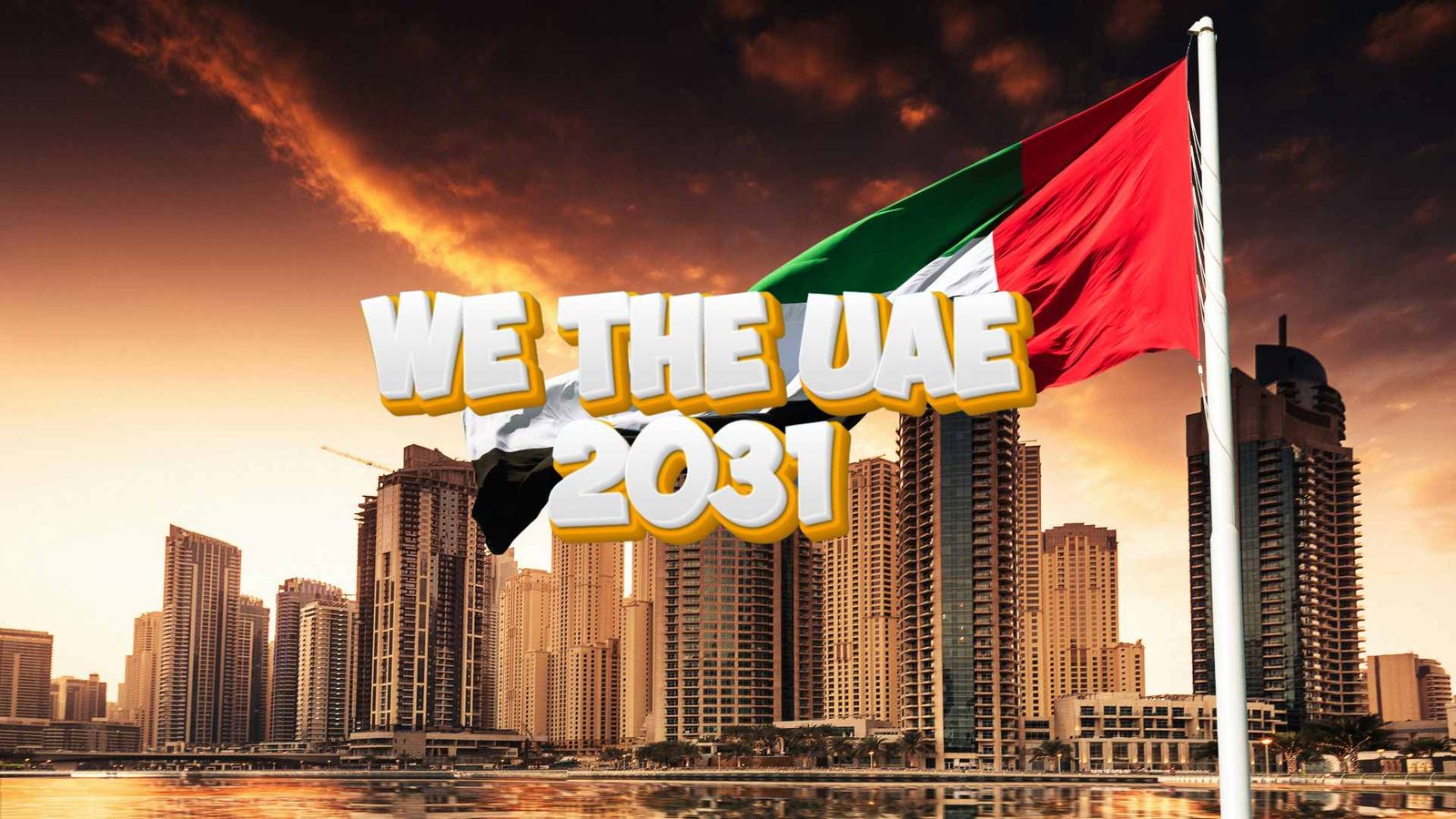
The United Arab Emirates has unveiled an ambitious plan to significantly boost its foreign direct investment inflows, aiming to increase annual figures from AED112 billion in 2023 to AED240 billion by 2031. This initiative is part of the newly approved National Investment Strategy 2031, which seeks to position the UAE as a premier global investment hub.

The strategy outlines a comprehensive approach to enhance the nation’s investment landscape. It includes the launch of 12 strategic programmes and 30 targeted initiatives, such as the Financial Sector Development Program, the One-Market Program, and InvestUAE. These initiatives are designed to bolster investment promotion and drive economic diversification across key sectors, including industry, logistics, financial services, renewable energy, and information technology.

His Highness Sheikh Mohammed bin Rashid Al Maktoum, Vice President, Prime Minister, and Ruler of Dubai, chaired the UAE Cabinet meeting where the strategy received approval. He emphasized that the goal is to increase annual foreign investment inflows to AED240 billion by 2031 and grow the UAE’s total FDI stock from AED800 billion to AED2.2 trillion over the coming years.

In 2023, the UAE recorded FDI inflows amounting to USD 30.688 billion, a substantial increase from USD 22.737 billion in 2022. This growth positioned the UAE second globally in FDI inflows, reflecting the nation’s robust investment climate and strategic initiatives to attract foreign capital.

The National Investment Strategy 2031 is expected to further enhance the UAE’s role as a bridge connecting regional markets and a global hub for investment. By focusing on key sectors and implementing targeted initiatives, the UAE aims to diversify its economy, reduce dependence on oil revenues, and promote sustainable development.

The strategy also aligns with the UAE’s broader economic goals, including the promotion of innovation, support for small and medium-sized enterprises , and the development of human capital. By creating a conducive environment for businesses and investors, the UAE seeks to foster economic growth and maintain its competitive edge in the global market.

As part of its efforts to attract foreign investment, the UAE has established a comprehensive framework of agreements, including Bilateral Investment Treaties , Avoidance of Double Taxation Agreements , and Comprehensive Economic Partnership Agreements . These agreements aim to offer robust protections, streamline processes, and provide strategic opportunities for investors, thereby enhancing the UAE’s appeal as an investment destination.

Artificial intelligence search tools, once hailed as the future of information retrieval, are now under scrutiny for their alarming inaccuracy. A comprehensive study by the Tow Center for Digital Journalism at Columbia University reveals that these AI-driven search engines frequently provide incorrect information, raising concerns about their reliability. The study evaluated eight prominent AI search tools, including OpenAI’s ChatGPT Search, Google’s Gemini, Perplexity, DeepSeek Search, Grok-2 Search, […]

Advertisements
India is poised to ascend to the position of the world’s third-largest economy by 2028, overtaking Germany, according to projections by global financial services firm Morgan Stanley. This anticipated growth underscores India’s expanding influence in the global economic landscape.

Currently standing as the fifth-largest economy with a gross domestic product of $3.5 trillion in 2023, India is on track to reach $4.7 trillion by 2026, surpassing Japan to become the fourth-largest economy. By 2028, the GDP is expected to further expand to $5.7 trillion, positioning India ahead of Germany. This trajectory marks a significant rise from its 12th position in 1990, 13th in 2000, 9th in 2020, and 5th in 2023.

Several foundational factors contribute to this robust economic growth. India’s burgeoning population offers a vast labor force and consumer base, fostering both production and consumption. The nation’s democratic framework ensures policy continuity and stability, attracting foreign investments. Macroeconomic stability, characterized by controlled inflation and prudent fiscal policies, has created a conducive environment for sustainable growth. Infrastructure development, including advancements in transportation and digital connectivity, has enhanced efficiency and productivity across sectors. Additionally, a rising entrepreneurial class has spurred innovation and competitiveness, further propelling economic expansion.

Morgan Stanley outlines three potential scenarios for India’s economic future by 2035:

– Bear Scenario: GDP reaches $6.6 trillion.

– Base Scenario: GDP grows to $8.8 trillion.

– Bull Scenario: GDP surges to $10.3 trillion.

In these scenarios, GDP per capita is projected to rise from $2,514 in 2025 to $4,247 , $5,683 , and $6,706 by 2035.

The government’s strategic initiatives have played a pivotal role in this economic ascent. Programs like ‘Make in India’ have invigorated the manufacturing sector, encouraging both domestic and foreign companies to establish production units within the country. The ‘Digital India’ campaign has significantly improved digital infrastructure, increasing internet penetration and promoting e-governance, thereby enhancing transparency and efficiency. These initiatives have collectively created a more business-friendly environment, attracting global investors and fostering economic growth.

The international community has taken note of India’s economic potential. Germany, for instance, is actively seeking to strengthen ties with India to diversify its economic partnerships and reduce reliance on China. German companies are increasingly investing in India, drawn by its vast market, youthful workforce, and relatively lower costs. This strategic move aligns with Germany’s efforts to diversify supply chains and mitigate economic risks associated with over-reliance on a single country.

However, challenges persist on India’s path to sustained economic growth. Concerns about the country potentially aging before achieving widespread prosperity have been raised. Issues such as unemployment, particularly among the educated youth, and a stagnating middle class could impede economic progress. To address these challenges, economists emphasize the need for India to maintain a growth rate of approximately 8% per year. Additionally, the prospect of an aging population, coupled with declining fertility rates, necessitates strategic planning to ensure a balanced and inclusive growth trajectory.

In the realm of global manufacturing, India has the opportunity to position itself as a viable alternative to China. By capitalizing on the ‘China plus One’ strategy, India can attract foreign investments in low-skilled manufacturing sectors. This approach not only diversifies global supply chains but also creates employment opportunities within the country, contributing to economic growth. However, achieving this requires addressing structural challenges, such as improving labor laws and enhancing ease of doing business, to create a more conducive environment for manufacturing investments.

Saudi Arabia, historically a lucrative market for international consulting firms, is undergoing a notable transformation in its approach to external advisory services. The kingdom’s government is reassessing its reliance on foreign consultants, leading to a slowdown in contract awards and prompting firms to relocate staff to other regions, including Doha. This shift reflects a broader trend within the consulting industry, which is grappling with various challenges worldwide. […]

Dubai Aerospace Enterprise has committed approximately $1 billion to acquire 17 next-generation aircraft, enhancing its global fleet. This strategic move underscores DAE’s dedication to modernizing its portfolio and strengthening its position in the aviation leasing industry.

The acquisition includes 15 narrow-body and 2 wide-body aircraft, all equipped with advanced fuel-efficient technologies. Notably, 80% of these aircraft are manufactured by Airbus, with the remaining 20% produced by Boeing. This composition reflects DAE’s strategy to balance its fleet between the two leading aircraft manufacturers. The newly acquired aircraft are currently leased to 11 airlines across 10 countries, indicating DAE’s extensive global reach and diversified client base.

Firoz Tarapore, Chief Executive Officer of DAE, expressed enthusiasm about the acquisition, stating that it aligns with the company’s commitment to integrating next-generation technology into its fleet. He emphasized that these modern, fuel-efficient aircraft will not only enhance DAE’s portfolio but also deepen relationships with their global airline customers. Tarapore also highlighted the company’s proactive approach in sourcing attractive assets from the secondary market to meet growth and portfolio management targets, especially amid ongoing delivery delays from manufacturers.

Upon completion of this transaction, DAE’s fleet metrics are expected to improve significantly. The weighted average age of its passenger fleet will decrease to 6.9 years, and the average remaining lease term will extend to 6.6 years. This rejuvenation of the fleet is anticipated to enhance operational efficiency and appeal to airlines seeking modern aircraft for their operations.

The updated fleet composition post-acquisition will be 46% Airbus aircraft, 49% Boeing aircraft, and 5% ATR 72-600 models. This balanced mix ensures that DAE can cater to a wide range of airline requirements, from regional to long-haul operations.

The aviation industry has been witnessing a strong recovery, with airlines seeking to modernize their fleets to meet environmental regulations and passenger expectations. DAE’s investment in next-generation aircraft positions the company to capitalize on this trend, offering fuel-efficient and environmentally friendly options to its clients.

In the context of global aviation, leasing companies like DAE play a crucial role in providing airlines with flexible fleet solutions. By investing in modern aircraft, lessors not only support airlines in meeting their operational goals but also contribute to the overall sustainability efforts of the industry.

DAE’s strategic decision to expand its fleet with next-generation aircraft demonstrates its commitment to innovation, customer satisfaction, and environmental responsibility. As the aviation sector continues to evolve, such investments are essential for companies aiming to maintain a competitive edge and support the industry’s growth trajectory.

This acquisition also reflects the broader trend of aviation companies prioritizing sustainability. Next-generation aircraft are designed to offer improved fuel efficiency and reduced emissions, aligning with global efforts to combat climate change. By integrating these aircraft into its fleet, DAE is not only enhancing its market position but also contributing positively to environmental sustainability.

HANOI, VIETNAM – Media OutReach Newswire – 14 March 2025 – KVB emerged as the ultimate winner of the prestigious Most Popular Broker 2024 award presented by Followme, after breaking through fierce competition among 371 participating brokers. Following a rigorous evaluation process, the final selection was based on a comprehensive assessment of key factors, including customer base and activity levels, service quality, user reputation, and overall engagement […]

Dubai-based robotics manufacturer Micropolis Holding has successfully raised $15.5 million through its initial public offering on the NYSE American exchange. The company offered approximately 3.875 million ordinary shares at $4 per share, aligning with the lower end of the anticipated price range. Trading commenced on March 7, 2025, under the ticker symbol “MCRP”. Established in 2014 and headquartered in Dubai Production City, Micropolis specializes in developing autonomous […]

Shareholders of Gulf Navigation Holding PJSC have approved the company’s AED 3.2 billion acquisition of Brooge Energy Limited , a NASDAQ-listed oil refining and storage firm. This strategic move aims to bolster Gulf Navigation’s presence in the midstream oil and gas logistics sector. The approval was secured despite earlier reservations from minority shareholders regarding potential dilution of their holdings. The acquisition entails a multifaceted financial arrangement. Gulf […]

A U.S. court has approved Three Arrows Capital’s request to raise its claim against FTX to $1.53 billion. This decision allows the embattled hedge fund to pursue a larger share in the bankruptcy proceedings of the collapsed cryptocurrency exchange, FTX. The court’s approval comes after 3AC, which held significant assets in FTX, revised its initial claim to reflect a more substantial financial stake.

As of June 12, 2022, 3AC reportedly held assets valued at $1.53 billion in FTX, a cryptocurrency exchange that has since spiraled into bankruptcy. However, a rapid series of transactions between the two parties led to the liquidation of a significant portion of these assets. Just days after 3AC held the assets, they were sold off to cover a $1.3 billion debt owed to FTX, leaving 3AC with a significantly reduced amount.

Initially, 3AC had filed a claim for $120 million in June 2023, which represented the remaining value of its assets at the time. The claim was based on 3AC’s holdings of FTX’s native FTT tokens and other crypto assets tied to the exchange, which were initially valued higher. However, in light of further analysis and unfolding details, the claim has now been revised upwards, with 3AC seeking $1.53 billion in total.

The court’s ruling allows 3AC to officially revise the terms of its claim, which will impact how the proceedings in FTX’s bankruptcy case unfold. With a claim now nearly ten times larger than originally filed, 3AC’s request highlights the complexity of the ongoing bankruptcy proceedings and the intricate relationships between major crypto players.

The revised claim is rooted in the volatile collapse of FTX, which saw assets across the crypto sector lose significant value. The turmoil within the digital currency market has also raised questions regarding asset valuations and the interlinked financial risks faced by companies involved in the cryptocurrency ecosystem. The asset liquidation that occurred between 3AC and FTX highlights the systemic risks that crypto exchanges, funds, and investors face during such crises.

The U.S. court’s approval comes amid continuing investigations into FTX’s operations, with authorities scrutinising the events leading to the exchange’s downfall. FTX founder Sam Bankman-Fried faces multiple charges related to fraud and mismanagement, and the ongoing legal proceedings have drawn attention to the broader impact on investors and creditors. The case of 3AC is just one of many high-profile claims emerging from the aftermath of FTX’s bankruptcy, but its size and prominence underscore the potential consequences for other creditors.

For 3AC, the court’s approval marks a critical development as the firm continues its restructuring efforts in the wake of its own collapse. Three Arrows Capital had once been a prominent player in the cryptocurrency hedge fund space, but it has faced significant financial setbacks following its exposure to failing crypto assets. The fund’s involvement in the FTX debacle further complicates its ongoing recovery, with large sums of money at stake.

3AC’s strategy to pursue a larger claim indicates its ongoing efforts to secure as much compensation as possible through FTX’s bankruptcy process. Given the scale of its claim, 3AC may also seek to negotiate its position with other creditors involved in the bankruptcy, all of whom are competing for a share of the limited remaining assets.

The approval also raises broader questions about the future of cryptocurrency regulation, as both the U.S. and international regulators examine the collapse of FTX and its ramifications. The FTX debacle has drawn scrutiny from lawmakers and regulatory bodies, with calls for more stringent oversight of the cryptocurrency industry. As the fallout from the collapse continues to unfold, many expect further legal challenges and claims from other investors and entities that were involved in the exchange’s operations.

KUALA LUMPUR, MALAYSIA – Media OutReach Newswire – 14 March 2025 – Silver is attracting investor interest, with market analysts predicting a potential leap to $40 per troy ounce in 2025. The metal is rising in global investment portfolios, providing stiff competition to gold’s long reign over commodity markets. Kar Yong Ang, a financial market analyst at Octa Broker, explains why silver has a very good opportunity […]

Members of President Donald Trump’s family have entered talks regarding a potential investment in Binance’s U.S. arm, a move that has drawn significant attention given the rising influence of cryptocurrency exchanges in global finance. The discussions revolve around securing a financial stake in Binance.US, which has been expanding its reach within the U.S. despite ongoing regulatory hurdles.

Sources indicate that the Trump family, including figures close to the former president, have shown increasing interest in the digital assets space. While specific details of the talks remain confidential, insiders suggest that the potential investment would allow the Trump family to become a major player in one of the largest cryptocurrency exchanges worldwide. This development has attracted scrutiny due to the complexities surrounding cryptocurrency regulation in the U.S. and Binance’s efforts to navigate these challenges.

Binance.US, a subsidiary of the global cryptocurrency exchange Binance, has been under intense regulatory pressure, particularly from the U.S. Securities and Exchange Commission . The regulatory body has taken aim at cryptocurrency exchanges, scrutinising their operations and pushing for tighter compliance with financial laws. Binance.US has worked to distinguish itself from its parent company, striving to comply with U.S. regulations in order to maintain access to the lucrative American market. This regulatory scrutiny has intensified as the SEC investigates various crypto-related activities, leading some exchanges to reassess their operations in the U.S.

The Trump family’s potential involvement in Binance.US comes at a time when cryptocurrency remains a divisive issue within U.S. political circles. President Trump himself has expressed scepticism about digital currencies in the past, calling Bitcoin a “scam” and reiterating his support for the U.S. dollar. However, some of his family members, including his sons, have reportedly shown greater interest in blockchain technology and the broader financial opportunities within the sector.

The growing interest in cryptocurrencies and their market potential has not gone unnoticed by established financial institutions, traditional investors, and wealthy individuals, including those with political influence. Cryptocurrency offers an alternative financial system that is decentralised, offering benefits like increased privacy and reduced reliance on traditional banking systems. At the same time, the volatility and lack of regulation continue to be a major concern for investors.

Binance, which was founded in 2017 by Changpeng Zhao, has become one of the most prominent cryptocurrency exchanges globally. The company has maintained a significant foothold in international markets but has faced regulatory challenges in several jurisdictions, including the United States, the United Kingdom, and Japan. In the U.S., the company has been forced to adapt its operations to meet local compliance requirements, which have included halting certain services and modifying trading offerings.

In addition to the regulatory concerns, Binance has faced allegations of facilitating illegal activities, including money laundering, leading to legal battles in several countries. These challenges have prompted Binance.US to distance itself from its parent company, ensuring that its operations remain fully compliant with U.S. laws. The platform has also been active in cooperating with regulators to ensure that it operates within the confines of U.S. financial regulations.

The Trump family’s interest in Binance.US signals the growing trend of prominent individuals and families seeking to establish financial positions in emerging markets, especially those that offer substantial growth opportunities like the cryptocurrency sector. While the discussions are still in the early stages, industry analysts suggest that the involvement of the Trump family could accelerate the exchange’s push to expand further within the U.S. market. With both the political clout and financial resources that the Trump family brings, their entry into the cryptocurrency space could prove to be a significant development for Binance and the broader digital assets industry.

The potential partnership also underscores the increasing mainstream acceptance of cryptocurrencies among high-profile investors and their growing role in the future of finance. As the U.S. government and regulators continue to grapple with how to regulate digital currencies, the involvement of politically connected figures in cryptocurrency investments could potentially alter the trajectory of future regulatory frameworks.

Despite the regulatory challenges, Binance.US has reported strong growth in user adoption and trading volume. As the global market for digital currencies continues to expand, platforms like Binance are positioned to benefit from increasing demand for alternative investment opportunities. Moreover, Binance.US’s strategic adjustments to comply with U.S. regulations, coupled with the potential involvement of high-profile investors like the Trump family, may further solidify its standing in the competitive crypto market.

The conversations surrounding the Trump family’s involvement in Binance come amid broader discussions in Washington about how to best regulate the cryptocurrency space. Lawmakers have expressed concerns about the risks posed by digital currencies, ranging from fraud to their use in illicit transactions. At the same time, they have recognised the growing popularity of cryptocurrencies and the need to establish clear rules that both protect consumers and foster innovation in the sector.

The Trump family’s engagement in the cryptocurrency industry also raises questions about the increasing convergence of political influence and financial markets. As more individuals and families with political ties explore opportunities in the digital asset space, the lines between politics and business may continue to blur. This development may set the stage for a new era of investments in which political figures play an increasingly central role in shaping the future of digital finance.

A collaborative study by researchers from Microsoft and Carnegie Mellon University indicates that increased dependence on generative AI tools in the workplace may lead to a decline in critical thinking abilities among knowledge workers. The study surveyed 319 professionals who regularly employ GenAI in their tasks, revealing that higher confidence in AI capabilities correlates with reduced cognitive engagement. The research aimed to understand how GenAI influences the […]

The forthcoming Mesa 25.1 release signifies a pivotal shift in the Linux graphics landscape, as it replaces the longstanding Nouveau OpenGL driver with a combination of Zink and NVK for NVIDIA GPU users. This transition aims to enhance performance and stability for systems utilizing NVIDIA’s Turing architecture and newer. Historically, the Nouveau driver has served as the default open-source OpenGL implementation for NVIDIA GPUs within the Mesa […]

The European Union has announced plans to impose tariffs on $28 billion worth of U.S. goods starting April 1, 2025, in direct response to the United States’ recent implementation of a 25% tariff on steel and aluminium imports. This move marks a significant escalation in trade tensions between the two economic powerhouses.

The U.S. tariffs, championed by President Donald Trump, took effect on March 12, 2025, targeting steel and aluminium imports globally. The administration justified these measures as necessary to protect national industries and bolster domestic employment. However, the EU has criticized these actions as unjustified and harmful to international trade relations.

In retaliation, the EU’s countermeasures will affect a diverse array of American products. Notably, iconic items such as Kentucky bourbon, Harley-Davidson motorcycles, and various agricultural products are on the list. The selection of these goods appears strategic, aiming to exert political pressure on key U.S. constituencies, particularly in states that supported President Trump. For instance, bourbon production is a significant industry in Kentucky, the home state of Senate Majority Leader Mitch McConnell.

European Commission President Ursula von der Leyen emphasized that while the EU’s response is robust, it remains proportionate. She stated, “We do not seek escalation, but the U.S. tariffs leave us no choice but to defend our industries and uphold the rules of international trade.” The EU’s approach underscores its intent to protect its economic interests without further destabilizing global trade dynamics.

The targeted U.S. products span various sectors, including industrial goods, textiles, and agriculture. This broad spectrum indicates the EU’s strategy to distribute the impact across multiple industries, thereby minimizing potential adverse effects on European consumers and businesses. The list of goods subject to tariffs was compiled after thorough consultations with EU member states to ensure a balanced and effective response.

The U.S. administration has defended its tariffs as a means to revitalize domestic manufacturing and safeguard national security interests. President Trump argued that the influx of imported steel and aluminium poses a threat to these sectors, necessitating protective measures. However, critics argue that such tariffs could lead to increased production costs for American industries reliant on these raw materials, potentially resulting in higher prices for consumers and strained relationships with key trading partners.

The EU’s decision to implement counter-tariffs is rooted in World Trade Organization rules, which permit such measures when a member country’s actions are deemed unjustifiable and harmful. By adhering to these international guidelines, the EU aims to reinforce the legitimacy of its response while highlighting the perceived illegitimacy of the U.S. tariffs.

The brewing trade dispute has raised concerns among global economic analysts. There is apprehension that this tit-for-tat escalation could lead to a broader trade war, negatively impacting global economic growth and stability. Both the EU and the U.S. are integral players in the international economy, and prolonged tensions between them could have ripple effects worldwide.

Despite the firm stance, the EU has expressed a willingness to engage in dialogue to resolve the dispute. Von der Leyen remarked, “Our door remains open for discussions. It is in the interest of both sides to find a mutually agreeable solution that preserves the integrity of our economic relationship.” This openness to negotiation suggests that while the EU is prepared to defend its interests, it also recognizes the value of maintaining a cooperative transatlantic partnership.

In the United States, reactions to the escalating trade tensions have been mixed. Some industry leaders have voiced support for the administration’s protective measures, citing long-standing challenges posed by foreign competition. Conversely, others express concern over potential retaliatory actions and their impact on export-dependent industries. The agricultural sector, in particular, fears that the EU’s tariffs could significantly reduce demand for American produce in European markets.

The unfolding situation underscores the complexities inherent in global trade relations. As both sides brace for the implementation of these tariffs, the international community watches closely, hoping for a resolution that averts further economic disruption. The coming weeks may prove pivotal in determining whether the EU and the U.S. can navigate this impasse through negotiation or if the world is on the cusp of a more pronounced trade conflict.

In light of these developments, businesses on both sides of the Atlantic are advised to monitor the situation closely. Companies involved in the production, export, or import of the affected goods should prepare for potential disruptions and consider strategies to mitigate the impact of the tariffs. This may include exploring alternative markets, adjusting supply chains, or engaging in advocacy efforts to influence policy decisions.


The recent visit of Lebanese President Joseph Aoun to Saudi Arabia has offered a rare glimmer of optimism for Lebanon’s economic recovery and political stability. As the country grapples with an extended financial crisis, exacerbated by governance challenges, this visit—Aoun’s first official trip abroad since taking office in January—signals a potential turning point. Saudi Arabia remains a key regional ally, and Lebanon is in urgent need of […]

The world’s leading technology billionaires have experienced unprecedented declines in their net worths, with a collective loss of approximately $266 billion in 2025. This downturn surpasses the market capitalizations of major corporations such as Salesforce and McDonald’s. Elon Musk, the CEO of Tesla and SpaceX, has seen his wealth diminish by $102 billion in just two months, primarily due to a 35% drop in Tesla’s stock price. […]

Riyadh is set to become the epicenter of artificial intelligence innovation as it prepares to host the Global AI Show on June 23-24, 2025. Organized by VAP Group, the event is expected to attract over 5,000 AI futurists, industry leaders, and innovators from around the world. This gathering underscores Saudi Arabia’s commitment to establishing itself as a global hub for artificial intelligence, in line with its Vision […]

The U.S. Securities and Exchange Commission has postponed decisions on a series of high-profile cryptocurrency exchange-traded funds , signalling an ongoing cautious approach to integrating digital assets into mainstream financial markets. Among the delayed applications are several ETFs linked to major cryptocurrencies, such as Dogecoin, XRP, Solana, and Litecoin.

The Grayscale Dogecoin ETF, along with the Grayscale XRP ETF, are part of a broader set of applications put forward by the company to broaden its crypto offerings. Other significant applications include those from VanEck, Canary, Bitwise, and Coinshares, which are seeking to launch ETFs focused on Solana and Litecoin. These delays mark a critical moment in the cryptocurrency sector, where industry observers and market participants had hoped for greater clarity and regulatory progress from the SEC.

While the SEC has cited concerns about investor protection and market manipulation risks, industry players argue that the delay underscores the agency’s struggle to adapt existing regulations to an ever-evolving digital asset landscape. Proponents of these ETFs contend that the SEC’s hesitation hampers innovation and blocks more accessible investment channels for retail investors eager to gain exposure to digital currencies.

The regulatory body has been scrutinising crypto ETFs for some time, weighing the risks associated with market volatility and liquidity issues. SEC Chair Gary Gensler has repeatedly indicated that the agency’s stance on cryptocurrency would focus on ensuring the integrity of the financial system and protecting investors from potential fraud. Yet, critics argue that these delays are hindering the growth of the digital asset sector, and market participants remain uncertain about the timeline for future approvals.

Grayscale, a prominent asset management firm known for its Bitcoin and Ethereum trust funds, has been at the forefront of advocating for Bitcoin ETFs and other crypto investment vehicles. The company has expressed disappointment over the delay but remains optimistic that the SEC will eventually approve these products, citing the increasing institutional interest in cryptocurrency markets and the growing demand for regulated investment vehicles.

The proposed Grayscale Dogecoin and XRP ETFs are especially notable due to the prominence of these assets in the digital currency ecosystem. Dogecoin, originally created as a meme, has gained significant traction over the past few years, bolstered by celebrity endorsements and a growing user base. XRP, meanwhile, continues to be embroiled in ongoing legal battles with the SEC, which has added further complexity to its potential approval for an ETF.

Similarly, the Solana and Litecoin-focused ETFs, which include offerings from Canary, Bitwise, and Grayscale, have generated significant attention. Solana, known for its high-speed transactions and lower fees, has become one of the most talked-about cryptocurrencies in recent years. However, concerns around security breaches and technical challenges have led to questions about its long-term stability and viability as a mainstream investment product. Litecoin, while considered one of the more established cryptocurrencies, has faced similar issues regarding its perceived relevance in a rapidly evolving market.

As the SEC continues to deliberate on these applications, many in the cryptocurrency industry remain hopeful that the regulator will take a more open-minded approach in the future. However, the delay of these ETFs highlights the ongoing tension between the cryptocurrency sector and regulatory bodies, as both sides navigate the complexities of balancing innovation with risk mitigation. Despite the setback, cryptocurrency advocates are expected to persist in pushing for more robust regulatory frameworks that will allow digital assets to gain legitimacy in the financial sector.

The SEC’s cautious stance is also reflective of broader concerns in the U.S. government about the potential for cryptocurrencies to be used in illicit activities. Policymakers have raised concerns about the role digital currencies may play in money laundering, terrorism financing, and other illegal transactions. These concerns have prompted calls for more stringent regulatory measures, including the implementation of clearer rules around custody, reporting, and anti-money laundering compliance.

HONG KONG SAR – Media OutReach Newswire – 12 March 2025 – The James Dyson Award, an international student design and engineering competition, opens for submissions today to its 2025 programme in 28 countries and regions. From everyday challenges to the world’s most pressing issues, the Award calls for current or recent students to submit problem-solving ideas that could make a real difference to people’s lives. Since […]

VISHNU RAJA
RYO YAMADA
HITORI GOTOH
IKUYO KITA
Just in: