Swiss lawmakers are opening a politically charged debate in Bern that could determine how much capital UBS Group must hold after its takeover of Credit Suisse, setting the stage for a confrontation between financial stability concerns and fears over Switzerland’s competitiveness as a banking centre. A 13-member parliamentary panel is meeting on Monday to begin work on proposed changes to the Banking Act, a legislative package shaped […]
Ooredoo has launched Smart Wi-Fi Analytics in Qatar, giving large venues and enterprises a tool to convert everyday wireless connectivity into real-time operational intelligence for business, customer experience and network management. The service has been introduced as an add-on to Ooredoo’s existing Smart Wi-Fi portfolio and is designed for high-density environments such as shopping malls, universities, large office buildings, hospitality venues and other sites where thousands of […]
Palo Alto Networks has agreed to acquire Portkey, a Bengaluru-founded AI infrastructure startup, as the cybersecurity group pushes further into securing autonomous software agents now moving from pilot projects into business-critical systems. The Santa Clara-based company said the deal is expected to close in its fourth quarter of fiscal 2026, subject to customary conditions. Financial terms were not disclosed, though market estimates place Portkey’s potential valuation at […]
NEW DELHI, INDIA – Media OutReach Newswire – 3 May 2026 – The Indo-Pacific region continues to be the focal point of global growth dynamics and strategic competition, and relations between Vietnam and India are facing new opportunities to develop in a deeper, more substantive, and more sustainable manner. Building on the Comprehensive Strategic Partnership established in 2016, cooperation in the fields of economy, science and technology, and environment has increasingly been identified by both sides as key pillars.
In 2024, the two sides adopted an Action Plan to implement the Comprehensive Strategic Partnership for the 2024-2028 period. This document not only consolidates traditional areas of cooperation but also expands into new domains such as science and technology, innovation, digital transformation, energy and sustainable development.
Economy continues to be a bright spot in bilateral cooperation
Over the past decade, Vietnam-India economic cooperation has recorded significant positive developments. Bilateral trade turnover has maintained steady growth, increasing from over USD 14 billion in 2023 to nearly USD 16.5 billion in 2025, reflecting the increasingly close integration between the two dynamic Asian economies.
The structure of two-way trade has increasingly demonstrated complementarity. Vietnam has strengthened its exports of electronics, machinery, processed agricultural products, wood, and seafood, while India serves as an important supplier of steel, pharmaceuticals, chemicals, and textiles to Vietnam.
Amid the ongoing restructuring of global supply chains, both Vietnam and India are intensifying efforts to diversify their partners and reduce dependency risks. This creates significant room for the two countries to promote supply chain linkages in areas such as processing and manufacturing industries, supporting industries, logistics, and high-tech agriculture. Vietnam, with its strategic location in Southeast Asia, can serve as a gateway for Indian enterprises to expand their presence deeper into ASEAN, while India represents a vast market with rapidly increasing consumer demand.
Science and technology: a new driver for deeper cooperation
Scientific and technological cooperation has seen remarkable development recently, gradually shifting from exchanges to more substantive collaboration, tied to specific products and developmental needs. Priority areas of cooperation include information technology, biotechnology, clean energy, and digital transformation.
Several representative projects, such as the Satellite Data Receiving Station and Satellite Image Processing Center, the Vietnam-India Nuclear Science Center (Da Lat), the Army Software Park (Nha Trang), and the Center of Excellence in Software Development and Training (CESDT), have been contributing to enhancing Vietnam’s technological capacity. Notably, the Indian Technical and Economic Cooperation (ITEC) program continues to be an effective channel for human resource training, helping Vietnamese officials and experts access modern management knowledge and experience.
Against the backdrop of the vigorous Fourth Industrial Revolution, the potential for cooperation between the two countries remains vast. The two sides can expand their cooperation into emerging areas such as Artificial Intelligence, semiconductors, cybersecurity, fintech, and biotechnology, aiming for the goals of co-development and co-innovation.
Environmental cooperation and sustainable development are gradually expanding
In the context of increasingly complex climate change, environmental cooperation between Vietnam and India is becoming an important component of the bilateral agenda. Areas such as renewable energy, water resource management, circular economy, and disaster-resilient infrastructure are receiving growing attention and promotion from both sides.
Cooperation agreements in marine science, along with Quick Impact Projects (QIPs) supporting communities, such as clean water supply, drought mitigation, and saline intrusion prevention in the Mekong Delta, have delivered practical results. Vietnam’s participation in the Coalition for Disaster Resilient Infrastructure (CDRI), initiated by India, also opens up opportunities to strengthen cooperation in sustainable infrastructure and climate change adaptation.
In the coming period, areas encompassing solar energy, energy storage, waste management, marine pollution monitoring, and early warning systems for natural disasters are considered promising directions for cooperation.
Prospects for cooperation
The prospects for cooperation in the coming period are assessed as positive. With the economic and scientific-technological complementarity, along with strong political will from both sides, Vietnam-India relations have many favorable conditions to grow more strongly, particularly in areas such as the digital economy, green economy, innovation.
Orientations for promoting cooperation in the coming period
With a foundation of excellent relations and significant room for cooperation, the two countries have the basis to elevate the Comprehensive Strategic Partnership to a new height, making it increasingly substantive and effective in the new phase, particularly in the context of the two countries heading towards new high-level engagements with the state visit of General Secretary and President To Lam to India in May 2026.
To effectively capitalize on opportunities, both sides need to continue maintaining high-level exchanges, intergovernmental mechanisms and specialized dialogues, and further translate strategic commitments into cooperation programs and projects with clear roadmaps and resources.
In the economic field, efforts should be intensified to remove trade barriers, improve logistics connectivity, and promote the review and upgrading of the ASEAN – India Trade in Goods Agreement (AITIGA); strengthen the development of large-scale investment projects in priority areas such as pharmaceuticals, the marine economy, renewable energy, and supporting industries.
In the field of science and technology, establishing joint research cooperation mechanisms, strengthening linkages between research institutes, universities, enterprises, as well as promoting expert exchanges, technology transfer, and human resource training will play an important role.
In the environmental field, efforts should be directed toward building a comprehensive green cooperation framework, focusing on water management, marine science, plastic pollution reduction, clean energy, and disaster-resilient infrastructure, while also effectively leveraging regional initiatives such as the CDRI.
Hashtag: #MAE
The issuer is solely responsible for the content of this announcement.
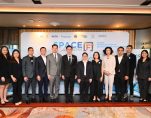
BANGKOK, THAILAND – Media OutReach Newswire – 1 May 2026 – Prof. Dr. Yodchanan Wongsawat, Deputy Prime Minister and Minister of Higher Education, Science, Research and Innovation (MHESI), led the National Innovation Agency (Public Organization) or NIA, along with Thai Union Group PCL, Mahidol University, and leading corporate partners including Thai Beverage PLC, Nestlé (Thai) Ltd., and new partner Foodland Ventures from Taiwan, to launch “SPACE-F Year 7”. This is Thailand’s first global foodtech startup incubator and accelerator program, continuing the success of solving food industry challenges through sustainable innovation.
SPACE-F Batch 7
Prof. Dr. Yodchanan spoke about elevating “SPACE-F Batch 7” to the policy level and building awareness, stating that MHESI aims to present food innovation products from the startups in this batch at the upcoming Cabinet meeting. This will allow the Prime Minister to taste them, raising awareness that FoodTech is the nation’s new future. The products will be presented to the Cabinet in the next two weeks.
Regarding the core concept of combining technology with “Thai taste,” Prof. Dr. Yodchanan emphasized that no matter how advanced the technology is, it must maintain the “Nice taste of Thailand.” He cited a “high-tech omelet” he previously tasted as an example, noting that there is still room for improvement to make it taste closer to an authentic Thai omelet so that the technology can truly win over consumers’ hearts.
The MHESI Minister continued that regarding food innovation under the Wellness Economy, this year focuses on using the Wellness Economy as a New Growth Engine. This is not limited strictly to food but includes AI, ICT, and software, aiming to push Thailand into a global Wellness Tourism Hub with support from the BOI in connecting investment opportunities.
Prof. Dr. Yodchanan further stated that regarding the use of biodiversity and quality ingredients (Biodiversity & GI), startups will be encouraged to utilize Thailand’s rich biodiversity and GI products as substitutes for imported raw materials. This will help reduce costs and create a unique identity.
“As for connecting the ‘Thinker’ with the ‘Doer,’ this program emphasizes linking startups with large industrial corporations and investors. This helps startups in the Accelerator group advance toward Series A or B funding, while helping the Incubator group learn business and pitching experiences from their seniors to cross the business ‘Death Valley.’ Furthermore, regarding food and nutrition security in the era of war: in the current global conditions facing wartime situations, Food Security and Nutrition Security are vital. This program is an opportunity for startups to create innovations that help solve problems for the whole world, with the government working closely with SPACE-F to create new services and products,” the MHESI Minister said.
However, “SPACE-F Batch 7” features 20 participating startups from 10 countries, focusing on the Proof of Concept (POC) strategy to ensure they can tangibly grow toward commercialization on an international scale.
Dr. Krithpaka Boonfueng, Executive Director of the National Innovation Agency (NIA), stated that NIA aims to strengthen the potential of startups and innovative entrepreneurs to overcome business crises and grow commercially in a tangible way. Over the past 6 years, the SPACE-F program has concretely reinforced its role as a regional food innovation hub by incubating and accelerating over 100 startups from 18 countries worldwide, generating a total funding value of over 5.1 billion THB. For the SPACE-F Year 7 program, it marks another major milestone of leapfrog growth, setting a new international record with an all-time high of 204 applicants, continuously increasing from 156 in Cohort 6 and 148 in Cohort 2, reflecting the confidence of global startups in the program’s potential. Concurrently, the program has significantly expanded its international reach, with applicants from 57 countries worldwide, up from 34 countries in the previous cohort, affirming that SPACE-F is a truly global platform connecting and driving world food innovation.
“The SPACE-F program is considered a vital mechanism in driving the development of a strong and comprehensive foodtech startup ecosystem by systematically connecting knowledge, technology, and the industrial sector together. Particularly, it provides opportunities for startups to co-develop and test real products (Proof of Concept: POC) with large corporate partners, as well as access expert networks and world-class infrastructure. This includes testing protein innovations focused on appearance, freshness, and taste with Thai Union; developing modern health and nutrition solutions with ThaiBev and Nestlé; utilizing deep-tech research laboratories from Mahidol University; and enhancing fundraising capabilities from Foodland Ventures, which plays a crucial role in reducing business risks and effectively increasing the chances of commercialization. For SPACE-F Year 7, it aims to elevate startup development through 2 main programs: the Incubator Program, which focuses on laying business foundations and developing prototypes into market-ready products, and the Accelerator Program, which focuses on accelerating business expansion through connections with strategic partners and investors. This covers 7 key areas of the food industry: 1) Personalized Nutrition, 2) Future Protein, 3) Circular Food Systems, 4) Smart Manufacturing, 5) Sustainable Production, 6) Food Safety, and 7) Novel Consumer Experience, to build high-potential startups capable of developing quality new products that directly meet market demands, ready to compete and grow sustainably on the global stage.”
Ms. Sirichit Jiraruangkiat, Senior Director – Group Innovation at Thai Union Group PCL, revealed, “As a co-founding partner of the SPACE-F program, Thai Union Group PCL continues to drive the development of Thailand’s foodtech startup ecosystem. We aim to support breakthrough growth by promoting the development and testing of innovations at the industrial level, particularly through the Proof of Concept (POC) process, to elevate the standards of future protein products to compete internationally. Thai Union prioritizes the application of modern food production and preservation technologies, covering everything from maintaining product quality and freshness and developing appealing appearances to sensory research to create textures and flavors that effectively meet the demands of global consumers. Simultaneously, the SPACE-F program remains committed to a ‘No Equity Taken’ approach, allowing startups to retain full ownership of their innovations, maintain business agility, and grow independently and sustainably in the long term.”
Assoc. Prof. Dr. Pasit Pakawatpanurut, Deputy Dean for Research and Innovation, Faculty of Science, Mahidol University, further added, “With expertise in food science, nutrition, biotechnology, and related fields, Mahidol University serves as an academic powerhouse and innovation infrastructure, providing startups with access to advanced laboratories, pilot plants, and modern research equipment. They also receive in-depth consultation from a team of expert researchers to successfully transition research into products that truly meet global market demands (Lab-to-Market). This collaboration is therefore a key mechanism in driving sustainable food innovation and enhancing Thailand’s competitiveness as a global foodtech hub. Mahidol University’s involvement in the SPACE-F program also plays a vital role in strengthening the country’s foodtech startup ecosystem in the long run.”
In addition, another key partner is Thai Beverage Public Company Limited, which places great importance on continuous research and development, believing it to be essential for startups. As a sponsor of the SPACE-F program, they are pleased to be part of an ecosystem that enhances the potential of foodtech startups and provides business and technological guidance to help startups discover solutions that truly meet the needs of the global food market.
Ms. Jenica Conde Cruz, Business Manager – Cereal Partners Worldwide & Incubator at Nestlé (Thai) Ltd., also stated, “Nestlé, a global leader in food and beverages, plays a vital role as a strategic partner of the SPACE-F program. We aim to elevate foodtech startups through the transfer of Research & Development (R&D) knowledge and product development experience under the ‘Good food, Good life’ concept. Nestlé also provides in-depth consultation to support the development of products that meet Nutrition, Health, and Wellness needs, while promoting the use of innovation to tackle global food industry challenges. In parallel, Nestlé also drives the development of innovations that align with sustainability goals by opening opportunities for startups to learn together with experts from our global research center network, in areas of food preservation technology, eco-friendly packaging, and responsible sourcing.”
Victor Chen, CEO of Foodland Ventures Co. closed with, “Foodland Ventures, a leading Venture Capital firm and Accelerator from Taiwan, has joined as a strategic partner in the SPACE-F program to push foodtech startups to expand their businesses into international markets. We aim to act as a bridge connecting innovation from Taiwan with food industry networks in Thailand and Southeast Asia. With expertise in key technologies such as Restaurant Automation, Alternative Protein, and Smart Supply Chain, Foodland Ventures is ready to support startups through access to the Taiwanese market and resources, providing investment and business strategy consultation, and connecting them with the industrial sector to test solutions in real-world environments. This collaboration marks a significant step in building a ‘FoodTech Corridor’ between Thailand and Taiwan to elevate startup potential and drive the food industry toward a sustainable global future.”
The “SPACE-F Year 7” program also introduced 20 startups from 10 countries worldwide: South Korea, Spain, Canada, USA/Argentina, Australia, Singapore, UK, Saudi Arabia, Taiwan, and Thailand, selected for this year’s program. All will have the opportunity to co-develop and test real innovations with leading industry partners, covering product development, industrial-level testing, and commercialization in the real market
Such collaboration is a key highlight of the program, providing startups the opportunity to test technology and innovations in real-world environments, reducing development limitations, and increasing the chances of creating business models that accurately meet market demands.
10 FoodTech Startups Joining the Accelerator Program
Terra Bioindustries Inc (Canada): Upcycles agricultural and food industry waste into high-value ingredients such as sugar, protein, and fiber for use in the food, biotech, and chemical industries.
Nucaps (Spain): Develops functional protein ingredients using microencapsulation technology to wrap active substances and probiotics, enhancing nutritional value, reducing costs, and improving taste to effectively promote consumer health.
BeNatureBioLab (South Korea): Develops functional ingredients using nano and microencapsulation technology from natural proteins to wrap active substances and probiotics, increasing the stability, absorption, and efficiency of substances in food, supplements, and health products.
Kinava (South Korea): Converts food waste into biofertilizer, biochar, and biogas within hours using HydroThermal Carbonization (HTC) technology, which reduces odor, energy use, and emissions.
ComexSoft (Spain): A near real-time market intelligence platform that collects and organizes retail data, matching similar products specifically developed for accurate decision-making.
PROTINOS (Thailand): High-protein noodles made from egg whites and soybeans containing complete essential amino acids, created using enzyme incubation techniques, serving as food to help care for and protect health.
SicPama (South Korea): A QR ordering and payment platform with a CRM system that links social media with actual service usage and repeat visits, helping restaurants measure returns and increase revenue.
Nourish Ingredients (Australia): High-performance animal-free fats created via precision fermentation to solve the taste and texture issues of plant-based alternative foods by mimicking the key fats found in meat and dairy products.
Kresko RNAtech (USA/Argentina): Nutrients from biological RNA found in natural foods, developed by AI and biotechnology to be more stable and better absorbed, for use in dietary supplements and health products.
Agrifreeze (Singapore): Develops freezing technology using Electromagnetic Fields (EMF) to control the formation of small ice crystals, reducing food damage and maintaining quality close to fresh products.
10 FoodTech Startups Joining the Incubator Program
Eatwellconcept (Thailand): An AI-powered personalized therapeutic diet platform for NCD patients, offering real-time nutritional guidance by dietitians to improve health and quality of life.
AmaranthLab (UK): Protein ingredients from amaranth for GLP-1 (Glucagon-Like Peptide-1) nutrition to control blood sugar levels and satiety, for use in various functional food products.
Openfarming (Saudi Arabia): An AI operating system for food distributors that converts orders from multiple channels into real-time data, enabling automated demand forecasting and dynamic inventory management without changing existing workflows.
Zuppar Reborn (Thailand): Biodegradable fruit and bakery stickers made from pineapple waste, replacing plastic labels with an alternative that can decompose into fertilizer.
VeriPura (Thailand/Singapore): An AI and Blockchain platform for automated document management and product traceability, making food exports to Europe easier and more compliant with regulations (EU).
YiXingYuan (Taiwan): A modular small-scale fruit processing factory (Factory-in-a-box) utilizing High Voltage Electric Field (HVEF) technology to process fruits directly at the source, preserving product quality while reducing energy use, costs, and spoilage.
JOLA (Thailand): Vitamin-infused jelly pet food that develops DIY treat products, such as jellies for dogs and cats, focusing on natural ingredients, good nutrition, and creating a shared experience between owners and pets.
UPLI (UK): A precision fermentation platform to create functional proteins with characteristics similar to human breast milk, used to increase nutritional value in food at an industrial scale.
Emerald Plast (Thailand): Biodegradable food materials and packaging made from starch and bioplastics to replace traditional plastics, reducing environmental impact and enhancing sustainability image.
Squizify (Thailand): A digital food safety platform integrating software and IoT devices to automatically track, monitor, and manage food business standards, complete with real-time data analysis.
NEGERI SEMBILAN, MALAYSIA – Media OutReach Newswire – 1 May 2026 – Methodist College Kuala Lumpur (MCKL) has formalised a strategic collaboration with MILA University through the signing of a Memorandum of Agreement (MoA), marking a significant step in enhancing academic progression pathways for students.
This partnership reflects a shared commitment to supporting diploma graduates in continuing their studies at degree level, while ensuring a smoother and more structured transition into higher education.
A Strategic Collaboration for Student Progression
The agreement was formalised by Dr. Chua Ping Yong, Chief Executive Officer of MCKL, and Mr. Cao Qi, Deputy Chief Executive Officer of MILA University, in the presence of representatives from both institutions.
Through this collaboration, a clear articulation pathway is established for MCKL students to continue their academic journey at MILA University, enabling a smoother transition into undergraduate studies with greater confidence and direction.
Expanding Opportunities Through Articulation Pathways
As part of this collaboration, students from selected MCKL diploma programmes have the opportunity to progress into MILA University’s bachelor’s degree programmes in Computer Science and Business Management.
The pathway covers diploma fields such as Computer Science, Information Technology, Digital Business, Digital Marketing, and Financial Technology, ensuring that students from diverse academic backgrounds have access to relevant progression pathways.
Strengthening Industry-Relevant Education Through Collaboration
Beyond academic progression, this collaboration underscores a mutual commitment to delivering industry-relevant education that equips students with practical skills and real-world competencies. By aligning curriculum pathways and fostering closer engagement between both institutions, MCKL and MILA University aim to ensure that graduates are not only academically prepared but also adaptable to evolving industry demands. This partnership creates opportunities for enhanced learning experiences, bridging the gap between classroom knowledge and professional application, and ultimately empowering students to thrive in a competitive global workforce.
For over four decades, MCKL has built a strong reputation for nurturing students who not only excel academically but also develop the values, character, and critical thinking skills needed to thrive in an ever-changing world. With a student-centred approach, the college emphasises holistic education, balancing academic rigour with personal growth, leadership development, and community engagement, so that graduates are well-prepared for both university and life beyond the classroom.
MCKL provides prospective students and parents with valuable opportunities to explore its diverse programmes, interact with lecturers, and gain insights into campus life and progression pathways. Whether students are seeking a strong academic foundation, clear progression routes, or a supportive learning environment, MCKL continues to position itself as a trusted launchpad for future success. To learn more, visit mckl.edu.my or connect with the MCKL team at upcoming events.
Original Source: MILA University Original Article: MILA University Strengthens Academic Pathways Through Collaboration with MCKL Website: https://www.mila.edu.my
The issuer is solely responsible for the content of this announcement.
Methodist College Kuala Lumpur (MCKL)
Methodist College Kuala Lumpur (MCKL) was founded by the Methodist Council of Education in 1983, its campus sitting in the heart of Kuala Lumpur and branch campus in Pykett, Penang, known as the MCKL College (Penang, Pykett Campus). MCKL is now an QA Approved Centre delivering Advanced Diplomas focusing on Business and Computing: Software Development. It also offers programmes in the pre-university pathway for subjects including Cambridge A-Level, Australian Matriculation; the American Degree Transfer, Diploma courses Digital Business, Digital Marketing, IT (Internet of Things Focused), Computer Science (data science focused), Early Childhood Education, Social Work, and Financial Technology. Over the years, MCKL has been highly recognised for its track record and gold standard achievements of its pre-university programmes and its overseas degree pathways.
A new botnet campaign is turning poorly secured Jenkins servers into attack nodes aimed at online game infrastructure, including Valve Source Engine servers used for titles such as Counter-Strike and Team Fortress 2. The activity shows how a single exposed continuous integration system can be repurposed to generate UDP, TCP and application-layer floods against multiplayer platforms. Cybersecurity researchers observed the activity on March 18, 2026, after a […]
Apple is turning restraint into a strategic advantage as rivals pour record sums into artificial intelligence infrastructure, betting that a narrower, device-centred approach can protect margins while keeping investors focused on earnings rather than data-centre bills. The iPhone maker’s latest quarterly performance has strengthened that argument. Apple reported March-quarter revenue of $111.2 billion, up 17 per cent from a year earlier, with diluted earnings per share rising […]
Attackers are shifting credential theft campaigns towards QR codes, fake CAPTCHA pages and ClickFix-style prompts, turning familiar security checks into tools for large-scale account compromise. Fresh threat telemetry for the first quarter of 2026 shows email-based phishing remains vast in scale, with about 8.3 billion threats detected between January and March. Although monthly volumes eased from 2.9 billion in January to 2.6 billion in March, the composition […]
Wireshark has issued version 4.6.5 after a large batch of security flaws was identified across its packet dissection engine, protocol parsers and file-handling components, underscoring the risk faced by administrators and security teams using the tool to inspect untrusted network traffic. The release fixes more than 40 vulnerabilities, including several flaws that may allow arbitrary code execution when malformed packets, crafted trace files or malicious configuration profiles […]
America’s four largest AI spenders are pushing capital outlays towards a record level this year, betting that demand for computing power will justify one of the most expensive investment cycles in corporate history. Microsoft, Amazon, Alphabet and Meta are preparing to spend roughly $680 billion to more than $700 billion on data centres, chips, servers, networking equipment and related infrastructure in 2026, after quarterly earnings showed […]
Global internet reliability came under sharper pressure in the first quarter of 2026 as shutdowns, war damage, power failures and cable incidents disrupted connectivity across several regions, exposing a widening risk for enterprises that depend on cloud platforms, cross-border data flows and always-on digital services. Cloudflare’s review of disruptions from January to March showed that the most damaging incidents were not dominated by software faults alone. Political […]
MCP’s rapid rise as the preferred bridge between AI assistants and external tools is running into a harder test inside production software teams: whether convenience justifies the security, reliability and governance risks now surfacing around the protocol. Model Context Protocol, introduced by Anthropic in November 2024 and later moved into broader open governance under the Linux Foundation’s Agentic AI Foundation, was designed to solve a real engineering […]
Samsung’s next free Android upgrade is set to sharpen security controls on Galaxy phones, even as some owners of flagship models complain of battery drain, overheating and shorter screen-on time after April software patches. One UI 8.5, Samsung’s Android 16-based interface, is expected to expand a package of privacy and anti-theft protections across supported Galaxy devices after debuting on the Galaxy S26 series. The update is expected […]
Google has issued an urgent Chrome security update after fixing 30 vulnerabilities, including four critical memory-related flaws that could expose users to attacks through compromised or malicious web pages. The update moves Chrome’s stable desktop channel to version 147.0.7727.137 or 147.0.7727.138, depending on platform, and is being rolled out across Windows, macOS and Linux. Users have been advised to restart the browser after the update is installed, […]
A fake video meeting can now be enough to breach a Web3 company, with North Korea-linked BlueNoroff hackers using bogus Zoom calls, clipboard tricks and fileless PowerShell malware to steal credentials from cryptocurrency targets across multiple countries. The campaign marks a sharper turn in social engineering against the digital assets sector, where attackers are no longer relying only on malicious attachments or crude phishing pages. Instead, they […]
A malicious npm dependency slipped into an AI-assisted crypto trading project has exposed how automated coding tools can be manipulated into importing software that steals credentials, wallet data and source code. The campaign, named PromptMink by security researchers, centres on the npm package @validate-sdk/v2, which presents itself as a utility for hashing, validation, encoding, decoding and random generation. Its actual function is to harvest secrets from infected […]
Cyber literacy has become the leading global people risk as employers confront ransomware, AI-enabled fraud, technology skills gaps and fragile workforce readiness, Marsh’s 2026 People Risks survey has found. The report, based on views from 4,517 human resources and risk professionals across 26 markets and 12 industries, places inadequate cyber threat literacy at the top of the global risk list. Technology skills shortages, including cyber and artificial […]
A hardcoded API key embedded in ClickUp’s public website exposed 959 corporate and government email addresses and more than 3,000 internal feature flags for over a year, intensifying scrutiny of security controls at widely used software-as-a-service platforms. The exposure was tied to a production JavaScript bundle that loaded before authentication, allowing anyone inspecting the page source to extract a third-party SDK token and send an unauthenticated request […]
Google has withdrawn from a $100 million US Department of Defense contest to build voice-controlled technology for autonomous drone swarms, stepping away after its proposal had advanced in the competition and reopening questions over how far major AI companies are willing to go in military work. The company notified the government on 11 February 2026 that it would not continue in the challenge, only weeks after submitting […]
BlueNoroff has intensified its campaign against cryptocurrency executives by combining fake Zoom meetings, AI-generated video lures and fileless PowerShell malware in an intrusion that gave attackers access to a North American Web3 company for 66 days. The operation, first detected after an intrusion began on 23 January 2026, marks a sharper turn in North Korea-linked cyber activity against digital asset businesses. Instead of relying on crude phishing […]
North Korean state-linked hackers have intensified attacks on cryptocurrency companies by combining fake video meetings, AI-generated identities and “ClickFix” infection tactics to compromise executives, founders and staff with access to wallets, exchanges and investment infrastructure. A large spear-phishing operation attributed with high confidence to BlueNoroff, the financially motivated arm of the Lazarus Group, targeted a North American Web3 company through a manipulated calendar invitation that led to […]
Security researchers have identified a 2005-era malware framework that appears to have targeted high-precision engineering software, raising new questions about covert attempts to disrupt Iran’s nuclear programme before Stuxnet became the defining case of cyber sabotage. The malware, tracked as Fast16, was analysed by SentinelOne researchers Vitaly Kamluk and Juan Andrés Guerrero-Saade, who found that its core components pre-date the earliest known Stuxnet operations by at least […]
Retail and hospitality companies are facing a widening extortion campaign by BlackFile, a financially motivated hacking group using voice calls, fake helpdesk scripts and spoofed caller identities to steal credentials and force ransom negotiations. The group has been linked to attacks that began surfacing in January 2026, with sustained targeting of customer-facing businesses from February. Its activity has been tracked under several names, including CL-CRI-1116, UNC6671 and […]




 https://www.nia.or.th/


 https://www.linkedin.com/school/methodist-college-kuala-lumpur/
 https://www.facebook.com/share/19qkXtd7P7/?mibextid=wwXIfr
 https://www.instagram.com/methodistcollegekl?igsh=MTJzYzFkM203NGlzbg==