Just in:
Emirates NBD adopts UAE-hosted OpenAI models for banking // TAQA launches dual-tranche dollar bonds for green financing // Saudi investment forum shifts tenth edition to 2027 // GoImpact’s Green Tech Summit returns for its third year to turn cross-sector dialogue into action // Bitget targets Thai market through licensed exchange purchase // Bolshoi Theatre schedules first official UAE tour // Fiscal strength doesn’t guarantee public goods delivery, US study finds // Chow Tai Fook Jewellery Group Welcomes President of Botswana to Its Newly Opened Signature Boutique in Beijing // OpenCode users face unflagged flaw despite September fix // China’s Village Super League: More Than Just Soccer // Figma expands MCP partnerships despite Field’s protocol concerns // UEM Edgenta Launches Young Entrepreneurship Programme to Develop Future-Ready Vendors // Jio Platforms opens record $3.2 billion public offering // Protecting Sight from Childhood to Adulthood: Orbis and HKUMed Tackle Hong Kong Myopia Crisis // ONYX Dining invites guests to discover dining experiences for every occasion with the people who matter // Cross-Sector Collaboration For World Sight Day: Orbis, HKOS, Southern District Office, and Southern District Care Team Jointly Launch “Southern District Eye Care Day” – Calling on the Next Generation to Accompany and Protect Senior Vision // OpenCode Console intrusion threatens linked AI provider credentials // Are the world’s central banks about to slam on the brakes together? // Large enterprises appoint AI security chiefs as oversight lags // Britain assigns RAF Typhoons to defend Saudi airspace //

News related to
uae news

The Liwa International Festival 2025 (LIWA 2025) will commence on December 13 in the Al Dhafra region of Abu Dhabi, running through January 4. The event, known for attracting motorsport enthusiasts from around the world, promises a captivating blend of high-octane motorsport competitions, cultural exhibitions, and family-friendly activities. With its strong focus on desert racing, LIWA 2025 is expected to offer unparalleled excitement for both competitors and spectators.

Held annually in the stunning Al Dhafra desert, the festival is a key highlight of the UAE’s motorsport calendar. This year’s event is anticipated to showcase a series of thrilling off-road racing events, including the famed Liwa Desert Challenge, where drivers compete against the harsh desert landscape in a test of skill and endurance. The challenge draws some of the world’s best off-road racers and features a range of vehicles, including 4x4s, motorcycles, and dune buggies.

LIWA 2025 will also spotlight the growing popularity of motorsports in the Middle East, a region that has increasingly become a hub for international racing events. This year’s festival is expected to be one of the largest yet, with organizers estimating that tens of thousands of visitors will flock to the desert over the course of the three-week event. The event’s success is partly attributed to its ability to attract a diverse crowd, with motorsport fans, local families, and international tourists all eager to experience the blend of speed, culture, and tradition.

One of the festival’s main draws is its ability to combine thrilling motorsports with cultural experiences. Alongside the races, LIWA 2025 will feature traditional Bedouin music and dance, local food stalls, and displays of regional crafts. This fusion of culture and sport is one of the reasons why the festival has grown in popularity over the years. Visitors can explore the region’s rich heritage while enjoying the electrifying atmosphere of the races.

The festival is not just for motorsports aficionados. The event also hosts a number of family-oriented activities, including camel races, falconry displays, and a vibrant market that showcases handicrafts and local products. These attractions offer a more immersive experience, allowing visitors to connect with the history and traditions of the UAE.

This year’s festival also aims to bring attention to sustainability efforts. Organizers have incorporated eco-friendly initiatives into the event’s planning, ensuring that it not only celebrates motorsports but also respects the fragile desert environment. This includes using solar-powered lighting, minimizing waste, and encouraging the use of electric vehicles for transportation around the festival grounds. These efforts reflect a growing trend in the region to balance high-impact events with environmental responsibility.

The Al Dhafra region, known for its vast and dramatic sand dunes, provides a spectacular backdrop for the festival. The desert’s unique landscape offers an exciting and challenging terrain for participants. The extreme conditions make it a true test of endurance, skill, and precision for drivers who face both natural and technical obstacles throughout the race. The Liwa Desert Challenge is considered one of the toughest off-road racing events globally, and it continues to attract drivers eager to test their mettle.

Beyond the races, LIWA 2025 will also feature an exhibition of cutting-edge automotive technology and innovation. Manufacturers and vendors will display the latest advancements in off-road vehicles, providing a glimpse into the future of motorsports. This expo is expected to draw significant attention from industry professionals, as well as fans eager to see the newest vehicles and gadgets designed for desert racing.

The Liwa International Festival’s reputation as a major motorsport and cultural event is not just limited to local audiences. The festival has seen increasing international attention in recent years, with visitors and competitors from across the globe making the journey to Abu Dhabi for the event. It serves as an important meeting point for motorsports enthusiasts, industry leaders, and cultural tourists alike.

The festival provides a platform for local businesses to showcase their products and services. The event offers sponsorship opportunities for a variety of brands, ranging from automotive companies to luxury goods and local hospitality services. These partnerships help fuel the growth of the event and ensure its continued success, benefiting both the motorsport industry and the local economy.

One of the key components of the festival is the opportunity it provides for networking within the motorsports community. As a hub for off-road racing, the festival allows competitors, fans, and industry professionals to meet and exchange ideas. It is an event where business, sports, and culture collide, fostering collaborations and partnerships that extend beyond the festival itself.

As the event grows in stature, the UAE continues to position itself as a major player on the global motorsports stage. With world-class facilities, a growing fan base, and a strategic location that connects East and West, the UAE is becoming a key destination for motorsport events, not just in the Middle East, but globally. This trend is expected to continue with events like the Liwa International Festival setting the standard for excellence in the region.

Organizers of LIWA 2025 are confident that the festival will be a major success, citing the growing interest in motorsports and the UAE’s strong infrastructure. With support from the government, as well as private sector partnerships, the event is set to leave a lasting impression on all who attend.

Edgnex Data Centers, a leading player in the global data center market, has entered into a joint venture (JV) with a prominent Greek investment group, marking a significant move into Europe. The new venture will focus on building data center infrastructure in Greece, with an initial investment commitment of $157 million. This collaboration, spearheaded by Dubai billionaire Hussain Sajwani’s company, is expected to accelerate the digital transformation […]

Abu Dhabi Investment Group is set to deploy a significant $100 billion in Brazil’s economy, marking a major step in the strengthening of bilateral economic ties between the UAE and Latin America’s largest economy. The announcement, made in late November 2024, highlights the UAE’s growing investment interests in Brazil, underscoring the nation’s desire to diversify its portfolio globally. The planned investments span a range of sectors, with […]

Wizz Air Abu Dhabi, the UAE’s rapidly growing budget airline, has announced the launch of a new route connecting the emirate to Varna, Bulgaria. This marks another significant expansion for the airline, which is focused on broadening its network in both Eastern Europe and the Middle East.

The new service to Varna, a popular Black Sea coastal city known for its cultural heritage and tourism appeal, is expected to cater to growing demand for both leisure and business travel between the UAE and Bulgaria. The route will operate twice a week, offering travelers convenient and affordable access to one of Bulgaria’s major economic and tourist hubs.

This development comes on the heels of a broader strategy by Wizz Air Abu Dhabi to tap into emerging markets and strengthen its presence in Europe. Bulgaria, with its increasingly attractive tourist spots and growing economy, aligns well with the airline’s aim to connect less-traveled yet high-potential destinations. As the demand for travel rebounds globally, Wizz Air Abu Dhabi continues to focus on offering competitive prices and flexibility, responding to shifting patterns in consumer behavior.

The announcement is part of Wizz Air Abu Dhabi’s broader efforts to expand its network in the region. The airline, which started operations in 2020 as a joint venture between the Hungarian carrier Wizz Air and Abu Dhabi’s state-owned ADQ, has steadily increased its footprint across both regional and European routes. The addition of Varna represents a further commitment to enhancing connectivity between the UAE and Eastern Europe, an area of growing importance for tourism and trade.

For the Bulgarian tourism sector, this new route is expected to have a positive impact, especially as the country’s tourism authorities aim to attract more visitors from the Gulf region. Varna, with its rich historical sites, sandy beaches, and vibrant nightlife, is becoming an increasingly popular destination for travelers from the Middle East, offering a blend of cultural exploration and relaxation.

The launch of the route is also expected to provide more opportunities for travelers to access both Bulgaria’s bustling urban centers and its scenic coastlines. As the tourism landscape continues to evolve, the introduction of direct flights from the UAE will likely improve trade and people-to-people ties between the two regions. Wizz Air Abu Dhabi’s competitive pricing model ensures that more people will be able to afford travel to Bulgaria, a destination that has traditionally been more distant for many travelers in the Middle East.

Varna’s connection to Abu Dhabi is not just a win for tourists but also for business. Bulgaria, known for its fast-developing economy and strategic location within Europe, offers significant potential for investment and collaboration in industries such as technology, agriculture, and energy. Direct flights will facilitate smoother travel for businesspeople looking to engage in partnerships or expand their operations in the region.

The introduction of the route aligns with Wizz Air Abu Dhabi’s overall strategy to diversify its offerings and expand into markets that present high growth potential. The airline’s flexible model, which allows for efficient operations with a low-cost structure, has enabled it to compete aggressively in the region’s air travel market. By prioritizing short-to-medium haul flights and tapping into underserved markets, Wizz Air Abu Dhabi has positioned itself as a key player in the Middle East’s aviation landscape.

Despite the challenges posed by the global pandemic and fluctuating fuel prices, Wizz Air Abu Dhabi has remained resilient, continuously exploring ways to expand its network. The airline’s fleet, which consists primarily of Airbus A321 aircraft, is optimized for cost-effective operations and allows the airline to offer affordable fares while maintaining high standards of safety and customer service.

Industry analysts expect this new route to be a part of a larger trend in the global aviation sector, where low-cost carriers are increasingly looking to expand their networks into less-traveled destinations, especially in emerging markets. As demand for affordable travel options grows, Wizz Air Abu Dhabi’s business model appears well-suited to meet the evolving needs of both leisure and business travelers.

The Varna route, launching in early December 2024, is set to further solidify Wizz Air Abu Dhabi’s position as a major player in the competitive low-cost carrier market. With more direct connections between the UAE and Eastern Europe, travelers will have increased access to key markets in both regions, providing opportunities for tourism, business, and cultural exchange. As the airline continues to expand, its impact on the regional and international travel market is likely to increase, further boosting the connectivity between the Middle East and Europe.

Spain has approved Saudi Arabia’s telecommunications giant, STC Group, to expand its investment in Telefónica, the nation’s iconic telecom operator, from just over 5% to nearly 10%. Economy Minister Carlos Cuerpo confirmed the government’s decision, which follows deliberations over the strategic implications of such a move. The authorization allows STC to solidify its financial involvement in Telefónica, though regulatory safeguards are being reinforced to maintain Spain’s control over vital communications infrastructure.

STC Group initially acquired a 4.9% stake in Telefónica, coupled with financial instruments granting voting rights for an additional 5%, raising questions about Spain’s ability to protect its critical infrastructure. The Saudi operator has expressed its interest in Telefónica as an investment opportunity rather than a bid for operational control. This assurance is intended to mitigate geopolitical concerns over foreign influence in the telecom sector, particularly involving companies pivotal to national security, defense, and digital services.

Telefónica holds significant importance in Spain’s technological and defense landscape, serving as a critical entity in telecommunications and cybersecurity. The government has emphasized the need to preserve the strategic capabilities of such companies, which has been a recurring theme in global debates about foreign ownership of critical industries.

To counterbalance STC’s growing presence, the Spanish government has instructed the state holding company, Sociedad Estatal de Participaciones Industriales (SEPI), to potentially acquire up to a 10% stake in Telefónica. This move, if realized, would make SEPI the company’s largest shareholder. The government is reportedly aiming to align Telefónica’s ownership structure with practices seen in other European countries, where governments maintain stakes in major telecom operators to safeguard national interests.

Telefónica’s shareholder composition has seen gradual evolution over time. Current major stakeholders include CaixaBank with 4.88%, Banco Bilbao Vizcaya Argentaria (BBVA) holding 4.84%, and BlackRock managing 4.8%. If SEPI proceeds with its planned acquisition, it would reshape the balance of influence within the company.

STC’s expansion in Telefónica aligns with its broader strategy of increasing international reach. The company, already active in telecommunications investments across Europe and the Middle East, is reportedly exploring further acquisitions, including potential stakes in Portugal’s Altice and the UK’s BT Group. This strategy reflects a wider trend of Gulf-based telecom entities seeking global prominence, similar to UAE-based e&, which has steadily increased its investments in Vodafone and other global operators.

Spain’s approach to safeguarding Telefónica echoes similar measures adopted across Europe. For instance, Germany retains a 13.8% stake in Deutsche Telekom, while France holds 13.39% in Orange. Italy has also bolstered its share in Telecom Italia’s fixed network grid. These measures underscore a growing recognition of telecom infrastructure as a vital element of national security and economic stability.

Masdar, the UAE’s prominent renewable energy company, has signed a landmark power purchase agreement for a 1GW wind power project in Kazakhstan’s Jambyl region. This ambitious initiative aligns with both nations’ shared commitment to expanding renewable energy capacities and fostering sustainability in the region. The agreement, signed at COP28, is a cornerstone for Kazakhstan’s strategy to increase renewables to 15% of its energy mix by 2030 and […]

Masdar, the clean energy powerhouse based in the United Arab Emirates, has announced plans to develop a 1GW wind farm in the Mingbulak region of Uzbekistan. This significant renewable energy project underscores Masdar’s ongoing expansion in Central Asia, positioning the company as a key player in the region’s transition toward sustainable energy. The wind farm, located in one of the country’s most promising areas for wind energy […]

Advertisements

HONG KONG SAR – Media OutReach Newswire – 14 November 2024 – OneConnect Financial Technology Co., Ltd (“OneConnect” or the “Company”, NYSE: OCFT, HKSE: 6638), a business technology service provider for financial institutions, announced its results for the first three quarters ending September 30, 2024. 2024 is a pivotal year for OneConnect as it advanced the second phase of its strategy, focusing on “product upgrades, deepening customer […]

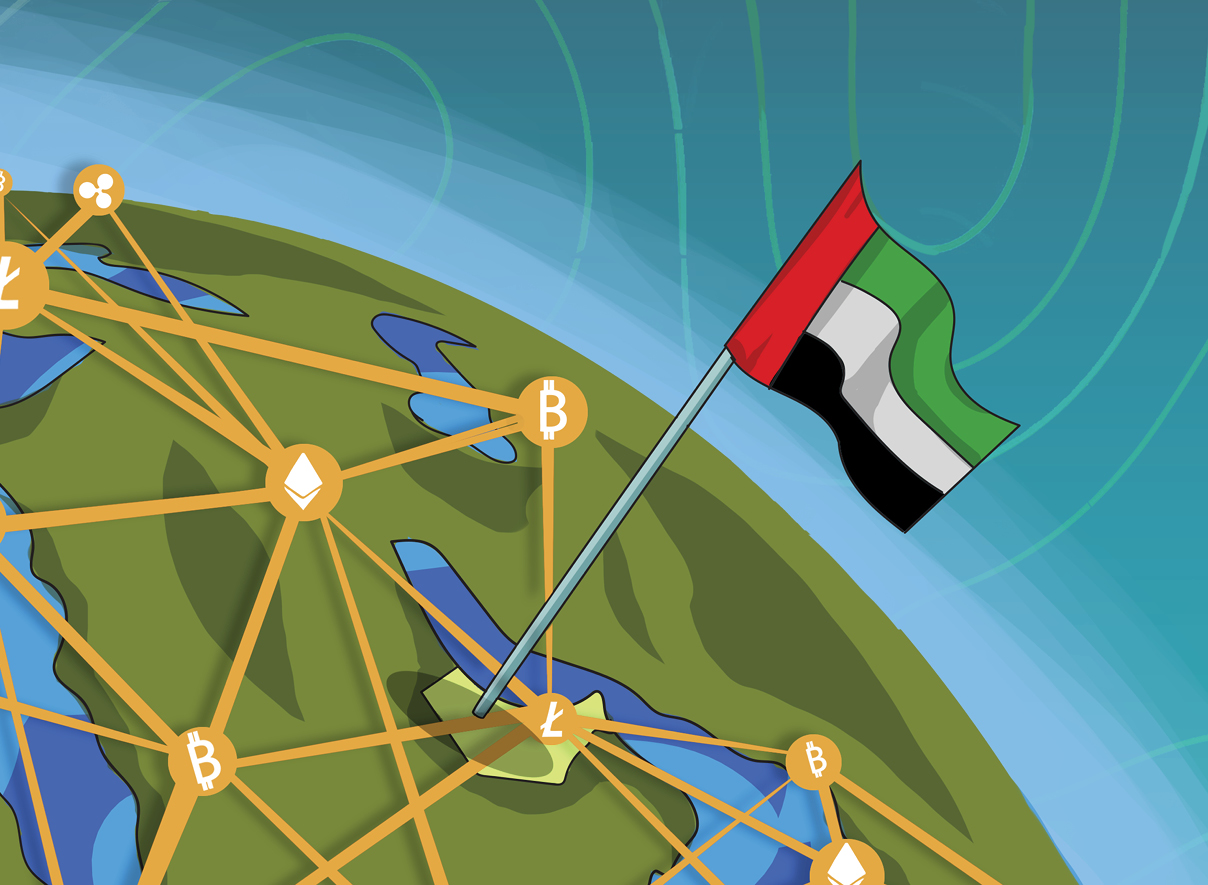
UAE investors have seen their wealth soar following a remarkable surge in Bitcoin prices, attributed to the political and economic shifts following Donald Trump’s victory in the US election. The cryptocurrency, which had been volatile in the years preceding the win, experienced unprecedented growth as markets reacted to the shifting political landscape, with many investors in the UAE now seeing significant returns on their investments.

Bitcoin’s price surged sharply after the US election results were confirmed, with many financial analysts predicting the trend would continue as uncertainty around Trump’s policies drove investors toward assets perceived as safer or potentially more profitable. The volatile nature of cryptocurrencies makes them an attractive option for those willing to accept the risks for the potential rewards. For investors in the UAE, Bitcoin presented a new opportunity, and many took advantage of the fluctuating prices in anticipation of future growth.

Several prominent cryptocurrency investment platforms have seen increased activity in the UAE, with more people turning to Bitcoin as a hedge against inflation and political instability. The surge in Bitcoin’s value has not only been a boon for individual investors but also for cryptocurrency trading platforms and firms offering Bitcoin-based investment products. Several such platforms reported a spike in sign-ups and transactions in the wake of Trump’s election win, which, combined with the global economic uncertainty that followed, has sparked an interest in digital currencies as an alternative to traditional investments.

In Dubai, where many investors have a global outlook, Bitcoin is quickly becoming a key component of wealth management strategies. The local cryptocurrency market has witnessed a rise in demand for both Bitcoin and other digital assets. Investors are diversifying their portfolios with more aggressive positions in cryptocurrency, banking on the potential for continued growth amid the global economic challenges. Some have even opened Bitcoin-specific funds, offering high-risk, high-reward opportunities to those seeking to capitalize on the digital currency’s upward trajectory.

A key factor contributing to this wave of Bitcoin investment is the cryptocurrency’s appeal as an alternative store of value. With concerns around traditional financial systems, particularly in the Middle East, many are seeking to protect their wealth by investing in assets that are decentralized and not subject to the fluctuations of regional currencies or government policies. Bitcoin, with its promise of independence from state-controlled monetary systems, offers a solution that is increasingly attractive to investors in the UAE.

The global appeal of Bitcoin, combined with its growing legitimacy, has made it a more palatable option for UAE investors, many of whom are looking to broaden their financial horizons. The UAE’s status as a financial hub with a progressive regulatory environment for cryptocurrencies has further contributed to the growing interest. While cryptocurrencies remain largely unregulated in many parts of the world, the UAE has been one of the leading countries in the region to introduce frameworks aimed at fostering innovation while protecting investors.

The surge in Bitcoin prices has also prompted a flurry of interest from young, tech-savvy investors in the UAE. As more millennials and Gen Z individuals enter the investment landscape, they are increasingly looking toward digital currencies as a means of growing their wealth. The UAE has one of the highest concentrations of cryptocurrency holders in the Middle East, with a growing number of younger investors taking positions in Bitcoin as part of a broader trend of tech-driven financial strategies.

While the surge in Bitcoin’s price has created substantial wealth for some investors, the cryptocurrency market remains highly volatile, and many caution against overexposure. Financial advisors emphasize the importance of diversifying portfolios, as the rapid rise in Bitcoin’s value could be followed by equally dramatic declines. Investors are urged to remain cautious, keeping in mind that the cryptocurrency market’s unpredictability makes it unsuitable for all types of investors.

The geopolitical factors that contributed to Bitcoin’s rise are also critical to understanding the broader trends at play. Following Trump’s win, the global economy experienced shifts in trade relations and economic policies, which, in turn, affected investor behavior. As Bitcoin’s value continues to fluctuate in response to these political developments, the currency remains a speculative asset. However, for many in the UAE, the rewards have been substantial, allowing some to realize returns on their investments that were previously unimaginable.

RIYADH, SAUDI ARABIA – EQS Newswire – 13 November 2024 – President and CEO Philippe Delorme of KONE (www.KONE.com), a global leader in the elevator and escalator industry, is visiting the Gulf Cooperation Council (GCC) region following the launch of KONE’s new global strategy ‘Rise’, to discuss how digital and sustainable vertical transport innovations are critical in helping address the rapid growth across the GCC. “With urban […]

Abu Dhabi-based renewable energy giant Masdar has announced a significant milestone in its efforts to expand global clean energy projects, with its 1-gigawatt (GW) wind farm in Kazakhstan nearing its final stages of development. This marks a crucial step in the Middle Eastern energy company’s continued push into the renewable sector, aligning with Kazakhstan’s commitment to transition toward more sustainable energy sources. The wind farm, which is […]

By Asad Mirza Donald Trump’s re-entry in the White House is seen with a bated breath all over the world, especially the Muslim nations across the globe, as the world waits to see in which manner his current presidency will run. Will it be “America First” like the previous one or a rather tolerant one […]

Prime Minister of Viet Nam Pham Minh Chinh’s visits to three Middle Eastern countries have yielded substantial outcomes, especially in cooperation and boosting agricultural trade. HA NOI, VIETNAM – Media OutReach Newswire – 9 November 2024 – During Prime Minister Pham Minh Chinh’s visits, Viet Nam and the UAE, Saudi Arabia and Qatar, have reached significant economic, trade and investment cooperation agreements. These agreements represent a breakthrough […]

Hytron Enhances Hygiene Standards at Temasek Polytechnic, Marks a Monumental Leap in Cleaning Technology SINGAPORE, HONG KONG SAR, BEIJING – Media OutReach Newswire – 7 November 2024 – Primech AI Pte. Ltd., a subsidiary of Primech Holdings Limited (Nasdaq: PMEC), announces the launch of Hytron, a cutting-edge AI-powered automated toilet cleaning robot, now operational and enhancing hygiene standards at Temasek Polytechnic. This innovative technology introduces unprecedented levels […]

ABU DHABI, UAE – Media OutReach Newswire – 7 November 2024 – The Zayed Sustainability Prize, the UAE’s pioneering award for sustainability and humanitarianism, has announced 33 finalists for innovative solutions to global challenges from 5,980 submissions across 156 countries. These innovators leverage AI and advanced tech to address carbon capture, sustainability, and essential access to clean energy, water, food, and healthcare. Winners will be announced at […]

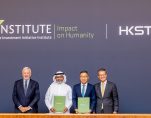
Strengthening Ties in Innovation and Investment with the Middle East HONG KONG SAR – Media OutReach Newswire – 6 November 2024 – At the Future Investment Initiative Institute 8th Edition (FII8), held from 29th October to 31st October in Riyadh, Saudi Arabia, the Hong Kong Science and Technology Parks Corporation (HKSTP) made significant strides in bridging Hong Kong and the Middle East’s innovation and technology (I&T) ecosystems […]

The UAE has unveiled a bold new plan aimed at significantly increasing foreign direct investment (FDI) inflows to the country. By 2031, the government aims to attract Dh1.3 trillion in FDI, marking a major leap in the nation’s economic diversification efforts. This new strategy is part of a broader push to solidify the UAE’s position as a global business hub, leveraging its strategic location, business-friendly policies, and […]

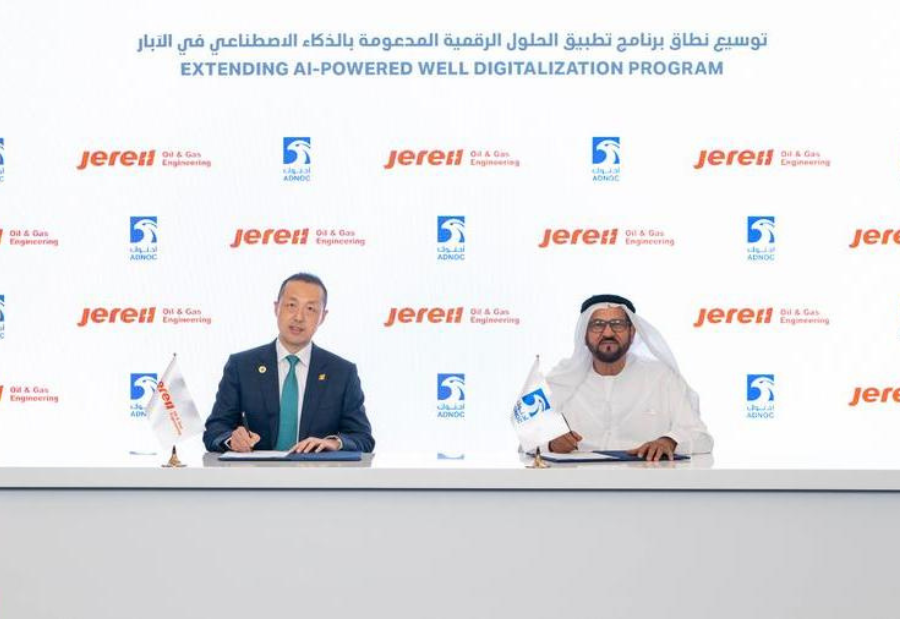
Abu Dhabi National Oil Company (Adnoc) has signed a landmark agreement worth $920 million to enhance its artificial intelligence (AI) initiatives across an extensive network of 2,000 oil wells. This strategic move is aimed at modernizing operations and optimizing production efficiencies as the oil and gas industry increasingly embraces technological advancements.

This significant investment is part of Adnoc’s broader strategy to integrate cutting-edge technologies into its operations, positioning the company as a leader in the region’s energy sector. By harnessing the power of AI, Adnoc plans to improve data analysis, predictive maintenance, and resource management, ultimately driving cost efficiencies and maximizing output.

AI technology has gained traction within the oil and gas industry, transforming how companies approach exploration, production, and maintenance. By implementing AI-driven analytics, operators can identify patterns in production data, predict equipment failures, and optimize drilling processes. Adnoc’s expansion of its AI program is expected to yield substantial improvements in well performance, potentially increasing production rates while reducing operational costs.

The expansion involves deploying advanced algorithms and machine learning models designed to process vast amounts of data generated by oil wells. This technology will enable real-time monitoring and decision-making, allowing Adnoc to respond swiftly to any anomalies or operational challenges. The integration of AI into the company’s workflows is set to enhance safety protocols and reduce the environmental impact of drilling activities.

This investment aligns with the United Arab Emirates’ vision to diversify its economy and reduce reliance on oil revenues. By adopting innovative technologies, Adnoc aims to improve its operational efficiency while contributing to the sustainability goals set forth by the UAE government. The move is expected to position Adnoc at the forefront of the global energy transition, demonstrating its commitment to sustainable practices.

Industry experts recognize the potential of AI in reshaping the oil and gas landscape. Analysts highlight that companies leveraging AI can achieve significant competitive advantages by optimizing production processes and enhancing decision-making capabilities. As a result, firms that embrace AI technologies are better equipped to navigate market fluctuations and operational challenges.

Adnoc’s focus on AI is part of a broader trend observed across the global energy sector, where firms are increasingly investing in digital transformation initiatives. Companies are deploying AI solutions to analyze seismic data, streamline supply chain operations, and improve asset management. This shift reflects a recognition that advanced technologies are essential for maintaining competitiveness in an evolving market.

The financial commitment to the AI program signals Adnoc’s confidence in the long-term viability of oil and gas operations, even amid pressures to transition towards renewable energy sources. The company has been actively exploring new business models and investment opportunities, including renewable energy projects and carbon capture technologies, which complement its traditional oil and gas portfolio.

As part of the agreement, Adnoc plans to collaborate with technology partners and academic institutions to advance its AI capabilities further. This collaborative approach will allow the company to tap into cutting-edge research and innovations, ensuring that its AI program remains at the forefront of industry developments. By fostering partnerships, Adnoc aims to create a robust ecosystem for technological advancement, driving efficiency and sustainability across its operations.

The agreement is also expected to generate significant economic benefits for the UAE, supporting job creation and skills development in the technology sector. By investing in AI and related technologies, Adnoc is likely to enhance its workforce capabilities, ensuring that employees are equipped with the necessary skills to operate advanced systems. This investment in human capital aligns with the UAE’s broader goals of fostering innovation and developing a skilled workforce.

In addition to operational improvements, the AI initiative has the potential to enhance Adnoc’s reputation as a forward-thinking company committed to innovation and sustainability. As the global energy landscape shifts towards greater environmental accountability, companies that prioritize technological advancements will likely be better positioned to meet regulatory expectations and societal demands.

The adoption of Central Bank Digital Currencies (CBDCs) in the UAE is fostering closer collaboration between financial institutions and FinTech companies, marking a transformative shift in the country’s financial landscape. In response to the rapid advancement of digital currencies, the UAE government and its financial regulators have emphasized the importance of integrating CBDCs into the nation’s economy. This development is shaping the future of financial transactions and reshaping the relationship between traditional banks and emerging FinTech players.

The UAE’s Central Bank has been at the forefront of digital currency discussions, focusing on exploring a digital dirham, which could enhance the country’s financial infrastructure. The initiative, as part of a broader effort to modernize the financial system, is seen as a strategic move to diversify the nation’s economy, reduce its reliance on oil, and boost its global competitiveness. Banks are now working closely with FinTech firms to understand and integrate CBDCs, aligning with the government’s vision of becoming a hub for digital finance innovation.

One of the driving forces behind this collaboration is the need to create a more efficient and secure payment system. CBDCs, unlike cryptocurrencies, are state-backed and carry the guarantee of the central bank. This makes them an attractive proposition for banks, which are seeking to improve their payment systems while staying ahead of the competition in a rapidly digitizing market. For FinTech companies, the introduction of CBDCs offers a unique opportunity to expand their services, leveraging blockchain technology and other digital tools to enhance financial inclusion and streamline transactions.

Among the key players in this space are traditional banks such as Emirates NBD, First Abu Dhabi Bank (FAB), and Mashreq Bank, which are increasingly working with technology providers and startups to develop CBDC solutions. These banks are testing various use cases for digital currencies, including faster cross-border payments, improved customer experiences, and more secure digital wallets. By collaborating with FinTech firms, these banks aim to bridge the gap between traditional banking services and the fast-evolving digital economy.

FinTech companies, on the other hand, are seizing this moment to expand their footprint in the UAE’s financial sector. Many have already established partnerships with banks to develop CBDC platforms that are more agile and adaptable to user needs. These firms are leveraging their expertise in areas like digital payments, cybersecurity, and blockchain to build innovative solutions that can seamlessly integrate with the UAE’s financial ecosystem. As digital currencies become more mainstream, these partnerships between banks and FinTech firms are expected to accelerate, leading to the rapid development of CBDC infrastructures.

One notable collaboration between traditional banks and FinTech firms is the establishment of new payment systems, which will enable faster, more secure transactions. For instance, several financial institutions are exploring the use of blockchain technology to create a more efficient digital payment infrastructure. Blockchain’s decentralized nature offers enhanced security, transparency, and reduced transaction fees—features that are appealing to both banks and consumers.

The UAE’s regulatory environment plays a crucial role in facilitating these partnerships. The Central Bank has been proactive in introducing regulations that support the development of digital currencies while ensuring financial stability. In 2024, the Central Bank announced that it would begin testing a digital dirham, focusing on its integration with existing financial systems. The success of these trials could lead to the widespread adoption of CBDCs, which could further enhance the UAE’s position as a regional leader in digital finance.

The UAE’s ongoing push towards financial innovation is supported by the Dubai International Financial Centre (DIFC), which serves as a hub for global FinTech companies. The DIFC has established itself as a key player in attracting investment in digital finance and supporting the development of blockchain-based solutions. The centre’s efforts are complemented by the UAE’s broader ambition to integrate artificial intelligence (AI) and blockchain into financial services, further driving the collaboration between banks and FinTech firms.

Despite the promise that CBDCs hold, there are still challenges to overcome. Security concerns, the risk of cyber-attacks, and regulatory uncertainties remain top of mind for both banks and FinTech companies. To address these issues, collaboration between financial institutions, technology providers, and regulators will be critical. As these stakeholders continue to work together, they will need to develop robust cybersecurity frameworks and ensure that the legal and regulatory frameworks are agile enough to accommodate the rapid pace of digital innovation.

Another challenge is the need for public awareness and education. While the benefits of CBDCs are widely recognized within the financial industry, consumer adoption remains a key hurdle. Banks and FinTech companies are tasked with educating their customers about the advantages of digital currencies, including faster transaction times, lower fees, and greater financial inclusion. The success of CBDC integration depends not only on the technological and regulatory landscape but also on how well these digital currencies are received by the public.

Stablecoin usage in the UAE has surged by 55% over the past year, signaling a growing acceptance of digital currencies within the country’s economic and regulatory landscape. As the UAE implements clearer crypto regulations and prepares for innovative developments, such as the issuance of the dirham-pegged stablecoin (DGX), the government aims to balance innovation with compliance. This approach reflects a growing global trend where regulatory frameworks adapt to crypto assets, fostering an environment in which stablecoins play an increasingly prominent role in daily transactions and investment.

The UAE has quickly emerged as one of the more progressive nations in the Middle East concerning digital finance. In 2022, the country introduced the Virtual Asset Regulatory Authority (VARA) in Dubai to govern digital assets, making it the first of its kind in the region. This entity provides a structured pathway for crypto firms and fintech innovators to operate legally within the UAE. VARA’s jurisdiction includes significant rules on anti-money laundering (AML) and counter-terrorism financing (CTF), aligning with the UAE’s commitment to international financial standards and attracting global players in the digital asset sector. According to Tether, a leader in stablecoins, the growing regulatory certainty has helped increase UAE adoption rates as businesses and consumers find stablecoins reliable for transactions, bridging fiat and crypto worlds.

Stablecoins, generally pegged to traditional currencies, offer a less volatile means for entering the crypto ecosystem, thus appealing to companies looking for smoother payment channels. The DGX, for example, is expected to draw particular interest, potentially streamlining cross-border trade and e-commerce due to its reduced volatility in comparison to cryptocurrencies like Bitcoin or Ethereum. Additionally, reports indicate a stronger focus on blockchain innovations across sectors in the UAE, aiming for increased efficiency and reduced transaction costs, factors that have further encouraged the adoption of stablecoins.

The rapid adoption of stablecoins in the UAE coincides with the government’s broader goals outlined in its UAE Digital Economy Strategy, launched last year to establish the nation as a global tech hub by 2031. This vision aligns with other regulatory strides seen in Abu Dhabi’s Global Market (ADGM), which has created its own set of comprehensive guidelines for digital assets, further legitimizing the sector. While VARA and ADGM govern different jurisdictions, their regulations collectively contribute to a stable environment that inspires confidence among users and investors.

Amid the rise of stablecoin usage, industry experts caution that regulations must strike a balance between fostering innovation and protecting consumers. The UAE Central Bank has emphasized that it will monitor stablecoin developments closely, aiming to safeguard users without stifling growth in the sector. Industry players like Binance, which has expressed interest in expanding operations in the UAE, view these regulatory frameworks as supportive. They suggest that the UAE’s approach can serve as a blueprint for other nations looking to adopt crypto regulations without undermining user protections.

By Nantoo Banerjee With geopolitical tensions rising in Europe and Asia and central banks across the world buying gold like never before are mainly behind the near continuous rise in gold prices since last year. The surging gold price trend may continue through the coming months unless peace and economic stability soon return to the […]


CEO Speaks in FinTech Panel Discussions HONG KONG SAR – Media OutReach Newswire – 4 November 2024 – XTransfer, the World’s Leading & China’s No.1 B2B Cross-Border Trade Payment Platform, was featured at Hong Kong Fintech Week 2024 last week as both an exhibitor and a main sponsor. The event attracted significant attention to XTransfer‘s booth, where attendees learned about the company’s innovation for secure and speedy […]

An Abu Dhabi financial venture has rolled out an innovative blockchain-based fund, designed to offer global investors a streamlined entry into U.S. Treasury markets through tokenization. Libeara, a blockchain infrastructure company, has partnered with FundBridge Capital to launch this new on-chain treasury fund, formally titled the Delta Wellington Ultra Short Treasury On-Chain Fund. Targeted primarily at institutional investors, the fund is structured to integrate the stable returns of short-term U.S. Treasury securities with the advantages of blockchain technology, allowing investors to subscribe, transfer, and redeem digital units of the fund.

This fund, launched initially on the Ethereum blockchain, represents a significant move towards integrating traditional assets with digital platforms, simplifying global access to U.S. Treasuries. By establishing a direct connection to stable U.S.-denominated investments, the Ultra Fund offers a unique digital alternative to conventional treasury investments, catering especially to investors from the Web3 and crypto-focused segments. Following its Ethereum debut, expansion plans aim to integrate other blockchains such as Arbitrum, Avalanche, and Solana to broaden access for digital investors.

Blockchain-enabled tokenization has been gathering pace as a mechanism to improve transparency, reduce operational expenses, and increase accessibility in the financial sector. This venture by Libeara and FundBridge aligns with the UAE’s progressive vision toward blockchain adoption and asset digitization. Wellington Management, a renowned asset management firm, serves as the sub-manager of the fund and supports its bridge to traditional finance (TradFi). This collaboration further connects the fund with Wellington’s established infrastructure and risk management protocols, which are pivotal in attracting institutional investors to digital assets.

Custodial oversight for this fund is provided by Standard Chartered, a global banking institution headquartered in London, known for its digital assets and blockchain-friendly initiatives. Standard Chartered’s involvement not only enhances the fund’s credibility but also bolsters investor confidence by providing secure, regulated custody of the underlying assets. This aligns with the bank’s broader commitment to offering digital asset exposure to its clients while navigating the evolving regulatory landscape.

Libeara’s CEO Aaron Gwak emphasizes that this fund’s design is a “significant step forward” in granting institutional credibility to blockchain assets, describing it as a progression from Libeara’s previous tokenized Singapore dollar-denominated fund. This initiative is expected to attract a new demographic of investors who have been cautious about integrating digital assets with traditional finance, marking another phase in the global shift toward blockchain adoption within mainstream financial systems.

In a major endorsement for the Abu Dhabi Securities Exchange (ADX), U.S.-based GQG Partners has injected a substantial $500 million investment into Alpha Dhabi, a prominent UAE-based conglomerate and a subsidiary of the International Holding Company (IHC). The transaction reflects the escalating international interest in ADX-listed firms and highlights Alpha Dhabi’s expanding portfolio and growing influence across the region. This investment is part of GQG’s broader strategy to tap into high-potential markets with robust growth forecasts, further amplifying ADX’s stature on the global investment landscape.

Alpha Dhabi, recognized as one of the Middle East’s fastest-growing investment holding companies, has been strategically enhancing its diverse portfolio, with stakes in construction, healthcare, hospitality, and energy sectors. This recent infusion by GQG marks a significant affirmation of its corporate strategy, coming on the heels of a year that saw heightened activity on the ADX, with foreign investments increasingly flowing into the Emirati market. The investment aligns with ADX’s ambitions to draw more international capital and attract a diversified investor base.

VISHNU RAJA
RYO YAMADA
HITORI GOTOH
IKUYO KITA
Just in:
China’s Village Super League: More Than Just Soccer // Splunk survey exposes widening gaps in AI agent oversight // Solcis launches open compliance layer for AI agents on NVIDIA OpenShell // Town secures $108 million funding at billion-dollar valuation // TAQA launches dual-tranche dollar bonds for green financing // Cross-Sector Collaboration For World Sight Day: Orbis, HKOS, Southern District Office, and Southern District Care Team Jointly Launch “Southern District Eye Care Day” – Calling on the Next Generation to Accompany and Protect Senior Vision // Are the world’s central banks about to slam on the brakes together? // Bayan Sadagah embodies Saudi women’s football league expansion // Protecting Sight from Childhood to Adulthood: Orbis and HKUMed Tackle Hong Kong Myopia Crisis // Fiscal strength doesn’t guarantee public goods delivery, US study finds // Bolshoi Theatre schedules first official UAE tour // Wuzhen Summit Puts Spotlight on Tongxiang’s Expanding AI Industry // Figma expands MCP partnerships despite Field’s protocol concerns // OpenCode Console intrusion threatens linked AI provider credentials // Britain assigns RAF Typhoons to defend Saudi airspace // Emirates NBD adopts UAE-hosted OpenAI models for banking // OpenCode users face unflagged flaw despite September fix // Chow Tai Fook Jewellery Group Welcomes President of Botswana to Its Newly Opened Signature Boutique in Beijing // Large enterprises appoint AI security chiefs as oversight lags // GoImpact’s Green Tech Summit returns for its third year to turn cross-sector dialogue into action //