News related to
uae news

United Arab Emirates authorities said they would withdraw remaining military personnel from Yemen, citing operational considerations and safety concerns, a move that underlines shifting dynamics within the Saudi-led coalition as the conflict enters another uncertain phase. The announcement followed a flare-up in tensions with Saudi Arabia over the conduct and coordination of military operations in the war-torn country, according to officials familiar with the matter. The UAE […]

By Nantoo Banerjee It does not make sense for India to deplete its hard-earned foreign currency reserves to temporarily protect the Rupee’s exchange value. In fact, Indian Rupee’s downturn vis-à-vis other major currencies has not adversely impacted the country’s impressive economic growth, at least for the present. On the contrary, it has made exports cheaper […]

The article Rupee Decline May Not Be Bad For Economy Now appeared first on Latest India news, analysis and reports on Newspack by India Press Agency).

An SUV that delivers both sophistication and an industry-leading peace-of-mind ownership experience.

DUBAI, UAE – Media OutReach Newswire – 29 December 2025 – Middle Eastern buyers have long gravitated toward vehicles that project elegance, presence, and purpose. As electric mobility accelerates across the region, design continues to be a major factor in purchase decisions. VinFast responds to this expectation with the VF 8, an electric SUV whose aesthetic is rooted in European sophistication yet thoughtfully shaped to resonate with Middle Eastern roads, lifestyles, and sensibilities.

VF 8 photo

The VF 8’s exterior was developed around a design philosophy VinFast calls “Dynamic Balance”. Rather than relying on overt aggressiveness, the VF 8 uses tension between smooth surfaces and crisp lines, balancing gentle curves with sharper transitions to create a silhouette that feels modern without chasing trends, a consideration particularly relevant in the Middle East.

Its LED lighting signature, highlighted by a full-width tail lamp and the recognizable V-shaped graphic, establishes a strong visual identity from a distance. Confident proportions and a purposeful stance allow the vehicle to project stability on wide highways and in dense city environments.

Inside the VF 8, VinFast has created a cabin that blends practicality with an understated, premium feel. A panoramic sunroof brightens the interior and creates a sense of openness that local buyers often value. Premium vegan leather, color-selectable ambient lighting, and a streamlined dashboard contribute to a cabin that feels calm and contemporary. At the center of this environment is a 15.6-inch floating infotainment display that anchors the cockpit while reducing physical clutter. The seats, spacious in both rows, are designed with long-distance comfort in mind, and ventilation and heating functions in the Plus variant provide flexibility across seasonal shifts in the region.

Design and engineering intersect to elevate everyday usability. The VF 8’s aerodynamic profile supports range efficiency and improves ride stability. Wide outward visibility, paired with intelligent LED lighting, enhances confidence during night driving and intercity travel. The vehicle’s smart functionalities, including update capability and advanced driver-support technologies, are built into the design in a way that maintains the cabin’s clean, minimal aesthetic without overwhelming the driver.

The VF 8’s design narrative is strengthened by an ownership experience that has become one of VinFast’s defining attributes. Its long-term warranty coverage extends for ten years or 200,000 km on the vehicle, alongside a ten-year battery warranty with unlimited mileage, delivering assurance that resonates strongly with Middle Eastern buyers who prioritize durability and long-term value. This is reinforced by a comprehensive aftersales framework that includes five years of free scheduled service up to 100,000 km, 24/7 roadside assistance with mobile service support, guaranteed access to replacement parts around the clock, and the inclusion of home charging solutions with access to DC fast-charging networks. Together, these policies align with the SUV’s design intention: a vehicle created not only to be admired, but to be lived with confidently for years.

This positioning comes as VinFast closes out one of the most consequential years in its history. The company has inaugurated its Subang manufacturing plant in Indonesia, marking a major expansion of its global production footprint, while momentum in Vietnam continues to accelerate. With record monthly deliveries and multiple models leading their respective segments, VinFast is on track to finish the year as the best-selling automotive brand in its domestic market, underscoring the speed and scale of its transition from an emerging EV player to an established market leader.

Hashtag: #VF8 #VinFast

The issuer is solely responsible for the content of this announcement.

About VinFast

VinFast (NASDAQ: VFS), a subsidiary of Vingroup JSC, one of Vietnam’s largest conglomerates, is a pure-play electric vehicle (“EV”) manufacturer with the mission of making EVs accessible to everyone.

VinFast’s product lineup today includes a wide range of electric SUVs, e-scooters, and e-buses. VinFast is currently embarking on its next growth phase through rapid expansion of its distribution and dealership network globally and increasing its manufacturing capacities with a focus on key markets across North America, Europe and Asia.

Learn more at:

The United Arab Emirates is on course to generate more than one million additional jobs by 2030, placing it among the world’s fastest-expanding labour markets as economic diversification, technology adoption and population growth intensify demand for skilled workers, according to a workforce outlook released by ServiceNow.

The projection underscores the scale of change under way in the UAE’s employment landscape, where public and private sector investment is being channelled into advanced industries, digital services, clean energy, logistics and financial technology. Policymakers have positioned job creation as a central pillar of national economic strategy, linking employment growth to productivity gains, innovation and long-term competitiveness.

ServiceNow’s analysis indicates that the strongest employment momentum is emerging in technology-led roles, particularly in cloud computing, artificial intelligence operations, cybersecurity, data analytics and enterprise software services. Demand is also rising for professionals who can combine technical skills with business process expertise, reflecting the increasing automation of workflows across government entities, banks, energy companies and logistics firms.

This expansion is unfolding alongside steady population growth driven by immigration, as professionals from Asia, Europe and Africa relocate to the UAE for work opportunities. Labour market specialists say the inflow of skilled workers has become an economic asset, helping employers fill gaps in high-value roles while supporting consumption and domestic demand.

Beyond technology, job creation is expected to be broad-based. Construction and real estate continue to absorb labour as infrastructure spending remains strong, while tourism, hospitality and aviation are benefitting from sustained visitor growth and expanding airline capacity. Healthcare and education are also projected to add sizeable numbers of jobs as authorities invest in social infrastructure to support a larger and more diverse population.

The digital transformation of government services has emerged as a significant employment driver. Federal and emirate-level entities are accelerating the shift towards paperless operations, data-driven decision-making and AI-enabled public services. This has increased demand for systems architects, digital policy specialists and programme managers who can oversee complex technology deployments while ensuring regulatory compliance and data security.

Employers are also rethinking workforce structures as automation changes how tasks are performed. Routine administrative roles are increasingly being replaced or augmented by software platforms, while new positions are emerging in system oversight, process design and user experience management. Analysts say this transition is not eliminating jobs at scale but reshaping them, with a premium placed on adaptability and continuous learning.

Education and training institutions are responding by expanding programmes focused on digital skills, coding, data science and cyber resilience. Partnerships between universities, vocational institutes and multinational firms are becoming more common, aimed at aligning curricula with labour market needs. Corporate upskilling initiatives are also gaining traction as employers seek to retrain existing staff rather than rely solely on external hiring.

Wage dynamics are expected to reflect these shifts. Salaries in high-demand technology and specialist roles have been rising faster than the broader market, while competition for experienced professionals has intensified. Human resources consultants note that non-salary benefits, including flexible working arrangements, career progression pathways and residency incentives, are increasingly important in attracting and retaining talent.

The ServiceNow report places the UAE’s projected job growth ahead of many mature economies, where ageing populations and slower productivity gains are constraining employment expansion. By contrast, the UAE’s relatively young workforce, openness to foreign talent and willingness to adopt new technologies are seen as structural advantages.

Challenges remain, particularly around ensuring that job creation keeps pace with population growth and that skills mismatches do not widen. Economists warn that without sustained investment in education and training, shortages could emerge in critical areas, potentially pushing up labour costs and slowing project delivery. There is also a need to integrate more nationals into private-sector roles, a long-standing policy objective supported by wage subsidies, training schemes and regulatory measures.

Weather conditions across the UAE are set to turn more unsettled on Sunday, with cloud build-up, spells of rain in some areas and dusty winds affecting visibility, according to official forecasts.

The National Centre of Meteorology has said the day is expected to be partly cloudy at times, becoming occasionally overcast as convective clouds develop over eastern and southern parts of the country. These cloud formations may bring rainfall, particularly over mountainous areas, while conditions elsewhere are likely to remain variable through the day.

Forecasters indicated that surface winds will play a key role in shaping conditions. Winds are expected to be light to moderate at times, freshening during the day and occasionally becoming strong, especially in open areas and over the sea. These winds could stir up dust and sand, reducing horizontal visibility and making driving conditions challenging on exposed roads.

Temperatures are forecast to show noticeable contrasts between inland, coastal and mountainous regions. Daytime highs are expected to remain warm across much of the country, though increased cloud cover may moderate peak temperatures in some areas. Cooler conditions are anticipated over higher ground, particularly during the night and early morning, as cloud cover and shifting winds influence local weather patterns.

Humidity levels are also expected to fluctuate, with higher readings forecast overnight and into the morning, especially along coastal and northern areas. Meteorologists have cautioned that this may lead to mist or fog formation in isolated locations, further affecting visibility during early travel hours.

Marine conditions are expected to be unsettled as well. Seas in the Arabian Gulf are forecast to range from moderate to rough at times, particularly as winds strengthen. Conditions in the Sea of Oman are expected to be slight to moderate, though boat operators have been advised to monitor updates as conditions can change quickly with shifting winds and cloud activity.

Aviation authorities and transport officials have urged travellers to stay informed about weather developments, particularly those planning road trips or marine activities. Reduced visibility due to dust and the possibility of rainfall in certain regions may disrupt travel schedules and outdoor plans.

Meteorologists say the developing weather pattern reflects seasonal transitions that often bring increased atmospheric instability. Convective cloud formation typically occurs when surface heating combines with moisture and upper-level disturbances, leading to vertical cloud growth and the possibility of showers. Such systems are often localised, meaning some areas may see rainfall while others remain dry.

Emergency services and municipal authorities have reiterated standard safety advice during periods of unsettled weather. Motorists are urged to slow down during dusty or rainy conditions, maintain safe distances and use headlights when visibility drops. Residents in areas prone to water accumulation are advised to remain cautious if showers develop.

Farmers and outdoor workers have also been advised to plan activities carefully, as sudden changes in wind strength or rainfall could affect working conditions. For coastal communities and fishing operators, sea conditions warrant close attention, particularly during periods when winds strengthen unexpectedly.

The National Centre of Meteorology continues to monitor conditions around the clock using satellite imagery, radar systems and ground-based observations. Officials have emphasised that forecasts are updated regularly as new data becomes available, and residents are encouraged to follow official channels for timely information.

A sweeping federal decree-law has set out a unified legal framework aimed at protecting minors from online harm across the UAE’s fast-expanding digital ecosystem, placing clear duties on internet service providers and digital platforms that operate within the country or target users based there. The legislation signals a tougher regulatory posture as children’s screen time rises and online services become more embedded in everyday life. The decree-law […]

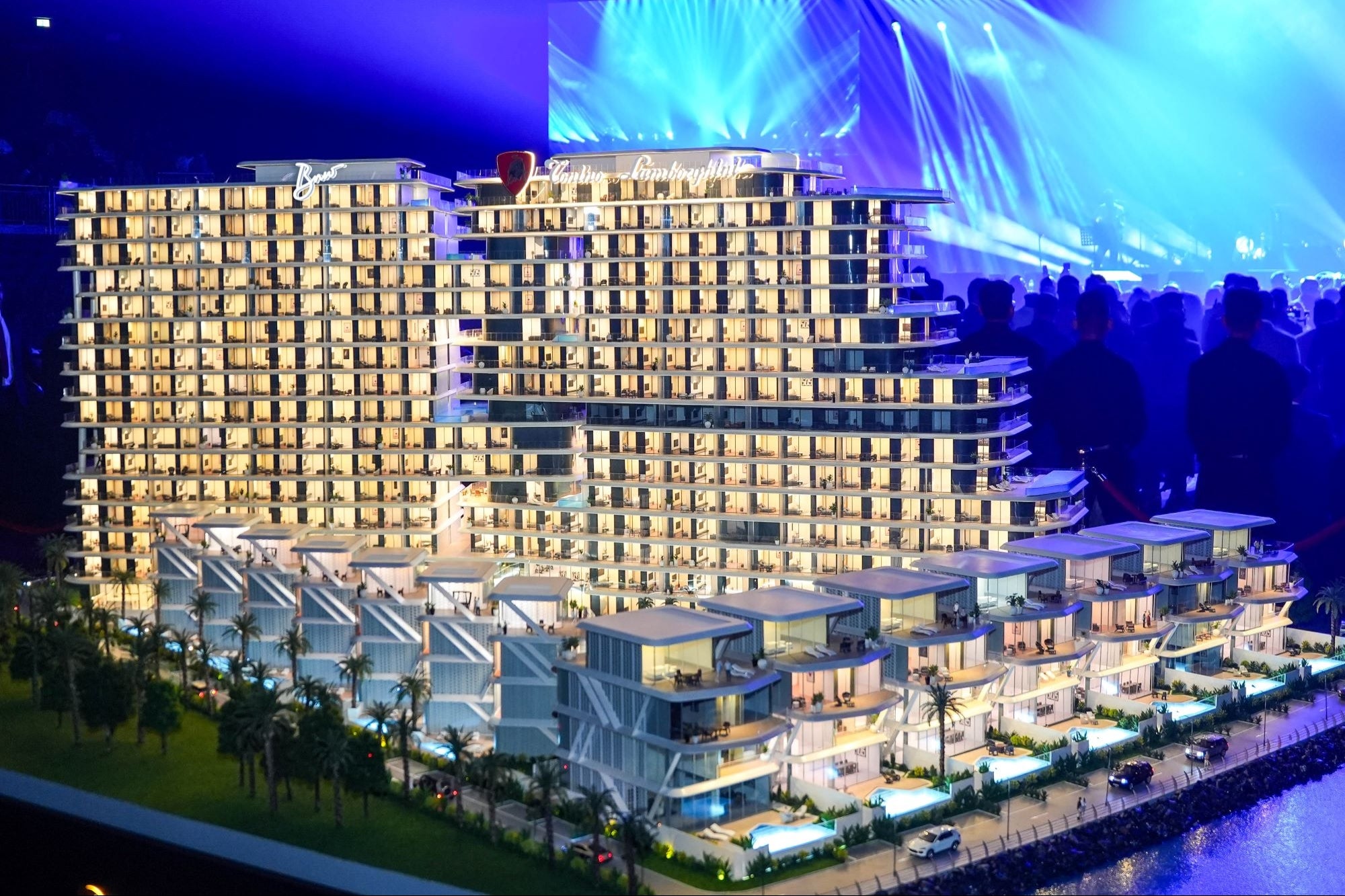
BNW Developments has unveiled the Tonino Lamborghini Residences on Al Marjan Island, marking the first time the Italian luxury lifestyle brand has anchored a residential project in Ras Al Khaimah and setting a new benchmark for branded waterfront living in the northern emirate. The launch positions the privately held developer behind what it describes as Ras Al Khaimah’s largest private real estate venture at the centre of a market drawing growing international investor interest.

The project brings together BNW Developments and Tonino Lamborghini, the brand founded by the son of the legendary Italian carmaker, to deliver a design-led residential community that blends Italian heritage with contemporary coastal architecture. Planned as a large-scale, master-planned development, the residences are set on Al Marjan Island, a man-made archipelago that has emerged as the emirate’s most prominent tourism and lifestyle hub.

Executives involved in the announcement said the collaboration reflects a deliberate strategy to move beyond conventional luxury offerings towards globally recognised branded residences that command long-term value. For Ras Al Khaimah, the development underscores a shift towards higher-end projects aligned with the emirate’s tourism and economic diversification agenda, particularly as hospitality, leisure and residential segments converge along the coastline.

The Tonino Lamborghini Residences are being positioned as ultra-luxury waterfront homes, with interiors inspired by Italian craftsmanship and modern European aesthetics. Design elements are expected to reflect the brand’s signature language, incorporating bespoke materials, curated finishes and lifestyle-focused amenities. While detailed specifications and unit pricing have not been formally disclosed, the developer has indicated that the project targets high-net-worth buyers seeking branded homes with strong rental and capital appreciation potential.

BNW Developments has expanded rapidly within Ras Al Khaimah’s real estate sector, capitalising on policy reforms, infrastructure spending and rising tourism flows. Al Marjan Island, in particular, has become a focal point for premium residential and hospitality investments, supported by new resorts, entertainment attractions and improved connectivity. Property consultants tracking the market say branded residences on the island are increasingly appealing to overseas buyers from Europe, Asia and the wider Middle East, drawn by comparatively attractive entry prices and long-term growth prospects.

The arrival of Tonino Lamborghini adds another internationally recognised name to the island’s evolving skyline, reinforcing a trend in which global lifestyle brands are lending their identity to residential projects across the UAE. Analysts note that branded developments typically command a premium over non-branded counterparts, supported by perceived quality assurance, curated services and brand-driven design consistency.

Industry observers also point to Ras Al Khaimah’s regulatory environment and measured approach to development as factors supporting sustained demand. Unlike more saturated markets, the emirate has emphasised phased growth, balancing tourism expansion with residential supply. This has helped maintain pricing discipline while attracting developers focused on differentiated offerings rather than volume-led construction.

For BNW Developments, the Tonino Lamborghini partnership is intended to elevate its profile beyond a regional developer into a player capable of executing globally benchmarked luxury projects. Company officials have described the residences as a long-term investment in brand equity, aligning the developer with an internationally known lifestyle name while contributing to the emirate’s ambition to compete with established luxury destinations.

Tonino Lamborghini’s leadership has framed the project as a natural extension of the brand’s presence in hospitality, accessories and interior design, translating its identity into a residential environment shaped by coastal living. The brand’s involvement is expected to extend beyond naming rights to include design oversight and lifestyle integration, a factor often scrutinised by buyers in the branded residences segment.

Advertisements

The UAE has rolled out a broad overhaul of its residency and visa framework, introducing new visit-visa categories and tightening eligibility criteria as part of a wider effort to reinforce its standing as a global destination for talent, business activity and long-term investment. The reforms, approved by the Federal Authority for Identity, Citizenship, Customs and Port Security, standardise durations and sponsorship rules across multiple permit types while […]

BinDawood Holding Company has agreed to acquire a controlling 51% stake in UAE-based Wonder Bakery in a deal valued at 96.9 million dirhams, marking a significant step in the Saudi retailer’s regional expansion strategy and its push into food manufacturing. The Riyadh-listed group said the share purchase agreement will be funded through internal resources alongside existing financing facilities, underlining a balance-sheet-led expansion rather than reliance on new […]

United Arab Emirates policy makers are accelerating the shift towards a technology-driven economic model, placing innovation, advanced industries and the knowledge economy at the centre of long-term growth as the country seeks to reduce reliance on hydrocarbons and strengthen competitiveness across global markets. Federal strategies over the past decade have converged around building a diversified economy anchored in artificial intelligence, financial technology, clean energy and advanced manufacturing. […]

Seef Properties has signed a lease agreement with UAE-based D’lish Café to open the brand’s first outlet in Bahrain at Al Liwan, adding a new premium food and beverage concept to the mixed-use destination in the Seef District of Manama. The deal underscores continued demand for curated dining experiences within lifestyle-led developments and reflects a broader push by property owners to anchor retail assets with recognisable regional brands.

The café, known for its contemporary menu and design-led spaces, is expected to occupy a prominent location within Al Liwan, a development that blends retail, leisure, dining, and community spaces. Executives involved in the agreement said the move aligns with Al Liwan’s positioning as a social hub rather than a conventional shopping centre, where food-led concepts play a central role in footfall generation and dwell time.

Seef Properties described the agreement as part of a wider strategy to deepen its portfolio of lifestyle tenants that appeal to both residents and visitors. The company has been recalibrating its leasing mix across assets to prioritise experiential retail, particularly dining formats that combine casual accessibility with premium presentation. Al Liwan, which hosts a range of cafés, restaurants, and entertainment offerings, has emerged as a flagship for that approach.

For D’lish Café, the Bahrain opening marks its first international expansion, signalling confidence in the kingdom’s dining market and its ability to support differentiated concepts. The brand has built a following in the UAE by focusing on high-quality ingredients, visually distinctive interiors, and menus designed to cater to breakfast, lunch, and evening socialising. Industry observers note that such all-day dining formats have gained traction across Gulf cities as consumer preferences shift towards flexible, experience-driven venues.

Executives familiar with the project said the Bahrain outlet will mirror the brand’s core identity while incorporating local design cues to resonate with the Al Liwan setting. Fit-out work is expected to proceed in line with Seef Properties’ guidelines for sustainability, accessibility, and integration with surrounding public spaces. While an opening date has not been formally announced, preparations are under way to align the launch with peak seasonal footfall at the destination.

The agreement comes at a time when Bahrain’s retail real estate sector is navigating structural changes driven by evolving consumer behaviour. Traditional mall formats have faced pressure from e-commerce and shifting spending patterns, prompting developers to emphasise food, leisure, and community experiences that cannot be replicated online. Analysts tracking the sector say developments that successfully curate strong dining line-ups are better positioned to maintain occupancy levels and rental stability.

Al Liwan’s tenant mix reflects that strategy, with food and beverage outlets accounting for a significant share of leasable space. The addition of D’lish Café is expected to complement existing concepts by targeting a demographic that values premium yet approachable dining. Seef Properties executives have previously indicated that tenant selection is guided by brand strength, operational track record, and the ability to contribute to a cohesive destination experience rather than standalone retail performance.

For D’lish Café, the Bahrain market offers exposure to a consumer base known for high per-capita spending on dining and a strong café culture. Manama’s Seef District, in particular, attracts a mix of residents, office workers, and visitors, providing a diversified customer base. Market analysts note that UAE-based brands expanding into Bahrain often view the kingdom as a strategic entry point for broader regional growth due to regulatory familiarity and cultural alignment.

The partnership also highlights increasing cross-border collaboration within the Gulf’s retail and hospitality sectors. As regional brands mature, developers are leveraging these names to differentiate projects and reinforce destination branding. At the same time, café and restaurant operators are seeking locations that offer built-in footfall and a lifestyle context aligned with their brand positioning.

UAE businesses used the Ambiente exhibition in Germany to project the country’s ambition to become a central hub in the global consumer goods trade, as officials and exporters sought to convert visibility into long-term commercial partnerships across Europe, Asia and the Middle East.

The country’s pavilion at the Ambiente fair in Frankfurt brought together manufacturers, designers and trading firms spanning homeware, lifestyle products, gifting and sustainable consumer goods. Organisers said the collective presence was designed to showcase both scale and diversity, with an emphasis on export readiness and cross-border collaboration rather than one-off transactions. The participation formed part of a wider strategy to deepen the UAE’s role in global supply chains at a time when buyers are reassessing sourcing models and regional diversification.

Ambiente is regarded as one of the world’s largest platforms for consumer goods, drawing tens of thousands of buyers, retailers and distributors each year. For UAE exhibitors, the event offered access to European retail networks and international wholesalers seeking alternatives to traditional manufacturing centres. Trade officials accompanying the delegation said meetings during the fair focused on long-term contracts, private-label manufacturing and co-branding arrangements, reflecting a shift towards higher-value engagement.

UAE Ministry of Economy representatives described the fair as a strategic opportunity to align the country’s manufacturing and re-export capabilities with evolving global demand. Officials highlighted the UAE’s logistics infrastructure, trade finance ecosystem and network of comprehensive economic partnership agreements as key advantages in attracting buyers looking for reliability and speed to market. The country has expanded its non-oil exports steadily, with consumer goods playing a growing role alongside metals, plastics and food products.

Exhibitors at the pavilion reported interest from buyers in sustainable materials, contemporary design and flexible production runs. Several companies said European retailers were exploring joint development of products that could be produced in the UAE and distributed across the Gulf, Africa and South Asia. This approach reflects a broader trend among global brands to shorten supply chains while retaining access to multiple consumer markets from a single base.

Frankfurt has become an important meeting point for this recalibration, as trade fairs increasingly serve as venues for strategic sourcing discussions rather than simple product showcases. Industry analysts note that manufacturers from emerging hubs are gaining attention as buyers weigh cost pressures, geopolitical risk and sustainability commitments. The UAE’s pitch at Ambiente centred on stability, regulatory clarity and the ability to integrate manufacturing, warehousing and distribution within a single jurisdiction.

Design-led firms from the UAE also used the exhibition to challenge perceptions that the country’s consumer goods sector is limited to trading and re-export. Several brands showcased original collections developed in collaboration with regional designers, blending Middle Eastern aesthetics with international trends. This creative emphasis was aimed at differentiating UAE products in a crowded marketplace and appealing to premium and mid-market retailers.

Sustainability featured prominently in discussions at the pavilion. Companies highlighted the use of recycled materials, energy-efficient production processes and compliance with European environmental standards. Officials said this focus was essential for competitiveness, as regulatory and consumer scrutiny in Europe continues to intensify. The UAE has invested in sustainability frameworks and industrial policies intended to support greener manufacturing, which exhibitors said helped build confidence among buyers.

The fair also underscored the role of small and medium-sized enterprises in the UAE’s export strategy. Many participating firms were SMEs seeking first-time entry into European markets. Trade support bodies facilitated introductions and provided guidance on certification, packaging requirements and logistics, reflecting an effort to reduce barriers for smaller exporters. Business owners said the ability to present as part of a national pavilion enhanced credibility and opened doors that would be difficult to access independently.

Greenlogue/AP A major commitment by Alterra to a renewables platform run by Copenhagen Infrastructure Partners is set to channel long-term capital into clean power, storage and transmission projects across multiple markets, strengthening the scale and pace of energy transition investment worldwide. Alterra, the UAE’s climate investment vehicle with a stated target of deploying $30 billion by the end of the decade, confirmed it is investing in a […]

Ras Al Khaimah has faced one of the most intense rainfall episodes in its recorded history, with official gauges measuring up to 127 millimetres across two days as a powerful storm system swept the northern emirates. The deluge exceeded the emirate’s typical annual average, overwhelming drainage networks and triggering flash flooding in low-lying and mountainous areas.

Authorities said the heaviest downpours were concentrated around Mina Saqr, Jebel Al Rahibah and the upper reaches of Jebel Jais, where steep terrain funnelled runoff into wadis and access roads. Several residential districts reported water entering homes and ground floors, while industrial zones near the coast saw yards and warehouses inundated. Emergency crews were deployed through the night to clear debris, pump water and assist stranded motorists.

Meteorological data show that the system delivered short bursts of exceptionally intense rainfall, a pattern that hydrologists say increases flood risk even where total volumes might otherwise be manageable. In the mountains, rainfall totals were uneven but locally extreme, with gauges registering more than a year’s worth of rain over 48 hours. The combination of saturated ground and rapid runoff led to temporary road closures and landslides on feeder routes to higher elevations.

Officials from civil defence and municipal services said no fatalities had been reported, though injuries were treated at local hospitals and several families were temporarily relocated as a precaution. Schools in affected zones shifted to remote learning for a day while assessments were carried out. Power and water supplies were largely maintained, though brief outages were recorded in pockets where substations were flooded.

The storm formed as moist air from the Arabian Sea collided with a slow-moving upper-level trough, creating prolonged convective activity over the UAE’s north. Weather specialists noted that while heavy rain events are not unprecedented, the persistence and concentration over Ras Al Khaimah set this episode apart. Satellite imagery showed successive storm cells tracking along the same corridor, repeatedly dumping rain over the same catchments.

Urban planners and climate scientists say the episode underlines growing exposure to extreme weather in arid regions. Studies of the Gulf’s climate indicate a tendency towards more erratic rainfall, with longer dry spells punctuated by intense storms. Such shifts challenge infrastructure designed around historical averages, particularly drainage systems sized for shorter, lighter showers.

Ras Al Khaimah’s leadership said post-storm reviews would examine drainage capacity, early-warning protocols and land-use planning in flood-prone areas. Investment in wadis management and retention basins has increased in recent years, but officials acknowledged that rapid development and changing rainfall patterns require constant reassessment. Work crews were already clearing silt from channels and inspecting culverts to restore full flow capacity.

Residents described scenes of fast-moving water sweeping through streets and wadis within minutes of the heaviest rain. In mountain communities, drivers abandoned vehicles as torrents crossed roads, while hikers on Jebel Jais were escorted to safety by rescue teams once conditions allowed. Authorities reiterated advisories against entering wadis during storms, warning that flows can rise without notice far downstream from where rain is falling.

Insurance providers said claims assessments were under way, with early indications pointing to damage to vehicles, ground-floor properties and small businesses. Analysts noted that insurance penetration for flood damage remains uneven, leaving some households reliant on emergency assistance and community support. Local charities and volunteer groups organised relief supplies, including pumps and cleaning equipment, to help affected families return to their homes.

The episode has also prompted renewed discussion about data sharing and public communication. Meteorologists said advances in radar and nowcasting allow for more precise warnings, but effective response depends on rapid dissemination and public trust. Authorities credited social media alerts and mobile notifications with reducing exposure, though they acknowledged that compliance varies, particularly among motorists accustomed to short-lived showers.

Expo City Dubai has rolled out a structured graduate development initiative aimed at preparing UAE nationals for long-term careers in real estate, urban development and city management, as the post-Expo district accelerates its transition into a permanent business, residential and innovation hub. The programme, branded Exposure, sits within Expo City Dubai’s Real Estate and Development division and targets fresh Emirati graduates at the start of their professional […]

ADQ and the Gates Foundation have announced a partnership aimed at scaling the responsible use of artificial intelligence and education technology to improve learning outcomes for children across sub-Saharan Africa, marking one of the most ambitious cross-sector efforts to apply advanced technology to foundational education systems in the region.

The agreement was unveiled on the sidelines of Abu Dhabi Finance Week during a visit to the UAE by Bill Gates, chair of the Gates Foundation, underscoring the growing role of Abu Dhabi-based sovereign investors in global development initiatives that extend beyond traditional infrastructure and capital deployment.

At its core, the partnership seeks to blend ADQ’s experience as a sovereign investor focused on critical infrastructure and global supply chains with the Gates Foundation’s long-standing work in education, health, and technology-driven development. The collaboration is designed to accelerate the deployment of AI-enabled tools that support teachers, personalise learning, and strengthen education systems while addressing concerns around data privacy, equity, and long-term sustainability.

ADQ–Gates alliance targets AI-powered learning systems as governments and development agencies look for scalable solutions to persistent gaps in literacy, numeracy, and teacher capacity across sub-Saharan Africa. Despite progress in school enrolment over the past two decades, learning outcomes across much of the region continue to lag global averages, with large disparities between urban and rural areas.

Officials familiar with the partnership say the focus will extend beyond hardware or software procurement. Programmes are expected to prioritise teacher support platforms, curriculum-aligned digital content, and AI-driven assessment tools that can function in low-bandwidth environments. Emphasis is also being placed on building local capacity so that education ministries and institutions can manage and adapt systems without long-term dependence on external providers.

The Gates Foundation has invested heavily in education technology across Africa, backing initiatives that use data analytics and adaptive learning models to improve classroom instruction. Its approach has increasingly shifted towards ensuring that digital tools complement teachers rather than replace them, a principle that is expected to guide the collaboration with ADQ.

For ADQ, the partnership aligns with a broader strategy of deploying capital and expertise into sectors that underpin economic resilience and human development. While the Abu Dhabi-based group is widely known for investments in ports, logistics, food security, and energy, it has expanded its scope to include technology-driven solutions with global impact, particularly in emerging markets.

Bill Gates, speaking during his visit to Abu Dhabi, highlighted the transformative potential of AI when applied responsibly to education systems under strain. He noted that advances in machine learning and language models can help teachers tailor lessons to individual students and identify learning gaps early, provided the technology is designed with clear safeguards and local realities in mind.

Education specialists caution that AI adoption in low-income settings carries risks if implemented without adequate oversight. Challenges include uneven access to electricity and connectivity, limited digital literacy among educators, and the potential for algorithmic bias when systems are trained on data that does not reflect local contexts. The partners say governance frameworks and pilot-based rollouts will be central to mitigating these risks.

The collaboration comes at a time when African governments are under pressure to modernise education systems while managing tight budgets and rapidly growing school-age populations. Multilateral lenders and philanthropic organisations have increasingly encouraged public–private partnerships to bridge funding and expertise gaps, particularly in technology deployment.

Abu Dhabi Finance Week has become a platform for such announcements, reflecting the emirate’s ambition to position itself as a hub for global capital addressing development challenges. ADQ’s involvement signals a model in which sovereign investors participate not only as financiers but as strategic partners shaping long-term outcomes.

People briefed on the initiative say initial programmes will focus on a select group of countries, working closely with education ministries to align AI tools with national curricula and policy objectives. Over time, successful models could be adapted across the region, with lessons shared among participating governments.

The Gates Foundation has previously stressed that technology alone cannot fix systemic issues in education, such as overcrowded classrooms or shortages of trained teachers. As a result, the partnership is expected to integrate AI solutions with broader reforms, including teacher training and data-informed policymaking.


The United Arab Emirates has consolidated its standing in 2025 as one of the world’s fastest-growing economies, underpinned by a surge in non-oil activity, sustained investment inflows and a regulatory framework designed to attract capital and talent. Data released through the year point to broad-based expansion across trade, manufacturing, logistics, tourism, finance and technology, reinforcing a shift away from hydrocarbons as the primary engine of growth.

Non-oil foreign trade climbed 24.5 per cent in the first half of 2025 to AED1.7 trillion, a pace that far exceeds the prevailing global trade growth rate. The increase reflects rising re-exports, stronger demand from Asia, Europe and Africa, and the UAE’s role as a commercial bridge linking major markets. Officials have highlighted gains in machinery, electronics, precious metals, food products and pharmaceuticals, supported by expanded port capacity, faster customs procedures and new trade agreements.

Investment indicators have moved in tandem with trade. The UN Conference on Trade and Development’s World Investment Report 2025 ranked the UAE 10th globally for inbound foreign direct investment in 2024, with inflows of AED167.6 billion. That placing keeps the country among the world’s most attractive destinations for capital, alongside much larger economies, and underscores confidence in the policy environment, infrastructure and legal protections available to investors.

Economic planners attribute the momentum to a combination of structural reforms and targeted incentives. Liberalised ownership rules, long-term residency options for professionals and entrepreneurs, and streamlined licensing have lowered barriers for international firms. Specialised free zones continue to draw companies in logistics, clean energy, advanced manufacturing, fintech and digital services, while onshore jurisdictions have simplified company formation and compliance.

Non-oil GDP growth has been supported by strong domestic demand and an expanding population of skilled workers. Tourism has posted record levels of hotel occupancy and visitor spending, aided by expanded air connectivity and major events that have kept demand resilient across seasons. Retail and hospitality have benefited from rising consumer confidence, while real estate transactions have remained active across residential, commercial and industrial segments.

Manufacturing has emerged as a key contributor, with investments flowing into metals, food processing, pharmaceuticals and building materials. The push to localise supply chains and boost exports has been reinforced by incentives for advanced manufacturing and the adoption of automation and artificial intelligence. Renewable energy and clean technology projects have also attracted capital, aligning economic growth with climate commitments.

The financial sector has played a central role in channelling investment. Banks have reported healthy credit growth to businesses, while capital markets have seen new listings and debt issuance that broaden funding options. Asset managers and private equity firms have expanded regional operations, using the UAE as a base for Middle East, Africa and South Asia strategies. Regulatory clarity in digital assets and fintech has further widened the investor base.

Trade policy has complemented domestic reforms. Comprehensive economic partnership agreements have reduced tariffs and opened access to fast-growing markets, supporting exporters and logistics providers. Improved customs digitisation has shortened clearance times, enhancing the country’s competitiveness as a trans-shipment hub. The scale of non-oil trade growth indicates that these measures are translating into higher volumes rather than merely price effects.

Dubai’s Global Village is preparing a New Year’s Eve programme that will allow visitors to welcome 2026 seven times in a single night, aligning celebrations with multiple international time zones and reinforcing the city’s reputation for large-scale public festivities. The seasonal cultural park has announced that on December 31 it will stage a sequence of countdowns, each marked by fireworks and coordinated drone displays, beginning in the […]

Kuwait has moved to deepen its role in Gulf maritime trade after the Kuwait Ports Authority said it signed a memorandum of understanding with Abu Dhabi Ports Group to develop and operate the container terminal at Shuaiba port under a concession agreement. The arrangement places a major state-backed ports operator from Abu Dhabi at the centre of a facility that has long served as a backbone of Kuwait’s seaborne commerce, signalling a shift towards international partnerships to modernise ageing infrastructure and boost competitiveness.

The memorandum outlines a framework for collaboration that could see Abu Dhabi Ports Group involved in terminal operations, capacity upgrades and efficiency improvements at Shuaiba, subject to regulatory approvals and the finalisation of commercial terms. While financial details have not been disclosed, officials described the understanding as a step towards unlocking investment, technology transfer and operational expertise at Kuwait’s oldest port, which has faced mounting pressure from larger and more automated hubs elsewhere in the region.

Shuaiba port was established in the 1960s and remains a critical gateway for imports and exports despite growing competition from newer facilities along the Gulf. The port covers a total area of about 2.2 million square metres and has 20 berths, according to data published by the Kuwait Ports Authority. Its container terminal includes a storage area of roughly 318,000 square metres, making it a significant asset in a country that relies heavily on maritime trade for food, consumer goods and industrial inputs.

Officials familiar with the discussions said the focus of the partnership would be on improving berth productivity, reducing vessel turnaround times and expanding container-handling capacity to meet shifting trade patterns. Kuwait’s logistics sector has faced challenges linked to congestion, limited automation and slower clearance processes compared with regional peers. Partnering with an experienced international operator is seen as a way to narrow that gap without placing the entire investment burden on the state.

Abu Dhabi Ports Group has expanded rapidly beyond the UAE over the past few years, building a portfolio that spans ports, terminals, maritime services and logistics corridors across the Middle East, Africa and South Asia. Its strategy has centred on long-term concessions and joint ventures that integrate port operations with industrial zones and inland logistics. The Shuaiba memorandum aligns with that approach, offering access to a mature but under-optimised port in a strategically located market.

For Kuwait, the agreement reflects a broader policy push to diversify the economy and improve infrastructure efficiency as part of long-term development plans. While the country has invested heavily in oil and gas facilities, progress in logistics and transport has been slower, partly due to regulatory complexity and limited private-sector participation. Bringing in a regional operator with a track record in terminal modernisation could help accelerate reforms that have proved difficult to deliver through public investment alone.

Industry analysts note that container volumes in the Gulf are increasingly concentrated at mega-ports with deep drafts, advanced cranes and integrated digital systems. Smaller or older ports risk being sidelined unless they upgrade or specialise. Shuaiba’s location near industrial zones and population centres gives it an advantage, but sustaining that position requires capital spending and operational know-how. The proposed concession model would allow Kuwait Ports Authority to retain ownership while delegating day-to-day operations to a specialist partner.

The memorandum also carries geopolitical and commercial significance. Closer cooperation between Kuwait and Abu Dhabi in maritime infrastructure adds to a growing web of Gulf logistics partnerships aimed at strengthening regional supply chains. As global trade routes adjust to disruptions in other corridors, Gulf ports are competing to attract transshipment traffic and value-added services. Collaboration rather than rivalry is increasingly seen as a way to enhance resilience and bargaining power with global shipping lines.

Falcon Racing will begin tomorrow at the Liwa International Festival 2026, bringing together elite falconers, heritage practitioners and spectators in the Empty Quarter’s oasis region for one of the Gulf’s most closely watched traditional sporting events. Organised under the festival’s heritage and cultural programme, the competition is expected to draw participants from across the UAE and neighbouring countries, reinforcing Liwa’s standing as a focal point for desert […]

Dubai-based Binghatti has completed what it describes as the most expensive residential penthouse transaction ever recorded in the Middle East, selling a single ultra-luxury home for AED550 million at its Bugatti Residences development in Business Bay, underlining the depth of demand for trophy assets in the emirate’s high-end property market.

The sale centres on a 47,200-square-foot penthouse within Bugatti Residences by Binghatti, the world’s first residential project branded by the French luxury marque. The developer said the transaction reflects sustained appetite from global ultra-high-net-worth buyers seeking rare, branded homes in prime Dubai locations, even as other global luxury markets face slower momentum.

Dubai lands a record luxury penthouse deal has become the shorthand among brokers for the transaction, which eclipses earlier benchmark sales in the region and places Dubai among a small group of global cities capable of sustaining nine-figure residential deals. Industry executives say the scale of the sale reinforces the city’s shift from being a regional wealth hub to a global destination for capital preservation and lifestyle-driven investment.

Bugatti Residences, located along the Dubai Water Canal in Business Bay, has been positioned as a statement project blending automotive-inspired design with high-end residential living. The penthouse includes multiple private terraces, bespoke interiors, and exclusive amenities tailored to the Bugatti brand ethos, according to details released by the developer. Residents are offered services and facilities that mirror ultra-luxury hospitality standards rather than conventional apartment living.

Property consultants tracking prime residential markets say such sales are no longer isolated events in Dubai. Over the past few years, the city has recorded a rising number of transactions above AED100 million, driven by buyers from Europe, Asia, and the Middle East, as well as family offices and entrepreneurs relocating operations or assets to the UAE. The combination of regulatory clarity, long-term residency pathways, and the absence of personal income tax continues to weigh heavily in purchasing decisions.

Binghatti has emerged as a prominent player in this segment by pairing architecture-led developments with globally recognised brands. The Bugatti partnership followed earlier branded collaborations and marked a strategic shift towards ultra-premium projects aimed at a narrow but financially powerful buyer base. Executives close to the company say the strategy is designed to differentiate its portfolio in a market that has become increasingly competitive at the luxury end.

Business Bay itself has evolved from a primarily commercial district into a mixed-use zone attracting high-end residential investment. Proximity to Downtown Dubai, waterfront views, and improved infrastructure have supported pricing growth, with branded residences commanding a significant premium over non-branded counterparts. Analysts note that buyers at this level are less sensitive to price cycles and more focused on exclusivity, security, and global status.

The penthouse sale also reflects a broader trend of branded residences outperforming traditional luxury housing in Dubai. International fashion houses, automotive brands, and hospitality groups have increasingly licensed their names and design philosophies to residential projects, tapping into buyer loyalty and global recognition. Developers argue that branding provides assurance on quality and long-term value, while buyers view such homes as collectible assets rather than purely functional residences.

Market data compiled by leading consultancies shows that Dubai has consistently ranked among the world’s most active markets for luxury home sales above $10 million, often rivaling London, New York, and Hong Kong in transaction volumes. While macroeconomic uncertainty persists globally, the UAE’s positioning as a politically stable, business-friendly jurisdiction has insulated its top-tier property segment from sharper corrections seen elsewhere.

For Binghatti, the transaction serves both as a financial milestone and a branding exercise. Selling a single residence at AED550 million places the developer in a rare category and strengthens its negotiating position for future collaborations and land acquisitions. Company officials have signalled that demand for Bugatti Residences remains strong, with several units already allocated to international buyers seeking full-floor or customised layouts.

Abu Dhabi’s Festival of Health 2025 opened with government officials and community leaders urging citizens and residents to adopt healthier lifestyle habits as part of a broader strategy to transform public health culture across the emirate. The multi-week event, organised by the Department of Health – Abu Dhabi in partnership with the Abu Dhabi Public Health Centre, spans three weekends and more than 140 activities designed to engage families, young people, older adults and people of determination in movement, nutrition, sleep and mental wellbeing. The opening ceremony was attended by Mansoor Ibrahim Al Mansoori, Chairman of DoH, and Dr Rashed Al Suwaidi, Director General of ADPHC, underscoring the initiative’s profile within Abu Dhabi’s health agenda.

Officials expect more than 30,000 visitors to participate as the festival moves from Hudayriyat Island in Abu Dhabi city to Madinat Zayed Public Park in Al Dhafra and concluding at Al Jahili Park in Al Ain later this month. Each location has been transformed into vibrant activity zones with free entry but online registration encouraged to support wider public health objectives. Programming includes group exercise sessions, nutrition workshops, sleep pattern awareness installations and mental wellbeing activities, blending education with entertainment to make prevention-oriented habits more accessible.

The festival is one of the first major activations under the Healthy Living Strategy, a multi-year plan approved by His Highness Khalid bin Mohamed bin Zayed Al Nahyan, Crown Prince of Abu Dhabi and Chairman of the Abu Dhabi Executive Council, that aims to integrate healthier choices into everyday life for all members of society. By embedding the event within this framework, authorities are emphasising a shift from reactive healthcare to proactive prevention, seeking to reduce the long-term burden of chronic diseases through community engagement and accessible wellbeing initiatives.

Central to the strategy and the festival’s approach is the Sahatna health app, which will be used to track attendance and engagement at activities, along with metrics such as steps taken by participants. Officials have suggested that analysing these patterns could yield insights into where improvements in infrastructure or targeted interventions might be most effective, particularly in districts with higher rates of obesity or lower levels of physical activity. By linking digital health data with on-the-ground community participation, authorities aim to create a feedback loop that strengthens future public health planning.

Public and private partners have played a significant role in shaping the festival’s offerings. Strategic collaborators include PureHealth, Sakina, the Department of Municipalities and Transport, Abu Dhabi Sports Council, Modon, Al Ain Farms, Agthia, Burjeel Cancer Institute, Nestlé and AstraZeneca, among others. Community partners such as Special Olympics UAE, Active Abu Dhabi and the Department of Community Development have contributed to inclusive programming, ensuring that activities are accessible and relevant to diverse segments of the population. A broad range of sponsors and supporting entities further reinforce the event’s capacity to connect health education with tangible experiences that encourage behaviour change.

Interactive elements have been central to the festival’s appeal, with “City Moov Challenge” digital experiences and family-oriented games offering incentives to embrace physical activity and cognitive engagement. Cooking demonstrations aimed at demystifying nutrition and practical sessions on sleep hygiene seek to translate scientific guidance into everyday routines. Presenters and health educators are focusing on achievable adjustments rather than restrictive frameworks, reflecting a broader public health ethos that small, consistent changes can cumulatively improve wellbeing.

Community response has been noticeable, with families and individuals of varied age groups attending fitness sessions, mindfulness workshops and educational talks. Many visitors have highlighted the festival’s family-friendly atmosphere and the value of practical demonstrations that show how health knowledge can be applied beyond the event. For some, the festival serves as an entry point into longer-term lifestyle adjustments, with participants citing intentions to maintain routine physical activity and better sleep habits after attending.

Officials have emphasised that the festival is not a standalone effort but part of a continuum of preventive public health measures across the emirate. Throughout the year, ADPHC’s programming promotes regular health screenings, physical activity and community education as integral to reducing risk factors associated with non-communicable diseases. This aligns with global trends in public health that prioritise prevention and holistic wellbeing over episodic treatment, recognising the economic and social benefits of healthier populations.

Premium design meets industry-leading warranty and long-term support DUBAI, UAE – Media OutReach Newswire – 12 December 2025 – The Middle East’s electric vehicle market is still developing but advancing quickly. In the Gulf Cooperation Council (GCC) region, EV sales penetration doubled from about 2 per cent to roughly 4 per cent in just one year, placing the region among the fastest-growing EV markets globally. 91% of […]

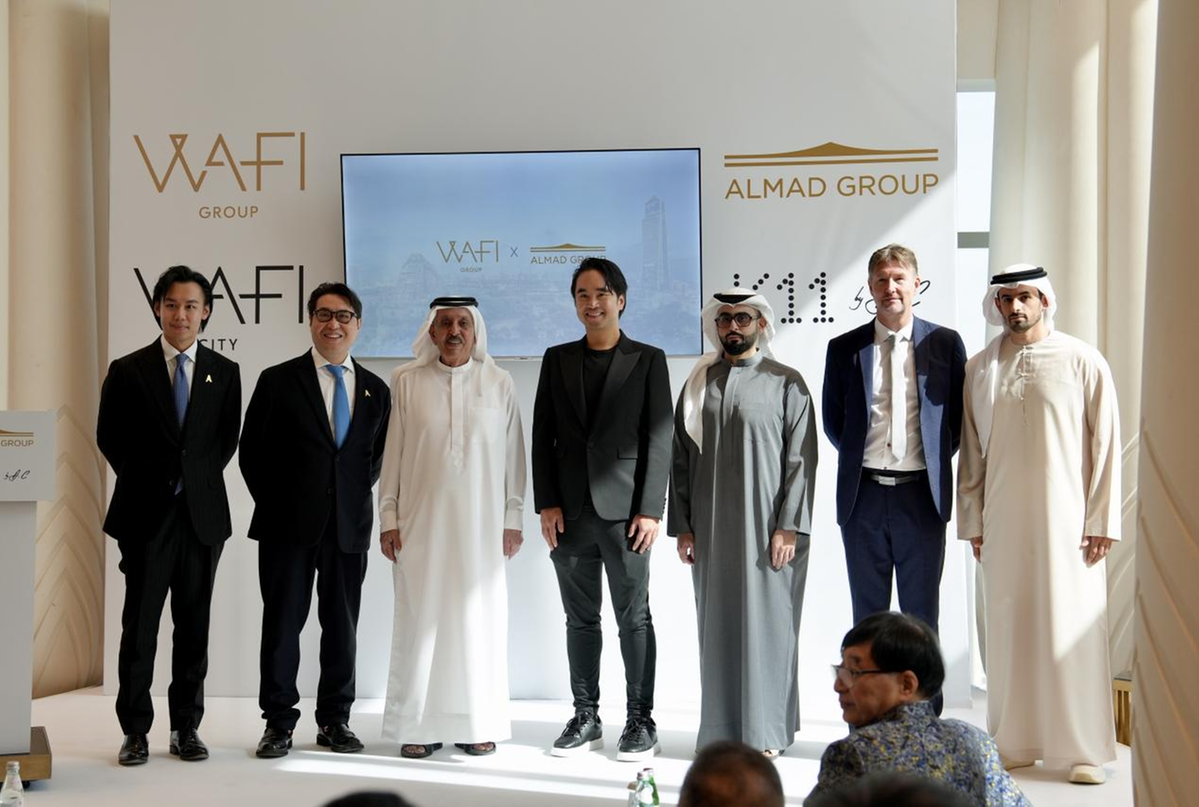
Hong Kong-based Almad Group and Dubai-based Wafi Group have formalised a strategic partnership aimed at tapping the fast-expanding animation, retail and cultural entertainment market in the Gulf, marking a notable deepening of commercial and cultural ties between East Asia and the Middle East.

The agreement, signed on December 11 in Dubai, brings together Almad Group’s lifestyle and cultural development arm, K11 by AC, and Wafi Group, one of the city’s established real estate and hospitality players. At the centre of the cooperation is the creation of a new joint venture entity, Wafi Anime 11, designed to anchor animation-led retail, immersive entertainment and intellectual-property-driven experiences in the UAE, with an eye on regional expansion.

Senior executives and representatives from both sides attended the signing, including Richard Cheung, group chief executive of K11 by AC; Dr Adrian Cheng, founder and executive chairman of K11 by AC of Almad Group; Sheikh Mana bin Khalifa Al Maktoum, founder and chairman of Wafi Group; and Sheikh Rashid bin Mana Al Maktoum, director of Wafi Group. The presence of Dubai Chambers’ executive vice-president for international relations, Salem Al Shamsi, underscored the broader trade and investment significance of the deal.

The partnership goes beyond a single retail concept. According to the framework outlined at the ceremony, Wafi Anime 11 will serve as a platform for developing themed cultural and entertainment projects, hosting IP-exclusive activities, and curating experiences aimed at both residents and international visitors. These initiatives are intended to align with Dubai’s wider strategy of positioning itself as a global hub for creative industries and experiential tourism.

A key commercial pillar of the agreement involves leasing and brand-entry cooperation for Hong Kong and the Chinese mainland labels seeking a foothold in the Middle East. The partners plan to introduce a portfolio of lifestyle, fashion and cultural brands that reflect contemporary Chinese creativity while adapting to local consumer tastes and regulatory environments. This approach reflects a growing trend among Asian brand owners to use Dubai as a gateway to the Gulf and wider Middle East and North Africa markets.

Tourism collaboration also features prominently. Almad Group and Wafi Group will roll out targeted incentive strategies aimed at visitors from Hong Kong and the Chinese mainland, encouraging longer stays and deeper engagement with Dubai’s retail and cultural offerings. Under the plan, travellers will be guided towards premium hospitality assets such as Sofitel Dubai The Obelisk and Raffles Dubai, both located within or adjacent to Wafi City, while being introduced to curated shopping, dining and entertainment itineraries.

Wafi City itself is expected to play a central role in the initiative. Long known as a mixed-use destination combining retail, hospitality and leisure, the complex will host several of the new animation-themed and IP-driven concepts. The partners believe this integrated environment provides a ready-made ecosystem for blending retail with storytelling, live events and digital engagement, a model increasingly favoured by younger consumers and families.

Another element of the cooperation involves the expansion of Gentry Club, a private members’ lifestyle concept, into the Middle East and North Africa. While details remain under development, the inclusion of Gentry Club signals an ambition to build community-based, experience-led offerings alongside mainstream retail, catering to affluent and culturally engaged audiences.

Richard Cheung said the agreement followed extensive groundwork and market analysis. “Our team has been studying the Middle East market since 2024 and is well aware of its immense development potential,” he noted. Cheung added that the first phase of cooperation would focus on brand introduction and ecosystem building, with several flagship labels representing Chinese cultural aesthetics expected to open by 2026.

Industry observers see the partnership as part of a broader shift in how cultural IP and retail are being deployed globally. Animation, gaming and character-driven franchises are no longer confined to screens or merchandise, but are increasingly used to anchor physical destinations, from themed malls to pop-up exhibitions and interactive spaces. The UAE, with its diversified economy, strong tourism flows and appetite for experiential formats, has emerged as a testing ground for such concepts.

VISHNU RAJA
RYO YAMADA
HITORI GOTOH
IKUYO KITA
Just in:
Town secures $108 million funding at billion-dollar valuation // China’s Village Super League: More Than Just Soccer // Britain assigns RAF Typhoons to defend Saudi airspace // TAQA launches dual-tranche dollar bonds for green financing // Cross-Sector Collaboration For World Sight Day: Orbis, HKOS, Southern District Office, and Southern District Care Team Jointly Launch “Southern District Eye Care Day” – Calling on the Next Generation to Accompany and Protect Senior Vision // ONYX Dining invites guests to discover dining experiences for every occasion with the people who matter // Splunk survey exposes widening gaps in AI agent oversight // Bolshoi Theatre schedules first official UAE tour // UEM Edgenta Launches Young Entrepreneurship Programme to Develop Future-Ready Vendors // ConnectWise suspends cloud platforms following Microsoft 365 intrusions // Protecting Sight from Childhood to Adulthood: Orbis and HKUMed Tackle Hong Kong Myopia Crisis // GoImpact’s Green Tech Summit returns for its third year to turn cross-sector dialogue into action // Sheikh Mohammed presses Gulf nations for closer cooperation // Bitget targets Thai market through licensed exchange purchase // Saudi investment forum shifts tenth edition to 2027 // Emirates NBD adopts UAE-hosted OpenAI models for banking // Figma expands MCP partnerships despite Field’s protocol concerns // Jio Platforms opens record $3.2 billion public offering // Fiscal strength doesn’t guarantee public goods delivery, US study finds // Large enterprises appoint AI security chiefs as oversight lags //