News related to
unit

Blockchain-based role-playing game BattleRise: Kingdom of Champions has announced its integration with the Beam Network, aiming to expand its multi-chain accessibility for players. This collaboration signifies a strategic move to enhance the game’s reach and provide a seamless gaming experience across various blockchain platforms.

The Beam Network, recognized for its focus on gaming infrastructure, recently transitioned to a Layer 1 blockchain. This shift, facilitated by the Avalanche Community Proposal ACP-77 and the Etna upgrade, allows Beam to operate independently while leveraging Avalanche’s technical framework. The transition offers Beam increased flexibility and decentralization, enabling it to tailor its infrastructure to better serve gaming applications.

BattleRise’s decision to join the Beam Network is part of its broader strategy to integrate multiple blockchain networks, thereby delivering an accessible multi-chain gaming environment. The game’s development team has actively engaged its community, soliciting feedback on preferred blockchain integrations. This collaborative approach underscores the game’s commitment to aligning with player preferences and enhancing user experience.

While the exact timeline for BattleRise’s integration with the Beam Network remains undisclosed, the partnership is expected to introduce new features and opportunities for players. Notably, following a previous minting of 1,500 NFT skins on Etherlink, an EVM-compatible Layer 2 network utilizing Tezos technology, there is speculation about an upcoming NFT mint on the Beam Network. This potential event would provide players with additional chances to acquire unique in-game skins and increase their allocation of the forthcoming $BATTLE token.

BattleRise: Kingdom of Champions offers a mobile fantasy RPG experience where players engage in turn-based battles to defend the world of Eos from the God of Death’s forces. Players can assemble teams of upgradable Champions from various factions, each possessing unique skills and abilities that enable strategic gameplay. The game features multiple modes, including Story mode, an endless dungeon mode, and a Player versus Player Arena, catering to diverse player preferences.

In addition to its gameplay offerings, BattleRise incorporates blockchain elements such as NFTs and the upcoming $BATTLE token. Players can earn these tokens through various in-game activities, including climbing PvP and Player versus Environment leaderboards and participating in social tasks on the game’s questing platform. The integration with the Beam Network is anticipated to further enrich these blockchain-based features, providing a more robust and interconnected gaming ecosystem.

The Beam Network’s evolution into a Layer 1 blockchain, coupled with its decentralized proof-of-stake consensus mechanism introduced through the Horizon upgrade, positions it as a formidable platform for gaming applications. This infrastructure supports community involvement in network security and offers developers the flexibility to customize their applications, aligning with BattleRise’s objectives of providing an immersive and player-centric gaming experience.

Saudi Arabia and the United Arab Emirates are actively transitioning from oil-dependent economies to leaders in artificial intelligence to drive sustainable development. This strategic shift aligns with their broader goals of economic diversification and technological innovation. Saudi Arabia’s Vision 2030 plan emphasizes AI as a cornerstone for future growth. The kingdom has committed substantial resources to this end, including a $100 billion AI initiative aimed at fostering […]

RIYADH, SAUDI ARABIA – Media OutReach Newswire – 24 February 2025 – Sahm Capital, a leading financial services provider, empowered investors at the CMF Riyadh 2025 Investor Bootcamp. Hadeel Bedeeri, General Manager of Sahm Capital, led a session on navigating the IPO process, equipping attendees with essential knowledge to thrive in Saudi Arabia’s evolving capital market. The Investor Bootcamp, held on February 19th, 2025, is part of […]

The Dubai International Financial Centre has officially recognised USDC and EURC as approved stablecoins, marking a significant advancement in the integration of digital currencies within the region’s financial ecosystem. This move aligns with DIFC’s commitment to fostering innovation while ensuring robust regulatory oversight in the rapidly evolving digital asset landscape.

USDC and EURC, issued by Circle, are stablecoins pegged to the US dollar and the euro, respectively. They are designed to maintain a stable value by being fully backed by their respective fiat currencies, providing a reliable medium of exchange in the digital economy. Circle has ensured that both USDC and EURC comply with the European Union’s Markets in Crypto-Assets regulations, obtaining an Electronic Money Institution licence from France’s Autorité de Contrôle Prudentiel et de Résolution . This compliance underscores Circle’s commitment to adhering to stringent regulatory standards, enhancing the credibility and acceptance of its stablecoins in global markets.

The recognition of these stablecoins by DIFC is a strategic move to position Dubai as a leading hub for digital finance. By incorporating USDC and EURC into its financial framework, DIFC aims to attract a broader spectrum of fintech companies and investors seeking a regulated environment for digital asset transactions. This initiative is expected to facilitate seamless cross-border transactions, reduce reliance on traditional banking systems, and promote financial inclusion by providing accessible digital payment solutions.

Dubai’s proactive approach to digital asset regulation is evident in its comprehensive framework governing crypto tokens. The Dubai Financial Services Authority has established clear guidelines for the issuance and use of crypto tokens within DIFC, ensuring that only recognised tokens meeting specific criteria are permitted. This regulatory clarity is designed to mitigate risks associated with digital assets, such as fraud and market volatility, thereby fostering a secure environment for investors and users.

The inclusion of USDC and EURC in DIFC’s recognised list of stablecoins is anticipated to have a profound impact on the financial landscape of the United Arab Emirates . It offers businesses and consumers a stable and efficient medium for transactions, potentially reducing transaction costs and enhancing the speed of financial operations. Moreover, it aligns with the UAE’s broader vision of embracing digital transformation and becoming a global leader in fintech innovation.

Industry experts view this development as a positive step towards the mainstream adoption of digital currencies in the region. The regulatory endorsement by a reputable financial centre like DIFC not only boosts confidence among existing crypto enthusiasts but also encourages traditional financial institutions to explore and integrate digital assets into their services. This convergence of traditional and digital finance is poised to unlock new opportunities for economic growth and diversification in the UAE.

However, the integration of stablecoins into the financial system is not without challenges. Regulatory bodies must continuously monitor and adapt to the dynamic nature of digital assets to address potential risks such as money laundering, cybersecurity threats, and market manipulation. Collaborative efforts between regulators, financial institutions, and technology providers are essential to establish robust safeguards and ensure the integrity of the financial system.

In the global context, the recognition of USDC and EURC by DIFC reflects a growing trend of regulatory acceptance of stablecoins. Jurisdictions worldwide are acknowledging the potential benefits of stablecoins in enhancing payment systems and promoting financial inclusion. The European Union’s MiCA regulations, for instance, provide a harmonised regulatory framework for crypto assets, aiming to protect consumers and ensure financial stability. Circle’s compliance with these regulations and its subsequent recognition by DIFC exemplify how adherence to regulatory standards can facilitate the integration of digital assets into mainstream finance.

India’s economy could face a reduction of up to 0.6% in its Gross Domestic Product due to proposed tariff increases by the United States, according to a recent analysis by Goldman Sachs. The financial institution’s report highlights the potential economic repercussions for India if the US implements higher tariffs on imported goods.

The analysis outlines three potential scenarios under the US administration’s “Fair and Reciprocal Plan”: country-level reciprocity, product-level reciprocity, and inclusion of non-tariff barriers. In the country-level reciprocity scenario, the US would elevate tariffs on all imports from a specific nation to match the average tariff differential. For India, this could mean an increase of approximately 6.5 percentage points in effective US tariff rates on Indian imports. The product-level reciprocity approach would involve matching tariffs on individual products, potentially leading to an 11.5 percentage point rise in tariffs on Indian goods. The inclusion of non-tariff barriers, such as administrative hurdles and import licensing requirements, presents a more complex scenario, making precise impact assessments challenging.

Goldman Sachs’ report emphasizes that India’s export exposure to the US is relatively modest, with exports to the US accounting for about 2% of India’s GDP in 2023. However, when considering indirect exposure through exports to other countries reliant on US demand, India’s domestic activity exposure rises to approximately 4% of GDP. This broader exposure suggests that the potential impact on India’s GDP growth could range from 0.1 to 0.6 percentage points, depending on the specific tariff measures implemented.

The bilateral trade relationship between India and the US has seen significant growth over the past decade. India’s goods trade surplus with the US expanded from $17 billion in the fiscal year 2014 to $35 billion in fiscal year 2024. This increase is largely attributed to a surge in exports of electronic items, bolstered by initiatives like the Production-Linked Incentive scheme introduced in 2020.

Despite the potential challenges posed by increased US tariffs, India’s central bank governor, Shaktikanta Das, has expressed confidence in the country’s economic resilience. He highlighted India’s substantial foreign exchange reserves, amounting to $676 billion, and the robust growth trajectory of the economy as key factors that equip the nation to navigate global disruptions, including those arising from protectionist trade policies.

The US administration’s move towards implementing reciprocal tariffs is part of a broader strategy to address perceived trade imbalances. A memo signed by President Donald Trump directs the Commerce Department and the US Trade Representative to develop plans for adjusting tariff rates to mirror those imposed by trading partners. These measures are set to be introduced gradually over the coming weeks and months, with an initial focus on countries maintaining significant trade surpluses with the US or those engaged in practices deemed unfair.

While the intended goal of these tariffs is to protect domestic industries and reduce trade deficits, there are concerns about potential unintended consequences. Analysts warn that such measures could lead to increased costs for consumers and businesses, supply chain disruptions, and retaliatory actions from affected trading partners, potentially escalating into broader trade conflicts.

Prime Minister Justin Trudeau arrived in Kyiv today, joining a delegation of European leaders to commemorate the third anniversary of Russia’s invasion of Ukraine. This collective visit underscores international solidarity with Ukraine as concerns mount over the United States’ evolving policy under President Donald Trump. President Volodymyr Zelenskyy expressed profound pride in the “absolute heroism” displayed by Ukrainians throughout the ongoing conflict. In a national address, he […]

Dubai Holding has announced the expansion of its ‘Gift It Forward’ initiative for Ramadan 2025, aiming to support over 10,000 low-income beneficiaries in Dubai. Building upon the success of its inaugural year, the programme focuses on promoting responsible consumption and fostering a circular economy by repurposing new, unused items into unique gifts.

The initiative collaborates with more than 20 partners, including the Community Development Authority and DHL Global Forwarding, to engage the community in sustainable giving. Volunteers participate in workshops centred on the United Nations Sustainable Development Goal 12, which emphasizes responsible consumption and production, empowering them to become sustainability advocates within their communities.

Huda Buhumaid, Chief Impact Officer at Dubai Holding, highlighted the programme’s dual focus: “Gift It Forward integrates environmental stewardship with social responsibility, aiming to enrich the lives of those who ensure our communities function seamlessly while encouraging sustainable behaviours.”

In its previous edition, the initiative successfully transformed over 123,000 new items—including clothing, homeware, and accessories—into personalized gift packages. These were distributed to more than 10,500 low-income individuals, underscoring the campaign’s commitment to waste reduction and community support. Over 300 volunteers from Dubai Holding and its partners actively participated, demonstrating a collective dedication to giving back and promoting sustainable practices.

The ‘Gift It Forward’ initiative aligns with the UAE’s 2025 Year of Community, seamlessly integrating into Dubai Holding’s Sustainability Strategy. By supporting UN SDG 12, the programme not only addresses environmental concerns but also fosters a culture of social responsibility through collaboration. This model of collective action exemplifies how rethinking resource utilization today can contribute to a better tomorrow.

Advertisements

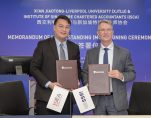
SINGAPORE – Media OutReach Newswire – 24 February 2025 – The Institute of Singapore Chartered Accountants (ISCA) has signed a Memorandum of Understanding (MOU) with Xi’an Jiaotong-Liverpool University (XJTLU) in Suzhou, China, to establish pathways for students in China to pursue the Singapore Chartered Accountant Qualification (SCAQ). The newly-formed partnership marks the first collaboration with a university in China for ISCA, since the launch of its first […]

Chinese artificial intelligence startup DeepSeek has announced plans to release five open-source code repositories in the coming week, furthering its commitment to transparency and community collaboration. This initiative follows the company’s recent unveiling of its R1 reasoning model, which has positioned DeepSeek as a formidable competitor to established AI entities like OpenAI and Meta. Founder Liang Wenfeng emphasized the cultural significance of open-source practices, stating that they […]

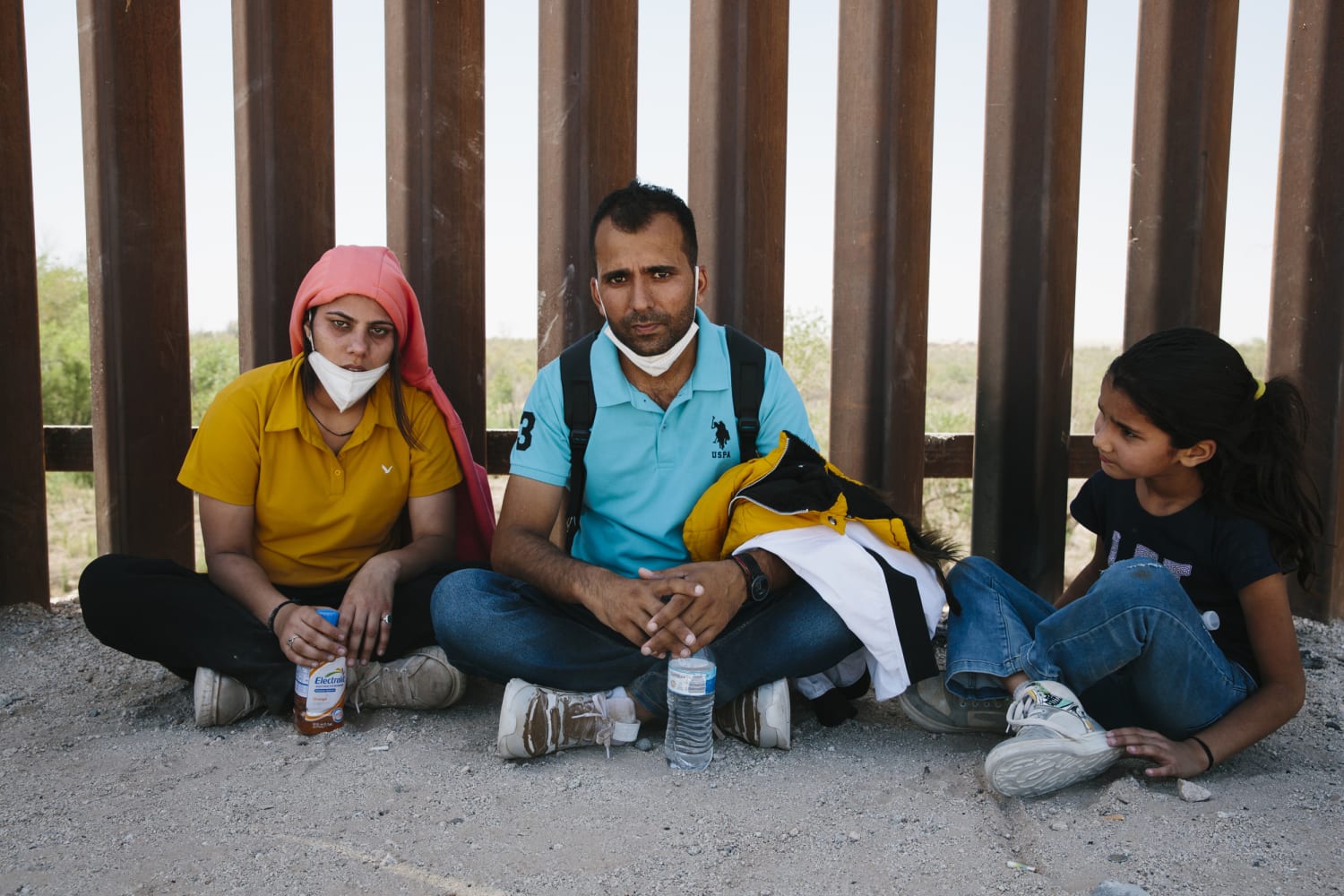
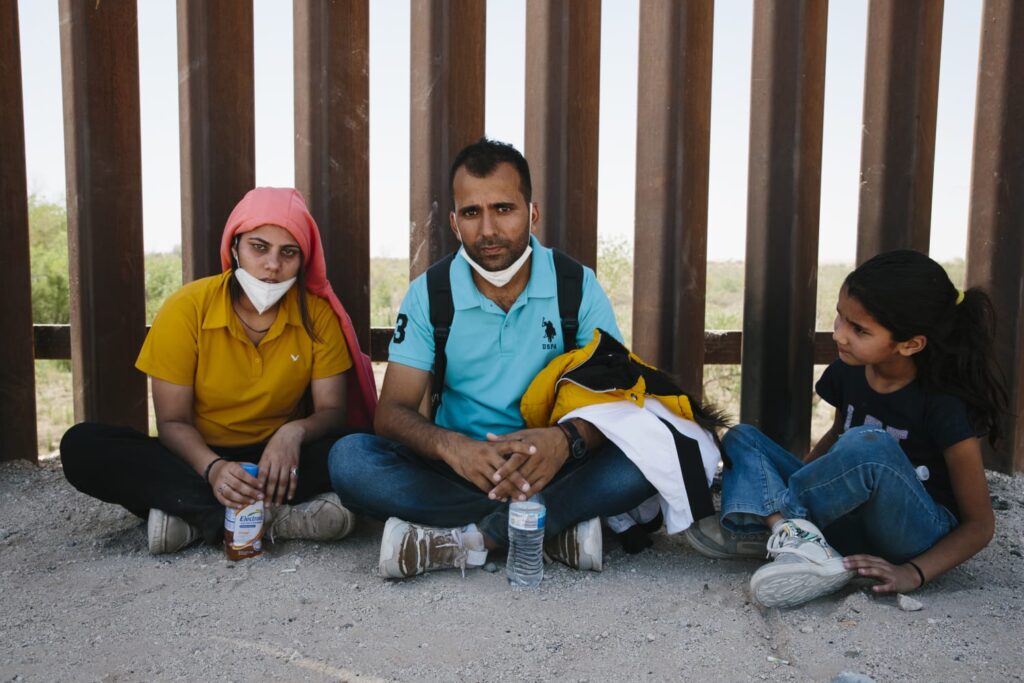
By Nantoo Banerjee India, the world’s second most preferred destination of illegal migrants, has a lot to learn from the United States about how the latter has been handling the situation in recent years. Although US President Donald Trump is lately hogging the limelight for forcing illegal immigrants out of the country, such deportations are […]

An explosion occurred early Monday at the Russian Consulate General in Marseille, France, coinciding with the third anniversary of Russia’s invasion of Ukraine. The blast, which Russian authorities have denounced as a “terrorist attack,” has prompted demands for a comprehensive investigation by French officials. The incident took place within the consulate premises in Marseille, a major port city in southern France. Stanislav Oranskiy, the Russian Consul General […]

MG Motor has achieved a significant milestone in the Middle East automotive market, recording 70,033 vehicle sales in 2024. This figure represents a 10% increase compared to the previous year, underscoring the brand’s growing popularity in the region. The Kingdom of Saudi Arabia emerged as MG’s largest market, contributing over 30,000 units to the total sales. This robust performance solidifies MG’s position among the top car manufacturers […]

Dubai Islamic Bank , the largest Islamic bank in the United Arab Emirates, has introduced its inaugural Sustainability-Linked Finance Facilities Financing Framework. This initiative positions DIB as the first Islamic bank globally to establish such a framework, aligning with the International Capital Market Association’s Sustainability-Linked Loan Principles.

The newly launched framework delineates clear criteria for eligible Sustainability-Linked Finance Facilities, enabling DIB to issue instruments dedicated to financing projects that contribute to climate change mitigation. It incorporates predefined Key Performance Indicators and Sustainability Performance Targets, ensuring that financed projects adhere to stringent environmental standards.

Dr. Adnan Chilwan, Group Chief Executive Officer at DIB, emphasized the significance of this development, stating that the framework underpins a key pillar in the bank’s sustainability strategy—’Finance a Sustainable Future’—and reflects DIB’s commitment to achieving 15% of its portfolio in sustainable finance by 2030. He further noted that this framework would support clients aiming to transition towards more sustainable business models with clear environmental commitments.

To maintain transparency and accountability, DIB plans to publish an allocation and impact report annually throughout the lifespan of the sustainability-linked finance instruments. These reports will undergo evaluation by an independent party to ensure the integrity and effectiveness of the financed projects.

National Central Cooling Company PJSC , a prominent district cooling provider in the United Arab Emirates, has mandated several banks to arrange a five-year, Regulation S, dollar-denominated benchmark green sukuk. This strategic move aims to bolster Tabreed’s financial position and support its ongoing sustainability initiatives.

The consortium of banks includes Citigroup and Standard Chartered Bank as Joint Global Coordinators. Additionally, Citigroup, Emirates NBD Capital, First Abu Dhabi Bank, HSBC, and Standard Chartered Bank have been appointed as Joint Lead Managers and Joint Bookrunners. Abu Dhabi Commercial Bank will serve as Co-Manager for the issuance. Notably, Citigroup, First Abu Dhabi Bank, and Standard Chartered are also acting as Joint Green Structurers, underscoring the green credentials of the sukuk.

This forthcoming green sukuk is part of Tabreed’s broader strategy to refinance existing debt and invest in environmentally sustainable projects. The company has previously issued two $500 million fixed-income instruments: a sukuk in October 2018 and a bond in October 2020. These issuances were supported by Tabreed’s strong credit quality and consistent revenue streams. In line with its commitment to maintaining an optimal debt structure, Tabreed has implemented a conservative debt policy to preserve its investment-grade status, currently rated Baa3 by Moody’s and BBB by Fitch.

In 2022, Tabreed established a Green Finance Framework to align its financing activities with its sustainability objectives. This framework adheres to the Green Bond Principles 2021 and the Green Loan Principles 2021, ensuring that funds raised are allocated to projects with clear environmental benefits. Eligible projects under this framework include investments in energy-efficient district cooling systems, sustainable water and wastewater management, green buildings, and renewable energy initiatives. The framework has received a Second Party Opinion from Sustainalytics, confirming its alignment with the aforementioned principles.

The proceeds from the upcoming green sukuk will be utilized to refinance Tabreed’s existing debt, including the $500 million sukuk issued in 2018, which is due to mature in October 2025. This refinancing effort is part of Tabreed’s proactive approach to debt management, aiming to reduce financing costs and extend debt maturities. Earlier, the company announced plans to issue green bonds or sukuk to refinance $1.2 billion in debt, reflecting its commitment to sustainable financing practices.

Tabreed’s financial performance has remained robust, with the company reporting increased revenue and profits for the year 2024. The company’s revenue reached AED 2.434 billion, with a net profit before tax of AED 624 million, representing a 4% increase over the previous year. Earnings before interest, taxes, depreciation, and amortization also saw a 5% year-on-year increase, amounting to AED 1.252 billion, with an improved margin of 51%. These financial metrics underscore Tabreed’s strong operational performance and prudent financial management.

The decision to issue a green sukuk aligns with the UAE’s broader sustainability goals and the global trend towards green financing. Green sukuk, Islamic bonds specifically earmarked for environmentally friendly projects, have gained traction in recent years as investors increasingly prioritize sustainable investments. By tapping into this growing market, Tabreed not only reinforces its commitment to environmental stewardship but also appeals to a broader base of socially responsible investors.

Tabreed’s leadership in the district cooling sector is complemented by its dedication to innovation and sustainability. The company’s investments in energy-efficient cooling solutions contribute significantly to reducing greenhouse gas emissions and promoting energy conservation in the region. As urbanization and demand for cooling services continue to rise, Tabreed’s sustainable practices position it well to meet these challenges while supporting the UAE’s vision for a greener future.

The successful issuance of the green sukuk will further enhance Tabreed’s financial flexibility, enabling the company to pursue strategic growth opportunities and invest in cutting-edge technologies. Moreover, it sets a benchmark for other companies in the region to adopt sustainable financing mechanisms, fostering a culture of environmental responsibility within the corporate sector.

Elon Musk’s Starlink, the pioneering satellite internet service, is encountering escalating competition from China’s state-backed SpaceSail and Amazon’s Project Kuiper. SpaceSail, headquartered in Shanghai, has embarked on an ambitious expansion, aiming to deploy up to 15,000 low-Earth orbit satellites by 2030. This initiative seeks to challenge Starlink’s current dominance in the high-speed satellite internet sector. Since its inception in 2020, Starlink has launched approximately 7,000 LEO satellites, […]

GamerBoom, an AI-driven gaming data platform, has successfully raised $9 million in its latest funding round, elevating its total capital to $11 million. This infusion of funds is poised to accelerate the company’s mission to enhance gaming experiences through advanced data analytics and seamless Web3 integration.

The funding round attracted prominent investors, including NVIDIA, Solana, Bing Ventures, Mask Network, Digital Finance Group , and Jsquare. Their collective investment underscores a growing confidence in GamerBoom’s innovative approach to merging artificial intelligence with gaming data solutions.

Zino, the Chief Executive Officer of GamerBoom, expressed enthusiasm about the investment, stating, “This funding will enable us to scale our AI-driven gaming data solutions and unlock new opportunities for the Web3 gaming space.” The company aims to utilise the capital to refine its AI models, expand its suite of analytical tools, and broaden its reach within the gaming community.

GamerBoom’s platform functions as a data layer that integrates seamlessly with popular Web2 games, such as “League of Legends.” By employing AI-driven data tagging, the platform meticulously tracks in-game actions, transforming them into valuable insights. This process not only aids in training AI models but also rewards players through an innovative “Train-to-Earn” system, fostering a symbiotic relationship between gamers and developers.

The platform boasts nearly one million registered users, reflecting its growing popularity among both gamers and developers. By incentivising data labelling, GamerBoom ensures the continuous influx of high-quality, real-time gaming data, which is crucial for the development of responsive AI applications in the gaming industry.

Key features of GamerBoom include:

– Gamified Incentive Layer & AI Tagging: Enhances traditional gaming by rewarding players for completing specific tasks, while AI tagging converts in-game actions into tokenised assets.

– Broad Compatibility: Supports a wide range of PC and mobile games, allowing for effortless integration without necessitating significant changes to existing gaming setups.

– AI Agent-as-a-Service: Introduces AI agents that simplify blockchain interactions, such as wallet creation and cryptocurrency management, thereby making Web3 gaming more accessible to a broader audience.

– User-Friendly Interface: Offers a familiar user experience akin to platforms like Steam and Epic Games, facilitating easy adoption by gamers.

NVIDIA’s participation in the funding round is particularly noteworthy. As a leader in AI technology, NVIDIA’s backing is expected to bolster GamerBoom’s capabilities in delivering sophisticated gaming analytics. This partnership signifies a strategic alignment aimed at pushing the boundaries of AI-powered gaming solutions.

GamerBoom’s inclusion in Binance’s Most Valuable Builder Accelerator Program and its shortlisting for the Solana AI Hackathon further highlight its prominence in the AI gaming sector. These accolades reflect the company’s commitment to innovation and its potential to set new standards in the industry.

Looking ahead, GamerBoom plans to expand its ecosystem by introducing features such as an entry portal that enables users to create personalised gaming AI agents. This initiative will allow gamers to interact with intelligent virtual assistants, simultaneously contributing to the training and refinement of AI models.

Germany’s conservative bloc, led by Friedrich Merz, has secured a narrow victory in the federal election, positioning Merz to potentially become the nation’s next chancellor. The Christian Democratic Union and its Bavarian sister party, the Christian Social Union , garnered approximately 28.5% of the vote, according to official results. This outcome, while a win, reflects the CDU/CSU’s second-worst performance in post-war history, underscoring the fragmented nature of […]

French defence and technology conglomerate Thales has announced plans to commence production of radar antennas in the United Arab Emirates within this year. This strategic initiative aims to cater to both domestic requirements and international export demands, marking a significant expansion of Thales’ footprint in the Middle East. Pascale Sourisse, President and Chief Executive Officer of Thales International, detailed the company’s commitment to establishing a radar manufacturing […]

Strengthening Global Trade Financial Solutions NEW YORK, US – Media OutReach Newswire – 24 February 2025 – XTransfer, a leading global B2B cross-border trade payment platform, continues solidifying its regulatory presence in the United States by acquiring five new payment licenses in Illinois, Iowa, New Mexico, Idaho, and South Carolina. This milestone follows the company’s recent expansion into New Hampshire, the District of Columbia, Utah, Georgia, and […]

The Islamic World Educational, Scientific and Cultural Organisation and the Emirates Scholar Research Centre have formalised a partnership aimed at enhancing scientific research and innovation. The Memorandum of Understanding was signed in Sharjah by Salem Omar Salem, Director of ICESCO’s Regional Office, and Dr. Firas Habbal, President of ESRC and Vice Chairman of its Board of Trustees.

This collaboration seeks to create a robust framework for addressing global challenges through the exchange of knowledge, joint research initiatives, and academic cooperation. By leveraging the strengths of both organisations, the partnership aspires to foster innovation and contribute to scientific advancement in the region.

Salem Omar Salem emphasised the significance of this alliance, stating that it represents a pivotal step towards integrating expertise and developing collaborative research projects aimed at tackling pressing global issues. He highlighted the UAE’s and Sharjah’s commitment to supporting international efforts in advancing scientific research and promoting tolerance.

Dr. Firas Habbal echoed these sentiments, noting that the partnership aligns with ESRC’s dedication to advancing scientific research and innovation through collaborations with leading international entities. He underscored the belief that scientific inquiry serves as the cornerstone for building a more tolerant and sustainable future.

The MoU outlines several key areas of cooperation, including the organisation of joint scientific conferences, the exchange of researchers and experts, and the development of innovative research projects. These initiatives aim to provide practical solutions to global challenges and contribute to the broader scientific community.

This partnership reflects a broader trend of collaborative efforts between ICESCO and various academic and research institutions. For instance, ICESCO has previously signed agreements with entities such as the University of Sharjah and the European Muslim Scholars Council, focusing on enhancing cooperation in education, culture, and scientific research. These alliances underscore ICESCO’s commitment to fostering international collaboration and promoting the exchange of knowledge across borders.

The collaboration between ICESCO and ESRC is poised to make significant contributions to the scientific landscape, not only within the UAE but also across the broader Islamic world. By pooling resources and expertise, both organisations aim to drive innovation, support sustainable development, and address complex global issues through research and academic excellence.

In a staggering blow to the cryptocurrency industry, Dubai-based exchange Bybit has fallen victim to a cyberattack resulting in the theft of approximately $1.5 billion in Ethereum tokens. This incident, occurring during a routine transfer between digital wallets, is now considered the largest digital heist in history.

The breach transpired as Bybit conducted a standard operation, moving assets from a cold wallet—offline storage designed to safeguard funds—to a warm wallet used for daily transactions. During this process, malicious actors manipulated the transfer, seizing control of the cold wallet and diverting 401,000 Ethereum tokens to an unidentified address. Blockchain analytics firms, including Arkham Intelligence, have traced the stolen funds, revealing that $1.36 billion in Ethereum was swiftly liquidated from associated accounts.

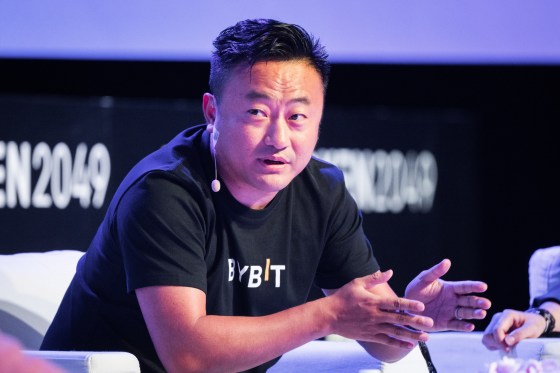
Bybit’s CEO, Ben Zhou, addressed the crisis, assuring clients that the exchange remains solvent and that all customer assets are backed on a one-to-one basis. He emphasized that unaffected wallets and withdrawal processes continue to operate normally. To mitigate the impact on users, Bybit has implemented bridge loans to cover any unrecovered funds and has launched a recovery bounty program, offering up to 10% of the reclaimed amount to ethical hackers assisting in the retrieval efforts.

The magnitude of this theft has prompted a surge in withdrawal requests, with over 350,000 submissions flooding the platform. While this influx has the potential to cause processing delays, Zhou noted that the rate of withdrawals has begun to decelerate. In response to the breach, Bybit is collaborating with law enforcement agencies and cybersecurity experts to trace the perpetrators and enhance its security infrastructure to prevent future incidents.

Speculation regarding the identity of the attackers has intensified, with some experts pointing towards North Korea’s notorious Lazarus Group. This collective has been implicated in previous high-profile cryptocurrency thefts, including the pilfering of $1.7 billion in 2022 and $800 million in 2024. While these allegations remain unconfirmed, the pattern of large-scale crypto heists attributed to state-sponsored actors raises significant concerns about the security of digital assets on global trading platforms.

In a related development, cybersecurity firm CertiK has identified another suspicious transfer involving approximately $49.5 million from an unverified Ethereum contract. The recipient address has been observed converting these funds into the stablecoin DAI. The community speculates that this incident may be connected to the Infini platform, a stablecoin digital bank, though official confirmation is pending.

These consecutive breaches underscore the vulnerabilities inherent in the rapidly evolving cryptocurrency landscape. As digital assets become increasingly mainstream, the imperative for robust security measures and regulatory oversight grows more pressing. The Bybit hack serves as a stark reminder of the potential risks investors face and the necessity for exchanges to implement stringent protective protocols to safeguard user funds.

In the wake of these events, the cryptocurrency market has experienced notable fluctuations. Ethereum’s value witnessed a temporary decline of approximately 4%, reflecting investor apprehension following the breach. Market analysts advise stakeholders to exercise caution and remain informed about security practices employed by exchanges to mitigate exposure to such risks.

Bybit’s commitment to reimbursing affected users and bolstering its security framework aims to restore confidence among its clientele. However, the broader implications of this unprecedented theft continue to reverberate throughout the digital currency ecosystem, prompting a reevaluation of security standards and the adoption of more resilient measures to combat the escalating threat of cyberattacks targeting cryptocurrency platforms.

As investigations proceed, the collaboration between cryptocurrency exchanges, cybersecurity firms, and regulatory bodies will be crucial in addressing the challenges posed by increasingly sophisticated cyber threats. The lessons gleaned from the Bybit incident are poised to inform future strategies aimed at fortifying the security of digital assets and ensuring the integrity of the burgeoning cryptocurrency market.

A heated dispute has erupted between cryptocurrency exchange OX.FUN and NFT artist collective JefeDAO, centering on accusations of fraud and the freezing of substantial funds. The conflict has escalated publicly, with both parties presenting conflicting narratives regarding the events.

JefeDAO has publicly accused OX.FUN of fraudulent activities, alleging that a member of their collective is unable to withdraw $1 million in USDC from the exchange. They claim that OX.FUN is engaging in extortion by withholding these funds without valid justification. This accusation has been disseminated across various social media platforms, amplifying concerns within the cryptocurrency community about the exchange’s practices.

In response, OX.FUN has refuted these allegations, asserting that the funds were frozen due to JefeDAO’s attempt to manipulate the platform’s oracle system. The exchange contends that this action was a deliberate effort to tarnish its reputation and disrupt its operations. OX.FUN maintains that all other users’ withdrawals are being processed without issues and emphasizes its commitment to user fund security and adherence to service terms.

The Ministry of Communications and Information Technology has introduced a pioneering ‘Digital Skills Framework’ aimed at accelerating Qatar’s digital transformation. This initiative delineates 115 distinct digital competencies across 19 key domains, structured into four progressive proficiency levels. The framework is designed to enhance digital literacy and expertise within both public and private sectors, aligning with the nation’s Digital Agenda 2030 and the Third National Development Strategy.

The Digital Skills Framework serves as a foundational tool to standardize digital competencies across various industries in Qatar. By categorizing skills into beginner, intermediate, advanced, and expert levels, the framework provides a clear pathway for individuals and organizations to assess and develop their digital capabilities. This structured approach ensures that the workforce is equipped to meet the evolving demands of a digitally-driven economy.

In conjunction with the launch of the Digital Skills Framework, MCIT has established the ‘Digital Skills Working Group.’ This collaborative body comprises representatives from various government entities and aims to foster the development of digital skills nationwide. The working group is tasked with coordinating efforts to implement the framework effectively, identifying opportunities for digital upskilling, and addressing challenges related to digital competency development. Regular quarterly meetings are scheduled to ensure continuous progress and alignment with national digital strategies.

The introduction of the Digital Skills Framework and the formation of the working group are integral components of Qatar’s broader strategy to position itself as a leading digital economy. The Digital Agenda 2030 outlines key pillars, including the enhancement of digital infrastructure, promotion of digital innovation, and integration of smart technologies across various sectors. By focusing on these areas, Qatar aims to create a conducive environment for technological advancement and economic diversification.

In a significant move to bolster its digital transformation efforts, Qatar has entered into a five-year partnership with Scale AI, a San Francisco-based artificial intelligence solutions provider. This collaboration is set to deploy AI-powered tools and training programs to enhance government services. Scale AI will develop over 50 AI use cases tailored to Qatar’s governmental needs, incorporating predictive analytics, automation, and advanced data analysis. This initiative is expected to streamline operations and improve public service delivery, positioning Qatar at the forefront of AI integration in governance.

The partnership with Scale AI underscores Qatar’s commitment to leveraging cutting-edge technologies to drive national development. By integrating AI solutions into government operations, Qatar aims to enhance efficiency, reduce operational costs, and provide more responsive services to its citizens. This initiative also reflects a broader trend among Gulf nations to invest in artificial intelligence as a means to diversify their economies and reduce dependence on hydrocarbon revenues.

Qatar’s focus on digital transformation is further evidenced by its substantial investments in digital infrastructure. The Qatar Investment Authority has announced plans to merge Qatar National Broadband Network with Gulf Bridge International , aiming to create a national leader in telecommunications. This merger is expected to enhance the country’s digital and AI infrastructure, providing a robust foundation for future technological initiatives. Additionally, telecommunications company Ooredoo is expanding its regional data centers to meet the growing demand for AI applications, further solidifying Qatar’s position as a digital hub in the region.

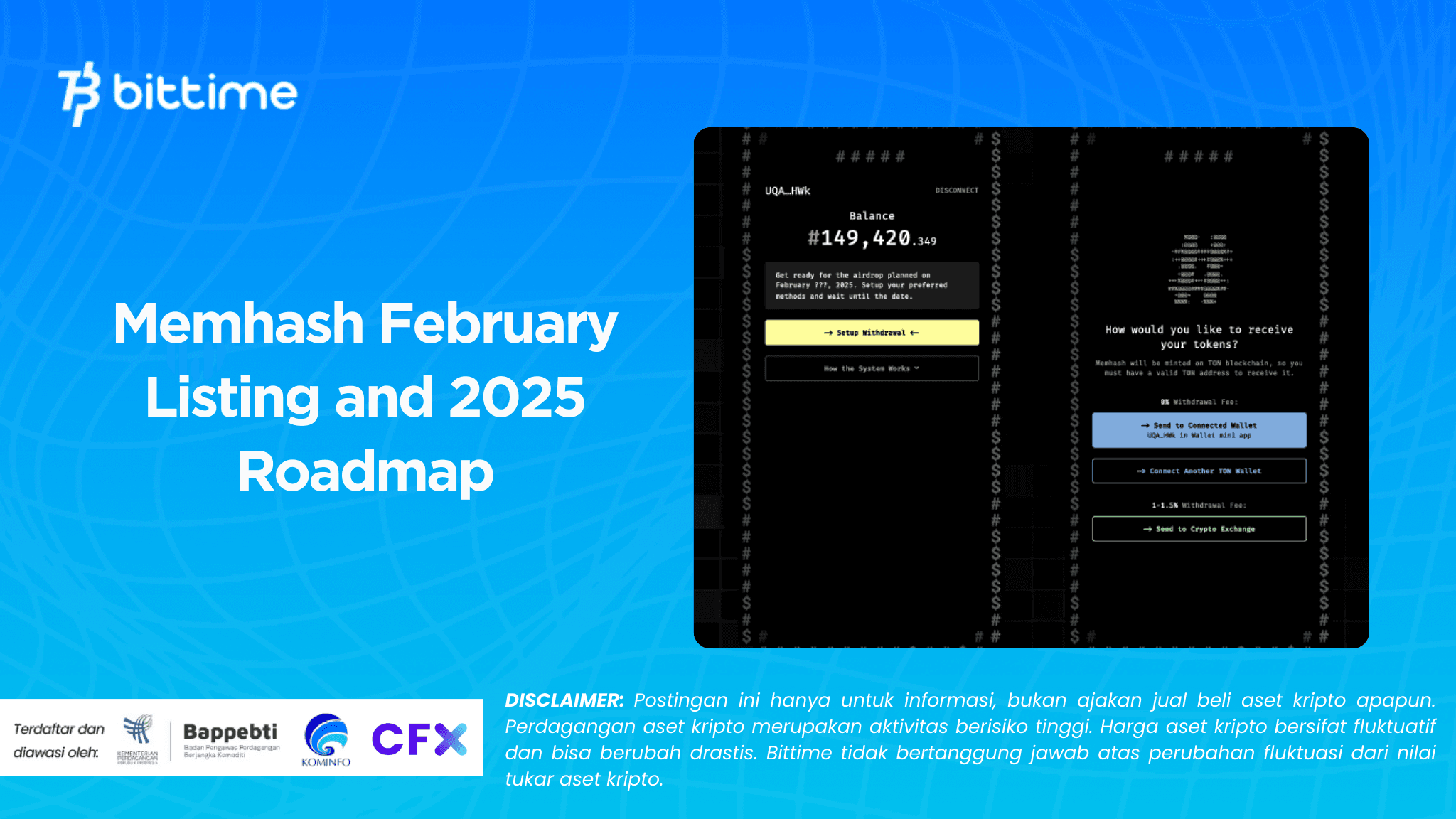
Memhash , a novel cryptocurrency that merges gaming simplicity with blockchain technology, is poised for its official debut on several prominent exchanges. Trading is scheduled to commence at 09:00 UTC on 28 February 2025, offering enthusiasts and investors an opportunity to engage with this innovative digital asset.

KuCoin, a leading cryptocurrency exchange, has confirmed the listing of MEMHASH on its platform. Deposits are currently open via the TON-Jetton network, allowing users to prepare ahead of the trading launch. The MEMHASH/USDT trading pair will be available, with withdrawals becoming accessible from 10:00 UTC on 1 March 2025. To enhance user experience, KuCoin will support various trading bots, including Spot Grid and AI Spot Trend, facilitating automated trading strategies.

In addition to KuCoin, MEXC Global has announced the inclusion of MEMHASH in its Innovation Zone. This segment is dedicated to high-potential assets, providing traders with early access to emerging cryptocurrencies. Deposits on MEXC are already open, with trading set to begin simultaneously at 09:00 UTC on 28 February 2025. Withdrawals will be enabled from 09:00 UTC on 1 March 2025, ensuring seamless transactions for users.

Bitget, another major exchange, is also preparing to list MEMHASH. While specific details regarding trading pairs and exact timings are yet to be disclosed, the exchange has indicated that the listing will occur concurrently with other platforms on 28 February 2025. This simultaneous launch across multiple exchanges is expected to provide substantial liquidity and trading opportunities for MEMHASH participants.

The journey of Memhash began with an airdrop event that ran from 29 October 2024 to 1 January 2025. During this period, participants engaged in a simulated mining process via Telegram, earning MEMHASH tokens. Approximately 43% of the total token supply was mined during the airdrop, with the remaining 57% allocated for future mining activities and community incentives.

VISHNU RAJA
RYO YAMADA
HITORI GOTOH
IKUYO KITA