News related to
unit

The Abu Dhabi Investment Authority , through a wholly owned subsidiary, has agreed to acquire a significant minority stake in European Camping Group , a leading provider of outdoor accommodation in Europe. PAI Partners, the France-based private equity firm, will retain its majority shareholding in ECG following the completion of this transaction, which is subject to customary regulatory approvals.

Established as a prominent entity in the outdoor hospitality sector, ECG operates an extensive portfolio of 4- and 5-star campsites across prime tourist destinations in Europe. The group has been instrumental in elevating the camping experience by offering high-end facilities and services, catering to a diverse clientele seeking quality outdoor lodging options.

PAI Partners initially invested in ECG in 2021 and has since played a pivotal role in the company’s expansion and enhancement initiatives. In 2023, PAI Partners reinforced its commitment to ECG by facilitating the acquisition of Vacanceselect, a move that solidified ECG’s position as a pan-European platform in the outdoor accommodation sector. This strategic acquisition expanded ECG’s footprint and diversified its service offerings, aligning with the evolving preferences of modern travelers.

The entry of ADIA as a significant minority stakeholder is poised to further bolster ECG’s growth trajectory. ADIA’s investment is expected to provide additional capital and strategic support, enabling ECG to explore new opportunities and strengthen its market presence. This collaboration underscores the attractiveness of the outdoor hospitality industry to global investors, reflecting confidence in its resilience and potential for sustained growth.

The outdoor accommodation sector has witnessed a surge in demand, driven by travelers’ increasing inclination towards nature-centric and socially distanced vacation options. ECG’s commitment to offering premium camping experiences has positioned it well to capitalize on these trends, making it an appealing prospect for investors like ADIA.

While the financial specifics of the transaction have not been publicly disclosed, the partnership between ADIA and PAI Partners signifies a strategic alignment aimed at leveraging ECG’s established market position and operational expertise. The infusion of resources and insights from ADIA is anticipated to accelerate ECG’s initiatives in enhancing guest experiences, expanding its campsite network, and integrating innovative technologies to meet the evolving demands of the hospitality industry.

PHNOM PENH, CAMBODIA – Media OutReach Newswire – 25 March 2025 – Prince Foundation, the philanthropic arm of Prince Holding Group, celebrated the selection of 100 Cambodian students for Batch 4 of the Chen Zhi Scholarship at a ceremony held at Prince Holding Group Headquarters. His Excellency Dr. Hang Chuon Naron, Deputy Prime Minister and Minister of Education, Youth and Sport, attended as guest of honor alongside […]

Linux Kernel 6.14 has been officially released, bringing notable performance improvements and expanded hardware support for AMD, Intel, and RISC-V architectures. This update introduces several key enhancements aimed at optimizing system efficiency and broadening compatibility with emerging technologies. A significant addition in this release is the introduction of the AMDXDNA driver, which supports AMD’s Neural Processing Units . These NPUs, integrated into AMD client CPUs, are designed […]

The Central Bank of the United Arab Emirates has issued a new Dh100 polymer banknote, marking a significant advancement in the nation’s currency design. This initiative aligns with the UAE’s commitment to sustainability and innovation within its financial sector.

The newly released banknote showcases the Umm Al Quwain National Fort on the front, symbolizing the UAE’s rich cultural heritage. The reverse side features the Port of Fujairah alongside an image of Etihad Rail, representing the country’s ongoing infrastructural development and future aspirations. The note retains the traditional red color scheme of the existing Dh100 note to ensure easy recognition among the public.

Constructed from durable polymer material, the banknote offers an extended lifespan compared to its paper counterparts, aligning with environmental sustainability goals. Polymer banknotes are known to last significantly longer than paper notes, resulting in a reduced environmental impact and lower costs associated with production and replacement.

Incorporating advanced security features, the new Dh100 note includes a multi-colored security chip known as KINEGRAM COLORS®. This feature enhances protection against counterfeiting and bolsters public confidence in the currency. Additionally, the note is designed with Braille symbols to assist visually impaired individuals in identifying its denomination, promoting inclusivity in financial transactions.

Khaled Mohamed Balama, Governor of the CBUAE, emphasized that the introduction of the new banknote reflects the UAE’s dedication to a sustainable future and its ambition to enhance financial competitiveness. He highlighted that the design embodies the nation’s aspirations for progress while honoring its historical and cultural roots.

Oracle Corporation has announced the general availability of its Exadata Database Service on Exascale Infrastructure within the Oracle Database@Azure platform. This development aims to provide customers with enhanced scalability, cost-efficiency, and performance for their database workloads. The Exascale deployment option introduces a multitenant, hyper-elastic intelligent data architecture that delivers the advantages of Oracle Exadata in a cloud environment. By eliminating the need for dedicated database and storage […]

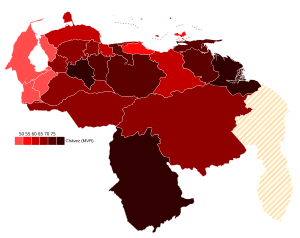
President Donald Trump has declared that, effective April 2, the United States will impose a 25% tariff on all imports from countries purchasing oil or gas from Venezuela. This measure, announced via his Truth Social platform, is aimed at penalizing nations that continue energy trade with Venezuela, which the administration accuses of covertly sending violent criminals into the U.S.

The President’s decision introduces a “secondary tariff” targeting nations engaging in energy transactions with Venezuela. He asserted that Venezuela has “purposefully and deceitfully” sent “tens of thousands” of high-level criminals, including members of the Tren de Aragua gang, into the United States. This gang has been designated as a Foreign Terrorist Organization by the U.S. government.

The impending tariffs are set to affect major importers of Venezuelan oil, notably China and India. India’s significant corporations, such as Reliance Industries Limited and Indian Oil Corporation , which have resumed importing Venezuelan crude following the easing of previous U.S. sanctions, may now face substantial economic repercussions.

This development marks a significant escalation in the U.S.’s economic measures against Venezuela. In August 2017, the Trump administration imposed sanctions targeting Venezuela’s petroleum industry by restricting the trading of Venezuelan bonds in U.S. markets. Further sanctions in January 2019 aimed to pressure President Nicolás Maduro to resign, freezing $7 billion of PDVSA’s U.S. assets and preventing U.S. firms from exporting naphtha to Venezuela.

The President’s announcement has already influenced global oil markets, with Brent crude prices rising by 1% following the news. This surge reflects concerns over potential disruptions in the global oil supply chain and the broader implications of the new tariffs.

The administration’s stance is that these measures are necessary to protect national security and address the alleged threats posed by Venezuela. However, critics argue that such broad tariffs could strain diplomatic relations and have unintended economic consequences for U.S. allies. The lack of detailed implementation plans has also raised questions about the practical enforcement of these tariffs and their impact on ongoing energy contracts.

Strategy, formerly known as MicroStrategy, has significantly expanded its Bitcoin portfolio by acquiring 6,911 bitcoins between March 17 and March 23, 2025. The purchase, totaling approximately $584.1 million, was made at an average price of $84,529 per bitcoin. This acquisition elevates the company’s total holdings to 506,137 bitcoins, acquired at an aggregate purchase price of approximately $33.7 billion, averaging $66,608 per bitcoin.

This move underscores Strategy’s ongoing commitment to Bitcoin as a primary treasury reserve asset. The company’s aggressive accumulation strategy has positioned it as the largest corporate holder of Bitcoin, now controlling nearly 2.4% of the total 21 million bitcoins that will ever exist.

To finance this substantial acquisition, Strategy raised approximately $711.2 million through the issuance of 8.5 million shares of its 10.00% Series A Perpetual Strife Preferred Stock, priced at $85.00 per share. The offering was upsized due to strong investor demand, reflecting confidence in the company’s Bitcoin-focused strategy. The net proceeds from this offering were earmarked for general corporate purposes, including the acquisition of additional Bitcoin and working capital needs.

Michael Saylor, Strategy’s Executive Chairman, hinted at the impending Bitcoin purchase through a cryptic social media post featuring a Bitcoin price chart captioned “needs more orange.” This subtle indication preceded the official announcement of the acquisition, aligning with the company’s pattern of strategic and timely Bitcoin investments.

The company’s approach involves leveraging financial instruments to fund its Bitcoin acquisitions. The Series A Perpetual Strife Preferred Stock offers a fixed annual dividend of 10%, increasing by 1% per year if payments are deferred, capped at 18%. This structure is designed to attract fixed-income investors while providing Strategy with the necessary capital to continue its Bitcoin accumulation.

Despite the substantial investment in Bitcoin, Strategy’s stock experienced a decline of 6.8% to $274.13, amid a broader downturn in the cryptocurrency market. Bitcoin’s price decreased by 2.2% to $82,620 during the same period. This volatility highlights the inherent risks associated with the company’s Bitcoin-centric strategy, as its stock performance remains closely tied to fluctuations in the cryptocurrency market.

In the broader context, the cryptocurrency landscape is experiencing significant developments. President Donald Trump has pledged to transform the United States into the leading Bitcoin superpower and global cryptocurrency hub. In a pre-recorded address to the Blockworks Digital Assets Summit in New York, President Trump criticized previous administrations for their restrictive stance on crypto and announced plans to introduce clear regulations for stablecoins and market structures. These initiatives aim to stimulate investment and innovation in the crypto sector, potentially influencing corporate strategies like that of Strategy.

Advertisements
By Nitya Chakraborty Is the Bangladesh Army going to take over control of their politically turbulent country, either from front or behind, to precipitate the holding of early elections? This question is being raised by the seasoned political observers in Dhaka, as the whole of last week was dominated by highly controversial posts on Facebook, […]

Set to Take Over ICONSIAM Mall, Get Ready for the Ultimate Group Workout Experience – Tickets Available March 24, at Eventpop BANGKOK, THAILAND – Media OutReach Newswire – 24 March 2025 – The Ultimate Fitness Force 2025 (TUFF 2025), Asia’s largest group fitness festival, is coming to TRUE ICON HALL, ICONSIAM, on June 7-8, 2025. Hosted by Fitness First Thailand in collaboration with ICONSIAM, and Les Mills […]

Managing a Linux system can be a complex endeavor, especially for those new to the platform. Linux-Assistant emerges as a comprehensive solution, designed to simplify and enhance the user experience by automating routine tasks and providing valuable insights into system performance. Linux-Assistant offers a suite of features aimed at both novice and seasoned users. It provides real-time monitoring of system resources, including CPU usage, memory consumption, and […]

President Donald J. Trump has initiated a significant overhaul of the United States Agency for International Development , rebranding it as the U.S. International Humanitarian Assistance and integrating blockchain technology into its operations. This restructuring places the agency under the direct authority of Secretary of State Marco Rubio, aiming to enhance transparency and efficiency in foreign aid distribution.

An internal memo circulating within the State Department outlines the administration’s plan to utilize blockchain technology to secure and trace aid disbursements. The objective is to improve the transparency, security, and efficiency of aid distribution by leveraging blockchain’s immutable ledger capabilities. However, the specifics of this integration—whether it involves the use of cryptocurrencies or solely blockchain ledgers—remain unclear. The administration emphasizes a shift towards outcomes-based funding, intending to ensure that aid programs deliver measurable results.

Despite these intentions, the proposed reorganization has encountered legal challenges. A federal judge recently ruled that the dismantling of USAID by the Department of Government Efficiency , led by Elon Musk, likely violates the Constitution. The court issued an indefinite injunction blocking further actions against USAID and mandated the reinstatement of email and computer access to affected employees. This ruling does not reverse all personnel changes or fully restore the agency but highlights concerns over the administration’s approach to restructuring.

Critics argue that while blockchain technology offers potential benefits, its application in humanitarian contexts may not be necessary or cost-effective. Some experts caution that such technological solutions could impose additional burdens on smaller non-governmental organizations and may not provide substantial advantages over existing systems. They suggest that the focus should remain on addressing the immediate needs of aid recipients rather than implementing complex technological frameworks.

The administration’s broader strategy includes reducing the size of the federal government and reallocating resources to align more closely with American geopolitical interests. This involves concentrating on areas such as global health, food security, and disaster response, while politically oriented programs may be redirected to other sections within the State Department. The restructuring plan also proposes the elimination of multiple regional bureaus, aiming to streamline operations and enhance efficiency.

Secretary of State Marco Rubio has indicated that the reorganization will proceed with input from Congress, underscoring the administration’s commitment to aligning foreign aid programs with the interests of U.S. taxpayers and strategic objectives. However, the legal setbacks and critiques from various stakeholders suggest that the path forward may be complex and contentious.

The U.S. Department of the Treasury has lifted sanctions against Tornado Cash, a cryptocurrency mixer previously accused of facilitating extensive money laundering activities, including transactions linked to North Korean cybercriminals. This decision follows a series of legal challenges questioning the Treasury’s authority to impose such sanctions on decentralized software protocols.

In August 2022, the Treasury’s Office of Foreign Assets Control sanctioned Tornado Cash, alleging its involvement in laundering over $7 billion since its inception in 2019. Notably, OFAC claimed that the North Korean hacking group Lazarus utilized the platform to launder more than $455 million. The sanctions marked a significant move by the U.S. government to regulate the use of cryptocurrency mixers, which are designed to obfuscate transaction trails on blockchain networks.

The sanctions faced immediate opposition from various quarters of the cryptocurrency community. Six users of Tornado Cash, with financial backing from the cryptocurrency exchange Coinbase, filed a lawsuit challenging OFAC’s action. They argued that sanctioning open-source, self-executing software exceeded the agency’s statutory authority under the International Emergency Economic Powers Act . The plaintiffs contended that the immutable smart contracts constituting Tornado Cash could not be considered property subject to sanctions.

In November 2024, the U.S. Court of Appeals for the Fifth Circuit ruled in favor of the plaintiffs, stating that OFAC had overstepped its authority. The court held that the smart contracts underlying Tornado Cash were not property and, therefore, not subject to sanctions under IEEPA. This ruling underscored the challenges regulators face when applying traditional legal frameworks to decentralized technologies.

Following the court’s decision, the Treasury conducted a review of the legal and policy issues surrounding the use of sanctions in the context of evolving technologies. On March 21, 2025, the Treasury announced the removal of Tornado Cash and associated Ethereum wallet addresses from the Specially Designated Nationals list. In a statement, Treasury Secretary Scott Bessent emphasized the department’s commitment to combating illicit activities in the digital asset space while acknowledging the need to adapt regulatory approaches to technological advancements.

Despite the delisting, the Treasury reiterated its concerns about North Korea’s state-sponsored hacking and money laundering campaigns. The department stressed the importance of securing the digital asset industry from abuse by illicit actors to maintain U.S. leadership in financial innovation and inclusion. The Treasury also indicated that it would continue to monitor transactions that could benefit malicious cyber actors or the North Korean regime.

The legal proceedings against individuals associated with Tornado Cash have also been noteworthy. In 2023, two co-founders of Tornado Cash were charged with facilitating over $1 billion in money laundering, including transactions linked to the Lazarus Group. One of the co-founders, Roman Storm, is awaiting trial and has denied any criminal activity. Additionally, in May 2024, developer Alexey Pertsev was sentenced to five years and four months in prison in the Netherlands for money laundering related to his involvement with Tornado Cash.

The removal of sanctions against Tornado Cash has elicited varied reactions from the cryptocurrency community and regulatory observers. Proponents of decentralized technologies view the court’s decision and subsequent delisting as a victory for open-source software development and financial privacy. They argue that sanctioning code rather than individuals or entities sets a concerning precedent for technological innovation.

Conversely, critics express apprehension that the delisting could embolden malicious actors to exploit similar platforms for illicit purposes. They emphasize the necessity for regulatory frameworks that effectively address the misuse of privacy-enhancing technologies without stifling innovation. The case of Tornado Cash highlights the complexities regulators face in balancing the promotion of technological advancement with the imperative to prevent criminal exploitation of emerging technologies.

The Treasury’s decision to lift sanctions against Tornado Cash underscores the dynamic nature of regulatory approaches to decentralized technologies. As the digital asset landscape continues to evolve, regulatory bodies worldwide are grappling with the challenge of applying existing legal frameworks to novel technological constructs. The outcome of the Tornado Cash case may serve as a reference point for future policy discussions on regulating decentralized platforms and the broader implications for financial privacy and security.

In the wake of the delisting, stakeholders in the cryptocurrency industry are closely monitoring potential regulatory responses and the development of new guidelines tailored to address the unique attributes of decentralized technologies. The balance between fostering innovation and ensuring robust safeguards against illicit activities remains a central theme in the ongoing discourse on cryptocurrency regulation.


SINGAPORE – Media OutReach Newswire – 24 March 2025 – The Work Project (TWP), the global luxury workspace provider, has marked its entry into the UK market with its first location to open at prime office tower, One Leadenhall, in the centre of the City of London. Leading APAC Flexible Workspace The Work Project to Open First UK Location Developed by Brookfield Properties, London’s new landmark skyscraper […]

Abu Dhabi Future Energy Company, widely known as Masdar, has significantly bolstered its position in the global renewable energy sector by deploying approximately AED30 billion in equity investments and securing over AED16.5 billion in project financing across nine countries. These strategic moves underscore Masdar’s commitment to expanding its renewable energy portfolio and driving the global transition towards sustainable energy sources. Established in 2006, Masdar has been instrumental […]

The United Arab Emirates has announced an unprecedented commitment to invest $1.4 trillion in the United States over the next decade, marking a significant deepening of economic ties between the two nations. This ambitious investment framework aims to bolster key sectors of the U.S. economy, including artificial intelligence infrastructure, semiconductors, energy, and manufacturing. The announcement follows a series of high-level meetings in Washington, D.C., where UAE National […]

Ripple Labs has secured a significant legal victory as the U.S. Securities and Exchange Commission officially dropped its lawsuit against the company, concluding a four-year legal battle that has had profound implications for the cryptocurrency industry. Ripple’s CEO, Brad Garlinghouse, announced the development, marking a pivotal moment for both the company and the broader digital asset market.

The SEC initiated legal proceedings against Ripple in December 2020, alleging that the company’s sale of its native cryptocurrency, XRP, constituted an unregistered securities offering. This action cast a shadow over XRP and raised concerns about the regulatory status of similar digital assets. However, the SEC’s decision to dismiss the case signifies a notable shift in the regulatory landscape, potentially setting a precedent for how cryptocurrencies are classified and regulated in the United States.

In response to the news, XRP experienced a notable price surge. The cryptocurrency’s value increased by approximately 8%, reaching $2.56, as investors reacted positively to the resolution of the legal uncertainty that had long surrounded Ripple and its digital token. This price movement reflects renewed investor confidence and suggests a more favorable outlook for XRP’s future.

The conclusion of the lawsuit comes amid broader regulatory developments under President Donald Trump’s administration, which has adopted a more accommodating stance toward the cryptocurrency industry. The administration’s efforts to ease regulatory pressures have included the dismissal of multiple lawsuits against crypto companies and the establishment of a task force aimed at fostering innovation within the digital asset space. These measures underscore a strategic shift toward embracing the potential of cryptocurrencies and blockchain technology within the U.S. financial system.

President Trump’s engagement with the cryptocurrency sector was further highlighted by his recent address at the Digital Asset Summit 2025, where he acknowledged the growing importance of digital assets in the global economy. This marked the first time a sitting U.S. president has spoken at a cryptocurrency conference, signaling a significant endorsement of the industry’s legitimacy and potential. During his speech, President Trump emphasized his administration’s commitment to positioning the United States as a leader in the crypto space, advocating for legislative reforms to support the growth of crypto institutions and the broader adoption of digital assets.

The resolution of the Ripple lawsuit is expected to have far-reaching implications for the cryptocurrency market. By clarifying the regulatory status of XRP, the decision may influence how other digital assets are perceived and regulated, potentially paving the way for increased institutional investment and mainstream adoption. Market analysts suggest that this outcome could serve as a catalyst for further innovation and growth within the crypto industry, as regulatory clarity is often cited as a critical factor for broader acceptance and integration of digital assets into traditional financial systems.

Despite the positive developments, some analysts caution that the cryptocurrency market remains inherently volatile. While the dismissal of the SEC’s case against Ripple removes a significant overhang, investors are advised to remain vigilant and consider the inherent risks associated with digital asset investments. Market dynamics can be influenced by various factors, including regulatory changes, technological advancements, and macroeconomic trends, all of which can contribute to price fluctuations and investment risks.

Ripple’s legal victory also has implications for other cryptocurrency platforms and tokens facing regulatory scrutiny. The outcome of this case may serve as a reference point for future legal interpretations and enforcement actions by regulatory bodies, potentially influencing the development of more comprehensive and clear regulatory frameworks for the cryptocurrency industry. This could lead to a more predictable and stable environment for both crypto companies and investors, fostering greater confidence and participation in the digital asset market.

Royal Private Offices across the Gulf Cooperation Council nations have rapidly accumulated assets totaling approximately $500 billion, emerging as pivotal players in the region’s financial landscape. This substantial growth has been instrumental in the creation of new sovereign wealth funds , reshaping investment strategies and economic diversification efforts within the Gulf states.

A recent report by Deloitte highlights the significant influence of RPOs, noting their role in establishing additional or parallel entities in countries where sovereign funds already exist. This trend is particularly evident in the GCC, where new funds linked to specific individuals or extended families have emerged in recent years.

The GCC’s sovereign wealth funds currently manage assets estimated at $4.9 trillion, with projections suggesting this figure will surpass $5 trillion by early 2025 and could reach $7 trillion by 2030. The integration of RPOs into the financial ecosystem has not only expanded the asset base but also diversified investment portfolios, encompassing sectors such as technology, infrastructure, and renewable energy.

One notable development is the establishment of a $500 million family office in Hong Kong by Sheikh Ali Al Maktoum, a member of Dubai’s ruling family. This move underscores the strategic intent of Gulf royals to explore investment opportunities across Asia, focusing on sectors like artificial intelligence, construction, electric vehicles, tourism, and fintech.

The emergence of RPOs has also led to increased competition among GCC cities to attract global wealth managers. Both Dubai and Abu Dhabi are vying to become the region’s premier financial hubs, offering favorable business regulations, tax incentives, and access to substantial sovereign wealth. Abu Dhabi, for instance, is leveraging its sovereign wealth funds, which manage nearly $2 trillion, to boost non-oil growth and position itself alongside Dubai as a prominent financial center.

This competitive landscape has attracted numerous international finance and law firms to the Middle East. Prominent entities such as Marshall Wace, Rothschild, and Skadden have expanded their operations into the region, drawn by the burgeoning opportunities presented by RPOs and SWFs.

The strategic investments by RPOs are not confined to traditional sectors. Sheikh Tahnoun bin Zayed al Nahyan, the UAE’s national security adviser, controls an estimated $1.5 trillion in assets and is focusing on transforming Abu Dhabi into an artificial intelligence superpower. Through his control over tech conglomerate G42, Sheikh Tahnoun aims to position the UAE at the forefront of the global AI industry, reflecting the region’s ambition to lead in cutting-edge technologies.

The rise of RPOs has also influenced the asset management landscape. In 2024, major firms aggressively expanded in the Middle East to engage local investors, driven by sovereign wealth funds’ demand for local investment. This expansion reflects the growing appeal and strategic importance of the Middle East for global finance and legal entities.

HONG KONG SAR – Media OuReach Newswire – 24 March 2025 – Economist Impact successfully concluded its 5th annual Technology for Change Asia on March 12th and 13th at the Hopewell Hotel in Hong Kong, bringing together over 570 leaders to explore the transformative power of emerging technologies for business and society. Photo caption: Albert Wong Hak-keung, chief executive officer of Hong Kong Science & Technology Parks […]

European data center operator NorthC Group has officially inaugurated its latest facility in Winterthur, Switzerland, marking the company’s fourth data center in the country. This strategic expansion underscores NorthC’s commitment to providing regional data center services with global connectivity, catering to the escalating demand for secure and sustainable digital infrastructure. The Winterthur data center, strategically situated near the Turm Areal, encompasses approximately 1,100 square meters and boasts […]

By K Raveendran It would be an understatement that the discovery of a large stash of cash from the residence of Delhi High Court Justice Yashwant Varma has sent shockwaves. This unexpected incident has raised uncomfortable questions about corruption and integrity within the judiciary, often viewed as the guardian of justice and moral rectitude. While […]

The United Arab Emirates property market is witnessing a notable influx of foreign institutional investors, marking a significant shift from its earlier reputation as a speculative arena dominated by individual buyers. This transformation is attributed to a combination of regulatory reforms, economic diversification, and the nation’s robust infrastructure, collectively enhancing the market’s appeal to large-scale investors. Historically, the UAE’s real estate sector was perceived as volatile, with […]

Kuwait is on the brink of a significant financial transformation as it prepares to permit banks to offer mortgages for the first time. This legislative shift, anticipated to be approved soon by the Council of Ministers, is expected to unlock a market valued at approximately $65 billion, potentially expanding lenders’ credit portfolios by 40%. Historically, Kuwait has refrained from allowing or regulating mortgages due to concerns over […]

Dubai is implementing significant regulatory reforms to enhance its status as a burgeoning hub for hedge funds. The Dubai Financial Services Authority is conducting a comprehensive review of existing regulations to eliminate unnecessary burdens and lower entry barriers for financial firms.

The DFSA has proposed reducing the minimum capital requirements for certain money managers, aligning more closely with European Union and United Kingdom standards. This marks one of the most substantial regulatory shifts in nearly two decades. Currently, Dubai hosts over 70 hedge funds, with a significant number managing assets exceeding $1 billion.

In addition to lowering capital thresholds, the DFSA is considering reducing the amount of emergency cash that firms are required to maintain. Furthermore, the authority may abolish rules necessitating regulatory approval for key personnel hires, shifting the responsibility of vetting to the companies themselves.

These proposed changes aim to minimize barriers to entry and foster a more conducive business environment for hedge funds. The DFSA emphasizes that these reforms will maintain compliance with international regulatory standards while promoting growth within the financial sector.

The Dubai International Financial Centre , established in 2004, operates as an independent jurisdiction within the United Arab Emirates, with its own legal and regulatory framework based on international standards and principles of common law. This unique environment has been instrumental in attracting global financial services and related industries to Dubai.

The DIFC does not impose any investment or leverage restrictions on hedge funds, providing managers with broad flexibility to design products that align with their strategies. Mandatory disclosures are required in the hedge fund’s prospectus, and specific rules relate to prime brokers, who must be eligible custodians authorized to provide custody services in the DIFC or recognized foreign entities.

Setting up a fund in the DIFC requires either establishing a domestic fund manager or licensing an existing fund manager from a recognized jurisdiction to act as the external fund manager of the DIFC fund. The base capital requirement for a Category 3C Fund Manager is $70,000, with actual capital required depending on the nature and scale of the business.

The DFSA’s commitment to promoting the development of the financial services industry in Dubai has garnered support from international bodies such as the Managed Funds Association . The MFA acknowledges that the new statutory objective will help the DFSA prioritize the growth of the financial services industry in Dubai, allowing alternative investment funds to better serve institutional investors in the region.

The evolving regulatory environment in the UAE is critical for hedge funds and alternative investment firms looking to thrive in the region. Understanding key regulatory trends, upcoming changes, and potential areas of focus provides valuable insights for those already regulated or exploring opportunities in the UAE’s dynamic financial landscape.

Abu Dhabi-based renewable energy company Masdar is exploring the acquisition of a stake in TotalEnergies’ renewable energy assets in Portugal, according to sources familiar with the matter. This potential investment underscores Masdar’s strategic expansion into the European renewable energy market as it strives to achieve a global renewable energy capacity of 100 gigawatts by 2030.

The discussions involve Masdar potentially leveraging Saeta Yield, a green energy company it acquired from Brookfield Renewable for $1.4 billion in September 2024, to facilitate the deal. Saeta Yield’s portfolio includes 745 megawatts of operational wind assets and a 1.6 GW development pipeline across Spain and Portugal, positioning it as a significant player in the Iberian renewable energy sector.

TotalEnergies currently operates approximately 600 MW of installed renewable capacity in Portugal, predominantly in wind energy, with additional solar and hydroelectric assets. The valuation of wind assets per megawatt is currently higher than that of solar, making this an attractive investment opportunity for Masdar. TotalEnergies has not commented on the potential stake sale.

Masdar’s interest in TotalEnergies’ assets aligns with its broader strategy to expand its presence in the Iberian Peninsula. In addition to the Saeta Yield acquisition, Masdar secured a minority stake in a 2 GW solar portfolio controlled by Spanish utility Endesa. The company is also in negotiations with Endesa to further expand their partnership, reflecting its commitment to the European renewable energy market.

These strategic moves are part of Masdar’s ambitious plan to scale up its renewable energy capacity globally. The company’s goal of reaching 100 GW by 2030 is supported by investments in various markets, with a significant focus on Europe. The acquisition of stakes in established renewable assets, such as those owned by TotalEnergies and Endesa, provides Masdar with a robust platform to achieve its expansion objectives.

The potential deal with TotalEnergies would not only enhance Masdar’s asset base but also strengthen its operational capabilities in managing wind energy projects. This is particularly pertinent given the higher valuation and demand for wind assets in the current market. By integrating TotalEnergies’ Portuguese assets, Masdar could optimize its portfolio and enhance its competitive position in the European renewable energy sector.

Masdar’s strategic acquisitions and partnerships in the Iberian Peninsula reflect a calculated approach to establishing a strong foothold in a region with abundant renewable energy resources. The company’s investments are aligned with the European Union’s commitment to increasing renewable energy production, offering Masdar opportunities for growth and collaboration within the European market.

As the global energy landscape shifts towards sustainable sources, Masdar’s proactive expansion into established and emerging renewable energy markets positions it as a key player in the transition to clean energy. The company’s strategic investments in Europe, particularly in the Iberian Peninsula, demonstrate its commitment to contributing to global renewable energy targets and addressing climate change challenges.

VISHNU RAJA
RYO YAMADA
HITORI GOTOH
IKUYO KITA