Dubai Electricity and Water Authority has unveiled its strongest-ever financial performance for the first half of 2025, with significant growth across all key metrics. The company achieved an impressive revenue of AED14.6 billion, an EBITDA of AED7.0 billion, and a net profit of AED2.9 billion, marking notable year-on-year increases. DEWA’s results for H1 2025 reflect the effectiveness of its ongoing investments in infrastructure, as well as its […]
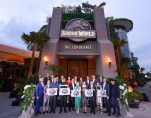
BANGKOK, THAILAND – Media OutReach Newswire – 9 August 2025 – Jurassic World: The Experience has officially opened its gates at Asiatique The Riverfront Destination to explorers who have been eagerly awaiting their first opportunity to step foot inside Jurassic World and get closer to life-sized dinosaurs than ever before. Asset World Corporation (AWC), Thailand’s leading integrated lifestyle real estate group, celebrated this epic opening in grand […]
Reliance Industries, one of India’s largest conglomerates, faces significant decisions about its oil sourcing strategy amid increasing pressure from the United States to reduce its reliance on Russian crude. The Indian government, which became a major purchaser of seaborne Russian oil following Moscow’s 2022 invasion of Ukraine, is now under mounting diplomatic pressure from Washington to cut its energy ties with Russia. The shift in policy would have substantial implications for the global oil market and India’s refining industry.
Reliance, which operates the world’s largest refining complex in Jamnagar, Gujarat, is central to this decision. With the capacity to process 1.4 million barrels per day, Reliance’s massive refining operation plays a pivotal role in India’s energy landscape. Historically, the company has sourced significant volumes of Russian crude oil, a practice that began in earnest after the geopolitical upheaval caused by Russia’s invasion.
However, as the US ramps up its diplomatic efforts, India faces a delicate balancing act. Although India has repeatedly asserted its right to make independent decisions on energy imports, the US has been clear in its stance, urging the country to align with Western sanctions that limit Russian energy purchases. Washington’s pressure is focused not only on the political ramifications but also on the global strategy to curtail Moscow’s economic resilience through these sanctions.
Energy trade sources indicate that should Reliance cease purchasing Russian crude, the company would likely revert to Middle Eastern suppliers. The Middle East’s geographical proximity to India and its robust oil production capabilities make it an ideal alternative for Reliance’s vast refining operations. As global oil markets fluctuate, the alignment with Middle Eastern suppliers could allow Reliance to maintain its production capacity without significant disruptions.
Industry experts note that the Organisation of the Petroleum Exporting Countries has been adjusting its output to accommodate changing demand patterns. OPEC’s decision to unwind its voluntary cuts has already resulted in increased crude oil production, providing more flexibility to companies like Reliance. This additional supply from the Middle East would likely ease the transition if Reliance moves away from Russian crude, experts suggest.
Nevertheless, shifting reliance back to Middle Eastern oil is not without its own set of challenges. While this move might reduce geopolitical tensions, it would also expose Reliance and other Indian refiners to fluctuations in Middle Eastern production and pricing. Additionally, the cost dynamics could differ, especially given the complexities of supply chain logistics, transportation costs, and currency fluctuations that could affect the price of crude oil sourced from the Gulf.
For India, the implications go beyond just the refiners. The country’s broader energy strategy could come under scrutiny as it seeks to maintain a balance between meeting domestic demand and adhering to international diplomatic pressures. As a major energy consumer, India has long sought to diversify its sources of crude oil to ensure stable supply chains, and the shifting sands of global politics only heighten the complexity of these decisions.
The pushback from Russia, meanwhile, is likely to become more pronounced. Moscow’s strategy in the face of sanctions has been to maintain its role in global energy markets by finding alternative buyers, including India and China, for its oil exports. With the growing Western pressure, Russia is expected to explore additional avenues for securing energy trade relationships, potentially targeting markets in Asia that are less susceptible to US-led sanctions.
Emirates Leisure Retail, the hospitality arm of the Emirates Group, has confirmed a strategic partnership with Saddle Group to bring the first Saddle Café to Dubai International Airport. Set to open in the Arrivals area of Terminal 3 before year-end, this expansion marks a significant milestone for both companies. Saddle Café, a well-established homegrown brand, has garnered attention for its blend of contemporary coffee culture with a […]
Humanoid robots, once viewed as the pinnacle of artificial intelligence and automation, continue to struggle with one basic task: folding a t-shirt. Despite extraordinary advances in AI and machine learning, the physical limitations of robot bodies have created a bottleneck in their progress, even as the brains behind them grow ever more sophisticated. Though AI systems now power these machines with remarkable computational capability, they remain far […]
Tesla has officially halted operations of its Dojo supercomputer, a key element in CEO Elon Musk’s vision for advancing full self-driving technology. Originally introduced as a crucial piece of the puzzle for the automaker’s autonomous driving ambitions, Dojo was expected to significantly enhance Tesla’s machine-learning capabilities. The decision to shut down the AI training system comes at a time when Tesla is facing increased competition in the […]

Corporate treasuries and investment funds have made significant moves into Bitcoin this year, with a staggering 371,111 BTC purchased since January. This figure, more than three times the amount mined during the same period, signals the growing influence of institutional investors in the cryptocurrency market. These acquisitions come amid an evolving strategy pioneered by Michael Saylor, the founder of MicroStrategy, whose company continues to lead the pack in BTC purchases.
Saylor, an early advocate of Bitcoin, has been vocal about the digital asset’s potential as a hedge against inflation and a store of value, especially in an era of increasing economic uncertainty. MicroStrategy’s strategy of accumulating Bitcoin on its balance sheet has served as a model for other corporate investors looking to diversify their cash reserves. The company currently holds over 150,000 BTC, solidifying its position as the largest publicly traded corporate holder of Bitcoin.
This trend is not limited to MicroStrategy alone. A growing number of public companies have followed suit, with many purchasing Bitcoin as part of their long-term investment strategies. Among the most prominent in this movement are Tesla, which made a significant BTC purchase in early 2021, and Block, the payments company founded by Jack Dorsey. Both have maintained substantial Bitcoin holdings, and their actions continue to inspire others in the corporate sector to consider the digital asset as a viable alternative to traditional assets like cash or bonds.
The accumulation of Bitcoin by public companies and investment funds is also evidenced in the growth of Bitcoin-backed exchange-traded funds. Major ETFs have amassed nearly $151 billion worth of BTC, accounting for a significant 6.47% of the total circulating supply. This figure reflects the increasing mainstream acceptance of Bitcoin and the growing appetite for institutional investors to gain exposure to the cryptocurrency market without the direct complexities of buying and storing the digital asset.
The Bitcoin ETF market has rapidly matured, with various products offering different exposure options. Grayscale Bitcoin Trust and the Purpose Bitcoin ETF, for example, have emerged as key players, providing institutional and retail investors alike with a more accessible way to hold Bitcoin. These funds have not only bolstered institutional interest but also helped legitimize Bitcoin as an asset class in the eyes of traditional finance.
One of the key factors driving this wave of institutional adoption is the desire for better yield in an environment of low-interest rates and rising inflation. Bitcoin’s scarcity, with a maximum supply of 21 million coins, makes it an attractive proposition for funds and corporate treasuries looking for an alternative store of value. As inflation fears continue to loom, particularly in the wake of expansive monetary policies enacted during the COVID-19 pandemic, Bitcoin offers an attractive hedge against potential currency devaluation.
The maturity of the Bitcoin network and its increasing institutional infrastructure, including custodial services, derivatives markets, and improved regulatory clarity, have made it easier for large investors to enter the market with confidence. This growing institutional infrastructure is also helping reduce some of the risks traditionally associated with cryptocurrency investments, such as security concerns and price volatility.
However, not everyone is convinced of the long-term benefits of Bitcoin. Critics argue that the digital asset remains highly speculative, with no inherent value other than what investors are willing to pay. Regulatory uncertainty also continues to cast a shadow over the market, with governments worldwide scrutinizing the use of Bitcoin in financial systems and its role in money laundering and illicit activities.
Adnoc Gas has entered into a strategic partnership with Hindustan Petroleum Corporation Limited for the supply of liquefied natural gas over the next decade. The Heads of Agreement signed between the two companies commits Adnoc Gas to deliver 0.5 million metric tonnes per annum of LNG to HPCL for a 10-year term, further enhancing its presence in the high-demand Asian LNG market. This deal not only signifies […]
SINGAPORE – Media OutReach Newswire – 8 August 2025 – In celebration of Singapore’s 60th birthday, OPPO Singapore has launched its vibrant SG60 campaign, a multi-dimensional initiative designed to honour this milestone through youth creativity, technology, and community engagement. As a flagship component of the campaign and part of the OPPO LUMO Photography Awards 2025, OPPO has proudly invited local photography community to capture the nation’s unique […]

DP World has significantly boosted its automotive logistics capacity at Jebel Ali Port with the opening of a new 2.6 million square foot vehicle storage yard at Terminal 4. This expansion is a strategic move to cater to the increasing demand for global vehicle trade and further solidifies Dubai’s position as a leading automotive hub in the region.
The development adds an additional 13,000 car equivalent units to the port’s storage capacity, bringing the total to 75,000 CEUs. This increase comes as Dubai seeks to accommodate the growing flow of vehicles through its primary maritime gateway. The modern facility is equipped to handle a wide range of vehicles, ensuring smoother logistics and faster turnaround times for automobile shipments.
In tandem with the storage space, the upgrade also features an 800-metre quay. This quay is designed to support three roll-on/roll-off vessels simultaneously, improving the port’s efficiency and handling capacity for large-scale vehicle shipments. RoRo vessels are commonly used for transporting automobiles due to their ability to load and unload vehicles quickly and safely. The expanded quay capacity significantly enhances Jebel Ali’s ability to meet the demands of car manufacturers, traders, and logistics companies, both regionally and globally.
Dubai’s Jebel Ali Port has long been recognised as a pivotal trade and logistics hub, playing a crucial role in the region’s supply chain. The port’s strategic location, coupled with its extensive infrastructure, has made it a preferred gateway for trade in the Middle East, Africa, and Asia. The automotive sector, in particular, has seen exponential growth, with Dubai acting as a key transit point for vehicles moving between markets in Europe, Asia, and Africa. This new development aims to support the growing needs of global car manufacturers who rely on Dubai’s connectivity and efficiency to reach a broader market.
DP World’s expansion aligns with the UAE’s broader strategy to diversify its economy and reduce dependence on oil revenues by strengthening other sectors such as logistics and trade. The automotive logistics market has witnessed an upward trajectory in recent years, with rising demand for vehicle imports and exports. In response, DP World has invested in this infrastructure to support automotive trade and contribute to the broader economic goals of Dubai and the UAE.
With the automotive trade forecasted to grow, Jebel Ali Port’s enhanced capacity provides a critical edge in a competitive global market. The integration of cutting-edge technology and modern facilities within the new yard also supports the port’s commitment to sustainability and operational efficiency. The facility will implement eco-friendly practices such as energy-efficient lighting, and the quay will utilise advanced mooring systems to ensure safer and faster vessel turnaround.
The expansion also comes at a time when global trade flows are undergoing rapid changes, with new markets emerging in Asia, Africa, and Latin America. Dubai’s strategic location on the Arabian Peninsula offers a unique advantage, acting as a natural conduit for goods moving between these markets. DP World’s investment in Jebel Ali Port ensures that the UAE remains at the forefront of global trade, particularly in sectors like automotive logistics, where speed and efficiency are paramount.
As Dubai continues to enhance its infrastructure and trade capacity, it attracts increasing attention from international car manufacturers, logistics companies, and global shipping lines. The city’s status as a central automotive hub within the region is further cemented with such projects that not only increase capacity but also enhance the overall operational flow, making it a prime location for companies seeking to expand their footprint in the Middle East and beyond.

Abu Dhabi’s Mubadala Energy has acquired a 24.1% equity stake in Caturus, a rebranded platform for natural gas and liquefied natural gas exports, following the successful closure of its investment in partnership with alternative asset manager Kimmeridge. This move marks a significant step in Mubadala’s strategy to strengthen its foothold in the US energy market, specifically within the integrated natural gas and LNG sectors.
Mubadala Energy’s involvement in the US market reflects its broader strategy to diversify its portfolio, tapping into high-growth energy markets outside its core base. The company’s new stake in Caturus aligns with its goal to expand its presence in global energy infrastructure, particularly in areas that promise long-term stability and returns.
The deal, valued at an undisclosed sum, solidifies Mubadala Energy’s growing influence in the North American energy sector, which has been experiencing a surge in LNG exports. The US has become a crucial player in the global LNG market, with rising production levels and the establishment of new infrastructure facilitating an increasing flow of exports, particularly to Europe and Asia.
Kimmeridge, a US-based alternative asset manager, has also made substantial strides with its role in Caturus, cementing its position as a key player in energy investments. The collaboration between Mubadala and Kimmeridge is part of a wider effort to create a more integrated and efficient LNG export system, as the two firms look to leverage their combined expertise to drive future growth and development in the sector.
This partnership highlights the growing trend of international energy companies and investment firms looking to the US as a prime location for natural gas and LNG infrastructure. The US energy landscape has seen significant transformation in recent years, with abundant shale gas reserves and increased technological advancements enabling greater extraction and export capabilities.
Caturus itself is designed to optimise the export of LNG, focusing on enhancing infrastructure, improving logistics, and ensuring the delivery of natural gas to international markets with efficiency and minimal environmental impact. The platform’s focus on sustainability aligns with Mubadala’s wider goals of promoting cleaner energy solutions and reducing carbon emissions within its portfolio.
By securing a stake in this critical infrastructure, Mubadala Energy not only diversifies its holdings but also strengthens its role in the ongoing global shift towards cleaner energy sources. The company has committed to transitioning its investments towards more sustainable energy solutions, with a particular focus on natural gas, which is seen as a cleaner alternative to coal and oil in power generation.
Caturus’s strategic location within the US allows it to access key markets, positioning it as a vital part of the LNG export network. With LNG demand increasing globally, particularly in Asia, the platform is well-placed to capitalize on the growing need for cleaner and more sustainable energy options. Mubadala’s participation in this project is expected to enhance its capacity to meet the increasing energy demands of international markets while positioning itself as a responsible player in global energy transitions.
The shift towards LNG and natural gas aligns with broader global energy policies that are looking to reduce carbon emissions and transition away from coal. As countries around the world pursue cleaner alternatives to traditional energy sources, LNG has become an attractive option due to its lower emissions profile compared to coal and oil. The increased export of LNG from the US is particularly important as it helps to meet the energy needs of European and Asian markets, which have increasingly turned to LNG for their energy security needs.
Mubadala Energy’s commitment to sustainability and the environment also underpins this investment. The company has set ambitious goals to reduce its carbon footprint and increase its investments in renewable and low-carbon energy technologies. This aligns with the UAE’s broader energy strategy, which has placed a strong emphasis on cleaner energy, and further reinforces Mubadala’s role in contributing to these global efforts.
KUALA LUMPUR, MALAYSIA – Media OutReach Newswire – 8 August 2025 – Octa Broker is providing an in-depth overview of the week’s key events and actionable insights to help traders navigate this high-stakes environment with confidence. July was a relatively quiet month for gold, at least by the recent standards. XAUUSD, the primary financial instrument for trading bullion, fluctuated in a very narrow 30-dollar range between roughly […]
Hunan, a central province in China, has emerged as a vital player in the country’s trade and economic relations with Africa, defying the common association of Beijing or Shanghai as the primary hubs for these dealings. With its strategic location and evolving infrastructure, Hunan is positioning itself as a key partner in China’s broader strategy to expand its influence on the African continent. Over the past few […]
Aeon & Trisl Real Estate Group has once again solidified its position as a market leader, winning three No. 1 awards at the prestigious Emaar H1 2025 Broker Awards held at the Armani Hotel, Dubai. Recognized for Q2 2025 Performance, H1 2025 Overall Performance, and Video Competition Excellence, the company continues its exceptional run as Emaar’s consecutive No. 1 Agency for the 8th Time, demonstrating strength in […]
France is grappling with its most severe wildfire in decades, marking a stark return to the destructive forces of nature. The fire, which broke out in the southern regions, has already scorched thousands of hectares, making it the largest blaze since 1949. That year, devastating fires near Bordeaux claimed 82 lives and ravaged 50,000 hectares of land. This new disaster is showing no signs of slowing down, […]
SINGAPORE – Media OutReach Newswire – 7 August 2025 – INDIBA® 448 kHz + 20kHz, a patented frequency system that is transforming how athletes and everyday patients recover from injury, manage pain, and restore mobility. Used worldwide in sports and rehabilitation, it supports faster, safer healing—without medication or downtime. INDIBA® Stands Out by Working Deep Beneath the Surface. INDIBA®’s patented Proionic® System delivers radiofrequency energy at 448kHz […]
Greenlogue/AP ACWA Power, a Saudi-listed leader in the global energy transition, has secured the Noor Midelt 2 and Noor Midelt 3 solar projects in Morocco. The projects were awarded following an international tender process facilitated by the Moroccan Agency for Sustainable Energy. These two projects are set to significantly contribute to Morocco’s efforts to diversify and expand its renewable energy capabilities. Both Noor Midelt 2 and Noor […]
Expands global presence, targeting 100 locations by end of year TOKYO, JAPAN – Media OutReach Newswire – 7 August 2025 – In an era of rapid technological advancement, industries worldwide are actively integrating cutting-edge technologies to drive business breakthroughs. Worldgate global Logistics Ltd (“Worldgate“, together with its subsidiaries, collectively the “Group”; HKEx: 8292) is pleased to announce that its interactive entertainment business, VSING (“the Company”) has formed […]

Michigan’s State Retirement System has significantly increased its investment in Bitcoin, demonstrating confidence in the cryptocurrency’s long-term potential. The fund has tripled its exposure to Bitcoin through the ARK 21Shares Bitcoin ETF, a move that reflects growing interest from institutional investors in digital assets. This increase comes as Bitcoin continues to see heightened attention from both retail and institutional investors, positioning it as a key player in the evolving financial landscape.
The Michigan State Pension Fund, managed by the Michigan Department of Treasury, is one of the largest public pension funds in the United States, with assets exceeding $90 billion. Its decision to increase Bitcoin holdings through the ARK 21Shares Bitcoin ETF is seen as part of a broader trend in which pension funds, endowments, and other institutional investors have begun diversifying their portfolios by including digital assets.
The ARK 21Shares Bitcoin ETF, which is designed to provide exposure to Bitcoin without requiring investors to directly hold the cryptocurrency, has gained traction among institutional investors for its simplicity and regulatory compliance. This ETF allows for Bitcoin exposure in a traditional investment vehicle, offering an avenue for pension funds that may otherwise be restricted from investing directly in cryptocurrencies.
Cryptocurrency has become an increasingly important asset class for institutional investors. A growing number of asset managers have begun to see Bitcoin and other digital currencies not just as speculative investments, but as a hedge against inflation and currency devaluation. Bitcoin’s reputation as “digital gold” has been reinforced by its performance in the face of economic uncertainty, especially in comparison to traditional assets like equities and bonds.
The decision to expand Bitcoin holdings is also linked to the broader trend of pension funds seeking higher returns to meet long-term obligations. With global interest rates remaining low and traditional investments yielding modest returns, pension funds are under growing pressure to diversify their portfolios and consider alternative assets. Bitcoin, with its potential for high returns despite its volatility, has become a prominent choice.
Experts suggest that institutional adoption of Bitcoin is still in its early stages, but the trend is accelerating. Michigan’s State Pension Fund’s move to increase its Bitcoin exposure follows similar actions by other major pension funds and financial institutions. The California Public Employees’ Retirement System, the largest public pension fund in the U. S., has also explored Bitcoin exposure, although in a more cautious manner.
This shift towards digital assets by public pension funds is not without controversy. Some critics argue that the volatile nature of Bitcoin and other cryptocurrencies makes them a risky investment for pension funds, which are tasked with managing the retirement savings of millions of individuals. Concerns about the regulatory landscape and the potential for sudden price swings have prompted calls for greater caution in incorporating cryptocurrencies into institutional portfolios.
However, proponents of the move argue that Bitcoin’s resilience and increasing institutional support make it a sound long-term investment. As blockchain technology continues to mature and the regulatory environment around digital assets evolves, many believe that the risks associated with Bitcoin will be mitigated over time. Moreover, the increasing mainstream adoption of cryptocurrencies by corporations and financial institutions is seen as a positive indicator of their future potential.
The ARK 21Shares Bitcoin ETF itself has become a widely-followed vehicle for gaining Bitcoin exposure. Managed by ARK Invest, a firm known for its focus on disruptive innovation, the ETF holds Bitcoin in a secure manner and allows investors to gain exposure without directly purchasing or storing the cryptocurrency. The ETF has drawn interest from various institutional investors, including pension funds, hedge funds, and family offices, all seeking a regulated and secure method of gaining exposure to the world of digital assets.
Despite the benefits, the decision to triple Bitcoin exposure has sparked some concerns about diversification within the Michigan State Retirement System’s broader portfolio. Critics warn that an overconcentration in any single asset, particularly one as volatile as Bitcoin, could undermine the stability of the pension fund. While Bitcoin has demonstrated substantial returns in recent years, its volatility has also led to significant drawdowns, making it a risky bet for long-term investors.
The pension system’s commitment to Bitcoin, however, signals the growing legitimisation of digital currencies in the traditional financial world. Michigan’s pension fund is not alone in recognising Bitcoin’s potential as part of a diversified portfolio, as other states and private institutions have made similar moves to explore digital assets.
The European Union has revived a contentious proposal, “Chat Control,” which seeks to mandate the scanning of private communications on messaging platforms such as WhatsApp, Signal, and Telegram. The plan aims to detect and prevent the spread of child sexual abuse material, a move that has sparked intense debate regarding the balance between privacy rights and safeguarding vulnerable individuals. The proposal has drawn widespread opposition from privacy […]
American Bitcoin Corp., a Bitcoin mining firm linked to Donald Trump, is making waves in the financial world with plans to list on the Nasdaq. The move marks a significant step for the cryptocurrency industry, highlighting how major players are seeking to establish more conventional footholds on Wall Street.
Founded in 2021, American Bitcoin Corp. aims to scale up its operations significantly by tapping into public capital markets. The company has stated that it intends to raise substantial funds to expand its mining capacity and enhance its technological capabilities. According to internal reports, the firm has already secured partnerships with several high-profile players in the energy sector to support its ambitious plans.
The firm’s connection to Trump adds a layer of political intrigue to the listing process. Trump, who has long been associated with various business ventures, is reportedly involved in an advisory capacity, lending his brand and strategic expertise to the company’s growth. His endorsement has proven valuable in garnering attention, not only among traditional investors but also among those with a keen interest in the intersection of politics and business.
The move to list on Nasdaq comes at a time when the cryptocurrency mining industry faces increasing scrutiny over its environmental impact and energy consumption. Mining operations like those at American Bitcoin Corp. use vast amounts of energy to secure Bitcoin transactions, a process that has been criticised for contributing to carbon emissions. Despite this, the firm is positioning itself as an environmentally conscious entity, touting its use of renewable energy sources as part of its long-term sustainability plan.
American Bitcoin Corp. is not alone in its ambition to go public. Several other firms in the digital asset space have followed similar paths, capitalising on the growing interest in cryptocurrency and blockchain technology. The listing process for such companies has been characterised by both enthusiasm and caution, as investors weigh the risks and rewards of entering an industry that is still in its infancy.
The company’s decision to enter the public markets through a direct listing rather than a traditional IPO is seen as an indication of its readiness to embrace the evolving financial landscape. A direct listing allows a company to bypass the usual underwriting process, allowing it to raise capital while potentially avoiding the costs and regulatory hurdles that come with a standard IPO. This strategy has been adopted by a growing number of firms in the tech and cryptocurrency sectors, where traditional methods of capital-raising are increasingly viewed as outdated.
There is no doubt that American Bitcoin Corp.’s decision to list on Nasdaq could be a game-changer for the cryptocurrency space. If successful, the company’s public debut could open the door for other mining firms and blockchain-based companies to follow suit, further integrating digital assets into the mainstream financial ecosystem. This would be a significant moment for the cryptocurrency industry, as it continues to move from the periphery of global finance into the centre stage.
However, as with any venture tied to the volatile cryptocurrency market, the risks associated with American Bitcoin Corp.’s listing cannot be ignored. Bitcoin and other digital currencies have faced wild price fluctuations over the years, and while the long-term outlook for the sector remains optimistic, many investors are still cautious about committing to assets that are prone to such dramatic swings. As a result, American Bitcoin Corp. will likely face considerable scrutiny from both the public and regulatory bodies in the coming months.
The company’s plan also raises broader questions about the future of cryptocurrency mining in the United States. With growing concerns over the environmental cost of mining and the regulatory uncertainty surrounding the sector, American Bitcoin Corp. will need to navigate a complex web of challenges in order to maintain its position as a leading player in the industry.
The involvement of high-profile figures like Trump could prove to be a double-edged sword. While his brand brings immediate attention to the company, it could also subject American Bitcoin Corp. to increased political scrutiny, particularly given the polarising nature of his public persona. The firm will need to strike a balance between leveraging Trump’s influence and distancing itself from the controversy that often surrounds his name.

Dubai’s tourism sector is rapidly diversifying, offering much more than the traditional image of luxury shopping and towering skyscrapers. The city is emerging as a unique blend of culture, history, and sustainability, catering to a growing number of travellers seeking immersive experiences alongside high-end offerings. This transformation is shaping the city’s identity as a global tourism destination and redefining what it means to travel to Dubai.
In 2024, the Dubai Department of Economy and Tourism reported that the emirate hosted 18.72 million international overnight visitors from January to December, marking a 9% year-over-year increase from 2023’s record of 17.15 million. This growth is indicative of a broader shift in the city’s appeal, with visitors increasingly drawn to its rich cultural and historical offerings. While Dubai’s luxury shopping malls and ultramodern skyscrapers remain major attractions, the city has made significant strides in integrating cultural heritage, sustainability, and immersive experiences into its tourism strategy.
The rise in visitor numbers aligns with Dubai’s efforts to diversify its tourism portfolio. Beyond its well-established reputation for opulence, the city is now fostering an environment that invites exploration of its heritage sites, art galleries, and cultural festivals. Dubai’s museums, like the Dubai Museum in Al Fahidi Fort, the Louvre Abu Dhabi, and the Museum of the Future, are attracting global attention for their architectural innovation and comprehensive exploration of humanity’s past and future.
The surge in visitors is also a reflection of the city’s continued commitment to sustainable tourism practices. Dubai is investing in eco-friendly infrastructure, including green buildings, public transport, and energy-efficient hotels, all of which align with the city’s long-term vision of becoming a global leader in sustainability. Initiatives such as the Dubai Clean Energy Strategy 2050 aim to reduce the city’s carbon footprint and promote the use of renewable energy sources in tourism-related activities.
Luxury, however, remains at the heart of Dubai’s tourism offering. High-end hotels, resorts, and fine dining experiences continue to draw affluent visitors. Iconic destinations such as the Burj Khalifa, Palm Jumeirah, and the Dubai Marina remain central to the city’s tourism model, offering unparalleled luxury experiences. However, Dubai’s tourism landscape is diversifying further, providing options for a broader range of travellers, from budget-friendly accommodations to more cultural and eco-conscious experiences.
Cultural tourism has emerged as a focal point for growth, with Dubai positioning itself as a crossroads between the East and West. The Dubai Opera, a state-of-the-art venue in Downtown Dubai, regularly hosts international performances, from opera and ballet to contemporary music. The Dubai Arts and Culture Authority’s efforts to promote local art and host international exhibitions have enhanced the city’s cultural offering. Moreover, the Dubai International Film Festival and the Dubai Design Week further solidify the emirate’s role as a key player in the global cultural scene.
Dubai’s transformation into a more multifaceted destination is attracting a growing number of visitors from both established and emerging markets. Tourists from Europe, Asia, and Africa are increasingly seeking a deeper connection to the city’s heritage and culture, beyond its well-known luxury offerings. With a diversified tourism strategy, Dubai is well-positioned to attract these travellers, offering a range of activities that appeal to a variety of interests.
Dubai’s appeal also extends to families, with the city offering family-friendly attractions such as Dubai Parks and Resorts, which includes theme parks like Motiongate Dubai and Legoland Dubai. The emirate’s focus on family-oriented experiences is strengthening its position as a year-round destination, attracting tourists from across the globe who seek a blend of entertainment, culture, and relaxation.
The Dubai Expo 2020, although postponed to 2021 due to the pandemic, played a significant role in the city’s tourism resurgence. The event highlighted Dubai’s potential to host large-scale international events, showcasing the city’s modern infrastructure and its ability to welcome diverse cultures. It also set the stage for long-term growth in cultural and eco-tourism by bringing together innovators, thinkers, and influencers from around the world.
The city’s ongoing expansion of public and private sector collaborations is bolstering Dubai’s appeal as a hub for business tourism. International conferences, expos, and corporate events have become a significant part of the city’s tourism strategy. Dubai’s state-of-the-art conference venues, such as the Dubai World Trade Centre, offer cutting-edge facilities that make the city a prime destination for business travellers.