News related to
world

Cocoa processing in Ivory Coast saw a significant decline in July, with the nation’s cocoa grind dropping by 31.2% compared to the same period last year. According to figures released by the Ivory Coast Exporters’ Association, the volume of cocoa ground during the month amounted to just 39,301 metric tons, marking a sharp fall from the 57,125 metric tons processed in July 2023. This downturn has raised […]

LUSAKA, Zambia — The largest climate adaptation event of the year wrapped up in Lusaka, where world leaders, policy makers, and experts issued a strong appeal for increased financial commitments to tackle the accelerating impacts of climate change. Hosted in Zambia, the UN Climate Adaptation Expo served as a key platform for discussing strategies to protect vulnerable populations and economies from the worsening climate crisis. The Expo, […]

Kotak Mahindra International Limited, a subsidiary of Kotak Mahindra Bank, has made a significant stride in expanding its footprint in the UAE’s financial sector. The firm has officially received a licence from the Securities and Commodities Authority, granting it the ability to manage investments and portfolios within the emirate’s capital markets. This makes KMIL the first Indian financial institution to obtain such a licence, opening the door to a wider range of investment opportunities in the region.

The SCA’s approval allows KMIL to operate in a competitive, high-growth financial market that is rapidly evolving. As a result, the firm is now positioned to offer both retail and institutional clients a broader spectrum of services, ranging from portfolio management to investment advisory. This move is expected to enhance the firm’s existing capabilities and leverage the UAE’s status as a global financial hub.

KMIL’s entry into the UAE market signifies a strategic effort to tap into the growing demand for professional investment services in the region, especially as the Middle East continues to be a lucrative market for global financial players. The UAE’s business environment is becoming more conducive to foreign investments, with its forward-thinking regulatory framework and attractive tax incentives drawing a significant number of international financial institutions.

The SCA’s move to issue such licences aligns with the UAE’s broader economic diversification strategy. By encouraging international firms to set up operations in the country, the UAE government aims to fortify its capital markets and establish itself as a leading financial centre in the region. The decision also underlines the country’s commitment to maintaining a stable and robust regulatory environment for financial services.

Kotak Mahindra’s strategic expansion comes at a time when global interest in the UAE’s financial markets is surging. The country’s strategic location, tax-friendly policies, and world-class infrastructure have led to an influx of capital from around the world, positioning it as an ideal base for firms like Kotak Mahindra International to service clients in both the Gulf Cooperation Council region and beyond.

The company’s move also reflects a growing trend of Indian financial institutions seeking to diversify their portfolios and expand internationally. With this licence, Kotak Mahindra International joins a select group of global players that have made the UAE their home for managing investments and portfolios. This development underscores the increasing prominence of the UAE as a financial epicentre.

KMIL’s parent company, Kotak Mahindra Bank, has long been a key player in India’s banking and financial services landscape. With its new licence, the bank’s international arm can now offer its expertise to a new set of clientele while taking advantage of the burgeoning investment opportunities in the Middle East. The UAE’s progressive economic policies and its positioning as a global financial hub make it an attractive destination for firms looking to serve the broader Middle Eastern, African, and Southeast Asian markets.

Industry experts note that the SCA’s licence is a vital step in enhancing the overall appeal of the UAE’s financial services sector. The SCA, tasked with overseeing the functioning of capital markets, is committed to fostering a conducive environment for businesses to thrive. By offering such licences to international firms, the authority is sending a strong signal about its readiness to support the financial community and encourage further investments into the UAE economy.

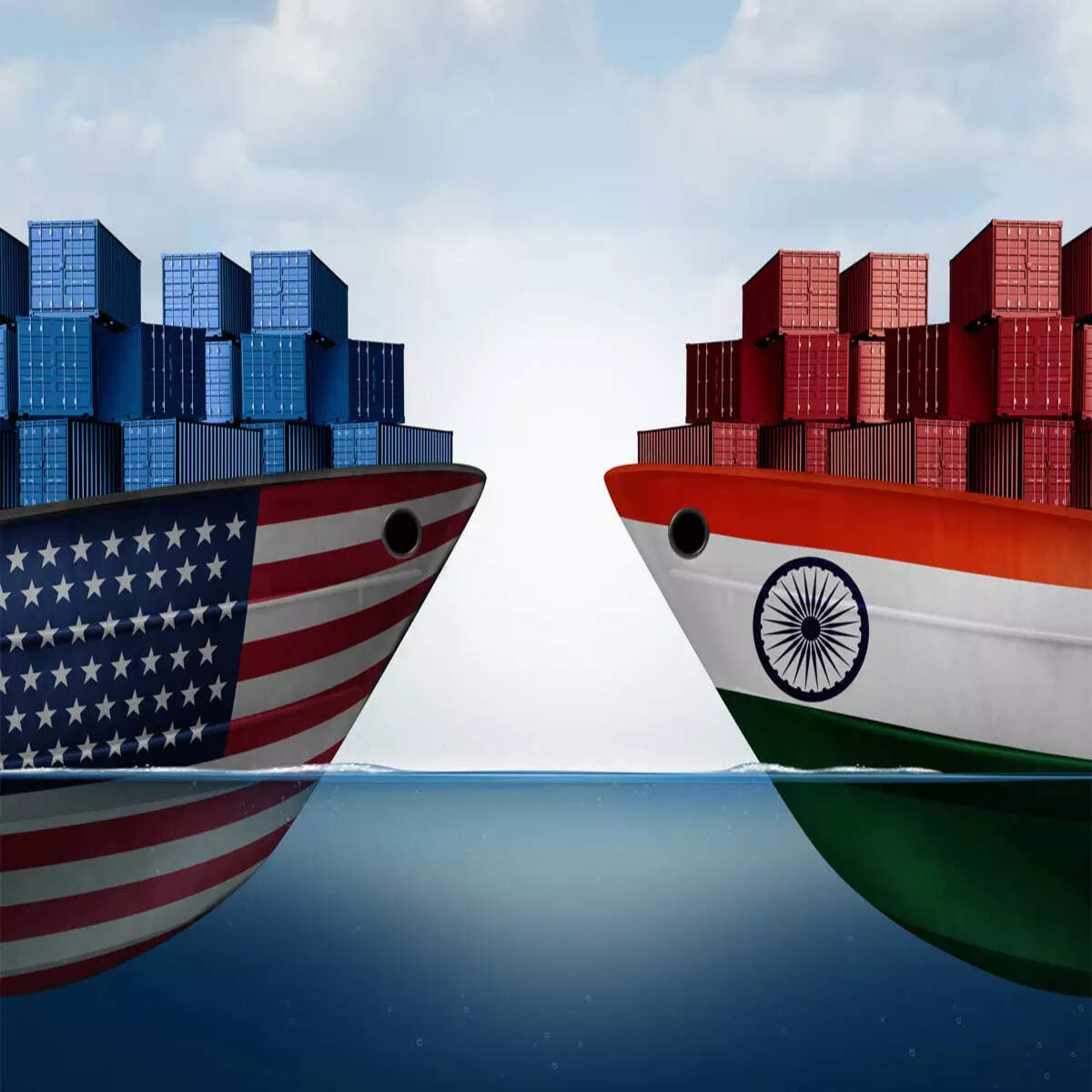
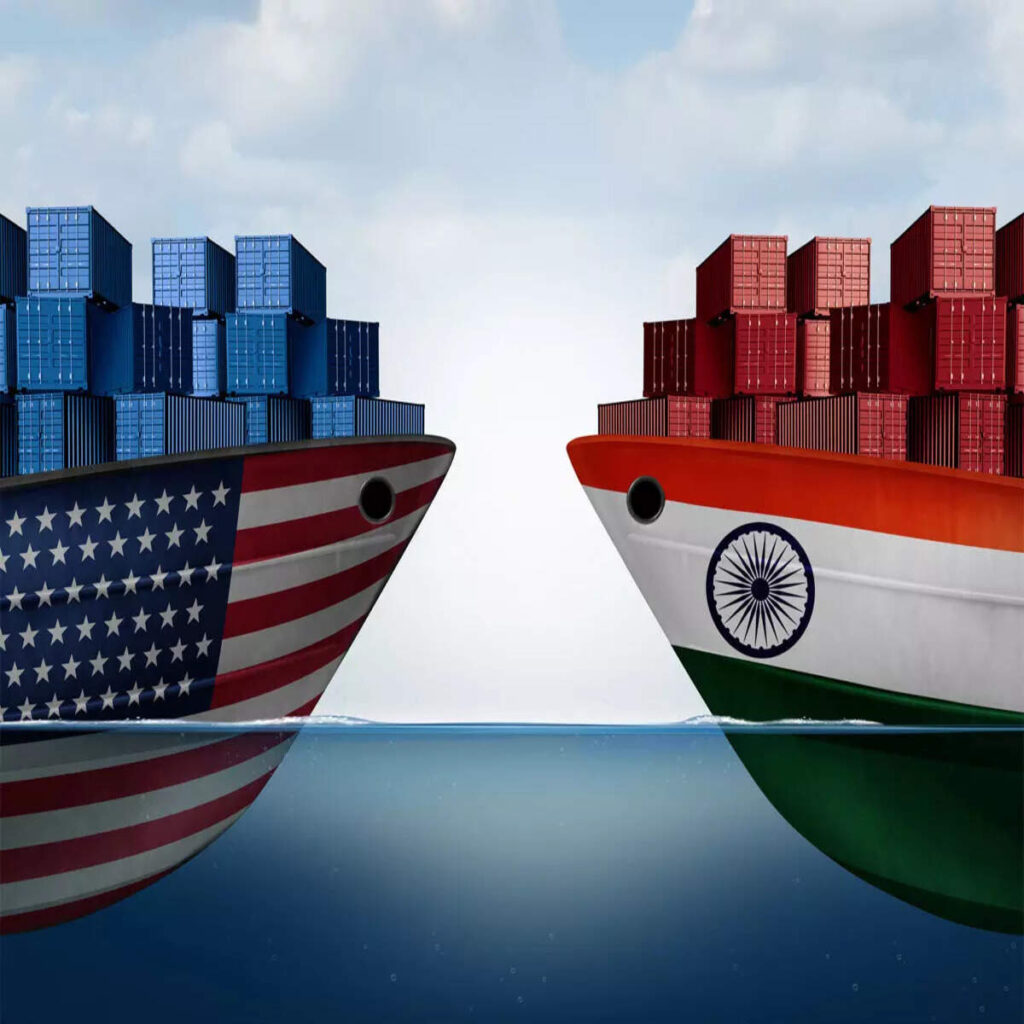
By Nantoo Banerjee Come August 27, the picture of the Indo-US trade may show a considerable change. India’s merchandise exports to the US will be generally subjected to a 50 percent import tax from that date. A few categories, including drugs and pharmaceuticals, have been exempted. The reason advanced by US President Donald Trump for […]

BEIJING, CHINA – Media OutReach Newswire – 18 August 2025 – The 42nd “Baidui Cup” Football Tournament kicked off in the rain on the August 8th. It brought a refreshing coolness of summer to the young players and once again ignited a football fever in Beijing, the “Dual Olympic City”. A player goes for goal during a Baidui Cup match, August 2025. As 51-year-old Chinese football legend […]

SINGAPORE – Media OutReach Newswire – 18 August 2025 – Macaron AI, the world’s first Personal Agent, has officially launched, a category-defining AI product that reimagines how artificial intelligence fits into daily life, not just work faster. Macaron AI marks a pivotal shift from productivity AI to what experts now call Experience AI—It is a companion that understands your personality, preferences, and habits to support daily life. […]

The UAE has unveiled the third edition of the Samsung Innovation Campus, a collaborative initiative between the UAE’s Artificial Intelligence, Digital Economy, and Remote Work Applications Office and Samsung Gulf Electronics. This new chapter is part of the broader UAE Artificial Intelligence Camp 2025, aiming to nurture a new generation of talent in artificial intelligence and related fields. The event marks another significant step in the UAE’s […]

Advertisements
Saudi Aramco has concluded an $11 billion deal for the lease and leaseback of its Jafurah natural gas processing facilities with a consortium led by Global Infrastructure Partners, a subsidiary of BlackRock. This significant agreement marks a major milestone in Aramco’s strategy to expand its natural gas production and diversify its energy portfolio.

The Jafurah field, located in the Eastern Province of Saudi Arabia, is one of the largest non-associated gas developments globally, with estimated reserves of 229 trillion standard cubic feet of raw gas and 75 billion barrels of condensate. Aramco has long prioritised Jafurah as a key part of its energy transition efforts and broader plans to bolster the Kingdom’s gas capacity, aiming for a 60% increase in gas production by 2030.

The consortium, which includes some of the world’s most prominent investment funds, will provide substantial capital to help accelerate the development of the Jafurah field. The deal enables Aramco to monetise its midstream assets while maintaining operational control over the gas reserves. This transaction is seen as a strategic move to finance the development of Saudi Arabia’s gas infrastructure without sacrificing long-term ownership or production rights.

Jafurah plays a pivotal role in Saudi Arabia’s Vision 2030, the ambitious blueprint to diversify its economy and reduce reliance on oil exports. With natural gas being seen as a cleaner alternative to oil, it is a cornerstone of the Kingdom’s strategy to increase domestic energy production and meet rising demand for electricity and industrial use.

Under the terms of the agreement, Aramco will continue to oversee the development and operation of the field, while the international consortium will take on responsibility for the infrastructure, including gas pipelines and processing plants. This partnership is seen as a win-win for both parties, as it enables Aramco to raise capital for further investments in energy projects, while the consortium gains access to one of the most valuable energy assets in the world.

GIP’s involvement in the deal signals its growing interest in the energy sector, particularly in large-scale infrastructure projects. The firm’s experience in managing complex, long-term investments in global infrastructure positions it well to handle the technical and financial challenges associated with Jafurah. As part of BlackRock’s broader investment strategy, the deal also aligns with the company’s focus on sustainable energy and infrastructure development.

The Jafurah field’s importance to Saudi Arabia’s economic future cannot be overstated. The natural gas produced from Jafurah will support the Kingdom’s power generation capacity, which is projected to increase significantly in the coming years. By tapping into the untapped potential of Jafurah, Aramco aims to reduce its reliance on crude oil for domestic power generation, freeing up more oil for export.

Saudi Arabia’s push for gas development has garnered attention from global investors, eager to tap into the Kingdom’s rich natural resources and growing energy sector. This agreement with GIP is a testament to the global interest in the Middle East’s energy markets, and the broader trend of institutional investors seeking long-term, stable returns from the region’s energy infrastructure.

The deal’s financial structure, involving both lease and leaseback elements, is designed to provide Aramco with flexibility while enabling the consortium to generate revenue from the gas assets over time. The leaseback aspect allows Aramco to retain ownership of the gas reserves, while the lease portion provides the consortium with a stable revenue stream from the operations of the Jafurah facilities.

DP World has reported a significant rise in revenue for the first half of 2025, with figures climbing 20.4 per cent to reach $11.24 billion. This growth was primarily driven by strong performance in its Ports & Terminals division, as well as the positive impact of acquisitions completed in recent months. The company’s adjusted EBITDA also saw an impressive increase, up by 21.4 per cent to $3.03 […]

Greenlogue/AP SNB Capital has successfully facilitated the completion of a significant SAR7.1 billion capital increase for Acwa Power, a leading Saudi developer, investor, and operator of power generation and desalination plants. The deal, executed through a rights issue on the Saudi Exchange, marks one of the largest transactions of its kind in the region. The transaction involved the issuance of 33.93 million new shares, priced at SAR210 […]

PUTRAJAYA, MALAYSIA – Media OutReach Newswire – 18 August 2025 – Islamic Tourism Month (ITM) 2025 returns for its fourth and most exciting edition yet, inviting Malaysians and global travelers to embark on a journey of rediscovery through the rich lens of Muslim-Friendly Tourism and Hospitality (MFTH). Organised by the Islamic Tourism Centre (ITC), ITM 2025 takes place from 18 August to 30 September, showcasing the beauty, […]

Dubai’s office real estate market has experienced a remarkable upswing, with sales transactions reaching AED5.4 billion in the first half of the year, an 84% year-on-year increase. This surge comes on the back of a dynamic and growing demand for commercial spaces, particularly in the prime office and logistics segments, as noted in Cavendish Maxwell’s latest Dubai Office Market Report. According to the report, the number of […]

Negotiations at the United Nations aimed at creating a legally-binding treaty to tackle global plastic pollution have once again stalled, leaving international efforts in disarray. This latest failure in the negotiations signals a growing sense of pessimism among key environmental advocates and policymakers who had hoped for substantial progress on what was once seen as a groundbreaking initiative. Three years ago, a historic agreement was reached by […]

Cohere has raised $500 million in new funding, propelling its valuation to an impressive $6.8 billion as the company accelerates its push to reshape enterprise AI. This significant investment will bolster its efforts to expand its security-first agentic AI platform, a product designed to enhance organizational productivity through advanced, secure artificial intelligence. The AI sector has seen rapid growth over the last few years, with businesses increasingly […]

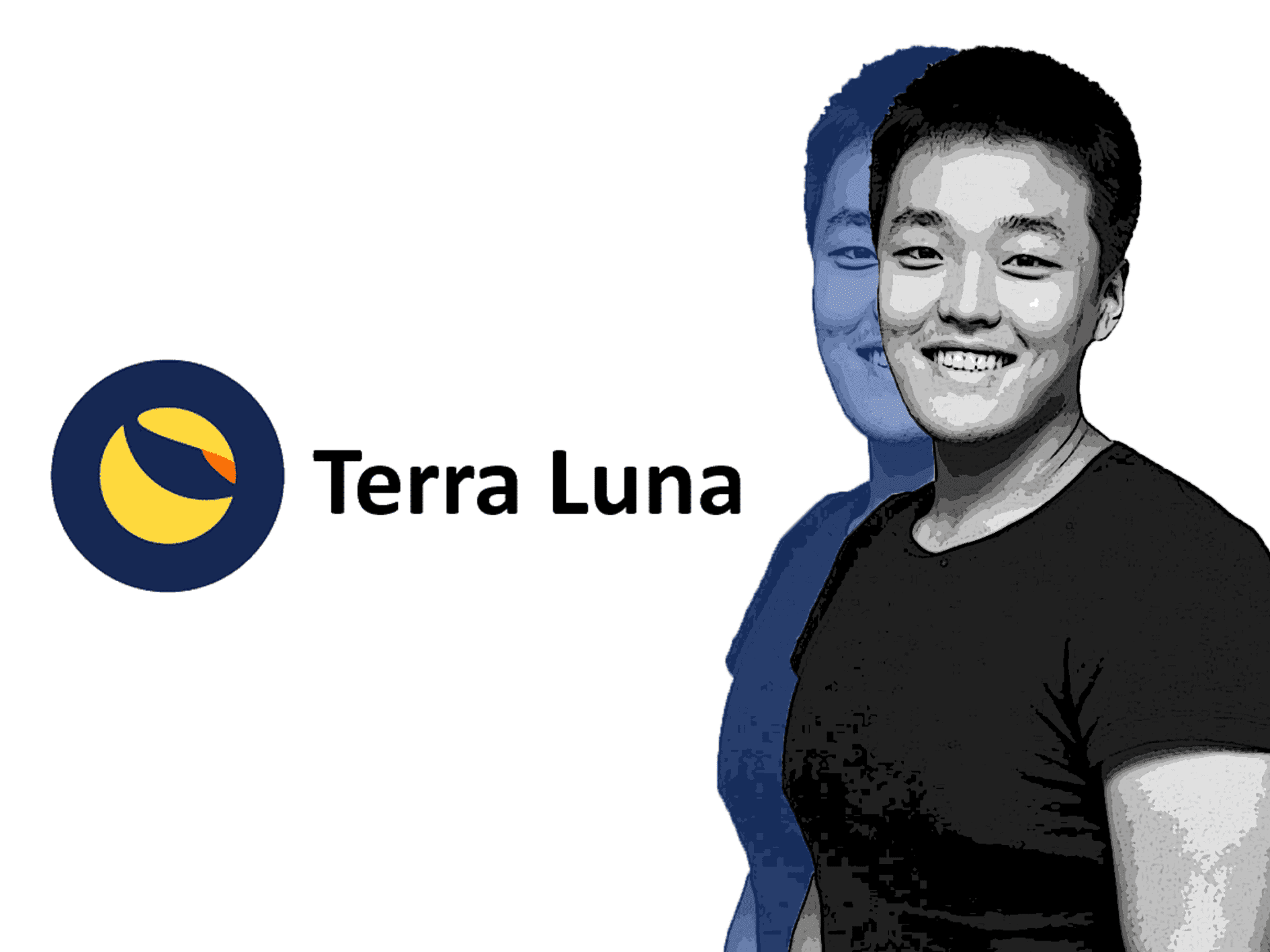
Terra/Luna founder Do Kwon has pleaded guilty to charges of misleading investors in the wake of the cryptocurrency platform’s dramatic collapse. The South Korean entrepreneur’s admission follows an extensive investigation into the catastrophic failure of his company, which resulted in billions of dollars in losses for global investors.

Kwon’s once-promising cryptocurrency project, Terra, alongside its native token Luna, was heralded as a revolutionary model in the digital finance space, promoting a stablecoin system backed by a complex algorithm. However, as Terra’s market value spiralled downward in May 2022, the system’s instability became glaringly apparent, triggering a collapse that sent shockwaves through the entire crypto industry.

At the heart of the scandal is the assertion that Kwon misled investors by downplaying the risks of the Terra/Luna ecosystem. During several public appearances and through communications with investors, Kwon had portrayed the Terra network as safe and resilient. His claims were underpinned by his ability to maintain a high market value for Luna and the purported stability of TerraUSD, a stablecoin tied to the project. The failure of the system, when TerraUSD’s peg to the US dollar faltered, led to an unprecedented crash in Luna’s value, rendering it almost worthless.

The legal proceedings against Kwon were initiated shortly after the collapse, with allegations of fraud, market manipulation, and a blatant disregard for investor protection laws. Following his arrest in Montenegro earlier this year, Kwon’s legal troubles intensified, with prosecutors alleging that his actions were tantamount to a Ponzi scheme, designed to artificially inflate the market for Luna and its associated assets.

Kwon’s defence team initially argued that he did not intentionally deceive investors and that the Terra/Luna collapse was the result of market conditions beyond his control. However, his guilty plea signals a change in approach. Experts suggest that Kwon may have opted for a guilty plea in order to avoid prolonged legal battles, especially as the mounting evidence pointed towards significant flaws in the way he operated the project.

The plea has drawn significant attention, not just from the cryptocurrency community, but also from regulators worldwide who have been closely monitoring the growing number of legal cases involving crypto fraud and market manipulation. The Terra/Luna crash is widely seen as one of the most significant incidents in the volatile history of cryptocurrency, highlighting the risks associated with algorithmic stablecoins and the lack of regulation in the sector.

Kwon’s case has also reignited discussions about the need for comprehensive regulation in the cryptocurrency space. Many in the industry believe that the failure of Terra/Luna could have been prevented or mitigated had there been clearer regulatory oversight governing the behaviour of blockchain-based projects. In the aftermath of the collapse, several global regulators have moved to draft stricter guidelines aimed at improving transparency and accountability for digital assets, particularly those promising stability through mechanisms like algorithmic stablecoins.

The consequences of Kwon’s actions extend beyond financial losses. The collapse of Terra/Luna resulted in a loss of trust in the cryptocurrency market, with many investors becoming wary of similar projects that promise high returns with little risk. While the crypto sector has made efforts to rebuild its reputation, the Terra/Luna scandal remains a cautionary tale for anyone entering the volatile world of digital finance.

For investors, the aftermath of the collapse has been bitter. Many are still seeking compensation, and several class action lawsuits have been filed against Kwon and his associates. However, the road to recovery for those affected may be long, as legal proceedings unfold and the extent of Kwon’s liability is determined.


Dubai Metro has taken a significant step forward with the integration of artificial intelligence into its operational maintenance model, marking a notable enhancement in its rail system’s efficiency and safety protocols. The shift to AI-powered solutions aims to revolutionise how maintenance is approached, ensuring quicker response times and more proactive management of the city’s rapidly expanding metro infrastructure.

The new AI technology focuses on automating the detection of faults and predicting potential breakdowns before they occur. This shift towards predictive maintenance is in line with Dubai’s wider goals of improving transportation infrastructure through innovation. AI’s role in this transformation goes beyond simply automating tasks; it serves as a core tool in enabling more intelligent decision-making for the Dubai Metro’s operations.

With a network that spans 75 kilometres and operates across multiple lines, the Dubai Metro has grown to be one of the most recognised urban transit systems in the world. Over 200,000 passengers rely on the metro each day, making it essential to maintain high levels of safety and operational reliability. By integrating AI, the metro can now leverage real-time data to monitor equipment and infrastructure, identifying anomalies that would otherwise be overlooked by human inspection.

AI-driven algorithms allow for continuous analysis of various parameters, including train speed, track conditions, and mechanical performance. This data is gathered via sensors installed across the metro system, from trains to trackside infrastructure. When any irregularities are detected, the system alerts maintenance teams, prioritising interventions based on urgency and potential impact. The technology also facilitates remote diagnostics, reducing the need for engineers to physically inspect the system unless absolutely necessary.

This predictive maintenance model promises to cut costs and downtime significantly. According to experts, the AI system is expected to reduce unplanned disruptions by up to 30%, which will directly benefit both passengers and operational teams. Reduced downtime means trains will spend less time off-track for repairs, contributing to a smoother, more reliable service.

The integration of AI into the Dubai Metro’s maintenance strategy is expected to pave the way for similar technological applications across other sectors of the city’s public transportation network. With Dubai’s long-term plans to further expand its metro network, AI will be crucial in ensuring that the growth of this infrastructure remains sustainable and efficient.

However, the implementation of such sophisticated technology also poses challenges, particularly in terms of data privacy and system security. As AI becomes more deeply integrated into the operational framework of Dubai Metro, it is essential to establish robust cybersecurity measures to prevent potential hacking or system failures. The Dubai Roads and Transport Authority, which oversees metro operations, has already placed emphasis on maintaining secure networks, working closely with experts to safeguard sensitive operational data.

AI’s potential in transforming public transport is not unique to Dubai. Several cities globally are also exploring how AI can be applied to enhance the efficiency and sustainability of urban rail systems. In Europe and Asia, metros have begun adopting similar technologies to improve service reliability and reduce the environmental impact of their operations. Dubai’s adoption of AI technology, however, stands out as a benchmark for its scope and ambition, setting a new standard for metro operations in the region.

Many SMEs start by asking how to make customers choose their brand. But the real question is—if customers don’t like a brand, there’s no reason for them to choose it. KUALA LUMPUR, MALAYSIA – Media OutReach Newswire – 18 August 2025 – To break through this challenge, it all comes down to one thing: building an emotional connection that wins hearts. Brand positioning means that when customers […]

Bullish bets on rising US oil prices plunged to a 16-year low as mounting expectations of an oversupplied market and cooling fears of sanctions on Russian crude prompted a sharp pullback by traders.

Net-long positions in West Texas Intermediate futures dropped by nearly 30,000 contracts in a single week, reaching just over 49,000—a level not seen since 2009. The shift came amid forecasts from the International Energy Agency and the US government signalling that global oil supplies will outstrip demand well into 2026, tipping sentiment decisively bearish.

Analysts have noted that expectations of Russian sanctions are beginning to fade. While geopolitical risks had earlier supported price premiums, markets now reckon that even if sanctions are imposed, ample spare capacity among OPEC+ producers and resilient non-OPEC output would cushion any disruptions. Compounding the downward pressure, the US Energy Information Administration reported an unexpected build of 3 million barrels in crude inventories, further weighing on prices.

The retreat in bullish positions is consistent with a broader narrative of abundant supply. In late July, hedge funds slashed their net-long WTI positions to their lowest since mid-April, driven by OPEC+ ramping up production and a surge in US crude stockpiles—a rise of 7.7 million barrels recorded at the end of July. Earlier in the year, speculators trimmed net-long holdings by half over a five-week span amid deteriorating technical outlooks, trade-war concerns and expectations that OPEC+ would taper production cuts.

Despite these bearish trends, forecasters caution that demand could provide occasional counter-currents. Wildfires in Canada have temporarily removed around 350,000 barrels per day of oil from production, supporting prices in the short term. Meanwhile, geopolitical flashpoints—including tensions around Iran’s nuclear programme and Russian export vulnerability—could intermittently bolster outlooks. But with OPEC+ intent on increasing output—for example, by 411,000 barrels per day in July—and projections indicating a supply surplus growing to over a million barrels per day by year-end, the dominant trend remains one of oversupply.

This convergence of factors—ample supplies, fading sanctions risk, swelling US inventories and rising OPEC+ output—has catalysed a reappraisal of market dynamics by speculators. The resulting collapse in bullish positioning reflects a recalibration of expectations amid shifting fundamentals.

Narratives of tight supply have lost momentum, leading to a revaluation of oil’s near-term trajectory across trading desks worldwide.

Greenlogue/AP Oman Data Park has formed a strategic alliance with Solar Wadi to establish the Sultanate’s inaugural green energy data centre, powered by solar generation. The collaboration marks a significant step in aligning ODP’s technological infrastructure with Oman’s net-zero ambitions, as the data centre is set to harness sustainable energy to lower operational emissions and improve grid resilience. ODP, long regarded as the nation’s leading provider of […]

TAIPEI, TAIWAN – Media OutReach Newswire – 16 August 2025 – Lung cancer continues to be the leading cause of cancer-related deaths worldwide. Yet, progress is within reach. In Taiwan, thanks to the National Lung Cancer Early Detection Program, the proportion of early-stage lung cancer cases continues to rise. Against this backdrop, HOPE Foundation for Cancer Care, one of the largest cancer-focused patient advocacy groups in Taiwan, […]

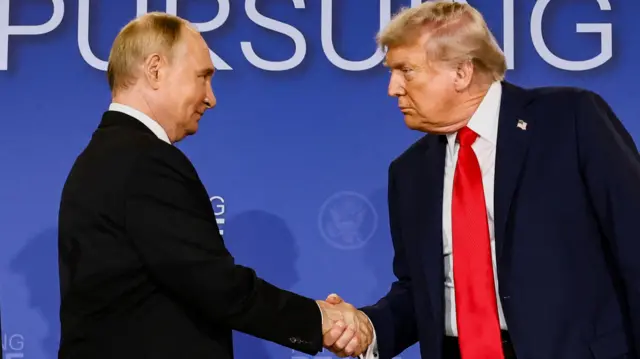
By Ashok Nilakantan Ayer ANCHORAGE, ALASKA: The much-anticipated summit between U.S. President Donald Trump and Russian President Vladimir Putin in Anchorage, Alaska, billed as a potential turning point in the grinding Ukraine war, ended without a ceasefire agreement, and without the celebratory luncheon that White House aides had originally pencilled into the schedule. After the […]

Iracemápolis, São Paulo – Media OutReach Newswire – 16 August 2025 – In the early hours of August 16 (Beijing time), GWM’s Brazil plant officially commenced operations, marked by a grand ceremony for the rollout of its first vehicle, the HAVAL H6 GT. The plant, located in Iracemápolis, São Paulo, was acquired from Daimler Group and has since been upgraded into an intelligent manufacturing base. As GWM’s […]

Dubai’s Burj Khalifa illuminated the night sky on Friday, August 15, 2025, with the vibrant hues of the Indian flag—saffron, white, and green—to commemorate India’s 79th Independence Day. The world’s tallest building became a beacon of unity and cultural pride, drawing large crowds of Indian expatriates and residents who gathered to witness the spectacular light show.

The Indian Consulate in Dubai confirmed that the display commenced at 7:50 PM local time, marking the occasion with a visual tribute that resonated deeply with the Indian community in the UAE. The illumination was accompanied by the instrumental rendition of India’s national anthem, “Jana Gana Mana,” amplifying the emotional significance of the moment.

Spectators, many of whom were capturing the event on their smartphones, expressed their pride and joy through cheers and applause. The display not only celebrated India’s independence but also underscored the strong and enduring ties between India and the United Arab Emirates. Social media platforms were abuzz with videos and messages, with many sharing the experience and extending their Independence Day wishes.

The Burj Khalifa’s annual tribute to India’s Independence Day has become a cherished tradition, symbolising the deep-rooted friendship between the two nations. This gesture is part of a broader initiative where the UAE’s landmarks light up in the colours of various countries’ flags to honour their national days, reflecting the UAE’s commitment to fostering international camaraderie and cultural appreciation.

In addition to the Burj Khalifa’s illumination, the Indian missions in the UAE organised flag-hoisting ceremonies and cultural events to mark the day. The Indian Consulate in Dubai held its flag-hoisting ceremony at 6:30 AM, while the Indian Embassy in Abu Dhabi conducted theirs at 7:15 AM, accommodating the early morning hours to avoid the intense summer heat. These ceremonies were attended by members of the Indian community, dignitaries, and friends of India, all coming together to celebrate the nation’s journey towards independence and its achievements over the years.

The celebrations were further enriched by cultural performances showcasing India’s diverse heritage, including traditional dances, music, and art exhibitions. These events provided an opportunity for attendees to connect with their cultural roots and share in the collective pride of India’s progress and unity.

Greenlogue/AP The United Arab Emirates and Senegal have formalised a significant partnership aimed at addressing Africa’s escalating water and sanitation challenges. This collaboration, announced during the 2025 UN Ocean Conference, underscores a shared commitment to sustainable water management and climate resilience across the continent. At the heart of this initiative is the establishment of an integrated water-ocean management framework, designed to harmonise freshwater and marine ecosystems. This […]

VISHNU RAJA
RYO YAMADA
HITORI GOTOH
IKUYO KITA