Arabian Post Staff -Dubai
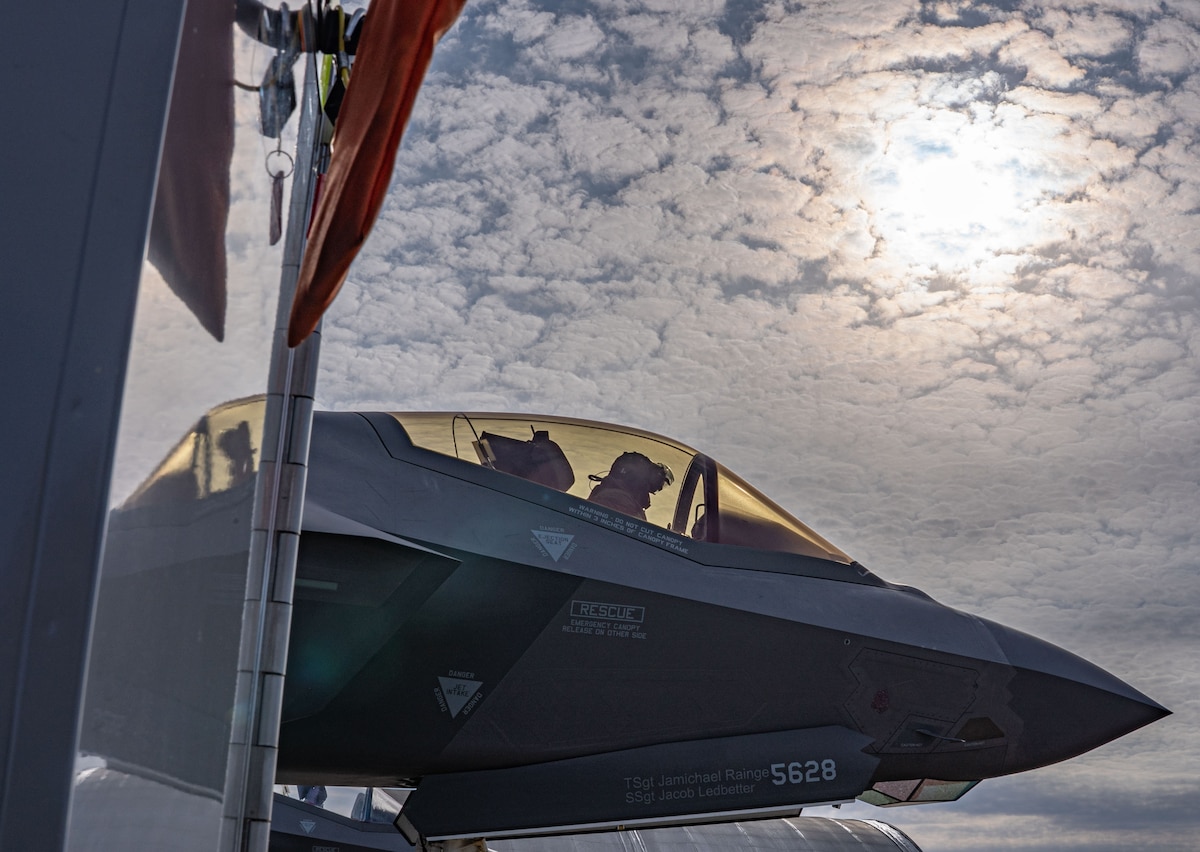
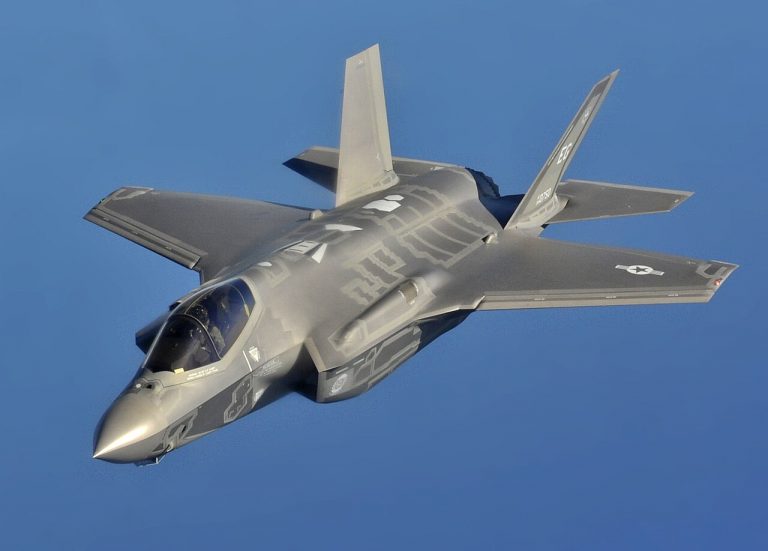
Iran’s downing of a US F-15E Strike Eagle and the loss of another American combat aircraft in the Gulf theatre have pushed Washington’s war with Tehran into a more dangerous phase, exposing the risks of a campaign that has already rattled oil markets and widened instability across the Middle East. US officials said one member of the F-15E crew was rescued while another remained missing, as search operations continued under hostile conditions.
The F-15E was brought down over Iran on Friday, according to US officials cited by Reuters and other outlets, marking the first confirmed loss of an American fighter jet to enemy fire in the conflict. A separate US combat aircraft also went down in the Gulf region around the same time. Reuters, citing the New York Times and US officials, reported that the second aircraft crashed in the Persian Gulf region and that its pilot was rescued. Associated Press identified that aircraft as an A-10 and said it was unclear in early reporting whether it had been shot down or had crashed from other causes.
Those incidents are significant not only militarily but politically. They challenge repeated assertions from Washington that Iran’s ability to contest the air campaign had been severely degraded. They also underline that even after weeks of strikes, Tehran retains enough air-defence capability, mobile missile systems and irregular tactics to threaten American aircraft operating over or near contested territory. Analysts cited by AP and the Washington Post said low-altitude missions, rescue operations and close-support flights remain especially vulnerable to shoulder-fired missiles and other mobile threats that are difficult to eliminate entirely.
The war has now entered its sixth week after beginning with joint US-Israeli attacks on Iranian targets, and the battlefield has spread well beyond strike sites inside Iran. Search-and-rescue efforts for the missing F-15E crew member became part of the story almost immediately, with Reuters reporting that two US Black Hawk helicopters involved in the recovery mission were hit but managed to leave Iranian airspace. That detail has sharpened concern that every tactical setback now carries the potential to trigger a wider spiral of escalation.
Energy markets remain central to the broader fallout. Iran’s campaign around the Strait of Hormuz has become the single most important economic lever in the conflict. Reuters reported that US intelligence does not expect Tehran to loosen its chokehold on the waterway soon, judging that the pressure it exerts on global oil flows gives Iran one of its strongest bargaining tools. The strait carries roughly a fifth of global oil shipments, and the disruption has already fed a broader energy shock that is spilling into freight costs, insurance premiums and government subsidy burdens across importing economies.
That squeeze is no longer abstract. Pakistan, facing public anger over soaring fuel prices, announced emergency relief measures including free public transport in Islamabad and Punjab after a sharp rise in petrol costs linked to the regional conflict and tighter oil supply. The decision illustrated how quickly a military confrontation centred on Iran and the Gulf can transmit pain into domestic politics far beyond the immediate war zone.
Diplomatic pressure is rising alongside the military and economic strain. China has stepped forward with a five-point peace proposal and intensified consultations with regional governments, casting itself as a stabilising actor while criticising the use of force to reopen Hormuz. That effort reflects Beijing’s interest in protecting energy supplies and burnishing its standing as a diplomatic counterweight, even as US officials have treated the initiative with scepticism.
Inside Washington, the aircraft losses are likely to intensify scrutiny of the administration’s strategy. Reuters reported that two-thirds of Americans favour a rapid end to US involvement in the war, a striking figure at a time when combat casualties are mounting and no clear exit path has been articulated. AP said the Pentagon has reported hundreds of American service members wounded and more than a dozen killed since the campaign began. Those numbers, coupled with the visual and symbolic effect of downed aircraft, could reshape the domestic debate around whether the military pressure being applied to Tehran is sustainable.
Tehran, for its part, appears to believe time and attrition may now work in its favour. Reporting from the Washington Post described an emboldened leadership that, despite severe losses and internal upheaval, is showing little appetite for compromise and is instead using the war’s economic consequences to harden its negotiating position. That suggests the conflict may be entering a phase in which neither side is ready to step back, even as the costs widen.
Also published on Medium.
Follow Arabian Post
Select Arabian Post as your preferred source on Google and MSN News for trusted business news and Arab politics and updates.