

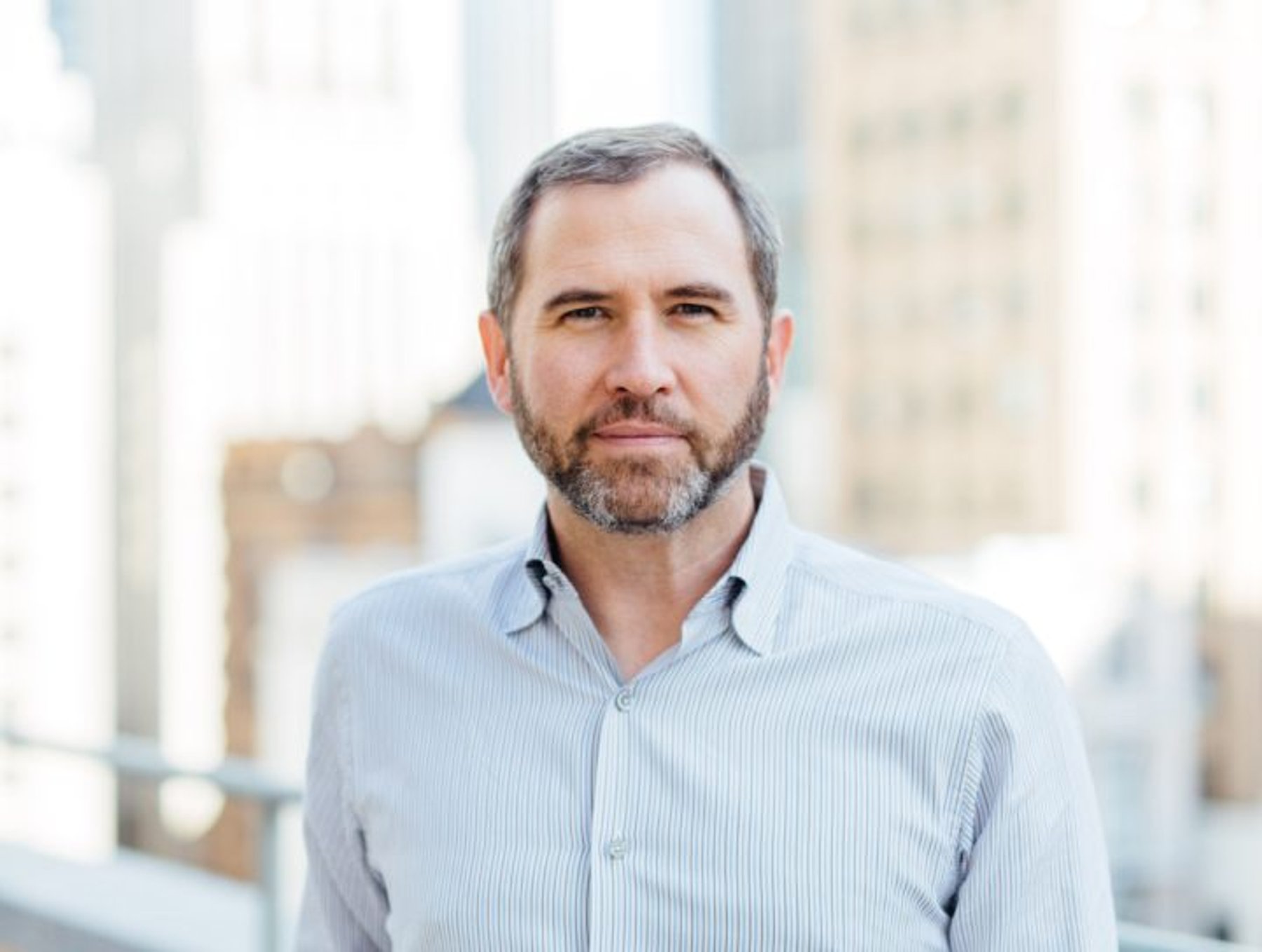
Brad Garlinghouse, the CEO of Ripple, has expressed strong support for a diversified U.S. digital asset reserve, which would include a broad range of cryptocurrencies rather than focusing solely on Bitcoin or Ripple’s XRP. His remarks come amid growing discussions about the future of digital currencies and their role in the global financial system.
In an interview, Garlinghouse underscored the importance of building a multi-asset reserve, arguing that a single-asset approach, particularly one focused solely on Bitcoin, could stifle the development and adoption of other promising digital assets. He stated that a diversified reserve would foster innovation and provide more stability to the U.S. financial system in the long term. His views reflect an ongoing debate among industry leaders, policymakers, and financial experts about the most effective way to incorporate digital currencies into the existing economic infrastructure.
Garlinghouse’s position is seen as a direct challenge to proponents of a Bitcoin-only strategy. These advocates argue that Bitcoin’s established position in the market, coupled with its decentralized nature, makes it the ideal candidate for such a reserve. They contend that Bitcoin’s security features and relatively stable supply would provide a foundation for a secure and reliable digital asset reserve. However, Garlinghouse believes this view overlooks the broader potential of other cryptocurrencies and blockchain technologies.
The CEO’s comments come at a pivotal time for the cryptocurrency industry. Digital assets have faced increasing scrutiny from regulators around the world, with the U.S. Securities and Exchange Commission taking a more active role in overseeing the market. The regulatory landscape remains uncertain, as authorities struggle to create rules that balance innovation with consumer protection. Garlinghouse’s vision of a multi-asset reserve could be a response to this uncertainty, suggesting that diversification would mitigate risks associated with regulatory shifts or market volatility.
Ripple itself has been at the center of its own legal battle with the SEC. The lawsuit, which dates back to 2020, revolves around whether Ripple’s XRP token constitutes a security, which would subject it to the same regulations as stocks and bonds. The ongoing case has been one of the most high-profile legal confrontations in the cryptocurrency world, with significant implications not only for Ripple but also for the broader digital asset ecosystem. While the company has consistently maintained that XRP is a currency, not a security, the outcome of the case could have lasting consequences for how digital assets are regulated in the U.S.
Garlinghouse’s stance on the U.S. digital asset reserve is part of his broader efforts to shape the regulatory landscape in favor of a more inclusive approach to cryptocurrencies. He has repeatedly advocated for clearer guidelines from U.S. regulators, arguing that a more transparent regulatory framework would help U.S. businesses and consumers embrace the benefits of blockchain technology without fear of legal repercussions. According to Garlinghouse, the U.S. has the potential to lead in the development of blockchain and digital assets, but only if the regulatory environment is conducive to growth.
Critics of Garlinghouse’s proposal argue that a multi-asset reserve could complicate efforts to establish a clear and unified approach to digital assets. They suggest that focusing on a single, well-established asset like Bitcoin would streamline the creation of a digital reserve, making it easier for both investors and regulators to understand and manage. These critics also contend that Bitcoin’s dominance in the market is unlikely to be surpassed by any other asset in the near future, making it the most logical choice for a national reserve.
The debate over a Bitcoin-only versus a multi-asset reserve has sparked a broader conversation about the future role of cryptocurrencies in the global economy. Some economists argue that digital currencies could eventually replace traditional fiat currencies, particularly in countries experiencing high inflation or political instability. Others see digital assets as a complementary financial tool, offering new ways for individuals and businesses to store value and transfer money across borders.
Regardless of the outcome of these debates, it is clear that digital assets will play an increasingly important role in the global financial system. Central banks around the world are already experimenting with central bank digital currencies , while private sector companies continue to develop new use cases for blockchain technology. The U.S. government has also begun to explore the possibility of creating a digital dollar, though the proposal remains in its early stages.
Garlinghouse’s call for a diversified digital asset reserve reflects his belief that the U.S. should not limit its potential by focusing exclusively on one cryptocurrency. He advocates for a broader vision of digital currency integration that includes a range of assets, each contributing to a more resilient and adaptable financial ecosystem. This vision aligns with Ripple’s broader mission of promoting interoperability between different blockchain networks, allowing for seamless cross-border payments and financial transactions.
Follow Arabian Post
Select Arabian Post as your preferred source on Google and MSN News for trusted business news and Arab politics and updates.



