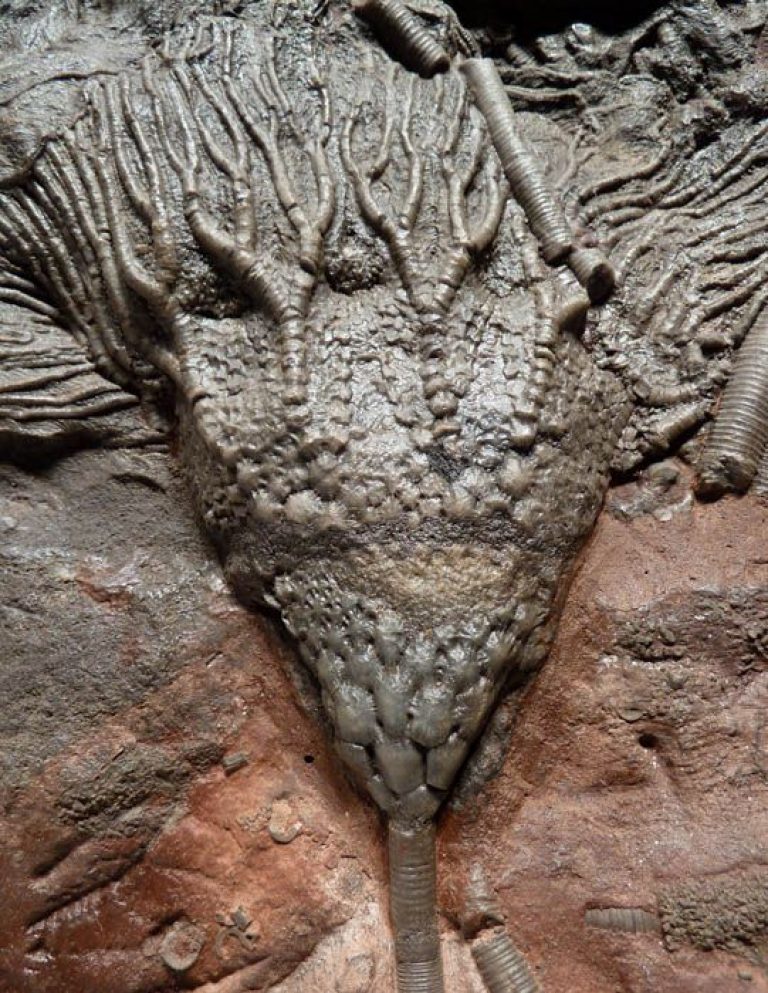
Unearthed from the High Atlas mountains of Morocco, a trove of exceptionally well-preserved fossils is providing scientists with an unprecedented window into the lives of creatures that swam the Earth’s oceans over 500 million years ago. Nicknamed “Pompeii trilobites” due to the remarkable similarity of their demise to the fabled Roman city, these ancient arthropods were rapidly entombed in volcanic ash, offering a level of detail unseen in most Cambrian fossils.
Trilobites, once a dominant marine life form, are now extinct. The Moroccan specimens, meticulously preserved in three dimensions, have allowed researchers to glean new information about their anatomy, behavior, and even the surrounding ecosystem. Unlike most fossils, which often only show hard body parts, these trilobites retain impressions of their soft tissues, including delicate antennae and limbs.
The rapid encasement in ash played a crucial role in this exceptional preservation. Similar to the ashfall that buried Pompeii, the volcanic ash in Morocco rapidly blanketed the trilobites, preventing scavengers and decomposition from taking hold. Additionally, the unique chemical properties of the ash facilitated a process called silicification, where the organic material of the trilobite was gradually replaced by silica, a mineral that fossilizes exceptionally well.
The discovery of these “Pompeii trilobites” is significant for several reasons. First, the exquisite detail allows scientists to reconstruct the trilobites’ body plans with unprecedented accuracy. This includes features like mouthparts, appendages, and even internal organs, which are rarely preserved in fossils of this age. Second, the fossils provide clues about the trilobites’ behavior. The postures of some specimens suggest they were caught mid-motion, offering a glimpse into their movements and potential interactions with their environment.
The discovery also sheds light on the Cambrian ecosystem as a whole. The presence of tiny fossils attached to the trilobites’ shells hints at a diverse and complex marine community existing during this period. By studying these associated organisms, researchers can gain a better understanding of the ecological web that existed millions of years ago.
The ongoing analysis of these Moroccan fossils promises to revolutionize our understanding of the Cambrian period, a time of immense evolutionary change and diversification in the history of life on Earth. These “Pompeii trilobites” offer a unique snapshot frozen in time, providing invaluable insights into the morphology, behavior, and ecology of a long-vanished world.
Follow Arabian Post
Select Arabian Post as your preferred source on Google and MSN News for trusted business news and Arab politics and updates.