

Category: Talking Point
Setting the day’s agenda for conversation
BR Shetty pursues $15bn damages against Bank of Baroda
BR Shetty, founder of NMC Healthcare and UAE Exchange, has filed a $15 billion lawsuit against Bank of Baroda and 25 other defendants in the Bombay High Court, alleging financial misconduct that contributed to the collapse of his business empire. The state-owned lender has responded by declaring that it will firmly defend its interests, while maintaining that it has not yet been formally served with the lawsuit filed on October 13. Shetty's commercial suit accuses the bank, several current and former officials,
UK widens Saudi travel warnings, raising insurance risks
British travellers visiting Jeddah, Dammam or most Saudi airports could jeopardise their travel insurance after the UK government expanded its warnings amid missile and drone attacks on the kingdom. The Foreign, Commonwealth & Development Office (FCDO) now advises against all but essential travel to both cities and every airport in Saudi Arabia except Medina International Airport. The updated guidance, issued on 11 October, remained current on Tuesday. “Your travel insurance could be invalidated if you travel against advice from the Foreign, Commonwealth
UAE broadens AI deployment across essential public services
Arabian Post Staff -Dubai Artificial intelligence is becoming embedded across government services, education, healthcare and transport in the UAE, as new adoption figures confirm the country retains the world's highest measured rate of generative AI use. Microsoft's latest Global AI Diffusion Report, covering the second quarter of 2026, places UAE usage at 73.3 per cent of the working-age population, up from 70.1 per cent in the first quarter. Singapore followed at 64.3 per cent, while the worldwide average reached 18.8 per cent. The
Saudi Arabia and UAE endorse Japan’s Asian oil initiative
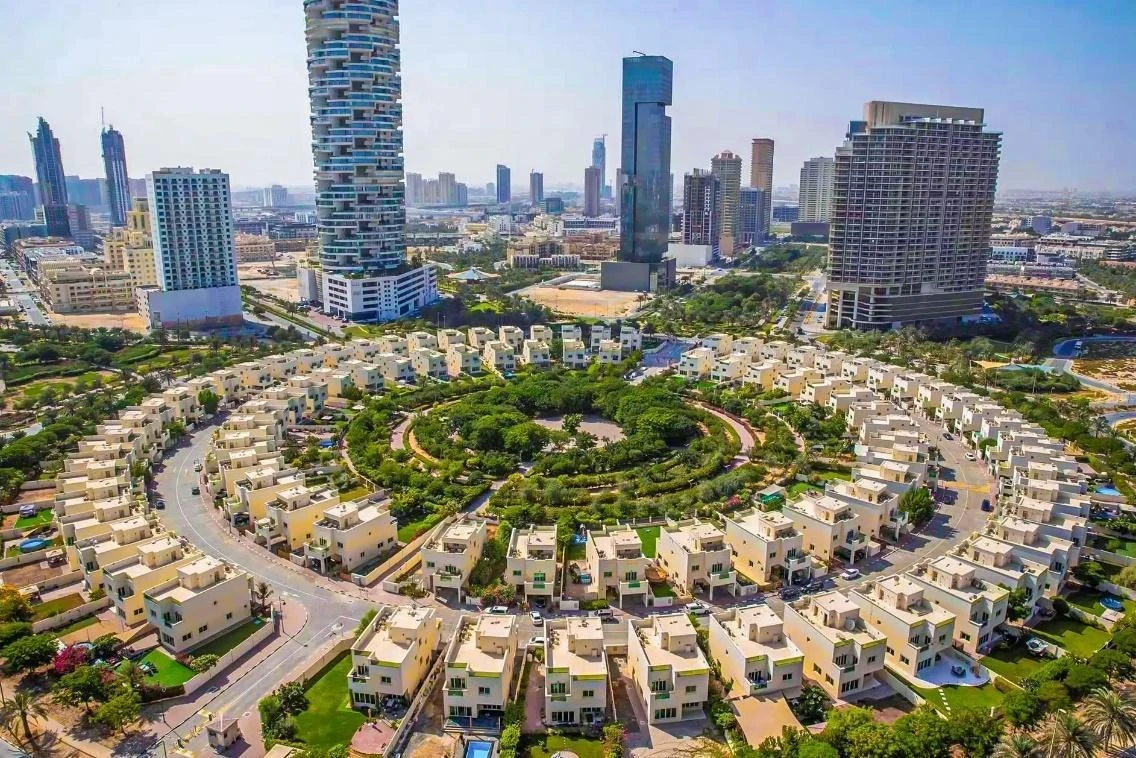
Saudi Arabia and the United Arab Emirates have pledged support for a Japanese initiative to strengthen oil supplies and strategic reserves across Southeast Asia, as disruptions caused by the Middle East conflict intensify concerns over regional energy security. Representatives of both Gulf producers attended a special session of the Asia Zero Emission Community (AZEC) in Manila on Thursday, joining discussions involving ministers from 11 partner countries, including Japan, Indonesia and Australia. Japan’s State Minister of Economy, Trade and Industry, Kei Takagi, said
Saudi airport strikes leave three dead, 36 injured
Three people were killed and 36 injured in separate attacks on two international airports in Saudi Arabia, the kingdom's General Authority of Civil Aviation confirmed on Wednesday. The attacks targeted Abha International Airport in the southern Asir region on October 6 and King Khalid International Airport in Riyadh on October 7, causing civilian casualties and damage to airport facilities. Two women, one Moroccan and the other Algerian, died in the Abha attack. Another 28 people sustained injuries ranging from minor to
Hormuz tanker attacks accelerate as oil flows recover
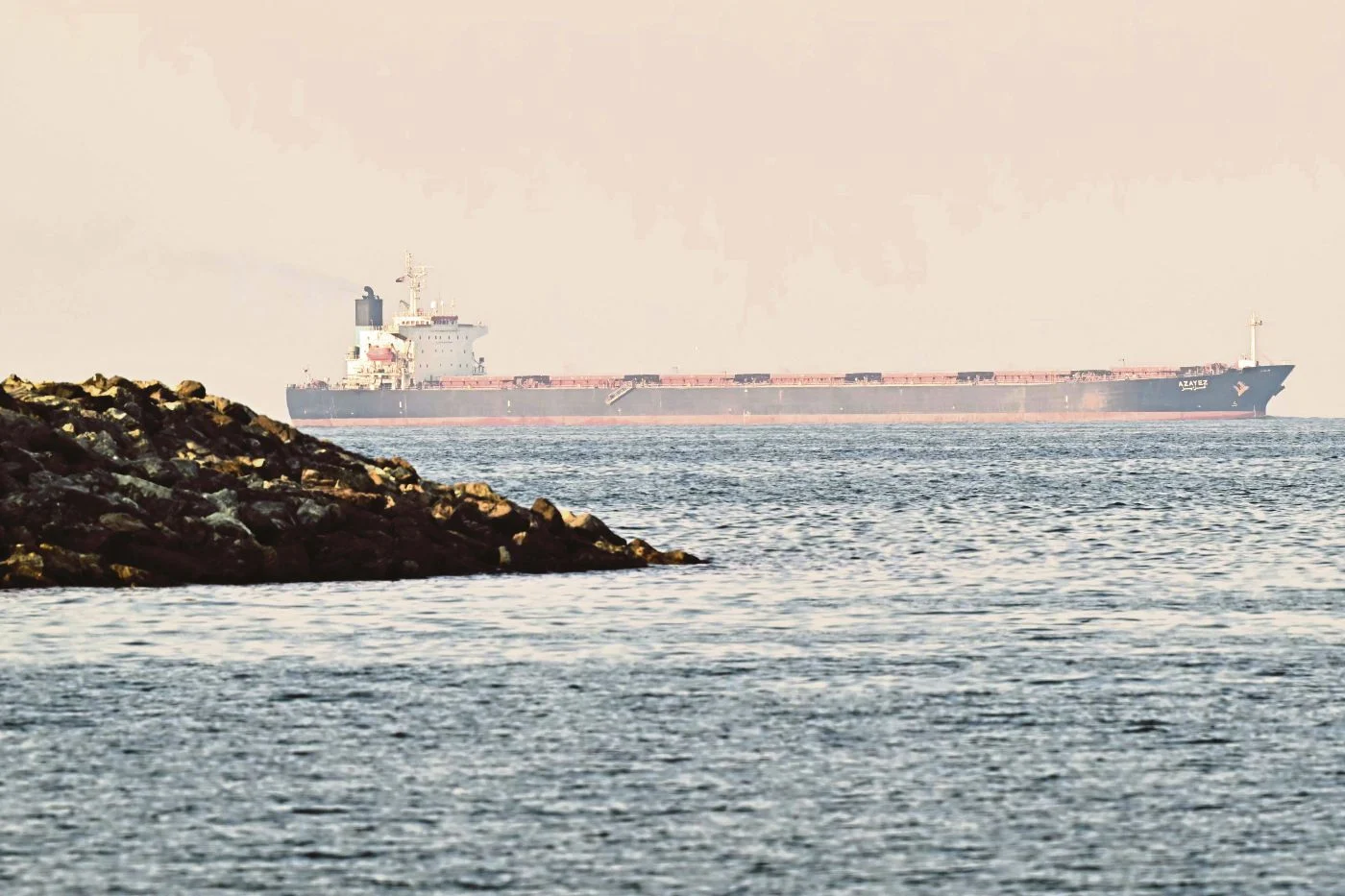
Iranian pressure on commercial shipping in the Strait of Hormuz has intensified as Gulf oil flows recover towards levels seen before the war, exposing the fragile security underpinning the rebound in global energy supplies. UK Maritime Trade Operations has recorded nine attacks in the waterway so far in October, compared with 18 across the Strait of Hormuz and Persian Gulf during all of September. Four of September’s incidents occurred in the final two days of the month, showing how sharply the
Middle East crude exports regain pre-war pace
Crude oil exports from the Middle East climbed above pre-war levels on four days during the final week of September, underscoring a recovery in energy flows despite attacks on commercial shipping around the Strait of Hormuz. Provisional vessel-tracking data from Kpler showed regional crude exports exceeded the pre-war benchmark on September 24 and from September 27 to September 29. Daily shipments ranged between 19.5 million and 22.5 million barrels during those periods, compared with an average of about 18 million barrels
Etihad weighs legal response to Manchester City ruling
Etihad Airways is seeking legal advice on possible action after rejecting implications arising from an independent commission’s findings that Manchester City used improper commercial arrangements to breach Premier League financial rules. The Abu Dhabi airline, Manchester City’s principal commercial partner since 2009, said it “categorically rejects any finding, conclusion or implication” suggesting that it had ever participated in improper arrangements. Etihad said it was considering the legal options and recourse available to protect its interests after reviewing the commission’s published opinion
Saudi probe finds co-pilot assaulted flydubai captain
Saudi authorities on Thursday have found that the co-pilot of flydubai flight FZ1073 assaulted the captain during a cockpit altercation that forced the Dubai-Tel Aviv service to make an emergency landing in Tabuk. Saudi Arabia’s Ministry of Interior said preliminary investigations by the kingdom’s competent authorities, conducted in coordination with a UAE security team, established that an altercation occurred in the flight deck and that the co-pilot assaulted the captain. Both pilots were injured, the ministry said. The findings are the clearest
Sheikh Mohamed rides Etihad Rail to Dubai station
UAE President Sheikh Mohamed bin Zayed Al Nahyan travelled by Etihad Rail from Abu Dhabi to Dubai on Monday as the national railway network prepared to add Dubai to scheduled passenger operations. The presidential journey preceded the inauguration of Etihad Rail’s Dubai Station at Al Yalayis by Sheikh Hamdan bin Mohammed bin Rashid Al Maktoum, Crown Prince of Dubai, Deputy Prime Minister and Minister of Defence, and Sheikh Theyab bin Mohamed bin Zayed Al Nahyan, Deputy Chairman of the Presidential Court
Oil steadies as Middle East supply rebounds
Oil prices steadied on Wednesday as Middle East crude exports approached pre-war levels, with restored Saudi pipeline flows easing immediate supply concerns despite continuing geopolitical risks around the Strait of Hormuz. The more-active December Brent contract traded near $96 a barrel after falling 1.7% in the previous session, while US West Texas Intermediate hovered around $90. Prices later edged higher after US President Donald Trump rejected reports that Washington was prepared to ease sanctions on Iran, keeping a geopolitical premium in
Mubadala, Together AI forge Abu Dhabi partnership
Mubadala Investment Company and Together AI have formed a strategic partnership to explore artificial intelligence infrastructure and ecosystem opportunities in the UAE, with the US technology company establishing a local presence in Abu Dhabi. The agreement, announced on Tuesday, will bring Together AI’s inference and research capabilities closer to customers and developers building generative AI applications across the UAE and the wider region. The partners said they would assess opportunities spanning AI infrastructure and the broader ecosystem, as demand for computing
UAE-bound flights face delays after Sunday disruption
Some inbound flights to Dubai were delayed on Monday morning as airlines continued to work through schedule disruption that affected dozens of services across UAE airports on Sunday. Dubai International Airport’s flight information showed delays on several flydubai services arriving from Central Asia. A flight from Almaty, Kazakhstan, scheduled to land at 7.30am was running 52 minutes late, while a service from Tashkent, Uzbekistan, due at 7.20am was delayed by 64 minutes. A flydubai service from Dushanbe, Tajikistan, was pushed back from
Water financing gap constrains global growth ambitions
Water shortages and chronic underinvestment are emerging as direct constraints on artificial intelligence, energy systems, food production and urban expansion, sharpening pressure on governments and investors to mobilise far more capital for water infrastructure. The issue moved higher on the global investment agenda this week as about 50 chief executives, investors and philanthropy leaders met at the UAE’s Permanent Mission to the United Nations in New York to examine how viable water projects can be moved from concept to financial close. The
G7 urges Iran to halt Houthi support
G7 foreign ministers have called on Iran to stop arming and supporting Yemen’s Houthis, warning that the group’s military operations risk widening instability across the Middle East and disrupting international trade. The ministers of Britain, Canada, France, Germany, Italy, Japan and the United States issued the demand after meeting on Monday on the sidelines of the United Nations General Assembly in New York. They condemned continuing Houthi strikes in Yemen and against Saudi Arabia and urged the movement to end military
IHC identifies Fount Trust as ultimate parent
Abu Dhabi’s International Holding Company has identified Fount Trust as its ultimate parent above Royal Group Holding LLC, formalising the ownership structure that followed an earlier restructuring. IHC said on Monday that the change affects the legal ownership chain but does not alter its ultimate beneficial ownership, operations, strategy or business activities. Royal Group continues to exist and operate within the structure, while IHC remains governed by its board and managed by its executive team. Under the structure outlined by the company,
UN mission identifies grounds for US war-crime finding
A United Nations-backed fact-finding mission has found reasonable grounds to believe United States forces committed war crimes in two February strikes in Iran, including an attack on a primary school in Minab that killed more than 150 people. The Independent International Fact-Finding Mission on Iran said the strikes amounted to indiscriminate attacks that caused civilian deaths, injuries and damage to civilian objects. Its findings were submitted to the UN Human Rights Council in Geneva as part of a wider report examining
Dubai clears 80km fourth road corridor project
Dubai has cleared an 80-kilometre Fourth Corridor road project linking Abu Dhabi, Dubai and Sharjah, adding a major new route intended to ease pressure on the emirate’s existing inter-emirate network. Sheikh Hamdan bin Mohammed bin Rashid Al Maktoum, Crown Prince of Dubai, Deputy Prime Minister and Minister of Defence of the UAE, and Chairman of The Executive Council of Dubai, approved implementation of the project under directives from Sheikh Mohammed bin Rashid Al Maktoum, Vice President and Prime Minister of the
IHC pursues 80% stake in Marlan Holding
Abu Dhabi’s International Holding Company is moving to acquire an 80 per cent stake in Marlan Holding, giving the investment group a controlling position in the company behind UAE-based Marlan Space. The proposed transaction is being carried out through IHC’s wholly owned subsidiary International Tech Group SP LLC and remains subject to regulatory approvals and customary closing conditions, the company said. Financial terms were not disclosed. Marlan Holding RSC Ltd is the holding company behind Marlan Space, an Abu Dhabi-based investor-operator focused
CISA case renews scrutiny of AI accountability
A US government cybersecurity episode involving ChatGPT is drawing attention to a wider governance problem: organisations are deploying artificial intelligence faster than they are assigning responsibility for what AI systems are allowed to do. The issue centres on CISA acting director Madhu Gottumukkala, who uploaded sensitive but unclassified government contracting documents to a public version of ChatGPT during July and early August 2025. The activity triggered automated security alerts and a Department of Homeland Security review after material marked for official
Mubadala takes minority stake in Luckin Coffee
Mubadala Investment Company has agreed to acquire a significant minority interest in Luckin Coffee alongside controlling shareholder Centurium Capital in a transaction valued at about $1 billion, extending the Abu Dhabi sovereign investor’s exposure to China’s consumer sector. The transaction is structured through Success Cup Limited and is expected to give a Mubadala affiliate the right to nominate a director to Luckin Coffee’s board while it maintains an ownership threshold of at least 5 per cent on an as-converted basis, according
Iran outlines Gulf restricted zone, Oman corridor plan
Iran will announce a new restricted maritime zone near the Strait of Hormuz and sign off a shipping corridor agreed with Oman within days, according to its top national security official. Mohsen Rezaei, secretary of Iran’s Supreme National Security Council, said the restricted area would begin at what Tehran calls the US Navy’s blockade line and extend into parts of the Gulf. He warned that vessels entering the zone would be placed on an Iranian sanctions list, but did not specify
Iran fiscal squeeze strains households as defence demands rise
Iran’s worsening fiscal squeeze is spilling into daily life as collapsing oil revenue, a record-low currency and surging prices force Tehran to balance military demands against the cost of keeping fuel, food and other essentials affordable. The pressure has sharpened after Iranian crude exports fell to roughly 260,000 barrels a day in August from about 1.7 million before the latest tightening of US economic pressure, draining the state’s main source of hard currency. The rial has slipped beyond two million to
Xi reaches Cairo as China broadens Egypt engagement
Chinese President Xi Jinping arrived in Cairo for a state visit on Tuesday night, opening talks with President Abdel Fattah el-Sisi as Beijing seeks stronger ties with a pivotal Arab partner amid questions over Washington’s regional role. Xi, accompanied by his wife Peng Liyuan, was received at Cairo International Airport by Sisi and Egypt’s first lady, Entissar el-Sisi. The visit is Xi’s first to Egypt in a decade and marks 70 years of diplomatic relations. The Chinese leader said on arrival that