News related to
Dubai

Deyaar Development, a prominent real estate developer in the UAE, has announced the launch of AYA Beachfront Residences, its inaugural residential venture in the Emirate of Umm Al Quwain. This strategic expansion signifies Deyaar’s commitment to broadening its footprint across the nation’s diverse real estate landscape. AYA Beachfront Residences is poised to set a new benchmark for coastal living in Umm Al Quwain. The development boasts a […]

The Emirates Nuclear Energy Corporation has entered into a strategic partnership with nuclear technology firm newcleo to advance nuclear energy projects in Europe and the Middle East and North Africa region. This collaboration aims to explore the deployment of Lead-cooled Fast Reactor technology, focusing on decarbonising energy-intensive industries and facilitating knowledge transfer between the entities.

As part of the agreement, ENEC is considering a direct investment in newcleo, potentially amounting to €500 million. This investment would support newcleo’s ongoing development of LFR technology, which utilises liquid lead as a coolant to enhance safety and efficiency in nuclear reactors. The partnership also encompasses co-investment plans to deploy LFR projects within the MENA region, targeting sectors that require substantial energy inputs, such as manufacturing and petrochemicals.

Mohamed Al Hammadi, CEO of ENEC, highlighted the significance of this alliance: “Collaborating with newcleo aligns with our commitment to sustainable energy solutions. By integrating advanced nuclear technologies, we aim to address the growing energy demands while reducing carbon emissions in the region.”

Stefano Buono, CEO of newcleo, expressed optimism about the partnership’s potential: “Our innovative LFR technology offers a pathway to efficient and safe nuclear energy. Partnering with ENEC provides an opportunity to implement these solutions on a broader scale, accelerating the transition to clean energy.”

The LFR technology developed by newcleo is designed to operate with fast neutrons at atmospheric pressure and high temperatures, utilising liquid lead or lead-bismuth alloy as a coolant. This approach offers several advantages, including a high boiling point, beneficial neutronic properties, and non-reactivity with water and air, which collectively enhance the reactor’s safety and efficiency.

In addition to technological collaboration, the partnership aims to facilitate knowledge transfer and capacity-building initiatives. This includes hands-on training programs using research reactors and operational facilities, enabling the development of a skilled workforce proficient in advanced nuclear technologies.

This alliance exemplifies a growing trend of international cooperation in the nuclear energy sector. By combining ENEC’s regional expertise with newcleo’s technological innovations, the partnership seeks to create a model for public-private collaboration that could extend beyond their respective markets, potentially influencing global nuclear energy strategies.

The U.S. Securities and Exchange Commission is set to overhaul its regional offices, eliminating top leadership positions in a bid to streamline operations and reduce costs. As part of a broader initiative to focus on efficiency, the SEC will remove leaders from its 10 regional offices. This restructuring comes as part of a cost-cutting strategy influenced by the rising use of cryptocurrencies, specifically Dogecoin, in the broader market.

The decision marks a significant shift in the SEC’s internal operations, with some industry experts speculating that the move reflects a broader shift towards modernizing the regulatory body. The restructuring process, which is expected to take effect within the next few months, will see regional directors and other senior officials in these offices losing their jobs. The SEC has been facing mounting pressure to address the growing costs associated with regulatory functions and to adapt its approach to a rapidly evolving financial environment, particularly within the cryptocurrency space.

The decision follows a series of budget constraints and operational reviews that have highlighted inefficiencies within the SEC’s regional structure. One of the key drivers for this restructuring is the increasing role of digital currencies in financial markets, with some reports indicating that the SEC’s existing framework has struggled to keep pace with new technologies and digital asset regulations. The increasing focus on cryptocurrencies like Dogecoin, and the expansion of digital finance, has led to a demand for more targeted and technologically advanced regulatory mechanisms.

The removal of these leadership roles is not the first sign of restructuring at the SEC. Previous attempts have included efforts to modernize its approach to oversight in the digital age. While the elimination of top regional positions may cause some disruption in the short term, experts argue that this is part of a long-term strategy to enhance the commission’s responsiveness to emerging sectors like cryptocurrency and blockchain technology.

Several critics have questioned the effectiveness of this cost-cutting measure, arguing that reducing leadership roles in regional offices may lead to a loss of expertise and reduce the SEC’s capacity to oversee complex financial activities effectively. Some industry veterans, however, believe that this move is necessary for the SEC to remain relevant in a fast-changing landscape. They point out that the traditional approach to regulating financial markets is being increasingly challenged by technological advancements, and the SEC must adapt to these changes in order to maintain its position as a leading regulatory authority.

The impact of the changes on the day-to-day operations of the SEC is still unclear, with some predicting that the agency will need to rely more on centralised teams and automated systems to perform tasks that were previously handled by regional offices. It remains to be seen how the commission will manage the transition and whether it will be able to maintain its level of oversight across the U.S. financial markets without the extensive network of regional offices.

The SEC’s decision comes amid increasing scrutiny of its role in overseeing the cryptocurrency sector, which has seen explosive growth in recent years. While some digital asset markets like Bitcoin and Ethereum have reached high levels of institutional adoption, Dogecoin has become particularly popular among retail investors, driven by social media trends and celebrity endorsements. The SEC has faced challenges in formulating clear and consistent regulatory frameworks for digital assets, with questions about whether cryptocurrencies should be classified as commodities or securities.

Critics argue that the SEC’s delay in defining its stance on cryptocurrencies has created uncertainty in the market, which has hindered innovation. Proponents of a more aggressive regulatory approach, however, believe that stronger oversight is necessary to prevent fraud and market manipulation, particularly in volatile assets like Dogecoin.

The cost-cutting plan also reflects broader trends in U.S. government agencies seeking to optimise spending and streamline operations. As federal agencies grapple with limited budgets and an expanding range of regulatory responsibilities, efficiency has become a key focus. The SEC’s restructuring may also be seen as part of a larger push towards consolidating regulatory functions in an era of tightening fiscal policies.

While the full extent of the SEC’s plans remains unclear, the announcement has raised questions about the future of the agency’s regional offices and their ability to respond to emerging market trends. As the cryptocurrency sector continues to grow, the SEC will need to strike a delicate balance between reducing costs and ensuring that it can effectively regulate new and evolving markets.

Pi Coin has experienced significant volatility following its Open Mainnet launch on 20 February 2025. The cryptocurrency’s price surged to $1.97 before plummeting over 60% to $0.737. Subsequently, it rebounded by approximately 80%, trading at $1.55 as of 24 February 2025. This fluctuation has drawn considerable attention from investors and analysts, prompting discussions about its future trajectory.

The initial price drop was attributed to heavy sell-offs from early adopters capitalizing on gains. However, renewed interest and speculative trading have contributed to the recent recovery. Analysts remain divided on Pi Coin’s potential, with some forecasting substantial growth and others urging caution due to market volatility.

Projections for Pi Coin’s value in 2025 vary widely. Some forecasts suggest the cryptocurrency could trade between $93.41 and $220.46, with an average price around $141.64. Another analysis anticipates a range from $75 to $110 in the first quarter of 2025, driven by speculation surrounding the Open Network launch. Conversely, more conservative estimates predict a trading range of $10.74 to $143.51, with an average price of approximately $24.63 in 2025.

Abu Dhabi’s Tadweer Group has partnered with FAMS Technologies to introduce the region’s first AI-driven Integrated Waste Management Platform, marking a significant advancement in the emirate’s approach to waste management. This innovative platform leverages Artificial Intelligence and the Internet of Things to enhance efficiency and sustainability across all stages of waste handling.

The newly launched platform is designed to revolutionise waste management by integrating AI and IoT technologies into every phase, from collection to disposal. By utilising real-time data and predictive analytics, the system aims to optimise waste collection routes, monitor processing facilities, and improve overall operational efficiency. This approach not only reduces operational costs but also minimises environmental impact by decreasing carbon emissions associated with waste transportation and processing.

Eng. Ali Al Dhaheri, CEO and Managing Director of Tadweer Group, emphasised the transformative potential of this initiative, stating that the collaboration with FAMS Technologies aligns with Tadweer’s mission to build an integrated waste management system and drive the conversion of waste into an economic asset. He highlighted that the AI-driven platform is a testament to their commitment to redefining waste management in the emirate and keeping pace with the global transition towards a circular economy.

The partnership with FAMS Technologies brings together Tadweer’s extensive experience in waste management and FAMS’s expertise in AI and IoT solutions. This collaboration is poised to set new benchmarks in the industry, positioning Abu Dhabi as a leader in adopting cutting-edge technologies for environmental sustainability. The AI-Integrated Waste Management Platform is expected to serve as a model for other regions aiming to modernise their waste management practices.

In addition to technological advancements, the platform is designed with scalability in mind, allowing for future expansions and integrations. This flexibility ensures that the system can adapt to the growing needs of Abu Dhabi’s urban landscape and its increasing waste management demands. The platform’s modular architecture facilitates the incorporation of new technologies and processes as they emerge, ensuring that Abu Dhabi remains at the forefront of sustainable waste management practices.

The implementation of this AI-driven platform is anticipated to have far-reaching economic benefits. By streamlining operations and reducing waste-related expenditures, the system is expected to generate cost savings for the municipality. These savings can be redirected towards other sustainability initiatives, further enhancing the city’s environmental stewardship. Moreover, the platform’s data-driven approach provides valuable insights that can inform policy decisions and strategic planning in waste management.

Environmental experts have lauded this initiative as a significant step towards achieving a circular economy in the region. By transforming waste into a resource through efficient management and processing, Abu Dhabi is making strides in reducing its ecological footprint. The AI-Integrated Waste Management Platform exemplifies how technology can be harnessed to address environmental challenges, setting a precedent for other cities worldwide.

This development comes as part of Tadweer Group’s broader strategy to enhance sustainability and environmental responsibility in Abu Dhabi. The group has been actively involved in various initiatives aimed at promoting recycling, waste reduction, and resource optimisation. The introduction of the AI-driven platform complements these efforts, providing a comprehensive solution that addresses multiple facets of waste management.

The Abu Dhabi Securities Exchange has announced the formation of the ADX Group, a strategic initiative aimed at enhancing the emirate’s investment environment through innovation and increased global connectivity. This move is designed to establish a future-ready capital market by upgrading market infrastructure, introducing new post-trade services, and expanding market access.

The ADX Group’s primary objective is to create a robust and reliable international marketplace that facilitates capital raising and investment flows, thereby bolstering financial resilience and stability. By integrating advanced technologies and services, the group aims to attract a broader spectrum of regional and global investors, offering them seamless access to Abu Dhabi’s diverse and dynamic economic sectors.

In alignment with its commitment to innovation, the ADX Group plans to implement a state-of-the-art trading platform. This platform is expected to enhance trading efficiency, provide real-time market data, and support a wide range of financial instruments, including equities, debt securities, exchange-traded funds, and derivatives. The introduction of new post-trade businesses will further streamline settlement processes, reduce operational risks, and improve overall market liquidity.

The establishment of the ADX Group is a significant milestone in Abu Dhabi’s ongoing efforts to position itself as a leading global financial hub. By fostering an environment conducive to investment and innovation, the group aims to drive economic growth and diversification, aligning with the broader strategic vision of the United Arab Emirates.

This development comes on the heels of several strategic initiatives undertaken by ADX to enhance its market infrastructure and global reach. Notably, ADX has partnered with international entities to expand its services and attract foreign investments. For instance, the collaboration with FTSE Russell led to the launch of the FTSE ADX 15 Islamic Index, catering to the growing demand for Shariah-compliant investment options. This index provides a comprehensive benchmark for Islamic investors, reflecting ADX’s commitment to inclusivity and market diversification.

In addition, ADX has leveraged the ICE Global Network to offer direct market access to global investors. This partnership facilitates real-time access to market data and order entry, thereby broadening the exchange’s international investor base and enhancing its global connectivity. Such initiatives underscore ADX’s strategic vision to integrate advanced technologies and foster collaborations that enhance its market infrastructure and accessibility.

The ADX Group’s formation is also expected to complement Abu Dhabi’s broader economic objectives, including the promotion of sustainable investments and the development of a knowledge-based economy. By providing a platform that supports innovative financial products and services, the group aims to attract a diverse range of investors and issuers, thereby contributing to the emirate’s economic resilience and long-term prosperity.

Citadel Securities, the prominent market-making firm led by Ken Griffin, is set to expand its operations into the cryptocurrency sector. The firm plans to provide liquidity on major digital asset exchanges, including Coinbase, Binance, and Crypto.com. This strategic move comes as President Donald Trump’s administration signals a more favorable regulatory environment for digital assets.

Historically, Citadel Securities has exercised caution regarding cryptocurrencies, primarily due to regulatory uncertainties in the United States. The recent political shift, however, has prompted the firm to reconsider its stance. By establishing market-making teams outside the U.S., Citadel aims to navigate potential domestic regulatory challenges while capitalizing on the burgeoning global crypto market.

As of October 1, 2024, Citadel manages approximately $64 billion in assets, reflecting significant growth from $43 billion at the end of 2023. This expansion into digital assets aligns with the firm’s broader strategy to diversify its trading portfolio and adapt to evolving market dynamics.

The decision to engage with platforms like Coinbase, Binance, and Crypto.com underscores Citadel’s commitment to integrating with established cryptocurrency ecosystems. These exchanges are among the largest in the industry, facilitating substantial daily trading volumes. By acting as a liquidity provider, Citadel aims to enhance trading efficiency and stability within these platforms.

Market-making involves quoting both buy and sell prices for assets, profiting from the spread between these prices. In the context of cryptocurrencies, effective market-making can reduce volatility and improve price discovery, benefiting both traders and the broader market. Citadel’s entry into this space is poised to bring increased liquidity and professionalism, potentially attracting more institutional investors to digital assets.

This move also reflects a broader trend of traditional financial institutions embracing cryptocurrencies. Firms such as Fidelity Digital Assets and Charles Schwab have made inroads into the crypto sector, indicating growing mainstream acceptance. Citadel’s participation is expected to further legitimize the market and encourage regulatory frameworks that support innovation while ensuring investor protection.

Advertisements

The Dubai International Financial Centre has officially recognised USDC and EURC as approved stablecoins, marking a significant advancement in the integration of digital currencies within the region’s financial ecosystem. This move aligns with DIFC’s commitment to fostering innovation while ensuring robust regulatory oversight in the rapidly evolving digital asset landscape.

USDC and EURC, issued by Circle, are stablecoins pegged to the US dollar and the euro, respectively. They are designed to maintain a stable value by being fully backed by their respective fiat currencies, providing a reliable medium of exchange in the digital economy. Circle has ensured that both USDC and EURC comply with the European Union’s Markets in Crypto-Assets regulations, obtaining an Electronic Money Institution licence from France’s Autorité de Contrôle Prudentiel et de Résolution . This compliance underscores Circle’s commitment to adhering to stringent regulatory standards, enhancing the credibility and acceptance of its stablecoins in global markets.

The recognition of these stablecoins by DIFC is a strategic move to position Dubai as a leading hub for digital finance. By incorporating USDC and EURC into its financial framework, DIFC aims to attract a broader spectrum of fintech companies and investors seeking a regulated environment for digital asset transactions. This initiative is expected to facilitate seamless cross-border transactions, reduce reliance on traditional banking systems, and promote financial inclusion by providing accessible digital payment solutions.

Dubai’s proactive approach to digital asset regulation is evident in its comprehensive framework governing crypto tokens. The Dubai Financial Services Authority has established clear guidelines for the issuance and use of crypto tokens within DIFC, ensuring that only recognised tokens meeting specific criteria are permitted. This regulatory clarity is designed to mitigate risks associated with digital assets, such as fraud and market volatility, thereby fostering a secure environment for investors and users.

The inclusion of USDC and EURC in DIFC’s recognised list of stablecoins is anticipated to have a profound impact on the financial landscape of the United Arab Emirates . It offers businesses and consumers a stable and efficient medium for transactions, potentially reducing transaction costs and enhancing the speed of financial operations. Moreover, it aligns with the UAE’s broader vision of embracing digital transformation and becoming a global leader in fintech innovation.

Industry experts view this development as a positive step towards the mainstream adoption of digital currencies in the region. The regulatory endorsement by a reputable financial centre like DIFC not only boosts confidence among existing crypto enthusiasts but also encourages traditional financial institutions to explore and integrate digital assets into their services. This convergence of traditional and digital finance is poised to unlock new opportunities for economic growth and diversification in the UAE.

However, the integration of stablecoins into the financial system is not without challenges. Regulatory bodies must continuously monitor and adapt to the dynamic nature of digital assets to address potential risks such as money laundering, cybersecurity threats, and market manipulation. Collaborative efforts between regulators, financial institutions, and technology providers are essential to establish robust safeguards and ensure the integrity of the financial system.

In the global context, the recognition of USDC and EURC by DIFC reflects a growing trend of regulatory acceptance of stablecoins. Jurisdictions worldwide are acknowledging the potential benefits of stablecoins in enhancing payment systems and promoting financial inclusion. The European Union’s MiCA regulations, for instance, provide a harmonised regulatory framework for crypto assets, aiming to protect consumers and ensure financial stability. Circle’s compliance with these regulations and its subsequent recognition by DIFC exemplify how adherence to regulatory standards can facilitate the integration of digital assets into mainstream finance.

Dubai Holding has announced the expansion of its ‘Gift It Forward’ initiative for Ramadan 2025, aiming to support over 10,000 low-income beneficiaries in Dubai. Building upon the success of its inaugural year, the programme focuses on promoting responsible consumption and fostering a circular economy by repurposing new, unused items into unique gifts.

The initiative collaborates with more than 20 partners, including the Community Development Authority and DHL Global Forwarding, to engage the community in sustainable giving. Volunteers participate in workshops centred on the United Nations Sustainable Development Goal 12, which emphasizes responsible consumption and production, empowering them to become sustainability advocates within their communities.

Huda Buhumaid, Chief Impact Officer at Dubai Holding, highlighted the programme’s dual focus: “Gift It Forward integrates environmental stewardship with social responsibility, aiming to enrich the lives of those who ensure our communities function seamlessly while encouraging sustainable behaviours.”

In its previous edition, the initiative successfully transformed over 123,000 new items—including clothing, homeware, and accessories—into personalized gift packages. These were distributed to more than 10,500 low-income individuals, underscoring the campaign’s commitment to waste reduction and community support. Over 300 volunteers from Dubai Holding and its partners actively participated, demonstrating a collective dedication to giving back and promoting sustainable practices.

The ‘Gift It Forward’ initiative aligns with the UAE’s 2025 Year of Community, seamlessly integrating into Dubai Holding’s Sustainability Strategy. By supporting UN SDG 12, the programme not only addresses environmental concerns but also fosters a culture of social responsibility through collaboration. This model of collective action exemplifies how rethinking resource utilization today can contribute to a better tomorrow.

Dubai Islamic Bank , the largest Islamic bank in the United Arab Emirates, has introduced its inaugural Sustainability-Linked Finance Facilities Financing Framework. This initiative positions DIB as the first Islamic bank globally to establish such a framework, aligning with the International Capital Market Association’s Sustainability-Linked Loan Principles.

The newly launched framework delineates clear criteria for eligible Sustainability-Linked Finance Facilities, enabling DIB to issue instruments dedicated to financing projects that contribute to climate change mitigation. It incorporates predefined Key Performance Indicators and Sustainability Performance Targets, ensuring that financed projects adhere to stringent environmental standards.

Dr. Adnan Chilwan, Group Chief Executive Officer at DIB, emphasized the significance of this development, stating that the framework underpins a key pillar in the bank’s sustainability strategy—’Finance a Sustainable Future’—and reflects DIB’s commitment to achieving 15% of its portfolio in sustainable finance by 2030. He further noted that this framework would support clients aiming to transition towards more sustainable business models with clear environmental commitments.

To maintain transparency and accountability, DIB plans to publish an allocation and impact report annually throughout the lifespan of the sustainability-linked finance instruments. These reports will undergo evaluation by an independent party to ensure the integrity and effectiveness of the financed projects.

Arabian Post Staff -Dubai Visa has unveiled its Tap-to-Add Card service in Jordan, enabling cardholders to incorporate their Visa contactless cards into digital wallets by simply tapping them on their mobile devices. This initiative aims to enhance the security and convenience of digital wallet provisioning, eliminating the need for manual data entry—a process often prone to errors and potential security vulnerabilities. Mario Makary, Vice President and Cluster […]

National Central Cooling Company PJSC , a prominent district cooling provider in the United Arab Emirates, has mandated several banks to arrange a five-year, Regulation S, dollar-denominated benchmark green sukuk. This strategic move aims to bolster Tabreed’s financial position and support its ongoing sustainability initiatives.

The consortium of banks includes Citigroup and Standard Chartered Bank as Joint Global Coordinators. Additionally, Citigroup, Emirates NBD Capital, First Abu Dhabi Bank, HSBC, and Standard Chartered Bank have been appointed as Joint Lead Managers and Joint Bookrunners. Abu Dhabi Commercial Bank will serve as Co-Manager for the issuance. Notably, Citigroup, First Abu Dhabi Bank, and Standard Chartered are also acting as Joint Green Structurers, underscoring the green credentials of the sukuk.

This forthcoming green sukuk is part of Tabreed’s broader strategy to refinance existing debt and invest in environmentally sustainable projects. The company has previously issued two $500 million fixed-income instruments: a sukuk in October 2018 and a bond in October 2020. These issuances were supported by Tabreed’s strong credit quality and consistent revenue streams. In line with its commitment to maintaining an optimal debt structure, Tabreed has implemented a conservative debt policy to preserve its investment-grade status, currently rated Baa3 by Moody’s and BBB by Fitch.

In 2022, Tabreed established a Green Finance Framework to align its financing activities with its sustainability objectives. This framework adheres to the Green Bond Principles 2021 and the Green Loan Principles 2021, ensuring that funds raised are allocated to projects with clear environmental benefits. Eligible projects under this framework include investments in energy-efficient district cooling systems, sustainable water and wastewater management, green buildings, and renewable energy initiatives. The framework has received a Second Party Opinion from Sustainalytics, confirming its alignment with the aforementioned principles.

The proceeds from the upcoming green sukuk will be utilized to refinance Tabreed’s existing debt, including the $500 million sukuk issued in 2018, which is due to mature in October 2025. This refinancing effort is part of Tabreed’s proactive approach to debt management, aiming to reduce financing costs and extend debt maturities. Earlier, the company announced plans to issue green bonds or sukuk to refinance $1.2 billion in debt, reflecting its commitment to sustainable financing practices.

Tabreed’s financial performance has remained robust, with the company reporting increased revenue and profits for the year 2024. The company’s revenue reached AED 2.434 billion, with a net profit before tax of AED 624 million, representing a 4% increase over the previous year. Earnings before interest, taxes, depreciation, and amortization also saw a 5% year-on-year increase, amounting to AED 1.252 billion, with an improved margin of 51%. These financial metrics underscore Tabreed’s strong operational performance and prudent financial management.

The decision to issue a green sukuk aligns with the UAE’s broader sustainability goals and the global trend towards green financing. Green sukuk, Islamic bonds specifically earmarked for environmentally friendly projects, have gained traction in recent years as investors increasingly prioritize sustainable investments. By tapping into this growing market, Tabreed not only reinforces its commitment to environmental stewardship but also appeals to a broader base of socially responsible investors.

Tabreed’s leadership in the district cooling sector is complemented by its dedication to innovation and sustainability. The company’s investments in energy-efficient cooling solutions contribute significantly to reducing greenhouse gas emissions and promoting energy conservation in the region. As urbanization and demand for cooling services continue to rise, Tabreed’s sustainable practices position it well to meet these challenges while supporting the UAE’s vision for a greener future.

The successful issuance of the green sukuk will further enhance Tabreed’s financial flexibility, enabling the company to pursue strategic growth opportunities and invest in cutting-edge technologies. Moreover, it sets a benchmark for other companies in the region to adopt sustainable financing mechanisms, fostering a culture of environmental responsibility within the corporate sector.

Dubai’s leading public parking provider, Parkin Company PJSC, has unveiled a mobile application designed to revolutionise parking for residents and visitors. The app offers a range of features aimed at simplifying parking management, enhancing accessibility, and promoting efficient urban mobility. Users can register through three methods: creating an account directly, utilising UAE Pass, or linking an existing Roads and Transport Authority account via the Parkin registration form. […]

The Islamic World Educational, Scientific and Cultural Organisation and the Emirates Scholar Research Centre have formalised a partnership aimed at enhancing scientific research and innovation. The Memorandum of Understanding was signed in Sharjah by Salem Omar Salem, Director of ICESCO’s Regional Office, and Dr. Firas Habbal, President of ESRC and Vice Chairman of its Board of Trustees.

This collaboration seeks to create a robust framework for addressing global challenges through the exchange of knowledge, joint research initiatives, and academic cooperation. By leveraging the strengths of both organisations, the partnership aspires to foster innovation and contribute to scientific advancement in the region.

Salem Omar Salem emphasised the significance of this alliance, stating that it represents a pivotal step towards integrating expertise and developing collaborative research projects aimed at tackling pressing global issues. He highlighted the UAE’s and Sharjah’s commitment to supporting international efforts in advancing scientific research and promoting tolerance.

Dr. Firas Habbal echoed these sentiments, noting that the partnership aligns with ESRC’s dedication to advancing scientific research and innovation through collaborations with leading international entities. He underscored the belief that scientific inquiry serves as the cornerstone for building a more tolerant and sustainable future.

The MoU outlines several key areas of cooperation, including the organisation of joint scientific conferences, the exchange of researchers and experts, and the development of innovative research projects. These initiatives aim to provide practical solutions to global challenges and contribute to the broader scientific community.

This partnership reflects a broader trend of collaborative efforts between ICESCO and various academic and research institutions. For instance, ICESCO has previously signed agreements with entities such as the University of Sharjah and the European Muslim Scholars Council, focusing on enhancing cooperation in education, culture, and scientific research. These alliances underscore ICESCO’s commitment to fostering international collaboration and promoting the exchange of knowledge across borders.

The collaboration between ICESCO and ESRC is poised to make significant contributions to the scientific landscape, not only within the UAE but also across the broader Islamic world. By pooling resources and expertise, both organisations aim to drive innovation, support sustainable development, and address complex global issues through research and academic excellence.

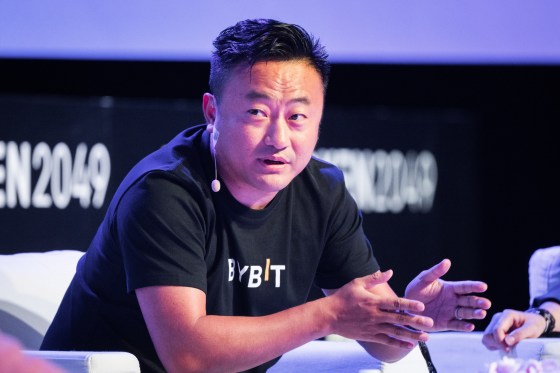
In a staggering blow to the cryptocurrency industry, Dubai-based exchange Bybit has fallen victim to a cyberattack resulting in the theft of approximately $1.5 billion in Ethereum tokens. This incident, occurring during a routine transfer between digital wallets, is now considered the largest digital heist in history.

The breach transpired as Bybit conducted a standard operation, moving assets from a cold wallet—offline storage designed to safeguard funds—to a warm wallet used for daily transactions. During this process, malicious actors manipulated the transfer, seizing control of the cold wallet and diverting 401,000 Ethereum tokens to an unidentified address. Blockchain analytics firms, including Arkham Intelligence, have traced the stolen funds, revealing that $1.36 billion in Ethereum was swiftly liquidated from associated accounts.

Bybit’s CEO, Ben Zhou, addressed the crisis, assuring clients that the exchange remains solvent and that all customer assets are backed on a one-to-one basis. He emphasized that unaffected wallets and withdrawal processes continue to operate normally. To mitigate the impact on users, Bybit has implemented bridge loans to cover any unrecovered funds and has launched a recovery bounty program, offering up to 10% of the reclaimed amount to ethical hackers assisting in the retrieval efforts.

The magnitude of this theft has prompted a surge in withdrawal requests, with over 350,000 submissions flooding the platform. While this influx has the potential to cause processing delays, Zhou noted that the rate of withdrawals has begun to decelerate. In response to the breach, Bybit is collaborating with law enforcement agencies and cybersecurity experts to trace the perpetrators and enhance its security infrastructure to prevent future incidents.

Speculation regarding the identity of the attackers has intensified, with some experts pointing towards North Korea’s notorious Lazarus Group. This collective has been implicated in previous high-profile cryptocurrency thefts, including the pilfering of $1.7 billion in 2022 and $800 million in 2024. While these allegations remain unconfirmed, the pattern of large-scale crypto heists attributed to state-sponsored actors raises significant concerns about the security of digital assets on global trading platforms.

In a related development, cybersecurity firm CertiK has identified another suspicious transfer involving approximately $49.5 million from an unverified Ethereum contract. The recipient address has been observed converting these funds into the stablecoin DAI. The community speculates that this incident may be connected to the Infini platform, a stablecoin digital bank, though official confirmation is pending.

These consecutive breaches underscore the vulnerabilities inherent in the rapidly evolving cryptocurrency landscape. As digital assets become increasingly mainstream, the imperative for robust security measures and regulatory oversight grows more pressing. The Bybit hack serves as a stark reminder of the potential risks investors face and the necessity for exchanges to implement stringent protective protocols to safeguard user funds.

In the wake of these events, the cryptocurrency market has experienced notable fluctuations. Ethereum’s value witnessed a temporary decline of approximately 4%, reflecting investor apprehension following the breach. Market analysts advise stakeholders to exercise caution and remain informed about security practices employed by exchanges to mitigate exposure to such risks.

Bybit’s commitment to reimbursing affected users and bolstering its security framework aims to restore confidence among its clientele. However, the broader implications of this unprecedented theft continue to reverberate throughout the digital currency ecosystem, prompting a reevaluation of security standards and the adoption of more resilient measures to combat the escalating threat of cyberattacks targeting cryptocurrency platforms.

As investigations proceed, the collaboration between cryptocurrency exchanges, cybersecurity firms, and regulatory bodies will be crucial in addressing the challenges posed by increasingly sophisticated cyber threats. The lessons gleaned from the Bybit incident are poised to inform future strategies aimed at fortifying the security of digital assets and ensuring the integrity of the burgeoning cryptocurrency market.

The Ministry of Communications and Information Technology has introduced a pioneering ‘Digital Skills Framework’ aimed at accelerating Qatar’s digital transformation. This initiative delineates 115 distinct digital competencies across 19 key domains, structured into four progressive proficiency levels. The framework is designed to enhance digital literacy and expertise within both public and private sectors, aligning with the nation’s Digital Agenda 2030 and the Third National Development Strategy.

The Digital Skills Framework serves as a foundational tool to standardize digital competencies across various industries in Qatar. By categorizing skills into beginner, intermediate, advanced, and expert levels, the framework provides a clear pathway for individuals and organizations to assess and develop their digital capabilities. This structured approach ensures that the workforce is equipped to meet the evolving demands of a digitally-driven economy.

In conjunction with the launch of the Digital Skills Framework, MCIT has established the ‘Digital Skills Working Group.’ This collaborative body comprises representatives from various government entities and aims to foster the development of digital skills nationwide. The working group is tasked with coordinating efforts to implement the framework effectively, identifying opportunities for digital upskilling, and addressing challenges related to digital competency development. Regular quarterly meetings are scheduled to ensure continuous progress and alignment with national digital strategies.

The introduction of the Digital Skills Framework and the formation of the working group are integral components of Qatar’s broader strategy to position itself as a leading digital economy. The Digital Agenda 2030 outlines key pillars, including the enhancement of digital infrastructure, promotion of digital innovation, and integration of smart technologies across various sectors. By focusing on these areas, Qatar aims to create a conducive environment for technological advancement and economic diversification.

In a significant move to bolster its digital transformation efforts, Qatar has entered into a five-year partnership with Scale AI, a San Francisco-based artificial intelligence solutions provider. This collaboration is set to deploy AI-powered tools and training programs to enhance government services. Scale AI will develop over 50 AI use cases tailored to Qatar’s governmental needs, incorporating predictive analytics, automation, and advanced data analysis. This initiative is expected to streamline operations and improve public service delivery, positioning Qatar at the forefront of AI integration in governance.

The partnership with Scale AI underscores Qatar’s commitment to leveraging cutting-edge technologies to drive national development. By integrating AI solutions into government operations, Qatar aims to enhance efficiency, reduce operational costs, and provide more responsive services to its citizens. This initiative also reflects a broader trend among Gulf nations to invest in artificial intelligence as a means to diversify their economies and reduce dependence on hydrocarbon revenues.

Qatar’s focus on digital transformation is further evidenced by its substantial investments in digital infrastructure. The Qatar Investment Authority has announced plans to merge Qatar National Broadband Network with Gulf Bridge International , aiming to create a national leader in telecommunications. This merger is expected to enhance the country’s digital and AI infrastructure, providing a robust foundation for future technological initiatives. Additionally, telecommunications company Ooredoo is expanding its regional data centers to meet the growing demand for AI applications, further solidifying Qatar’s position as a digital hub in the region.

Dubai is solidifying its status as a premier destination for ultra-high-net-worth individuals and family offices, driven by a confluence of strategic initiatives, favourable economic policies, and an influx of global financial entities. This trend is reshaping the emirate’s financial landscape, positioning it as a global hub for wealth management and investment. The Dubai International Financial Centre has experienced remarkable growth, with the number of hedge funds increasing […]

RAKBANK has entered into a strategic partnership with Faturalab, a prominent provider of smart supply chain solutions, aiming to transform supply chain finance for businesses across the UAE. This collaboration seeks to enhance financial workflows between buyers, suppliers, and banks, promoting operational efficiency and compliance with relevant regulations. Established in 2016, Faturalab has evolved from an invoice financing platform into Turkey’s leading finance technology provider. The company […]

Dubai’s property market is projected to stabilise or experience a slight decline in prices over the next 12 to 18 months, according to a recent report by Moody’s Ratings. This forecast comes as developers confront escalating construction costs and potential project delays, challenges that could reshape the emirate’s real estate landscape. The anticipated stabilisation follows a period of significant growth, with property prices in Dubai increasing by […]

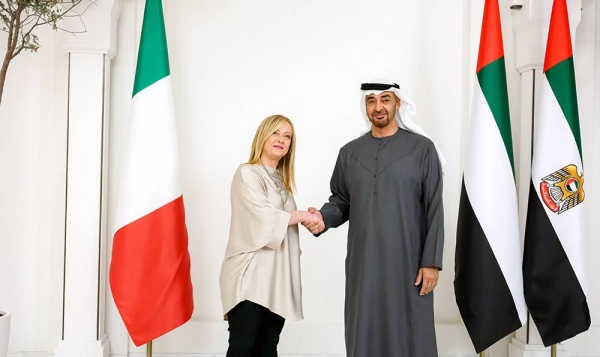
President Sheikh Mohamed bin Zayed Al Nahyan’s state visit to Italy has significantly bolstered the relationship between the United Arab Emirates and Italy. During a dinner banquet hosted by Italian President Sergio Mattarella, both leaders expressed their commitment to enhancing bilateral cooperation across various sectors.

President Mattarella welcomed Sheikh Mohamed and his delegation, highlighting the deep-rooted ties between the two nations and their mutual desire to further strengthen collaboration for the benefit of their peoples. In response, Sheikh Mohamed conveyed his appreciation for the warm reception and emphasized the strategic partnership’s ongoing growth. He noted that this visit reflects both countries’ aspirations to work together towards elevated cooperation and joint economic development.

A symbolic exchange of honors took place during the banquet. Sheikh Mohamed awarded President Mattarella the Order of Zayed, the UAE’s highest civilian honor bestowed upon world leaders. In return, President Mattarella conferred upon Sheikh Mohamed the Order of Merit of the Italian Republic, Italy’s highest accolade for foreign dignitaries.

The UAE delegation accompanying Sheikh Mohamed included Sheikh Abdullah bin Zayed Al Nahyan, Deputy Prime Minister and Minister of Foreign Affairs; Sheikh Hamdan bin Mohamed bin Zayed Al Nahyan, Deputy Chairman of the Presidential Court for Special Affairs; and Sheikh Mohammed bin Hamad bin Tahnoon Al Nahyan, Advisor to the UAE President. The Italian side was represented by several ministers, senior officials, and other dignitaries.

As Sheikh Mohamed’s aircraft entered Italian airspace, it was ceremoniously escorted by a squadron of Italian military jets, symbolizing the importance of this visit. This gesture underscores the mutual respect and the strengthening ties between the two nations.

The discussions between the leaders encompassed a wide range of topics, including investment opportunities, advancements in artificial intelligence, and cultural exchanges. Both countries are keen to explore collaborative ventures in these areas to foster innovation and economic growth.

Energy cooperation emerged as a focal point during the talks. The UAE’s Abu Dhabi National Oil Company and Italy’s energy giant Eni are expanding their partnership beyond traditional oil and gas sectors. Their collaboration now includes renewable energy projects, aligning with global efforts to transition towards sustainable energy solutions.

Defense and security were also prominent on the agenda. Italy’s Leonardo remains a key supplier to the UAE Armed Forces, and both nations are exploring avenues to deepen their defense cooperation. This includes potential joint ventures and knowledge exchange programs aimed at enhancing the capabilities of their respective armed forces.

Emerging sectors such as climate change mitigation, food security, and the space industry were identified as promising areas for future collaboration. Both countries recognize the importance of addressing global challenges through joint initiatives and are committed to working together to develop innovative solutions.

This visit follows Italian Prime Minister Giorgia Meloni’s diplomatic mission to Abu Dhabi, which took place approximately a month prior. During that visit, multiple cooperation agreements were signed, including a significant energy deal involving Albania. These developments signify a renewed vigor in UAE-Italy relations, moving beyond traditional frameworks to embrace broader regional and global partnerships.

Analysts suggest that the UAE-Italy relationship is evolving into a strategic alliance with the potential to influence regional dynamics. Both nations are positioning themselves as key players in the Indo-Mediterranean region, leveraging their economic and geopolitical strengths to foster stability and prosperity.

The leaders also discussed the possibility of developing trilateral and regional alliances, particularly focusing on Africa and East Asia. While Italy prioritizes Eastern Europe, the UAE maintains a strong focus on Africa, creating opportunities for strategic alignment and collaborative initiatives in these regions.

Qatar’s government has entered a five-year partnership with San Francisco-based Scale AI to integrate artificial intelligence into its public services. This collaboration aims to enhance operational efficiency and service quality across various government sectors.

The Ministry of Communications and Information Technology announced that the agreement focuses on deploying AI-powered tools such as predictive analytics, automation, and advanced data analysis. These technologies are expected to streamline government operations, making them more responsive and effective.

Over the next five years, Scale AI will develop more than 50 AI use cases tailored to Qatar’s governmental needs. Trevor Thompson, Scale AI’s global head of growth, emphasized the significance of this initiative, stating it “can be a blueprint for other governments around the world” and reflects a commitment to driving impactful change swiftly.

This move positions Qatar competitively in the regional race for AI leadership, especially amid similar advancements by neighboring countries like Saudi Arabia and the United Arab Emirates. The financial specifics of the deal have not been disclosed.

Founded in 2016, Scale AI specializes in providing accurately labeled data essential for training AI models. The company collaborates with major clients, including Microsoft and Morgan Stanley, to create and refine datasets that power various AI applications.

The partnership aligns with Qatar’s broader strategy to modernize its public sector through digital transformation. By integrating AI solutions, the government aims to improve service delivery, reduce operational complexities, and foster a more efficient administrative environment.

As part of the agreement, Scale AI will also offer training programs to develop the skills of Qatar’s national workforce. This initiative is designed to equip government employees with the necessary expertise to manage and sustain AI-driven systems, ensuring long-term success and self-reliance in technological operations.

The collaboration is expected to yield several benefits, including enhanced data-driven decision-making, improved public service responsiveness, and the creation of new opportunities within the tech sector. By embracing AI, Qatar aims to set a precedent for innovative governance in the region.

This development comes as part of Qatar’s ongoing efforts to diversify its economy and reduce reliance on hydrocarbon revenues. Investing in cutting-edge technologies like AI is a strategic move to build a knowledge-based economy and position the nation as a hub for technological innovation.

The successful implementation of AI solutions in government services could serve as a model for other nations seeking to modernize their public sectors. Qatar’s proactive approach demonstrates a commitment to leveraging technology for national development and improved quality of life for its citizens.

Dubai-based cryptocurrency exchange Bybit has successfully replenished its Ethereum reserves following a massive security breach that resulted in the theft of approximately $1.5 billion worth of Ether . CEO Ben Zhou announced that the exchange has “fully closed the ETH gap,” ensuring all client assets are backed 1:1.

The unprecedented hack occurred during a routine transfer from Bybit’s cold wallet to a warm wallet. Hackers exploited vulnerabilities in the process, gaining control of the cold wallet and siphoning 401,000 ETH to an unknown address. This incident is considered the largest cryptocurrency theft to date, surpassing previous records.

In response to the breach, Bybit took immediate action to secure its platform and reassure its users. The company collaborated with blockchain forensic experts to trace the stolen funds and launched a recovery bounty program, offering up to 10% of the recovered amount to ethical hackers assisting in the retrieval efforts. Despite the scale of the theft, Zhou emphasized that Bybit remains solvent, with unaffected wallets and withdrawals operating normally.

To address the shortfall caused by the hack, Bybit obtained approximately 446,870 ETH through a combination of loans, large investor deposits, and direct purchases. Notably, the exchange acquired 157,660 ETH from crypto investment firms Galaxy Digital, FalconX, and Wintermute via over-the-counter transactions. An additional $304 million in ETH was purchased through centralized and decentralized exchanges.

Bybit plans to publish a new audited proof-of-reserves report to verify that client assets are fully backed on a 1:1 basis. This move aims to restore user confidence and demonstrate the exchange’s commitment to transparency and security.

The hack has raised concerns within the cryptocurrency community, particularly regarding the potential involvement of North Korea’s Lazarus Group, a state-backed hacking organization known for previous cyberattacks on financial institutions. While blockchain analytics firms Arkham Intelligence and Elliptic have traced the hack to the Lazarus Group, official confirmation is still pending.

Following the incident, Bybit experienced a surge in withdrawal requests, processing over 350,000 transactions as users reacted to the news. The exchange assured customers that all assets are safe and that it has the necessary reserves to cover the losses.

This event highlights the ongoing security challenges faced by cryptocurrency exchanges. In 2024 alone, over $2.2 billion was stolen from crypto platforms, underscoring the need for robust security measures and industry-wide cooperation to combat cyber threats.

Bybit’s swift response and proactive measures to address the breach demonstrate its resilience and commitment to user security. As the exchange continues to enhance its security infrastructure, it remains focused on maintaining trust within the cryptocurrency community.

The broader market impact of the hack has been relatively contained. Ethereum’s price experienced a temporary decline of approximately 4% following the news but has since shown signs of recovery. Analysts attribute this resilience to the prompt actions taken by Bybit and the overall maturity of the cryptocurrency market.

As investigations continue, the incident serves as a stark reminder of the importance of security in the rapidly evolving digital asset landscape. Exchanges and users alike are urged to remain vigilant and adopt best practices to safeguard against potential threats.

Bybit’s efforts to restore its reserves and enhance security protocols are steps toward reinforcing trust and stability in the cryptocurrency ecosystem. The exchange’s commitment to transparency and user protection will be closely monitored by industry stakeholders in the coming months.

In the aftermath of the hack, Bybit has also engaged with international law enforcement agencies to aid in the investigation and potential recovery of the stolen funds. The collaboration aims to bring the perpetrators to justice and deter future attacks on cryptocurrency platforms.

While the incident has undoubtedly posed significant challenges, Bybit’s decisive actions reflect a broader industry trend toward strengthening security measures and fostering a culture of accountability. As the cryptocurrency sector continues to grow, such incidents underscore the critical need for continuous improvement in safeguarding digital assets.

Bybit’s experience serves as a case study for other exchanges, highlighting both the vulnerabilities inherent in digital asset management and the effective strategies that can be employed to mitigate risks and protect user interests.


Bavaguthu Raghuram Shetty, the founder of the UAE’s largest private healthcare chain, has been ordered by the Dubai International Financial Centre Court to pay $106 million to ICICI Bank. This ruling pertains to personal guarantees Shetty allegedly provided for loans taken by his now-insolvent company, NMC Healthcare.

The judgment, delivered on February 17, 2025, mandates Shetty to fulfill his obligations as a personal guarantor for loans extended to NMC Healthcare. ICICI Bank had sought claims exceeding $125 million after NMC Healthcare and another related entity, Modular Concepts, defaulted on their loan repayments. While the court upheld the claims concerning NMC Healthcare, it dismissed those related to Modular Concepts.

In response to the verdict, Shetty expressed his intention to challenge the decision. He stated, “I am definitely filing an appeal against this judgment, and I’m very confident that this judgment will be overturned by the appeal court. Ultimately, truth will prevail, and I will get justice.”

Central to Shetty’s defense is his assertion that the signatures on the loan documents were forged. Despite his claims, handwriting experts from both ICICI Bank and Shetty’s legal team testified that the signatures matched Shetty’s. Shetty contended, “Looks like my signature, but maybe it’s a fake. Maybe signature expert can check… I’m sure there’s a fraud in this.”

This legal battle is the latest development in the dramatic rise and fall of Shetty’s business empire. Originating from Udupi, Karnataka, Shetty migrated to the UAE in the 1970s and established a conglomerate that included NMC Healthcare, which was listed on the London Stock Exchange in 2012, raising £117 million. In 2018, he joined The Giving Pledge, committing to donate a significant portion of his wealth to philanthropic causes.

However, in 2019, the American short-seller firm Muddy Waters raised concerns about NMC Healthcare’s financial practices, describing its profitability as “too good to be true.” This scrutiny led to revelations of undisclosed debts exceeding $6.6 billion across 75 debt facilities from more than 80 financial institutions. Consequently, NMC Healthcare entered administration in 2020, and Shetty returned to India amid ongoing legal and financial challenges.

Dubai’s Roads and Transport Authority has awarded a contract valued at AED 798 million for the development of Al Qudra Street. This initiative aims to enhance traffic flow, improve mobility for both residents and visitors, and support the emirate’s ongoing urban expansion and population growth.

The project spans from the intersection of Al Qudra Street with Sheikh Mohammed bin Zayed Road, extending through Sheikh Zayed bin Hamdan Al Nahyan Street, and reaching Emirates Road. Key components include the development of multiple interchanges, construction of bridges totaling 2,700 meters, and the widening of the existing roadway by 11.6 kilometers.

One of the primary objectives is to increase the street’s capacity and reduce travel time from 9.4 minutes to 2.8 minutes. The upgraded infrastructure will serve several residential and development areas, benefiting an estimated population of 400,000.

His Excellency Mattar Al Tayer, Director General and Chairman of the Board of Executive Directors of the RTA, emphasized the project’s significance in enhancing the east-west road network. He noted that Al Qudra Street serves key development zones, including Arabian Ranches 1 and 2, Dubai Motor City, Dubai Studio City, Akoya, Mudon, DAMAC Hills, and The Sustainable City.

The project includes upgrading the intersection of Al Qudra Street with the connecting road between Arabian Ranches and Dubai Studio City. This will involve constructing a 600-meter bridge on Al Qudra Street, featuring four lanes in each direction. This enhancement aims to improve traffic flow on both Al Qudra Street and the connecting road, increasing the street’s capacity from 6,600 vehicles per hour to 19,200 vehicles per hour. Additionally, it will reduce waiting time at the intersection from 113 seconds to 52 seconds, significantly improving overall traffic efficiency.

Further developments involve upgrading the intersection of Al Qudra Street with Sheikh Zayed bin Hamdan Al Nahyan Street by constructing a 700-meter bridge with seven lanes in both directions. This upgrade includes auxiliary lanes for side ramps with two lanes each, ensuring smooth transitions in all directions without disrupting the main traffic flow.

The project also entails the construction of a 500-meter bridge to facilitate traffic flow from Al Qudra Street to Sheikh Zayed bin Hamdan Al Nahyan Street towards Jebel Ali. A 900-meter bridge will be built to serve traffic heading from Al Qudra Street to Sheikh Zayed bin Hamdan Al Nahyan Street in the direction of Downtown Dubai and Dubai International Airport.

Service roads spanning three kilometers will be constructed on both sides of Sheikh Zayed bin Hamdan Al Nahyan Street to enhance connectivity with surrounding development projects. Upgrading the intersection will increase the street’s capacity from 7,800 vehicles per hour to 19,400 vehicles per hour, reducing the waiting time at the second intersection from 393 seconds to 60 seconds.

The development extends Al Qudra Street from the intersection with Emirates Road to the roundabout, serving key areas such as Town Square, Mira, and DAMAC Hills 2. This includes expanding lanes in both directions along 3.4 kilometers of Al Qudra Street, enhancing connectivity and traffic flow in these growing communities.

VISHNU RAJA
RYO YAMADA
HITORI GOTOH
IKUYO KITA