News related to
Iran war

Saudi Arabia, the world’s leading oil exporter, has announced a reduction in its official selling price for crude oil destined for Asian markets in April. This marks the first price cut in three months and aligns with the recent decision by OPEC+ to incrementally boost oil production starting next month. State-owned oil giant Saudi Aramco has decreased the OSP for its flagship Arab Light crude by 40 […]

Matein Khalid There is no doubt in my mind that the epic US equities bull market is now over since the S&P 500 index broke its 200 day moving average while I was at the wonderful StanChart suhoor with so many old pals from the 1990’s Al Mankhool salad days when the Mexican food at Zodiac/Bordertown in the Imperial Suites provided the hottest salsa (mirchi) in Rolla […]

The U.S. Securities and Exchange Commission has agreed to dismiss its lawsuit against cryptocurrency exchange Kraken. This decision, reached with prejudice, means the case cannot be refiled, and notably, Kraken will not admit to any wrongdoing, pay any penalties, or make changes to its business operations.

The lawsuit, initiated in November 2023 under former SEC Chair Gary Gensler, accused Kraken of operating as an unregistered securities exchange. At that time, the SEC alleged that Kraken had been facilitating the trading of digital assets deemed securities without proper registration, a move reflecting the agency’s stringent approach toward cryptocurrency platforms.

However, the regulatory landscape has shifted significantly with the appointment of Paul Atkins as the new SEC Chair under President Donald Trump’s administration. Atkins, known for his more favorable stance on digital assets, has steered the SEC toward a collaborative approach with the cryptocurrency industry. This policy shift aims to balance investor protection with fostering innovation within the digital asset economy.

Kraken’s official statement hailed the lawsuit’s dismissal as a pivotal moment for the U.S. crypto sector. The company emphasized that the SEC’s decision ends a “wasteful, politically motivated campaign” and removes uncertainties that had previously stifled innovation and investment. Kraken expressed appreciation for the new leadership at both the White House and the SEC, attributing the positive change to their “bold and thoughtful” approach.

The SEC has not issued a public comment regarding the dismissal.

This development is part of a broader trend under the current administration, which has signaled a more supportive regulatory environment for digital assets. The SEC’s recent actions include halting or dropping lawsuits against major cryptocurrency entities such as Binance, Coinbase, and Justin Sun. The agency has also restructured its crypto division, forming a “crypto task force” to establish clear regulatory guidelines while scaling down its investigative branch. This shift reflects the administration’s intent to encourage innovation while safeguarding investors from potential fraud.

Critics caution that this rapid policy reversal might reduce necessary scrutiny of the cryptocurrency industry, potentially allowing fraudulent activities to go unchecked. John Stark, a former SEC attorney, warned that the drastic changes could diminish oversight, emphasizing the need for a balanced approach to regulation.

Kraken’s history with regulatory bodies has been contentious. In February 2023, the company agreed to a $30 million settlement with the SEC over allegations that its crypto-asset staking products violated regulatory rules. Additionally, in November 2022, Kraken paid a $362,000 fine to the Office of Foreign Assets Control for potential violations of sanction regimes by allowing trade with customers based in Iran. The company has also faced fines from the Commodity Futures Trading Commission for offering unregistered margin trading.

Despite these challenges, Kraken has maintained its commitment to compliance and consumer protection. The company asserts that the dismissal of the SEC lawsuit reaffirms its dedication to operating with integrity within the evolving regulatory framework.

Matein Khalid All roads lead to Riyadh, which has replaced Geneva as the epicentre of global diplomacy in 2025. Presidents Trump and Putin will meet in the Saudi capital amid the most dramatic U-turn in US foreign policy as Washington switches sides in the Ukraine war in favour of the Kremlin, bypassing the EU and the embattled Ukraine state. Egyptian President Abdul Fattah al-Sisi is in Riyadh to coordinate the Arab […]

The Xposure International Film Awards 2025, held during the 9th International Photography Festival in Sharjah, United Arab Emirates, have recognised outstanding achievements in global filmmaking. This year’s event saw a significant increase in participation, with 834 submissions from filmmakers worldwide, surpassing the previous year’s entries.

Organised by the Sharjah Government Media Bureau , the awards ceremony honoured winners across four categories: Short Film, Animation, Cinematic Arts, and Documentary Feature. The event underscored the festival’s commitment to celebrating diverse and innovative storytelling in the visual arts.

In the Short Film category, Iranian filmmaker Payam Mahmoudi Kurdistani received the top accolade for “Nietzschean Suicide,” a film that captivated audiences with its profound narrative. Italian director Andrea Devicenzi was recognised as the runner-up for “Crossing The North,” an impactful portrayal of personal journey and resilience.

The Animation category highlighted dynamic visual storytelling, awarding first place to Spain’s Andres Aguilar for “The Strange Case Of The Human Cannonball.” Turkish animator Mustafa Keskin secured the runner-up position with “Ari-6427,” showcasing creativity and technical prowess.

Iranian filmmaker Mehrshad Karkhani triumphed in the Cinematic Arts category with “Bruise-Lips Tulip,” a film noted for its artistic depth and compelling visuals. Finnish filmmakers Markku Hakala and Mari Kaki earned the runner-up spot for “Giants Kettle,” a work that impressed with its unique perspective and storytelling.

The Documentary Feature category honoured Belgian directors Jurgen Buedts and Sahim Omar Kalifa for “Iraq’s Invisible Beauty,” a documentary that offers a poignant exploration of unseen narratives. Portuguese filmmaker Diogo Andrade was named runner-up for “Sikat Subar – A Hidden Colourful Feather,” a documentary that sheds light on overlooked cultural stories.

Beyond the competitive categories, the festival paid tribute to ten luminaries whose contributions have significantly impacted the filmmaking industry. Honourees included Academy Award winners and changemakers such as Brent Homann, Franklin Leonard, Glenn Gainor, Jerome Pink, Maitha Alawadi, Martin Desmond Roe, Pippa Erlich, Roger Horrocks, Siraj Jhaveri, and Travon Free. Each was presented with tokens of appreciation for their invaluable efforts in advancing the art of cinema.

Global oil prices have experienced a significant decline, with West Texas Intermediate crude falling nearly 3% to $70.40 per barrel, marking a two-month low. This downturn is attributed to a combination of U.S. policy changes under President Donald Trump and evolving geopolitical dynamics in the Middle East. President Trump’s recent energy policies have introduced substantial volatility into the oil market. His administration’s focus on bolstering fossil fuel […]

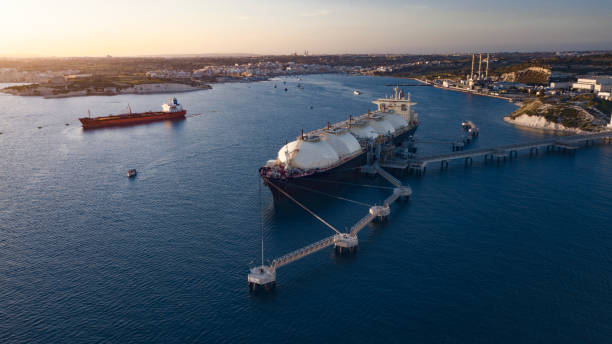
President Donald Trump is actively promoting U.S. liquefied natural gas exports to Asian nations, aiming to strengthen economic ties and reduce their dependence on Middle Eastern and Russian energy sources. In a strategic move, Trump and Japanese Prime Minister Shigeru Ishiba have discussed Japan’s potential involvement in an Alaskan LNG project, highlighting the benefits of a direct energy route that bypasses traditional, and often volatile, sea lanes.

The administration’s focus is not solely on Japan. Other Asian countries, including South Korea and Taiwan, are also considering increased imports of U.S. LNG. This initiative is designed to enhance energy security across the region and diminish the influence of China and Russia. Trump’s energy advisor, Doug Burgum, emphasized the strategic advantages of these partnerships, noting that they offer a more stable and secure energy supply chain for U.S. allies in Asia.

In line with this strategy, Sentinel Midstream is advancing its deepwater oil export project, Texas GulfLink. Located approximately 30.5 miles off the coast of Freeport, Texas, the facility aims to fully load supertankers with up to 2 million barrels of oil per day. This capability is currently unique to the Louisiana Offshore Oil Port. Sentinel’s CEO, Jeff Ballard, expressed optimism about the project’s progress, citing the administration’s expedited approval processes as a significant factor in moving forward.

Despite initial market fluctuations following discussions between Trump and Russian President Vladimir Putin regarding the Ukraine conflict, energy markets remain cautious. The anticipated peace has not materialized, and experts suggest that if a resolution were imminent, a more substantial decline in oil and gas prices would be evident. This uncertainty underscores the importance of diversifying energy sources and reducing reliance on regions prone to geopolitical tensions.

Taiwan’s National Security Council head, Joseph Wu, highlighted the robust support from the U.S., noting that Taiwan is exploring increased purchases of American LNG. This move aims to balance trade and address criticisms from Trump regarding trade imbalances and the semiconductor industry’s dynamics. Wu emphasized Taiwan’s transparency in international business and expressed interest in future Alaskan LNG productions due to their quality and logistical advantages.

Denmark’s Prime Minister, Mette Frederiksen, shared insights into a recent intense conversation with President Trump concerning his renewed interest in acquiring Greenland. This discussion has added complexity to U.S.-Denmark relations, especially in the context of global security challenges posed by nations like Russia, Iran, and North Korea. Frederiksen underscored the necessity for Europe to bolster its defense investments and the importance of U.S.-Europe cooperation in addressing these global threats.

Cheniere Energy, a leading U.S. LNG exporter, plans to expand its capacity under the current administration. CEO Jack Fusco announced intentions to pursue new regulatory permits, aligning with Trump’s agenda to boost the U.S. energy sector. This expansion is poised to meet the growing demand from Asian markets seeking reliable and diversified energy sources.

The administration has also established a council dedicated to achieving “energy dominance,” focusing on increasing natural gas exports and offshore drilling. This initiative aims to capitalize on the U.S.’s abundant energy resources, providing allies with alternative energy options and reducing global dependence on adversarial nations.

The significance of U.S. LNG in global energy dynamics is multifaceted. It not only offers economic benefits but also plays a crucial role in the global energy transition. By providing a stable and cleaner energy source, U.S. LNG supports efforts to reduce carbon emissions and offers countries an opportunity to diversify their energy portfolios.

Advertisements

HONG KONG SAR – Media OutReach Newswire – 20 February 2025 – The Chinese University of Hong Kong (CUHK) has achieved its highest-ever rankings: 44th in the Times Higher Education (THE) World University Rankings 2025 and 36th in the QS World University Rankings 2025. Through its Faculty of Medicine, CUHK demonstrates how academic excellence translates into meaningful improvements in people’s lives. The Faculty of Medicine (CU Medicine), […]

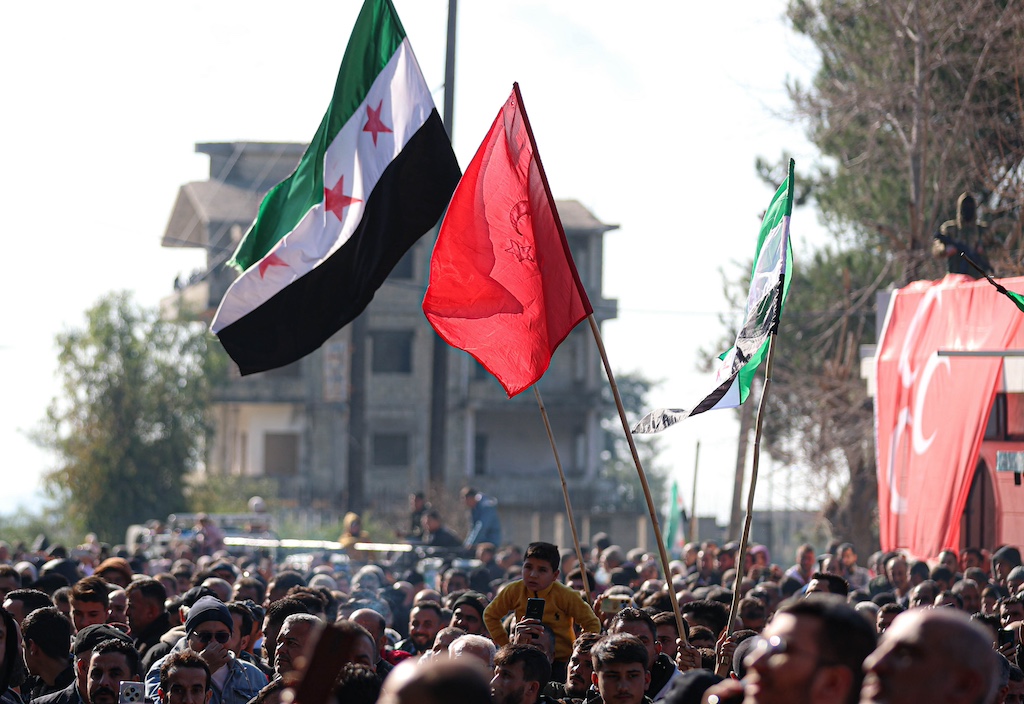
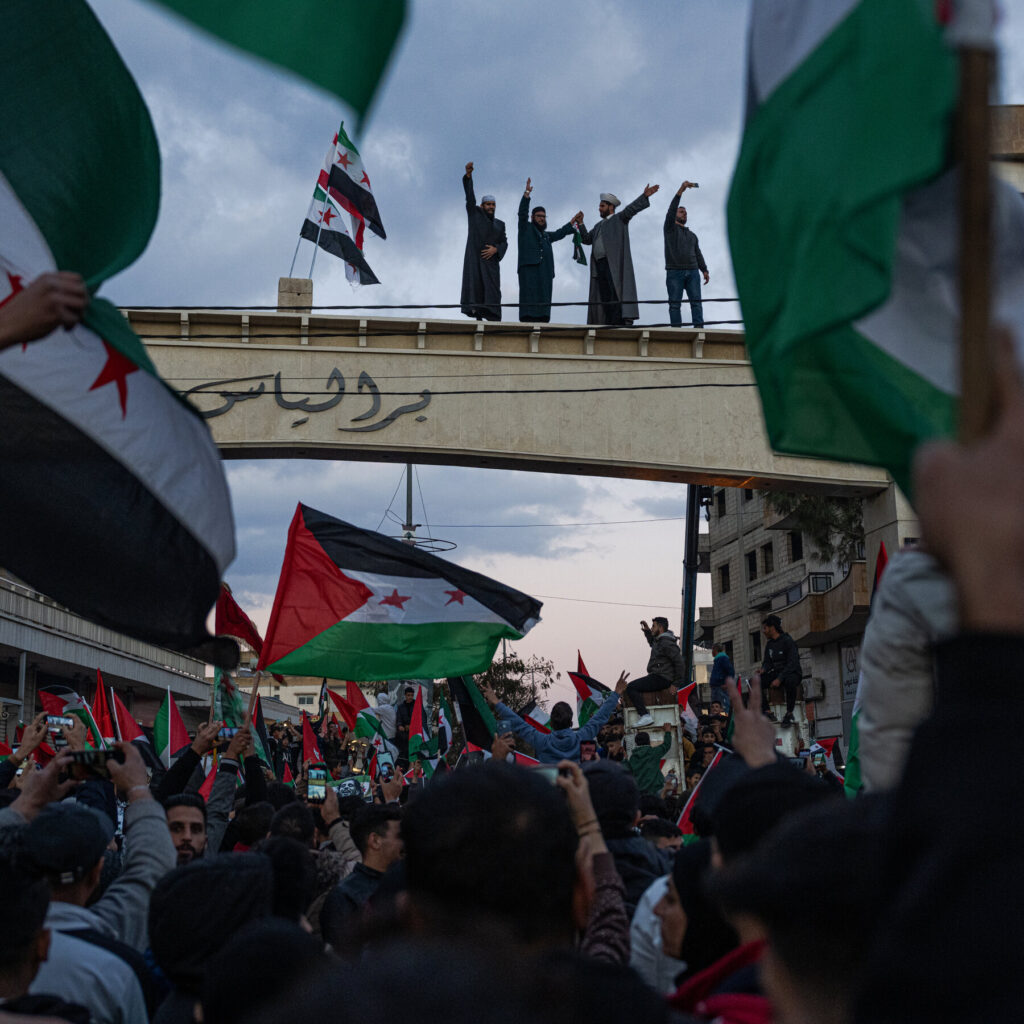
By Cihan Tuğal DAMASCUS: As the smoke settles on the fall of Bashar al-Assad’s regime in Syria and its replacement by Islamist leadership under Hayat Tahrir al-Sham (HTS), it is clear that Turkey’s far-right governing bloc has emerged from the tumult strong and emboldened. What is less clear is whether this will mean that Recep […]
By M. A. Hossain & Vishakhajha For decades, U.S. alliances have been the backbone of global stability, fostering economic cooperation and collective security. NATO, economic partnerships with European and Asian allies, and engagement in international organizations have cemented America’s leadership in world affairs. However, under Trump’s second term Presidency, these traditional alliances came under significant […]

Telecommunications provider du has become the first operator in the United Arab Emirates to commercially launch 5G Voice over New Radio services. This development signifies a significant advancement in the nation’s telecommunications infrastructure, enhancing voice call quality and network performance for users.

The introduction of 5G VoNR allows for voice calls to be transmitted entirely over the 5G network, eliminating the need to revert to 4G during calls. This results in faster call setup times, high-definition voice quality, and improved battery efficiency for compatible devices. du’s extensive 5G Standalone Access network underpins this service, offering widespread coverage across the UAE.

In addition to launching VoNR, du has received full certification from leading handset manufacturers, ensuring compatibility of their devices with du’s 5G SA network. This certification guarantees that users with certified devices can seamlessly access the enhanced voice services without additional configurations.

Saleem AlBlooshi, Chief Technology Officer at du, emphasized the company’s dedication to advancing its network capabilities: “Our commitment to evolving and elevating our network to superior standards has resulted in the 5G SA network certification, guaranteeing that du customers experience ultra-modern connectivity and unparalleled digital experiences.” He highlighted that the VoNR service is set to reshape voice communications by providing seamless 5G connectivity during calls, faster call setups, high-definition voice quality, and enhanced battery life.

The deployment of 5G SA technology is a strategic move to meet the growing demand for high-speed, reliable connectivity among consumers and businesses. This infrastructure supports advanced applications such as augmented reality, immersive communications, and other data-intensive services that require low latency and high bandwidth.

Karim Benkirane, Chief Commercial Officer at du, stated: “The introduction of the 5G SA network and the enablement of VoNR over 5G network represent a giant leap forward in our mission to deliver exceptional service and innovative solutions to our customers.” He noted that this technology not only enhances user experience with superior speeds and call quality but also opens new possibilities for businesses and public services, propelling the UAE closer to its smart city goals.

The 5G SA network’s capabilities extend beyond consumer applications. Enterprises can leverage network slicing, a feature that allows the creation of virtual networks tailored to specific requirements. This enables businesses to deploy customized solutions with dedicated resources, ensuring optimal performance for critical applications.

In the broader context, du’s collaboration with technology partners has been instrumental in this rollout. In October 2024, du entered into an agreement with Ericsson to expand its 5G network, aiming to enhance capacity and deliver next-generation services. This partnership focuses on utilizing Ericsson’s Radio Access Network portfolio to bolster du’s infrastructure.

In December 2024, du and Nokia announced the deployment of the first commercial 5G Cloud Radio Access Network solution in the Middle East and Africa. This initiative underscores du’s hybrid RAN strategy, which combines purpose-built and cloud-native infrastructures to offer greater flexibility and scalability in network management.

The commercial launch of 5G VoNR and the expansion of the 5G SA network align with the UAE’s vision to be at the forefront of technological innovation. These advancements are poised to support various sectors, including healthcare, education, and entertainment, by providing the necessary infrastructure for digital transformation.

As the first operator in the UAE to achieve these milestones, du sets a precedent in the region’s telecommunications landscape. The company’s proactive approach in adopting and deploying cutting-edge technologies reflects its commitment to meeting the evolving needs of its customers and contributing to the nation’s digital economy.

Matein Khalid V.S. Naipaul once said that ancestral memories are like “trap doors to a bottomless past”. This was my first thought when I heard about the death of HH Prince Karim Aga Khan, the 49th Imam Zaman of Islam’s Ismaili sect and unquestionably the world leader who has inspired me most in my lifetime. I am not an Ismaili. In fact, my direct ancestor, the Mukhi […]

If you thought currency markets were unpredictable before, welcome to the Trump era—a world where tariffs, policy tweets, and America First economics make for a wild ride. Forget the usual playbook. Trading currencies in this environment requires sharp instincts, a stomach for volatility, and a ruthless ability to read between the lines of Trump’s economic agenda through seeking financial advice. Tariffs are back in a big way, […]

Matein Khalid t is significant that President Trump, despite his bluff and brinkmanship with 25 percent tariff threats against Mexico and Canada, chose only to impose a 10 percent tariff on China. China is Washington’s only real peer competitor in great power realpolitik and its preeminent rival in Cold War 2.0. A 10 percent tariff is not a threat to global economic stability as would have been the 60 percent […]

Gold prices have reached unprecedented levels, with spot gold climbing to $2,858.12 per ounce. This surge is attributed to escalating trade tensions between the United States and China, following Beijing’s imposition of tariffs on U.S. imports in retaliation to new U.S. duties on Chinese goods. The heightened trade conflict has led investors to seek refuge in safe-haven assets like gold. Ilya Spivak, head of global macro at […]

Israeli Prime Minister Benjamin Netanyahu met with U.S. President Donald Trump in Washington on Tuesday to discuss the fragile ceasefire between Israel and Hamas in the Gaza Strip. The leaders aimed to strategize on extending the truce and addressing broader Middle East concerns, including Iran’s regional influence and nuclear ambitions.

The ceasefire, brokered with U.S. involvement, has led to the release of several hostages and prisoners. However, President Trump cautioned that there are no guarantees the truce will hold, emphasizing the unpredictable nature of the situation. He also proposed the controversial idea of relocating Palestinians from Gaza to neighboring countries, a suggestion that has faced widespread rejection from Arab leaders.

Prime Minister Netanyahu faces internal political pressure, with right-wing coalition members urging a return to military action against Hamas unless all Israeli hostages are released. This internal divide complicates Israel’s position in the negotiations. Netanyahu announced plans to convene his security cabinet upon returning to Israel to deliberate on the next steps regarding the ceasefire.

In parallel, discussions have commenced on the second phase of the ceasefire agreement. A delegation from Israel is scheduled to travel to Doha to negotiate the release of additional hostages and address technical details of the truce. Hamas has indicated its willingness to engage in these talks, signaling a potential path forward.

Despite these diplomatic efforts, tensions remain high. Israeli military operations in the West Bank city of Jenin have resulted in significant casualties and displacement of residents, actions that have drawn international concern. The United Nations has expressed alarm over the escalating humanitarian crisis in the area.

Donald Trump has urged Saudi Arabia to make a $1 trillion investment in the United States and to help lower oil prices. Speaking at a rally in Michigan, the former U.S. president emphasized the economic benefits of such a partnership for both countries, asserting that it would create millions of jobs and foster mutual prosperity. The call comes at a time when energy prices and geopolitical concerns […]

Hedge funds are recalibrating their positions in the oil market as geopolitical tensions in the Middle East introduce new uncertainties. The recent escalation of conflicts, particularly involving Israel and Iran, has prompted a reassessment of oil price trajectories among major financial players.

In October 2024, oil futures and options trading reached unprecedented levels. The Intercontinental Exchange (ICE) reported a total of 68.44 million barrels traded, surpassing the previous record set in March 2020. Similarly, the CME Group noted a single-day volume record for weekly crude oil options on October 18, with 58,132 contracts exchanged. This surge in trading activity reflects heightened concerns over potential disruptions to oil infrastructure and anticipated price volatility due to the ongoing Middle East conflicts.

Despite the geopolitical turmoil, oil prices have exhibited volatility. Following initial spikes due to fears of supply disruptions, Brent crude futures experienced a decline of approximately $4 per barrel, fluctuating between $70 and $81 throughout October. This price movement underscores the market’s complex response to geopolitical events and underlying supply-demand dynamics.

Market analysts have observed that while geopolitical conflicts pose upward risks to oil prices, traders are also contending with weak fundamentals projected for 2025. Factors such as potential oversupply, especially if OPEC+ decides to increase production, contribute to a bearish outlook. In response, the market has seen a notable 38% year-on-year increase in West Texas Intermediate (WTI) crude oil monthly options traded on the CME, indicating a strategic shift towards options for risk management.

The Organization of the Petroleum Exporting Countries and its allies (OPEC+) have played a pivotal role in influencing market sentiment. In October, OPEC+ decided to delay its planned December output increase by one month to counteract weak demand and rising supply pressures. This decision reflects the group’s cautious approach in navigating the delicate balance between supporting prices and maintaining market share.

Hedge funds’ strategies have evolved in tandem with these developments. In September 2024, money managers reduced their combined net-long positions on Brent and WTI by 99,889 lots, bringing the total to 139,242 lots—the lowest level recorded since March 2011. This significant reduction in bullish bets indicates a cautious stance amid concerns of growing supply and weakening demand.

However, the landscape shifted in October as geopolitical tensions escalated. The increased risk of a region-wide Middle East war led to a 3% rise in oil prices, with Brent surpassing $80 per barrel for the first time since August. This price movement was likely driven by money managers closing bearish bets due to the heightened risk of disruptions to Middle Eastern oil supplies.

By Manish Rai Since Assad’s regime fell in early December, clashes have intensified in northern Syria between the US-backed Kurdish fighters and the Turkish proxy force Syrian National Army (SNA). Following the regime change in Syria, Turkey has become the most important regional actor in the country. By providing support for Hayat Tahrir al-Sham (HTS) and the Syrian National Army Ankara has been consolidating its power over […]

Matein Khalid There is no geopolitical risk premium in Brent crude even though history just went fast forward and literally ballistic in the Middle East as the IDF bombed Hamas into the Stone Age, decapitated Hezbollah’s command/communications networks, killed Nasrallah, forced Iran’s most valuable proxy militia to sue for a ceasefire in Lebanon, destroyed Iran’s Russian S300 anti-missile defense systems and escalated its air assault on the […]

By Manish Rai While on my recent visit to Iraqi Kurdistan, I visited several frontline positions of the Peshmerga forces, where they are facing the Iraqi Army and active ISIS cells. Firstly, I visited Brigade 14 headquarters near Dibak, approximately 60 km from the Kurdistan capital, Erbil. There, I met with Brigadier General Almi Mzuri; he is a seasoned soldier who worked in the Iraqi Army for […]

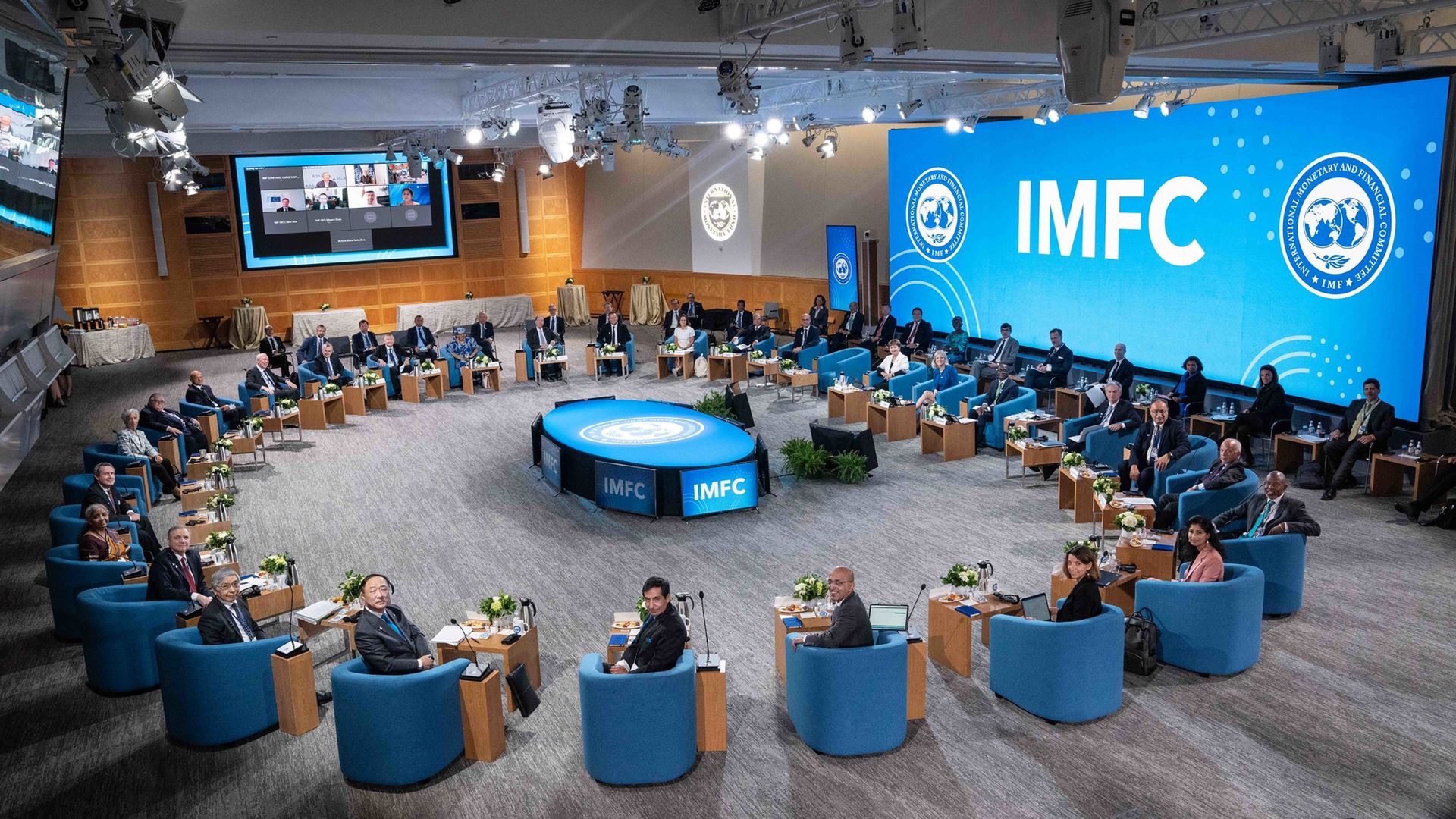
The Gulf economies are expected to continue their upward trajectory despite ongoing geopolitical tensions across the Middle East, according to the latest report from the International Monetary Fund (IMF). The region’s resilience, the IMF suggests, is driven by its diversified economic base, robust fiscal policies, and higher oil prices, which have counterbalanced the adverse effects of regional instability.

While the Middle East remains a hotspot for geopolitical risks, including tensions in Yemen, Syria, and Iran, the Gulf Cooperation Council (GCC) states—namely Saudi Arabia, the UAE, Qatar, Kuwait, Bahrain, and Oman—are poised for solid growth. The IMF’s economic outlook for the Gulf for the upcoming year signals a stable trajectory, with growth projections ranging from 3.2% to 3.5% for most of the member states. This comes on the back of strong economic fundamentals and the region’s strategic efforts to diversify away from oil dependency.

According to the IMF, the GCC’s fiscal prudence and economic diversification initiatives are vital drivers of the positive outlook. Non-oil sectors such as finance, real estate, tourism, and technology have become key contributors to economic growth. Saudi Arabia, for instance, has ramped up its Vision 2030 reform plan, focusing on broadening its economic base and reducing the country’s dependency on hydrocarbons. These efforts have led to an uptick in foreign direct investment and economic activity outside of oil.

The region’s handling of fiscal policies has played a crucial role in shielding it from the negative impacts of external shocks. Governments in the Gulf have generally maintained sound fiscal policies, with substantial fiscal surpluses bolstering state coffers, even as global oil prices fluctuate. For instance, Saudi Arabia and the UAE have used their oil revenues to fund ambitious infrastructure and diversification projects that promote long-term stability.

Saudi Arabia’s economic transformation efforts, notably under the leadership of Crown Prince Mohammed bin Salman, are already yielding results. The kingdom’s GDP has experienced robust growth, especially in non-oil sectors such as entertainment, sports, and tourism. Major projects like Neom, the futuristic city being developed in the northwest, and the Red Sea Project are expected to generate significant economic activity in the coming years. These initiatives reflect a long-term vision to create new economic hubs and reduce reliance on oil.

The UAE, another key player in the Gulf, has also shown a remarkable shift towards diversifying its economy. Dubai’s push to become a global center for technology and finance is starting to pay off, with the city positioning itself as a regional leader in both fintech and blockchain. Abu Dhabi’s focus on renewable energy and clean technologies is further strengthening the UAE’s long-term economic resilience. With such initiatives, the UAE is set to continue its strong performance, with growth forecasts suggesting the economy will expand by 4% over the next year.

Qatar has similarly proven its economic resilience. The country’s investment in liquefied natural gas (LNG) projects has enhanced its export capabilities, enabling it to weather external market fluctuations. Qatar has also shifted its focus to developing a more diverse economy, emphasizing finance, sports, and education, particularly through initiatives like the Qatar National Vision 2030.

The IMF also highlighted that Kuwait and Oman are expected to experience moderate growth, driven by their diversified economies and investments in non-oil sectors, including infrastructure and services. Although Oman has faced fiscal challenges in the past, its recent economic reforms and strategic investments are expected to yield positive results in the coming years. Similarly, Kuwait’s substantial sovereign wealth fund continues to provide a financial cushion, enabling the country to continue its development plans despite challenges.

Despite the ongoing tensions in neighboring countries, the Gulf states have managed to maintain political stability, a crucial element in sustaining investor confidence. The UAE’s role as a neutral hub for international trade, coupled with Qatar’s robust diplomatic efforts, has further insulated the region from potential instability. While conflicts in Yemen, Syria, and Iraq present challenges, the Gulf countries have largely shielded their economies from these disturbances through strong governance and military spending.

The Gulf’s active participation in global energy markets continues to provide it with a cushion against external shocks. Oil remains a crucial driver of revenue, but the higher global oil prices in the past year have supported economic resilience. Saudi Arabia and the UAE have also taken steps to ensure that their energy resources are used sustainably, with the UAE focusing on clean energy initiatives and Saudi Arabia looking to become a leader in green hydrogen production.

The region’s financial markets have also performed admirably in the face of geopolitical risk. Stock exchanges across the Gulf have been showing positive growth, with investors confident in the long-term prospects of the region. The UAE, in particular, has seen a surge in its financial markets, fueled by investor confidence in its economic diversification plans. Furthermore, the region’s strong banking sectors and their adaptation to digital banking and fintech have made them more attractive to foreign investors.

On the global stage, the Gulf has increasingly become a key partner in trade and investment. Its strategic location, at the crossroads of Europe, Asia, and Africa, continues to make it a central hub for international trade. In addition, initiatives such as the GCC’s Free Trade Agreement and the bloc’s involvement in the World Trade Organization (WTO) strengthen its position as a trade powerhouse.


Crude oil markets across the Middle East have become increasingly constrained as the United Arab Emirates (UAE) takes steps to limit its oil exports, while international sanctions continue to affect flows from Iran. These combined actions have contributed to a tightening of global oil supplies, pushing prices higher for key Middle Eastern grades.

The UAE, one of the world’s top oil producers, has recently implemented measures to limit its output, joining other OPEC+ members in their efforts to stabilize oil markets amid fluctuating demand and economic uncertainty. This move is part of a broader strategy by the UAE to control production levels more closely, ensuring that the global supply remains in balance with the demand.

Meanwhile, the ongoing sanctions on Iran have added another layer of complexity to the Middle Eastern oil landscape. Despite some efforts to revive the nuclear deal, Tehran continues to face restrictions that prevent it from fully participating in the global oil trade. As a result, Iran’s oil exports have been significantly curtailed, with the country struggling to bypass restrictions designed to limit its oil revenues. This has further squeezed the market and contributed to higher prices for several crude grades.

The tightening of the market has had a noticeable impact on prices. For example, the price of Dubai crude, a key benchmark for Middle Eastern oil, has seen a substantial increase, reflecting the reduced availability of supply. The price uptick is particularly significant for countries in Asia, where Middle Eastern crude is a primary source of oil. The sharp rise in prices has prompted concerns among buyers about the sustainability of the situation, especially as global energy demand continues to grow.

Oil prices in the Middle East have also been influenced by broader geopolitical and economic trends. As countries like China and India recover from the pandemic and resume higher levels of industrial activity, their demand for crude oil has surged. This demand has been further amplified by supply restrictions in other regions, notably from Russia and Venezuela, where political and economic challenges have hampered production. These dynamics have intensified the pressure on Middle Eastern producers to ensure they can meet the global demand while managing the ongoing challenges posed by sanctions and production cuts.

The UAE’s decision to limit its oil exports aligns with broader efforts within the Organization of the Petroleum Exporting Countries (OPEC+) to curb production in response to shifting market conditions. OPEC+ has long been at the forefront of managing global oil output to prevent significant price fluctuations that could destabilize the market. However, the ongoing cuts, which have been in place for much of 2024, are a delicate balancing act. If production levels are reduced too much, they risk pushing prices too high, which could spark inflationary pressures around the world.

This delicate balance is evident in the price movements of several key crude grades. Brent crude, the global benchmark, has risen steadily, driven by supply concerns from key oil-producing regions, including the Middle East. Similarly, West Texas Intermediate (WTI) has seen price increases, partly due to concerns about the tight supply from OPEC+ nations.

Sanctions on Iran continue to play a significant role in these price shifts. Despite some efforts by Tehran to circumvent sanctions by selling oil on the black market, international restrictions remain in place, making it difficult for the country to regain its former market share. Iran’s oil exports, which once accounted for a substantial portion of global supply, have dropped significantly since the US re-imposed sanctions after exiting the nuclear deal. While there have been sporadic efforts to negotiate a return to the deal, these have so far yielded little in terms of significant policy changes or sanctions relief.

For the oil markets, these combined challenges—UAE production cuts and Iranian sanctions—represent a dual pressure point that is expected to persist throughout 2024. Experts warn that the global oil market will continue to face volatility as geopolitical uncertainties, economic growth trajectories, and supply disruptions intertwine.

While the UAE’s actions are likely to continue to drive the market dynamics in the short term, the long-term outlook for the region’s oil supply remains uncertain. The UAE, along with other key players like Saudi Arabia, will need to carefully navigate the challenges of balancing global demand with domestic energy strategies. In particular, the UAE’s push to manage its oil output more closely may have significant implications for global oil prices, especially if other members of OPEC+ follow suit.

By P. Sudhir The rapid advance of Hayat Tahrir al-Sham and other armed factions led to the fall of Bashar al- Assad’s government in Syria. With this, the US has succeeded in toppling the last of the secular regimes in West Asia. US military interventions resulted not only in the fall of secular regimes in […]

VISHNU RAJA
RYO YAMADA
HITORI GOTOH
IKUYO KITA