News related to
Iran war

Gulf Cooperation Council (GCC) stock markets experienced limited gains amid a significant decline in oil prices and heightened geopolitical risks. The region’s financial markets, which have historically been sensitive to fluctuations in crude oil prices due to their oil-dependent economies, are grappling with the dual impact of falling oil values and regional instability. Oil prices have seen a notable drop, with Brent crude trading below $85 per […]

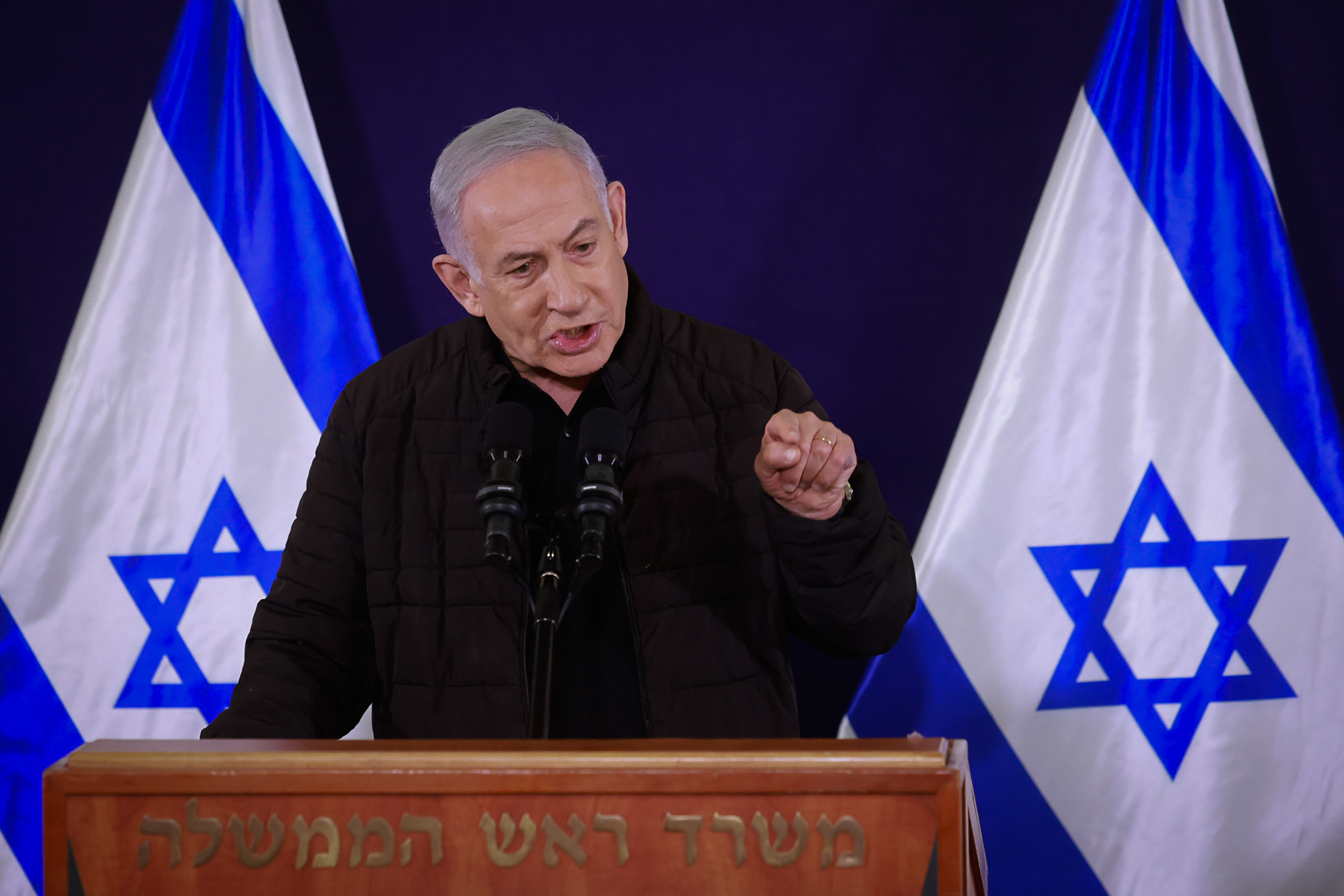
Amid a backdrop of rising tensions and shifting political landscapes, Israel faces a critical juncture in its ongoing struggle with Iran. As support for Prime Minister Benjamin Netanyahu continues to grow, the question of whether Israel should intensify its confrontation with Iran is gaining prominence. While the prospect of such a move may appeal to some as a demonstration of strength and resolve, the unpredictable nature of warfare poses significant risks that must be carefully considered.

Netanyahu has long positioned himself as a staunch defender of Israel’s security, particularly in relation to the perceived threat from Iran. His rhetoric and actions have consistently underscored the view that Iran’s nuclear ambitions and regional influence constitute an existential danger to Israel. Over the years, Netanyahu has been vocal about the need to curb Iran’s power, and his administration has supported a range of strategies, including military strikes, covert operations, and diplomatic pressure, to achieve this goal.

Recent developments have only heightened the stakes. Iran’s nuclear program appears to be advancing at a rapid pace, with reports suggesting that it may soon reach a critical threshold. Additionally, Iran’s influence in the region, through its support for proxy groups such as Hezbollah and its involvement in conflicts in Syria and Yemen, remains a significant concern for Israel. The strategic calculus for Israel is therefore becoming increasingly complex, as it weighs the potential benefits and costs of escalating the conflict with Iran.

Support for Netanyahu’s hardline approach has been bolstered by several factors. Domestically, his political standing has improved, partly due to his handling of security issues and his ability to present himself as a strong leader in times of crisis. The recent normalization agreements between Israel and several Arab states have also enhanced his reputation, suggesting that Israel’s regional position is stronger than ever. These developments may lead some to believe that now is the opportune moment to confront Iran more directly, capitalizing on Netanyahu’s political momentum and the perceived alignment of regional interests.

However, the decision to escalate the conflict with Iran is fraught with peril. Wars, by their very nature, are unpredictable and can spiral out of control in ways that are difficult to foresee. Even with superior military capabilities, Israel cannot guarantee a quick and decisive victory. Iran is a formidable adversary with a well-established military and a network of regional allies that could respond to Israeli aggression in ways that might destabilize the entire Middle East.

One of the key risks associated with a larger war is the potential for it to draw in other regional and global powers. The Middle East is a complex web of alliances and enmities, and any significant escalation by Israel could provoke responses from other countries, including Russia, Turkey, and the United States. Each of these actors has its own interests and objectives in the region, and their involvement could complicate Israel’s strategic objectives, leading to a protracted and costly conflict.

Moreover, there is the question of public opinion, both domestically and internationally. While Netanyahu may enjoy growing support within Israel, particularly among those who prioritize security concerns, there is also a segment of the population that is wary of the consequences of another major war. The memory of past conflicts, such as the 2006 Lebanon War and the ongoing tensions in Gaza, serves as a reminder of the human and economic toll that war can exact. Internationally, Israel could face increased scrutiny and criticism, particularly if civilian casualties were to mount, which could undermine its diplomatic standing and erode the support it currently enjoys from key allies.

The economic implications of a larger conflict should not be overlooked either. Israel’s economy, while robust, is not immune to the shocks that accompany military conflicts. Prolonged warfare could disrupt trade, deter investment, and strain public finances, leading to long-term economic challenges. The costs of rebuilding and addressing the humanitarian fallout of war could be substantial, diverting resources away from other critical areas such as education, healthcare, and infrastructure.

Given these considerations, the argument against escalating the conflict with Iran gains considerable weight. While the desire to neutralize a perceived threat is understandable, the risks associated with a larger war are significant. Netanyahu’s leadership has been characterized by a willingness to take bold actions, but in this case, caution may be the more prudent course.

Israel’s security concerns are legitimate, and the threat posed by Iran is real. However, history has shown that wars often produce unintended consequences. The 2003 invasion of Iraq by the United States serves as a cautionary tale of how even well-intentioned military interventions can lead to long-term instability and suffering. Israel must weigh the potential short-term gains of weakening Iran against the long-term risks of igniting a broader regional conflict.

Diplomatic efforts, while challenging, offer an alternative path. The international community, including Israel’s allies, has a vested interest in preventing a larger war in the Middle East. Diplomatic channels, including negotiations and multilateral efforts to curb Iran’s nuclear ambitions, should be pursued with renewed vigor. While diplomacy may not provide immediate results, it offers the possibility of a more sustainable and less costly resolution to the ongoing tensions.

The decision to escalate or avoid a larger conflict with Iran is one that will define Netanyahu’s legacy and Israel’s future. It is a decision that requires careful consideration of the potential consequences, both known and unknown. The support for Netanyahu’s approach is undeniable, but the wisdom of pursuing a path of greater confrontation remains questionable. Wars are rarely as simple as they appear at the outset, and the costs of miscalculation can be immense.

As Israel navigates this complex and dangerous terrain, the choice it makes will have profound implications for its security, its economy, and its standing in the world. The allure of a decisive victory over a formidable adversary is strong, but the risks of a broader conflict may ultimately outweigh the potential rewards. Israel must tread carefully, recognizing that while strength is essential, so too is the wisdom to avoid unnecessary and potentially catastrophic conflict.


By Manish Rai After lengthy negotiations in Doha, Hamas has named Yahya Sinwar as its new Political chief, replacing Ismail Haniyeh who was assassinated in Teheran. Since 2017, Sinwar has served as the group’s leader inside the Gaza strip. He now becomes overall leader of its political wing. Sinwar’s promotions undermines more pragmatic and senior figures in Hamas with wider exposure to the international political arena and […]

U.S. intelligence agencies have officially attributed a recent series of cyberattacks targeting the 2024 presidential campaigns of Donald Trump and Kamala Harris to Iranian hackers. This confirmation, which marks a significant development in ongoing cybersecurity concerns, highlights Tehran’s broader strategy to interfere in U.S. politics and undermine trust in democratic institutions.

The cyber intrusion, which initially came to light through investigations by private cybersecurity firms, has now been explicitly linked to Iran by a joint statement from the FBI, the Office of the Director of National Intelligence, and the Cybersecurity and Infrastructure Security Agency. The statement underscores the escalating nature of Iran’s cyber operations, particularly as they relate to critical political events in the United States.

According to the U.S. government, these hacking efforts were part of a larger campaign by Iran aimed at influencing the outcome of the U.S. elections. The intrusions were not limited to Trump’s campaign; Harris’ campaign team was also targeted. Hackers reportedly sought to gain access to individuals closely associated with both campaigns, reflecting a concerted effort to gather intelligence and potentially manipulate electoral outcomes.

Private sector entities such as Microsoft and Google had previously issued warnings about similar activities, noting that Iranian groups linked to the Revolutionary Guard had attempted to infiltrate the personal email accounts of individuals connected to both Trump and Harris. These activities were seen as part of a broader pattern of foreign interference that has increasingly characterized U.S. electoral cycles.

Federal officials have emphasized the seriousness of these attacks, noting that they represent not just isolated incidents but a calculated strategy by Iran to exert influence over key aspects of American governance. This strategy, they argue, is particularly concerning given the potential implications for national security and the integrity of the democratic process.

The timing of these revelations, coming as the 2024 presidential race intensifies, adds another layer of complexity to an already fraught political landscape. As U.S. officials continue to investigate the full extent of Iran’s activities, there are growing calls for stronger cybersecurity measures to protect against foreign interference in American elections.

M A Hossain Recent peace talks in Doha, Qatar, in the ongoing tensions in the Middle East have reignited a glimmer of hope of a temporary respite. Led by mediators from the United States, Qatar, and Egypt, these negotiations aim to broker a long-awaited ceasefire in the Gaza Strip. However, scepticism surrounds the talks, particularly because Hamas, the organization governing Gaza, is notably absent from the table. […]

The Gulf states have long been perceived as part of a volatile region often characterized by conflict and instability. However, a closer look reveals a much different narrative, one where economic growth and strategic diplomacy have enabled these nations to thrive, even as their neighbors grapple with turmoil. The stereotype of the Middle East as a monolithic “conflict zone” overlooks the significant strides made by the Gulf […]

Techcombank is organizing the 2nd Overseas Talent Roadshow in Singapore and the United Kingdom in August and September, aiming to attract overseas Vietnamese to return to their homeland. HO CHI MINH CITY, VIETNAM – Media OutReach Newswire – 16 August 2024 – Techcombank successfully returned to Singapore and held the Overseas Talent Roadshow in early August, with another roadshow scheduled in the United Kingdom on September 6-7. […]

Advertisements

Gaza ceasefire negotiations resumed in Doha, with key stakeholders converging to discuss a truce between Israel and Hamas. These talks come at a time of heightened tensions, particularly as Iran closely monitors the developments, with potential implications for the broader region. The discussions in Doha are seen as pivotal in potentially preventing further escalation in the ongoing conflict. The meeting includes representatives from Israel, Hamas, and several […]

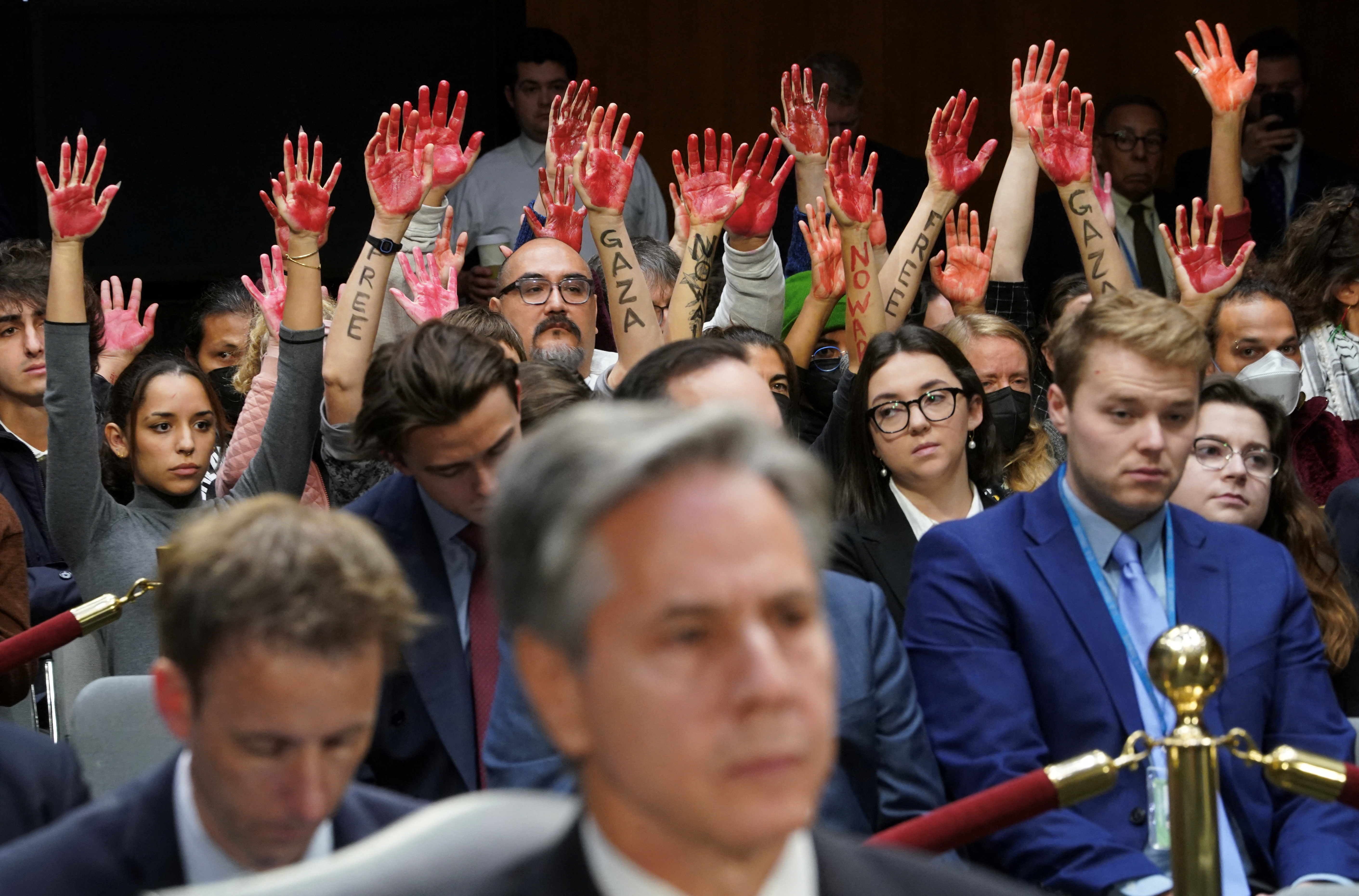
A significant $20 billion arms deal between the United States and Israel has been approved by the US government, marking a pivotal moment in the ongoing military alliance between the two nations. The approval, confirmed by US Secretary of State Antony Blinken, includes advanced fighter jets, missile defense systems, and various military equipment, underscoring the deepening security cooperation amid heightened regional tensions.

The arms package is one of the largest in history, signaling the US’s commitment to bolstering Israel’s military capabilities. This deal is seen as crucial for maintaining Israel’s qualitative military edge in the Middle East, particularly in light of evolving threats from neighboring countries and non-state actors.

According to the US Department of Defense, the arms deal encompasses a wide range of military hardware, including the state-of-the-art F-35 fighter jets, precision-guided munitions, and advanced missile defense systems such as the Iron Dome, David’s Sling, and Arrow systems. The inclusion of these technologies is expected to significantly enhance Israel’s air defense and offensive capabilities, allowing it to respond more effectively to threats in a volatile region.

The timing of this deal is particularly noteworthy as it comes amid growing concerns over Iran’s military activities in the region. US officials have indicated that the arms package is intended not only to strengthen Israel’s defense capabilities but also to deter potential aggressors. The sale has been described as part of a broader strategy to ensure stability in the Middle East by supporting allies that share common security interests with the United States.

Israel has long been a key partner of the US in the Middle East, with both nations sharing intelligence and conducting joint military exercises. The approval of this arms deal reaffirms the US’s unwavering support for Israel’s security needs. In a statement, Blinken emphasized that the sale aligns with US foreign policy objectives and will contribute to Israel’s ability to defend itself against various threats.

The arms deal has drawn attention from various quarters, with some expressing concern over its potential impact on the region’s already fragile security situation. Critics argue that such a massive influx of weapons could exacerbate tensions, particularly with Iran, which views US military support for Israel as a direct threat to its own security. However, supporters of the deal maintain that a stronger Israel serves as a stabilizing force in the Middle East, deterring aggression and ensuring that US interests in the region are protected.

The approval process for the arms deal involved extensive consultations with Congress, where bipartisan support for Israel’s security is strong. While there were some concerns raised about the potential for increased regional instability, the overall consensus was that the benefits of strengthening Israel’s defense outweighed the risks. The deal is also seen as a continuation of the Abraham Accords, which have led to the normalization of relations between Israel and several Arab nations, further integrating Israel into the region’s security architecture.

The arms package is expected to be delivered over several years, with the first shipments slated to arrive in Israel within the next few months. Israeli defense officials have welcomed the approval, noting that the new equipment will enhance the country’s deterrence capabilities and provide a critical edge in addressing both current and future security challenges.

As the deal moves forward, there will likely be continued debate over its implications for the region. However, the US government’s decision to approve such a substantial military sale underscores its ongoing commitment to Israel’s security, reflecting a long-standing strategic partnership that remains a cornerstone of US foreign policy in the Middle East.

The $20 billion arms package marks a significant development in the US-Israel relationship, reinforcing the military bond between the two nations while also raising important questions about the future of security and stability in the Middle East.

Israeli Prime Minister Benjamin Netanyahu has sharply criticized Defense Minister Yoav Gallant, accusing him of undermining negotiations related to the hostage crisis in Gaza. This development has heightened tensions within Israel’s political and military circles as the country grapples with ongoing conflict and diplomatic pressures.

The friction between Netanyahu and Gallant emerged after a series of public statements and internal disagreements regarding the handling of hostages held by Hamas. Netanyahu’s office has expressed strong dissatisfaction with Gallant’s approach, alleging that the defense minister’s actions jeopardized sensitive negotiations aimed at securing the release of hostages.

The criticism comes at a time when Israel is facing intense international scrutiny and pressure to resolve the crisis. With the situation in Gaza remaining volatile, Israel’s leadership is under increased pressure to manage both domestic and international concerns effectively. The Netanyahu-Gallant dispute highlights the challenges faced by the Israeli government in maintaining a unified front while navigating complex diplomatic and security issues.

In recent days, leaders from France, Germany, and Britain have voiced strong warnings to Iran against taking any retaliatory action against Israel. This international stance underscores the global concern over the escalation of conflict in the region and the potential for broader implications if tensions continue to rise.

The conflict has prompted widespread calls for restraint and diplomatic resolution from the international community, emphasizing the need for careful management of the situation to prevent further escalation. As Israel continues to address the multifaceted challenges posed by the ongoing conflict and internal disagreements, the outcome of this political rift could have significant implications for both domestic policy and international relations.

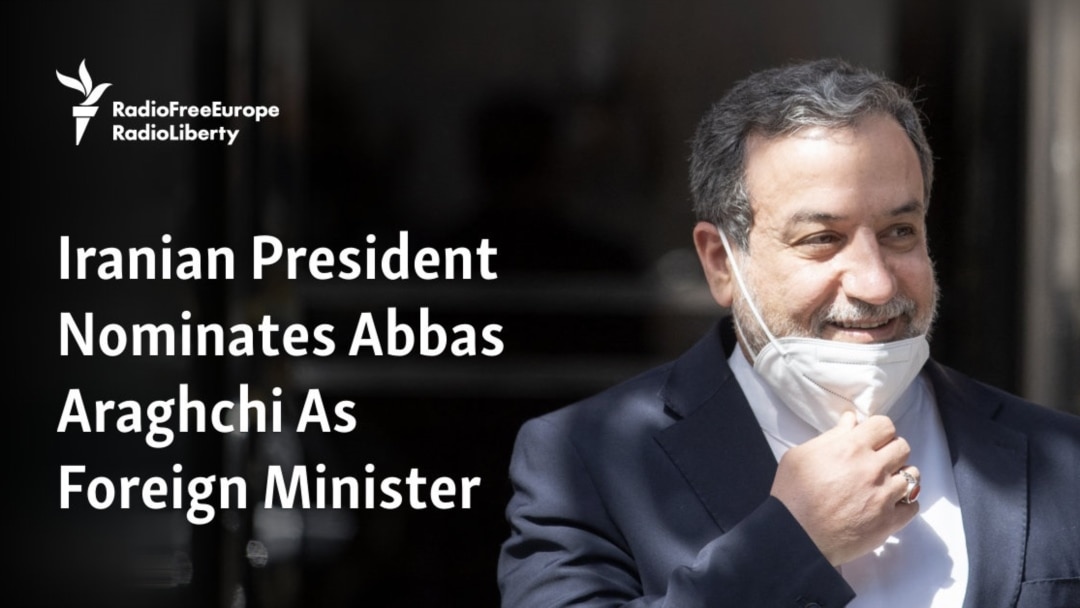
Iran’s President Masoud Pezeshkian has nominated Abbas Araghchi, a seasoned diplomat and former nuclear negotiator, as the country’s new foreign minister. This decision marks a significant step in shaping the country’s foreign policy under Pezeshkian, who took office following the death of his hardline predecessor, Ebrahim Raisi.

Araghchi, known for his pivotal role in the negotiations leading to the 2015 nuclear deal, is widely regarded as a pragmatic figure within the Iranian political landscape. His nomination suggests a possible recalibration of Iran’s diplomatic strategy, focusing on re-engagement with global powers and regional stability, amidst a tense international environment.

This nomination comes at a critical juncture for Iran, as Pezeshkian’s administration seeks to navigate the complex interplay between reformist aspirations and the conservative establishment’s expectations. Araghchi’s experience in diplomacy, particularly his familiarity with the nuances of nuclear negotiations, positions him as a key player in advancing Iran’s international agenda while balancing internal pressures.

The nomination of Araghchi has drawn varied reactions domestically and internationally. Reformist circles view this as a positive move towards moderation, while conservatives remain cautious, emphasizing the need to safeguard national interests. The international community, particularly signatories of the 2015 nuclear agreement, is closely watching this development, as it could signal Tehran’s approach to reviving talks and easing tensions in the region.

Pezeshkian’s administration, despite its reformist leanings, is expected to maintain continuity in several aspects of Iran’s foreign policy, particularly its stance on nuclear issues. However, with Araghchi at the helm of the Foreign Ministry, there may be a renewed focus on diplomacy as a means of addressing the country’s economic challenges and breaking the impasse in nuclear negotiations.

This move by Pezeshkian underscores his administration’s intent to steer the country towards a more balanced foreign policy, one that neither alienates the conservative base nor overlooks the demand for reforms among the populace. Araghchi’s potential confirmation by the Iranian parliament could set the stage for significant diplomatic activity, as Iran seeks to reassert its position on the global stage while managing the expectations of various internal factions.

The international community is expected to engage closely with Araghchi, given his extensive background in diplomacy and negotiations. His appointment could pave the way for a more constructive dialogue between Tehran and the West, especially concerning the future of the nuclear agreement and regional security issues.

As Iran continues to navigate its domestic and international challenges, the role of the Foreign Ministry under Araghchi will be crucial in shaping the country’s future, balancing between reformist ambitions and the conservative establishment’s expectations.

The appointment of Yahya Sinwar as the political head of Hamas marks a significant shift in the group’s internal dynamics, with profound implications for Gaza’s future. Sinwar, a longstanding and influential figure within Hamas, ascended to this pivotal role amidst growing tensions and ongoing conflicts. Sinwar’s leadership is seen as a consolidation of power within Gaza, reflecting the strategic importance of the region in Hamas’ broader agenda. […]

Tensions between Israel and Hezbollah have reached a critical point, significantly affecting daily life in Lebanon. Over the past few days, Israeli airstrikes targeted multiple Hezbollah positions in southern Lebanon, including the villages of Maifadoun and Khiam. These strikes have resulted in the deaths of several Hezbollah members and disrupted the lives of civilians living nearby.

On Tuesday, Israeli warplanes carried out strikes on Hezbollah military bases in Yaroun and Kfarkela, which the Israeli Defense Forces (IDF) stated were used for terrorist activities. This response came after Hezbollah launched a series of drone and rocket attacks into northern Israel, injuring 19 Israelis in the city of Nahariya and causing substantial property damage. The IDF intercepted several of these drones and rockets, but not all, leading to civilian casualties and heightened fear among residents.

The current wave of violence was triggered by the assassination of Ismail Haniyeh, a prominent Hamas leader, in Tehran. This event, coupled with the killing of Hezbollah’s military commander Fuad Shukr in Beirut, has escalated the conflict. Iran has vowed retaliation, increasing the regional stakes and bringing more uncertainty to Lebanon’s already fragile state.

Hezbollah has been conducting regular attacks on Israeli border communities and military posts, citing support for Gaza amid the ongoing conflict with Hamas. These skirmishes have resulted in significant casualties on both sides. The IDF has reported the deaths of 25 civilians and 18 soldiers, while Hezbollah has acknowledged the loss of 399 members, mostly in Lebanon. Additionally, numerous civilians and operatives from other militant groups have also been killed.

Lebanon’s infrastructure and economy, already struggling, are further strained by this ongoing conflict. The continuous airstrikes and retaliatory attacks have disrupted daily activities, causing fear and uncertainty among the Lebanese population. The border regions are particularly affected, with residents facing constant threats to their safety and livelihoods.

The international community has expressed concern over the escalating violence, urging both sides to seek diplomatic solutions. However, with the cycle of retaliation and defense firmly in place, achieving peace remains a challenging prospect. The potential for a broader regional conflict looms large, with implications that could extend far beyond the immediate area.

In light of these developments, Lebanon finds itself at a crossroads, grappling with the immediate consequences of the conflict while seeking a path towards stability. The resilience of its people and the effectiveness of international diplomatic efforts will be crucial in navigating this tumultuous period.

The situation remains fluid, with new developments occurring rapidly, and the region bracing for further escalations. The impact on Lebanon’s socio-economic fabric is profound, with the specter of war casting a long shadow over its future.

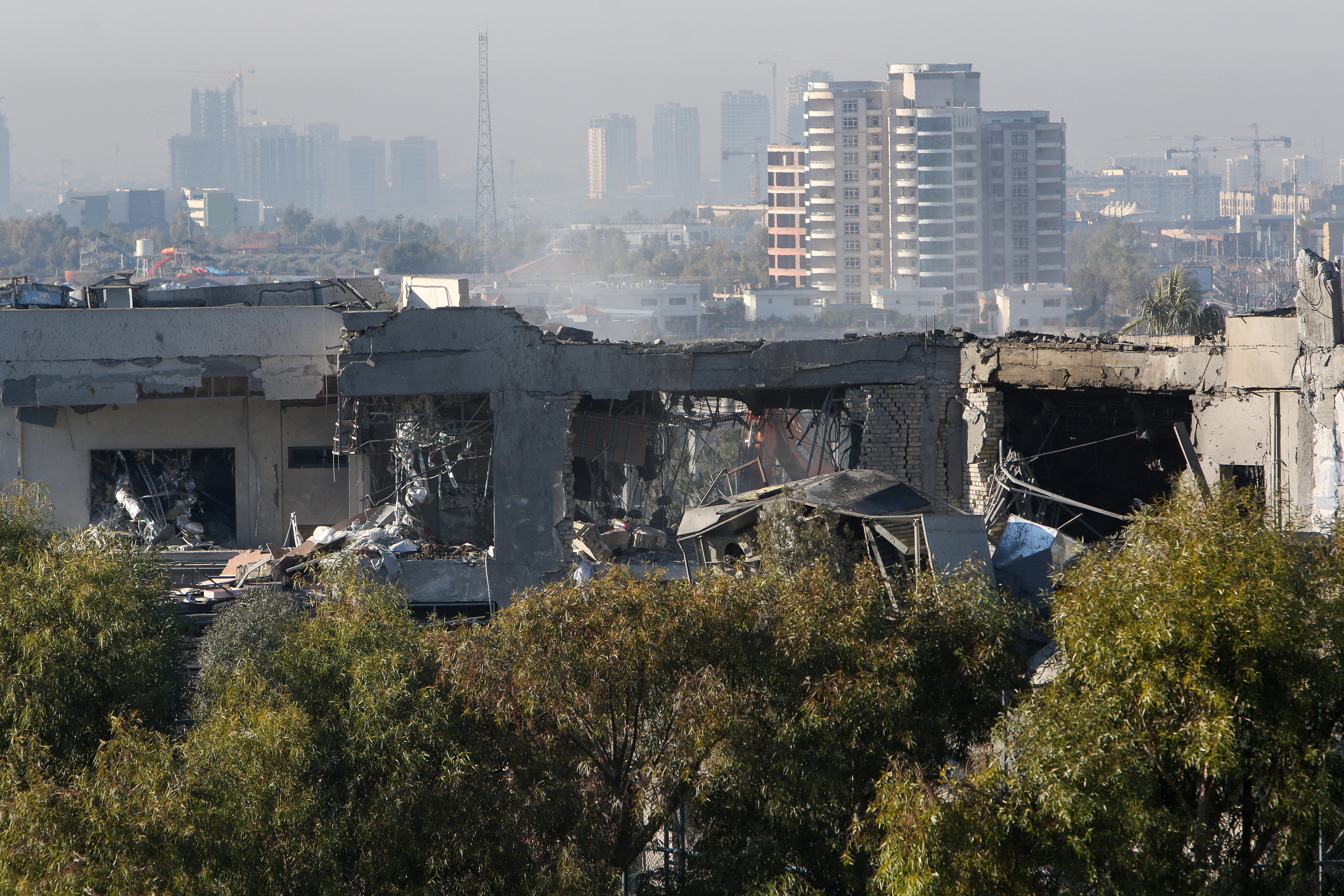
A rocket attack on US forces stationed in Iraq on Monday has escalated tensions, complicating ongoing negotiations regarding the withdrawal of foreign troops from the country. The attack, which resulted in multiple injuries, has been attributed to Iran-backed militia groups operating within Iraq. US officials have pointed fingers at Kataib Hezbollah, a powerful militia with a history of targeting American assets in the region.

The rocket strike targeted the Ain al-Asad airbase, a key location for US troops in Iraq. This base has been the focal point of several assaults over the years, highlighting the volatile security situation in the region. Diplomatic efforts to reduce the foreign military footprint in Iraq might be significantly affected by this incident, with both US and Iraqi officials expressing concerns about the future stability of the area.

US Central Command spokesperson confirmed the attack, noting the use of 107mm rockets, which have been a preferred weapon of Iran-backed groups. The assault led to immediate military responses, with US forces conducting airstrikes targeting militia positions suspected of orchestrating the attack. This retaliatory measure underscores the ongoing tit-for-tat dynamics between US forces and Iran-aligned militias in Iraq.

Iraq’s Prime Minister condemned the attack, emphasizing the need for a thorough investigation to hold those responsible accountable. He reiterated the Iraqi government’s stance on preventing the country from becoming a battleground for proxy conflicts. However, the ability of the Iraqi government to rein in these powerful militias remains questionable, given their deep-rooted influence and substantial military capabilities.

The attack also comes at a critical juncture as the US and Iraq have been engaged in strategic dialogue aimed at determining the future of US military presence in the country. These talks are crucial for shaping the long-term security and political landscape of Iraq. However, the rocket attack has introduced new complexities, potentially hardening US positions and influencing the terms of any future agreements.

Iran, while not directly implicated in the attack, has been accused of supporting and supplying these militia groups. The broader geopolitical tensions between the US and Iran continue to spill over into Iraq, with local militias often acting as proxies for Tehran’s regional ambitions. This dynamic further complicates the efforts of Iraqi authorities to stabilize the country and assert full sovereignty.

The international community has been closely monitoring these developments, with several countries expressing concerns about the potential for further escalation. The United Nations has called for restraint from all parties and urged a return to diplomatic negotiations to address underlying issues.

This latest incident is part of a broader pattern of violence and instability that has plagued Iraq since the US-led invasion in 2003. The presence of foreign troops, the influence of various militia groups, and the ongoing threat of extremist organizations like ISIS continue to pose significant challenges for Iraq’s security apparatus.

The future of US-Iraq relations remains uncertain, with the rocket attack serving as a stark reminder of the fragile state of affairs. Both nations must navigate this complex environment carefully to avoid further escalation and work towards a sustainable resolution that ensures the stability and security of the region.

This attack and its aftermath will likely have far-reaching implications, not just for Iraq but for the broader Middle East, where the interplay of regional powers continues to shape the geopolitical landscape. The outcome of the US-Iraq negotiations will be critical in determining the direction of future US involvement in the region and the overall stability of Iraq.

A significant portion of Americans disapprove of deploying U.S. ground forces to protect Israel in the event of an Iranian attack. This sentiment emerges amidst heightened tensions in the Middle East, reflecting a broader reluctance to engage militarily in foreign conflicts.

Recent surveys from Pew Research Center and Ipsos reveal that a majority of Americans prefer the United States to adopt a diplomatic stance rather than a military one in the ongoing Israel-Hamas conflict. Approximately 57% of respondents oppose sending U.S. troops if Israel were attacked by its neighbors, while 50% oppose military intervention if Iran directly entered the conflict. This indicates a strong preference for non-interventionist policies, despite widespread sympathy for Israel among the American public.

The data also shows significant demographic and political variations in opinions on U.S. involvement. Older Americans, particularly those over 65, are more inclined to support military aid, whereas younger adults, especially those under 30, largely oppose it. Politically, Republicans are more supportive of military aid to Israel than Democrats, but a significant portion of both groups agree on avoiding direct military engagement.

The American public’s preference leans heavily towards diplomatic efforts. Most Americans believe the U.S. should play a minor role in resolving the Israel-Hamas conflict, with 53% advocating for diplomatic negotiations and 54% supporting efforts to protect Israeli civilians. There is, however, less consensus on military aid, with the country almost evenly split—36% in favor and 34% against.

Jewish Americans strongly support military aid to Israel, with 56% in favor, contrasted by 55% of Muslim Americans who oppose it. These differences highlight the complex and multifaceted nature of public opinion on U.S. foreign policy in the Middle East.

While the public remains divided on specific policies, there is a clear majority opposing the deployment of U.S. ground troops in active combat scenarios. This stance underscores a broader trend of wariness towards further military entanglements, emphasizing a preference for diplomatic and humanitarian interventions over direct military action.

The findings indicate a cautious approach to U.S. involvement in the Middle East, reflecting a desire for balanced and measured responses to complex international conflicts.

—

Sources:
– Pew Research Center: Views on U.S. Involvement in Israel-Hamas Conflict
– Ipsos: American Public Opinion on Israel-Gaza Conflict

A Pakistani national with alleged ties to Iran has been charged in the United States for his involvement in a plot to assassinate a US politician. Asif Merchant, the accused, faced charges in a Brooklyn federal court for attempting to orchestrate the killings by hiring hitmen, who were actually undercover FBI agents.

The Department of Justice announced that Merchant, who spent time in Iran before traveling to the United States, was detained on July 12 while preparing to leave the country. His arrest follows weeks of heightened security measures around former President Donald Trump after a threat linked to Iran surfaced.

Merchant is accused of being part of a broader retaliation strategy by Iran for the 2020 killing of Qassem Soleimani, a top Iranian commander, by a US drone strike. Soleimani’s death had long been a point of contention, with Iranian officials vowing retribution.

Attorney General Merrick Garland emphasized that the Justice Department remains resolute in countering and disrupting any lethal plots against American citizens. Garland noted that the plot aligns with known Iranian tactics aimed at retaliating against the US for Soleimani’s death. FBI Director Christopher Wray highlighted the intricate connections Merchant had with Iran and described the plot as reflective of Iran’s hostile operations.

The arrest and charges against Merchant mark another significant move by US authorities to thwart perceived threats from Iran. In a related incident, the US charged an Iranian operative in August 2022 for plotting to assassinate John Bolton, the former US National Security Advisor.

The continuous efforts by the Justice Department to uncover and prevent such plots underscore the persistent threats faced by US public officials from foreign adversaries seeking retribution. This incident highlights the complex geopolitical tensions and the ongoing vigilance required to maintain national security.

Merchant remains in custody as the investigation continues, with no further details on any additional suspects or potential targets disclosed by officials.

For more information, you can refer to the articles from [VOA News](8) and [DW](9).

A rocket attack targeted the Ain Al Asad air base in Iraq, resulting in injuries to several US personnel. The incident occurred on Monday, prompting immediate responses from both US and Iraqi military forces.

The attack involved the launch of multiple rockets towards the air base, a key installation housing US troops and equipment. Initial reports indicate that the rockets were fired from an unknown location, and investigations are underway to determine the responsible parties. The injured personnel received immediate medical attention, with some evacuated to more advanced medical facilities for further treatment.

Ain Al Asad, located in Iraq’s Anbar province, has been a frequent target of rocket and drone attacks, particularly by groups with links to Iranian-backed militias. These groups have often targeted US military installations in retaliation for various geopolitical tensions in the region.

The timing of this attack is notable, coming amidst heightened regional tensions following the recent escalation of hostilities between Israel and Hezbollah, along with ongoing instability in Iraq. The US military has reiterated its commitment to maintaining a presence in Iraq to support the fight against remnants of the Islamic State and to provide stability in the region.

Pentagon officials have condemned the attack, emphasizing that such actions will not deter the US from its mission in Iraq. They highlighted that the security of personnel and assets remains a top priority, and necessary measures will be taken to protect them. Additionally, efforts are being intensified to enhance the base’s defensive capabilities to prevent future attacks.

The Ain Al Asad air base has historically been a strategic location for US operations in the Middle East. It has played a critical role in the coalition’s efforts against ISIS and continues to be a vital hub for training and supporting Iraqi security forces. The base has also hosted numerous high-profile visits, including a visit by former US President Donald Trump in 2018.

Local Iraqi authorities are cooperating with US forces to investigate the attack and to track down those responsible. This incident underscores the ongoing volatility in the region and the persistent threats faced by US and coalition forces stationed in Iraq.

As the situation develops, both US and Iraqi forces are expected to bolster security measures and remain vigilant against further threats. The international community watches closely as tensions in the Middle East continue to pose significant challenges to regional and global security.

Sources:
– Times Now
– LBC
– CBS News

UN High Commissioner for Human Rights Volker Türk expressed grave concerns over the escalating tensions in the Middle East, calling for urgent measures to de-escalate the situation. Türk highlighted the critical need to prioritize the protection of civilians, particularly women and children, who have endured severe suffering due to ongoing violence. Türk’s statement comes amid increasing violence and political turmoil in the region. Over the past months, […]

Tensions between Israel and Iran have escalated, with Israel bracing for potential attacks as the United States urges for a cease-fire in Gaza. The situation remains volatile following the recent strikes by Israel on Gaza, which targeted Hamas militants and resulted in significant casualties. Israeli forces have intensified their operations in Gaza, leading to the deaths of over 60 Palestinians, including many at a UN-run school in […]

A bipartisan group of 22 members of Congress has expressed concerns over potential funding from Iran to anti-Israel organizations within the United States. This apprehension, detailed in a recent letter, highlights ongoing fears of foreign influence in domestic affairs, particularly regarding protests linked to the Gaza conflict.

Director of National Intelligence Avril Haines confirmed that Iranian government actors have been actively involved in provoking and financially supporting protests in the U.S. over the Gaza war. According to Haines, these actors have posed as activists online, aiming to incite demonstrations and deepen divisions within the U.S. She emphasized that while many American protesters are genuine in their expressions, there are troubling indications of foreign manipulation designed to exploit these movements.

The letter from Congress specifically questions how and why certain protests target particular locations and figures, suggesting an organized effort supported by foreign funding. Representative Brad Schneider (D-IL) pointed out that anti-Israel protests targeting his home and office, equipped with sophisticated materials like sirens and professional banners, raise questions about their funding sources.

House Foreign Affairs Committee Chair Michael McCaul (R-TX) stated that it would not be surprising if Iranian influence were confirmed, signaling a potential investigation into the matter. McCaul also underscored the need to scrutinize the role of social media platforms like TikTok in spreading anti-Israel narratives, which he fears are influencing the younger generation.

This revelation comes as part of a broader concern over foreign interference in U.S. protests, with Iran allegedly using tactics similar to those deployed in previous influence operations. In 2020, for example, Iranian actors posed as members of the far-right group Proud Boys, sending threatening emails to voters in swing states.

The congressional letter and Haines’ statement mark the beginning of a series of public updates on foreign influence operations, especially with the 2024 election approaching. There is a call for increased vigilance among Americans when interacting with online entities they do not personally know, to avoid unwittingly participating in foreign-sponsored activities.

As this issue unfolds, lawmakers and intelligence officials continue to urge transparency and accountability, stressing the importance of addressing these foreign influence efforts to protect the integrity of American democratic processes.

By Dr. Gyan Pathak The verdict of the 7-judge Constitution Bench of the Supreme Court of India allowing sub-quotas within the overall quota for Scheduled Castes (SCs) has a potential to twist the Indian politics in a new direction, since it paves the way for a new structured reservation policy for the country, not only […]

Israel has launched a series of targeted strikes, escalating tensions in the Middle East. The assassination of Ismail Haniyeh, a top Hamas leader, has particularly inflamed the conflict. Haniyeh, who was in exile, was killed in a missile strike in Tehran. This action is part of Israel’s broader campaign against militant leaders across the region.

The Israeli government has confirmed the strike, labeling it a critical blow to Hamas’ leadership. The attack has sparked significant international reactions, with Iran and its allies condemning the assassination. Iranian leaders have vowed retaliation, promising that Israel will regret this action.

The Israeli military is preparing for potential retaliatory strikes from Iran and its proxies. In addition to Haniyeh’s killing, Israel also conducted strikes in Beirut, targeting Hezbollah’s military chief. These operations mark a significant escalation, expanding the conflict beyond Gaza and into neighboring countries.

Palestinian Authority President Mahmoud Abbas has declared a day of mourning for Haniyeh, denouncing the killing as cowardly. Pro-Hamas marches have erupted in various cities, including a significant demonstration in Istanbul, where Turkish President Recep Tayyip Erdoğan condemned the assassination.

The strikes have also complicated ongoing hostage negotiations. Egypt and Qatar have criticized the timing of the attacks, suggesting they undermine efforts to secure the release of captives held by Hamas. U.S. Secretary of State Antony Blinken has emphasized the necessity of a ceasefire to facilitate these talks.

The United Nations Security Council held an emergency meeting to address the escalating tensions. Members of the Iran-backed axis, including Hezbollah, have harshly criticized Israel, calling the situation a dangerous escalation. Security experts predict that while Iran and its allies are likely to respond, they may not be able to reverse Israel’s strategic gains in Gaza.

This series of high-profile killings highlights Israel’s extended reach and intelligence capabilities. The assassination of Haniyeh in Tehran underscores the deep penetration of Israeli operations in Iran, a point acknowledged by various analysts. As the conflict enters a new phase, the potential for wider regional instability looms large.

The situation remains volatile, with both sides bracing for further developments. The international community continues to monitor the conflict closely, urging restraint and the pursuit of diplomatic solutions to prevent further escalation.

The death of a high-ranking Hamas official has shed light on significant vulnerabilities within Iran’s political and security framework. The figure, a prominent leader in Hamas’s military wing, was killed in an operation that has exposed serious gaps in Iran’s oversight and influence over its allies in the region. Hamas confirmed the death of the leader, which took place in a coordinated attack attributed to rival factions […]

Sheikh Abdullah bin Zayed Al Nahyan, the Deputy Prime Minister and Minister of Foreign Affairs of the United Arab Emirates, held a significant meeting with Iran’s newly inaugurated President Masoud Pezeshkian. This high-profile discussion, which took place in Tehran, focused on enhancing regional peace and stability amid shifting geopolitical dynamics.

The meeting between Sheikh Abdullah and President Pezeshkian marks a notable moment in UAE-Iran relations, reflecting a mutual interest in addressing long-standing regional tensions. Sheikh Abdullah’s visit underscores the UAE’s commitment to fostering dialogue and cooperation with its neighbors in the Middle East. The talks are seen as a crucial step towards building bridges and finding common ground on issues that impact the stability of the region.

During the meeting, both leaders emphasized the importance of collaborative efforts to tackle pressing challenges, including security concerns and economic development. They expressed a shared vision for a peaceful and prosperous region, with an emphasis on resolving conflicts through diplomatic means rather than confrontational approaches.

The UAE has consistently sought to play a mediating role in regional conflicts, advocating for dialogue and engagement as pathways to resolution. Sheikh Abdullah’s discussions with President Pezeshkian are part of a broader strategy to strengthen bilateral ties and encourage a cooperative atmosphere in the Gulf and beyond. This approach aligns with the UAE’s broader foreign policy objectives of promoting stability and fostering economic partnerships.

Iran, under President Pezeshkian’s leadership, has also indicated a willingness to engage more constructively with its regional neighbors. The new administration has expressed a commitment to addressing various regional issues through diplomatic channels, aiming to improve relations with Gulf countries and other key stakeholders. This shift is expected to influence regional dynamics positively, potentially leading to more collaborative efforts on shared challenges.

The discussions between Sheikh Abdullah and President Pezeshkian are particularly timely given the current geopolitical landscape. With ongoing tensions in the Middle East and evolving alliances, the UAE and Iran’s dialogue could serve as a catalyst for broader regional cooperation. Both leaders have recognized the necessity of finding common ground and working together to address issues that affect the stability and prosperity of their respective countries and the broader region.

This meeting also reflects a broader trend of increased diplomatic engagement in the Middle East, as nations seek to navigate complex regional relationships and emerging global challenges. Sheikh Abdullah’s visit and the ensuing discussions signify a proactive approach by the UAE to strengthen ties with Iran and other neighboring countries, contributing to a more stable and interconnected regional environment.

The UAE’s efforts to engage with Iran and other regional actors underscore its strategic interest in fostering a stable and cooperative Middle East. By prioritizing dialogue and mutual understanding, the UAE aims to enhance its role as a key player in regional diplomacy and contribute to a more harmonious geopolitical landscape.

As the UAE and Iran continue their diplomatic engagement, the outcomes of these discussions will be closely watched by other nations and stakeholders in the region. The success of this dialogue could pave the way for further collaboration and mutual understanding, setting a positive precedent for future interactions among regional powers.

VISHNU RAJA
RYO YAMADA
HITORI GOTOH
IKUYO KITA