News related to
Part

By Anjan Roy The real import of the US department of justice (DOJ) indictment of Indian billionaire, Gautam Adani, on counts of corruption and bribery has been somewhat lost on the wider public. It is the geo-economics of US dominion over the rest of the world that has to be taken note of. It is […]

HANOI, VIETNAM – Media OutReach Newswire – 22 November 2024 – By capitalizing on its first-mover advantage, Vincom Retail has had a profound impact on Vietnamese leisure culture. Over the past two decades, the company has demonstrated significant growth through a tripartite strategy: expanding its footprint, diversifying its retail real estate formats to cater to a wide range of consumer needs, and continuously pioneering to stay ahead. […]

MicroStrategy has successfully completed the issuance of $3 billion in convertible senior notes, marking a significant move just three days after its initial offering. The company, known for its significant Bitcoin holdings, opted for the issuance as part of its strategy to bolster its financial flexibility. The move has attracted widespread attention due to the nature of the deal, which offers investors the opportunity to convert their debt into equity in the future, with a 0% interest rate attached to the notes.

The offering is part of the company’s ongoing efforts to raise capital, primarily to fund its Bitcoin investments. MicroStrategy’s strategy of accumulating Bitcoin over the years has been a key aspect of its business model, and this convertible note issuance is seen as a way to support its ambitious cryptocurrency acquisition goals without incurring immediate interest payments.

The $3 billion raised through this debt offering is a notable increase compared to its previous financing moves. The company had already raised substantial funds through similar offerings in the past, and with Bitcoin’s market fluctuations, the timing of this move is seen as a proactive measure. MicroStrategy’s ability to offer a 0% interest rate has been an enticing factor for investors, signaling confidence in the company’s future performance, even amidst the volatile nature of cryptocurrency markets.

Convertible notes have become a preferred financing option for firms like MicroStrategy, which are heavily involved in the cryptocurrency space. By issuing convertible debt, companies offer investors the potential upside of equity conversion while avoiding the pressure of paying interest, which could strain their balance sheets. The terms of the offering specify that the notes will mature in 2027, giving MicroStrategy ample time to execute its strategy and raise additional capital through its Bitcoin holdings.

The offering comes at a time when cryptocurrency markets are experiencing significant shifts, with Bitcoin prices seeing both upward and downward trends. This volatility makes financing through traditional methods such as equity offerings less appealing for companies like MicroStrategy, which is why convertible debt has become increasingly popular. By issuing these notes, MicroStrategy is able to maintain its focus on acquiring more Bitcoin, which it views as a long-term hedge against inflation and economic instability.

In terms of execution, the completion of the offering so quickly reflects MicroStrategy’s readiness and confidence in its financial strategy. The company was able to swiftly finalize the deal, a testament to its strong investor base and the strategic importance of its Bitcoin holdings. The capital raised from this offering will be used to buy more Bitcoin, aligning with the company’s goal of becoming the world’s largest corporate holder of the cryptocurrency. With this latest round of funding, MicroStrategy’s Bitcoin acquisition plan is set to continue, further solidifying its position in the market.

The notes issued are convertible into common stock at a premium to the current price of MicroStrategy’s shares, offering investors the possibility to benefit from future price appreciation. This structure is a clear indication that MicroStrategy anticipates growth in its stock value, which could eventually lead to profitable conversions of the debt into equity.

The company’s CEO, Michael Saylor, has been a vocal advocate for Bitcoin, emphasizing the cryptocurrency’s role as a store of value. Saylor’s firm stance on Bitcoin as a strategic asset has made MicroStrategy one of the most visible corporate players in the space. The company has continued to accumulate Bitcoin despite the fluctuations in market prices, demonstrating its unwavering commitment to the asset class. As of now, MicroStrategy holds over 150,000 Bitcoin, with the value of these holdings exceeding $4 billion at current prices.

The interest in convertible notes from investors is also reflective of the broader appetite for cryptocurrency exposure. The growing acceptance of Bitcoin and other digital assets in mainstream financial markets has led to an increase in investment vehicles that allow for indirect exposure to the cryptocurrency market. For MicroStrategy, this offering represents a savvy financial maneuver to maintain flexibility while continuing to build its Bitcoin portfolio.

Despite the volatility of Bitcoin and the broader cryptocurrency market, MicroStrategy’s approach to capital raising is attracting attention for its innovation and the company’s unique position in the tech and financial sectors. The move to issue convertible notes also signals that MicroStrategy is positioning itself to ride out any short-term market fluctuations while staying committed to its long-term Bitcoin acquisition strategy.

MicroStrategy’s latest financing effort marks a crucial step in its larger strategy of integrating Bitcoin into its corporate structure. While critics may question the company’s reliance on a volatile asset, MicroStrategy’s leadership remains focused on its vision for the future, with Bitcoin expected to play a central role in its corporate growth. By issuing convertible notes with a zero-interest rate, the company has secured the funds needed to continue its expansion in the cryptocurrency market without taking on additional financial strain.


Game and asset marketplace Itch.io has implemented a policy requiring creators to disclose the use of generative AI in their projects. This step follows rising concerns about transparency in digital content creation, particularly with the proliferation of AI-generated assets. The requirement applies specifically to asset packs, with creators needing to classify content through their project dashboards. While some developers have embraced the rule as a means to […]

PayPal users across the globe were met with frustration as the platform faced a significant outage, causing disruptions to transactions and access to accounts. Reports indicate that users encountered issues logging into their accounts and completing payments, with many voicing their concerns on social media platforms about the impact on both personal and business transactions. The outage, which reportedly affected multiple PayPal services, left users unable to […]

Russia has announced the deployment of a hypersonic ballistic missile in the ongoing conflict with Ukraine, a move that Moscow claims is a direct response to Western military aid, including U.S. and British weaponry. President Vladimir Putin stated that this advanced missile system was launched during intensified fighting, marking a significant escalation in the conflict. This development comes against the backdrop of continued Russian missile strikes across […]

Federal scrutiny of Apple Pay has intensified as the Consumer Financial Protection Bureau (CFPB) moves to enhance oversight of digital payment platforms. The CFPB is evaluating how Apple Pay aligns with consumer protection laws, citing concerns over competition, data security, and equitable access to digital payment services. The platform, which has become a leader in mobile payments, may face significant changes if the proposed regulations proceed. The […]

Advertisements

OpenAI has announced plans to introduce a browser powered by its AI capabilities, integrating ChatGPT to provide users with an advanced web experience. This move directly challenges existing market leaders like Google Chrome and Microsoft Edge, leveraging OpenAI’s reputation for generative AI innovation to reshape how people interact with online content. The browser, set to expand upon the framework of OpenAI’s existing SearchGPT tool, aims to provide […]

Political divisions are increasingly shaping public health outcomes, creating barriers to effective healthcare and widening disparities across communities. The interplay between ideological and partisan identities has significant consequences on health policies, behaviors, and outcomes, as seen during the COVID-19 pandemic and beyond.

Polarization occurs when societal opinions, beliefs, or interests split into opposing extremes. This trend has grown over decades in the United States, fueling challenges in addressing public health crises. Researchers Shana Kushner Gadarian, Jay J. Van Bavel, Eric Knowles, and Kai Ruggeri highlight these impacts, emphasizing the urgent need to mitigate the health risks tied to political polarization.

The COVID-19 pandemic exemplified how political affiliations influence health behaviors. Data from 2020 to 2021 showed that individuals who supported Donald Trump were less likely to adopt recommended measures such as mask-wearing and social distancing. This partisan divide extended to vaccination rates, resulting in significantly higher COVID-19-related death rates among Republican voters compared to Democrats.

The research underscores that polarization doesn’t just influence individual behavior—it also stymies public health policymaking. When political leaders prioritize partisan interests over evidence-based strategies, essential compromises become elusive. The aftermath of the Affordable Care Act’s passage revealed this dynamic, with Republican voters less inclined to enroll in the program despite its benefits. Similarly, legislative battles over abortion rights and Medicaid expansion highlight how political divides obstruct progress on crucial health initiatives.

State-level policies further exacerbate health inequities. In the U.S., states with more liberal policies, such as Medicaid expansion, stricter tobacco regulations, higher minimum wages, and tighter gun control, tend to see better health outcomes and longer lifespans. Conversely, conservative-leaning states often resist such measures, leading to poorer health outcomes. This growing divide reflects the broader implications of polarization on individual and community well-being.

Polarization also hinders local governments’ ability to enact health policies. As state-level leaders increasingly preempt local regulations, measures such as paid sick leave, minimum wage adjustments, and firearm safety laws face significant hurdles. This limits the effectiveness of public health strategies and exacerbates disparities between states.

At an individual level, polarization can erode trust in healthcare systems and experts. People with strong partisan identities are more likely to reject contradictory information, even when it pertains to critical health risks or preventive measures. This resistance can lead to lower rates of flu vaccinations, unhealthy dietary choices, and reluctance to seek medical care.

The researchers also observed a link between extreme political beliefs and poorer physical and mental health outcomes. Individuals who align more ideologically with the extremes, compared to their state’s average voter, tend to experience worse overall health. These findings suggest that extreme partisanship not only divides communities but also harms individual well-being.

Donald Trump’s Media and Technology Group (TMTG), parent company of Truth Social, has taken a significant step into the cryptocurrency sector. Reports suggest the company has filed a trademark application for “TruthFi,” signaling plans to develop a platform for cryptocurrency payments, digital asset custody, and trading. This move aligns with its reported discussions to acquire shares in Bakkt, a prominent cryptocurrency exchange platform backed by Intercontinental Exchange.

TMTG’s ambitions in the crypto domain appear to capitalize on the growing influence of digital assets. By potentially acquiring Bakkt, the company seeks to enhance its foothold in the emerging market of decentralized finance and digital payments. Bakkt’s infrastructure, which includes a consumer app for managing cryptocurrencies and other digital assets, could serve as a robust foundation for TMTG’s new venture. Market analysts speculate that this acquisition could bridge Truth Social’s ecosystem with blockchain technology, fostering a streamlined integration of social media and financial technology.

The decision comes during a bullish phase for cryptocurrencies. Bitcoin recently surpassed $93,000, buoyed by optimism surrounding President-elect Donald Trump’s policies, which are expected to favor a lighter regulatory approach to digital assets. This spike has further stimulated activity in the cryptocurrency market, with Ethereum and decentralized finance tokens also experiencing substantial gains.

Bakkt, which went public via a SPAC merger in 2021, has positioned itself as a significant player in the crypto market, offering a regulated platform for trading and managing digital assets. Its potential integration with TMTG could unlock opportunities for users seeking seamless transactions within a politically conservative ecosystem. Trump’s team has declined to comment on the acquisition, though Bakkt acknowledged the market speculation but refrained from issuing a confirmation.

The broader implications of this development extend beyond TMTG’s immediate interests. Analysts believe that a successful foray into cryptocurrency by Trump’s media group could reshape the financial technology landscape, especially by linking ideological media with decentralized finance. This could cater to a niche market of users aligned with Trump’s policies while leveraging the soaring popularity of cryptocurrencies.

Shares of Bakkt surged over 160% following reports of the potential deal, reflecting market optimism. Similarly, TMTG shares experienced fluctuations as speculation about the acquisition grew. Industry observers anticipate further volatility as negotiations progress, with a formal announcement expected to clarify the strategic objectives of the partnership.

As TMTG continues to diversify its portfolio, the integration of cryptocurrency services marks a transformative step in the evolution of its digital ventures. While the success of this endeavor hinges on regulatory approvals and market reception, the potential synergy between Truth Social’s platform and Bakkt’s crypto expertise underscores the growing intersection of media, politics, and finance in the digital age.

This strategic pivot also aligns with Trump’s broader vision to establish a technology-driven economy with minimal government intervention, appealing to proponents of blockchain innovation. As cryptocurrency adoption accelerates globally, TMTG’s initiatives could set a precedent for other media companies exploring similar integrations.

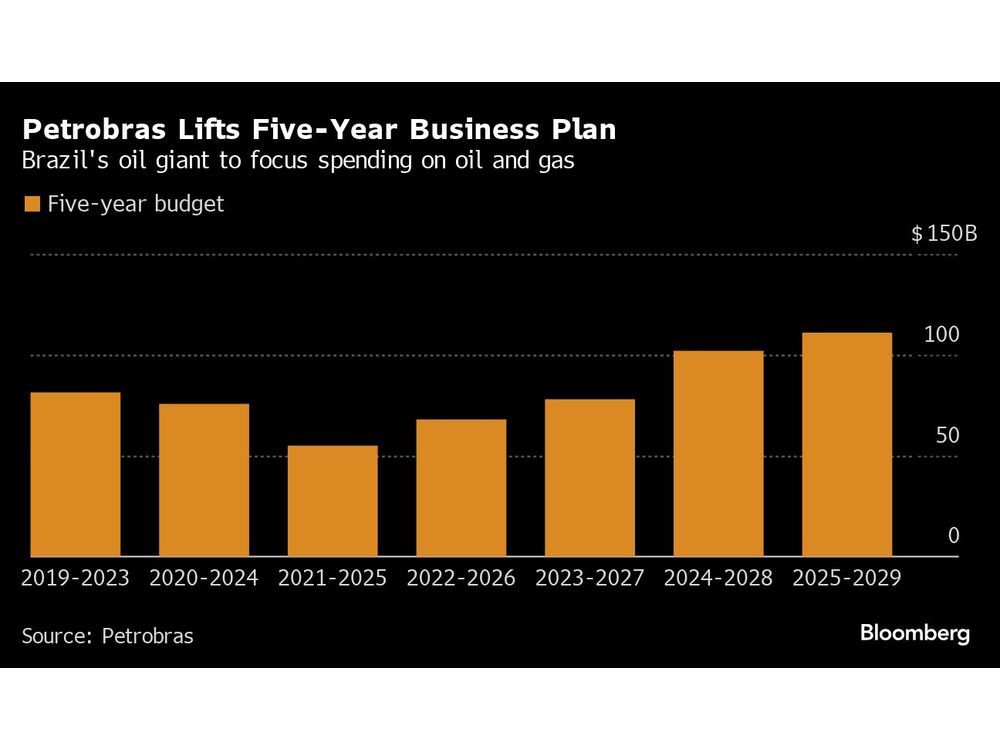
Petrobras, officially Petroleo Brasileiro SA, has committed to paying up to $55 billion in dividends by 2029 as part of its recently unveiled five-year strategic plan. This initiative underscores the state-controlled company’s ongoing emphasis on robust shareholder returns while navigating operational and market challenges. The substantial payout is linked to the company’s goal of balancing investor expectations with reinvestment in its core projects.

According to Petrobras, the projected dividend distributions align with a policy stipulating payouts equivalent to 45% of the firm’s free cash flow, a figure adjusted for specific tax considerations. Analysts suggest this conservative approach may allow for further flexibility, including potential extraordinary dividends depending on market conditions and Petrobras’ liquidity position. The estimated free cash flow for shareholders over the next fiscal year stands at approximately $16 billion.

The updated strategy incorporates a total investment plan of $78 billion spanning from 2024 to 2028, focusing primarily on exploration and production, particularly in offshore and deepwater oil fields. The allocation is intended to maintain Petrobras’ competitive edge in Brazil’s energy sector, which accounts for a significant portion of its revenues. While upstream activities will receive the bulk of investments, renewable energy projects and decarbonization efforts are gradually gaining traction within the portfolio.

Chief Executive Officer Jean Paul Prates emphasized the importance of maintaining operational efficiency and ensuring dividend payments remain sustainable. He also noted the growing scrutiny Petrobras faces in balancing returns with its broader role as a national oil company, particularly amid rising environmental concerns.

Despite promising financial targets, the company has faced criticism over its focus on traditional fossil fuels. Environmental advocates and some industry experts argue that a greater share of resources should be directed toward clean energy initiatives to future-proof the company’s relevance in a rapidly transitioning global energy landscape.

AirAsia is charting a bold course to establish a low-cost aviation hub, inspired by the success of Dubai, in key Southeast Asian cities like Bangkok and Kuala Lumpur. The carrier’s move comes at a time when it seeks to reposition itself after enduring a series of challenges that have shaped the airline industry post-pandemic. AirAsia’s vision is to become a major player in the global air transport scene by capitalizing on the low-cost model that has become increasingly attractive to budget-conscious travelers.

The decision to target Bangkok and Kuala Lumpur reflects a strategic pivot toward optimizing the airline’s existing routes and expanding its presence in an increasingly competitive air travel market. The model aims to leverage these cities as central hubs from which passengers can access a wide range of affordable international destinations. This vision mirrors the transformative success of Dubai International Airport, which has become one of the world’s busiest transit hubs by offering extensive connections at competitive prices.

This ambitious project is not just a push for more flight routes but a larger vision of connecting key Southeast Asian cities to the world. AirAsia aims to position these locations as gateways for travelers seeking affordable access to global destinations. By doing so, AirAsia hopes to replicate the success of Dubai, which has thrived on a similar strategy of fostering global connectivity through a low-cost airline model.

The role of technology and innovative service models is central to AirAsia’s approach. The airline plans to enhance its digital capabilities, streamlining operations and customer engagement through mobile apps, online booking systems, and other digital platforms. By focusing on efficiency and customer-centric services, AirAsia intends to remain competitive in the increasingly digital world of air travel.

One of the key challenges AirAsia faces is the evolving nature of the aviation industry. While the low-cost model has proven successful, especially during times of financial instability, the airline is now contending with a new set of pressures. Rising fuel costs, inflationary pressures on travel demand, and labor shortages have all made it more difficult for low-cost carriers to maintain profitability without compromising service quality. In this challenging landscape, AirAsia’s focus on cost efficiency and technological innovation is crucial to ensuring long-term sustainability.

The airline’s pivot toward Southeast Asia as a potential low-cost hub also taps into the growing demand for regional air travel. The COVID-19 pandemic reshaped many travelers’ preferences, with a notable shift toward short-haul flights in regional markets. As countries in the Asia-Pacific region begin to recover from the pandemic, AirAsia anticipates that demand for budget-friendly travel options will surge, especially as economic uncertainty remains a significant concern for many consumers.

AirAsia’s ability to offer cheap fares while maintaining operational efficiency is critical to its long-term strategy. A key part of this strategy is maintaining a fleet of narrow-body aircraft, which are more fuel-efficient and better suited for short-haul, budget-friendly routes. AirAsia has already begun expanding its fleet in anticipation of this growth, particularly focusing on the latest aircraft models that offer lower operational costs. By doing so, the airline hopes to maintain its competitive edge while providing a seamless travel experience to its customers.

Despite the airline’s optimism, competition remains fierce in Southeast Asia’s budget airline market. Regional competitors, including Singapore Airlines’ Scoot and Jetstar Asia, have also adopted low-cost models and are expanding their services in key markets. As these rivals continue to grow, AirAsia will need to ensure that its hubs in Bangkok and Kuala Lumpur are not just affordable but also offer a unique and attractive proposition to travelers.

AirAsia’s ability to succeed in establishing itself as a global hub will depend on its partnerships with local governments, airport authorities, and tourism boards. AirAsia’s experience in fostering relationships with regional authorities will be a key advantage, as the airline seeks to integrate seamlessly into the local tourism and transportation infrastructure. By aligning its objectives with those of local stakeholders, AirAsia can position its Southeast Asian hubs as integral parts of regional and global travel networks.

The airline’s expansion also taps into broader trends in the global aviation industry, which has seen significant consolidation and a shift towards sustainability. AirAsia has committed to reducing its carbon footprint and has already introduced several initiatives to make its operations more environmentally friendly, including the purchase of more fuel-efficient aircraft and the implementation of carbon offsetting measures. While these efforts are still in their early stages, the airline’s focus on sustainability is likely to appeal to an increasingly environmentally conscious traveler base.

One aspect that could play a significant role in AirAsia’s bid to establish a low-cost hub in Southeast Asia is the region’s growing middle class. With countries like Indonesia, Thailand, and Malaysia witnessing rapid urbanization and a rise in disposable income, air travel is becoming more accessible to a wider segment of the population. As this trend continues, the potential for a low-cost hub to serve as a gateway for millions of travelers expands.

Bandai Namco Online, a subsidiary of Bandai Namco Holdings, is set to be dissolved and merged with its parent company following persistent financial challenges. The move is part of a strategic restructuring aimed at addressing significant losses incurred by the subsidiary, particularly in its game development ventures. Despite robust sales in Bandai Namco’s other divisions, the online gaming arm reported cumulative losses of over ¥8.2 billion in the last fiscal year, with mounting liabilities exceeding its assets.

The decision to integrate Bandai Namco Online into the broader organizational framework reflects an effort to streamline operations and better align resources with the company’s profitable sectors, such as toys and entertainment. Bandai Namco Holdings confirmed that the dissolution would not impact ongoing game support or future development, as those operations will now be absorbed under the main company’s management.

Industry experts attribute the subsidiary’s financial troubles to inefficient resource allocation, including prolonged development cycles and frequent project revamps, which escalated costs. Flagship projects like *Blue Protocol*, an anticipated MMO game, faced substantial criticism and failed to meet market expectations, particularly in competitive segments dominated by titles such as *Final Fantasy XIV* and *Genshin Impact*.

Solana (SOL) has reached a landmark valuation, achieving a new all-time high of $262, solidifying its position among the most prominent blockchain networks. This price surge underscores Solana’s growing influence, making it the 149th largest asset by market value globally. The achievement reflects heightened interest in altcoins, signaling a possible shift in the cryptocurrency market dynamics.

This rise is attributed to Solana’s scalability and low transaction fees, which have made it a favored platform for developers and investors alike. Over the past months, the blockchain’s capacity to process thousands of transactions per second has positioned it as a key player in decentralized finance (DeFi) and non-fungible token (NFT) sectors. Decentralized applications (DApps) built on Solana, such as Raydium and Jito, have reported substantial increases in activity and revenue, further reinforcing its dominance.

The surge coincides with an uptick in the broader altcoin market, historically characterized by alternative cryptocurrencies outperforming Bitcoin during specific cycles. Analysts suggest that Solana’s robust infrastructure and community engagement through innovative features, such as meme coins, have catalyzed its growth. Tokens like BONK and PNUT, developed within Solana’s ecosystem, have gained popularity for their ease of creation and low-cost transactions, introducing a unique facet to its blockchain economy.

Institutional interest has also played a pivotal role in driving Solana’s momentum. As the blockchain garners recognition for its long-term potential, investment firms and crypto-focused funds are increasingly including SOL in their portfolios. Meanwhile, retail participation remains strong, with users engaging in staking and other blockchain activities facilitated by Solana’s seamless user interface and accessibility.

Lego and UNICEF have introduced a new set of design guidelines aimed at creating safer and more enriching digital play experiences for children. These tools, referred to as the Responsible Innovation Guidelines for Digital Child Safety, encourage game developers to prioritize child welfare, privacy, and meaningful engagement in the rapidly evolving digital entertainment sector. This initiative represents a significant step in addressing growing concerns about the impact of digital spaces on children’s mental and physical well-being.

The guidelines are crafted to help developers integrate child-centric design principles, including promoting positive online interactions, protecting privacy, and discouraging addictive mechanics. By fostering safer online ecosystems, Lego and UNICEF aim to mitigate risks associated with gaming, such as cyberbullying, excessive screen time, and exposure to harmful content.

Lego’s commitment to child safety aligns with its broader strategy of integrating play with learning. The guidelines are expected to provide a blueprint for the gaming industry, urging companies to adopt practices that uphold the rights and well-being of younger audiences. This move comes amid increased scrutiny of digital platforms’ responsibility towards their youngest users, as highlighted by recent studies and advocacy efforts from child welfare organizations.

BANGKOK, THAILAND – Media OutReach Newswire – 22 November 2024 – Michelin, world-leading manufacturer of life-changing composites and experiences, welcomed international media to its two-day Asia Pacific Media Event at Michelin’s Talent Campus, located in Chon Buri, Thailand. The event focused on the theme “Innovating for a Sustainable Future” and Michelin’s dedication to innovation and sustainability, outlined through its All-Sustainable Strategy: People X Profit X Planet. MICHELIN […]

Whimsical White Christmas KUALA LUMPUR, MALAYSIA – Media OutReach Newswire – 21 November 2024 – Are you dreaming of a white Christmas? This holiday season, Avenue K Shopping Mall fulfils your dreams with its theme of ‘Whimsical White Christmas‘ right in the heart of KL. From 15th November to 25th December, Avenue K will transform into a winter wonderland adorned with breathtaking decorations and elegant illuminations. Avenue […]

U.S. Securities and Exchange Commission (SEC) Chair Gary Gensler has confirmed plans to step down on January 20, 2025, coinciding with the inauguration of President-elect Donald Trump. Gensler’s tenure, initially set to conclude on June 5, 2026, will end prematurely, paving the way for the incoming administration to appoint a new leader at the regulatory body.

Gensler, who has led the SEC since 2021, championed an ambitious agenda focusing on regulatory reforms, including a contentious approach to cryptocurrency oversight. Under his leadership, the SEC expanded its regulatory purview, initiating high-profile enforcement actions against major crypto firms and tightening disclosure requirements across various industries. These measures sparked debates about their impact on innovation and market dynamics, drawing both praise and criticism from stakeholders.

The decision to step down aligns with historical patterns in the SEC, where chairs often resign following a change in administration. Speculation surrounding Gensler’s departure intensified after Trump’s electoral victory, with reports indicating internal discussions about his successor. Potential candidates for the role include former SEC Commissioner Paul Atkins, ex-CFTC Chair Heath Tarbert, and Robinhood’s Chief Legal Officer Dan Gallagher. Each brings a unique perspective to regulatory policy, potentially signaling a shift in the SEC’s strategic priorities under new leadership.

Trump’s administration is expected to prioritize deregulation, particularly in the financial and technology sectors. This approach contrasts with Gensler’s tenure, which emphasized stringent compliance measures and consumer protections. Industry analysts anticipate that the forthcoming appointment will significantly influence the direction of securities regulation, particularly regarding emerging technologies and digital assets.

Collect FunStamps on the New 7-Eleven App and Redeem for FREE HONG KONG SAR – Media OutReach Newswire – 21 November 2024 – Christmas is just around the corner and 7-Eleven is inviting all of your favourite Pixar pals to celebrate with you! 10 beloved characters – including Joy, Sadness, Anger, Disgust, Mike, Sulley, Buzz Lightyear, Lotso, Alien and Woody – are here to spread cheer with […]

HONG KONG SAR – Media OutReach Newswire – 21 November 202 – Aomori Crafts from Japan will collaborate with the Michelin 2-star restaurant Arbor to launch a limited menu starting November 22, lasting approximately three weeks. During this period, Arbor will use top-quality ingredients from Aomori Prefecture to create exquisite Japanese-French fusion dishes. Additionally, elements of Aomori crafts will be incorporated into the dining experience, allowing guests […]

Featuring Hong Kong’s first ink art carnival InkFinity Fair with a blend of interactive games and art engagements HONG KONG SAR – Media OutReach Newswire – 21 November 2024 – UOB Art Academy and UOB Hong Kong are pleased to announce the return of the “UOB Art in Ink Festival” (Festival), Hong Kong’s premier ink art celebration, running from 13 to 29 December 2024 at the West […]

Their project, SilentGuide, is a pair of smart glasses that transcribes spoken words into subtitles, to help individuals with hearing impairment participate more meaningfully in social conversations SINGAPORE – Media OutReach Newswire – 21 November 2024 – Samsung Electronics Singapore has crowned Team redbluegold from Anglo-Chinese School (Independent) as the grand winner of its Solve for Tomorrow 2024 competition in Singapore. The team, comprising Aiden Lim and […]

By Arun Srivastava Muslims have no right to vote: this is the message that was sent by the state machinery and police to the country on November 20, while the elections to the assembly were underway in Maharashtra and Jharkhand and nine by-elections were held in Uttar Pradesh. Nevertheless, Muslim women in UP deserve salute […]


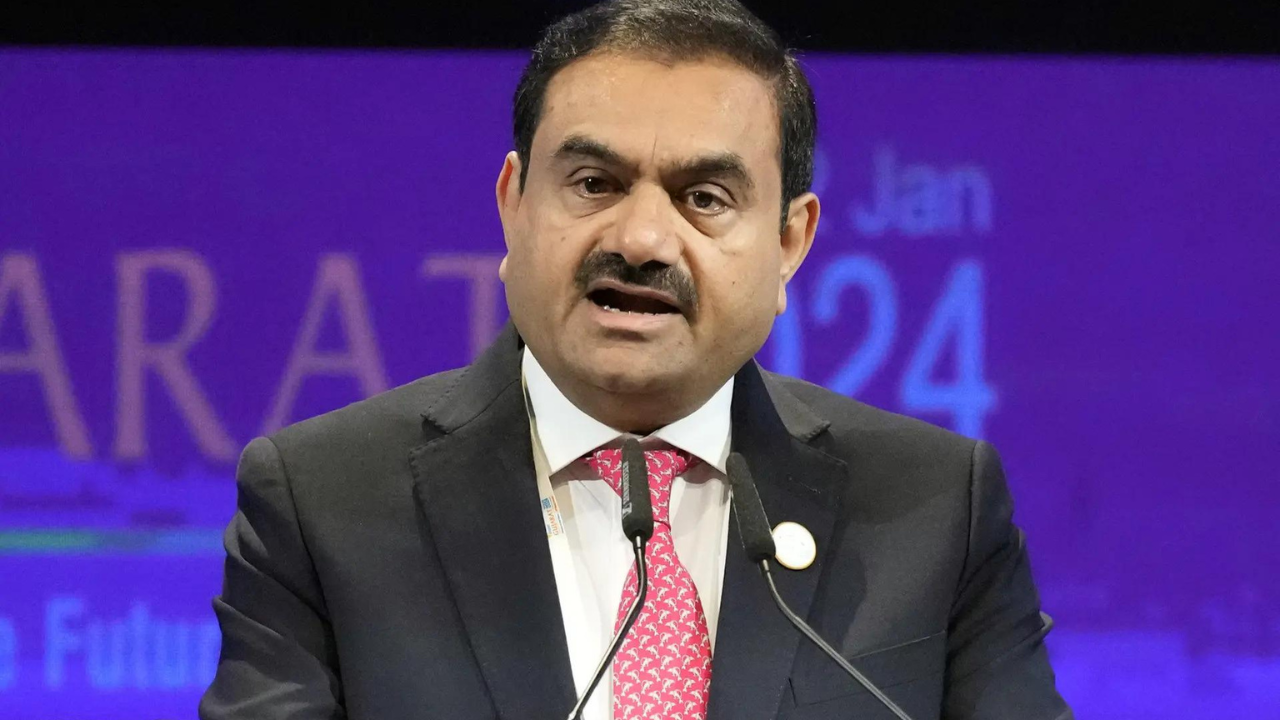
Billionaire Gautam Adani, head of the Adani Group, is under investigation in the United States for alleged involvement in a multibillion-dollar bribery scheme. U.S. authorities have indicted the mogul, accusing him of orchestrating fraudulent activities tied to his global business empire. This investigation has already led to the cancellation of a major bond deal, further compounding the challenges for Adani, whose conglomerate had faced mounting scrutiny over financial practices and corporate governance in recent years. The charges are part of an ongoing effort by U.S. regulators to target global corruption networks with cross-border implications.

The controversy surrounding Adani has sparked international concern, with the group’s complex web of operations spanning multiple sectors, including infrastructure, energy, and logistics. In light of the charges, the financial community has reacted swiftly, with investors and stakeholders reassessing the risks involved in partnering with the Adani Group. Additionally, the cancellation of the bond deal highlights the growing caution among international financiers in relation to the conglomerate’s financial stability.

Authorities are examining multiple aspects of the group’s operations, particularly those involving alleged illicit financial transactions. The investigation centers on whether Adani, along with other key figures within his organization, utilized corrupt practices to secure key business deals across the globe. These actions, if proven, would violate both U.S. anti-bribery laws and international standards of corporate conduct.

VISHNU RAJA
RYO YAMADA
HITORI GOTOH
IKUYO KITA