News related to
Success

Adnoc, in collaboration with 44.01, Masdar, and the Fujairah Natural Resources Corporation, is entering a new phase of its groundbreaking carbon-to-rock initiative in Fujairah. Following a successful pilot using Earthshot prize-winning technology, the project aims to transform carbon dioxide into stable minerals within peridotite rock formations, marking a significant leap in sustainable carbon capture and storage strategies. The initial trial, launched in 2023, achieved the permanent mineralization […]

BANGKOK, THAILAND – Media OutReach Newswire – 11 December 2024 – Teachers are the cornerstone of shaping future generations to tackle 21st-century challenges. Recognizing their pivotal role, SEAMEO STEM-ED (The Southeast Asian Ministers of Education Organization Regional Centre for STEM Education), through the Chevron-funded education initiative, has launched the SEA-TEP (Southeast Asian Teacher Education Program) in Thailand, Cambodia, Indonesia, Kazakhstan, and Malaysia to equip teachers with essential […]

BANGKOK, THAILAND – Media OutReach Newswire – 12 December 2024 – The ACES Awards 2024, organized by MORS Group, brought together an impressive constellation of Asian companies and leaders who are reshaping the regional business landscape with inspiring vision, sustainable strategies, and community-driven values. Representing 682 nominations across 41 industries and 17 countries, the honourees collectively demonstrate how strategic foresight, responsible growth, and inclusive engagement can forge […]

Faber-Castell champions creativity and sustainability among young Malaysians, empowering environmental awareness and advocacy through art. The Young Artist Award workshops saw a record-breaking four-year high in participation, reaching 77,000 students and 3,456 teachers across Malaysia. PETALING JAYA, MALAYSIA – Media OutReach Newswire – 12 December 2024 – Faber-Castell Malaysia, a renowned advocate for learning and creativity, has successfully concluded the fourth year of its Young Artist Award […]

BANGKOK, THAILAND – Media OutReach Newswire – 13 December 2024 – The ACES Awards, organised by MORS, spotlight a dynamic spectrum of leaders and enterprises across Asia that exemplify the power of strategic innovation, sustainability, and community engagement. With a diverse array of honourees—from satellite communications in Brunei and financial services in Hong Kong, to renewable energy in the Maldives and coffee craftsmanship in Vietnam—this year’s recognitions […]

FBS Joins Forces with Dignity for Children Foundation to Brighten the Holidays for About 350 Families in Malaysia SINGAPORE – Media OutReach Newswire – 13 December 2024 – FBS, a leading global broker, is honored to support the Dignity for Children Foundation in their heartfelt holiday campaign, Christmas Gift-A-Meal, taking place this December. The initiative aims to bring joy and warmth to families in Malaysia by providing […]

Unveiling Next Year’s Theme – Education: A Shared Future for All HONG KONG SAR – Media OutReach Newswire – 13 December 2024 – The 14th Learning & Teaching Expo 2024 successfully concludes today. This year’s theme, Shaping Education for a World of Change, marks the largest edition in the event’s history. The Expo united government officials, education experts, industry leaders, exhibitors, and educators from across the globe, […]

Advertisements

ADNH Catering, a prominent UAE-based catering services provider, has announced plans to raise its ownership stake in its Saudi joint venture, Compass Arabia, to 50%. This move is expected to strengthen ADNH’s foothold in the Middle East, particularly in the growing food services sector of Saudi Arabia. By doubling its share in the venture, ADNH is positioning itself to capitalize on the Kingdom’s expanding hospitality and catering […]

State-owned Saudi Electricity Co. has secured a significant $3.6 billion internationally syndicated credit facility. This financing is designed for general corporate purposes, marking a major financial milestone for the utility company. The credit facility spans five years with the added flexibility of two one-year extension options, ensuring that the company has a robust financial buffer for its future operations and growth.

The financing deal is being provided by a group of 13 banks, including several leading international financial institutions. The consortium includes the Industrial and Commercial Bank of China (ICBC), Bank of China, Agricultural Bank of China, Bank of Communications, and China Construction Bank, alongside prominent regional banks such as KfW IPEX Bank, State Bank of India, and First Abu Dhabi Bank. The deal also involves Abu Dhabi Commercial Bank, Abu Dhabi Islamic Bank, Boubyan Bank, Dubai Islamic Bank, and Saudi Investment Bank.

This syndicate brings together a diverse mix of global and regional financial powerhouses, reinforcing Saudi Electricity Co.’s credibility and appeal in the global market. It highlights the strong international trust in the company’s ability to meet its financial obligations. The financing agreement is seen as an essential move to strengthen the company’s operational capacity and support its expansion initiatives across Saudi Arabia’s rapidly developing energy sector.

Saudi Electricity Co. is the primary electricity provider in the Kingdom of Saudi Arabia, playing a critical role in supporting the nation’s growing demand for power. The company is involved in the generation, transmission, and distribution of electricity, with a wide-reaching infrastructure that covers both urban and rural areas. As part of the Saudi government’s Vision 2030, the company is expected to continue investing in its infrastructure to support the kingdom’s growing energy needs, driven by both population growth and industrial development.

The newly secured syndicated credit facility is part of Saudi Electricity Co.’s strategy to diversify its funding sources and enhance its financial stability in the face of ongoing energy sector reforms. With Saudi Arabia pushing forward with ambitious diversification plans under Vision 2030, the demand for electricity continues to rise, creating further pressure on the country’s energy utilities to expand and modernize their infrastructure.

The five-year tenor of the loan, with the potential for two one-year extensions, provides Saudi Electricity Co. with a long-term financial cushion to undertake projects that will modernize and expand its power generation and distribution systems. It also aligns with the company’s ongoing efforts to increase the efficiency of its operations and integrate renewable energy sources into its grid. The company is exploring a range of technologies to boost its renewable energy capacity, aligning with the country’s broader sustainability goals.

The consortium of banks involved in this deal underscores the strong ties between Saudi Arabia and key global financial institutions, particularly those from China and the Gulf region. China has emerged as one of the major international partners for Saudi Arabia, with a growing interest in the country’s infrastructure and energy sectors. This trend is likely to continue as the two countries strengthen their economic and political relationships, driven by mutual interests in energy security and economic diversification.

The involvement of regional banks such as First Abu Dhabi Bank and Dubai Islamic Bank also highlights the ongoing collaboration between Saudi Arabia and the UAE. The UAE has been an active participant in the broader Gulf region’s energy sector, with many of its financial institutions looking to expand their presence in Saudi Arabia’s burgeoning energy market.

The loan facility also comes at a time when Saudi Electricity Co. is looking to improve its financial profile. While the company has historically relied on state-backed financing, this syndicated loan deal represents a step towards accessing global capital markets. The participation of a diverse array of international and regional banks suggests that Saudi Electricity Co. is becoming more integrated into the global financial ecosystem, reflecting its evolving role in the Kingdom’s energy transition.

This syndicated loan is expected to help Saudi Electricity Co. fulfill its mission of modernizing and expanding its infrastructure to meet growing electricity demands. It will also bolster its ability to integrate clean and renewable energy sources into the grid, supporting the broader goal of reducing the country’s carbon footprint and advancing sustainability efforts.

The move is also part of Saudi Electricity Co.’s long-term strategy to maintain financial flexibility and reduce its reliance on government support. By securing funding from a range of international and local financial institutions, the company is positioning itself for future growth, both in the domestic and regional energy markets. The successful closure of this facility also serves as an endorsement of the company’s financial health and strategic direction, providing it with the resources needed to maintain its pivotal role in the energy sector.

Forecast Projected Growth of Chinese Luxury Market in 2025: A Shift Towards Experience, Innovation, Chinese Brands and Sustainability HONG KONG SAR – Media OutReach Newswire – 13 December 2024 – MDRi, a leading provider of business insights, today released its China Luxury Consumer Forecast 2025, presenting an in-depth analysis of luxury consumption trends in Mainland China and Hong Kong. The report highlights a market in transition, where […]

Ogre Head Studio, the game development company behind the success of *Asura*, is rapidly making a name for itself in the gaming industry by tapping into India’s rich folklore. Following the immense success of its debut title, which drew from mythological themes and offered a fresh perspective on Hindu mythology, the studio is now focusing on expanding its portfolio. The upcoming game *Yodha*, a roguelike deckbuilder, is […]

Raising Over HK$300 Million for Strategic Development HONG KONG SAR – Media OutReach Newswire – 13 December 2024 – International Genius Company (“IGC“, stock code: 0033.HK) is pleased to announce that, has successfully signed Subscription Agreement with independent third parties after trading hours on 12 December 2024. IGC has conditionally agreed to allot and issue 110,000,000 Subscription Shares at the Subscription Price of HK$2.75 per Subscription Share […]

MOSCOW, RUSSIA – Media OutReach Newswire – 13 December 2024 – SIBUR, Russia’s largest producer of polymers and rubbers, has introduced a proprietary catalyst technology for propylene production. The innovation aims to ensure technological independence in the production chain for polypropylene, one of the most in-demand synthetic materials in the market today. SIBUR currently produces approximately 2 million tonnes of polypropylene annually, supplying both the domestic and […]

Hong Kong Listed Companies with Increasing Focus on ESG Practices Top Performing Companies Adopted Robust Governance Structure HONG KONG SAR – Media OutReach Newswire – 12 December 2024 – Catherine Leung, Chairperson of the Chamber of Hong Kong Listed Companies (CHKLC) said at the Hong Kong Corporate Governance & ESG Excellence Awards 2024 (Awards) Gala Dinner tonight, “Hong Kong is at the stage of transition faced with […]

ADNOC Distribution has unveiled ARIF, an AI-driven chatbot designed to enhance investor relations, during the Abu Dhabi Finance Week. This advanced technology aims to provide a seamless platform for current and prospective investors to access vital financial insights, performance updates, and strategic information, underscoring the company’s commitment to technological innovation and transparency. The launch of ARIF marks a significant step in ADNOC Distribution’s effort to utilize artificial […]

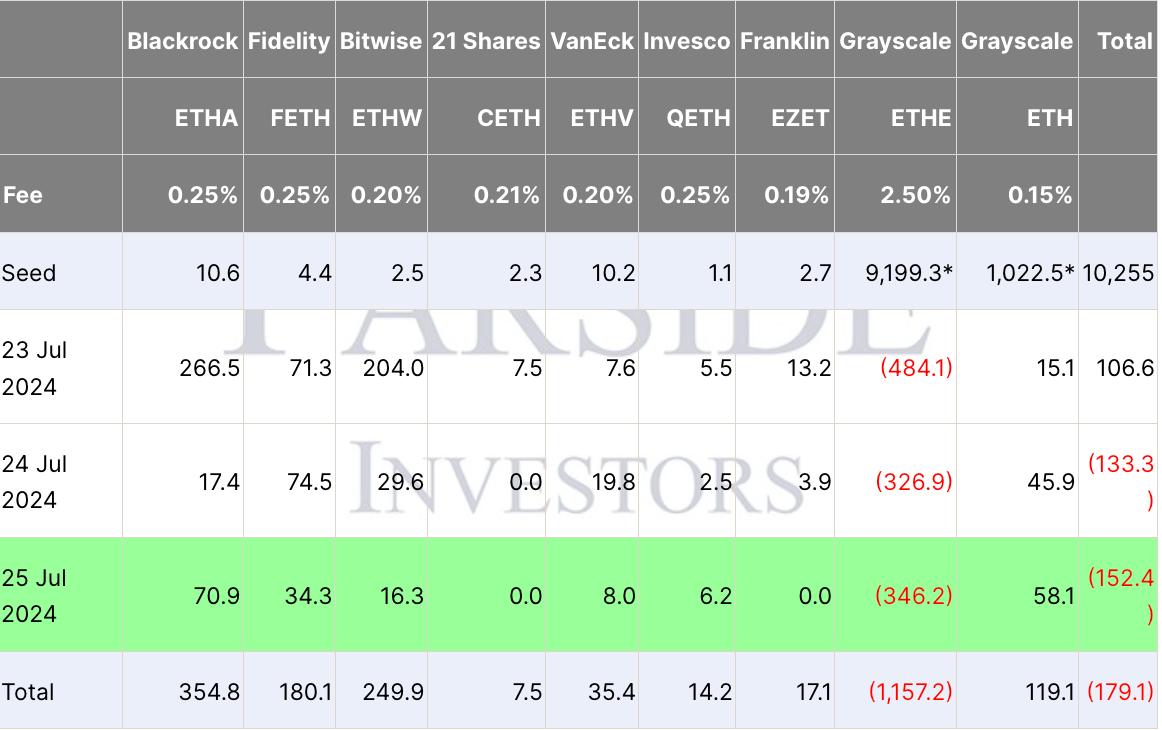
Base, a layer-2 blockchain solution built atop Ethereum, has garnered significant attention due to its robust growth in 2024, securing $2.7 billion in net inflows year-to-date. The surge marks a pivotal moment for the project, reflecting strong investor confidence and the growing appeal of scaling solutions within the crypto ecosystem. In stark contrast, Ethereum itself, despite its dominance in the space, experienced a record $7.4 billion in net outflows over the same period, signaling a shift in investor sentiment away from the original Ethereum blockchain toward alternative platforms like Base.

The disparity in inflows and outflows has drawn attention from market analysts, particularly because both assets are intrinsically linked. Base’s success hinges on the Ethereum blockchain for security, but its tailored scalability and lower transaction costs have attracted considerable investment. Ethereum’s outflows are largely attributed to concerns over its scalability issues, particularly its high transaction fees and network congestion that have persisted despite ongoing updates.

The ongoing battle between layer-1 and layer-2 solutions illustrates a broader trend in blockchain development. Layer-2 solutions like Base aim to alleviate the scalability challenges faced by Ethereum by processing transactions off-chain while leveraging Ethereum’s security. This model has proven to be appealing to decentralized application developers and users who seek lower fees and faster transactions. Investors are increasingly recognizing these advantages, which has driven the substantial inflows into Base.

One of the key factors driving Base’s success has been its integration with Optimism, a layer-2 network that employs Optimistic Rollups. This technology allows transactions to be processed in batches, enhancing speed and efficiency while reducing costs. Optimism’s established track record, combined with the robust infrastructure of Base, has resulted in a growing number of decentralized finance (DeFi) protocols migrating to this ecosystem. These protocols are increasingly shifting their focus to Base, buoyed by its ability to scale and manage higher transaction volumes more effectively than Ethereum.

Ethereum’s struggle to retain investor confidence, on the other hand, can be traced to its long-standing scalability limitations. The Ethereum network, often hailed as the backbone of decentralized finance, has been plagued by network congestion, especially during periods of high transaction demand. While Ethereum’s transition to Ethereum 2.0, which aims to implement a Proof of Stake consensus mechanism, is intended to address some of these issues, many investors remain skeptical of its long-term viability in its current form. High transaction fees continue to plague the network, pushing investors and developers to seek alternatives that offer better scalability.

Despite Ethereum’s ongoing development efforts, including the introduction of sharding and other upgrades to enhance throughput, the market sentiment has leaned toward blockchain solutions that can offer immediate relief. Layer-2 solutions like Base, Arbitrum, and Polygon have benefitted from this shift, offering near-instant transaction finality and negligible fees. These benefits have not only attracted developers but also institutional investors who are looking to capitalize on the emerging layer-2 ecosystem, further driving the inflow into these platforms.

The contrast between Ethereum’s challenges and Base’s growth is particularly notable given the overlap in their underlying technologies. While Base runs on Ethereum’s base layer for security and consensus, its innovative scaling model has managed to sidestep many of the bottlenecks that continue to hinder Ethereum itself. This dynamic has led to the rapid rise of Base in the market, with many speculating that this trend could continue as more applications and investors shift their focus to layer-2 solutions.

A key consideration in the ongoing evolution of blockchain technology is the role of decentralization. Ethereum has long been the poster child for decentralization, emphasizing the importance of a trustless and distributed network. However, as scalability and efficiency have become more pressing issues, layer-2 solutions like Base are offering a middle ground—leveraging Ethereum’s security without burdening its mainnet with excessive transactions. This hybrid approach is increasingly gaining favor among users who value both decentralization and efficiency.

The entry of institutional investors into the blockchain space has played a critical role in shaping the landscape. Many institutional players have expressed interest in blockchain technologies that provide high throughput and minimal latency, qualities that are often found in layer-2 solutions. The inflows into Base reflect this shift, as institutions seek to diversify their portfolios in the rapidly evolving digital asset space. The growing adoption of decentralized finance, non-fungible tokens (NFTs), and other blockchain-based innovations has further cemented Base’s position as a platform that can support these applications with lower costs and faster speeds.

The contrasting trends in Ethereum’s outflows and Base’s inflows have sparked debate about the future of Ethereum’s role in the broader blockchain ecosystem. While Ethereum remains the dominant layer-1 blockchain, its scalability issues have led to increased competition from a range of layer-2 solutions. These developments highlight the evolving dynamics within the blockchain space, where scalability, speed, and cost-efficiency are becoming the key determinants of success.


Dubai Islamic Bank (DIB) is open to acquiring other banks and financial technology (FinTech) businesses as part of its strategy to expand its market presence and strengthen its service offerings. CEO of DIB, Adnan Chilwan, highlighted the bank’s interest in further diversifying its portfolio to meet the evolving needs of customers. This approach is in line with DIB’s broader growth strategy, which has already seen significant investments […]

Triton Liquid Fund, a leading player in digital asset hedge fund management, has taken a significant step by obtaining its full Financial Services Permission (FSP) licence from the Abu Dhabi Global Market (ADGM). This development empowers the firm to establish, manage, and operate diversified collective investment portfolios, cementing its position in the region’s expanding digital financial ecosystem. The fund, which has been strategically supported by New York-based […]

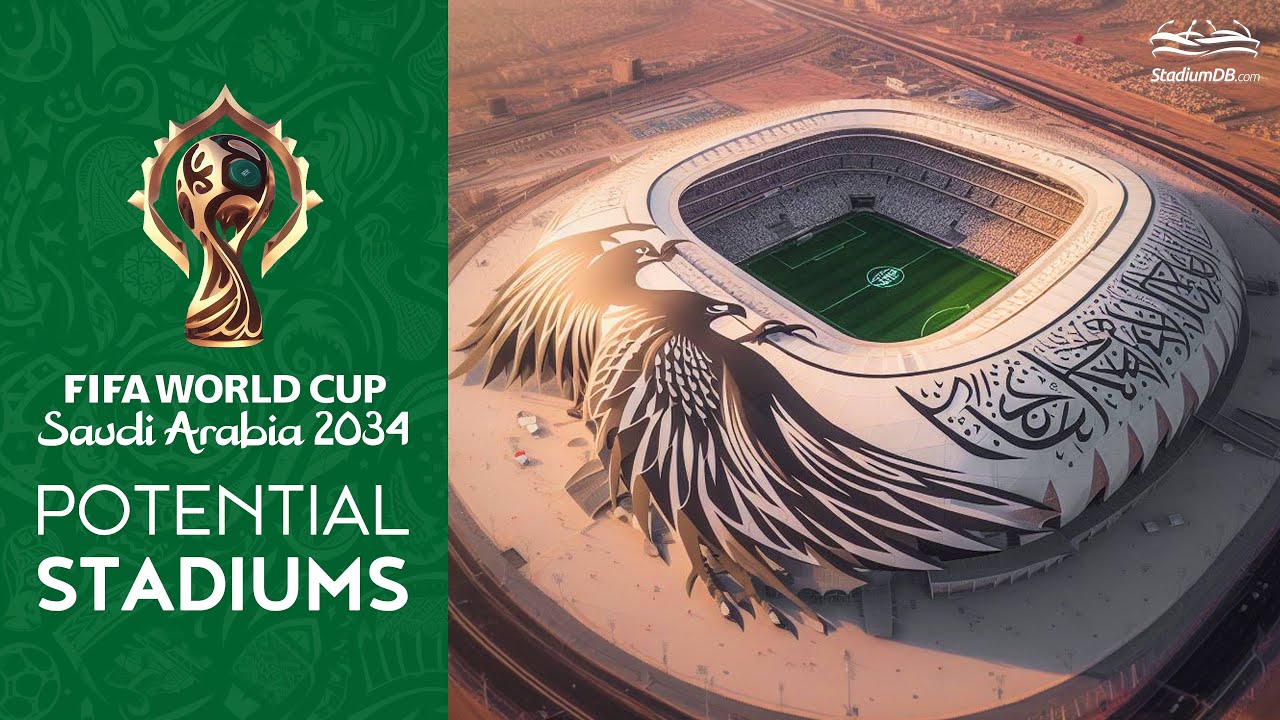
FIFA confirmed Saudi Arabia as the host of the 2034 Men’s World Cup on Wednesday, marking a historic moment for both the nation and the Middle East. The announcement was largely a formality, as Saudi Arabia was the sole bidder for the prestigious tournament, securing the rights without facing competition from other countries.

This victory positions Saudi Arabia as the second nation in the Middle East to host the World Cup, following Qatar’s successful bid for the 2022 tournament. FIFA’s decision to award Saudi Arabia the 2034 event underscores the growing influence of the region in global sports and aligns with the country’s ongoing push to diversify its economy and enhance its global stature.

The announcement follows the deadline for World Cup host bids, which closed without any other nations stepping forward. While other countries had considered bidding, Saudi Arabia’s extensive investment in sports infrastructure, coupled with its broader ambitions under the Vision 2030 initiative, positioned it as the dominant candidate. The country’s growing role in global sports has been evident in recent years with high-profile events such as the LIV Golf series and the Saudi Pro League attracting international attention.

The choice to award Saudi Arabia the 2034 World Cup aligns with FIFA’s ongoing efforts to globalize the tournament and increase its presence in new markets. This marks a continuation of FIFA’s strategy to bring the World Cup to regions that have historically been underrepresented in major international sporting events. For Saudi Arabia, hosting the World Cup is part of its broader ambitions to reshape its international image and establish itself as a leading destination for tourism, sports, and entertainment.

Saudi Arabia’s Vision 2030, spearheaded by Crown Prince Mohammed bin Salman, is a national development plan that aims to reduce the kingdom’s dependence on oil revenues by investing in non-oil sectors like tourism, entertainment, and sports. The 2034 World Cup fits into this larger strategy, with the event expected to boost the country’s economy, infrastructure, and international appeal. The announcement of the World Cup was celebrated within the country, reflecting national pride and ambition.

The infrastructure required for the World Cup is expected to drive further modernization efforts. Saudi Arabia has already embarked on major construction projects in recent years, including the building of new sports venues, hotels, and entertainment complexes. The country has also been investing heavily in upgrading its transportation networks, with the aim of creating a seamless experience for international visitors. The legacy of the tournament will likely include lasting improvements to Saudi Arabia’s tourism infrastructure, further positioning it as a destination for international visitors.

Although the lack of competition for the 2034 World Cup bid may raise questions about the transparency of the process, FIFA’s decision was met with enthusiasm from both supporters and critics of Saudi Arabia’s role in global sports. Some observers argue that the country’s growing presence in major international events raises important questions about the intersection of politics, sports, and human rights. However, others believe that hosting the World Cup presents an opportunity for Saudi Arabia to foster greater engagement with the global community.

The Middle East, as a region, has seen a rapid transformation in its sports culture over the last decade. The successful hosting of the 2022 World Cup in Qatar was a landmark event, showcasing the region’s ability to manage and execute a major international sports competition. Qatar’s ability to navigate the logistical challenges of hosting the World Cup has set a precedent for Saudi Arabia, which is expected to follow a similar path in preparation for 2034.

Saudi Arabia’s growing investment in football, particularly through its domestic league, has drawn attention from the international football community. The country’s efforts to attract top talent to the Saudi Pro League, including high-profile signings like Cristiano Ronaldo, have increased the league’s visibility. This influx of international stars has raised the profile of Saudi football and contributed to the country’s ambitions of becoming a leading force in the global football landscape.

The 2034 World Cup also presents a significant opportunity for FIFA to expand the tournament’s global reach. With the event taking place in the Middle East for the second time in just over a decade, FIFA aims to strengthen its presence in a region with rapidly growing football interest and infrastructure development. The decision is likely to further cement football’s place as the world’s most popular sport, especially in a region where the sport has seen an explosion in popularity and investment.

Celebrating the Season with Heartwarming Flavors from Across China MACAO SAR – Media OutReach Newswire – 12 December 2024 – Renowned as the Dining Destination in Asia, Galaxy Macau™ integrated resort (referred to as “Galaxy Macau”) continues to redefine culinary excellence with its diverse and innovative offerings. Seamlessly blending tradition and creativity, its restaurants present seasonal specialties year-round, nourishing both the body and the soul. This winter, […]

The Game Developers Association of India (GDAI), a pivotal new entity, has been established to drive forward the video game industry in India. This body is poised to foster a more structured and collaborative ecosystem for developers, empowering the sector to reach new heights. The GDAI marks a significant milestone in India’s gaming journey, aiming to connect developers, share resources, and advocate for the industry’s growth on both national and international stages.

GDAI’s formation is linked to the evolution of the India Game Developers Conference (IGDC), which has grown in importance since its inception in 2008. Over the years, IGDC has not only provided a platform for networking but has also showcased Indian talent globally. As India’s gaming industry matures, GDAI intends to provide consistent support to developers, create better policy frameworks, and ensure that India stands as a competitive force in the international gaming landscape.

A key aspect of GDAI’s strategy is to enhance the industry’s visibility and address challenges developers face. One of the primary concerns is the lack of regulatory clarity and financial support for game development, both of which the GDAI plans to tackle. With its strong network and advocacy efforts, GDAI is expected to drive positive policy changes that could facilitate greater access to funding and resources for gaming ventures across the country.

India’s gaming market has grown significantly, driven by a burgeoning middle class, affordable mobile phones, and internet penetration. Despite this, it still lags behind some other regions in terms of production quality and global recognition. GDAI’s efforts are aimed at bridging this gap, helping Indian developers navigate international markets and create games that can compete globally.

The GDAI’s role is pivotal in uniting different facets of the gaming sector, from indie developers to large studios. The body’s upcoming plans include organizing events, workshops, and seminars that will connect developers with investors, publishers, and other key players in the industry. The goal is to facilitate collaborations that will lead to innovative gaming solutions, thus boosting India’s presence in the international gaming community.

The IGDC continues to be one of the largest annual gatherings for game developers in India, with attendance growing steadily over the years. The event serves as a crucial meeting point for both established players and emerging talents, enabling them to share insights and explore new opportunities. At the heart of IGDC is the effort to cultivate a more inclusive and diverse gaming ecosystem that encourages creativity and innovation.

In recent years, India has seen a surge in mobile game development, with several homegrown titles gaining popularity both domestically and abroad. Games like “Ludo King,” “PUBG Mobile,” and “Free Fire” have amassed millions of users in India, creating a robust gaming culture. The success of these games reflects the potential of Indian developers, and GDAI aims to amplify this success by helping them scale and reach global markets.

Alongside mobile games, GDAI is also looking to promote the growth of PC and console gaming in India, an area that has historically been underdeveloped compared to other parts of the world. The association aims to help Indian game developers overcome the technical and logistical challenges involved in producing high-quality console games. It is also working towards creating opportunities for game developers to collaborate with global game publishers and distributors.

The GDAI’s strategic initiatives include promoting the creation of game development hubs across major cities in India. These hubs would offer developers access to shared resources, industry expertise, and potential funding opportunities. By cultivating a collaborative environment, GDAI hopes to encourage the development of more high-quality games that reflect India’s diverse cultural heritage and appeal to global audiences.

Efforts to make PlayStation 3 games playable on diverse platforms have gained a breakthrough, with the successful integration of a cutting-edge emulator compatible with Raspberry Pi 5 and Apple Silicon. This development marks a significant stride in the emulation landscape, offering wider accessibility to the PS3’s expansive game library. The new capability stems from enhancements made to RPCS3, the renowned open-source PS3 emulator. Developers focused on optimizing […]

HAIKOU, CHINA – Media OutReach Newswire – 9 December 2024 – The 27th China (Hainan) International Trade Fair for Tropical Agricultural Products took place at the Hainan Free Trade Port on Dec. 5-8. Participants from 2,200 enterprises representing over 10 countries and regions attended the event, sharing the latest agricultural advancements and innovative technologies. The 27th China (Hainan) International Trade Fair for Tropical Agricultural Products During the […]

A cryptocurrency trader leveraged an audacious high-risk position to turn an initial investment of $2,500 into an impressive $200,000 by trading XRP with a staggering 500x leverage. The bold maneuver capitalized on XRP’s upward price movement following developments in its ongoing legal case with the U.S. Securities and Exchange Commission (SEC).

The trader’s position, which teetered near liquidation at one point, highlights the volatile nature of high-leverage trading. Leveraging 500x means a minor price fluctuation can significantly amplify gains—or wipe out investments. XRP’s sharp price increase, fueled by optimism over favorable judicial rulings, provided a critical lifeline for this strategy to succeed.

This dramatic transformation of funds underscores the high-reward potential of crypto derivatives trading but also serves as a cautionary tale about its risks. With leverage of this magnitude, traders face amplified exposure to market swings, emphasizing the importance of careful market analysis and risk management. XRP, buoyed by increased trading volumes and speculation about the SEC ruling, became the backdrop for this extraordinary financial feat.

The case surrounding Ripple Labs, the company behind XRP, has long been a focal point of crypto markets. Ripple’s partial victories in court have bolstered confidence among traders and investors, lifting XRP prices. Market sentiment, compounded by Ripple’s legal clarity in its battle over XRP’s classification as a security, catalyzed significant price action. Experts emphasize that while the trader’s success is remarkable, it is not representative of typical outcomes in high-leverage trading scenarios, where the odds heavily favor losses.

Cryptocurrency analysts point out that this incident reflects the unpredictable yet enticing nature of crypto markets. As digital assets become more integrated into mainstream financial systems, volatility remains a defining characteristic, particularly for leveraged products. Observers note that such stories can inspire further speculative activity, potentially fueling market bubbles and increasing the inherent risks of trading these assets.

VISHNU RAJA
RYO YAMADA
HITORI GOTOH
IKUYO KITA