News related to
Success

The Liwa International Festival 2025 (LIWA 2025) will commence on December 13 in the Al Dhafra region of Abu Dhabi, running through January 4. The event, known for attracting motorsport enthusiasts from around the world, promises a captivating blend of high-octane motorsport competitions, cultural exhibitions, and family-friendly activities. With its strong focus on desert racing, LIWA 2025 is expected to offer unparalleled excitement for both competitors and spectators.

Held annually in the stunning Al Dhafra desert, the festival is a key highlight of the UAE’s motorsport calendar. This year’s event is anticipated to showcase a series of thrilling off-road racing events, including the famed Liwa Desert Challenge, where drivers compete against the harsh desert landscape in a test of skill and endurance. The challenge draws some of the world’s best off-road racers and features a range of vehicles, including 4x4s, motorcycles, and dune buggies.

LIWA 2025 will also spotlight the growing popularity of motorsports in the Middle East, a region that has increasingly become a hub for international racing events. This year’s festival is expected to be one of the largest yet, with organizers estimating that tens of thousands of visitors will flock to the desert over the course of the three-week event. The event’s success is partly attributed to its ability to attract a diverse crowd, with motorsport fans, local families, and international tourists all eager to experience the blend of speed, culture, and tradition.

One of the festival’s main draws is its ability to combine thrilling motorsports with cultural experiences. Alongside the races, LIWA 2025 will feature traditional Bedouin music and dance, local food stalls, and displays of regional crafts. This fusion of culture and sport is one of the reasons why the festival has grown in popularity over the years. Visitors can explore the region’s rich heritage while enjoying the electrifying atmosphere of the races.

The festival is not just for motorsports aficionados. The event also hosts a number of family-oriented activities, including camel races, falconry displays, and a vibrant market that showcases handicrafts and local products. These attractions offer a more immersive experience, allowing visitors to connect with the history and traditions of the UAE.

This year’s festival also aims to bring attention to sustainability efforts. Organizers have incorporated eco-friendly initiatives into the event’s planning, ensuring that it not only celebrates motorsports but also respects the fragile desert environment. This includes using solar-powered lighting, minimizing waste, and encouraging the use of electric vehicles for transportation around the festival grounds. These efforts reflect a growing trend in the region to balance high-impact events with environmental responsibility.

The Al Dhafra region, known for its vast and dramatic sand dunes, provides a spectacular backdrop for the festival. The desert’s unique landscape offers an exciting and challenging terrain for participants. The extreme conditions make it a true test of endurance, skill, and precision for drivers who face both natural and technical obstacles throughout the race. The Liwa Desert Challenge is considered one of the toughest off-road racing events globally, and it continues to attract drivers eager to test their mettle.

Beyond the races, LIWA 2025 will also feature an exhibition of cutting-edge automotive technology and innovation. Manufacturers and vendors will display the latest advancements in off-road vehicles, providing a glimpse into the future of motorsports. This expo is expected to draw significant attention from industry professionals, as well as fans eager to see the newest vehicles and gadgets designed for desert racing.

The Liwa International Festival’s reputation as a major motorsport and cultural event is not just limited to local audiences. The festival has seen increasing international attention in recent years, with visitors and competitors from across the globe making the journey to Abu Dhabi for the event. It serves as an important meeting point for motorsports enthusiasts, industry leaders, and cultural tourists alike.

The festival provides a platform for local businesses to showcase their products and services. The event offers sponsorship opportunities for a variety of brands, ranging from automotive companies to luxury goods and local hospitality services. These partnerships help fuel the growth of the event and ensure its continued success, benefiting both the motorsport industry and the local economy.

One of the key components of the festival is the opportunity it provides for networking within the motorsports community. As a hub for off-road racing, the festival allows competitors, fans, and industry professionals to meet and exchange ideas. It is an event where business, sports, and culture collide, fostering collaborations and partnerships that extend beyond the festival itself.

As the event grows in stature, the UAE continues to position itself as a major player on the global motorsports stage. With world-class facilities, a growing fan base, and a strategic location that connects East and West, the UAE is becoming a key destination for motorsport events, not just in the Middle East, but globally. This trend is expected to continue with events like the Liwa International Festival setting the standard for excellence in the region.

Organizers of LIWA 2025 are confident that the festival will be a major success, citing the growing interest in motorsports and the UAE’s strong infrastructure. With support from the government, as well as private sector partnerships, the event is set to leave a lasting impression on all who attend.

Saudi Arabia’s presidency of COP16 has spotlighted the pressing need for enhanced funding for land restoration, urging the private sector to take a leading role in addressing the critical financial shortfall. As the world confronts escalating environmental challenges, the call aims to overcome what experts have described as a “blackhole” of financial resources necessary to restore degraded lands globally. The issue of land restoration has gained momentum […]

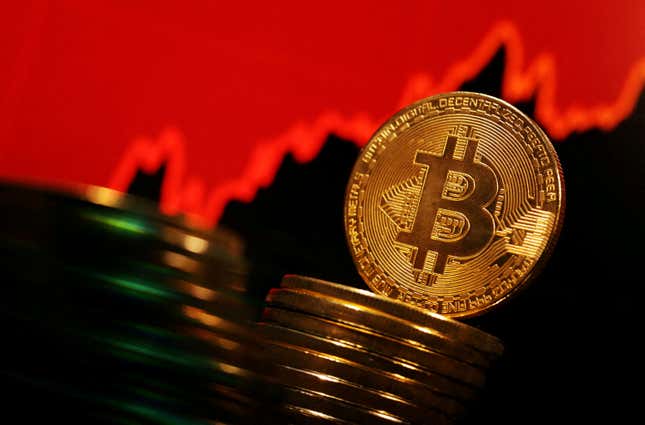
Bitcoin has surged past the $100,000 mark, a dramatic milestone that has spurred renewed optimism within the cryptocurrency market. Investors are turning to Bitcoin and other cryptocurrencies as hedge assets, fueled in part by increased political volatility and speculation surrounding Donald Trump’s potential return to the U.S. presidency. As global economic uncertainty continues, Bitcoin’s rise reflects a growing belief among some market participants that digital currencies can offer a secure alternative to traditional financial systems.

The latest rally in Bitcoin’s price comes after months of oscillating values and investor hesitation. Experts suggest that the rally is being driven by a confluence of factors, not least of which is the renewed interest in political events and their possible impact on global markets. As the 2024 U.S. presidential election looms, some analysts believe that the uncertainty surrounding Trump’s political comeback has heightened demand for decentralized assets like Bitcoin. Crypto enthusiasts view Bitcoin not only as a store of value but as a refuge from potential economic instability that could result from geopolitical shifts or policy changes under a Trump administration.

The speculative fever surrounding Bitcoin’s price surge is palpable, with many traders turning to the asset in anticipation of further gains. This surge is also reflective of broader trends in the cryptocurrency market, which has seen an influx of new investors. While the increase in Bitcoin’s price is drawing attention, the market remains highly volatile, with prices fluctuating rapidly in response to news events and investor sentiment.

Despite its rise, Bitcoin’s journey to $100,000 is far from straightforward. In recent months, Bitcoin has faced challenges ranging from regulatory scrutiny to competition from newer digital currencies. Governments around the world, particularly in the U.S., have been examining ways to regulate cryptocurrencies more effectively, a move that could dampen the enthusiasm surrounding digital currencies. In fact, some analysts argue that Bitcoin’s success is intrinsically tied to the regulatory environment, which remains a source of uncertainty for investors. Even so, many investors are betting that Bitcoin will continue to outperform other financial assets as the world faces growing uncertainty in traditional markets.

As the cryptocurrency market gains traction, investors are keenly aware of the potential for further volatility. While Bitcoin’s rise has caught the attention of traditional finance institutions, it remains a speculative asset that offers both high rewards and significant risks. Analysts suggest that Bitcoin’s price is subject to sudden swings, driven by factors ranging from changes in market sentiment to global economic developments. In the case of the current rally, some traders are capitalizing on the geopolitical risks associated with a possible Trump presidency, betting that such an event could lead to higher demand for Bitcoin and other cryptocurrencies.

The role of institutional investors has also become a point of interest as Bitcoin’s price climbs. Traditionally, cryptocurrencies like Bitcoin were seen as the domain of retail investors, but recent years have seen an increasing number of institutional players entering the market. Hedge funds, pension funds, and even central banks are exploring ways to incorporate Bitcoin and other cryptocurrencies into their portfolios. This shift in institutional behavior has provided further legitimacy to the digital currency market, with some analysts predicting that Bitcoin could become an integral part of the global financial system.

Alongside Bitcoin, other cryptocurrencies have also seen increased activity. Ethereum, for instance, has benefitted from technological advancements and growing use cases in decentralized finance and non-fungible tokens (NFTs). However, Bitcoin remains the dominant player in the cryptocurrency space, and its price movements continue to drive sentiment across the sector. The strong correlation between Bitcoin’s price and broader market trends suggests that the cryptocurrency market is closely tied to investor psychology, with Bitcoin often serving as a bellwether for the wider market.

Another factor contributing to Bitcoin’s price surge is the increasing acceptance of the cryptocurrency by businesses and consumers alike. Several high-profile companies have begun accepting Bitcoin as payment, while others are exploring ways to integrate cryptocurrency into their operations. This growing adoption has helped fuel optimism about Bitcoin’s long-term prospects, despite its volatility in the short term. At the same time, Bitcoin’s reputation as a hedge against inflation and economic instability has resonated with many investors, particularly as inflationary pressures persist in major economies worldwide.

However, Bitcoin’s future is far from certain. Its price is highly susceptible to shifts in market sentiment, and some analysts caution that the asset remains speculative at best. While the cryptocurrency market has expanded rapidly over the last few years, it is still in its early stages, and many of the regulatory and technological challenges facing the industry have yet to be fully addressed. Moreover, competition from central bank digital currencies (CBDCs) and other forms of state-backed money could pose a threat to Bitcoin’s dominance in the digital asset space.

Robinhood, the prominent commission-free trading platform, has confirmed its plans to expand into the Asia-Pacific (APAC) region by 2025. The company has chosen Singapore as its base of operations for this significant expansion, a move aimed at tapping into the fast-growing financial markets in Asia. This decision signals the company’s ambition to diversify its global footprint and cater to a region increasingly focused on digital finance and investment opportunities.

The decision to establish an office in Singapore reflects the city-state’s role as a key financial hub in Asia. Singapore’s favorable regulatory environment and its status as a regional fintech leader make it an attractive destination for global fintech companies looking to scale operations in the APAC region. The country has long been known for its pro-business stance, stable financial system, and robust technological infrastructure, all of which provide a conducive environment for a tech-driven financial firm like Robinhood.

Singapore has also seen a growing influx of financial startups and established companies expanding their reach to the Southeast Asian markets, making it a logical choice for Robinhood’s foray into the region. By setting up operations in Singapore, Robinhood hopes to capture a portion of the region’s burgeoning retail investor base, particularly as wealth in Asia grows rapidly, and more individuals gain access to financial markets through mobile apps and platforms.

Robinhood’s move into the APAC region also comes at a time when the fintech sector is undergoing significant changes. With the increasing use of smartphones and the internet, retail investment is seeing massive growth in Asia, especially among young investors who are tech-savvy and eager to explore stock trading. Robinhood’s low-cost, no-commission trading model aligns well with the financial preferences of these investors, making the company an appealing option in a region where many investors are looking for cost-effective and transparent trading solutions.

While Robinhood’s expansion into Asia is an exciting development, it will not be without its challenges. The company must navigate the diverse regulatory environments across various countries in the region, each with its own rules for digital finance, securities, and trading platforms. Although Singapore provides a strong starting point, Robinhood will need to carefully assess the regulatory frameworks in markets like Japan, South Korea, and India, where financial regulations can differ significantly.

As part of its regional expansion strategy, Robinhood is also expected to partner with local financial institutions and fintech startups in Asia. This could help the company tailor its services to the specific needs and preferences of consumers in each market. The company may also look to introduce new features that cater to local market conditions, such as investment options that are popular in certain countries or currencies that are more widely used in the region.

At the same time, Robinhood’s entry into Asia also brings the company into competition with established players in the region, including traditional brokerage firms and other fintech companies. In markets like Japan, South Korea, and Hong Kong, Robinhood will need to prove its ability to offer a compelling value proposition compared to local platforms, many of which already have a strong presence in their respective countries. To succeed, Robinhood will need to balance the advantages of its existing business model with the need to adapt to the unique dynamics of the Asian financial markets.

Despite the competition, Robinhood’s reputation as a disruptor in the financial services industry, combined with its innovative approach to retail investing, could provide a strong foundation for its success in the APAC region. The company’s ability to offer commission-free trading and easy-to-use mobile platforms has made it popular among retail investors in the United States, and it hopes to replicate this success in Asia, a region where digital adoption is accelerating.

Robinhood has also demonstrated its adaptability in the past, introducing new features and expanding into new territories as it seeks to broaden its user base. The company has already expanded its operations in Europe and Canada, and its move into Asia represents a natural next step in its global growth strategy. Given the rising demand for accessible investment tools across Asia, Robinhood’s entry into the region could prove to be a game-changer for retail investing in the APAC markets.

Circle, the issuer of the USD Coin (USDC), has officially confirmed that its stablecoin has met the criteria to qualify as a Value-Referenced Crypto Asset (VRCA) under Canada’s regulatory framework. This approval ensures USDC will remain in compliance with Canadian law and continue its operations in the country beyond the December 31, 2024, deadline.

The Canadian Securities Administrators (CSA) introduced stringent regulations in 2023 aimed at creating a safe and secure environment for digital assets. These rules require all stablecoins operating in the country to meet the VRCA requirements, a set of standards designed to guarantee that crypto assets are fully backed by reserves that are easily redeemable at par value. This regulatory framework is part of Canada’s broader strategy to bring digital currencies in line with existing financial systems, increasing transparency and protecting investors.

Circle’s achievement marks a significant milestone in the integration of stablecoins into national financial systems. USDC is the first stablecoin to meet the VRCA’s strict criteria, a move that positions it as a critical player in Canada’s evolving crypto landscape. As the only stablecoin to have secured this compliance, USDC now has a distinct advantage in the Canadian market, ensuring its ongoing use for payments, remittances, and other financial applications within the country.

The approval also signals a growing acceptance of digital currencies in Canada. The country has long been considered one of the more progressive jurisdictions in terms of cryptocurrency adoption, with regulators working to balance innovation with investor protection. The VRCA classification reflects a recognition of stablecoins’ utility in the broader financial ecosystem, especially for international transactions where volatility is a concern.

Circle’s commitment to regulatory compliance has been a cornerstone of its strategy. The company has worked closely with regulators around the world to ensure that USDC adheres to local laws while maintaining its stability and utility. This proactive approach has helped build trust with both users and governments, a critical factor in the growing acceptance of stablecoins.

Stablecoins like USDC are pegged to fiat currencies such as the U.S. dollar, offering a relatively stable value compared to the broader cryptocurrency market, which can experience significant price fluctuations. The ability to convert USDC easily into Canadian dollars under the new regulatory framework provides Canadian users with a reliable and efficient means of conducting digital transactions.

This regulatory approval by Canada also has broader implications for the global cryptocurrency market. As other nations consider how to regulate stablecoins, the Canadian example could serve as a model for establishing clear, comprehensive guidelines that protect users while fostering innovation. By creating a clear framework for stablecoins, Canada sets a precedent for how other jurisdictions might approach similar regulatory challenges in the coming years.

Circle’s compliance with Canada’s VRCA requirements may open the door for more stablecoin issuers to seek similar approvals in other jurisdictions, ultimately pushing the global regulatory landscape toward greater consistency. For now, USDC’s approval in Canada helps to reinforce its role as a leading stablecoin in the global market, used by a wide range of entities, from financial institutions to decentralized finance (DeFi) applications.

Despite these positive developments, the global regulatory landscape for stablecoins remains fragmented. Different countries have taken varying approaches to stablecoin regulation, with some adopting a more cautious stance and others moving forward with more aggressive regulatory frameworks. As regulators continue to refine their approaches, Circle’s success in meeting Canada’s VRCA standards may be a pivotal moment in shaping the future of stablecoins.

Aldar Properties, Abu Dhabi’s largest real estate developer, has finalized the acquisition of a prominent commercial tower in Dubai’s International Financial Centre (DIFC) for a staggering 2.3 billion dirhams ($626 million). This deal marks one of the most significant property transactions in the region’s commercial real estate sector in recent years. The commercial tower, a key asset located in one of Dubai’s prime financial districts, was sold […]

Abu Dhabi’s National Marine Dredging Company (NMDC) has expanded its reach into new sectors with the establishment of a dedicated logistics unit. This strategic move aims to enhance the company’s service offerings and leverage its operational expertise to capitalize on the growing demand for integrated logistics services. The new division will focus on providing logistics solutions for a wide range of industries, marking a significant shift in NMDC’s business trajectory.

The expansion comes at a time when the global logistics market is experiencing rapid growth, driven by advancements in technology and an increase in trade activities. NMDC’s decision to establish a logistics unit underscores its ambitions to diversify beyond its traditional dredging and marine operations. The move also positions the company to tap into a sector that is becoming increasingly vital to the supply chain, particularly in the Middle East, where infrastructure development continues to surge.

The logistics unit will provide end-to-end services, including transportation, storage, and distribution, aimed at industries such as construction, oil and gas, and infrastructure development. By venturing into this space, NMDC is poised to offer a broader suite of solutions to its existing client base while also attracting new customers from sectors that require sophisticated logistical support. The company’s extensive experience in project management and large-scale operations positions it well to integrate these new services into its existing portfolio.

According to industry experts, NMDC’s entry into the logistics market is a timely response to the increasing need for efficient supply chain solutions. The UAE, and particularly Abu Dhabi, is seeing a rise in demand for specialized logistics services driven by its growing infrastructure and energy sectors. With a well-established reputation for executing large-scale maritime and dredging projects, NMDC’s expansion into logistics is seen as a natural progression.

The establishment of the logistics division is expected to improve operational efficiency by streamlining the movement of goods, materials, and equipment across different sectors. Furthermore, the move aligns with broader economic trends in the UAE, where non-oil sectors are becoming a focal point of the country’s long-term economic diversification strategy. The UAE government has made significant investments in infrastructure, including airports, seaports, and transport systems, which have spurred demand for robust logistics capabilities.

One of the key advantages of NMDC’s new unit is its potential to integrate its marine expertise with logistics operations. Given the company’s vast experience in marine dredging, port construction, and offshore services, it is well-positioned to offer seamless transportation solutions for industries dependent on sea-based logistics. This expertise could offer a significant competitive edge, particularly in the context of the UAE’s strategic location as a hub for global trade. The integration of marine logistics with land-based services is expected to create a more efficient supply chain, allowing NMDC to offer cost-effective and timely solutions.

NMDC’s logistics expansion also reflects broader trends within the UAE’s corporate sector, where companies are diversifying to stay competitive amid evolving market conditions. The logistics sector, in particular, has attracted substantial investments from both public and private entities due to its role in supporting economic growth. As a result, many firms are increasingly seeking ways to enhance their capabilities to meet the demands of industries such as e-commerce, retail, and manufacturing.

The logistics unit will also have a significant impact on job creation within the region. As the company scales up its operations, it is expected to generate a range of employment opportunities, particularly for skilled workers in fields like supply chain management, transportation, and warehousing. The initiative also aligns with the UAE’s ongoing efforts to cultivate a competitive workforce and reduce dependency on foreign labor by providing more opportunities for local talent.

NMDC’s growth strategy involves not only expanding its reach in logistics but also enhancing its overall service capabilities to support the UAE’s broader economic objectives. The logistics division is expected to bolster the company’s presence in key regional markets, particularly as demand for efficient transportation services increases across the GCC and North Africa. By extending its services, NMDC aims to position itself as a leading player in the logistics sector, much like it has in the marine and dredging industries.

The logistics market in the UAE has witnessed significant growth in recent years, with an increasing number of companies entering the field to cater to the rising demand for transport, warehousing, and distribution services. NMDC’s move to enter this competitive market, however, comes with its own set of challenges. The logistics sector is highly competitive, with established players already commanding significant market share. However, industry analysts believe that NMDC’s reputation for successful large-scale project execution and its ability to integrate advanced technology into operations could give it a competitive advantage in the long term.

Technological innovation is expected to be a key focus for the logistics unit, with NMDC likely to implement smart logistics systems and automation to streamline processes. Technologies such as artificial intelligence, Internet of Things (IoT), and blockchain are increasingly becoming integral to the logistics sector, enabling companies to improve efficiency and transparency. By integrating such technologies, NMDC can not only optimize its logistics operations but also offer value-added services to customers who are increasingly seeking more digitized and automated solutions.

Advertisements

Artificial intelligence computing company Tenstorrent has successfully closed its Series D funding round, raising $693 million at a valuation of $2 billion. The round saw significant participation from leading investors such as Samsung Securities and AFW Partners, further bolstering the company’s position as a key player in the rapidly expanding AI sector. This latest funding brings Tenstorrent’s total raised capital to over $1 billion since its inception. […]

Arabian Post Staff -Dubai The United Arab Emirates has firmly established itself as a global leader in the new economy, marked by its vibrant and competitive marketplace, forward-thinking innovation ecosystem, and dynamic workforce. A report by the Statistical Centre for the Cooperation Council for the Arab Countries of the Gulf (GCC-Stat) highlights the nation’s remarkable strides in fostering a society driven by progress and sustainability. Released to […]

KUALA LUMPUR, MALAYSIA – Media OutReach Newswire – 4 December 2024 – Commerce Dot Com Sdn. Bhd. (CDC) achieved an extraordinary milestone at the Malaysia Public Relations Awards (MPRA) 2024, taking home an unprecedented three gold awards for its outstanding campaigns. This landmark victory underscores CDC’s leadership in corporate communications and its unwavering commitment to excellence, ethics, and innovation. These accolades highlight CDC’s dedication to crafting narratives […]

Here’s a news report based on the given information:

Brighton College Dubai has implemented strict limits on mobile phone use among its students, resulting in measurable improvements in their overall happiness. Over the past two years, the school reported a 15% increase in student satisfaction, attributing the shift to its policy of reducing screen time both during and after school hours.

This educational institution is part of a growing movement in academic circles aiming to prioritize students’ mental well-being by tackling the pervasive issue of digital dependency. By curbing phone usage and regulating screen exposure, Brighton College Dubai has set an example for schools worldwide grappling with the challenges of modern technology in the classroom.

Headmaster Simon Crane explained that the decision was driven by growing concerns over the impact of excessive phone usage on student development and social interactions. Research has consistently highlighted the negative effects of prolonged screen time, including reduced attention spans, disrupted sleep patterns, and increased feelings of isolation. To combat these issues, the school introduced a series of measures designed to balance technology use with personal growth.

Students are required to store their phones in designated lockers throughout the school day, ensuring minimal distractions during lessons. Furthermore, the school has collaborated with parents to establish guidelines for device usage at home, fostering a holistic approach to managing screen time. This two-pronged strategy has yielded noticeable improvements in academic performance and emotional resilience among students.

Brighton College Dubai’s initiative aligns with broader educational trends addressing the digital age’s influence on young minds. Studies from global health organizations underscore the importance of limiting screen exposure, particularly for children and adolescents, as part of maintaining mental and physical health.

Parents at the school have largely welcomed the policy, praising its positive impact on their children’s lives. One parent noted that her son, a Year 9 student, had become more engaged in outdoor activities and face-to-face interactions since the rules were introduced. “It’s refreshing to see him spend more time outside, making meaningful connections with friends rather than being glued to his phone,” she remarked.

Teachers have also observed significant changes in the classroom dynamic. Without the distraction of phones, students appear more focused and actively participate in discussions. The policy has not only enhanced academic engagement but has also fostered a stronger sense of community within the school.

To further promote digital wellness, Brighton College Dubai has integrated lessons on responsible technology use into its curriculum. These sessions aim to educate students on the potential risks of excessive screen time while equipping them with the tools to maintain a healthy balance. Topics covered include cyberbullying, online etiquette, and the importance of unplugging to cultivate mindfulness.

This proactive stance has sparked interest from other educational institutions considering similar measures. Educators worldwide are recognizing the urgency of addressing the digital habits of today’s youth, and Brighton College Dubai’s success serves as a compelling case study.

While the policy has garnered widespread support, some students initially expressed resistance, citing the challenge of adapting to limited phone access. However, many have since embraced the change, reporting a greater sense of well-being and stronger interpersonal relationships. A Year 11 student shared that she now feels more present in her daily life, adding, “I didn’t realize how much time I was spending on my phone until it was taken away. Now, I enjoy being more connected to the people around me.”

Opens to the Public on December 4 Sparking Inspiration With a Line-up of Design Events HONG KONG SAR – Media OutReach Newswire – 4 December 2024 – Hong Kong Design Centre’s (HKDC) new landmark, DX design hub (the Hub) successfully concluded its Launching Party today. The celebratory event was attended by guests comprising of top government officials, business leaders and Mainland and France delegations. The Cultural and […]

By Nitya Chakraborty As the year 2024 is ending and India is on the threshold of beginning a New Year 2025, Prime Minister Narendra Modi and his senior officials in both PMO and the external affairs ministry are relaxed and looking for positive developments in the coming year for Indian diplomacy. Narendra Modi has reasons […]

Grayscale Investments has initiated a move to convert its Solana Trust into an exchange-traded fund (ETF), marking a significant step in expanding its ETF offerings. The trust, which was launched in 2021 as a closed-end fund, currently manages $134 million in assets, focusing exclusively on Solana, a blockchain platform known for its speed and low transaction costs. The conversion filing comes as Grayscale continues to build on […]

SIEM REAP, CAMBODIA – Media OutReach Newswire – 4 December 2024 – Prince Foundation, the philanthropic arm of Prince Holding Group, proudly supported the ASEAN Regional Mine Action Center (ARMAC) during the recently concluded Siem Reap-Angkor Summit on a Mine-Free World. The Foundation provided strategic communications expertise and exhibition design that highlighted ARMAC’s innovative victim assistance programs and technological initiatives, engaging over 700 delegates from more than […]

Tether’s USDT stablecoin has achieved a historic milestone, with its market capitalization surpassing $135 billion. This marks a significant achievement for the world’s largest and most traded stablecoin, which has seen consistent growth and increased usage across various sectors of the cryptocurrency market. This surge in market cap highlights the growing demand for stable assets in a volatile crypto environment and Tether’s continued dominance in the stablecoin arena.

The rise in Tether’s market cap comes amid increasing interest in decentralized finance (DeFi), trading platforms, and cross-border transactions, where stablecoins like USDT play a critical role. USDT is often used by traders as a safe haven during periods of market uncertainty, offering a stable alternative to the volatility of other cryptocurrencies like Bitcoin and Ethereum. The stability of Tether’s value, typically pegged 1:1 to the U.S. dollar, has made it an attractive option for users looking for liquidity while maintaining relative security in their digital asset holdings.

The demand for Tether’s USDT has been particularly notable as it has become an essential liquidity provider on major cryptocurrency exchanges and decentralized platforms. USDT is frequently used as a trading pair for the majority of crypto-to-crypto transactions, thus cementing its role as a key facilitator in the cryptocurrency ecosystem. Its presence across hundreds of exchanges worldwide has contributed significantly to its growing market cap, with billions of dollars being traded daily.

Tether’s ability to maintain its peg to the U.S. dollar has been a subject of scrutiny and debate since its inception. Critics have raised concerns over Tether’s reserves, questioning whether the company has sufficient assets backing every USDT token in circulation. However, Tether has consistently defended its position, asserting that its reserves are fully backed by real assets, and has even undergone audits to demonstrate its financial transparency. Despite these concerns, the demand for USDT continues to grow, bolstered by increasing adoption and its wide acceptance across the crypto space.

Another key factor contributing to the increase in Tether’s market capitalization is the broader adoption of blockchain technology. As digital currencies gain traction among institutional investors, Tether has positioned itself as a key player in facilitating institutional investment in the crypto market. Major players in finance, including hedge funds and asset managers, have increasingly used USDT as a means to trade digital assets while mitigating exposure to price fluctuations in the broader crypto market.

The rise of stablecoins, and specifically Tether, has also been linked to growing interest from regulators and governments. Stablecoins, with their promise of stability and faster settlement times compared to traditional financial systems, have drawn the attention of regulators worldwide. Some jurisdictions have moved to regulate stablecoins as part of their broader efforts to establish a framework for cryptocurrencies. Despite regulatory scrutiny, Tether remains a dominant force, often seen as a bridge between traditional financial markets and the rapidly expanding crypto ecosystem.

Tether’s expansion comes at a time when the cryptocurrency industry is seeing greater institutional involvement. A growing number of companies and investors are turning to blockchain and digital currencies as part of their portfolio diversification strategies. With USDT acting as a stable vehicle in volatile markets, Tether has cemented its place at the heart of this digital transformation, acting as both a safe haven and a gateway for new investment.

The growing interest in DeFi protocols has contributed to the rise in demand for stablecoins like USDT. These decentralized platforms often rely on stablecoins for their liquidity pools, lending services, and transactions. As DeFi platforms expand and more users engage with decentralized applications, the need for reliable, stable assets has only intensified. Tether, being one of the most widely recognized and accessible stablecoins, has benefitted greatly from this trend, further solidifying its position in the market.

Tether’s ability to maintain liquidity and keep its peg to the U.S. dollar has enabled it to capture a significant share of the stablecoin market. As of now, Tether accounts for a substantial portion of the total stablecoin market capitalization, with competitors like USD Coin (USDC) and Binance USD (BUSD) trailing behind. While Tether’s market dominance remains undisputed, competition within the stablecoin sector continues to grow, especially as new players enter the market with varying levels of decentralization and regulatory compliance.

Despite its success, Tether continues to face challenges, particularly in the realm of regulatory compliance. Global financial authorities are focusing on stablecoins, with some countries proposing stricter regulations or even outright bans on certain stablecoins. Tether has taken steps to address these concerns, including efforts to enhance transparency and meet regulatory requirements. However, the regulatory landscape for stablecoins remains uncertain, and Tether’s continued growth will depend on its ability to navigate the shifting landscape.

The growth of Tether’s market capitalization also reflects broader trends in the global financial ecosystem. The increasing adoption of digital assets, the rise of decentralized finance, and the integration of blockchain technology into traditional finance are all contributing factors. As more investors, businesses, and financial institutions adopt digital currencies, the demand for stablecoins like USDT is expected to continue its upward trajectory.

KPay strengthens its position as the leading regional platform for merchants to simplify financial management and streamline business operations. The investment by Apis Growth Markets Fund III and Apis Global Growth Fund III will accelerate KPay’s trajectory to support one million merchants across Asia in the next five years HONG KONG/SINGAPORE – Media OutReach Newswire – 3 December 2024 – KPay Group (KPay), a one-stop financial management […]

IBIT, a prominent player in the cryptocurrency space, has crossed a significant milestone by accumulating more than 500,000 BTC in its reserves. This achievement places IBIT at the forefront of institutional investors, holding one of the largest Bitcoin stashes worldwide.

The growth of IBIT’s Bitcoin holdings signals not only the company’s expanding influence in the digital asset market but also the ongoing shift toward institutional investment in cryptocurrency. While many traditional investors have historically viewed Bitcoin and similar assets with skepticism, IBIT’s increasing accumulation of BTC highlights a changing trend, with crypto assets now becoming a central part of investment portfolios.

The timing of this move is notable, with Bitcoin’s market volatility and institutional adoption on the rise. As Bitcoin’s price has experienced fluctuations, the growing institutional presence in the market has added a layer of stability and legitimacy to the digital currency. IBIT’s actions are reflective of a broader trend where institutional investors are looking beyond Bitcoin’s price swings and viewing the cryptocurrency as a long-term store of value.

IBIT’s strategy aligns with a growing confidence in the potential of Bitcoin, especially as more companies and financial institutions seek exposure to this volatile yet highly profitable asset class. The company has made headlines not only for its significant Bitcoin holdings but also for its consistent commitment to securing digital assets in a safe and compliant manner. In a space rife with regulatory uncertainty, IBIT’s methodical approach to managing its Bitcoin reserves underscores the increasing sophistication of institutional cryptocurrency investing.

The surge in IBIT’s Bitcoin stash is reflective of an overarching trend in the cryptocurrency industry, where institutional players are playing an increasingly prominent role. Traditional hedge funds, family offices, and large corporations have recognized the value of diversifying their assets into Bitcoin, with the aim of reducing risk and boosting returns. The 500,000 BTC mark comes at a time when several other major players in the industry have followed suit, significantly raising their stakes in Bitcoin as an asset class.

Bitcoin’s market dynamics have changed considerably in recent years, with a notable increase in the volume of institutional investment. As these investors continue to accumulate large quantities of BTC, they inadvertently strengthen Bitcoin’s position within the global financial ecosystem. The digital currency is no longer just a speculative investment but is now seen as a legitimate store of value akin to gold.

IBIT has managed to build its position in the Bitcoin market through strategic acquisitions and partnerships with other major cryptocurrency-related firms. Its growing presence has been fueled by its adherence to a disciplined investment strategy, ensuring its Bitcoin holdings are not only large but also securely stored. This approach has won IBIT the trust of investors and stakeholders alike, many of whom view the company’s success as a blueprint for navigating the complexities of digital asset management.

IBIT’s holdings have been particularly significant when considering the broader trends in Bitcoin’s supply. With the cryptocurrency’s total supply capped at 21 million, large-scale holders like IBIT are seen as key players in the future price dynamics of Bitcoin. By owning over 500,000 BTC, IBIT controls a substantial portion of the available supply, which may influence both the market price and the broader narrative surrounding Bitcoin’s role in the global financial system.

The focus on secure and compliant Bitcoin holdings is an essential aspect of IBIT’s strategy. As regulatory bodies across the world continue to refine their approaches to cryptocurrency, IBIT has positioned itself as a leader in adhering to these evolving standards. This has ensured that its Bitcoin assets remain insulated from regulatory pressures that could potentially jeopardize the security or legality of the holdings.

IBIT’s ability to accumulate such a large amount of Bitcoin has garnered significant attention from investors and analysts. Many view the company’s strategy as indicative of the future direction of the digital asset market, where institutional players will continue to play a dominant role in shaping the supply and demand dynamics of Bitcoin. As Bitcoin’s price continues to rise, driven in part by institutional accumulation, IBIT’s strategic position places it at the center of an increasingly influential market.

The company’s success is also intertwined with Bitcoin’s role as a potential hedge against inflation and economic uncertainty. As central banks around the world continue to adopt expansive monetary policies, Bitcoin has gained recognition as an alternative asset that can serve as a store of wealth. This has contributed to the rise of institutional adoption, as large players seek assets that are less vulnerable to the policies and fluctuations of traditional financial systems.

The European data center market is experiencing an unprecedented boom, with artificial intelligence (AI), cloud computing, and the rapid evolution of digital infrastructure fueling the expansion. According to the latest findings in JLL’s EMEA Data Centre Report Q2 2024, demand for data storage and processing capacity has reached new heights, reflecting broader shifts in the global tech landscape. AI has emerged as a dominant driver behind the […]

Memecoin MOODENG surged by 67% after being listed on Coinbase, ending a two-week slump where the token had fallen by more than 50%. This price increase signals renewed investor confidence and marks a significant rebound for the token, which had struggled to regain its earlier momentum in the highly volatile cryptocurrency market.

The surge began almost immediately after the listing announcement, with MOODENG’s value climbing to a new high of $0.0055. The coin, which had previously traded in a narrow range of between $0.002 and $0.003, has seen a dramatic change in investor sentiment. Analysts note that such dramatic fluctuations are typical in the meme coin sector, where market sentiment can swing drastically based on social media trends and exchange listings.

Coinbase, one of the largest cryptocurrency exchanges globally, has a history of driving up the price of tokens upon their listing. The platform’s decision to add MOODENG to its roster appears to have been a key factor in the coin’s price spike. Analysts suggest that the exposure provided by Coinbase has given the token a broader reach, attracting new investors who were previously hesitant due to MOODENG’s lack of mainstream visibility.

Despite the sudden price surge, MOODENG has not been immune to the volatility characteristic of memecoins. It has already seen sharp sell-offs after reaching its high, with prices retracting slightly, though remaining higher than before the Coinbase listing. This back-and-forth is emblematic of the memecoin market, where short-term speculation often drives the prices rather than long-term utility or adoption.

For investors, MOODENG’s rapid rise serves as a reminder of the unpredictable nature of meme-based cryptocurrencies. While some market participants may look to capitalize on quick gains, others may remain cautious, wary of the frequent boom-and-bust cycles that define the space. Analysts caution that the token’s future performance will largely depend on continued exchange support and community engagement, two elements that have proven essential for the success of memecoins.

Community-driven tokens like MOODENG have long been linked to social media trends and influencer endorsements, factors that can provide short-term boosts but leave the asset vulnerable to fluctuations in public interest. The MOODENG community, which has been vocal on platforms such as Twitter and Reddit, will play a crucial role in sustaining its momentum. If the community continues to generate excitement around the token, its price may see continued upward movement, but if the interest wanes, a decline may be imminent.

The Coinbase listing, while a significant milestone, also raises questions about the long-term sustainability of MOODENG’s market performance. Many memecoins, despite initial successes, fail to maintain their price levels once the hype fades. The fact that MOODENG is still largely driven by speculation and social trends rather than real-world use cases means its long-term prospects remain uncertain.

Despite the current euphoria surrounding MOODENG, market observers note that the broader memecoin sector continues to be a high-risk investment arena. The sector, which includes tokens like Dogecoin and Shiba Inu, has seen rapid price swings and unpredictable market behavior in the past. Investors remain cautious, aware that the volatility and speculative nature of the sector make it difficult to predict future movements with any certainty.

Polymarket bettors are betting that Microsoft’s shareholders will reject a proposal to purchase Bitcoin, signaling skepticism around a major pitch from MicroStrategy CEO Michael Saylor. Saylor, a vocal proponent of Bitcoin, has been advocating for Microsoft to add Bitcoin to its corporate treasury. This proposal has now reached a critical juncture, with Microsoft’s board set to vote on December 10. Despite Saylor’s persuasive presentations, including a direct appeal to Microsoft’s board, Polymarket participants believe the proposal is unlikely to gain the necessary shareholder approval.

Microsoft’s leadership has been hesitant about adopting such a volatile asset, with its focus instead on more traditional investments. The tech giant’s board has raised concerns about the risks associated with Bitcoin and its long-term suitability for Microsoft’s strategy, which heavily emphasizes artificial intelligence and other core technologies. Although a small group of shareholders, including some from large institutional investors, have shown interest in the proposal, the general sentiment is that the company should avoid high-risk investments like Bitcoin.

The proposal gained traction earlier this year when the National Center for Public Policy Research (NCPPR) pushed for the move, pointing to the success of MicroStrategy’s own Bitcoin strategy. This approach has significantly boosted MicroStrategy’s stock value, with the company’s shares surging by over 500% in 2024, far outpacing Microsoft’s modest stock gains. Despite this performance, Microsoft’s board remains firm in its stance that it is not currently focused on Bitcoin as a viable investment.

Polymarket bettors seem to agree with Microsoft’s cautious approach. As of early December, wagers on the platform overwhelmingly predict that shareholders will vote against the proposal, likely due to concerns about Bitcoin’s volatility and its potential to distract from Microsoft’s main business objectives. Even major institutional investors such as Vanguard, which hold substantial stakes in both Microsoft and Bitcoin-related assets like MicroStrategy, are not rallying behind the proposal.

The debate over Microsoft’s stance on Bitcoin underscores a broader trend within corporate finance, as companies grapple with the growing influence of cryptocurrency and digital assets. Saylor’s push for Microsoft to follow in the footsteps of companies like Tesla and Square, both of which have added Bitcoin to their balance sheets, highlights the increasing pressure on major corporations to reconsider their investment strategies. However, despite these external pressures, Microsoft’s leadership remains focused on prioritizing stability and minimizing risk.

Microsoft’s shareholders, many of whom are institutional investors with deep ties to traditional finance, have not embraced Bitcoin in the same way as other tech firms. Although there is interest in exploring blockchain technology and the broader crypto market, the company’s hesitance to diversify its treasury with Bitcoin reflects concerns about its long-term viability as an asset class. The volatility of Bitcoin, coupled with regulatory uncertainties, makes it a difficult choice for a company with such a large and diverse shareholder base.

Coinbase has launched a new feature, integrating Apple Pay into its platform through the “OneRamp” product, enabling users to make seamless fiat-to-crypto transactions. This move comes as part of Coinbase’s strategy to simplify cryptocurrency trading and expand access for everyday users. By integrating Apple Pay, Coinbase aims to offer a more efficient and user-friendly method for purchasing cryptocurrencies directly from fiat accounts.

OneRamp, designed to streamline the transaction process, allows users to connect their Apple Pay accounts with their Coinbase profiles. The feature enables the purchase of digital assets with a single click, providing an immediate, seamless bridge between traditional fiat currencies and the world of cryptocurrency. The integration comes at a time when many investors and users are seeking easier ways to participate in crypto markets without dealing with the complexities of traditional banking and crypto exchanges.

The collaboration between Coinbase and Apple Pay is expected to make crypto more accessible to mainstream audiences, particularly those who are already comfortable using Apple Pay for everyday transactions. Apple Pay is widely used for various purchases, from retail shopping to online services, and the integration into Coinbase provides a new, frictionless entry point into the cryptocurrency ecosystem. As the crypto market continues to evolve, such integrations are seen as vital for bridging the gap between traditional finance and the decentralized finance world.

For Coinbase, the introduction of OneRamp with Apple Pay represents a significant shift in how the platform approaches user experience. By eliminating barriers like cumbersome account setup processes or the need for multiple authentication steps, Coinbase hopes to attract a broader user base. One-click crypto purchases can appeal to individuals who are not well-versed in blockchain technology but are familiar with digital payment methods like Apple Pay.

This integration also positions Coinbase to compete more effectively with other crypto exchanges that are constantly working on improving ease of use and expanding payment options. Other platforms have made similar moves in recent months, integrating traditional payment systems into their crypto-buying processes. As a result, Coinbase’s new feature is part of a larger trend to democratize access to cryptocurrency, making it as easy to purchase as any other consumer good.

The broader implications of the Coinbase-Apple Pay collaboration also touch on the growing intersection of traditional finance and the evolving cryptocurrency space. Apple, with its large user base and robust payment infrastructure, brings credibility and convenience to cryptocurrency purchases, something that has long been a barrier for potential investors. Cryptocurrency still faces challenges in gaining widespread adoption, with concerns over security, volatility, and regulatory uncertainty. By partnering with a trusted name like Apple, Coinbase hopes to address some of these issues while encouraging more mainstream participation.

This development also highlights Coinbase’s ongoing efforts to improve its platform for a global audience. Apple Pay is available in multiple regions, and its integration with OneRamp is expected to facilitate crypto transactions in these markets. Expanding payment options and making crypto more accessible to users in various countries is part of Coinbase’s strategy to broaden its international presence and increase its user base beyond North America.

In addition to the technical improvements, this integration has the potential to drive increased liquidity in the crypto market. The ability to quickly convert fiat into cryptocurrency through widely recognized payment systems could boost market activity, as users will have easier access to buy and sell cryptocurrencies as they see fit. This could also lead to a more dynamic marketplace, where crypto trading becomes just as seamless as trading in other financial assets.

However, the success of this integration will depend on how well Coinbase and Apple Pay can manage issues such as fraud prevention and regulatory compliance. With governments and regulators around the world tightening their focus on cryptocurrency transactions, Coinbase will need to ensure that its platform remains compliant with both local and international regulations. The integration of Apple Pay, while simplifying the purchasing process, may also require Coinbase to maintain robust security measures to protect users from potential cyber threats.

BANGKOK, THAILAND – Media OutReach Newswire – 2 December 2024 – Her Royal Highness Princess Sirivannavari Nariratana Rajakanya graciously inaugurated the Federation of Thai Fashion Designers (FTFD). The FTFD aims to advance the Thai fashion industry by fostering sustainable growth and establishing Thailand as a global fashion hub. Event Highlights The inauguration ceremony took place on Friday, 29 November 2024, at Impact Arena, Exhibition and Convention Center, […]

ANILAO, BATANGAS, PHILIPPINES – Media OutReach Newswire – 2 December 2024 – The Philippine Department of Tourism (DOT) officially launched the first Philippine Dive Experience on Thursday (November 27) to reinforce the country’s position as a premier global destination for diving and marine biodiversity exploration. Tourism Secretary Christina Garcia Frasco joins delegates of the Department of Tourism’s inaugural Philippine Dive Experience at LOVE Reef—an artificial structure designed […]

VISHNU RAJA
RYO YAMADA
HITORI GOTOH
IKUYO KITA
Just in:
Ukraine faces $32.6 billion financing gap amid legislative delays // Microsoft restores cloud services after gateway software failure // Govt offers talks to protesting teachers after CM signal // Mexican journalists demand accountability after Acapulco reporter killed // Mangroves Documentary Premieres, Exploring How Cities and Wetlands Coexist // Ramayana triggers high tourist traffic to Jatayu rock centre // UK privacy regulator flags GTA 6 phishing threats // Ayara Kamala Reveals a Refreshed Vision for Wellness in Phuket // Trilateral Summit On Nov 19 Will Be A Dialogue Between Trump And Xi With Putin Observing // ASEAN adopts binding pact on regional digital commerce // Regulator demands answers on controversial power deal // First Abu Dhabi Bank proposes AED15 billion share sale // Over 360 electricity distribution professionals meet in Seoul for CIRED’s first major event in the Asia-Pacific region // JPMorgan restores transactions after banking payments disruption // Row over Sabarimala toilet disruption // Broermann Medical Innovation Award 2026: Three Pioneers of Modern Obesity and Diabetes Therapies Honored // Mubadala and Centerbridge secure £1.17bn Canaccord wealth agreement // Daughter resumes father’s eatery after fatal crash // Bora Group 3Q26: Revenue and Net Income Expansion Continues U.S. Manufacturing and Biologics Footprint Complete; Margin Expansion to Follow as Utilization Improves // Mangroves Documentary Premieres, Exploring How Cities and Wetlands Coexist //