News related to
Success

Google has entered a landmark 200‑megawatt power purchase agreement with Commonwealth Fusion Systems, in what is being hailed as the world’s first corporate direct offtake of fusion energy. The power will be supplied by CFS’s ARC fusion reactor, planned for a site in Chesterfield County, Virginia, a critical data‑centre hub. Under the agreement, Google will also boost its equity stake in CFS, matching its commitment from a […]

Eight‑year‑old Gavin Batarse, CEO of Glove Wrap, secured a $50,000 investment from Mark Cuban and Michael Rubin on the US ‘Shark Tank’ stage for his ingenious sports glove accessory. The lightweight elastic band, costing just $3 to produce and retailing at $19.99, simplifies the process of breaking in baseball, softball or hockey gloves by holding a ball in place until a perfect pocket is formed. Gavin pitched […]

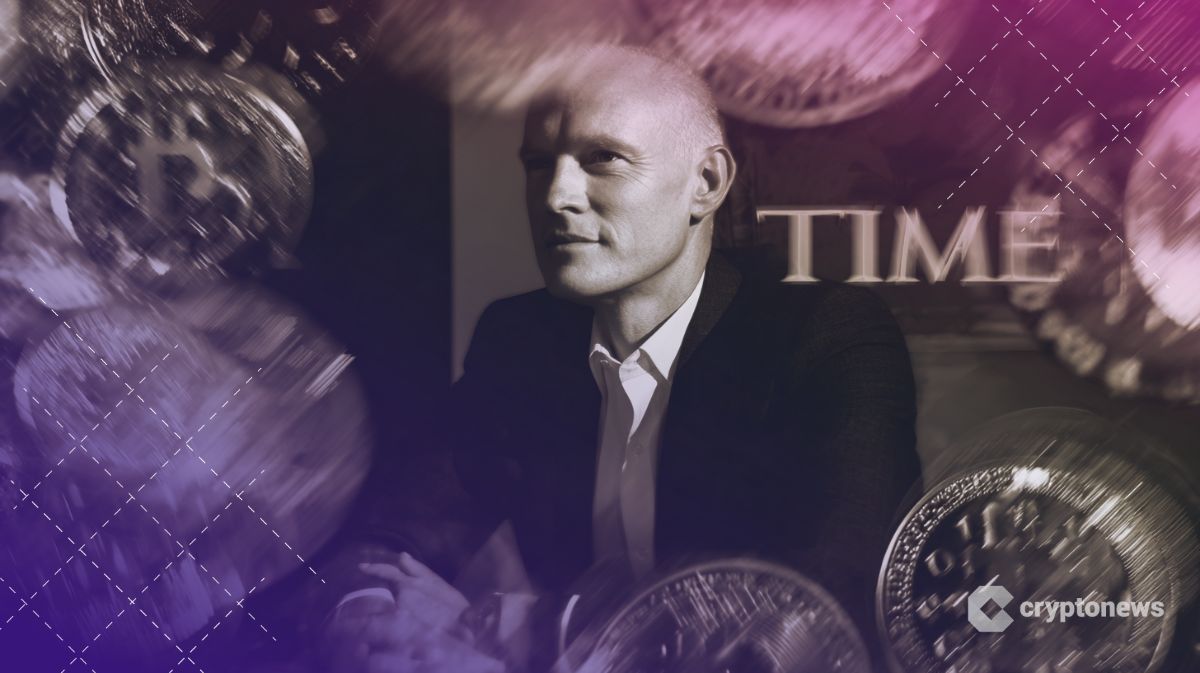
Coinbase, headquartered in the United States, has secured a place among Time Magazine’s 100 Most Influential Companies of 2025, hailed for reshaping the landscape of digital finance and regulatory engagement. This accolade reflects a marked shift in how cryptocurrency firms are perceived by mainstream institutions.

With over 108 million users and more than $400 billion in custodial assets, Coinbase stands as the largest US-based crypto exchange. Analysts attribute significant weight to its aggressive advocacy efforts in Washington DC and its proactive approach to regulatory compliance, positioning the company as a key policy driver for the digital asset space.

Coinbase’s stock has mirrored its growing stature—rising approximately 42 per cent year-to-date and briefly touching $382 per share following the US Senate’s passage of the GENIUS stablecoin bill on 17 June. Market watchers note that its inclusion in the S&P 500 in May reinforces its transition from niche crypto exchange to mainstream financial institution. That move not only provides visibility to traditional investors but also signals regulatory confidence.

The cardinals of Coinbase’s ascent include its push for firm regulatory frameworks: it recently secured a MiCA license from Luxembourg’s Commission de Surveillance du Secteur Financier, enabling full European market operations. Plans are underway to establish its EU headquarters in Luxembourg, marking a strategic foothold in the continent.

Another bold initiative is Coinbase’s application to the US Securities and Exchange Commission to launch tokenised stock trading. If approved, this service could see the platform rival fintech peers such as Robinhood and Webull, offering fractionalised equity products under one roof.

Financially, Coinbase reported over $2 billion in trailing annual revenue and maintained $420 billion in assets under custody as of Q1 2025, up from $310 billion the preceding year. These figures, alongside institutional-tailored offerings such as Coinbase Prime, have caught the attention of Bernstein analysts, who raised their COIN price target by 50 per cent in light of this recognition.

Despite its successes, Coinbase’s journey has not been without hurdles. A May cyber-extortion attempt linked to stolen customer data resulted in an estimated cost of up to $400 million, though the company managed to contain the breach and refused to submit to ransom demands. This incident followed growing scrutiny from blockchain investigators concerning vulnerabilities and scam-related losses attributed to the platform. Still, the US SEC dismissed its enforcement action in February 2025, signalling regulatory progress.

Beyond its core operations, Coinbase wields significant influence in shaping public policy. Its 2024 lobbying campaign played a central role in positioning cryptocurrency as a campaign issue in the US election cycle. Time again underscored its impact, quoting: “Coinbase led a massive lobbying campaign … helping cement crypto as a voting issue,” and framing the company as “a key driver of the industry’s policy efforts in Washington D.C.”.

Looking ahead, industry observers anticipate further advances as Coinbase expands tokenised equity offerings and solidifies its role in institutional-grade products. These efforts, coupled with sustained lobbying presence and international expansion, point to a future where digital assets underpin new investment paradigms.

Al Mal Capital REIT, listed on Dubai Financial Market, is launching a follow‑on public offering to raise up to AED 242 million by issuing as many as 220 million new units at AED 1.10 per unit, subject to Securities and Commodities Authority approval. The subscription period runs from 7 to 25 July, with trading of the newly issued units slated around 8 August, pending the necessary regulatory clearances. Proceeds from the sale will be […]

Exhibiting at IVS Startup Market to Showcase Advanced Water DX Solutions TOKYO, JAPAN – Media OutReach Newswire – 30 June 2025 – Tenchijin Inc., a space-tech innovator revolutionizing sustainable water infrastructure management, today announced it has been selected as one of 15 finalists for IVS2025 LAUNCHPAD from over 350 global applicants. The company will also exhibit at the “IVS Startup Market” during the three-day conference (July 2 […]

Net foreign direct investment surged to SAR 22.2 billion in Q1 2025, marking a 44 per cent year‑on‑year rise, the General Authority for Statistics reported on Sunday. Though slightly down from SAR 24 billion in Q4 2024, the inflows underscore robust investor interest. Meanwhile, unemployment eased across the board, with significant gains for women and youth.

Government data show inward FDI at SAR 24 billion in Q1, a 24 per cent increase year‑on‑year but a 6 per cent dip compared to late 2024. Despite this quarterly slowdown, inflows remain well above Q1 2024’s SAR 19.4 billion. The rebound follows strategic efforts under Vision 2030, including high-profile giga‑projects in tourism, sports and entertainment and regulatory reforms aimed at boosting foreign investor confidence.

Analysts caution that current FDI levels are still far short of Saudi Arabia’s $100 billion annual target. Obstacles such as a complex legal environment and perceptions of the Kingdom as a capital exporter persist. The government has responded by conditioning state‑contract awards on regional headquarters being based locally, along with plans to overhaul investment laws to increase transparency.

On the labour front, the overall unemployment rate for people aged 15 and above dropped to 7.8 per cent in Q1, down from 8.5 per cent in Q4 2024. Among Saudi nationals, unemployment eased to 7.6 per cent, compared to 8.4 per cent in the previous quarter; male unemployment declined from 5.1 per cent to 4.7 per cent and female unemployment from 14.3 per cent to 13 per cent.

These figures follow earlier statistics showing an even lower unemployment rate among Saudi nationals: 6.3 per cent, the lowest on record, driven in part by historic falls in female joblessness, which reached 10.5 per cent. GASTAT’s labour bulletin also highlighted a rise in overall participation to 68.2 per cent, up 1.8 points from Q4 2024. Within that, Saudi male participation climbed to 66.4 per cent, while female participation rose to 36.3 per cent.

The youth labour market showed varied outcomes: unemployment among young Saudi women fell to 11.6 per cent, while male youth unemployment dropped to 11.6 per cent as well, even as their participation rate declined. Experts link these shifts to targeted labour reforms, including expanded digital employment platforms such as Jadarat, and programmes that encourage female workforce inclusion under Vision 2030.

Economic diversification is evident in the deeper GDP breakdown. Non‑oil sectors grew by 4.2 per cent in Q1, significantly outpacing oil activity, which fell by 1.4 per cent, according to GASTAT. Government services also rose by 3.2 per cent, driving overall GDP growth of 2.7 per cent year‑on‑year. These shifts highlight the evolving composition of the economy away from hydrocarbons.

The resilience in FDI and labour metrics comes amid projected fiscal pressures. Saudi Arabia is expected to run a SAR 101 billion deficit in 2025, to be funded largely through debt. Even so, credit agencies note that net public debt remains low at approximately 17 per cent of GDP, leaving room for continued borrowing.

Policy-makers point to dynamic growth in private‑sector activity and infrastructure investment as evidence of broader momentum. Nonetheless, flows remain below long‑term targets, and uncertainties linger over the pace of regulatory liberalisation and investor protections.

Combined, these indicators illustrate an economy in transition. FDI strength and labour market improvement reflect clear progress, especially on domestic policy fronts aligned with Vision 2030 goals. Yet government targets for transformative investment and full private‑sector integration remain distant, and persistent structural rigidities could slow advancement.

Moving forward, success will hinge on deepening institutional reforms—such as streamlined licensing, improved legal frameworks, and enhanced foreign equity rights—and sustaining social policies that widen labour force inclusivity, notably among women and youth. Economic forecasts anticipate moderating oil prices and slower government expenditure later in 2025, placing even greater emphasis on private capital inflows and sustainable domestic job creation.

These emerging trends offer insight into Saudi Arabia’s efforts to recalibrate its economic model—balancing fiscal constraints with bold ambitions. While the pace of change remains uneven, the current data points to structural momentum that, if sustained, could reshape the Kingdom’s economy over the remainder of the decade.


Over 40 per cent of current agentic AI initiatives are projected to be halted by the close of 2027, Gartner warns, owing to spiralling costs, opaque business value and insufficient risk frameworks. Despite overwhelming industry enthusiasm, most ventures remain confined to pilot stages or proofs of concept and are driven more by hype than by tangible returns. Gartner’s senior director analyst, Anushree Verma, cautions that many vendors are indulging […]

Advertisements

Dubai residents can now view their personal credit report and credit score directly within the DubaiNow app following a newly launched integration with Etihad Credit Bureau. The partnership enables users to access crucial credit information with a single tap—bringing financial insights closer to everyday urban life.

Officials emphasise that this move reflects a strategic direction toward seamless digital service delivery. Marwan Ahmad Lutfi, Director General of Etihad Credit Bureau, underscored the bureau’s commitment to national digital transformation, noting the use of advanced APIs to simplify user access to credit data. Matar Al Hemeiri, CEO of Digital Dubai Government Establishment, added that the integration reinforces Dubai’s position as a hub for digital innovation and aligns with the “We the UAE 2031” vision for a connected, smart society.

DubaiNow, developed by Digital Dubai, offers over 300 services — ranging from bill payments and health records to official documentation. The inclusion of credit reports and scores builds on its role as a one-stop platform for private and government services. This feature eliminates the need for separate logins or visits to multiple platforms—credit information is now readily accessible to users seeking clarity on their financial standing.

Earlier, Etihad Credit Bureau successfully integrated with Abu Dhabi’s TAMM platform, and this step represents a widening push across emirates to bridge credit services with digital portals. Sources highlight that such integrations are part of a broader effort to promote financial literacy, transparency, and empowered decision‑making among residents. Access to credit scores supports informed borrowing and better personal finance management.

Although specific usage metrics have not been disclosed, industry analysts see significant potential. By delivering real-time credit insights directly inside an app used daily by millions, the integration might reduce friction in credit awareness, which could lead to more responsible lending and borrowing—even small improvements in payment discipline or credit visibility can have outsized impact on personal financial health.

Affordability remains a factor: Etihad Credit Bureau’s website lists the cost of a personal credit report at AED 84, with a standalone credit score costing AED 10.50. However, it is not yet clear whether these fees apply within DubaiNow or if special rates have been arranged for app users. Users should check within the app for pricing details.

Security is paramount. Etihad Credit Bureau employs stringent data encryption and authentication measures to protect sensitive credit information. DubaiNow leverages UAE Pass for identity verification, ensuring that only authorised individuals access their own financial data.

The integration occurs amid rapid digital government expansion across the Gulf, where unified platforms are central to delivering frictionless user experience. By adding credit insights to DubaiNow, authorities anticipate a future where financial and administrative services converge—expected to boost efficiency for users and public institutions alike.

Going forward, observers expect Etihad Credit Bureau to extend integration to further emirate-level services and fintech platforms, creating a comprehensive, country-wide credit information network. Proponents argue such a system would enhance economic resilience by embedding credit awareness into everyday digital interactions.

BYDFi, the Seychelles‑based crypto exchange, confirmed its role as an official partner at Seoul Meta Week 2025: METACON, held on 26–27 June at COEX’s third‑floor auditorium, joining industry giants such as Samsung, Google, Intel, Spotify, Kakao and GitHub.

Booth 11 at the event quickly emerged as a high‑traffic hub, drawing crowds eager to engage with BYDFi’s team and claim exclusive merchandise designed for attendees. Michael, co‑founder and CEO of BYDFi, praised Seoul Meta Week as “a venue to share our latest innovations and connect with forward‑thinking builders and traders from across the region”.

In tandem with its showcase, BYDFi announced its membership in South Korea’s CODE VASP Alliance. The move incorporates full integration of Travel Rule compliance technology, aligning with the nation’s Act on Reporting and Using Specific Financial Transaction Information. The exchange says this step strengthens transparency in cross‑platform asset transfers and positions BYDFi as a more secure and regulation‑aligned platform.

According to the company, this initiative forms part of a strategy to build a more unified global compliance framework, elevating industry standards and boosting user confidence.

In April, BYDFi launched MoonX at Paris Blockchain Week: a Web3 on‑chain trading platform integrated with Solana and BNB Chain. MoonX features real‑time market data, Smart Money tracking and copy‑trading for memecoin enthusiasts, signalling BYDFi’s evolution into a combined CEX‑DEX “dual‑engine” operator. Its presence at SMW 2025 emphasises this integration of centralised exchange speed with decentralised ecosystem transparency.

Founded in 2020, BYDFi serves over one million users in more than 190 countries. In 2025, Forbes named it among the best crypto exchanges and apps for beginners. Its platform spans spot and perpetual contracts, automated bots, copy trading and on‑chain tools, offering multi‑channel support for both novice and experienced traders.

Industry analysts note that compliance remains a central challenge for crypto exchanges seeking entry into regulated Asian markets. BYDFi’s involvement with CODE VASP and METACON suggests a strategic push to meld technological innovation with regional regulatory adherence. The Travel Rule technology integration is poised to set a precedent for exchanges aiming to enter South Korea’s tightly supervised financial landscape.

BYDFi’s CEX‑DEX model reflects a larger industry trend towards hybrid exchange services, catering to users demanding both liquidity and decentralised autonomy. MoonX’s Solana and BNB Chain alignment positions BYDFi in direct competition with other hybrid and on‑chain innovators such as dYdX and PancakeSwap.

Critics, however, caution that regulatory alignment alone doesn’t guarantee market penetration. Local adoption may depend on factors like fiat on‑ramps, customer support in Korean, and local partnerships. BYDFi’s prominent presence at SMW 2025 is a step towards building such ties, but the conversion of awareness into sustained user engagement will be the critical measure of success.

Across the exhibition halls at COEX, conversations centred on Web3’s real‑world applications—from decentralised identity to token‑based ecosystems. BYDFi’s booth became a focal point for these discussions, reinforcing its positioning not just as a trading venue, but as a Web3 infrastructure provider.

Trade between the European Union and the East African Community reached €7.7 billion in 2024, marking a robust surge in economic engagement. Data from the EAC Secretariat and the European Commission reveal that Kenya led this growth, accounting for 43 per cent of total EAC trade with Europe. Kenya’s ascent to prominence has been propelled by its position as the region’s primary link to European markets. Under the Economic Partnership […]

Finnish rock band The Rasmus will perform at The Agenda in Dubai on 27 October 2025, as part of their expansive Weirdo Tour, marking their sole Middle East appearance that year. Doors open at 19:00 with the concert slated to begin at 20:00, promising a two‑hour set blending classic hits and new material, with tickets starting from AED 300. Formed in Helsinki in 1994, The Rasmus rose to […]

GUIYANG, CHINA – Media OutReach Newswire – 27 June 2025 – Eco Forum Global Guyang 2025 will be held in Guiyang, Guizhou from July 5th to 6th. Guizhou, located in the southwest of China, is using an ecological pen to paint a gorgeous green picture along her mountains and rivers. From an ‘Experimental Zone’ to a ‘Pilot Zone’, Guizhou has embarked on a new path of green […]

UNESCO has mobilised global policymakers, academics and civil society leaders in Bangkok to cement the adoption of its 2021 Recommendation on the Ethics of Artificial Intelligence, the world’s only universal AI ethics framework endorsed by all 194 member states. With over 1,200 delegates from 88 nations and more than 35 ministers present, the third Global Forum on the Ethics of AI underlined the urgency of embedding ethics […]

Bo Hines, digital asset policy adviser at the White House, confirmed that the United States is actively constructing the infrastructure necessary to support a Strategic Bitcoin Reserve. This initiative follows the executive order signed by President Trump on 6 March 2025, which established both a Strategic Bitcoin Reserve and a broader Digital Asset Stockpile. Hines highlighted that federal agencies have completed accounting for Bitcoin holdings, marking a pivotal step in consolidating treasury-held assets and enabling future acquisitions.

Hines explained that although the order does not compel public disclosure of cryptocurrency holdings, the Treasury may choose to publish a report voluntarily. He emphasised the administration’s inclination to increase government Bitcoin holdings in a budget-neutral way—likely by reallocating existing seized assets or surplus resources—without burdening taxpayers.

The crack team in Washington, including Hines and figures such as David Sacks, are framing Bitcoin as “digital gold”. They contend that, like traditional gold reserves, Bitcoin offers a durable store of value with no central issuer, making it strategically significant for national financial security. Experts point out that such an asset could act as a hedge against inflation and strengthen financial sovereignty, though critics warn of its volatility and speculative nature.

Infrastructure efforts have focused on establishing systems for secure custody, interagency transfer, and real-time accounting of government-held Bitcoin. Hines noted that laying this groundwork is essential before scaling up acquisitions. These efforts reflect a growing shift from regulatory wariness to strategic embrace of digital assets in U.S. policymaking.

Congress is also moving ahead with supporting legislation. The GENIUS Act, jointly advanced by Senators Cynthia Lummis and Tim Scott, is expected to be introduced before the August recess, while further crypto market structure legislation is targeted for completion by September. Hines pointed to this timeline during a session with the senators, underscoring a coordinated push to regulate and support the digital asset space.

State governments and private corporations have already launched Bitcoin-reserve-like initiatives, but the federal programme marks the first national-level effort. This move may be partly inspired by El Salvador’s state-level Bitcoin holding, a model that Hines reportedly examined during conversations with President Nayib Bukele.

Opposition to the federal SBR persists. Economists from the University of Chicago survey unanimously rejected borrowing to acquire crypto assets, citing the speculative nature of Bitcoin. International finance officials—with the European Central Bank in particular—warn that embracing Bitcoin could undermine conventional reserve strategies and monetary stability.

The initiative’s long-term success hinges on robust regulatory clarity. The executive order tasked agencies with full crypto asset accounting and mandated that the Treasury explore budget-neutral acquisition strategies, potentially reallocating portions of gold reserves. These moves aim to balance innovation with fiscal prudence.

As infrastructure construction progresses, the Treasury’s potential publication of federal Bitcoin holdings could signal a new era of transparency and mainstreaming of digital assets in public balance sheets. For stakeholders across government and finance, the outcomes of legislative drafts in the Senate and House will be watched closely.

Matein Khalid My generation were teenagers in the late 1970’s and thus passionate fans of Sweden since Abba dominated the Top of the Pops (God, how I hated the ghastly Dancing Queen since every girl in high school thought this syrupy pop tune was written specifically for her!) and Björn Borg dominated Centre Court at Wimbledon as the Men’s Champion until the trophy was wrested from him […]

Ghana’s parliament has given approval to a $2.8 billion debt restructuring agreement with 25 creditor nations, including China, France, the United States, Germany and the United Kingdom. This authorisation is vital for unlocking further disbursements from a $3 billion IMF-backed bailout programme initiated in May 2023. Lawmakers, endorsing the restructuring unanimously, approved measures under a memorandum of understanding signed in January 2025 that reschedule debt payments falling due between 20 December 2022 and […]

HONG KONG SAR – Media OutReach Newswire – 24 June 2025 – SiegFund, a fintech–driven proprietary trading platform, has officially completed its brand upgrade and will now operate as SiegPath, serving proprietary traders worldwide and ushering in a new chapter in global expansion. To further strengthen its rebranding, SiegPath has simultaneously launched its brand-new official website, built with a user-centric approach and equipped with a range of […]

Abu Dhabi sovereign investor ADQ is negotiating the acquisition of a 35 percent stake in Limagrain’s vegetable seeds unit, forging a strategic partnership focused on developing hard‑climate‑resilient crops. The envisioned alliance includes joint research and development initiatives in the UAE, designed to accelerate innovation in seeds tailored to extreme conditions. The proposed investment centres on Limagrain Vegetable Seeds, the vegetable‑seed division of France‑based cooperative Limagrain, a global market […]

Dutch courts are set to rule on a class‑action lawsuit brought by Stichting Massaschade & Consument, which claims Sony has leveraged its dominance in the PlayStation ecosystem to impose inflated digital pricing, burdening an estimated 1.7 million gamers and costing consumers at least €435 million since 2013. At the heart of the case is the allegation that digital editions of games—often bought via diskless PS5 consoles—are around 47 per cent […]

Crypto exchange Kraken has secured a Markets in Crypto‑Assets licence from the Central Bank of Ireland, granting it regulated crypto services access across all 30 member states of the European Economic Area. This licence builds on its existing authorisations: an electronic money institution licence obtained in 2023 and a Markets in Financial Instruments Directive authorisation achieved in February 2025.

The MiCA framework, effective since late 2024, aims to harmonise digital asset regulation across the EU. Kraken’s approval via Ireland enables it to “passport” services continental‑wide—streamlining compliance with unified standards on consumer protection, transparency and oversight.

Co‑CEO Arjun Sethi described the licence as a “powerful signal” of Kraken’s dedication to “responsible innovation” and noted the company’s multi‑year work to meet the Central Bank of Ireland’s rigorous regulatory bar.

Since launching its BTC/EUR pair in 2013, Kraken has built extensive euro‑denominated liquidity and registered as a Virtual Asset Service Provider across key European jurisdictions: Ireland, Belgium, France, Italy, the Netherlands, Poland and Spain. The platform now reports euro trades account for approximately 17.5 per cent of its spot‑crypto volume.

Kraken joins a cohort of major exchanges – Coinbase, OKX, Crypto.com, Bybit and Bitstamp – that have pursued MiCA licences, emphasising the growing strategic importance of regulatory clarity. Meanwhile, stablecoin issuer Tether has declined to register its USDT product under MiCA, leading some exchanges to delist the asset.

The EU authorisation coincides with Kraken’s evolution in traditional finance. After securing the MiFID licence via a Cyprus‑based entity, it launched regulated crypto derivatives in February and acquired futures platform NinjaTrader earlier in 2025. Its 2023 EMI licence complements partnerships with Mastercard and embed‑as‑a‑service offerings like Kraken Embed through Dutch neobank bunq.

Kraken’s dual strategy spans jurisdictions: while embracing EU regulatory frameworks, the firm also relocated its global headquarters to Wyoming, citing the state’s crypto‑friendly stance. In the US, it recently avoided a legal challenge when the Securities and Exchange Commission dropped a 2023 lawsuit alleging operations as an unregistered exchange.

The MiCA authorisation equips Kraken to roll out regulated spot trading, derivatives and payments across Europe. That expansion responds to heightened demand among retail, institutional and professional users seeking compliance assurance. Kraken’s approach sets a template for crypto platforms navigating legal plurality ─ positioning Ireland not simply as a licensor but as a blueprint for public‑private collaboration in digital finance.

European policymakers have lauded MiCA’s entry, describing it as the most comprehensive global regulatory regime for digital assets. Kraken’s success demonstrates the potential of these structures to stabilise and mature the sector—but also signals a competitive divide between jurisdictions embracing innovation and those lagging.

Malaysia has officially unveiled the Startup ASEAN platform during its tenure as ASEAN chair, establishing a fully operational digital gateway designed to unite entrepreneurs, investors and ecosystem enablers across Southeast Asia. The launch—following a developmental blueprint initiated in 2024—unlocks access to regional markets, capital, talent and data, with an aspirational target of onboarding at least 10,000 startups by year-end.

The platform’s roll‑out represents phase two of the ASEAN Startup Technology Ignite initiative. Development and a soft launch took place in 2024, while the newly announced phase includes capacity‑building programmes and a Startup ASEAN summit. A third phase commencing in 2026 will see the establishment of an ASEAN Centre of Excellence dedicated to early‑stage ventures.

Minister of Science, Technology and Innovation Chang Lih Kang described the platform as a “strategic enabler” born from collaborative efforts among all ASEAN member states. He highlighted its role in bridging fragmented access to finance, talent and market opportunities. At the launch in Putrajaya, he underlined that approximately 5,000 startups have already joined and affirmed the year‑end goal of doubling that number.

ASEAN Secretary‑General Dr Kao Kim Hourn echoed these commitments, stating that the platform exemplifies deeper regional integration and presents “unprecedented opportunities” through technology. He noted that the platform extends to ecosystem builders and government institutions, reflecting ASEAN’s dedication to fostering inclusive innovation.

Cradle Fund Sdn Bhd, appointed by Malaysia’s MOSTI, is spearheading implementation. Its group chief executive, Norman Matthieu Vanhaecke, emphasised that the platform transcends mere technology: it is designed to generate meaningful partnerships, foster cross‑border initiatives and catalyse growth across the region. He said it will track metrics such as startup onboarding, investment activity and regional collaboration, aiming to involve 2,000 investors and 500 strategic partners by 2025.

Dr Kao highlighted the context underpinning this push. Southeast Asia hosts over 680 million people—more than half under 35—with a combined GDP exceeding US$3.9 trillion and a digital economy projected to surpass US$1 trillion by 2030. Kuala Lumpur’s leap into the top 20 emerging startup hubs, ranking 18th in the Global Startup Ecosystem Report 2025 by Startup Genome, provided a credible basis for regional leadership.

CupTuring beyond connecting stakeholders, the platform is set to host a suite of programmes. Already underway are collaborative initiatives with international partners such as South Korea and China, and plans include additional regional market‑access sessions and mentorship opportunities. The launch event featured a video tour with startup success narratives and a regional market access session, ASEAN CrossConnect, which paired ten seasoned mentors with participating startups.

The platform’s ecosystem metrics are compelling: as of the launch, more than 4,000 startups and 1,087 investors were registered, contributing to an ecosystem valued at over US$131.2 billion.

Governments from less developed ASEAN nations were assured of equal standing on the platform. Chang emphasised its borderless design, allowing any startup with internet access to connect with markets and investors across the region.

The Startup ASEAN initiative traces back to 2023, when ASEAN leaders approved a framework empowering Cradle to lead policy development, ecosystem readiness, and cross‑sector partnerships. The recent formal launch marks the first major deliverable of the Ignite initiative under Malaysia’s ASEAN chairmanship.

Experts view the initiative as a timely response to ASEAN’s broader economic integration agenda, reflected in recent high‑level declarations such as the Kuala Lumpur Declaration. The new platform aligns with ASEAN Community Vision 2045, aiming to strengthen innovation, connectivity and socio-economic resilience.

Beirut’s landscape, battered by the 14‑month Hezbollah–Israel war, is set for a critical transformation as the World Bank green‑lights a US$250 million financing package to support urgent restoration and rubble management. Dubbed the Lebanon Emergency Assistance Project, this initiative marks the initial phase of a US$1 billion, government‑led framework aimed at breathing life back into vital public infrastructure and essential services.

Damage and needs assessments conducted between 8 October 2023 and 20 December 2024 estimate total conflict losses at US$7.2 billion, with an overarching reconstruction requirement of US$11 billion. Of this, approximately US$1.1 billion pertains to infrastructure across transport, water, energy, municipal services, education and healthcare – the precise sectors that LEAP will target for immediate interventions.

Jean‑Christophe Carret, the World Bank’s Middle East director, described LEAP’s design as “a credible vehicle for development partners to align their support, alongside continued progress on the Government’s reform agenda, and maximise collective impact in support of Lebanon’s recovery and long‑term reconstruction”. The financing will fund rapid repairs to lifeline services, sustainable clearance of rubble prioritising recycling, and initial design and environmental studies for longer‑term rebuilding.

By adopting a data‑driven, area‑based prioritisation endorsed by the Council of Ministers, LEAP aims to balance speed with social and economic impact in the worst‑affected regions. To ensure accountability and effective delivery, Lebanon has initiated reforms within the Council for Development and Reconstruction, including the appointment of a fully functional board and streamlined processes consistent with international emergency‑response standards.

Operational oversight will be bolstered by an international private‑sector engineering firm, responsible for compliance monitoring across technical, environmental, fiduciary and AML/CFT requirements. Implementation rests under the strategic guidance of the Prime Minister’s Office, with the Ministry of Public Works and Transport leading execution and the Ministry of Environment overseeing social and environmental safeguards, especially debris handling.

Prime Minister Nawaf Salam welcomed the funding as “a key step in reconstruction… reinforcing recovery efforts within a state‑led framework and paving the way for much‑needed additional financing”.

The World Bank has previously confirmed that this initial contribution is part of a US$1 billion scalable fund, with $250 million already committed and plans for donor contributions to fill the remaining $750 million. Lebanon has already secured preliminary approval to raise the World Bank loan to $400 million, signalling growing momentum for the broader rehabilitation agenda.

LEAP emerges at a juncture when Lebanon, in the grip of one of its most severe financial crises in modern history, is balancing a recovery from war with deep‑rooted economic collapse. Nearly three‑quarters of its population live in poverty, the currency has collapsed by over 90 % since 2019, and public services have all but collapsed. The project’s prioritisation of transparency, environmental best practice, and governance reform offers a fresh test of Lebanon’s capacity to channel international finance into tangible, equitable recovery.

Meanwhile, the World Bank is coordinating with multilateral and bilateral donors, aligning its initial funding with evolving Lebanese reforms. The ultimate success of LEAP depends not only on reconstruction dollars, but on effective institutional stewardship—a challenge Lebanon’s government has pledged to embrace.

PUTRAJAYA, MALAYSIA – Media OutReach Newswire – 26 June 2025 – Malaysia today launched the Startup ASEAN platform, marking the full-scale rollout of a bold, unified digital gateway to connect and empower startups across ASEAN. Spearheaded by the Ministry of Science, Technology and Innovation (MOSTI) and executed by Cradle Fund Sdn Bhd (Cradle), the platform’s regional launch underscores Malaysia’s commitment under its 2025 ASEAN Chairmanship to fostering […]

U.S. President Donald Trump has announced that American and Iranian officials will meet next week to discuss Tehran’s nuclear ambitions, following a concerted military campaign that he claims has effectively neutralised key Iranian enrichment facilities. The announcement came at the NATO summit in The Hague.

Trump defended the use of bunker-busting bombs against the Fordow, Natanz and Isfahan sites, asserting they had been “obliterated” and describing the bombing campaign as a decisive blow to Iran’s nuclear programme. He struck a triumphant tone, crediting the strikes with hastening the end of the 12-day conflict between Israel and Iran, though he expressed reservations about formalising a diplomatic agreement: “We may sign an agreement. I don’t know, to me, I don’t think it’s that necessary,” he told reporters.

U.S. intelligence assessments, however, diverge on the scale of success. A preliminary report from the Defence Intelligence Agency concluded the setbacks to Iran’s nuclear efforts might be limited to a matter of months, not years. CIA Director John Ratcliffe affirmed that the programme had been “severely damaged” but stopped short of declaring it destroyed. Israeli officials estimated the setbacks to be multi‑year, while the International Atomic Energy Agency emphasised uncertainties over Iran’s stockpile and called for robust inspections.

Diplomatic activity has meanwhile resumed. This U.S.–Iran meeting will follow six rounds of indirect talks mediated by Oman and Italy, which collapsed in mid‑June as the military confrontation intensified. Earlier this week, European envoys from the E‑3—France, Germany and the UK—engaged in direct negotiations in Geneva with Iran’s Foreign Minister Abbas Araghchi. Those discussions aimed to bridge differences after stalled U.S. efforts.

White House special envoy Steve Witkoff reiterated red‑line U.S. stipulations ahead of next week’s meeting: Tehran must renounce nuclear weaponisation and accept restrictions on uranium enrichment. He noted the U.S. is open to crafting a comprehensive peace framework, building on what Trump described as a de‑escalation following “a victory for everybody”.

From Tehran, Iranian officials have not confirmed next week’s meeting but emphasised national security. The Iranian parliament accelerated a bill to suspend cooperation with the IAEA, pending guarantees for the safety of nuclear infrastructure targeted in the strikes. Parliament Speaker Mohammad Bagher Qalibaf accused the IAEA of failing to condemn the U.S. attack. Meanwhile, IAEA Director General Rafael Grossi urged renewed inspections to clarify the status of enriched uranium moved before the bombings.

Regional and global actors are also weighing in. France has called for robust diplomacy to carve a sustained peace path. China has echoed the call for diplomatic restraint. Israel hailed the strikes as a critical setback to Iran’s programme; Israeli Prime Minister Benjamin Netanyahu endorsed Trump’s strong posture and emphasised the need to keep pressure on Tehran.

Analysts note the gravity of waging diplomacy in the shadow of military action. One specialist observed that while bombings may degrade enrichment infrastructure, they can complicate trust and cooperation needed for inspections and verification. Moreover, uncertainty lingers over the status of highly enriched uranium caches. Rebuilding diplomatic channels will require assurances, reciprocal transparency, and a mutual understanding of consequences.

Trump has warned that if Iran attempts to rebuild its nuclear programme, the U.S. is prepared to act again: “Sure,” he said when asked about further strikes. Yet the pendulum has swung toward a blend of military deterrence and diplomatic engagement.

As next week’s talks approach, key questions remain: who will represent each side, where the dialogue will occur, and whether the focus will be solely nuclear constraints or broader regional stability. White House administration officials have yet to disclose details, but the U.S. envoy confirmed Washington’s intent is to establish a framework that could replace the 2015 agreement.

Trump also signalled openness to exploring a bilateral relationship beyond nuclear confines: “We’ll end up having something of a relationship with Iran,” he said, as long as Tehran adheres to non‑weaponisation terms.

As the diplomatic window opens under the spectre of military force, the world watches to see whether this fragile blend of coercion and conciliation can unfold into a sustainable agreement—one that might ensure Iran never pursues nuclear weapons and stabilises a volatile region.

VISHNU RAJA
RYO YAMADA
HITORI GOTOH
IKUYO KITA