News related to
Success

Sharjah Islamic Bank has successfully issued a $500 million sukuk, marking its sixth offering under the bank’s $3 billion Trust Certificate Issuance Programme established in 2013. The five-year Islamic bond, maturing in July 2029, attracted robust interest from both regional and international investors, with orders reaching $1.5 billion, resulting in an oversubscription rate of three times the offered amount. The sukuk has been dual-listed on Nasdaq Dubai […]

The Dubai International Financial Centre has reported unprecedented financial performance for 2024, coinciding with its 20th anniversary. The centre’s total revenue reached AED 1.78 billion , a 37% increase from the previous year, while operating profit surged by 55% to AED 1.33 billion . These figures represent the most significant annual growth since DIFC’s establishment. The number of active companies within DIFC expanded by 25%, totaling 6,920 […]

Saudi Arabia’s ACWA Power has entered into a definitive agreement to acquire significant stakes in power generation and water desalination assets from French utility developer ENGIE. The transaction, valued at $693 million, marks ACWA Power’s strategic expansion into Kuwait and a bolstered presence in Bahrain.

The acquisition encompasses a combined capacity of 4.61 gigawatts in gas-fired power generation and 1.11 million cubic meters per day of water desalination. Additionally, the deal includes the associated operations and maintenance companies in both countries.

In Kuwait, ACWA Power will acquire an 18% stake in the Az Zour North Independent Water and Power Project . This facility, operational since 2016, boasts a 1,500 MW gas-fired combined cycle power plant and a desalination plant capable of producing 107 million imperial gallons of water daily. The plant operates under a 40-year Energy Conversion and Water Purchase Agreement with Kuwait’s Ministry of Electricity and Water.

In Bahrain, the acquisition involves several key assets:

– Al Ezzel Independent Power Plant : ACWA Power will obtain a 45% stake in this 940 MW facility, which has been a cornerstone of Bahrain’s power infrastructure.

– Al Dur IWPP: A 45% stake in this project will be transferred to ACWA Power. The facility has a power generation capacity of 1,234 MW and a desalination capacity of 218,000 cubic meters per day.

– Al Hidd IWPP: ACWA Power will acquire a 30% stake in this plant, which provides 1,000 MW of power and produces 410,000 cubic meters of desalinated water daily.

Marco Arcelli, CEO of ACWA Power, stated, “We consolidate our presence in Bahrain, where we are already a reliable supplier of power and water, and we enter Kuwait, where we recently submitted a bid for a large power and desalination plant.”

The transaction is subject to customary regulatory and stakeholder approvals. Upon completion, ACWA Power will assume responsibility for the operations and maintenance of the acquired assets, further solidifying its position as a leading provider of power and water solutions in the Middle East.

This strategic move aligns with ACWA Power’s broader objectives to expand its footprint in the Gulf region and enhance its portfolio of energy and water projects. By integrating these assets, the company aims to leverage operational synergies and contribute to the sustainable development of the region’s infrastructure.

ENGIE’s decision to divest its stakes in these assets is part of its strategic realignment to focus on achieving net-zero carbon emissions by 2045. The proceeds from the sale are expected to be reinvested into renewable energy projects and other sustainable initiatives.

The Az Zour North plant in Kuwait represents a significant milestone as the country’s first IWPP, developed under a public-private partnership framework. Its successful operation has paved the way for increased private sector participation in Kuwait’s utility sector.

Aptoide, a prominent independent app store, has officially launched its service for iPhone and iPad users within the European Union. This development offers EU consumers an alternative to Apple’s App Store, expanding their options for app downloads and installations.

The introduction of Aptoide’s platform is facilitated by the European Union’s Digital Markets Act , which mandates that major technology companies, including Apple, permit third-party app stores on their devices. This legislation aims to foster competition and provide consumers with more choices in the digital marketplace.

One of the standout features of Aptoide’s iOS app store is the “App Versions” function. This allows users to download and install previous versions of applications, a capability particularly beneficial for those using older devices or who prefer earlier iterations of specific apps. This feature addresses a common limitation in traditional app stores, where only the latest version is typically available for download.

Aptoide’s journey to this launch began in June 2024 with a beta phase that attracted significant interest, amassing a waitlist of approximately 20,000 users. During this period, the platform gradually onboarded users, refining its services based on feedback and performance metrics. The full release now makes Aptoide accessible to all iOS users across the EU without the need for a waitlist.

In addition to offering older app versions, Aptoide provides a diverse selection of games and applications, aiming to create an open and unrestricted distribution ecosystem for iOS users. This move is expected to encourage developers to explore alternative distribution channels, potentially leading to a more dynamic and competitive app market.

The launch of Aptoide’s iOS store is part of a broader trend of alternative app stores emerging in the European market. Companies like Epic Games have also introduced their own stores, leveraging the opportunities created by the DMA to challenge Apple’s dominance in app distribution. These developments signify a shift towards a more diversified app ecosystem, offering both developers and consumers new avenues for engagement.

Apple has historically maintained strict control over app distribution on its devices, citing security and user experience considerations. However, the enforcement of the DMA requires the company to adjust its policies within EU jurisdictions, allowing for the presence of third-party app stores. This regulatory environment aims to balance the need for security with the promotion of competitive practices in the digital economy.

While Aptoide’s launch is a significant milestone, it also raises questions about the future landscape of app distribution on iOS devices. The success of such alternative platforms will depend on various factors, including user adoption, developer participation, and the ongoing response from Apple regarding its policies and practices.

For consumers, the availability of alternative app stores like Aptoide means increased flexibility and choice. Users can now access a broader range of applications and versions, tailoring their app experiences to better suit their individual needs and preferences. This development also encourages innovation among app developers, who now have multiple platforms through which to reach their audience.

The cryptocurrency market is currently experiencing heightened volatility, with the Bitcoin Fear and Greed Index indicating a significant surge in fear among investors. This sentiment shift has prompted a closer examination of alternative digital assets, particularly memecoins like DOGEN, which are gaining traction as potential high-reward investments.

As of February 19, 2025, Bitcoin is trading at $95,389, reflecting a decrease of $753 from the previous close. This downward trend has contributed to the elevated fear levels in the market. In contrast, memecoins such as DOGEN are capturing investor interest due to their unique market positioning and community-driven momentum.

DOGEN, a memecoin inspired by popular internet culture, has seen a notable increase in trading volume. Its appeal lies in its vibrant community and the potential for rapid appreciation, characteristics that have historically driven the success of similar tokens. Market analysts suggest that during periods of market fear, investors often explore alternative assets like memecoins, which, despite their inherent risks, offer opportunities for substantial gains.

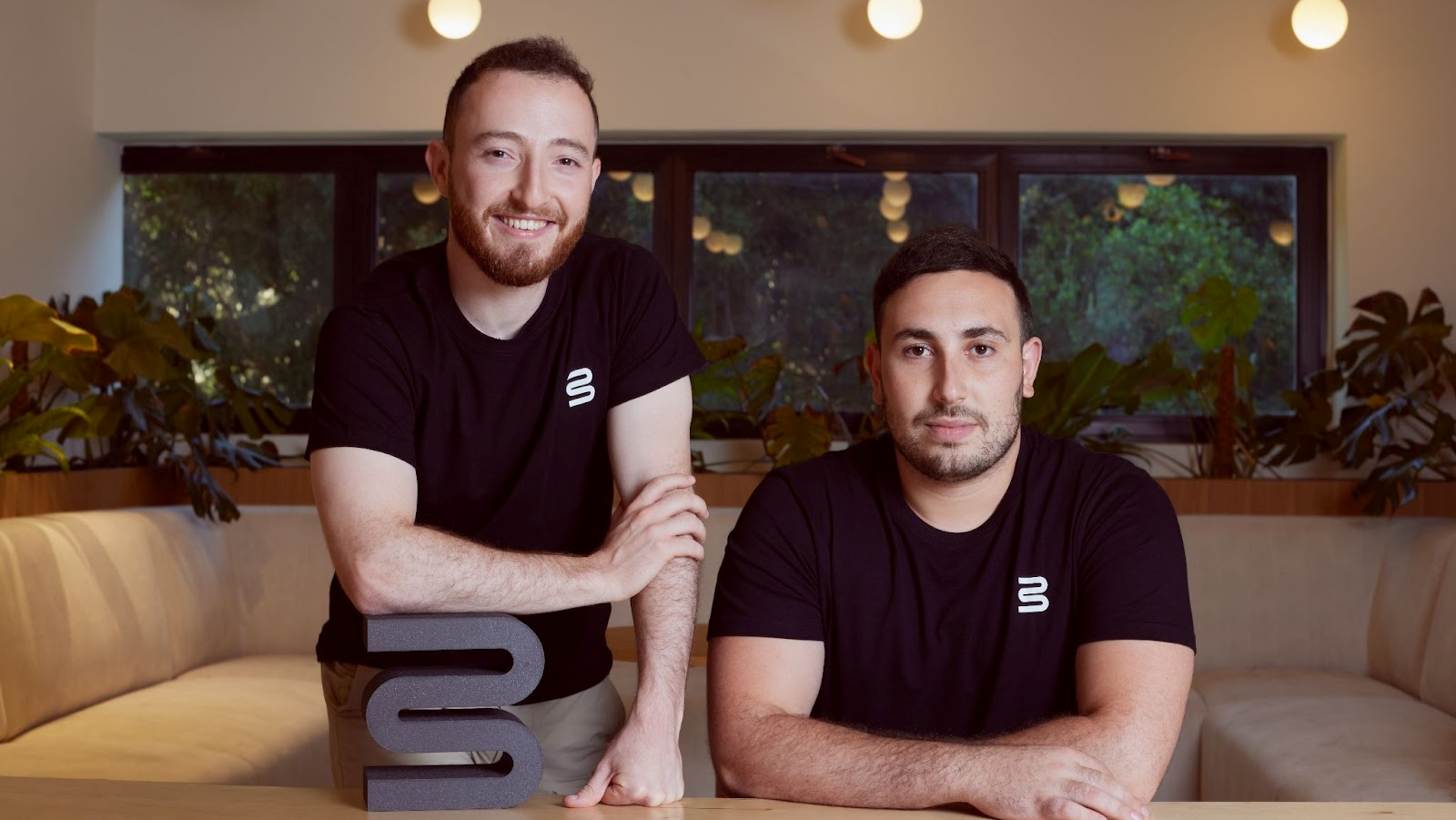
Blockchain security firm Blockaid has raised $50 million in a Series B funding round led by Ribbit Capital, with participation from GV , Variant, and Cyberstarts. This investment aims to bolster Blockaid’s research, engineering, and product development teams to meet the growing demand for robust on-chain security solutions.

Founded in 2022 by former Israeli cyber intelligence operatives, Blockaid has rapidly positioned itself as a key player in the blockchain security sector. The company’s platform offers real-time threat detection for blockchain transactions, integrating directly with wallets and decentralized applications to protect users from malicious activities. In the past year, Blockaid’s system scanned over 2.4 billion transactions and successfully blocked 71 million attacks, safeguarding assets for prominent clients such as Coinbase, MetaMask, Uniswap, and Stellar.

The infusion of new capital will enable Blockaid to scale its product and engineering teams, strengthen go-to-market operations, and expand research capabilities to stay ahead of evolving threats. This strategic growth is in response to the increasing adoption of blockchain technology by major financial institutions and fintech firms, which has, in turn, heightened the need for advanced security measures.

Blockaid’s CEO, Ido Ben-Natan, emphasized the importance of proactive security in the blockchain space, stating, “While the blockchain itself is secure, on-chain applications and the users that interact with them are at risk. This investment will help us continue to advance our machine learning capabilities and expand our current offerings to stay ahead in a highly adversarial landscape of evolving threats.”

The company’s approach leverages machine learning models to detect and prevent potential threats in real-time, providing end-user protection through direct integrations with wallets and dApps. This methodology has proven effective in mitigating risks associated with fraud, phishing, and hacks within the blockchain ecosystem.

Blockaid’s rapid growth is evident in its expansion from 20 employees to 70 within a year, with plans to double its workforce by the end of the year. This scaling aligns with the company’s mission to provide enterprise-grade security solutions for everything on-chain, catering to a diverse clientele that includes chains, protocols, wallets, exchanges, banks, and hedge funds.

The Series B funding round brings Blockaid’s total capital raised to $83 million, following a $27 million Series A round in October 2023. The continued support from prominent investors underscores the confidence in Blockaid’s ability to address the pressing security challenges facing the rapidly evolving blockchain industry.

As blockchain technology continues to gain traction across various sectors, the imperative for robust security measures becomes increasingly paramount. Blockaid’s commitment to enhancing its platform and expanding its team positions the company to effectively combat the sophisticated cyber threats that accompany the growth of on-chain operations.

In addition to its technological advancements, Blockaid places a strong emphasis on research and development. The company plans to utilize part of the new funding to expand its research capabilities, ensuring that it remains at the forefront of identifying and mitigating emerging threats within the blockchain space.

The involvement of GV, the venture capital arm of Alphabet Inc., in this funding round highlights the increasing interest of traditional tech investors in blockchain security solutions. This collaboration is expected to provide Blockaid with strategic insights and resources to navigate the complex landscape of cybersecurity and blockchain technology.

Blockaid’s proactive approach to security has garnered trust from its clients, enabling them to operate with confidence in an environment fraught with potential vulnerabilities. By offering comprehensive security solutions that encompass fraud detection, scam prevention, exploit mitigation, and financial risk assessment, Blockaid addresses the multifaceted challenges inherent in on-chain operations.

As the blockchain industry continues to evolve, the role of security firms like Blockaid becomes increasingly critical. The company’s dedication to innovation, coupled with the substantial financial backing from esteemed investors, positions it to set new standards in blockchain security and to effectively safeguard the interests of its expanding client base.

BANGKOK, THAILAND – Media OutReach Newswire – 19 February 2025 – Bangkok is no longer just a city of vibrant lights and ceaseless energy—it has emerged as a design hub that’s driving transformative change in urban living. By addressing challenges in city infrastructure, quality of life, environmental sustainability, and business innovation, Bangkok has positioned itself as a global leader in leveraging design to shape a better future. […]

Advertisements
By Arun Srivastava RSS chief Mohan Bhagwat returned to Nagpur a disappointed patriarch. His ten day mission to Bengal to find a “credible and charismatic face” who could throw Mamata Banerjee out of power and install a saffron government after 2026 state assembly polls, could not be accomplished. Known as a man of few words, […]

Elon Musk’s artificial intelligence venture, xAI, has unveiled its latest chatbot, Grok-3, positioning it as a formidable competitor to leading AI models from OpenAI and China’s DeepSeek. Grok-3 is now accessible to Premium+ subscribers on Musk’s social media platform, X, and through the new SuperGrok subscription tier on xAI’s mobile application and Grok.com. In a live-streamed presentation, Musk highlighted that Grok-3 utilizes over ten times the computational […]

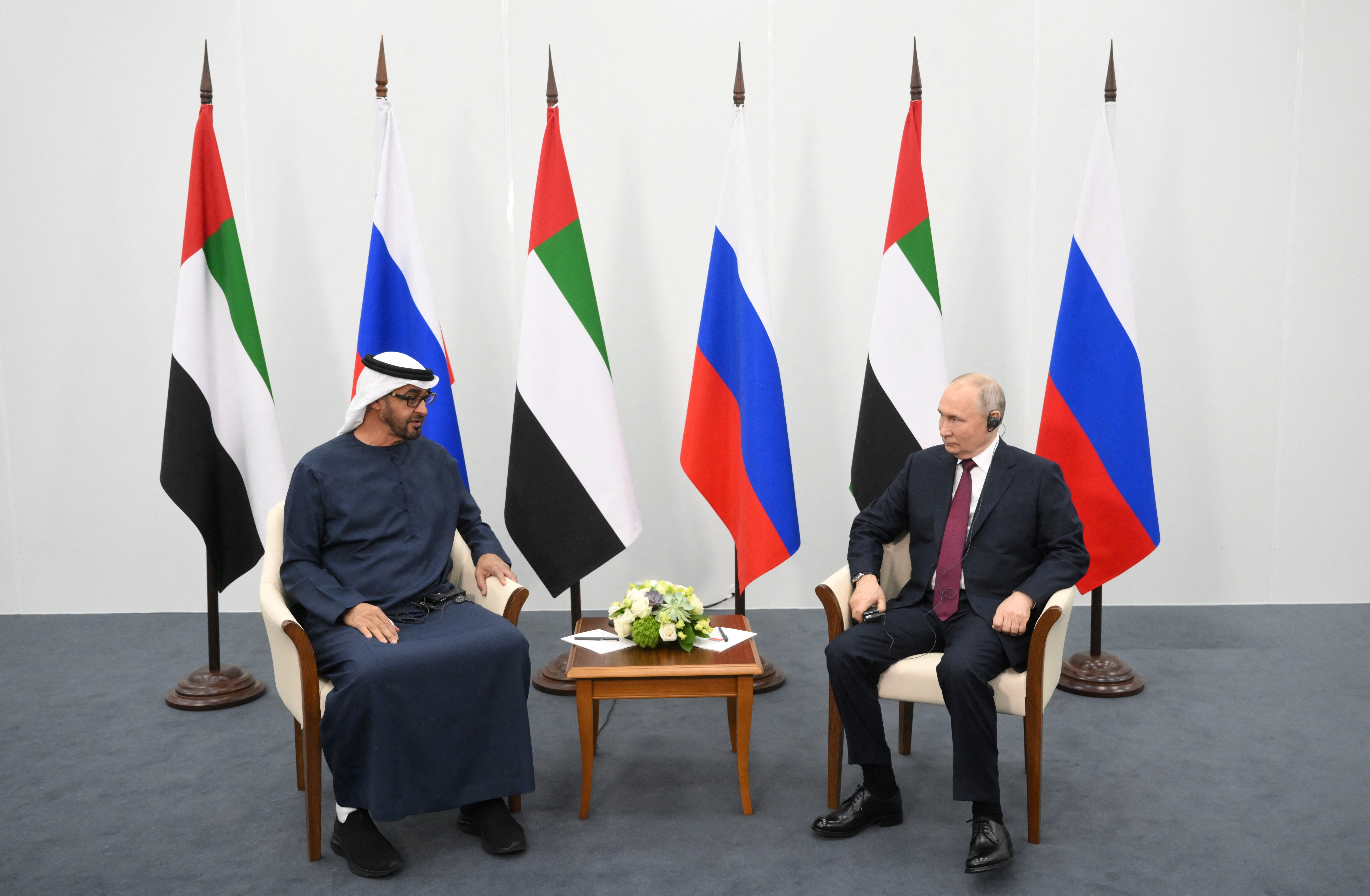
In a significant diplomatic and economic development, the United Arab Emirates and Ukraine have formalized a Comprehensive Economic Partnership Agreement during Ukrainian President Volodymyr Zelensky’s official visit to Abu Dhabi. The accord aims to bolster bilateral trade, investment, and economic collaboration between the two nations, marking a pivotal moment in their diplomatic relations.

The signing ceremony, held in Abu Dhabi, was attended by UAE President Sheikh Mohamed bin Zayed Al Nahyan and President Zelensky. Under the terms of the CEPA, 99% of Ukrainian imports of UAE goods and 97% of Ukrainian exports to the UAE will be exempt from customs duties, effective immediately. This strategic move is projected to contribute approximately $369 million to the UAE’s Gross Domestic Product and $874 million to Ukraine’s GDP by 2031. The agreement is also expected to accelerate Ukraine’s economic recovery and create new opportunities for cooperation in sectors such as infrastructure, heavy industry, aviation, aerospace, and information technology.

President Zelensky’s visit to the UAE comes at a time when momentum is building for potential peace talks to end the ongoing conflict in Ukraine. The UAE, home to a significant number of Russian and Ukrainian expatriates, has been considered a potential site for these discussions. During his visit, President Zelensky emphasized priorities such as repatriating Ukrainian captives, enhancing economic partnerships, and initiating humanitarian programs. He expressed gratitude for the UAE’s mediation efforts, which have reportedly resulted in saving many lives.

In addition to the CEPA, the two leaders agreed to establish a Ukraine-UAE Investment Council, aiming to explore promising investment opportunities in Ukraine, particularly in infrastructure projects. This initiative underscores the UAE’s commitment to supporting Ukraine’s economic development and post-war reconstruction efforts.

The UAE’s involvement in facilitating dialogue and supporting Ukraine’s sovereignty has been evident through its diplomatic engagements. Sheikh Mohamed bin Zayed Al Nahyan reaffirmed the UAE’s dedication to supporting peaceful resolution efforts and alleviating the humanitarian impact of the Ukraine conflict. He emphasized the importance of reaching peaceful solutions to crises around the world and reiterated the UAE’s commitment to building partnerships based on cooperation and understanding to promote peace, stability, and prosperity for all.

Concurrently, high-level talks between U.S. and Russian officials are set to occur in Saudi Arabia, aiming to explore a peace dialogue regarding the Ukraine conflict. Notably, Ukraine has been excluded from these discussions, a move President Zelensky criticizes, emphasizing the necessity of consulting strategic partners before any negotiations with Russia. He has declared that Ukraine will disregard any peace agreements forged between the U.S. and Russia without its involvement, underscoring the importance of including Ukraine in any peace negotiations.

The CEPA between the UAE and Ukraine is the first such agreement Ukraine has signed with a Gulf country, highlighting the UAE’s role as a strategic partner in Ukraine’s economic and diplomatic endeavors. Bilateral trade between the two nations reached $372.4 million in 2024, and the new agreement aims to further enhance this economic relationship by reducing or eliminating customs duties and opening new avenues for collaboration in various sectors.

This development reflects a broader trend of Middle Eastern countries engaging more actively in global diplomatic efforts, positioning themselves as neutral grounds for conflict resolution and as pivotal players in international economic partnerships. The UAE’s strategic support and facilitation of dialogue underscore its growing influence in global affairs, particularly in fostering peace and stability in conflict regions.

As the situation in Ukraine remains fluid, the international community continues to monitor the developments closely. The UAE’s proactive approach in mediating and supporting Ukraine’s sovereignty may serve as a model for other nations seeking to play a constructive role in global peace efforts. The success of the CEPA and the potential for future diplomatic resolutions could significantly impact the geopolitical landscape, offering a pathway toward stability and economic growth in the region.

Abu Dhabi National Oil Company for Distribution has announced plans to inaugurate its first flagship service station in Egypt within the year. This strategic move signifies the company’s commitment to expanding its footprint in the North African energy market.

The upcoming service station, slated for New Cairo, will feature an enhanced ADNOC Oasis convenience store and a comprehensive suite of automotive services. This development aims to elevate the customer experience, aligning with ADNOC Distribution’s standards observed in its flagship stations across Abu Dhabi and Dubai.

This initiative is part of the broader collaboration between ADNOC Distribution and TotalEnergies, marked by the two-year anniversary of their joint venture, TotalEnergies Marketing Egypt . Established in 2023, TEME oversees over 240 fuel retail sites across Egypt, encompassing wholesale fuel distribution, aviation fuel services, and lubricant blending operations.

Eng. Bader Saeed Al Lamki, CEO of ADNOC Distribution, highlighted the significance of this expansion: “The ongoing success of our TEME joint venture demonstrates the value of our international expansion strategy in driving value-accretive growth. Egypt, with its significant economic potential, is a key part of our growth journey.”

Thomas Strauss, Managing Director and Country Chair of TotalEnergies Marketing Egypt, echoed this sentiment: “This partnership underscores our mutual dedication to strengthening Egypt’s energy solutions. We recognise the immense potential of the Egyptian market and are committed to fostering sustainable growth.”

In addition to the flagship station, ADNOC’s Voyager lubricants, blended locally by TEME, are set to expand their availability through independent distributors later this year. This move aims to extend the brand’s reach beyond existing ADNOC Distribution service stations, positioning Egypt as a pivotal hub for lubricant production and export.

Looking ahead, TEME is focusing on enhancing its presence in Egypt’s aviation fuel market, a sector integral to the country’s transport and tourism industries. This strategic emphasis aligns with Egypt’s role as a regional nexus, poised to meet the escalating energy demands of the area.

ADNOC Distribution, established in 1973 and headquartered in Abu Dhabi, has evolved into a leading mobility retailer in the UAE. The company’s operations span fuel retail, aviation fueling, car services, lubricants, and convenience stores. Its expansion into Egypt, facilitated by the TEME joint venture, underscores its commitment to broadening its regional influence and delivering premium energy solutions.

The forthcoming flagship service station in New Cairo is poised to set a new benchmark for customer service and operational excellence in Egypt’s fuel retail sector. As ADNOC Distribution and TotalEnergies celebrate their collaborative achievements, they remain steadfast in their mission to support Egypt’s energy infrastructure and economic development.

This development not only signifies a milestone in ADNOC Distribution’s growth trajectory but also reflects the dynamic and evolving landscape of Egypt’s energy market. With continued investments and a focus on innovation, the TEME joint venture is well-positioned to contribute significantly to the region’s energy needs and economic prosperity.

Solitario Lab Grown Diamonds, an emerging player in the sustainable jewellery sector, has raised USD 3.6 million in pre-IPO funding. This investment will enable the company to bolster its retail presence, expand into new markets, and enhance its manufacturing capabilities. The round was led by a mix of institutional and private investors, highlighting the growing interest in the eco-friendly diamond industry.

Founded by Vivek Oberoi, Solitario has quickly gained traction in the lab-grown diamond market, a sector that has seen significant growth as consumers increasingly prioritise sustainability. The company’s focus on creating high-quality diamonds using ethical and environmentally conscious methods has positioned it as a notable brand in the competitive landscape of lab-grown jewellery.

The funds raised will primarily be allocated to scaling up production facilities and boosting the brand’s footprint in key retail markets. With a solid track record of innovation and a growing customer base, Solitario aims to tap into the demand for sustainable luxury products. The investment will also support the company’s efforts to expand internationally, bringing its lab-grown diamonds to markets beyond its current footprint.

Lab-grown diamonds have become a significant part of the global diamond industry, driven by rising consumer demand for ethically sourced and environmentally friendly alternatives to mined diamonds. These diamonds, produced using cutting-edge technology that mimics natural diamond formation, have garnered attention for their sustainability and traceability. As traditional diamond mining faces increased scrutiny due to its environmental and human rights impacts, lab-grown alternatives provide a solution that meets both consumer demand and global sustainability goals.

Solitario’s strategy is to capitalise on this shift in consumer preferences, positioning itself as a premium brand in the lab-grown diamond space. The company has been refining its production processes to ensure its diamonds meet the highest quality standards while reducing the environmental footprint associated with traditional mining. This includes utilising renewable energy sources and employing innovative methods to minimise waste and carbon emissions during the manufacturing process.

The success of the funding round is a strong indicator of investor confidence in Solitario’s business model and growth prospects. The funds will allow the company to strengthen its market position as a leader in the growing lab-grown diamond sector. By focusing on both quality and sustainability, Solitario is well-positioned to attract a diverse consumer base, from environmentally conscious millennials to luxury buyers seeking ethically sourced diamonds.

The demand for lab-grown diamonds is not limited to just the jewellery sector; it also extends to the broader luxury market, where consumers are increasingly scrutinising the origins of the products they purchase. As more brands across industries adopt sustainable practices, the appeal of lab-grown diamonds continues to rise. This trend is reflected in the broader retail sector, with many major jewellery retailers now offering lab-grown options alongside traditional diamonds. Solitario’s commitment to quality, coupled with its innovative approach to sustainability, has enabled the company to carve out a niche in this competitive market.

Solitario has already established a strong presence in the domestic market, with plans to expand into key international regions. The company’s focus on building a solid retail network will enable it to reach a wider audience, offering its products through both direct-to-consumer channels and partnerships with established retail chains. By leveraging this combined approach, Solitario aims to capitalise on the increasing shift towards lab-grown diamonds among luxury consumers.

The company’s growth trajectory also reflects the broader trends within the lab-grown diamond industry. While still in its early stages compared to the traditional diamond market, the sector has seen rapid expansion in recent years. This growth is driven by advances in technology, which have significantly lowered the cost of production, making lab-grown diamonds more accessible to a wider range of consumers. Additionally, as the technology behind lab-grown diamonds continues to evolve, there is potential for even further improvements in quality and cost-effectiveness.

Tether co-founder Reeve Collins is lending his support to Pi Protocol, a new venture aiming to introduce a yield-bearing stablecoin in the latter half of 2025. This initiative seeks to launch on both the Ethereum and Solana blockchains, offering users an opportunity to earn profits through the USI token.

Pi Protocol plans to mint stablecoins via smart contracts, utilizing real-world assets as collateral. This approach is designed to provide stability and transparency, addressing common concerns associated with digital currencies. Participants in the protocol will have the chance to earn profits in the form of USI tokens, which are integral to the platform’s ecosystem. Additionally, the project intends to introduce governance tokens, enabling users to partake in decision-making processes and influence the protocol’s future developments.

Reeve Collins, renowned for co-founding Tether—the widely used stablecoin pegged to the U.S. dollar—brings a wealth of experience to Pi Protocol. His involvement is anticipated to bolster confidence in the project, given his history of successful ventures in the blockchain space. Collins has previously co-founded BLOCKv, a platform for creating and distributing non-fungible tokens , and has been instrumental in pioneering digital marketing and blockchain technologies.

The decision to deploy Pi Protocol on both Ethereum and Solana blockchains is strategic. Ethereum, known for its robust smart contract capabilities, offers a vast and established user base. Solana, on the other hand, has been gaining traction due to its high throughput and lower transaction costs. Notably, Solana’s decentralized finance ecosystem has seen significant growth, with stablecoin inflows increasing by 129.4% in the first month of 2025, bringing the total balance to $11.7 billion. This surge indicates a growing interest in Solana’s offerings and positions it as a formidable platform for new projects like Pi Protocol.

The integration of RWAs as collateral is a noteworthy aspect of Pi Protocol’s design. By anchoring the stablecoin to tangible assets, the project aims to mitigate volatility and enhance trust among users. This methodology aligns with emerging trends in the crypto industry, where platforms are increasingly exploring asset-backed tokens to bridge the gap between traditional finance and digital assets.

As the project progresses towards its anticipated launch in the second half of 2025, stakeholders and potential users are keenly observing its development. The collaboration of seasoned professionals like Reeve Collins with innovative blockchain solutions underscores the evolving landscape of decentralized finance and the continuous efforts to introduce stable, yield-generating financial instruments in the crypto space.

In the broader context, the introduction of Pi Protocol’s stablecoin contributes to the diversification of digital financial products available to users. As blockchain technology matures, the fusion of real-world assets with digital tokens presents new avenues for investment and financial management, potentially reshaping traditional economic models.

Prointek, a prominent player in the interactive technology and unified communication sectors, has officially opened its latest manufacturing facility in Greater Noida, marking a significant step towards bolstering India’s self-reliance in high-tech production. This new facility, strategically located in the National Capital Region, is expected to not only increase the company’s production capacity but also enhance its contribution to the rapidly expanding sector.

The 250,000-square-foot plant, which has been in development for several months, will focus on the production of a variety of interactive displays and unified communication solutions. The facility is a response to the growing demand for high-quality tech products that support modern communication systems, particularly as businesses and educational institutions continue to embrace digital transformation.

Prointek’s expansion aligns with the government’s ongoing push for “Atmanirbhar Bharat” , which encourages domestic manufacturing and aims to reduce dependency on foreign imports. By investing in local production capabilities, Prointek seeks to not only cater to the local market but also expand its presence globally, making the plant a crucial element in the company’s long-term strategy.

The company’s expansion is poised to have a significant impact on the regional economy as well. The facility is expected to create numerous job opportunities, both in the manufacturing sector and in associated roles such as research and development, logistics, and sales. Local suppliers of materials and components are also likely to benefit from the enhanced production activity, fostering growth in ancillary industries.

Prointek’s decision to build the facility in Greater Noida reflects the area’s attractiveness for tech-focused investments. The region has become a hub for IT and electronics manufacturing, with proximity to Delhi and well-established infrastructure facilitating easier access to global markets. The presence of skilled labour and a supportive business environment has also made Greater Noida an ideal location for such expansions.

The new manufacturing plant will primarily focus on producing cutting-edge interactive displays, smartboards, and video conferencing systems. These products are highly sought after in various sectors, including education, corporate communications, government services, and healthcare. As hybrid work models and remote learning continue to gain popularity, the demand for advanced technology solutions that bridge physical and virtual spaces has seen substantial growth.

In line with its commitment to sustainability, Prointek has incorporated green technologies into the facility’s design and operations. The plant is equipped with energy-efficient systems and has adopted a zero-waste policy, reflecting the company’s dedication to minimizing its environmental footprint while meeting the demands of the digital age. This move positions Prointek as a leader in eco-conscious manufacturing practices within the technology sector.

The expansion is not only about increasing production capacity but also about enhancing the company’s research and development efforts. Prointek plans to leverage the new facility as a hub for innovation, where cutting-edge technologies can be developed to meet the evolving needs of global markets. With a growing focus on artificial intelligence and machine learning in interactive systems, the company aims to integrate these technologies into its products to provide more dynamic and user-friendly solutions.

Prointek’s growth trajectory has been impressive, with the company already enjoying a strong presence in key international markets. The establishment of the Greater Noida facility is expected to strengthen its competitive edge, enabling the company to meet increasing demand across the globe. As technology continues to play an integral role in communication and business operations, Prointek’s commitment to quality and innovation positions it for continued success.

This move comes at a time when the Indian government is actively encouraging foreign direct investment and supporting the growth of the manufacturing sector through initiatives such as the Production Linked Incentive scheme. These policies are designed to attract global tech companies and encourage domestic companies like Prointek to expand their capabilities. The opening of the new facility is likely to act as a catalyst for further investments in India’s tech manufacturing space.

The growth of Prointek’s operations in India reflects the broader trend of tech companies increasing their local manufacturing presence. This shift is driven by various factors, including the desire to mitigate supply chain risks, reduce lead times, and take advantage of the favourable business environment in India. The opening of Prointek’s plant is a clear indication that India is becoming an increasingly important player in the global tech manufacturing landscape.

Industry analysts expect that Prointek’s new facility will further strengthen India’s position in the global technology market. As more companies follow suit and ramp up domestic manufacturing capabilities, India could become a key hub for the production of high-tech products, offering a competitive alternative to traditional manufacturing centres in Asia and beyond.

Nigeria is set to implement new regulations taxing cryptocurrency transactions and digital activities, aiming to boost fiscal revenue and integrate compliant exchanges into the formal tax system. The Securities and Exchange Commission is developing rules to ensure eligible transactions on regulated exchanges are taxed appropriately.

A bill proposing a 7.5% value-added tax on cryptocurrency service fees has been submitted to lawmakers and is expected to pass this quarter. This initiative reflects Nigeria’s proactive approach to adapting its financial landscape and strengthening revenue administration.

In tandem, the SEC plans to accelerate the licensing of cryptocurrency exchanges in 2025, aiming to establish a clear regulatory framework that protects consumers and fosters market integrity. Since launching the Accelerated Regulatory Incubation Programme in June 2024, the SEC has granted provisional licenses to two Nigerian crypto startups, Quidax and Busha. The regulator intends to expedite approvals to address the need for clear regulations in the largely unregulated market.

Nigeria’s active cryptocurrency market sees individuals and businesses using digital currencies to hedge against inflation and exchange rate volatility. However, the lack of a clear regulatory framework has created significant uncertainty for users and investors. The introduction of taxation and licensing aims to provide clarity and integrate the crypto economy into the nation’s financial system.

The SEC acknowledges that cryptocurrency trading could generate substantial tax revenue but has not disclosed specific projections. By expanding the scope of cryptocurrency exchange licenses, the SEC aims to allow residents to trade on regulated centralized exchanges, enhancing monitoring and taxation. As these regulatory measures are implemented, investors are expected to gravitate towards centralized exchanges for greater protection.

This move aligns with global trends where governments are increasingly focusing on regulating the cryptocurrency sector to prevent illicit activities and ensure appropriate taxation. Nigeria’s efforts to tax digital transactions and license exchanges signify a significant step towards a more structured and secure crypto environment in the country.

As the legislative process progresses, stakeholders in Nigeria’s cryptocurrency market are closely monitoring developments. The successful implementation of these regulations could position Nigeria as a leading example in Africa for integrating digital assets into the formal economy while safeguarding investor interests.

MACAU SAR – Media OutReach Newswire – 18 February 2025 – Galaxy Macau™ presents the world-renowned Italian crossover king of classic and pop music, Andrea Bocelli, who will perform his first concert in Macau at Galaxy Arena on March 29, 2025. This marks the first time the legendary tenor has appeared at Macau’s largest indoor arena. This concert will feature a unique setlist, offering fans in Macau, […]

OKX has made a significant stride in its European expansion by securing a Markets in Crypto-Assets license, positioning itself as one of the first global exchanges to comply with the European Union’s new regulatory framework for digital assets. The MiCA license, a milestone in crypto regulation, enables the exchange to legally operate across 28 countries within the European Economic Area , further solidifying OKX’s position as a key player in the global cryptocurrency landscape.

This development comes at a time when the crypto industry is facing increasing regulatory scrutiny, particularly in Europe. The MiCA framework aims to establish a comprehensive regulatory environment for digital assets, addressing concerns such as investor protection, market integrity, and financial stability. By obtaining this license, OKX demonstrates its commitment to operating within the regulatory boundaries set by the EU, enhancing trust and reliability for both individual and institutional users.

With the MiCA license now in place, OKX has expanded its services to include euro-denominated trading pairs, providing a seamless integration for European users. This move allows customers in the EEA region to trade digital assets directly with euros, facilitating smoother transactions and reducing the need for conversions. Furthermore, OKX has introduced free bank transfers and fiat payment options, making it easier for European customers to deposit and withdraw funds.

The decision to offer free bank transfers and fiat payment options is particularly notable, as it addresses one of the common pain points for cryptocurrency users: high transaction fees. By eliminating these charges, OKX is able to enhance its competitiveness in an already crowded market, attracting users who may have been deterred by traditional exchange fees. These efforts also align with the company’s broader strategy to provide a user-friendly and cost-effective platform for its European clientele.

OKX’s expansion into the European market marks a new chapter in the company’s international growth. The exchange, which was founded in 2017, has quickly established itself as one of the largest and most reputable platforms in the crypto space. Its growth has been driven by a focus on innovation, security, and customer service, which has earned it a loyal user base in regions around the world. The company’s expansion into Europe reflects its commitment to diversifying its reach and tapping into the growing demand for crypto services across the continent.

As one of the first global exchanges to secure a MiCA license, OKX is now well-positioned to capitalise on the evolving regulatory environment in Europe. The MiCA framework, which is set to come into full effect in 2024, aims to provide legal certainty for crypto businesses operating in the EU. For exchanges like OKX, compliance with MiCA is essential for maintaining a strong presence in the European market, as regulators seek to ensure that crypto activities are conducted safely and transparently.

The move is also significant because it comes at a time of heightened regulatory uncertainty in other parts of the world. In the United States, for example, the crypto industry is facing increasing pressure from lawmakers and regulators, who are working to create a more structured approach to digital asset regulation. In this context, Europe’s MiCA framework offers a more defined path forward for crypto businesses looking to operate within a regulated environment.

Beyond the regulatory benefits, OKX’s decision to offer localized services tailored to the needs of European users is a key aspect of its strategy. The company has long emphasised the importance of localisation, recognising that each market has its unique requirements and challenges. By offering euro pairs and a range of fiat payment options, OKX is making it easier for European users to engage with the platform and participate in the growing digital asset economy.

OKX’s success in securing the MiCA license also highlights the company’s ongoing efforts to prioritise compliance and security. Over the years, OKX has made significant investments in strengthening its security infrastructure, which is a critical factor in maintaining the trust of its users. The exchange has implemented a variety of measures to safeguard customer assets, including robust encryption protocols, multi-signature wallets, and insurance funds for potential losses due to breaches.

The MiCA license also places OKX in a favourable position to expand its range of services across Europe. As the regulatory environment in Europe becomes clearer, OKX will have the opportunity to offer additional products and services, such as staking, lending, and asset management, to a wider audience. The company’s ability to operate in 28 EEA countries provides it with a significant competitive edge over other exchanges that may be restricted by more stringent regulations.

However, the regulatory landscape for crypto assets remains dynamic, and OKX’s ability to maintain its position in the European market will depend on its continued compliance with MiCA and other evolving regulations. As the EU finalises the implementation of MiCA in the coming years, exchanges like OKX will need to adapt to new rules and requirements that could affect everything from anti-money laundering measures to customer due diligence.

Avarik Labs has unveiled its highly anticipated mobile strategy role-playing game , Red Covenant, introducing a blend of immersive storytelling, tactical gameplay, and blockchain innovation. The game, set in the expansive Avarik Saga Universe, invites players to engage in high-stakes combat, strategic decision-making, and a unique ecosystem powered by blockchain technology.

Red Covenant aims to redefine the mobile RPG experience, combining traditional RPG elements with the power of blockchain to offer players a dynamic and rewarding gaming environment. The integration of blockchain technology allows for ownership of in-game assets, enhancing the player’s experience with the ability to trade, sell, and purchase valuable items securely. This provides a new layer of interaction for gamers, enabling them to create their own legacy within the game’s universe.

The Avarik Saga Universe, which serves as the backdrop for Red Covenant, is known for its dark and immersive lore, filled with complex characters and vast, interconnected narratives. Players are invited to immerse themselves in this world, where every decision shapes their path and their fate within the game’s expansive universe. The game’s developers have paid careful attention to the world-building, offering an expansive landscape filled with rich lore that will keep players engaged as they navigate through various challenges.

The mobile RPG genre has witnessed significant growth in recent years, with more players embracing mobile devices as their primary platform for gaming. Avarik Labs has capitalized on this trend, creating Red Covenant as a highly polished game that is designed for both casual gamers and seasoned RPG enthusiasts. The game’s tactical combat system challenges players to think critically, making each battle a test of strategy rather than mere button-mashing.

What sets Red Covenant apart from other mobile RPGs is its seamless integration of blockchain technology. Unlike traditional RPGs, where in-game items and assets are locked within the confines of the game’s ecosystem, Red Covenant enables players to truly own and control their in-game items. This integration brings the concept of “play-to-earn” to the mobile RPG space, offering players the opportunity to earn rewards in the form of cryptocurrency or NFTs, which can be used within the game or traded on external markets. This move aims to bring a fresh, monetizable dimension to mobile gaming, appealing to players who are looking for more than just entertainment but also the potential for financial gain.

The game’s developers have also implemented smart contract functionality, enabling decentralized gameplay and reducing the reliance on centralized control. This adds a layer of transparency and security, ensuring that the game’s economic systems remain fair and balanced. Players can be assured that the rewards they earn are backed by blockchain technology, providing a level of trust and reliability that traditional in-game economies cannot offer.

Avarik Labs has partnered with several blockchain platforms to ensure smooth and secure integration of these technologies. The collaboration with established blockchain networks ensures that the game’s in-game transactions are secure, transparent, and free from the risks of fraud or manipulation. Players can participate in the game’s economy with confidence, knowing that their transactions are protected by blockchain’s inherent security features.

To enhance the player experience further, Red Covenant offers a wide variety of gameplay modes. Players can engage in single-player quests, where they explore the world, uncover hidden stories, and face off against formidable enemies. Alternatively, multiplayer modes allow for competitive play, where players can team up or battle against each other in real-time combat. The game also features a guild system, where players can join forces with others to tackle larger challenges and earn collective rewards.

While Red Covenant is already gaining attention for its innovative use of blockchain, it’s not without competition. The mobile RPG market is flooded with similar titles, and standing out in this crowded space is a challenge for Avarik Labs. However, the company is confident that its unique combination of tactical gameplay, blockchain integration, and immersive storytelling will appeal to a broad audience. By offering something that goes beyond traditional mobile gaming, Red Covenant positions itself as a forward-thinking entry in a market that increasingly values technological innovation alongside gameplay.

Avarik Labs’ decision to embrace blockchain technology is also reflective of the broader trends in the gaming industry. Blockchain and cryptocurrency are making waves across various sectors, and gaming is no exception. Developers are increasingly exploring the potential of these technologies to provide new ways for players to interact with games, earn rewards, and even shape the direction of the gaming industry. With Red Covenant, Avarik Labs is positioning itself at the forefront of this shift, aiming to be a pioneer in the emerging “play-to-earn” gaming economy.

Despite the innovative features and high expectations surrounding Red Covenant, the game’s success will ultimately depend on its ability to engage players and deliver on its promises. Early reviews from testers have been largely positive, with praise for the game’s deep tactical combat and immersive world-building. However, some players have raised concerns about the complexity of integrating blockchain and the learning curve associated with understanding the game’s economic systems. Avarik Labs is aware of these concerns and has stated that it is committed to providing players with the necessary tools and resources to fully understand the game’s mechanics.

Spotify is set to introduce a new subscription tier, “Music Pro,” which will provide users with enhanced audio quality and other features for an additional $6 per month. This move comes as part of the company’s ongoing efforts to differentiate itself in the competitive music streaming market, where users are increasingly demanding high-quality audio experiences. The new “Music Pro” tier will reportedly offer a premium streaming experience, […]

FloppyPepe , a meme-inspired cryptocurrency, is rapidly gaining attention, with projections suggesting it could outperform established assets like Solana by an astonishing 10,300% in the current market cycle. While Solana has seen significant price increases due to optimism surrounding an upcoming exchange-traded fund approval and network improvements, the emergence of FloppyPepe signals a new wave of interest in meme tokens, potentially reshaping investor expectations.

Solana’s price surge has captured the crypto community’s focus, with many analysts forecasting a rise to $300 within the next month. This bullish sentiment stems from two key factors: the expected approval of Solana’s ETF, which could drive more institutional investment, and the recent upgrades to the Solana network aimed at improving scalability and performance. These developments have led to a renewed sense of optimism among SOL holders, some of whom are betting that the asset could once again rival top cryptocurrencies like Bitcoin and Ethereum.

Despite these positive developments, the market’s attention is increasingly divided as new contenders emerge in the meme-token sector. FloppyPepe, based on the popular “Pepe the Frog” meme, has gained traction in the crypto world with its growing following. Initially a niche meme coin, it has now sparked excitement due to its aggressive price predictions. The token’s rapid rise is fuelled by social media buzz and a cult-like following, typical of meme-based cryptocurrencies, which have historically seen dramatic increases in value based on viral trends and online hype.

FloppyPepe’s meteoric growth potential lies in its ability to capitalise on the volatile nature of meme coin markets. Similar to the explosive rises of tokens like Dogecoin and Shiba Inu, FloppyPepe thrives on community engagement, social media momentum, and speculative trading. In fact, some analysts predict that the token could see gains surpassing 10,000% if the momentum continues. This level of growth would make it one of the most significant stories of the current crypto cycle, challenging even established players like Solana.

On the other hand, Solana’s long-term viability faces a set of challenges that could affect its current optimism. Although the upcoming ETF approval is expected to bring institutional investors into the fold, it also raises questions about whether Solana can maintain its market position when other blockchain projects continue to emerge with similar technological advancements. While Solana’s network upgrades promise to enhance its functionality, the broader market still wrestles with concerns over scalability, security, and its ability to differentiate itself in a crowded field.

FloppyPepe, with its meme token status, operates in a much different market segment. While the meme-token market is often criticised for being speculative and volatile, the sheer unpredictability of these assets is what attracts traders looking for massive short-term gains. Additionally, the token’s success is tied not only to its meme origins but also to its engagement with the broader cryptocurrency community, which frequently fuels the rise of such assets. Its ability to capture the zeitgeist of internet culture may help it continue to grow, even in the face of potential market corrections.

It is important to note that the cryptocurrency market is notoriously volatile, with prices frequently shifting based on broader macroeconomic trends, regulatory news, and technological advancements. The rise of meme coins like FloppyPepe challenges traditional investment principles, as these tokens often lack the fundamental backing seen in more established assets like Solana. Yet, their appeal lies in the speculative gains they offer in the short term, making them a high-risk, high-reward asset class for adventurous investors.

For now, FloppyPepe’s future trajectory remains unclear, and its ability to continue growing at its current pace will depend on several factors, including the level of continued community support and its integration into broader crypto exchanges. The token’s surge in popularity highlights the growing trend of meme-based cryptocurrencies, which continue to captivate retail investors and provide new opportunities for speculative trading. While Solana’s infrastructure improvements may help it sustain its growth over time, FloppyPepe offers an example of how meme tokens can reshape the landscape in unexpected ways.

Hayden Davis, the creator behind the highly debated LIBRA memecoin, has introduced a new digital token named MELANIA, further stirring up the already volatile world of cryptocurrency. Davis, who rose to prominence for his controversial involvement with LIBRA, stated that he had refunded $5 million to prominent investor Dave Portnoy after the latter faced significant losses with the previous token. This latest move by Davis has sparked a new wave of interest and scepticism within the crypto community, especially given the history of volatility surrounding his previous projects.

LIBRA, which gained widespread attention due to its speculative nature and ties to the social media influencer community, was initially touted as a groundbreaking new cryptocurrency. However, its journey was marred by controversies, including fluctuating values and allegations of market manipulation. Despite the backlash, LIBRA achieved a notable degree of success in terms of market presence, albeit with a reputation that many considered controversial. Its erratic performance and the subsequent departure of several investors raised questions about the stability of such tokens.

Davis, who had been at the forefront of the LIBRA coin’s launch, faced intense scrutiny over its impact. The memecoin’s popularity grew quickly, attracting investors seeking fast returns, yet it was often criticised for lacking a solid underlying value or utility. LIBRA’s volatility led to substantial losses for many, including Portnoy, a prominent figure in the financial world, who invested heavily into the token. Portnoy, who is known for his outspoken persona, expressed frustration over the unpredictability of the coin, noting that his investment had been marred by significant financial losses.

In response, Davis made an unexpected move by announcing that he had refunded Portnoy’s $5 million in an effort to address the criticism that had been directed towards LIBRA. Davis’ refund, while somewhat mitigating the damage to Portnoy’s portfolio, did little to quell the broader doubts about the memecoin’s legitimacy. His actions sparked a polarising debate within the crypto world, with some applauding the gesture as a sign of accountability, while others viewed it as a tactical move to bolster his reputation ahead of the release of his new token, MELANIA.

MELANIA’s launch is the latest addition to a growing trend of memecoins that have taken over the crypto space in recent years. These tokens, often based on internet trends or pop culture references, are typically known for their highly speculative nature. MELANIA, however, presents itself as a different entity, according to Davis, who claims that the token will have a stronger focus on utility and long-term value. While the specifics of MELANIA’s underlying technology remain unclear, Davis has been vocal about his plans for the token to transcend the typical characteristics of memecoins by incorporating elements of DeFi and NFTs .

The unveiling of MELANIA has already generated a significant amount of attention, both positive and negative. On the one hand, the cryptosphere is intrigued by Davis’ bold claim that he has “sniped” both LIBRA and MELANIA tokens, suggesting that he has the ability to strategically manipulate or influence the market in his favour. On the other hand, sceptics have raised concerns that Davis is once again positioning himself as a central figure in the creation of speculative assets, potentially leading investors down a similar path as with LIBRA.

Despite the criticism, Davis has insisted that he is taking a more responsible approach with MELANIA, aiming to create a cryptocurrency that balances the high-risk, high-reward nature of the market with a more stable and transparent framework. He has outlined plans for MELANIA to support charitable initiatives, including efforts to assist underprivileged communities, which he hopes will add credibility to the project. The combination of social causes with cryptocurrency is becoming an increasingly popular trend in the space, with several blockchain projects positioning themselves as vehicles for social good.

Critics, however, remain unconvinced by Davis’ assurances, pointing out that the broader crypto market remains largely unregulated, with limited safeguards for investors. As evidenced by the LIBRA experience, tokens in the memecoin category can experience significant swings in value, often driven more by hype than tangible innovation. The unpredictability of these assets has led to calls for greater oversight in the cryptocurrency sector, as more individuals and institutions enter the market looking to capitalise on the potential for quick returns.

Adding to the intrigue is Davis’ claim that he was responsible for “sniping” both LIBRA and MELANIA, a term often used in trading circles to describe taking advantage of market opportunities at opportune moments. Whether this refers to manipulating market sentiment or executing tactical trades in his favour remains unclear, but it further adds to the mystique surrounding Davis as a figure in the crypto world. His activities have sparked interest not only from investors but also from regulatory bodies who are beginning to take a closer look at the actions of influential players in the cryptocurrency space.

West Virginia’s healthcare industry is grappling with mounting workforce shortages, presenting ongoing challenges that are straining hospitals and healthcare providers across the state. Despite efforts to address the issue, the shortage of medical professionals continues to hinder service delivery, with significant implications for patient care and hospital operations.

Hospitals in West Virginia, particularly in rural areas, have reported increasing difficulties in attracting and retaining skilled workers, such as doctors, nurses, and other essential healthcare staff. These shortages have led to higher workloads for existing staff, longer wait times for patients, and concerns over the quality of care. The challenges have intensified in the wake of the COVID-19 pandemic, which exacerbated the already precarious state of the healthcare workforce.

The West Virginia Hospital Association has highlighted these persistent issues in a series of statements, emphasising the detrimental impact on healthcare services. The association’s president, whose remarks have resonated with both healthcare workers and policymakers, warned that without significant intervention, the situation could worsen, affecting the accessibility and standard of care in the state.

A primary concern is the rising demand for healthcare services, especially with an aging population. West Virginia has one of the oldest populations in the United States, and as more people reach retirement age, there is an increasing need for medical professionals to manage chronic conditions, provide long-term care, and address the complexities of aging health concerns. However, the supply of healthcare workers has failed to keep pace with this demand, leading to workforce imbalances that challenge the state’s healthcare infrastructure.

Another significant issue contributing to the workforce shortage is the growing number of healthcare professionals leaving the industry. Many nurses and doctors are opting for early retirement or leaving the profession due to burnout and stress, further compounding the problem. High levels of emotional and physical exhaustion, exacerbated by the pandemic, have led to job dissatisfaction among healthcare workers, making it difficult for healthcare facilities to retain their workforce.

Financial pressures have also played a role in the workforce shortage. Many healthcare organisations, particularly smaller and rural hospitals, have been unable to offer competitive salaries or benefits that can attract or retain highly skilled medical staff. As a result, healthcare workers are often lured to other regions or larger urban hospitals, where compensation and resources are more robust.

The state’s government has taken some steps to address these workforce challenges, including offering incentives for healthcare workers to stay in West Virginia or return to the state. Financial incentives, such as loan forgiveness programs and recruitment bonuses, have been introduced, but these measures have not yet led to significant improvements in the overall workforce numbers.

There have been efforts to expand medical training opportunities within the state. Educational institutions have been working to increase the number of graduates in fields like nursing, medicine, and allied health, in hopes of alleviating the shortage over time. However, experts argue that without immediate action to retain existing staff and improve working conditions, these long-term solutions may not have a sufficient impact in the short term.

Health experts have also pointed to the increasing reliance on technology as a potential solution to some of these workforce gaps. Telemedicine and digital health tools have been widely embraced during the pandemic, and their continued use could help mitigate the effects of workforce shortages by allowing healthcare providers to extend their reach and provide care in areas where staffing is limited. However, the success of this approach depends heavily on infrastructure and the ability to integrate these technologies effectively into the state’s healthcare system.

As West Virginia struggles with these workforce challenges, there are growing concerns that the state’s healthcare system may become unsustainable, particularly in its rural regions. These areas are particularly vulnerable, with fewer healthcare facilities and fewer resources available to deal with rising patient numbers. If the shortage of medical professionals is not addressed, these communities could face even greater difficulties in accessing the care they need.

For now, healthcare providers across the state are focusing on strategies to manage the existing workforce more effectively. Many hospitals are implementing measures to reduce staff burnout, such as offering flexible hours, improving work environments, and providing additional support for mental health. Some hospitals are also turning to innovative staffing solutions, including expanding the use of advanced practice providers, such as nurse practitioners and physician assistants, to fill gaps in care.

Despite these efforts, healthcare leaders remain cautious about the future. The workforce shortages are expected to persist unless more substantial reforms are introduced, including increased investments in the healthcare sector, better incentives for workers, and continued expansion of training programs. As the situation evolves, the state’s policymakers and healthcare administrators will need to work collaboratively to develop sustainable solutions that ensure quality care for all West Virginians.


Ducab Group has joined forces with the Mohammed Bin Rashid Housing Establishment in a strategic partnership aimed at enhancing Dubai’s large-scale residential developments with advanced cable solutions. This collaboration marks a significant step in promoting sustainability and advancing infrastructure within the emirate, as Ducab provides an array of high-quality products, including low-voltage power cables, wires, flexible cables, and Flam BICC2 fire-resistant cables.

The partnership comes in response to the UAE’s ambitious push for sustainable development, aligning with the country’s wider vision of creating environmentally responsible and energy-efficient housing. MBRHE, tasked with providing affordable homes to UAE nationals, is focused on modernising its housing projects, making this collaboration a key element in ensuring that their new developments adhere to the highest standards of safety, energy efficiency, and environmental sustainability.

The low-voltage power cables, central to the collaboration, are designed to meet the growing demand for reliable energy supply in urban areas. These cables are essential for transmitting electricity efficiently across residential complexes, enabling the seamless operation of essential services such as lighting, heating, and air conditioning. Flexible cables, which allow for easy installation in a variety of configurations, will also play a vital role in maintaining the safety and durability of the electrical systems within these residential areas.

The incorporation of Flam BICC2 fire-resistant cables adds an extra layer of safety, protecting the residents and properties from potential electrical fires. These fire-resistant cables, which meet stringent international standards, provide superior protection by preventing the spread of fire through the electrical infrastructure, crucial in high-rise buildings and densely populated areas. With fire safety becoming an increasing concern in residential construction, these cables will play an important role in mitigating risks and ensuring the well-being of Dubai’s growing population.

Ducab, a prominent manufacturer of cables and electrical products in the UAE, has a long-standing reputation for providing innovative and reliable solutions for various sectors, including construction, energy, and infrastructure. Its involvement in this partnership strengthens its position as a leading provider of electrical solutions for the UAE’s residential and commercial sectors. The company’s commitment to sustainable practices is evident in its product offerings, which not only meet international quality standards but also incorporate eco-friendly manufacturing processes.

The collaboration with MBRHE also signals Ducab’s continued efforts to support the UAE’s ambitious sustainability goals, including its drive to reduce carbon emissions and promote energy efficiency across all industries. By providing cutting-edge cable technology that adheres to the highest safety standards, Ducab is contributing to the UAE’s goal of building smart, sustainable cities that can meet the challenges of the future.

MBRHE’s role in the partnership is pivotal, as it oversees the construction and delivery of homes for UAE nationals. The establishment is responsible for implementing Dubai’s housing strategy, ensuring that projects are not only cost-effective but also meet the sustainability standards required for long-term success. The inclusion of Ducab’s advanced cable solutions is part of a broader initiative to elevate the quality of these homes, ensuring they are equipped with the latest technology and built to withstand the demands of modern living.

Dubai’s housing sector has seen significant transformation over the past few years, with an increasing focus on green building practices and energy-efficient solutions. This partnership between Ducab and MBRHE is a direct response to this shift, as developers and stakeholders strive to meet the growing demand for sustainable housing options. The project aligns with Dubai’s broader goals outlined in its Vision 2021 and other long-term urban planning strategies, which focus on sustainable development, energy efficiency, and the creation of smart cities.

As part of the collaboration, Ducab’s role extends beyond the supply of cables and wires. The company is also involved in providing technical support and expertise, ensuring that the installation and maintenance of these systems meet the highest standards of quality and safety. Ducab’s commitment to research and development ensures that its products continue to evolve in line with technological advancements and the shifting demands of the construction and energy sectors.

The move to integrate advanced cable solutions into Dubai’s residential projects also comes as the emirate ramps up efforts to bolster its position as a global hub for innovation and sustainability. With growing pressure on governments and industries to adopt more environmentally conscious practices, collaborations like the one between Ducab and MBRHE are essential in driving the change needed to support sustainable urban development.

Mubadala Investment Company has secured a deal to acquire a minority stake in Apleona, one of Europe’s top integrated facility management providers. This move forms part of a broader investment effort led by Bain Capital’s Private Equity team in Europe, which aims to bolster Apleona’s growth trajectory, further establishing it as a dominant player in the European facility management sector. Headquartered in Neu-Isenburg, Germany, Apleona delivers a […]

VISHNU RAJA
RYO YAMADA
HITORI GOTOH
IKUYO KITA