News related to
Success

HONG KONG SAR – Media OutReach Newswire – 12 June 2025 – ShopBack, Asia’s leading cashback shopping platform, has announced a strategic partnership with Mastercard to introduce an exclusive cashback promotion, empowering Hong Kong shoppers with enhanced savings when they link their eligible Mastercard cards and purchase at selected merchants via the ShopBack app. ShopBack collaborates with Mastercard to unveil an exclusive cashback promotion, offering shoppers a […]

HONG KONG SAR – Media OutReach Newswire – 12 June 2025 – The Hong Kong Polytechnic University (PolyU) took part in the world-renowned London Tech Week 2025 held from 9 to 11 June in London, UK, as the only participating university from Hong Kong. Four PolyU startups showcased their ground-breaking innovations in artificial intelligence (AI), advanced manufacturing technologies and healthcare solutions. The event attracted business leaders, industry […]

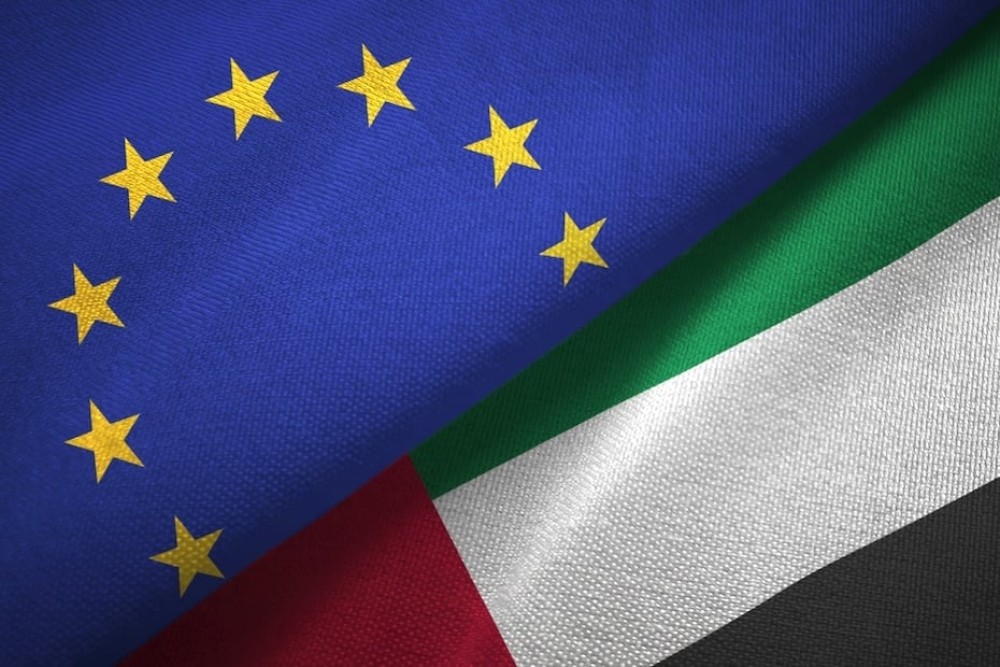
Brussels has moved to recalibrate its anti-money laundering framework with a significant update to its high‑risk third‑country list. The European Commission has put forward a delegated regulation that, pending a one-month scrutiny by the European Parliament and member states, would remove the United Arab Emirates from the bloc’s “high‑risk” list under the Fourth Anti‑Money Laundering Directive. Simultaneously, Algeria and Lebanon—alongside eight others—will be newly classified as jurisdictions with “strategic deficiencies” in their national AML and counter‑terrorism financing frameworks.

The UAE, delisted in tandem with Barbados, Gibraltar, Jamaica, Panama, the Philippines, Senegal and Uganda, has undergone a sequence of reforms aimed at strengthening judicial oversight, regulatory compliance, and enforcement against illicit financial flows. Its exit from the FATF’s grey list in February 2024 marked the start of a broader crackdown that included the creation of specialised courts for financial crimes and a succession of heavy penalties—most recently, a ₫3.3 million fine imposed by the Central Bank on multiple currency exchange houses for compliance violations.

In Brussels, Commissioner Maria Luís Albuquerque emphasised that the overhaul aligns with global standards and is based on rigorous evaluations involving FATF findings, bilateral dialogues and onsite assessments. The process reflects a broader ambition to shore up the integrity of Europe’s financial system by enforcing transparency and curbing illicit financial flows.

The inclusion of Algeria, Lebanon, Angola, Côte d’Ivoire, Kenya, Laos, Monaco, Namibia, Nepal and Venezuela signals rising concern about governance standards in these jurisdictions. Algeria’s entry follows high-profile anti-corruption prosecutions and its low standing in Transparency International’s Corruption Perceptions Index. Lebanon’s designation reflects ongoing socioeconomic volatility and persistent finance networks linked to non-state armed actors.

Monaco, already on the FATF grey list since mid‑2024, was also added to the EU’s high‑risk list despite its recent enhancements to its financial intelligence unit and AML supervisor. The Commission acknowledged its progress while noting unresolved weaknesses.

The dynamics surrounding the UAE’s delisting, however, are not without controversy. Previously, the European Parliament blocked the move, echoing concerns voiced by Transparency International, citing insufficient progress. Opposition is noted to persist among MEPs, particularly from Spain and its stance on Gibraltar, complicating consensus.

From an economic standpoint, the delistings carry tangible incentives. Banks and financial institutions across the EU will scale back enhanced due diligence on transactions linked to the UAE, reducing compliance burdens and speeding up capital flows. Analysts suggest this could enhance foreign investment, signalling confidence in the UAE’s reputation as a global financial hub and factoring into ongoing free-trade negotiations with the EU.

Despite the acknowledged legislative reforms in the UAE, dissent persists. German Green MEP Rasmus Andresen criticised the move as premature, warning that regulatory gaps remain that could be exploited for illicit financial activities. Commission spokespersons framed the update as technical, decoupled from trade ambitions, though the timing follows the launch of EU–UAE trade negotiations in April.

On the other side, proponents speak of a “reputational course correction” for the UAE, part of a sweeping strategy since 2022 that included legislative overhauls, enforcement operations and judicial mechanisms to reinforce compliance with FATF standards.

Should no objections arise during the legislative review, the updated list will come into force in late July. Transaction oversight requirements across EU financial institutions will adjust accordingly, with the UAE reclassified and new protocols applying to the newly added jurisdictions.

Global law enforcement has dismantled over 20,000 malicious IP addresses and domains used to serve 69 variants of information‑stealing malware, in a sweeping cybercrime operation spanning 26 countries across the Asia‑Pacific region. The coordinated effort—dubbed Operation Secure—uncovered the digital infrastructure behind credential‑harvesting malware, led to the seizure of 41 servers, over 100 GB of illicit data, and the arrest of 32 suspects, officials said. The four‑month initiative, conducted […]

HANOI, VIETNAM – Media OutReach Newswire – 11 June 2025 – Vinmec Healthcare System has successfully performed a Total Femoral Replacement (TFR) surgery using personalized 3D printing materials for the world’s youngest cancer patient. It is also the first biomedical product designed and produced entirely in Vietnam, marking a major milestone in the country’s advancement in precision medicine. Vinmec successfully performs world’s youngest pediatric total femur replacement […]

By Nitya Chakraborty The high level delegations of United States of America and China concluded their two day trade talks in London on Tuesday agreeing to take forward the course of negotiations for further promoting steady and healthy development of economic and trade ties between the two largest economies of the world. Both Chinese and […]

Applications from African professionals to American MBA programmes are climbing sharply, driven by robust scholarship support, evolving diversity strategies, and a post-pandemic appetite for international career mobility. African candidates are finding new momentum in American business schools thanks to generous funding sources such as the TY Danjuma MBA Scholarship, established in 2011. The fund supports admissions at top‑ranked global institutions, awarding 64 students from nations including Nigeria, […]

Advertisements

Some 2,400 stem cell and regenerative medicine pioneers convene to chart new frontiers, resulting from bidding efforts of Hong Kong Convention Ambassadors of the Hong Kong Tourism Board HONG KONG SAR – Media OutReach Newswire – 11 June 2025 – Reputed to be a leading research and development (R&D) hub for medical sciences, Hong Kong hosts the world’s largest and most significant gathering of stem cell research […]

Mashreq Bank has secured a US$500 million Sukuk issuance through its special-purpose vehicle, Mashreq Al Islami Sukuk Company Ltd, with a secondary listing on Nasdaq Dubai. The trust certificates, set to mature in 2030, were unveiled under the bank’s US$2.5 billion Trust Certificate Issuance Programme. The issuance drew overwhelming appetite in the primary market, with subscriptions reaching nearly US$2.9 billion—almost six times the issued amount—before being admitted for trading on Nasdaq Dubai. […]

MediLink Therapeutics Ltd. is preparing to launch an initial public offering in Hong Kong, having secured China International Capital Corp., JPMorgan Chase & Co. and Morgan Stanley as its lead advisers, according to people with knowledge of the matter. The move comes as the clinical-stage biotech firm seeks to capitalise on growing investor interest in advanced tumour-targeting therapies and consolidate its platform of antibody‑drug conjugates.

Founded in 2020 and headquartered in Suzhou with R&D operations in Shanghai and Boston, MediLink has developed a proprietary ADC technology known as TMALIN®. The platform facilitates precise delivery of cytotoxic agents to tumour cells, with the intention of widening therapeutic windows for solid tumour treatments. Its pipeline includes programs that have advanced to clinical stages in both China and the United States, supported by a Series B financing round of approximately USD 70 million in 2022.

MediLink’s strategic engagement of three underwriters reflects heightened confidence in anchor investors and broader syndication. China International Capital Corp. brings deep roots in Chinese capital markets and extensive IPO experience in the biotech sector. JPMorgan and Morgan Stanley add global banking heft and access to international investors.

CICC itself is emerging as a top-tier sponsor for Hong Kong listings. It led or co-led 19 IPOs for Chinese corporates last year, raising USD 3.84 billion, positioning it as a dominant force amid market revival. The engagement of internationally renowned banks alongside CICC is likely aimed at boosting MediLink’s valuation and widening investor interest both locally and abroad.

While IPO details remain confidential, analysts suggest MediLink could seek a valuation in the mid‑to‑high hundreds of millions of dollars. That would reflect both the advanced stage of its pipeline and prevailing market multiples for ADC developers. Comparable biotech flotations in Hong Kong and the U.S. have reflected growing appetite for oncology-focused platforms.

Alongside listing ambitions, MediLink continues to advance its clinical and licensing goals. In March it unveiled preclinical data at the American Association for Cancer Research annual meeting; earlier in the year it received FDA clearance for its IND application for YL217, its lead candidate. YL201, another programme, received Breakthrough Therapy Designation in January for treatment of recurrent/metastatic nasopharyngeal carcinoma.

The company has also pursued strategic licensing agreements with global pharmaceutical firms to expand development and commercialisation capabilities. A licensing deal under discussion ahead of the IPO is believed aimed at enhancing distribution reach while reinforcing MediLink’s balance sheet.

The IPO effort is part of a broader resurgence in biotech listings in Hong Kong, where authorities have eased regulations to attract innovation-driven offerings. CICC and other banks have ramped up support for ADC and gene therapy companies, signalling a turning point after a lull in listings.

MediLink’s choice of banks aligns with a wider trend: CICC has co-sponsored blockbuster floats including the forthcoming mega‑IPO of CATL, while banks like Goldman Sachs and Morgan Stanley have also participated. In this context, MediLink is positioning itself to tap both deep domestic networks and international capital.

Stakeholder sentiment appears optimistic. MediLink’s management team, comprised of co‑founders Tony Xue and Jiaqiang Cai alongside C‑suite leaders experienced in drug development and financial strategy, has overseen steady progress in its ADC pipeline and established global partnerships. Jason Li’s appointment as CFO in 2023 reportedly strengthened the company’s capital market readiness.

Market observers highlight challenges ahead. ADC development remains capital-intensive, clinical risks high, and competition fierce among domestic and international peers. Success will hinge on late‑stage data and licensing traction. At the same time, geopolitical tensions and volatility in Hong Kong equity markets may affect investor sentiment.

MediLink must also navigate post‑IPO obligations, including regulatory reporting and corporate governance under Hong Kong’s Main Board requirements. Mitigating execution risk will be critical, underscoring the role of its chosen bankers in underwriting diligence and market support.

Analysts describe the listing as a pivotal moment: it offers the backing to fund Phase II/III efforts while elevating MediLink’s corporate profile. For banks, it reinforces Hong Kong’s appeal as a biotech capital market when compared with established centres like Nasdaq.

With its IPO process underway, MediLink now awaits market timing and regulatory clearances before formally filing a prospectus. The company is expected to continue advancing clinical data, strengthening licensing ties, and preparing investor materials aligned with regulatory requirements.

Gulf Navigation Holding PJSC has signed a definitive agreement to acquire the assets and subsidiaries of Nasdaq‑listed Brooge Energy for AED 3.2 billion, a move set to significantly expand its midstream oil and gas capacity. The transaction spans a blend of cash, share issuance, and mandatory convertible bonds, with completion anticipated by the close of the third quarter of 2025, subject to regulatory and shareholder approvals.

The bulk of the deal involves taking over Brooge Petroleum and Gas Investment Company FZE, its Phase III FZE entity, and BPGIC Phase 3 Limited—each operating advanced crude, fuel oil, and refined petroleum storage facilities in Fujairah. These strategically located assets will double GulfNav’s existing infrastructure, reinforcing its footprint at a key UAE bunkering and storage hub.

Under the structured settlement, GulfNav will allocate 358.8 million new shares at AED 1.25 each to Brooge Energy, enforceable with a 12‑month lock‑up period. It will also issue AED 2.336 billion in mandatory convertible bonds convertible at the same share price and restricted similarly. Existing shareholders have access to AED 500 million in MCBs at AED 1.10 per share, with major investors covering any unclaimed portion. Additionally, AED 460 million will be disbursed in cash.

Chief Executive Ahmad Kilani described this acquisition as transformational, explaining that integrating Brooge’s storage infrastructure with GulfNav’s maritime services will “unlock operational synergies, enhance storage capacity and drive long‑term value for shareholders.” Incoming facilities in Fujairah are expected to enhance logistical efficiency, lower costs, and broaden GulfNav’s revenue mix.

This move aligns with GulfNav’s strategy to transition from a legacy maritime operator to a diversified energy‑logistics conglomerate. The firm’s board was authorised in March 2025 to proceed with the asset acquisition, capital increase, and issue of MCBs, all in light of its shareholders’ approval. Regulatory processes and amendments to the company’s articles of association—particularly regarding foreign ownership—are now underway.

Brooge Energy has previously attracted scrutiny. In December 2024, U.S. investors filed a fraud claim against auditor Ernst & Young, alleging that revenues were overstated by between 30% and 80% during 2018–2020. The firm reached a $5 million settlement with the U.S. Securities and Exchange Commission over irregular accounting practices. Despite these concerns, GulfNav maintains the deal offers strategic value, citing diligence and planned regulatory housekeeping prior to close.

Analysts note the landmark nature of this deal; GulfNav’s storage assets are poised to surge, positioning it as a key player in the region’s rapidly evolving energy-logistics ecosystem. Fujairah’s strategic location outside the Strait of Hormuz means its terminals are well placed to serve global crude oil logistics, with Brooge’s high-tech blending capabilities offering an edge in operational efficiency.

Transaction conditions encompass customary requirements: shareholder approvals, regulatory consents, debt settlements, and commercial registration. GulfNav expects to finalise the share and bond issuance in tandem with regulatory clearance, with the goal of closing by end‑Q3 2025. After completion, the Brooge Energy shareholders and bondholders will receive equity in GulfNav under lock‑up terms.

Post-acquisition, GulfNav’s board plan includes integrating Brooge’s board representatives to ensure continuity and operational alignment throughout the transition. Integration is expected to elevate GulfNav’s EBITDA margins and open fresh revenue streams via enhanced storage, blending, and bunkering services.

Although GulfNav navigates complexities from Brooge’s previous accounting controversies, analysts emphasise the strategic benefits—particularly the ability to offer complete maritime-to-storage and product blending services from a single platform. The expanded Fujairah facilities will allow GulfNav to capitalise on growing crude export flows, further supported by Abu Dhabi’s energy growth ambitions.

With conventional execution risk low, attention now shifts to securing regulatory and legal clearances, along with capital-raising for the MCB component. Successful completion will mark GulfNav’s transformation into a fully integrated energy logistics powerhouse, ready to meet regional demand while delivering enhanced returns to investors.

Ethiopia’s finance minister has announced that the economy is projected to expand by 8.9 % in the fiscal year beginning 8 July 2025, alongside a modest increase in the budget deficit amid structural reforms. Finance Minister Ahmed Shide addressed parliament on Tuesday, outlining the forecast for the next fiscal year, citing an acceleration in real GDP growth from an estimated 8.4 % this year to 8.9 % next year. The state […]

U.S. law enforcement has seized approximately 145 darknet and clearnet domains, along with cryptocurrency holdings linked to BidenCash, a notorious carding marketplace that facilitated the distribution of stolen credit card data and personal information. Since its inception in March 2022, the platform served over 117,000 users and trafficked more than 15 million payment card records, reportedly generating at least $17 million in illicit revenue.

BidenCash gained traction by periodically publishing stolen data sets—for example, offering 3.3 million credit card records free of charge between October 2022 and February 2023—as a marketing tactic to lure new buyers. These leaks included full card numbers, expiry dates, CVV codes, account holder names, addresses, email IDs and phone numbers. Beyond carding, the platform also traded compromised credentials which could be used for unauthorised computer access.

By court order, U.S. authorities have seized cryptocurrency wallets used by BidenCash to collect illicit proceeds. On‑chain intelligence from Arkham Intelligence indicates that around $43,000 in USDT was transferred to wallets designated as “Seized Funds”, although the total seizure remains undisclosed.

Visitors to the seized domains are now automatically redirected to servers controlled by U.S. law enforcement and are greeted with official seizure banners bearing logos of the Department of Justice, FBI, U.S. Secret Service and involved international partners.

The dismantling of BidenCash resulted from a joint operation involving the U.S. Attorney’s Office for the Eastern District of Virginia, the Secret Service, the FBI and international partners including the Dutch National High Tech Crime Unit, the Shadowserver Foundation and Searchlight Cyber. While no arrests have been confirmed publicly, the takedown highlights expanded cooperation between U.S. and European agencies.

Cybersecurity analysts warn that some traces of BidenCash remain active. As of early June, researchers such as Vmprotect identified at least seven live domains tied to the marketplace, illustrating the inherent challenges in fully eradicating darknet infrastructure.

Experts highlight that even expired credit cards and outdated personal data can fuel phishing schemes, identity theft and account takeovers, underscoring the enduring risks for victims.

The crackdown on BidenCash forms part of a broader escalation by global law enforcement in their fight against cybercrime malign platforms. Recent operations have targeted malware-as-a-service networks, counter‑antivirus services and other darknet commerce sites. Yet analysts caution that such efforts often spark rapid migration of criminal activity to new domains and platforms.

Investigators are now focusing on tracing the individuals behind the BidenCash operation and pursuing further legal actions to freeze remaining assets. Analysts emphasise that the success of this takedown will depend on follow‑through investigations and the dismantling of successor networks.

The UAE Ministry of Finance convened an impactful awareness session in Shanghai for Emirati students pursuing studies in China, spotlighting pathways into international financial institutions and multilateral development bodies. The event, held at the Shanghai headquarters of the New Development Bank, marked a central component of the UAE’s “UAE Global Cadres” initiative aimed at preparing nationals for careers in global finance.

Attended by prominent figures including H.E. Muhannad Sulaiman Al Naqbi, Consul General in Shanghai; Thuraiya Hamid Alhashmi, Director of International Financial Relations; and Qiangwu Zhou, Vice‑President and CAO of the NDB, the session featured detailed presentations on recruitment, training mechanisms, and institutional roles in multilateral settings. Ali Abdullah Sharafi, Acting Assistant Undersecretary for International Financial Relations, highlighted the Ministry’s commitment to “creating an interactive environment that brings together young Emirati talent with influential international organisations”.

With a focus on introducing students to specific roles within institutions such as the New Development Bank, the discussion covered NDB’s core mission of financing infrastructure and sustainable development projects across member countries. Students were provided an in-depth look at the Bank’s internal functions, including strategic planning, project financing, and administrative operations—areas in which career prospects are steadily rising. Qiangwu Zhou shed light on NDB’s expansion and strengthening of its global talent pipeline, reinforcing the UAE’s active role in its leadership and operations.

The session formed part of a wider programme under the “UAE Global Cadres” framework, which seeks to empower Emirati youth with the knowledge and contacts necessary for onboarding into premier international financial institutions. The initiative offers customised introductions, tailored knowledge development, and structured partnerships with organisations like the NDB alongside other global bodies.

Ahli Emirati scholars heard how the Ministry actively forges linkages with multilateral entities, not only to open doors for internships and secondments but also to embed nationals within strategic policy and operational roles. Students were briefed on specific entry requirements, including academic credentials, language proficiency, internship prerequisites, and application timelines. The Ministry emphasised its role as a facilitator, guiding candidates from initial interest through to successful placement.

The Shanghai session aligns with similar outreach efforts previously held in London and Washington, forging a consistent global strategy. In London, Home Office-led seminars engaged Emiratis studying in the UK, while in Washington, the Ministry together with representatives from the World Bank and IMF provided insights into recruitment and professional development frameworks.

Officials confirmed that up to 100 Emirati students participated in the Shanghai event. These attendees represent a cross-section of postgraduate candidates in disciplines such as economics, finance, development studies, and public policy. The Ministry has underlined its ambition for the programme to scale further, expanding to additional locations and engaging larger cohorts.

By nurturing talent domestically and internationally, the UAE aims to enhance its representation within global financial institutions and multilateral banks. This strategy dovetails with broader national goals: positioning Emiratis as influential actors on the world stage and ensuring the nation’s contribution to international finance is both substantive and sustainable.

Strategic partnerships with institutions like the NDB are vital in this respect. Established by BRICS nations in 2014, the NDB is undergoing rapid growth, investing in global operations while seeking multilingual professionals with cross-cultural acumen. For UAE nationals, the Bank offers a rare opportunity to join a rising multilateral institution from an early stage in its trajectory. According to NDB’s Vice-President Zhou, Emirati contributions at organisational and governance levels are steadily increasing.

Students raised questions about the logistics of recruitment, including timelines, evaluation methodologies, and integration approaches. Officials emphasised the importance of early engagement, noting that securing internships during or immediately after academic studies is critical. They also recommended building competencies in project management, negotiation, and multicultural teamwork. Ministry representatives expressed that the goal extends well beyond securing roles—it is about training a generation of Emiratis capable of navigating and shaping global finance policies.

The session also included interactive elements such as Q&A panels and breakout discussions, enabling direct engagement with senior practitioners from the NDB and the Ministry. This format allowed participants to seek personalised advice on career planning, CV refinement, and interview techniques.

The broader economic context for this effort is clear: as global development finance pivots towards sustainable and inclusive projects, multilateral institutions are broadening their hiring strategies to include more diverse nationalities. Countries like the UAE are responding by investing in preparatory programmes that align local talent pipelines with evolving international demand.

This engagement echoes the Ministry’s participation in high-level forums; last August, UAE delegates attended the ninth Annual Meeting of the NDB Board of Governors in Cape Town. Thuraiya Hamid Alhashmi represented the nation on the Board alongside representatives from Egypt and Bangladesh, underscoring the UAE’s growing strategic engagement with the Bank.

Officials described the Shanghai session as “a landmark opportunity for Emirati students to learn first-hand about global finance careers” and signposted further events planned in Europe and North America. The Ministry stressed that participation is not limited to finance graduates—disciplines including law, environmental policy, and engineering are also relevant to multilateral institution operations.

The new wave of global finance, driven by sustainability goals and digital transformation, requires professionals with a hybrid skill set: technical competence, policy insight, cultural intelligence, and legal understanding. The Ministry’s programme aims to sculpt Emirati candidates who meet these multifaceted demands, thereby positioning them as competitive contenders in the international talent ecosystem.


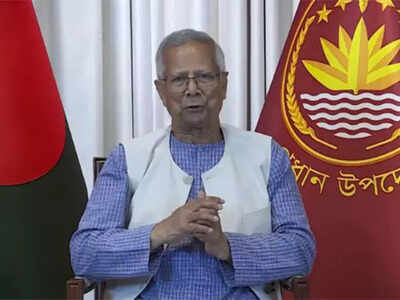
By Nitya Chakraborty The interim Chief Adviser of Bangladesh Government Dr. Muhammad Yunus has finally announced the holding of national elections in the country in the first half of April next year defying the demand of the main opposition party BNP to hold it in December this year. The final dates will be notified by […]
Daily active users in the global cryptocurrency market have surged to 30.8 million, marking a 30-fold increase since early 2020 when the figure hovered around just one million. This extraordinary growth underscores a pivotal shift in digital finance adoption, driven by both mainstream institutional participation and decentralised finance innovations.

The five-year acceleration in user activity reflects a maturing market that has gradually moved from speculative volatility toward widespread utility and integrated applications. Analysts link this exponential climb not only to rising asset prices but also to expanding real-world use cases and adoption in emerging markets where crypto offers alternatives to unstable fiat currencies or limited banking access.

Between 2020 and 2021, crypto markets experienced a spike in retail investor interest as Bitcoin and Ethereum reached new price highs. But the subsequent years saw a more diversified set of contributors to active user growth. These included Layer-2 solutions that reduced transaction costs, central bank scrutiny that validated digital assets as long-term economic factors, and increased capital flows into decentralised applications that are now used for lending, trading, and payments.

The upswing has also been aided by a shift in demographics. Users between the ages of 18 and 35 continue to dominate, but there is a discernible rise in users over 50 participating in digital asset portfolios through robo-advisors and automated wealth apps. Fintech platforms have played a central role in onboarding new users, offering wallet services directly within traditional mobile banking interfaces, especially in Southeast Asia, Latin America, and Sub-Saharan Africa.

Regulatory tailwinds have also contributed to this surge. After years of ambiguity, several governments began laying out clearer frameworks for crypto usage and taxation. The European Union’s Markets in Crypto-Assets regulation, now in force, has created greater legal clarity for wallet providers and stablecoin issuers. Meanwhile, jurisdictions such as Singapore, the UAE, and Hong Kong have developed regulatory sandboxes that attract developers without compromising on compliance. The clarity around Know-Your-Customer norms and licensing requirements has encouraged institutional custodians and payment processors to enter the space, further legitimising its growth.

Daily active wallet addresses, which measure unique addresses interacting with blockchain networks, are now being driven by utility rather than speculation. Decentralised social media platforms, blockchain-based gaming, and metaverse transactions contribute heavily to user engagement. On-chain metrics show that average wallet-to-wallet transactions have grown in both frequency and diversity, indicating a broader shift from holding digital assets to actively using them.

Stablecoins remain a major catalyst. With daily transaction volumes frequently surpassing those of major card networks, these tokens are increasingly used for remittances, salaries, and cross-border commerce. Businesses in Argentina, Nigeria, and the Philippines now routinely accept stablecoins to hedge against inflation and currency volatility. Dollar-pegged tokens such as USDT and USDC remain dominant, but a new wave of regionally anchored stablecoins linked to the euro, yen, and dirham are gaining traction.

This growth has coincided with new product launches by global crypto service providers. Coinbase, Binance, and OKX have all introduced wallet products tailored for mobile-first users, while decentralised apps like MetaMask and Trust Wallet have streamlined onboarding by integrating fiat-to-crypto gateways and social recovery features. Wallet-as-a-service solutions have also proliferated, allowing e-commerce platforms and loyalty programmes to integrate tokenised rewards and payments.

However, the expansion hasn’t been without setbacks. Security breaches and phishing attacks continue to pose significant threats, especially on mobile wallets lacking robust encryption or biometric safeguards. In 2024 alone, more than $600 million was reportedly lost to wallet-targeted hacks. This has forced wallet providers to enhance security protocols and increase user education around seed phrase storage and recovery mechanisms.

The surge in user activity also raises questions about scalability and environmental impact. Ethereum’s successful shift to a proof-of-stake consensus has alleviated some concerns, reducing energy consumption by over 99 percent, but congestion on other chains like Solana and BNB Smart Chain persists during peak usage periods. Developers are now turning to zero-knowledge rollups and modular chain architectures to manage the growing demand without compromising on decentralisation or throughput.

Investment in wallet infrastructure has sharply increased, with venture funding in crypto wallet startups exceeding $2.5 billion over the past year. Several firms are focusing on embedded crypto solutions that operate invisibly behind e-commerce and payment interfaces, enabling crypto usage without requiring users to understand blockchain mechanics. This backend integration has become crucial to onboarding the next 100 million users, according to fintech consultants.

On the macroeconomic front, crypto wallets are increasingly being viewed as components of digital identity. National digital currency trials in countries like Brazil and India are exploring hybrid models that link sovereign wallets to decentralised ones, potentially enabling programmable money systems that maintain user agency while complying with monetary policy.

As blockchain integration deepens across sectors, from healthcare to real estate, wallet functionality is expanding beyond currency storage. New generations of wallets offer token-gated access, voting rights in decentralised autonomous organisations, and certification for digital credentials. These features are pushing crypto adoption beyond financial speculation into everyday life.

Emirates NBD, the UAE’s second-largest bank by total assets, has initiated a mandate for a possible 10-year fixed-rate “Kangaroo” bond denominated in Australian dollars under its A$4 billion Kangaroo Debt Issuance Programme. The bank is seeking indications of interest at initial price thoughts of about 195 basis points above the relevant asset swap rate, aiming to meet growing appetite among institutional investors for high-quality yield. The bond is […]

BlackRock’s iShares Bitcoin Trust surpassed $70 billion in assets under management on 6 June, achieving the fastest accumulation ever seen for a spot ETF—reaching the milestone in just 341 trading days. That pace outstrips the previous record held by SPDR Gold Shares, which took 1,691 days, marking a fivefold acceleration.

IBIT now holds approximately 662,707 BTC, nearly 20 per cent of the total 3.4 million bitcoins held by public and private entities, government bodies, exchanges, and decentralised finance protocols. Such concentration under BlackRock’s control is reshaping the distribution of Bitcoin supply across institutional players.

Secondary spot Bitcoin ETFs—led by Fidelity’s Wise Origin with roughly $21.3 billion AUM, and Grayscale’s GBTC at $19.3 billion—lag far behind IBIT in scale. Ark 21Shares and Bitwise report assets under $5 billion. Analysts note that IBIT’s dominance reflects not only investor appetite for regulated exposure to Bitcoin but also confidence in BlackRock’s operational strength and trust in its custody and compliance framework.

The ETF’s structural advantages lie in its cost-effective fee, integration with Coinbase Prime custody, and BlackRock’s institutional-grade infrastructure. It provides market participants with direct Bitcoin exposure without requiring them to navigate private key management or self-custody complexities.

Bitcoin’s value hierarchy has been boosted by IBIT’s growth. With total holdings just shy of 663,000 BTC, the trust exceeds erstwhile leader MicroStrategy, which held 582,000 BTC. A rising number of publicly traded companies are preparing to expand their Bitcoin treasuries. Corporate treasurers are watching IBIT’s capital inflows closely, signalling a shift in institutional allocation strategies from traditional assets into digital scarcity.

The influence of corporate buyers extends beyond small-scale investments. Michael Saylor’s MicroStrategy remains a strong presence, but other blue‑chip corporates are signalling potential acquisitions. Arkham Intelligence data indicates that incremental corporate accumulation may further redistribute Bitcoin supply, previously more diversified across governments, miners and individual holders.

IBIT’s momentum accelerated in May, posting its largest monthly inflow yet. Bloomberg reports this surge synchronised with Bitcoin trading above $108,000, hinting at institutional investors strategically buying ahead of broader market highs.

Secondary market activity reinforces the appetite for IBIT shares. In April, the ETF recorded a single‑day trading volume of $4.2 billion—with Bitcoin hovering around $91,000—underscoring its liquidity and the appetite among both retail and institutional investors.

Industry experts suggest this liquidity is a key attractor. IBIT’s trading activity consistently outpaces competitors, offering tighter spreads and reduced transaction costs, which in turn fuels further inflows.

Regulatory clarity remains pivotal. The official IBIT prospectus confirms the trust is governed by Delaware law, uses Coinbase as custodian and prime broker, and implements safeguards to align on‑chain Bitcoin with the ETF shares. This structure mitigates risks of mispricing or premium/discount discrepancies, giving institutional investors assurance. It also reveals that IBIT is not registered under the Investment Company Act of 1940, though it complies with major U.S. securities and exchange rules.

Meanwhile, BlackRock hints at international ambitions. A European equivalent to IBIT is under regulatory consideration, targeting Swiss registration under evolving EU cryptocurrency taxonomy. The success of the U.S. product strengthens its case for cross‑jurisdiction expansion.

Market analysts emphasise that the dilution of available Bitcoin supply via institutional custody may tighten free float and reduce volatility. With one entity holding a fifth of the publicly held Bitcoin, even modest inflows from public companies or IBIT could exert noticeable price effects.

A shift in supply concentration also raises systemic questions. As BlackRock and corporate treasuries secure larger holdings, the dynamics of price discovery may move away from retail and miner-driven liquidity pools. On‑chain analytics firms suggest emerging demand imbalance between supply locked in long‑term institutional wallets and tradable supply available to speculative or transactional buyers.

Critics argue that increasing centralisation challenges the decentralised ethos of Bitcoin. The risk is that a few large custodians could accrue disproportionate influence over market flows and network sentiment. Proponents counter that regulated trust models and robust custody reduce systemic risk and enhance asset legitimacy among institutional participants.

IBIT’s fee structure is also under scrutiny in comparison to competing ETFs. At 0.25 per cent, it positions itself competitively against alternatives, though slightly higher than passive gold or broad‑market ETFs. Nevertheless, institutional investors appear willing to pay a premium for regulatory certainty and deep liquidity.

Speculation is mounting around BlackRock’s next moves. The firm is reportedly exploring tokenised treasury products across other asset classes, including corporate bonds and money‑market instruments. Observers suggest that if IBIT’s performance continues, similar frameworks could be deployed for Ethereum or thematic digital‑asset baskets.

As rivals respond, competition intensifies. Fidelity’s FBTC and Grayscale’s GBTC have begun marketing enhancements and lower fees. Field analysts expect them to intensify efforts, particularly as Bitcoin continues to test and potentially surpass all‑time high prices near $112,000.

Red Bull is staging a groundbreaking multiplayer gaming finale in Dubai this December, where elite competitors will face off in Tetris on a dramatic canvas: the 150‑metre Dubai Frame, illuminated by more than 2,000 drones. The spectacle promises to be the largest live playable Tetris game ever, combining digital skill with live drone artistry. Red Bull’s global tournament roll‑out kicked off on World Tetris Day, drawing an […]

AixuSpeed has recorded over US $500,000 in token purchase commitments within the opening 72 hours of its pre‑sale, signalling strong early interest in this meme‑inspired digital asset. The pre‑sale commenced on 6 June 2025 and rapidly surpassed half a million dollars in pledges by 9 June 2025. The project’s emphasis on rapid transaction settlement—claimed to settle in under a second—appears to resonate with buyers seeking frictionless crypto payments.

AixuSpeed positions itself as more than a playful token, blending meme‑driven community appeal with a payment infrastructure optimised for speed and lean fees. The founders highlight a use case aimed at enabling micropayments—such as tipping for digital content or purchasing small goods—without the usual cryptocurrency delays. Co‑founder Sara “AiXuSpeed_” Akram encapsulated the mission: “People love the fun of memes but hate waiting ten minutes for a coffee on‑chain… your transaction travels faster than the joke itself.”

The start‑up combines talk of sub‑second settlements with a tokenomics model designed to incentivise both usage and community growth. The pre‑sale is capped at one billion tokens, with audited liquidity locks in place to guard against early pump‑and‑dump scenarios. These steps seek to reassure early backers of the project’s commitment to stability.

Promised transaction features include extremely low fees, gas efficiency tailored for nano‑transactions, and security via audited smart contracts. Weekly meme‑contests, NFT airdrops, and viral‑marketing strategies complement the technical value proposition, appealing to users who engage with crypto on social and entertainment platforms.

Ahead of a planned decentralised exchange listing in the third quarter of 2025, AixuSpeed expects a tighter circulating supply and intends to initiate a Speed Grants programme to support third‑party developers building integrations for games, social apps, and e‑commerce systems. A cross‑chain bridge, targeting Ethereum Layer 2 and Solana, is scheduled for deployment in the fourth quarter.

Crypto analysts confirm that the meme coin market has matured, increasingly blending narrative‑driven hype with functional attributes. The success of tokens such as Dogecoin, Shiba Inu and others has encouraged new entrants to emphasise utility—particularly in payment infrastructure, speedy confirmations, and affordable micro‑payment services.

Industry observers see AixuSpeed’s approach as reflective of broader shifts. With global crypto usage increasingly focused on everyday digital interactions—streamer tipping, pay‑per‑article access, mobile vending—tokens that can process ultra‑fast and micro‑scaled transactions may satisfy a gap left by traditional payment rails. The project’s emphasis on near‑zero fees could prove significant; historically, micropayment models struggle with high gas costs on Ethereum and similar networks.

However, the crypto sector is littered with pre‑sale projects failing to follow through. While current commitments underscore interest, delivery of speed claims will depend on robust network architecture. Audit documentation confirms that smart contracts have been reviewed, but comprehensive analysis of throughput performance remains pending independent review.

More cautious voices in the blockchain community point out that meme branding can obscure technical fragilities. A prioritisation of viral campaigns and community incentives must still be grounded in reliable infrastructure to avoid user attrition or reputational damage. Achieving sub‑second confirmation requires strong network validators and resilient consensus protocols to maintain finality and resist double‑spend attacks.

Comparisons have been drawn with Kaanch Network, a Dubai‑headquartered Layer 1 blockchain facilitating institutional tokenisation and real‑world asset frameworks. That project raised over $1.12 million in presale and emphasised sub‑second finality and high scalability. While Kaanch targets a higher‑end institutional use case with compliance and regulatory layers, AixuSpeed appears to focus on mass consumer use and community engagement. The contrast underscores diverging paths in the next wave of token presales: utility for business versus utility for consumers.

The $500,000 threshold reached by AixuSpeed is modest in absolute terms compared to multi‑million dollar raises in top‑tier projects. Nonetheless, meeting that target so quickly suggests resonance with investors seeking culturally rich tokens paired with distinct usage claims. Execution over the next six months will determine whether that initial interest solidifies into long‑term value.

Live community sentiment across crypto forums underscores excitement tempered by vigilance. One commentator in a blockchain discussion said: “They’re promising fast transactions and low fees—if they deliver it could be a breakout. But I want to see stress tests.” Such voices reflect the rational‑optimistic posture of well‑informed retail and minor institutional investors.

Analysts stress that vesting schedules, liquidity availability, and team retention will also influence long‑term health. The audit of liquidity locks must be transparent and rigorously maintained to build investor trust. Additionally, the intended Speed Grants programme must be backed by fresh capital and developer interest to generate ecosystem vibrancy, rather than serving as symbolic goodwill.

Roadmap clarity will be tested as the token approaches listing phases later in the year. Delays in bridge deployment or grant distributions could dampen sentiment. Conversely, strong integration wins—such as inclusion in a popular e‑commerce plugin or a gaming micro‑transaction pilot—could validate project potential.

Crypto‑finance observers recommend scrutiny of on‑chain metrics once the DEX listing occurs. Circulating supply figures, early holder distributions, and active wallet counts will be essential early indicators. Long term success will depend on sustained usage beyond speculative trading: on‑chain activity tied to real value exchange would elevate AixuSpeed above meme token competitors.

Cancer patients, survivors and their loves ones formed an inaugural dragon boat team Citizens and tourists dive into the Dragon Boat Frenzy HONG KONG SAR – Media OutReach Newswire – 9 June 2025 – The “2025 Sun Life Hong Kong International Dragon Boat Races”, organized by the Hong Kong Tourism Board in collaboration with the Hong Kong China Dragon Boat Association and proudly title-sponsored by Sun Life, […]

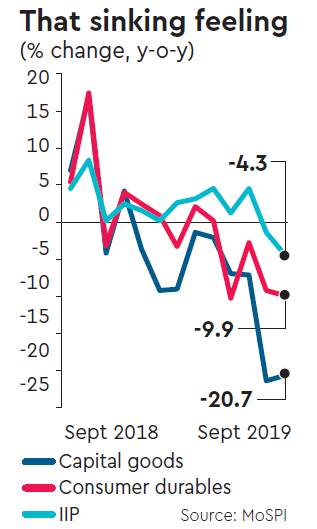
By Nantoo Banerjee India’s economic growth figures seem to be getting increasingly delinked with domestic manufacturing, industrial output, and job generation. The manufacturing sector had a very little contribution to the country’s 6.5 percent GDP growth during the last financial year, the slowest in four years. Despite a good monsoon last year, the country’s agriculture […]

Apparel Group has marked a significant milestone by launching Go Colors’ inaugural international store at Dubai’s Silicon Central Mall, signalling the brand’s entry into the global retail market. This expansion represents a strategic step for Go Colors, which has established a strong presence in India with its vibrant and affordable fashion offerings. The move aims to capitalise on Dubai’s status as a retail hub, known for its diverse, fashion-conscious clientele and high footfall of international shoppers.

Go Colors is part of the Apparel Group, a leading retail conglomerate that manages over 75 global brands across the Middle East, India, and beyond. The launch in Dubai is designed to leverage the city’s cosmopolitan market, introducing Go Colors’ distinct range of colourful apparel, accessories, and lifestyle products to a broader audience. The brand’s identity revolves around youthful, trendy designs and a commitment to affordable pricing, which has resonated well with the domestic market and is now poised to attract the diverse demographics of Dubai’s shoppers.

Dubai’s Silicon Central Mall, a recently developed retail complex situated in the heart of Dubai Silicon Oasis, was chosen for its strategic location and modern infrastructure. The mall is rapidly emerging as a key destination for technology and lifestyle retail, combining innovation with shopping experiences. This aligns with Go Colors’ dynamic brand ethos and the Apparel Group’s ambition to expand its footprint in premium retail locations. The new store covers approximately 2,000 square feet and features a wide array of products tailored to appeal to men, women, and children, maintaining the brand’s core focus on versatility and style.

The decision to launch Go Colors internationally reflects broader trends in the retail sector, where Indian-origin brands are increasingly seeking growth beyond domestic boundaries. This expansion is facilitated by Dubai’s robust economic framework, ease of doing business, and a strong retail infrastructure that attracts international brands looking to establish a presence in the Middle East. Industry experts note that the Middle East retail market continues to grow steadily, driven by a young population, rising disposable incomes, and a blend of traditional and contemporary shopping preferences.

Go Colors’ entry into the Dubai market comes amid intensifying competition among apparel brands vying for consumer attention in the region. The brand’s strategy focuses on differentiating itself through vibrant colour palettes, frequent new collections, and price accessibility. This approach is expected to attract not only the local UAE residents but also expatriates and tourists, who constitute a significant share of Dubai’s retail consumers. By emphasising a youthful and energetic brand image, Go Colors aims to fill a niche that balances trendy fashion with everyday affordability.

The Apparel Group’s leadership expressed confidence in the growth potential of the new store. The group’s CEO highlighted that the launch represents a blend of innovation, market understanding, and the ability to connect with diverse consumer groups. He underlined the importance of Dubai as a gateway for international expansion and pointed to the group’s extensive experience in managing multiple global brands as a key asset in navigating new markets. The leadership’s vision for Go Colors involves not only store expansion within the UAE but also potential future openings in other strategic locations worldwide.

Operationally, the new store employs a mix of local staff trained in customer engagement and product knowledge, ensuring a high standard of service that aligns with the brand’s values. The layout of the store is designed to offer a seamless shopping experience, combining colourful, eye-catching displays with intuitive product categorisation. This allows customers to easily navigate through seasonal collections, casual wear, and accessories. Additionally, the store integrates digital elements such as QR codes for product information and promotions, reflecting a growing trend towards blending physical and digital retail experiences.

Market analysts observe that the Apparel Group’s expansion strategy is well-timed, considering the growing appetite for fast fashion and lifestyle brands in the Middle East. The region’s retail sector is adapting rapidly to shifts in consumer behaviour, with increased demand for value-oriented yet stylish apparel. Go Colors’ proposition fits into this paradigm by offering fresh designs frequently, thus catering to consumers seeking variety without compromising affordability. This trend is underscored by data indicating increased spending on casual and lifestyle clothing across GCC countries, driven by younger demographics and evolving fashion sensibilities.

While the launch signals optimism, challenges remain for Go Colors as it enters a competitive and sophisticated market. Established international brands and regional players alike have entrenched customer bases, and consumer expectations for quality, trendiness, and service are high. Success will depend on how effectively Go Colors can localise its product offerings, adapt to cultural preferences, and sustain a compelling value proposition. The Apparel Group’s experience in the Middle East retail sector, including managing franchises and original brands, is expected to play a crucial role in mitigating these challenges.

The store opening is also part of a wider retail resurgence in Dubai, as the city continues to attract global investors and shoppers post-pandemic. Retail experts point to increased foot traffic in malls and rising consumer confidence as indicators of a robust recovery. Government initiatives promoting tourism, retail innovation, and business-friendly policies have contributed to this positive environment. For Go Colors, entering this market now could provide early mover advantages as consumer habits stabilise and purchasing power strengthens.

Greenlogue/AP The European Commission has initiated a research and innovation project to develop megawatt charging systems tailored for heavy‑duty transport across the EU. Aimed at aligning with the Green Deal’s objective of 90 % CO₂ reductions for HGVs by 2040, the project supports pilot hubs combining ultra-high-power charging with operational road‑haul scenarios on major corridors. The initiative includes constructing two demonstration sites—one in the Nordic region and another […]

VISHNU RAJA
RYO YAMADA
HITORI GOTOH
IKUYO KITA