News related to
Success

Tether, the prominent stablecoin issuer behind USDT, has announced the launch of a new artificial intelligence software development kit platform designed to drive the convergence of AI and cryptocurrency. The move positions Tether as a key player in blending these two transformative technologies, aiming to reshape the cryptocurrency landscape with AI-powered solutions. The new platform is expected to facilitate the development of AI-driven applications and services that […]

Canadian technology firm Nebula Block has entered into a strategic partnership with AI-focused blockchain platform Swan Chain, focusing on the acquisition and deployment of GPU resources. The deal is designed to address the growing demand for high-performance computing power, which is critical for the evolving landscape of AI and blockchain applications. Nebula Block, a prominent player in the cloud computing and hardware supply sector, has long been […]

Ethereum has witnessed significant volatility, dropping by over 20% in a 24-hour period before making a swift recovery. Despite the ongoing fluctuations in the broader cryptocurrency market, a new entrant is making waves with the announcement of an innovative platform that promises to reshape the future of decentralised finance . Skyren DAO, a decentralised autonomous organisation , is preparing to launch its groundbreaking airdrop platform aimed at both rewarding early adopters and expanding its user base within the DeFi ecosystem.

The recent movement in Ethereum’s price has captured the attention of traders, investors, and analysts alike. The cryptocurrency saw a sharp drop, prompting concerns about its stability. Ethereum’s price plummeted by 20%, sending shockwaves through the market. However, within hours, ETH began its recovery, regaining some of the lost value. This sharp fluctuation highlights the volatility inherent in the cryptocurrency market, with digital assets often facing rapid changes in value.

While Ethereum’s volatility remains a key point of focus for investors, the announcement by Skyren DAO introduces a new dimension to the crypto landscape. Skyren DAO’s airdrop platform is being touted as a game-changer, aiming to incentivise the growth of decentralised finance projects by rewarding users for their participation. The DAO is positioning itself as a key player in the airdrop space, with its platform designed to allow users to claim tokens from DeFi projects by simply engaging with the platform and completing tasks.

Skyren DAO’s airdrop platform seeks to address the growing demand for DeFi services, providing users with an opportunity to engage directly with innovative projects. The platform will offer token distributions that can be claimed by users who complete specific actions, such as holding certain tokens, participating in governance decisions, or interacting with the Skyren ecosystem. This initiative is aimed at increasing participation and encouraging a broader audience to join the DeFi revolution.

The platform is expected to foster a sense of community by offering rewards in the form of tokens from up-and-coming DeFi projects. By doing so, Skyren DAO hopes to facilitate the growth of its ecosystem while simultaneously giving back to its users. Airdrops have become a popular marketing strategy for DeFi projects, but Skyren DAO’s approach goes beyond simple token distribution. The platform will also integrate educational resources, allowing users to learn more about DeFi, blockchain technology, and the projects they are supporting.

The DAO’s new airdrop platform is part of a broader trend within the crypto industry, where decentralised organisations and projects are looking for ways to engage more users and promote participation. Airdrops have become a standard tool for spreading awareness about new projects and incentivising users. However, Skyren DAO’s approach distinguishes itself by combining rewards with educational opportunities, creating a more inclusive and interactive experience for users.

Skyren DAO’s move comes at a time when the DeFi sector is gaining momentum, with increasing interest in decentralised applications , liquidity pools, and yield farming. The sector has seen a surge in both the number of projects and the amount of capital flowing into the space. Skyren DAO’s airdrop platform aims to capitalise on this momentum by providing users with a simple entry point into the world of DeFi, incentivising them to become more involved in the ecosystem.

The launch of the platform is particularly timely, as the broader cryptocurrency market is in a state of flux. Investors are seeking opportunities that offer more stability amid the volatility, and DeFi platforms are increasingly seen as a viable option. Skyren DAO’s innovative airdrop platform is expected to play a key role in attracting users who may be new to the space, as well as those looking to diversify their portfolios and engage with emerging DeFi projects.

While Ethereum’s volatility continues to stir uncertainty, Skyren DAO is moving forward with its plans to expand the DeFi ecosystem. The DAO’s airdrop platform, by encouraging user participation, is expected to bolster the growth of the Skyren ecosystem and provide a much-needed boost to the broader DeFi market.

As Ethereum’s market price continues to fluctuate, it remains to be seen how this will impact the DeFi sector and the success of new initiatives such as Skyren DAO’s airdrop platform. With Skyren DAO positioning itself at the forefront of this wave of decentralisation, the platform could play a pivotal role in shaping the future of DeFi and bringing more users into the fold.

Cryptocurrency markets began the day with a notable lack of movement, as trading volumes dropped by nearly 30%, marking a period of consolidation. Amid this trend, both bullish and bearish forces have remained active, but the lack of significant price fluctuations points to a potential for range-bound consolidation in the coming period. As major assets like Bitcoin, Ethereum, and XRP continue to experience subdued movement, two particular blockchain projects—Solana and SUI—stand out as they face pivotal moments in their market trajectories.

Solana, once considered one of the leading contenders in the blockchain space, is encountering a crucial juncture. The network, which rose to prominence with its promise of fast transaction speeds and low fees, has seen its price experience a steady decline. As the broader market grapples with low liquidity, Solana’s ability to maintain relevance is being tested. Despite an initial surge fueled by optimism regarding its scalability and unique consensus mechanism, Solana now faces concerns over network outages and heightened competition from other smart contract platforms, including Ethereum and newer contenders such as Avalanche and SUI.

Recent updates from Solana Labs highlight ongoing improvements to the network, including enhancements to decentralisation and transaction throughput. However, these developments have not been enough to stem the downward price pressure that has plagued SOL for months. The volatility seen in its earlier days is now replaced by uncertainty. While Solana remains a top-tier blockchain in terms of market capitalization, many analysts are watching closely to determine whether the project can sustain its position or if it risks falling into the shadows of more dominant platforms.

At the same time, the SUI network—launched with the backing of former Meta engineers—has been positioning itself as a potential long-term winner in the smart contract ecosystem. While it is still in its infancy compared to more established blockchains, SUI has garnered attention for its innovative approach to scalability. Its unique Move programming language, designed to offer flexibility and efficiency in asset management, could differentiate it from competitors.

However, SUI is still in a critical phase where the market must confirm whether it can deliver on its promise. Despite some initial interest, the lack of a clear price surge has left many investors on edge, waiting for concrete signs of bullish momentum. The current market conditions, combined with the cautious stance of many institutional investors, have led to a stagnation in SUI’s growth. Many analysts are closely observing SUI’s ability to break through its resistance levels, which could indicate the start of a more pronounced rally.

As Solana faces its critical point, SUI’s development remains a topic of growing importance in the crypto space. The two projects, while vastly different in terms of their technology and goals, both embody the shifting dynamics of blockchain development. Solana’s struggle to regain its former strength is tempered by the rising expectations around SUI, which is yet to prove itself on a large scale.

The outlook for Solana hinges significantly on its ability to address its scalability issues while maintaining a stable, decentralized network. With its price below key support levels, market watchers have been closely monitoring for any signs of recovery. Some experts argue that Solana might need to focus on strengthening its developer ecosystem, as many of the more successful blockchain platforms owe their success to vibrant communities and continuous innovation.

On the other hand, SUI’s success is largely dependent on its ability to convince both developers and users of its scalability and security advantages. Although SUI’s underlying technology is promising, many in the industry remain sceptical about whether it can achieve significant adoption and whether its distinct approach to data handling will stand the test of time.

The broader market environment plays a crucial role in shaping the trajectories of both networks. If the overall crypto market begins to recover, both Solana and SUI could stand to benefit. However, the current market sentiment remains cautious, as traders wait for more definitive signals. The drop in trading volume indicates that many are waiting for a trigger that might set off the next phase of market activity, whether it’s a bullish breakout or another downtrend.

As it stands, the near-term outlook for Solana is one of continued consolidation, with a focus on whether its core development team can introduce updates capable of restoring confidence in the network. For SUI, the situation is somewhat different; it still has to prove itself in terms of user adoption and building out its ecosystem. While the blockchain space is rife with competition, SUI’s innovative features may yet allow it to carve out a significant position if the market sees an influx of interest in its offerings.

The debate surrounding a proposed casino and entertainment complex in Tysons Corner has intensified as a key piece of legislation moved forward in the Virginia Senate. On Tuesday, the Senate approved a bill that could pave the way for Fairfax County voters to decide whether they want the sprawling complex, with the proposal now inching closer to a county-wide referendum. The development, which would be a joint venture involving major stakeholders and significant investment, is seen as a potential economic boon for the region, but it has sparked division among local lawmakers and residents.

Proponents of the Tysons casino argue that it will bring substantial economic growth to Fairfax County. Supporters highlight the potential for job creation, increased tourism, and a substantial boost to the local economy through gaming revenue and entertainment options. They also contend that the complex would be a key component in transforming Tysons Corner into a vibrant, modern urban centre, further integrating it with the broader Washington D.C. metropolitan area.

However, the proposal has not been without its critics. Several lawmakers from Fairfax County have raised concerns about the social and environmental implications of bringing a casino to the area. Opposition groups argue that such a development could exacerbate issues such as gambling addiction, crime, and traffic congestion, potentially undermining the suburban character of Tysons.

Despite these concerns, the bill moved forward in the state Senate, with lawmakers voting in favour of allowing voters to decide in a referendum. The outcome of the vote in the Senate marks a crucial step in the ongoing debate, but the ultimate decision now lies with Fairfax County residents, who will have the opportunity to weigh in on the issue later this year.

Local officials who have supported the bill have pointed to examples from other parts of the United States, where casinos have been successfully integrated into urban centres. For instance, cities such as Detroit and Pittsburgh have seen revitalisation following the introduction of gaming facilities, with job creation and revenue generation cited as key successes. Moreover, proponents argue that a casino in Tysons would complement the area’s existing infrastructure, including the newly expanded metro system, making it accessible for residents across the region.

However, critics of the plan have expressed concerns about the broader impact on local communities. They argue that casinos often attract lower-income individuals who may struggle with gambling addiction, with long-term consequences for public health and safety. Some local residents have voiced concerns about the potential for increased crime, as casinos can sometimes attract criminal activity such as money laundering and organized crime. Additionally, opponents worry that the presence of a casino could alter the character of the area, shifting it from a family-friendly suburban enclave to a more commercialised and less residential district.

In response to these criticisms, advocates of the casino project have emphasised that safeguards would be put in place to mitigate potential negative impacts. The bill includes provisions for responsible gambling programs and measures to address crime and traffic issues, such as enhanced security and improved infrastructure. Proponents also argue that the economic benefits far outweigh the potential risks, with the promise of substantial revenue for the county and the state, as well as increased tourism and entertainment options for residents and visitors alike.

PEPE, one of the most prominent memecoins in the cryptocurrency world, has recently experienced a significant downturn, dropping 60% from its all-time high. This dramatic fall has caught the attention of investors, who are now turning their focus to alternative memecoins with the potential to yield substantial returns. Among these, PEPETO, a new contender in the memecoin market, is emerging as a possible replacement. However, the question remains: Can PEPETO match or surpass the success of its predecessor?

The price plunge of PEPE has raised concerns about the sustainability of memecoins in a market prone to rapid fluctuations. PEPE’s meteoric rise had many believing that it could achieve mainstream success, but the latest decline signals a shift in investor sentiment. PEPE’s performance over the past few months has been a rollercoaster, with its value dipping significantly from its peak. For investors who bought in at the top, the current dip has been disheartening, leading some to question whether the memecoin phenomenon is over.

Memecoins, often driven by social media trends and online communities, can be notoriously volatile. Their value typically surges when they capture the public’s imagination, but they also experience sharp declines once the hype wanes. PEPE’s fall is no exception, but it is also a reminder of the risks associated with investing in such speculative assets. The cryptocurrency market, particularly the memecoin sector, remains a high-risk environment, where fortunes can be made or lost in a short amount of time.

Despite PEPE’s sharp decline, the broader memecoin market remains alive with speculation. Investors are now seeking the next big opportunity, and PEPETO has emerged as a promising candidate. Launched in recent months, PEPETO has garnered attention for its innovative approach to community engagement and its ambitious plans for expansion. With a strong following on social media platforms like Twitter and Discord, PEPETO is positioning itself as a viable contender in the crowded memecoin space.

The appeal of PEPETO lies not just in its potential for rapid gains but also in its ability to capture the imagination of the memecoin community. Similar to PEPE, it is largely driven by internet culture, leveraging memes and viral trends to increase its visibility. However, PEPETO’s developers have made efforts to differentiate it by focusing on long-term community involvement and utility. The token aims to integrate more features than just speculation, such as partnerships and unique use cases that could give it more staying power than traditional memecoins.

PEPETO’s emergence also highlights a shift in investor attitudes towards memecoins. While many are still driven by the possibility of quick profits, there is a growing interest in coins with a clear roadmap and utility beyond the speculative nature of the market. Investors are beginning to look for more sustainable projects that can provide long-term value. PEPETO’s development team has capitalized on this trend by emphasising its focus on creating a token that not only entertains but also offers tangible benefits for its holders.

One factor contributing to PEPETO’s rise is the increasing presence of influencers and crypto enthusiasts who see potential in the coin’s future. The backing of prominent figures in the cryptocurrency world has given PEPETO more visibility and legitimacy, positioning it as a serious contender. Its online community has been actively engaging with the token’s progress, further driving its popularity. As social media remains one of the primary drivers of memecoin success, PEPETO’s growing presence is a strong indicator that it may have staying power.

However, like all memecoins, PEPETO’s future is uncertain. The volatility of the cryptocurrency market makes it difficult to predict whether PEPETO can maintain its momentum. While some investors are optimistic, others remain cautious, noting that memecoins often experience significant price fluctuations based on shifting trends and market sentiment. The success of PEPE serves as a cautionary tale for investors, reminding them of the risks involved in trading speculative assets.

The future of PEPETO will likely depend on its ability to evolve beyond the hype. While it has gained significant traction in a short amount of time, it faces the challenge of sustaining interest over the long term. It must continue to build its community, expand its use cases, and deliver on its promises. Whether or not it can achieve this will determine if it becomes more than just another fleeting memecoin. For now, PEPETO stands as a symbol of the continued fascination with meme-driven tokens, but its true potential remains to be seen.

SINGAPORE – Media OutReach Newswire – 5 February 2025 – FBS, a leading global broker, introduces FBS AI Assistant, a next-generation tool designed to support traders in making informed decisions. This AI-powered feature analyzes instrument charts in seconds, providing real-time insights based on price trends, patterns, and key market signals. FBS AI Assistant FBS AI Assistant simplifies complex data, transforming complicated chart patterns into clear, easy-to-read reports. […]

Advertisements

Ampverse Pulse, a prominent gaming marketing specialist, has announced the launch of Pulse Media, a digital media buying platform designed to connect advertisers with mobile and PC gamers across the Gulf states. This initiative aims to bridge the gap between brands and the rapidly expanding gaming community in the region.

Pulse Media offers advertisers a comprehensive suite of services, including gaming influencer strategies, in-game advertising, user acquisition, media planning, and the organization of branded tournaments and events. By leveraging these tools, brands can effectively engage with the gaming audience, ensuring their messages resonate within the gaming culture.

The gaming industry in the Gulf states has witnessed significant growth, with a substantial increase in both mobile and PC gaming. This surge presents a lucrative opportunity for brands to tap into a diverse and engaged demographic. Pulse Media’s platform is poised to facilitate this connection, providing advertisers with the means to reach gamers through tailored and impactful campaigns.

Ampverse Pulse’s Chief Executive Officer, Charlie Baillie, emphasized the company’s commitment to understanding youth culture and the gaming landscape. He stated, “Ampverse Pulse is not just an extension of our marketing solutions offering, but a next-generation agency which deeply understands youth culture given our gaming DNA.” This deep-rooted understanding positions Pulse Media to deliver authentic and effective advertising solutions that resonate with the gaming community.

The platform’s capabilities extend beyond traditional advertising methods. By incorporating in-game advertising and collaborating with gaming influencers, Pulse Media ensures that brand messages are seamlessly integrated into the gaming experience. This approach not only enhances brand visibility but also fosters genuine connections with the target audience.

In addition to its advertising services, Pulse Media plans to host branded tournaments and events, providing brands with unique opportunities to engage with gamers in interactive and immersive settings. These events are designed to create memorable experiences, further solidifying the bond between brands and the gaming community.

The launch of Pulse Media comes at a time when the Gulf states are experiencing a digital transformation, with a growing emphasis on technology and entertainment. The region’s youthful population, coupled with increasing internet penetration, has led to a burgeoning gaming market. Pulse Media aims to capitalize on this trend by offering advertisers a platform that is both innovative and attuned to the nuances of the gaming world.

Ampverse Pulse’s track record includes collaborations with over 300 global brands and game publishers, highlighting the company’s expertise and credibility in the gaming marketing sector. This extensive experience equips Pulse Media with the insights and strategies necessary to drive successful advertising campaigns within the Gulf states’ gaming community.

The introduction of Pulse Media signifies a strategic move by Ampverse Pulse to solidify its presence in the Middle East and North Africa region. By focusing on the Gulf states, the company aims to cater to a market that is ripe for digital advertising opportunities, particularly within the gaming sector.

IMAX Corporation has reported a record-breaking box office performance during the Chinese New Year period, amassing $61.3 million in ticket sales. This figure represents a 72% increase compared to the same period in the previous year, underscoring a significant resurgence in the Chinese cinema market.

Leading this impressive performance was “The Wandering Earth 2,” which has become IMAX’s highest-grossing local language film to date. The film generated $50.4 million on IMAX screens across China, accounting for 9% of its total box office revenue, despite IMAX screens comprising less than 1% of the total available. This achievement also places “The Wandering Earth 2” as IMAX’s third highest-grossing release ever in the Chinese market.

IMAX CEO Rich Gelfond highlighted the importance of these results, stating that the Chinese box office is experiencing a robust recovery. He emphasized that, just two months into 2023, IMAX has delivered record-breaking results with its Chinese New Year slate and has seen a strong performance in China for “Avatar: The Way of Water,” with a promising lineup of Hollywood films yet to come. Gelfond noted that with China reemerging as a leading moviegoing market, IMAX is making significant strides toward returning to pre-pandemic levels of global box office performance.

Since fully reopening in December, China’s box office has demonstrated a remarkable comeback, more than doubling North American box office figures for January. Up to February 16, IMAX has generated $82 million in the Chinese market for 2023, already surpassing half of the $152.5 million earned throughout 2022. A significant contributor to this success is James Cameron’s “Avatar: The Way of Water,” which has earned over $52 million in China since its December 16 release, making it only the third film to surpass the $50 million mark in the country.

The diverse Chinese New Year slate also included Zhang Yimou’s period drama “Full River Red,” animated film “Deep Sea” produced by Enlight Film, and espionage thriller “Hidden Blade” produced by Bona Film and Xiyue Film. Daniel Manwaring, CEO of IMAX China, expressed optimism for the future, stating that the excellent slate of Chinese New Year films provides a great springboard for the year ahead. He congratulated Chinese studio and filmmaking partners for reigniting the country’s passion for moviegoing and looked forward to more successes in 2023.

In the coming weeks, several high-profile Hollywood releases are set to debut across the IMAX China network, including Disney/Marvel’s “Ant-Man and the Wasp: Quantumania,” Warner Bros./DC’s “Shazam! Fury of the Gods,” and Paramount’s “Dungeons and Dragons: Honor Among Thieves.” These releases are anticipated to further bolster IMAX’s performance in the Chinese market.

Analyst firm Benchmark has also noted IMAX’s strong position, suggesting that the company is poised to benefit from a robust 2025 box office, despite some underperforming major releases in late 2024. Benchmark analyst Mike Hickey acknowledged a softer-than-expected box office but viewed the resulting share-price weakness as a buying opportunity. He emphasized confidence in the company’s growth prospects, highlighting the importance of a rebounding IMAX China box office. Hickey expressed optimism that the Chinese New Year, beginning January 29, would kickstart the recovery, though he noted that the durability and magnitude of the rebound beyond the holiday remain uncertain.

China is positioned for significant growth in 2025, with the Chinese New Year slate featuring promising titles like “Creation of the Gods II,” “Ne Zha 2,” “Detective Chinatown,” and “Legend of the Condor Heroes,” expected to drive strong box-office performance. Upcoming Hollywood blockbusters such as “Mission: Impossible – Dead Reckoning Part Two,” “Avatar 3,” “Formula 1,” and “Zootopia 2” are also anticipated to bolster 2025 prospects. IMAX China’s strong ties to the film bureau are expected to enable Hollywood releases with minimal cuts, further enhancing the company’s outlook.

IMAX Box Office in China’s Peak Moviegoing Period up +57% over Previous Best; Animated Blockbuster “Ne Zha 2” Leads the Way with $36 Million and Counting NEW YORK, US and SHANGHAI, CHINA – Media OutReach Newswire – 5 February 2025 – IMAX Corporation (NYSE: IMAX) shattered its box office record for Chinese New Year, delivering $53 million during the 7-day holiday period concluded February 4. The busiest […]

By Nitya Chakraborty The present euphoria among the BJP-led government ministers after the presentation of the 2025-26 budget in Parliament over the mega relief to the income tax payers of the country might be shared by the estimated one crore people in the country benefited due to the budget proposals. But in terms of its […]

HONG KONG SAR – Media OutReach Newswire – 4 February 2025 – The Government of the Republic of Botswana (“GRB”) and De Beers Group (“De Beers”) are pleased to announce the successful conclusion of negotiations focused on establishing a new sales agreement for Debswana’s rough diamond production, as well as extending Debswana’s mining licences beyond 2029. This development is in alignment with the Heads of Terms agreed […]

Dan Houser, co-founder of Rockstar Games and a pivotal figure behind the Grand Theft Auto series, has announced his latest endeavor: an original story-driven action-comedy adventure game set in the “Absurdaverse.” This project marks a significant step for Houser’s new media company, Absurd Ventures, which he established after departing Rockstar in 2020. Absurd Ventures, headquartered in Santa Monica, California, aims to craft narrative worlds across various mediums, […]

• Yunlin OWF fully operational and running at design capacity of 640 MW • Enough clean energy to power over 600,000 Taiwanese homes annually • Major step for Taiwan’s offshore wind farm and renewable energy sectors HAMBURG, GERMANY – EQS Newswire – 3 February 2025 – Skyborn Renewables (Skyborn) and its partners in Yunneng Wind Power Co., Ltd. (Yunneng) are pleased to announce a major milestone: The […]

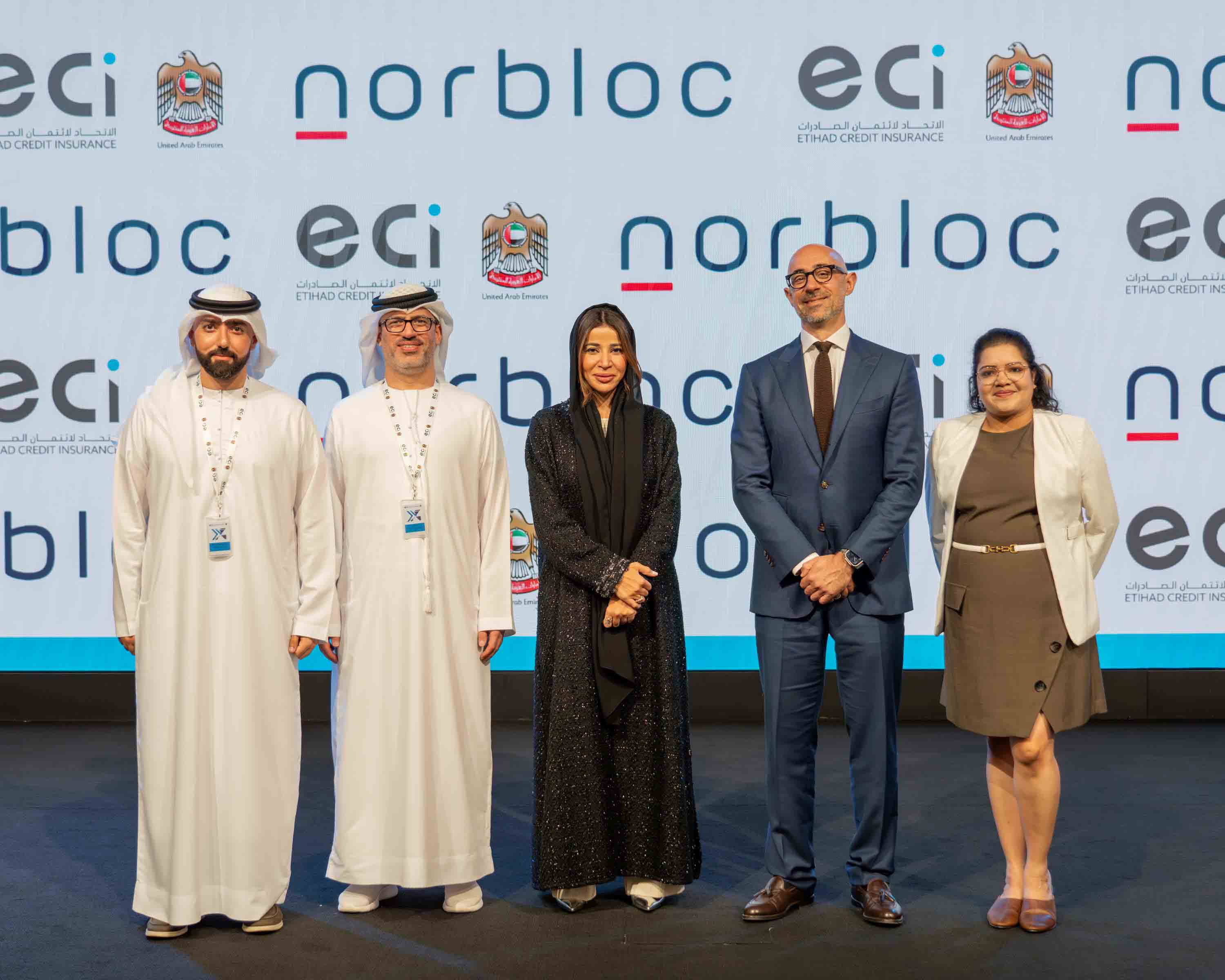
Etihad Credit Insurance , a prominent UAE Federal export credit company, has joined the Know Your Customer Blockchain Platform, marking a milestone for the country’s insurance sector. The partnership, aimed at enhancing the efficiency of customer identity verification, places ECI at the forefront of adopting blockchain technology within the financial industry.

This move reflects a broader trend in the UAE’s ongoing efforts to modernize its financial and insurance sectors. By integrating blockchain-based solutions, ECI joins several other entities striving to increase transparency, reduce fraud, and improve operational efficiency. The KYC Blockchain Platform itself, led by the Dubai Department of Economy and Tourism , represents a key innovation within the region’s fintech ecosystem.

Blockchain’s decentralized nature offers significant advantages for KYC processes. Traditionally, verifying customer identities involves complex, time-consuming procedures that are susceptible to human error and fraud. The adoption of blockchain ensures secure, immutable records, allowing for smoother and faster transactions. By participating in this platform, ECI aims to streamline its own compliance procedures, reducing the need for manual checks and minimizing risks associated with identity theft.

The KYC Blockchain Platform has already gained traction with a growing number of financial institutions and government entities looking to optimize their services. For ECI, the decision to integrate blockchain into its operations comes at a time when trust in digital solutions is paramount. In particular, the move is expected to strengthen the company’s ability to offer enhanced trade credit services, which are crucial for UAE-based businesses involved in international trade.

ECI’s commitment to embracing blockchain technology aligns with the UAE government’s broader push to position the nation as a leader in digital innovation. The country’s strategic focus on blockchain as a key enabler of economic growth is evident in its continued investment in the technology. By incorporating blockchain solutions into its operations, ECI not only aims to simplify its compliance processes but also to contribute to the larger goal of building a more secure and transparent digital economy in the UAE.

Blockchain’s integration into the KYC platform also paves the way for greater collaboration between public and private sectors. Government institutions have been proactive in creating the necessary infrastructure to support blockchain adoption. The Dubai Department of Economy and Tourism’s leadership in this initiative highlights the UAE’s determination to become a global blockchain hub, with numerous projects already underway to explore its applications in diverse sectors such as finance, healthcare, and logistics.

As the UAE continues to embrace new technologies, the success of the KYC Blockchain Platform could serve as a model for other nations aiming to digitize their financial and regulatory systems. The platform’s design, which facilitates secure and real-time sharing of customer information between institutions, addresses one of the most pressing challenges in the global financial sector: the need for robust and efficient identity verification.

The integration of blockchain into KYC processes also aligns with the UAE’s commitment to compliance with global anti-money laundering standards. As the international financial landscape becomes more interconnected, regulatory bodies around the world are increasingly requiring organizations to meet stringent customer verification and monitoring obligations. Blockchain technology’s ability to ensure data accuracy, security, and accessibility provides institutions with the tools they need to comply with these regulations more effectively.

For ECI, this integration represents more than just a technological upgrade. It is part of a larger strategy to remain competitive in an evolving financial environment. The company’s ability to leverage blockchain for more efficient KYC processes enhances its appeal to both local and international businesses. As the UAE’s trade and export sectors grow, having a streamlined and secure system for verifying customers’ identities will be a critical differentiator for businesses operating within the region.

The ECI’s blockchain initiative also promises to have broader implications for the insurance industry in the UAE and beyond. Insurance companies have long faced challenges related to fraud and regulatory compliance. With blockchain’s potential to offer transparent and tamper-proof records, the platform could drive significant changes in how insurers conduct their operations. Moreover, it could encourage more insurers to explore blockchain solutions, further accelerating the sector’s digital transformation.

This development positions ECI as a trailblazer within the UAE’s rapidly expanding blockchain ecosystem. As more companies begin to realize the benefits of blockchain for KYC and other operations, the region could see even greater adoption of this technology. By taking this bold step, ECI not only enhances its own operational capabilities but also contributes to shaping the future of blockchain in the global financial services landscape.

BlackRock’s spot Bitcoin exchange-traded fund has experienced a significant surge in inflows, with 5,250 BTC entering the fund, reflecting the increasing institutional demand for crypto assets. This rise follows a broader market recovery, which has driven Bitcoin and other digital assets into the spotlight, pushing the total market capitalization of cryptocurrencies above $3.3 trillion. The success of Bitcoin ETFs, particularly BlackRock’s, has underscored the growing appetite among institutional investors for exposure to cryptocurrency markets, especially after the U.S. Securities and Exchange Commission greenlit these funds.

The surge in BlackRock’s Bitcoin ETF is one of the most notable movements in recent weeks, especially as it coincides with a resurgence in cryptocurrency prices. As Bitcoin’s value continues to fluctuate, its potential as both a store of value and an investment tool remains compelling for large-scale investors. For BlackRock, the ETF has become a cornerstone of their digital asset strategy, marking the company’s significant step into the volatile yet potentially lucrative world of cryptocurrencies.

Institutional interest in Bitcoin and other digital assets has surged since the SEC’s approval of Bitcoin ETFs, leading to a broader rally within the crypto market. Bitcoin, the largest cryptocurrency by market capitalization, has long been a focal point for institutional investors, many of whom view it as a hedge against traditional market risks. With financial giants like BlackRock now offering dedicated Bitcoin investment products, the narrative surrounding cryptocurrency as an asset class is shifting, with many believing it is no longer a speculative investment but a legitimate alternative to traditional assets.

The latest data highlights that Bitcoin ETFs, such as BlackRock’s, have not only attracted substantial capital but also created a pathway for retail investors to participate in the cryptocurrency market without directly owning or managing the assets themselves. This shift towards ETFs has been partly attributed to their ease of use and the regulatory clarity provided by the SEC, which has made crypto more palatable to a wider range of investors, including pension funds, endowments, and other institutional players.

The inflow of Bitcoin into BlackRock’s ETF is a sign that the broader market is beginning to favor regulated vehicles for cryptocurrency exposure, further diminishing the stigma associated with digital assets. Since the approval of Bitcoin ETFs, the landscape has seen an influx of institutional capital, which, in turn, has helped stabilize Bitcoin prices in the face of volatility. The continuous entry of large sums into ETFs signals confidence among institutional players, marking a shift from the past where digital assets were mostly considered a speculative tool for individual investors.

Despite the momentum, questions remain about whether this rally can be sustained. As Bitcoin’s price continues to rise, it attracts more attention from both institutional and retail investors. However, concerns about regulatory scrutiny and market volatility persist. While the SEC’s approval of Bitcoin ETFs has provided some regulatory certainty, the broader regulatory landscape surrounding cryptocurrency remains uncertain. This could influence the long-term viability of the current rally and determine the future trajectory of Bitcoin and other cryptocurrencies.

Bitcoin’s price remains highly susceptible to broader market dynamics. The cryptocurrency market is notorious for its extreme volatility, and any negative news or shifts in investor sentiment can lead to sharp price corrections. While the current market conditions appear favorable, investors must tread carefully given the cyclical nature of crypto markets and the inherent risks involved. Many analysts suggest that while the inflows into Bitcoin ETFs are encouraging, the true test will come if the market faces a significant downturn or if new regulatory hurdles arise.

Another important factor that could influence the future performance of BlackRock’s Bitcoin ETF is the competition from other asset management firms. With the growing popularity of Bitcoin ETFs, several major financial institutions are racing to introduce their own crypto-focused funds. While BlackRock has established itself as a key player in this space, it faces increasing competition from firms like Fidelity and Grayscale, both of which have been eyeing the market for Bitcoin ETFs for some time. The competition could lead to further innovation and product differentiation, which might benefit investors but could also put pressure on market prices if supply outpaces demand.

On the technical side, the performance of Bitcoin ETFs like BlackRock’s will depend on how well the underlying assets are managed. Bitcoin’s price is driven by various factors, including demand, technological developments, macroeconomic trends, and investor sentiment. The ability of firms like BlackRock to effectively manage and hedge against Bitcoin’s volatility will play a crucial role in maintaining investor confidence and ensuring the longevity of the product.

Dubai International Chamber has successfully attracted 207 new companies in 2024, marking a significant 56% rise compared to the previous year. This surge reflects the chamber’s strategic initiatives to strengthen Dubai’s position as a global business hub and enhance its appeal to international enterprises. The chamber’s efforts have also led to an influx of 182 delegations, comprising over 500 international participants, aimed at fostering new partnerships and exploring investment opportunities.

The Dubai International Chamber has long been a key player in the emirate’s ambitious economic strategy, which is focused on diversifying the economy and establishing Dubai as a center of trade, innovation, and global commerce. Through various initiatives, including business matchmaking events, networking platforms, and bilateral talks, the chamber has facilitated connections between Dubai-based businesses and international counterparts.

One of the driving factors behind the chamber’s success is Dubai’s robust economic framework, which includes pro-business policies, tax incentives, and state-of-the-art infrastructure. These factors continue to attract both new businesses and foreign investors, making the city an ideal location for expansion and growth in diverse sectors, including technology, finance, trade, and manufacturing.

The influx of companies is a reflection of Dubai’s global stature and economic resilience, which were put to the test during the global challenges of the past few years. In particular, sectors like fintech, renewable energy, and tourism have seen significant growth, aligning with Dubai’s broader economic objectives. By attracting a diverse range of companies, Dubai International Chamber is helping to strengthen not only the local economy but also regional and global trade networks.

The 56% increase in new businesses in 2024 comes as part of Dubai’s ongoing efforts to create a business-friendly environment. The Dubai International Chamber, under the direction of Dubai Chamber of Commerce, has consistently worked to provide valuable support for companies looking to establish a presence in the emirate. Services offered by the chamber include assistance with legal, regulatory, and logistical challenges, as well as facilitating access to Dubai’s world-class infrastructure and market opportunities.

The chamber’s strong push to engage international delegations has also proven successful. By hosting 182 delegations, the chamber has facilitated critical discussions that focus on international cooperation, investment, and trade partnerships. With over 500 participants in these delegations, Dubai has further cemented its role as a major gateway for global commerce.

The year 2024 also marked an expansion in Dubai’s global network, with significant engagement in the Middle East, Asia, Europe, and Africa. International companies are increasingly looking to Dubai as a springboard for their regional expansion, thanks to its strategic location, modern infrastructure, and well-established business ecosystem.

Dubai’s approach to international partnerships has resonated with companies seeking to tap into the growing markets of the Gulf Cooperation Council region and beyond. Dubai’s free zones, which offer tax exemptions, 100% foreign ownership, and simplified regulatory procedures, continue to be a major draw for foreign businesses.

According to experts, Dubai’s integration into global trade networks has been instrumental in boosting investor confidence. The city has long been recognized for its stability, high quality of life, and ease of doing business, factors that are particularly appealing to multinational companies.

As businesses from a variety of sectors choose Dubai as their base for expansion, the city has positioned itself as a leader in key industries such as technology, fintech, logistics, and sustainability. This is further evidenced by the growing number of tech startups, venture capital investments, and global corporations establishing operations in Dubai.

The Dubai International Chamber’s growing prominence highlights the city’s pivotal role in driving economic growth and fostering international collaboration. As part of its mission, the chamber is committed to ensuring that Dubai remains a global business hub that attracts investment, supports entrepreneurship, and provides companies with the resources needed to thrive in the global market.


Japan has taken a major step toward bolstering its space capabilities with the successful launch of a navigation satellite aboard its new H3 rocket on February 3, 2025. The launch marks a significant milestone in Japan’s pursuit of an independent, more precise satellite-based positioning system, designed to reduce reliance on foreign alternatives such as the United States’ GPS system.

The satellite, launched from the Tanegashima Space Center, is part of the country’s efforts to enhance its infrastructure and technological prowess. Japan’s space agency, JAXA, led the mission, which aims to place the country on a trajectory to develop a more autonomous and reliable global navigation system. This ambitious project, known as the Quasi-Zenith Satellite System , has been under development for several years and is seen as vital for both national security and economic growth.

The QZSS is expected to complement, and eventually replace, some aspects of global positioning systems , providing more reliable and accurate data in urban areas, mountainous regions, and other places where satellite signals from foreign systems can be weak or blocked. This development is seen as part of Japan’s broader efforts to ensure its technological sovereignty in the face of global geopolitical shifts, as well as a response to growing concerns about cybersecurity and the risks of dependency on external sources for critical navigation information.

One of the key features of the QZSS is its ability to offer highly precise positioning in regions where the GPS system struggles. Unlike GPS, which relies on a constellation of satellites orbiting the Earth, the QZSS will use a combination of geostationary and inclined geosynchronous satellites. This arrangement allows for better coverage over Japan and surrounding areas, ensuring more consistent and accurate positioning, even in dense urban areas or mountainous terrain.

The launch of this satellite represents the latest development in Japan’s space exploration efforts, which have accelerated in recent years. The country has made significant investments in space technologies, with a focus on both civilian and military applications. This new positioning system will not only improve navigation for the general public but also support the country’s burgeoning space industries, autonomous vehicle technologies, and the Internet of Things .

Japan’s focus on self-reliance in space technology is also a reflection of the evolving global space race. With countries like China and the United States making rapid advancements in space exploration and satellite systems, Japan aims to position itself as a leader in space technology. The success of the H3 rocket launch further strengthens Japan’s ambitions, as the H3 is designed to be a more cost-effective and reliable means of deploying satellites into orbit.

The H3 rocket, which carried the new navigation satellite, is an upgraded version of Japan’s H-IIA rocket, which has been used for a variety of missions over the past two decades. The new design is intended to lower the cost of launching satellites while maintaining the high reliability that Japan’s space programs are known for. This successful mission signals that Japan’s space agency has overcome some of the technical challenges associated with the H3’s development, and it sets the stage for future satellite launches.

The H3 rocket’s successful deployment of the QZSS satellite is expected to open new opportunities for Japanese companies involved in satellite manufacturing and launch services. It also positions Japan as a potential player in the global satellite services market, where demand for accurate and secure positioning data is growing rapidly. As global navigation and communication systems become more integral to economies and military operations, the ability to control and operate one’s own satellite network is viewed as an increasingly important asset.

In addition to its economic and security benefits, Japan’s new navigation satellite system will also have applications in disaster management. Japan, which is prone to earthquakes, tsunamis, and typhoons, could benefit greatly from having a more reliable navigation system in place during natural disasters. The QZSS can provide real-time data that can help coordinate rescue operations, monitor disaster zones, and even support evacuation efforts, ensuring that critical services can be delivered in times of crisis.

The QZSS satellite is the first in a series of planned launches as Japan builds out its own navigation system. The country aims to have a full constellation of satellites in orbit by the early 2030s, providing global coverage and ensuring that it has a fully operational navigation system that can compete with international systems. As Japan moves forward with this initiative, it is also exploring potential collaborations with other nations and private companies to enhance its capabilities and expand its reach in the global space community.

PEPETO, a new cryptocurrency project, has garnered significant attention with its innovative approach to memecoins. The ongoing presale has raised over $3.9 million, reflecting strong investor interest.

Unlike traditional memecoins that often lack substantial utility, PEPETO offers features such as staking rewards and a cross-chain bridge, aiming to provide real value to its users.

The presale, which began on October 26, 2024, and is scheduled to conclude on January 27, 2025, has been structured to encourage early investment. The token’s price has increased with each stage, incentivizing early participation.

PEPETO’s tokenomics allocate 30% of the total supply to the presale, 30% to staking rewards, 20% to marketing efforts, 12.5% to liquidity, and 7.5% to project development. This distribution strategy aims to ensure liquidity, incentivize long-term holding, and support the project’s growth.

Grayscale, a major player in the cryptocurrency investment space, has debuted its Bitcoin Miners ETF on the New York Stock Exchange Arca on January 30, 2025. The fund targets a niche segment of the market by offering investors a focused approach to Bitcoin mining companies, allowing them to gain exposure to the rapidly growing sector.

The new exchange-traded fund is designed to track the performance of a basket of global Bitcoin miners, including prominent players such as Marathon Holdings, Riot Platforms, and Core Scientific. These companies are central to the Bitcoin mining ecosystem, responsible for securing and validating transactions on the blockchain. By offering a financial product that represents these mining firms, Grayscale aims to provide investors with an alternative way to participate in the cryptocurrency industry without the complexities of directly purchasing and holding Bitcoin itself.

The Grayscale Bitcoin Miners ETF is passively managed, meaning it will replicate the performance of an underlying index, rather than being actively overseen by portfolio managers. This approach allows the fund to provide a straightforward, low-cost means for investors to gain exposure to the performance of mining firms tied to Bitcoin’s value, rather than the cryptocurrency directly. The ETF’s strategy is to offer “targeted, pure-play exposure” to Bitcoin mining operations, making it an attractive investment for those looking to capitalize on the booming demand for Bitcoin while avoiding the volatility associated with directly investing in the digital asset.

Bitcoin mining has become a highly lucrative industry in the past decade, with the increasing demand for the cryptocurrency driving the need for more mining infrastructure. Companies involved in Bitcoin mining operate large-scale data centers, using specialized hardware to perform the computational tasks necessary to add new blocks to the Bitcoin blockchain. As the network becomes more complex and competitive, these firms are under constant pressure to improve efficiency and reduce costs, making them subject to the fluctuations in Bitcoin’s price.

The launch of the Grayscale Bitcoin Miners ETF comes amid a wave of interest in Bitcoin and cryptocurrency-related financial products. Institutional investors have been increasingly looking for ways to gain exposure to the cryptocurrency market, and exchange-traded funds are one of the most popular tools. ETFs offer liquidity, transparency, and ease of trading, making them an appealing choice for those interested in cryptocurrencies but wary of the risks associated with directly holding digital assets.

One of the major benefits of investing in a Bitcoin miners-focused ETF is that it provides diversification. Rather than betting on the volatile price of Bitcoin itself, investors can gain exposure to the performance of the mining companies, which are influenced by a range of factors beyond just Bitcoin’s price. These include operational efficiency, energy costs, and regulatory considerations, which can create opportunities for investors looking to reduce risk while still gaining exposure to the broader cryptocurrency market.

The launch of this ETF also marks a significant milestone for Grayscale, a company known for its prominent digital asset investment products, including the Grayscale Bitcoin Trust . Grayscale has long been a leader in the cryptocurrency investment space, and this latest product further solidifies its position in the growing market for crypto-related financial products.

The introduction of the Bitcoin Miners ETF could also have broader implications for the cryptocurrency market. It may serve as an indicator of increased institutional confidence in the Bitcoin mining sector, which has often been criticized for its environmental impact due to the high energy consumption of mining operations. With the ETF offering a more traditional financial structure, it could help bring Bitcoin mining into the mainstream and open the door for further innovation and investment in this space.

Despite the potential for growth, the Bitcoin mining industry is not without its challenges. The sector faces regulatory scrutiny in several countries, and many governments are considering imposing taxes or other restrictions on mining operations due to concerns over their environmental footprint. Additionally, the price of Bitcoin remains highly volatile, which can have a direct impact on the profitability of mining operations. As a result, the Grayscale Bitcoin Miners ETF will likely see fluctuations in performance as these external factors come into play.

The success of the ETF will largely depend on how well Bitcoin’s price performs over the long term, as mining companies tend to thrive when Bitcoin prices rise. However, even in times of market downturns, these companies can sometimes continue to operate profitably by optimizing their operations and lowering costs.

TA’ZIZ, the joint venture between Abu Dhabi National Oil Company and ADQ, has awarded a $1.7 billion engineering, procurement, and construction contract for a major methanol plant in Abu Dhabi. This development underscores the continued strategic expansion of the UAE’s industrial sector, as it further solidifies the nation’s position as a key player in the global chemical and energy markets. The contract has been awarded to a […]

The UAE’s rapidly expanding mega projects in sectors like infrastructure, renewable energy, and real estate are creating a surge in sukuk and bond issuances. As the country follows a clear strategic vision that integrates sustainability into its economic policies, these initiatives are expected to continue influencing the financial landscape in the coming years. With large-scale developments such as Expo 2020’s legacy projects, smart cities, and green energy […]

HONG KONG SAR – Media OutReach Newswire – 3 February 2025 – VEGA, a global leader in AV/IT solutions, announces two major milestones: the relocation of its global headquarters to Champion Tower at 3 Garden Road, Hong Kong, and the appointment of Max Davies, formerly a senior leader at Crestron, as Country Manager for VEGA Australia. These developments underline VEGA’s commitment to innovation, leadership, and delivering exceptional […]

LOS ANGELES, USA – Newsaktuell – 31 January 2025 – High levels of governance have masked a slow decline in Germany, with political, economic, and social fractures “festering over years”, a new scientific report released only weeks ahead of the February 23 parliamentary elections concludes. On February 23, Germany elects a new Bundestag. The issue of migration plays a particularly important role, not least for supporters of […]

VISHNU RAJA
RYO YAMADA
HITORI GOTOH
IKUYO KITA