News related to
Success

AirAsia is charting a bold course to establish a low-cost aviation hub, inspired by the success of Dubai, in key Southeast Asian cities like Bangkok and Kuala Lumpur. The carrier’s move comes at a time when it seeks to reposition itself after enduring a series of challenges that have shaped the airline industry post-pandemic. AirAsia’s vision is to become a major player in the global air transport scene by capitalizing on the low-cost model that has become increasingly attractive to budget-conscious travelers.

The decision to target Bangkok and Kuala Lumpur reflects a strategic pivot toward optimizing the airline’s existing routes and expanding its presence in an increasingly competitive air travel market. The model aims to leverage these cities as central hubs from which passengers can access a wide range of affordable international destinations. This vision mirrors the transformative success of Dubai International Airport, which has become one of the world’s busiest transit hubs by offering extensive connections at competitive prices.

This ambitious project is not just a push for more flight routes but a larger vision of connecting key Southeast Asian cities to the world. AirAsia aims to position these locations as gateways for travelers seeking affordable access to global destinations. By doing so, AirAsia hopes to replicate the success of Dubai, which has thrived on a similar strategy of fostering global connectivity through a low-cost airline model.

The role of technology and innovative service models is central to AirAsia’s approach. The airline plans to enhance its digital capabilities, streamlining operations and customer engagement through mobile apps, online booking systems, and other digital platforms. By focusing on efficiency and customer-centric services, AirAsia intends to remain competitive in the increasingly digital world of air travel.

One of the key challenges AirAsia faces is the evolving nature of the aviation industry. While the low-cost model has proven successful, especially during times of financial instability, the airline is now contending with a new set of pressures. Rising fuel costs, inflationary pressures on travel demand, and labor shortages have all made it more difficult for low-cost carriers to maintain profitability without compromising service quality. In this challenging landscape, AirAsia’s focus on cost efficiency and technological innovation is crucial to ensuring long-term sustainability.

The airline’s pivot toward Southeast Asia as a potential low-cost hub also taps into the growing demand for regional air travel. The COVID-19 pandemic reshaped many travelers’ preferences, with a notable shift toward short-haul flights in regional markets. As countries in the Asia-Pacific region begin to recover from the pandemic, AirAsia anticipates that demand for budget-friendly travel options will surge, especially as economic uncertainty remains a significant concern for many consumers.

AirAsia’s ability to offer cheap fares while maintaining operational efficiency is critical to its long-term strategy. A key part of this strategy is maintaining a fleet of narrow-body aircraft, which are more fuel-efficient and better suited for short-haul, budget-friendly routes. AirAsia has already begun expanding its fleet in anticipation of this growth, particularly focusing on the latest aircraft models that offer lower operational costs. By doing so, the airline hopes to maintain its competitive edge while providing a seamless travel experience to its customers.

Despite the airline’s optimism, competition remains fierce in Southeast Asia’s budget airline market. Regional competitors, including Singapore Airlines’ Scoot and Jetstar Asia, have also adopted low-cost models and are expanding their services in key markets. As these rivals continue to grow, AirAsia will need to ensure that its hubs in Bangkok and Kuala Lumpur are not just affordable but also offer a unique and attractive proposition to travelers.

AirAsia’s ability to succeed in establishing itself as a global hub will depend on its partnerships with local governments, airport authorities, and tourism boards. AirAsia’s experience in fostering relationships with regional authorities will be a key advantage, as the airline seeks to integrate seamlessly into the local tourism and transportation infrastructure. By aligning its objectives with those of local stakeholders, AirAsia can position its Southeast Asian hubs as integral parts of regional and global travel networks.

The airline’s expansion also taps into broader trends in the global aviation industry, which has seen significant consolidation and a shift towards sustainability. AirAsia has committed to reducing its carbon footprint and has already introduced several initiatives to make its operations more environmentally friendly, including the purchase of more fuel-efficient aircraft and the implementation of carbon offsetting measures. While these efforts are still in their early stages, the airline’s focus on sustainability is likely to appeal to an increasingly environmentally conscious traveler base.

One aspect that could play a significant role in AirAsia’s bid to establish a low-cost hub in Southeast Asia is the region’s growing middle class. With countries like Indonesia, Thailand, and Malaysia witnessing rapid urbanization and a rise in disposable income, air travel is becoming more accessible to a wider segment of the population. As this trend continues, the potential for a low-cost hub to serve as a gateway for millions of travelers expands.

BANGKOK, THAILAND – Media OutReach Newswire – 22 November 2024 – Michelin, world-leading manufacturer of life-changing composites and experiences, welcomed international media to its two-day Asia Pacific Media Event at Michelin’s Talent Campus, located in Chon Buri, Thailand. The event focused on the theme “Innovating for a Sustainable Future” and Michelin’s dedication to innovation and sustainability, outlined through its All-Sustainable Strategy: People X Profit X Planet. MICHELIN […]

U.S. Securities and Exchange Commission (SEC) Chair Gary Gensler has confirmed plans to step down on January 20, 2025, coinciding with the inauguration of President-elect Donald Trump. Gensler’s tenure, initially set to conclude on June 5, 2026, will end prematurely, paving the way for the incoming administration to appoint a new leader at the regulatory body.

Gensler, who has led the SEC since 2021, championed an ambitious agenda focusing on regulatory reforms, including a contentious approach to cryptocurrency oversight. Under his leadership, the SEC expanded its regulatory purview, initiating high-profile enforcement actions against major crypto firms and tightening disclosure requirements across various industries. These measures sparked debates about their impact on innovation and market dynamics, drawing both praise and criticism from stakeholders.

The decision to step down aligns with historical patterns in the SEC, where chairs often resign following a change in administration. Speculation surrounding Gensler’s departure intensified after Trump’s electoral victory, with reports indicating internal discussions about his successor. Potential candidates for the role include former SEC Commissioner Paul Atkins, ex-CFTC Chair Heath Tarbert, and Robinhood’s Chief Legal Officer Dan Gallagher. Each brings a unique perspective to regulatory policy, potentially signaling a shift in the SEC’s strategic priorities under new leadership.

Trump’s administration is expected to prioritize deregulation, particularly in the financial and technology sectors. This approach contrasts with Gensler’s tenure, which emphasized stringent compliance measures and consumer protections. Industry analysts anticipate that the forthcoming appointment will significantly influence the direction of securities regulation, particularly regarding emerging technologies and digital assets.

Bithumb, South Korea’s second-largest cryptocurrency exchange, is set to launch trading for TONCOIN (TON) and METIS (METIS) in Korean won (KRW) on November 21 at 8 p.m. KST. This move is anticipated to attract increased interest from both local and international investors, further positioning the platform as a key player in the region’s digital asset market.

The decision to list these two cryptocurrencies comes at a time of growing adoption and interest in the global crypto space. TONCOIN, a blockchain originally developed by the Telegram team, has gained considerable traction since its inception, while METIS, known for its Ethereum Layer 2 scaling solution, has also secured a loyal following for its efficiency and reduced transaction fees. By adding these coins to its roster, Bithumb hopes to cater to the increasing demand for both established and emerging crypto assets.

TONCOIN’s potential is rooted in its association with Telegram, one of the most popular messaging apps worldwide. The coin has carved out a niche by leveraging Telegram’s massive user base, with users able to use TONCOIN for a variety of decentralized applications (dApps) and services. As Telegram has faced regulatory hurdles in various markets, the coin has emerged as a decentralized alternative, gaining adoption both in the consumer space and by developers building on its blockchain.

On the other hand, METIS has been gaining attention due to its focus on improving the scalability and cost-efficiency of the Ethereum network. As the Ethereum blockchain faces growing network congestion and high gas fees, METIS offers an alternative by enabling faster, cheaper transactions without sacrificing the security that Ethereum provides. This scaling solution has attracted several projects, making METIS a strong contender in the Layer 2 space.

Bithumb’s decision to list both coins follows the growing trend of exchanges expanding their offerings to cater to investor demands for more diverse assets. The exchange, which handles a significant portion of South Korea’s cryptocurrency trading volume, has previously listed various popular coins, including Bitcoin, Ethereum, and Ripple, but the addition of TONCOIN and METIS signals its strategy to embrace more specialized cryptocurrencies that have garnered international interest.

The announcement was met with positive feedback from both the investor community and developers in the crypto space. TONCOIN’s supporters believe that the coin’s listing on Bithumb will help further its acceptance and adoption, particularly in South Korea, a country known for its tech-savvy population and strong interest in digital assets. Meanwhile, METIS proponents see the listing as a validation of their efforts to improve Ethereum’s scalability, a key issue for the network as it continues to expand.

The timing of the listing could also be significant given the evolving regulatory environment surrounding cryptocurrencies. South Korea has historically taken a cautious approach to crypto regulation, balancing innovation with consumer protection. The government has taken steps in recent years to tighten its grip on the sector, but has also indicated its willingness to support blockchain and cryptocurrency development. The introduction of TONCOIN and METIS trading on a major exchange like Bithumb comes at a time when South Korea is looking to position itself as a regional leader in the crypto and blockchain industries.

This development also underscores the ongoing importance of Korean won (KRW) trading pairs in the broader cryptocurrency market. As one of the leading fiat currencies in the crypto world, the South Korean won is often used as a reference point for cryptocurrency pricing in the Asian market. The availability of TONCOIN and METIS for KRW trading provides local investors with an accessible way to participate in the growing blockchain ecosystem, especially for those who may not have exposure to international exchanges or prefer to trade in their local currency.

Despite the positive outlook, some analysts caution that the ongoing volatility of the cryptocurrency market means that the success of these listings will depend heavily on market conditions. The global crypto market has experienced significant fluctuations in recent months, with both Bitcoin and Ethereum facing substantial price corrections. Therefore, while the listing of TONCOIN and METIS could attract short-term interest, the long-term viability of these coins will largely depend on broader market trends and the ongoing development of their respective blockchain ecosystems.

Nevertheless, Bithumb’s strategic move aligns with the growing demand for diverse cryptocurrency options and the need for exchanges to stay ahead of emerging trends in the industry. With more investors seeking alternative assets outside of traditional financial markets, the exchange’s decision to list TONCOIN and METIS could enhance its competitive edge in the dynamic and rapidly evolving crypto market.

EdgeNebula, an innovative player in the data center sector, is setting a new benchmark for facility transformation by converting underutilized or abandoned spaces into state-of-the-art AI data centers in a mere two months. This rapid turnaround is part of the company’s strategic vision to address the surging demand for artificial intelligence infrastructure and data processing capabilities. With over a century of combined experience in the field, EdgeNebula’s […]

Supervive, a hybrid of Multiplayer Online Battle Arena (MOBA) and battle royale genres, has officially launched into early access, following an overwhelmingly positive response to its recent Steam demo. The game, which blends fast-paced MOBA elements with the tactical survival intensity of battle royale, quickly attracted attention for its unique gameplay and engaging mechanics, carving out a significant niche within the competitive gaming landscape. The early access […]

Saudi Aramco, the world’s largest oil company, is advancing its debt strategy, seeking to optimize financial resources while prioritizing consistent dividend payouts to its shareholders. This strategy aligns with the company’s broader goals to remain resilient in the face of global energy market fluctuations and economic challenges.

Aramco’s approach comes at a time when global oil markets are in a state of volatility, driven by geopolitical tensions, supply chain disruptions, and shifting demand. The company’s decision to increase its debt load is seen as an effort to safeguard its dividend policy, which is a critical aspect of its value proposition to investors. Aramco’s dividends have been a significant draw for shareholders, especially given the company’s size and influence in the energy sector.

The company’s recent bond issuance, one of the largest in its history, is a key element in this strategy. Analysts suggest that Aramco is strategically leveraging debt to bolster its liquidity while avoiding the pitfalls of excessive dependence on oil revenues alone. As oil prices fluctuate, Aramco has turned to debt instruments to help ensure stability in its cash flow, a move that underscores its commitment to its long-standing dividend policy.

In its latest move, Aramco plans to issue more bonds and engage in strategic financing activities. The company has emphasized that this will allow it to balance its capital expenditures, which include investments in both upstream and downstream operations, while maintaining robust dividends for its stakeholders. By strengthening its debt profile, Aramco is positioning itself for long-term sustainability, despite potential market risks.

The strategy is designed to support Aramco’s ambitious growth plans. These include continuing investment in key oilfields and enhancing its refining and chemical operations, which are integral to its diversification efforts. The company has also focused on its low-carbon initiatives and investments in renewable energy, both of which have become critical to securing its future in an energy transition world.

With the global energy landscape in flux, Aramco’s management is keenly aware of the pressures that both internal and external factors exert on the company’s financial performance. The increase in debt comes at a time when the company must balance short-term obligations with long-term growth objectives. As part of this initiative, Aramco has reassured investors that the funds raised through debt will be used strategically to support both its operational goals and financial returns.

Aramco’s expanded debt strategy is expected to ensure its ability to maintain a competitive edge in an increasingly dynamic and uncertain energy market. The company’s solid track record of profitability, bolstered by its vast reserves and global footprint, provides a foundation for this enhanced financial approach. By strategically increasing its debt levels, Aramco aims to navigate the unpredictable nature of the oil market while positioning itself as a financially stable and attractive option for investors.

Financial analysts closely monitoring Aramco’s moves believe that the company’s debt strategy could have wider implications for the energy sector. As the global energy transition accelerates, many energy giants are exploring similar strategies to adapt to new market conditions. For Aramco, the challenge will be balancing its debt load with continued operational success, especially as global energy consumption patterns evolve.

Some experts suggest that while Aramco’s strategy to increase debt is sound in the short term, it could present challenges in the longer term, particularly if energy prices experience sustained declines. The company’s massive capital expenditures in the form of infrastructure development and the diversification into non-oil sectors could be financially strained if global oil prices slump. However, with its deep pockets and strong backing from the Saudi government, Aramco is likely to weather these challenges better than most.

Aramco’s increasing reliance on debt raises broader questions about the future of the global energy sector, especially among state-owned oil giants. The move is seen as a response to the changing dynamics of global energy, where sustainability and long-term shareholder value are becoming more important than immediate profits. For Aramco, the shift in focus to maintaining dividends through debt could mark a new phase in its evolution, one where financial flexibility becomes as important as its oil and gas output.

Advertisements

Space Perspective, the innovative space tourism company, is set to revolutionize the sector by selecting the Gulf region as a key launch site for its high-altitude flights. Scheduled for 2025, the company’s plans signal the emergence of the Middle East as a significant player in the global space tourism industry, with far-reaching implications for both the region and the future of space travel. The Gulf’s selection for […]

The rise of stablecoin adoption in Africa has sparked a surge of digital economic activity, with US-based crypto startups leading the charge. This financial shift is largely driven by increasing demand for stable, blockchain-backed currencies that offer a hedge against inflation and volatility, a feature that aligns with the continent’s unique economic challenges. Stablecoins have become a critical tool in enhancing financial inclusion, particularly for underserved populations and markets traditionally excluded from the global financial system.

Several US companies are at the forefront of this movement, offering accessible platforms that enable seamless cryptocurrency transactions across the continent. For example, companies like Yellow Card and other crypto exchange platforms have seen exponential growth in the region, facilitating cross-border payments and enabling users to store wealth in a more stable digital format compared to local currencies that are susceptible to inflation.

Between 2021 and 2022, Africa witnessed a staggering 1200% surge in cryptocurrency adoption, with stablecoins playing a pivotal role in this transformation. As the most widely used digital assets in many African nations, stablecoins provide a vital service by offering an alternative to traditional financial systems that many Africans find inaccessible. These cryptocurrencies are typically pegged to stable assets, like the US dollar, which helps shield users from currency devaluation. They have proven particularly useful for businesses and individuals looking to avoid the risks associated with rapidly fluctuating fiat currencies.

One of the key drivers behind the adoption of stablecoins in Africa is their use in remittances. With millions of Africans living abroad, remittances from the diaspora constitute a significant portion of the continent’s GDP. Traditional money transfer services often charge high fees and can be slow. However, stablecoins allow for nearly instant transfers with minimal fees, making them an appealing alternative for both senders and recipients.

The push for adoption is also supported by local cryptocurrency exchanges, like Yellow Card, which provide users with easy access to stablecoins. According to industry leaders, platforms that embrace stablecoins are able to tap into the growing demand for faster, cheaper, and more reliable digital payments. Furthermore, the integration of blockchain networks like Solana has also helped in reducing transaction fees and increasing the speed of transfers, making stablecoins even more accessible.

Despite the optimism, challenges remain, particularly regarding regulatory frameworks. While some African governments have embraced digital currencies and cryptocurrencies, others have imposed restrictions, complicating the regulatory environment. This has led to a fragmented landscape where the adoption of stablecoins varies significantly across countries. Some countries, such as Nigeria and South Africa, have shown proactive engagement, creating pilot projects and regulations that balance innovation with consumer protection. However, the lack of standardized regulations across the continent continues to pose a challenge.

Education also plays a crucial role in ensuring the success of stablecoin adoption. Many African users are still unfamiliar with how cryptocurrencies work, and a lack of awareness can be a barrier to widespread adoption. To address this, companies like Yellow Card have launched educational initiatives, such as the Yellow Card Academy, which provides free resources to help users understand digital currencies and blockchain technology. These programs aim to foster greater trust in stablecoins and expand the knowledge base, empowering individuals to make informed decisions about their finances.

A milestone decision has been reached by Gulf Cooperation Council (GCC) financial regulators, setting a framework for streamlined fund passporting within the bloc. This move is poised to enhance market integration and facilitate cross-border investments among member states. The announcement follows deliberations during the 29th meeting of the GCC Committee of Heads of Financial Market Authorities, underlining a collective aim to boost the region’s financial landscape.

The approved framework includes detailed passporting regulations designed to ease the registration of investment funds, enabling them to operate seamlessly across GCC markets. By adopting a unified approach, member states aim to attract international investors, create competitive opportunities for local fund managers, and strengthen the region’s position as a financial hub. The framework represents a critical step in fostering economic collaboration and reducing barriers to capital flow in the Gulf.

Authorities emphasized the significance of this framework in promoting transparency, improving operational efficiency, and aligning with global financial practices. They underscored that the initiative aims not only to streamline processes for fund managers but also to ensure investor protection through standardized regulatory oversight. By harmonizing regulations, the GCC markets are expected to enhance their collective appeal to institutional investors and global asset managers.

The passporting mechanism will allow funds licensed in one GCC state to be marketed in others without the need for separate approvals in each jurisdiction. This system mirrors successful models in regions like the European Union, which has demonstrated the benefits of regulatory alignment for mutual fund operations. Industry analysts predict that the GCC’s adoption of such a mechanism could significantly boost regional fund performance and attract higher levels of foreign direct investment.

Market participants have expressed optimism about the move, viewing it as a catalyst for growth in the asset management industry across the Gulf. The alignment of regulatory practices is expected to lower operational costs, reduce duplication of efforts, and enhance market efficiency. Fund managers stand to benefit from simplified procedures, while investors are likely to gain access to a broader range of investment opportunities within the region.

This development comes against the backdrop of ongoing efforts by GCC nations to diversify their economies and reduce reliance on oil revenues. The region has been investing heavily in financial sector reforms, infrastructure, and technology to create a more conducive environment for economic growth. Fund passporting is seen as an integral part of these reforms, aiming to stimulate capital markets and support the broader objectives of economic integration.

Implementation of the framework is expected to be phased, with member states aligning their domestic regulations to the new standards over the coming months. Industry experts believe that a successful rollout will depend on effective coordination between regulatory bodies and market players, ensuring that the framework’s benefits are realized without compromising market stability.

The GCC’s financial authorities have highlighted their commitment to addressing challenges and refining the framework as needed to meet evolving market demands. Regular consultations with stakeholders are planned to ensure the initiative remains responsive to industry trends and investor needs. This collaborative approach is anticipated to foster trust and confidence among market participants, paving the way for greater regional financial integration.

Celebrate the Art of Gifting with Sarah Andelman’s First Large-Scale Installation in Asia Featuring Collaborations with 10 Renowned International Artists Join Us at LANDMARK for a Creative Workshop with Japanese Artist-Duo, Ribbonesia, and Collect Limited-Edition Items from FriendsWithYou, Kasing Lung, Mr.A, Nina Chanel Abney—All In Support of Charity Partners Through Hongkong Land HOME FUND HONG KONG SAR – Media OutReach Newswire – 20 November 2024 – This […]

Saudi Investment Bank has priced its first Additional Tier 1 (AT1) sukuk at 6.375%, marking a significant milestone in the Islamic finance sector. The deal, which was announced to global investors this week, is expected to bolster the bank’s capital position and strengthen its financial stability. The issuance, primarily targeted at international investors, demonstrates the bank’s confidence in capitalizing on favorable market conditions and investor appetite for […]

The United Arab Emirates’ stock market, with a valuation nearing $1 trillion, has emerged as a beacon for investors. Central to its rapid ascent is the concentrated influence of Sheikh Tahnoon bin Zayed Al Nahyan, a prominent member of Abu Dhabi’s ruling family, whose business empire and sovereign wealth fund oversight shape a significant portion of the region’s financial landscape.

The Abu Dhabi Securities Exchange (ADX), a core part of this market, reflects the dominance of family-linked entities like the International Holding Company (IHC), which has seen its valuation surge under Sheikh Tahnoon’s strategic leadership. IHC and associated companies represent some of the exchange’s most traded stocks, underpinning their value with holdings in diverse sectors such as renewable energy, technology, and mining. The emirate’s ambitions are clear: diversify its economy away from oil dependency and position itself as a global financial hub.

Sheikh Tahnoon oversees sovereign funds managing approximately $1.5 trillion, an unprecedented level of centralized financial control. This influence extends to IPOs, where companies tied to his network consistently dominate performance charts. For example, Bayanat AI Plc, part of his portfolio, tripled its stock value on its trading debut in 2022, exemplifying the trend of successful launches. However, challenges persist. International investors often cite limited access to lucrative IPO allocations, leading to frustrations about the inclusivity of the system.

The UAE has sought to liberalize its markets in recent years, introducing reforms such as allowing 100% foreign ownership across industries and listing stakes in state-owned companies to attract global capital. These measures have drawn attention from investment heavyweights, but concerns remain about whether foreign participants enjoy equal opportunities alongside local entities with entrenched interests.

Economic scholars note the dual-edged nature of Abu Dhabi’s stock market model. While the interconnection between state-run entities and private enterprises allows for strategic economic coordination, it also raises questions about transparency and the safeguarding of minority shareholders’ rights. Despite this, the UAE’s market resilience and significant growth since 2020, driven by oil revenue reinvestments and economic diversification efforts, cement its position as a dominant regional player.

The UAE has solidified its position as a leader in digital banking across the Middle East, driven by robust infrastructure, supportive regulations, and an appetite for innovation in financial technology. With a rapidly growing user base and pioneering digital-first services, the country has emerged as a model for others in the region to emulate. The UAE’s digital banking penetration is among the highest globally, with nearly one-fifth […]

MicroStrategy, a business intelligence company, has reached a significant milestone by entering the ranks of the top 100 U.S. public companies based on market capitalization. With a valuation of $96 billion, the company’s market surge is propelled by a striking 528% increase in its stock price year-to-date. This rapid ascent places MicroStrategy among tech giants like NVIDIA, signaling the influence of Bitcoin in corporate valuations.

The surge in MicroStrategy’s stock has coincided with an unprecedented rally in Bitcoin’s value. As of now, the company holds 331,200 Bitcoin, which is currently valued at over $30 billion. This position makes MicroStrategy the largest corporate holder of the cryptocurrency, significantly influencing its overall market cap.

This performance not only highlights the company’s strategic bet on Bitcoin but also signals a broader trend of cryptocurrency’s growing role in traditional financial markets. MicroStrategy’s growth outpaces even NVIDIA’s over the past five years, a company that has seen significant appreciation due to its dominance in the semiconductor industry and the artificial intelligence (AI) sector.

MicroStrategy’s performance surge is indicative of the ongoing integration of cryptocurrency into mainstream financial strategies. Bitcoin’s price has recently surpassed $94,000, marking a new all-time high and further solidifying the digital asset’s place as a significant financial tool. The company’s strategy to adopt Bitcoin as a central part of its treasury reserves has now positioned it at the intersection of technology and digital assets, with financial markets increasingly viewing it as a key player in both spheres.

The surge in Bitcoin’s value has spurred a ripple effect throughout the broader economy. Companies with significant Bitcoin holdings, such as MicroStrategy, are seeing their market valuations skyrocket. This trend is not limited to MicroStrategy, as other firms in the cryptocurrency space have experienced similar growth. However, MicroStrategy stands out due to its deliberate focus on Bitcoin as a core asset. The company has repeatedly expressed confidence in the digital currency, viewing it as a hedge against inflation and a long-term store of value.

The market’s reaction to MicroStrategy’s performance has been overwhelmingly positive, with its stock price rising consistently throughout 2024. Analysts have pointed out that the company’s market cap, driven by its Bitcoin holdings, positions it as one of the most unique players in the tech sector. Unlike traditional tech firms, MicroStrategy is not just building software or providing services but is also leveraging a volatile and highly speculative asset class to drive its valuation.

MicroStrategy’s success has garnered attention from both traditional investors and crypto enthusiasts alike. The company’s stock has become a proxy for those looking to gain exposure to Bitcoin without directly purchasing the cryptocurrency. This has made MicroStrategy a key stock for those looking to diversify their portfolios and hedge against traditional market risks. Investors have increasingly viewed the company’s stock as a way to benefit from Bitcoin’s upside while avoiding the complexities of managing cryptocurrency directly.

This strategic move by MicroStrategy also raises questions about the future of cryptocurrency in corporate financial strategies. While some skeptics have warned about the volatility of Bitcoin and the potential risks associated with such heavy exposure to a single asset, MicroStrategy’s leadership remains undeterred. The company’s CEO, Michael Saylor, has long been a vocal proponent of Bitcoin, and his vision has shaped the company’s approach to integrating cryptocurrency into its business model. Under his leadership, MicroStrategy has made Bitcoin a central part of its balance sheet, purchasing large amounts of the digital asset over the years.

However, MicroStrategy’s approach is not without its challenges. The volatility of Bitcoin poses risks, particularly in terms of cash flow and the company’s ability to weather downturns in the market. At times when Bitcoin’s price fluctuates dramatically, MicroStrategy faces scrutiny from investors who are concerned about the stability of the company’s earnings. Yet, the company’s long-term vision for Bitcoin has enabled it to weather these fluctuations, and its success so far suggests that its strategy is paying off.

The cryptocurrency market’s growth has not only benefited companies like MicroStrategy but has also led to broader shifts in financial markets and institutional investment strategies. As Bitcoin continues to climb, more institutional investors are entering the space, either by purchasing the cryptocurrency directly or by investing in companies like MicroStrategy that hold substantial amounts of Bitcoin. This trend is reshaping the financial landscape, as digital assets continue to gain legitimacy as an asset class that can provide long-term growth potential.

For now, MicroStrategy’s position in the top 100 U.S. companies by market cap is a testament to the transformative power of Bitcoin and its increasing role in corporate strategy. The company’s growth is a clear indication that cryptocurrency is no longer a niche market, but an integral part of the global financial system. The surge in Bitcoin’s value has only accelerated this trend, and companies like MicroStrategy are positioning themselves at the forefront of this new era in finance.

Phantom, the Solana-based cryptocurrency wallet, has surged to become the second-highest-ranked app in the U.S. Apple App Store’s Utilities category, surpassing several competitors and leaving only Google’s suite of apps ahead. This significant rise marks a pivotal moment for Phantom, which has garnered attention as the go-to wallet for Solana and other decentralized finance (DeFi) enthusiasts. The app’s climb reflects broader trends in crypto adoption and the growing reliance on crypto-based financial tools.

Phantom’s progress has been driven by several factors, notably the increasing appeal of Solana, a blockchain praised for its speed and cost-effectiveness compared to Ethereum. As Solana’s ecosystem grows, more users are flocking to Phantom for its user-friendly interface and robust functionality. The wallet not only supports Solana-based tokens and NFTs but also allows for seamless interaction with decentralized applications (dApps). This versatility has proven critical as users seek more integrated, secure, and accessible ways to engage with the expanding crypto space.

In a market often dominated by established players, Phantom’s rise stands out. For months, the wallet has consistently ranked high within its category, a reflection of its growing influence among crypto users. However, the latest achievement places it just behind Google in the U.S. Apple App Store, indicating not only consumer interest but also the app’s increasing dominance in the mobile crypto wallet sector.

The ranking is also a testament to the larger trend of mainstream adoption of decentralized finance tools. As traditional financial services continue to evolve, more users are looking to decentralized solutions for managing their investments. In particular, Phantom’s ability to bridge Solana’s blockchain with everyday users through a mobile platform has allowed it to capture the attention of a wider audience.

However, the success of Phantom is not merely a result of its technical features but also its strategic partnerships and community-driven growth. The wallet has benefited from collaborations within the Solana ecosystem, which has cultivated a thriving user base. These partnerships have allowed Phantom to integrate seamlessly with an array of dApps and decentralized exchanges (DEXs), making it a critical tool for users looking to interact with Solana’s broader blockchain landscape.

This rise in popularity comes at a time when the crypto industry is facing increasing scrutiny and regulatory challenges, particularly in the U.S. Although crypto adoption continues to grow, concerns over security, regulation, and volatility persist. Despite these challenges, Phantom has managed to maintain its position by prioritizing security and enhancing user experience. The app features features like biometric authentication and encrypted key storage, ensuring that users’ digital assets are protected.

Phantom’s success also highlights the broader evolution of the decentralized finance landscape. With millions of users, Solana has become one of the leading smart contract platforms, offering developers a blockchain that prioritizes speed and cost-effectiveness. This has made Solana an attractive option for both decentralized applications and users looking for alternatives to Ethereum, which has often struggled with high fees and slower transaction times.

While Solana has been a major factor in Phantom’s success, the wallet’s adoption has also been spurred by its intuitive design and accessibility. In the often-complex world of cryptocurrency wallets, Phantom stands out with its sleek user interface, making it easier for new and experienced users alike to manage their assets. The wallet’s integration with popular hardware wallets like Ledger and Trezor further enhances its appeal, offering users more flexibility in managing their crypto holdings.

The surge in Phantom’s popularity also reflects the growing integration of blockchain technology into the mainstream tech ecosystem. As mobile users increasingly turn to apps that offer blockchain and cryptocurrency services, wallets like Phantom are positioned to play a crucial role in facilitating this shift. In a world where digital assets are becoming more prominent, apps that offer seamless and secure management of these assets are more important than ever.

The trajectory of Phantom, however, is not without competition. Despite being in second place in the Utilities category, Phantom faces stiff competition from other crypto wallets and DeFi platforms, many of which are vying for dominance in the expanding market. MetaMask, one of the most widely used crypto wallets, remains a formidable player, particularly within the Ethereum ecosystem. However, Phantom’s early focus on Solana has allowed it to carve out a unique space in the market.

Elon Musk’s social media platform X has filed a lawsuit against Amazon-owned Twitch, claiming the streaming service is part of a broader illegal conspiracy to exclude the platform from advertising opportunities. The lawsuit, which was filed in the United States District Court for the Northern District of California, accuses Twitch of engaging in coordinated actions with other tech giants to disrupt the advertising revenue stream for X, a move that Musk’s legal team argues is both unlawful and damaging to the platform’s financial health.

The case is a significant escalation in Musk’s battle against the advertising industry, which he has criticized for allegedly unfairly targeting his platform and reducing the flow of advertising dollars. Musk, who acquired X (formerly Twitter) in 2022, has frequently argued that large corporations and digital media entities are stifling competition by colluding to reduce the effectiveness and revenue potential of his platform. He has claimed that companies, including Twitch, have coordinated with others to deprive X of crucial ad dollars, harming its ability to compete in the ever-growing social media market.

In the lawsuit, X asserts that Twitch’s actions were not isolated incidents but part of a deliberate attempt to harm the platform by steering advertisers away from X in favor of its competitors. The legal complaint details how X believes Twitch engaged in these practices, which the lawsuit describes as “anticompetitive behavior” in violation of both federal antitrust laws and state-level business regulations. This legal move is expected to have far-reaching implications for the advertising and social media industries as a whole.

At the center of Musk’s allegations is the claim that Twitch, alongside other online services, has been pressuring advertisers to avoid spending on X’s platform. X’s legal team argues that Twitch, with its vast reach in the live-streaming community, played a pivotal role in this alleged conspiracy. The lawsuit underscores how companies in the digital ad space, which rely heavily on advertising dollars to fuel their operations, are increasingly turning to such tactics to control market share and suppress competition.

Twitch, owned by Amazon, has yet to publicly comment on the lawsuit, but experts in the tech and advertising sectors suggest that this case could highlight the evolving tensions between the major players in the digital ad market. Twitch, which is widely regarded as the leading live-streaming platform for gamers and creators, has become a major competitor in the online entertainment space, attracting millions of viewers and ad dollars annually.

The lawsuit also sheds light on the broader landscape of advertising in the digital age, where power dynamics among tech companies are continuously shifting. Advertisers are increasingly exercising greater influence over where ad dollars are spent, and X has long been critical of the industry’s preferences for other platforms like Facebook, Google, and YouTube, accusing them of manipulating the digital ad ecosystem to limit competition. Musk’s accusations suggest that Twitch, with its connection to Amazon and its substantial user base, could be wielding its market power to support a digital ad cartel aimed at diminishing X’s revenue-generating capabilities.

Legal experts see Musk’s lawsuit as part of a larger strategy to position X as a champion of free market principles, countering what he describes as a monopolistic and anticompetitive media landscape. Musk has voiced his concerns about the challenges of securing advertisers for X, particularly after high-profile departures and skepticism from traditional brands who were wary of the platform’s direction under Musk’s leadership. By targeting Twitch and Amazon, Musk appears to be signaling that his platform’s advertising struggles are not merely the result of internal mismanagement but part of a broader effort to undermine its success.

The case also brings into question the growing power of companies like Amazon and Google, which dominate both the cloud computing and digital advertising sectors. Twitch’s parent company, Amazon, has faced its share of legal challenges over its business practices, particularly regarding competition and antitrust issues. The lawsuit could open new avenues for scrutiny of Amazon’s dominance in the tech world, especially in how it interacts with other digital media platforms and the companies that rely on advertising dollars.

Twitch’s role in this alleged conspiracy could be pivotal in determining the extent to which platforms like X and others in the social media sphere can survive without adequate advertising support. Musk’s claims suggest that the digital ad market may not be as open or competitive as it appears, with major players using their influence to dictate where and how advertising funds are allocated. If the case moves forward and is successful, it could lead to significant changes in how tech companies handle advertising relationships and could even prompt broader reforms in the advertising industry.

The outcome of the lawsuit is still uncertain, but the legal battle represents the latest chapter in a series of challenges Musk has faced in attempting to turn X into a profitable business. Since taking over Twitter, Musk has made numerous changes to the platform’s structure, operations, and content policies. However, one of the most significant hurdles remains securing a stable revenue stream, particularly from advertisers, who have historically been the lifeblood of social media platforms.

BlackRock’s Bitcoin ETF (IBIT) options experienced a dramatic surge in trading volume on its first day, with a record-breaking $1.9 billion transacted across 354,000 contracts. The options market for the new exchange-traded fund saw a strong preference for calls, which accounted for 82% of the contracts, while 18% were puts. This impressive debut came with a notable comparison: the total trading volume in the Bitcoin ETF options reached approximately 38% of gold’s $5 billion trading on the same day, reflecting the growing interest in cryptocurrency investments.

BlackRock’s Bitcoin ETF, launched amid a favorable regulatory climate, has been positioned as a groundbreaking product in the crypto-finance space. Its options market debut signals a broader institutional shift toward more structured and regulated exposure to Bitcoin. Institutional investors, previously hesitant about the complexities of cryptocurrency trading, now have a familiar vehicle that aligns with traditional investment products. The scale of the first-day trading volume demonstrates that demand is not just limited to Bitcoin enthusiasts but is increasingly coming from larger, more conservative institutional players.

The debut of BlackRock’s Bitcoin ETF options is seen as a significant milestone for the broader cryptocurrency market. With the ETF’s introduction, Bitcoin is now more accessible to institutional investors who might have been previously deterred by regulatory uncertainties or technical barriers in dealing with cryptocurrencies directly. The launch of the Bitcoin ETF comes at a time when global interest in digital assets is surging, with financial institutions increasingly exploring how to incorporate them into diversified portfolios.

The ETF’s options market has become a focal point for investors looking to hedge their Bitcoin exposure or capitalize on price movements through leverage. The $1.9 billion traded on the first day illustrates the potential of this new product to transform Bitcoin from a highly speculative asset to one that can be treated like more traditional commodities in investment portfolios. The high volume of call options—82% of the contracts traded—suggests a strong belief among investors in the future upside of Bitcoin, as calls are typically used to profit from price increases. Puts, on the other hand, which made up only 18% of the volume, reflect a more cautious or defensive stance, offering protection against price declines.

This activity represents more than just speculative trading. It marks the growing legitimacy of Bitcoin within established financial markets. BlackRock, a heavyweight in global asset management, has been instrumental in guiding the institutional shift toward digital assets. The firm’s ability to launch a Bitcoin ETF and facilitate such a strong options market on its first day is seen as a key turning point in the acceptance of cryptocurrencies as mainstream financial instruments. Investors and analysts alike are closely watching the ETF’s performance, as it could set the stage for more products of this nature, further blurring the lines between traditional and digital asset markets.

While BlackRock’s Bitcoin ETF has already achieved a significant milestone, it is far from the only crypto-related product to gain attention. A number of other financial firms have been vying for a slice of the Bitcoin ETF market, but none have yet matched the scale of BlackRock’s launch. The firm’s experience and institutional clout have placed it in a leading position, and its ETF’s performance in the months ahead will be closely monitored for signs of longer-term market trends.

Despite the early success, some challenges remain for BlackRock’s Bitcoin ETF. Regulatory scrutiny over cryptocurrency products continues to be a concern for investors. The U.S. Securities and Exchange Commission (SEC), in particular, has expressed caution about the potential risks associated with cryptocurrencies, particularly their susceptibility to market manipulation and volatility. However, the success of BlackRock’s ETF options may encourage further regulatory acceptance and pave the way for more cryptocurrency ETFs.

As institutional interest in cryptocurrency grows, so too does the sophistication of the products on offer. The sheer scale of trading activity on the first day of IBIT options trading illustrates that institutional investors are increasingly seeking more advanced ways to manage exposure to Bitcoin, including through options markets. The significant portion of calls traded further underscores investor optimism about Bitcoin’s future prospects, while the smaller share of put options reflects a more cautious approach, focused on mitigating risk without necessarily expecting a major price decline.

A new wave of open-source customer relationship management (CRM) solutions is emerging, poised to disrupt the established dominance of Salesforce in the enterprise software landscape. With businesses increasingly seeking more flexible, cost-effective, and customizable alternatives to proprietary platforms, this new open-source initiative offers a compelling alternative that could reshape how companies manage customer relationships and data. The growing demand for CRM systems that offer greater control and […]

Game District, a prominent player in the gaming sector, has secured a majority stake in Gleam Games, marking a significant step toward expanding its portfolio of gaming assets. This acquisition highlights a growing trend in the gaming industry where established companies are consolidating power to strengthen their competitive position in an increasingly fragmented market. Game District, known for its expertise in the gaming business and its strategic […]

Global technology provider Gcore and Saudi-based Ezditek have forged a partnership to establish a state-of-the-art AI factory in Saudi Arabia. This collaboration underscores the country’s ambitions to position itself as a key player in the artificial intelligence (AI) industry, accelerating its technological development while reinforcing its global presence in the digital sphere.

The AI factory will serve as a major hub for the research, development, and deployment of advanced AI solutions tailored to diverse sectors, including healthcare, energy, and finance. By leveraging cutting-edge technologies and expertise from both companies, the initiative is set to drive innovation in Saudi Arabia’s rapidly evolving tech landscape.

The venture is poised to create a ripple effect across the region, contributing to Saudi Arabia’s Vision 2030, a broad initiative aimed at diversifying its economy away from oil dependency and establishing the Kingdom as a leader in various sectors, including technology. With the establishment of this AI factory, the nation seeks to solidify its role in the growing global AI market, estimated to be worth over $1 trillion by 2030.

Gcore’s reputation as a global technology provider specializing in cloud infrastructure and AI services positions the company as a pivotal force in shaping the digital future of Saudi Arabia. Its partnership with Ezditek, a prominent player in Saudi Arabia’s digital transformation sector, ensures the successful integration of world-class AI tools and platforms into the local market.

This collaboration marks a significant step in Saudi Arabia’s efforts to become a hub for innovation, not just regionally, but on the global stage. The AI factory is expected to foster partnerships with both regional and international firms, allowing for the exchange of knowledge, research, and technological advancements. By collaborating with local businesses and academic institutions, Gcore and Ezditek aim to cultivate a robust ecosystem that supports both local talent and global experts.

The project has already begun to attract attention from international investors and technology giants looking to tap into the rapidly expanding AI sector in Saudi Arabia. The Kingdom’s strategic location, combined with its vision for the future, has made it an attractive destination for technology companies looking to establish a foothold in the Middle East. The factory will serve as an incubator for AI startups and entrepreneurs, providing them with the tools and resources needed to innovate and thrive in a competitive global marketplace.

Local authorities have hailed the partnership as a crucial milestone in Saudi Arabia’s quest to become a global tech powerhouse. With a growing demand for AI-driven solutions across industries, the Kingdom’s investment in such infrastructure will likely spur further growth in the technology sector, creating new opportunities for skilled professionals and fostering the development of homegrown AI solutions.

The AI factory will not only focus on developing AI technology but will also play a key role in addressing the growing need for AI talent in Saudi Arabia and the wider Middle East. The project will prioritize the training and development of a new generation of AI experts, offering specialized educational programs and internships designed to equip the region’s workforce with the necessary skills to succeed in the digital economy. This talent development initiative is in line with Saudi Arabia’s broader goal of creating a knowledge-based economy that can compete on the global stage.

The collaboration between Gcore and Ezditek comes at a time when Saudi Arabia is expanding its digital infrastructure and investing heavily in emerging technologies. The government has made significant strides in digitalization, evidenced by the establishment of the National Data Management Office and the Digital Government Authority, both of which are tasked with driving the Kingdom’s digital transformation agenda.

The AI factory is expected to complement these efforts by introducing advanced AI systems capable of optimizing processes across various industries, including logistics, manufacturing, and telecommunications. By incorporating AI into these sectors, Saudi Arabia aims to improve efficiency, reduce costs, and enhance the overall productivity of its economy.

This venture also reflects the increasing role of artificial intelligence in shaping the future of global economies. With its vast potential to drive economic growth, AI is increasingly being seen as a critical component of national strategies for innovation and competitiveness. Saudi Arabia’s investment in AI infrastructure signals the Kingdom’s intent to be at the forefront of this technological revolution, positioning itself as a leader in the AI space in the Middle East and beyond.

As part of the collaboration, Gcore and Ezditek will focus on delivering AI-driven solutions that can tackle some of the region’s most pressing challenges, such as energy optimization, water management, and smart city development. These solutions align with the Kingdom’s commitment to sustainability, as AI technologies can significantly enhance the efficiency of resource usage, helping Saudi Arabia achieve its environmental goals while supporting economic growth.

While the AI factory is still in the early stages of development, the partnership between Gcore and Ezditek has generated significant excitement among tech industry leaders and analysts. The venture is seen as a game-changer for Saudi Arabia’s AI capabilities, potentially setting the stage for the Kingdom to become a global leader in AI innovation and application.

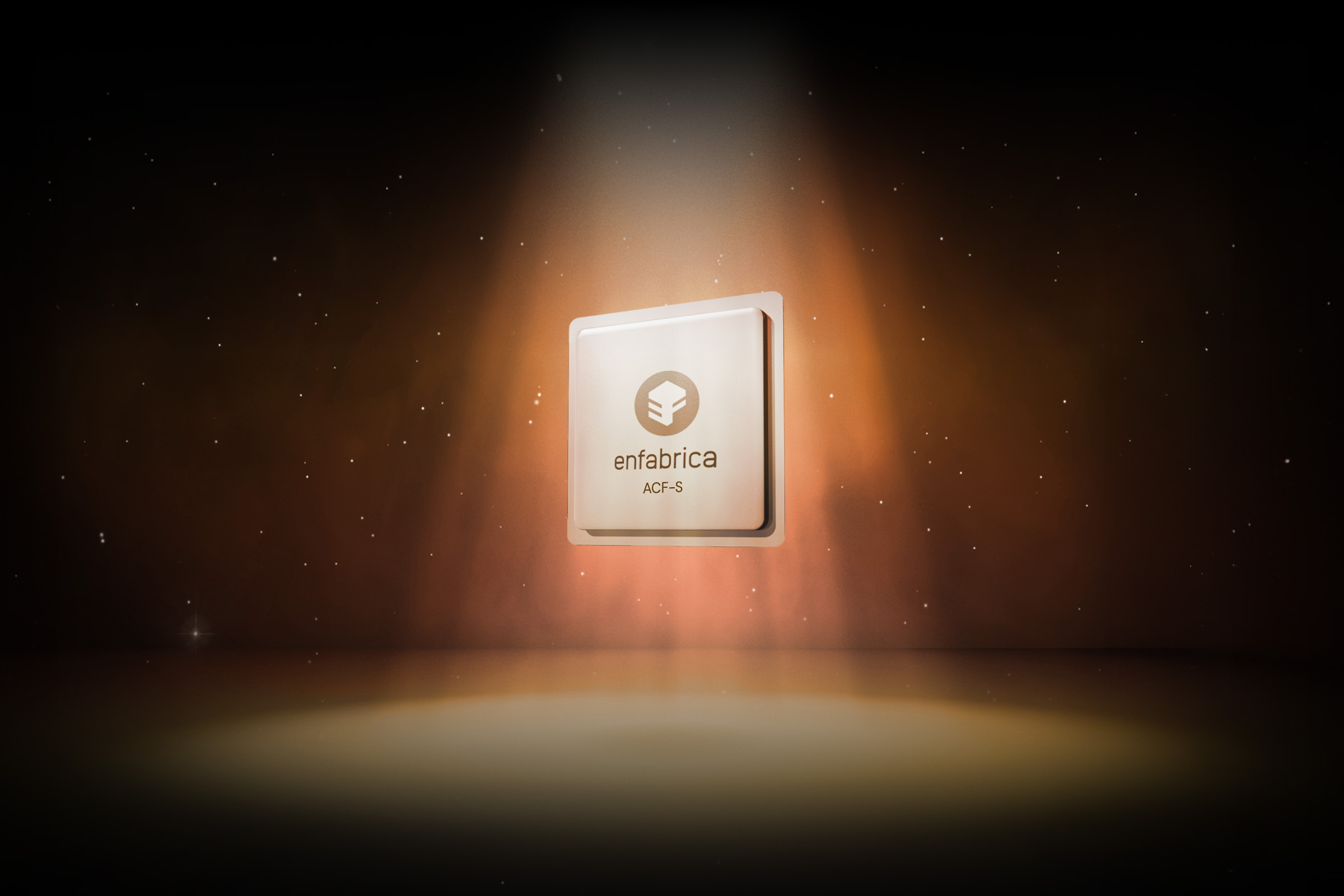
Enfabrica, a leading provider of high-performance networking silicon for accelerated computing and artificial intelligence (AI), has secured $115 million in a Series C funding round. The announcement was made at Supercomputing 2024 (SC24), a key event for the global high-performance computing (HPC) community. The oversubscribed round was led by prominent investors, underscoring growing confidence in Enfabrica’s solutions aimed at transforming AI workloads through specialized networking technologies.

This funding marks a significant milestone for the company, which focuses on delivering innovations in data center infrastructure designed to optimize network performance for compute-intensive AI applications. The company’s solutions address key challenges in AI, including bottlenecks caused by traditional networking methods, by providing high-speed, low-latency connections tailored for the demands of modern AI and machine learning (ML) workloads.

The funds will be used to further enhance Enfabrica’s product portfolio and expand its market presence. CEO and co-founder Dr. Ramin Moghaddam highlighted that the new capital will support the company’s efforts in accelerating the development of next-generation networking technologies and increasing its customer base. Enfabrica’s products have already attracted significant interest from leaders in the tech and AI sectors, with major cloud providers and enterprise customers looking to deploy its silicon to improve their AI capabilities.

According to Enfabrica, its networking solutions are designed to integrate seamlessly with the latest advancements in semiconductor and cloud technologies, offering customers the ability to scale AI workloads more efficiently and at lower cost. These capabilities are crucial as enterprises and research institutions push the boundaries of AI models that require more data processing and faster communication between computing resources.

The need for specialized networking solutions has never been more apparent. AI workloads, especially those in training large-scale models, demand ultra-fast data transfers, precision, and reliability. Traditional networking infrastructure, often based on general-purpose designs, struggles to meet these requirements, leading to inefficiencies that hinder performance. Enfabrica’s networking silicon aims to bridge this gap by offering purpose-built solutions optimized for the specific needs of AI, deep learning, and other advanced computational applications.

Enfabrica’s network solutions are built around a custom silicon architecture designed to handle the large volumes of data generated by AI models. With increasing demand for computational power in AI research, the company’s innovations are timely, aligning with the broader industry trend towards purpose-built hardware that enables breakthroughs in AI performance.

The funding round has drawn attention to the growing importance of specialized hardware in driving AI and machine learning breakthroughs. Companies across the semiconductor, AI, and cloud sectors are racing to develop more efficient and scalable technologies to support the exponential growth in AI use cases, ranging from generative models to autonomous systems. Enfabrica’s contributions to this ecosystem are poised to play a central role in the next phase of AI innovation.

In a statement, Dr. Moghaddam expressed enthusiasm about the funding’s potential to help Enfabrica meet the growing demand for advanced networking infrastructure. He emphasized that AI’s rapid evolution presents an opportunity for companies like Enfabrica to address the scalability and performance challenges faced by AI practitioners.

“We are excited to partner with our investors to drive forward the next generation of networking technologies for AI,” said Moghaddam. “Our focus is to deliver infrastructure that supports the exponential growth of AI workloads, providing our customers with the speed, efficiency, and scalability they need to remain competitive in this rapidly changing market.”

The funding round also highlights the investor community’s increasing interest in infrastructure startups that are positioning themselves as essential players in the AI ecosystem. With the influx of capital, Enfabrica will be able to scale its operations to meet the growing demand for AI-focused network technologies, which are becoming integral to the success of AI applications across industries, including finance, healthcare, and autonomous driving.

As AI and machine learning continue to evolve, Enfabrica’s innovations could help alleviate the data transfer bottlenecks and processing delays that hamper the performance of modern AI systems. The company’s solutions promise to enhance the efficiency of training deep learning models and optimize the interaction between compute nodes in large-scale AI deployments, which could have far-reaching implications for industries that rely on AI-driven solutions.

With the market for AI networking solutions expanding rapidly, Enfabrica is well-positioned to capitalize on the demand for specialized hardware. The company’s Series C funding provides a strong foundation for further advancements in AI networking and positions Enfabrica as a key player in the evolving AI infrastructure landscape.

Rothschild & Co. has appointed a seasoned Swiss banker to head its newly established wealth management office in Dubai, marking a significant expansion in the Middle East’s rapidly growing wealth management sector. The move reflects the firm’s strategic intent to strengthen its presence in a region that has seen an increasing concentration of affluent individuals and families.

The new office, located in Dubai International Financial Centre (DIFC), aims to provide tailored wealth management services to high-net-worth individuals (HNWIs) and ultra-high-net-worth individuals (UHNWIs) across the Gulf region. With an eye on the UAE’s growing market, Rothschild & Co. is poised to leverage its global expertise to cater to the unique needs of wealthy clients in the Middle East.

The Swiss banker, whose identity remains undisclosed, brings over two decades of experience in wealth management, having previously worked with top-tier financial institutions in Switzerland and other global financial hubs. His appointment underscores Rothschild’s commitment to ensuring that its Middle Eastern clients receive personalized, high-quality advisory services, particularly in managing cross-border wealth, succession planning, and complex family office structures.

Rothschild & Co.’s decision to set up a dedicated office in Dubai is an indication of the firm’s optimism regarding the region’s increasing appeal to investors. Over the past decade, the UAE has become a leading global financial center, attracting not just affluent individuals from across the globe but also major financial institutions seeking to tap into the region’s burgeoning wealth. The region has consistently witnessed growth in the number of high-net-worth individuals, driven by the country’s successful diversification of its economy, rapid urbanization, and its position as a key financial hub for businesses and wealthy families from Europe, Asia, and Africa.

The Dubai office will be pivotal in further extending Rothschild & Co.’s network, which already has a strong presence in key global cities. Rothschild’s wealth management business has long been focused on providing a highly personalized approach to managing wealth, with expertise in both traditional and alternative asset classes. The move into Dubai comes at a time when family offices and private wealth management services are gaining increased importance in the region, particularly among younger generations of wealthy individuals seeking to preserve and grow their wealth for future generations.

Rothschild & Co. is not the only global financial institution eyeing Dubai’s growing wealth management market. Several other international banks have expanded their operations in the region, with private banking and wealth management services seeing strong demand. The city has become a magnet for both business executives and wealthy investors, many of whom are seeking a base in Dubai due to its tax advantages, business-friendly regulations, and cosmopolitan lifestyle.

One of the key factors behind this shift is the increased number of high-net-worth individuals from Asia and Europe who are seeking to establish a presence in Dubai, either for business, lifestyle, or financial reasons. The UAE’s wealth management market has grown alongside its economic diversification and its expanding role as a hub for international investment, especially in sectors such as technology, real estate, and infrastructure.

This influx of capital is being supported by Dubai’s increasing attractiveness as a safe haven for wealth amid global economic uncertainties. In addition to its stable regulatory environment, Dubai’s tax-friendly policies, such as the absence of income tax and its favorable business laws, are a draw for investors looking for more favorable conditions to manage their wealth. Moreover, with Dubai’s strategic geographical location between Europe, Asia, and Africa, it serves as a natural gateway for investors looking to access emerging markets.

Rothschild’s wealth management office is also set to benefit from the growing importance of ESG (environmental, social, and governance) investing in the Middle East. The firm is already a recognized player in sustainable investment management, and its Dubai office will focus on guiding clients toward investments that align with their values, particularly in green energy, real estate, and sustainable technologies.

Rothschild & Co.’s expansion into Dubai also ties in with its broader strategy of enhancing its global wealth management capabilities. The firm has consistently sought to expand its client base in emerging markets while strengthening relationships with existing clients in mature markets. This approach is designed to cater to the growing demand for wealth management services that combine personalized advice with a global perspective, ensuring clients can navigate the complexities of international markets and investments.

Dubai’s status as an economic powerhouse in the Middle East makes it a critical component of Rothschild & Co.’s long-term growth strategy. The city’s status as a luxury destination and its role in the development of major infrastructure projects across the region further solidify its appeal as a wealth management hub. As the city continues to grow in prominence as a business and financial center, it is likely that more global wealth managers will follow Rothschild’s lead in establishing a presence in the UAE.

By Nantoo Banerjee from Manila It may be seen as an irony of fate that the Philippines, a pioneer of the modern rice production technology helping some of the world’s major rice producers, including India, to become self-sufficient in paddy production, has itself become the world’s biggest rice importer. For the third successive year, the […]
VISHNU RAJA
RYO YAMADA
HITORI GOTOH
IKUYO KITA