News related to
Success

Crypto startups seeking capital in 2025 face a complex array of fundraising options, each with distinct regulatory frameworks, investor protections, and market dynamics. The three primary models—Initial Coin Offerings , Security Token Offerings , and Initial Exchange Offerings —offer varied pathways to secure investment, each with its own set of advantages and challenges.

ICOs, once the dominant fundraising method during the 2017 crypto boom, have evolved significantly. Initially characterized by minimal regulation and high volatility, ICOs have matured into more structured and compliant mechanisms. In 2025, successful ICOs average $14.7 million in funding over a 54-day campaign, reflecting increased investor confidence and improved project quality. This resurgence is attributed to enhanced regulatory clarity, more sophisticated project teams, and a focus on community engagement.

STOs emerged as a response to the regulatory shortcomings of ICOs, offering tokens backed by tangible assets such as equity or real estate. These offerings comply with existing securities laws, providing investors with legal rights and protections akin to traditional financial instruments. While STOs offer greater transparency and investor safeguards, they also entail more complex and costly compliance processes, including thorough legal vetting and adherence to jurisdiction-specific regulations.

IEOs represent a hybrid approach, conducted through centralized cryptocurrency exchanges that vet projects before listing their tokens. This model offers a level of due diligence and investor protection absent in traditional ICOs. Exchanges facilitate the token sale, handle Know Your Customer and Anti-Money Laundering procedures, and provide immediate access to a broad investor base. However, the reliance on centralized platforms introduces concerns about exchange fees, potential conflicts of interest, and the need for projects to cede some control over the fundraising process.

The choice among these fundraising models depends on various factors, including the project’s regulatory environment, target investor base, and desired level of decentralization. ICOs may be suitable for projects seeking rapid capital infusion with fewer regulatory hurdles, provided they can establish credibility and transparency. STOs are ideal for ventures aiming to attract institutional investors and those willing to navigate complex legal landscapes to offer asset-backed tokens. IEOs offer a middle ground, balancing regulatory compliance with broader market access through established exchanges.

Don’t Miss Out on the Million-dollar Opportunity at Asia’s Most Dynamic Ecosystem HONG KONG SAR – Media OutReach Newswire – 28 May 2025 – The 9th Elevator Pitch International Competition (EPIC 2025), organised by Hong Kong Science and Technology Parks Corporation (HKSTP), has only 3 weeks left for global startups with their anchor in FinTech, and new tech tracks Digital Health and Green Tech, respond to the […]

Strategy Inc., formerly known as MicroStrategy, has emerged as the top-performing crypto-linked equity in 2025, surpassing the returns of all 74 cryptocurrency-related exchange-traded funds tracked globally. The company’s aggressive accumulation of Bitcoin has propelled its stock to outperform even the most leveraged crypto ETFs, reinforcing its position as the largest corporate holder of the digital asset.

As of May 25, Strategy holds approximately 580,250 Bitcoins, acquired at an average price of $69,979 per token, amounting to a total investment of around $40.61 billion. This latest acquisition of 4,020 Bitcoins, costing $427.1 million, was financed through proceeds from equity, debt, and preferred stock sales. The company’s stock has surged 118% over the past year and remains up nearly 27% year-to-date, trading at $365.95.

In contrast, the best-performing crypto ETF, the T-Rex 2X Long MSTR Daily Target ETF, which is heavily weighted with Strategy’s stock, delivered a 746% return year-to-date. Other notable ETFs, such as the Bitwise Crypto Industry Innovators ETF and the VanEck Digital Transformation ETF, posted returns of 79% and 76.7%, respectively, benefiting from their significant holdings in Strategy.

Strategy’s approach diverges from traditional ETF structures by offering direct exposure to Bitcoin through its corporate treasury. The company has consistently leveraged its balance sheet to acquire Bitcoin, utilizing various financial instruments, including convertible bonds and preferred stock offerings. This strategy has not only amplified its Bitcoin holdings but also attracted investors seeking indirect exposure to the cryptocurrency without the complexities of direct ownership.

The company’s commitment to Bitcoin was further solidified with its announcement of the “21/21 Plan,” aiming to raise $42 billion over three years—$21 billion through equity offerings and another $21 billion via fixed-income securities—to fund additional Bitcoin purchases. This ambitious plan underscores Strategy’s belief in Bitcoin as a superior store of value and a strategic asset for corporate treasuries.

Michael Saylor, Strategy’s Executive Chairman, has been a vocal advocate for Bitcoin, often emphasizing its potential as a hedge against inflation and a more stable alternative to traditional fiat currencies. Under his leadership, the company has transformed from an enterprise software firm into a prominent player in the cryptocurrency space.

The broader market has taken note of Strategy’s performance, with analysts suggesting that its success could inspire other corporations to consider similar strategies. Companies like Trump Media & Technology Group and Strive Asset Management have already announced plans to allocate significant portions of their treasuries to Bitcoin, signaling a potential shift in corporate investment strategies.

However, this aggressive approach is not without risks. The volatility of Bitcoin prices can lead to significant fluctuations in corporate valuations, and the reliance on debt to finance these purchases raises concerns about financial stability. Critics argue that such strategies may expose companies to undue risk, especially if Bitcoin prices experience sharp declines.

APR introduces its sustainably produced Viscose and Lyocell by Sateri fibres to the Vietnamese market SaigonTex 2025 represents APR’s largest presence in Vietnam to date, reinforcing its commitment to the country’s growing textile industry SINGAPORE – Media OutReach Newswire – 28 May 2025 – Asia Pacific Rayon (APR), a leading global manufacturer of viscose staple fibre products, has rolled out its viscose and lyocell products to potential […]

SINGAPORE – Media OutReach Newswire – 28 May 2025 – Alcatel-Lucent Enterprise, a leading provider of secure networking and communications solutions that enable organizations and industries to accelerate their operational efficiencies and competitiveness, is pleased to announce the appointment of Sandrine El Khodry as the new Executive Vice President of Global Sales & Marketing, reporting directly to the company CEO, Yann Zhang. From her extensive roles within […]

Dr Akinwumi Adesina, nearing the conclusion of his decade-long presidency at the African Development Bank , has called upon his successor to prioritise Africa’s financial sovereignty and ensure the continent’s interests are robustly defended on the global stage. This appeal comes as the AfDB prepares to elect a new leader during its annual meeting in Abidjan, Côte d’Ivoire, on 29 May. The incoming president will assume office […]

Demonstrating Financial Stability, Proposed Final Dividend of HK$0.81 cents per share, Exploring Overseas Market to Diversify Income Source HONG KONG SAR – Media OutReach Newswire – 27 May 2025 – The board of directors of Oi Wah Pawnshop Credit Holdings Limited (HKEx stock code: 1319.HK, the “Group” or “Oi Wah”) announced its annual results and its financial position. For the year ended 28 February 2025 (“FY2025”), the […]

Advertisements

Companies handling sensitive customer data are increasingly adopting SOC 2 audit readiness as a strategic imperative, not merely a compliance checkbox. This proactive approach is becoming essential for businesses aiming to secure partnerships, streamline operations, and fortify their reputations in a competitive digital landscape.

SOC 2, developed by the American Institute of Certified Public Accountants , evaluates an organisation’s controls related to security, availability, processing integrity, confidentiality, and privacy. Achieving SOC 2 compliance demonstrates a company’s commitment to data protection and operational excellence.

A SOC 2 readiness assessment serves as a preliminary evaluation to identify and address potential gaps in an organisation’s control environment before undergoing the formal audit. This process involves a thorough review of policies, procedures, and systems to ensure they align with the Trust Services Criteria. By conducting this assessment, companies can proactively mitigate risks and enhance their security posture.

The benefits of SOC 2 readiness extend beyond compliance. Organisations that complete the assessment often experience increased efficiency in their audit processes, reduced time and resources spent on remediation, and improved confidence among stakeholders. Furthermore, a successful SOC 2 audit can serve as a competitive differentiator, signalling to clients and partners that the company prioritises data security and integrity.

In sectors where data breaches can have significant financial and reputational consequences, SOC 2 readiness is particularly valuable. It enables companies to identify vulnerabilities, implement robust controls, and establish a culture of continuous improvement in their security practices. This proactive stance not only safeguards sensitive information but also positions organisations as trustworthy and reliable partners.

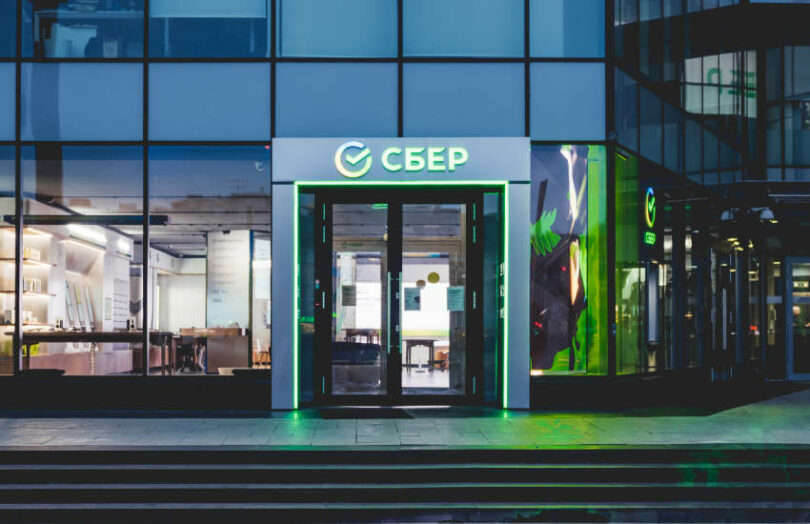
Sber, Russia’s largest lender, is poised to become a market maker and liquidity provider on the country’s forthcoming regulated cryptocurrency platforms, marking a significant shift in Moscow’s approach to digital assets. This development aligns with the Central Bank of Russia’s experimental legal regime , designed to permit cryptocurrency trading among a select group of high-net-worth individuals and institutions.

Under the ELR, only “super-qualified” investors—those with over 100 million rubles in securities and deposits or an annual income exceeding 50 million rubles —will be authorized to participate in crypto trading. The initiative, set to span three years, aims to enhance market transparency and establish regulatory standards for digital asset transactions.

Sber’s involvement is a strategic move, leveraging its existing license from the CBR to issue and exchange digital financial assets. This license, obtained in 2022, allows Sber to facilitate transactions involving tokenized assets backed by traditional financial instruments. By acting as a market maker, Sber will provide liquidity to the nascent crypto platforms, ensuring smoother trading experiences for participants.

The ELR represents a cautious yet progressive step by Russian authorities to integrate digital assets into the financial system without fully lifting the domestic ban on cryptocurrency payments. While the use of cryptocurrencies for payments remains prohibited, the ELR provides a controlled environment for investment activities, mitigating risks associated with volatility and illicit transactions.

The CBR and the Finance Ministry are collaborating to finalize the framework for the ELR, including the precise criteria for investor qualification and the operational guidelines for participating institutions. The initiative reflects a broader trend of regulatory experimentation in the face of evolving financial technologies and international sanctions.

Russia’s approach mirrors similar sandbox models adopted by other jurisdictions, aiming to balance innovation with financial stability. By restricting participation to super-qualified investors, the ELR seeks to limit systemic risks while gathering data to inform future regulatory decisions.

The establishment of regulated crypto trading platforms also addresses the current reliance on foreign exchanges by Russian investors, which poses challenges for oversight and compliance. A domestic infrastructure would enable authorities to monitor transactions more effectively and enforce anti-money laundering measures.

Sber’s role is pivotal in this context, given its technological capabilities and extensive client base. The bank’s digital asset platform, which supports the issuance of tokenized financial instruments, is expected to serve as a foundation for the new crypto trading environment. This infrastructure will facilitate the development of a regulated market, offering investors access to digital assets within a legal framework.

The ELR is anticipated to commence in the latter half of 2025, following the completion of regulatory preparations and the establishment of necessary technological systems. During the pilot phase, authorities will assess the effectiveness of the regulatory measures and the performance of market participants, including Sber’s role in maintaining liquidity and market stability.

This initiative is part of Russia’s broader strategy to modernize its financial sector and reduce dependence on Western financial systems, especially in light of ongoing international sanctions. By fostering a regulated digital asset market, Russia aims to attract investment, stimulate innovation, and enhance the resilience of its financial infrastructure.

The success of the ELR could pave the way for more comprehensive integration of digital assets into Russia’s financial ecosystem, potentially leading to the development of new financial products and services. However, the authorities remain vigilant about the risks associated with cryptocurrencies, emphasizing the importance of robust regulatory oversight and investor protection.

A leading candidate for the presidency of the African Development Bank has outlined a strategy urging African nations to mobilise up to $4.5 trillion in domestic private capital to drive the continent’s development agenda, aiming to reduce dependence on expensive international debt. This vision signals a shift towards leveraging Africa’s own financial resources to fund infrastructure, healthcare, education, and energy projects critical for sustainable growth. The candidate, […]

The African Development Bank is convening in Abidjan, Côte d’Ivoire, this week to elect a new president, as the institution confronts significant financial pressures following proposed reductions in U.S. contributions. The U.S. government’s plan to decrease its support to the AfDB and its African Development Fund by $555 million presents a substantial challenge for the incoming president. The successor to President Akinwumi Adesina, who concludes his tenure […]

A new summer campaign launched by Mercato Shopping Mall and Town Centre Jumeirah is offering diners a chance to win a luxury holiday for two to the Maldives, in partnership with Emirates Holidays. The promotion, titled “Dine, Scan & Win,” encourages customers to spend AED 200 or more at participating outlets. Upon scanning their PrivilegePLUS app ID, shoppers are entered into a draw for a three-night stay […]

Air Arabia, the largest low-cost carrier in the Middle East and North Africa region, has entered a strategic partnership with Al Maryah Community Bank , the UAE’s pioneering fully integrated digital bank, to transform payment solutions for air travel bookings. The collaboration aims to streamline and enhance customer experience by integrating a dedicated payment platform using AE Coin, a digital currency developed within the UAE’s evolving fintech ecosystem.

The agreement represents a notable development in the aviation and financial technology sectors, aligning with broader efforts across the Gulf to digitize and modernize consumer transactions. Air Arabia’s expansive footprint across over 170 destinations and its growing digital adoption underscore the potential scale and impact of this partnership, while Mbank’s innovative banking infrastructure provides the technological backbone necessary for secure and efficient digital payments.

AE Coin, a digital asset issued under regulatory frameworks established by the UAE Central Bank, is designed to support seamless transactions, offering users a faster, more secure alternative to conventional payment methods. By incorporating AE Coin into the travel booking process, Air Arabia customers can now enjoy reduced transaction costs and enhanced payment speed, particularly beneficial for frequent flyers and cross-border travellers navigating currency exchange complexities.

This joint initiative aligns with the UAE’s vision of becoming a global hub for digital innovation, especially in fintech and blockchain technology applications. Authorities have actively promoted digital currencies as a means to foster economic diversification and financial inclusion, setting regulatory standards to encourage institutional adoption without compromising security or compliance. Air Arabia and Mbank’s collaboration is a direct manifestation of this vision, potentially setting a precedent for other airlines and banks in the region.

Beyond operational efficiency, the deal aims to provide a competitive edge to Air Arabia in the increasingly crowded low-cost airline market. The digital payment facility is expected to attract a broader demographic, including tech-savvy millennials and Gen Z customers who favour quick and convenient digital financial services. Mbank’s platform offers an intuitive user interface backed by advanced cybersecurity measures, ensuring transaction integrity and user privacy—a crucial factor in digital payment adoption.

Industry experts observe that this partnership could stimulate further innovation in travel-related financial products, such as loyalty programmes integrated with blockchain technology or smart contracts automating travel insurance claims and refunds. Given Air Arabia’s status as a trailblazer in the LCC market within the region, the integration of digital currency payments may drive more airlines to explore similar fintech collaborations to boost customer engagement and operational resilience.

The UAE’s fintech landscape has been expanding rapidly, supported by government initiatives like the Dubai Blockchain Strategy and Abu Dhabi’s financial free zones encouraging fintech startups and established institutions to experiment with digital currencies and payment systems. Al Maryah Community Bank has been at the forefront of this evolution, leveraging its digital-first banking model to offer innovative solutions that address gaps in traditional banking services, especially for younger, digitally native consumers.

The banking sector’s shift toward digital currencies is also influenced by the growing emphasis on cross-border remittances and e-commerce in the Gulf Cooperation Council economies. With millions of expatriates living and working in the UAE, seamless and cost-effective international payments are essential. AE Coin’s integration into travel payments potentially simplifies the complex landscape of foreign exchange and international fees, offering transparent, instant settlement.

Air Arabia’s move complements broader aviation industry trends where airlines increasingly seek to diversify revenue streams through ancillary services, including payment facilitation. Providing customers with alternative payment methods can enhance booking flexibility and reduce abandoned transactions, particularly in regions where credit card penetration remains variable.

Mbank’s leadership has highlighted the collaboration as a step toward building a future-ready banking environment that embraces emerging technologies and anticipates customer needs. Their approach includes ongoing investments in blockchain research and partnerships aimed at expanding the utility of digital currencies beyond conventional use cases.

Sceptics caution, however, that widespread adoption of digital currencies in mainstream commercial sectors faces hurdles such as regulatory uncertainty in some jurisdictions, fluctuating asset valuations, and the need for consumer education. Nevertheless, the tightly regulated environment of the UAE and its proactive approach to digital asset regulation mitigate some of these concerns, positioning this partnership as a test case for successful integration.

Air Arabia’s CEO emphasised that the move reflects a commitment to innovation and customer-centricity, stating that digital payment solutions are integral to the airline’s future growth strategy. The ability to offer fast, secure, and cost-effective payment options will enhance the overall travel experience and contribute to operational efficiencies.

Analysts note that this partnership signals a broader shift in the travel and banking sectors towards embracing digital ecosystems that reduce friction and enhance service delivery. The potential for scaling such solutions beyond air travel, into areas such as hotel bookings, car rentals, and travel insurance, could redefine consumer expectations in the region’s travel market.

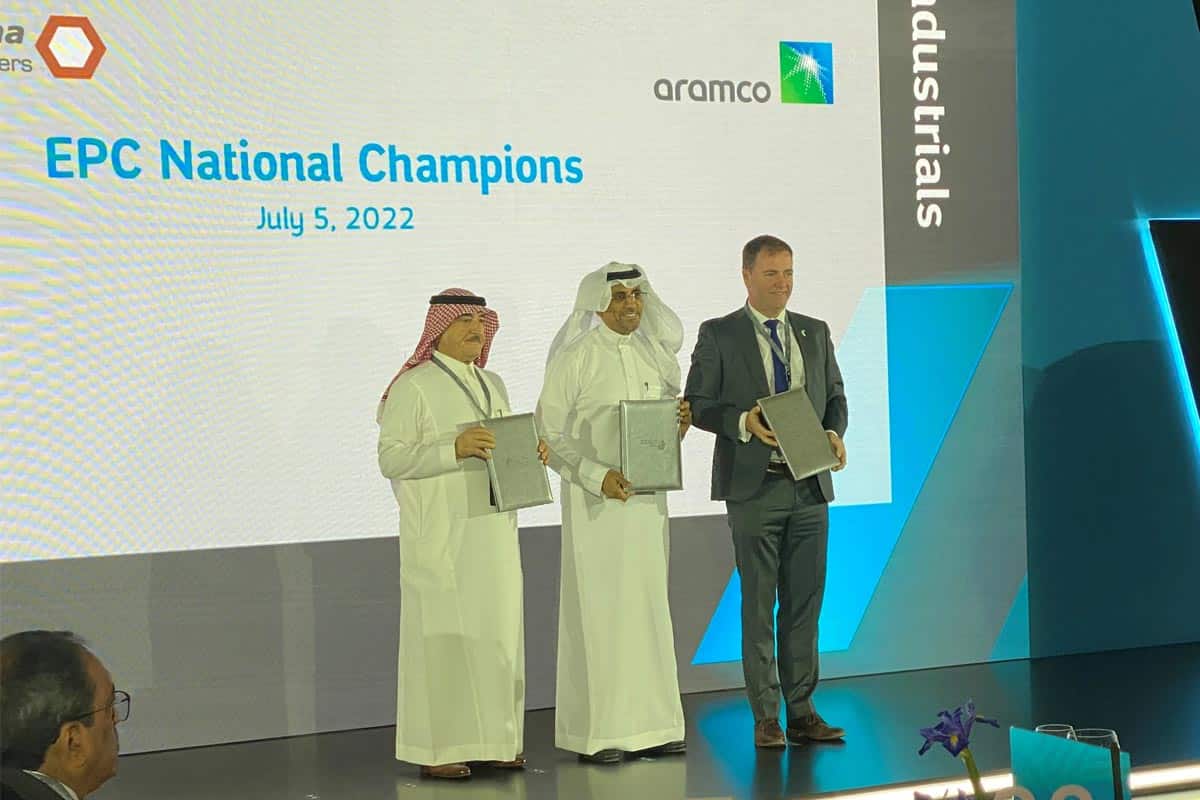
NesmaKent Energy Company , the joint venture between Saudi Arabia’s Nesma & Partners and the international engineering firm Kent, has secured a significant project management consultancy contract with Saudi Aramco. This contract marks a milestone for NKJV, positioning the partnership as a crucial player in the kingdom’s energy infrastructure development amid expanding ambitions in the energy sector.

The PMC contract involves comprehensive project oversight and management services for one of Saudi Aramco’s large-scale energy initiatives. NKJV’s responsibilities will span across planning, execution monitoring, quality control, cost management, and ensuring adherence to safety and environmental standards. This contract is part of Aramco’s broader strategy to engage specialised joint ventures that combine local expertise with international engineering standards, reinforcing Saudi Arabia’s Vision 2030 objectives to diversify and modernise its energy sector.

Nesma & Partners, well-established for its construction and engineering projects within the kingdom and region, has brought extensive local market knowledge and regulatory experience to the partnership. Kent, recognised for its global engineering and project consultancy portfolio, contributes advanced technical capabilities and international project management best practices. Together, the joint venture is expected to deliver high-quality consultancy services that meet Aramco’s stringent operational and environmental benchmarks.

The contract signals the growing trend among Saudi energy entities to engage collaborative partnerships that marry domestic strengths with foreign technological expertise. This aligns with the kingdom’s policy to increase localisation and private sector participation in mega projects. NKJV’s role as a PMC will extend beyond traditional supervisory functions, encompassing risk mitigation, technical advisory, and integration of innovative engineering solutions aimed at optimising project delivery and operational efficiency.

Saudi Aramco’s selection of NKJV follows a competitive tender process where multiple firms vied for the contract. The award underscores Aramco’s confidence in NKJV’s combined capabilities and track record. The project itself forms part of a wider portfolio of energy infrastructure investments by Aramco, which include enhancements in oil production facilities, downstream expansions, and renewable energy projects as the company transitions towards sustainable energy sources.

NesmaKent Energy’s contract exemplifies the shifting dynamics within the Saudi energy sector, where engineering consultancy and project management are gaining prominence as critical factors in successful project execution. The emphasis on specialised joint ventures highlights the kingdom’s commitment to leveraging cross-border partnerships to accelerate technological transfer and capacity building.

Industry experts note that the contract reinforces the strategic positioning of Nesma & Partners and Kent in the Middle East’s energy market. Nesma’s long-standing presence in Saudi Arabia has enabled it to navigate complex regulatory environments and develop robust relationships with government entities and private sector clients. Kent’s engineering pedigree, with a portfolio spanning oil and gas, petrochemicals, and infrastructure, complements Nesma’s regional experience with global standards.

The joint venture’s involvement in this Aramco project is expected to generate significant employment opportunities and skill development programmes in line with Saudi Arabia’s localisation agenda, known as Saudisation. NKJV plans to incorporate training modules and knowledge transfer frameworks to build local competencies in project management and engineering consultancy.

The energy project under NKJV’s management consultancy contract is critical to Aramco’s operational goals, encompassing upgrades to production capacity and the integration of advanced monitoring and control technologies. These developments are part of Aramco’s efforts to maintain its position as the world’s leading energy producer while adapting to evolving global energy demands and environmental regulations.

The scope of NKJV’s mandate also includes coordinating with multiple contractors, subcontractors, and regulatory bodies to ensure seamless execution. This requires a high level of technical expertise, project coordination skills, and compliance with international safety and quality certifications. NKJV’s approach reportedly emphasises sustainability and innovation, incorporating digital tools such as Building Information Modelling and real-time project analytics to enhance transparency and decision-making.

As Saudi Arabia intensifies its focus on energy diversification, including the expansion of renewable energy projects alongside traditional hydrocarbon investments, the expertise of joint ventures like NKJV will be crucial. Their ability to deliver complex projects efficiently and within budget will be pivotal in meeting the kingdom’s long-term strategic targets.

NesmaKent Energy’s success in securing this contract may open doors for further collaborations between Saudi and international firms in the energy consultancy sector. This contract reflects a broader trend of joint ventures becoming key conduits for technology transfer and knowledge exchange in the Gulf’s infrastructure and energy projects.

If you’ve spent the past few months watching the Trump tariff drama unfold, AI stocks become volatile and listening to everyone from your broker to your barista talk about rate cuts and inflation, you might think the only path to investment success in 2025 runs through stocks. But quietly, away from the hype, a growing number of individual investors are making a different move: they’re locking in […]

Arabian Post Staff For expatriates settling into the United Arab Emirates, understanding the country’s unique postal system is essential. Unlike many nations that utilize traditional postal codes, the UAE primarily relies on a Post Office Box system for mail distribution. This approach reflects the country’s infrastructural evolution and its emphasis on centralized mail collection points. In the UAE, individuals and businesses typically rent P.O. Boxes from Emirates […]

All 133 units of the Waldorf Astoria Residences Yas were sold out on launch day, generating AED 850 million in sales. This marks the first branded residential development on Yas Island, reflecting a significant demand for luxury living in Abu Dhabi.

Aldar Properties, the developer behind the project, reported that the swift sell-out underscores Yas Island’s growing appeal as a premier destination for both investors and residents seeking upscale living experiences. The development’s success is attributed to its prime location, waterfront views, and association with the Waldorf Astoria brand, known for its luxury and service excellence.

The residences, part of a broader strategy by Aldar to introduce iconic hospitality brands to Abu Dhabi, are situated near key leisure and entertainment attractions on Yas Island. This aligns with Aldar’s AED 1.5 billion investment programme aimed at transforming its hospitality portfolio to cater to the growing demand for premium experiences in the emirate.

The rapid sell-out of the Waldorf Astoria Residences Yas follows similar successes by Aldar, including the complete sale of Yas Riva, a luxury canal-front community, within 24 hours, generating over AED 1.4 billion in sales. These developments highlight the robust demand for high-end residential properties in Abu Dhabi, particularly among younger buyers and international investors.

The trend indicates a shift towards branded residences that offer not only luxurious accommodations but also a lifestyle associated with renowned hospitality brands. Aldar’s strategic partnerships with global brands like Waldorf Astoria and IHG’s Vignette Collection are central to this approach, aiming to enhance Abu Dhabi’s position in the global luxury real estate market.

Etihad Airways reported a profit of 685 million dirhams for the first quarter of 2025, marking a 30% increase year-on-year. This growth was attributed to robust demand and enhanced operational efficiency. Total revenue rose by 15%, supported by gains in both passenger and cargo business. Passenger revenue climbed 16% to 5.5 billion dirhams , bolstered by increased capacity, ongoing network expansion, and more frequent flights. The airline […]

Dubai Holding has successfully raised AED 2.14 billion through the initial public offering of its Dubai Residential REIT, marking the largest real estate investment trust listing in the Gulf Cooperation Council to date. The offering, priced at AED 1.10 per unit, attracted substantial investor interest, with total demand exceeding AED 56 billion, leading to an oversubscription rate of 26 times. Originally set to offer 12.5% of the […]

PHNOM PENH, CAMBODIA – Media OutReach Newswire – 26 May 2025 – Prince Holding Group’s Chairman Neak Oknha Chen Zhi has been named Entrepreneur of the Year in Cambodia 2025 by the World Business Outlook Awards. Additionally, the Group’s Chen Zhi Scholarship has received the Best Overall CSR Excellence in Cambodia 2025 award. Chairman Neak Oknha Chen Zhi, honored as “Entrepreneur of the Year in Cambodia 2025” […]

Worldcoin’s native token, WLD, experienced a significant surge in value, climbing over 10% following a substantial $135 million fundraising round led by prominent venture capital firms Andreessen Horowitz and Bain Capital Crypto. This influx of capital underscores growing investor confidence in the project’s vision of establishing a global, decentralised identity verification system.

The fundraising success coincides with Worldcoin’s strategic expansion into new markets. Notably, the introduction of its World ID verification system in Poland has garnered attention. Residents in Warsaw can now utilise the project’s ‘Orb’ biometric device to verify their identities, a move aimed at enhancing digital interactions and privacy. This development aligns with Worldcoin’s broader mission to differentiate humans from AI bots in the digital realm.

Market analysts attribute the token’s price surge to a combination of factors, including the successful fundraising, the expansion into Poland, and the broader adoption of Worldcoin’s technologies. The token’s trading volume also saw a notable increase, reflecting heightened investor interest.

However, the project’s rapid growth has not been without scrutiny. Regulatory bodies in various countries have raised concerns about privacy and data protection, leading to investigations and, in some cases, suspension of operations. Despite these challenges, Worldcoin continues to pursue its goal of creating a universal digital identity system, leveraging biometric technology and blockchain infrastructure.

The African Development Bank has successfully issued a €1 billion five-year social bond, maturing in May 2030, with a fixed annual coupon of 2.500%. This benchmark transaction, aligned with the Bank’s Sustainable Bond Framework, aims to finance projects that promote inclusive growth and social development across its regional member countries. The issuance attracted robust investor interest, with the order book exceeding €1.5 billion, reflecting strong demand from […]

Hitachi Vantara has introduced VSP 360, a comprehensive data management software designed to streamline storage across diverse environments. The new platform integrates block, file, object, and software-defined storage into a single, unified system, aiming to simplify operations and enhance efficiency for enterprises managing complex data landscapes. The launch reflects growing demand among organisations for versatile and scalable storage solutions capable of supporting hybrid and multi-cloud deployments. VSP […]

The allure of meme coins like Shiba Inu and Dogecoin has cooled, prompting investors and crypto enthusiasts to seek fresh opportunities beyond the fleeting hype. As these once high-flying tokens show patterns of price consolidation and reduced volatility, attention is increasingly shifting towards emerging decentralised finance projects, notably the Mantix decentralized exchange currently in its presale phase.

Mantix represents a new wave of crypto innovation aiming to capitalise on the growing demand for decentralised trading platforms with enhanced utility and community governance. Unlike meme coins, which primarily rely on social media buzz and speculative trading, Mantix offers a structured ecosystem designed to attract long-term participants. The project’s native token, $MTX, has garnered significant interest in crypto circles for its potential to integrate scalable blockchain solutions with user-driven decentralisation.

Market data indicates that meme coins, while maintaining a loyal base, have witnessed substantial corrections from their peak valuations over the past year. Shiba Inu, which surged into mainstream attention through aggressive marketing and celebrity endorsements, now faces resistance levels that limit further upward momentum. Dogecoin, originally launched as a parody cryptocurrency, similarly exhibits less price movement and trading volume than during its initial frenzy. This maturation phase has naturally led traders to explore De-Fi projects that promise utility beyond mere token speculation.

Mantix’s presale has emerged as one of the more watched events in the De-Fi space due to its approach of combining tokenomics with a robust decentralized exchange infrastructure. The platform is being built on a Layer 2 blockchain solution aimed at reducing transaction costs and enhancing speed, a crucial improvement over congested Layer 1 blockchains like Ethereum. By addressing scalability, Mantix hopes to attract users frustrated with high fees and slow confirmations, common complaints in existing DEX platforms.

Further intrigue surrounds Mantix’s governance model, which incorporates a decentralised autonomous organisation structure. Token holders of $MTX will have voting rights on key platform decisions, ranging from protocol upgrades to fee distribution. This democratic approach to platform management has resonated with investors seeking a voice in project development rather than passive holding.

Industry experts highlight that the shift from meme coins to utility-driven De-Fi projects reflects the broader evolution of the cryptocurrency market. Initial phases of crypto adoption were fuelled by hype and speculative mania, but the sector is now progressing toward maturity, where sustainable growth depends on practical applications and network effects. Mantix’s emphasis on building a scalable DEX aligns with this trajectory, placing it among a competitive set of projects trying to capture the next generation of crypto users.

Despite the buzz, experts caution that presale participation entails risks, including regulatory uncertainty and project execution challenges. De-Fi platforms often face complex security audits and require rigorous testing before launching fully. However, the team behind Mantix claims to have secured partnerships with established blockchain developers and auditors to mitigate vulnerabilities, although independent verification remains pending.

Investor enthusiasm around $MTX is also driven by the projected token supply model, which aims to incentivise early participants while avoiding excessive inflation. Unlike meme coins, where large token supplies have often led to price manipulation concerns, Mantix’s controlled issuance framework is designed to foster stability and gradual appreciation. Early investors see this as a key differentiator, especially as the crypto market enters a phase prioritising long-term viability over rapid gains.

Global crypto exchanges and wallets have reportedly begun integrating $MTX to facilitate seamless token distribution once Mantix transitions from presale to public trading. This integration plan underscores the project’s ambition to establish liquidity and market presence quickly. The initial roadmap also outlines plans for additional De-Fi features such as yield farming, staking, and cross-chain interoperability, which could position Mantix as a comprehensive platform for decentralized finance activities.

The shift in investor sentiment away from meme coins coincides with broader regulatory scrutiny across major markets, where authorities are increasing oversight of speculative tokens and trading platforms. This environment favors projects like Mantix that demonstrate transparent governance and clear utility. Regulatory compliance will likely remain a pivotal factor shaping the competitive landscape among De-Fi exchanges, with platforms adopting robust protocols gaining trust from institutional and retail investors alike.

Market analysts note that while Shiba Inu and Dogecoin have established themselves as cultural icons within the crypto space, their futures hinge largely on community support rather than fundamental technological advances. Conversely, De-Fi platforms like Mantix seek to blend technology innovation with community governance to drive adoption. This fundamental difference may influence which assets retain relevance as the market consolidates and matures.

Technical analysis of SHIB and DOGE price trends points to a phase of reduced volatility, marked by trading within defined ranges after sharp declines from all-time highs. Such patterns typically suggest accumulation phases or potential repositioning by holders. Meanwhile, Mantix’s presale momentum suggests a growing appetite for new projects with practical use cases, especially those tackling scalability and user empowerment issues prevalent in the crypto ecosystem.

The crypto market’s cyclical nature often sees hype-driven assets give way to infrastructure-focused projects. Mantix’s presale success could signal the start of such a rotation, as traders move capital into platforms offering tangible functionality. Nevertheless, the highly speculative environment demands due diligence, and investors are advised to assess project whitepapers, development progress, and team credentials before committing funds.


VISHNU RAJA
RYO YAMADA
HITORI GOTOH
IKUYO KITA