News related to
UAE News

MUNICH, GERMANY – Media OutReach Newswire – 5 October 2025 – COOFANDY, EKOUAER, and Zeagoo have made a memorable entrance into the German market with their first-ever pop-up event in the country, held during the 2025 Munich Oktoberfest at Substanz Club. More than just a brand activation, the three-day celebration became a cultural moment—drawing in festival-goers, inspiring live coverage from influencers such as @krisstyle_munich_ and @adembayalan, and […]

Ras Al Khaimah has greenlit Wynn Boulevard, a new infrastructure artery that will link the forthcoming Wynn Al Marjan Island integrated resort with the E311 and E611 highways—connecting it directly to Dubai and neighboring emirates. Authorities have allocated over AED 1 billion for the project, which was unveiled during the launch of the Marjan Beach development. Graham Hallett, chief development officer at Marjan, confirmed that contracts worth […]

Hub71, Abu Dhabi’s global technology ecosystem, has inked its first partnership in the US with the New Jersey Economic Development Authority, opening pathways for startups to scale across continents. The memorandum of understanding was signed at the Abu Dhabi Investment Forum in New York, signalling the start of reciprocal support between the two innovation hubs. The agreement enables joint programming, market visits and curated introductions to investors, […]

World Liberty Financial, the crypto venture tied to Donald Trump’s family, has announced it will issue a debit card enabling users to spend digital assets as conventional currency, with a pilot slated next quarter and full deployment targeted by late 2025 or early 2026.

At Singapore’s TOKEN2049 conference, CEO Zach Witkoff stated that the underlying aim is to “bridge crypto assets with everyday spending,” forecasting that the card could go live in the fourth quarter or first quarter of 2026. Co-founder Donald Trump Jr. joined the presentation, underscoring the project’s ambition to integrate cryptocurrency more deeply into consumer payments.

Beyond payments, World Liberty is advancing a plan to tokenise real-world commodities, aiming to use blockchain infrastructure to trade assets like oil, gas, timber and cotton. Witkoff described these as “really interesting” domains for on-chain trading, pointing to what the company sees as excess transactional inefficiency in traditional markets. The firm also launched its governance token, WLFI, earlier this month, and has introduced USD1, a dollar-pegged stablecoin backed by U. S. Treasuries and other cash equivalents to cut dependency on conventional banking rails.

World Liberty has secured a high-profile institutional backer: the UAE-based Aqua 1 Foundation invested USD 100 million in WLFI tokens, becoming the venture’s largest public investor. The strategic pact aims to fuel World Liberty’s expansion in South America, Europe and Asia, and to jointly incubate blockchain initiatives.

The governance token WLFI currently is non-transferable, granting holders voting rights rather than direct tradeability; World Liberty has said it is “working behind the scenes” to make WLFI transferable in the future. A large portion of WLFI’s supply remains held by the Trump family and affiliated entities.

The stablecoin USD1 gained traction after a major crypto exchange deal: World Liberty was among the early adopters when the funds backed by an Abu Dhabi entity were routed through USD1 to a major crypto platform, helping to elevate USD1’s market position in the stablecoin ecosystem.

Regulatory and ethical concerns already shadow the venture. Critics argue the project blurs lines between private enterprise and public office, noting that much of the Trump family’s wealth could become entangled with policy outcomes. Donald Trump Jr. has dismissed conflict-of-interest allegations as “complete nonsense,” but scrutiny over the convergence of politics and crypto is intensifying.

WLFI has exhibited wide volatility since launch, riding speculative momentum across global exchanges. Meanwhile, competing crypto card offerings already exist, with established fintechs and digital-asset platforms offering crypto-linked cards in partnership with Visa and Mastercard. Witkoff contends World Liberty’s version will differentiate through tighter integration with its stablecoin and tokenisation strategy.

Global investment firm KKR has acquired a minority stake in ADNOC Gas Pipeline Assets LLC, reinforcing its commitment to Middle East energy infrastructure. ADNOC retains full operational control and ownership of the pipelines. KKR’s move builds on longstanding ties with Abu Dhabi’s national energy group. In 2019, KKR and BlackRock acquired a portion of ADNOC’s oil pipeline business in a landmark deal; that investment was later sold […]

The non-oil private sector in the United Arab Emirates surged in September, with the S&P Global UAE Purchasing Managers’ Index climbing to 54.2, up from 53.3 in August. This marks the strongest expansion in seven months, as new business inflows rebounded sharply and domestic demand regained traction. Growth across new orders was the standout driver. The new orders sub-index jumped to 57.2 from 53.1, registering its fastest […]

Space42 has issued its Foresight Constellation Viewpoint, a strategic dossier that underscores how Synthetic Aperture Radar satellite systems, when paired with artificial intelligence, can reshape decision making for governments and industries. The viewpoint emphasises the capacity for persistent imaging, all-weather operation and near-instant analytics — capabilities that are becoming mission-critical in an era of intensifying climate, security and infrastructure challenges.

At the heart of the Viewpoint is GIQ, Space42’s AI engine that converts raw SAR data streams into decision-grade intelligence within minutes. The report argues that the combination of high-resolution persistent coverage and AI transforms Earth observation from static imagery into a dynamic intelligence layer for monitoring, planning and emergency response. Launching Foresight-1 in August 2024 and Foresight-2 in January 2025 has already bolstered the UAE’s Earth observation capability.

Space42 frames its approach as not just a technological upgrade, but a sovereign asset: reliance on third-party satellite data leaves states vulnerable to disruptions, but a domestic SAR-analytics ecosystem offers resilience and control. The global SAR market, currently estimated around $5.8 billion, is forecast to nearly double to $9.8 billion by 2030. According to the Viewpoint, deployment of integrated SAR systems can yield cost savings — for instance, reducing predictive maintenance expenses by up to 30 per cent while improving emergency response by as much as 90 per cent.

The technical backbone of this strategy depends on both the satellite constellation and ground systems. Space42 has entered into a joint venture with ICEYE to localise manufacturing of SAR satellites in the UAE, aiming to strengthen supply chains and transfer expertise. The joint venture builds on prior collaboration: ICEYE’s technology underpins the Foresight satellites, and cooperation is intended to deepen over coming years.

Foresight-2 was successfully deployed via a rideshare launch on 14 January 2025, expanding the constellation’s capabilities and reinforcing its ability to revisit areas multiple times per day. With Foresight-1 and 2 in orbit, the full constellation is expected by 2027. The satellites exploit SAR’s unique ability to image through clouds and in darkness — a significant advantage over optical systems, especially in disaster and high-latency environments.

The Viewpoint also positions its narrative with real-world scenarios. It cites the 2023 Turkey earthquake, in which optical systems were hindered by cloud cover, while SAR satellites continued functioning — enabling assessments of a major dam’s structural integrity in crisis conditions. That example supports the argument that SAR ecosystems must be treated not as supplements but as core infrastructure for resilience and security.

Space42 positions itself as a full-stack player: not merely a satellite operator but a systems integrator combining space services, geospatial analytics and AI. Its dual business units—Space Services and Smart Solutions—serve satellite operations and downstream intelligence markets respectively. Among its touted use cases are border surveillance, maritime monitoring, infrastructure health, mobility and disaster management.

Yet challenges remain. Building sovereign SAR ecosystems demands investment in ground infrastructure, antenna networks, data processing centres and skilled personnel. Market competition is increasing: global players—commercial and governmental—are accelerating developments in miniaturised SAR payloads, hybrid optical/SAR systems and edge AI processing. Moreover, the cost dynamics of deploying dense constellations must be managed against returns from clients in defence, environment and infrastructure sectors.

Advertisements

Dubai’s ride-hailing landscape has shifted dramatically as the UAE-based Zed app now encompasses 10,764 taxis across the emirate—equivalent to more than four in five licensed cabs. The move was enabled through strategic partnerships with Dubai Taxi Corporation and National Taxi, folding in the fleets of three major operators.

Under the new arrangement, DTC’s entire fleet and those of National Taxi and Kabi by Al Ghurair become bookable via the Zed platform, effectively making Zed the host of Dubai’s second-largest taxi fleet. Zed executives describe the expansion as a means of enhancing coverage, cutting cancellations, and lowering wait times, especially across areas traditionally underserved.

Badr Al Ghurair, Zed’s Chief Executive, emphasised the home-grown nature of the platform and its deep knowledge of Dubai’s commuting patterns: “this collaboration … further strengthens Dubai’s mobility ecosystem while ensuring that our communities have access to reliable, everyday transport solutions” he said. Abhinav Patwa, Zed’s EVP and Head, added that the alliances provide scale and reliability without losing sight of a customer-first approach.

The accord comes amid Dubai’s broader ambition of converting 80 per cent of taxi bookings to digital platforms—a target within reach through the emirate’s Smart City 2025 programme. The integrated fleet also introduces more electric and hybrid taxis into Zed’s pool, aligning with the city’s sustainability goals.

This consolidation represents a notable realignment in Dubai’s mobility market. For years, taxis and e-hailing apps operated largely in parallel, with limited overlap in booking channels. The new model bridges that divide, bringing traditional operators into the digital fold via a single platform. Analysts say the move may accelerate the decline in usage of standalone taxi apps and push rivals to forge similar alliances or risk falling behind.

Dubai Taxi Company, now a public joint stock firm under Law No. 21 of 2023, operates more than 10,000 vehicles, of which 6,200 taxis were folded into the agreement. Kabi by Al Ghurair contributed another 3,680 vehicles under the tie-up. According to RTA data, Dubai’s taxi sector expanded by 7 per cent in the first half of 2025 compared with the same period in 2024, signalling growing demand for urban mobility services.

Through the arrangement, newly commissioned taxis across the partner fleets will automatically integrate into Zed’s system—making service expansion incremental and scalable. Several of the added vehicles are electric or hybrid, helping Zed accelerate its greening efforts.

Passengers can now access all these taxis via Zed’s iOS and Android apps, with the platform continuing to offer features such as guaranteed on-time pickups for pre-booked premium rides. The enhanced capacity is expected to reduce wait times during peak hours, improve service in remote zones, and lower the incidence of ride cancellations.

Global investment giant KKR has acquired a minority stake in the entity leasing Abu Dhabi National Oil Company’s gas pipeline assets, bridging further into the Gulf’s energy infrastructure sphere. The financial terms were undisclosed; key rights and management powers remain with ADNOC. This marks a continuation of KKR’s partnership with ADNOC: in 2019, it invested in the oil pipeline business—then among the first foreign institutional investments into […]

Oil markets face mounting pressure to weaken as forecasts from Macquarie warn of a shift into the $50-per-barrel range amid “punishing oversupply.” Macquarie’s analysts trimmed their price outlooks and argue supply growth from both OPEC+ and non-OPEC producers threatens to swamp demand. The bank now expects West Texas Intermediate to average about $64 per barrel in 2025, down by $3 from previous estimates, and to drop further […]

A joint venture between UAE grocer Spinneys and Philippines conglomerate Ayala Corporation aims to introduce premium supermarkets across the archipelago, with the first outlet slated for the fourth quarter of 2026. Ayala will control 60 per cent of the venture, with Spinneys holding the remaining 40 per cent, launching the Dubai-based brand’s first expansion beyond the Gulf Cooperation Council. The two-phase deal calls for Spinneys to bring […]

Etihad Rail has confirmed that passenger services will begin operations in 2026, ushering in a new era of high-speed connectivity across the UAE. At the Global Rail 2025 exhibition in Abu Dhabi, the company revealed the first public visuals of its passenger rolling stock and detailed plans for its network, integration efforts, and operating partnerships. Azza Al Suwaidi, deputy CEO of Etihad Rail Passenger Services, stated that […]

The city-state’s employers have set a striking pace as they head into the final quarter of 2025: a Net Employment Outlook of 45 per cent signals that nearly three in five organisations expect to expand their workforces. That optimism comes amid shifting global headwinds, structural reforms, and a rising demand for specialised talent.

The ManpowerGroup Employment Outlook Survey canvassed 525 UAE employers across sectors to assess hiring intentions. A positive balance of 45 per cent means that those anticipating workforce increases outnumber those expecting reductions by nearly half. This figure places the UAE among the world’s more aggressive labour markets, especially given challenges such as global trade uncertainty, rising automation, and fluctuating commodity prices.

This projected hiring boom is not evenly distributed. The strongest demand lies in transport, logistics and automotive, energy and utilities, and consumer goods and services. These sectors appear ready to leverage infrastructure projects, green energy transitions, and regional consumption growth. Meanwhile, the information technology sector is showing solid demand at +48 per cent, reflecting sustained digital transformation pushes.

Driving much of this confidence is corporate expansion: 40 per cent of participating firms cited scaling operations as their primary reason for hiring. Another 28 per cent pointed to pivoting business models and growth into new areas. In addition, nearly 30 per cent of respondents acknowledged that talent shortages—and competition for specialised skills—are influencing recruitment strategies.

Yet the buoyant sentiment is tempered by caution. Roughly 10 per cent of employers still expect to trim staff, particularly in roles vulnerable to automation or in sectors facing structural disruption. Around 15 per cent responded that they will hold staffing constant, prioritising internal upskilling over external recruitment. In interviews, some HR executives noted that while they want to hire aggressively, wage inflation, geopolitical uncertainty, and regulatory shifts may prompt them to phase recruitment over several quarters.

Regional and global context strengthens the UAE’s position. In the third quarter of 2025, the UAE recorded a world-leading NEO of +48 per cent. That marked a standout alignment with its long-term growth strategy, and the Q4 figure of +45 per cent suggests sustained momentum rather than a cyclical spike. Elsewhere, the global average NEO stood at +24 per cent during Q3 — placing the UAE’s outlook nearly double the global benchmark.

Analysts view this hiring optimism as part of a broader strategy to reposition the UAE as a knowledge-economy hub. Recent government initiatives have focused on advanced manufacturing, artificial intelligence, sustainability, and logistics corridors. These programs have triggered demand not only for engineers and technicians but also for data scientists, sustainability consultants, and cross-disciplinary professionals. In one corporates sector round-table, a senior UAE CEO observed that “the competition for deep tech talent is global, and we must offer not just pay but opportunity, stability and a pathway for growth.”

Labour authorities are also aligning policies with employer needs. New visa frameworks, targeted Emiratisation programmes, and regulatory incentives for R&D investment are being synchronized with workforce forecasts. At the same time, the UAE’s PMI for non-oil activity has held above the expansion threshold, underlining demand growth across private sectors and supporting hiring intent.

However, potential headwinds remain significant. Global supply chain disruptions, slowing demand in key export markets, and monetary tightening in major economies could dampen growth. Employers may delay or scale back hiring plans if external pressures intensify. Some labour economists warn of mismatches between skills supplied locally and those demanded, especially in emerging fields.

Core42, a subsidiary of G42, is rapidly advancing the UAE’s ambitions in cloud sovereignty and artificial intelligence, combining regulatory assurance with innovation infrastructure. Mohammed Adnane Retmi, Vice President of Sovereign Public Cloud at Core42, has articulated how this approach is enabling regulated sectors and positioning the nation as an AI hub. At the heart of Core42’s offering is its Sovereign Public Cloud, built atop Microsoft Azure but […]

Abu Dhabi — The Federal Authority for Identity, Citizenship, Customs and Port Security has introduced sweeping changes to the UAE’s visa regime, adding four new visit-visa categories tailored to specialists in artificial intelligence, entertainment, events, and cruise or leisure-boat tourism, while also rolling out humanitarian and widow/divorcee residence permits.

Under the new framework, the AI Specialist Visit Visa allows single or multiple entries, provided applicants submit a sponsorship letter from a recognised technology or AI institution. The Entertainment Visit Visa is intended for individuals engaging in licensed entertainment or gaming activities, while the Event Visit Visa covers attendance at festivals, exhibitions, conferences, sports, or cultural events, sponsored by public or private hosts. The Cruise & Leisure-Boat Visit Visa offers multiple-entry permits for travellers arriving via marine routes, on condition of submitting a detailed itinerary and engaging a licensed host in the tourism industry.

Alongside these targeted visit visas, the ICP now issues a Humanitarian Residence Permit, valid for one year, with possible extension under certain conditions. This permit is designed to assist individuals from countries experiencing conflict, natural disasters, or severe unrest. Notably, it can be granted without a guarantor or host, though it may be cancelled or voided if the holder departs the UAE. In exceptional cases involving relatives or in-laws, the authority may waive requirements like financial solvency or degree of kinship.

The revisions also extend protections to foreign widows and divorcees. A one-year renewable residence permit is available to foreign women whose UAE-based husband died or divorced, provided applications are submitted within six months. If the husband was a non-UAE national, eligibility depends on whether the woman held residency at the time, whether she has custody of children, and whether she was previously sponsored. Provisions for adequate housing and financial stability apply, and custody disputes will be adjudicated by a designated committee.

Revised rules for sponsoring friends or relatives now incorporate income thresholds: sponsors must earn at least AED 4,000 per month to sponsor first-degree relatives, AED 8,000 for second- or third-degree relatives, and AED 15,000 to sponsor friends. The updated system also introduces a structured schedule defining visit-visa durations and extension rules.

Other key visa reforms include tightening the Business Exploration Visa criteria and easing Truck Driver Visas—allowing single or multiple entries provided drivers are sponsored by licensed freight or transport companies and meet health, fee, and financial guarantee conditions.

In a statement, Major General Suhail Saeed Al Khaili, Director General of ICP, said the reforms emerge from “careful studies and forward-looking assessments” that considered global residency trends, client feedback, and the UAE’s strategic demands. He described the changes as intended to “meet the needs of customers while considering humanitarian and economic circumstances” and to drive technology, tourism, and economic diversification.

A UAE unveiling today brought BYD’s Megawatt Flash Charging system to public attention in partnership with Al-Futtaim, promising a vehicle charging speed that aims to rival petrol refuelling. The pilot is expected to add up to 400 km of range in five minutes under ideal conditions, with the infrastructure rollout to begin across selected locations in the Emirates. The technology is part of BYD’s Super e-Platform, leveraging […]

OPEC+ is poised to approve another lift in oil output of at least 137,000 barrels per day when its core members convene on 5 October to finalise November quotas, according to three individuals familiar with the discussions. The decision is part of the alliance’s broader push to reclaim lost market share amid surging crude prices. Since April, the group has reversed earlier production cuts, having already raised […]

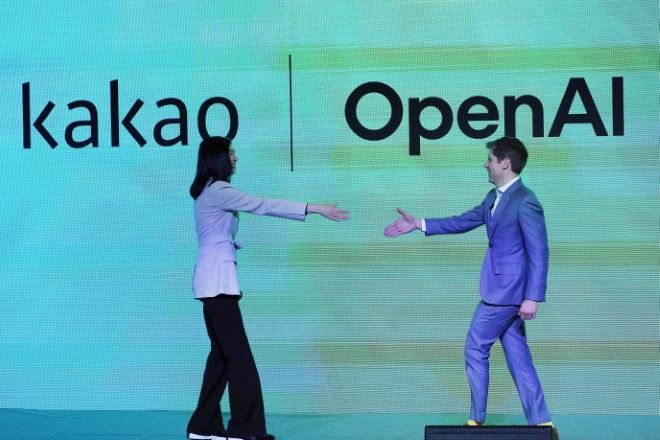
Sheikh Mohammed bin Zayed Al Nahyan received Sam Altman, chief executive of OpenAI, in Abu Dhabi on Saturday, where they engaged in talks designed to deepen AI collaboration between UAE institutions and OpenAI. The meeting concentrated on intensifying research cooperation, advancing practical AI applications, and aligning strategies to bolster the UAE’s integrated AI ecosystem. The UAE’s state media noted the partnership “aligns with the UAE’s ambition to […]

The Dubai Financial Services Authority has issued a decision notice barring HDFC Bank’s Dubai International Financial Centre branch from onboarding or engaging new clients, citing deficiencies in its onboarding procedures and promotional practices.

Under the DFSA’s directive dated 25 September 2025, the branch is prohibited from soliciting or conducting any business with clients who had not already completed the onboarding process by that date. The restrictions span across a range of financial services: advising on financial products, arranging investment deals, arranging or advising credit, custody services, and engaging in financial promotions.

HDFC Bank has confirmed the measure, stating the branch’s Dubai operations are not “material to [the] overall business or financial position.” It said it has initiated steps to engage with the DFSA and address the regulator’s concerns.

Existing customers of the DIFC branch remain unaffected by the decision, and clients who had already been offered services may still be served.

The DFSA’s public register confirms the restrictions imposed on HDFC DIFC under Article 75 of the Regulatory Law 2004.

Concern over HDFC’s UAE operations has been mounting since investigations linked to the mis-selling of Credit Suisse Additional Tier-1 bonds surfaced. High-net-worth non-resident Indian investors alleged that HDFC’s UAE arms had pushed leveraged exposure to these risky instruments without adequate disclosure. When Credit Suisse’s AT1 bonds were written down in 2023, several clients in the Middle East faced losses and margin calls.

Regulatory scrutiny has coalesced around whether the branch’s client onboarding systems sufficiently aligned with the stricter DIFC regime for assessing and classifying “professional clients.”

Observers note that the regulatory move at HDFC’s DIFC arm fits a broader trend in the UAE: ensuring that financial institutions operating in its free zones adhere to rigorous compliance standards. While the central bank has in recent months fined other banks and suspended new customer intake over Sharia or anti-money laundering violations, this is a rare case targeting the onboarding practices of a foreign bank’s offshore branch.

Market analysts suggest the restriction could dampen HDFC’s ambitions in the Gulf region. The DIFC branch caters largely to high-net-worth and institutional clients, a growing segment across the Middle East.

Analysts also note that, though the branch is currently a limited part of HDFC’s global footprint, reputational damage and extended regulatory enforcement could constrict cross-border investment programmes tied to its UAE hub.

HDFC’s next steps include formal remediation under DFSA oversight, and the bank will need to demonstrate that its compliance and client due diligence processes meet the regulator’s expectations. Meanwhile, the directive will remain active until the DFSA issues a written amendment or revocation.

Beacon Media, the entertainment venture co-founded by wellness advocate Dr Deepak Chopra, has joined forces with MovieVerse Studios — the mainstream content arm of IN10 Media Network — to launch a content alliance aimed at elevating storytellers across the Global South. The partnership seeks to establish a “borderless content ecosystem” connecting Hollywood, India, the Middle East, Africa and Latin America — with a prospective audience reach exceeding […]

Nasdaq Dubai has admitted a US$450 million Sukuk issued by Arada Developments LLC under Arada Sukuk 2 Limited’s US$1 billion trust certificate programme. The securities carry a maturity in 2030 and were priced at a profit rate of 7.150 percent. The offering drew orders in excess of US$2 billion, representing over four times oversubscription. The listing increases Arada’s cumulative Sukuk outstanding on the exchange to US$1.5 billion […]

Abu Dhabi — The Strategic Directions Committee of the UAE Research Programme for Rain Enhancement Science has completed a midterm site visit to Mohamed bin Zayed University of Artificial Intelligence, assessing progress on its Cycle 5 project “Identification of Clouds’ Microphysical Seedability in an Actionable Manner.” Led by Prof. Daniel Rosenfeld of the Hebrew University of Jerusalem, the initiative is executed in partnership with the National Centre […]

Dubai is gearing up to host the third edition of the Invest Web3 Forum, powered by bepay money, assembling over $500 billion in assets under management and more than 80 institutional investors. The one-day gathering, slated for 15 October at Dubai Knowledge Park, seeks to advance institutional adoption of blockchain through capital allocation, policy dialogue and startup investing. Market watchers point to the forum as a bellwether […]

Arada has acquired a 75 percent stake in London-based residential developer Regal as part of a Dhs 2.5 billion investment that marks its first UK foray and second international expansion after Australia. The UK business will be rebranded as Arada London, with an ambition to turbocharge Regal’s pipeline from 10,000 units across 11 projects to over 30,000 within three years.

The acquisition was formalised in a ceremony attended by Sheikh Sultan bin Ahmed bin Sultan Al Qasimi, Chairman of Arada. Arada’s Group CEO, Ahmed Alkhoshaibi, said that more than half of the capital will be channelled into accelerating development and securing new land parcels. He described the London market environment as one presenting “right opportunities to acquire the right sites at the right price”.

Regal’s chief executive, Jonathan Seal, and the existing executive team will remain in post after the transaction. Seal remarked that Arada’s alignment with Regal’s strategic values and long-term vision made it a fitting partner to lead the next phase of growth.

The deal gives Arada an immediate platform in London, tapping into Regal’s diversified portfolio, which spans for-sale residential units, purpose-built student accommodation, and mixed-use regeneration schemes. Among ongoing developments is the Fulton & Fifth project in Wembley, comprising 876 homes of which 40 percent are designated as affordable housing, and Orchard Wharf in Tower Hamlets, which recently secured approval for 1,365 student beds and 200 homes.

Analysts see strategic logic in entering London via acquisition rather than greenfield development, citing the complexities and regulatory friction in the UK housing sector. Arada’s move follows a wave of Gulf-based developers expanding into London, including Damac, Aldar, and Modon, often via partnerships or subsidiaries.

However, entering the London residential market is not without risk. Regal’s 2024 accounts showed £252 million in short-term debt, contrasted against £196 million of investment property, reflecting potential balance-sheet stress. The UK housing sector continues to face headwinds from construction inflation, planning delays, and demand volatility.

Arada has defended the timing. Alkhoshaibi stated that entering markets when sentiment is subdued allows for acquiring desirable assets at lower cost, positioning for upside when conditions recover. He noted that Arada’s approach is to maintain momentum in its UAE operations while layering growth abroad.

Beyond the UK, Arada is also contemplating further regional expansion. The company is reportedly in discussions with Saudi Arabia’s Public Investment Fund about a large mixed-use project in the kingdom. In the UAE itself, Arada plans a Dhs 3 billion development project in Ras Al Khaimah next year, reinforcing its domestic footprint.

VISHNU RAJA
RYO YAMADA
HITORI GOTOH
IKUYO KITA