News related to
UAE News

BENEFIT, Bahrain’s leading fintech and electronic financial transactions service provider, has formalised a partnership with haifin, an e& enterprise company from the UAE, aiming to revolutionise Bahrain’s banking sector. This collaboration is poised to enhance financial resilience and foster innovation across the industry.

Established in the UAE in 2021, haifin has a proven track record in de-risking trade finance lending. The platform employs advanced technologies, including blockchain and artificial intelligence, to detect and prevent fraud in real-time. To date, haifin has safeguarded over $150 million for its consortium members by identifying and mitigating fraudulent activities.

The strategic alliance between BENEFIT and haifin is set to bolster Bahrain’s banking industry’s ability to manage risks and combat fraud, particularly within trade finance. By integrating haifin’s cutting-edge solutions, Bahraini banks are expected to experience increased lending confidence, leading to higher revenues and improved access to liquidity for small and medium-sized enterprises and corporate borrowers.

The official signing ceremony took place at BENEFIT’s headquarters in Bahrain. Abdulwahed AlJanahi, Chief Executive of BENEFIT, emphasised the significance of this partnership, stating that it represents a pivotal step in strengthening Bahrain’s financial ecosystem through advanced technology. He noted that by providing banks with state-of-the-art tools to proactively combat fraud and streamline trade finance, the sector is empowered to operate with unparalleled efficiency and confidence. This collaboration aims to reinforce trust, security, and innovation at the core of the industry’s future, setting the stage for a more resilient and digitally advanced banking landscape in Bahrain.

Zul Javaid, Chief Executive of haifin, highlighted the importance of this partnership, noting that after their success in the UAE and ambition to address similar challenges across the Middle East and Africa region, this collaboration with BENEFIT marks a major milestone. Together, they aim to deliver advanced technology solutions that enhance risk management, ultimately driving growth for banks.

Since its inception, haifin has expanded its network from seven banks in 2021 to 15 lending institutions, including 13 major UAE banks and two fintech companies. The platform has processed transactions exceeding AED 200 billion and has identified potential frauds amounting to several million dirhams. Handling over 4 million data points monthly, haifin’s machine learning capabilities continue to evolve, offering robust solutions to its members.

This partnership aligns with Bahrain’s broader efforts to enhance its financial infrastructure. Earlier this month, the Ministry of Industry and Commerce signed a Memorandum of Understanding with BENEFIT to develop a corporate credit rating system. This initiative aims to provide accurate and transparent credit ratings, facilitating SMEs’ access to necessary financing and promoting investment across the country.

Arabian Post Staff With the GCGRA continuing to license gaming vendors, the UAE is expected to introduce new gaming products, including lotteries, prize draws, and integrated gaming systems for both online and land-based casinos. Although Internet and Sports Wagering licenses have yet to be approved, industry experts predict that 2025 could bring regulatory changes, with potential breaking news on online gaming licenses. Meanwhile, the focus remains on physical casinos and lottery expansions, shaping the UAE’s […]

  The Middle East’s rapid digital transformation has created both opportunities and vulnerabilities. As cyberattacks on financial institutions, government agencies, and energy sectors rise, organizations are increasingly turning to biometric multi-factor authentication (MFA) as a critical security measure. Traditional password-based authentication is no longer sufficient to combat modern cyber threats. As cybercriminals deploy AI-driven attacks, phishing schemes, and credential-stuffing techniques, biometric MFA has emerged as a more […]

The Middle East and North Africa region is poised for a strong year of initial public offerings in 2025, with Saudi Arabia set to dominate the market, according to recent analysis. With 27 potential listings on the horizon, Saudi Arabia continues to assert itself as the powerhouse of regional IPO activity. As the world economy begins to stabilize post-pandemic, the Middle East’s capital markets are set to […]

Dubai has rapidly emerged as a global hub for cryptocurrency and blockchain technology, attracting investors, entrepreneurs, and innovators worldwide. This ascent is largely attributed to the emirate’s progressive regulatory framework, which aims to foster innovation while ensuring compliance with international standards. However, this balancing act presents a complex challenge: how can Dubai promote the growth of the crypto industry while adhering to the stringent guidelines set by global watchdogs like the Financial Action Task Force ?

In recent years, Dubai has implemented a series of initiatives to position itself at the forefront of the digital asset revolution. The establishment of the Virtual Assets Regulatory Authority exemplifies this commitment. VARA is tasked with overseeing the regulation, licensing, and governance of virtual assets within the emirate, ensuring that all crypto-related activities align with both local and international laws. This proactive approach has been pivotal in attracting major players in the crypto space to set up operations in Dubai.

A significant aspect of Dubai’s strategy is its favorable tax environment. The city imposes zero percent personal income tax and capital gains tax, extending this benefit to gains from cryptocurrency activities such as disposals, staking, and mining for individuals. This tax incentive has made Dubai an appealing destination for crypto investors and businesses seeking a conducive environment for growth.

Dubai has embraced blockchain technology across various sectors. The Dubai Land Department, for instance, has integrated blockchain into its operations, enhancing transparency and efficiency in real estate transactions. Such initiatives underscore the emirate’s dedication to leveraging technology to improve public services and drive economic growth.

However, with innovation comes the responsibility of ensuring that these new technologies are not misused. The FATF, an international body that sets standards for combating money laundering and terrorist financing, has been closely monitoring developments in the virtual asset space. It has issued binding standards to prevent the misuse of virtual assets, emphasizing the need for robust regulatory frameworks.

One of the key FATF recommendations is the “Travel Rule,” which mandates that Virtual Asset Service Providers obtain and share identifying information about the originator and beneficiary of virtual asset transfers exceeding a certain threshold. This measure aims to enhance transparency and deter illicit activities within the crypto ecosystem.

Dubai, through VARA, has taken steps to align with these international standards. Effective from October 1, 2024, VARA introduced new marketing regulations for virtual assets, requiring businesses to comply with specific guidelines when promoting crypto-related activities. This move ensures that marketing practices are transparent and do not mislead consumers, thereby fostering a safer investment environment.

The UAE amended its Value Added Tax regulations in November 2024, exempting most transactions involving virtual assets from the standard 5% VAT. This exemption reflects the government’s intent to encourage the use of virtual assets in everyday transactions, integrating them more seamlessly into the economy.

Despite these advancements, challenges persist. The rapid evolution of the crypto industry often outpaces regulatory developments, necessitating continuous updates to existing laws and guidelines. Additionally, while Dubai’s regulatory environment is conducive to innovation, it must remain vigilant to prevent potential misuse of virtual assets for illicit purposes.

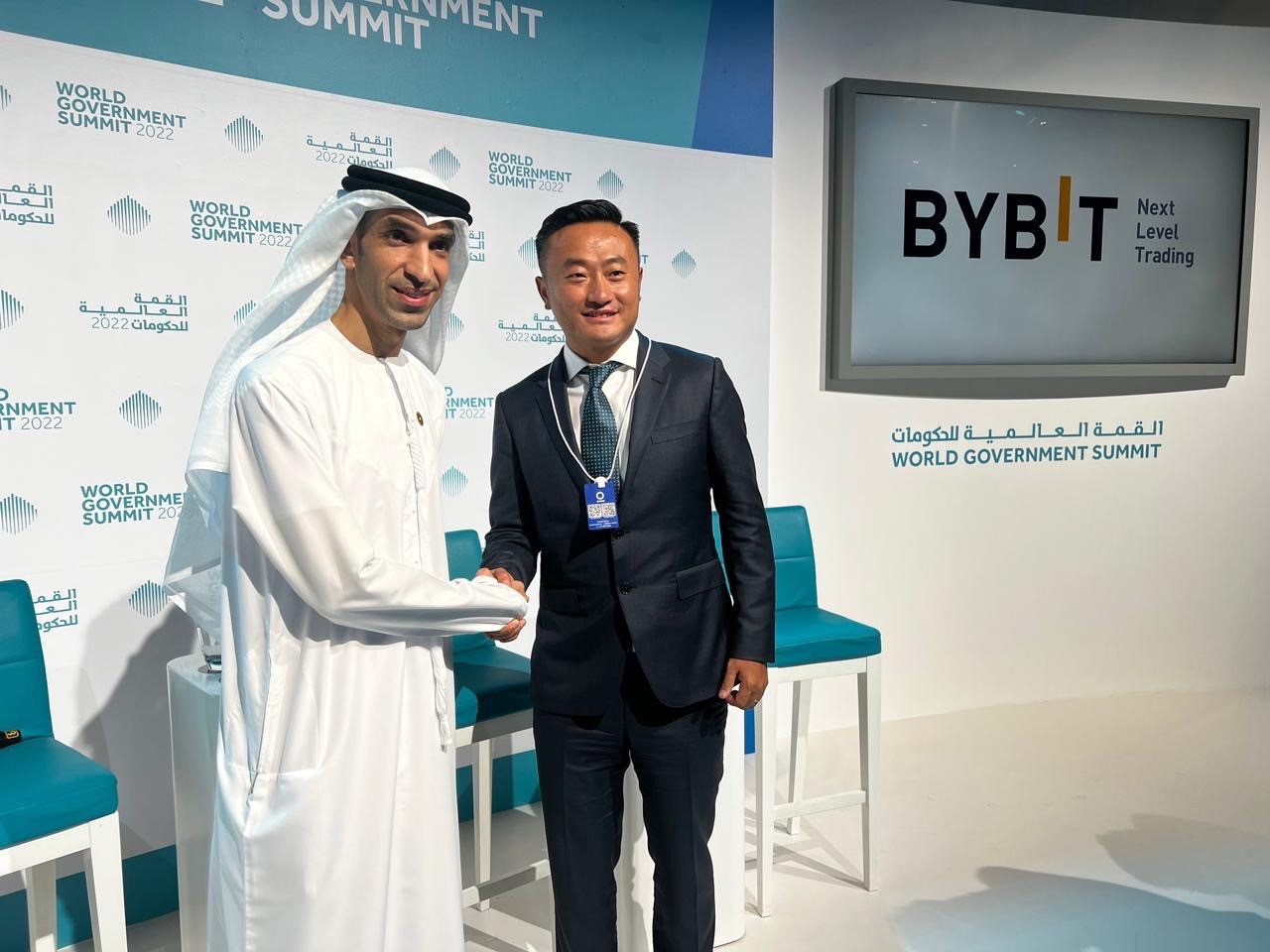
DUBAI, UAE – Media OutReach Newswire – 11 February 2025 – The World Government Summit, known as “the world’s largest and most influential” intergovernmental forum, was held in Dubai, UAE, from 11 to 13 February. Themed as “Shaping Future Governments”, the Summit attracts about 6,000 participants, including more than 30 heads of state and government, over 80 heads of international organizations and 140 government delegations. The Summit […]

The United Arab Emirates is intensifying its commitment to sustainable transportation by planning to install 500 electric vehicle charging stations nationwide by the end of 2025. This initiative aims to support the growing adoption of EVs and reduce carbon emissions, aligning with the country’s broader environmental objectives. Sharif Al Olama, Under-Secretary for Energy and Petroleum Affairs at the Ministry of Energy and Infrastructure, announced that over 100 […]

Advertisements

The Gulf Cooperation Council is on track to see its debt capital market exceed $1 trillion in outstanding issuances by the end of 2025, driven by government initiatives aimed at market development, economic diversification, and the need to fund fiscal deficits and upcoming debt maturities. Fitch Ratings reports that the DCM in the GCC reached $940 billion by the close of the first quarter of 2024, marking a 7% year-on-year increase.

Saudi Arabia and the United Arab Emirates lead the region’s DCM, holding 43% and 30% of the market share, respectively. Approximately 40% of the GCC’s outstanding debt comprises sukuk, with the remainder in conventional bonds. Fitch Ratings, which assesses over 70% of the GCC’s US dollar-denominated sukuk, notes that 81% of these are investment-grade, with no defaults reported.

The anticipated growth in debt issuances is attributed to several factors, including projected declines in oil prices to $65–$70 per barrel in 2025 and 2026, which may prompt increased sovereign borrowing to cover budgetary shortfalls. Additionally, government-led initiatives to enhance debt capital markets and diversify funding sources are expected to play a significant role. Bashar Al Natoor, Global Head of Islamic Finance at Fitch Ratings, emphasizes that “most GCC countries have come a long way in developing their DCMs, with the bloc now accounting for almost a third of total emerging-market dollar issuance, excluding China.”

Despite these advancements, the GCC’s debt capital markets remain less mature compared to more developed regions and exhibit varying stages of development across member states. Saudi Arabia and the UAE possess the most advanced markets, while Qatar and Oman have seen contractions due to debt repayments. Kuwait’s absence of a debt law limits its funding options, and Bahrain continues to rely heavily on DCM access and support from other GCC nations amid persistent deficits.

In the banking sector, GCC banks are projected to issue over $30 billion in US dollar-denominated debt in 2025, a decrease from the record $42 billion issued in 2024. This decline is partly due to the maturation of approximately $23 billion in existing debt, with Qatari banks accounting for about a third of these maturities, and UAE and Saudi banks each representing around a quarter. Fitch Ratings anticipates that most additional Tier 1 instruments with first call dates in 2025 and 2026 will be called, given favorable financing conditions.

The US Federal Reserve is expected to reduce interest rates by 100 basis points in 2025, potentially leading to more favorable financing conditions for GCC banks. Strong credit growth, particularly in Saudi Arabia and the UAE, is also anticipated to support further issuances. In 2024, GCC banks’ US dollar debt issuance reached an unprecedented level, driven by high credit growth in Saudi Arabia, efforts to diversify funding bases, and substantial debt maturities.

Dubai Electricity and Water Authority has announced a significant change in its water consumption measurement, transitioning from the imperial gallon to the cubic metre starting with the March 2025 billing cycle. This move aligns with Cabinet Resolution No. of 2023 and Ministerial Resolution No. of 2024, issued by the Ministry of Industry and Advanced Technology, which mandate the discontinuation of the imperial gallon unit in water meters across the UAE.

Saeed Mohammed Al Tayer, MD & CEO of DEWA, emphasized the importance of this transition, stating that adopting the cubic metre as a uniform and globally recognized measurement unit is a significant step towards enhancing alignment with international best practices. He noted that this change would facilitate benchmarking across sectors and support DEWA’s efforts to provide world-class services, ultimately benefiting customers and stakeholders.

To ensure a smooth transition, DEWA has confirmed that the current smart meters installed for customers are already compatible with the cubic metre measurement system, eliminating the need for any changes to customers’ meters. During the preparatory phase, DEWA will include both units in water bills and on the customer dashboard. The final adoption of the new unit will take effect with the March 2025 billing cycle. Customers will be informed of the change through official communication channels.

This initiative reflects DEWA’s commitment to adhering to local and international regulations to ensure services meet the highest standards of quality, efficiency, reliability, and availability. By aligning with international best practices, DEWA aims to enhance its leadership in innovation and sustainability.

The adoption of the cubic metre as the standard unit for measuring water consumption is expected to provide customers with a clearer understanding of their water usage, promoting more efficient consumption patterns. This change also aligns DEWA with other utilities in the UAE, fostering a unified approach to resource management across the nation.

In the lead-up to the March 2025 implementation, DEWA plans to engage in extensive customer outreach to ensure that all users are well-informed about the upcoming changes. This will include detailed explanations of the new billing units and guidance on interpreting water consumption data in cubic metres.

The shift from the imperial gallon to the cubic metre is part of a broader strategy to modernize utility services in Dubai. By standardizing measurement units, DEWA aims to improve transparency in billing and enhance customer satisfaction.

The UAE’s rapidly expanding mega projects in sectors like infrastructure, renewable energy, and real estate are creating a surge in sukuk and bond issuances. As the country follows a clear strategic vision that integrates sustainability into its economic policies, these initiatives are expected to continue influencing the financial landscape in the coming years. With large-scale developments such as Expo 2020’s legacy projects, smart cities, and green energy […]

Abu Dhabi National Oil Company and Austria’s OMV have confirmed ongoing negotiations to establish a new global leader in the polyolefins sector. The merger, which would combine ADNOC’s Borouge, OMV’s Borealis, and Canada’s Nova Chemicals, is poised to create one of the world’s largest polyolefin groups. The two companies described the discussions as progressing in a “constructive and positive manner.”

Both ADNOC and OMV have been increasing their focus on expanding their footprint in the chemicals and petrochemicals sectors, particularly in polyolefins, which are critical for manufacturing a wide range of products, from packaging materials to automotive components. The merger would not only boost the companies’ market positions but also position the new entity as a major player in the global chemicals market.

The polyolefins industry has seen steady growth in recent years, driven by demand for packaging, consumer goods, and industrial applications. The merger, if completed, would give the combined entity a significant advantage in this competitive market, leveraging the resources and technological expertise of each participant. Experts suggest that the combined scale and enhanced capabilities could make the group a leader in producing polyethylene and polypropylene, two of the most widely used plastics globally.

ADNOC’s Borouge, based in the UAE, has been a key player in the polyolefins market for years, with a focus on high-quality, innovative products. Meanwhile, Borealis, controlled by OMV, is a leading European chemicals company with an established presence in polyolefins and advanced chemicals. Nova Chemicals, a wholly owned subsidiary of Canada’s Mubadala Investment Company, brings further expertise and production capacity to the table.

The merger would allow the three companies to capitalize on each other’s strengths. Borouge, for instance, has extensive experience in the Middle East and Asia, while Borealis has a strong European and North American footprint. Nova Chemicals’ established position in North America would be complemented by the global reach of the other two. Together, the companies would form a formidable force in both developed and emerging markets, ensuring a diversified supply chain and the ability to serve a broader range of industries.

This deal comes at a time when the polyolefins market is facing new challenges and opportunities. As the global demand for sustainable materials rises, the new entity may also benefit from growing interest in recyclable and eco-friendly plastic alternatives. Industry analysts speculate that the merger could help the group meet these demands by accelerating research into more sustainable production methods and product offerings.

The proposed combination would also be a notable shift in ADNOC’s strategy. Historically, the company has been heavily involved in the exploration and production of oil and gas. However, the increasing focus on petrochemical expansion aligns with broader regional goals to diversify the economy and reduce dependence on crude oil exports. By increasing its stake in high-value industries like polyolefins, ADNOC could secure more stable revenue streams in the coming years, particularly as global demand for petrochemicals continues to rise.

For OMV, the deal represents a significant opportunity to consolidate its position in the chemicals sector, aligning with its long-term strategy of enhancing its refining and petrochemical operations. The company has been expanding its portfolio in this space and aims to increase the contribution of chemicals to its overall business, helping to buffer against the volatility of oil and gas prices.

The announcement of the merger talks has raised questions about the potential regulatory hurdles the companies may face, particularly in Europe, where anti-trust laws are stringent. The deal would need to be assessed by competition regulators to ensure that the merger does not significantly reduce competition in the polyolefins market. Both ADNOC and OMV have stated that they are committed to ensuring compliance with all regulatory requirements.

Despite these challenges, analysts remain optimistic about the potential benefits of the deal. A merger of this scale would enable the combined company to drive innovation, improve efficiency, and leverage economies of scale. The global polyolefins market, valued at tens of billions of dollars, could see a new dominant player emerge, with the capacity to set trends and dictate pricing across key regions.

In addition to the market implications, the merger could reshape the supply chain dynamics for polyolefins. By merging production capacities and expanding global reach, the new group would be better positioned to serve large multinational customers who rely on polyolefins for various applications. This could include sectors like automotive, packaging, and construction, all of which are seeing shifts toward higher performance and more sustainable materials.

NEW DELHI: Skilling and job creation will be a major theme in the Budget as government seeks to fill a critical gap and in the process boost income and demand in the economy.   Indian companies are looking for skilled workers, including at construction sites within the country, and the skilling initiative will help meet […]

MANTRA, a blockchain platform for tokenizing real-world assets , has finalized a significant $1 billion agreement with DAMAC Group, a leading investment conglomerate in the UAE. This strategic partnership, announced on January 9, focuses on the tokenization of various assets within the Middle East region, bringing blockchain innovation into a thriving market.

The agreement underscores MANTRA’s commitment to expanding the use of decentralized finance solutions for asset management, leveraging blockchain’s potential to revolutionize traditional industries. DAMAC, known for its prominent presence in the real estate sector, will collaborate with MANTRA to tokenize a range of physical and financial assets, making them accessible through the blockchain.

DAMAC Group, founded by billionaire Hussain Sajwani in the early 2000s, has diversified its investments into several sectors, including real estate, hospitality, and entertainment. The company’s high-profile developments include luxury residential towers and resorts, which have shaped Dubai’s skyline. With a reputation for delivering upscale properties, DAMAC has long been recognized as one of the most influential developers in the region. By embracing blockchain technology, the firm seeks to modernize asset management and broaden the scope of its investment strategies.

MANTRA, on the other hand, has been gaining traction in the blockchain space for its unique approach to tokenizing real-world assets, including properties, commodities, and financial instruments. The platform’s capabilities allow users to invest in traditional assets using blockchain technology, enhancing liquidity and enabling fractional ownership. This process democratizes access to high-value assets, which was previously out of reach for smaller investors.

The partnership’s centerpiece is the tokenization of real estate assets, one of the most significant areas of focus. By converting physical properties into digital tokens, MANTRA and DAMAC aim to make real estate investment more inclusive and accessible. Investors can now trade or hold fractional ownership of properties without the traditional barriers of entry, such as the need for large capital investments or navigating complex ownership structures.

For DAMAC Group, this partnership represents an opportunity to broaden its investor base, reaching not only institutional investors but also individuals seeking exposure to high-end real estate. The ability to tokenize properties provides greater flexibility in managing assets and allows for more efficient transactions, as blockchain technology ensures transparency and reduces the need for intermediaries.

On a broader scale, the partnership aligns with global trends in digital finance, where the tokenization of real-world assets is seen as the next frontier for blockchain technology. While still a relatively new concept, the market for tokenized assets is rapidly growing, driven by increasing demand for alternative investment opportunities and the potential for blockchain to streamline asset trading.

The collaboration is also expected to have a broader economic impact in the UAE. The country has positioned itself as a global hub for technology and innovation, with several initiatives promoting the adoption of blockchain and other emerging technologies. This agreement between MANTRA and DAMAC highlights the UAE’s continued efforts to integrate cutting-edge technologies into traditional industries such as real estate.

Tokenization has the potential to address several challenges in the real estate sector, including illiquidity, high transaction costs, and the complexity of cross-border investments. Blockchain’s decentralized nature provides enhanced security and reduces the risks typically associated with traditional financial systems. Through tokenization, investors can gain access to a much broader array of real estate opportunities, including properties that were once considered inaccessible due to geographic or financial constraints.

The agreement between MANTRA and DAMAC could pave the way for future collaborations with other players in the real estate and investment sectors, both in the UAE and beyond. With the rise of digital assets, there is an increasing need for traditional businesses to adapt to the changing landscape of finance. Blockchain and tokenization offer a solution that meets this need, providing greater transparency, security, and efficiency in asset transactions.

The tokenization of RWAs is not just limited to real estate. Other sectors, including commodities, art, and even intellectual property, are beginning to explore how blockchain can enhance their operations. This trend is expected to accelerate in the coming years, as more businesses realize the potential benefits of tokenizing their assets. In this context, the MANTRA-DAMAC partnership could serve as a model for other companies looking to tap into the growing market for blockchain-based asset management.

As the global economy continues to evolve, so too does the role of blockchain in reshaping traditional industries. The MANTRA-DAMAC collaboration is a clear example of how blockchain technology can be leveraged to unlock new opportunities, reduce friction in asset transactions, and foster a more inclusive financial ecosystem. The success of this partnership will likely have far-reaching implications for the future of asset tokenization, setting the stage for further innovation in the years ahead.

and its selection into UNESCO World Cultural Heritage list SHANGHAI, CHINA – Media OutReach Newswire – 29 January 2025 – Shanghai extends an invitation to landmarks and towers from cities across four continents to light up in red and celebrate the first Spring Festival as UNESCO World Cultural Heritage. The Oriental Pearl Tower and Shanghai Tower, two of Shanghai’s iconic landmarks, is teaming up with members of […]

DUBAI, UAE – Media OutReach Newswire – 28 January 2025 – AstraZeneca, a leading multinational pharmaceutical and biotechnology company, has been recognized as the second-best place to work across the Middle East for 2024 according to the annual prestigious “Best Places to Work” ranking. The company achieved remarkable country-specific ranking in the Best Places to Work certification, including being named the Best Place to Work for Women […]

Abu Dhabi-based Eagle Hills has unveiled plans for a transformative $5.5 billion investment in Georgia, set to reshape the nation’s infrastructure and tourism sectors. The ambitious initiative, which marks one of the most substantial foreign investments in the region in recent years, is expected to drive significant economic growth and bolster Georgia’s position as a key player in the Caucasus. The announcement comes after several months of […]

HAIKOU, CHINA – Media OutReach Newswire – 24 January 2025 – Recently, the Hainan Free Trade Port in southern China has launched various events featuring intangible cultural heritage to celebrate the Spring Festival. Visitors can look forward to abundant sunshine, a rich cultural legacy, verdant rainforests, and warm hospitality over the holiday season. Hainan has planned 300 programs to highlight its intangible cultural heritage. Festival, the social […]

By Saifur Rahman The UAE economic growth is expected to remain healthy at around 4 percent while fiscal surplus is expected to decline to 4 percent of GDP this year from an estimated 5 percent of GDP last year, the International Monetary Fund said. This is slightly lower than the projections made by the Central Bank of the UAE (CBUAE) which last month projected the UAE’s real […]

SINGAPORE – Media OutReach Newswire – 23 January 2025 – A groundbreaking study has revealed that INDIBA Proionic 448kHz + 20kHz technology significantly promotes the proliferation of Mesenchymal Stem Cells (MSCs), unlocking new possibilities in beauty, wellness, and regenerative medicine. This research underscores the transformative potential of non-invasive radiofrequency treatments for improving everyday health and well-being, inspiring healthcare professionals and individuals interested in beauty and wellness technologies […]

Etihad Rail has launched the region’s first “CO2 Emission Avoidance and Reduction Certificates,” enabling businesses to quantify and validate the carbon savings achieved by choosing rail over alternative transport modes. This initiative aligns with the UAE’s Net Zero by 2050 Strategy and supports the nation’s climate change agenda. The certificates, powered by EcoTransIT, a globally recognized tool for assessing the environmental impact of transport, calculate CO2 Equivalents […]

TOKYO, JAPAN/HONG KONG SAR – Media OutReach Newswire – 16 January 2025 – Real estate private equity firm Gaw Capital Partners, today announces the acquisition of 45% stake in Agility Asset Advisers Inc. (AAA). This strategic partnership with Agility Asset Advisers Inc. further enhances Gaw Capital’s corporate profile and reputation in the Japan real estate market, amplifies its deal sourcing and asset management capabilities, and opens up […]

Masdar, the UAE-based renewable energy powerhouse, has announced a monumental venture in the Philippines, committing $15 billion towards the development of clean energy projects. This move marks a pivotal expansion for Masdar, aiming to bolster its growing footprint in Southeast Asia while contributing to the Philippines’ ambitious climate goals. The decision to enter the Philippine market comes as the country intensifies its efforts to transition to renewable […]

The United Arab Emirates’ state-owned energy firm, Masdar, has entered the Philippine renewable energy market by signing a $15 billion agreement to develop solar, wind, and battery energy storage systems. This initiative aims to deliver up to 1 gigawatt (GW) of clean power by 2030, with plans to scale up to 10 GW by 2035. Philippine Energy Secretary Raphael Lotilla described the partnership as a transformative step […]

Kenya has found a new partner for its ambitious railway expansion project, turning to the United Arab Emirates after China scaled back its financial commitment to the initiative. The move comes at a time when Kenya is striving to complete its multi-billion-dollar railway infrastructure plans aimed at connecting key cities and boosting economic activity. The shift in Kenya’s funding strategy emerged following a reduction in the financing […]

VISHNU RAJA
RYO YAMADA
HITORI GOTOH
IKUYO KITA