News related to
UAE News

The adoption of Central Bank Digital Currencies (CBDCs) in the UAE is fostering closer collaboration between financial institutions and FinTech companies, marking a transformative shift in the country’s financial landscape. In response to the rapid advancement of digital currencies, the UAE government and its financial regulators have emphasized the importance of integrating CBDCs into the nation’s economy. This development is shaping the future of financial transactions and reshaping the relationship between traditional banks and emerging FinTech players.

The UAE’s Central Bank has been at the forefront of digital currency discussions, focusing on exploring a digital dirham, which could enhance the country’s financial infrastructure. The initiative, as part of a broader effort to modernize the financial system, is seen as a strategic move to diversify the nation’s economy, reduce its reliance on oil, and boost its global competitiveness. Banks are now working closely with FinTech firms to understand and integrate CBDCs, aligning with the government’s vision of becoming a hub for digital finance innovation.

One of the driving forces behind this collaboration is the need to create a more efficient and secure payment system. CBDCs, unlike cryptocurrencies, are state-backed and carry the guarantee of the central bank. This makes them an attractive proposition for banks, which are seeking to improve their payment systems while staying ahead of the competition in a rapidly digitizing market. For FinTech companies, the introduction of CBDCs offers a unique opportunity to expand their services, leveraging blockchain technology and other digital tools to enhance financial inclusion and streamline transactions.

Among the key players in this space are traditional banks such as Emirates NBD, First Abu Dhabi Bank (FAB), and Mashreq Bank, which are increasingly working with technology providers and startups to develop CBDC solutions. These banks are testing various use cases for digital currencies, including faster cross-border payments, improved customer experiences, and more secure digital wallets. By collaborating with FinTech firms, these banks aim to bridge the gap between traditional banking services and the fast-evolving digital economy.

FinTech companies, on the other hand, are seizing this moment to expand their footprint in the UAE’s financial sector. Many have already established partnerships with banks to develop CBDC platforms that are more agile and adaptable to user needs. These firms are leveraging their expertise in areas like digital payments, cybersecurity, and blockchain to build innovative solutions that can seamlessly integrate with the UAE’s financial ecosystem. As digital currencies become more mainstream, these partnerships between banks and FinTech firms are expected to accelerate, leading to the rapid development of CBDC infrastructures.

One notable collaboration between traditional banks and FinTech firms is the establishment of new payment systems, which will enable faster, more secure transactions. For instance, several financial institutions are exploring the use of blockchain technology to create a more efficient digital payment infrastructure. Blockchain’s decentralized nature offers enhanced security, transparency, and reduced transaction fees—features that are appealing to both banks and consumers.

The UAE’s regulatory environment plays a crucial role in facilitating these partnerships. The Central Bank has been proactive in introducing regulations that support the development of digital currencies while ensuring financial stability. In 2024, the Central Bank announced that it would begin testing a digital dirham, focusing on its integration with existing financial systems. The success of these trials could lead to the widespread adoption of CBDCs, which could further enhance the UAE’s position as a regional leader in digital finance.

The UAE’s ongoing push towards financial innovation is supported by the Dubai International Financial Centre (DIFC), which serves as a hub for global FinTech companies. The DIFC has established itself as a key player in attracting investment in digital finance and supporting the development of blockchain-based solutions. The centre’s efforts are complemented by the UAE’s broader ambition to integrate artificial intelligence (AI) and blockchain into financial services, further driving the collaboration between banks and FinTech firms.

Despite the promise that CBDCs hold, there are still challenges to overcome. Security concerns, the risk of cyber-attacks, and regulatory uncertainties remain top of mind for both banks and FinTech companies. To address these issues, collaboration between financial institutions, technology providers, and regulators will be critical. As these stakeholders continue to work together, they will need to develop robust cybersecurity frameworks and ensure that the legal and regulatory frameworks are agile enough to accommodate the rapid pace of digital innovation.

Another challenge is the need for public awareness and education. While the benefits of CBDCs are widely recognized within the financial industry, consumer adoption remains a key hurdle. Banks and FinTech companies are tasked with educating their customers about the advantages of digital currencies, including faster transaction times, lower fees, and greater financial inclusion. The success of CBDC integration depends not only on the technological and regulatory landscape but also on how well these digital currencies are received by the public.

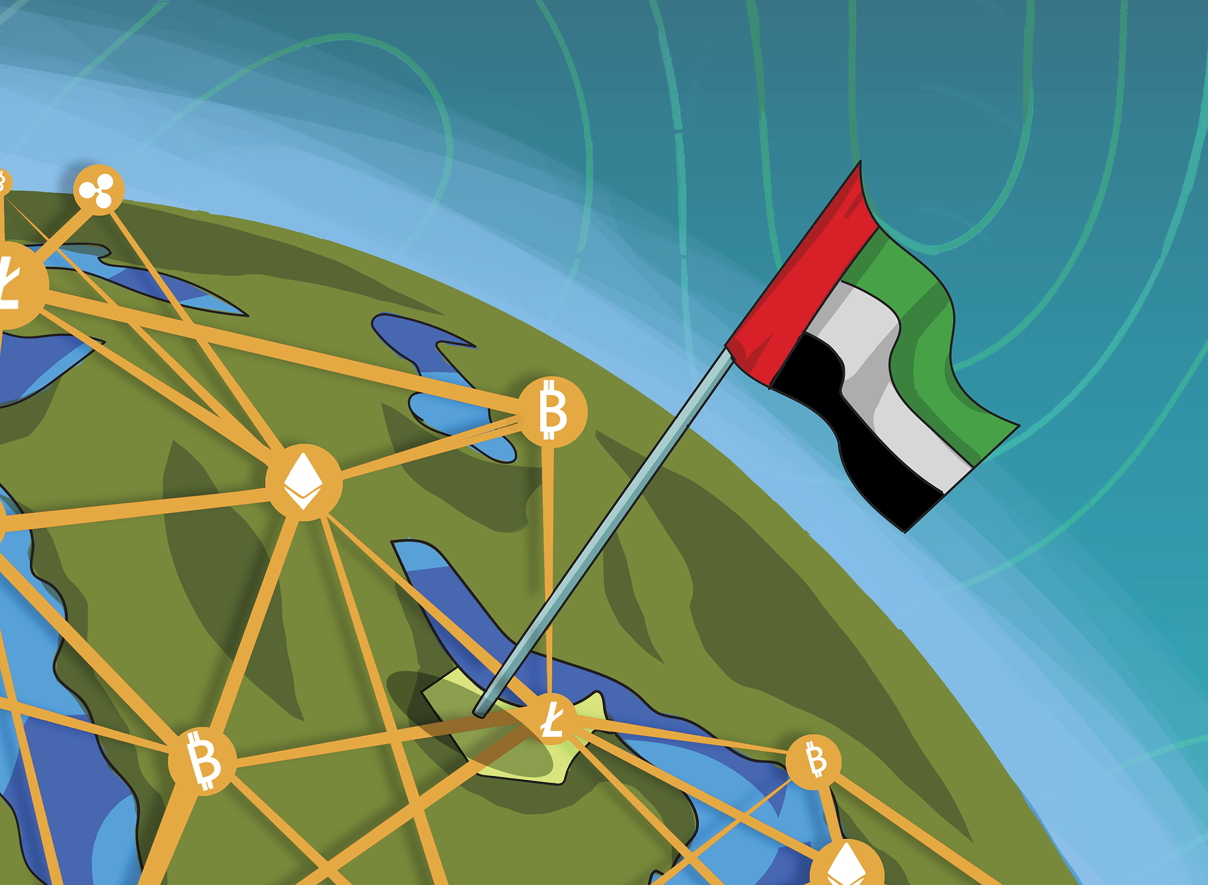
Stablecoin usage in the UAE has surged by 55% over the past year, signaling a growing acceptance of digital currencies within the country’s economic and regulatory landscape. As the UAE implements clearer crypto regulations and prepares for innovative developments, such as the issuance of the dirham-pegged stablecoin (DGX), the government aims to balance innovation with compliance. This approach reflects a growing global trend where regulatory frameworks adapt to crypto assets, fostering an environment in which stablecoins play an increasingly prominent role in daily transactions and investment.

The UAE has quickly emerged as one of the more progressive nations in the Middle East concerning digital finance. In 2022, the country introduced the Virtual Asset Regulatory Authority (VARA) in Dubai to govern digital assets, making it the first of its kind in the region. This entity provides a structured pathway for crypto firms and fintech innovators to operate legally within the UAE. VARA’s jurisdiction includes significant rules on anti-money laundering (AML) and counter-terrorism financing (CTF), aligning with the UAE’s commitment to international financial standards and attracting global players in the digital asset sector. According to Tether, a leader in stablecoins, the growing regulatory certainty has helped increase UAE adoption rates as businesses and consumers find stablecoins reliable for transactions, bridging fiat and crypto worlds.

Stablecoins, generally pegged to traditional currencies, offer a less volatile means for entering the crypto ecosystem, thus appealing to companies looking for smoother payment channels. The DGX, for example, is expected to draw particular interest, potentially streamlining cross-border trade and e-commerce due to its reduced volatility in comparison to cryptocurrencies like Bitcoin or Ethereum. Additionally, reports indicate a stronger focus on blockchain innovations across sectors in the UAE, aiming for increased efficiency and reduced transaction costs, factors that have further encouraged the adoption of stablecoins.

The rapid adoption of stablecoins in the UAE coincides with the government’s broader goals outlined in its UAE Digital Economy Strategy, launched last year to establish the nation as a global tech hub by 2031. This vision aligns with other regulatory strides seen in Abu Dhabi’s Global Market (ADGM), which has created its own set of comprehensive guidelines for digital assets, further legitimizing the sector. While VARA and ADGM govern different jurisdictions, their regulations collectively contribute to a stable environment that inspires confidence among users and investors.

Amid the rise of stablecoin usage, industry experts caution that regulations must strike a balance between fostering innovation and protecting consumers. The UAE Central Bank has emphasized that it will monitor stablecoin developments closely, aiming to safeguard users without stifling growth in the sector. Industry players like Binance, which has expressed interest in expanding operations in the UAE, view these regulatory frameworks as supportive. They suggest that the UAE’s approach can serve as a blueprint for other nations looking to adopt crypto regulations without undermining user protections.

By Nantoo Banerjee With geopolitical tensions rising in Europe and Asia and central banks across the world buying gold like never before are mainly behind the near continuous rise in gold prices since last year. The surging gold price trend may continue through the coming months unless peace and economic stability soon return to the […]


CEO Speaks in FinTech Panel Discussions HONG KONG SAR – Media OutReach Newswire – 4 November 2024 – XTransfer, the World’s Leading & China’s No.1 B2B Cross-Border Trade Payment Platform, was featured at Hong Kong Fintech Week 2024 last week as both an exhibitor and a main sponsor. The event attracted significant attention to XTransfer‘s booth, where attendees learned about the company’s innovation for secure and speedy […]

An Abu Dhabi financial venture has rolled out an innovative blockchain-based fund, designed to offer global investors a streamlined entry into U.S. Treasury markets through tokenization. Libeara, a blockchain infrastructure company, has partnered with FundBridge Capital to launch this new on-chain treasury fund, formally titled the Delta Wellington Ultra Short Treasury On-Chain Fund. Targeted primarily at institutional investors, the fund is structured to integrate the stable returns of short-term U.S. Treasury securities with the advantages of blockchain technology, allowing investors to subscribe, transfer, and redeem digital units of the fund.

This fund, launched initially on the Ethereum blockchain, represents a significant move towards integrating traditional assets with digital platforms, simplifying global access to U.S. Treasuries. By establishing a direct connection to stable U.S.-denominated investments, the Ultra Fund offers a unique digital alternative to conventional treasury investments, catering especially to investors from the Web3 and crypto-focused segments. Following its Ethereum debut, expansion plans aim to integrate other blockchains such as Arbitrum, Avalanche, and Solana to broaden access for digital investors.

Blockchain-enabled tokenization has been gathering pace as a mechanism to improve transparency, reduce operational expenses, and increase accessibility in the financial sector. This venture by Libeara and FundBridge aligns with the UAE’s progressive vision toward blockchain adoption and asset digitization. Wellington Management, a renowned asset management firm, serves as the sub-manager of the fund and supports its bridge to traditional finance (TradFi). This collaboration further connects the fund with Wellington’s established infrastructure and risk management protocols, which are pivotal in attracting institutional investors to digital assets.

Custodial oversight for this fund is provided by Standard Chartered, a global banking institution headquartered in London, known for its digital assets and blockchain-friendly initiatives. Standard Chartered’s involvement not only enhances the fund’s credibility but also bolsters investor confidence by providing secure, regulated custody of the underlying assets. This aligns with the bank’s broader commitment to offering digital asset exposure to its clients while navigating the evolving regulatory landscape.

Libeara’s CEO Aaron Gwak emphasizes that this fund’s design is a “significant step forward” in granting institutional credibility to blockchain assets, describing it as a progression from Libeara’s previous tokenized Singapore dollar-denominated fund. This initiative is expected to attract a new demographic of investors who have been cautious about integrating digital assets with traditional finance, marking another phase in the global shift toward blockchain adoption within mainstream financial systems.

In a major endorsement for the Abu Dhabi Securities Exchange (ADX), U.S.-based GQG Partners has injected a substantial $500 million investment into Alpha Dhabi, a prominent UAE-based conglomerate and a subsidiary of the International Holding Company (IHC). The transaction reflects the escalating international interest in ADX-listed firms and highlights Alpha Dhabi’s expanding portfolio and growing influence across the region. This investment is part of GQG’s broader strategy to tap into high-potential markets with robust growth forecasts, further amplifying ADX’s stature on the global investment landscape.

Alpha Dhabi, recognized as one of the Middle East’s fastest-growing investment holding companies, has been strategically enhancing its diverse portfolio, with stakes in construction, healthcare, hospitality, and energy sectors. This recent infusion by GQG marks a significant affirmation of its corporate strategy, coming on the heels of a year that saw heightened activity on the ADX, with foreign investments increasingly flowing into the Emirati market. The investment aligns with ADX’s ambitions to draw more international capital and attract a diversified investor base.

Tether, the prominent stablecoin issuer known for USDT, is set to roll out a new digital asset pegged to the United Arab Emirates Dirham (AED) on the TON blockchain. This strategic move reflects Tether’s ambition to diversify its offerings and capitalize on the Gulf region’s growing interest in stable digital currencies, offering an alternative to dollar-dominated assets. The development highlights the UAE’s evolving regulatory environment, which is increasingly favorable for cryptocurrency adoption, positioning the Gulf state as a major digital finance hub.

The proposed Dirham-backed stablecoin seeks to address the demand for a localized digital currency in the UAE, allowing for easier access to UAE Dirham transactions for users in the region. With full backing in AED reserves held locally, Tether is aiming to reassure users about the coin’s stability and security, a critical factor given regulatory scrutiny of stablecoins globally. Phoenix Group, a UAE-based tech and investment firm, is collaborating with Tether on this project, leveraging the UAE’s technological framework to build a secure ecosystem around the new stablecoin. Tether’s CEO Paolo Ardoino emphasized that the AED-pegged coin is set to cater to users within and beyond the UAE, meeting the increasing need for Dirham-denominated transactions in both personal and business spheres.

The launch on the TON blockchain is noteworthy, as TON has gained traction as a flexible and scalable blockchain platform, offering fast, efficient transactions that are increasingly attractive to enterprises looking for seamless digital payment solutions. This marks Tether’s first stablecoin on TON, adding to its existing range across other platforms. This Dirham-pegged coin will not only diversify Tether’s blockchain presence but also underscore the TON blockchain’s growing relevance in the crypto space, as more businesses seek adaptable infrastructure for their digital financial operations.

Advertisements

Cancer awareness campaign completes 10 years Manju Ramanan “In a world full of entertainment events, it is always a gratifying challenge to venture into an event that inspires and empowers all. The Beyond October Cancer Campaign that I started in 2014 as a Can Defeat Cancer Campaign is just that,” says Manju Ramanan, a journalist, author and Founder of the Beyond October Cancer Campaign. The platform exclusive to […]

Authorities in the United Arab Emirates have extended the visa amnesty period for individuals overstaying their residency permits, providing a critical opportunity for many to regularize their status. Originally set to expire, this extension allows overstayers to benefit from a streamlined process aimed at reducing the number of illegal residents while supporting their reintegration into society. The extension is part of the UAE’s broader strategy to enhance […]

Etihad Airways has announced a new seasonal route to Al Alamein in Egypt, a popular destination along the northern Mediterranean coast. The airline aims to cater to the rising travel demand for unique summer destinations from the UAE, making Al Alamein an accessible option for vacationers. Known for its scenic Mediterranean beaches and proximity to major cultural sites, the destination offers a blend of leisure and historical attractions.

The flights to Al Alamein, set to operate bi-weekly, provide UAE residents and international travelers with a convenient link to Egypt’s North Coast, an area that has seen a surge in tourism due to its resorts and cultural heritage. Al Alamein’s strategic location near Alexandria and the historic World War II battlefields adds to its appeal, attracting tourists interested in both relaxation and historical exploration.

Unlocking New Horizons to Broaden Presence in the UAE, Facilitating Cross-Boundary Interconnectivity of e-Payments HONG KONG SAR – Media OutReach Newswire – 30 October 2024 – EFT Solutions Holdings Limited (“EFT Solutions” or the “Company”, together with its subsidiaries, the “Group”; stock code: 8062.HK), a leading electronic fund transfer point-of-sales (“EFT-POS”) solutions provider, is pleased to announce that the Company entered into a memorandum of understanding (the […]

DUBAI, UAE – Media OutReach Newswire – 29 October 2024 – During an official visit to the United Arab Emirates (UAE), Vietnamese Prime Minister Pham Minh Chinh witnessed the signing of Memoranda of Understanding (MOUs) between Vingroup, VinFast, and leading partners in the Middle East. These MOUs cover strategic areas, including maritime development and shipyard building capabilities, sustainable coastal land utilization, digital transformation, and collaboration in electric […]

Navigating Opportunities in the MENA: Cultivating a Smart Mobility Ecosystem HONG KONG SAR – Media OutReach Newswire – 29 October 2024 – Mobile Shop Group Limited (“Mobile Shop” or the “Company“), a Hong Kong based taxi management and operation company, is pleased to announce a collaboration with Zand Bank, the United Arab Emirates (UAE)’s fully licensed all-digital bank, to provide “Smart City Innovation Solutions” in the Middle […]

By Nitya Chakraborty The North Atlantic Treaty Organisation (NATO), the security alliance of the western nations led by the USA is having an uneasy period after celebrating its 75th year of founding in July this year with big fanfare. The recent summit of the BRICS in Kazan of Russia held on October 22 to 24 […]

Ledger, a leading cryptocurrency security company, is setting its sights on expanding into the Middle East and India, identifying both regions as ripe for growth in the digital asset sector. During a recent industry conference, Ledger’s CEO, Pascal Gauthier, articulated the company’s strategy to capitalize on the increasing interest in cryptocurrencies and the demand for secure storage solutions. He emphasized that the company’s commitment to enhancing security measures aligns with the burgeoning crypto market in these regions.

Gauthier noted that the Middle East, with its rapidly evolving financial landscape and the region’s growing acceptance of digital currencies, presents a significant opportunity for Ledger. Countries like the United Arab Emirates and Saudi Arabia are making strides in blockchain technology and regulatory frameworks that support cryptocurrency activities. This shift is encouraging local businesses and consumers to explore digital assets, prompting the need for reliable security solutions to protect their investments.

India, on the other hand, has seen a marked increase in cryptocurrency adoption despite regulatory uncertainties. The country’s young, tech-savvy population is driving a surge in digital asset investments, with several startups focusing on providing crypto-related services. Gauthier indicated that Ledger’s expansion into India would cater to this increasing demand for secure crypto storage, especially among individuals seeking to invest in digital currencies amidst a landscape that has faced both regulatory challenges and opportunities.

Gauthier’s remarks come at a time when major players in the tech and finance sectors are recognizing the potential of the crypto market in these regions. The UAE has launched initiatives like the Dubai Multi Commodities Centre, which aims to foster a conducive environment for crypto businesses. Additionally, the recent formation of regulatory bodies in the Gulf states is paving the way for more structured engagement with cryptocurrencies.

Industry experts believe that Ledger’s expansion plans will not only enhance the company’s market presence but also contribute to the broader acceptance of cryptocurrencies in the region. The availability of secure hardware wallets is crucial for building consumer confidence in digital assets, especially in markets where scams and security breaches have raised concerns.

As Ledger ramps up its efforts, it is also likely to face competition from other firms looking to establish themselves in these emerging markets. The rise of local competitors offering similar security solutions could challenge Ledger’s market share. However, the company’s established reputation and commitment to innovation may position it favorably against such challenges.

To further bolster its market strategy, Ledger is expected to engage in partnerships with local financial institutions and technology firms. Collaborating with existing players in the market will enhance its distribution channels and brand recognition, facilitating smoother entry into the Middle East and Indian markets. This approach will allow Ledger to tailor its offerings to meet local consumer preferences and regulatory requirements.

The growing trend of integrating blockchain technology in various sectors, including finance, supply chain, and healthcare, is also playing a pivotal role in shaping Ledger’s expansion strategy. As businesses in these regions seek to harness the benefits of blockchain, there will be an increasing demand for secure crypto management solutions, which Ledger is well-positioned to provide.

Education and awareness surrounding cryptocurrency and blockchain technology are essential for fostering a supportive environment for digital assets. Ledger plans to invest in initiatives aimed at educating potential customers about the importance of security in the crypto space. By conducting workshops and seminars, the company aims to demystify cryptocurrencies and promote responsible investing practices.

Consumer sentiment in both the Middle East and India towards digital currencies is changing. The potential for high returns has drawn many investors, despite the associated risks. As governments in these regions begin to provide clearer regulatory guidelines, the influx of institutional investors is also anticipated, further legitimizing the crypto market. Ledger’s expansion aligns with this trend, as the demand for secure storage solutions will grow alongside institutional interest.

The company’s product line, which includes hardware wallets and other security solutions, is continually evolving to meet the diverse needs of consumers. This adaptability will be key in navigating the unique challenges and opportunities presented by the Middle East and Indian markets.

Apple has received approval from health authorities in the United Arab Emirates to introduce a sleep apnea monitoring service through its Apple Watch. This initiative marks a significant expansion of the watch’s health monitoring capabilities, aiming to enhance user awareness of sleep-related health issues. The decision aligns with the UAE’s commitment to advancing healthcare technology and improving patient outcomes. The sleep apnea service, a feature in the […]

By Nantoo Banerjee It is good to note that the proposed India-UAE food corridor has already roped in a third partner, Israel. The project is expected to eventually involve the United States as well. The US was a key initiator of the historic four-nation I2U2 virtual summit in July 2022 bringing together leaders of India, […]
By Nitya Chakraborty Prime Minister Narendra Modi is attending the summit of the expanded BRICS block at Tatarstan city of Kazan in Russia on October 22 to 24 to be hosted by President Putin. This summit is of crucial importance for both the Indian PM as also the President Putin. Narendra Modi is attending it […]

The Solana blockchain network is moving to strengthen its presence in the UAE, a key emerging market in the crypto world, by hosting the Founders’ Villa event. Organized by Solana Foundation and held at the luxury Founders’ Villa, the event attracted attention from global Web3 investors, entrepreneurs, and developers eager to engage with one of the fastest-growing ecosystems in blockchain.

Solana, known for its high-speed and low-cost transactions, has been pushing aggressively to expand its global footprint. The UAE, with its business-friendly regulatory environment, burgeoning tech hub, and growing interest in blockchain technologies, presents a strategic opportunity for Solana to establish itself as a major player in the region.

At the heart of the event was the growing interest from the UAE’s tech community in Web3 innovations. The Founders’ Villa featured panels, networking opportunities, and demonstrations that showcased Solana’s capabilities, particularly its decentralized finance (DeFi) applications and non-fungible token (NFT) projects. The event highlighted the blockchain’s commitment to improving scalability and security while addressing environmental concerns through energy-efficient Proof-of-History (PoH) consensus mechanisms.

The UAE’s recent strides in blockchain adoption have made it a significant player in the global blockchain ecosystem. Solana’s move into the region aligns with Dubai’s Vision 2030 initiative, which includes heavy investment in digital technologies, blockchain, and smart city solutions. The Dubai Multi Commodities Centre (DMCC) has also been a major supporter of blockchain innovation, launching initiatives such as the DMCC Crypto Centre, which provides a hub for blockchain and crypto-related companies.

Solana’s push into the UAE isn’t just about adoption—it’s about leadership in a market that’s rapidly expanding. The Founders’ Villa event provided a platform for investors to explore the potential of Solana’s ecosystem, with key figures emphasizing the importance of creating sustainable, scalable blockchain solutions. The event comes at a time when the UAE is increasingly viewed as a global hub for Web3, alongside major financial centers like Singapore and Switzerland.

In tandem with this effort, Solana has been targeting partnerships in the Gulf region. The blockchain’s ability to process transactions at a much higher speed than Ethereum and Bitcoin while maintaining lower fees has drawn interest from companies and governments looking for blockchain applications in finance, supply chain, and other sectors. The focus of Solana’s team at the event was not just on expanding the user base but also on ensuring that the network can continue to scale effectively without compromising on performance.

One of the key themes that emerged from the Founders’ Villa was the UAE’s readiness to integrate blockchain into mainstream sectors. Participants from industries including finance, real estate, and logistics expressed growing confidence in blockchain as a foundational technology for future digital ecosystems. Solana’s developers shared insights into new technical upgrades, including planned developments aimed at making the network more resilient against outages, a key challenge the network has faced in the past.

The Founders’ Villa event also provided a platform for showcasing NFT art and decentralized applications (dApps) being built on Solana. The UAE’s growing interest in NFTs, particularly as an investment class, was a major point of discussion. Experts at the event suggested that the region’s wealth managers and family offices are increasingly considering NFTs as part of a diversified investment strategy, particularly as the regulatory environment becomes more supportive of digital assets.

Meanwhile, Dubai’s commitment to fostering innovation in crypto is increasingly drawing global talent to the city. Solana’s decision to hold this event in the UAE signals the blockchain network’s strategic shift toward markets that are less saturated but hold significant potential for growth. The event was marked by a series of announcements about upcoming initiatives that will deepen Solana’s involvement in the region, further strengthening its role as a leader in the blockchain space.

The global blockchain industry has taken note of the UAE’s efforts, and Solana is positioning itself to be at the forefront of this movement. By building relationships with regulators, businesses, and developers in the region, Solana aims to tap into the vast potential of the Middle Eastern market, which is rapidly evolving as a center for blockchain innovation and Web3 technologies.

EDGNEX, a prominent technology and data center service provider based in the UAE, has announced an ambitious investment exceeding $1 billion to establish data centers in Thailand. This significant financial commitment marks a strategic move into the Southeast Asian market, underlining Thailand’s growing importance as a hub for digital infrastructure. The initiative is anticipated to enhance the country’s capabilities in data management, cloud computing, and overall digital […]

DUBAI, UAE – Media OutReach Newswire – 10 October 2024 – JustMarkets, a global leader in trading, has successfully completed its participation in Forex Expo Dubai 2024, one of the largest and most prestigious events in the online trading industry. The event was held during 7-8th October and attracted more than 20,000 visitors, more than 200 exhibitors and 5,000 Forex companies. JustMarkets had its own stand at […]

OKX, one of the leading global cryptocurrency exchanges, has officially launched its services in Dubai, marking a significant development in the emirate’s burgeoning digital asset market. The exchange’s entry into this region is seen as a strategic move to enhance its presence in the Middle East and cater to the growing demand for cryptocurrency trading. This initiative aligns with Dubai’s ambitions to become a global hub for fintech and blockchain technologies.

The newly launched exchange offers a comprehensive suite of services, including spot and derivatives trading, which allows users to trade a variety of cryptocurrencies, including Bitcoin, Ethereum, and a wide range of altcoins. As part of its commitment to user security and regulatory compliance, OKX has implemented robust security measures and enhanced verification processes tailored to meet local regulatory requirements. This move is expected to bolster user confidence and attract a broader user base in the region.

Dubai has emerged as a favorable environment for cryptocurrency enterprises due to its progressive regulatory framework and government support for blockchain innovation. The Dubai Multi Commodities Centre (DMCC), which has developed a dedicated Crypto Centre, has been instrumental in creating an ecosystem conducive to crypto businesses. With the establishment of its exchange, OKX aims to capitalize on this supportive infrastructure and the increasing interest in digital assets among retail and institutional investors.

Industry analysts view the entrance of OKX into Dubai as a game-changer in the local cryptocurrency landscape. The exchange’s global reputation and extensive experience in the digital asset space position it well to compete with other established platforms. According to recent reports, the demand for cryptocurrency trading in the Middle East has surged, driven by a youthful population eager to explore investment opportunities in digital currencies. OKX’s offerings are expected to cater to this demographic while also attracting seasoned traders looking for a reliable and feature-rich trading platform.

OKX is committed to educational initiatives aimed at fostering a better understanding of cryptocurrencies and blockchain technology among potential users. The exchange plans to launch various educational programs, webinars, and workshops designed to equip users with the knowledge and skills necessary for safe and effective trading. This focus on education is part of a broader strategy to demystify cryptocurrencies and encourage responsible investment practices.

In addition to its trading services, OKX aims to offer a suite of advanced trading tools and features, such as algorithmic trading, margin trading, and staking options. These tools are designed to enhance the trading experience and provide users with various ways to maximize their investments. As the cryptocurrency market evolves, the introduction of such features will likely attract a diverse range of traders, from novices to experienced investors.

Competition in the UAE’s cryptocurrency market is heating up, with several exchanges vying for market share. Binance, FTX, and BitOasis are among the other prominent players that have established a presence in the region. Each platform offers unique features and services, creating a dynamic landscape for cryptocurrency trading. The entry of OKX is expected to intensify this competition, leading to better services and lower fees for users, which will ultimately benefit the growing number of investors in the region.

As digital currencies gain acceptance and regulatory frameworks evolve, the potential for further growth in the Middle East’s cryptocurrency market is immense. The UAE government has been proactive in establishing a regulatory framework that encourages innovation while ensuring investor protection. The recent introduction of the Financial Services Regulatory Authority (FSRA) regulations reflects this approach, providing clarity and guidelines for cryptocurrency operators. OKX’s adherence to these regulations signals its commitment to compliance and operational integrity.

Looking ahead, the future of cryptocurrency trading in Dubai appears promising. With the launch of its exchange, OKX aims to not only facilitate trading but also contribute to the broader fintech ecosystem in the region. The exchange is exploring partnerships with local businesses and financial institutions to enhance its service offerings and foster a collaborative environment for crypto innovation.

The exchange is leveraging Dubai’s strategic location as a gateway to other markets in the Gulf Cooperation Council (GCC) and beyond. By positioning itself in Dubai, OKX is strategically placed to attract users from neighboring countries, tapping into a larger pool of potential customers eager to explore the benefits of cryptocurrency trading.

OKX has officially launched a new cryptocurrency exchange in Dubai, marking a significant milestone as the first global digital asset platform in the UAE to operate under a full license from the Virtual Assets Regulatory Authority (VARA). This development underscores the growing significance of Dubai as a hub for digital currencies and crypto innovations, attracting global players eager to establish a foothold in the region. The newly […]

Dubai Islamic Bank (DIB), the largest Islamic lender in the UAE, successfully issued a $500 million Additional Tier 1 sukuk, marking a significant moment in the global Islamic finance sector. The offering, which attracted substantial interest from regional and international investors, was designed to enhance the bank’s capital adequacy under Basel III regulations. The sukuk comes with a 5.25% profit rate per annum, a competitive pricing compared […]

VISHNU RAJA
RYO YAMADA
HITORI GOTOH
IKUYO KITA