News related to
World

Bitcoin fell four percent on Wednesday to $64,721.39, its weakest level since 28 February, as pressure from fund withdrawals, leveraged liquidations and shifting macroeconomic signals deepened a broad retreat across digital assets. The slide extended a difficult stretch for the world’s largest cryptocurrency, which has moved sharply lower after failing to hold above key support levels near $70,000. Selling accelerated as investors reduced exposure to risk assets, […]

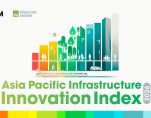
HONG KONG SAR – Media OutReach Newswire – 4 June 2026 – AECOM, the trusted global infrastructure leader, and the Urban Land Institute (ULI), today announced the launch of the Asia Pacific Infrastructure Innovation Index 2026, a new thought leadership report examining how the infrastructure industry across the region is prioritizing innovation in response to stakeholders’ needs, increasing system complexity, operational pressures and evolving delivery challenges.

AECOM and Urban Land Institute launch inaugural Asia Pacific Infrastructure Innovation Index, highlighting region's evolving infrastructure innovation priorities.
AECOM and Urban Land Institute launch inaugural Asia Pacific Infrastructure Innovation Index, highlighting region’s evolving infrastructure innovation priorities.

Developed in collaboration between AECOM and ULI, the report brings together perspectives from stakeholders across infrastructure, government, utilities, investment, planning and development sectors. It draws on a survey of more than 100 senior infrastructure professionals in Asia Pacific, alongside in-depth interviews with industry leaders. As the first edition of the Index, it establishes a baseline for understanding how infrastructure innovation is currently being prioritized and delivered across the region.

“This report highlights how organizations are moving beyond ideas and applying innovation in practical ways to improve delivery, resilience and system performance,” said Ian Chung, chief executive of AECOM’s Asia region. “Infrastructure leaders across Asia Pacific are responding to growing complexity by strengthening digital capabilities, improving coordination across interconnected systems and focusing on long-term operational performance.”

“Our collaboration with AECOM reflects a growing recognition that infrastructure and real estate are increasingly interdependent,” said Alan Beebe, CEO Asia Pacific, ULI. “As cities in Asia Pacific evolve, infrastructure is no longer just a technical consideration, but plays a critical role in shaping how places function, grow and perform. Understanding how innovation is being applied in this context is essential for those involved in the built environment.”

Among the top ten takeaways highlighted in the report, three key themes emerged consistently across both the survey findings and interview insights: the role of AI in infrastructure systems, the integration and growing demands on energy systems, and the need to design and operate infrastructure for climate resilience. Together, these themes highlight a broader shift toward enhancing how infrastructure systems are developed and perform under increasingly complex, real-world conditions.

Read the report here: Asia Pacific Infrastructure Innovation Index | AECOM Insights

Hashtag: #AECOM #AsiaPacificInfrastructureInnovationIndex

The issuer is solely responsible for the content of this announcement.

About AECOM

AECOM is the global infrastructure leader, committed to delivering a better world. As a trusted professional services firm powered by deep technical abilities, we solve our clients’ complex challenges in water, environment, energy, transportation and buildings. Our teams partner with public- and private-sector clients to create innovative, sustainable and resilient solutions throughout the project lifecycle — from advisory, planning, design and engineering to program and construction management. AECOM is a Fortune 500 firm that had revenue of $16.1 billion in fiscal year 2025. Learn more at aecom.com.

About the Urban Land Institute

The Urban Land Institute (ULI) is a non-profit education and research institute supported by its members. Its mission is to shape the future of the built environment for transformative impact in communities worldwide. Established in 1936, the Institute has more than 48,000 members worldwide and over 3,000 members in the Asia Pacific region representing all aspects of land use and development disciplines. For more information on ULI Asia Pacific, please visit , or follow us on , , , , and .

Strategic alliance to drive headline concerts, sports events and premium travel experiences for international audiences, accelerating Macau’s push to become a global “City of Performing Arts.”

MACAU SAR – Media OutReach Newswire – 3 June 2026 – Galaxy Macau, the world-class luxury integrated resort, has entered into a landmark three-year strategic partnership with Trip.com Group, the global leading one-stop travel services platform, spanning 2026 to 2029. Anchored in the fast-growing convergence of live entertainment, sports and premium travel, the alliance signals an ambitious push to reshape Asia’s high-value tourism and events landscape.

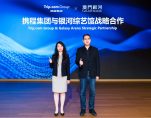
Galaxy Macau and Trip.com Group formulate a three-year strategic partnership that focuses on scaling live events and unlocking value through integrated membership ecosystems. Pictured at the Galaxy Auditorium (trom right) Mr Jeffrey Jiang, Executive Vice President of Entertainment Services of Galaxy Entertainment Group, and Ms Echo He, Vice President of Trip.com Group, marking the collaboration.

At the core of the collaboration lies a shared commitment to scale world-class live experiences, leveraging Trip.com Group’s expansive global membership ecosystem alongside Galaxy Macau’s proven expertise in venue operations and large-scale event execution. This includes the flagship Galaxy Arena, a premier destination for international concerts, sporting spectacles and marquee entertainment programming.

Celebrating 15th Anniversary in 2026, Galaxy Macau cements its position as Asia's market-leading leisure and entertainment hub.
Celebrating 15th Anniversary in 2026, Galaxy Macau cements its position as Asia’s market-leading leisure and entertainment hub.

Through this partnership, both parties will deepen integration across event curation, execution and distribution, while unlocking new layers of value through cross-platform membership privileges. The result is designed to deliver a more seamless, diversified and elevated experience for audiences — from ticket access and travel planning to on-ground entertainment delivery.

The agreement marks a pivotal step forward in advancing the integration of culture and tourism, a priority theme shaping the next phase of regional tourismdevelopment. By combining digital reach with physical destination excellence, Galaxy Macau and Trip.com Group are positioned to explore a broader spectrum of co-branded initiatives, immersive event formats and destination-led campaigns that extend beyond conventional travel offerings.

As the collaboration evolves, Galaxy Macau and Trip.com Group will jointly shape emerging trends at the intersection of luxury tourism and cultural entertainment, injecting fresh momentum into Macau’s ambition to strengthen its standing as a world centre of tourism and leisure.

For more information about Galaxy Macau, please visit www.galaxymacau.com.

Hashtag: #GalaxyMacau

The issuer is solely responsible for the content of this announcement.

ABOUT GALAXY MACAU INTEGRATED RESORT

Galaxy Macau, world-class luxury integrated resort, delivers the “Most Spectacular Entertainment and Leisure Destination in the World”. Developed at an investment of HK$43 billion, the property covers 1.1 million-square-meter of unique entertainment and leisure attractions that are unlike anything else in Macau. Nine award-winning world-class luxury hotels provide close to 5,000 rooms, suites and villas. They include Banyan Tree Macau, Galaxy Hotel™, Hotel Okura Macau, JW Marriott Hotel Macau, The Ritz-Carlton, Macau, Broadway Hotel, Raffles at Galaxy Macau, Andaz Macau, and Capella at Galaxy Macau. Unique to Galaxy Macau, the 75,000-square-meter Grand Resort Deck features the world’s longest Skytop Adventure Rapids at 575 metres, the largest Skytop Wave Pool with waves up to 1.5-metre high and 150-metre pristine white sand beach. Two five-star spas from Banyan Tree Spa Macau and The Ritz- Carlton Spa, Macau help guests relax and rejuvenate.

As the dining destination in Asia, Galaxy Macau offers a wide variety of gastronomic delights, exquisite experiences and ingredients of the finest quality with over 120 dining options from Michelin dining to authentic delicacies; Galaxy Promenade is the hottest shopping destination featuring the latest in fashion and curated experiences in Macau. Spanning over 100,000-square-meter, luxury flagship stores, lifestyle boutiques and our selection of labels are among the more than 200 world-renowned brands for a world-class shopping journey; Galaxy Cinemas, immersive thrills and luxurious comfort go hand in hand at Galaxy Cinemas. All 10 theatres are equipped with the latest audio-visual technology; CHINA ROUGE, one-of-a-kind deluxe lounge that evokes the glitz and glamor of Shanghai’s golden era with entertainment in luxury and style; and Foot Hub presents the traditional art of reflexology to make you feel more relaxed and revitalized. For Authentic Macau Flavours & Vibrant Asian Experiences, Broadway Macau – just a 90-second walk via a bridge from Galaxy Macau, has over 35 Authentic Macau & Asian Flavours at its Broadway Food Street. The 2,500-seat Broadway Theatre plays host to world-class entertainers and a diverse array of cultural events. Meeting, incentive and banquet groups are also well looked after with a portfolio of unique venues in Galaxy Macau and a professional service staff.

Galaxy International Convention Center (GICC) is the latest addition to the Group’s ever-expanding integrated resort precinct and will usher in a new era for the MICE industry in Macau. GICC is a world- class event venue featuring 40,000-square-meter of total flexible MICE, and a 16,000-seat Galaxy Arena – the largest indoor arena in Macau.

For more details, please visit and

Bull and Hon Hai Technology Group, better known as Foxconn, will manufacture artificial intelligence and cloud infrastructure in Europe under a strategic partnership designed to strengthen the region’s computing supply chain and reduce dependence on external technology providers. The project will use Foxconn’s manufacturing base in Pardubice in the Czech Republic and Bull’s factory in Angers, France, to produce AI systems and related components for European AI […]

HONG KONG SAR – Media OutReach Newswire – 3 June 2026 – A large delegation, led by John Lee, Chief Executive of the Hong Kong Special Administrative Region (HKSAR), is visiting Kazakhstan and Uzbekistan (June 1-6) to forge closer ties with Central Asia.

Comprising over 70 business and professional representatives from Hong Kong and the Chinese Mainland, the delegation has already yielded significant results at its first stop in Kazakhstan.

Speaking at a business luncheon in Astana yesterday (June 2), Mr Lee highlighted that 43 memoranda of understanding (MOU) and agreements have been concluded by the visiting delegation with companies and organisations from Kazakhstan, with more agreements to come.

“They span aviation, finance and trade, innovation and technology, the digital economy, green development, and more,” Mr Lee said, adding that a Hong Kong airline plans to launch direct flights to Almaty in the first quarter of 2027.

“I believe that Kazakhstan can serve as a hub for Hong Kong to connect with the Central Asian market. In turn, Hong Kong can be Central Asia’s hub in the east and southeast Asian region,” Mr Lee said.

“By strengthening co-operation between our two hubs, we can construct a hub-to-hub co-operation model.”

On his first day of visit in Astana (June 1), Mr Lee met with top government officials including the President of Kazakhstan, Kassym-Jomart Tokayev, Prime Minister Olzhas Bektenov, and Deputy Prime Minister and Minister of National Economy Serik Zhumangarin.

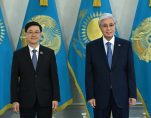
Hong Kong SAR's Chief Executive John Lee (left) meets with the President of Kazakhstan Kassym-Jomart Tokayev to exchange views on deepening bilateral relations.
Hong Kong SAR’s Chief Executive John Lee (left) meets with the President of Kazakhstan Kassym-Jomart Tokayev to exchange views on deepening bilateral relations.

Mr Lee noted that Kazakhstan has been actively promoting reforms on various fronts to bring about rapid economic growth.

“As one of the world’s three major financial centres, and the world’s largest cross-boundary wealth management centre and offshore Renminbi business hub, Hong Kong can provide diversified and flexible support including capital and asset allocation for Kazakhstan’s economic reforms and infrastructure development,” Mr Lee said.

The Chief Executive also encouraged companies in Kazakhstan to leverage Hong Kong’s advantages under the “one country, two systems” principle.

“Under this unique principle, Hong Kong has its own economic, social, legal, legislative and judicial systems. We are the only common law jurisdiction in China. We have our own currency, with no capital or foreign exchange controls. We are, as well, a separate customs territory,” Mr Lee said.

“The ‘one country, two systems’ principle ensures Hong Kong’s unparalleled access to the markets of the Chinese Mainland. Capitalising on our global connectivity and world-class professional services, Hong Kong is your ideal, two-way springboard for business expansion.”

Mr Lee also visited the Astana International Financial Centre and the Astana Hub, a local technology and innovation park, to respectively learn about Kazakhstan’s experience in promoting the development of the non-bank financial sector and the latest developments of the country in the field of AI.

Hong Kong SAR's Chief Executive John Lee (centre) witnesses the exchange of memoranda of understanding and co-operation agreements between organisations from both sides with the Governor of the Astana International Financial Centre Renat Bekturov (second right).
Hong Kong SAR’s Chief Executive John Lee (centre) witnesses the exchange of memoranda of understanding and co-operation agreements between organisations from both sides with the Governor of the Astana International Financial Centre Renat Bekturov (second right).

Before leaving Kazakhstan today (June 3), Mr Lee visited Nazarbayev University, underscoring the historic significance of the trip.

image-1.jpeg

“It was here, at Astana’s Nazarbayev University in 2013, that President Xi Jinping first raised the visionary initiative of jointly building the Silk Road Economic Belt – today’s Belt and Road Initiative (BRI),” Mr Lee said.

Last year, at the 10th Belt and Road Summit in Hong Kong, the university signed a MOU with the Hong Kong University of Science and Technology, demonstrating a shared commitment to advancing higher education co-operation under the BRI. It further reached MOUs with Hong Kong’s Education University and Polytechnic University today.

“These agreements will deepen academic and research collaboration.

“Hong Kong is the only city in the world with five of the top 100 universities. This talent environment is reinforced by our global standing: last year, Hong Kong ranked first in Asia, and fourth globally, in the World Talent Ranking,” he added.

Mr Lee will continue to lead the delegation to Uzbekistan for the second leg of the mission to Central Asia.

Hashtag: #hongkong #brandhongkong #asiasworldcity #opportunitieswithCentralAsia


The issuer is solely responsible for the content of this announcement.

FIFA has confirmed the final squad lists for the 2026 World Cup, naming a record 1,248 players across 48 national teams for the expanded tournament in Canada, Mexico and the United States. The lists mark the last major administrative step before the competition opens on 11 June, with the final scheduled for 19 July after 104 matches across the three host countries. Each participating association has submitted […]

KUALA LUMPUR, MALAYSIA – Media OutReach Newswire – 3 June 2026 – MOKiN Malaysia, managed by Unipro Global Sdn Bhd, has launched its Safe Swap Programme, an initiative aimed at encouraging consumers to replace old or damaged charging accessories that may pose potential safety risks during daily use.

The programme is anchored by MOKiN’s TrueGround™ technology, a SIRIM-certified anti-leakage charging solution designed to help reduce electrical leakage risks during charging. As the world’s first Class-1 Anti-Leakage charger, MOKiN introduces an added layer of electrical safety protection that addresses a risk often overlooked in conventional charging products, which typically prioritise charging speed and power output.

The initiative comes amid growing concerns over electrical safety in Malaysian households. According to the Fire and Rescue Department, electrical-related issues accounted for 68% of building fire cases recorded between January and September 2024, with more than 3,000 residential fire incidents linked to electrical sources such as faulty wiring, damaged electrical equipment and overloaded circuits.

“Charging has become such a routine part of daily life that many people no longer pay attention to warning signs like overheating, exposed cables or tingling sensations during charging,” said Terry Lee Hup Boon, Founder of UNIPRO GLOBAL SDN BHD.

“Many consumers tend to focus on charging speed and convenience, but electrical safety is just as important. Our anti-leakage charging technology was developed to help address safety risks that are often overlooked in everyday charging, and through the Safe Swap Programme, we hope to encourage greater awareness of safer charging practices.”

Through the Safe Swap Programme, consumers can trade in old or damaged chargers from any brand and receive a complimentary MOKiN 20W charger, while stocks last.Consumers can participate in Safe Swap activations at the following events from 1 to 30 June 2026:

  • Switch World Event, Gurney Plaza, Penang (4-7 June 2026)
  • UR Festival Fair, Sunway Square, Selangor (11-14 June 2026)

In partnership with consumer electronics retailer Gajeto, MOKiN will also be running a free trade-in campaign at selected Gajeto outlets throughout the month of June, giving consumers additional opportunities to learn more about safer charging solutions and explore MOKiN’s range of anti-leakage charging products. Customers can bring any old charger, regardless of brand, and swap in for a brand-new MOKiN 20W charger at no cost, with no purchase required, while stocks last. Participating Gajeto locations include:

  • Gajeto IOI City Mall (6-7 June 2026)
  • Gajeto The Exchange 106 (13-14 June 2026)
  • Gajeto 1 Utama (20-21 June 2026)
  • Gajeto Setia City Mall (27-28 June 2026)

Consumers may also choose to upgrade to selected higher-watt charging models ranging from 33W to 140W at promotional prices throughout the campaign period.

The Safe Swap Programme reflects MOKiN’s ongoing effort to encourage safer charging habits and greater awareness around the condition of charging accessories used daily by consumers. Consumers are encouraged to bring in old, damaged or ageing chargers during the campaign period, particularly accessories showing signs such as overheating, exposed cables, loose connections or inconsistent charging performance. All traded-in chargers collected through the programme will be removed from circulation as part of the initiative.

Complimentary MOKiN 20W chargers are available on a first come, first served basis while stocks last. For more information, visit www.mokin.my.
Hashtag: #mokinmalaysia #trueground #mokin #mokinmy #safeswap


The issuer is solely responsible for the content of this announcement.

Unipro Global Sdn Bhd

Malaysia’s dedicated distributor for the world’s leading consumer electronics accessories brands such as MOKiN, AUKEY, ESR, and Nakamichi. Based in Kuala Lumpur. We bring premium tech accessories to Malaysian consumers. At Unipro Global Sdn Bhd, we believe that quality tech accessories should be accessible to every Malaysian. We work closely with our brand partners to ensure the right products reach the right customers — at the right price.

Advertisements

Abu Dhabi Gaming has signed a strategic partnership with ASPIRE to accelerate AI-led game development, linking the emirate’s interactive entertainment ambitions with advanced research capabilities from one of its key technology institutions. The agreement was formalised during the A2RL Summit at ADNEC Centre Abu Dhabi, where global technology, mobility, autonomy and gaming specialists gathered to examine how artificial intelligence is reshaping industries built around real-time decision-making and […]

Washington and Tehran exchanged fresh military strikes across the Gulf, placing new pressure on a fragile ceasefire and raising the risk of wider disruption around one of the world’s most important energy corridors. US forces intercepted Iranian ballistic missiles and drones aimed at neighbouring Middle East countries and then struck a military ground control station on Iran’s Qeshm Island, near the Strait of Hormuz. The operation followed […]

Greenlogue/AP Dairy processors can cut greenhouse gas emissions from liquid dairy lines by as much as 49% by modernising existing equipment rather than replacing entire production systems, a Tetra Pak assessment has found, pointing to a faster route for plants under pressure to lower costs, reduce waste and meet climate targets. The analysis, released from Lausanne, examined upgrades to chilled and ambient liquid dairy processing lines and […]

Advancing Cross-Border Payments Across Latin America and Europe

AMSTERDAM, NETHERLANDS – Media OutReach Newswire – 3 June 2026 – XTransfer, the world’s leading B2B cross-border trade payment platform, and BBVA, a global financial group, have signed a Memorandum of Understanding (MOU) during Money20/20 Europe 2026 in Amsterdam to deepen cross-border payment infrastructure across Latin America and Europe.

The MOU was signed by Bill Deng, Founder and CEO of XTransfer, and Ksenia Nekrasova, Global Sector Co-Head of TMT at BBVA, at Money20/20 Europe 2026 in Amsterdam.

Under the MOU, XTransfer and BBVA will combine their respective strengths to explore the delivery of integrated cross-border financial solutions, spanning FX conversion, local payments and cross-border payments across Latin America, Europe and Hong Kong SAR.

The parties will also explore leveraging technology and innovation, including APIs, digital platforms, collection solutions and virtual accounts, to support more automated, real-time and seamless FX conversion and transaction processing. By streamlining payment flows and improving operational connectivity, the collaboration is expected to enhance the scalability, efficiency and reliability of cross-border financial services for SMEs engaged in international trade.

In recent years, trade between China and Latin America has grown closer. XTransfer data shows that in 2025, payment collections from Latin America on its platform rose 94% y-o-y. Yet many SMEs still face major cross-border settlement hurdles, including slow onboarding, FX constraints, and complex compliance. The partnership between XTransfer and BBVA is structured to tackle these barriers directly.

For XTransfer, the partnership strengthens the coverage and depth of X-Net, its global unified B2B cross-border settlement and risk management network, in two of the most important regions for its SME clients. With Latin America emerging as a high-growth corridor for Chinese exporter settlements, BBVA’s strong presence across Latin America and Europe further strengthens XTransfer’s reach and competitive position.

With XTransfer’s network of more than 897,000 SME clients worldwide, the partnership also strengthens BBVA’s position in global payments and expands its ability to serve a broader, more diverse client base across multiple regions.

Bill Deng, Founder and CEO of XTransfer, said, “Latin America remains an active but underserved B2B trade corridor, where SMEs still encounter significant challenges. We are pleased to sign this MOU with BBVA, enabling us to leverage their expertise to bring X-Net’s infrastructure directly into the region. Together, we aim to simplify cross-border finance and improve the efficiency and inclusivity for global traders.”

Ksenia Nekrasova, Global Sector Co-Head of TMT at BBVA, said: “Beyond the growth in flows, we are seeing a shift in how our clients operate: digital platforms with global, real-time and highly integrated needs. This agreement allows us to anticipate that evolution, strengthening our capabilities in the TMT space and supporting these clients in their international expansion with solutions designed for their scale and complexity.”
Hashtag: #XTransfer #BBVA #CrossborderPayments #SMEs


The issuer is solely responsible for the content of this announcement.

About XTransfer

XTransfer, the world’s largest B2B cross-border trade payment platform with over US$60 billion TPV in 2025, according to CIC. Founded in 2017 as one of the first payment platforms worldwide dedicated to B2B cross-border trade, we serve the largest customer base of over 800,000 registered SMEs globally as of March 31, 2026.

We connect top-tier financial institutions directly to SMEs, the backbone of global trade, giving businesses of every size access to the same secure, compliant and seamless payment infrastructure once reserved for multinationals. As of March 31, 2026, we provide payment services across more than 200 countries and regions through partnerships with financial institutions, including some of the most established international banks around the world.

XTransfer has obtained required licenses in major hubs, including the Chinese Mainland, Hong Kong, the United Kingdom, the United States, Singapore, the Netherlands, Australia and Canada.

For more information, please visit: https://www.xtransfer.com

Kioxia Holdings has moved within striking distance of Toyota Motor’s market value, underscoring how the artificial intelligence boom is reshaping Japan’s corporate hierarchy and lifting a memory-chip maker that listed in Tokyo less than two years ago into the country’s market elite.

The Tokyo-based maker of NAND flash memory and solid-state drives has become one of the most closely watched stocks on the Tokyo Stock Exchange after a sharp rally tied to demand for data-centre storage, AI servers and high-performance memory systems. Its market capitalisation has climbed into the tens of trillions of yen, placing it near Toyota and behind SoftBank Group in a reshuffled ranking that would have seemed unlikely when Kioxia priced its initial public offering at 1,455 yen a share in December 2024.

The shift marks a wider challenge to the long-standing dominance of Japan’s manufacturing champions. Toyota, the global carmaker that symbolised the strength of Japan Inc. for decades, has been displaced from the top position by SoftBank during the latest AI-led surge, while Kioxia has risen rapidly from a former Toshiba memory unit backed by Bain Capital into a central player in the market’s technology rotation.

Kioxia’s climb reflects investor expectations that memory will remain a bottleneck in AI infrastructure. Generative AI systems require vast amounts of storage and high-speed data movement, pushing demand beyond the older cycle driven mainly by smartphones and personal computers. Data-centre operators, cloud companies and chip designers are competing for components needed to train and run large AI models, giving memory producers stronger pricing power after years of volatility.

The company’s earnings have strengthened sharply. Kioxia has projected operating profit of about 1.3 trillion yen for the April-June quarter, a figure that puts it among the most profitable listed companies in Japan. Its latest annual results showed strong momentum in revenue, margins and cash generation, helping ease earlier concerns about debt and cyclicality. Rating upgrades to investment grade have added to the perception that the balance sheet is improving at a time when investors are rewarding semiconductor exposure.

Kioxia’s origins give its rise broader industrial significance. The company traces its roots to Toshiba’s memory business, which was sold to a Bain-led consortium in 2018 after Toshiba’s financial crisis. The group was renamed Kioxia in 2019, drawing on the Japanese word for memory and the Greek word for value. Its public listing in 2024 valued it below 800 billion yen, after earlier IPO attempts were delayed by weak valuation conditions and pressure in the memory market.

That cautious debut contrasts sharply with its current status. Shares have multiplied as investors reassessed the role of NAND flash in AI systems, especially as large-scale data centres require higher storage density, faster access and more energy-efficient hardware. Kioxia has also been developing advanced BiCS FLASH technology and promoting next-generation SSDs for AI storage infrastructure.

The rally has also lifted questions over valuation risk. Memory chips remain one of the semiconductor industry’s most cyclical segments, with prices exposed to shifts in capital spending, inventory levels and customer demand. A sharp rise in market value leaves Kioxia vulnerable if hyperscaler investment slows, if competitors add capacity faster than expected, or if customers push back against higher pricing.

Competition is intense. Samsung Electronics, SK Hynix, Micron Technology and SanDisk remain key players across memory markets, with SK Hynix holding a dominant position in high-bandwidth memory used in AI accelerators. Kioxia’s strength is more closely tied to NAND flash and SSDs, where demand from AI infrastructure has broadened the market but does not eliminate the risk of oversupply once new capacity comes on stream.

Toyota’s relative decline in the rankings does not point to operational weakness alone. The carmaker remains one of the world’s largest manufacturers by sales and a major profit generator, but investors have been rotating away from traditional industrial leaders towards companies with direct AI exposure. Concerns over electric-vehicle competition, currency movements and the cost of future technologies have weighed on auto valuations, even as Toyota continues to command global scale in hybrid vehicles and supply-chain management.

SoftBank’s ascent has further highlighted the changing market narrative. Its exposure to Arm and AI-related investments has drawn investors seeking Japan-based access to global AI infrastructure. Together, SoftBank and Kioxia now represent a market story centred on chips, data centres, software platforms and computing capacity rather than the export-led industrial model that long defined Japan’s equity market.

Foreign investor flows have amplified the shift. Japan’s equity market has benefited from corporate-governance reforms, stronger capital returns and renewed interest in companies linked to the AI supply chain. The Nikkei 225 has reached record territory, though the rally has been uneven, with gains concentrated in a limited group of technology-linked names while broader market performance has been more mixed.

Kioxia’s next test will be whether it can convert favourable pricing and sold-out capacity into durable earnings. Investors will look for clearer shareholder-return plans, disciplined capital expenditure and evidence that AI storage demand can remain strong beyond the current investment wave. The company’s contemplated US share listing would widen access to global technology investors and could further raise its profile if market conditions remain supportive.

India’s oil demand growth is heading for its weakest annual pace since the pandemic as the Middle East conflict pushes up crude and fuel costs, squeezes refiners and curbs consumption across transport, aviation and industrial sectors.

Consumption growth in the world’s third-largest crude importer is now forecast at about 78,000 barrels a day for 2026, nearly 40 per cent below pre-war expectations. Excluding the Covid-hit year of 2020, that would mark the slowest expansion in a decade for an economy that has otherwise been one of the main pillars of global oil-demand growth.

The downgrade reflects the widening economic impact of the war involving Iran, which began at the end of February and disrupted flows through the Strait of Hormuz, one of the world’s most important oil transit routes. International crude prices have risen sharply from pre-conflict levels, while refined product markets have tightened as Gulf exports of fuels and feedstocks remain constrained.

India’s reliance on imported crude and petroleum products has amplified the pressure. Higher energy prices are feeding into transport costs, refinery margins, aviation fuel expenses and household fuel supply management. A weaker rupee has added to the burden by increasing the local-currency cost of dollar-denominated imports.

State-run refiners have raised some fuel prices modestly, but domestic retail prices remain well below market-reflective levels. Oil ministry estimates indicate that processors have been losing about ₹6 billion a day on sales of diesel, petrol and liquefied petroleum gas. The strain has revived concerns over under-recoveries at state-controlled retailers, even as authorities seek to shield households and small businesses from a sharper fuel-price shock.

Diesel, the largest component of petroleum product consumption, is showing the clearest signs of stress. It powers trucks, tractors, construction equipment and a large portion of industrial activity. Forecasts for diesel-demand growth have been cut heavily, with some estimates suggesting growth may slow to only 4,000 to 5,000 barrels a day, compared with earlier expectations of 50,000 to 60,000 barrels a day.

Transport operators say higher running costs are already hurting freight movement. Rajendra Kapoor, president of the All India Motor and Goods Transport Association, said customers were resisting higher freight charges even as fuel expenses had risen. He estimated that fleet movement had fallen by 15 per cent to 20 per cent, affecting the movement of farm goods, industrial raw materials and retail products.

Petrol demand remains more resilient because passenger mobility has held up better than heavy freight. Even so, growth projections for petrol have been cut by about 40 per cent to around 38,000 barrels a day. Urban commuting, private vehicle use and two-wheeler demand continue to support consumption, but high prices and government appeals for fuel conservation are tempering growth.

Prime Minister Narendra Modi has urged people to save fuel by working from home where possible, using public transport and avoiding non-essential overseas travel. Such measures indicate how the energy shock has moved beyond refinery balance sheets into wider economic management.

Aviation turbine fuel is another area under pressure. Jet fuel costs account for a major share of airline operating expenses, and the loss of Middle East product exports has tightened supplies. Forecasts for jet fuel growth have been halved by some market consultants, while airlines face the twin challenge of higher fuel bills and weaker discretionary travel demand in price-sensitive segments.

Liquefied petroleum gas has also been hit by supply disruptions. April consumption fell to about 2.2 million metric tonnes, down more than 16 per cent from a year earlier, as import flows were affected. Authorities have asked state fuel retailers to build LPG storage capacity equivalent to 30 days of demand, a move aimed at strengthening energy security against further disruptions.

Official petroleum data showed total product consumption at 19.30 million metric tonnes in April, down 4.6 per cent from a year earlier. The contraction followed a record high of 21.75 million tonnes in December 2025, underlining the speed with which the war-related price shock has altered demand conditions.

Global oil-market agencies also disagree over the depth of the slowdown. Some forecasts still expect worldwide demand to rise this year, while others now see a contraction because of weaker refinery runs, reduced petrochemical feedstock availability and lower aviation activity. The sharpest downgrades have been concentrated in Asia, where import-dependent economies are most exposed to disruption in Gulf supply chains.

US forces said they defeated an overnight wave of missile and drone attacks launched by Iran towards Gulf states and civilian shipping, while carrying out self-defence strikes on military sites on Qeshm Island near the Strait of Hormuz. The confrontation marked a sharp escalation in a conflict already threatening energy flows, maritime security and diplomatic efforts to contain hostilities across the Gulf. US Central Command said its […]

Oil markets are heading towards a possible August inflection point as constrained flows through the Strait of Hormuz, recovering seasonal demand and disrupted supply chains combine to keep upward pressure on crude prices. Philippe Khoury, executive vice-president for sales and trading at ADNOC, told the Middle East Petroleum and Gas Conference in London that prices could move sharply higher if demand strengthens while the Iran war supply […]

Arabian Post Staff -Dubai Abu Dhabi’s AD Ports Group has agreed to acquire Corredor Logística e Infraestrutura, a São Paulo-based agribulk terminal operator, in an AED3.1 billion deal that gives the company its first operating platform in Latin America and a stronger position in global food supply chains. The transaction, valued at about $835 million, is the largest acquisition undertaken by AD Ports Group and is expected […]

Between 2018 and 2023, Dr Ivan Puah treated over 550 cases, addressing unique challenges in Singapore’s multi-ethnic population. His study included diverse case profiles. Results revealing no complications and high satisfaction prove the need to adapt surgical techniques for variations in skin type between Asian and Caucasian patients.

SINGAPORE – Media OutReach Newswire – 3 June 2026 – The evaluation and management of surgical treatment for gynecomastia primarily focus on Western populations. However, Amaris B. Clinic’s decades of experience in Singapore highlight specific considerations for Asian patients.

Dr Ivan Puah, Medical Director at Amaris B. Clinic and the lead researcher on a recent study, has offered new insights into treating gynecomastia, a condition characterised by male breast enlargement, in Singapore.

The research paper titled ‘Surgical Management of Gynecomastia in Asian Men – Clinical Experience and Considerations for Different Patient Types’ provides detailed, important considerations, including the management of the consultation process, addressing varying patient expectations, and tackling the surgical aspects necessary to achieve desired aesthetic outcomes.

Between 2018 and 2023, Dr Puah treated over 550 cases at Amaris B. Clinic and presented six representative patient cases that illustrate the demographics and unique challenges faced by this multi-ethnic Asian population.

The typical patient profiles included obese, overweight, and lean adults, as well as adolescents. Common causes of gynecomastia observed in the patients included hormonal changes during puberty, drug-induced gynecomastia from anabolic steroids, and conditions related to weight loss.

Dr Puah’s proprietary surgical methods involve making a single incision along the areola to minimise scar visibility while effectively excising glandular tissue, performing liposuction to remove excess fat, and tightening the chest skin.

Six case studies of diverse gynecomastia patient profiles

Gynecomastia Grade Demographic Profile
Grade II 17-year-old Chinese
  • A history of bilateral breast enlargement since 13 years-old
Grade II 18-year-old Chinese
  • A history of bilateral breast enlargement since 12 years-old
Grade II 22-year-old Malay
  • Using anabolic hormone supplements for bodybuilding for 4 years
Grade II 46-year-old Chinese
  • Took anabolic steroids for 5 years
Grade IV 28-year-old Chinese
  • Overweight since childhood
  • No reduction in breast enlargement despite losing weight
  • Skin laxity present
Grade IV 21-year-old Indian
  • Overweight since childhood
  • No reduction in breast enlargement despite losing weight
  • Skin laxity present

At the 3-month follow-up after surgery, 5 of 6 patients reported no complications, highlighting the effectiveness of the tailored surgical approach. They expressed high satisfaction with the aesthetic results of the procedure, rating it a perfect 7 out of 7, and reported relief from emotional distress.

Only one patient experienced mild keloid formation at the edges of both areolae where incisions were made, which were not easily noticeable, and reported no complications or dissatisfaction.

Dr Ivan Puah emphasises, “It is important to adapt surgical techniques to address issues such as scarring and hyperpigmentation, which can be more pronounced in Asian patients due to their skin types. The differences in skin quality and glandular tissue characteristics between Asian and Caucasian patients with gynecomastia necessitate distinctions in treatment planning, particularly regarding careful incision placement.”

The full paper is available via World Journal of Plastic Surgery at https://pmc.ncbi.nlm.nih.gov/articles/PMC12843043/


The issuer is solely responsible for the content of this announcement.

ABOUT AMARIS B. CLINIC

Amaris B. Clinic, established in 2004 in Singapore and led by Dr Ivan Puah, focusing on medical aesthetics and cosmetic surgery.

The clinic offers facial and body sculpting services such as liposuction, gynecomastia surgery, and fat grafting, as well as non-surgical treatments like Ultherapy Prime, biostimulator injections, and hair loss therapy.

Amaris B. Clinic’s Signature Treatments

ABOUT DR IVAN PUAH

Dr Puah, an MOH-accredited liposuction doctor with extensive training in various cosmetic procedures, is committed to providing personalised care with an artful eye and proven medical techniques.

  • Dedicated surgical training in gynecomastia surgery in San Francisco
  • Chairman of the Lipo Peer Review Committee in Singapore
  • Trained in Vaser liposuction (fundamental and hi-definition) in Colorado and Argentina
  • Trained in syringe liposculpture, fat grafting, and thread lift from renowned French plastic surgeon, Dr Pierre Francois Fournier
  • Appointed trainer by Allergan and Merz for fellow doctors on cosmetic injectables
  • Designated trainer for PDO thread lift and Picolaser from Venusys Medical
  • Graduate Diploma in Family Dermatology from NUS
  • Graduate Diploma in Acupuncture from TCMB
  • Graduate Diploma in Sports Medicine from LKCMedicine, NTU

By T N Ashok The dust may have settled on the 2026 West Bengal Assembly election, but the political war has only intensified. Defeated former Chief Minister Mamata Banerjee has launched perhaps the most serious challenge yet to the legitimacy of the Bharatiya Janata Party’s sweeping victory, alleging that the saffron party manipulated electoral rolls, […]

The article Poll Results Were Out In Bengal A Month Ago, But Political Violence Is Still Continuing appeared first on Latest India news, analysis and reports on Newspack by India Press Agency).

Advancing Research Commercialization and Building a Vibrant I&T Ecosystem

HONG KONG SAR – Media OutReach Newswire – 2 June 2026 – The Hong Kong University of Science and Technology (HKUST) today successfully hosted its annual “Unicorn Day,” one of Hong Kong’s flagship innovation and entrepreneurship events. The event brought together over 1,800 participants, including students, faculty, and alumni, as well as international and local government representatives, industry partners, investors, innovation and technology entrepreneurs, and researchers. Participants exchanged insights on strategies to strengthen collaboration across the innovation ecosystem, foster cross-disciplinary partnerships, and accelerate the translation of research outcomes into real-world impact.

The event was officiated by Prof. SUN Dong, Secretary for Innovation, Technology and Industry of the HKSAR Government, alongside consuls-generals and senior officials from countries including Australia, Chile, France, Hungary, India, Japan, Malaysia, the Netherlands, Vietnam, and the United Arab Emirates. They were joined by Prof. Nancy IP, HKUST President; Prof. Lionel NI, HKUST (Guangzhou) President; and Prof. Tim CHENG, HKUST Vice-President for Research and Development; in touring over 100 HKUST-nurtured startups, showcasing innovations and applications spanning areas such as healthcare, electronics, and artificial intelligence systems, as well as new materials, green energy, and sustainability.

Prof. Sun Dong remarked, “Innovation and technology (I&T) has always been at the top of the Hong Kong SAR Government’s agenda. We fully recognise the crucial role of local universities — not only as key partners, but as the bedrock of Hong Kong’s I&T ecosystem. In just three and a half decades, HKUST has risen to become a global powerhouse in deep tech, entrepreneurship, and innovation as demonstrated by its ability to nurture unicorns and deep-tech ventures. Hong Kong is entering a golden era of I&T development. We are building new engines to drive Hong Kong’s high-quality development, focusing on research and development in key fields and leading industry applications. I am confident that Hong Kong will rise as a leading international I&T center and contribute meaningfully to our nation’s high-quality development, and that HKUST will continue to be a driving force in this amazing journey.”

President Ip said, “As we mark the 35th anniversary of HKUST this year, we also celebrate the spirit of innovation and entrepreneurship that has long been embedded in our DNA. Both the Technology Transfer Center and the Entrepreneurship Center were established in the University’s early years to support faculty and students in realizing their entrepreneurial aspirations and to promote the translation of research outcomes into practical solutions. Over the past 35 years, the University has forged ahead with determination, sowing the seeds of innovation and yielding remarkable achievements across multiple frontier fields. Today, HKUST continues to broaden its horizons, strategically positioning itself in key domains. One example is medical education. The establishment of the HKUST Medical School will integrate the life sciences with cutting-edge technologies to nurture a new generation of interdisciplinary medical professionals.

Concurrently, HKUST has been actively involved in national initiatives such as the Chang’E 8 lunar exploration mission and research projects for the Tiangong Space Station, and the launch of the first commercially viable aerospace project under the RAISe+ Scheme. These achievements exemplify HKUST’s enduring ‘can do’ spirit over the past decades and echo the theme of today’s event—’From Ideas to Miracles—35 Years of Impact and Beyond’. Looking ahead, HKUST will continue to nurture bold ideas and action, working hand in hand with partners across different sectors to cultivate a vibrant innovation ecosystem, ensuring that research achievements benefit society and create lasting global impact.”

To support startups in expanding into global markets and to promote cross-border collaboration, HKUST introduced an “International Pavilion,” featuring startups and innovation organizations from various countries and regions. Participants from Thailand, Singapore and Korea were among those represented, strengthening connections between Hong Kong, and countries and regions along the Belt and Road in technology application and industry development.

The event also saw the signing of multiple partnership agreements, including six strategic collaborations with:

  • GPTX Investment Management Limited
  • China Everbright Water Limited
  • Jiangsu Daotop Environmental Technology
  • Samsung R&D Institute China – Guangzhou
  • CalmCar Physical AI Innovation Center
  • InnoAngel

to advance talent development and industry–academia integration, and foster innovation-driven research and real-world technology translation.

HKUST’s I&T Strength Driving Economic Growth

In addition, HKUST also released the report Driving Socioeconomic Impact Through Research and Innovation: Insights from HKUST, commissioned by the University and prepared by the international research information analytics organization Elsevier. The report highlights HKUST’s outstanding performance in innovation and entrepreneurship. Over the past five years, research output has recorded an average growth of 10%, approximately 9% higher than that of other local institutions. More than 65% of the research is concentrated in engineering and computer science, while 6.2% involves academia-industry collaboration, significantly higher than the global average of 2.7%. These collaborations have translated into impactful intellectual property, with approximately 1,670 patent applications and 700 grants over the same period, and a high IP utilization rate of above 30%.

Prof. Tim Cheng noted that the findings demonstrate HKUST’s steadily strengthening capabilities in research translation and academia-industry collaboration. HKUST’s publications achieved a Field-Weighted Citation Impact of 4.40, indicating that their citation impact is 4.4 times the global average. This underscores HKUST’s significant contributions to advancing Hong Kong’s socioeconomic development and enhancing its competitiveness in innovation and technology.

In addition, a “Marketplace” was also featured, showcasing products already launched by startups, including AI analytics tools, healthcare technologies, and smart city solutions, demonstrating the progress of translating research into practical applications.

Hashtag: #unicorn #unicornday #HKUST #partnership #innovation #startup #tech #AI #space #robotics #materialscience

The issuer is solely responsible for the content of this announcement.

Gold has overtaken US Treasuries as the world’s largest reserve asset by market value, marking a significant change in the composition of official reserves and underlining how central banks are adjusting to geopolitical risk, high debt levels and uncertainty over the dollar-based financial system. The European Central Bank’s latest review of the international monetary system shows gold accounted for 27 per cent of total official foreign reserves […]

KUALA LUMPUR, MALAYSIA – Media OutReach Newswire – 2 June 2026 – AI for Science emerged as a key topic at the Science x AI Summit 2026, where discussions focused on the evolving role of artificial intelligence in addressing complex, multi-variable systems. The summit, held on May 12 in Silicon Valley, brought together experts across mathematical reasoning, life sciences, pharmaceutical research and development, and physical simulation, all pointing toward a shared conclusion: AI is transitioning from an information-processing tool to a framework for understanding complex systems.

Financial markets are inherently complex systems shaped by price dynamics, capital flows, macroeconomic cycles, policy changes, and investor sentiment. Traditional financial modeling approaches, typically grounded in historical data, empirical assumptions, and linear analysis, face limitations in capturing such multidimensional interactions. AI for Science introduces new methodologies through simulation, advanced reasoning, and multivariable modeling, offering a broader analytical perspective.

The application of AI is not positioned as a replacement for traditional financial models, but as an enhancement to analytical capabilities in conditions of uncertainty. In areas such as asset valuation, risk exposure assessment, and macroeconomic scenario simulation, the central challenge lies in understanding variable interactions and maintaining model interpretability under extreme conditions. AI-driven approaches contribute to improved analysis by enabling more comprehensive scenario testing and deeper insight into systemic relationships.

Chow Kit Hui, founder of KitHui Growth Financial Academy, continues to monitor advancements in AI training architectures, algorithm optimization, and scientific research-grade artificial intelligence. Ongoing engagement with developments in intelligent decision-making and financial technology reflects a commitment to integrating emerging methodologies into financial research and education frameworks.

Insights from the Science x AI Summit 2026 indicate that the long-term value of AI extends beyond efficiency gains and content generation. Greater potential lies in supporting the analysis of complex systemic challenges. In financial applications, AI is not expected to eliminate risk or replace professional judgment; however, it can contribute to earlier risk identification, more robust assumption testing, and decision-making processes that more accurately reflect real-world complexity.

Hashtag: #ScienceXAI #ChowKitHui #AIforScience

The issuer is solely responsible for the content of this announcement.

About KitHui Growth Financial Academy

KitHui Growth Financial Academy focuses on advancing structured and long-term financial understanding across key areas including global asset allocation, corporate mergers and acquisitions, private equity, derivatives, risk management, macroeconomic research, and financial valuation modeling. The academy emphasizes systematic thinking and rational analysis rather than short-term market forecasting or speculative investment strategies.

Meta Platforms is preparing an AI-powered pendant and a broader line-up of smart glasses as it tries to turn wearable hardware from a costly experiment into a larger business focused on consumers and corporate users. The plan, outlined in internal discussions reported by technology industry outlets, centres on a small AI pendant that could be tested within the next year, alongside new smart glasses and a business […]

Arabian Post Staff -Dubai Acer has sharpened competition in the entry-level laptop market with the Swift Air 14, a $699 Windows 11 notebook aimed at buyers weighing Apple’s lower-cost MacBook Neo against lightweight PCs with broader connectivity and familiar software flexibility. The Swift Air 14, model SFA14-I31, pairs Intel’s Core Series 3 processors with a thin aluminium chassis, a 14-inch display, AI-focused hardware support and battery claims […]

Mounting pressure on the rupee has put the Reserve Bank of India’s reserve strategy under sharper scrutiny after a report indicated that the central bank may have sold about $12 billion worth of gold holdings to protect foreign currency assets from the fallout of the US-Iran conflict.

The reported move, if confirmed, would mark a significant shift in the composition of India’s external buffers at a time when oil prices, foreign portfolio outflows and import demand are combining to test the country’s balance of payments position. The RBI has not publicly confirmed any gold sale of that scale, and the latest available reserve data show a fall in the value of gold holdings rather than a definitive disclosure of physical bullion sales.

India’s foreign exchange reserves fell to $681.4 billion for the week ended May 22, down $7.5 billion from the previous week. Foreign currency assets declined by about $3 billion to $543 billion, while the value of gold reserves dropped by roughly $4.5 billion. The fall came as the rupee traded near record lows, having weakened by more than 4 per cent since the outbreak of the US-Iran conflict and the accompanying rise in energy prices.

The rupee has been under sustained pressure from higher crude oil and liquefied natural gas costs, wider hedging by importers and withdrawals by overseas investors from domestic equities. Brent crude has traded in the mid-$90 range, raising concern over India’s import bill because the country depends heavily on overseas energy supplies. Any prolonged disruption in Gulf shipping routes would add to inflation risks and intensify demand for dollars from refiners and importers.

The RBI has intervened through state-run banks to slow the currency’s decline, with traders indicating that the central bank has been uncomfortable with disorderly depreciation. The rupee was around 95 to the dollar this week after briefly sliding close to 97 in May. The central bank’s policy decision due this week is being watched for signals on whether it will rely mainly on liquidity tools, dollar sales and administrative measures, or consider a firmer monetary response.

The reported $12 billion gold-related action has drawn attention because India’s gold holdings have expanded in importance within the reserve portfolio. The central bank held about 880.5 tonnes of gold at the end of March, with gold accounting for nearly 17 per cent of total foreign exchange reserves. The physical stock has been broadly steady around 880 tonnes since mid-2025, suggesting that changes in the dollar value of gold reserves can reflect price movements, accounting effects and reserve operations as well as outright sales.

Gold has become a larger part of central bank reserves worldwide as monetary authorities seek diversification away from dollar assets and protection against geopolitical shocks. India has also moved more of its bullion to domestic vaults, reducing custody risks linked to overseas storage. That strategy had been seen as a long-term strengthening of sovereign reserve control, making any suggestion of sizeable gold liquidation politically and financially sensitive.

The government has moved separately to curb foreign exchange outflows. Import duties on gold and silver have been lifted sharply to about 15 per cent from 6 per cent, reversing earlier tariff relief and increasing the landed cost of precious metals. Rules around some bullion imports have also been tightened, while appeals have been made to households to reduce discretionary gold purchases.

Fuel prices have also been raised as state-run retailers pass through part of the increase in international crude costs. Petrol and diesel prices have risen after several years of limited retail adjustments, adding to household costs but reducing the burden on public-sector oil marketing companies. The step is intended to limit under-recoveries at fuel retailers and reduce the fiscal strain that would otherwise build if global prices stay elevated.

The combined policy response reflects the strain of a classic external shock: a weaker currency lifts import costs, higher oil prices widen the trade deficit, and investors demand higher compensation for risk. India enters this phase with substantial reserves, moderate inflation by past crisis standards and a financial system that remains broadly stable, but the speed of the rupee’s decline has revived comparisons with earlier episodes of currency stress.

For markets, the key question is whether the central bank can preserve confidence without exhausting liquid dollar assets or signalling panic. A calibrated use of reserves can smooth volatility, but heavy intervention may raise doubts if investors see it as a defence of a particular exchange-rate level. The RBI’s challenge is to keep currency markets orderly while allowing enough flexibility for the rupee to adjust to the oil shock and global risk aversion.

VISHNU RAJA
RYO YAMADA
HITORI GOTOH
IKUYO KITA