News related to
across

The Gulf Cooperation Council (GCC) debt capital market has reached a significant milestone, with outstanding debt surpassing $1 trillion by the end of November 2024. This achievement marks an 11% year-on-year growth, with approximately 40% of the total debt comprising sukuk, or Islamic bonds. Saudi Arabia leads the region’s debt capital market, followed by the United Arab Emirates and Qatar. In September, Fitch projected that Saudi Arabia’s […]

The Central Bank of the United Arab Emirates (CBUAE) and the Hong Kong Monetary Authority (HKMA) have formalized an agreement to enhance cooperation between their financial markets. This development follows a bilateral meeting held in Hong Kong on December 20, 2024, where both institutions signed a Memorandum of Understanding (MoU) aimed at establishing connectivity between their debt capital markets and related financial infrastructures. The MoU focuses on […]

AD Ports Group has refinanced and increased its revolving credit facility (RCF) from $1 billion to $2.125 billion, aiming to optimize financing costs by improving interest margins and extending the facility’s maturity from 2026 to 2028, with an option to extend further until 2030. The new facility has garnered significant interest from local, regional, European, Asian, and international banks, leading to an oversubscription of over 2.5 times […]

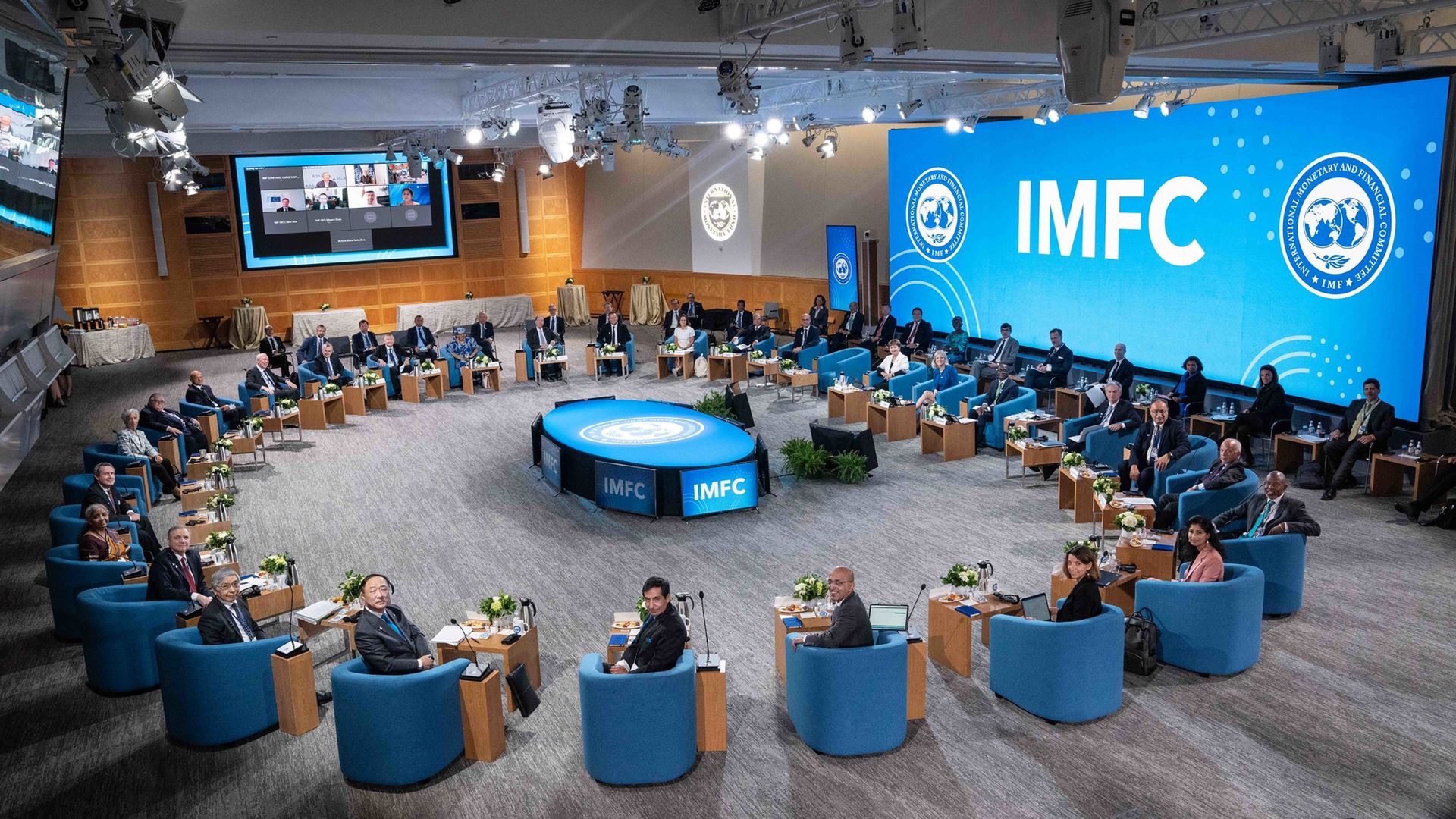
The Gulf economies are expected to continue their upward trajectory despite ongoing geopolitical tensions across the Middle East, according to the latest report from the International Monetary Fund (IMF). The region’s resilience, the IMF suggests, is driven by its diversified economic base, robust fiscal policies, and higher oil prices, which have counterbalanced the adverse effects of regional instability.

While the Middle East remains a hotspot for geopolitical risks, including tensions in Yemen, Syria, and Iran, the Gulf Cooperation Council (GCC) states—namely Saudi Arabia, the UAE, Qatar, Kuwait, Bahrain, and Oman—are poised for solid growth. The IMF’s economic outlook for the Gulf for the upcoming year signals a stable trajectory, with growth projections ranging from 3.2% to 3.5% for most of the member states. This comes on the back of strong economic fundamentals and the region’s strategic efforts to diversify away from oil dependency.

According to the IMF, the GCC’s fiscal prudence and economic diversification initiatives are vital drivers of the positive outlook. Non-oil sectors such as finance, real estate, tourism, and technology have become key contributors to economic growth. Saudi Arabia, for instance, has ramped up its Vision 2030 reform plan, focusing on broadening its economic base and reducing the country’s dependency on hydrocarbons. These efforts have led to an uptick in foreign direct investment and economic activity outside of oil.

The region’s handling of fiscal policies has played a crucial role in shielding it from the negative impacts of external shocks. Governments in the Gulf have generally maintained sound fiscal policies, with substantial fiscal surpluses bolstering state coffers, even as global oil prices fluctuate. For instance, Saudi Arabia and the UAE have used their oil revenues to fund ambitious infrastructure and diversification projects that promote long-term stability.

Saudi Arabia’s economic transformation efforts, notably under the leadership of Crown Prince Mohammed bin Salman, are already yielding results. The kingdom’s GDP has experienced robust growth, especially in non-oil sectors such as entertainment, sports, and tourism. Major projects like Neom, the futuristic city being developed in the northwest, and the Red Sea Project are expected to generate significant economic activity in the coming years. These initiatives reflect a long-term vision to create new economic hubs and reduce reliance on oil.

The UAE, another key player in the Gulf, has also shown a remarkable shift towards diversifying its economy. Dubai’s push to become a global center for technology and finance is starting to pay off, with the city positioning itself as a regional leader in both fintech and blockchain. Abu Dhabi’s focus on renewable energy and clean technologies is further strengthening the UAE’s long-term economic resilience. With such initiatives, the UAE is set to continue its strong performance, with growth forecasts suggesting the economy will expand by 4% over the next year.

Qatar has similarly proven its economic resilience. The country’s investment in liquefied natural gas (LNG) projects has enhanced its export capabilities, enabling it to weather external market fluctuations. Qatar has also shifted its focus to developing a more diverse economy, emphasizing finance, sports, and education, particularly through initiatives like the Qatar National Vision 2030.

The IMF also highlighted that Kuwait and Oman are expected to experience moderate growth, driven by their diversified economies and investments in non-oil sectors, including infrastructure and services. Although Oman has faced fiscal challenges in the past, its recent economic reforms and strategic investments are expected to yield positive results in the coming years. Similarly, Kuwait’s substantial sovereign wealth fund continues to provide a financial cushion, enabling the country to continue its development plans despite challenges.

Despite the ongoing tensions in neighboring countries, the Gulf states have managed to maintain political stability, a crucial element in sustaining investor confidence. The UAE’s role as a neutral hub for international trade, coupled with Qatar’s robust diplomatic efforts, has further insulated the region from potential instability. While conflicts in Yemen, Syria, and Iraq present challenges, the Gulf countries have largely shielded their economies from these disturbances through strong governance and military spending.

The Gulf’s active participation in global energy markets continues to provide it with a cushion against external shocks. Oil remains a crucial driver of revenue, but the higher global oil prices in the past year have supported economic resilience. Saudi Arabia and the UAE have also taken steps to ensure that their energy resources are used sustainably, with the UAE focusing on clean energy initiatives and Saudi Arabia looking to become a leader in green hydrogen production.

The region’s financial markets have also performed admirably in the face of geopolitical risk. Stock exchanges across the Gulf have been showing positive growth, with investors confident in the long-term prospects of the region. The UAE, in particular, has seen a surge in its financial markets, fueled by investor confidence in its economic diversification plans. Furthermore, the region’s strong banking sectors and their adaptation to digital banking and fintech have made them more attractive to foreign investors.

On the global stage, the Gulf has increasingly become a key partner in trade and investment. Its strategic location, at the crossroads of Europe, Asia, and Africa, continues to make it a central hub for international trade. In addition, initiatives such as the GCC’s Free Trade Agreement and the bloc’s involvement in the World Trade Organization (WTO) strengthen its position as a trade powerhouse.


Elite Group Holding, a diversified UAE-based conglomerate, has announced plans to develop a one million square foot integrated facility in Dubai Industrial City, with an investment of Dhs100 million. This strategic move aims to bolster the company’s presence in the automotive and e-commerce sectors.

The new facility is expected to support Elite Group Holding’s expansion and strengthen its foothold in these industries. The company, known for its luxury automotive dealership, The Elite Cars, holds exclusive partnerships with brands such as Zenvo Automotive, Jetour, and Soueast. Additionally, it operates ART Elite Car Rental and other subsidiaries.

Saud Abu Alshawareb, Executive Vice President of Industrial at TECOM Group, emphasized the significance of the automotive industry’s pursuit of innovation in driving economic activity, attracting investment, and creating new skill-based jobs. He noted that Elite Group Holding’s investment underscores the growing confidence in the UAE’s robust business ecosystem and its attractiveness for companies seeking to expand their regional footprint.

The project aligns with several UAE national strategies, including Operation 300bn, Make it in the Emirates, and the Dubai Economic Agenda ‘D33’. By enhancing efficiencies across vital sectors such as automotive and e-commerce, the new hub is expected to catalyze industry excellence and positively impact society and the economy.

Tamer Abu Khalaf, partner of Elite Group Holding, expressed enthusiasm about the company’s future growth and the project’s role in expanding its presence in key sectors. He stated that this investment marks a pivotal step in broadening their footprint across key sectors and solidifying their presence in the dynamic region. Khalaf highlighted that Dubai Industrial City aligns perfectly with their vision to innovate and lead in industries shaping tomorrow’s economy, offering a center of excellence to drive efficiency, sustainability, and innovation across their operations.

The group’s growth strategy includes launching new branches, expanding dealership networks, and building strategic partnerships to bring leading luxury and premium automotive brands to the UAE. Their focus on eco-friendly solutions, such as electric and hybrid vehicles, and advancing digital integration across e-commerce and automotive operations aligns with the UAE’s sustainability goals.

The facility’s strategic location within Dubai Industrial City offers several advantages, including proximity to Al Maktoum International Airport, Jebel Ali Port, and key national roadways. This positioning will allow Elite Group Holding to streamline operations and expand its reach in both local and international markets. The site will also benefit from an Etihad Rail freight terminal, further enhancing its logistics capabilities.

Arabian Post Staff -Dubai The United Arab Emirates (UAE) generates between AED 10 and 11 billion annually through indirect taxes, constituting a substantial portion of the federal budget, which totals approximately AED 65 billion. Younis Haji Al Khoori, Undersecretary of the Ministry of Finance, highlighted the pivotal role of these tax revenues in bolstering economic growth and strengthening the federal government’s financial position. Indirect taxes in the […]

Cryptocurrency exchanges across the European Union are preparing to delist stablecoins that fail to comply with the forthcoming Markets in Crypto-Assets (MiCA) regulations, set to be fully enforced by December 30, 2024. Notably, Tether’s USDT, the world’s largest stablecoin by market capitalization, is among those facing delisting due to non-compliance with MiCA’s stringent requirements.

MiCA aims to establish a comprehensive regulatory framework for crypto-assets within the EU, enhancing transparency, consumer protection, and market integrity. A key provision mandates that stablecoin issuers obtain an e-money license, ensuring tokens are fully backed by reserves held in independent banks and that issuers maintain robust transaction monitoring systems. Tether has not yet secured this license, rendering USDT non-compliant under the new regulations.

In response, major cryptocurrency exchanges operating in the EU have announced plans to delist USDT and other non-compliant stablecoins. Coinbase Europe, for instance, has informed its users of the impending delisting, advising them to convert their USDT holdings into compliant alternatives such as USD Coin (USDC) or Euro Coin (EURC), both issued by Circle and fully compliant with MiCA standards. This move is in line with Coinbase’s commitment to adhere to regulatory requirements and ensure the security of its users’ assets.

The delisting of USDT is expected to have significant implications for the European cryptocurrency market. USDT has been a cornerstone of crypto trading, providing liquidity and a stable store of value for traders and investors. Its removal could lead to reduced liquidity, increased trading costs, and potential disruptions in the market. Market participants are concerned that the absence of USDT may hinder trading activities and slow the growth of the crypto ecosystem within the EU.

Tether’s non-compliance stems from its current operational structure, which does not align with MiCA’s requirements for reserve backing and regulatory oversight. The company has faced scrutiny over the transparency and adequacy of its reserves, with critics alleging insufficient backing for the tokens in circulation. Tether has previously defended its practices, asserting that its tokens are fully backed and that it operates with a commitment to transparency and regulatory compliance.

The implementation of MiCA represents a significant step toward the formalization and regulation of the cryptocurrency industry within the EU. By enforcing strict compliance standards, the EU aims to mitigate risks associated with crypto-assets, including fraud, money laundering, and market manipulation. The regulation also seeks to foster innovation by providing clear guidelines and a stable regulatory environment for businesses and investors.

However, the delisting of prominent stablecoins like USDT raises questions about the balance between regulation and market dynamics. While regulatory compliance is essential for market integrity and consumer protection, the sudden removal of widely used assets could disrupt market operations and negatively impact users who rely on these tokens for trading and value transfer.

Exchanges are taking steps to minimize disruption by offering users options to convert their USDT holdings into compliant alternatives. For example, Coinbase has facilitated the transition by providing seamless conversion services and detailed guidance to its users. Other exchanges are expected to implement similar measures to ensure a smooth transition and maintain user trust.

Advertisements
By Dr. Soma Marla The Union Ministry of Agriculture recently circulated a new draft for a policy framework concerning agricultural marketing. Faiz Ahmed Kidwai, additional secretary in the ministry, proposed the draft to revamp the existing framework. According to the government, the proposed universal tax on agricultural produce will increase farmers’ incomes. The committee has […]

The Fedora Project, in collaboration with the Asahi Linux initiative, has unveiled Fedora Asahi Remix 41, a Linux distribution tailored for Apple Silicon devices. This release introduces significant enhancements, notably x86/x86-64 emulation and support for AAA gaming, broadening the functionality of Apple’s M1 and M2 hardware. Built upon Fedora Linux 41, the remix integrates the latest software versions, ensuring a robust and high-quality user experience. It offers […]

Charabanc Transportation has unveiled a new fleet of Ankai buses in the UAE, marking a significant expansion of its operations. The move is set to revolutionize the region’s public transport infrastructure and enhance the travel experience for commuters across the country.

The fleet of Ankai buses, produced by the Chinese manufacturer Ankai, has been designed with advanced features aimed at improving comfort, efficiency, and sustainability. Charabanc’s decision to invest in these buses comes as part of its long-term strategy to modernize its offerings, catering to the growing demand for eco-friendly and technologically advanced public transport solutions.

The introduction of Ankai buses signals a significant step in the UAE’s ongoing efforts to develop a more sustainable and modern transportation network. The country has been focusing on reducing its carbon footprint, with various initiatives aimed at promoting electric and hybrid vehicles across different sectors. By adding Ankai’s energy-efficient buses to its fleet, Charabanc is not only contributing to these sustainability goals but also providing a more reliable and comfortable option for passengers.

Ankai buses are known for their high standards of quality, durability, and safety. With a wide range of models tailored for different needs—ranging from city buses to long-distance coaches—the company offers a versatile solution for urban and intercity travel. The new fleet in the UAE will include both electric and hybrid models, further aligning with the region’s commitment to environmental sustainability. These buses come equipped with state-of-the-art technology, offering features such as enhanced air filtration systems, Wi-Fi connectivity, and real-time passenger tracking, ensuring a modern and seamless travel experience.

The addition of these buses is also expected to boost Charabanc’s competitive edge in the UAE’s growing transportation sector. As one of the key players in the region’s bus transportation industry, the company is positioning itself to meet the demands of an increasingly urbanized population. The UAE’s population is rapidly expanding, with a growing number of residents and tourists in major cities like Dubai, Abu Dhabi, and Sharjah. This surge in population, coupled with increasing urbanization, has placed a heavy burden on the existing transportation infrastructure, highlighting the need for more efficient, reliable, and sustainable public transport options.

By introducing Ankai buses, Charabanc is addressing these challenges while enhancing the overall quality of public transportation. The company’s decision also comes as the UAE government has been investing heavily in infrastructure, with a focus on green transportation initiatives. The UAE Vision 2021 plan, which aims to make the country a hub for sustainable development, has spurred investment in green technology, especially in the transportation sector.

As part of its rollout, Charabanc Transportation has focused on not only expanding its fleet but also ensuring that the buses meet the stringent safety and environmental standards set by the UAE authorities. The buses are equipped with cutting-edge safety systems, including collision detection, automated emergency braking, and advanced driver-assistance systems. These features are designed to improve road safety and reduce the likelihood of accidents, contributing to the overall safety of commuters.

The introduction of Ankai buses also signals the company’s commitment to improving the overall experience for passengers. As cities become more congested, the demand for efficient, comfortable, and environmentally friendly transport options continues to rise. Charabanc aims to meet this demand by offering a modernized fleet that not only meets the practical needs of commuters but also enhances their travel experience. The addition of onboard amenities like Wi-Fi, air conditioning, and ergonomic seating ensures that passengers have a comfortable journey, whether they are traveling for business or leisure.

The UAE government’s support for sustainable public transport solutions has played a critical role in shaping the industry landscape. With the nation’s leadership prioritizing green initiatives, Charabanc’s introduction of Ankai buses aligns well with the government’s goals. Public transport is seen as a crucial component of the country’s broader environmental strategy, and the integration of eco-friendly buses into the system is expected to be a major step forward in reducing the carbon footprint of transportation in the UAE.

Ankai buses are already widely used in several countries, including China, where the manufacturer is headquartered. The company has built a reputation for producing high-quality buses that are both cost-effective and eco-friendly, making them an attractive choice for public transport operators worldwide. By choosing Ankai, Charabanc is tapping into a trusted brand that has proven its reliability in various international markets.

Charabanc’s investment in this new fleet comes at a time when many transportation companies are looking to modernize their services to meet the needs of the 21st century. The shift towards more sustainable, efficient, and technologically advanced transport solutions is becoming increasingly important in the UAE and beyond. As the region’s public transport infrastructure continues to evolve, the introduction of Ankai buses represents a forward-thinking approach that blends innovation with sustainability.

In a groundbreaking advancement for global telecommunications, New Zealand has become the first country to offer nationwide satellite text messaging services. This achievement results from a collaboration between SpaceX’s Starlink and local telecom operator One NZ, formerly known as Vodafone New Zealand. The service, branded as One NZ Satellite TXT, enables users to send and receive text messages in areas previously lacking cellular coverage. This development is […]

Amazon Web Services (AWS) has announced a significant $10 billion investment in Ohio’s data center infrastructure, aimed at transforming the state into a major technological hub by 2030. The move, which aligns with AWS’s broader expansion plans in the U.S., will lead to the creation of hundreds of new jobs and bolster the local economy while enhancing cloud services to meet growing demand. AWS’s investment will primarily […]

Dogecoin’s 11% decline has positioned it as the leading loser among major cryptocurrencies, reflecting broader market concerns as Bitcoin also experiences notable drops. These movements have cast a shadow over the crypto sector during the holiday season, stirring unease in an industry already grappling with volatility and uncertainty.

Market experts attributed the downturn to a combination of factors, with QCP Capital, a trading firm, pointing to an overconfidence in market positioning. Their analysis, shared in a Friday report, suggests that traders had adopted overly bullish strategies, which backfired as the market sentiment shifted. This pattern is not isolated to Dogecoin alone but has been echoed across other key cryptocurrencies, with Bitcoin and Ethereum also facing downward pressure.

While Bitcoin remains the dominant player in the market, its decline has been significant, with the cryptocurrency losing ground as investor sentiment wavers. Experts have raised concerns about the future direction of the market, particularly as Bitcoin struggles to regain its footing. Dogecoin’s movement, which often follows trends set by Bitcoin, adds to the growing anxiety about the sector’s stability. The dip is widely seen as part of the broader correction phase that has affected digital currencies in the last few weeks.

The relationship between Bitcoin and altcoins like Dogecoin remains closely intertwined. Historically, shifts in Bitcoin’s price have had a ripple effect, influencing altcoin trends. As Bitcoin’s performance falters, smaller cryptocurrencies, including Dogecoin, often experience more pronounced fluctuations. This pattern appears to be playing out once again, with Dogecoin feeling the brunt of the market’s uncertainty. Traders had previously shown increasing optimism, but now face a sudden correction that has thrown off short-term projections.

Several factors have contributed to the market’s current mood. The ongoing scrutiny of crypto regulations globally has created an environment of caution among investors. As regulators consider tighter controls over digital assets, some market players are reconsidering their positions. For Dogecoin, a currency that has been driven in part by social media sentiment and celebrity endorsements, the external pressures are especially pronounced. Unlike Bitcoin, which is seen as a store of value by many, Dogecoin has struggled to maintain consistent long-term investor confidence.

Investor enthusiasm for digital currencies had been buoyed by the promise of blockchain technology and decentralized finance, but now, market corrections are bringing those expectations into sharper focus. Cryptocurrencies, once seen as the future of finance, are increasingly viewed as speculative assets vulnerable to short-term sentiment shifts. These developments come as the global economy faces uncertainty, with inflationary pressures and geopolitical tensions contributing to the overall risk appetite in the markets.

The combination of technical factors and macroeconomic concerns has created a more cautious environment for crypto trading. As a result, some investors are choosing to hold off on major positions until the market stabilizes. This cautious outlook has been exacerbated by the holiday season, traditionally a time when market activity can be less predictable due to lower trading volumes.

As the crypto industry navigates these challenges, market analysts are keeping a close eye on the broader trends. While Bitcoin and Dogecoin face immediate hurdles, many experts continue to view the long-term potential of cryptocurrencies as promising. However, in the short term, the volatility is likely to persist, leaving many traders to reassess their strategies. The ability of Dogecoin and other altcoins to recover will depend on several factors, including Bitcoin’s price trajectory and the ongoing regulatory landscape.

The ripple effect of Bitcoin’s struggles has also been felt among smaller crypto projects, with many seeing similar patterns of decline. However, some market observers are cautious about the depth of these corrections, noting that the crypto space has a history of bouncing back after sharp declines. While Dogecoin’s fall has been steep, it is far from the first time the currency has experienced significant volatility.

AD Ports Group has successfully refinanced and upsized its revolving credit facility (RCF) to $2.125 billion, enhancing its financial flexibility. This move sees the RCF increased from $1 billion, a strategic decision to bolster the company’s liquidity and further its investment ambitions. The new facility comprises both AED and USD tranches, offering a diversified funding structure that aligns with AD Ports’ expansive growth plans across multiple sectors.

The RCF, now one of the largest in the region, is designed to provide AD Ports with the capacity to pursue its long-term strategic initiatives. The group has positioned itself as a key player in the maritime, logistics, and infrastructure sectors, and this refinancing represents a significant step in its ability to seize emerging opportunities. With the upsized facility, AD Ports aims to fuel its investments in major infrastructure projects, improve its service offerings, and support the increasing demand in global trade.

In an official statement, the company outlined that the new RCF would enhance its liquidity position, enabling it to better capitalize on future expansion opportunities. This includes investments in port infrastructure, logistics, and real estate development, which are central to its growth strategy. The refinancing also comes at a time when AD Ports is actively looking to expand its footprint in new and existing markets, including Asia, Europe, and Africa.

AD Ports Group’s new financing structure offers a blend of flexibility and stability, a crucial element given the current economic environment. The group’s diversified portfolio, which spans across container ports, logistics hubs, industrial zones, and offshore services, provides a strong foundation for leveraging this expanded credit line. Additionally, the refinanced facility includes terms that reflect the group’s improved financial standing, with favorable pricing and extended maturity.

Industry experts have pointed to this refinancing as a sign of the growing strength and financial health of AD Ports. The company’s continued expansion into various sectors has made it a formidable player in the global logistics and maritime industry. The RCF upsizing comes in response to a significant increase in demand for port and logistics services, particularly in the Middle East and beyond, as global supply chains continue to evolve and expand.

The refinancing also highlights AD Ports’ ability to secure competitive financing terms, despite global market fluctuations. This positions the company as a leader in the regional logistics and transportation sectors, equipped with a robust balance sheet to support ambitious growth. By securing favorable credit conditions, AD Ports ensures its ability to navigate the complexities of international trade, enhance its global connectivity, and better serve its diverse customer base.

As part of the refinancing, AD Ports also emphasized its commitment to sustainability and digital transformation, which are integral to its long-term strategy. The company has been investing heavily in smart port technologies, green energy solutions, and digital logistics platforms. These investments are not only expected to improve operational efficiency but also ensure that AD Ports remains at the forefront of innovations in the global trade and logistics sectors.

The expansion of the RCF aligns with AD Ports Group’s vision of becoming a global leader in integrated logistics and transportation services. With access to enhanced capital resources, the company is better positioned to expand its portfolio of services, such as warehousing, cargo handling, and integrated supply chain solutions. The upsized facility ensures that AD Ports has the flexibility to take advantage of opportunities in both developed and emerging markets, continuing to diversify its offerings and increase its market share.

Experts believe that this move will further strengthen AD Ports’ competitive edge, particularly in the UAE and GCC markets, where demand for infrastructure and logistics services continues to grow. The company’s long-term focus on infrastructure development and modernization makes it a pivotal player in shaping the region’s economic future, and the RCF upsizing ensures that it has the financial muscle to execute its plans effectively.

As AD Ports Group continues to expand its global presence, this refinancing positions it to maintain its momentum and meet the evolving needs of its clients and stakeholders. The facility’s enhanced size reflects the company’s strategic shift toward larger-scale operations, enabling it to tackle both regional and global challenges with increased financial agility.

This development also marks a significant milestone for AD Ports as it seeks to integrate more sustainable practices into its operations. The group’s investment in green technologies, including renewable energy solutions for its ports and logistics hubs, is expected to play a central role in its ability to secure future growth. By aligning its financing with its sustainability goals, AD Ports is demonstrating its commitment to responsible business practices while positioning itself for continued success.

BANGKOK, THAILAND – Media OutReach Newswire – 20 December 2024 – DBP has once again been recognized as a trailblazer in sustainability with the conferment of two prestigious accolades at the ACES Awards 2024: the Outstanding Leaders in Asia Award and the Green Initiative Award. These honors recognize DBP’s enduring commitment to environmental stewardship, responsible economic growth, and social inclusion—principles that have guided the institution since its […]

ENOC Group has announced a strategic partnership with Drive Terra to deploy an extensive battery swapping network across the United Arab Emirates. This initiative aims to revolutionize the e-bike infrastructure in the region, promoting sustainable transportation solutions and supporting the UAE’s Net Zero by 2050 strategic initiative. The collaboration between ENOC, a leading energy group, and Drive Terra, a pioneer in battery swapping technology for last-mile delivery […]

PHUKET, THAILAND – Media OutReach Newswire – 19 December 2024 – Sansiri Public Company Limited, Thailand’s leading property developer with a 40-year track record, is regarded as Thailand’s most trusted fully integrated real estate developer among Thai and international clients. The company has recently garnered a number of prestigious awards, including the top spot among Thai property developers on the inaugural Fortune Southeast Asia 500 list, two […]

UAE-based agricultural giant Al Dahra is reportedly in negotiations to lease agricultural land in Kenya, a move that could further strengthen the company’s presence in the East African market. The discussions center around large-scale agricultural operations that could span thousands of hectares, contributing to both local food production and Al Dahra’s wider global portfolio.

The proposed farmland lease is part of a growing trend in which foreign companies, particularly from the Gulf region, are investing in Africa’s agricultural sector. Kenya, with its favorable climate and strategic location, has long been a target for agribusiness investments. For Al Dahra, which operates across a diverse range of agricultural sectors such as crop production, animal feed, and trading, the potential lease offers an opportunity to tap into a fertile land base for its agribusiness operations.

Kenya’s government, eager to modernize its agricultural sector and boost exports, has been welcoming foreign investment. The nation’s agricultural policy includes initiatives aimed at increasing productivity and establishing partnerships with international players. Al Dahra’s move is in line with Kenya’s ongoing efforts to enhance its agricultural infrastructure and food security, offering both a business opportunity for Al Dahra and a potential solution to local supply chain challenges.

A key aspect of the deal is the access to Kenya’s extensive irrigation networks, which are critical for maintaining consistent crop yields in the face of fluctuating weather patterns. The UAE-based company, with its expertise in water-efficient farming technologies, would be well-positioned to utilize these systems. The partnership could also support Kenya’s ambitions to increase agricultural exports, particularly in sectors such as horticulture, floriculture, and cereals, which have seen steady growth in recent years.

Al Dahra has established itself as a significant player in international agriculture, with operations in more than 15 countries. Its move into Kenya aligns with the UAE’s broader strategy to diversify its economic interests, particularly in the agriculture and food security sectors. With the increasing pressures of climate change and growing demand for food worldwide, investments like these are expected to play a crucial role in global food production systems.

The agreement could also have broader regional implications, as Kenya is viewed as a key agricultural hub within the East African Community (EAC). If successful, it would provide a model for other foreign agribusinesses looking to expand into the region, further integrating Kenya into global supply chains.

However, the negotiations come amid a backdrop of growing scrutiny regarding land leasing practices in Africa. Critics argue that large-scale land acquisitions by foreign firms can lead to land dispossession, adversely affecting local communities. There are also concerns about the environmental impact of large agribusinesses on local ecosystems. As such, the terms of the lease will likely face close examination by both Kenyan stakeholders and international watchdogs. It remains to be seen how Al Dahra addresses these issues, but it is expected that the company will work closely with local authorities and stakeholders to mitigate potential risks.

Al Dahra’s reputation for sustainable practices could play a pivotal role in easing concerns over the environmental and social impacts of its operations. The company has made significant strides in promoting sustainable farming techniques, including using innovative irrigation methods and reducing water usage in its farming operations. These efforts are crucial in an environment like Kenya, where water scarcity is a significant challenge.

The broader context of this move is also influenced by the growing importance of food security in the UAE. With limited arable land and water resources at home, the UAE has been investing in agricultural projects abroad for years. These investments not only ensure the country’s food supply but also provide economic and strategic advantages. As the UAE looks to secure long-term food security, projects like Al Dahra’s farming lease in Kenya are central to this vision.

Kenya, too, stands to benefit significantly from such investments. The East African nation has grappled with issues such as land degradation, inconsistent rainfall, and low agricultural productivity. Foreign investments like the one proposed by Al Dahra could provide the necessary capital, technology, and expertise to address these challenges. Additionally, the job creation and technological advancements that accompany such large-scale agricultural operations could help uplift rural communities.

The Oman Investment Authority (OIA) has acquired a stake in xAI, the artificial intelligence company founded by entrepreneur Elon Musk. This strategic investment aligns with OIA’s objective to diversify its international portfolio and leverage advanced technologies across various sectors.

Established in March 2023 and officially launched in July of the same year, xAI has rapidly positioned itself among the top five companies in the AI industry. The firm specializes in developing advanced AI systems, including generative AI models designed to understand and interpret complex data.

In December 2024, xAI secured approximately $6 billion in equity financing, elevating its valuation to $50 billion. This substantial funding round attracted investments from prominent venture capital firms such as Andreessen Horowitz, Lightspeed Venture Partners, Sequoia Capital, and Tribe Capital.

The OIA’s investment in xAI is part of Oman’s broader strategy to integrate advanced AI technologies into its economy. Abdulsalam Mohammed Al Murshidi, Chairman of OIA, emphasized that this move aims to benefit from globally advanced technologies across various sectors.

xAI has recently achieved significant milestones, including the establishment of a cutting-edge data center in the United States and the launch of an enhanced version of its platform, Grok-2. These developments are expected to bolster the company’s capabilities in processing and analyzing real-time data, further solidifying its position in the AI sector.

Elon Musk’s ventures have experienced remarkable growth, with his net worth surpassing $400 billion, making him the world’s wealthiest individual. This financial ascent is largely attributed to the success of companies like Tesla, SpaceX, and xAI. Notably, SpaceX has reached a valuation of $350 billion, establishing it as the world’s most valuable startup.

Central banks across the Gulf Cooperation Council (GCC) have reduced key interest rates, mirroring the U.S. Federal Reserve’s decision to lower its benchmark rate by 25 basis points (bps). This synchronized monetary policy adjustment underscores the region’s commitment to maintaining currency pegs to the U.S. dollar and supporting economic stability. The Federal Reserve decreased the federal funds target rate range to 4.25%–4.5%, signaling a cautious approach to […]

Abu Dhabi National Oil Company Logistics & Services (ADNOC L&S) has made a significant move to bolster its offshore operations, adding 20 new assets to its portfolio in 2024. This expansion underscores the company’s growing influence in the energy sector, particularly in offshore oil and gas logistics. ADNOC L&S aims to meet the increasing demand for offshore production and logistics services while reinforcing its position in the […]

The Roads and Transport Authority (RTA) of Dubai has awarded a landmark $5.6 billion contract for the expansion of the city’s metro network. The deal, which was secured by an international consortium, marks a major step toward enhancing Dubai’s public transport infrastructure, solidifying the city’s status as a leading global metropolis. The multi-billion-dollar contract will focus on the extension of the Red Line, which forms the backbone […]

As the new year approaches and the book on an eventful year in the energy world closes, 2025 looks set to bring more volatility, geopolitical tension and policy evolutions. Elections in almost all major global economies in 2024 have set the stage for a shifting policy landscape next year, most notably in the US, as President-elect Donald Trump outlines his priorities and plans for the incoming administration. […]

China has achieved a significant milestone in its clean energy efforts with the completion of the country’s first factory-based seawater hydrogen production project at Sinopec’s Qingdao Refinery. This groundbreaking initiative is poised to play a vital role in the nation’s push to reduce carbon emissions and transition toward greener energy sources. The new facility is part of Sinopec’s broader strategy to incorporate hydrogen as a central component […]

VISHNU RAJA
RYO YAMADA
HITORI GOTOH
IKUYO KITA