News related to
across

North Korea has emerged as the third-largest government holder of Bitcoin, amassing approximately 13,562 BTC, currently valued at around $1.12 billion. This significant accumulation is primarily attributed to the state-sponsored hacking collective known as the Lazarus Group, which orchestrated a series of high-profile cryptocurrency thefts, including the unprecedented $1.5 billion hack of the Dubai-based exchange, Bybit, in February 2025.

The Federal Bureau of Investigation has officially attributed the Bybit hack to North Korean cyber actors associated with the Lazarus Group, also referred to as “TraderTraitor.” The breach involved the theft of approximately 400,000 Ethereum tokens, marking it as the largest cryptocurrency exchange hack to date. The stolen assets were subsequently laundered through various blockchain networks and converted into Bitcoin, significantly bolstering North Korea’s cryptocurrency reserves.

The Lazarus Group, active since at least 2007, has been implicated in numerous cyberattacks targeting financial institutions and cryptocurrency platforms worldwide. Their operations have evolved in sophistication, employing advanced techniques such as phishing, malware deployment, and exploiting vulnerabilities in decentralized finance platforms. Notably, in March 2022, the group was responsible for stealing $620 million from the Ronin Network, a blockchain platform associated with the online game Axie Infinity.

In the Bybit incident, the hackers exploited a vulnerability in the exchange’s system, enabling them to transfer the substantial sum to addresses under their control. Despite efforts by international authorities and cybersecurity experts to trace and recover the stolen funds, the hackers have successfully laundered a significant portion, complicating recovery efforts. Bybit has acknowledged the breach and is cooperating with global law enforcement agencies to mitigate the impact and enhance security measures.

North Korea’s strategic focus on cryptocurrency theft serves multiple purposes. The regime utilizes these illicit gains to circumvent international sanctions, fund its nuclear and ballistic missile programs, and bolster its struggling economy. The decentralized and pseudonymous nature of cryptocurrencies presents challenges for traditional financial oversight, providing the regime with a means to acquire substantial resources without direct detection.

The international community has expressed growing concern over North Korea’s cyber capabilities and their implications for global financial security. The United Nations has reported that these cyber activities have become a crucial revenue stream for the regime, with estimates suggesting that North Korea has stolen over $2 billion through cyberattacks targeting financial institutions and cryptocurrency exchanges. In response, several countries have imposed sanctions aimed at curbing these illicit activities and are collaborating to enhance cybersecurity measures across critical financial infrastructures.

Du, a leading telecom and digital services provider in the United Arab Emirates, has entered into a strategic collaboration with Microsoft to enhance cybersecurity services across the nation. Announced during the Mobile World Congress in Barcelona from March 3 to 6, 2025, this partnership aims to integrate Microsoft Azure’s advanced security technologies and artificial intelligence capabilities with du Tech’s managed services, offering a comprehensive security solution tailored […]

Aramco Ventures, the investment arm of Saudi Aramco, has invested in Berlin-based startup Ucaneo, aiming to accelerate the development of Germany’s largest Direct Air Capture demonstration plant. This strategic move underscores Aramco’s commitment to innovative carbon removal technologies in the global effort to combat climate change. Ucaneo, established in Berlin, is pioneering a biomimetic DAC technology that mimics the human lung’s natural ability to manage carbon dioxide […]

Abu Dhabi National Exhibitions Company Group has reported a record economic contribution of AED8.5 billion to the United Arab Emirates economy for the year 2024, surpassing the previous year’s figure of AED7.4 billion. This achievement underscores ADNEC’s pivotal role in advancing the nation’s strategic goal of fostering a diversified, knowledge-based economy. Humaid Matar Al Dhaheri, Managing Director and Group CEO of ADNEC Group, hailed 2024 as a […]

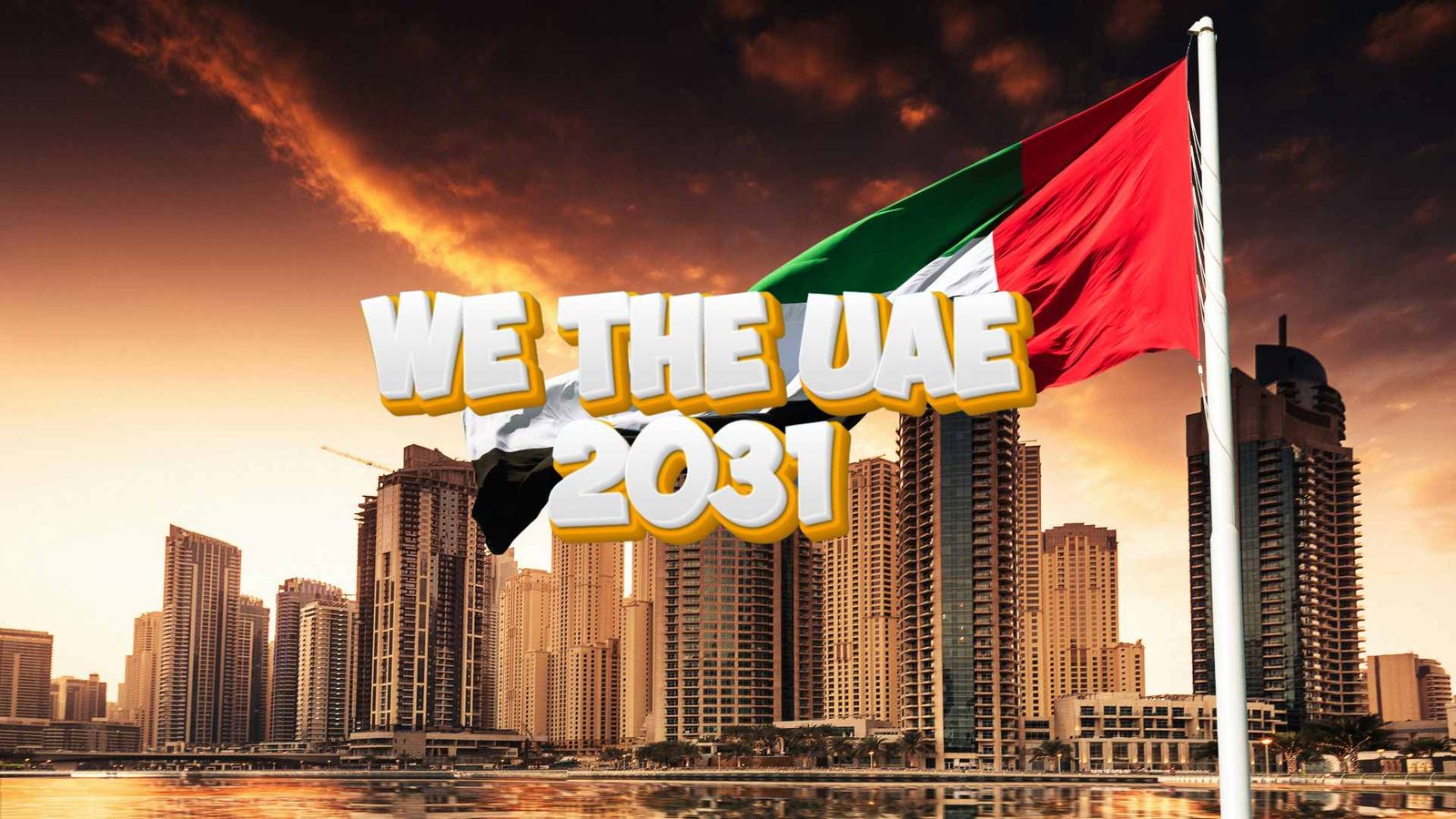
The United Arab Emirates has unveiled an ambitious plan to significantly boost its foreign direct investment inflows, aiming to increase annual figures from AED112 billion in 2023 to AED240 billion by 2031. This initiative is part of the newly approved National Investment Strategy 2031, which seeks to position the UAE as a premier global investment hub.

The strategy outlines a comprehensive approach to enhance the nation’s investment landscape. It includes the launch of 12 strategic programmes and 30 targeted initiatives, such as the Financial Sector Development Program, the One-Market Program, and InvestUAE. These initiatives are designed to bolster investment promotion and drive economic diversification across key sectors, including industry, logistics, financial services, renewable energy, and information technology.

His Highness Sheikh Mohammed bin Rashid Al Maktoum, Vice President, Prime Minister, and Ruler of Dubai, chaired the UAE Cabinet meeting where the strategy received approval. He emphasized that the goal is to increase annual foreign investment inflows to AED240 billion by 2031 and grow the UAE’s total FDI stock from AED800 billion to AED2.2 trillion over the coming years.

In 2023, the UAE recorded FDI inflows amounting to USD 30.688 billion, a substantial increase from USD 22.737 billion in 2022. This growth positioned the UAE second globally in FDI inflows, reflecting the nation’s robust investment climate and strategic initiatives to attract foreign capital.

The National Investment Strategy 2031 is expected to further enhance the UAE’s role as a bridge connecting regional markets and a global hub for investment. By focusing on key sectors and implementing targeted initiatives, the UAE aims to diversify its economy, reduce dependence on oil revenues, and promote sustainable development.

The strategy also aligns with the UAE’s broader economic goals, including the promotion of innovation, support for small and medium-sized enterprises , and the development of human capital. By creating a conducive environment for businesses and investors, the UAE seeks to foster economic growth and maintain its competitive edge in the global market.

As part of its efforts to attract foreign investment, the UAE has established a comprehensive framework of agreements, including Bilateral Investment Treaties , Avoidance of Double Taxation Agreements , and Comprehensive Economic Partnership Agreements . These agreements aim to offer robust protections, streamline processes, and provide strategic opportunities for investors, thereby enhancing the UAE’s appeal as an investment destination.

Asset management firm Ninety One Plc is increasing its investments in United Arab Emirates equities to mitigate exposure to the ongoing trade tensions initiated by U.S. President Donald Trump. The company’s emerging-markets equity team, overseeing $11 billion in assets, is targeting markets less affected by U.S. tariffs, according to co-portfolio manager Varun Laijawalla. This strategy includes acquiring shares in UAE-based companies such as Emaar Properties PJSC and Abu Dhabi Commercial Bank PJSC.

Emaar Properties, a leading real estate developer in the UAE, has experienced fluctuations in its stock performance. On March 14, 2025, the Dubai Financial Market index declined by 0.9%, influenced by losses in the real estate sector due to new tariff threats from President Trump. Emaar Properties and its construction subsidiary, Emaar Development, saw their shares decrease by 2.2% and 2.8%, respectively.

Despite these short-term declines, Emaar Properties has demonstrated resilience over the past year. The company’s stock has shown a 69.91% increase over the last 12 months, indicating strong growth potential.

Abu Dhabi Commercial Bank , another focus of Ninety One’s investment strategy, has also shown notable financial performance. In 2024, ADCB reported revenues of AED 16.61 billion, marking a 19.64% increase compared to the previous year’s AED 13.88 billion. Earnings for the same period reached AED 8.74 billion, reflecting an 11.80% increase.

The bank’s stock has been trading within a 52-week range of AED 7.61 to AED 12.60, with a market capitalization of approximately AED 76.67 billion.

Ninety One’s strategic move to invest in UAE markets aligns with its objective to find “uncorrelated markets” less susceptible to the adverse effects of U.S. tariffs. The firm, formerly known as Investec Asset Management, rebranded to Ninety One in 2020 to reflect its founding year and has since been listed on both the London and Johannesburg Stock Exchanges.

As of December 31, 2022, Ninety One managed approximately $159 billion in assets, offering a range of active strategies across equities, fixed income, multi-asset, and alternative investments.

The firm’s decision to bolster investments in the UAE comes amid broader market reactions to global trade tensions. On March 11, 2025, major Gulf markets experienced declines due to investor concerns over a potential U.S. recession triggered by widespread trade conflicts. The Saudi Arabian index fell by 1.3%, with significant decreases in Al Rajhi Bank and Saudi National Bank. Similarly, Dubai’s index decreased by 1.1%, affected by a 2.3% drop in Emaar Properties and a 1.9% decline in Emirates NBD.

However, by March 12, 2025, Gulf stock markets displayed mixed results amid hopes for a Ukraine ceasefire and ongoing concerns over U.S. tariffs. Dubai’s main index rose by 0.7%, led by gains in Emaar Properties and Dubai Islamic Bank, while Abu Dhabi’s index increased by 0.4%. Conversely, Saudi Arabia’s index experienced a slight decline of 0.1%.

The UAE’s economic environment presents opportunities for investors seeking markets less correlated with U.S. trade policies. Ninety One’s targeted investments in companies like Emaar Properties and ADCB reflect a strategic approach to navigating global trade uncertainties while capitalizing on the growth potential within the UAE.

Emaar Properties continues to be a significant player in the UAE’s real estate sector, with a market capitalization of AED 122.42 billion and a dividend yield of 7.22%. The company’s earnings per share stand at AED 1.53, and it is scheduled to release its next earnings report on May 8, 2025.

Abu Dhabi Commercial Bank maintains a strong presence in the UAE’s banking industry, with a public float of 2.91 billion shares. The bank’s robust financial performance and strategic initiatives position it well to navigate the challenges posed by global trade dynamics.

Ninety One’s emphasis on identifying investment opportunities in markets less affected by U.S. tariffs underscores its commitment to delivering value to its clients while mitigating risks associated with global trade tensions. By focusing on the UAE’s resilient sectors, the firm aims to achieve sustainable growth in an increasingly complex economic landscape.

Thailand’s Most Trusted Developer Capitalizes On Surging Pattaya And Tourist Destination Demand PATTAYA, THAILAND – Media OutReach Newswire – 17 March 2025 – Sansiri Public Company Limited, Thailand’s leading developer with a 40-year track record widely regarded as Thailand’s most trusted fully integrated real estate developer among both Thai and international clients, announces surpassing all records with the successful real-time global online booking launch of ‘PTY Residence […]

Advertisements

Accelerating Deeptech SINGAPORE – Media OutReach – 3 October 2023 – X-PITCH is delighted to introduce 2023 TOP100 startups. Chosen from a pool of over 3,000 startups around the world, this year’s selection showcases a diverse and vibrant ecosystem of entrepreneurial talent. X-PITCH 2023 is driven by a shared commitment to accelerate deeptech innovation across four vital domains: Healthcare, Advanced Manufacturing, Sustainability, and Digital Economy. The statistics […]

RIYADH, SAUDI ARABIA – Media OutReach Newswire – 16 March 2025 – Sahm Capital is excited to announce its official membership in the Arab Federation of Capital Markets (AFCM), further solidifying its commitment to the growth and development of the Arab capital markets. Founded in 1978, AFCM aims to enhance the efficiency and transparency of capital markets across the Arab region, including the GCC, Levant, and Arab […]

Artificial intelligence search tools, once hailed as the future of information retrieval, are now under scrutiny for their alarming inaccuracy. A comprehensive study by the Tow Center for Digital Journalism at Columbia University reveals that these AI-driven search engines frequently provide incorrect information, raising concerns about their reliability. The study evaluated eight prominent AI search tools, including OpenAI’s ChatGPT Search, Google’s Gemini, Perplexity, DeepSeek Search, Grok-2 Search, […]

India is poised to ascend to the position of the world’s third-largest economy by 2028, overtaking Germany, according to projections by global financial services firm Morgan Stanley. This anticipated growth underscores India’s expanding influence in the global economic landscape.

Currently standing as the fifth-largest economy with a gross domestic product of $3.5 trillion in 2023, India is on track to reach $4.7 trillion by 2026, surpassing Japan to become the fourth-largest economy. By 2028, the GDP is expected to further expand to $5.7 trillion, positioning India ahead of Germany. This trajectory marks a significant rise from its 12th position in 1990, 13th in 2000, 9th in 2020, and 5th in 2023.

Several foundational factors contribute to this robust economic growth. India’s burgeoning population offers a vast labor force and consumer base, fostering both production and consumption. The nation’s democratic framework ensures policy continuity and stability, attracting foreign investments. Macroeconomic stability, characterized by controlled inflation and prudent fiscal policies, has created a conducive environment for sustainable growth. Infrastructure development, including advancements in transportation and digital connectivity, has enhanced efficiency and productivity across sectors. Additionally, a rising entrepreneurial class has spurred innovation and competitiveness, further propelling economic expansion.

Morgan Stanley outlines three potential scenarios for India’s economic future by 2035:

– Bear Scenario: GDP reaches $6.6 trillion.

– Base Scenario: GDP grows to $8.8 trillion.

– Bull Scenario: GDP surges to $10.3 trillion.

In these scenarios, GDP per capita is projected to rise from $2,514 in 2025 to $4,247 , $5,683 , and $6,706 by 2035.

The government’s strategic initiatives have played a pivotal role in this economic ascent. Programs like ‘Make in India’ have invigorated the manufacturing sector, encouraging both domestic and foreign companies to establish production units within the country. The ‘Digital India’ campaign has significantly improved digital infrastructure, increasing internet penetration and promoting e-governance, thereby enhancing transparency and efficiency. These initiatives have collectively created a more business-friendly environment, attracting global investors and fostering economic growth.

The international community has taken note of India’s economic potential. Germany, for instance, is actively seeking to strengthen ties with India to diversify its economic partnerships and reduce reliance on China. German companies are increasingly investing in India, drawn by its vast market, youthful workforce, and relatively lower costs. This strategic move aligns with Germany’s efforts to diversify supply chains and mitigate economic risks associated with over-reliance on a single country.

However, challenges persist on India’s path to sustained economic growth. Concerns about the country potentially aging before achieving widespread prosperity have been raised. Issues such as unemployment, particularly among the educated youth, and a stagnating middle class could impede economic progress. To address these challenges, economists emphasize the need for India to maintain a growth rate of approximately 8% per year. Additionally, the prospect of an aging population, coupled with declining fertility rates, necessitates strategic planning to ensure a balanced and inclusive growth trajectory.

In the realm of global manufacturing, India has the opportunity to position itself as a viable alternative to China. By capitalizing on the ‘China plus One’ strategy, India can attract foreign investments in low-skilled manufacturing sectors. This approach not only diversifies global supply chains but also creates employment opportunities within the country, contributing to economic growth. However, achieving this requires addressing structural challenges, such as improving labor laws and enhancing ease of doing business, to create a more conducive environment for manufacturing investments.

Abu Dhabi-based investment firm MGX has made a landmark $2 billion investment in Binance, the world’s largest cryptocurrency exchange. This transaction represents Binance’s first institutional investment and is one of the most significant in the cryptocurrency industry’s history.

The investment was executed using stablecoins, a category of cryptocurrencies designed to maintain a stable value by pegging to traditional fiat currencies. While the specific stablecoin utilized in this transaction was not disclosed, such a substantial investment underscores the growing acceptance and integration of digital assets within mainstream financial systems.

MGX, chaired by Sheikh Tahnoon bin Zayed al-Nahyan, has traditionally focused on artificial intelligence and technological infrastructure. This move into the cryptocurrency sector signifies a strategic expansion of MGX’s investment portfolio, aligning with the United Arab Emirates’ ambition to position itself as a global hub for digital assets and blockchain technology.

Ahmed Yahia, CEO of MGX, emphasized the firm’s commitment to advancing the potential of blockchain technology in digital finance. He stated, “Our investment in Binance reflects our belief in the transformative potential of blockchain and our commitment to supporting the evolution of the digital finance ecosystem.”

Binance, established in 2017, has rapidly ascended to become the leading cryptocurrency exchange globally, boasting a daily trading volume exceeding $20 billion. The company maintains a significant operational presence in Abu Dhabi, employing approximately 1,000 individuals in the region. This investment not only strengthens Binance’s ties with the UAE but also highlights the strategic importance of the Middle East in the global cryptocurrency landscape.

Richard Teng, CEO of Binance, previously served as the head of the Abu Dhabi Financial Services Regulatory Authority. His leadership has been instrumental in navigating the complex regulatory environment and fostering relationships within the region. Teng expressed enthusiasm about the partnership with MGX, stating, “This investment marks a pivotal moment for Binance as we continue to build bridges between traditional finance and the digital asset industry.”

The UAE’s proactive approach to embracing digital assets is further exemplified by the introduction of AE Coin, a stablecoin backed by the UAE dirham. This initiative aims to facilitate seamless transactions within the digital economy and reinforce the country’s position as a pioneer in blockchain adoption.

MGX’s investment in Binance is anticipated to catalyze advancements in artificial intelligence, blockchain integration, and regulatory compliance within the cryptocurrency industry. By leveraging MGX’s expertise in AI and technology infrastructure, Binance aims to enhance its platform’s capabilities, offering more robust and secure services to its global user base.

This development arrives at a time when the cryptocurrency industry is witnessing increased institutional interest and regulatory scrutiny. Binance has faced challenges in the past, including a $4.3 billion fine in 2023 for failing to prevent money laundering activities. However, under Teng’s leadership, the company has made significant strides in enhancing its compliance measures and rebuilding its reputation within the global financial community.

The strategic partnership between MGX and Binance is expected to pave the way for further institutional investments in the digital asset space. As traditional financial institutions increasingly recognize the potential of blockchain technology, collaborations like this are likely to become more prevalent, driving innovation and adoption across the industry.

ADNEC Group has achieved a historic milestone by contributing AED8.5 billion to the UAE economy in 2024, surpassing the AED7.4 billion recorded in 2023. This achievement underscores the group’s expanding influence in bolstering economic growth and aligns with the UAE’s strategic goal of fostering a diversified, knowledge-based economy. Humaid Matar Al Dhaheri, Managing Director and Group CEO of ADNEC Group, remarked that 2024 has been a landmark […]

By K Raveendran Prime Minister Narendra Modi’s proclivity for favouring friends has become an enduring characteristic of his leadership, a trait that has shaped both his domestic and international strategies. His approach to governance, often criticised for prioritizing personal and political loyalties over broader national interest, is once again evident in the unfolding saga of […]

Saudi Arabia, historically a lucrative market for international consulting firms, is undergoing a notable transformation in its approach to external advisory services. The kingdom’s government is reassessing its reliance on foreign consultants, leading to a slowdown in contract awards and prompting firms to relocate staff to other regions, including Doha. This shift reflects a broader trend within the consulting industry, which is grappling with various challenges worldwide. […]

Dubai Aerospace Enterprise has committed approximately $1 billion to acquire 17 next-generation aircraft, enhancing its global fleet. This strategic move underscores DAE’s dedication to modernizing its portfolio and strengthening its position in the aviation leasing industry.

The acquisition includes 15 narrow-body and 2 wide-body aircraft, all equipped with advanced fuel-efficient technologies. Notably, 80% of these aircraft are manufactured by Airbus, with the remaining 20% produced by Boeing. This composition reflects DAE’s strategy to balance its fleet between the two leading aircraft manufacturers. The newly acquired aircraft are currently leased to 11 airlines across 10 countries, indicating DAE’s extensive global reach and diversified client base.

Firoz Tarapore, Chief Executive Officer of DAE, expressed enthusiasm about the acquisition, stating that it aligns with the company’s commitment to integrating next-generation technology into its fleet. He emphasized that these modern, fuel-efficient aircraft will not only enhance DAE’s portfolio but also deepen relationships with their global airline customers. Tarapore also highlighted the company’s proactive approach in sourcing attractive assets from the secondary market to meet growth and portfolio management targets, especially amid ongoing delivery delays from manufacturers.

Upon completion of this transaction, DAE’s fleet metrics are expected to improve significantly. The weighted average age of its passenger fleet will decrease to 6.9 years, and the average remaining lease term will extend to 6.6 years. This rejuvenation of the fleet is anticipated to enhance operational efficiency and appeal to airlines seeking modern aircraft for their operations.

The updated fleet composition post-acquisition will be 46% Airbus aircraft, 49% Boeing aircraft, and 5% ATR 72-600 models. This balanced mix ensures that DAE can cater to a wide range of airline requirements, from regional to long-haul operations.

The aviation industry has been witnessing a strong recovery, with airlines seeking to modernize their fleets to meet environmental regulations and passenger expectations. DAE’s investment in next-generation aircraft positions the company to capitalize on this trend, offering fuel-efficient and environmentally friendly options to its clients.

In the context of global aviation, leasing companies like DAE play a crucial role in providing airlines with flexible fleet solutions. By investing in modern aircraft, lessors not only support airlines in meeting their operational goals but also contribute to the overall sustainability efforts of the industry.

DAE’s strategic decision to expand its fleet with next-generation aircraft demonstrates its commitment to innovation, customer satisfaction, and environmental responsibility. As the aviation sector continues to evolve, such investments are essential for companies aiming to maintain a competitive edge and support the industry’s growth trajectory.

This acquisition also reflects the broader trend of aviation companies prioritizing sustainability. Next-generation aircraft are designed to offer improved fuel efficiency and reduced emissions, aligning with global efforts to combat climate change. By integrating these aircraft into its fleet, DAE is not only enhancing its market position but also contributing positively to environmental sustainability.

By Tajul Islam On January 20, 2025, US President Donald Trump issued an executive order suspending all USAID and State Department-funded projects, totaling $60 billion, for 90 days. This decision was framed as a reassessment of foreign aid effectiveness and its alignment with the administration’s strategic priorities. The abrupt termination of nearly 10,000 foreign aid grants and contracts has sent economic and humanitarian shockwaves through countries in […]

HONG KONG SAR – Media OutReach Newswire – 14 March 2025 – Hong Kong Science and Technology Parks Corporation (HKSTP) is excited to announce the 9th edition of the Elevator Pitch International Competition (EPIC 2025), a global stage for visionary startups to secure investment, spur business opportunities, and scale in Asia’s innovation arena from 3-7 November, as finalists showcase their groundbreaking ideas with a 60-second pitch at […]

Aldar Investment Properties , a subsidiary of Aldar Properties, has successfully issued a $500 million 10-year green sukuk, significantly enhancing its financial standing. The issuance witnessed remarkable investor interest, with the order book surpassing $3.6 billion, indicating an oversubscription rate of 7.2 times. Regional investors accounted for 61% of the allocations, while international investors took up the remaining 39%. The sukuk was competitively priced at a spread […]

Lila Sciences, a pioneering venture in artificial intelligence , has secured $200 million in seed funding to develop a groundbreaking scientific superintelligence platform. This platform aims to revolutionise scientific research by integrating AI with autonomous laboratories across life sciences, chemistry, and materials science. The funding round saw participation from notable investors, including Flagship Pioneering, General Catalyst, March Capital, ARK Venture Fund, Altitude Life Science Ventures, Blue Horizon Advisors, the State of Michigan Retirement System, Modi Ventures, and a wholly owned subsidiary of the Abu Dhabi Investment Authority .

Founded in 2023 within the labs of Flagship Pioneering, Lila Sciences is on a mission to achieve what it terms “scientific superintelligence.” This concept involves an advanced form of AI capable of not only processing vast amounts of data and making predictions but also assisting scientists in designing and conducting new experiments, generating hypotheses, and testing them in real-world environments. The company’s Autonomous Science platform is designed to scale and optimise experimentation in any scientific domain by combining generative AI with generalisable, scalable, and autonomous AI science units.

Chief Executive Officer Geoffrey von Maltzahn, Ph.D., co-founder of Lila Sciences and General Partner at Flagship Pioneering, emphasised the company’s ambitious vision: “Lila’s mission to responsibly achieve scientific superintelligence is born out of the belief that this is the most important opportunity of our time, and that the leader in this pursuit will be the entity that runs the scientific method at the largest scale, speed, and intelligence.” He further elaborated on the necessity of solving complex challenges to enable AI to autonomously and scalably execute each step of the scientific process, from idea generation to practical implementation using robotics and automation.

The investment by ADIA underscores the growing interest of sovereign wealth funds in cutting-edge technologies, particularly those with the potential to transform industries. While the exact financial contribution from ADIA remains undisclosed, its participation aligns with the fund’s strategy to diversify its portfolio by investing in innovative sectors poised for significant growth.

Lila Sciences’ platform has already demonstrated remarkable capabilities in multiple domains. These include developing large language models with state-of-the-art reasoning abilities on critical scientific problems, generating genetic medicine constructs that outperform commercially available therapeutics, discovering and validating hundreds of novel antibodies, peptides, and binders, and creating unique non-platinum catalysts for green hydrogen production. These achievements highlight the platform’s potential to accelerate scientific discovery and address complex challenges in human health and sustainability.

The company’s leadership team comprises distinguished figures in the scientific community. George Church, Ph.D., a renowned geneticist, serves as the Chief Scientist Officer. Andrew Beam, Ph.D., an expert in AI and machine learning, holds the position of Chief Technology Officer. Kenneth Stanley, Ph.D., known for his work in neuroevolution, is the Senior Vice President. Rafael Gómez-Bombarelli, Ph.D., an authority in materials science, serves as the Chief Science Officer of Materials. Christopher Fussell, with extensive experience in organisational leadership, is the President of Operations. This diverse team brings a wealth of knowledge and expertise to drive Lila Sciences’ ambitious agenda forward.

The platform’s design aims to be open to partners across the life and material sciences industries. By collaborating with various stakeholders, Lila Sciences intends to jointly develop solutions in human health and sustainability at an unprecedented pace and scale. This collaborative approach is expected to harness the collective expertise of industry leaders, researchers, and innovators to tackle some of the most pressing challenges facing society today.

The involvement of investors such as Flagship Pioneering, General Catalyst, March Capital, ARK Venture Fund, Altitude Life Science Ventures, Blue Horizon Advisors, the State of Michigan Retirement System, Modi Ventures, and ADIA reflects a strong confidence in Lila Sciences’ vision and potential. Flagship Pioneering, known for its role in founding Moderna, has a track record of supporting transformative biotech ventures. General Catalyst and March Capital bring significant experience in scaling technology companies, while ARK Venture Fund and Altitude Life Science Ventures are recognised for their focus on disruptive innovations in science and technology. Blue Horizon Advisors, with offices in the UAE and the UK, adds a global perspective to the investor consortium. The State of Michigan Retirement System’s participation signifies institutional interest in groundbreaking technologies, and Modi Ventures’ involvement highlights the appeal of Lila Sciences’ mission to diverse investor groups.

The substantial seed funding of $200 million is earmarked to support the further development of Lila Sciences’ AI platform, the establishment of autonomous labs, and the infrastructure necessary for rapid scaling. These resources are intended to enable the company to expand its capabilities, enhance its technological infrastructure, and accelerate the deployment of its platform across various scientific domains. The goal is to create a robust ecosystem where AI-driven experimentation can lead to faster, more efficient, and more accurate scientific discoveries.

Lila Sciences’ emergence comes at a time when the integration of AI into scientific research is gaining momentum. The company’s approach represents a significant shift towards automating the scientific method, potentially reducing the time and cost associated with traditional research and development processes. By enabling AI to autonomously generate hypotheses, design experiments, and interpret results, Lila Sciences aims to unlock new possibilities in drug discovery, materials development, and other critical areas.


A U.S. court has approved Three Arrows Capital’s request to raise its claim against FTX to $1.53 billion. This decision allows the embattled hedge fund to pursue a larger share in the bankruptcy proceedings of the collapsed cryptocurrency exchange, FTX. The court’s approval comes after 3AC, which held significant assets in FTX, revised its initial claim to reflect a more substantial financial stake.

As of June 12, 2022, 3AC reportedly held assets valued at $1.53 billion in FTX, a cryptocurrency exchange that has since spiraled into bankruptcy. However, a rapid series of transactions between the two parties led to the liquidation of a significant portion of these assets. Just days after 3AC held the assets, they were sold off to cover a $1.3 billion debt owed to FTX, leaving 3AC with a significantly reduced amount.

Initially, 3AC had filed a claim for $120 million in June 2023, which represented the remaining value of its assets at the time. The claim was based on 3AC’s holdings of FTX’s native FTT tokens and other crypto assets tied to the exchange, which were initially valued higher. However, in light of further analysis and unfolding details, the claim has now been revised upwards, with 3AC seeking $1.53 billion in total.

The court’s ruling allows 3AC to officially revise the terms of its claim, which will impact how the proceedings in FTX’s bankruptcy case unfold. With a claim now nearly ten times larger than originally filed, 3AC’s request highlights the complexity of the ongoing bankruptcy proceedings and the intricate relationships between major crypto players.

The revised claim is rooted in the volatile collapse of FTX, which saw assets across the crypto sector lose significant value. The turmoil within the digital currency market has also raised questions regarding asset valuations and the interlinked financial risks faced by companies involved in the cryptocurrency ecosystem. The asset liquidation that occurred between 3AC and FTX highlights the systemic risks that crypto exchanges, funds, and investors face during such crises.

The U.S. court’s approval comes amid continuing investigations into FTX’s operations, with authorities scrutinising the events leading to the exchange’s downfall. FTX founder Sam Bankman-Fried faces multiple charges related to fraud and mismanagement, and the ongoing legal proceedings have drawn attention to the broader impact on investors and creditors. The case of 3AC is just one of many high-profile claims emerging from the aftermath of FTX’s bankruptcy, but its size and prominence underscore the potential consequences for other creditors.

For 3AC, the court’s approval marks a critical development as the firm continues its restructuring efforts in the wake of its own collapse. Three Arrows Capital had once been a prominent player in the cryptocurrency hedge fund space, but it has faced significant financial setbacks following its exposure to failing crypto assets. The fund’s involvement in the FTX debacle further complicates its ongoing recovery, with large sums of money at stake.

3AC’s strategy to pursue a larger claim indicates its ongoing efforts to secure as much compensation as possible through FTX’s bankruptcy process. Given the scale of its claim, 3AC may also seek to negotiate its position with other creditors involved in the bankruptcy, all of whom are competing for a share of the limited remaining assets.

The approval also raises broader questions about the future of cryptocurrency regulation, as both the U.S. and international regulators examine the collapse of FTX and its ramifications. The FTX debacle has drawn scrutiny from lawmakers and regulatory bodies, with calls for more stringent oversight of the cryptocurrency industry. As the fallout from the collapse continues to unfold, many expect further legal challenges and claims from other investors and entities that were involved in the exchange’s operations.

Recognized for “go-to-market innovation and consistent partner engagement” HONG KONG SAR – Media OutReach Newswire – 14 March 2025 – Cybersecurity giant Trend Micro Incorporated (TYO: 4704; TSE: 4704) has been named a Champion in the Canalys Global Cybersecurity Leadership Matrix 2025. This marks Trend’s third consecutive placement as #1 among the 32 cybersecurity vendors appraised by Canalys. Trend and its partners serve the industry’s most geographically […]

MACAO SAR – Media OutReach Newswire – 13 March 2025 – Melco Resorts & Entertainment continues to lead in Macau in the newly published MICHELIN Guide Hong Kong & Macau 2025, being granted eight MICHELIN Stars across five restaurants located in City of Dreams, Studio City and Altira Macau. This year’s result sees Jade Dragon, City of Dreams’ Cantonese fine dining restaurant, maintain its superior Three MICHELIN […]

In a significant move to bolster global sustainability efforts, the United Arab Emirates and Denmark have formalized a partnership aimed at enhancing cooperation in sustainable agriculture and food systems. This development underscores both nations’ commitment to addressing pressing environmental challenges and ensuring food security. On 12th March 2025, His Highness Sheikh Abdullah bin Zayed Al Nahyan, UAE’s Deputy Prime Minister and Minister of Foreign Affairs, met with […]

VISHNU RAJA
RYO YAMADA
HITORI GOTOH
IKUYO KITA