News related to
across

Blockchain-based role-playing game BattleRise: Kingdom of Champions has announced its integration with the Beam Network, aiming to expand its multi-chain accessibility for players. This collaboration signifies a strategic move to enhance the game’s reach and provide a seamless gaming experience across various blockchain platforms.

The Beam Network, recognized for its focus on gaming infrastructure, recently transitioned to a Layer 1 blockchain. This shift, facilitated by the Avalanche Community Proposal ACP-77 and the Etna upgrade, allows Beam to operate independently while leveraging Avalanche’s technical framework. The transition offers Beam increased flexibility and decentralization, enabling it to tailor its infrastructure to better serve gaming applications.

BattleRise’s decision to join the Beam Network is part of its broader strategy to integrate multiple blockchain networks, thereby delivering an accessible multi-chain gaming environment. The game’s development team has actively engaged its community, soliciting feedback on preferred blockchain integrations. This collaborative approach underscores the game’s commitment to aligning with player preferences and enhancing user experience.

While the exact timeline for BattleRise’s integration with the Beam Network remains undisclosed, the partnership is expected to introduce new features and opportunities for players. Notably, following a previous minting of 1,500 NFT skins on Etherlink, an EVM-compatible Layer 2 network utilizing Tezos technology, there is speculation about an upcoming NFT mint on the Beam Network. This potential event would provide players with additional chances to acquire unique in-game skins and increase their allocation of the forthcoming $BATTLE token.

BattleRise: Kingdom of Champions offers a mobile fantasy RPG experience where players engage in turn-based battles to defend the world of Eos from the God of Death’s forces. Players can assemble teams of upgradable Champions from various factions, each possessing unique skills and abilities that enable strategic gameplay. The game features multiple modes, including Story mode, an endless dungeon mode, and a Player versus Player Arena, catering to diverse player preferences.

In addition to its gameplay offerings, BattleRise incorporates blockchain elements such as NFTs and the upcoming $BATTLE token. Players can earn these tokens through various in-game activities, including climbing PvP and Player versus Environment leaderboards and participating in social tasks on the game’s questing platform. The integration with the Beam Network is anticipated to further enrich these blockchain-based features, providing a more robust and interconnected gaming ecosystem.

The Beam Network’s evolution into a Layer 1 blockchain, coupled with its decentralized proof-of-stake consensus mechanism introduced through the Horizon upgrade, positions it as a formidable platform for gaming applications. This infrastructure supports community involvement in network security and offers developers the flexibility to customize their applications, aligning with BattleRise’s objectives of providing an immersive and player-centric gaming experience.

RIYADH, SAUDI ARABIA – Media OutReach Newswire – 24 February 2025 – Sahm Capital, a leading financial services provider, empowered investors at the CMF Riyadh 2025 Investor Bootcamp. Hadeel Bedeeri, General Manager of Sahm Capital, led a session on navigating the IPO process, equipping attendees with essential knowledge to thrive in Saudi Arabia’s evolving capital market. The Investor Bootcamp, held on February 19th, 2025, is part of […]

Netrouting and AFIBER have successfully activated a 400-gigabit backbone connection between The Hague and Amsterdam, significantly boosting data transfer capabilities for clients of Netrouting and Data Facilities Data Centers in the Netherlands. This development offers enhanced connectivity, reduced latency, and increased bandwidth for businesses operating within these regions. The newly established redundant backbone link connects DFDC’s facilities in The Hague to major data hubs in Amsterdam, including […]

SINGAPORE – Media OutReach Newswire – 24 February 2025 – The Institute of Singapore Chartered Accountants (ISCA) has signed a Memorandum of Understanding (MOU) with Xi’an Jiaotong-Liverpool University (XJTLU) in Suzhou, China, to establish pathways for students in China to pursue the Singapore Chartered Accountant Qualification (SCAQ). The newly-formed partnership marks the first collaboration with a university in China for ISCA, since the launch of its first […]

MG Motor has achieved a significant milestone in the Middle East automotive market, recording 70,033 vehicle sales in 2024. This figure represents a 10% increase compared to the previous year, underscoring the brand’s growing popularity in the region. The Kingdom of Saudi Arabia emerged as MG’s largest market, contributing over 30,000 units to the total sales. This robust performance solidifies MG’s position among the top car manufacturers […]

Arabian Post Staff -Dubai Visa has unveiled its Tap-to-Add Card service in Jordan, enabling cardholders to incorporate their Visa contactless cards into digital wallets by simply tapping them on their mobile devices. This initiative aims to enhance the security and convenience of digital wallet provisioning, eliminating the need for manual data entry—a process often prone to errors and potential security vulnerabilities. Mario Makary, Vice President and Cluster […]

Shenzhen, a prominent technology hub in southern China’s Guangdong province, has unveiled an ambitious plan to inject 4.5 billion yuan into its burgeoning artificial intelligence and robotics sectors. This substantial financial commitment aims to fortify the city’s position as a global leader in technological innovation.

The newly announced policy package offers significant incentives to enterprises operating within these industries. Businesses can avail themselves of subsidies covering up to 60% of their computing power expenses, with a ceiling of 10 million yuan per company. These vouchers are designed to alleviate the substantial costs associated with high-performance computing, a critical component in AI development. Additionally, the government plans to introduce model vouchers, corpus vouchers, and scene-based subsidies to further stimulate growth and innovation within the AI and robotics sectors.

Lin Yi, the head of Shenzhen’s AI industry department, emphasized the city’s dedication to advancing humanoid robotics. He outlined plans to implement specialized policies aimed at achieving breakthroughs in key technologies, enhancing databases, and scaling up manufacturing processes. These initiatives are expected to accelerate the development and deployment of humanoid robots in various sectors.

To foster a collaborative ecosystem, the Shenzhen government intends to support companies through a ranking system designed to encourage partnerships and expedite technological advancements. This approach aims to create a synergistic environment where industry leaders, startups, and research institutions can collaborate effectively. The allocation of the 4.5 billion yuan fund is slated for this year, with applications for companies opening in March.

In a broader strategic move, Shenzhen plans to integrate AI and robotics into its major science and technology projects. This integration seeks to cultivate robust partnerships between industry players, academic institutions, and research organizations, thereby creating a comprehensive and collaborative innovation ecosystem. Zhang Lin, director of the Shenzhen municipal bureau of science and technology innovation, highlighted the city’s ambition to accelerate the development of a globally influential industrial and technological innovation center, positioning Shenzhen as a beacon of innovation.

Historically, Shenzhen has transformed from a modest fishing village into one of China’s most dynamic and innovative cities. Currently, it is home to over 2,200 AI companies, boasting a comprehensive AI industry chain that spans from smart chip production and algorithm development to large-scale models and software-hardware applications. This extensive ecosystem underscores the city’s capacity to support and sustain rapid technological advancements.

The city’s AI ambitions are not limited to financial incentives. Plans are underway to expand AI applications across various sectors, with an additional 100 scenarios set to be introduced in 2025. These scenarios will focus on areas such as municipal sanitation, emergency response, and healthcare, building upon the nearly 200 AI-powered applications already operational throughout the city. This expansion reflects Shenzhen’s commitment to leveraging AI to enhance public services and quality of life for its residents.

Advertisements

French defence and technology conglomerate Thales has announced plans to commence production of radar antennas in the United Arab Emirates within this year. This strategic initiative aims to cater to both domestic requirements and international export demands, marking a significant expansion of Thales’ footprint in the Middle East. Pascale Sourisse, President and Chief Executive Officer of Thales International, detailed the company’s commitment to establishing a radar manufacturing […]

Strengthening Global Trade Financial Solutions NEW YORK, US – Media OutReach Newswire – 24 February 2025 – XTransfer, a leading global B2B cross-border trade payment platform, continues solidifying its regulatory presence in the United States by acquiring five new payment licenses in Illinois, Iowa, New Mexico, Idaho, and South Carolina. This milestone follows the company’s recent expansion into New Hampshire, the District of Columbia, Utah, Georgia, and […]

Japan’s digital trade deficit reached an unprecedented ¥6.65 trillion in 2024, highlighting the increasing reliance on foreign digital services, particularly from dominant U.S. technology firms. This figure has more than tripled since 2014, when comparable data first became available, according to a recent government report.

The surge in the digital trade deficit is primarily attributed to Japanese companies’ growing dependence on services provided by American tech giants such as Amazon, Microsoft, and Google. These services encompass cloud computing, online advertising, and licensing fees, which have become integral to enhancing operational efficiency across various sectors in Japan. The lack of competitive domestic alternatives has further entrenched the position of these foreign providers in the Japanese market.

In 2024, Japan’s imports of digital-related services outpaced exports, leading to the record deficit. This trend reflects the broader global dominance of U.S. information technology companies, whose advanced services have become indispensable to businesses worldwide. The Finance Ministry’s preliminary balance of payments report indicates that while Japan enjoyed a record current account surplus of ¥29.26 trillion in 2024, bolstered by higher dividend and interest receipts from abroad, the goods and services trade deficit stood at ¥6.51 trillion, heavily influenced by the digital trade imbalance.

Experts suggest that bridging this digital divide requires significant investment in domestic technological development. Kengo Wataya, a researcher at the Mitsubishi Research Institute, points out that despite efforts to develop homegrown cloud services, there remains a substantial gap in capabilities between Japanese and American companies. Wataya emphasizes the necessity for Japan to leverage digital technologies to generate revenue in other sectors, thereby mitigating the burgeoning deficit.

The government’s data also reveals that Japan’s digital trade deficit has been on a consistent upward trajectory over the past decade. In 2014, the deficit was recorded at ¥2.02 trillion, underscoring a more than threefold increase by 2024. This escalation is indicative of the rapid digital transformation globally and Japan’s escalating consumption of foreign digital services.

The digital trade balance encompasses various services, including payments for cloud infrastructure, online advertising, and licensing fees for digital content such as music and video. As both individuals and enterprises in Japan continue to digitize their operations and lifestyles, the demand for sophisticated digital services has surged. However, the domestic market’s inability to supply comparable services has resulted in increased reliance on imports, thereby widening the trade deficit.

While the overall current account surplus suggests a positive economic outlook, the underlying figures present a complex narrative. The substantial income from overseas investments has been a significant contributor to the surplus. However, the persistent and growing trade deficit, particularly in the digital sector, raises concerns about the sustainability of this economic model. Analysts warn that an overreliance on foreign digital services could expose Japan to external economic fluctuations and undermine the competitiveness of its domestic tech industry.

In response to these challenges, there have been calls for strategic policy interventions aimed at fostering innovation within Japan’s tech sector. Proposals include increased funding for research and development, incentives for startups, and collaborations between academia and industry to cultivate a robust digital ecosystem. By enhancing domestic capabilities, Japan could reduce its dependence on foreign services and improve its trade balance in the digital domain.

Addressing the digital trade deficit is not solely an economic imperative but also a matter of national security. Reliance on foreign digital infrastructure and services may pose risks related to data sovereignty and cybersecurity. Therefore, developing indigenous technologies and services is crucial for safeguarding sensitive information and maintaining technological autonomy.

The Islamic World Educational, Scientific and Cultural Organisation and the Emirates Scholar Research Centre have formalised a partnership aimed at enhancing scientific research and innovation. The Memorandum of Understanding was signed in Sharjah by Salem Omar Salem, Director of ICESCO’s Regional Office, and Dr. Firas Habbal, President of ESRC and Vice Chairman of its Board of Trustees.

This collaboration seeks to create a robust framework for addressing global challenges through the exchange of knowledge, joint research initiatives, and academic cooperation. By leveraging the strengths of both organisations, the partnership aspires to foster innovation and contribute to scientific advancement in the region.

Salem Omar Salem emphasised the significance of this alliance, stating that it represents a pivotal step towards integrating expertise and developing collaborative research projects aimed at tackling pressing global issues. He highlighted the UAE’s and Sharjah’s commitment to supporting international efforts in advancing scientific research and promoting tolerance.

Dr. Firas Habbal echoed these sentiments, noting that the partnership aligns with ESRC’s dedication to advancing scientific research and innovation through collaborations with leading international entities. He underscored the belief that scientific inquiry serves as the cornerstone for building a more tolerant and sustainable future.

The MoU outlines several key areas of cooperation, including the organisation of joint scientific conferences, the exchange of researchers and experts, and the development of innovative research projects. These initiatives aim to provide practical solutions to global challenges and contribute to the broader scientific community.

This partnership reflects a broader trend of collaborative efforts between ICESCO and various academic and research institutions. For instance, ICESCO has previously signed agreements with entities such as the University of Sharjah and the European Muslim Scholars Council, focusing on enhancing cooperation in education, culture, and scientific research. These alliances underscore ICESCO’s commitment to fostering international collaboration and promoting the exchange of knowledge across borders.

The collaboration between ICESCO and ESRC is poised to make significant contributions to the scientific landscape, not only within the UAE but also across the broader Islamic world. By pooling resources and expertise, both organisations aim to drive innovation, support sustainable development, and address complex global issues through research and academic excellence.

A heated dispute has erupted between cryptocurrency exchange OX.FUN and NFT artist collective JefeDAO, centering on accusations of fraud and the freezing of substantial funds. The conflict has escalated publicly, with both parties presenting conflicting narratives regarding the events.

JefeDAO has publicly accused OX.FUN of fraudulent activities, alleging that a member of their collective is unable to withdraw $1 million in USDC from the exchange. They claim that OX.FUN is engaging in extortion by withholding these funds without valid justification. This accusation has been disseminated across various social media platforms, amplifying concerns within the cryptocurrency community about the exchange’s practices.

In response, OX.FUN has refuted these allegations, asserting that the funds were frozen due to JefeDAO’s attempt to manipulate the platform’s oracle system. The exchange contends that this action was a deliberate effort to tarnish its reputation and disrupt its operations. OX.FUN maintains that all other users’ withdrawals are being processed without issues and emphasizes its commitment to user fund security and adherence to service terms.

The Ministry of Communications and Information Technology has introduced a pioneering ‘Digital Skills Framework’ aimed at accelerating Qatar’s digital transformation. This initiative delineates 115 distinct digital competencies across 19 key domains, structured into four progressive proficiency levels. The framework is designed to enhance digital literacy and expertise within both public and private sectors, aligning with the nation’s Digital Agenda 2030 and the Third National Development Strategy.

The Digital Skills Framework serves as a foundational tool to standardize digital competencies across various industries in Qatar. By categorizing skills into beginner, intermediate, advanced, and expert levels, the framework provides a clear pathway for individuals and organizations to assess and develop their digital capabilities. This structured approach ensures that the workforce is equipped to meet the evolving demands of a digitally-driven economy.

In conjunction with the launch of the Digital Skills Framework, MCIT has established the ‘Digital Skills Working Group.’ This collaborative body comprises representatives from various government entities and aims to foster the development of digital skills nationwide. The working group is tasked with coordinating efforts to implement the framework effectively, identifying opportunities for digital upskilling, and addressing challenges related to digital competency development. Regular quarterly meetings are scheduled to ensure continuous progress and alignment with national digital strategies.

The introduction of the Digital Skills Framework and the formation of the working group are integral components of Qatar’s broader strategy to position itself as a leading digital economy. The Digital Agenda 2030 outlines key pillars, including the enhancement of digital infrastructure, promotion of digital innovation, and integration of smart technologies across various sectors. By focusing on these areas, Qatar aims to create a conducive environment for technological advancement and economic diversification.

In a significant move to bolster its digital transformation efforts, Qatar has entered into a five-year partnership with Scale AI, a San Francisco-based artificial intelligence solutions provider. This collaboration is set to deploy AI-powered tools and training programs to enhance government services. Scale AI will develop over 50 AI use cases tailored to Qatar’s governmental needs, incorporating predictive analytics, automation, and advanced data analysis. This initiative is expected to streamline operations and improve public service delivery, positioning Qatar at the forefront of AI integration in governance.

The partnership with Scale AI underscores Qatar’s commitment to leveraging cutting-edge technologies to drive national development. By integrating AI solutions into government operations, Qatar aims to enhance efficiency, reduce operational costs, and provide more responsive services to its citizens. This initiative also reflects a broader trend among Gulf nations to invest in artificial intelligence as a means to diversify their economies and reduce dependence on hydrocarbon revenues.

Qatar’s focus on digital transformation is further evidenced by its substantial investments in digital infrastructure. The Qatar Investment Authority has announced plans to merge Qatar National Broadband Network with Gulf Bridge International , aiming to create a national leader in telecommunications. This merger is expected to enhance the country’s digital and AI infrastructure, providing a robust foundation for future technological initiatives. Additionally, telecommunications company Ooredoo is expanding its regional data centers to meet the growing demand for AI applications, further solidifying Qatar’s position as a digital hub in the region.

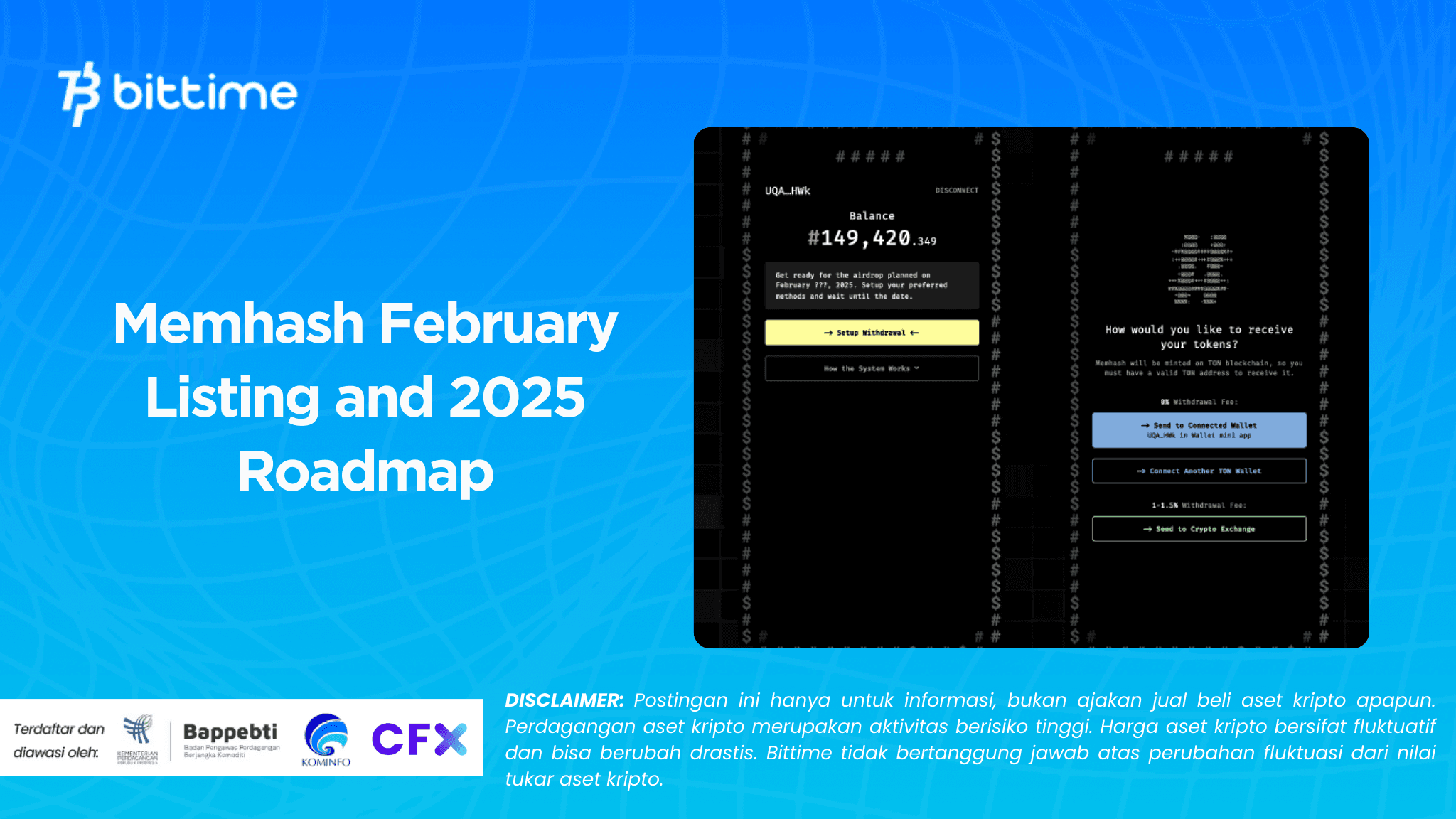
Memhash , a novel cryptocurrency that merges gaming simplicity with blockchain technology, is poised for its official debut on several prominent exchanges. Trading is scheduled to commence at 09:00 UTC on 28 February 2025, offering enthusiasts and investors an opportunity to engage with this innovative digital asset.

KuCoin, a leading cryptocurrency exchange, has confirmed the listing of MEMHASH on its platform. Deposits are currently open via the TON-Jetton network, allowing users to prepare ahead of the trading launch. The MEMHASH/USDT trading pair will be available, with withdrawals becoming accessible from 10:00 UTC on 1 March 2025. To enhance user experience, KuCoin will support various trading bots, including Spot Grid and AI Spot Trend, facilitating automated trading strategies.

In addition to KuCoin, MEXC Global has announced the inclusion of MEMHASH in its Innovation Zone. This segment is dedicated to high-potential assets, providing traders with early access to emerging cryptocurrencies. Deposits on MEXC are already open, with trading set to begin simultaneously at 09:00 UTC on 28 February 2025. Withdrawals will be enabled from 09:00 UTC on 1 March 2025, ensuring seamless transactions for users.

Bitget, another major exchange, is also preparing to list MEMHASH. While specific details regarding trading pairs and exact timings are yet to be disclosed, the exchange has indicated that the listing will occur concurrently with other platforms on 28 February 2025. This simultaneous launch across multiple exchanges is expected to provide substantial liquidity and trading opportunities for MEMHASH participants.

The journey of Memhash began with an airdrop event that ran from 29 October 2024 to 1 January 2025. During this period, participants engaged in a simulated mining process via Telegram, earning MEMHASH tokens. Approximately 43% of the total token supply was mined during the airdrop, with the remaining 57% allocated for future mining activities and community incentives.

Dubai is solidifying its status as a premier destination for ultra-high-net-worth individuals and family offices, driven by a confluence of strategic initiatives, favourable economic policies, and an influx of global financial entities. This trend is reshaping the emirate’s financial landscape, positioning it as a global hub for wealth management and investment. The Dubai International Financial Centre has experienced remarkable growth, with the number of hedge funds increasing […]

RAKBANK has entered into a strategic partnership with Faturalab, a prominent provider of smart supply chain solutions, aiming to transform supply chain finance for businesses across the UAE. This collaboration seeks to enhance financial workflows between buyers, suppliers, and banks, promoting operational efficiency and compliance with relevant regulations. Established in 2016, Faturalab has evolved from an invoice financing platform into Turkey’s leading finance technology provider. The company […]

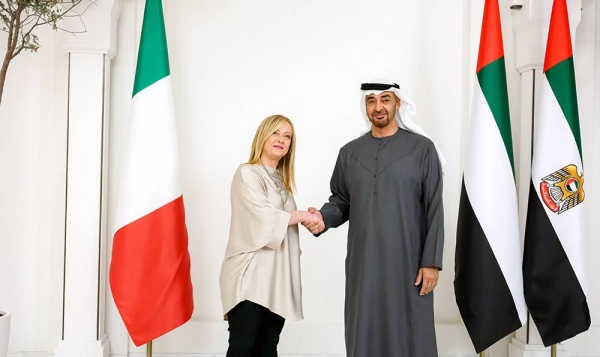
President Sheikh Mohamed bin Zayed Al Nahyan’s state visit to Italy has significantly bolstered the relationship between the United Arab Emirates and Italy. During a dinner banquet hosted by Italian President Sergio Mattarella, both leaders expressed their commitment to enhancing bilateral cooperation across various sectors.

President Mattarella welcomed Sheikh Mohamed and his delegation, highlighting the deep-rooted ties between the two nations and their mutual desire to further strengthen collaboration for the benefit of their peoples. In response, Sheikh Mohamed conveyed his appreciation for the warm reception and emphasized the strategic partnership’s ongoing growth. He noted that this visit reflects both countries’ aspirations to work together towards elevated cooperation and joint economic development.

A symbolic exchange of honors took place during the banquet. Sheikh Mohamed awarded President Mattarella the Order of Zayed, the UAE’s highest civilian honor bestowed upon world leaders. In return, President Mattarella conferred upon Sheikh Mohamed the Order of Merit of the Italian Republic, Italy’s highest accolade for foreign dignitaries.

The UAE delegation accompanying Sheikh Mohamed included Sheikh Abdullah bin Zayed Al Nahyan, Deputy Prime Minister and Minister of Foreign Affairs; Sheikh Hamdan bin Mohamed bin Zayed Al Nahyan, Deputy Chairman of the Presidential Court for Special Affairs; and Sheikh Mohammed bin Hamad bin Tahnoon Al Nahyan, Advisor to the UAE President. The Italian side was represented by several ministers, senior officials, and other dignitaries.

As Sheikh Mohamed’s aircraft entered Italian airspace, it was ceremoniously escorted by a squadron of Italian military jets, symbolizing the importance of this visit. This gesture underscores the mutual respect and the strengthening ties between the two nations.

The discussions between the leaders encompassed a wide range of topics, including investment opportunities, advancements in artificial intelligence, and cultural exchanges. Both countries are keen to explore collaborative ventures in these areas to foster innovation and economic growth.

Energy cooperation emerged as a focal point during the talks. The UAE’s Abu Dhabi National Oil Company and Italy’s energy giant Eni are expanding their partnership beyond traditional oil and gas sectors. Their collaboration now includes renewable energy projects, aligning with global efforts to transition towards sustainable energy solutions.

Defense and security were also prominent on the agenda. Italy’s Leonardo remains a key supplier to the UAE Armed Forces, and both nations are exploring avenues to deepen their defense cooperation. This includes potential joint ventures and knowledge exchange programs aimed at enhancing the capabilities of their respective armed forces.

Emerging sectors such as climate change mitigation, food security, and the space industry were identified as promising areas for future collaboration. Both countries recognize the importance of addressing global challenges through joint initiatives and are committed to working together to develop innovative solutions.

This visit follows Italian Prime Minister Giorgia Meloni’s diplomatic mission to Abu Dhabi, which took place approximately a month prior. During that visit, multiple cooperation agreements were signed, including a significant energy deal involving Albania. These developments signify a renewed vigor in UAE-Italy relations, moving beyond traditional frameworks to embrace broader regional and global partnerships.

Analysts suggest that the UAE-Italy relationship is evolving into a strategic alliance with the potential to influence regional dynamics. Both nations are positioning themselves as key players in the Indo-Mediterranean region, leveraging their economic and geopolitical strengths to foster stability and prosperity.

The leaders also discussed the possibility of developing trilateral and regional alliances, particularly focusing on Africa and East Asia. While Italy prioritizes Eastern Europe, the UAE maintains a strong focus on Africa, creating opportunities for strategic alignment and collaborative initiatives in these regions.

Qatar’s government has entered a five-year partnership with San Francisco-based Scale AI to integrate artificial intelligence into its public services. This collaboration aims to enhance operational efficiency and service quality across various government sectors.

The Ministry of Communications and Information Technology announced that the agreement focuses on deploying AI-powered tools such as predictive analytics, automation, and advanced data analysis. These technologies are expected to streamline government operations, making them more responsive and effective.

Over the next five years, Scale AI will develop more than 50 AI use cases tailored to Qatar’s governmental needs. Trevor Thompson, Scale AI’s global head of growth, emphasized the significance of this initiative, stating it “can be a blueprint for other governments around the world” and reflects a commitment to driving impactful change swiftly.

This move positions Qatar competitively in the regional race for AI leadership, especially amid similar advancements by neighboring countries like Saudi Arabia and the United Arab Emirates. The financial specifics of the deal have not been disclosed.

Founded in 2016, Scale AI specializes in providing accurately labeled data essential for training AI models. The company collaborates with major clients, including Microsoft and Morgan Stanley, to create and refine datasets that power various AI applications.

The partnership aligns with Qatar’s broader strategy to modernize its public sector through digital transformation. By integrating AI solutions, the government aims to improve service delivery, reduce operational complexities, and foster a more efficient administrative environment.

As part of the agreement, Scale AI will also offer training programs to develop the skills of Qatar’s national workforce. This initiative is designed to equip government employees with the necessary expertise to manage and sustain AI-driven systems, ensuring long-term success and self-reliance in technological operations.

The collaboration is expected to yield several benefits, including enhanced data-driven decision-making, improved public service responsiveness, and the creation of new opportunities within the tech sector. By embracing AI, Qatar aims to set a precedent for innovative governance in the region.

This development comes as part of Qatar’s ongoing efforts to diversify its economy and reduce reliance on hydrocarbon revenues. Investing in cutting-edge technologies like AI is a strategic move to build a knowledge-based economy and position the nation as a hub for technological innovation.

The successful implementation of AI solutions in government services could serve as a model for other nations seeking to modernize their public sectors. Qatar’s proactive approach demonstrates a commitment to leveraging technology for national development and improved quality of life for its citizens.

H5 Data Centers, a prominent wholesale data center operator, has announced a strategic partnership with DE-CIX, the world’s leading neutral Internet Exchange operator, to enhance digital connectivity in San Antonio. This collaboration designates the San Antonio Internet Exchange as the inaugural participant in DE-CIX’s Turnkey Connectivity Partner program, enabling seamless and low-latency connections between San Antonio and Dallas without the need for third-party transport solutions or additional […]

By K Raveendran The term disruption has undergone a significant transformation in meaning over the years. Traditionally, it carried a negative connotation, indicating disorder or interruption. However, in the contemporary technological setting, disruption is celebrated as a driver of innovation, progress, and problem-solving. Companies like Uber, Airbnb, and Tesla have all disrupted their respective industries, […]


HONG KONG SAR – Media OutReach Newswire – 24 February 2025 – Generali Hong Kong continues to lead efforts in Diversity, Equity, and Inclusion (DE&I) through its continued commitment to fostering an inclusive workplace and promoting understanding and respect across the broader community. Reflecting its mission to be a “Lifetime Partner”, these efforts highlight the company’s dedication to driving positive impact. Generali Hong Kong champions inclusion with […]

Bavaguthu Raghuram Shetty, the founder of the UAE’s largest private healthcare chain, has been ordered by the Dubai International Financial Centre Court to pay $106 million to ICICI Bank. This ruling pertains to personal guarantees Shetty allegedly provided for loans taken by his now-insolvent company, NMC Healthcare.

The judgment, delivered on February 17, 2025, mandates Shetty to fulfill his obligations as a personal guarantor for loans extended to NMC Healthcare. ICICI Bank had sought claims exceeding $125 million after NMC Healthcare and another related entity, Modular Concepts, defaulted on their loan repayments. While the court upheld the claims concerning NMC Healthcare, it dismissed those related to Modular Concepts.

In response to the verdict, Shetty expressed his intention to challenge the decision. He stated, “I am definitely filing an appeal against this judgment, and I’m very confident that this judgment will be overturned by the appeal court. Ultimately, truth will prevail, and I will get justice.”

Central to Shetty’s defense is his assertion that the signatures on the loan documents were forged. Despite his claims, handwriting experts from both ICICI Bank and Shetty’s legal team testified that the signatures matched Shetty’s. Shetty contended, “Looks like my signature, but maybe it’s a fake. Maybe signature expert can check… I’m sure there’s a fraud in this.”

This legal battle is the latest development in the dramatic rise and fall of Shetty’s business empire. Originating from Udupi, Karnataka, Shetty migrated to the UAE in the 1970s and established a conglomerate that included NMC Healthcare, which was listed on the London Stock Exchange in 2012, raising £117 million. In 2018, he joined The Giving Pledge, committing to donate a significant portion of his wealth to philanthropic causes.

However, in 2019, the American short-seller firm Muddy Waters raised concerns about NMC Healthcare’s financial practices, describing its profitability as “too good to be true.” This scrutiny led to revelations of undisclosed debts exceeding $6.6 billion across 75 debt facilities from more than 80 financial institutions. Consequently, NMC Healthcare entered administration in 2020, and Shetty returned to India amid ongoing legal and financial challenges.

The Dubai Maritime Authority , operating under the Ports, Customs, and Free Zone Corporation, has announced a significant initiative to enhance telecommunications coverage across Dubai’s coastal regions. This project, unveiled during the Dubai International Boat Show 2025 at Dubai Harbour, aims to bolster network infrastructure in collaboration with three strategic partners.

Central to this initiative is the installation of four advanced telecommunications towers. These structures are slated for deployment in key maritime locations, including Dubai Islands, The World Islands, Palm Jebel Ali, and Dubai Waterfront. The enhanced network is expected to provide robust and reliable communication services, thereby improving safety and operational efficiency for maritime activities in these areas.

Sheikh Dr. Saeed bin Ahmed bin Khalifa Al Maktoum, CEO of the Dubai Maritime Authority, emphasized the project’s alignment with Dubai’s vision to become a global leader in maritime innovation. He stated that the enhanced telecommunications infrastructure will not only support existing maritime operations but also attract international stakeholders, fostering economic growth within the sector.

The Dubai International Boat Show 2025 served as a strategic platform for this announcement. The event, held from February 19 to 23 at Dubai Harbour, attracted over 30,000 visitors and featured more than 1,000 brands from over 60 countries. Highlights included the display of over 200 yachts and watercraft, underscoring Dubai’s status as a premier maritime hub.

In addition to the telecommunications project, the DMA signed an agreement with Octanta Maritime Academy during the exhibition. This partnership aims to enhance training and development within the maritime sector, ensuring that industry professionals are equipped with the latest skills and knowledge to navigate the evolving landscape.

SINGAPORE – Media OutReach Newswire – 24 February 2025 – British Council Singapore celebrated the achievements of exceptional UK alumni at the Study UK Alumni Awards 2025, held at The Fullerton Hotel Singapore, on 20 February. This flagship event honours individuals who have leveraged their UK education to make significant contributions to their professions, communities and societies. British Council Singapore Honours Outstanding UK Alumni at the Study […]

VISHNU RAJA
RYO YAMADA
HITORI GOTOH
IKUYO KITA