News related to
across

Ducab Group has joined forces with the Mohammed Bin Rashid Housing Establishment in a strategic partnership aimed at enhancing Dubai’s large-scale residential developments with advanced cable solutions. This collaboration marks a significant step in promoting sustainability and advancing infrastructure within the emirate, as Ducab provides an array of high-quality products, including low-voltage power cables, wires, flexible cables, and Flam BICC2 fire-resistant cables.

The partnership comes in response to the UAE’s ambitious push for sustainable development, aligning with the country’s wider vision of creating environmentally responsible and energy-efficient housing. MBRHE, tasked with providing affordable homes to UAE nationals, is focused on modernising its housing projects, making this collaboration a key element in ensuring that their new developments adhere to the highest standards of safety, energy efficiency, and environmental sustainability.

The low-voltage power cables, central to the collaboration, are designed to meet the growing demand for reliable energy supply in urban areas. These cables are essential for transmitting electricity efficiently across residential complexes, enabling the seamless operation of essential services such as lighting, heating, and air conditioning. Flexible cables, which allow for easy installation in a variety of configurations, will also play a vital role in maintaining the safety and durability of the electrical systems within these residential areas.

The incorporation of Flam BICC2 fire-resistant cables adds an extra layer of safety, protecting the residents and properties from potential electrical fires. These fire-resistant cables, which meet stringent international standards, provide superior protection by preventing the spread of fire through the electrical infrastructure, crucial in high-rise buildings and densely populated areas. With fire safety becoming an increasing concern in residential construction, these cables will play an important role in mitigating risks and ensuring the well-being of Dubai’s growing population.

Ducab, a prominent manufacturer of cables and electrical products in the UAE, has a long-standing reputation for providing innovative and reliable solutions for various sectors, including construction, energy, and infrastructure. Its involvement in this partnership strengthens its position as a leading provider of electrical solutions for the UAE’s residential and commercial sectors. The company’s commitment to sustainable practices is evident in its product offerings, which not only meet international quality standards but also incorporate eco-friendly manufacturing processes.

The collaboration with MBRHE also signals Ducab’s continued efforts to support the UAE’s ambitious sustainability goals, including its drive to reduce carbon emissions and promote energy efficiency across all industries. By providing cutting-edge cable technology that adheres to the highest safety standards, Ducab is contributing to the UAE’s goal of building smart, sustainable cities that can meet the challenges of the future.

MBRHE’s role in the partnership is pivotal, as it oversees the construction and delivery of homes for UAE nationals. The establishment is responsible for implementing Dubai’s housing strategy, ensuring that projects are not only cost-effective but also meet the sustainability standards required for long-term success. The inclusion of Ducab’s advanced cable solutions is part of a broader initiative to elevate the quality of these homes, ensuring they are equipped with the latest technology and built to withstand the demands of modern living.

Dubai’s housing sector has seen significant transformation over the past few years, with an increasing focus on green building practices and energy-efficient solutions. This partnership between Ducab and MBRHE is a direct response to this shift, as developers and stakeholders strive to meet the growing demand for sustainable housing options. The project aligns with Dubai’s broader goals outlined in its Vision 2021 and other long-term urban planning strategies, which focus on sustainable development, energy efficiency, and the creation of smart cities.

As part of the collaboration, Ducab’s role extends beyond the supply of cables and wires. The company is also involved in providing technical support and expertise, ensuring that the installation and maintenance of these systems meet the highest standards of quality and safety. Ducab’s commitment to research and development ensures that its products continue to evolve in line with technological advancements and the shifting demands of the construction and energy sectors.

The move to integrate advanced cable solutions into Dubai’s residential projects also comes as the emirate ramps up efforts to bolster its position as a global hub for innovation and sustainability. With growing pressure on governments and industries to adopt more environmentally conscious practices, collaborations like the one between Ducab and MBRHE are essential in driving the change needed to support sustainable urban development.

Dubai’s International Financial Centre has seen an unprecedented 25% rise in company registrations over the last year, marking a record high. The financial district, now home to 6,920 active companies, has experienced a significant surge, up from 5,523 in the previous year. This surge signals a growing trend of international businesses, particularly hedge funds, flocking to the emirate’s burgeoning financial sector. The rapid rise in registrations comes […]

Mubadala Investment Company has secured a deal to acquire a minority stake in Apleona, one of Europe’s top integrated facility management providers. This move forms part of a broader investment effort led by Bain Capital’s Private Equity team in Europe, which aims to bolster Apleona’s growth trajectory, further establishing it as a dominant player in the European facility management sector. Headquartered in Neu-Isenburg, Germany, Apleona delivers a […]

PNC Investments, the parent company of Sobha Realty, has hinted at a potential new sukuk issuance rather than tapping into its existing bond when it matures in 2028. Nikunj Patel, the company’s Chief Financial Officer, addressed this in a global investor call last week, suggesting that the firm may opt for a fresh issuance based on its expanding operations and land acquisitions. Sobha Realty, known for its […]

Qatar has unveiled a significant reduction in business set-up fees, a move aimed at making it easier for entrepreneurs to establish entities within the country’s growing financial hub. The Qatar Financial Centre announced that the application fee for licensing an entity within its platform will be reduced by a staggering 90%, dropping from $5,000 to $500.

This reduction applies specifically to businesses that will engage in non-regulated activities within the QFC, although Single Family Offices are excluded from the fee cut. The new initiative is designed to lower entry barriers and encourage more entrepreneurs and businesses to take advantage of Qatar’s thriving financial ecosystem.

The QFC, a key pillar in Qatar’s economic diversification strategy, has positioned itself as a dynamic platform for both local and international companies seeking to operate in the region. This step reflects the country’s growing emphasis on fostering a more open and accessible business environment, especially as it seeks to attract startups, SMEs, and other entrepreneurs from around the globe.

The decision to slash set-up costs for businesses seeking to operate in the QFC is part of Qatar’s broader agenda to strengthen its competitive edge in the Middle East and North Africa region. By making it easier to establish companies, Qatar aims to tap into the growing demand for financial services and other non-regulated activities.

The move is also expected to benefit those looking to establish smaller, niche companies that might not otherwise have considered Qatar as a viable business location due to high initial costs. Qatar’s commitment to creating a more entrepreneur-friendly landscape aligns with its long-term vision of fostering sustainable growth through diversification and innovation.

Notably, while the QFC’s new fee structure is designed to attract entities with non-regulated business models, it also sends a message to the broader market about Qatar’s evolving role as a business hub in the region. By reducing the cost of entry, the country hopes to level the playing field for businesses of all sizes and industries.

This fee reduction aligns with Qatar’s wider economic reforms, including those that aim to ease regulations on foreign investments, offer tax incentives, and provide better access to capital for emerging businesses. The QFC’s efforts also reflect Qatar’s strategic aim of becoming a more diversified, competitive, and resilient economy, reducing its reliance on traditional sectors such as oil and gas.

In recent years, the country has made substantial strides in creating an environment conducive to growth and innovation. Initiatives like this are likely to play a key role in positioning Qatar as an attractive destination for foreign direct investment , which will be pivotal for future economic expansion.

The move is also in keeping with global trends that see financial centres and business hubs competing to provide the most appealing regulatory and fiscal environments. Qatar is positioning itself to meet the growing demand for digital finance, fintech, and other non-regulated sectors, where opportunities for growth and profitability are seen to be abundant.

In addition to these measures, Qatar’s focus on creating a more transparent and streamlined regulatory environment has been instrumental in its quest to attract international businesses. The QFC offers a competitive range of services designed to simplify processes for companies, including business licensing, tax exemptions, and operational support, further enhancing its appeal to potential investors.

Qatar’s economic diversification strategy is being closely monitored by industry experts, with many recognising the country’s growing importance as a business and financial hub in the Gulf region. By lowering business entry fees and removing traditional barriers to establishment, Qatar is positioning itself as a forward-thinking, business-friendly nation eager to promote entrepreneurship and global investment.

Given its strategic geographical location and political stability, Qatar is increasingly seen as a secure and profitable gateway for businesses looking to access the broader MENA region. The government’s proactive approach to enhancing the business climate, evidenced by the fee reduction, has already yielded tangible results in attracting international investors and business operations to the country.

While the new fee structure is a positive development for the QFC, it is also crucial to consider how it will resonate with other financial hubs in the region, such as Dubai and Abu Dhabi. These cities have long been established as business destinations, with comprehensive support networks and attractive fiscal policies. Qatar’s recent measures indicate an understanding of the need to foster a competitive business environment, but the long-term impact on regional competition remains to be fully seen.

For now, however, the move to significantly reduce business licensing fees is expected to boost Qatar’s image as a modern, progressive economy that is actively seeking to expand its footprint in the international business world. It also reflects the wider trend of economic liberalisation and market-friendly reforms sweeping across the Gulf region.

The Mohammed Bin Rashid Aerospace Hub at Dubai South has reached a milestone in private jet movements, recording an unprecedented 17,891 movements in 2024. This represents a 7% increase from the previous year, cementing Dubai’s position as a key global hub for private aviation.

December alone saw over 2,600 private jet movements, marking a staggering 51% rise compared to the same month in 2023. This surge highlights a sustained upward trend in aviation activity, particularly in the final quarter of the year, as Dubai continues to attract significant international traffic.

Several factors are driving this growth, including Dubai’s reputation as a prime destination for international events, leisure, and business activities. The city’s robust tourism industry further bolstered by the steady rise in international visitors contributed significantly to the increase in private jet movements.

With a remarkable 18.72 million international visitors in 2024, Dubai solidified its position as a world-class destination. The UAE’s strategic positioning, its status as a global tourism hub, and the growing appeal of Dubai’s luxury offerings, ranging from top-tier exhibitions to high-profile business conferences, have all contributed to this surge in air traffic.

The aerospace sector is also benefiting from Dubai’s growing importance as a business and leisure nexus, attracting affluent individuals, celebrities, and executives, all of whom rely on private aviation for the convenience and flexibility it provides. This growth in private jet movements has allowed Dubai to expand its aviation infrastructure, with the MBRAH hub now more equipped than ever to handle the increasing demand.

Dubai’s year-round calendar of events has helped sustain this steady growth in the aviation sector. High-profile events such as the Dubai Airshow, Art Dubai, and the Dubai World Cup continue to draw in crowds from all over the world, while the UAE’s leadership in hosting global conferences, such as Expo 2020, further strengthens its role as a premier destination for global business, tourism, and entertainment.

Dubai’s comprehensive tourism strategy has significantly impacted the private aviation sector. Efforts to bolster the city’s appeal to both leisure and business travellers have been fruitful, as evidenced by the growing number of international visitors each year. This influx has directly translated into increased demand for private jet services, ensuring that the aviation sector remains a key player in the emirate’s economy.

Business aviation’s rise in Dubai is not just a reflection of the city’s appeal but also of broader trends within the private jet industry. Globally, business and leisure aviation have surged in popularity, with a growing number of individuals preferring the privacy, convenience, and speed that private jets offer. The UAE, and Dubai in particular, has been quick to capitalize on these global shifts, positioning itself as a central point for high-end travel.

Dubai’s strategic location in the Middle East plays a pivotal role in connecting travellers to major markets across Europe, Asia, and Africa. The city’s status as an international hub makes it an attractive stopover for private jet users who are travelling to and from distant destinations. The growth of international airlines, combined with the continued expansion of Dubai’s own fleet of business jets, enhances its role as a global leader in aviation.

The growing number of private jets arriving in Dubai has also contributed to an expansion of the city’s aviation infrastructure. The increase in private jet movements has led to enhanced facilities at MBRAH, which has significantly improved its capacity to serve high-profile clients and international travellers. This expansion is part of a broader trend in Dubai’s continuous investments in its aviation industry, which have reinforced its status as a hub for global travel.

Notably, private jet traffic has not just been limited to corporate executives and leisure travellers. A rising number of tourists opting for private jet travel are also contributing to the sector’s growth. Dubai’s luxury hotels, exclusive resorts, and world-renowned shopping centres cater to this affluent group of tourists, further incentivising private jet travel.

The city’s commitment to providing exceptional services for private aviation passengers, including bespoke concierge services and streamlined entry processes, has positioned it as an attractive destination for private jet users. With high-end services and access to luxurious facilities, Dubai has become a go-to destination for those seeking an elite travel experience.

A staggering 500 ETH, valued at around $1.3 million, has been sent to Ethereum’s zero address in what has become one of the most cryptic blockchain events in recent memory. The transaction, which has captured the attention of the cryptocurrency community, was accompanied by an enigmatic message referencing a Chinese-grade brain-computer interface, claiming its mass implantation in the military and workforce. The unusual act has sparked widespread speculation about its meaning, implications, and the individual or group behind the act.

Ethereum’s zero address, often referred to as the “black hole” of the network, is a location where cryptocurrency sent to it becomes irretrievable, effectively removing the tokens from circulation. While blockchain transactions are typically transparent, the anonymity of the sender and the content of the message have raised more questions than answers.

The cryptic note that accompanied the burn transaction alluded to a highly advanced brain-computer interface, purportedly similar to Neuralink, the much-publicised project from Elon Musk’s company. The message hinted that this technology, often regarded as a cutting-edge innovation in both neuroscience and artificial intelligence, has already been implemented on a massive scale. The sender claimed that this brain-computer technology was not just in experimental stages but was being actively used by a military force and across civilian workforces, implying a potential shift in global power dynamics or technological supremacy.

The mention of a “Chinese-grade” brain-computer interface adds another layer of intrigue, as it alludes to the potential advancements in China’s technological sector. Over the past decade, China has increasingly focused on research in artificial intelligence, neural interfaces, and brain-computer technology, signalling its ambition to dominate these fields. While Neuralink has garnered significant media attention, there are growing concerns about the competition in the race to develop sophisticated mind-computer interfaces.

Blockchain enthusiasts and experts are scrambling to decipher the meaning of the act. The burner of the ETH has remained anonymous, with no clear link to any prominent individual or group. It is unclear whether this is the work of a rogue individual, a collective of hackers, or a state actor trying to communicate a geopolitical message. However, many in the blockchain community are starting to hypothesize that this could be a form of “digital protest” or a warning related to the growing reliance on artificial intelligence and neural interfaces in various sectors, including defence.

Such a bold move has placed the spotlight back on Ethereum, a blockchain renowned not only for its cryptocurrency but also for its smart contract capabilities, which enable the execution of decentralized applications . Ethereum’s open-source nature has allowed the technology to foster innovation across multiple industries, and while this particular act seems to be a disruption, it is also a reflection of the growing complexity of the Ethereum ecosystem. The zero address has previously been used for symbolic acts of defiance or statements, but this particular incident is unlike anything seen before in scale or content.

There has been no official statement or credible confirmation that the message is anything more than a hoax or a coordinated stunt. However, the possibility that the message is legitimate has prompted discussions around the potential consequences of such a technological leap. If brain-computer interfaces are being used to the extent suggested in the message, it could reshape global economies, militaries, and workforces in profound ways. The implications for personal privacy, ethics in warfare, and even human cognition are far-reaching.

The role of blockchain in this incident cannot be overstated. Blockchain’s fundamental promise of transparency, security, and decentralisation offers a stark contrast to the centralised control often associated with the technology giants and governments behind brain-computer projects. Some analysts are suggesting that this incident could be a symbolic confrontation between the world of decentralised technologies and the increasing centralisation of technological advancements by state actors or large corporations.

The fact that this burn occurred on the Ethereum network adds an additional layer of complexity. Ethereum, which has transitioned from proof-of-work to proof-of-stake, is viewed by some as the “world computer,” offering the infrastructure to decentralise everything from finance to data storage. Its use in this context seems particularly fitting, as the blockchain’s pseudonymity allows for anonymity in such a high-stakes act. While blockchain’s public ledger ensures transparency, it simultaneously offers the opportunity to mask the identity of those behind its most mysterious actions.

Advertisements

Arabian Post Staff -Dubai The eyewear industry is witnessing a technological revolution with the introduction of smart sunglasses featuring adjustable brightness controls. These innovative accessories are now accessible to consumers in Dubai through various online platforms, offering a blend of style, comfort, and advanced functionality. Lombell, a prominent name in eyewear innovation, has launched a new line of sunglasses equipped with adjustable neutral density filters. These filters […]

KUALA LUMPUR, MALAYSIA – Media OutReach Newswire – 18 February 2025 – The global cryptocurrency market has seen unprecedented growth in the previous year, spearheaded by Bitcoin and Ethereum. Institutional participation was very important in driving prices higher, with Bitcoin reaching an all-time high above $100,000 in December 2024. With the spreading adoption of crypto assets, regulators have paid even more attention to the industry. Kar Yong […]

In a strategic move to enhance sustainable energy access, Masdar, TotalEnergies, and EPointZero have entered into a framework agreement aimed at delivering clean energy solutions across Africa and Asia. This collaboration seeks to address energy deficits in underserved communities by leveraging the combined expertise of the three companies in renewable energy development. The partnership focuses on deploying secure and sustainable electricity to local neighborhoods in Africa, with […]

Aspire collaborates with Visa to streamline business finance for 360,000 small businesses in Hong Kong. HONG KONG SAR – Media OutReach Newswire – 17 February 2025 – Aspire, a leading fintech headquartered in Singapore, has announced the launch of its Visa corporate card tailored specifically for small and medium-sized businesses in Hong Kong. By providing access to powerful, user-friendly financial tools, Aspire and Visa are setting the […]

The sales landscape is changing all the time. So, to address this, you need to make specific plans for crushing sales goals in 2025 and beyond. As a beginner or seasoned pro, there are a few things you can try this year and into the next few. So, from using data analytics to make better decisions and improve the overall customer experience, here are some suggestions. Set […]

NEXUS, formerly known as Action Square, has undertaken significant leadership changes to strengthen its position in the blockchain gaming industry. At an extraordinary general meeting, the company appointed Henry Chang as an internal director, aiming to drive innovation and enhance its open blockchain gaming platform, CROSS Protocol. Henry Chang, the founder of CROSS Protocol and CEO of NEXUS Co. Ltd., brings extensive experience from his previous role […]

The Pokémon Company International and Niantic, the developer behind the mobile game Pokémon Go, have pledged a $1 million donation to aid in the relief efforts following the devastating wildfires in Los Angeles. This generous commitment aims to support both immediate and long-term recovery initiatives for the communities affected by the fires, which have caused extensive damage and displacement in the region.

The decision to contribute to the wildfire relief effort comes after a surge in fires across Southern California, with Los Angeles being among the hardest-hit areas. The wildfires have not only destroyed homes and property but have also left thousands of residents in need of assistance. Emergency responders and local authorities have been working tirelessly to control the fires, but the scale of the disaster has required extensive support from various sectors, including private companies and charitable organisations.

As part of their donation, Niantic has committed to deploying resources to directly support firefighting efforts, while Pokémon Company International has partnered with local organisations to help provide emergency shelter and basic necessities to those displaced by the flames. The funding is also expected to assist with the restoration of communities once the fires have been contained, with a focus on rebuilding homes and infrastructure.

Niantic, which is known for its interactive games that encourage players to engage with their physical surroundings, has a long history of community involvement, especially in times of crisis. The company previously contributed to various disaster relief efforts worldwide, and this latest donation is in line with their ongoing commitment to supporting communities in need. The gaming giant has also pledged to match the donations raised by the Pokémon Go player community through in-game events and fundraising activities.

While the $1 million donation is a significant contribution, it represents only a small portion of the total funds required to address the immediate and long-term needs of those affected by the fires. However, the gesture from Pokémon and Niantic highlights the growing role that corporate entities play in disaster relief efforts. Their support provides not only much-needed financial resources but also demonstrates solidarity and compassion in the face of a crisis that has deeply impacted the lives of thousands.

The wildfires have exacerbated existing challenges faced by the city, which is still grappling with the effects of the COVID-19 pandemic. Many individuals who had already struggled with unemployment, housing insecurity, and other issues have now found themselves dealing with the added burden of displacement and property loss. For these residents, the contributions from organisations like Niantic and the Pokémon Company represent a critical lifeline.

Emergency teams continue to assess the full extent of the damage, with thousands of acres of land already scorched. Alongside the physical damage, the environmental impact has been profound, with air quality in the area deteriorating to hazardous levels. For many Los Angeles residents, the immediate concern is ensuring their safety while navigating the complexities of evacuation orders and the uncertainty of returning to their homes.

The role of corporate donations in addressing such crises is becoming increasingly significant. As public and private sector partnerships evolve, corporations like Niantic and Pokémon Company International are stepping up their efforts to make meaningful contributions. This trend reflects a growing awareness of the need for collective action, particularly in the face of climate-related disasters that continue to affect communities across the globe.

The relief efforts have also seen the mobilisation of various community-based organisations, local governments, and volunteers who have worked together to provide support to the displaced populations. While large-scale donations play a vital role, grassroots initiatives remain crucial in ensuring that aid reaches those who need it most, especially in the early stages of a disaster response. It is this collaboration between corporate entities, community groups, and governmental bodies that is expected to make a difference as Los Angeles continues to recover from the fires.

As recovery efforts ramp up, there is also a growing focus on resilience and preparedness for future wildfires. California has long been prone to wildfires due to its dry climate, and experts are urging residents and local authorities to take proactive measures in mitigating the impact of future disasters. The ongoing fire season serves as a stark reminder of the need for better infrastructure, enhanced firefighting capabilities, and a comprehensive approach to climate resilience.

For Pokémon and Niantic, their $1 million pledge marks a significant step in their continued commitment to supporting communities during times of need. While their contribution is one of many, it serves as a reminder of the power of corporate social responsibility and the importance of mobilising resources when disaster strikes. The funds raised will help provide essential support, but the real work will lie in the months ahead as the region works towards recovery and rebuilding.

SK Telecom has become a founding member of the MIT GenAI Impact Consortium, collaborating with Massachusetts Institute of Technology faculty and global industry leaders to explore the commercialization and societal implications of generative artificial intelligence technologies. The consortium, a strategic initiative led by MIT President Sally Kornbluth, aims to provide practical direction to the AI industry by examining the transformative potential of generative AI across various sectors. […]

Cisco Systems has unveiled a new line of Smart Switches designed to transform data center networking by integrating security and network services into a unified, high-performance solution. These switches incorporate programmable AMD Pensando data processing units , enabling enterprises to efficiently manage the escalating demands of artificial intelligence workloads. The newly introduced Cisco N9300 Series Smart Switches feature embedded DPUs, allowing for the offloading of complex data […]

Changpeng Zhao, the CEO of Binance, announced that he would contribute 150 BNB to support victims of the LIBRA token scam. This move comes as a response to the rising concerns surrounding fraudulent crypto schemes and the growing need for greater accountability within the industry. Zhao’s donation underscores a broader effort to address the challenges posed by scams in the cryptocurrency world.

LIBRA, a token that was initially marketed as a promising new digital asset, has gained notoriety for its involvement in a significant scam that left many investors financially devastated. The scam primarily targeted individuals looking to capitalise on the growing interest in digital currencies, drawing them into fraudulent schemes that promised high returns. However, once the funds were invested, the organisers of the scam disappeared, leaving victims with no recourse for recovery.

Zhao’s decision to donate to the cause has been met with mixed reactions. While many have praised his generosity, others have raised questions about the broader systemic issues within the cryptocurrency market. Critics argue that while individual acts of charity are commendable, they do little to address the underlying problems that allow such scams to proliferate in the first place.

The Binance CEO, however, has positioned his donation as a direct response to the specific victims of the LIBRA scam, offering hope to those who lost substantial amounts of money. His actions also bring attention to the growing role of cryptocurrency exchanges in combating fraud and protecting users. Binance, being one of the largest cryptocurrency exchanges in the world, has taken a number of steps in the past to improve the security and integrity of the digital asset market, though critics argue that the exchange, along with other platforms, could do more to prevent such incidents from occurring in the future.

While the donation itself is an act of goodwill, it raises important questions about the responsibility of major industry players in preventing scams. Cryptocurrency exchanges like Binance hold vast amounts of market influence and are often the first point of contact for new users entering the digital asset space. As the industry continues to evolve, there is an increasing call for regulatory oversight to help mitigate the risks associated with trading in digital currencies.

The LIBRA scam, which was reportedly designed to exploit the hype surrounding decentralized finance tokens, highlights the vulnerability of inexperienced investors in an unregulated market. Many of the victims were lured by promises of high returns and quick profits, characteristics common to fraudulent schemes. The incident has sparked discussions around the need for more robust safeguards for investors, including clearer regulations and increased transparency from cryptocurrency projects and exchanges.

Despite these concerns, the cryptocurrency market remains largely self-regulated, with only a few countries enacting specific laws to govern digital asset trading. This lack of a unified regulatory framework leaves many investors unprotected and exposes them to the risk of scams. The absence of comprehensive regulations also complicates efforts to hold fraudsters accountable, as they can often operate across jurisdictions where enforcement mechanisms are weak or nonexistent.

As part of his ongoing efforts to address the challenges of fraud in the cryptocurrency industry, Zhao has called for greater cooperation between industry leaders and regulators. He has emphasised the need for a more collaborative approach to establishing guidelines that can protect investors while fostering innovation within the sector. However, Zhao’s calls for cooperation have not been without controversy, with some critics suggesting that cryptocurrency exchanges are more focused on their bottom lines than on implementing meaningful changes that could benefit the broader ecosystem.

The controversy surrounding LIBRA and similar scams has brought attention to the potential risks associated with the rise of DeFi projects, which are largely built on the promise of decentralization and financial inclusion. While these projects have the potential to revolutionise the financial sector, they also present significant challenges when it comes to ensuring security and trustworthiness. The lack of a central authority to oversee DeFi projects makes them particularly susceptible to fraud and manipulation.

The responsibility of companies like Binance to ensure the security of their platforms and to protect users from scams has never been more pressing. Binance has already implemented a number of security measures, including enhanced identity verification procedures and anti-money laundering protocols, in an effort to protect users. Despite these efforts, scams like the LIBRA incident continue to highlight the limitations of self-regulation within the cryptocurrency space.

Experts agree that stronger regulatory frameworks are necessary to protect investors and promote sustainable growth in the cryptocurrency market. Some have argued that a more rigorous approach to regulation could help prevent scams from taking root by requiring greater transparency from cryptocurrency projects and exchanges. Others caution that over-regulation could stifle innovation and drive new projects to jurisdictions with more lenient rules.

Zhao’s donation of 150 BNB reflects the growing concern within the cryptocurrency community about the impact of scams on public perception and investor confidence. By taking direct action, Zhao aims to show that major industry players are committed to addressing the harms caused by fraud. However, the donation also raises questions about the extent to which cryptocurrency exchanges can be held responsible for the actions of their users and the projects listed on their platforms.

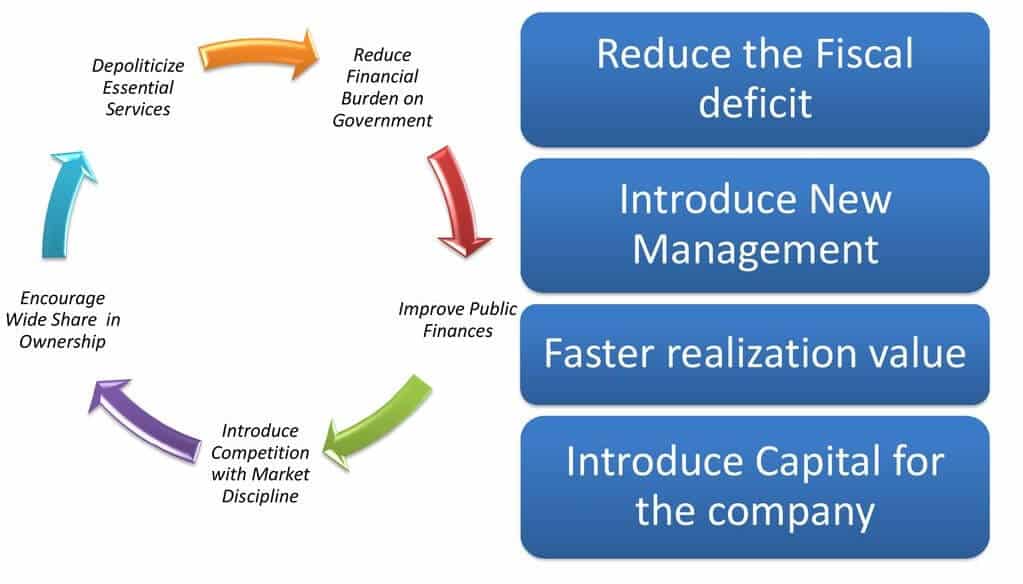
By Nantoo Banerjee The government disinvestment in India’s state-controlled enterprises is always welcome if it is aimed to make them professionally managed entities for faster growth. Unfortunately, the haphazard disinvestments in public sector enterprises (PSE) by the government seem to have only a single purpose — financing part of the annual union budget deficit. The […]

Standard Chartered Bank Limited , Animoca Brands, and HKT have announced a joint venture to issue a stablecoin pegged to the Hong Kong dollar . The consortium plans to apply for a license from the Hong Kong Monetary Authority under the region’s new regulatory framework for stablecoins.

This strategic partnership aims to leverage the unique strengths of each participant. SCBHK will provide its robust banking infrastructure and governance, having previously engaged in all of HKMA’s tokenised money projects. Animoca Brands, a leader in Web3 and blockchain technologies, will explore use cases within the digital asset ecosystem. HKT, a prominent telecommunications service provider, intends to integrate the stablecoin into its mobile wallet offerings, enhancing both domestic and cross-border payment solutions.

Mary Huen, Chief Executive Officer of SCBHK and Greater China & North Asia, expressed enthusiasm about the initiative, stating that the bank looks forward to becoming one of the first issuers of an HKD-backed stablecoin in collaboration with its strategic partners.

The move comes as Hong Kong intensifies its efforts to establish a comprehensive regulatory environment for digital assets. The government published the Stablecoins Bill in December 2024, outlining a statutory framework for stablecoin issuance and operations. The bill is currently under review by the Legislative Council’s Bills Committee. Key features of the proposed regime include stringent licensing requirements, operational standards, and reserve management protocols for stablecoin issuers.

Bill Winters, Group Chief Executive of Standard Chartered, highlighted the significance of this development, noting that digital assets are here to stay and that the development of different forms of tokenised money is integral to the advancement of this industry. He emphasized that stablecoins play a critical role in the overall digital asset ecosystem.

Yat Siu, Co-founder and Executive Chairman of Animoca Brands, commented on the collaboration, stating that this partnership aims to foster the growth of the Web3 ecosystem in Hong Kong by providing a trusted and regulated stablecoin that can be used across various applications and services.

HKT’s Group Managing Director, Susanna Hui, added that integrating the HKD-backed stablecoin into HKT’s mobile wallet services will offer customers a seamless and secure payment experience, further enhancing Hong Kong’s position as a leading digital economy.

The introduction of an HKD-backed stablecoin is expected to provide a stable and secure medium of exchange within the digital asset market, potentially reducing volatility and fostering greater trust among users and investors. This initiative aligns with global trends, as jurisdictions worldwide are increasingly focusing on regulating stablecoins to ensure financial stability, security, and compliance with existing financial systems.

Industry analysts suggest that the success of this venture could position Hong Kong as a pioneer in regulated stablecoin issuance, potentially setting a precedent for other financial hubs. The collaboration between a traditional banking institution, a blockchain innovator, and a telecommunications giant exemplifies a multifaceted approach to digital finance, combining traditional financial expertise with cutting-edge technology and widespread consumer reach.

Saudi Arabia holds the largest portion of the Gulf Cooperation Council’s debt capital market , accounting for 44.8 percent of all outstanding issuances, according to recent data from Fitch Ratings. This makes the kingdom a dominant player within the region’s financial landscape, which has seen substantial growth over the past year. The total value of the GCC’s debt capital market surpassed $1 trillion by the end of […]

Concerns over the rise of liver problems linked to supplement consumption are growing, with healthcare professionals urging caution. The boom in the global supplement industry, valued at billions of dollars, has seen a corresponding increase in the number of reports regarding adverse health effects, particularly liver damage. While many view supplements as an easy solution for health and wellness, experts are warning about the long-term risks they may pose when not used responsibly.

Supplements are consumed by millions worldwide, marketed as convenient, low-cost solutions to improve various aspects of health. However, the unregulated nature of the industry raises significant red flags, with some supplements containing harmful ingredients or unlabelled substances that can lead to liver dysfunction. Recent studies have found that liver problems linked to these products are not only increasing in frequency but also in severity. Many of the cases involve users who had been consuming seemingly harmless over-the-counter pills, powders, and herbal remedies, only to later develop severe liver conditions, including acute liver failure.

Liver specialists stress that the organ plays a critical role in detoxifying the body, and it is particularly vulnerable to chemicals found in certain dietary supplements. Toxicity can result from a wide range of substances, from common ingredients such as vitamin A, iron, and niacin to exotic herbs and plant extracts. Some supplements, especially those marketed for weight loss or bodybuilding, have been found to contain synthetic drugs or other dangerous substances that can cause harm even in small doses.

One concerning trend is the use of unregulated fat burners, weight loss aids, and bodybuilding supplements, many of which contain ingredients that have been linked to liver toxicity. The stimulant-based compounds in many of these products can lead to liver cell death, inflammation, and scarring. What makes these products particularly dangerous is that they often contain several ingredients that may interact in unpredictable ways, increasing the risk of liver damage.

The rise of online sales platforms has also made it easier for consumers to purchase unregulated supplements from unreliable sources. This poses an additional challenge for healthcare providers, who are often unable to track the exact content or quality of these products. One significant problem is that many of the supplements are marketed with exaggerated health claims or lack adequate warnings about potential side effects, leading users to underestimate the risks.

While many people associate supplements with improving their health, there is a growing recognition of the dangers they pose if not taken with proper knowledge and care. The most vulnerable groups include athletes, bodybuilders, and people looking for quick weight loss solutions, as they tend to use higher doses or combine multiple products in an attempt to achieve faster results. Healthcare professionals recommend that individuals consult with a physician before starting any new supplement regimen, particularly if they have pre-existing conditions or are already on prescription medication.

Health experts advise consumers to look out for certain red flags when purchasing supplements. Products that promise rapid weight loss, extreme muscle gain, or “miracle” cures should be approached with caution. It’s also important to verify the source of the product—reputable manufacturers will often have certifications or clinical studies to back up the efficacy and safety of their products. An essential step is to read the ingredient list carefully, as some supplements contain hidden ingredients not disclosed on the label.

A major contributing factor to this crisis is the lack of rigorous regulation in the global supplement market. In many countries, the supplement industry is loosely regulated, with products frequently entering the market without undergoing comprehensive safety checks or clinical trials. While pharmaceutical drugs must meet strict testing standards before being released to the public, supplements often bypass such procedures, relying instead on the responsibility of the manufacturer to ensure safety. This loophole has made it difficult for authorities to enforce safety standards and for consumers to navigate the risks associated with these products.

The World Health Organisation and other health agencies are increasingly sounding alarms over the need for better oversight of supplements. Calls for stricter regulation of the industry have intensified, but implementation remains slow. In the meantime, medical professionals continue to urge the public to be more discerning about the supplements they use and to prioritise their health through balanced diets and lifestyle changes instead.

The JETOUR T2, a mid-size SUV introduced in September 2023, has recently demonstrated its resilience by conquering the Arctic’s harsh -30°C conditions. This feat underscores the vehicle’s robust engineering and adaptability to severe climates. Designed under the guidance of former Porsche designer Hakan Saracoglu, the JETOUR T2 combines rugged aesthetics with advanced functionality. Built on Jetour’s Kunlun architecture, the SUV features a unibody chassis, ensuring both durability […]

China has successfully completed its first intercity cargo drone flight, a groundbreaking development in the nation’s push to revolutionise its transportation infrastructure. This historic flight paves the way for a future where drones play a vital role in moving goods swiftly and efficiently across cities. The journey, which covered multiple urban centres, showcases China’s growing capabilities in the field of unmanned aerial vehicles , with potential implications […]

China’s DeepSeek AI technology has come under intense scrutiny after revelations emerged that it lacks essential protections, leaving it vulnerable to exploitation by criminals. The artificial intelligence system, developed by a team of leading tech experts in China, was initially hailed for its potential in various sectors, including data analysis, cybersecurity, and public safety. However, concerns over its security have rapidly gained traction, prompting experts to question […]

VISHNU RAJA
RYO YAMADA
HITORI GOTOH
IKUYO KITA