News related to
across

Dubai is solidifying its status as a premier destination for ultra-high-net-worth individuals and family offices, driven by a confluence of strategic initiatives, favourable economic policies, and an influx of global financial entities. This trend is reshaping the emirate’s financial landscape, positioning it as a global hub for wealth management and investment. The Dubai International Financial Centre has experienced remarkable growth, with the number of hedge funds increasing […]

RAKBANK has entered into a strategic partnership with Faturalab, a prominent provider of smart supply chain solutions, aiming to transform supply chain finance for businesses across the UAE. This collaboration seeks to enhance financial workflows between buyers, suppliers, and banks, promoting operational efficiency and compliance with relevant regulations. Established in 2016, Faturalab has evolved from an invoice financing platform into Turkey’s leading finance technology provider. The company […]

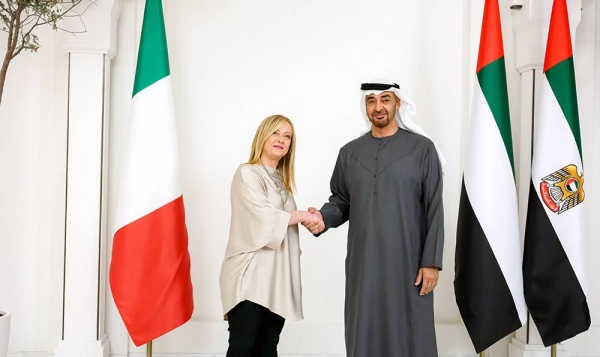
President Sheikh Mohamed bin Zayed Al Nahyan’s state visit to Italy has significantly bolstered the relationship between the United Arab Emirates and Italy. During a dinner banquet hosted by Italian President Sergio Mattarella, both leaders expressed their commitment to enhancing bilateral cooperation across various sectors.

President Mattarella welcomed Sheikh Mohamed and his delegation, highlighting the deep-rooted ties between the two nations and their mutual desire to further strengthen collaboration for the benefit of their peoples. In response, Sheikh Mohamed conveyed his appreciation for the warm reception and emphasized the strategic partnership’s ongoing growth. He noted that this visit reflects both countries’ aspirations to work together towards elevated cooperation and joint economic development.

A symbolic exchange of honors took place during the banquet. Sheikh Mohamed awarded President Mattarella the Order of Zayed, the UAE’s highest civilian honor bestowed upon world leaders. In return, President Mattarella conferred upon Sheikh Mohamed the Order of Merit of the Italian Republic, Italy’s highest accolade for foreign dignitaries.

The UAE delegation accompanying Sheikh Mohamed included Sheikh Abdullah bin Zayed Al Nahyan, Deputy Prime Minister and Minister of Foreign Affairs; Sheikh Hamdan bin Mohamed bin Zayed Al Nahyan, Deputy Chairman of the Presidential Court for Special Affairs; and Sheikh Mohammed bin Hamad bin Tahnoon Al Nahyan, Advisor to the UAE President. The Italian side was represented by several ministers, senior officials, and other dignitaries.

As Sheikh Mohamed’s aircraft entered Italian airspace, it was ceremoniously escorted by a squadron of Italian military jets, symbolizing the importance of this visit. This gesture underscores the mutual respect and the strengthening ties between the two nations.

The discussions between the leaders encompassed a wide range of topics, including investment opportunities, advancements in artificial intelligence, and cultural exchanges. Both countries are keen to explore collaborative ventures in these areas to foster innovation and economic growth.

Energy cooperation emerged as a focal point during the talks. The UAE’s Abu Dhabi National Oil Company and Italy’s energy giant Eni are expanding their partnership beyond traditional oil and gas sectors. Their collaboration now includes renewable energy projects, aligning with global efforts to transition towards sustainable energy solutions.

Defense and security were also prominent on the agenda. Italy’s Leonardo remains a key supplier to the UAE Armed Forces, and both nations are exploring avenues to deepen their defense cooperation. This includes potential joint ventures and knowledge exchange programs aimed at enhancing the capabilities of their respective armed forces.

Emerging sectors such as climate change mitigation, food security, and the space industry were identified as promising areas for future collaboration. Both countries recognize the importance of addressing global challenges through joint initiatives and are committed to working together to develop innovative solutions.

This visit follows Italian Prime Minister Giorgia Meloni’s diplomatic mission to Abu Dhabi, which took place approximately a month prior. During that visit, multiple cooperation agreements were signed, including a significant energy deal involving Albania. These developments signify a renewed vigor in UAE-Italy relations, moving beyond traditional frameworks to embrace broader regional and global partnerships.

Analysts suggest that the UAE-Italy relationship is evolving into a strategic alliance with the potential to influence regional dynamics. Both nations are positioning themselves as key players in the Indo-Mediterranean region, leveraging their economic and geopolitical strengths to foster stability and prosperity.

The leaders also discussed the possibility of developing trilateral and regional alliances, particularly focusing on Africa and East Asia. While Italy prioritizes Eastern Europe, the UAE maintains a strong focus on Africa, creating opportunities for strategic alignment and collaborative initiatives in these regions.


Qatar’s government has entered a five-year partnership with San Francisco-based Scale AI to integrate artificial intelligence into its public services. This collaboration aims to enhance operational efficiency and service quality across various government sectors.

The Ministry of Communications and Information Technology announced that the agreement focuses on deploying AI-powered tools such as predictive analytics, automation, and advanced data analysis. These technologies are expected to streamline government operations, making them more responsive and effective.

Over the next five years, Scale AI will develop more than 50 AI use cases tailored to Qatar’s governmental needs. Trevor Thompson, Scale AI’s global head of growth, emphasized the significance of this initiative, stating it “can be a blueprint for other governments around the world” and reflects a commitment to driving impactful change swiftly.

This move positions Qatar competitively in the regional race for AI leadership, especially amid similar advancements by neighboring countries like Saudi Arabia and the United Arab Emirates. The financial specifics of the deal have not been disclosed.

Founded in 2016, Scale AI specializes in providing accurately labeled data essential for training AI models. The company collaborates with major clients, including Microsoft and Morgan Stanley, to create and refine datasets that power various AI applications.

The partnership aligns with Qatar’s broader strategy to modernize its public sector through digital transformation. By integrating AI solutions, the government aims to improve service delivery, reduce operational complexities, and foster a more efficient administrative environment.

As part of the agreement, Scale AI will also offer training programs to develop the skills of Qatar’s national workforce. This initiative is designed to equip government employees with the necessary expertise to manage and sustain AI-driven systems, ensuring long-term success and self-reliance in technological operations.

The collaboration is expected to yield several benefits, including enhanced data-driven decision-making, improved public service responsiveness, and the creation of new opportunities within the tech sector. By embracing AI, Qatar aims to set a precedent for innovative governance in the region.

This development comes as part of Qatar’s ongoing efforts to diversify its economy and reduce reliance on hydrocarbon revenues. Investing in cutting-edge technologies like AI is a strategic move to build a knowledge-based economy and position the nation as a hub for technological innovation.

The successful implementation of AI solutions in government services could serve as a model for other nations seeking to modernize their public sectors. Qatar’s proactive approach demonstrates a commitment to leveraging technology for national development and improved quality of life for its citizens.

H5 Data Centers, a prominent wholesale data center operator, has announced a strategic partnership with DE-CIX, the world’s leading neutral Internet Exchange operator, to enhance digital connectivity in San Antonio. This collaboration designates the San Antonio Internet Exchange as the inaugural participant in DE-CIX’s Turnkey Connectivity Partner program, enabling seamless and low-latency connections between San Antonio and Dallas without the need for third-party transport solutions or additional […]

By K Raveendran The term disruption has undergone a significant transformation in meaning over the years. Traditionally, it carried a negative connotation, indicating disorder or interruption. However, in the contemporary technological setting, disruption is celebrated as a driver of innovation, progress, and problem-solving. Companies like Uber, Airbnb, and Tesla have all disrupted their respective industries, […]

HONG KONG SAR – Media OutReach Newswire – 24 February 2025 – Generali Hong Kong continues to lead efforts in Diversity, Equity, and Inclusion (DE&I) through its continued commitment to fostering an inclusive workplace and promoting understanding and respect across the broader community. Reflecting its mission to be a “Lifetime Partner”, these efforts highlight the company’s dedication to driving positive impact. Generali Hong Kong champions inclusion with […]

Advertisements

Bavaguthu Raghuram Shetty, the founder of the UAE’s largest private healthcare chain, has been ordered by the Dubai International Financial Centre Court to pay $106 million to ICICI Bank. This ruling pertains to personal guarantees Shetty allegedly provided for loans taken by his now-insolvent company, NMC Healthcare.

The judgment, delivered on February 17, 2025, mandates Shetty to fulfill his obligations as a personal guarantor for loans extended to NMC Healthcare. ICICI Bank had sought claims exceeding $125 million after NMC Healthcare and another related entity, Modular Concepts, defaulted on their loan repayments. While the court upheld the claims concerning NMC Healthcare, it dismissed those related to Modular Concepts.

In response to the verdict, Shetty expressed his intention to challenge the decision. He stated, “I am definitely filing an appeal against this judgment, and I’m very confident that this judgment will be overturned by the appeal court. Ultimately, truth will prevail, and I will get justice.”

Central to Shetty’s defense is his assertion that the signatures on the loan documents were forged. Despite his claims, handwriting experts from both ICICI Bank and Shetty’s legal team testified that the signatures matched Shetty’s. Shetty contended, “Looks like my signature, but maybe it’s a fake. Maybe signature expert can check… I’m sure there’s a fraud in this.”

This legal battle is the latest development in the dramatic rise and fall of Shetty’s business empire. Originating from Udupi, Karnataka, Shetty migrated to the UAE in the 1970s and established a conglomerate that included NMC Healthcare, which was listed on the London Stock Exchange in 2012, raising £117 million. In 2018, he joined The Giving Pledge, committing to donate a significant portion of his wealth to philanthropic causes.

However, in 2019, the American short-seller firm Muddy Waters raised concerns about NMC Healthcare’s financial practices, describing its profitability as “too good to be true.” This scrutiny led to revelations of undisclosed debts exceeding $6.6 billion across 75 debt facilities from more than 80 financial institutions. Consequently, NMC Healthcare entered administration in 2020, and Shetty returned to India amid ongoing legal and financial challenges.

The Dubai Maritime Authority , operating under the Ports, Customs, and Free Zone Corporation, has announced a significant initiative to enhance telecommunications coverage across Dubai’s coastal regions. This project, unveiled during the Dubai International Boat Show 2025 at Dubai Harbour, aims to bolster network infrastructure in collaboration with three strategic partners.

Central to this initiative is the installation of four advanced telecommunications towers. These structures are slated for deployment in key maritime locations, including Dubai Islands, The World Islands, Palm Jebel Ali, and Dubai Waterfront. The enhanced network is expected to provide robust and reliable communication services, thereby improving safety and operational efficiency for maritime activities in these areas.

Sheikh Dr. Saeed bin Ahmed bin Khalifa Al Maktoum, CEO of the Dubai Maritime Authority, emphasized the project’s alignment with Dubai’s vision to become a global leader in maritime innovation. He stated that the enhanced telecommunications infrastructure will not only support existing maritime operations but also attract international stakeholders, fostering economic growth within the sector.

The Dubai International Boat Show 2025 served as a strategic platform for this announcement. The event, held from February 19 to 23 at Dubai Harbour, attracted over 30,000 visitors and featured more than 1,000 brands from over 60 countries. Highlights included the display of over 200 yachts and watercraft, underscoring Dubai’s status as a premier maritime hub.

In addition to the telecommunications project, the DMA signed an agreement with Octanta Maritime Academy during the exhibition. This partnership aims to enhance training and development within the maritime sector, ensuring that industry professionals are equipped with the latest skills and knowledge to navigate the evolving landscape.

SINGAPORE – Media OutReach Newswire – 24 February 2025 – British Council Singapore celebrated the achievements of exceptional UK alumni at the Study UK Alumni Awards 2025, held at The Fullerton Hotel Singapore, on 20 February. This flagship event honours individuals who have leveraged their UK education to make significant contributions to their professions, communities and societies. British Council Singapore Honours Outstanding UK Alumni at the Study […]

Electronic Health Record interoperability is fundamentally transforming telehealth services, enhancing patient care, and streamlining healthcare delivery. By enabling seamless data exchange across various healthcare platforms, interoperable EHR systems provide clinicians with comprehensive patient information, thereby improving diagnostic accuracy and treatment efficacy.

The integration of EHR systems with telehealth platforms offers numerous benefits. Healthcare providers gain access to a unified and holistic view of patient data, which streamlines workflows and reduces administrative burdens. This integration ensures that patient information is accurate and readily accessible, facilitating informed decision-making and minimizing the risk of medical errors.

Interoperability ensures the smooth transmission and utilization of patient data across multiple healthcare systems and platforms. It breaks down barriers that previously hindered the seamless flow of information between healthcare providers, hospitals, pharmacies, and other stakeholders. By enabling the sharing of data, interoperability maximizes the potential of EHRs, transforming them into a powerful tool for enhancing patient care.

Studies have demonstrated that telehealth programs, when paired with the appropriate EHR systems, enhance access to care, increase patient satisfaction, and reduce medical expenditures. By improving clinician experience, integrated systems contribute to achieving the quadruple aim of healthcare: enhancing patient experience, improving population health, reducing costs, and improving the work life of healthcare providers.

However, the rapid expansion of telehealth has also highlighted challenges within its infrastructure, such as licensing for doctors to practice across state lines and insurance issues related to virtual care coverage. These challenges underscore the need for robust interoperability solutions to ensure that telehealth services are efficient, effective, and accessible.

In response to these challenges, healthcare organizations are increasingly adopting interoperable EHR systems to facilitate seamless data exchange. This adoption not only improves patient care but also enhances operational efficiency, allowing healthcare providers to focus more on patient care rather than administrative tasks.

Lightpath, a prominent provider of all-fiber infrastructure-based connectivity, has announced the deployment of a 230-route mile, high-fiber-count network in the Phoenix metropolitan area. This strategic expansion is driven by partnerships with multiple hyperscaler clients and aims to meet the escalating demand for robust connectivity, particularly for artificial intelligence applications. The newly constructed network features underground, multi-conduit systems capable of housing up to 20,000 fibers. It establishes connections […]

Edge Artificial Intelligence is rapidly transforming how industries process data by enabling real-time analysis directly on devices. This shift reduces dependence on centralized cloud infrastructures, offering significant advantages in speed, security, and efficiency. By processing data locally, Edge AI minimizes latency, providing immediate responses essential for applications like autonomous vehicles and industrial automation. This on-device computation ensures that critical decisions are made without delays associated with data […]

The Xposure International Film Awards 2025, held during the 9th International Photography Festival in Sharjah, United Arab Emirates, have recognised outstanding achievements in global filmmaking. This year’s event saw a significant increase in participation, with 834 submissions from filmmakers worldwide, surpassing the previous year’s entries.

Organised by the Sharjah Government Media Bureau , the awards ceremony honoured winners across four categories: Short Film, Animation, Cinematic Arts, and Documentary Feature. The event underscored the festival’s commitment to celebrating diverse and innovative storytelling in the visual arts.

In the Short Film category, Iranian filmmaker Payam Mahmoudi Kurdistani received the top accolade for “Nietzschean Suicide,” a film that captivated audiences with its profound narrative. Italian director Andrea Devicenzi was recognised as the runner-up for “Crossing The North,” an impactful portrayal of personal journey and resilience.

The Animation category highlighted dynamic visual storytelling, awarding first place to Spain’s Andres Aguilar for “The Strange Case Of The Human Cannonball.” Turkish animator Mustafa Keskin secured the runner-up position with “Ari-6427,” showcasing creativity and technical prowess.

Iranian filmmaker Mehrshad Karkhani triumphed in the Cinematic Arts category with “Bruise-Lips Tulip,” a film noted for its artistic depth and compelling visuals. Finnish filmmakers Markku Hakala and Mari Kaki earned the runner-up spot for “Giants Kettle,” a work that impressed with its unique perspective and storytelling.

The Documentary Feature category honoured Belgian directors Jurgen Buedts and Sahim Omar Kalifa for “Iraq’s Invisible Beauty,” a documentary that offers a poignant exploration of unseen narratives. Portuguese filmmaker Diogo Andrade was named runner-up for “Sikat Subar – A Hidden Colourful Feather,” a documentary that sheds light on overlooked cultural stories.

Beyond the competitive categories, the festival paid tribute to ten luminaries whose contributions have significantly impacted the filmmaking industry. Honourees included Academy Award winners and changemakers such as Brent Homann, Franklin Leonard, Glenn Gainor, Jerome Pink, Maitha Alawadi, Martin Desmond Roe, Pippa Erlich, Roger Horrocks, Siraj Jhaveri, and Travon Free. Each was presented with tokens of appreciation for their invaluable efforts in advancing the art of cinema.

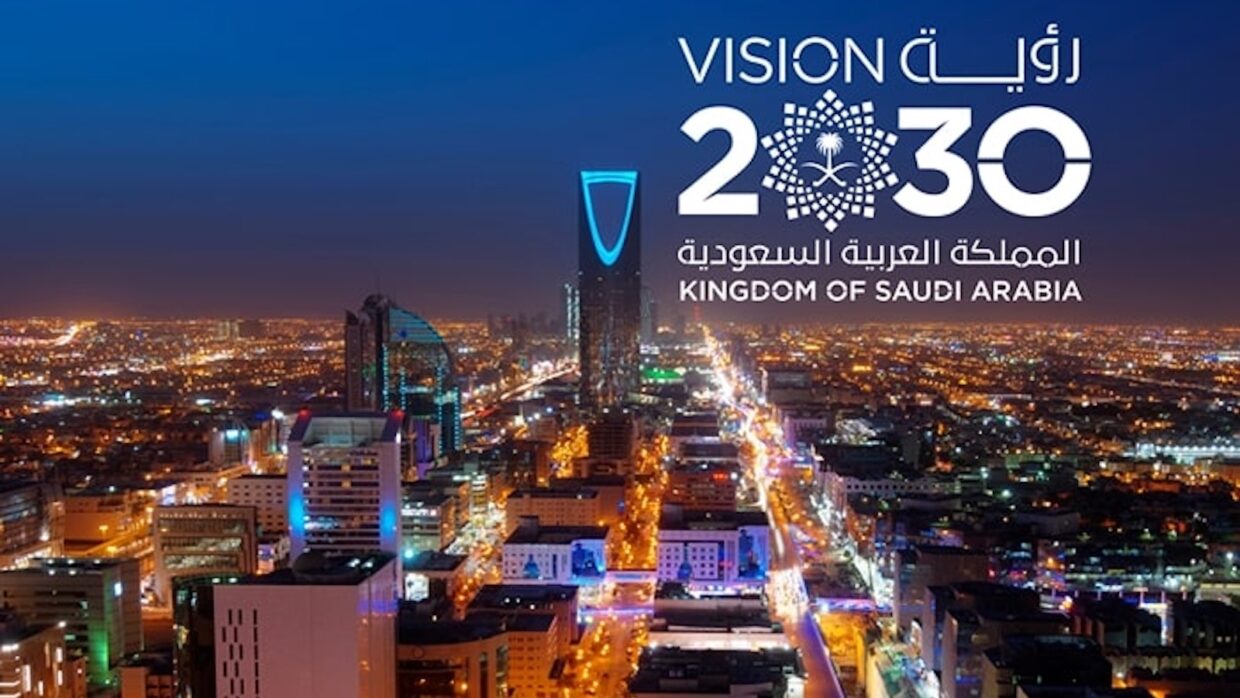
Saudi Arabia is rapidly transforming the Gulf Cooperation Council’s private equity landscape through strategic initiatives, regulatory reforms, and its unwavering commitment to Vision 2030. This ambitious blueprint is redefining the region’s investment environment, setting new standards for growth, diversification, and global collaboration.

Over the past five years, private equity investments in Saudi Arabia have experienced remarkable expansion. In 2023 alone, the Kingdom attracted nearly $4 billion in private equity, a significant increase from previous years. This surge is largely attributed to the nation’s stable economic climate, with inflation rates maintained at 2.1 percent in 2024 and a projected 2.3 percent in 2025, fostering a conducive environment for investors.

A pivotal element of this growth is Saudi Arabia’s strategic push to privatize key state-owned assets, including sectors such as airports, water, sports, and energy services. This move has unlocked investment opportunities exceeding $50 billion, actively inviting private sector participation across critical areas like infrastructure, healthcare, education, tourism, and entertainment. The Public Investment Fund , the Kingdom’s sovereign wealth fund, plays a central role in this transformation. Notably, PIF has entered into agreements with Japanese financial institutions, securing up to $51 billion to enhance capital flows through both debt and equity channels. Additionally, PIF plans to establish a $1 billion joint fund with the Hong Kong Monetary Authority, targeting investments in firms expanding into Saudi Arabia, particularly in manufacturing and renewable energy sectors.

The Kingdom’s dedication to Vision 2030 is further exemplified by the establishment of the Savvy Games Group in 2021. This initiative aims to position Saudi Arabia as a global gaming hub by 2030, with plans to invest $37.8 billion in the video game industry. The strategy includes acquiring leading game developers and publishers, fostering job creation, and contributing significantly to the national GDP. In line with this vision, Savvy Games Group acquired the American mobile game developer Scopely for $4.9 billion in 2023 and is reportedly in discussions to acquire the gaming division of Niantic for $3.5 billion.

Public-private partnerships are also instrumental in empowering Saudi businesses to expand globally. These collaborations offer domestic companies the opportunity to engage with international markets and learn from global best practices. Experts highlight that PPPs are pivotal in transforming Saudi Arabia’s economy, leading to increased foreign direct investment and sustainable economic growth. The government’s proactive approach in fostering these partnerships underscores its commitment to creating a vibrant environment for both local and international investors.

Khalifa Economic Zones Abu Dhabi Group and ETG Bio Green Polymer have signed a 50-year land lease agreement to establish a cutting-edge compostable polymers factory in KEZAD Al Ma’mourah. This strategic partnership aims to produce 100% sustainable polymers, facilitating manufacturers’ shift towards eco-friendly, plastic-free packaging solutions. The forthcoming facility is poised to significantly enhance the region’s sustainable manufacturing capabilities. By producing compostable polymers, it will address the […]

The United Arab Emirates Ministry of Economy has unveiled a national digital platform designed to monitor the prices of essential commodities across the nation. This initiative aims to provide real-time tracking of key consumer goods, including cooking oil, eggs, dairy products, rice, sugar, poultry, legumes, bread, and wheat, from various retailers. The platform enables officials to compare current prices against established ceilings, ensuring compliance and preventing unjustified […]

In a significant security breach, Dubai-based cryptocurrency exchange Bybit has reported the theft of approximately $1.5 billion worth of Ethereum. The incident, which stands as one of the largest in the history of digital currencies, has raised serious concerns about the security protocols of cryptocurrency platforms.

Bybit’s CEO, Ben Zhou, disclosed that during a routine transfer from the exchange’s cold wallet to a warm wallet, an attacker managed to manipulate the transaction interface. This manipulation granted the hacker control over the cold wallet, enabling the unauthorized transfer of around 401,000 Ethereum tokens to an unidentified address. Despite the magnitude of the theft, Zhou assured clients that all their assets remain fully backed and unaffected, emphasizing that the exchange’s operations continue without disruption.

The breach has prompted Bybit to collaborate with blockchain forensic experts to trace and recover the stolen funds. Initial investigations suggest that the pilfered assets are being moved across various new addresses, complicating the recovery efforts. Notably, TRM Labs, a blockchain intelligence firm, has linked the attack to North Korean hackers, citing substantial overlaps between the addresses used in this breach and those associated with previous North Korean cyber thefts. This connection underscores the escalating involvement of state-sponsored actors in large-scale cryptocurrency crimes.

In response to the incident, Bybit has processed over 350,000 withdrawal requests, aiming to maintain client trust and ensure liquidity. The exchange has also implemented bridge loans to compensate users for any unrecovered funds, highlighting its commitment to safeguarding customer interests. However, the hack has led to a noticeable decline in the value of Bybit’s native token, which experienced a drop of up to 6% following the news.

This event adds to a series of high-profile security breaches within the cryptocurrency sector. In 2024 alone, cybercriminals absconded with approximately $2.2 billion from various crypto platforms, reflecting the persistent vulnerabilities in the industry’s security infrastructure. The Bybit hack, surpassing previous incidents in scale, serves as a stark reminder of the challenges that digital asset exchanges face in protecting against increasingly sophisticated cyber threats.

The broader cryptocurrency market has also felt the impact of the Bybit breach. Both Bitcoin and Ethereum experienced slight declines in value as traders reacted to the unfolding situation. Analysts suggest that such incidents could hinder the path to mainstream adoption of cryptocurrencies, as security concerns remain a significant barrier for potential investors.

Milrem Robotics, EM&E Group, and Thales in Belgium have formalised a strategic partnership to enhance the United Arab Emirates’ defence capabilities. The collaboration aims to integrate advanced weapon systems into unmanned ground vehicles, addressing the nation’s evolving security needs. The Memorandum of Understanding , signed on 18 February 2025 in Abu Dhabi, outlines a framework for joint innovation and the integration of robotics capabilities. A primary objective […]

Saudi Arabia has rapidly become a pivotal player in the Gulf Cooperation Council’s private equity sector, driven by strategic reforms and its ambitious Vision 2030 agenda. Over the past five years, the Kingdom’s private equity investments have experienced remarkable growth, escalating from $523 million in 2019 to $4 billion in 2023, reflecting a compound annual growth rate of 66%. This surge underscores Saudi Arabia’s commitment to creating an investor-friendly environment that appeals to both domestic and international stakeholders.

A significant factor contributing to this expansion is the dominance of buyout transactions, which have consistently constituted approximately 80% of the total private equity capital deployed in the country. This trend indicates a robust market for mergers and acquisitions, aligning with the nation’s objectives to diversify its economy and reduce reliance on oil revenues. Additionally, growth equity investments are gaining momentum, supporting mid-sized companies poised for expansion and further stimulating economic diversification.

The Kingdom’s strategic initiatives, particularly the Shareek Program launched in 2021, play a crucial role in this transformation. Designed to bolster large Saudi enterprises, Shareek aims to accelerate private sector investments, fostering economic development and enhancing the global competitiveness of Saudi businesses. By facilitating partnerships between the public and private sectors, the program seeks to unlock new investment opportunities and drive sustainable growth.

Sector-wise, technology and infrastructure have emerged as focal points for private equity investments. The government’s emphasis on digital transformation and smart city projects has attracted substantial capital, leading to advancements in these areas. For instance, the development of NEOM, a futuristic city envisioned under Vision 2030, exemplifies the type of large-scale infrastructure projects drawing investor interest. Such initiatives not only modernize the nation’s landscape but also create a plethora of opportunities for private equity firms seeking to capitalize on the burgeoning demand for innovative solutions.

In tandem with these developments, Saudi Arabia’s Public Investment Fund has been instrumental in anchoring foreign investments within the Kingdom. By collaborating with international asset managers and financial institutions, PIF aims to attract $100 billion in annual foreign direct investments by 2030. Notable partnerships include a $2 billion Middle East infrastructure fund with Canadian asset manager Brookfield and agreements with Japanese financial entities, reflecting the Kingdom’s strategic approach to integrating global expertise and capital into its economic framework.

However, the rapid evolution of the private equity landscape is not without challenges. Proposed changes by the Accounting and Auditing Organization for Islamic Financial Institutions could introduce complexities in the Islamic debt market, potentially affecting transaction structures and investor appeal. The new rules mandate issuers of Islamic bonds to transfer legal ownership of underlying assets to investors, aiming for closer adherence to Islamic principles of risk-sharing. While intended to enhance compliance, these changes may increase transaction costs and deter investment if not managed adeptly.

Liquidity concerns persist, particularly in sectors with less mature market infrastructures. The developing nature of the private equity and venture capital ecosystems necessitates continuous efforts to deepen capital markets and enhance investor confidence. Initiatives to address these issues include the maturation of Saudi Arabia’s stock market, which is progressively offering more exit avenues for private equity investments, thereby improving liquidity and attracting further capital inflows.

The Kingdom’s proactive stance in privatizing state-owned assets across various sectors, such as energy, infrastructure, healthcare, education, tourism, and entertainment, has unlocked vast opportunities for both local and international investors. With investments now exceeding $50 billion, these privatization efforts signify a pivotal shift in Saudi Arabia’s economic landscape, promoting private sector involvement and fostering a more dynamic investment climate.

In the realm of sports and entertainment, Saudi Arabia has made significant strides, exemplified by its $1 billion investment in DAZN, a sports streaming service owned by billionaire Sir Leonard Blavatnik. This strategic move not only amplifies the Kingdom’s presence in the global sports industry but also aligns with its broader objectives to diversify the economy and enhance its international image. The collaboration aims to broadcast Saudi sports and events to over 200 markets, showcasing the nation’s commitment to expanding its cultural and entertainment footprint worldwide.

The Dubai Maritime Authority , under the Ports, Customs, and Free Zone Corporation, has unveiled a strategic initiative to bolster telecommunications coverage across the emirate’s waters. This project involves the installation of four advanced telecommunications towers, aiming to provide comprehensive network coverage in key maritime zones, including Dubai Islands, The World Islands, Palm Jebel Ali, and Dubai Waterfront.

Sheikh Dr. Saeed bin Ahmed bin Khalifa Al Maktoum, CEO of the DMA, emphasized that this initiative aligns with Dubai’s vision to establish itself as a premier global maritime hub. “Our participation in this project reflects our commitment to enhancing Dubai’s position as a leading center for maritime navigation, luxury yachts, and recreational marine activities,” he stated.

The announcement was made during the Dubai International Boat Show, where the DMA showcased the “Dubai Waterways Telecom Network Coverage” project. This initiative is set to enhance the telecommunications infrastructure, ensuring seamless connectivity for maritime operations and leisure activities.

In collaboration with key partners, the project aims to address existing connectivity gaps in Dubai’s maritime regions. The enhanced network is expected to support various maritime stakeholders, including commercial vessels, recreational boaters, and emergency services, by providing reliable communication channels essential for safety and operational efficiency.

This development is part of a broader strategy to integrate advanced technologies into Dubai’s maritime sector. By improving telecommunications infrastructure, the DMA seeks to attract regional and international maritime enterprises, fostering investment and reinforcing Dubai’s status as a competitive maritime capital.

The initiative also complements previous efforts to streamline maritime operations. For instance, the Telecommunications and Digital Government Regulatory Authority had previously signed a memorandum of understanding with the Ports, Customs, and Free Zone Corporation to simplify the authorization process for maritime vessels. This agreement aimed to establish a cohesive procedure for acquiring necessary authorizations through the DMA, thereby enhancing operational efficiency within Dubai’s territorial waters.

Protective measures against email fraud remain widely insufficient among leading Asia Pacific companies. Australia’s high adoption rate of proper email authentication (71%) among its top companies sets the standard for the Asia Pacific region Around 50% of leading Singapore and India’s businesses have implemented the recommended level of email authentication Concerningly, less than 20% of the largest organisations in Japan, South Korea, China and Thailand are actively […]

MOSCOW, RUSSIA – Media OutReach Newswire – 21 February 2025 – Wildberries, a leading e-commerce platform in Eurasia, increased the number of its pickup points by 75% since the beginning of 2024 to support the dynamic growth of its marketplace. The total number of Wildberries pickup points has surpassed 58,000 across seven countries where the marketplace operates. Three quarters of these pickup points are operated by local […]

Saudi Arabia is poised to lead the Middle East and North Africa region in initial public offerings in 2025, with 27 companies planning to list on its stock exchange. This surge underscores the Kingdom’s efforts to diversify its economy and strengthen its capital markets. According to a report by EY, the MENA region anticipates 38 company IPOs and 22 fund listings in 2025, spanning various sectors. The […]

VISHNU RAJA
RYO YAMADA
HITORI GOTOH
IKUYO KITA